
Your dog's bark at strangers isn't just noise—it's a message. They're saying, "I'm unsure about this person, and I need you to have my back. " The good news?
You can rewrite that message together. Instead of scolding or punishing, you can teach your dog that strangers mean good things. It's a shift from fear to trust, and it starts with your own calm energy and a few simple strategies.
These 11 methods focus on kindness and understanding, so you'll build a stronger bond while reducing the barking. No shock collars, no yelling—just practical, positive steps that work.
1. Understand the Why Behind the Bark

Before you can change your dog's reaction to strangers, you need to figure out what's driving it. Barking isn't random—it's your dog's way of telling you something important. Maybe they're scared, maybe they're guarding their turf, or maybe they're just so thrilled to see someone new that they can't contain themselves.
Take a step back and watch your dog's body language when they bark at a stranger. Are their ears pinned back? Tail tucked?
That points to fear. Are they standing tall with a stiff tail? That's more territorial.
If their tail is wagging and they're bouncing around, it might be pure excitement. Each trigger needs a different approach, so start by becoming a detective.
Fear-based Barking
Fear is the most common reason dogs bark at strangers. They see an unfamiliar person and their instinct says 'danger. ' You'll often see cowering, lip licking, or a tucked tail. For these dogs, your job is to build confidence and create positive associations.
Don't force them to interact—let them set the pace.
Territorial Barking
Some dogs bark to protect their home or family. They see a stranger as an intruder. This type of barking is often accompanied by a deep, assertive tone and a forward stance.
The key here is to teach your dog that strangers are welcome, not a threat. You can do this by rewarding calm behavior when someone approaches.
Excitement Barking
Not all barking is negative. Some dogs just get overly excited when they see someone new—especially if that person has greeted them warmly before. This bark is usually higher pitched and paired with a wagging tail.
While it's less aggressive, it can still be annoying. The fix is to teach your dog impulse control, like sitting before saying hello.
2. Master Calm Greetings at Home
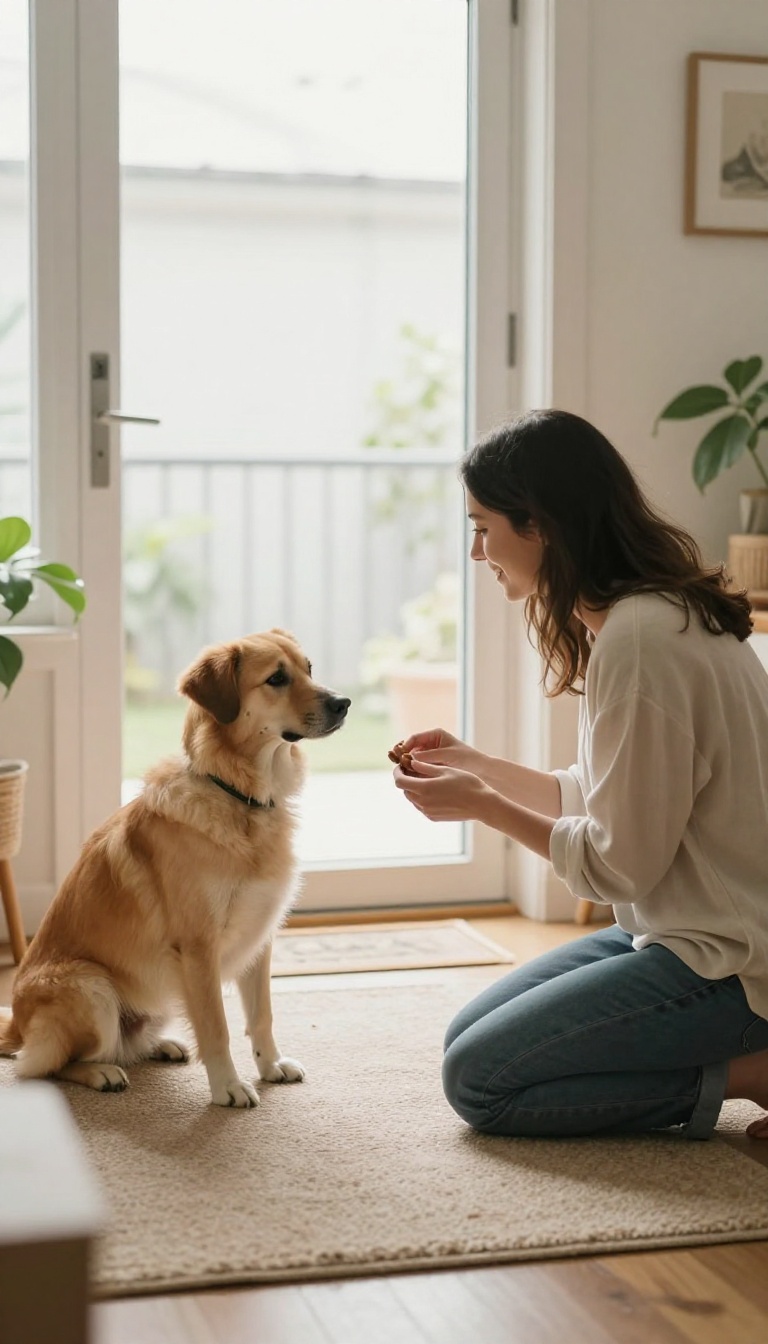
One of the best ways to reduce barking at strangers is to practice greetings in a controlled, familiar space. Your home is where your dog feels most secure, so it's the perfect classroom. By teaching your dog that visitors are safe and predictable, you'll build confidence that carries over to walks and other encounters.
Start by enlisting a friend or family member to help with practice sessions. Have them knock or ring the bell, then wait for your dog to calm down before opening the door. Reward calm behavior with treats and praise, and keep the greeting low-key.
Over time, your dog will learn that visitors mean good things, not threats.
Set Up A Routine
Dogs thrive on routine. Create a consistent greeting ritual: ask your dog to sit and stay before the door opens, then release them to greet once the visitor is inside. Use a leash if needed to prevent jumping or rushing.
Repeat this every time someone comes over, so your dog knows what to expect.
Use Treats And Positive Reinforcement
Have a bowl of high-value treats near the door. When your dog stays calm during a greeting, drop a treat. If they bark or lunge, calmly remove them from the situation and try again.
The goal is to associate visitors with rewards, not punishment.
Practice With Different People
Once your dog handles familiar faces, vary the practice. Ask neighbors, friends of different ages, or people wearing hats or sunglasses to help. The more diverse the visitors, the more your dog learns that strangers are just new friends waiting to happen.
3. Use Counter-Conditioning to Change Feelings
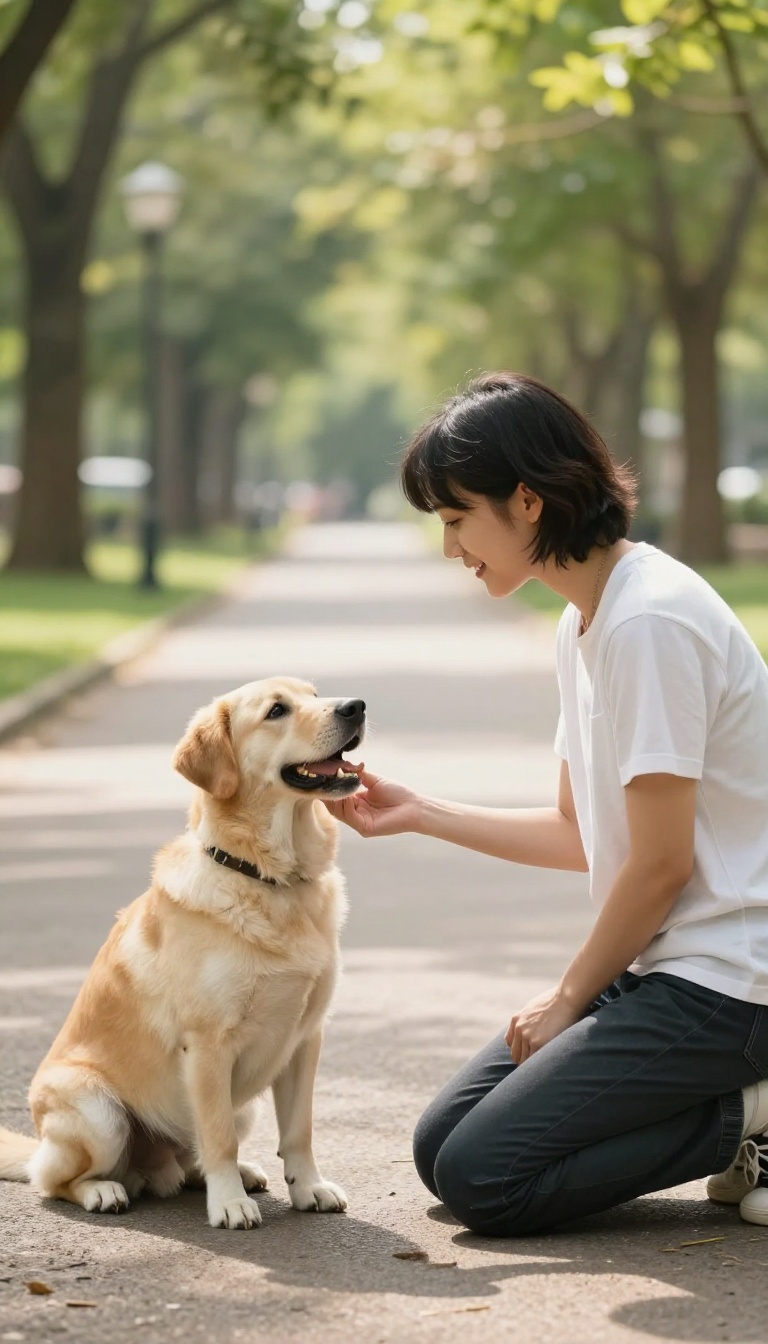
Counter-conditioning sounds fancy, but it's really just teaching your dog a new emotional response. Instead of seeing a stranger and thinking "danger, " they start thinking "treats! " This simple shift can dramatically reduce barking because the fear that triggers it begins to fade.
It's not about forcing your dog to be quiet—it's about changing how they feel at the root.
Counter-conditioning pairs something your dog is wary of (like a stranger) with something they love (like high-value treats). Over time, the scary thing starts to predict good things, and the barking loses its steam. The key is to start at a distance where your dog is calm enough to notice the stranger but not yet barking.
Then, as soon as they see the person, you feed them a treat. Repeat this consistently, and your dog's brain will begin to rewire.
Start At A Safe Distance
Find a spot where your dog can see a stranger but not feel overwhelmed. This might be across the street or behind a window. The moment your dog notices the person, say "yes!
" and give a treat. If your dog barks, you're too close—move farther away. The goal is to keep them under threshold, so they're aware but not reacting.
Use High-value Treats Only
Save the best treats—like tiny pieces of chicken, cheese, or hot dogs—for these sessions. You want something so irresistible that your dog's focus shifts to you the second they see a stranger. Regular kibble might not be exciting enough to compete with their worry.
Keep the treats small and easy to swallow so you can deliver them quickly.
Repeat And Gradually Close The Gap
Do this several times a week, gradually decreasing the distance between your dog and the stranger. Always watch your dog's body language—if they tense up or start to whine, you're moving too fast. Slow and steady wins this race.
Over weeks, your dog will start looking to you for a treat when they see a stranger, instead of barking.
4. Teach a Solid 'Quiet' Cue
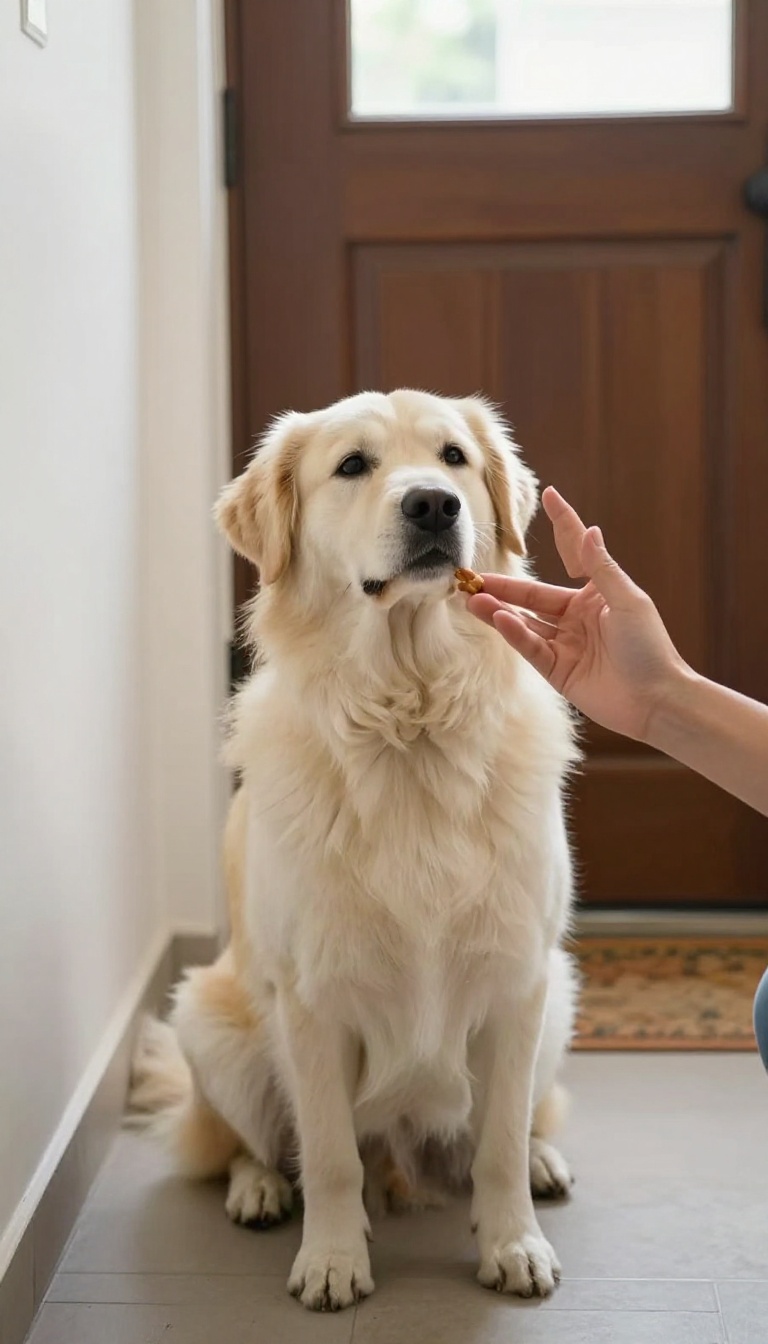
When your dog is mid-bark at a stranger, it's hard to think straight, let alone redirect them. That's where a reliable 'quiet' cue comes in handy. It's not about shushing them or scolding—it's about giving them a clear, positive way to stop barking and refocus on you.
Once your dog understands this cue, you can gently interrupt the barking before it spirals, and then reward the silence.
Teaching 'quiet' is a game-changer because it gives you a tool to use in the moment. It's not a magic fix, but with practice, it becomes a habit that helps your dog feel more in control and less reactive. The key is to train it in a calm environment first, then gradually add distractions like strangers.
Here's how to do it step by step.
Start With The Bark
First, you need a bark to work with. Have a friend or family member ring the doorbell or knock while you're inside with your dog. As soon as your dog barks, say 'quiet' in a calm, clear voice.
Then, immediately offer a high-value treat right at their nose. The treat interrupts the barking because your dog has to sniff and lick to take it. Repeat this a few times so your dog starts to associate the word 'quiet' with the action of stopping and getting a treat.
Add A Hand Signal
Dogs are great at reading body language, so adding a hand signal can make the cue even stronger. Hold your hand up, palm facing your dog, like a stop sign, as you say 'quiet. ' Over time, your dog will learn that this signal means the same thing as the word. This is handy for situations where your voice might not carry, like when you're outside and your dog is barking at a passerby.
Practice With Distractions
Once your dog is reliably responding to 'quiet' in a controlled setting, it's time to practice with real-life distractions. Start at a distance where your dog notices a stranger but isn't barking yet. Say 'quiet' and reward them for staying calm.
Gradually decrease the distance as your dog gets better. The goal is to catch the barking before it starts, but if they do bark, use the cue and reward the silence. Remember, patience is key—this takes time.
Use It In Real Situations
When you're out for a walk and your dog starts barking at a stranger, use the 'quiet' cue and immediately reward them when they stop. Even if it's just for a second, mark it with a treat. The more you practice, the faster your dog will respond.
And don't forget to pair the cue with a positive outcome—after the quiet, give your dog a chance to greet the person nicely if they're comfortable, or move on with a happy 'let's go. '
5. Create Distance and Manage Exposure
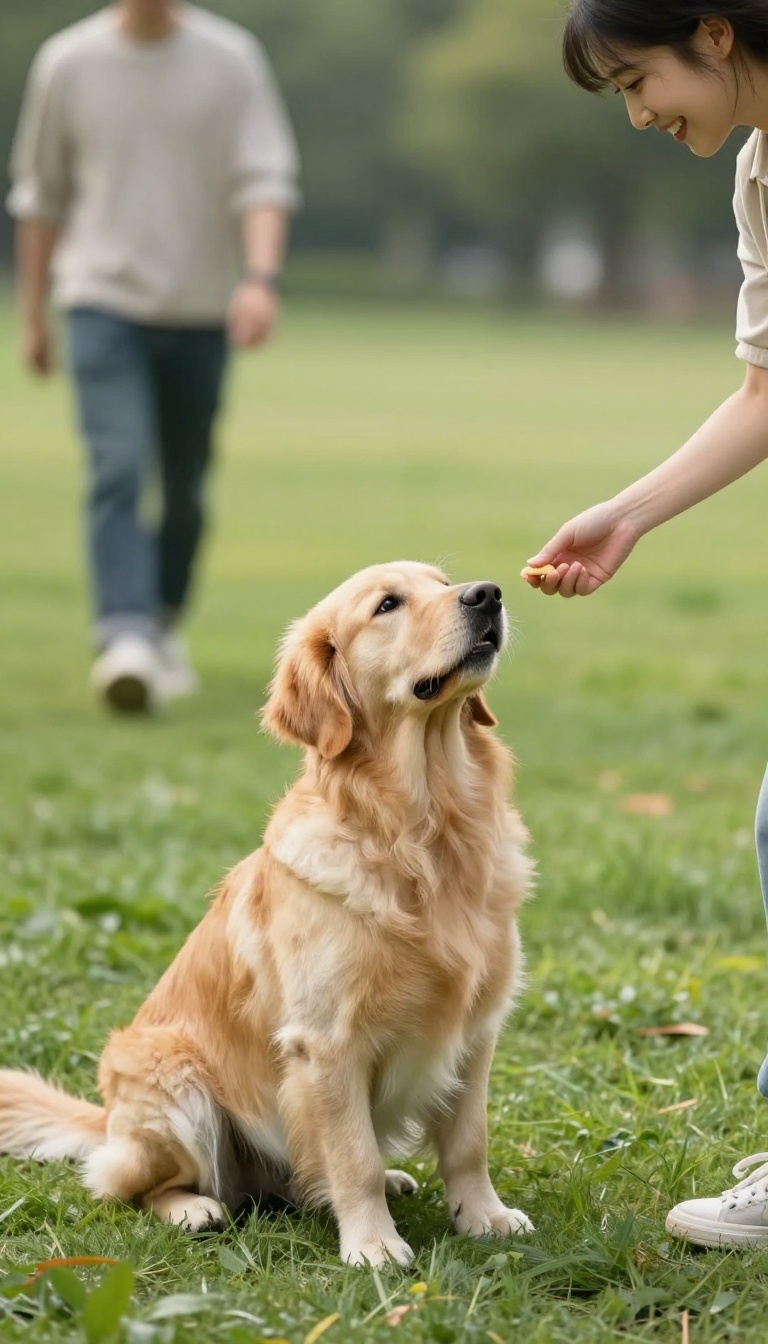
Sometimes the simplest fix is just to put a little more space between your dog and the trigger. When your dog feels cornered or crowded, barking is their way of saying, "Back off! " By controlling the distance, you give them room to breathe and a chance to learn that strangers aren't a threat.
It's not about avoiding every encounter—it's about setting up situations where your dog can succeed.
Find The Threshold Distance
Every dog has a point where they start to react. For some, it's a stranger across the street; for others, it's someone walking right past the front door. Start by observing your dog during walks or from a window.
Note the distance at which they notice a stranger but haven't started barking yet. That's your starting point. Practice having them sit or focus on you at that distance, rewarding calm behavior.
Use The 'look At That' Game
Once you know your dog's threshold, you can play a simple game. When your dog spots a stranger but stays quiet, say "Yes! " and give a treat.
This teaches them that seeing a stranger predicts good things. Over time, they'll start looking at you when they see someone, expecting a reward. This builds a positive association and gives you a way to redirect their attention.
Gradually Close The Gap
As your dog gets more comfortable, you can slowly decrease the distance. But take it in small steps. If your dog starts barking again, you've moved too fast—just increase the distance and try again.
Patience is key. You might spend a week at one distance, then move a few feet closer. This gradual exposure helps your dog build confidence without feeling overwhelmed.
Enlist Helpful Strangers
Once your dog is comfortable at a moderate distance, you can ask a friend or neighbor to help. Have them stand still at the far end of a park or street while you and your dog walk by at a safe distance. Reward your dog for staying calm.
As they improve, your helper can move a little closer or even toss a treat your dog's way. This real-world practice is invaluable.
6. Enlist a Helper for Controlled Practice
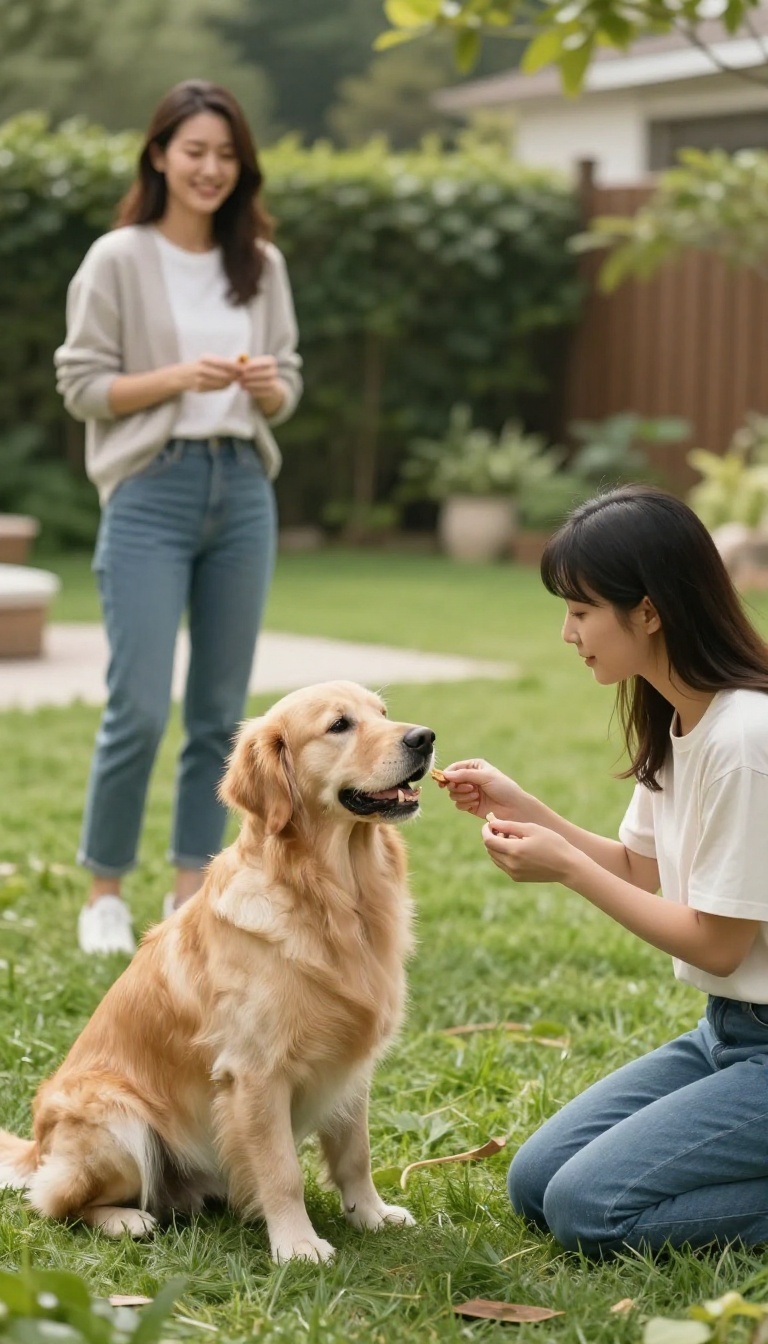
Practicing with a friend is like doing a fire drill for your dog's brain. You get to rehearse the exact scenario that triggers barking, but in a way that feels safe and repeatable. Instead of hoping your dog behaves on a random walk, you can set up a predictable situation where you're in control.
This turns a stressful moment into a training opportunity, and your dog learns that strangers can be neutral or even pleasant.
Controlled practice is about creating a low-stakes version of the real thing. You choose the time, place, and distance, so your dog isn't overwhelmed. The goal is to teach your dog that a stranger appearing doesn't automatically mean danger.
With repetition, your dog's brain starts to rewire, and the barking loses its urgency. Plus, you get to practice your own calm cues and timing, which makes a huge difference.
Set Up The Scenario
Pick a helper who is patient and calm. Choose a quiet spot where your dog feels comfortable, like your backyard or a park at a slow time. Start with the helper far enough away that your dog notices but doesn't react.
That's your starting line. Have your helper stand still, avoiding eye contact, and just wait. You're teaching your dog that a stranger at a distance is no big deal.
Reward Calm Observations
The moment your dog looks at the helper without barking, mark it with a word like 'yes' and give a treat. You're reinforcing the quiet, curious behavior. If your dog starts to bark, you're too close—move farther away.
The key is to keep the sessions short and successful. A few minutes of calm watching is better than a long, stressful practice. Repeat this a few times, and your dog will start to look at you for a treat when they see a stranger.
Gradually Increase The Challenge
Once your dog is consistently calm at that distance, you can ask your helper to walk slowly or turn to the side. Then try having them approach a few steps, but stop before your dog's threshold. Always reward calm behavior.
Over several sessions, your dog learns that strangers approaching isn't a threat. You're building a new default response, and it's all done in a safe, controlled way.
Keep Sessions Short And Positive
Aim for 5 to 10 minutes per practice, and always end on a good note. If your dog is getting tired or stressed, stop sooner. The goal is to create a positive association, not to exhaust your dog.
After a few successful sessions, your dog will start to anticipate the treat when a stranger appears, and the barking will fade into a curious look instead.
7. Build Confidence With New Experiences
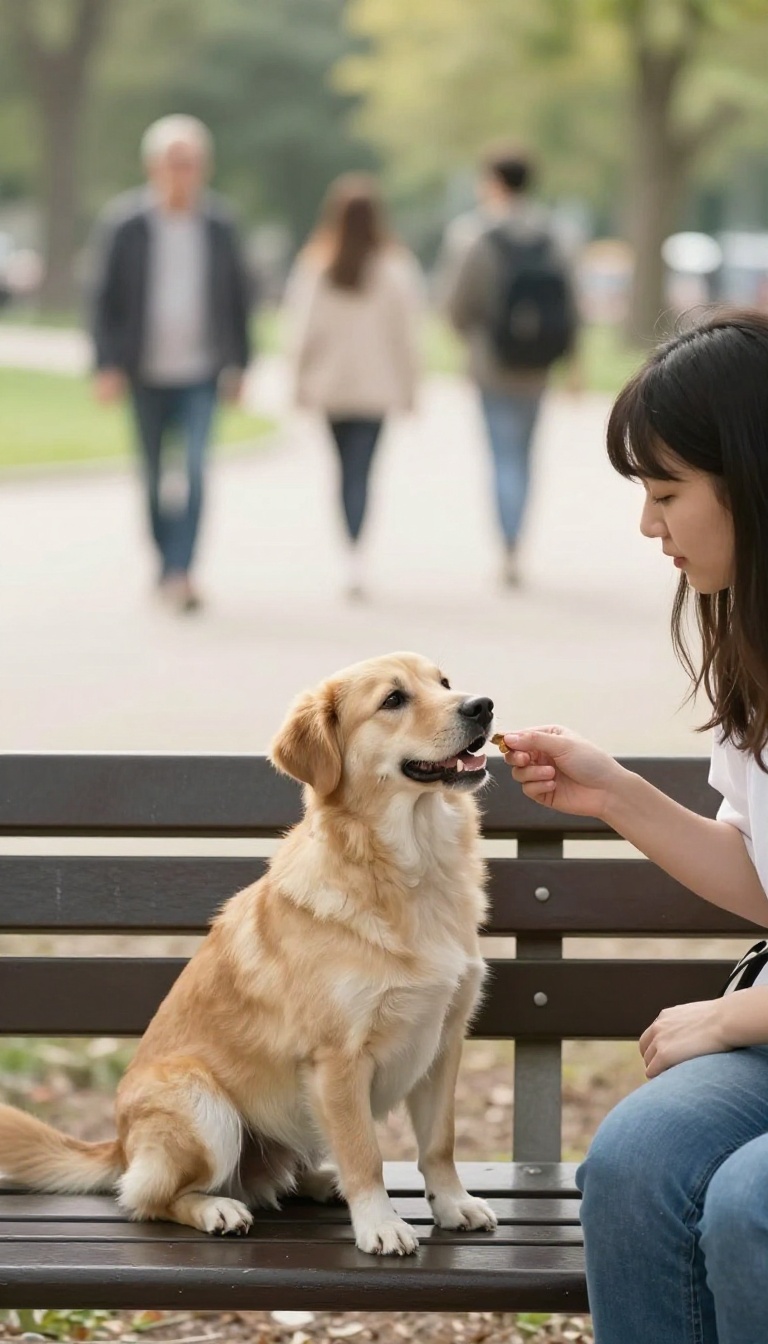
Sometimes the root of barking isn't aggression—it's uncertainty. A dog that hasn't seen much of the world may react to strangers out of simple nervousness. The fix isn't to avoid new things, but to introduce them in a way that feels safe and rewarding.
By slowly expanding your dog's comfort zone, you'll help them see unfamiliar people as just another part of life, not something to fear.
When your dog meets a stranger, their brain is trying to figure out if that person is a threat. If they haven't had enough positive exposure to different types of people, their default answer is often 'yes, bark. ' The goal is to change that default by stacking up good experiences. Every time your dog sees a new person and something great happens—like a treat or a game—they update their mental file.
Over time, strangers become less scary and more like potential friends.
Start Small And Slow
You don't need to drag your dog to a crowded festival on day one. Start with low-key situations where your dog can observe from a distance. A quiet park bench, a slow walk through a residential street, or sitting outside a coffee shop are all great starting points.
The key is to stay far enough away that your dog is curious but not overwhelmed. Let them watch people walk by, and reward them for staying calm. This builds a positive association without pushing them past their limit.
Use People-watching As A Training Game
Turn people-watching into a fun activity that teaches your dog to check in with you. Sit somewhere with a little foot traffic and wait for a person to appear. The moment your dog notices them, say 'yes' and drop a treat.
If your dog looks at you instead of barking, that's even better—give them a jackpot of treats. This simple game helps your dog learn that seeing a stranger is a cue to look at you for good stuff, not to sound the alarm.
Recruit A Cast Of Helpers
Friends and family can be your best training partners. Have them walk by at a distance while you feed your dog treats. Gradually, they can get a little closer, but always let your dog set the pace.
If your dog stays relaxed, the helper can toss a treat and keep moving. If your dog starts to tense up, that's your signal to increase the distance. These controlled meet-and-greets give your dog repeated chances to practice calm behavior around new people, and they end with a positive reward every time.
Mix Up The Environments
Dogs can be great in one park but nervous in another. That's because they associate calm with specific places, not with people in general. So once your dog is doing well in one spot, take your training to a new location.
Try a different park, a quiet street, or a friend's backyard. Each new place teaches your dog that friendly strangers exist everywhere, not just in the one spot you practiced. This variety is what builds true confidence, not just a well-rehearsed routine.
8. Use the 'Look at Me' Game
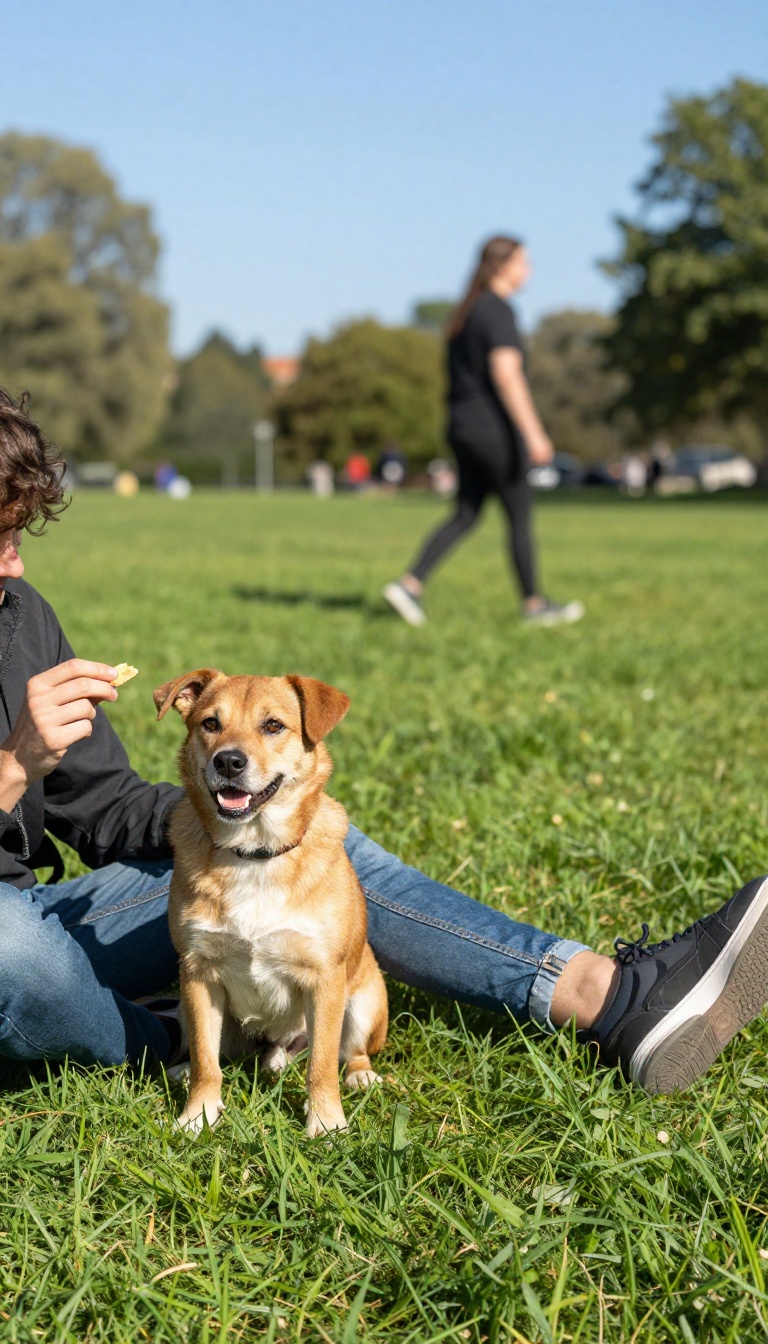
Sometimes the best way to stop barking is to give your dog something else to do. The 'Look at Me' game is a simple, powerful tool that teaches your dog to check in with you instead of reacting to every passerby. It's not about forcing eye contact—it's about building a habit of turning to you when they feel uncertain.
This game works because it redirects your dog's attention before the barking even starts. When your dog looks at you instead of the stranger, they're not rehearsing the bark. Over time, this becomes their default response to something new—checking with you first.
The best part? It's gentle, fun, and builds trust.
Start With A High-value Cue
Choose a word like 'look' or 'watch me' and have plenty of small, tasty treats ready. Hold a treat near your nose, say the cue, and when your dog makes eye contact, mark it with a 'yes' and give the treat. Repeat this in quiet spaces until your dog reliably looks at you when you say the cue.
Practice In Low-distraction Settings
Once your dog knows the cue at home, take it outside. Start in your yard or a quiet park where strangers are far away. Ask for eye contact when you see someone in the distance, and reward generously.
The goal is to make looking at you more rewarding than looking at the stranger.
Increase Distractions Gradually
Slowly decrease the distance between your dog and a stranger as they succeed. If your dog starts to bark, you've gone too far—move back and try again. Keep sessions short and positive.
You're building a new habit, and that takes time.
Use It In Real-life Moments
When you're on a walk and see someone approaching, use the cue before your dog has a chance to bark. Ask for eye contact, reward, and keep moving. If your dog is already barking, it's harder to redirect, so timing matters.
With practice, your dog will start offering the look on their own.
9. Provide Plenty of Physical and Mental Exercise
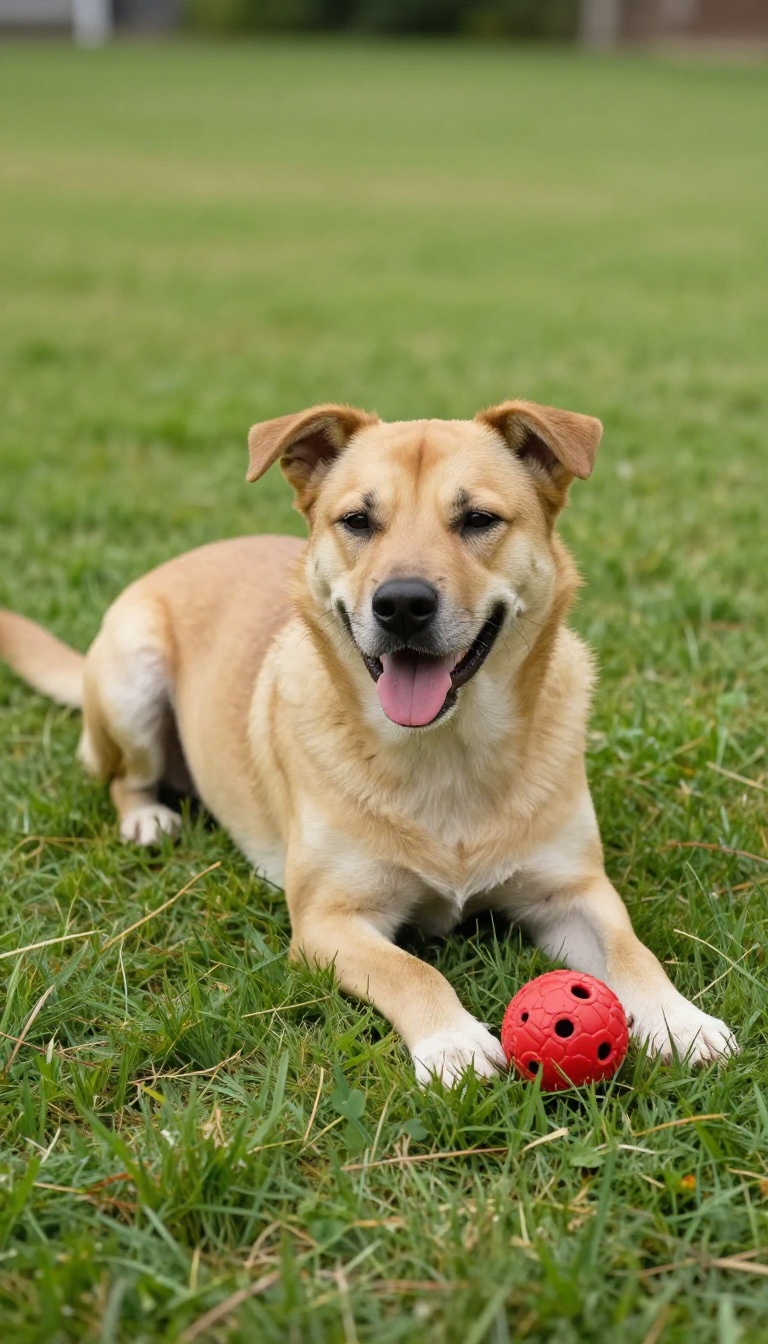
Think of barking as a pressure valve. When your dog has pent-up energy or a bored mind, that pressure builds until a stranger walks by and sets it off. Exercise is the release valve.
A dog that's physically tired and mentally satisfied is far less likely to react with alarm.
Regular exercise doesn't just burn off steam; it also builds your dog's confidence. A well-exercised dog is more relaxed and better able to handle new situations. Plus, the time you spend together on walks or playing games strengthens your bond, which makes your dog trust your lead more.
That trust is key when a stranger approaches.
Physical Exercise: Burn The Energy
Aim for at least 30 to 60 minutes of activity daily, depending on your dog's breed and age. This could be a brisk walk, a game of fetch, or a run in a safe area. The goal is to get your dog panting and happy, not just strolling.
When your dog is physically tired, the urge to bark at strangers diminishes because they're more interested in resting than reacting.
Mental Exercise: Tire The Brain
Mental stimulation is just as important as physical activity. Puzzle toys, treat-dispensing games, and short training sessions can wear out your dog's brain. Try hiding treats around the house for a scent game or teach a new trick.
A mentally tired dog is a calm dog, and calm dogs are less likely to bark out of boredom or anxiety.
Make Exercise A Routine
Consistency matters. Set regular times for walks and play sessions so your dog knows what to expect. A predictable routine reduces stress because your dog knows their needs will be met.
When your dog feels secure in their schedule, they're less likely to view strangers as a threat to their peace.
10. Try Calming Aids and Pheromones

When training alone isn't enough, a little extra support can go a long way. Calming aids like pheromone diffusers or anxiety wraps work quietly in the background, helping your dog feel more at ease without any extra effort from you. They're not a magic fix, but they can make the training stick better by lowering your dog's overall stress level.
Think of calming aids as training wheels for your dog's emotions. They don't replace the work you're doing, but they make it easier for your dog to focus and learn. Pheromone diffusers release synthetic versions of the calming scents mother dogs produce, which can help your dog feel safe and secure.
Anxiety wraps, like the Thundershirt, apply gentle, constant pressure that has a soothing effect on many dogs. These tools are especially useful during training sessions or when you know a stranger is coming over.
Start With Pheromone Diffusers
Plug in a pheromone diffuser in the room where your dog spends the most time, ideally a few days before you start a new training routine. This gives the scent time to build up. The diffuser works around the clock, so your dog gets a constant, subtle signal that everything is okay.
It's not a sedative—just a gentle nudge toward calmness.
Try An Anxiety Wrap For High-stress Moments
Anxiety wraps are great for specific situations, like when a stranger comes to the door or when you're practicing in public. The wrap applies even pressure across your dog's torso, similar to swaddling a baby. Many dogs find this pressure deeply calming.
Just make sure to introduce the wrap gradually and pair it with treats so your dog associates it with good things.
Pair Aids With Training, Not Instead Of It
Calming aids work best when they're part of a bigger plan. Use them alongside desensitization exercises and positive reinforcement. For example, have a friend approach while your dog wears the wrap and you feed treats for calm behavior.
Over time, your dog learns that strangers are okay, and the aid becomes a helpful backup, not a crutch.
11. Know When to Call a Professional

Sometimes, despite your best efforts, the barking doesn't budge. Maybe it's getting worse, or your dog seems genuinely terrified rather than just alert. That's not a failure—it's a signal that your dog needs a different kind of help.
A certified positive-reinforcement trainer or a veterinary behaviorist can see things you might miss. They can spot subtle body language, identify triggers, and craft a plan that fits your dog's unique personality. There's no shame in asking for backup; it's one of the kindest things you can do for your furry friend.
Knowing when to call a professional is a sign of strength, not weakness. If your dog's barking is deeply rooted in fear, anxiety, or aggression, a pro can make all the difference. They'll work with you to build trust and reduce stress, using methods that are gentle and effective.
A good trainer will never use punishment or force. Instead, they'll teach you how to communicate clearly and set your dog up for success. With their guidance, you'll both feel more confident, and the barking will fade as your dog learns that strangers aren't a threat.
Signs It's Time To Get Help
If your dog's barking is accompanied by growling, snapping, or lunging, that's a red flag. Also, if the barking happens every single time they see a stranger, or if they seem panicked (pacing, drooling, hiding), it's time to call in an expert. Another sign: if you've tried multiple techniques for several weeks with no improvement, a professional can offer a fresh perspective.
What A Professional Can Offer
A certified trainer will observe your dog in person and create a customized behavior modification plan. They'll teach you how to read your dog's stress signals and respond in ways that build trust. For severe cases, a veterinary behaviorist can prescribe anti-anxiety medication that, combined with training, can make a huge difference.
With their support, you'll finally see progress.
How To Find The Right Expert
Look for trainers who use positive reinforcement and avoid any who mention shock collars or dominance. Check certifications like CPDT-KA or IAABC, and ask for references. Interview them to make sure they're a good fit for your dog's personality.
A great trainer will be patient, kind, and excited to work with you both.
FAQ
How long does it take to reduce barking at strangers?
It varies by dog and consistency. Some see improvement in a few weeks, while others need a few months of steady practice.
Is it okay to use a bark collar to stop barking?
Bark collars can increase fear and anxiety, making the problem worse. Positive methods are safer and build trust.
What if my dog barks at strangers on walks?
Use the same counter-conditioning and distance techniques. Carry treats and reward calm behavior when you see a stranger.
Can an older dog learn to stop barking at strangers?
Absolutely. Older dogs can learn new behaviors, though it may take a bit more patience and consistency.
Should I let my dog greet strangers to stop the barking?
Only if your dog is comfortable and you've built a positive association. Forcing greetings can backfire.
Conclusion
Every dog has their own threshold for what feels scary, so there's no perfect formula to follow. Instead of aiming for a silent dog, focus on teaching your pup that strangers mean good things—treats, space, and calm energy. Start with the one or two strategies that feel most natural for you and your dog, and build from there.
Consistency matters more than perfection. Each calm greeting is a small win that rewires your dog's instincts over time. Be patient, keep sessions short, and celebrate the quiet moments.

I’m Pallab Kishore, the owner of Little Pets Realm — an animal lover and pet care enthusiast sharing easy tips, healthy recipes, and honest advice to help every small pet live a happy, healthy, tail-wagging life.