
Bringing a rescue dog home is a moment of hope, but it can also feel like stepping into the unknown. You might be wondering how to help your new companion feel safe, or how to handle the quirks that come with a past you don't fully know.
The good news? With patience and the right approach, you can turn that uncertainty into a deep, lasting bond.
These 15 lessons will guide you through the ups and downs, helping you both find your rhythm and build a life of calm and security.
1. Lesson 1: Patience Is Your Superpower
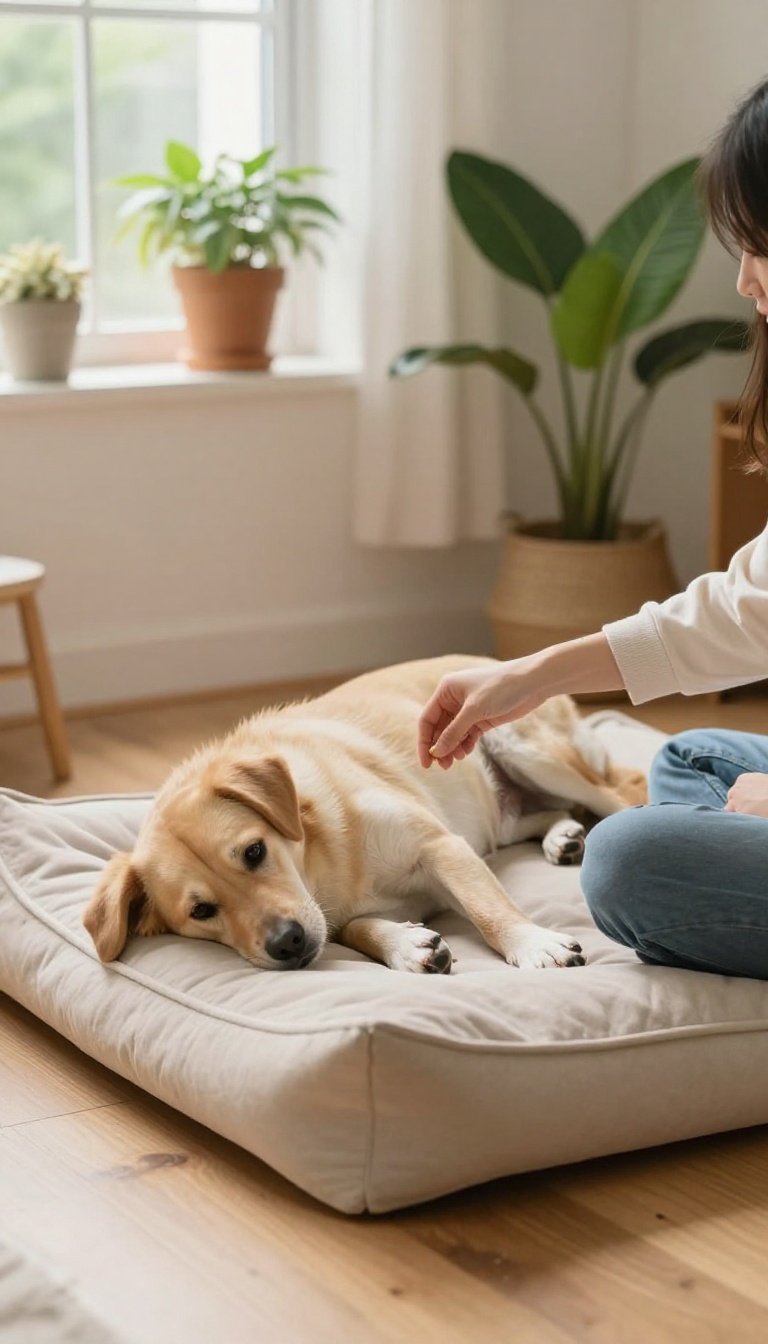
When a rescue dog first walks through your door, everything is new and overwhelming. Their past might be a mystery, but their fear is often written all over their body language. The biggest mistake new adopters make is expecting too much too soon.
Patience isn't just a virtue here—it's the foundation of trust. Give your dog the time they need to decompress, and you'll be amazed at how they blossom. Rushing the process only sets both of you up for frustration.
Think of the first few weeks as a decompression period. Your rescue has likely been through a lot—shelter noise, travel, and a whole new environment. Their nervous system is on high alert.
So, instead of forcing cuddles or dragging them into a busy household, let them explore at their own speed. Start by setting up a quiet, safe space just for them. A crate or a cozy corner with a bed and water works wonders.
Let them come out when they're ready. If they hide, that's okay. If they don't want to eat right away, that's normal too.
Your job is to be a calm, steady presence—not a pushy one. Watch for their signals. A tucked tail, flattened ears, or avoiding eye contact all mean "I'm not comfortable.
" Respect those cues. Pushing a nervous dog to interact can backfire, making them more fearful. Instead, sit nearby and toss a treat their way.
Let them choose to approach you. That small victory builds their confidence. Remember, every dog is different.
Some might warm up in days, others take months. The timeline doesn't matter—what matters is that you're patient and consistent. Your rescue is learning to trust you, and that trust can't be rushed.
Let Them Set The Pace
When you bring your rescue home, resist the urge to introduce them to everyone and everything at once. That's a recipe for overwhelm. Instead, keep the first few days low-key.
Let them sniff around the house, meet the family one at a time, and get used to the sounds and smells. If they seem nervous, slow down even more. You're not being lazy—you're being smart.
Watch For Stress Signals
Dogs communicate with their bodies, and learning to read those signals is key. Yawning, lip licking, and panting when it's not hot are all signs of stress. If you see these, give your dog some space.
You might also notice them avoiding eye contact or turning away. That's their way of saying, "I need a break. " Respect it, and they'll learn to trust you faster.
Celebrate Small Wins
Every tiny step forward is worth celebrating. Maybe they took a treat from your hand, or they followed you to the kitchen. Those moments show they're starting to feel safe.
Acknowledge them with a quiet, happy voice or a gentle treat. You're not just rewarding behavior—you're building a bond. Over time, these small wins add up to a confident, secure dog.
2. Lesson 2: Create a Safe Haven

A rescue dog's world has often been unpredictable. Their new home, while loving, can still feel like a whirlwind of new sights, sounds, and smells. That's why giving them a dedicated space to decompress is one of the kindest things you can do.
Think of it as their personal retreat—a quiet corner where they can watch the world go by without feeling pressured to interact. This safe haven becomes their anchor, a place that signals 'you're safe now. ' It's not about isolating them; it's about offering a choice. When they need a break, they know exactly where to go.
Choose The Right Spot
Pick a low-traffic area away from the front door, busy hallways, and loud appliances. A corner of the living room or a spare bedroom works well. The goal is to be close enough to the family to feel included, but far enough to offer peace.
Avoid placing it in the middle of the action—your dog needs a retreat, not a stage.
Make It Comfortable
Add a cozy bed or a crate with the door left open. Some dogs prefer a covered crate for that den-like security; others like an open bed where they can see everything. Use soft blankets and maybe a piece of your clothing that carries your scent.
Toss in a safe chew toy or a puzzle feeder to keep them busy. The space should feel like a treat, not a punishment.
Teach Your Family The Rules
Everyone in the house needs to understand that when the dog is in their safe haven, they are off-limits. No reaching in, no pulling them out, no interrupting their rest. This is especially important if you have kids.
Explain that this is the dog's 'alone time' and they should let them be. Consistency here builds trust quickly.
Use It For Positive Moments
Make the safe haven a place for good things. Give them meals there, offer treats when they settle, and let them nap undisturbed. You can also use it during stressful moments, like when guests arrive or during thunderstorms.
With time, your dog will learn to go there on their own when they feel overwhelmed, which is a huge win for their emotional regulation.
3. Lesson 3: Routine Builds Trust

Dogs are creatures of habit, and rescue dogs often crave structure more than anything. A predictable daily schedule helps them understand what comes next, which reduces anxiety and builds confidence. When you feed, walk, and play at the same times each day, your dog learns that you are reliable—and that trust becomes the foundation of your bond.
Why Predictability Soothes A Rescue Dog
A rescue dog's past may have been chaotic, with meals at odd hours or no routine at all. That uncertainty keeps them on high alert. When you introduce a consistent schedule, you signal that their basic needs will be met without surprise.
This predictability lowers stress hormones and helps your dog relax, knowing that food, walks, and playtime are guaranteed.
Setting Up A Simple Daily Schedule
Start with the basics: morning walk, breakfast, midday potty break, evening walk, and dinner. Keep the timing as consistent as possible, even on weekends. You don't need a minute-by-minute plan—just a loose rhythm that your dog can anticipate.
For example, aim for walks after waking up and before bed, and feed meals at the same times each day. Over time, your dog will start to expect these moments and feel more at ease.
Using Routine To Teach New Behaviors
Routine isn't just about comfort—it's a training tool. When you pair cues like "sit" before meals or "let's go" before walks, your dog learns that calm behavior leads to good things. The repetition of the schedule reinforces these commands naturally.
Before you know it, your rescue will offer a sit without being asked, because they associate the routine with positive outcomes.
4. Lesson 4: Learn Their Body Language

Dogs talk with their whole bodies, and rescue dogs have a lot to say once you start listening. A yawn might not mean they're tired, and a lip lick could be a sign of stress rather than hunger. Learning to read these subtle cues is like unlocking a secret language that builds trust and prevents misunderstandings.
When you understand what your rescue dog is telling you, you can step in before anxiety turns into barking, hiding, or even snapping. This lesson will help you become fluent in your dog's signals, making your home feel safer for both of you.
The Stress Signals You Might Miss
Dogs often show stress in ways that are easy to overlook. Yawning when they're not tired, lip licking when there's no food around, or a tucked tail can all mean your dog is feeling uneasy. Other signs include pinned-back ears, whale eye (showing the whites of their eyes), and sudden scratching or shaking off as if wet.
Recognizing these early warnings lets you remove your dog from a stressful situation before it escalates.
What A Relaxed Dog Looks Like
A calm, secure dog has a loose, wiggly body. Their ears are in a natural position, their tail is either neutral or gently wagging, and their mouth might be slightly open in a relaxed pant. They may offer soft eye contact or look away comfortably.
Learning these positive signals helps you know when your dog is truly at ease, so you can reinforce those moments with praise or a treat.
How To Respond To Stress Signals
When you spot a stress signal, the best move is to give your dog space. Stop approaching, turn sideways, and avoid direct eye contact. You can also toss a treat away from the stressor to encourage them to move to a calmer spot.
Over time, you'll learn your dog's specific triggers—whether it's loud noises, strangers, or certain handling—and you can proactively manage their environment to keep stress low.
5. Lesson 5: The Power of Positive Reinforcement
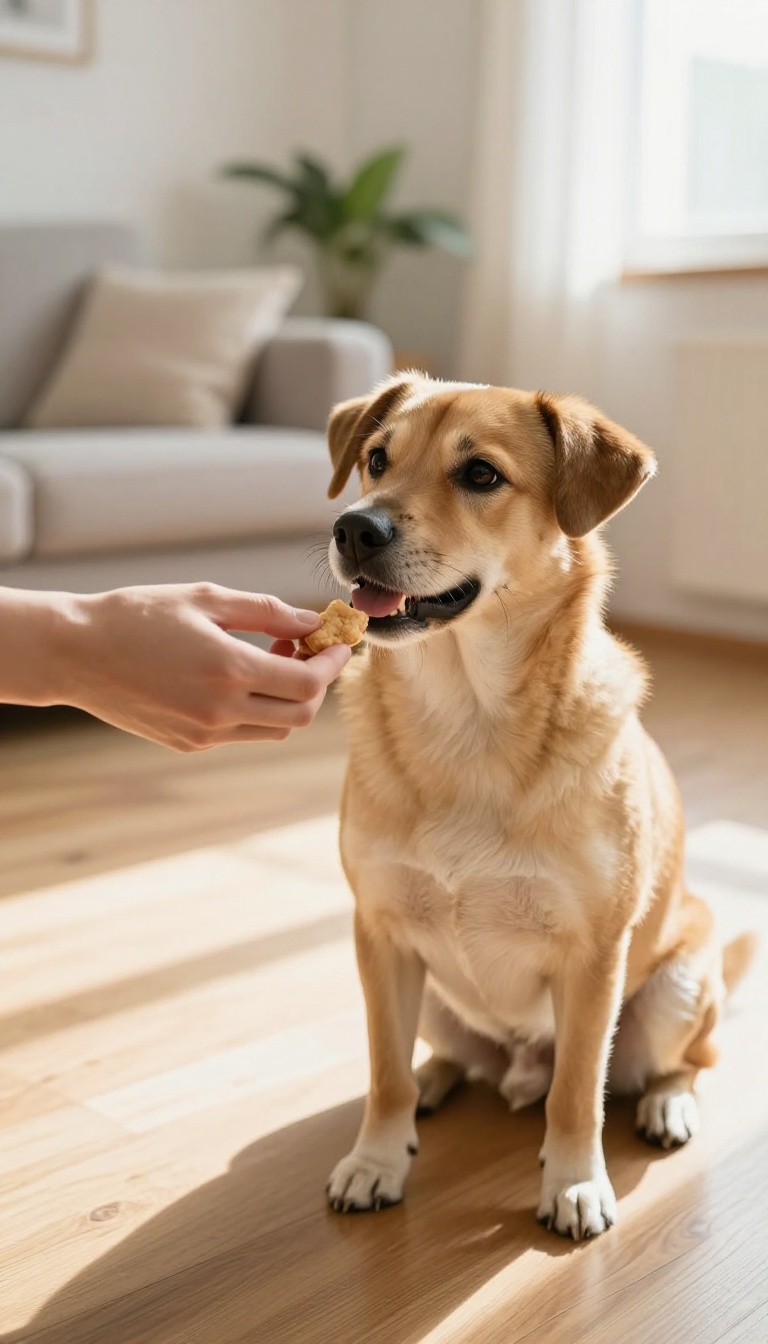
Reward-based training isn't just about teaching tricks—it's about building a foundation of trust. For a rescue dog, who may have learned to expect harsh corrections, positive reinforcement can be a game changer. It shows them that good things happen when they make the right choices, and that you're a safe person to be around.
When you focus on rewarding the behaviors you want, you create a clear path for your dog to follow. Punishment, on the other hand, often backfires. It can make a nervous dog more fearful and damage the very bond you're trying to build.
Instead, use treats, praise, and play to motivate your rescue dog. They'll start to look forward to training sessions, and you'll both enjoy the process more.
Why Punishment Backfires With Rescue Dogs
Many rescue dogs have experienced punishment in the past, and it may have made them wary or reactive. If you punish them for accidents or mistakes, they may just get more anxious, not learn what you want. They might even start to see you as a threat.
Positive reinforcement, on the other hand, helps them feel secure and willing to try new things.
How To Reward Good Behavior
The key is timing and consistency. Give a treat or praise the moment your dog does something you like, like sitting calmly or coming when called. Use a happy tone and a marker word like 'yes' to tell them they got it right.
Then follow up with a reward they love, whether it's a small piece of chicken or a quick game of tug. Over time, they'll learn that good things happen when they choose the right behavior.
Building A Stronger Bond Through Training
Training sessions are a chance to connect with your rescue dog. When you use positive methods, your dog learns to trust you and look to you for guidance. They start to see you as a partner, not a boss.
This trust carries over into everyday life, making your home calmer and more secure for both of you.
6. Lesson 6: Slow Socialization Wins
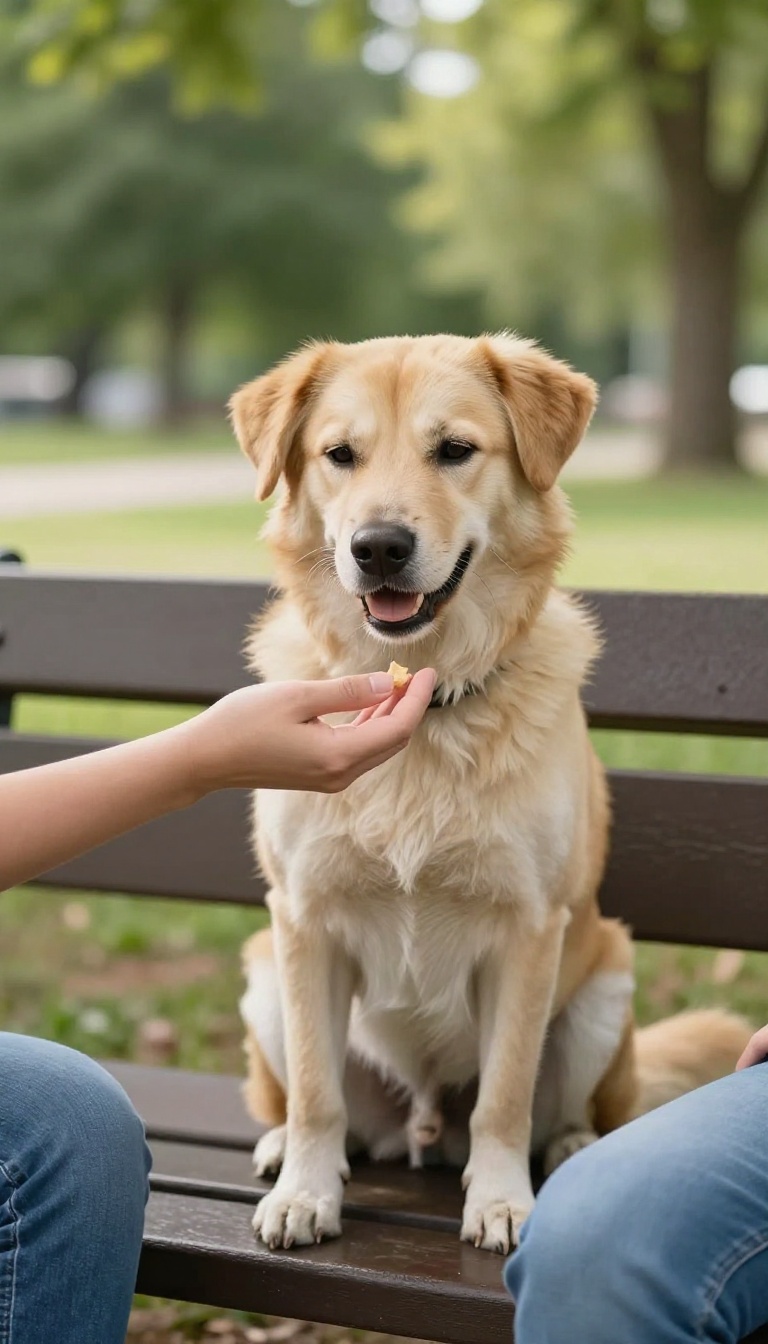
Socialization isn't a race—it's a slow dance. For a rescue dog, every new face, furry friend, or unfamiliar place can feel like a test. Rushing it often backfires, turning a simple walk into a meltdown.
Instead, think of socialization as building a staircase. Each step should be small, steady, and rewarding. When you let your dog set the pace, you're not just avoiding stress—you're teaching them that the world is a safe place, one gentle introduction at a time.
Start with low-stress environments where your dog already feels comfortable, like your backyard or a quiet park at off-peak hours. Introduce one new element at a time—a single person, a calm dog, or a new sound—and watch for signs of stress like yawning, lip licking, or a tucked tail. If your dog seems uneasy, take a step back and try again later.
The goal is to build positive associations, not to check off a list. Use treats and praise to reward calm behavior during each new encounter. Keep sessions short—five to ten minutes is plenty.
Over time, your dog will learn that new things predict good things, and their confidence will grow. Remember, every dog is different, so celebrate the small wins and trust the process.
Start With One New Thing At A Time
Imagine being thrown into a party where you know no one—overwhelming, right? That's how your rescue feels when you introduce too many new stimuli at once. Instead, pick one variable: meet a new person, visit a new street, or encounter a friendly dog.
Keep everything else familiar. This way, your dog can focus on one challenge and succeed.
Let Your Dog Choose The Pace
Your dog's body language is your guide. If they approach with a relaxed tail and soft eyes, they're ready. If they hesitate, freeze, or pull back, respect that.
Let them sniff, observe, or retreat without pressure. Forcing interaction can create fear, while allowing choice builds trust. You're not just socializing—you're showing your dog that their feelings matter.
Celebrate Every Tiny Victory
Did your dog glance at a stranger without barking? That's a win. Did they walk past another dog without lunging?
Huge progress. Reward these moments with treats, praise, or a favorite toy. Positive reinforcement solidifies the behavior you want to see again.
Over time, these small steps add up to a dog who navigates the world with calm confidence.
7. Lesson 7: Manage Separation Anxiety

The first time you leave your rescue dog alone, you might come back to chewed shoes or a puddle on the floor. That’s not mischief—it’s panic. Many rescue dogs have been abandoned or shuffled between homes, so being left behind feels like a fresh rejection.
The good news is that separation anxiety is manageable with a little structure and a lot of patience. By teaching your dog that you always come back, you can turn those stressful hours into peaceful ones.
Separation anxiety in rescue dogs often stems from a fear of being abandoned again. When you leave, their world collapses, and they act out in ways that are really just cries for help. The key is to show them, over and over, that your departure is temporary and that being alone is safe.
Start by practicing short departures. Put on your coat, grab your keys, and walk out the door for just a minute. Come back in, stay calm, and don’t make a big fuss.
Gradually extend the time, always keeping your comings and goings low-key. This builds a track record of 'you leave, you return' that your dog can trust. A calm goodbye ritual also helps.
Create a simple routine—maybe a treat-dispensing toy or a quiet command like 'I'll be back'—and use it every time you leave. This signals that your departure is normal, not a crisis. Avoid long, emotional goodbyes, as they can actually fuel anxiety.
Crate training can be a game-changer, too. When introduced properly, a crate becomes a cozy den where your dog feels secure, not a prison. Make it comfortable with soft bedding and a favorite toy, and feed your dog inside to build positive associations.
Start by closing the door for short periods while you’re home, then gradually leave the room, and eventually the house. The crate gives your dog a safe space to retreat to when you’re away. Remember, every dog is different.
Some need more time, others need more practice. If anxiety is severe, consider consulting a professional trainer or your vet—there’s no shame in getting help. With consistency and love, your rescue dog can learn that being alone doesn’t mean being abandoned.
Start With Short Departures
The key is to make your absence feel normal. Begin by leaving for just a minute or two, then gradually increase the time. Use a neutral cue like 'I'll be back' and keep your exit and return calm.
This helps your dog learn that you always come back, building trust over time.
Create A Calm Goodbye Ritual
A predictable routine can ease your dog's nerves. Give a special treat or a puzzle toy only when you leave, and use a quiet phrase like 'See you soon. ' Avoid dramatic goodbyes—excited farewells can make your dog think something big is happening. Keep it simple and consistent.
Use Crate Training For Security
A crate can become your dog's safe haven, not a punishment. Introduce it gradually with treats and praise, and make it cozy. Start by closing the door for short periods while you're home, then practice leaving the room and the house.
This gives your dog a den-like space that reduces stress when you're away.
8. Lesson 8: Exercise Is More Than Physical
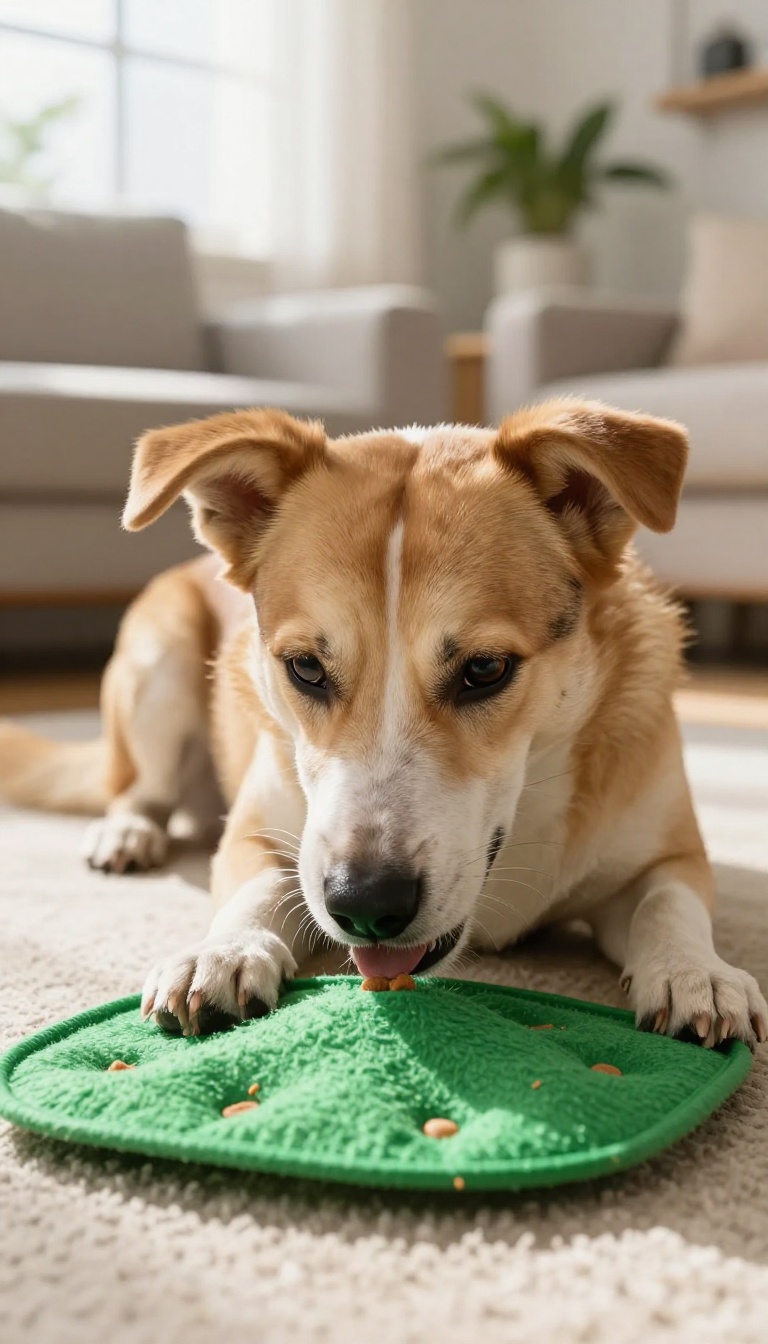
When we think of exercise, we usually picture long walks or games of fetch. But for a rescue dog, mental workouts can be just as exhausting—and even more rewarding. A tired mind is a calm mind, and the right kind of stimulation builds confidence in ways that physical activity alone never could.
Mental stimulation isn't just a bonus—it's a necessity. Puzzle toys that hide treats, nose work games, or even simple training sessions tap into your dog's natural problem-solving instincts. These activities tire them out faster than a mile-long jog, because they're using their brain, not just their legs.
For rescue dogs, who may have spent time in under-stimulating environments, this kind of engagement is especially powerful. It gives them a job, a sense of purpose, and proof that they can figure things out on their own.
Why Mental Fatigue Matters
Physical exercise burns energy, but mental exercise burns nervous energy. When a rescue dog is anxious or hypervigilant, their brain is already working overtime. Adding structured mental challenges helps them focus on something positive, redirecting that energy into problem-solving.
After a good puzzle session, you'll often see them settle down faster and sleep more deeply. That's because mental fatigue is real fatigue—and it's the kind that leads to calm, relaxed behavior.
Easy Mental Games To Start Today
You don't need fancy equipment. A muffin tin with tennis balls and treats underneath works wonders. Snuffle mats let them use their nose, which is naturally soothing.
Even a simple 'find it' game where you toss a treat and say 'find it' can be a great start. For a more structured challenge, try teaching a new trick like 'spin' or 'touch'—the learning process itself is mentally draining and builds trust at the same time.
Building Confidence Through Challenges
Every time your rescue dog solves a puzzle or succeeds at a new task, they get a little boost of self-assurance. This is huge for dogs who may have learned to expect failure or unpredictability. Start with easy wins—like a treat-dispensing toy that's simple to master—and gradually increase the difficulty.
As they get better, you'll see them approach challenges with more curiosity and less fear. That confidence spills over into other areas, making walks, car rides, and meeting new people less stressful.
9. Lesson 9: Consistency from Every Family Member
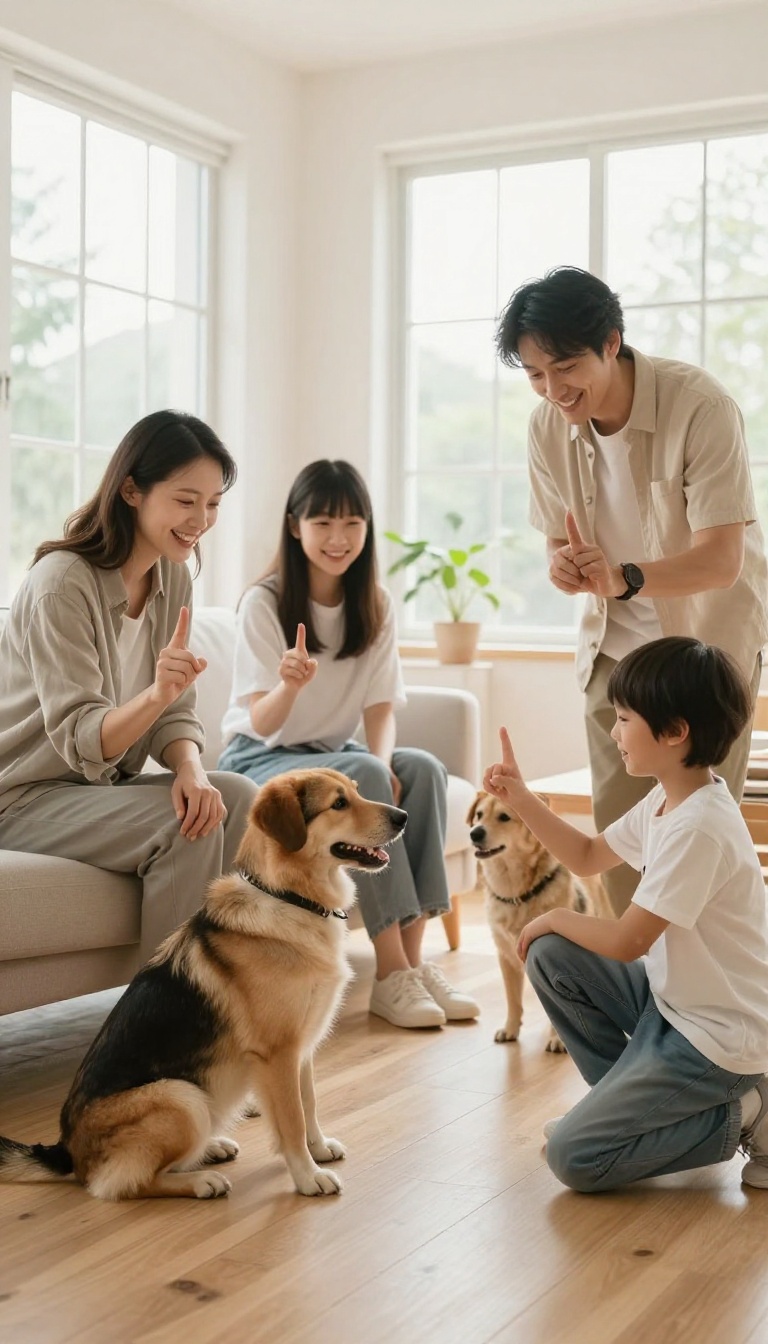
A rescue dog learns the rules of your home through repetition and predictability. When one person says 'off' and another says 'down' for the same behavior, the message gets muddy. Mixed signals slow down training and can make your dog feel anxious, because they never know what's expected.
Consistency isn't about being strict—it's about being clear. When everyone in the household uses the same cues and enforces the same boundaries, your dog can relax. They start to understand what works and what doesn't, which builds confidence and trust.
Start With A Family Meeting
Before you bring your rescue dog home, gather everyone who lives with you. Agree on the basic commands you'll use—like 'sit, ' 'stay, ' 'off, ' and 'come'—and write them down. Also decide on the house rules: Is the dog allowed on the couch?
Who feeds them? What's the bedtime routine? When everyone is on the same page from day one, your dog gets a clear, consistent message.
Use The Same Words And Hand Signals
If you say 'down' to mean 'lie down' and your partner says 'down' to mean 'get off the couch, ' your dog will be confused. Pick one word for each action and stick to it. If you use hand signals, make sure everyone uses the same ones.
Consistency in both verbal and non-verbal cues helps your dog learn faster and reduces frustration for both of you.
Enforce Rules Gently But Firmly
Consistency doesn't mean being harsh. If the rule is 'no begging at the table, ' everyone needs to ignore the dog when they whine or stare. If one person gives in just once, it teaches your dog that persistence pays off.
Stay calm and firm, and reward the behaviors you want to see. Over time, your dog will learn that rules apply no matter who is around.
Be Patient With Different Learning Styles
Some family members might be more natural with dogs than others. That's okay. The key is to be patient with each other and with your dog.
If someone is struggling, practice together. The more consistent you are as a team, the faster your rescue dog will settle into their new life.
10. Lesson 10: Celebrate the Small Wins
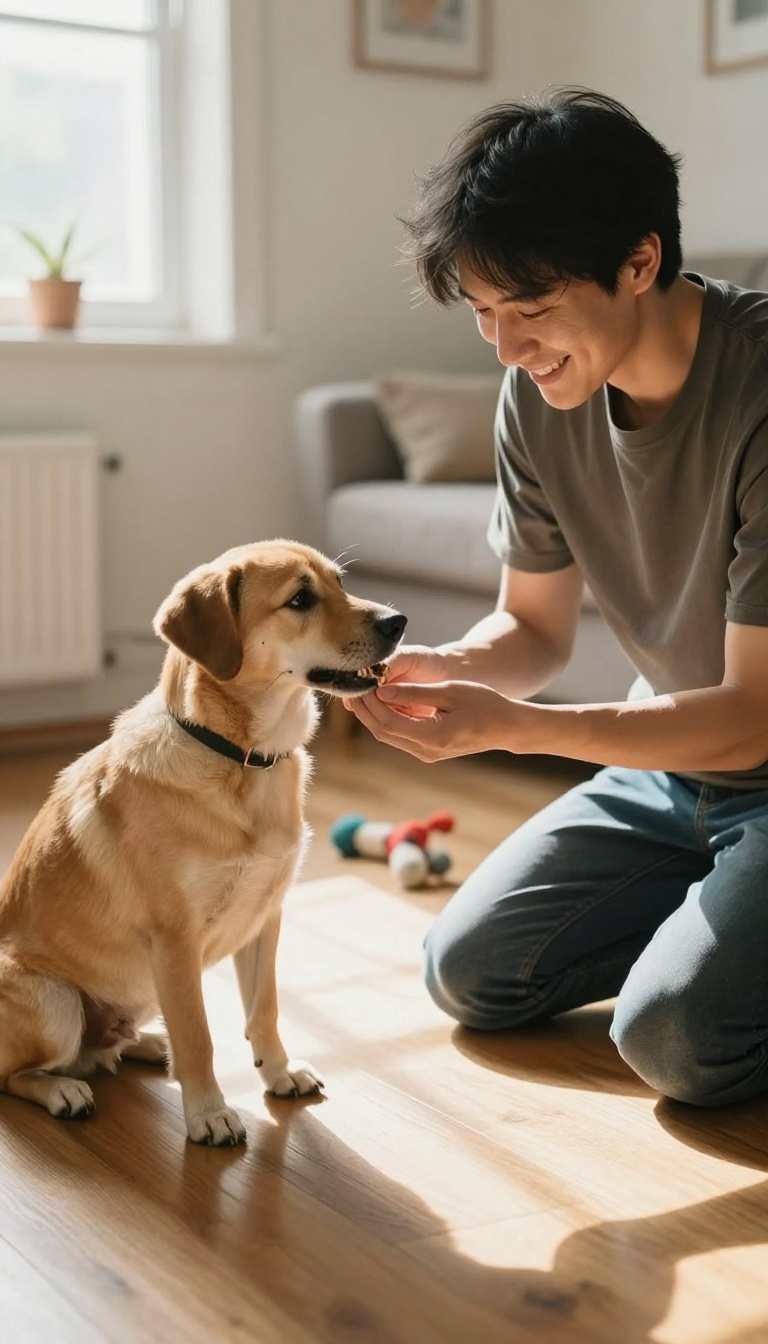
Progress with a rescue dog rarely comes in giant leaps. It’s more like a series of tiny steps—some forward, some sideways, and a few that feel like they’re going backward. But every small victory, from a successful sit to a calm walk past a barking dog, is worth acknowledging.
When you celebrate these moments, you not only boost your own morale but also reinforce your dog’s confidence. That’s the heart of this lesson: learning to see and cheer for the small wins.
When you’re in the thick of training and bonding, it’s easy to focus on what’s not working yet. But shifting your attention to the little breakthroughs can change everything. For your dog, a treat or a happy “yes! ” after a tiny success builds trust and eagerness to try again.
For you, recognizing progress keeps you motivated and reminds you that you’re making a difference. This isn’t about ignoring the challenges—it’s about balancing them with genuine celebration.
Why Small Wins Matter
Rescue dogs often come with a history of uncertainty, so every positive interaction is a building block. When you celebrate a small win, you’re telling your dog, “I see you, and I’m proud of you. ” That reassurance is powerful. It also helps you stay patient and consistent, which are crucial for long-term success.
Without celebrating, you might miss the subtle signs of progress—like your dog choosing to lie near you instead of hiding—and feel like you’re stuck.
How To Spot The Wins
Small wins are everywhere once you start looking. Maybe your dog paused before barking at the door, or they took a treat more gently than last week. Perhaps they stayed calm during a car ride, or they finally slept through the night.
Even a relaxed tail wag or a voluntary cuddle counts. Keep a mental or written list of these moments. They’re your evidence that your efforts are paying off, and they’ll help you stay positive on tougher days.
Ways To Celebrate Together
Celebration doesn’t have to be elaborate. A quick treat, a game of tug, or a few minutes of belly rubs can do the trick. The key is timing: celebrate right after the behavior so your dog connects the joy with the action.
Use a happy tone and maybe a special word like “yes! ” to mark the moment. For yourself, take a second to acknowledge the win—maybe a mental note or a small treat like a coffee. This shared positivity strengthens your bond and makes training feel less like work and more like play.
11. Lesson 11: Don't Take Setbacks Personally

You've been doing everything right—consistent routines, positive reinforcement, and plenty of patience. Then one morning, your dog pees on the rug or hides from a visitor. It's easy to feel like you've failed, but you haven't.
Setbacks are part of the journey, not a reflection of your efforts.
Rescue dogs carry invisible baggage. Their past experiences shape their reactions in ways you can't always predict. A setback might be triggered by a smell, a sound, or a subtle change in your mood.
Remember, your dog isn't trying to regress—they're just responding to their own timeline. Your job is to stay steady and adapt.
Why Setbacks Happen
Your dog's brain is still rewiring. New environments, routines, and relationships take time to feel safe. A sudden regression could be a sign of stress, a health issue, or simply a bad day.
Think of it as a temporary detour, not a dead end. The more you understand this, the easier it is to respond with compassion instead of frustration.
How To Respond In The Moment
When a setback occurs, pause and breathe. Avoid punishment—it only adds fear. Instead, calmly clean up, redirect your dog's attention, and move on.
If your dog is scared, give them space. If they're overexcited, try a quiet activity. The key is to keep your reaction neutral and supportive, so your dog feels safe to try again.
Adjusting Your Plan
Use setbacks as feedback. Maybe you pushed too fast with socialization, or you missed a subtle cue. Reassess your training plan and simplify.
For example, if your dog regressed in house training, go back to more frequent potty breaks. If they're anxious in crowds, shorten outings. Small tweaks can make a big difference.
Tracking Progress Without Obsessing
It's helpful to keep a journal of wins and challenges, but don't let it become a scoreboard. Note patterns—like what happened before a setback—so you can spot triggers. Then celebrate the small victories, like a calm walk or a relaxed nap.
Progress isn't linear, but it's still progress.
12. Lesson 12: Find a Force-Free Trainer
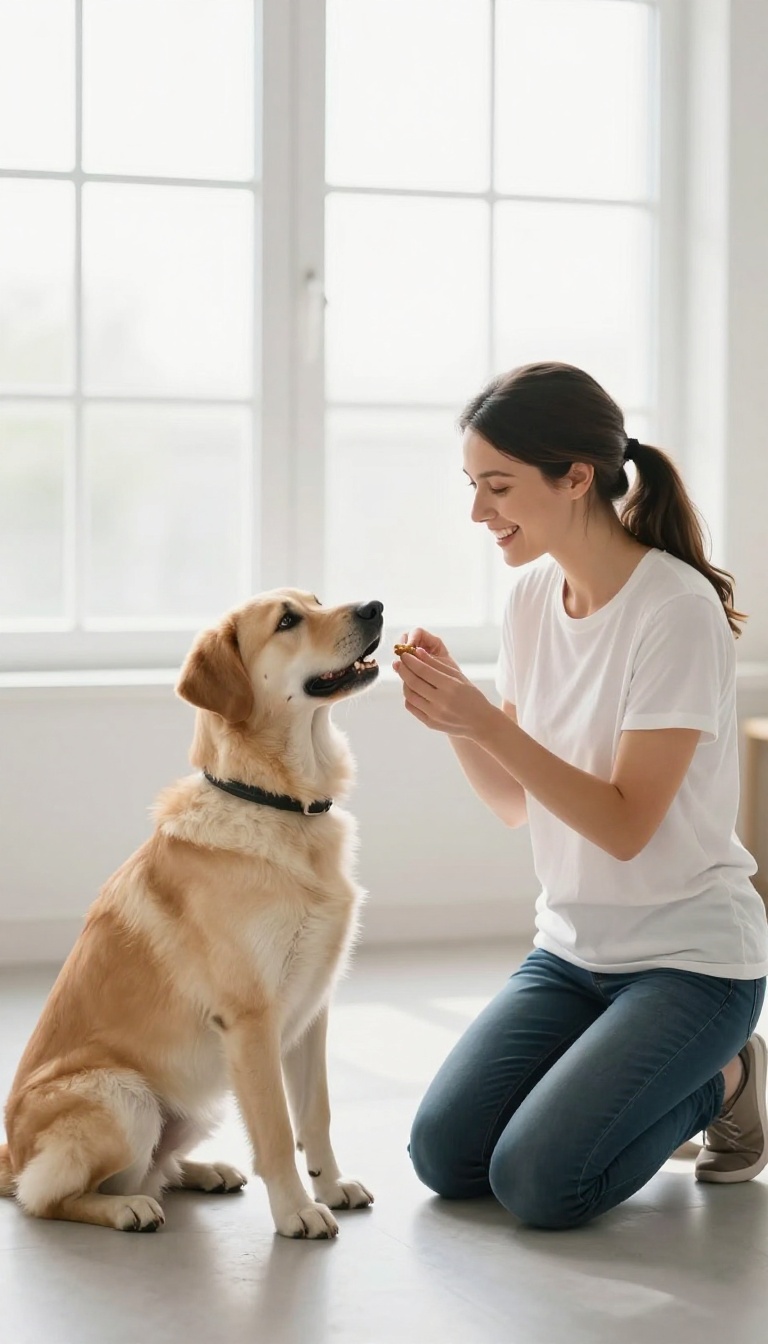
Some rescue dogs come with behaviors that feel impossible to decode. A professional can help, but not just any trainer will do. Force-free trainers use positive reinforcement to build trust, not fear, which is especially important for dogs with uncertain pasts.
A force-free trainer understands that rescue dogs often need extra patience and a tailored approach. They'll observe your dog's body language, identify triggers, and teach you how to communicate effectively. This isn't about quick fixes—it's about building a foundation of trust that lasts a lifetime.
Why Force-free Matters For Rescues
Rescue dogs may have experienced harsh training or neglect. Force-free methods avoid intimidation and punishment, which can worsen anxiety or aggression. Instead, they focus on rewarding good behavior, making learning feel like a game.
This approach helps your dog feel safe and eager to work with you.
What To Look For In A Trainer
Seek out trainers who use treats, toys, and praise—never shock collars or physical corrections. Ask about their experience with rescue dogs and check for certifications from organizations like the Certification Council for Professional Dog Trainers (CCPDT). A good trainer will also be happy to explain their methods and answer your questions.
How A Trainer Helps You Both
A trainer doesn't just work with your dog—they coach you too. You'll learn to read your dog's signals, manage challenging situations, and practice consistent cues. This guidance can turn frustration into confidence, helping you and your rescue dog grow together.
13. Lesson 13: Health Check Comes First

You've set up the crate, bought the food, and started training. But before you dive into behavior work, there's one step that can save you months of frustration: a full vet visit. Many rescue dogs arrive with hidden health issues—dental pain, ear infections, skin allergies, or even chronic conditions like arthritis.
These aren't just medical problems; they directly affect behavior. A dog in pain may snap, hide, or seem 'stubborn' when they're actually hurting. Getting a clean bill of health early on sets the stage for everything else.
A thorough checkup isn't just about vaccinations and heartworm tests. It's about understanding your dog's baseline. The vet can spot issues you might miss, like a fractured tooth or a joint problem.
Treating these can resolve behaviors that seem like training failures. For example, a dog that growls when touched might have an ear infection, not a temperament issue. Once the pain is gone, the behavior often disappears too.
This lesson is about making health the foundation of your fresh start together.
Why Pain Mimics Bad Behavior
Dogs can't tell us when something hurts. Instead, they show it through behavior. A rescue dog that flinches at your hand might have a sore spot.
One that refuses to go up stairs could have hip dysplasia. Even subtle changes like excessive licking or sudden aggression can point to underlying pain. When you address the medical issue, you're not just fixing a symptom—you're removing a barrier to trust.
Your dog can finally relax, knowing they're not in constant discomfort.
What To Ask Your Vet
Don't just walk out with a vaccine schedule. Ask specific questions: 'Could this behavior be pain-related? ' 'Are there any signs of dental disease? ' 'What should I watch for in the first month? ' Also, request a full blood panel and a fecal test to rule out parasites. Some rescue dogs carry infections that cause lethargy or irritability.
Treating those can be a game-changer. Your vet is your partner in this, so be open about any behaviors you've noticed.
The Follow-up Plan
One visit isn't enough. Schedule a follow-up in 4-6 weeks to monitor any treatments or catch new issues. Keep a simple log of your dog's energy, appetite, and any odd behaviors.
This helps you and your vet spot patterns. For example, if your dog seems anxious after meals, it might be a food allergy. Adjusting their diet can calm both their stomach and their mood.
A proactive health plan keeps your dog comfortable and your training on track.
14. Lesson 14: Build a Support Network

Raising a rescue dog can sometimes feel like a solo mission, especially when you're facing a challenge that seems unique to your pup. But you're not alone—there's a whole community of people who've been exactly where you are. Building a support network isn't just about having someone to vent to; it's about gaining practical wisdom, emotional encouragement, and a sense of belonging that makes the journey far smoother.
Connecting with other rescue dog owners or joining online communities can be a game-changer. You'll discover that many of the quirks you're dealing with are actually common, and you'll pick up tips that no book or trainer ever mentions. Plus, celebrating small wins with people who get it makes the good moments even sweeter.
Why A Support Network Matters
When you're in the thick of training or dealing with a behavior issue, it's easy to feel like you're the only one struggling. A support network reminds you that you're not alone. Other owners can share what worked for them, offer reassurance when you're doubting yourself, and give you a reality check when you're overthinking.
It's like having a team of experienced friends cheering you on.
Where To Find Your People
Start with local rescue groups or shelters—they often host meetups or have Facebook groups for adopters. Online communities like Reddit's r/rescuedogs or breed-specific forums are also goldmines. Don't overlook Instagram or TikTok; many rescue dog accounts share daily tips and have comment sections full of supportive owners.
Even a simple walk in your neighborhood could lead to a conversation with another dog parent.
How To Make The Most Of It
Be proactive: ask questions, share your own experiences, and offer support to others. You'll get more out of the community when you're an active participant. Also, remember that every dog is different—what works for one might not work for yours.
Use the network as a source of ideas, not a strict rulebook. And when you find a tip that works, pay it forward by sharing it with someone else.
15. Lesson 15: Love Is the Foundation

You've worked through the routines, the training, and the setbacks. Now it's time to remember the simplest truth: your love is the glue that holds it all together. It's not about perfection—it's about showing up, day after day, with a warm heart and open arms.
That steady affection is what turns a nervous rescue into a confident, happy companion.
Love isn't just a feeling; it's an action. It's the gentle tone in your voice, the patience when they're scared, and the joy you share in the small victories. When your dog feels loved, they learn to trust.
And trust is the foundation of every good thing that follows—calmness, security, and a bond that grows stronger every day. So celebrate the tiny wins, forgive the occasional accidents, and never underestimate the power of a belly rub. Your love is the most reliable tool you have.
It costs nothing but means everything.
The Power Of Unconditional Acceptance
Rescue dogs often come with baggage—fear, anxiety, or habits that don't make sense at first. Your unconditional acceptance tells them they're safe now. When you respond to their mistakes with patience instead of frustration, you're teaching them that they belong.
That security is what allows them to relax and let their true personality shine.
Small Acts, Big Impact
Love doesn't have to be grand gestures. A calm morning snuggle, a favorite treat after a walk, or just sitting quietly together can speak volumes. These small, consistent acts of kindness build a rhythm of trust.
Over time, your dog learns that you're a constant source of comfort—and that's the best gift you can give them.
When Love Feels Hard, Lean In
There will be days when you feel exhausted or frustrated. That's normal. But those are the moments when your dog needs you most.
Take a deep breath, lower your voice, and remember why you started. Leaning into love—even when it's tough—shows your dog that your bond is unbreakable. That resilience is what turns a rocky start into a lifelong friendship.
FAQ
How long does it take for a rescue dog to adjust?
It varies, but the 3-3-3 rule is a good guideline: 3 days to decompress, 3 weeks to learn your routine, and 3 months to feel truly at home.
What should I do if my rescue dog is scared of everything?
Start by creating a safe space and sticking to a routine. Avoid forcing interactions, and use treats to create positive associations. Consider consulting a force-free trainer for extra support.
How can I help my rescue dog with separation anxiety?
Practice short departures, provide a special toy or treat when you leave, and try to keep goodbyes low-key. Crate training can also help if done properly.
Is it normal for rescue dogs to have accidents in the house?
Yes, especially in the first few weeks. They may not be fully house-trained or may be stressed. Be patient, use positive reinforcement, and clean accidents with an enzymatic cleaner to remove odors.
Should I adopt a second dog to keep my rescue company?
Not necessarily. Some dogs prefer being the only pet. If you do consider a second dog, do a proper introduction and consult with a trainer or shelter staff to ensure compatibility.
Conclusion
Every rescue dog has a story, and now you're part of it. These lessons aren't about perfection—they're about progress. With patience, consistency, and a whole lot of love, you'll build a bond that transforms both of your lives.
Remember, the calm and secure fresh start you're giving your dog is a gift that keeps on giving. So take a deep breath, enjoy the journey, and celebrate every tail wag along the way.

I’m Pallab Kishore, the owner of Little Pets Realm — an animal lover and pet care enthusiast sharing easy tips, healthy recipes, and honest advice to help every small pet live a happy, healthy, tail-wagging life.