
A tired dog is a happy dog, but a mentally stimulated one is a calm, confident companion. Physical exercise only scratches the surface—your pup's brain needs a workout too, and that's where these ten training activities come in.
They're designed to challenge your dog's problem-solving skills, sharpen focus, and burn off pent-up energy in a way that feels like play, not work. From nose work that taps into natural instincts to games that build impulse control, you'll find fresh ideas to keep your dog smarter, calmer, and more engaged.
Ready to turn training time into the best part of your dog's day? Let's dive in.
1. Puzzle Toys That Make Dinner a Brain Game
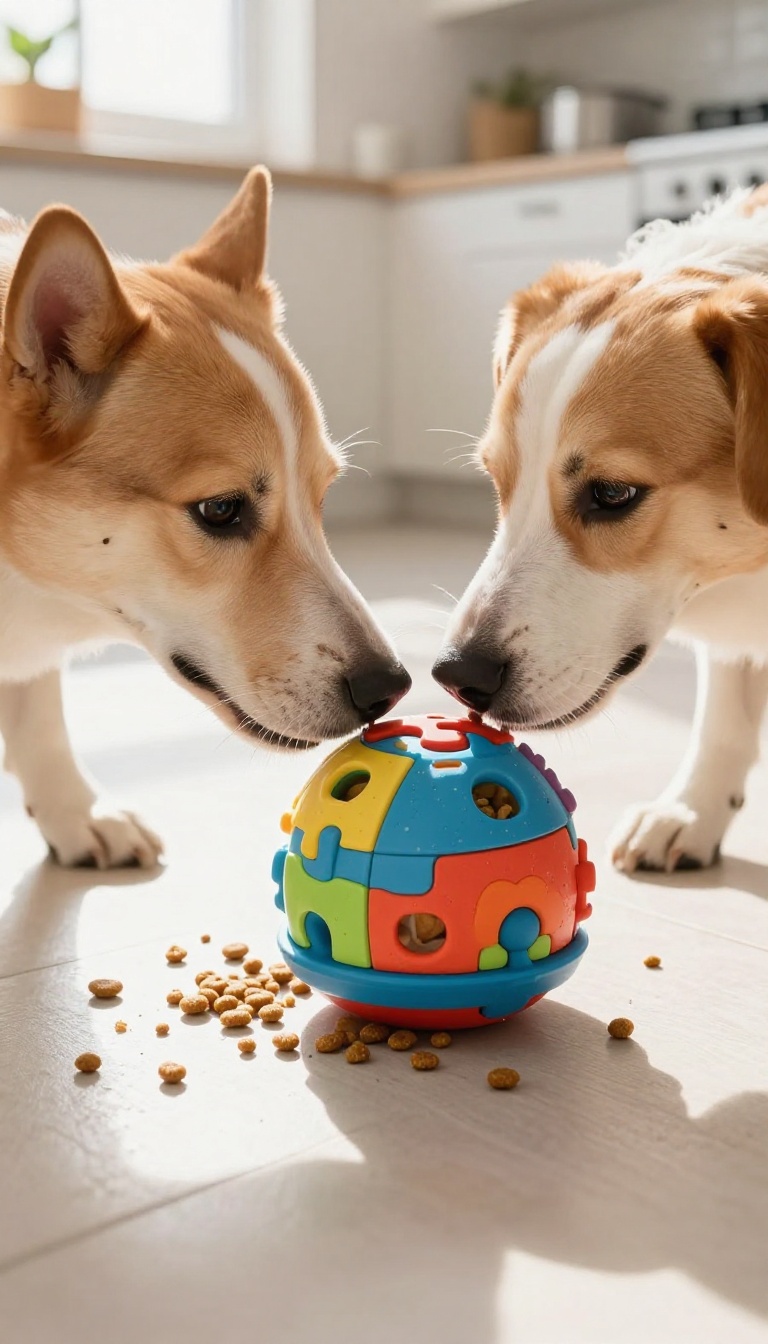
Mealtime is a golden opportunity to sneak in some mental exercise. Instead of dumping kibble into a bowl, let your dog earn every bite with a puzzle feeder. It's a small change that turns a routine moment into a fun challenge.
Puzzle toys come in all shapes and sizes, from simple treat-dispensing balls to complex sliding panels. The idea is simple: your dog has to figure out how to get the food out. That requires sniffing, pawing, nudging, and thinking.
It's like a mini workout for the brain, and it slows down fast eaters who tend to gulp their food too quickly.
Why Puzzle Feeders Work
Dogs are natural problem solvers. In the wild, they'd spend hours hunting and scavenging. A puzzle feeder taps into that instinct, giving them a job to do.
The mental effort it takes to solve the puzzle can tire them out just as much as a long walk. Plus, the satisfaction of finally getting the food out is a reward in itself, which builds confidence.
Choosing The Right Puzzle
Start with something easy, like a slow feeder bowl with ridges or a treat-dispensing ball. As your dog gets the hang of it, you can move to more advanced puzzles with drawers, levers, or sliding pieces. Always match the difficulty to your dog's skill level.
If it's too hard, they might get frustrated. If it's too easy, they'll lose interest. You want that sweet spot where they're challenged but not overwhelmed.
Make It A Daily Habit
You don't have to use a puzzle toy for every meal. Even a few times a week can make a big difference. Try using it for breakfast on busy mornings or as a wind-down activity in the evening.
Some dogs love it so much that they'll eagerly wait by their puzzle while you fill it. It's a simple way to add mental stimulation to their routine without taking up extra time.
2. Nose Work: Hide-and-Seek for the Sniffer
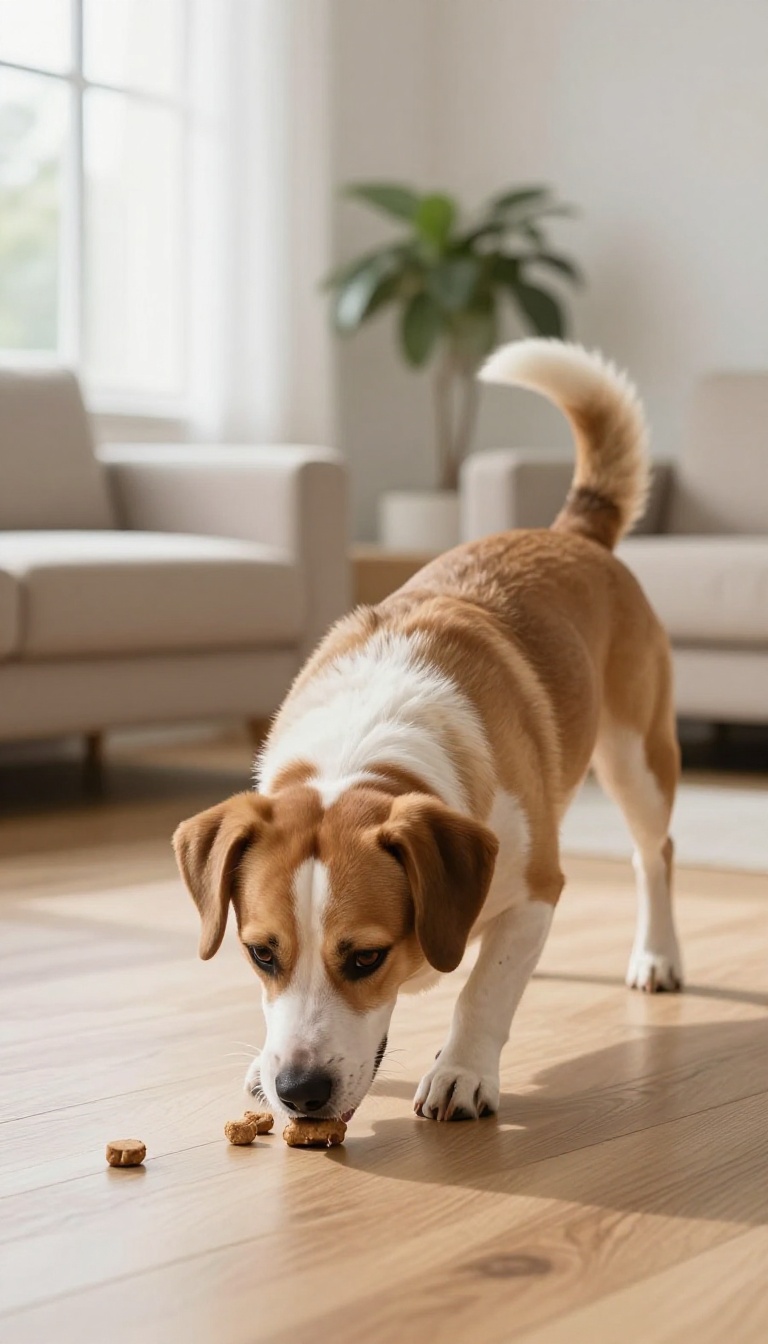
Your dog’s nose is a superpower, and nose work is the perfect way to put it to work. This game taps into their natural foraging instincts and gives their brain a serious workout. It’s simple to set up, endlessly customizable, and dogs absolutely love it.
Plus, it’s a fantastic way to build confidence, especially for shy or anxious pups.
Start by letting your dog watch you place a few high-value treats in an easy spot, like on the floor a few feet away. Say “find it! ” in an excited tone and let them go. As they get the hang of it, make it harder: hide treats under cups, behind furniture, or in another room.
The key is to start easy and build up, so your dog experiences success and stays motivated. You can also use a toy or a scented item if your dog isn’t food-driven. The goal is to make your dog use their nose actively, not just stumble upon treats by chance.
Getting Started: The First Sniff
Begin with a handful of treats and a quiet room. Place a treat in plain sight, say “find it! ” and let your dog discover it. Repeat a few times, then hide a treat just behind a chair leg or under a piece of paper.
Keep sessions short—five minutes is plenty—and always end on a success. This builds your dog’s confidence and teaches them that using their nose pays off.
Leveling Up: Making It A Real Hunt
Once your dog is a pro at easy finds, increase the difficulty. Hide treats in different rooms, under cushions, or inside a cardboard box. You can also try hiding a favorite toy or a scented item like a washcloth with your scent.
For an extra challenge, take the game outside. Scatter treats in the grass or hide them around your yard. Just be sure to supervise so your dog doesn’t eat something they shouldn’t.
Why It Works: The Brain Benefits
Nose work is mentally exhausting in the best way. When your dog sniffs, their brain is processing a flood of information, which uses up a lot of energy. This kind of focused activity can calm a hyper dog faster than a long walk.
It also boosts their problem-solving skills and gives them a sense of purpose. Plus, it’s a great bonding activity because you’re working together as a team.
3. The Name Game: Teaching Object Labels
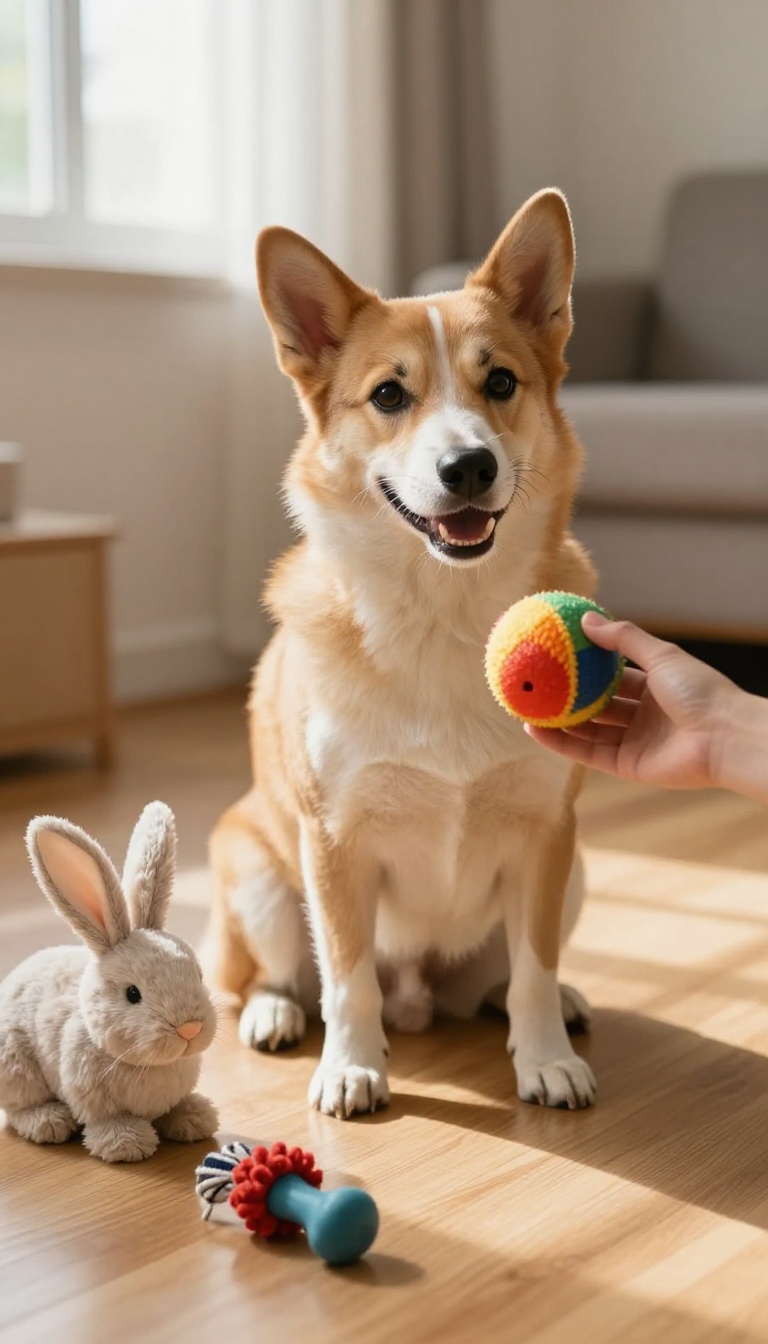
You’ve probably taught your dog “sit” and “stay, ” but have you ever taught them the names of their toys? It’s a fun and surprisingly simple trick that taps into their natural ability to learn words. Once your pup gets the hang of it, you’ll be amazed at how quickly they pick up new labels—and how much it sharpens their focus.
Start with one toy—their absolute favorite. Hold it up, say the name clearly, and reward them when they look at or touch it. Repeat this a few times, then start asking, “Where’s [toy name]? ” and treat them for choosing the right one.
Once they’ve got that down, add a second toy, then a third. Before you know it, you’ll have a dog who can fetch “Bunny” or “Squeaky” on command.
Why It Works
This game isn’t just about showing off—it’s serious brain training. When your dog learns to associate a word with a specific object, they’re building vocabulary and strengthening the bond between you. It also boosts their memory and problem-solving skills, which keeps their mind sharp and focused.
Setting Up For Success
Keep sessions short and sweet—five minutes is plenty. Use high-value treats and pick a quiet space with few distractions. Start with one toy, and only add more once your dog is consistently choosing the right one.
Patience is key; some dogs catch on in a day, while others take a week. That’s totally normal.
Taking It Further
Once your dog knows a few toy names, you can level up. Try placing two toys on the floor and asking for one by name. Or teach them the names of everyday objects like “ball” or “leash. ” Some dogs even learn dozens of words—it’s a fantastic way to keep their brain engaged and show off at the same time.
4. Trick Training Beyond Sit and Stay
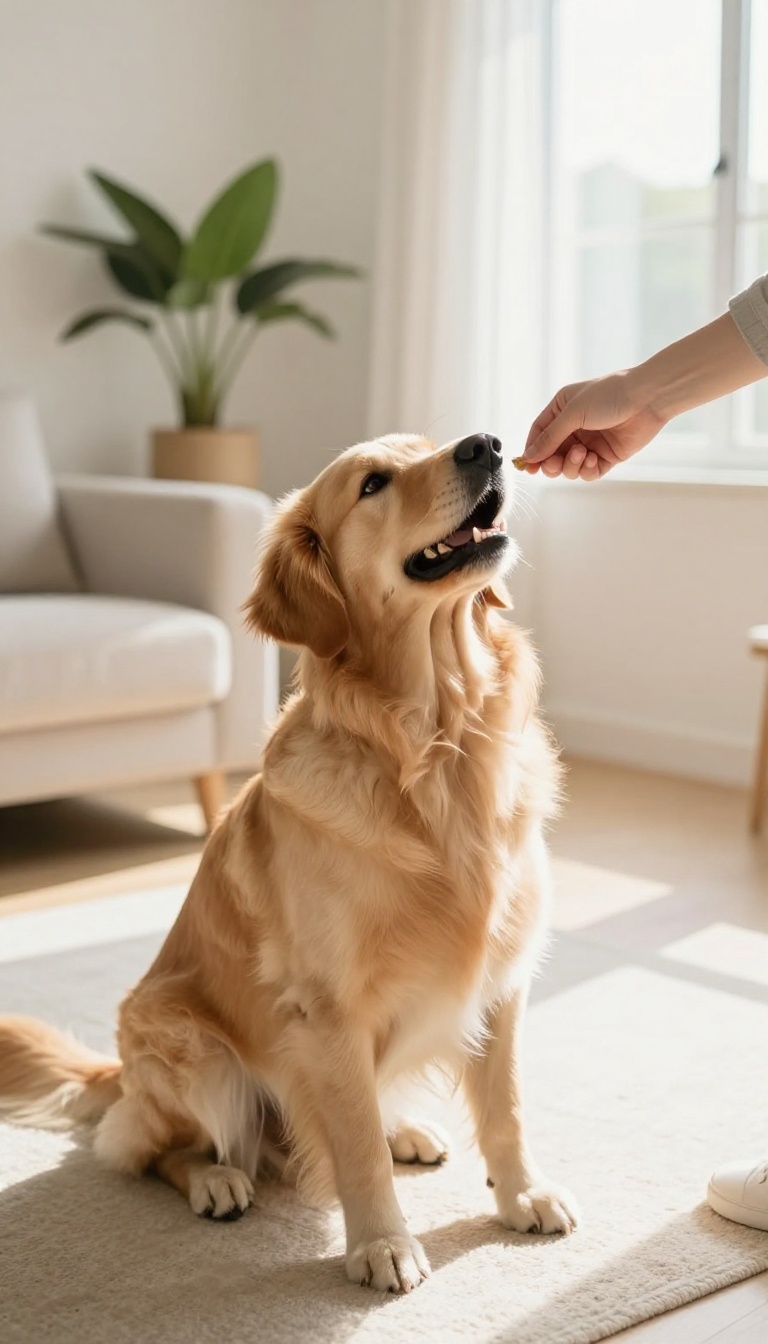
Once your dog has mastered the basics, it's easy to let training slide. But trick training is more than just showing off—it's a powerful way to keep your dog's brain sharp and build a deeper bond. Teaching new behaviors like spin, roll over, or play dead challenges your dog to think, problem-solve, and trust you.
Plus, the look of pure pride on their face when they nail a new trick? Priceless.
Trick training goes beyond simple obedience. It taps into your dog's natural desire to learn and please, turning training sessions into a fun game. Each new trick requires your dog to focus, remember sequences, and adapt to your cues, which is excellent mental exercise.
The best part? You don't need any special equipment—just treats, patience, and a willingness to have fun. And the payoff isn't just a clever pup; it's a more confident, calm dog who's ready to take on any challenge.
Why Tricks Beat Repetition
Repeating the same commands day after day can bore your dog. Tricks introduce novelty, which stimulates the brain and keeps your dog engaged. When your dog learns something new, they release dopamine, the 'feel-good' hormone, making training a positive experience.
This mental stimulation is just as tiring as a long walk, helping to calm an energetic pup.
Easy Tricks To Start With
Begin with simple tricks that build on natural movements. 'Spin' is a great starter—lure your dog in a circle with a treat. 'Shake' is another easy one that most dogs pick up quickly. 'Play dead' takes a bit more coordination but is a crowd-pleaser. Remember to break each trick into small steps and reward progress, not perfection.
Tricks That Build Confidence
Tricks like 'weave through legs' or 'jump through a hoop' require coordination and trust. As your dog masters these, their confidence soars. Shy or anxious dogs especially benefit from the structured success of trick training.
It gives them a clear job to do and a reliable way to earn praise, which can translate to calmer behavior in new situations.
Making Trick Training A Habit
Aim for short, frequent sessions—five minutes a few times a day works wonders. Use high-value treats and always end on a positive note. Once your dog knows a trick, practice it in different locations to reinforce the behavior.
You'll be amazed at how quickly your dog becomes a little show-off, and you'll both enjoy the mental boost.
5. The Shell Game: A Classic Memory Challenge
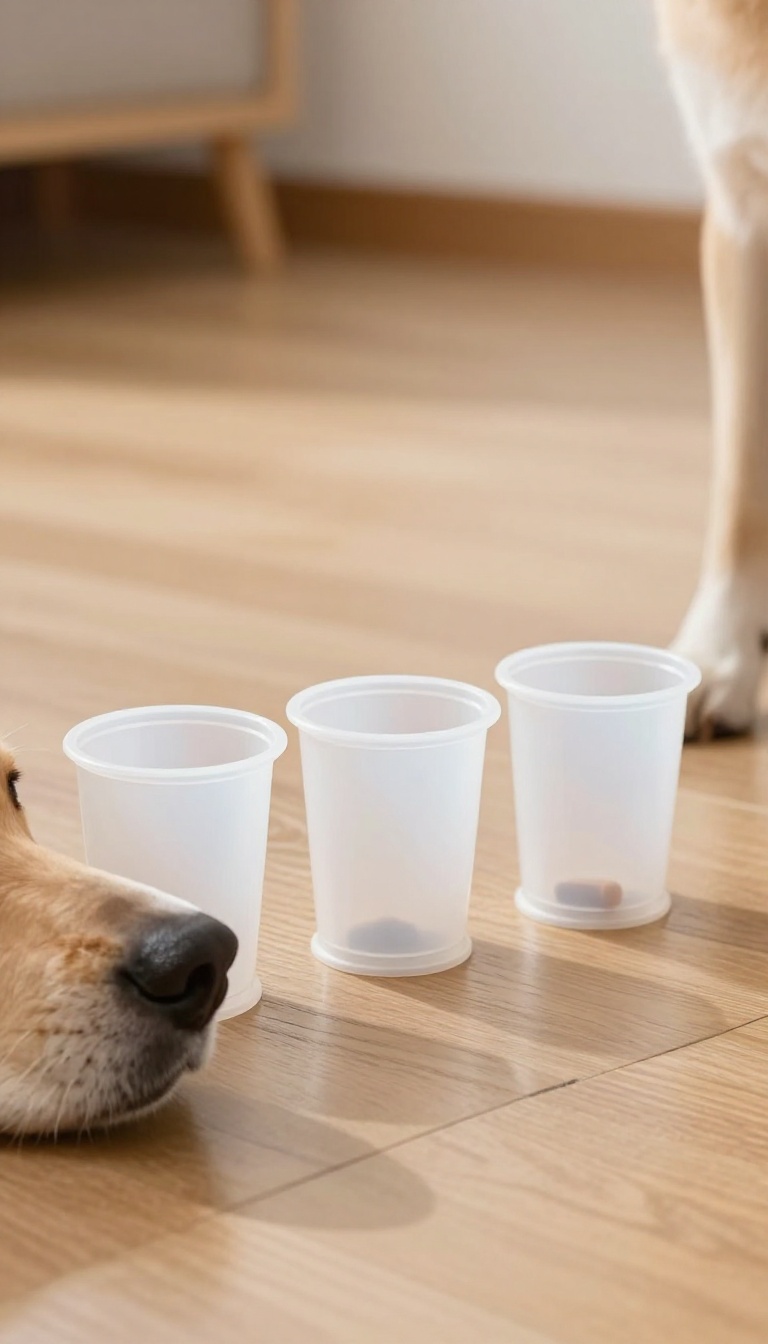
This isn't your average shell game—no sleight of hand required, just a hungry pup and a few treats. The game is simple: hide a treat under one of three cups, shuffle them around, and let your dog find it. It's a fun way to test memory and focus, and it's surprisingly engaging for dogs of all ages.
Start with two cups and a treat your dog loves. Let them sniff the treat, then place it under one cup while they watch. Shuffle the cups slowly at first, then encourage your dog to choose.
When they pick correctly, lift the cup, give them the treat, and celebrate. As your dog gets the hang of it, add a third cup and increase the shuffle speed. You can also switch to a favorite toy or a piece of kibble to keep things interesting.
Why It Works
This game taps into your dog's natural problem-solving abilities. They have to remember where the treat is, ignore the movement, and make a deliberate choice. It's a mental workout that builds focus and memory, and it's also a great confidence booster when they succeed.
Setting Up For Success
Choose a quiet space with minimal distractions. Use cups that are opaque so your dog can't see through them. Start with a treat that's high-value, like small pieces of chicken or cheese, to keep motivation high.
Keep sessions short—five minutes is plenty—and always end on a positive note.
Leveling Up The Challenge
Once your dog masters the basic shuffle, you can make it harder. Use identical cups to avoid visual cues, or shuffle in a circle instead of side to side. You can also add a delay before letting your dog choose, testing their memory even more.
Just remember to go at your dog's pace—the goal is to challenge, not frustrate.
6. Impulse Control Games That Build Patience
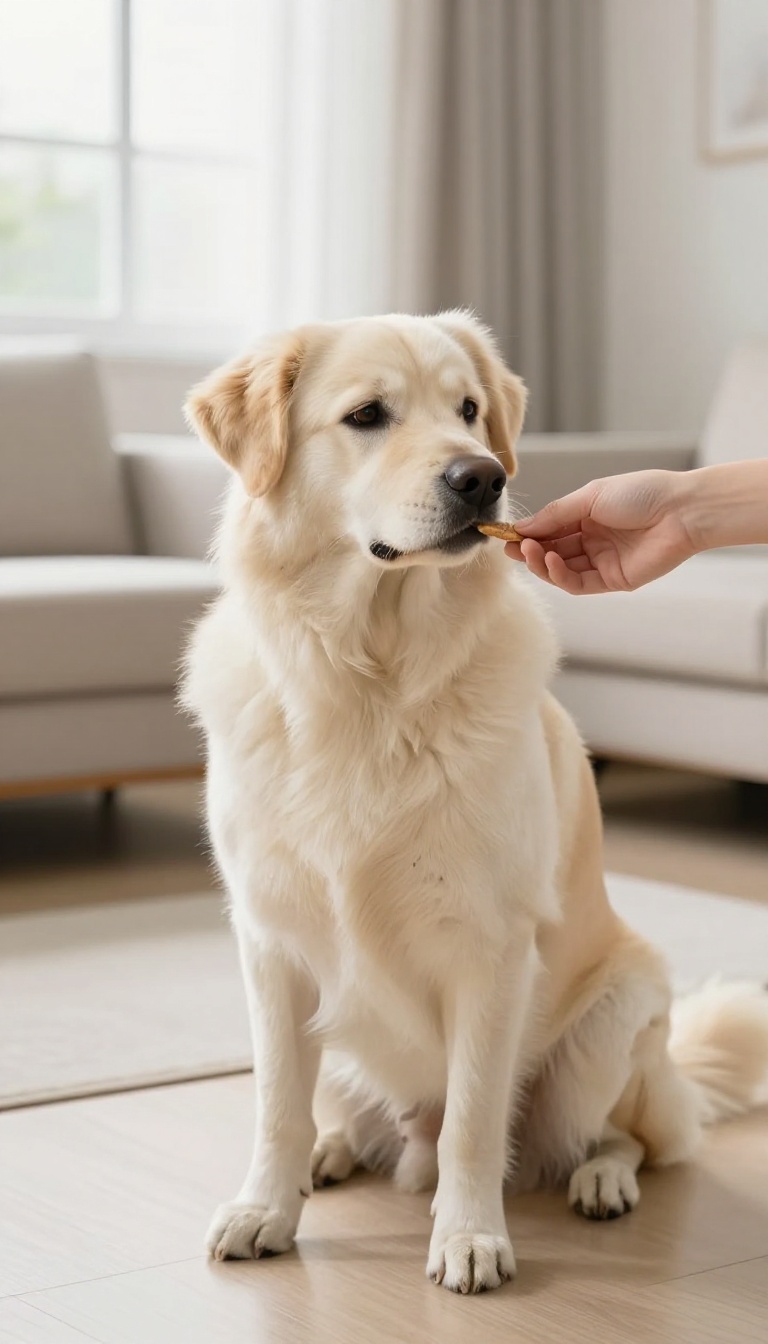
Patience isn't just a virtue—it's a skill your dog can learn. Impulse control games teach your pup to pause before acting, which helps them stay calm in exciting situations. These exercises are simple to set up and can make a huge difference in daily life.
Start with the classic 'wait' game. Hold a treat in your closed hand and say 'wait. ' When your dog stops trying to grab it, reward them with a different treat. Gradually increase the time and distance.
You can also practice waiting at doorways, before meals, or before playing fetch. The key is to be consistent and patient yourself.
The 'wait' Game
Begin with your dog on a leash. Ask them to sit, then open the door a crack. If they move, close it and try again.
When they stay put, say 'okay' and let them through. Repeat until they wait calmly. This builds self-control and prevents door-dashing.
Treat Toss
Drop a treat on the floor but cover it with your foot. Wait for your dog to look at you instead of trying to get it. When they make eye contact, say 'take it' and let them have it.
This teaches them to check in with you before grabbing something.
Toy Release
Play tug or fetch, then ask your dog to 'drop it' and wait. Hold the toy just out of reach until they sit and look at you. Then give the toy back.
This reinforces that patience leads to rewards, not the other way around.
7. Interactive Training Apps and Online Courses
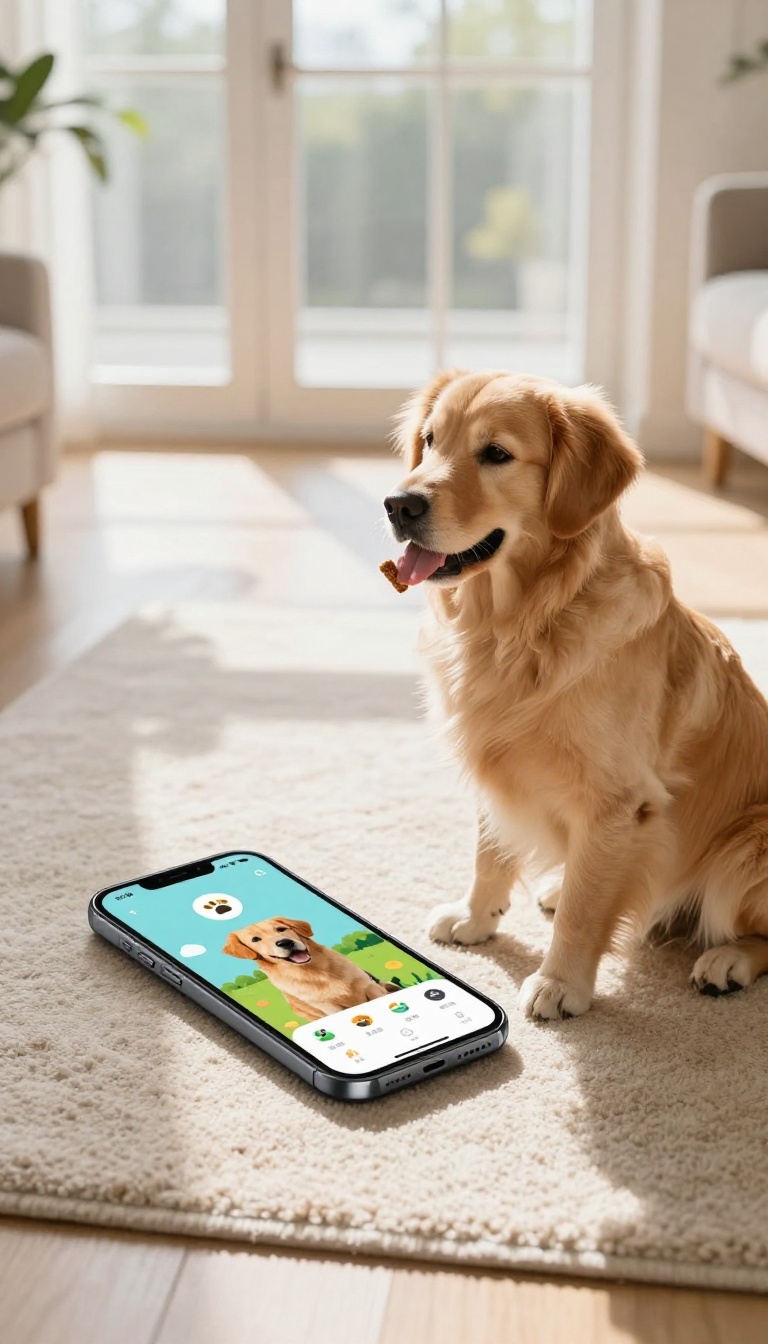
If you're stuck in a training rut, your phone might be the answer. A growing number of apps and online platforms are designed specifically for dog training, offering structured games, challenges, and step-by-step courses. They bring fresh ideas straight to your living room, keeping sessions varied and engaging for both of you.
Technology isn't just for humans—it can be a powerful tool for your dog's mental development. Interactive apps and online courses turn training into a game, with levels, rewards, and progress tracking that keep you motivated. They also provide expert guidance, so you're never guessing what to do next.
Whether you're working on basics or advanced tricks, there's a digital solution to match your goals.
Why Digital Training Works
Apps and online courses break down complex behaviors into small, manageable steps. They use video demonstrations, clear instructions, and built-in timers to keep sessions focused. Many platforms also use positive reinforcement techniques, so you're always training in a way that builds trust and confidence.
Plus, the variety keeps your dog excited—new challenges mean new mental stimulation.
Choosing The Right App Or Course
With so many options, it helps to know what to look for. Start with apps that offer free trials or sample lessons, so you can test the style and difficulty. Check reviews from other dog owners, and look for programs that use force-free, reward-based methods.
Consider your dog's age and skill level—some apps are designed for puppies, while others are perfect for advanced trick training.
Making It A Habit
The key to success is consistency. Set aside a few minutes each day, maybe right after a walk or before dinner, and stick to it. Use the app's reminders or schedule to build a routine.
Remember, short, frequent sessions are better than long, occasional ones. And always end on a positive note—if your dog is struggling, take a break and try again later.
8. The Treasure Hunt: A Scent Trail Adventure
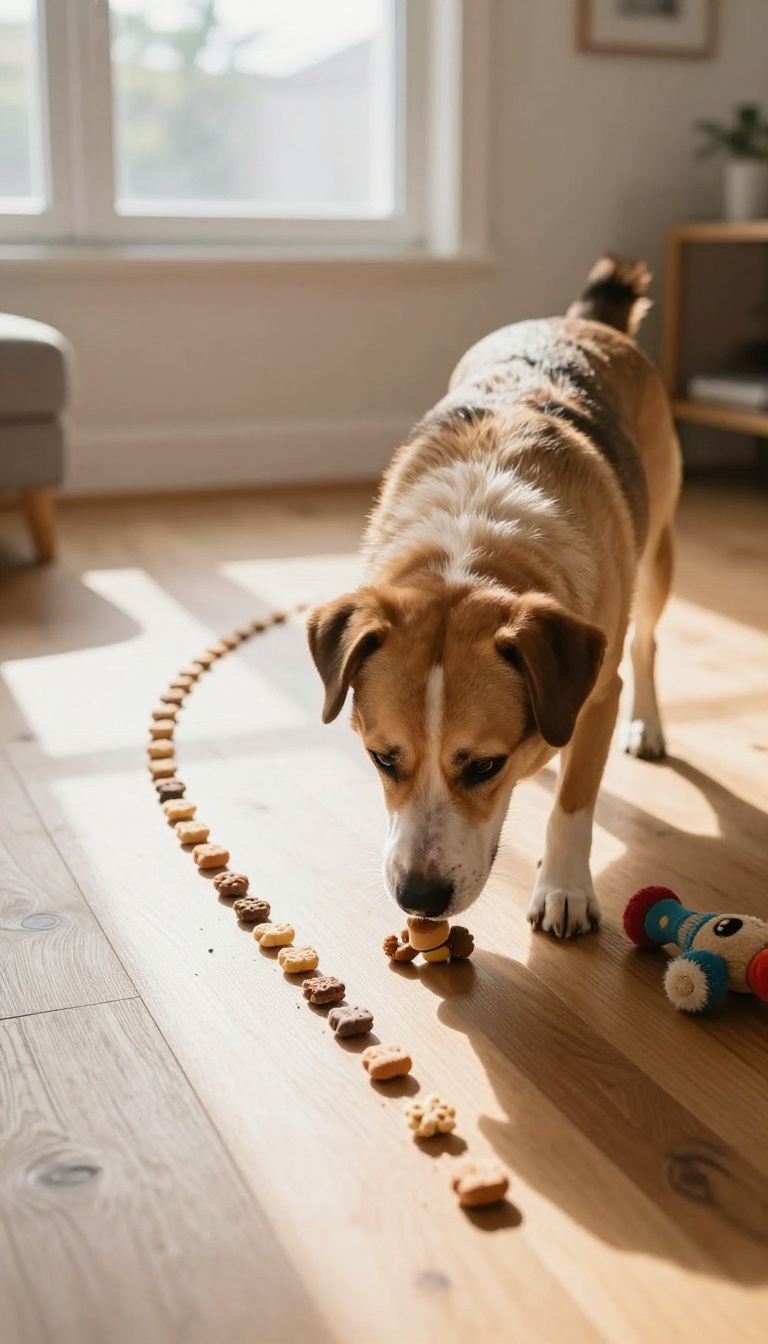
Dogs experience the world through their noses, and a scent trail taps into that superpower in a way that's both fun and mentally exhausting. This isn't just a game—it's a workout that asks your dog to focus, problem-solve, and follow a story written in smells. The result?
A calmer, more confident pup who's ready to nap after a good session.
Setting up a scent trail is easier than you think. Start indoors where there are fewer distractions, and use a high-value treat like a piece of sausage or cheese. Drag the treat along the floor in a clear path, making sure to press down occasionally so the scent lingers.
End the trail with a small pile of treats or a favorite toy as the final prize. As your dog gets the hang of it, you can make the trail longer, add turns, or move it outside to the grass. The key is to keep it fun—if your dog gets frustrated, shorten the trail or go back to a simpler version.
Why It Works
Scent work is mentally tiring in a way that physical exercise just can't match. Your dog has to ignore distractions, stay focused on the trail, and use problem-solving skills to figure out where the scent leads. This kind of deep concentration is what really calms an anxious or hyperactive dog.
Plus, it builds confidence—each successful find is a little victory that reinforces their natural abilities.
Getting Started
Begin with a short, straight trail in a quiet room. Show your dog the treat, let them sniff it, then place it at the start of the trail and encourage them to follow. You can use a cue like 'find it' to signal the game.
As they get better, gradually increase the length and add turns. Keep sessions short—five to ten minutes is plenty—and always end on a success.
Taking It Up A Notch
Once your dog masters the basics, you can make it more challenging. Try hiding the trail in a yard with more scents competing, or use a different scent each time, like a piece of chicken or a toy. You can also create a 'search zone' where you hide the treat without a trail, encouraging your dog to rely on their nose to find it.
This is a great way to build up to more advanced nose work or even tracking.
Safety And Success Tips
Always use safe, dog-friendly treats, and avoid anything too small that could be a choking hazard. If you're outside, be mindful of the weather—hot pavement can burn paws, and extreme cold can make it less fun. Most importantly, keep it positive.
If your dog loses interest, take a break and try again later. The goal is to make scent work a rewarding experience, not a chore.
9. Agility at Home: DIY Obstacle Course
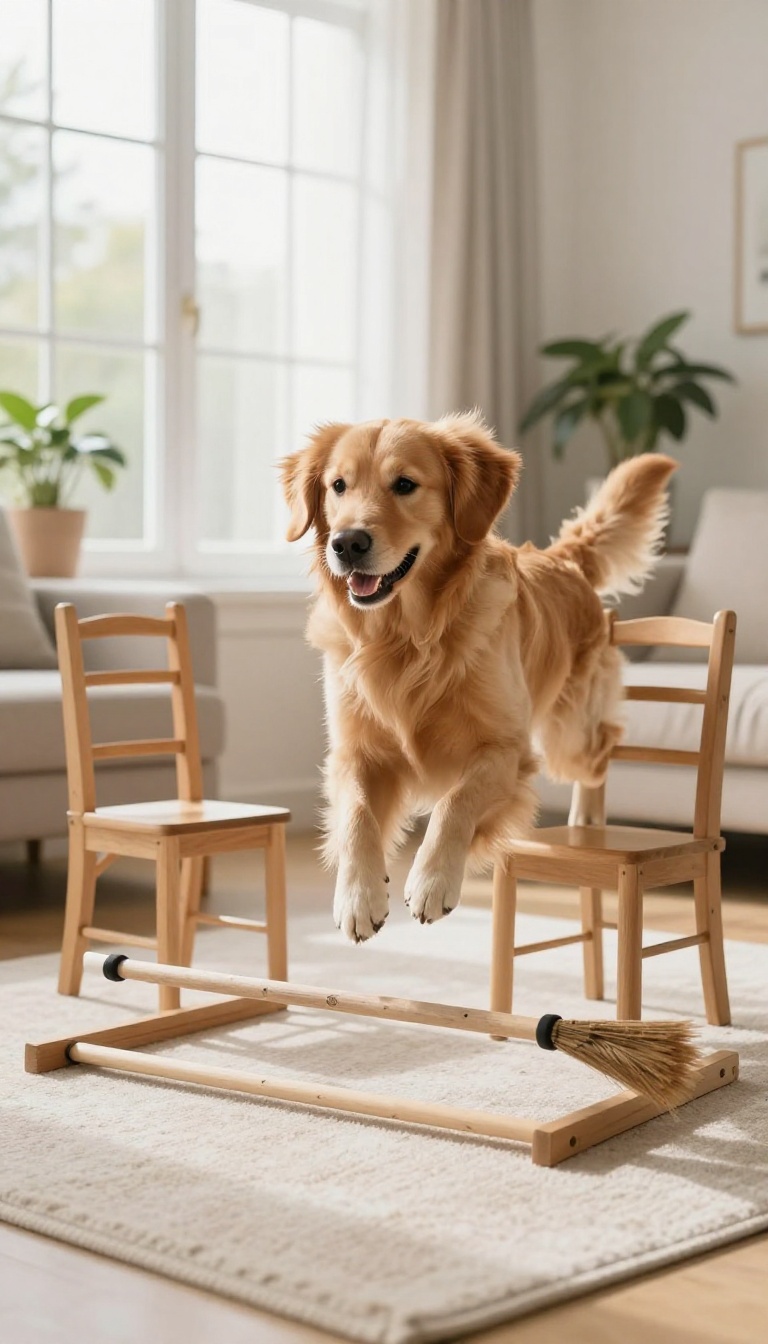
You don't need a fancy facility to give your dog a taste of agility. With a few household items, you can create a mini obstacle course right in your living room or backyard. It's a fantastic way to combine physical exercise with mental challenges, as your dog learns to navigate each obstacle and follow your cues.
Plus, it's a blast for both of you.
Setting up a DIY agility course is easier than you think. Grab a few chairs, a broomstick, some boxes, and maybe a hula hoop if you have one. Arrange them to create jumps, tunnels, and weave poles.
Guide your dog through the course using treats and praise, teaching them to go over, under, and around each obstacle. This activity not only burns energy but also strengthens your bond and improves your dog's coordination and confidence.
Building The Course
Start simple. Use two chairs with a broomstick across them for a jump. For a tunnel, lay a large cardboard box open at both ends or use a child's play tunnel.
Weave poles can be made from plastic cones or even water bottles weighted with sand. Arrange them in a line, spaced a few feet apart. As your dog gets the hang of it, you can add more obstacles or increase the difficulty.
Teaching The Obstacles
Introduce each obstacle one at a time. Lure your dog over the jump with a treat, then reward. For the tunnel, toss a treat through and encourage them to go in.
For weaves, guide them slowly between the poles, rewarding each successful pass. Keep sessions short and upbeat. Use a cheerful voice and lots of praise.
If your dog seems unsure, break the task into smaller steps and build up gradually.
Making It A Game
Once your dog knows the basics, turn it into a fun game. Time them as they complete the course, or have them wait at the start line while you run to the end and call them. You can also set up a course in different rooms or outside to keep it fresh.
The key is to make it feel like play, not work. End on a high note with a big reward and a game of tug or fetch.
10. The 'Leave It' Challenge for Focus
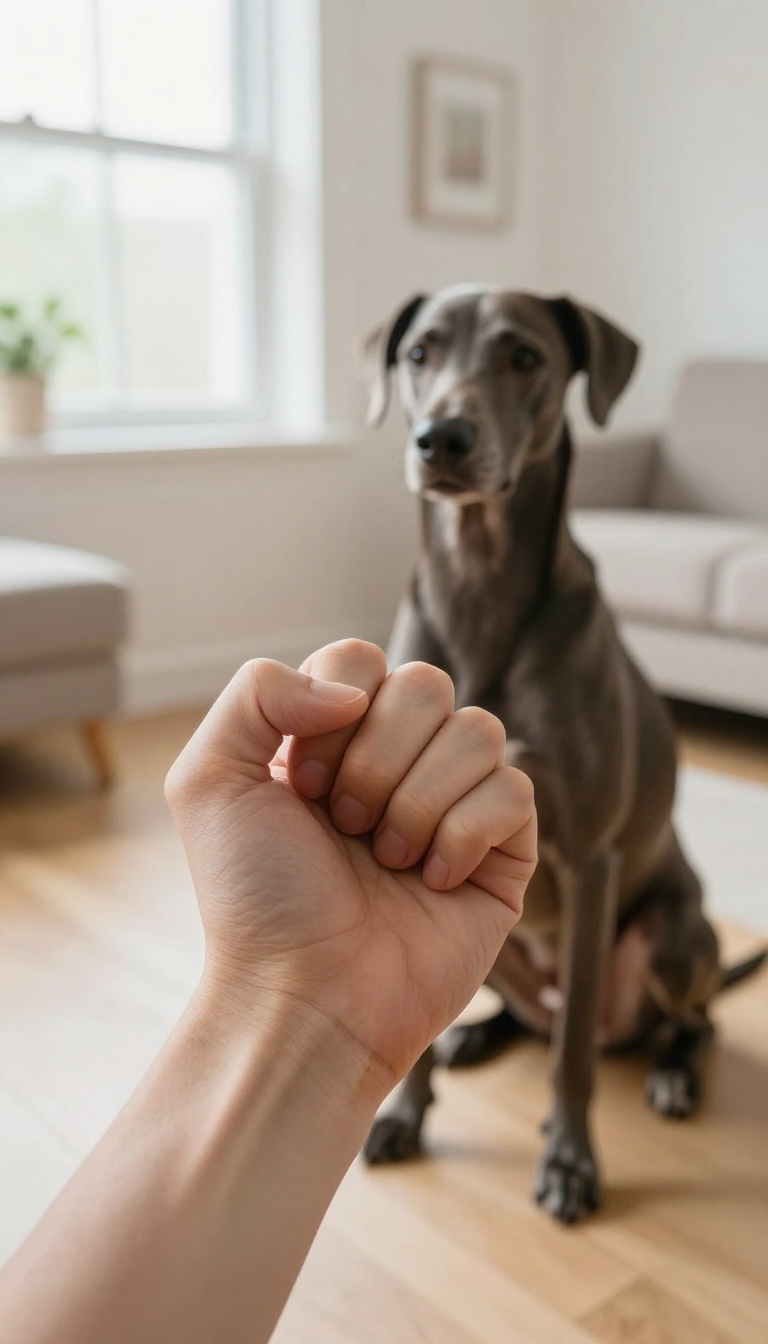
Teaching your dog to ignore something tempting on command is more than a party trick—it's a life skill. The 'Leave It' cue builds impulse control, which translates to better behavior around food, strangers, and other dogs. It also sharpens your dog's focus on you, even when distractions are high.
Starting with a simple treat in your hand, you can gradually increase the difficulty until your pup can resist almost anything.
The 'Leave It' challenge is a classic impulse-control exercise that pays off in real-world situations. It's not just about saying no to a treat on the floor; it's about teaching your dog to check in with you before acting on instinct. This game strengthens your bond and builds a habit of looking to you for guidance, which is especially useful in busy environments.
Plus, it's mentally tiring, making it a perfect addition to your dog's brain workout routine.
Start Simple: The Closed Fist
Begin with a treat in your closed fist. Present it to your dog, and when they sniff, lick, or paw at it, keep your hand still and say 'leave it' in a calm, firm voice. The moment they pull back or look away, mark with a 'yes' and reward with a treat from your other hand.
Repeat this until your dog understands that ignoring the fist earns a reward. Keep sessions short and upbeat to avoid frustration.
Add Distractions Gradually
Once your dog masters the closed fist, place a treat on the floor under your palm. Say 'leave it' and cover it with your hand if they lunge. When they pause or look at you, reward them with a different treat.
Progress to uncovering the treat while your hand hovers nearby, then to tossing a treat a few feet away. Each step should be challenging but achievable, so your dog builds confidence and self-control.
Real-world Applications
The ultimate goal is to have your dog 'leave it' in real-life scenarios, like ignoring dropped food on a walk or resisting a tempting squirrel. Practice in your living room first, then move to the backyard, and finally to a quiet park. Use high-value rewards for success and keep training sessions positive.
Over time, your dog will learn that ignoring distractions leads to even better things from you.
FAQ
How often should I do mental training with my dog?
Aim for at least 10-15 minutes a day. Consistency matters more than duration. Even a short session can make a big difference in your dog's overall calmness and happiness.
What if my dog gets frustrated with a puzzle toy?
Start with an easier puzzle and gradually increase the difficulty. You can also help your dog by showing them how it works or placing a treat near the solution. Patience is key.
Can mental training help with separation anxiety?
Yes, mental stimulation can tire your dog out and reduce anxiety. Providing a puzzle toy or a scent game before you leave can help your dog settle and feel more relaxed while you're away.
Are these activities suitable for all dog breeds?
Absolutely. Every dog can benefit from mental stimulation, regardless of breed or age. Just adjust the difficulty level to match your dog's abilities and energy.
How do I know if my dog is getting enough mental stimulation?
If your dog is calm, content, and less prone to destructive behaviors, they're likely getting enough. If they're still restless or anxious, try increasing the frequency or difficulty of mental activities.
Conclusion
Training your dog’s mind doesn’t have to feel like homework. Pick one or two activities that fit your pup’s personality and your daily rhythm, then build from there. The goal isn’t perfection—it’s the calm, focused connection you’ll both enjoy.
Start with a simple session today, and watch your dog’s confidence grow. You’ll get a smarter, more relaxed companion, and they’ll get a happier, more engaged you.

I’m Pallab Kishore, the owner of Little Pets Realm — an animal lover and pet care enthusiast sharing easy tips, healthy recipes, and honest advice to help every small pet live a happy, healthy, tail-wagging life.