
You love your big dog, but let's face it—their size can make everyday moments tricky. A simple nudge can knock you off balance, and a jumpy greeting might send guests running. That's why teaching good manners isn't just about politeness; it's about safety.
When your dog knows how to move calmly through the house, you both relax. You won't worry about being knocked over or having your hand yanked during a walk. And your dog?
They'll feel more confident knowing what's expected. These 15 manners focus on real-life situations you face daily. They're practical, trainable, and will make your home a safer, happier place for everyone—including your gentle giant.
1. Calm Greetings at the Door
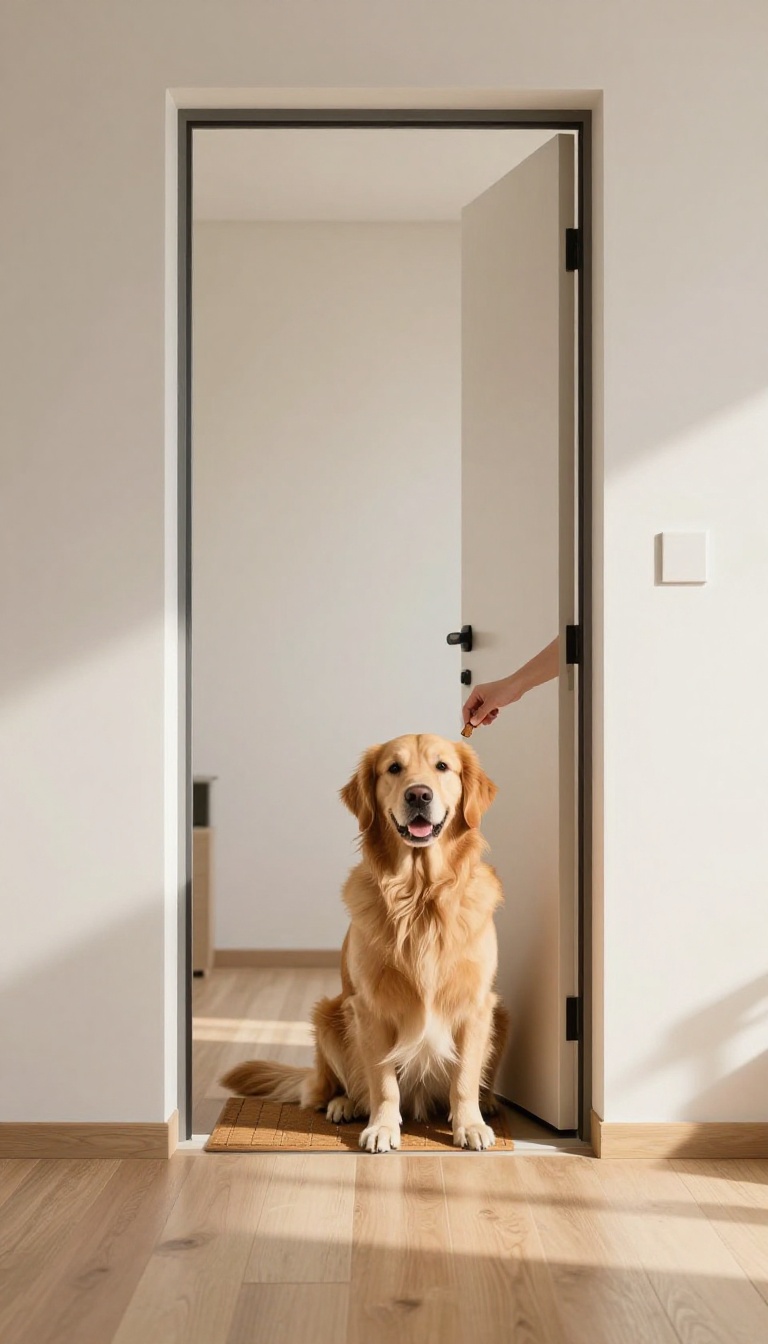
The front door is a hotspot for chaos. When the bell rings, your big dog might bolt, jump, or bark, turning a simple hello into a wrestling match. Teaching a calm greeting is the first step toward safer, more controlled entrances.
A dog that sits and waits when guests arrive is not just polite—it's predictable. You won't have to brace yourself against a 70-pound launch, and visitors won't feel intimidated. This skill builds a foundation of impulse control that carries into other areas of daily life.
Start by practicing without real guests. Have a friend knock or ring the bell while you stay calm and consistent. Use a high-value treat to reward your dog for staying in a sit.
The goal is to make the door a place of patience, not excitement. Once your dog understands the cue, add real visitors. Keep the leash on for the first few sessions to manage sudden movements.
Ask your dog to sit before opening the door, and only let them greet after they've held the position for a few seconds. This small pause makes a huge difference in your dog's arousal level.
Why Door Manners Matter For Big Dogs
Large breeds have the strength to knock over adults or children without meaning to. A door-dashing dog can slip outside and get lost or run into traffic. Jumping on guests might scratch or bruise, especially if the guest is elderly or fragile.
Calm greetings reduce these risks and keep everyone comfortable.
Step-by-step Training For A Sit-stay
- Practice sit-stay near the door with no distractions. 2.
Add a knock or doorbell sound while asking for the sit. 3. Open the door a crack, and if your dog moves, close it and reset.
- Gradually increase the door opening and the duration of the stay. 5.
Reward with treats and calm praise, never excited tones.
Common Mistakes And Fixes
Don't push your dog into a sit—that creates frustration. Instead, lure with a treat and reward quickly. If your dog breaks the stay, simply close the door and try again without scolding.
Also, avoid using a high-pitched 'good boy' when they stay; it can trigger excitement. Keep your voice low and steady.
2. Walking on a Loose Leash Indoors
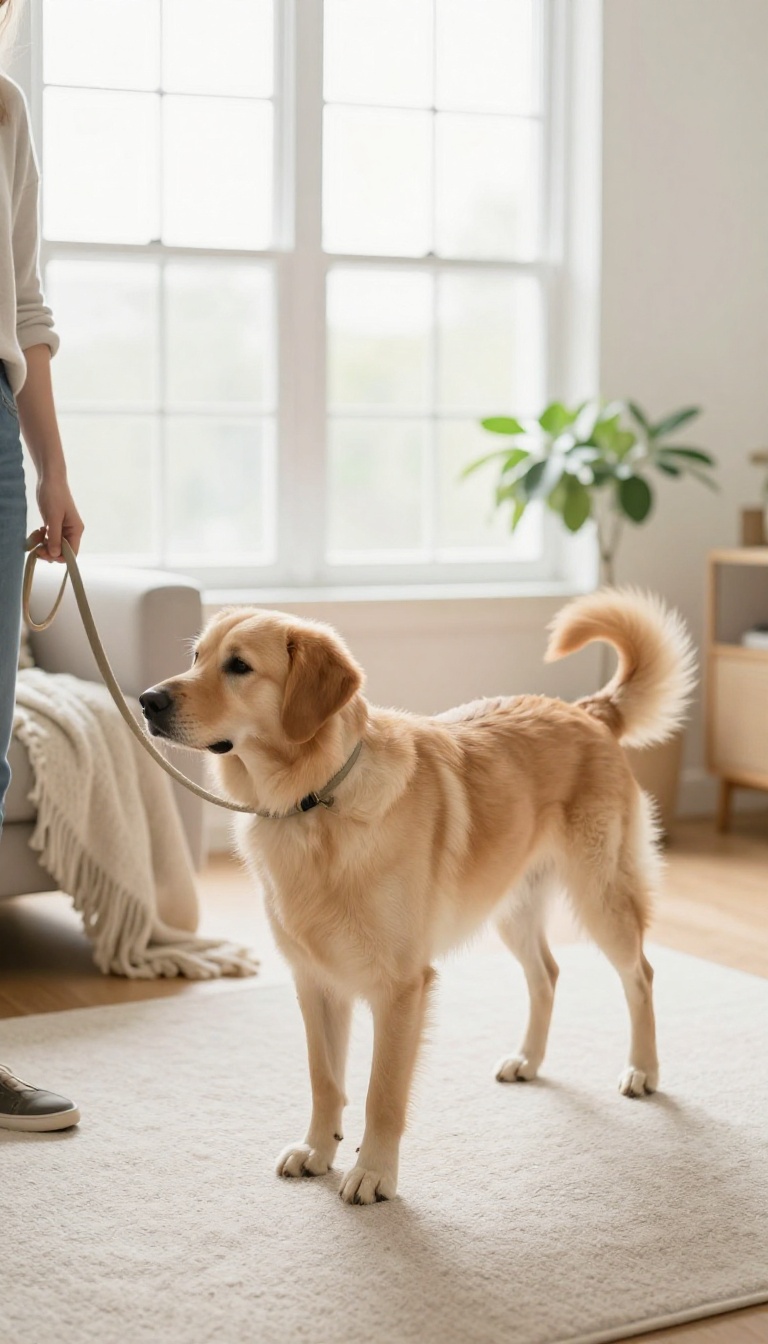
Indoor leash work might feel unnecessary, but it's a game-changer. Your big dog learns to stay beside you without pulling, even when distractions are minimal. That foundation makes outdoor walks smoother and safer for both of you.
Start in a quiet room with no distractions. Hold the leash loosely and let your dog figure out that pulling gets them nowhere. The moment the leash slackens, reward with a treat or a calm "yes.
" Repeat in short sessions, gradually adding more space and mild distractions like a toy on the floor.
Why Start Indoors?
Indoors, you control the environment. There are no squirrels, cars, or other dogs to trigger pulling. This lets your dog focus purely on your pace and the feel of the leash.
It's like rehearsing a play before opening night—by the time you hit the sidewalk, the behavior is already familiar.
The Stop-and-go Method
When your dog pulls, stop moving. Don't yank or scold—just become a statue. Wait for them to look back or step toward you, then resume walking.
This teaches that pulling pauses the fun, while a loose leash keeps the walk going. Consistency is key; every pull gets the same response.
Adding Real-life Distractions
Once your dog walks nicely in a bare room, add realistic challenges. Have someone knock on the door, or walk past an open window. Practice in the hallway or garage.
The goal is to build a default habit of staying beside you, no matter what's happening around them.
3. Waiting at Doorways and Thresholds
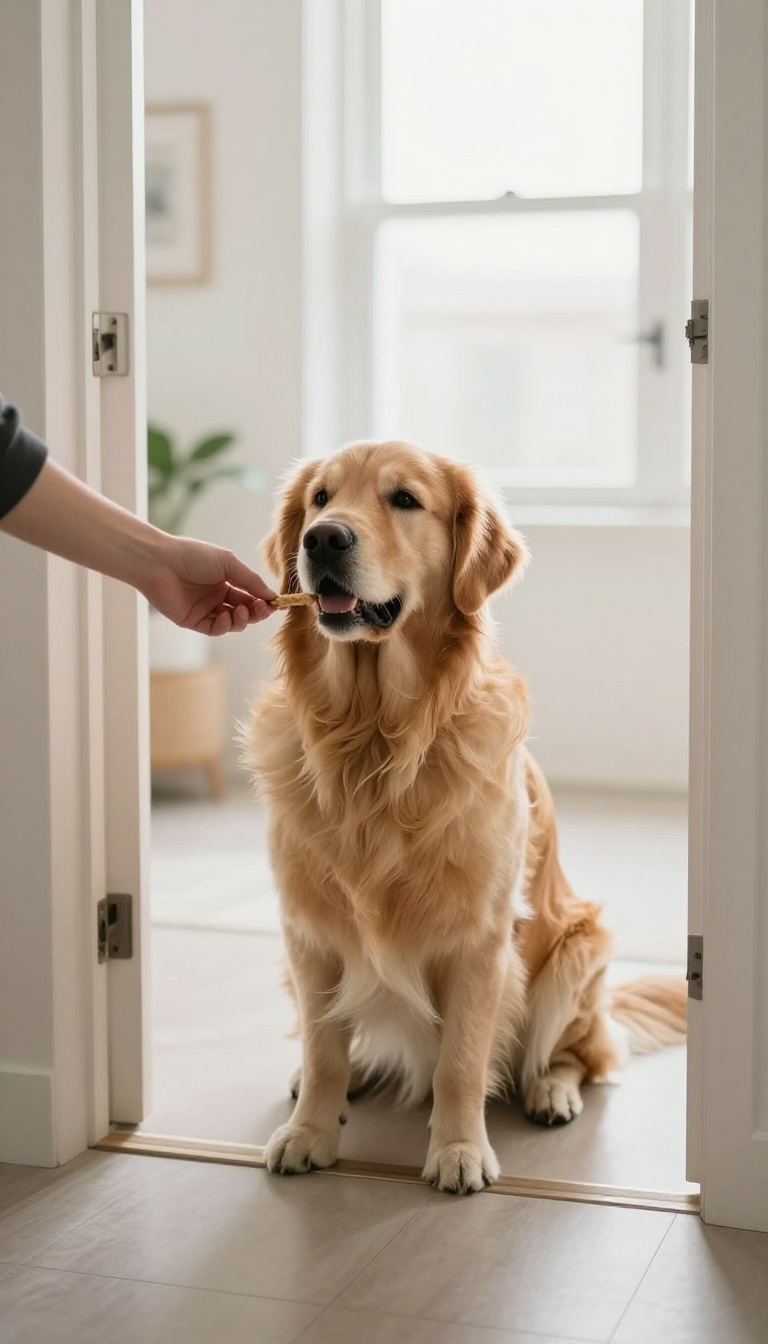
Doorways are like magnets for big dogs—they see an open door and think it's an invitation to explore. But a 70-pound dog bolting past you can be dangerous, especially if there's a busy street or guests coming in. Teaching your dog to pause at thresholds gives you control and prevents those heart-stopping moments.
Start by practicing at a door that's not the main entrance, like a bedroom or bathroom. Have your dog on a leash, approach the door, and stop before opening it. Ask for a sit or a down, then open the door slightly.
If your dog stays put, reward with a treat and praise. If they try to move, close the door and start again. Repeat until your dog learns that the door only opens when they're calm and waiting.
Why Thresholds Matter For Big Dogs
Big dogs have a lot of momentum. When they charge through a doorway, they can knock you over or slip out of your grip. Threshold training builds a habit of checking in with you before moving forward.
It also helps with polite greetings—your dog won't barge into guests or escape into the yard. Plus, it's a simple way to reinforce that you're the leader, which makes your dog feel secure.
Step-by-step Training At The Door
Begin with a quiet door and your dog on a leash. Walk up to the door and stop. Use a cue like 'wait' or 'stay' in a calm voice.
Open the door a few inches. If your dog stays, reward and close the door. Gradually increase the door opening and the time your dog waits.
Practice at different doors and eventually without a leash, but always supervise. Keep sessions short—five minutes a day is plenty.
Common Mistakes And Fixes
One mistake is opening the door too quickly, which invites your dog to bolt. Another is using a harsh tone—your dog might get anxious and rush. Instead, stay relaxed and use high-value treats like chicken or cheese.
If your dog breaks the wait, don't punish; just close the door and try again. Also, avoid practicing only when you're in a hurry—your dog needs calm, focused sessions to learn well.
Making It Stick In Real Life
Once your dog gets the hang of it at home, start using it at the front door and other real-world spots. Have a friend ring the doorbell and only open when your dog is calm. Practice when you take them out for walks—pause at the door and wait for your cue.
Over time, this becomes automatic. Be patient and consistent; your big dog will soon wait politely every time, making your home safer and more peaceful.
4. No Jumping on People
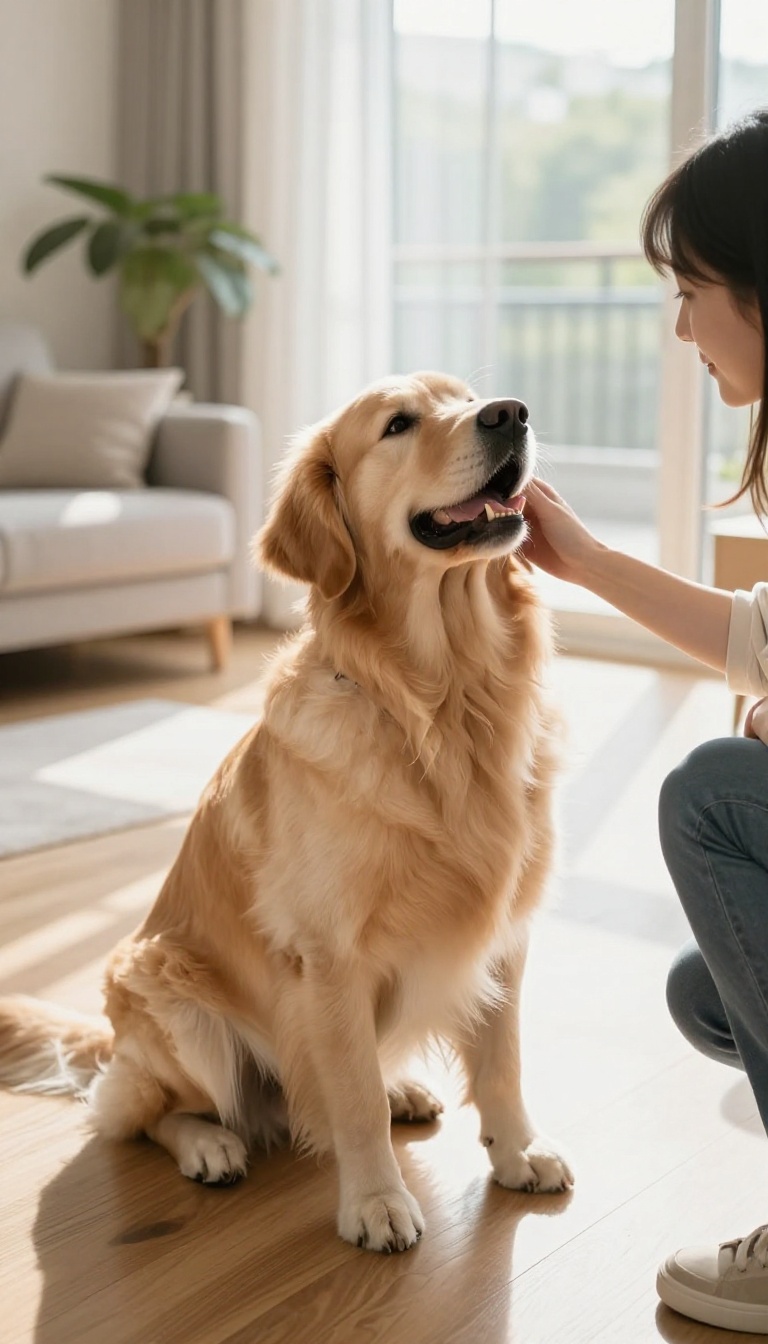
Jumping up is one of the most common—and most dangerous—habits in large dogs. A 70-pound dog launching at a guest can easily knock someone over, scratch a child, or tear clothing. It’s not about being mean; it’s about teaching your dog that keeping all four paws on the floor is the best way to get attention.
The key is consistency. Every time your dog jumps, turn away and ignore them. When they have all four feet on the ground, reward them with praise or a treat.
This teaches them that calm behavior works better than excitement.
Why Jumping Is A Big Deal
Jumping isn't just annoying—it's risky. For elderly visitors or young kids, a big dog's jump can cause falls or injuries. Even for you, a surprise jump can knock you off balance.
Plus, it reinforces a habit that's hard to break if you let it slide sometimes.
Training The Four-on-the-floor Rule
Start by practicing at home when your dog is calm. Ask for a 'sit' before giving attention. If they jump, turn away and fold your arms.
Wait for them to settle, then reward. Repeat this every time, and soon they'll learn that calm gets them what they want.
Managing The Greeting Routine
When guests come over, keep your dog on a leash or behind a baby gate until they're calm. Have guests ignore your dog until all four paws are on the floor. Then they can greet gently.
This prevents the excitement from building up and gives your dog a clear signal of what's expected.
5. Gentle Take and Drop It
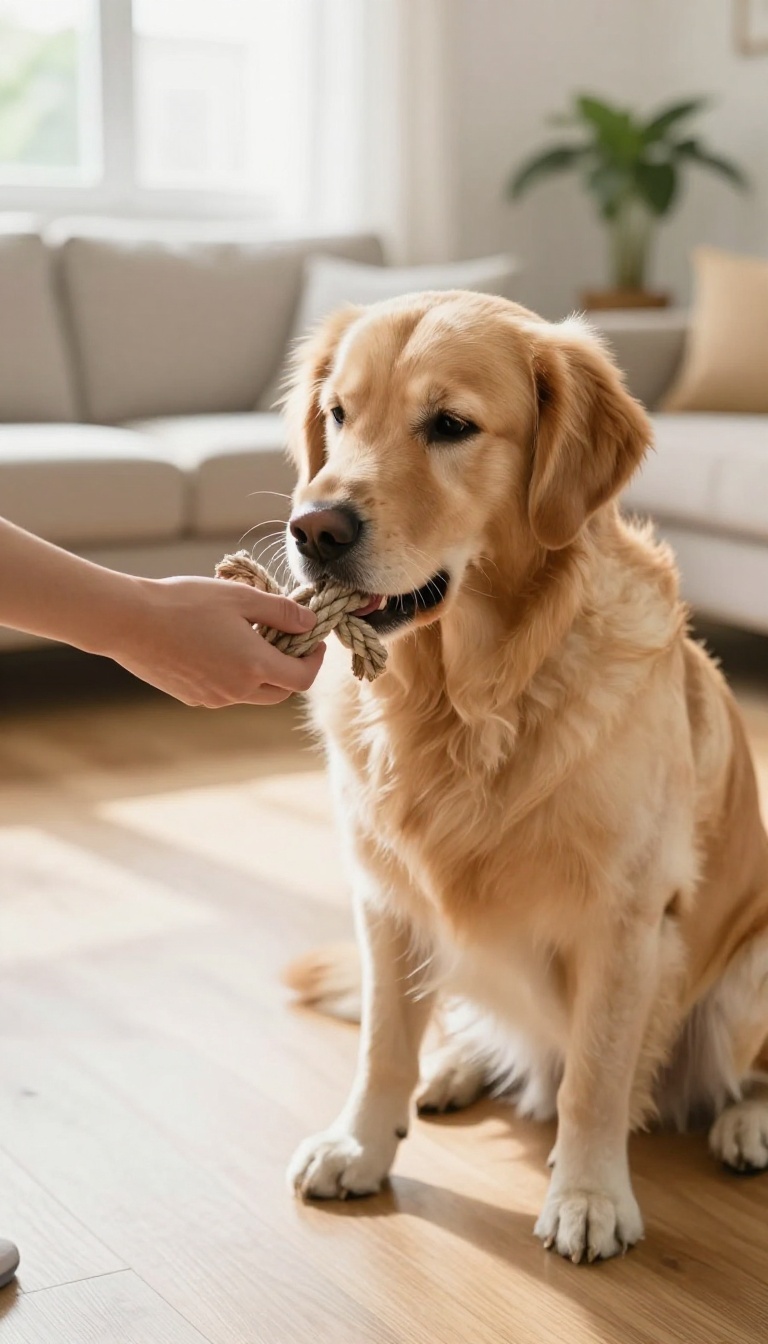
Playing tug or fetch with a big dog is fun, but their jaws are powerful. A game that gets too rough can lead to accidental nips, especially when they're excited. Teaching a soft mouth and a rock-solid 'drop it' command keeps playtime safe and prevents injuries when you need to remove something dangerous from their mouth.
For a large dog, a bite—even an accidental one—can cause serious damage. They don't mean to hurt you, but their size and strength make control essential. By training 'gentle take' and 'drop it, ' you're not just teaching tricks; you're building a crucial safety net for everyday interactions.
Start With Gentle Take: Teaching A Soft Mouth
Begin with a treat or toy in your closed fist. Let your dog sniff and lick, but only open your hand when they use their tongue or lips gently, not their teeth. Say 'gentle' as they take it.
Repeat until they consistently take items softly. This builds a habit of being careful with their mouth, which carries over to play and everyday moments.
Master The Drop It Command
Have a high-value treat ready. Offer a toy, let them grab it, then say 'drop it' while holding the treat near their nose. When they release the toy, say 'yes' and give the treat.
Practice with different items, gradually increasing the value of the item they need to drop. This makes the command reliable when they have something they shouldn't.
Practice With Play And Real-life Scenarios
Incorporate these commands into tug games: play for a few seconds, then ask for a drop. Reward immediately. Also, practice with items they love, like a bone or a stolen sock.
The goal is to make dropping a positive experience, not a punishment. With consistency, your dog will respond even when excited or distracted.
Why This Matters For Safety
A reliable 'drop it' can prevent a trip to the vet if your dog picks up something toxic or sharp. It also reduces the risk of a bite during a tense moment. When your dog knows how to control their mouth, you can trust them around kids, visitors, and other pets.
This training is a simple yet powerful way to keep everyone safe.
6. Staying Off Furniture Unless Invited
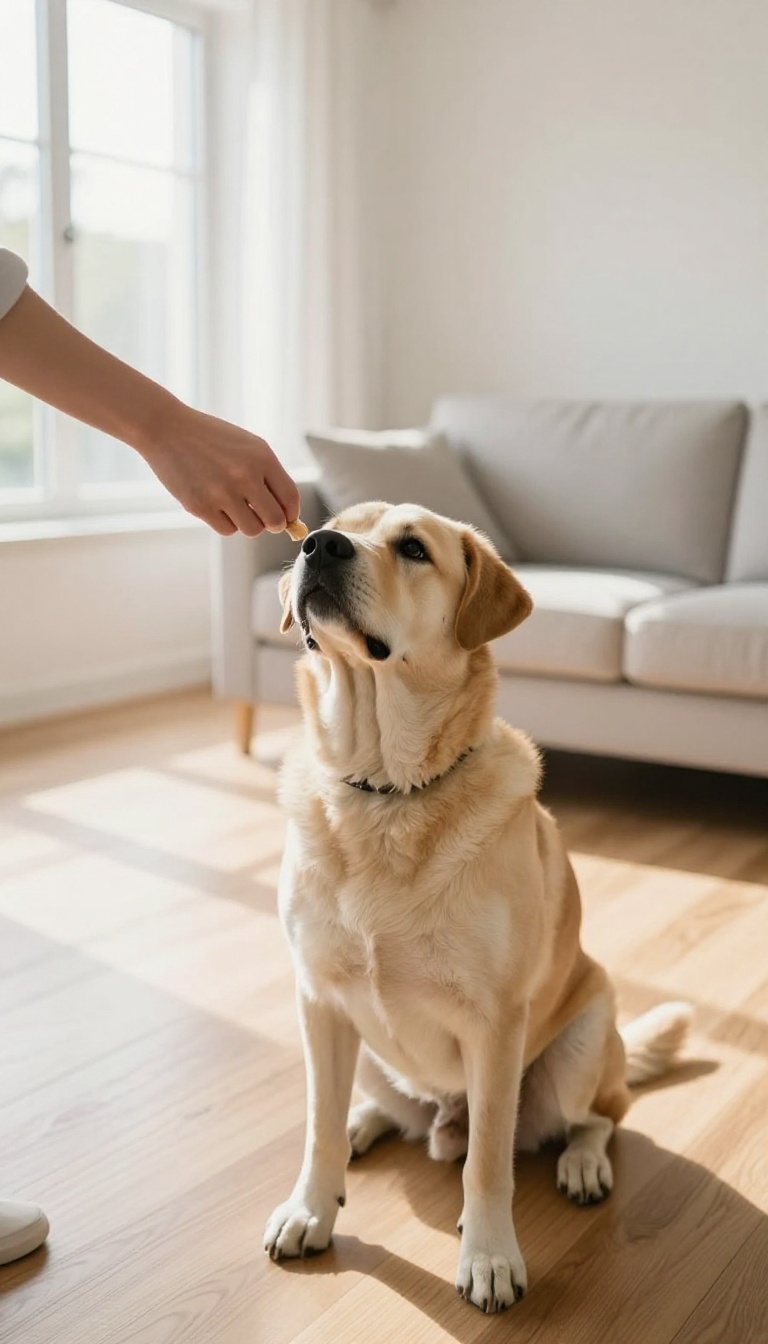
Furniture rules can feel like a personal choice, but for a big dog, they're a safety issue. A 70-pound dog sprawled on the couch might seem cozy, but it can lead to resource guarding or accidental injuries to kids or elders. Setting clear boundaries about where your dog can sit helps everyone feel secure.
When you allow your dog on the couch sometimes but not others, it creates confusion. They might start to guard the sofa or get stressed when someone tries to move them. Clear rules—like 'off unless invited'—remove that guesswork.
Your dog learns to wait for your cue, which builds trust and prevents conflicts.
Why It Matters For Big Dogs
Large dogs take up a lot of space. A sudden lunge off the couch can knock over a toddler or an elderly person. Plus, if your dog feels possessive over a spot, they might growl or snap when someone approaches.
Keeping them off furniture unless invited reduces these risks and gives everyone a clear, safe space.
Teaching The Off Command
Start by teaching a solid 'off' cue. Use treats to lure them down, then reward them on the floor. Practice this consistently, even when they're not on the furniture.
Once they know the cue, you can use it anytime they jump up without permission. Keep sessions short and positive—your dog will learn faster with rewards than with corrections.
Inviting Them Up Safely
If you do want your dog on the couch sometimes, make it a deliberate invitation. Use a cue like 'up' and only allow it when you say so. This way, your dog learns that furniture access is a privilege, not a right.
Always supervise when they're on furniture with kids, and make sure they have a comfortable bed or mat as an alternative.
7. Not Bolting Out the Front Door
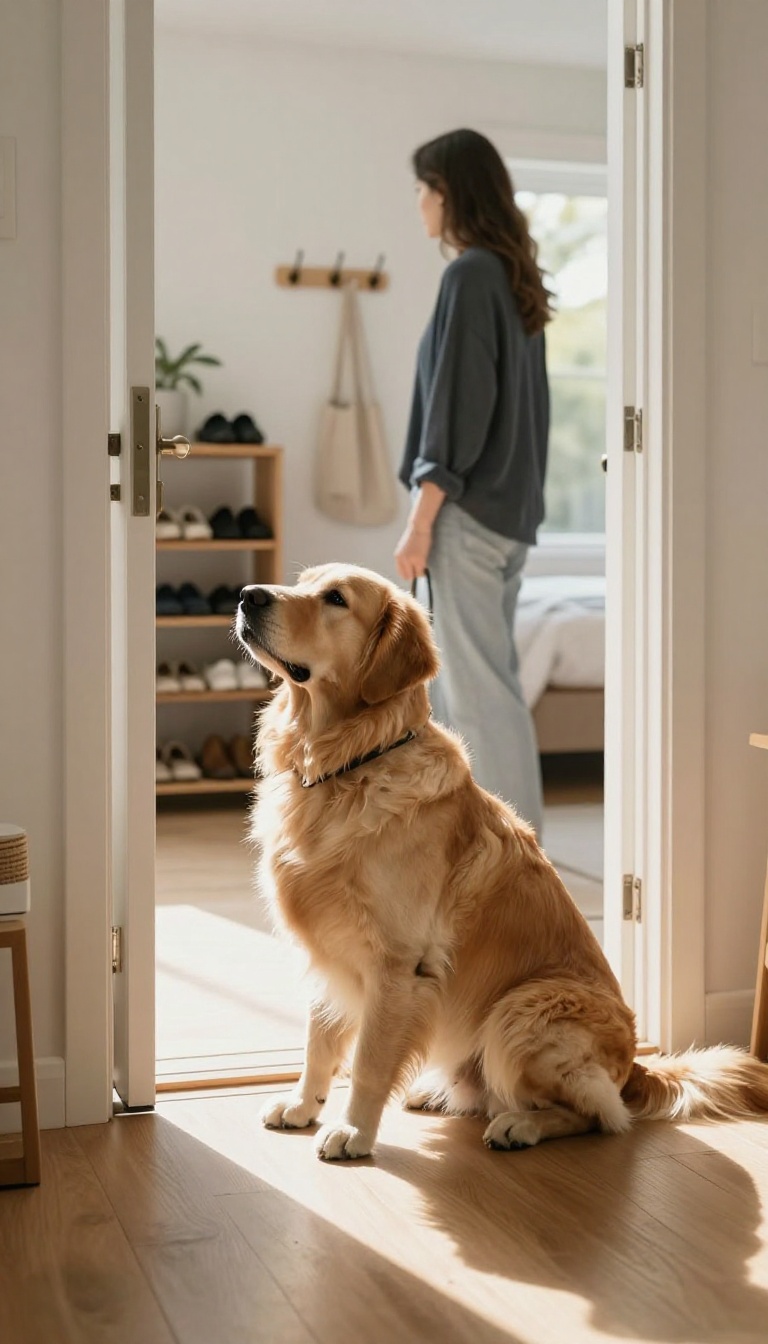
An open door is an open invitation for a big dog to explore the world—and that can end badly. A dog that darts out can get hit by a car, lost, or into a fight. Teaching a solid 'wait' at the door is a lifesaver, literally.
It's not just about obedience; it's about building a habit that keeps your dog safe and gives you peace of mind every time you come and go.
Start by teaching 'wait' in a low-distraction area, then gradually add the excitement of a real door. Use high-value treats and keep sessions short. Practice with the door slightly open, then fully open, and always reward calm behavior.
Consistency is key—every time you go through a door, ask for a 'wait' and release with a cue like 'okay. '
Start With A Solid 'wait'
Begin training away from the door. Have your dog sit or stand, say 'wait, ' and take a step back. If they move, calmly return them to the spot and try again.
Reward them for staying put even for a second. Gradually increase the distance and duration. Use a release word like 'okay' to let them know they're free to move.
Practice With Real-life Scenarios
Once your dog understands 'wait' indoors, practice at the front door with the door closed, then slightly open, and finally fully open while on a leash. Have a helper knock or ring the bell to mimic real distractions. Always keep your dog on a leash until they're reliable.
If they try to bolt, close the door firmly (not on them) and start again.
Make It A Habit
Use 'wait' every single time you go through any door, even if you're just grabbing the mail. The more you practice, the more automatic it becomes. Reward your dog with praise or a treat when they wait calmly.
Over time, they'll learn that patience at the door leads to good things, and bolting never does.
8. Walking Calmly Past Other Dogs
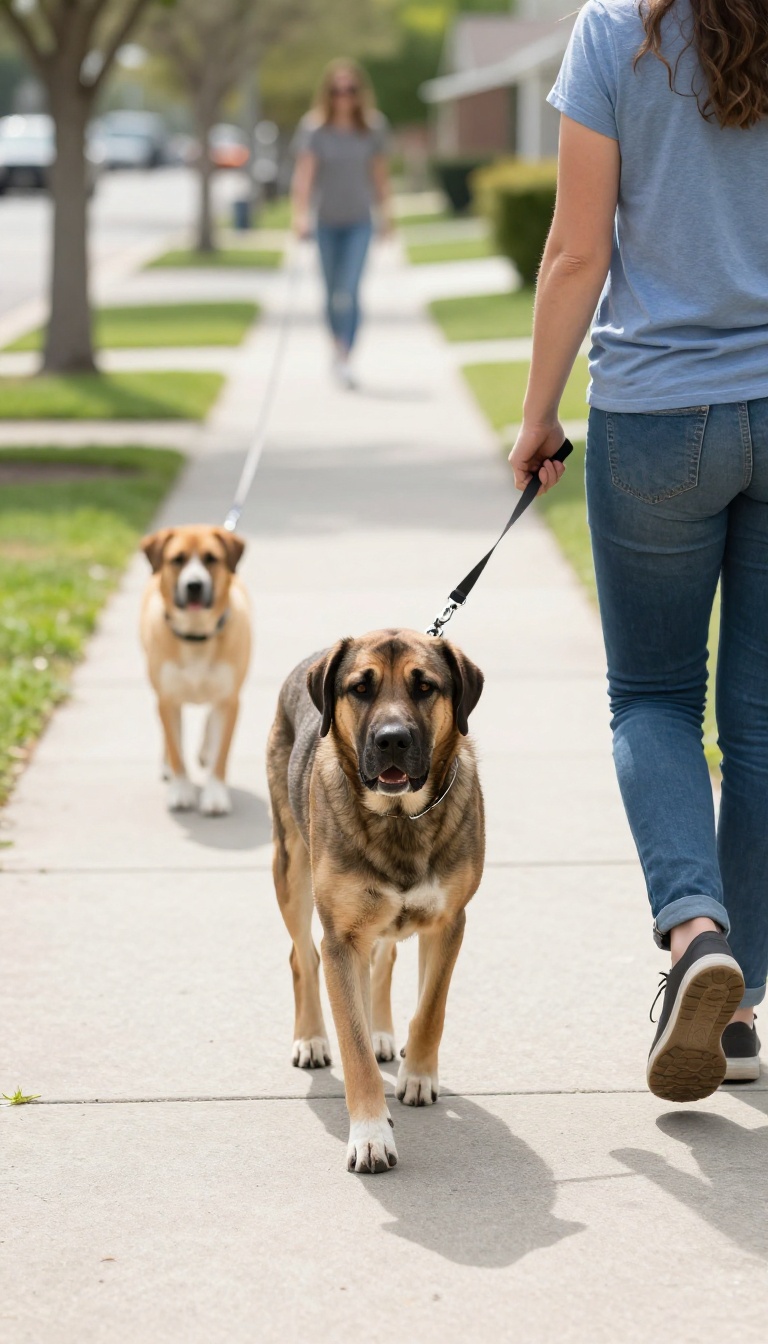
Every walk with a big dog can feel like a potential showdown when another dog appears. Your heart races, you grip the leash tighter, and your dog starts pulling or barking. It's stressful for you and confusing for your dog.
The good news is that you can teach your large dog to walk calmly past other dogs, turning those tense moments into simple, uneventful passes.
Training your dog to focus on you when passing other dogs is a game-changer. It reduces lunging, barking, and pulling, making walks more enjoyable and less stressful for both of you. This skill also keeps everyone safe—your dog, the other dog, and you.
With consistent practice and the right techniques, your big dog can learn to walk past other dogs with calm confidence.
Why Big Dogs React
Large dogs often react to other dogs out of excitement, fear, or frustration. Their size makes these reactions more intimidating and harder to control. Understanding your dog's trigger is the first step.
Does your dog lunge because they want to play? Or are they nervous? Knowing the reason helps you tailor your training approach.
The 'watch Me' Cue
Teach your dog to look at you on command. Start at home with no distractions, then gradually add more. When you see another dog on a walk, ask for 'watch me' before your dog reacts.
Reward them with a high-value treat for maintaining eye contact. This redirects their attention and builds a habit of checking in with you.
Practice At A Safe Distance
The secret to success is keeping enough distance so your dog stays under threshold. Start by walking past other dogs from far away, where your dog notices but doesn't react. Reward calm behavior.
Over time, slowly decrease the distance. If your dog reacts, you've gone too close too soon—increase the gap and try again.
Use A Front-clip Harness
A front-clip harness gives you better control without pulling on your dog's neck. It gently steers your dog's body to the side when they lunge, making it easier to redirect their attention. This tool, combined with training, helps your dog learn that calm behavior is more rewarding than reacting.
9. Accepting Handling and Grooming
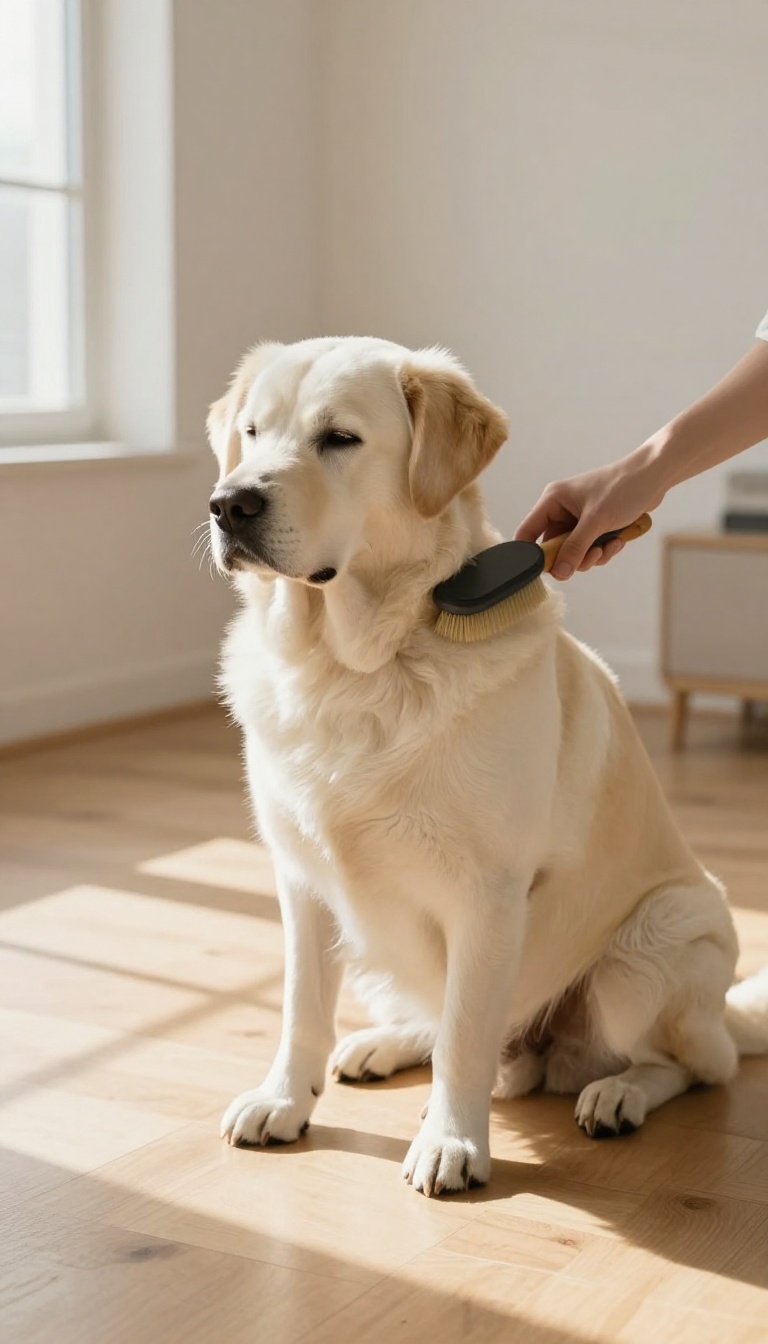
Big dogs often have big opinions about being touched, especially in sensitive spots like paws, ears, or tails. But when a 100-pound dog decides he doesn't want his nails trimmed, it's not just frustrating—it can be dangerous. Teaching your dog to accept handling and grooming calmly is one of the best investments you can make in your safety and his well-being.
Regular grooming isn't just about looking good; it's about health. Brushing removes loose fur and prevents mats, which can hide skin irritations. Checking ears, teeth, and paws helps you catch problems early.
And when your dog is comfortable with all this, vet visits and grooming sessions become stress-free for everyone involved.
Start by making handling a positive, everyday experience. Touch your dog gently while giving treats, and gradually work up to more involved grooming. The goal is to create a dog who trusts you completely, even when you're doing something he might not love.
Start With Gentle Touch
Begin by petting your dog in areas he already enjoys, like his chest or back. Then, briefly touch his ears, paws, and tail while offering a treat. Keep sessions short and happy.
Over time, your dog will learn that being handled leads to good things, not just restraint.
Desensitize To Grooming Tools
Introduce brushes, nail clippers, and other tools slowly. Let your dog sniff them, then touch them to his body without doing anything. Reward calm behavior.
Once he's comfortable, you can start using the tools for real, but always pair them with treats and praise.
Make Nail Trims A Team Effort
Nail trims are a common fear for many dogs. Practice touching his paws frequently and pressing gently on each toe. When you do trim, go slowly and cut just a tiny bit at a time.
If your dog gets stressed, take a break and come back later. Consistency and patience are key.
Turn Grooming Into Quality Time
Instead of rushing through grooming, treat it as a bonding activity. Play some calm music, use a soft brush, and talk to your dog in a soothing voice. End each session with a favorite toy or a short play session.
This helps your dog associate grooming with positive experiences, not just chores.
10. No Food Begging at the Table
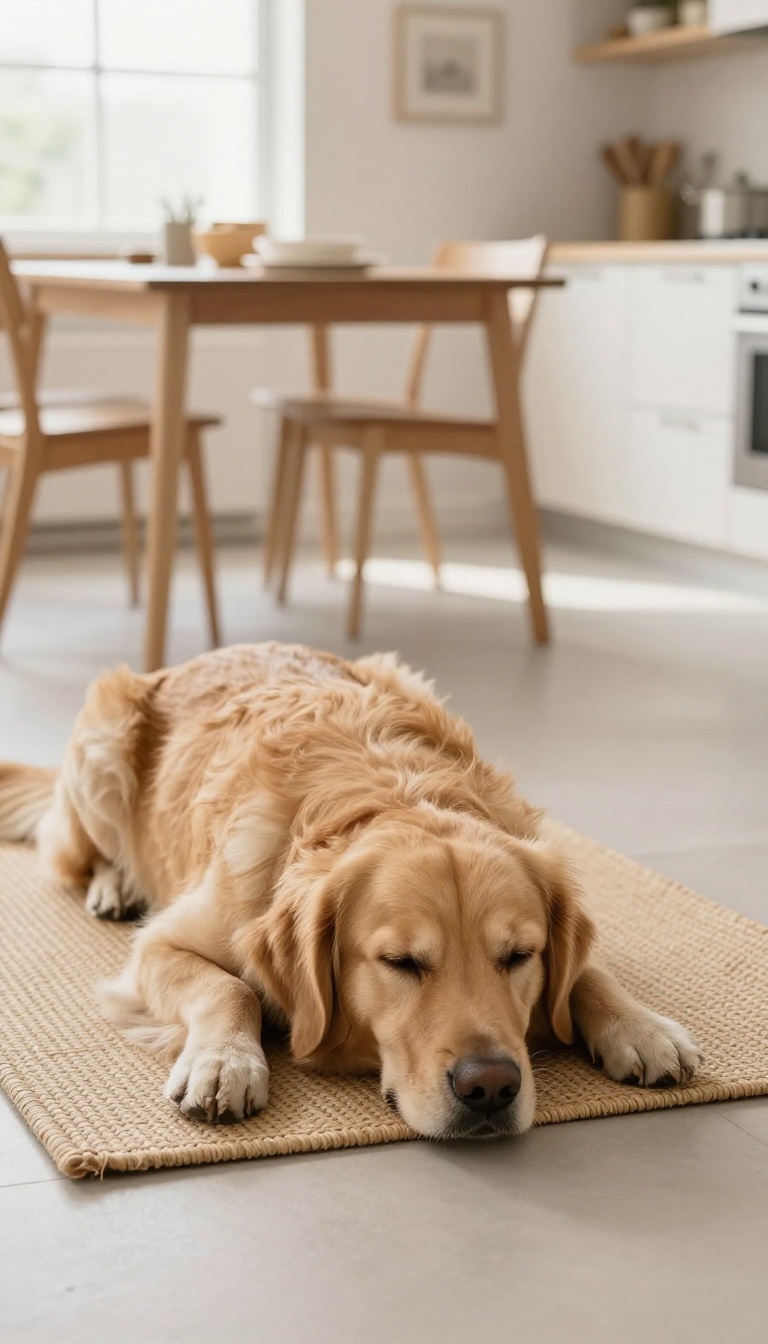
Mealtime can turn into a circus when a 100-pound dog parks his chin on the table edge. That drooling stare might seem cute, but it's a slippery slope to counter-surfing and even accidental bites. Teaching your dog to stay on a mat during meals isn't just about good manners—it's about keeping everyone safe and calm.
Start by placing a comfortable mat or bed a few feet away from the table. Toss a treat onto the mat and say 'go to your place. ' Reward him for staying there while you eat. Gradually increase the duration, and always reward calm behavior.
If he gets up, calmly guide him back without scolding. Consistency is key—soon he'll associate mealtime with his cozy spot.
Why It Matters For Big Dogs
A large dog can easily knock over plates or hurt someone by accident when begging. They might also snatch food from counters, which can be dangerous if the food is toxic. Teaching a solid 'place' command prevents these risks and makes dining safer for everyone, especially kids and elderly family members.
How To Teach The Mat Command
Use high-value treats like small pieces of chicken or cheese. Lure your dog to the mat, say 'place, ' and reward him for all four paws on it. Practice in short sessions, gradually increasing the time.
Once he's reliable, start doing it during actual meals. Keep a treat pouch handy to reward him periodically, but don't make it obvious—you want him to relax, not stare at you for treats.
Common Mistakes To Avoid
Don't give in to those puppy eyes—even once. If you feed him from the table, you're reinforcing the behavior. Also, avoid scolding him harshly; instead, calmly redirect him back to his spot.
And don't expect perfection overnight. It takes time, but with patience, your dog will learn that the mat is the best place to be during meals.
11. Coming When Called, Even with Distractions
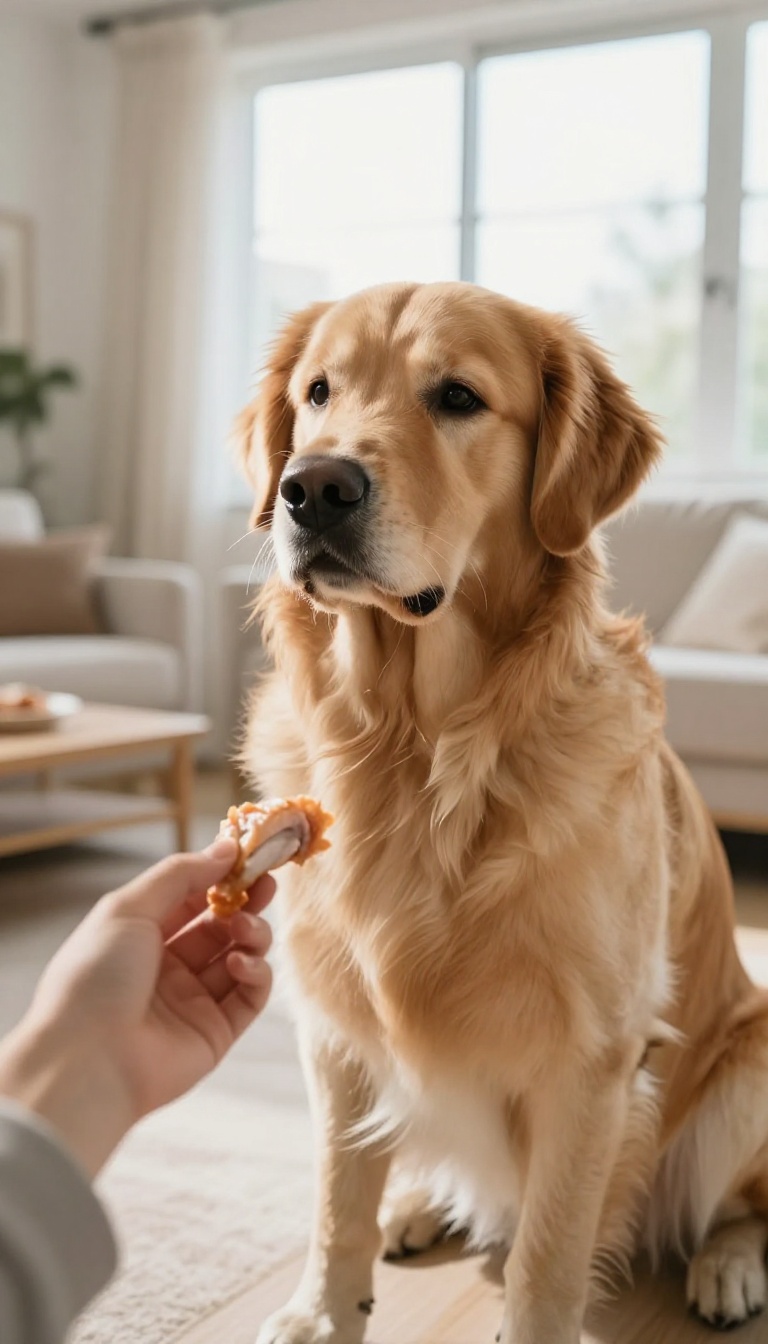
A reliable recall is the ultimate safety net for any dog, but it's non-negotiable for a large breed. When your dog ignores you and bolts after a squirrel or wanders toward a busy street, their size doesn't protect them—it puts them at greater risk. Training a rock-solid "come" command takes patience, but it's one of the most valuable skills you'll ever teach.
Start in a low-distraction environment like your living room. Use high-value treats—something your dog rarely gets, like bits of chicken or cheese. Say "come" in a cheerful tone, then reward generously when they reach you.
Gradually increase difficulty by practicing in your backyard, then on walks with a long leash. Always make coming to you a party: praise, treats, and maybe a quick game of tug. Never call your dog to scold them; you want them to associate the cue with good things only.
Why High-value Rewards Matter
In a world full of fascinating smells and moving critters, a boring kibble won't cut it. High-value treats signal to your dog that coming to you is the best choice they can make. Keep a special stash just for recall practice, and reserve it for those moments when you need their attention most.
This makes the behavior stick even when distractions are high.
Practice With Real-life Distractions
Set up controlled scenarios where your dog is tempted—have a friend walk by with another dog, or toss a toy nearby. Use a long training leash so you can gently guide them if they hesitate. The key is to reward every successful recall, even if it takes a few tries.
Over time, your dog will learn that coming to you is always worth it, no matter what's going on around them.
Emergency Recall: A Life-saving Cue
Beyond the everyday "come, " teach an emergency recall word like "here" or "now" that you use only in serious situations. Pair it with an extra-special reward, like a piece of steak or a favorite squeaky toy. Practice it occasionally so it stays sharp, but don't overuse it.
When your dog slips their leash or heads toward danger, this cue could be the difference between a close call and a catastrophe.
12. Settling on a Mat or Bed
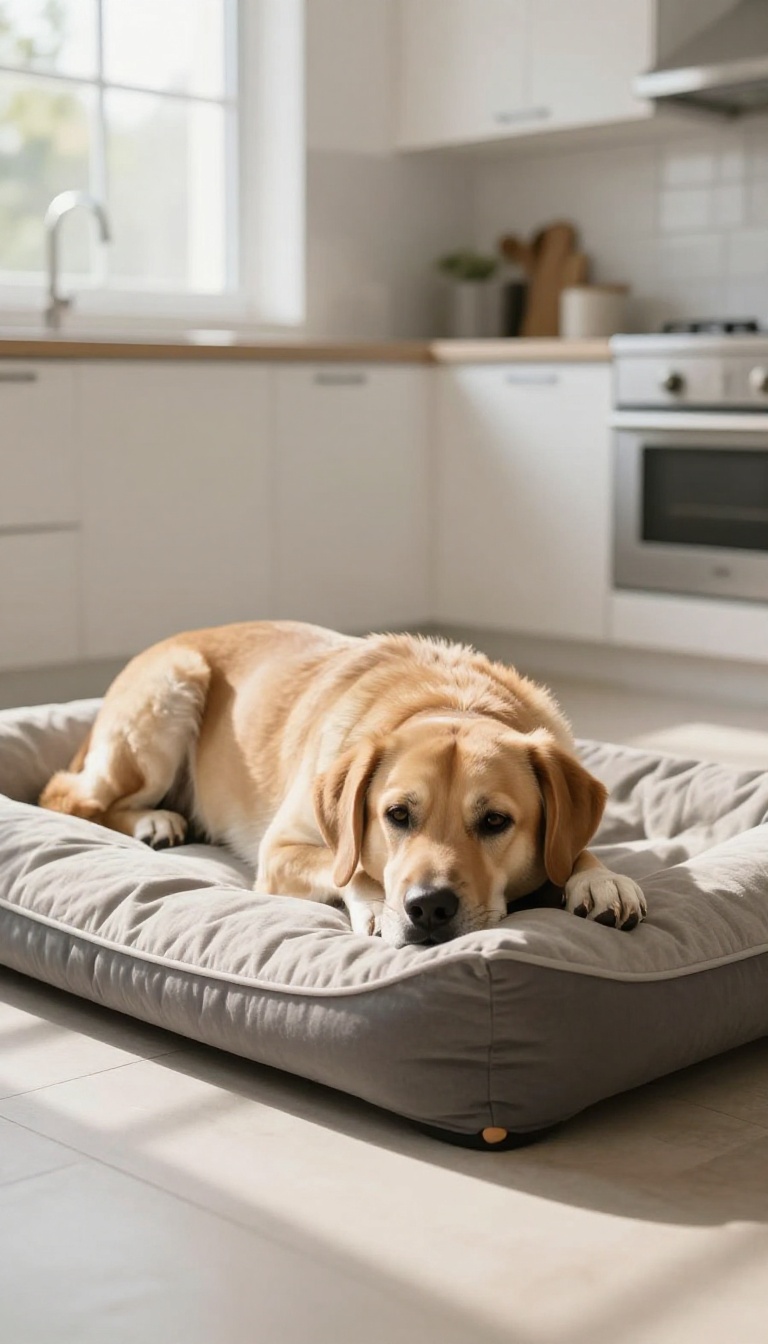
A big dog sprawled in the middle of the kitchen while you're trying to cook is a recipe for tripping hazards. Teaching your dog to settle on a mat gives them a designated safe spot and you some breathing room. It's a simple skill that pays off during meals, when guests arrive, or any time you need them out from underfoot.
Start by placing a comfortable mat or bed in a quiet corner of a room where you spend a lot of time. Use high-value treats to lure your dog onto the mat, then reward them for lying down. Gradually increase the duration they stay, and add a cue like "go to your mat" or "settle.
" Practice in short sessions, then use it in real-life situations like when you're on the phone or eating dinner. With consistency, your dog will learn to chill out on their mat, making your home safer and more peaceful.
Why A Mat Works For Big Dogs
A mat gives your dog a clear, defined space that's theirs. It's especially helpful for large breeds because they need more room to stretch out. When they learn to settle on command, you can move them out of walkways or away from the door without physical effort.
This reduces the chance of accidental bumps or tripping over a 100-pound dog.
Step-by-step Training
Begin with a comfortable mat or bed that's big enough for your dog to lie down fully. Lure them onto it with a treat, say "yes" or click, and reward. Then, ask for a down and reward again.
Gradually increase the time they stay, and introduce a release word like "okay" to let them know when they can get up. Practice in different rooms and with distractions, always rewarding calm behavior.
Using The Mat In Daily Life
Once your dog is reliable, use the mat during everyday situations. Have them settle while you cook, eat, or work. When visitors come, send them to their mat for a calm greeting.
This prevents door-dashing and jumping. It also gives your dog a job to do, which helps with impulse control and makes them feel secure.
13. Walking on Stairs Without Pulling
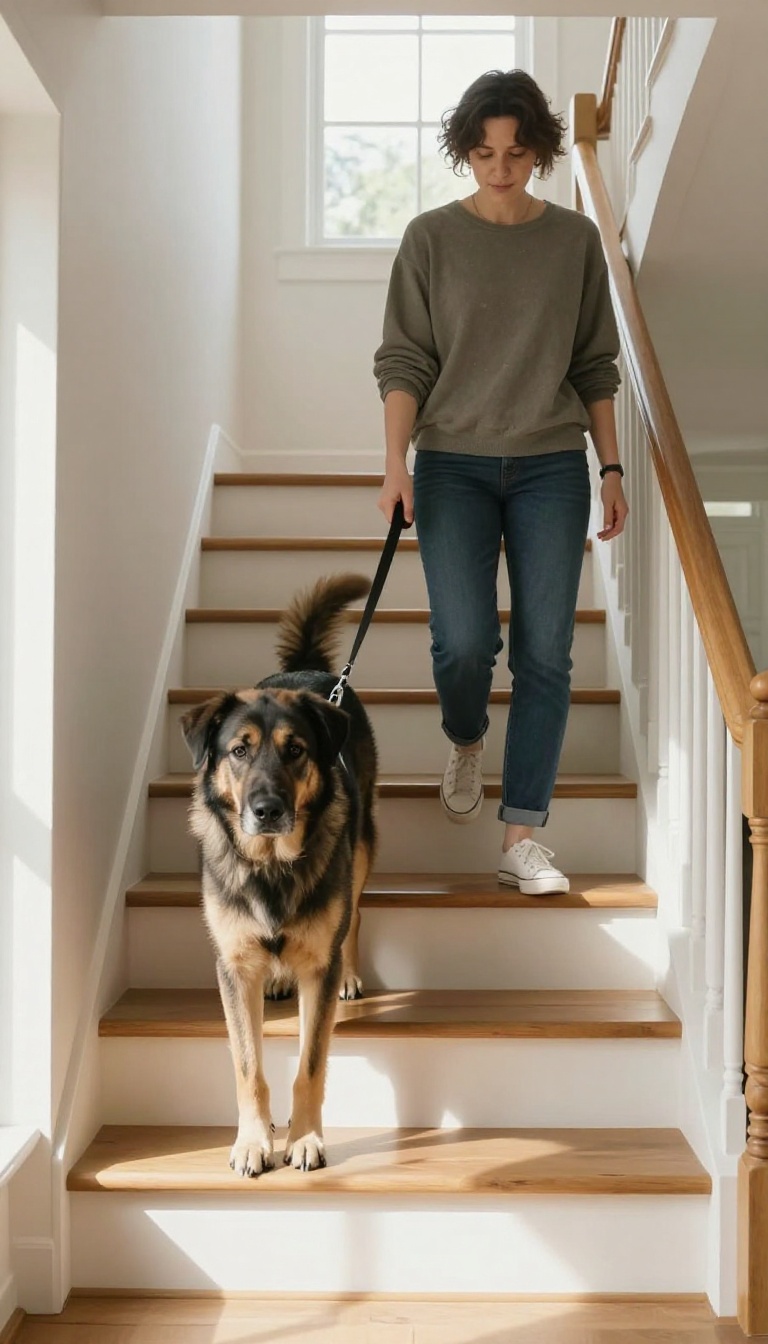
Stairs can be a hidden hazard for large dogs and their humans. A 90-pound dog barreling down the stairs can easily knock you off balance, especially if you're carrying groceries or an elderly relative is nearby. Teaching your dog to walk beside you, at your pace, turns a risky situation into a calm, controlled routine.
Start by practicing on stairs when there's no rush. Use a treat to lure your dog to your side, and reward them for staying there as you descend or ascend. Keep the leash short but not tight, and use a calm, steady voice.
If your dog starts to pull ahead, stop and wait until they return to your side before continuing. Consistency is key—soon, your dog will learn that moving with you is the fastest way to get where they're going.
Why Large Dogs Tend To Rush
Big breeds often have a natural forward drive, especially when they're excited to go outside or come back in. Their size makes them feel unstoppable, and stairs can amplify that momentum. Without training, they'll bolt, which can be dangerous for everyone involved.
Step-by-step Training
Start on a quiet staircase with a treat in hand. Walk beside your dog, keeping them on a loose leash. Every few steps, stop and reward them for staying with you.
If they try to surge ahead, stop and wait until they relax. Gradually increase the distance between rewards as they get the hang of it.
Adding Distractions
Once your dog is reliable at home, practice on stairs in new places, like a friend's house or a park with steps. Add distractions like toys or other people to mimic real-life scenarios. This helps your dog generalize the behavior and stay focused even when things get exciting.
14. Not Guarding Food or Toys
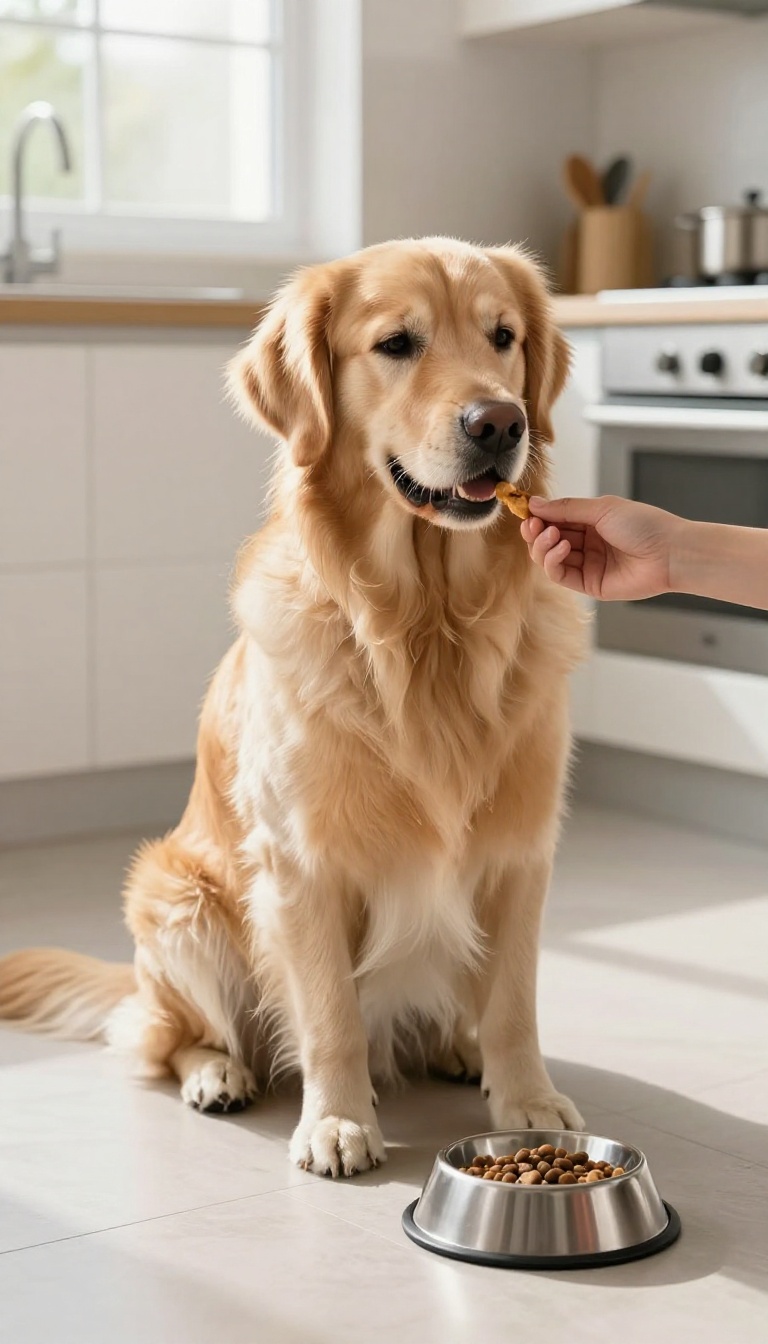
Resource guarding might sound like a serious behavioral issue, but it's actually pretty common, especially in big dogs. When your dog feels the need to protect their food bowl or favorite toy, it can turn a simple interaction into a risky one. A 100-pound dog who growls or snaps when you approach his bone is a safety concern for everyone in the house.
The good news? You can teach your dog that sharing and trading are way better than guarding. With a little patience and the right approach, you'll be able to take anything away from your dog without fear of a bite.
This skill isn't just convenient—it's essential for safe daily handling.
Resource guarding is a natural instinct, but it's one you can manage with consistent training. The key is to show your dog that your approach means good things, not threats. Start by practicing trading games, where you swap a high-value treat for the item he's guarding.
This teaches him that giving something up leads to something even better. Another effective method is to practice during meal times. Walk by his bowl and drop a tasty treat inside, so he associates your presence near his food with positive rewards.
Over time, he'll learn that you're not a threat to his resources—you're a source of good stuff. Remember, never punish a dog for growling. That warning is a gift—it tells you he's uncomfortable.
Instead, work on building trust and changing his emotional response. With patience and consistency, you'll have a dog who happily shares his treasures with you.
Why Guarding Happens
Guarding often stems from insecurity, not dominance. A dog might guard because he's afraid of losing something valuable, especially if he's had to compete for resources in the past. Big dogs may also guard because they've learned that their size gives them an advantage.
Understanding this can help you approach training with empathy rather than frustration.
Trading Games That Work
Start with something your dog loves but isn't too attached to, like a chew toy. Offer him a high-value treat like chicken or cheese while saying 'trade. ' When he drops the toy, give him the treat and let him have the toy back after a moment. Repeat this regularly so he learns that giving up an item never means losing it forever.
Mealtime Manners
During meals, walk past his bowl and drop a treat in it. Do this a few times each meal, so he starts to look forward to your presence. You can also practice picking up the bowl, adding a treat, and setting it back down.
This teaches him that your hands near his food are a good thing, not a threat.
15. Staying Calm During Vet Visits

Vet visits can be stressful for any dog, but when you have a 100-pound breed, a panicked dog can turn an exam into a wrestling match. Practicing calm handling at home makes a world of difference. When your dog is relaxed, the vet can do their job quickly and safely, and you avoid the embarrassment of your giant dog trying to hide under the waiting room chair.
The key is to make handling and restraint a normal part of everyday life. Start by touching your dog's paws, ears, and mouth gently while rewarding calm behavior. Use treats to create positive associations.
Practice having your dog stand still while you run your hands over their body, mimicking what the vet will do. Also, get them used to being on a leash and having their collar or harness touched. If your dog learns that being handled means good things, they'll be less likely to panic at the clinic.
Desensitize To Common Vet Procedures
Vets often need to check ears, eyes, and teeth, and take temperatures. You can practice these at home in a low-stress way. Gently lift your dog's lips to check teeth, look into their ears, and even touch their rear end with a fake thermometer (a blunt object).
Pair each action with a high-value treat. Over time, your dog will associate these touches with rewards, making the real exam less scary.
Practice Calm Settling On A Mat
Teaching your dog to lie down and stay on a mat or towel is invaluable. At the vet, you can bring this mat and ask your dog to settle on it while waiting. This gives them a familiar spot and a clear job.
Practice at home in various rooms, gradually increasing distractions. A dog that can settle on cue is much easier to manage in a busy clinic.
Use Calming Aids And Pheromones
Consider using calming aids like a Thundershirt or Adaptil pheromone spray before the visit. These can reduce anxiety without medication. You can also give your dog a long-lasting chew or a frozen Kong filled with peanut butter during the exam to keep their mind occupied.
Always check with your vet before using any supplements or medications.
FAQ
How long does it take to teach a large dog good manners?
It varies by dog and consistency, but with daily practice, you can see significant improvement in a few weeks. Patience and positive reinforcement are key.
What if my dog is too strong to control on a leash?
Start with a front-clip harness or head halter for better control. Combine that with training to teach loose-leash walking, and always prioritize safety.
Can an older large dog learn new manners?
Absolutely. Older dogs can learn, but they may take a bit longer. Use high-value treats and keep sessions short and positive.
How do I stop my dog from jumping on guests?
Teach an alternative behavior like sitting for greetings. Practice with friends, and ask guests to ignore jumping and reward calm behavior.
Is it too late to train my dog if they already have bad habits?
It's never too late. Bad habits can be changed with consistent training and management. Focus on one behavior at a time and celebrate small wins.
Conclusion
Daily handling with a large dog doesn't have to feel like a wrestling match. Pick one or two manners from this list that fit your routine and practice them during calm moments. Consistency beats intensity, so keep sessions short and rewarding.
Over time, those small habits will make grooming, vet visits, and everyday walks smoother for both of you. Start with the easiest one today, and build from there—your back and your dog's trust will thank you.

I’m Pallab Kishore, the owner of Little Pets Realm — an animal lover and pet care enthusiast sharing easy tips, healthy recipes, and honest advice to help every small pet live a happy, healthy, tail-wagging life.