
A well-mannered dog doesn't just make life easier—it makes every outing more enjoyable. Whether you're grabbing coffee, hiking a busy trail, or meeting friends at a park, calm behavior in public spaces builds trust and keeps your pup safe. The good news?
These skills aren't about drilling commands until they're perfect. They're about teaching your dog practical habits that feel natural in real-world settings.
From loose-leash walking to settling on a mat, each skill below targets a specific situation you'll actually encounter. Pick a few that match your lifestyle, practice them in small doses, and watch your dog become the one everyone compliments.
1. Loose-Leash Walking
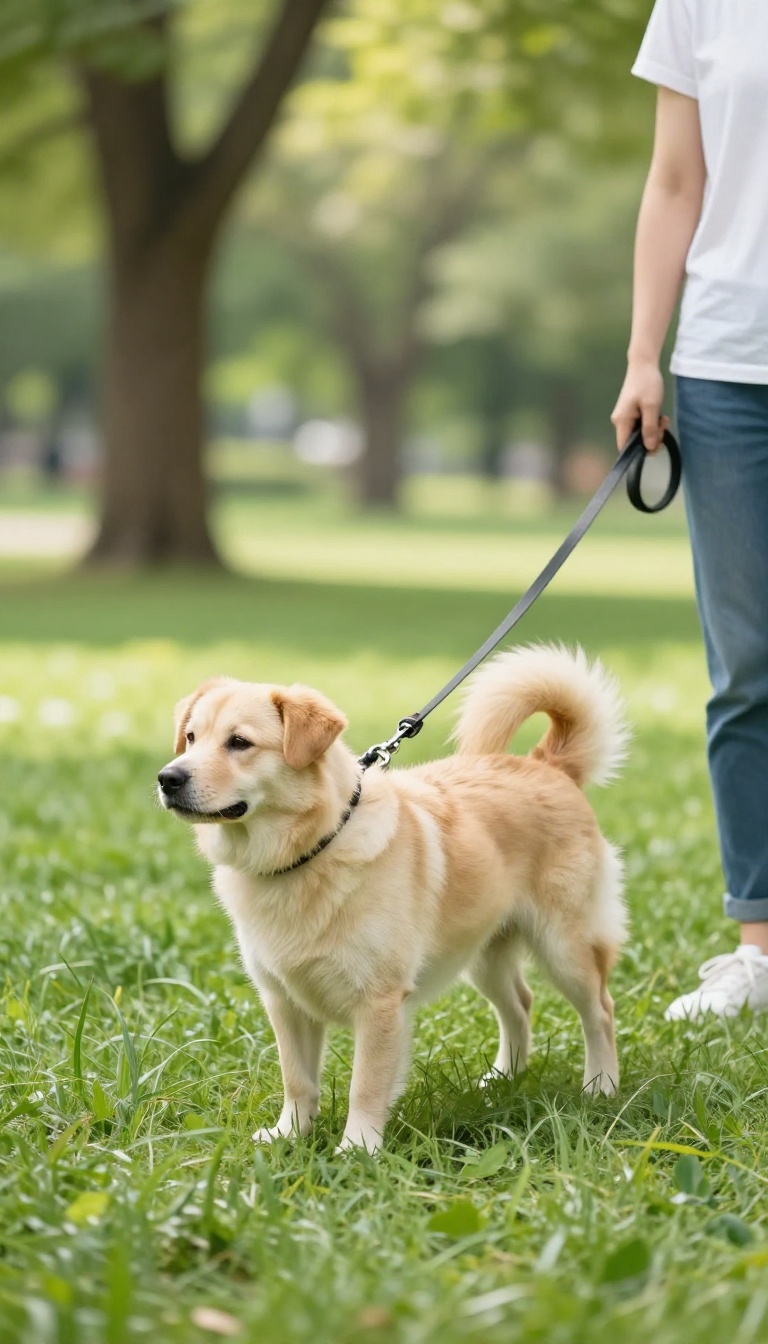
A dog that pulls on the leash turns a simple stroll into a shoulder-wrenching workout. Loose-leash walking is the antidote—it means your dog stays by your side with a relaxed leash, no matter what's happening around you. This skill isn't about robotic heeling; it's about teaching your dog that staying close pays off with treats, praise, and forward movement.
Start in a low-distraction area like your living room or backyard. Have treats ready and reward your dog the instant the leash goes slack. Take a few steps, stop, and wait for your dog to look back at you.
The moment they do, mark it with a 'yes' and give a treat. This builds the habit of checking in with you, which is the foundation of loose-leash walking.
The 'be A Tree' Method
When your dog pulls, simply stop moving. Stand still like a tree and wait. Don't yank the leash or say anything—just wait.
The second your dog turns back toward you or the leash loosens, start walking again. This teaches your dog that pulling gets them nowhere, while slack gets them moving. It's patient work, but it works wonders.
Use High-value Rewards
Treats matter. Use something your dog finds irresistible, like small pieces of chicken or cheese. Save these special rewards for walks so your dog stays motivated.
Reward frequently at first—every few steps—then gradually space out the treats as your dog gets the hang of it. You'll also want to reward for walking past distractions without pulling, which is where the real progress happens.
Practice In Real-world Settings
Once your dog is solid in quiet areas, slowly add distractions. Try walking in front of your house, then around the block, then at a park. Keep sessions short—five to ten minutes—and end on a positive note.
If your dog starts pulling again, go back to the 'be a tree' method until they refocus. Consistency is key, and soon your dog will walk politely anywhere.
2. Reliable Recall
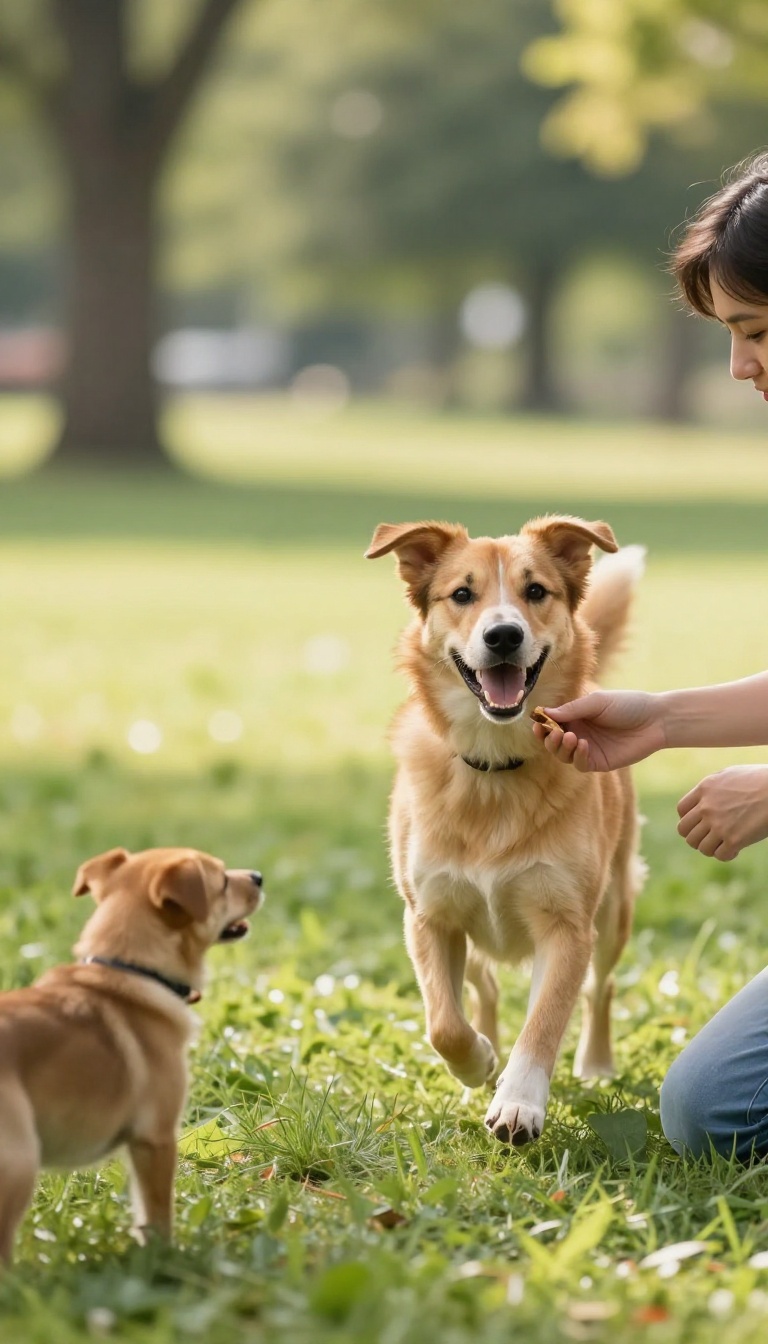
A dog that bolts after a squirrel or ignores your calls in a busy park is every owner's nightmare. Reliable recall—the ability to come when called, no matter what—is the cornerstone of public safety and freedom. When your dog truly understands that returning to you is always rewarding, you can relax and let them explore without constant stress.
Start Indoors, Then Build Distractions
Begin in a quiet room with no distractions. Say your dog's name and 'come' in a happy, excited tone, then reward with a high-value treat or a favorite toy. Practice short sessions, gradually moving to more distracting areas like your backyard, then a quiet street, and finally a busy park.
The key is to set your dog up for success by increasing difficulty slowly.
Use A Long Line For Safety
A 15- to 30-foot long line gives your dog freedom while keeping them safe during training. Attach it to their harness and let them wander, then call them. If they don't respond, give a gentle tug and reel them in, then reward.
This prevents them from practicing ignoring you, which builds a stronger habit over time.
Make Coming To You A Party
Your dog should think returning to you is the best thing ever. Use super tasty treats, enthusiastic praise, or a game of tug. Avoid calling your dog only when it's time to leave or when you're annoyed.
Instead, call them randomly throughout the day, reward them, and let them go back to playing. This teaches them that coming to you doesn't always mean the fun ends.
3. Calm Greetings
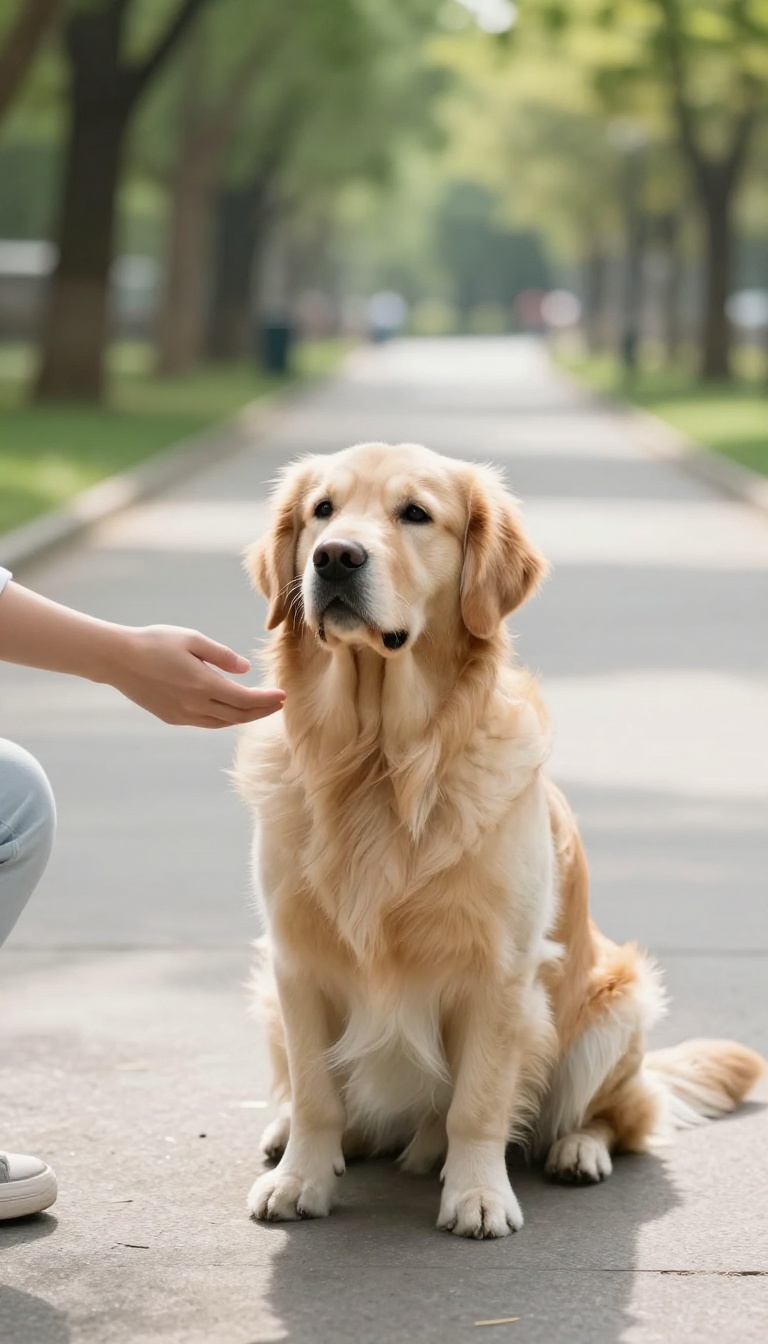
Greetings are one of the most common moments where good manners go out the window. A dog that jumps, barks, or spins in excitement can overwhelm guests, other dogs, and even you. But with a little practice, you can teach your pup to say hello politely and calmly, no matter who or what approaches.
Start by teaching your dog that calm behavior gets the greeting. Practice with friends or family in low-distraction settings. Ask your dog to sit or offer a calm stand before letting anyone approach.
If your dog gets too excited, simply step back and try again. Over time, your dog will learn that calmness leads to the reward of meeting someone new.
Teach A Solid Sit-stay For Greetings
A reliable sit-stay is the foundation of a polite greeting. Practice in your living room, then gradually add distractions like knocking on the door or having a friend walk by. Reward your dog for holding the sit while someone approaches.
If your dog breaks the sit, calmly reset and try again. Consistency is key—your dog will soon understand that sitting is the ticket to meeting new people.
Use A Leash And Space To Manage Excitement
When you're out and about, use your leash to create a buffer. Keep your dog close and ask for a sit before allowing any interaction. If your dog is too revved up, move farther away until they can focus.
This gives your dog a chance to calm down and prevents rehearsing jumping or barking. Over time, you can gradually decrease the distance as your dog's self-control improves.
Practice With Neutral Dogs And People
Not every greeting needs to be a big deal. Practice with calm, neutral dogs and people who won't overexcite your pup. Ask them to ignore your dog until they offer a calm behavior.
This teaches your dog that polite greetings are the norm, not the exception. It also helps your dog learn to read social cues and stay relaxed around new faces.
4. Settle on a Mat
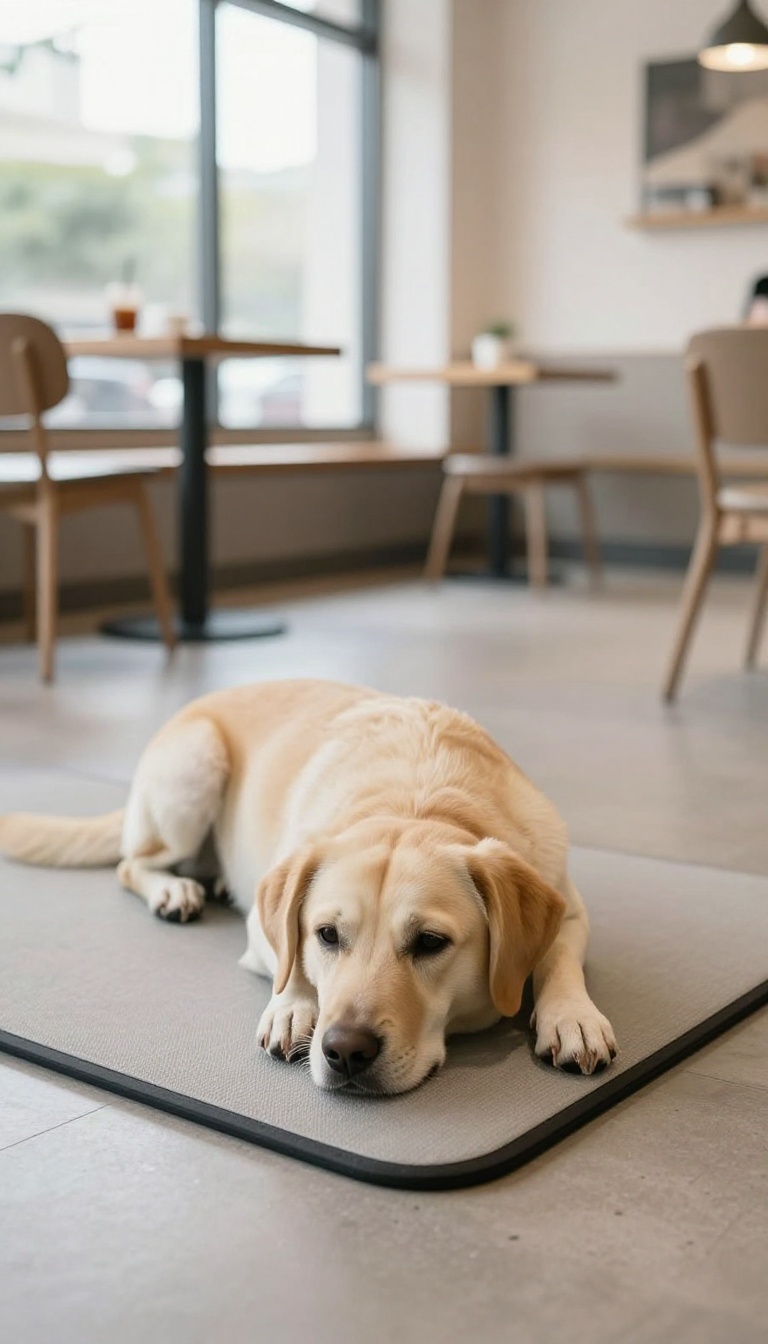
Some dogs struggle to switch off in stimulating environments, which is why teaching a solid settle is a game-changer. A mat or towel becomes a portable calm zone, signaling that it's time to relax no matter where you are. This skill turns chaotic waits into peaceful moments, whether you're at a café or the vet's office.
Start by making the mat the best place in the world—toss high-value treats on it and let your dog investigate. Once they step on, mark and reward, gradually increasing the time they stay. Use a cue like "place" or "settle" as they begin to understand the routine.
Practice in short sessions at home first, then move to busier spots as your dog builds confidence.
Why It Works
Dogs naturally seek out comfortable, safe spots to rest. A mat gives them a clear job: relax here. Over time, the mat becomes a conditioned cue for calm behavior, helping your dog regulate their energy in distracting places.
Training Steps
Begin with a mat or towel, some tasty treats, and a quiet room. Lure your dog onto the mat, reward them for staying, and gradually extend the duration. Add a verbal cue once they're reliable.
Then practice in different locations, starting with low-distraction areas before moving to cafés or waiting rooms.
Real-world Use
Once your dog masters the settle, bring the mat everywhere—picnics, outdoor seating, or even a friend's house. It's also invaluable at the vet, where a calm dog is easier to examine. With practice, your dog will automatically lie down and relax whenever the mat appears.
5. Ignore Distractions
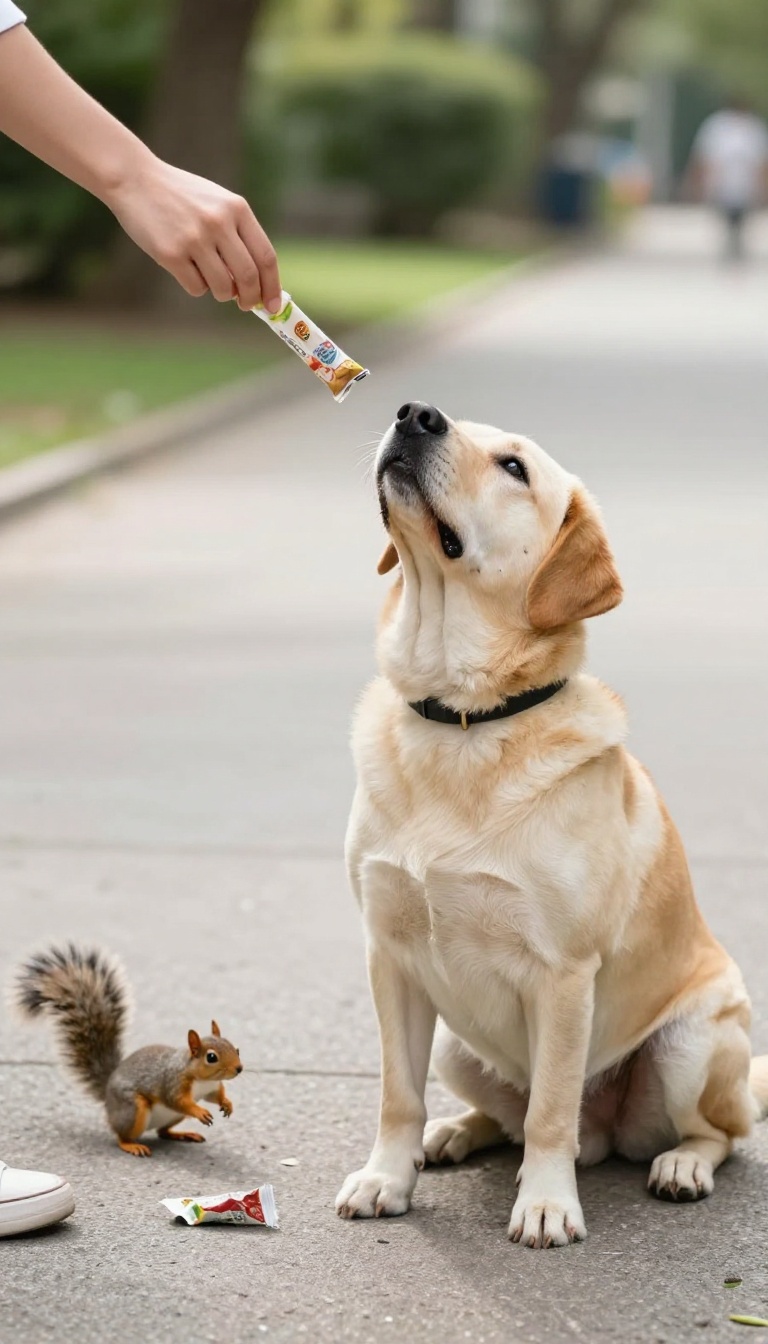
Even the most well-trained dog can turn into a whirlwind of excitement when a squirrel dashes by or a food wrapper drifts across the sidewalk. Teaching your dog to ignore distractions isn't about suppressing their curiosity—it's about giving them a clear job to do instead. With a bit of practice, your dog can learn to check in with you automatically, even in the most tempting environments.
Start by practicing in low-distraction settings, then gradually increase the difficulty. Use high-value treats and a cheerful, consistent cue like "watch me" or "leave it. " Reward every moment your dog chooses to focus on you instead of the distraction.
Over time, your dog will learn that paying attention to you is more rewarding than chasing, sniffing, or staring.
The Power Of Engagement
Engagement is the foundation of ignoring distractions. When your dog is truly engaged with you, they're not just obeying a command—they're actively choosing to work with you. Build engagement by playing games, using praise, and offering treats that are reserved for training sessions.
The more fun you make it, the more your dog will want to stay connected to you.
Training In Real-world Settings
Real-world training doesn't have to be overwhelming. Start by sitting on a bench in a moderately busy area and simply rewarding your dog for looking at you. As your dog gets better, move closer to the action—maybe near a walking path or a cafe.
Always keep sessions short and positive, and be ready to move to a quieter spot if your dog gets too stressed.
Using The 'look At That' Game
The 'Look at That' game is a brilliant way to teach your dog to notice distractions without reacting. When your dog spots something interesting, mark the moment with a word like "yes" and then reward them for looking back at you. This teaches your dog that seeing a distraction is a cue to check in, not to lunge or bolt.
6. Polite Passing
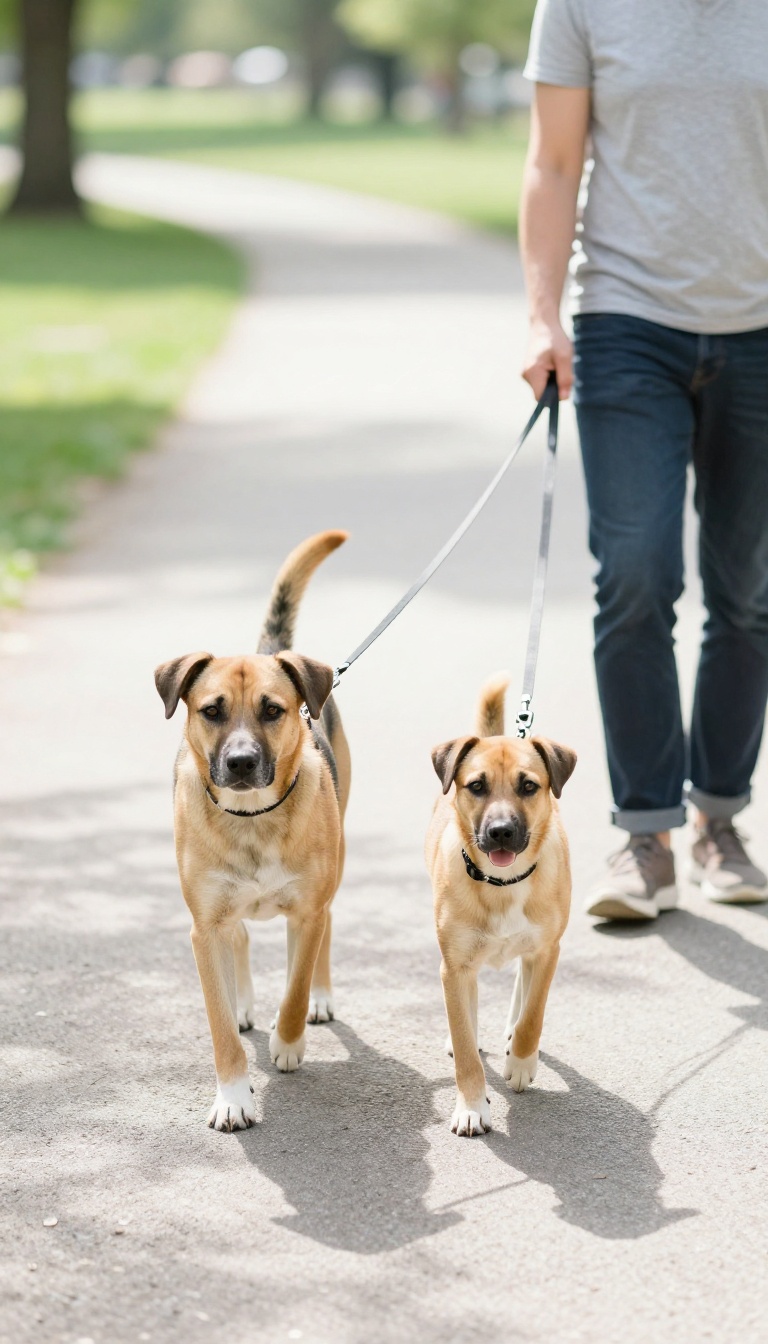
Passing other dogs and people without drama is a skill that takes practice, but it's totally doable. The goal isn't to force your dog to ignore everyone—it's to teach them that calm behavior gets rewarded. With a few simple techniques, you can turn tense encounters into smooth, stress-free moments.
Mastering polite passing starts with understanding your dog's threshold—the distance at which they can still stay calm. Work on this in real-life situations, and you'll both feel more relaxed on walks.
Find The Right Distance
Start by observing how close you can get to a trigger before your dog reacts. That's their threshold. Practice at that distance, rewarding calm behavior with treats or praise.
Over time, gradually decrease the distance as your dog becomes more comfortable. The key is to set them up for success, not to push them past their limit.
Use A Cue To Change Focus
Teach your dog a cue like 'look' or 'touch' that redirects their attention to you. When you see a potential trigger, use the cue before they get too excited. Reward them for looking at you instead of the other dog or person.
This gives them a clear job to do and helps them stay calm.
Keep Moving Or Step Aside
Sometimes the best move is to keep walking with a loose leash and a happy tone. If your dog is struggling, step off the path and do a few easy tricks or scatter treats on the ground. This breaks the focus and lets them reset.
The goal is to make passing feel routine, not a big deal.
7. Wait at Doors
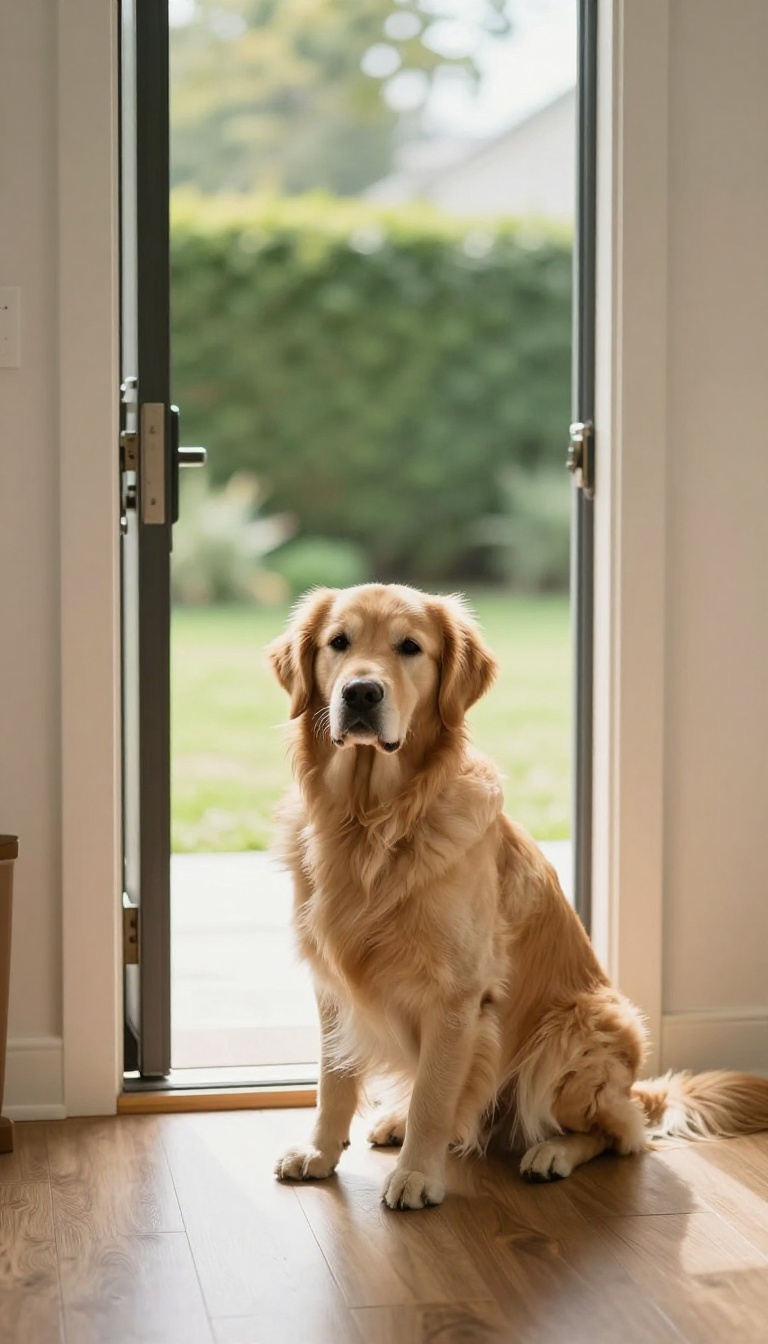
Doorways are like magic portals to your dog—they lead to walks, car rides, and all the exciting smells outside. That’s why so many dogs turn into rocket ships the second the handle turns. But a dog that bolts through an open door is a safety risk, both for them and for others.
Teaching a calm pause at thresholds gives you control and keeps everyone safe.
Start by practicing at a door that isn’t the main exit, like a bathroom or closet. With your dog on a leash, approach the door and stop a few feet away. Ask for a sit or a down, then reach for the handle.
If your dog moves, simply close the door and step back. Repeat until they stay put. Once they’re solid, slowly crack the door open—just a few inches.
If they lunge, close it again. The key is to reward only calm, still behavior. Over time, you can increase the door opening and practice with the leash off.
Remember, consistency matters more than speed. Every time you walk through a door, use the same cue, like “wait” or “stay. ” Eventually, your dog will learn that doors open only when they’re calm.
Why Doorways Are Trouble
Doorways are high-energy zones because they signal the start of something exciting. Dogs naturally want to rush out to explore, greet, or chase. That impulse can lead to slipping out of collars, running into traffic, or knocking over visitors.
By teaching a wait, you’re not just adding a trick—you’re building a habit that prevents accidents before they happen.
The Step-by-step Wait
Start at a low-traffic door with your dog on a leash. Ask for a sit or down near the door, then open it a few inches. If your dog stays, mark and reward.
Gradually open it wider, then step through yourself and invite your dog to follow. Practice this in short sessions, and always end on a positive note. Soon, your dog will automatically pause when they see a door open.
Real-life Door Scenarios
Front doors, car doors, and even elevator doors all need the same rule. Practice at different thresholds so your dog generalizes the behavior. For car doors, have your dog wait until you give a release word before jumping out.
For elevators, ask them to sit and wait until the doors fully open. These small moments of patience add up to a dog that’s safe and polite in any situation.
8. Leave It
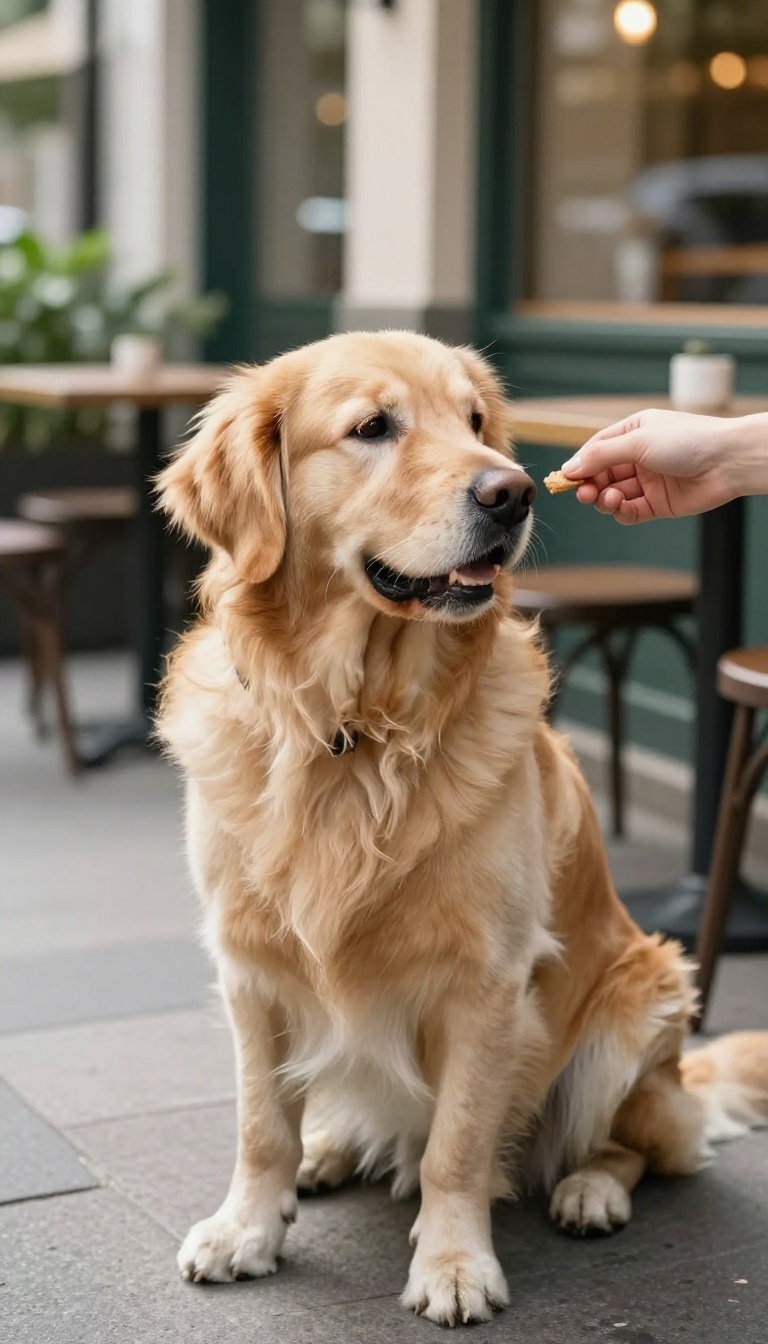
Picture this: you're at a sidewalk café, and your dog spots a half-eaten sandwich under the table. Before you can react, they lunge. Teaching 'leave it' gives you a way to call off that impulse before it becomes a problem.
It's not just about food—it's about teaching your dog that ignoring distractions leads to better rewards.
Leave it is one of the most practical skills for public spaces. It keeps your dog from eating something dangerous, like dropped medication or spoiled food, and it also prevents them from grabbing random objects like cigarette butts or plastic. The key is consistent practice in low-distraction settings first, then gradually building up to busier environments.
Start Simple At Home
Begin with a treat in your closed fist. Let your dog sniff, but don't open your hand. The moment they back away, say 'yes' and give a treat from your other hand.
Repeat until they automatically pull back when they see a closed fist. Then try with an open palm, covering the treat with your thumb if needed. Always reward them for choosing to ignore, not for grabbing.
Add Real-world Distractions
Once your dog understands the cue at home, take it outside. Use higher-value rewards than whatever they're ignoring—chicken or cheese usually works. Practice near dropped food items, like a piece of bread on a park bench.
Keep sessions short and end on a success. If your dog struggles, go back a step and reduce the difficulty.
Use It In Everyday Situations
In public, use 'leave it' when you see something your dog is about to pick up. Say it calmly, and if they listen, reward them with a treat. If they don't, gently block them with your body or a leash correction, then try again.
Over time, your dog will learn that ignoring the item is more rewarding than grabbing it.
9. Heel on Cue
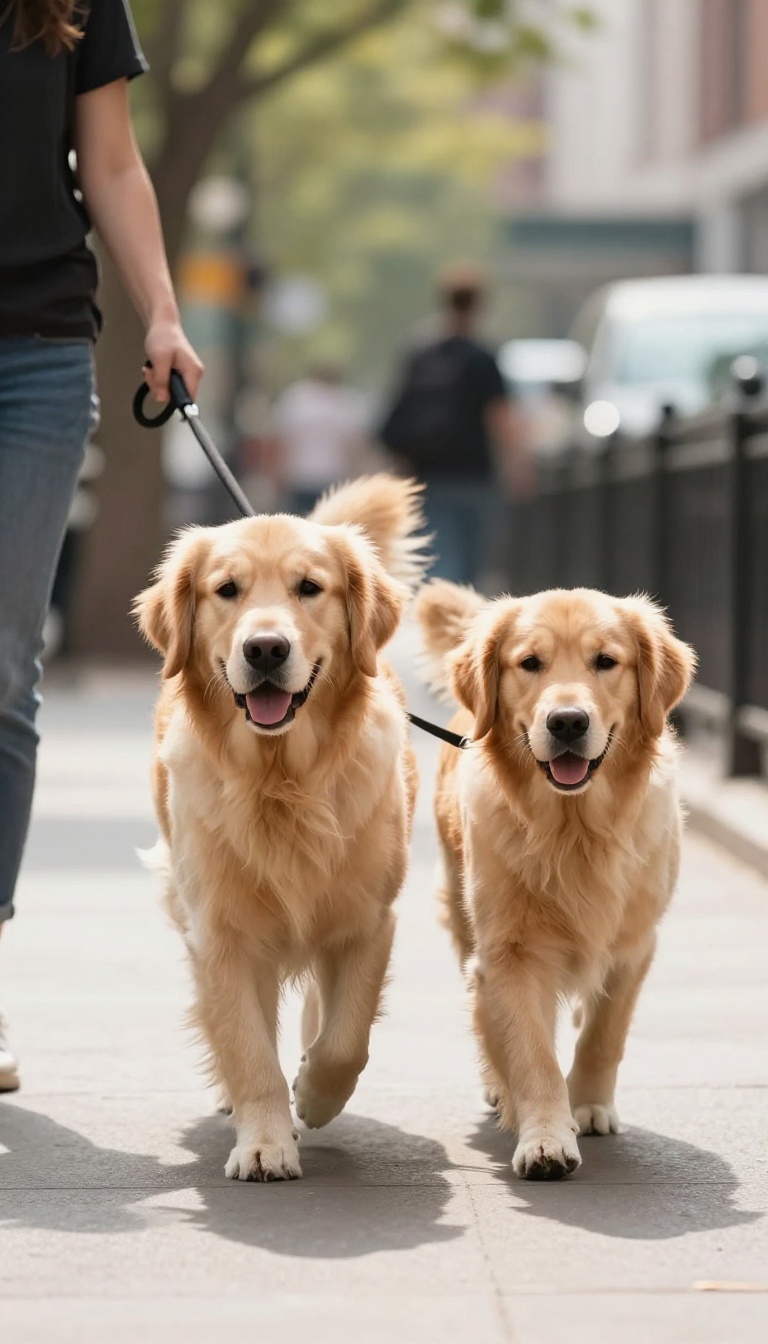
Walking nicely beside you isn't just about looking polished—it's a practical way to move through tight spots without chaos. When your dog knows how to heel on cue, you can navigate crowded sidewalks, narrow store aisles, or busy crosswalks with confidence. This skill gives you control in moments when a loose leash might cause trouble, and it builds a stronger connection between you and your pup.
Teaching your dog to heel on cue means they walk calmly at your side, matching your pace, until you release them. It's different from loose-leash walking because it's an active, focused position—your dog is paying attention to you, not just avoiding pulling. This is especially useful in crowded or narrow spaces where you need your dog close and out of the way.
Start Indoors, Then Add Distractions
Begin in a quiet room with no distractions. Use high-value treats to lure your dog into position beside your left leg, and reward them for staying there as you take a few steps. Say your cue word—like 'heel' or 'with me'—just before you move, so your dog associates the word with the action.
Practice short sessions, gradually increasing the distance and duration. Once your dog is solid indoors, move to a familiar outdoor spot, then slowly introduce busier environments.
Use A Consistent Hand Signal
A clear hand signal helps your dog understand what you're asking, especially in noisy places where verbal cues might get lost. Try tapping your thigh or holding a treat near your side as a visual marker. Keep the signal consistent every time you ask for a heel.
This gives your dog a backup way to know what you want, and it can be a lifesaver when there's a lot of background noise.
Practice Stops And Turns
Heeling isn't just about walking straight—it's about staying in position when you stop, turn, or change pace. Practice stopping suddenly and rewarding your dog for sitting or standing calmly beside you. Then work on turns, both left and right, using your hand signal to guide them.
These small movements make the skill more reliable in real-world situations, like pausing at a curb or stepping around a puddle.
Make It A Game, Not A Chore
Keep training sessions short and fun. Use a happy voice, mix in some quick sprints, and reward generously. If your dog gets frustrated or distracted, take a break and come back to it later.
The goal is to build a positive association with heeling, so your dog sees it as a fun way to be with you, not a boring drill. End each session on a high note, with your dog successfully heeling for a few steps before you release them to sniff or play.
10. Stay in Place
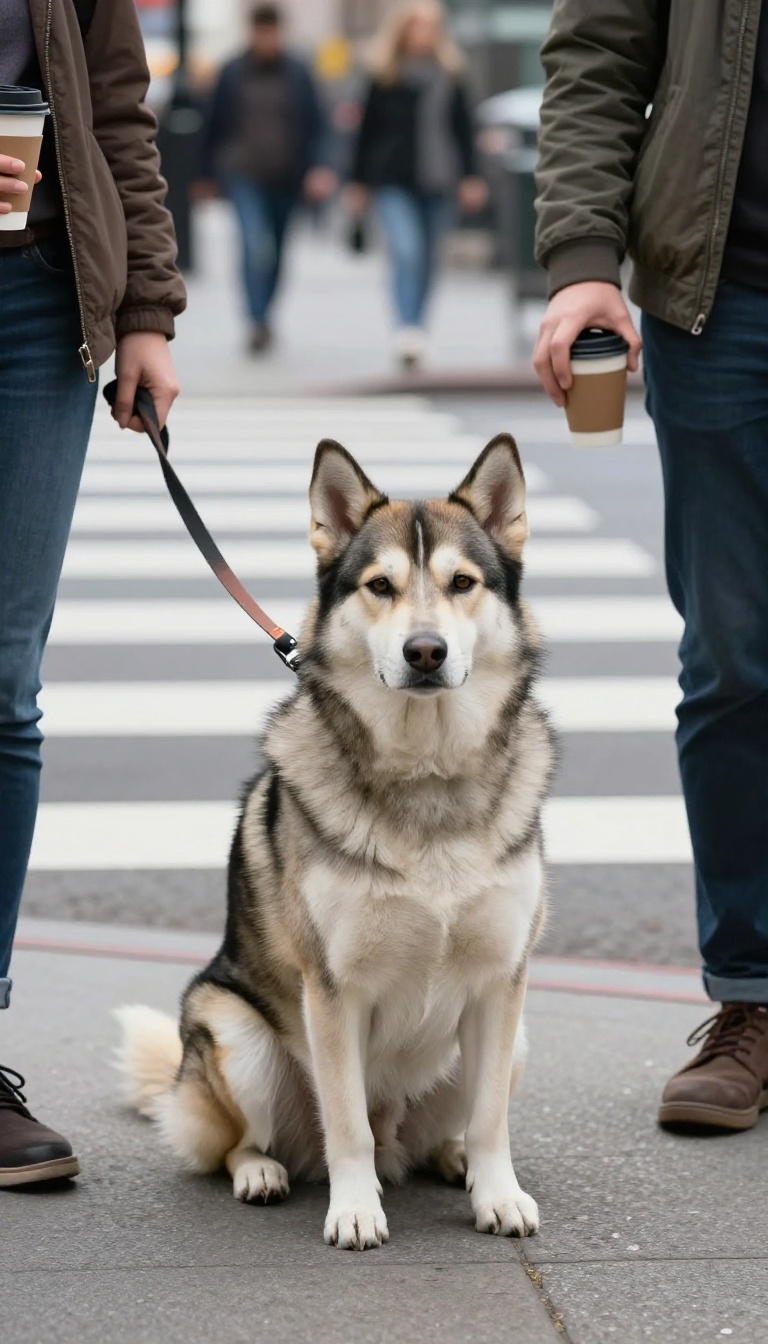
A reliable stay is one of those quiet superpowers that makes public outings feel effortless. It’s not about showing off—it’s about giving your dog a clear job when the world gets busy. Whether you’re waiting for a crosswalk light or juggling coffee and a leash, a solid stay keeps everyone safe and calm.
Teaching a stay that works in real life isn’t about perfection—it’s about building a habit your dog can trust. You’ll start at home with low distractions, then slowly add the chaos of the outside world. The payoff?
A dog who can hold still when it matters most, so you can handle whatever comes your way without stress.
Start With The Basics
Before you take this skill on the road, make sure your dog understands the concept at home. Use a simple cue like "stay" and reward for even a few seconds of stillness. Gradually increase the duration and distance, but keep sessions short and upbeat.
The goal is to make staying feel like a game, not a chore.
Add Real-world Distractions
Once your dog is solid indoors, practice in your yard or a quiet park. Start with mild distractions—a person walking by, a distant dog—and reward heavily for holding the stay. If your dog breaks, calmly reset and try again.
Over time, you’ll build up to busier spots, but always set your pup up for success.
Use It In Everyday Moments
The magic happens when you use stay in real situations. Practice at crosswalks, outside a café, or while you fumble for keys. Each time your dog holds still, you’re reinforcing calm behavior in a natural setting.
Before long, your dog will automatically offer a stay when you pause—exactly what you want.
11. Quiet on Command
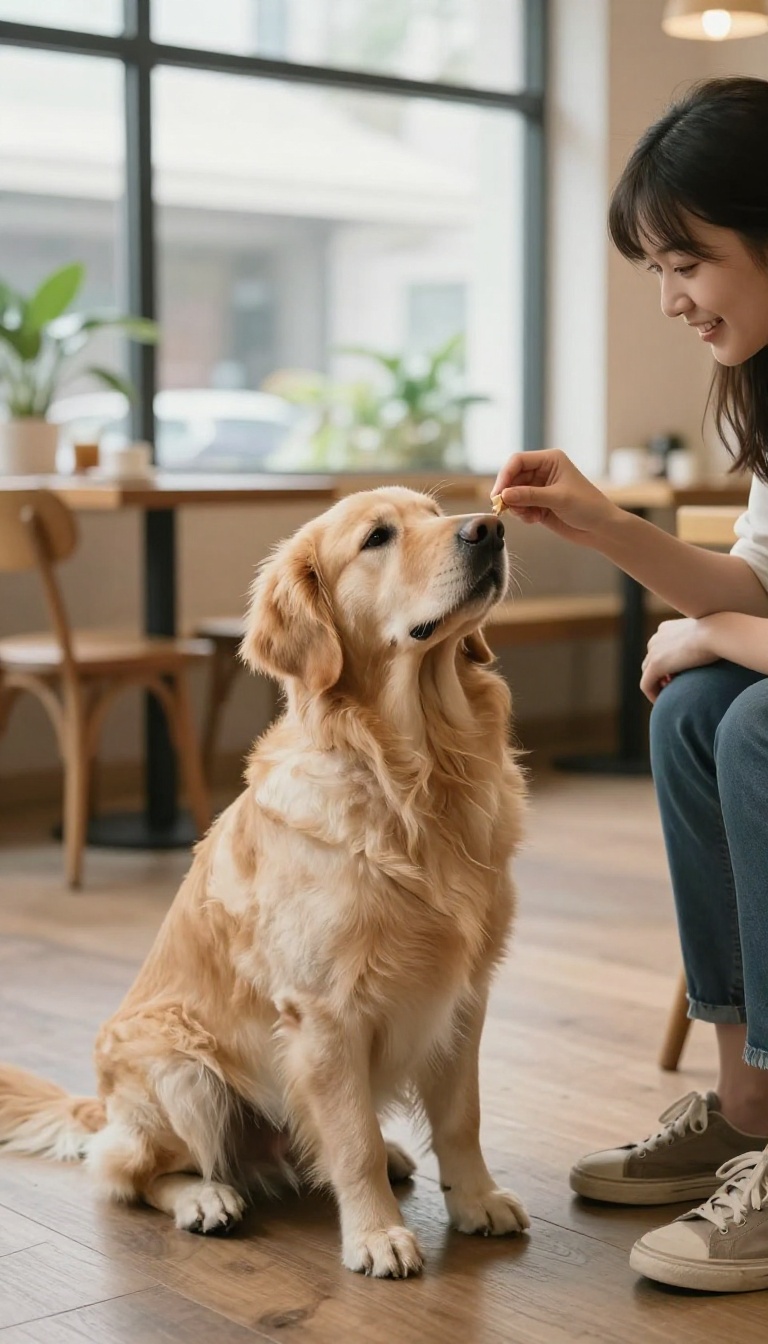
A sudden bark in a quiet café or on a peaceful trail can feel louder than it is. Training a reliable “quiet” cue gives you a graceful way to stop the noise before it escalates. This skill isn't about silencing your dog entirely—it's about teaching them that calm behavior earns rewards, while barking gets attention redirected elsewhere.
Start in a low-distraction spot at home, then gradually add busier settings. With patience and consistency, your dog learns that quiet is a choice that pays off. Soon, you'll be able to enjoy public spaces without worrying about unexpected outbursts.
Barking is natural, but in public it can disturb others or cause stress. The goal is to teach your dog an alternative behavior that's incompatible with barking—like looking at you or lying down. This takes practice, but the payoff is a dog who can settle in any situation.
Here’s how to build a solid “quiet” cue from scratch, plus tips for proofing it in real-world settings.
Why Dogs Bark In Public
Dogs bark for many reasons: excitement, frustration, fear, or even just to say hello. In public, the triggers multiply—new dogs, strange noises, or fast-moving bikes. Understanding why your dog barks helps you address the root cause, not just the symptom.
For example, if your dog barks at other dogs out of excitement, you can teach them to focus on you instead. If it's fear-based, you might need to create distance and reward calm behavior. A clear “quiet” cue works alongside these strategies, giving you a verbal signal that means “stop and check in with me. ”
Step-by-step Training
Start in a quiet room with no distractions. Wait for your dog to bark (you can trigger it with a doorbell sound or a toy). The moment they pause, even for a second, say “quiet” in a calm voice and pop a high-value treat in their mouth.
Repeat until your dog connects the word with the action. Then, add a hand signal—like a flat palm facing them—to pair with the word. Practice in short sessions, gradually increasing the time they stay quiet before the treat.
Once they’re solid at home, move to a backyard or a quiet street, then to busier parks. Always keep sessions short and end on a positive note.
Real-world Practice
Once your dog knows “quiet” at home, it’s time to test it where it matters. Choose a low-traffic time at a park or a quiet sidewalk. Sit on a bench and let your dog watch the world.
When they bark, give the cue, and reward the silence immediately. If your dog is too excited to respond, you’re too close to the trigger. Move farther away and try again.
The key is to set your dog up for success—if they’re over threshold, no amount of treats will help. Over time, you can edge closer to distractions, but always prioritize calm behavior over proximity.
12. Go to Bed
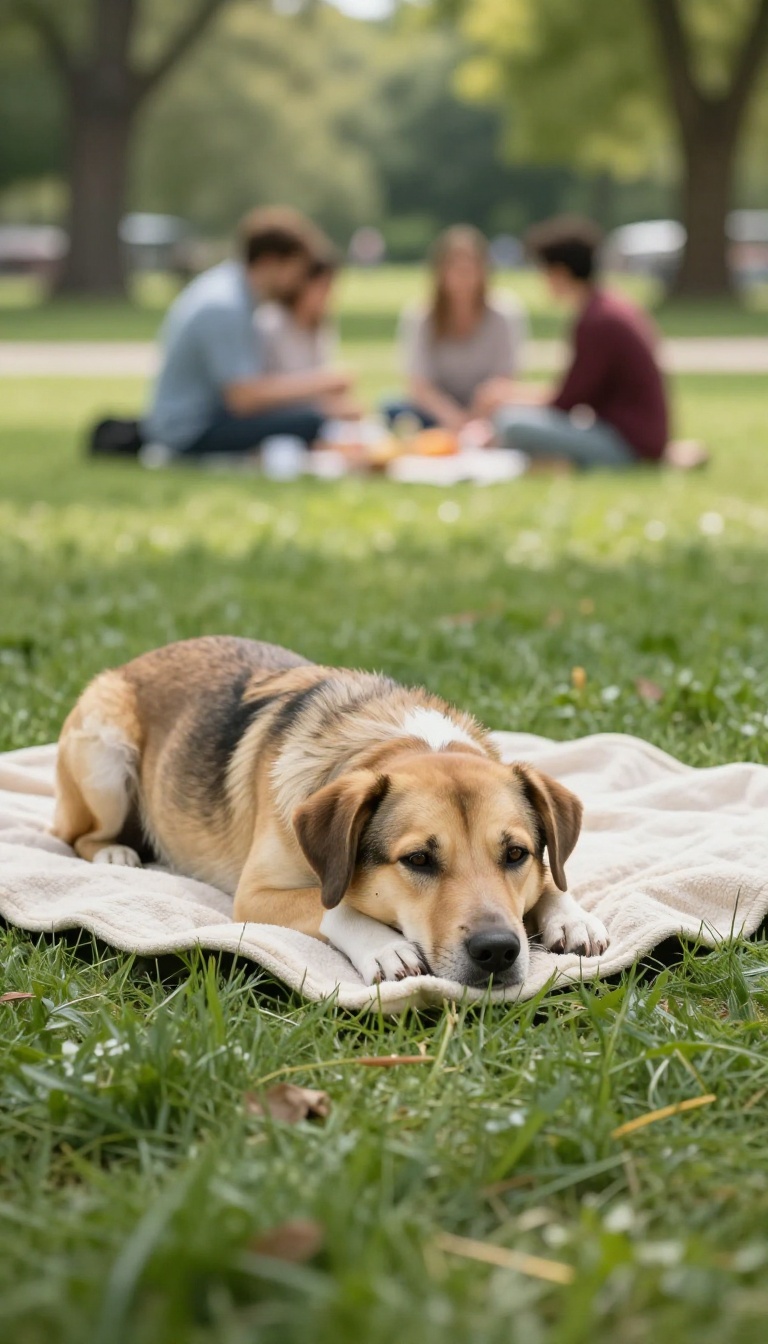
Sometimes the best thing your dog can do in public is simply chill out on a designated spot. Whether you're enjoying a long outdoor lunch or chatting with friends at a park, a mat or blanket gives your dog a clear place to settle. This skill turns a restless pup into a relaxed companion, making those extended hangs much more pleasant.
Teaching your dog to go to a specific bed or mat is more than just a cute trick—it's a practical way to manage downtime in busy places. The key is to make the spot rewarding, so your dog chooses to stay there instead of wandering or begging. Start at home with a comfortable mat, then gradually add distractions and move to public settings.
With consistent practice, your dog will learn that the mat means "calm time, " which is exactly what you need during a long meal or a group gathering.
Why A Mat Works In Public
A mat gives your dog a physical anchor in an otherwise chaotic environment. It signals that this is their personal space, reducing anxiety and overstimulation. When your dog knows exactly where to go, you can relax without constantly managing them.
Plus, it's a clear cue for other people that your dog is off-duty and not looking for attention.
Training Steps That Stick
Start by teaching a solid "go to bed" cue at home using treats and praise. Once your dog reliably targets the mat, begin adding mild distractions like dropping a toy or having someone walk by. Gradually increase the duration and distance, and practice in different rooms before heading outside.
Keep sessions short and positive, and always reward calm behavior on the mat.
Real-world Practice Tips
Bring a portable mat or towel to outdoor cafes, picnics, or sports events. Set it up before your dog gets too excited, and use high-value treats to reinforce staying. If your dog gets up, calmly guide them back without scolding.
Over time, they'll associate the mat with good things and settle faster. Remember to practice in low-stress settings first, then work up to busier places.
13. Watch Me
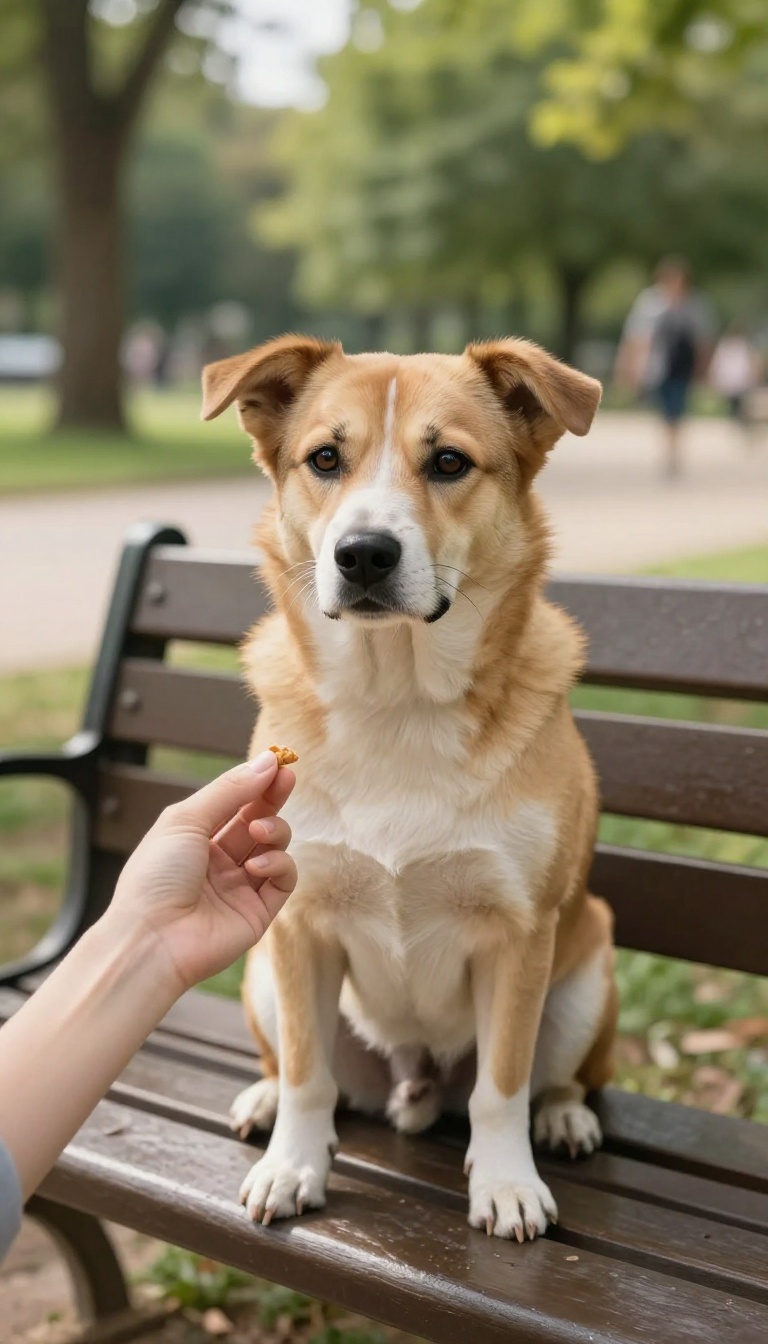
Before anything else, your dog needs to know how to look at you on purpose. In a busy world full of squirrels, skateboards, and dropped fries, that simple eye contact is your anchor. It’s the first step to redirecting focus, building trust, and staying safe in unpredictable moments.
Teaching 'watch me' is more than a cute trick—it’s a practical tool for real-life distractions. Start in a quiet room, hold a treat near your eyes, and mark the moment your dog’s gaze meets yours. Then gradually add distance, time, and eventually real-world chaos.
The goal is a dog who checks in with you naturally, not just when you ask.
Why Eye Contact Matters In Public
When your dog looks at you, they’re not just being polite—they’re choosing you over the environment. That moment of connection lets you guide them away from trouble, whether it’s a speeding bike or an off-leash dog. It also builds a habit of checking in, which makes everything from crossing streets to passing strangers smoother.
How To Teach It Step By Step
Start with a high-value treat and a quiet space. Hold the treat at your nose, say 'watch me, ' and when your dog’s eyes lock on yours, mark and reward. Repeat until they offer eye contact without the prompt.
Then add duration—wait a second or two before rewarding. Finally, practice in front of mild distractions, like a window or a TV, before heading outside.
Using It In High-distraction Spots
Once your dog has the basics, take it on the road. Start in a low-key park, then work up to busier streets. Keep sessions short and rewarding.
If your dog gets stuck staring at a squirrel, wait for a brief glance your way, then reward that tiny win. Over time, they’ll learn that looking at you is more interesting than the chaos around them.
14. Emergency Down
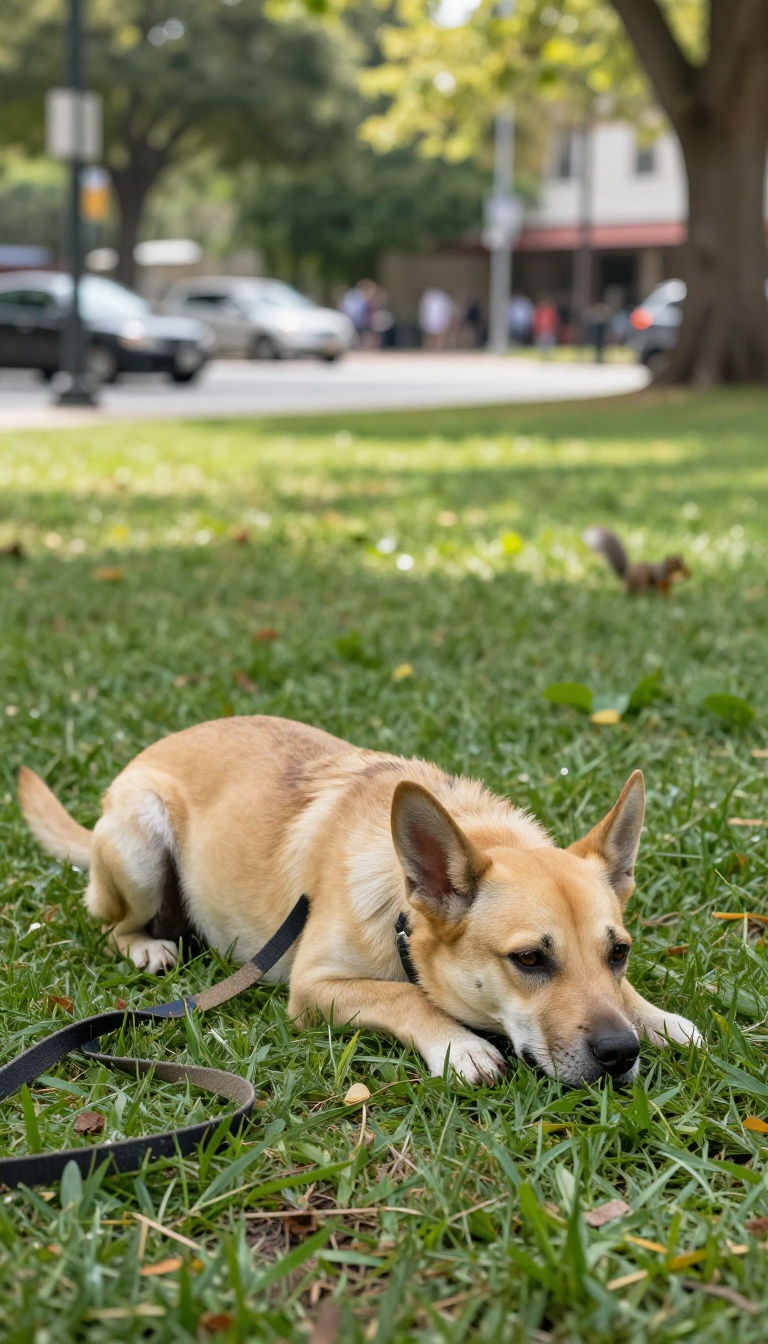
Imagine your dog spots a squirrel across a busy street or bolts toward an open gate. In that split second, a reliable down command can stop them in their tracks. Teaching an emergency down—one that works from a distance and in high-distraction settings—turns a potential disaster into a controlled pause.
It's not about perfection; it's about having a safety net when you need it most.
An emergency down is a lifesaver in public spaces. Unlike a regular down, this one is trained to be instant and reliable, even when your dog is excited or focused elsewhere. The key is to build it gradually, starting in quiet places and adding distractions one step at a time.
Once mastered, you'll have a powerful tool to prevent accidents, avoid conflicts, and keep your dog safe in unpredictable situations.
Start With A Solid Foundation
Begin in your living room with zero distractions. Use a high-value treat and a clear hand signal—like a flat palm sweeping down. Say 'down' once, lure your dog into position, and reward the moment their elbows hit the floor.
Repeat until they respond without the lure. Then practice in different rooms, then in your backyard, gradually making it harder.
Add Distance And Distractions
Once your dog downs reliably at your feet, start increasing the distance. Use a long leash and practice in a quiet park, then near mild distractions like a person walking by. Reward heavily for fast responses.
Over time, your dog will learn that downing instantly, no matter what's happening, earns the best treats. This builds the muscle memory you'll need in a real emergency.
Use It In Real-life Scenarios
Practice in places where you might actually need it: near roads, at the edge of a dog park, or on a busy sidewalk. Have a friend create a distraction, like rolling a ball past you, and cue the down. The goal is to make it automatic, so when something unexpected happens, your dog hits the ground before you even finish the command.
15. Relaxed Body Language
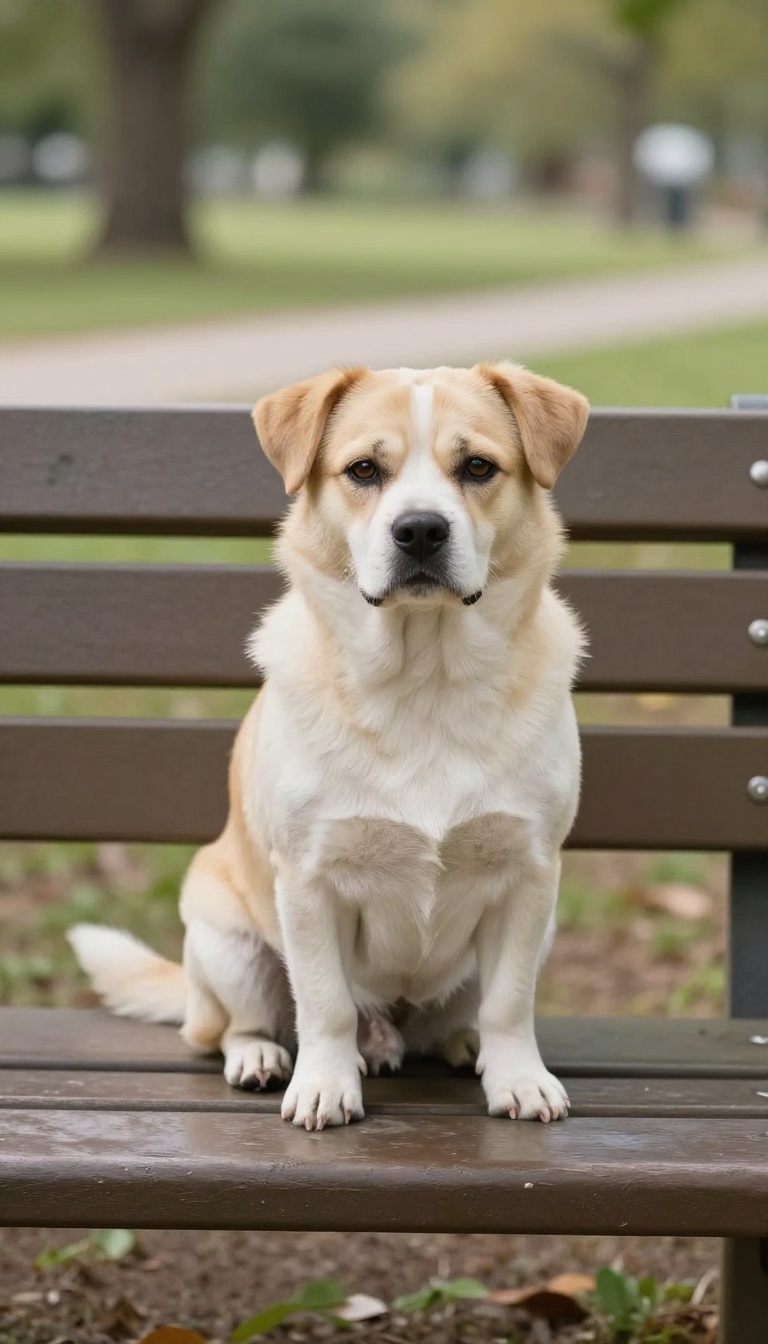
Your dog's posture speaks volumes before a single bark or tail wag. A relaxed body—soft eyes, loose muscles, and a gentle sway—tells the world your pup feels safe and in control. When you learn to spot these signals, you can reinforce them, turning calmness into a habit that sticks.
Encouraging relaxed body language isn't about forcing a pose. It's about noticing the quiet moments when your dog is already at ease and rewarding that state. Over time, your dog learns that calmness pays off, especially in busy public places where stress often creeps in.
Read The Signs Of Stress
Before you can encourage relaxation, you need to know what tension looks like. A tucked tail, pinned ears, rapid panting, or a tight mouth are all red flags. Yawning, lip licking, and sudden scratching can also signal discomfort.
When you catch these early, you can adjust the situation before your dog escalates.
Reward The Calm Moments
Carry small, high-value treats and watch for moments when your dog's body loosens up—a soft blink, a relaxed jaw, or a gentle tail wag. Mark that instant with a quiet “yes” and offer a treat. Timing matters: you want to reward the relaxed posture, not the excitement that follows.
Practice In Low-stress Spots
Start at home or in a quiet backyard where your dog naturally feels safe. Sit with them, let them sniff, and reward any sign of calm. Gradually move to busier areas, like a park bench or a sidewalk café, and repeat the process.
The goal is to build a strong association between public spaces and a relaxed state.
Use Your Own Body As A Cue
Dogs pick up on our tension instantly. If you're hunched, gripping the leash tightly, or holding your breath, your dog will mirror that anxiety. Instead, take a deep breath, soften your shoulders, and let your arms hang loose.
Your calm presence gives your dog permission to relax too.
FAQ
How long does it take to teach a dog public-place skills?
It varies by dog and skill, but with consistent practice, you can see progress in a few weeks. Start in low-distraction environments and gradually increase difficulty.
What if my dog is reactive to other dogs?
Reactivity takes time and patience. Work with a professional trainer, use positive reinforcement, and keep a safe distance. Practice 'watch me' and 'polite passing' to build focus.
Can older dogs learn these skills?
Absolutely. Older dogs can learn new skills with patience and positive reinforcement. They may need more time, but they can still become well-mannered in public.
What's the best way to practice in public?
Start in quiet places like an empty park, then gradually add distractions. Keep training sessions short and fun, and always reward good behavior.
Do I need special equipment?
No, but a well-fitting harness or collar and a standard leash are helpful. Treats and a clicker (if you use one) are great for training.
Conclusion
A calm, well-mannered dog isn't born—it's built through small, consistent habits practiced in real-world settings. Each skill you work on together makes future outings smoother and more enjoyable for both of you. Pick one scenario that challenges you most, like a busy sidewalk or a café patio, and start there.
Keep sessions short, reward generously, and let your dog's progress guide the pace. You'll both feel more relaxed and confident the next time you head out the door.

I’m Pallab Kishore, the owner of Little Pets Realm — an animal lover and pet care enthusiast sharing easy tips, healthy recipes, and honest advice to help every small pet live a happy, healthy, tail-wagging life.