
Living in an apartment with a dog comes with its own set of challenges—shared walls, narrow hallways, and neighbors who might not love the sound of barking at 7 a. m. But with the right training, your pup can be a model resident.
These ten tips focus on real-world scenarios you'll face daily, from elevator rides to quiet time when you're out. Each one is practical, easy to start, and designed to keep the peace with everyone around you.
Ready to make your dog the neighbor everyone adores? Let's get into it.
1. Master the Art of Quiet on Command
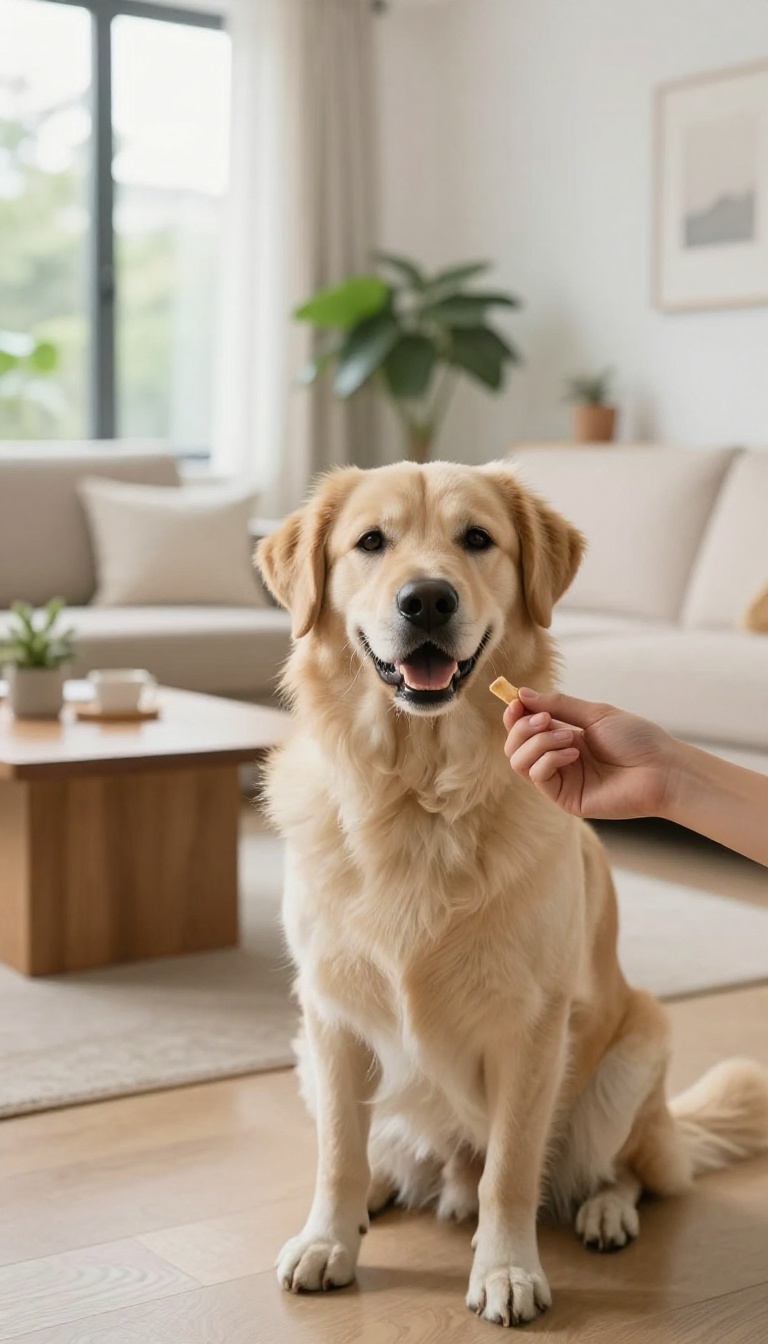
Barking is one of the fastest ways to annoy neighbors in an apartment. But you can teach your dog to be quiet on cue, turning potential complaints into compliments. The key is positive reinforcement—rewarding silence instead of scolding noise.
This builds a reliable behavior that works even when you're not holding a treat.
Start by capturing moments of silence. When your dog is calm and quiet, say 'quiet' and give a treat. Repeat this until your dog associates the word with the action.
Then, add a distraction like a doorbell or a knock. When your dog barks, wait for a pause, say 'quiet, ' and reward. Gradually increase the time they must stay quiet before getting the treat.
With consistency, your dog will learn that silence pays off.
Why Positive Reinforcement Works Better Than Punishment
Punishing barking can increase anxiety and make the problem worse. Positive reinforcement builds trust and teaches your dog what to do instead. It's also more effective in the long run because your dog is motivated to repeat behaviors that earn rewards.
Step-by-step: Teaching 'quiet' In 5 Minutes A Day
- Find a quiet time and have treats ready. 2.
Wait for your dog to be silent, then say 'quiet' and treat. 3. Practice in short sessions, gradually adding distractions.
- Use a clicker or a marker word like 'yes' for precise timing. 5.
Always end on a positive note with a successful repetition.
Troubleshooting Common Setbacks
If your dog doesn't respond, you might be asking too early. Wait for a natural pause in barking. Also, ensure treats are high-value, like small pieces of chicken or cheese.
If your dog barks more when you say 'quiet, ' you might be accidentally rewarding the bark. Stay patient and keep sessions short.
2. Curb the Barking at Hallway Sounds
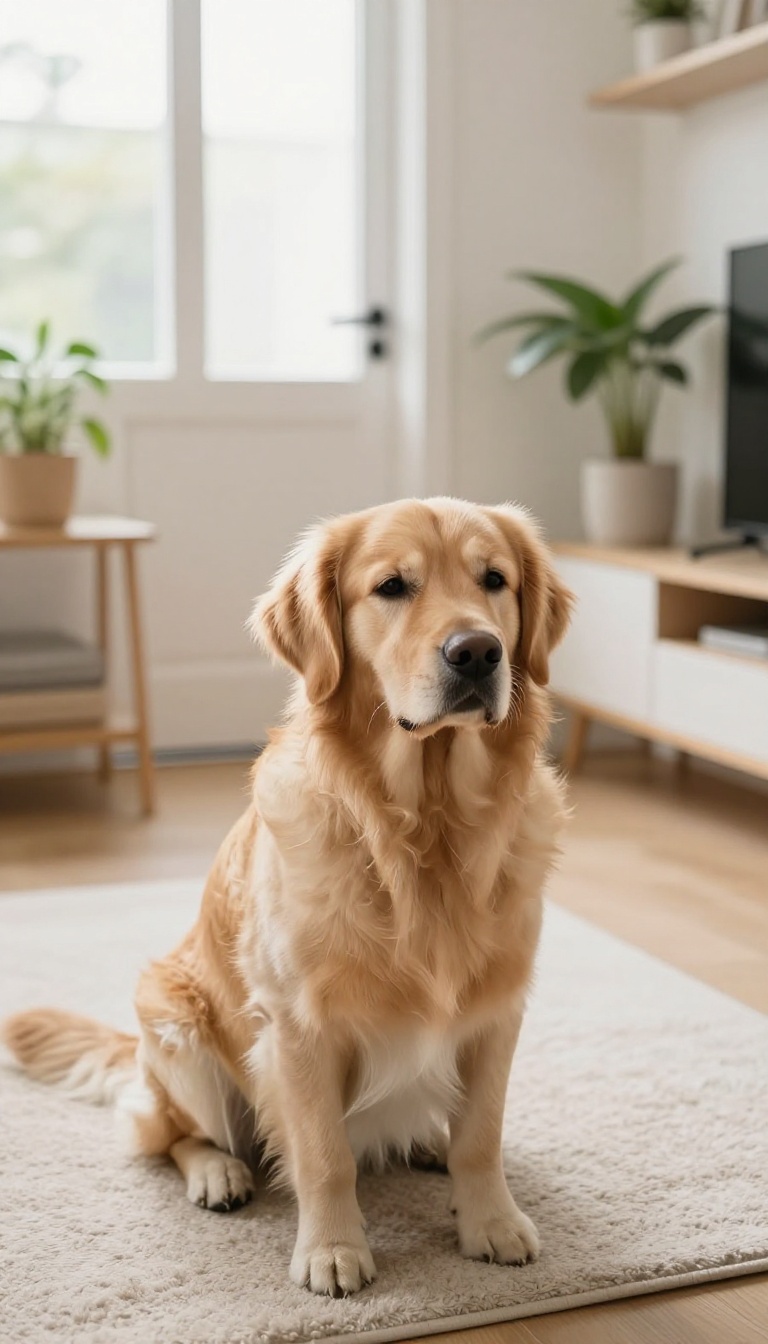
Every time a door slams or footsteps echo down the hall, your dog might launch into a barking fit. It's not just annoying—it can make neighbors dread coming home. The fix isn't to scold, but to teach your pup that hallway noises are no big deal.
With a little patience and some tasty treats, you can turn those trigger sounds into background noise.
Start by identifying the specific sounds that set your dog off. Common culprits include the elevator ding, keys jangling, or the thud of a neighbor's door. Once you know the triggers, you can begin desensitization in a controlled way.
The goal is to change your dog's emotional response from 'alert! ' to 'meh. '
Start With Recordings At Low Volume
Find a recording of the sounds that bother your dog—like footsteps or doors closing. Play it at a very low volume, barely audible, while your dog is relaxed. Reward calm behavior with a treat or gentle praise.
Keep sessions short, just a few minutes, and always end on a positive note.
Gradually Increase The Volume
As your dog stays calm at the low volume, slowly turn it up over several days. If your dog starts to react, drop the volume back down and try again. The key is to move at your dog's pace.
You want them to associate the sound with good things, not with stress.
Practice In Real Hallways
Once your dog is comfortable with recordings, take it to the real hallway. Sit with your dog near your door, and have a friend or family member walk by or knock softly. Reward your dog for staying quiet.
This bridges the gap between recorded sounds and the real thing, making your training stick.
3. Perfect the Polite Greeting for Neighbors
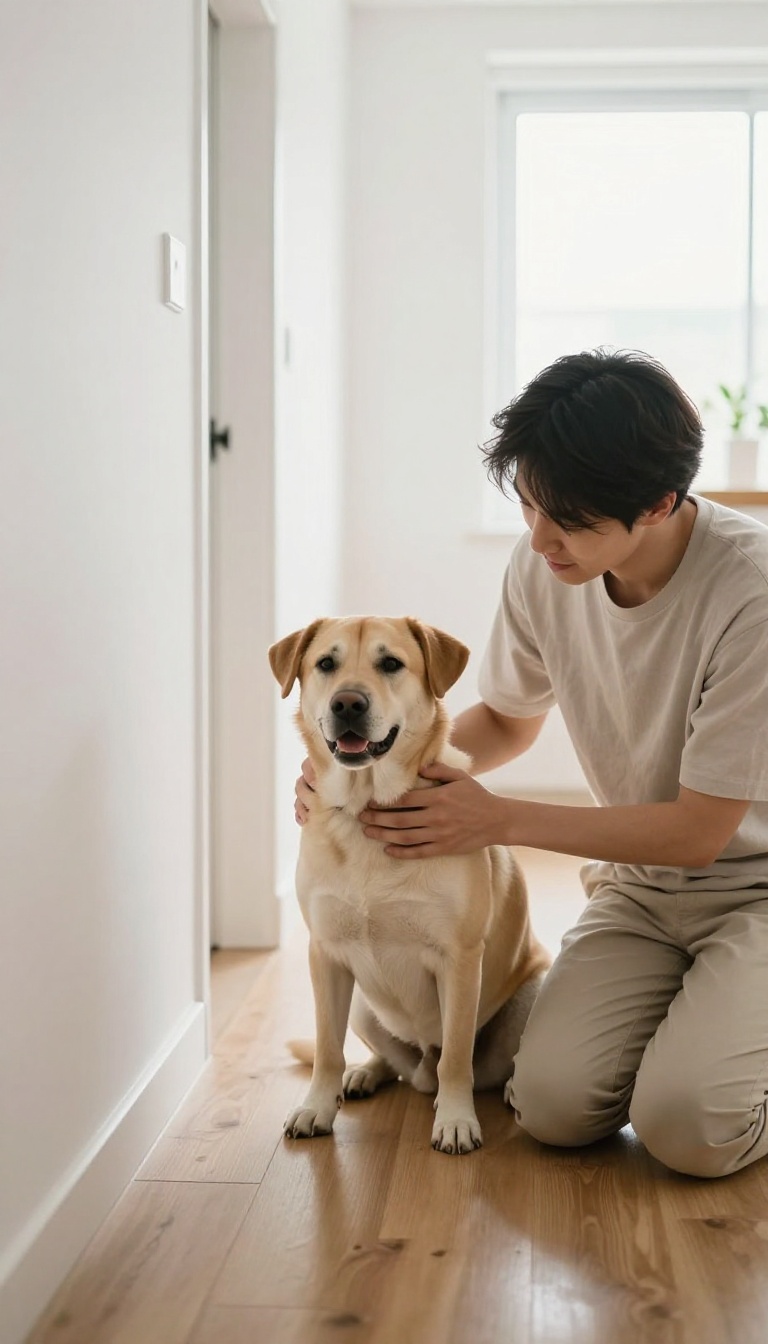
Apartment living means you'll inevitably run into neighbors in tight spaces like hallways, stairwells, and elevators. If your dog jumps or gets overly excited, those encounters can turn awkward fast. Teaching a calm, polite greeting is a game-changer for both you and your pup.
Start by practicing in low-distraction areas at home. Have friends or family act as 'neighbors' and approach you while you reward your dog for staying calm. Use high-value treats and a consistent command like 'say hi' or 'sit. ' Over time, your dog will learn that good things happen when they keep all four paws on the ground.
Why Calm Greetings Matter In Apartments
Jumping on a neighbor can be startling, especially for kids, elderly people, or those who aren't dog lovers. In tight hallways, a overly excited dog can also knock someone over or cause a trip hazard. A polite greeting keeps everyone safe and comfortable, and it makes your dog a welcome sight rather than a nuisance.
Training Steps For Hallway And Elevator Encounters
Start by practicing in your apartment with a friend. Have them ring the doorbell or knock, then reward your dog for sitting quietly. Next, move to the hallway or elevator with your dog on a leash.
Ask your neighbor to stop a few feet away, have your dog sit, and give treats while they interact calmly. Gradually increase the distraction level as your dog improves.
Use Treats And Rewards To Reinforce Good Behavior
Keep a small pouch of treats handy whenever you leave the apartment. The moment your dog sits or stays calm when someone approaches, give a treat and quiet praise. This positive reinforcement helps your dog associate polite behavior with rewards.
Over time, you can phase out treats and rely on verbal praise, but keep them handy for unexpected encounters.
4. Nail the Elevator Etiquette
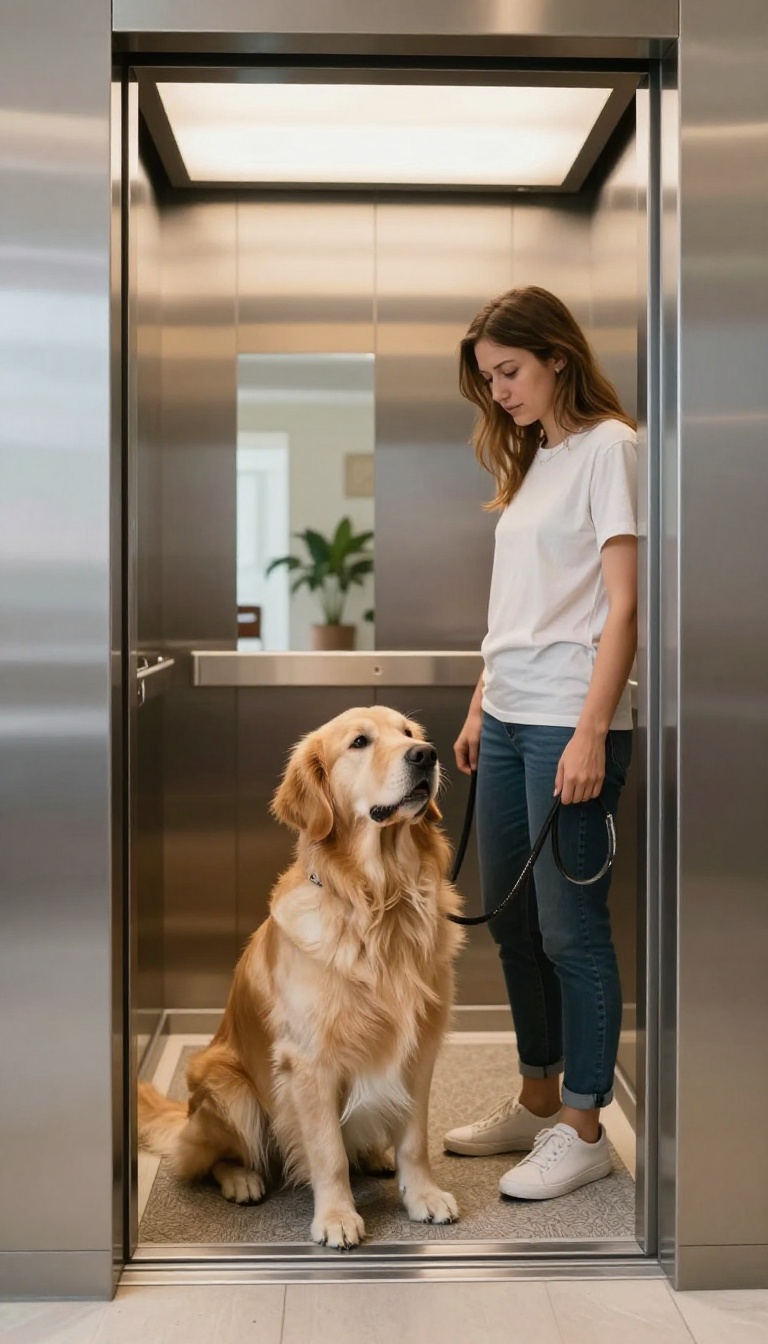
Elevators are a daily reality for apartment dwellers, and they can be a source of stress for both you and your dog. The close quarters, strange sounds, and sudden movements can make even the most confident pup nervous. But with a little patience and practice, you can turn elevator rides into a calm, controlled experience that impresses your neighbors.
Start by teaching your dog to sit and stay reliably on the ground floor. Then, practice approaching the elevator without getting in, rewarding calm behavior. Once your dog is comfortable, take short rides—just one floor at first—and gradually increase the duration.
Keep treats handy to reinforce a relaxed posture, and use a calm, happy voice to signal that everything is fine. If your dog is anxious, begin by just standing near the elevator with the doors open, then progress to stepping in and out without riding. Consistency and positive reinforcement are key.
Start With The Basics
Before you even think about stepping into an elevator, make sure your dog has a solid sit and stay. Practice these commands in your apartment and in the hallway, so your dog associates them with good things. Use high-value treats and keep training sessions short and fun.
This foundation will make elevator training much easier.
Take It Step By Step
Break the process down into tiny steps. First, just walk your dog near the elevator doors while they're closed. Reward calm behavior.
Next, press the button and let your dog hear the ding—if they stay relaxed, treat them. Then, let the doors open and close without entering. Once your dog is comfortable with that, step inside for a few seconds, then step out.
Gradually increase the time you spend inside, and always end on a positive note.
Manage The Ride
Once you're in the elevator, keep your dog on a short leash and position them in a corner, away from the doors. Ask for a sit and hold a treat at your side to keep their focus. If your dog gets anxious, try a calming cue like 'touch' or 'look at me' to redirect their attention.
Avoid flooding—if your dog is overwhelmed, take a break and try again later. Remember, every calm ride is a win.
5. Leash Manners for Narrow Hallways
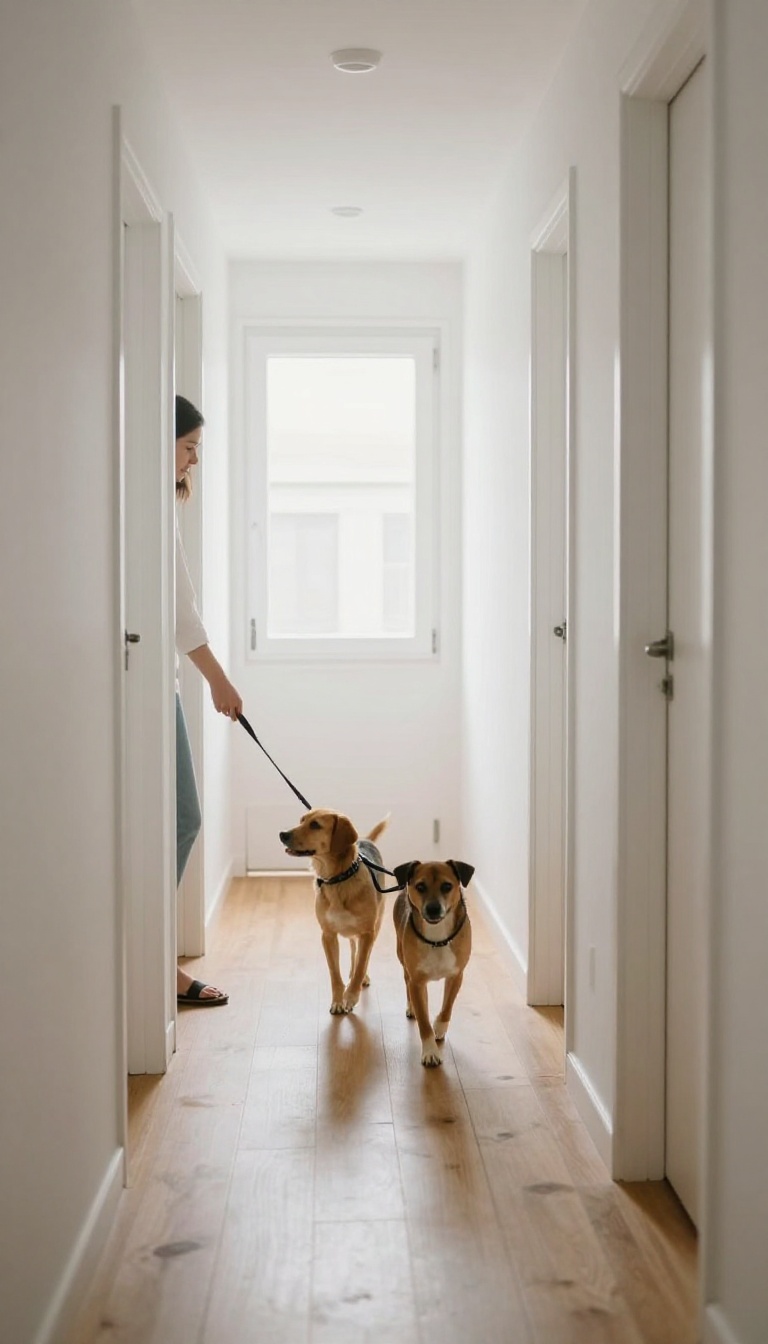
Narrow hallways and tight corners are where leash skills really get tested. A dog that pulls or zigzags can easily trip you or a neighbor, and that’s a fast way to create tension. Teaching your dog to walk calmly beside you, even in cramped spaces, makes every trip out the door smoother and safer for everyone.
Start by practicing loose-leash walking in a quiet room at home. Reward your dog for staying close to your side, and use treats to guide them into a heel position. Once they’ve got the basics, move to low-distraction areas like an empty hallway or a quiet stairwell.
Gradually add more distractions as your dog improves, so they learn to focus on you even when there’s noise and movement around.
Start Indoors, Then Move To Hallways
Begin training in a space with no distractions—your living room works fine. Use high-value treats to lure your dog into a heel position, and reward them for staying close. Practice short sessions, and always end on a positive note.
Once your dog is reliable indoors, move to a hallway in your building during off-peak hours. Keep sessions short and fun, and gradually increase the difficulty by adding distractions like other people or doors opening.
Use Treats To Reinforce Heeling
Treats are your best friend when teaching loose-leash walking. Hold a treat near your dog’s nose and guide them into a heel position, then reward them when they’re walking beside you. As they get better, start using a clicker or a verbal marker like “yes” to mark the behavior, then give the treat.
This helps your dog understand exactly what they’re being rewarded for. Over time, you can phase out treats and rely on praise or a quick play session as a reward.
Practice In Low-distraction Areas First
Don’t expect your dog to nail loose-leash walking in a busy hallway right away. Start in an empty corridor or a quiet stairwell where there are fewer distractions. This lets your dog focus on you without being overwhelmed.
As they get more comfortable, you can gradually introduce more challenging environments, like a lobby with people coming and going or a hallway with other dogs. The key is to set your dog up for success by progressing at their pace.
Keep Sessions Short And Positive
Training sessions should be short—five to ten minutes is plenty—and always end on a good note. If your dog starts pulling or getting distracted, take a break and try again later. Consistency matters more than duration, so a few minutes every day will yield better results than a long session once a week.
Remember to keep your tone upbeat and use plenty of praise, so your dog associates hallway walking with positive experiences.
6. Potty Training Without the Lobby Drama
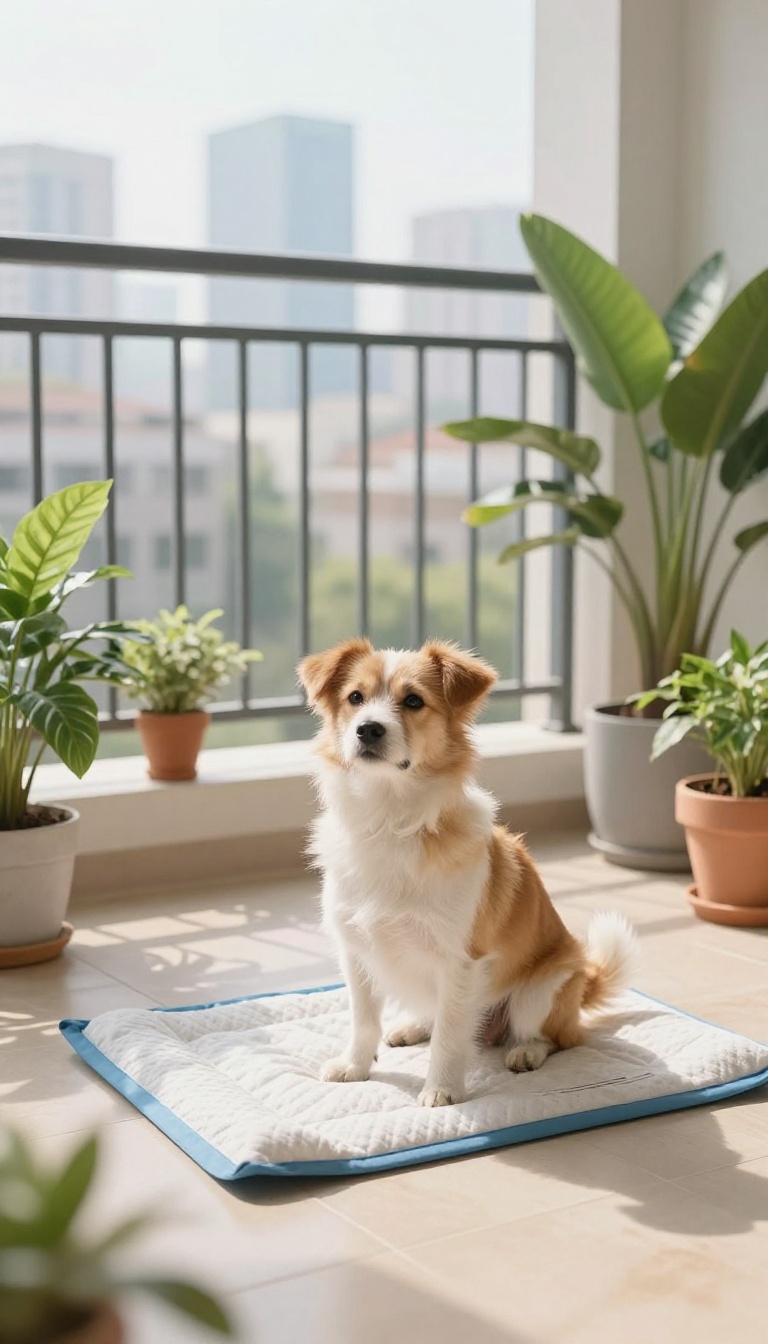
Potty training in an apartment is a whole different game. You can't just open the back door—you've got to navigate hallways, elevators, and maybe a doorman who's seen it all. The key is making the routine so predictable that accidents become rare and stress stays low.
Start by setting a fixed schedule for bathroom breaks—first thing in the morning, after meals, before bed, and at consistent intervals in between. Take your dog to the same spot every time, whether it's a patch of grass or a designated pee pad on your balcony. Use a command like 'go potty' and reward with a treat and praise the second they finish.
This builds a strong association and cuts down on accidents.
Create A Routine That Works
Dogs thrive on routine. Pick times that fit your schedule and stick to them, even on weekends. If you're gone for long hours, consider a dog walker or a midday break.
Consistency helps your dog learn when to hold it and when to go.
Designate A Spot And Stick To It
Choose a nearby outdoor spot or a balcony pad and always bring your dog there. The familiar scent encourages them to go quickly, which means less time in the hallway and less chance of a mid-elevator accident.
Handle Accidents Gracefully
Accidents happen, especially in the beginning. Clean up promptly with an enzymatic cleaner to remove odors that might tempt your dog to repeat the behavior. Never scold—just redirect and reinforce the routine.
Patience is your best tool.
7. Crate Training for Quiet Alone Time
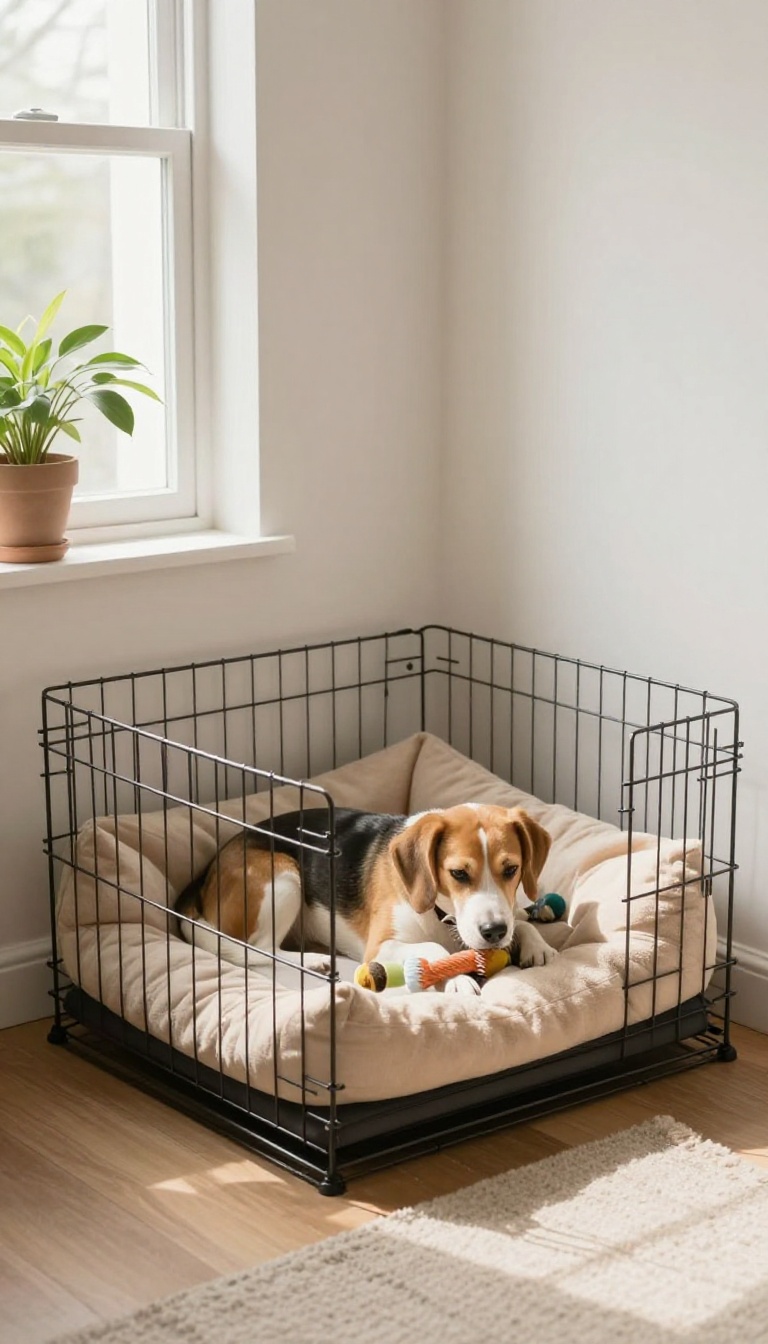
When you step out for work or errands, your dog might feel anxious or bored, leading to barking or destructive chewing. Crate training offers a solution by giving your pup a cozy den where they feel secure and calm. It's not about locking them away—it's about teaching them that alone time is okay, even enjoyable.
Start by choosing a crate that's just big enough for your dog to stand, turn around, and lie down comfortably. Place it in a quiet corner of your apartment, away from heavy foot traffic and noise. Make it inviting with a soft bed or blanket and a safe chew toy.
Make The Crate A Happy Place
Introduce the crate gradually, leaving the door open and tossing treats inside. Feed your dog their meals near the crate, then inside, so they associate it with good things. Use a command like 'kennel' when they go in, and reward them with praise and a treat.
Never use the crate as punishment—it should always feel like a positive retreat.
Practice Short Departures
Once your dog is comfortable, start closing the door for a few minutes while you stay in the room. Gradually increase the time and distance, stepping out of sight for short periods. This builds their confidence that you'll return.
Keep sessions calm and low-key to avoid creating excitement or anxiety.
Keep Alone Time Predictable
Dogs thrive on routine. Put your dog in the crate with a special treat, like a stuffed Kong, every time you leave. This signals that alone time is a positive experience.
Stick to a consistent schedule for departures and arrivals, which helps reduce stress and prevents separation anxiety from taking hold.
8. Socialize with Other Dogs in Shared Spaces
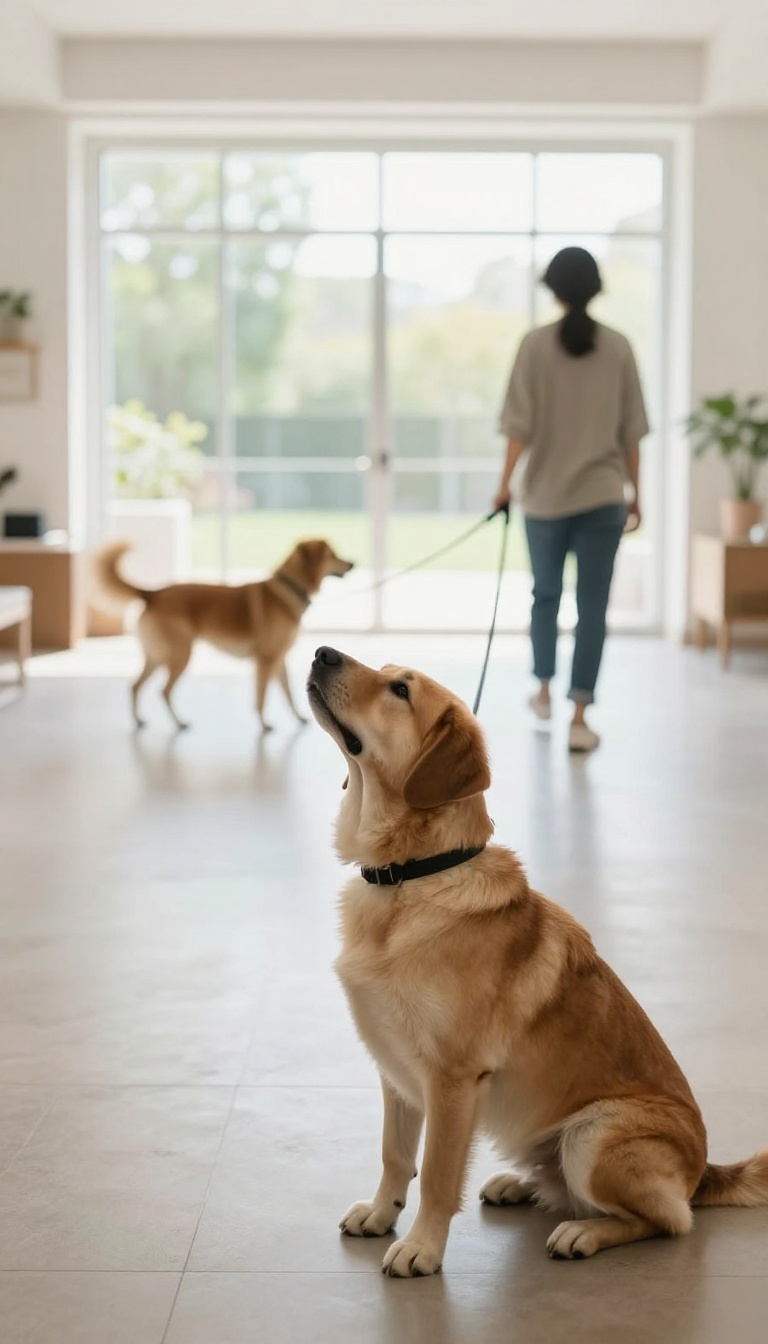
Living in an apartment means your dog will cross paths with other dogs regularly—in the lobby, on the elevator, or in the courtyard. If they haven't learned to stay calm around other pups, those encounters can quickly turn into barking matches or leash tangles. The key is to practice socialization in controlled settings so your dog learns to stay focused on you, even when there's another dog nearby.
Start by setting up playdates with friends or neighbors who have calm, well-behaved dogs. Use a neutral space like a park or a friend's backyard, and keep both dogs on leash initially. Let them sniff and interact at their own pace, but keep sessions short—10 to 15 minutes is plenty.
Watch for signs of stress like yawning, lip licking, or stiff body language, and step in if things get too intense. The goal is to build positive associations, not to force interaction. As your dog gets more comfortable, gradually introduce distractions like other people or mild noise, and practice basic commands like sit or watch me while the other dog is present.
This helps your dog learn that good behavior earns rewards, even when there's a canine buddy nearby. Over time, your dog will start to look to you for guidance in shared spaces, making every hallway encounter a breeze.
Start With Controlled Playdates
Pick a quiet time and a familiar spot for your first few playdates. Keep both dogs leashed and let them greet each other calmly. Reward your dog for staying relaxed and checking in with you.
If either dog gets too excited, take a break and try again later.
Practice Commands Around Distractions
Once your dog is comfortable with a specific dog, practice commands like sit, stay, or look at me while the other dog is nearby. Use high-value treats and keep sessions short. This teaches your dog to focus on you, not on the other dog, which is exactly what you need in an apartment hallway.
Gradually Increase Difficulty
As your dog improves, introduce new environments like a busy park or a pet store. Keep the leash short and your voice calm. If your dog reacts, move further away and try again.
The goal is to make good behavior the default, no matter where you are.
9. Manage Separation Anxiety to Prevent Complaints
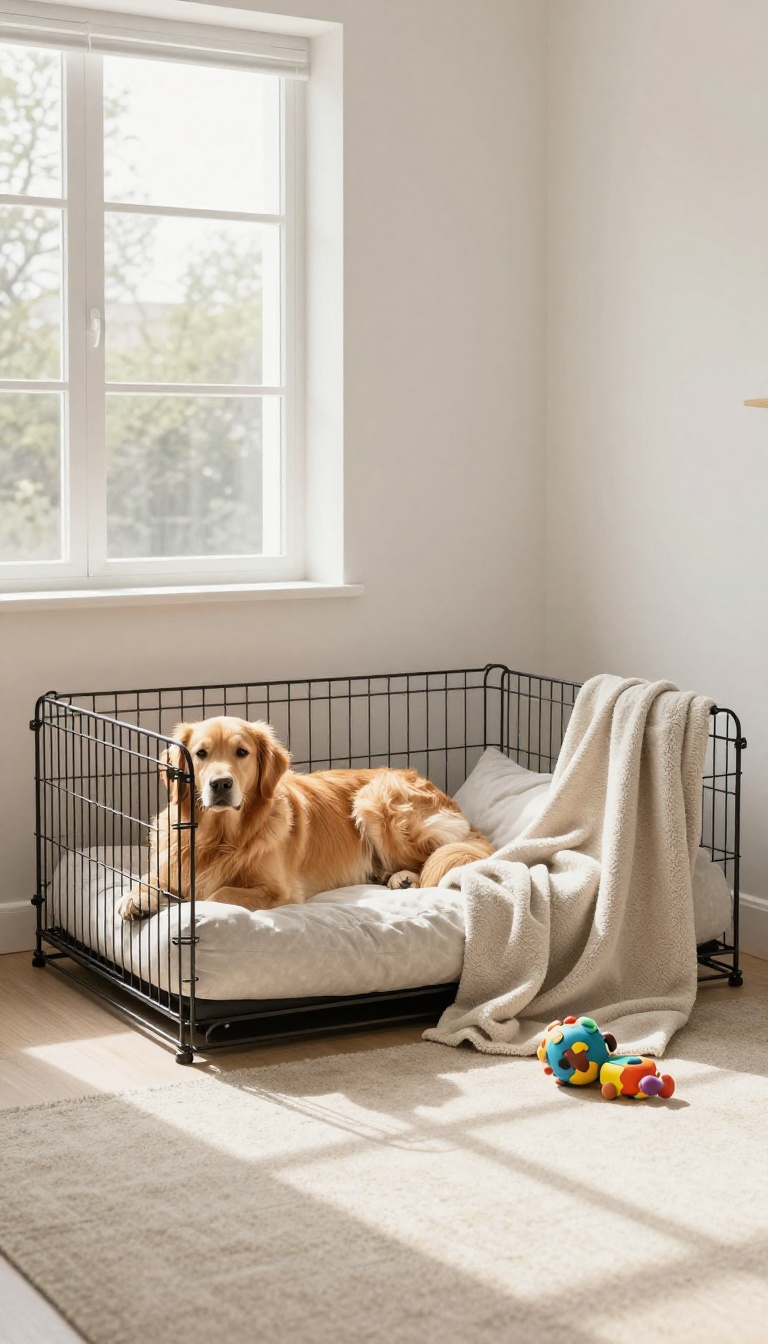
When you head out for work or errands, your dog might feel anxious or bored, leading to barking or destructive chewing. In an apartment, that noise travels fast, and neighbors may start to complain. Separation anxiety is a common issue, but with a little patience and a structured routine, you can help your pup feel secure even when you're not home.
Start by leaving for very short periods—just a few minutes—and gradually build up the time. This helps your dog learn that you always come back. During your absences, give them something engaging, like a puzzle toy stuffed with treats, to keep their mind occupied.
Also, create a cozy, safe spot—maybe a crate with a soft blanket or a corner with their bed—where they can relax without feeling on edge. Consistent practice turns alone time into a normal, stress-free part of their day.
Start With Short Departures
Begin by stepping out for just a minute or two, then return calmly without making a fuss. Gradually extend the time as your dog becomes more comfortable. This builds their confidence that you'll always come back, reducing the panic that triggers barking.
Use Puzzle Toys And Treats
Keep your dog's brain busy while you're away. Fill a Kong with peanut butter or use a treat-dispensing toy. The challenge of getting the reward distracts them from your absence and turns alone time into a positive experience.
Create A Safe, Quiet Space
Designate a specific area in your apartment where your dog feels secure. It could be a crate with a comfy bed or a quiet corner with their favorite blanket. This becomes their go-to spot when they're on their own, helping them settle down instead of pacing or whining.
Practice Leaving Routines
Dogs pick up on cues like grabbing your keys or putting on shoes. Mix up your routine so these signals don't always mean you're leaving for a long time. Sometimes just pick up your keys and sit back down.
This helps reduce the anxiety triggered by those cues.
10. Respect Shared Walls with Calm Indoor Behavior
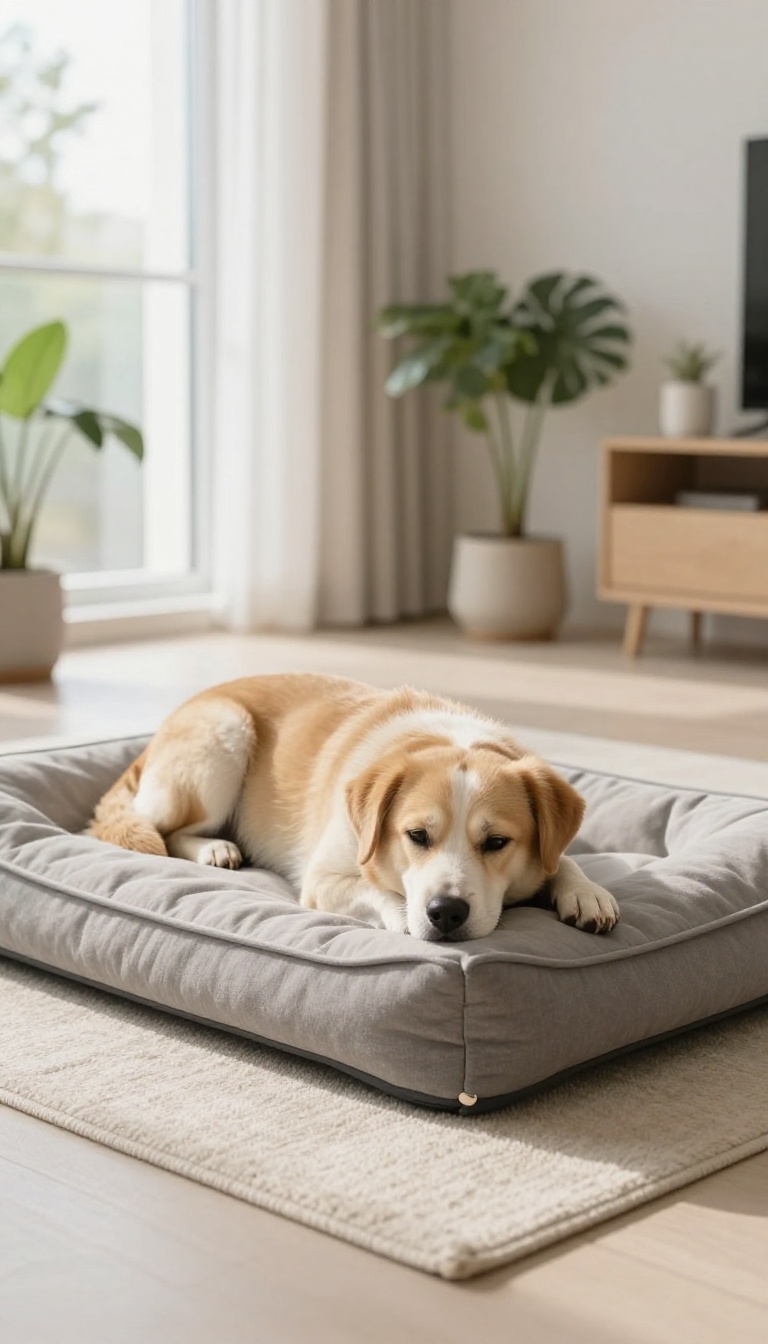
Apartment walls are thinner than you think, and a dog that races around or bounces off furniture can sound like a herd of elephants to your neighbors. The good news is that calm indoor behavior is a skill you can teach. With a little structure and the right outlets for energy, your dog can learn to be a quiet, relaxed roommate.
Start by making sure your dog gets enough physical exercise and mental stimulation every day. A tired dog is a calm dog, and that’s the foundation of peaceful indoor living. Then, teach a clear 'settle' command that tells your pup it’s time to chill out.
Reward quiet, relaxed behavior with treats or gentle praise, and you’ll see fewer zoomies and less random barking.
Burn Energy Before You Need Quiet
A good walk or play session before you settle in for the evening can work wonders. Aim for at least 30 minutes of active exercise, but adjust based on your dog’s breed and age. Add a puzzle toy or a short training session to tire out their brain too.
When they’re genuinely tired, they’re far less likely to bounce off the walls.
Teach A Solid 'settle' Command
Pick a spot like a mat or a dog bed and teach your dog to go there and lie down. Use a treat to lure them into position, then say 'settle' as they relax. Keep the sessions short and rewarding.
Over time, they’ll learn that the mat means calm time. Practice this during quiet moments so it becomes a habit.
Reward Quiet, Not Just Tricks
It’s easy to notice your dog when they’re being noisy, but don’t forget to catch them being good. When they’re lying quietly on their own, drop a treat or give a soft 'good boy. ' This reinforces the behavior you want. With consistency, your dog will realize that calmness pays off.
FAQ
How can I stop my dog from barking at every noise in the hallway?
Desensitize your dog to hallway sounds by playing recordings at a low volume and rewarding calm behavior. Gradually increase the volume over time. Also, teach a 'quiet' command and use positive reinforcement.
What's the best way to handle elevator rides with my dog?
Start by practicing near the elevator, rewarding calm behavior. Then progress to short rides, keeping your dog in a sit or down position. Use treats and praise to reinforce calmness.
How do I prevent my dog from jumping on neighbors?
Teach your dog to sit and stay when greeting people. Practice with friends and family, rewarding the sit. If your dog gets too excited, turn away and ignore until they calm down, then reward.
My dog has separation anxiety and barks when I leave. What can I do?
Gradually get your dog used to being alone by leaving for short periods and increasing the time. Provide interactive toys and a comfortable space. Consider consulting a professional if the anxiety is severe.
How can I keep my dog quiet when I'm not home?
Ensure your dog gets plenty of exercise before you leave. Provide puzzle toys and a comfortable crate or area. Practice leaving for short periods to build their confidence and reduce anxiety.
Conclusion
Living in an apartment with a dog comes with its own set of challenges, but a little training goes a long way in keeping the peace with your neighbors. Start with one or two tips that feel most relevant to your daily routine, and build from there—consistency beats perfection every time.
Remember, every calm walk, quiet greeting, and relaxed evening is a win for both you and your pup. With patience and these habits, you’ll create a harmonious space for everyone, including the furry friend who makes it all worth it.

I’m Pallab Kishore, the owner of Little Pets Realm — an animal lover and pet care enthusiast sharing easy tips, healthy recipes, and honest advice to help every small pet live a happy, healthy, tail-wagging life.