
Ever feel like your dog hears you but doesn't quite get it? That's where marker words come in—they bridge the gap between your dog's action and the reward. A clear marker tells your pup exactly what earned the treat, making training faster and less frustrating.
But simply saying "yes" isn't enough. You need to practice using it in ways that build clarity and reliability. These ten exercises will help you sharpen your marker word skills, turning everyday moments into training wins.
Whether you're a newbie or a seasoned pro, these drills will transform your dog's responsiveness and deepen your bond. Let's dive in.
1. Charge the Marker with High-Value Rewards
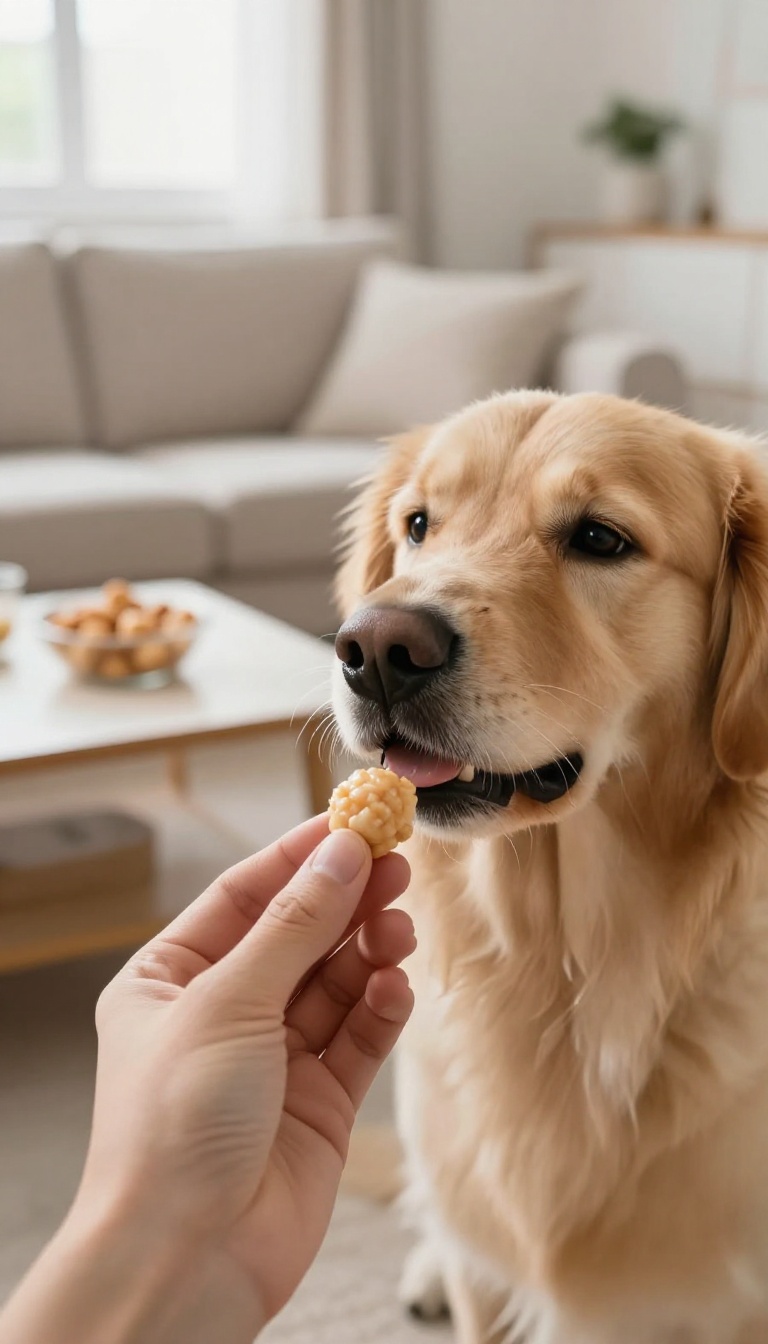
Before your dog can rely on a marker word, it has to mean something amazing. This first exercise is all about building that powerful association from scratch. You'll be pairing the marker with a jackpot of treats so your pup learns that the sound predicts something truly special.
Think of this as charging a battery. The marker word is the click, and the treats are the electricity. Without the charge, the click is just noise.
With it, you have a tool that can guide your dog's behavior with precision. Start in a quiet space with no distractions. Have a bowl of high-value treats ready—something soft, smelly, and irresistible like chicken, cheese, or hot dogs.
Cut them into tiny pea-sized pieces so you can deliver several in quick succession without filling your dog up too fast. Say your marker word (like "yes" or "click") in a cheerful, upbeat tone, then immediately pop a treat into your dog's mouth. The timing matters: the marker must come first, then the reward.
Repeat this 10 to 15 times in a row, varying the pause between the marker and the treat slightly so your dog doesn't start predicting the exact moment. Watch for the lightbulb moment. After a few repetitions, your dog might start looking at you expectantly when they hear the word.
That's the association forming. Keep the session short and fun—two or three minutes is plenty. End on a high note with a few extra treats and a game of tug or a quick walk.
This exercise isn't just for puppies. Even an older dog who's never used a marker can benefit from a fresh charge. It resets the meaning and makes the word more powerful than ever.
Why High-value Rewards Matter
Not all treats are created equal. The reward you use needs to be genuinely exciting for your dog. If they'd rather sniff the ground than eat a kibble, that's a sign you need something better.
High-value rewards create a stronger emotional response, which makes the marker word more memorable and meaningful. Think about what your dog goes crazy for—maybe it's cheese, liverwurst, or even a squeaky toy. Use that as your charging reward.
The more your dog loves the reward, the faster they'll learn that the marker predicts something incredible.
Mastering The Timing
Timing is everything. The marker word should come at the exact moment your dog does the behavior you want, not a second later. When you're just charging the marker, you're not asking for any behavior yet—just saying the word and rewarding.
But you still want to be consistent. Say the word, then deliver the treat within a second. If you wait too long, your dog might not connect the two.
Practice saying the marker in a clear, consistent tone, and always follow it with a reward, even if you make a mistake. That consistency builds trust.
Short And Sweet Sessions
Keep your charging sessions brief. Dogs have short attention spans, and you want to end while your dog is still eager. A few minutes of focused pairing is far more effective than a long, boring session.
You can do multiple short sessions throughout the day. Watch for signs of engagement—bright eyes, a wagging tail, or a focused stare. That's when learning is happening.
If your dog starts to lose interest, take a break and try again later. The goal is to make the marker word the most exciting sound in the world, and that happens through repetition and positivity.
2. The Name Game: Mark and Reward Attention
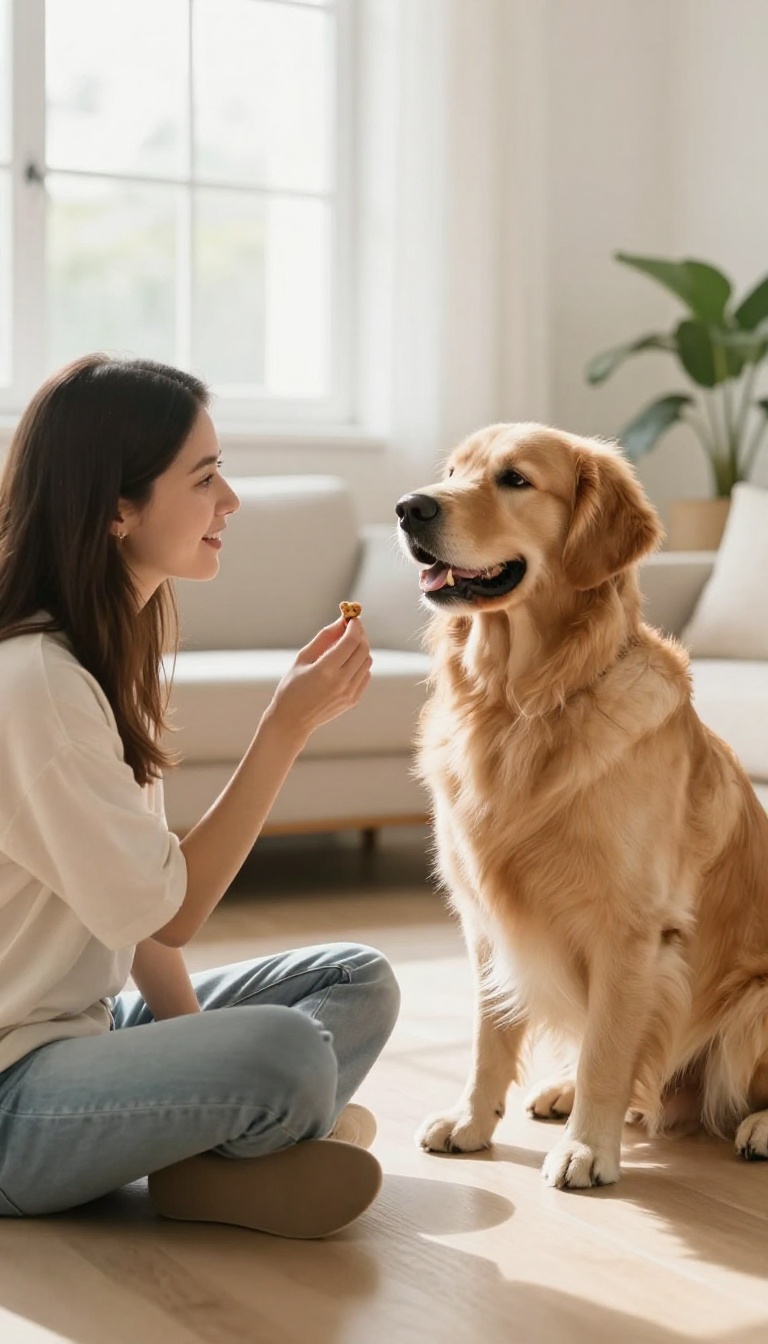
A dog that turns to you when you say their name is a joy to live with. This exercise turns that reflex into a reliable, rewarded behavior. It's a simple game that pays off in a big way, especially when you need your dog's focus in the middle of a busy park or a squirrel-filled backyard.
Start in a quiet room with no distractions. Say your dog's name in a happy, upbeat tone. The moment they look at you, click or say your marker word, then give a treat.
Repeat this several times, then take a short break. You're teaching your dog that their name predicts good things and that looking at you is the fastest way to earn a reward.
Why This Works
This exercise builds a strong, positive association with their name. It also strengthens your dog's ability to disengage from whatever they're doing and check in with you. Over time, this becomes a default behavior—they'll look to you more often, making training and everyday life smoother.
Adding Distractions
Once your dog is nailing it in a quiet room, slowly add distractions. Start with a mild one, like a toy on the floor a few feet away. Say their name, and mark the moment they look at you.
Gradually increase the difficulty—try it in the backyard, then on a walk with other dogs around. Always reward that eye contact, and keep sessions short and fun.
Real-life Application
Use this exercise in real situations. If your dog is about to do something they shouldn't, like chase a squirrel, say their name first. If they look at you, mark and reward.
This gives you a way to interrupt and redirect their attention before they get into trouble. It's a game-changer for safety and communication.
3. Capture Calm: Mark Relaxed Behaviors
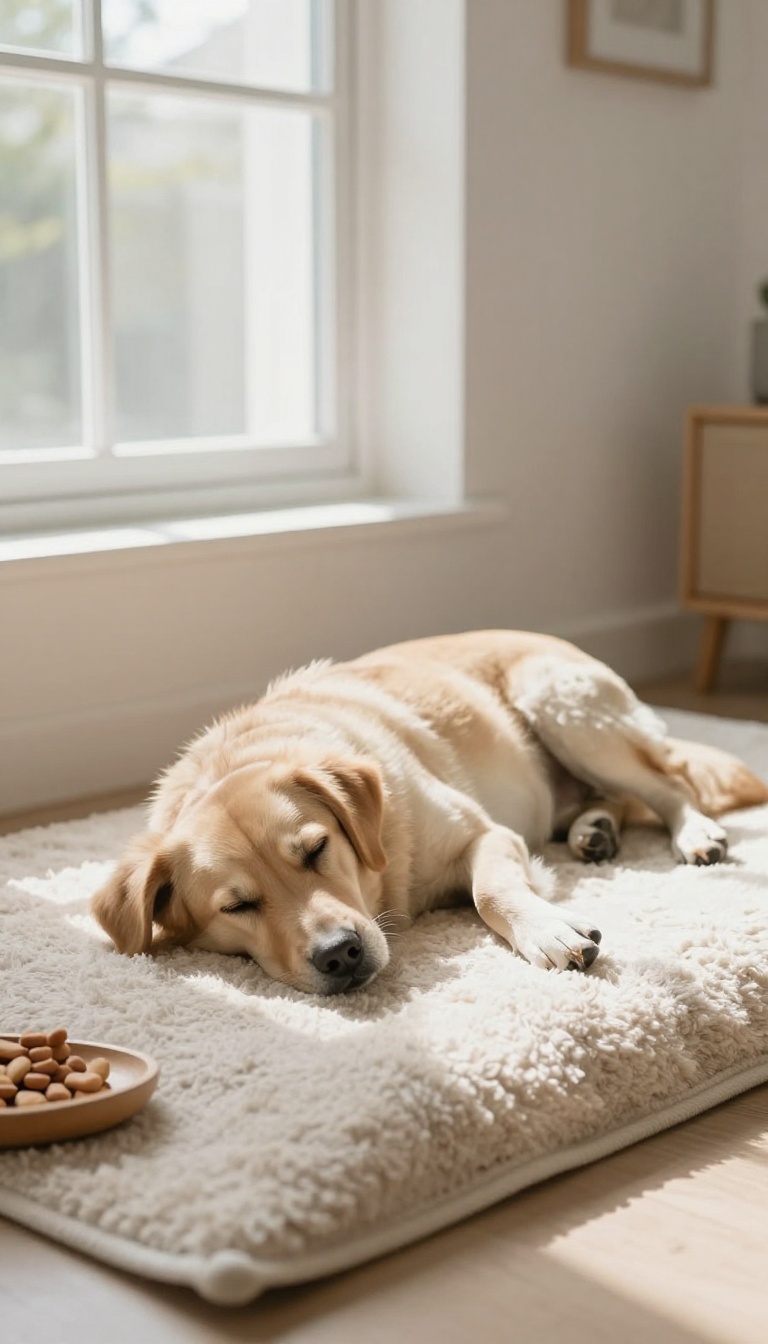
Training isn't just about the exciting stuff—settling is a skill too. When you mark your dog for simply being calm, you're telling them that peace pays off. This is a game-changer for impulse control and helps your dog learn to switch off when you need them to.
Start by keeping treats handy during quiet moments. When your dog lies down on their own and looks relaxed, say your marker word and drop a treat. You don't need to ask for anything—just catch them in the act.
Over time, they'll figure out that chilling out earns rewards, so they'll offer calm behavior more often.
Why Marking Calm Works
Dogs repeat behaviors that get reinforced. If you only reward active commands like 'sit' or 'down', your dog might think you always want action. Marking calm sends a clear message: being relaxed is valuable.
This builds a default settle behavior, which is super handy for things like waiting at the vet or during movie night.
How To Catch Calm Moments
Set up a few short sessions where you just hang out with your dog. Keep a bowl of treats nearby. Whenever your dog chooses to lie down, sit, or even just stand still with a relaxed body, mark and reward.
Timing matters—mark the instant they settle, not after they've been calm for a while. You want them to connect the marker with the exact state.
Turning Calm Into A Cue
Once your dog gets the hang of being marked for calm, you can add a cue like 'settle' or 'relax'. Say the word as they're naturally lying down, then mark and reward. Soon, you'll be able to use the cue to prompt a calm state on demand.
This is brilliant for when guests come over or when you need your dog to chill in a café.
4. Shape a New Behavior with Successive Approximations
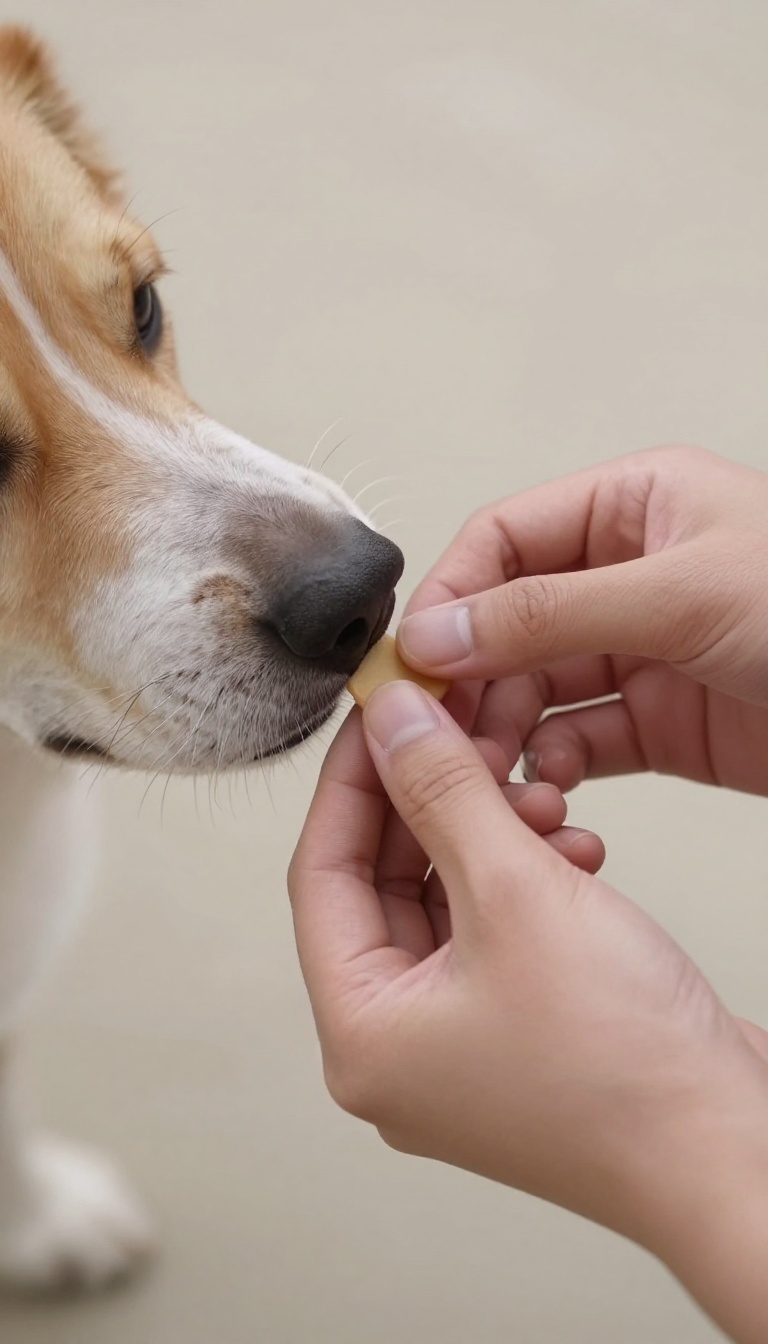
Shaping is like building a sculpture out of clay—you start with a rough lump and gradually refine it into something beautiful. In dog training, shaping means rewarding tiny steps toward a final behavior, using your marker to say, "Yes, that's the right direction! " This method turns complex tricks into a series of small, achievable wins, making the learning process clear and fun for your pup.
Instead of waiting for your dog to perform the entire trick perfectly, you break it down into micro-steps. Each time your dog offers a closer approximation, you mark and reward. This builds confidence and keeps your dog engaged, turning a potentially frustrating task into a puzzle they love solving.
Shaping is a powerful way to teach behaviors that seem too complex for a simple command. By using your marker to reinforce each tiny improvement, you communicate exactly what you want, step by step. This exercise not only teaches your dog new skills but also sharpens your own observation and timing—two essentials for clear communication.
Here's how to get started with shaping a new behavior, using a simple example like teaching your dog to spin in a circle.
Start With The Tiniest Step
Pick a behavior you want to shape, like spinning. Watch your dog closely. The very first approximation might be as small as a head turn to one side.
The moment your dog moves their head even slightly in the right direction, click or say your marker word and give a treat. Repeat this until your dog consistently offers that head turn. This step is all about capturing the smallest movement.
You're not asking for anything yet—just rewarding any motion that hints at the final behavior. This builds a strong foundation and teaches your dog that offering new actions leads to good things.
Raise The Bar Gradually
Once your dog reliably turns their head, wait for a little more—maybe a full head turn or a slight shift of the front paws. Mark and reward that. Then, wait for a step in the right direction, then a half-turn, and so on.
Each time you raise the criteria, your dog learns that persistence pays off. Be patient and don't rush. If your dog gets stuck, go back a step and reward that level again for a few repetitions.
The key is to keep the challenge just right—not too easy, not too hard. This keeps your dog motivated and prevents frustration.
Add A Cue Once The Behavior Is Solid
After your dog is confidently performing the full behavior—say, a complete spin—it's time to add a verbal cue. Right before your dog starts to spin, say "spin" in a cheerful tone. Then mark and reward the spin.
Repeat this several times so your dog associates the word with the action. Soon, you'll be able to say "spin" and your dog will perform the trick on cue. Remember to keep training sessions short and fun, ending on a high note.
Shaping is a game, and your dog should love playing it with you.
5. The Rapid-Fire Mark: Increase Response Speed
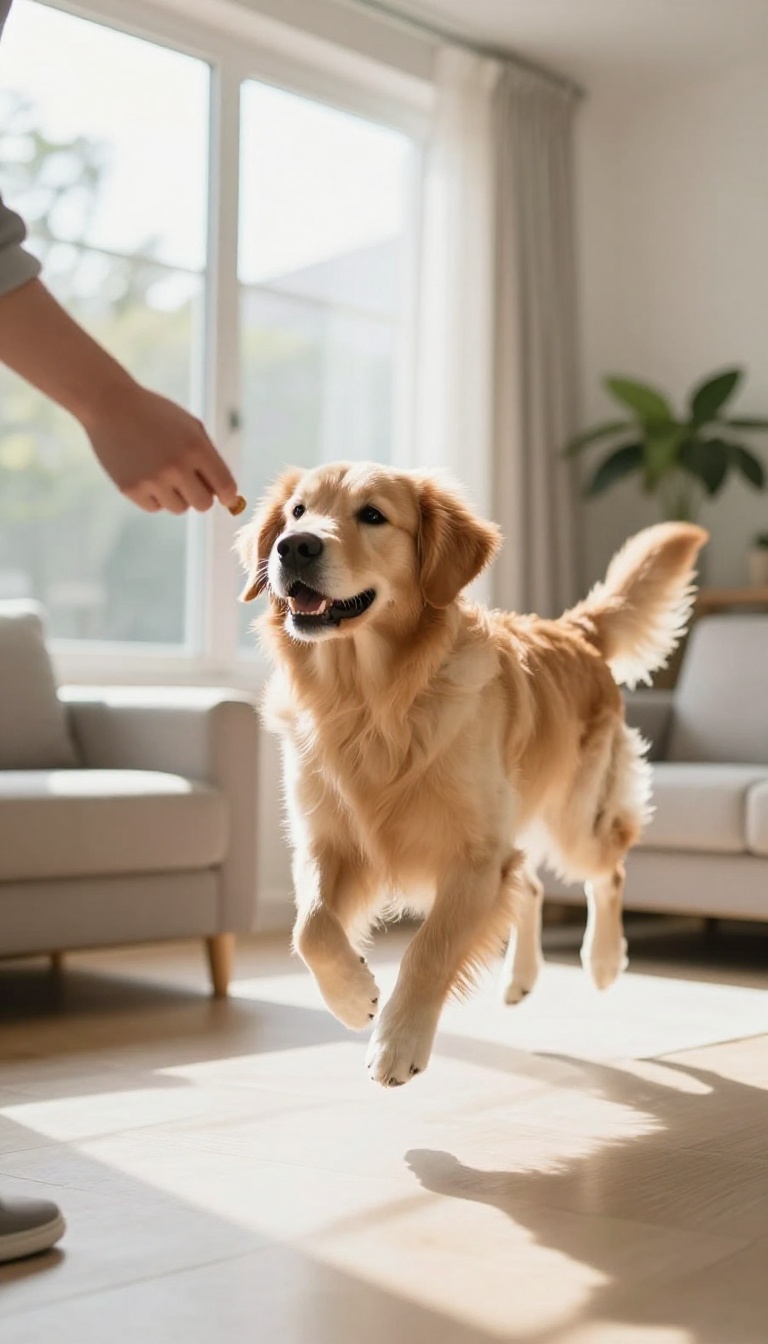
Speed matters in dog training. A slow response can be the difference between a solid recall and a missed opportunity. The rapid-fire mark is a simple way to build faster reactions without adding pressure.
You'll reward your dog for jumping into action the moment they hear a cue, not after a pause. This exercise makes training feel more like a game and less like a chore.
When your dog already knows a cue, the next step is to make it snappy. The rapid-fire mark focuses on the speed of the response rather than the accuracy of the behavior itself. By marking and rewarding quick reactions, you're telling your dog, 'That speed is what I want. ' Over time, your dog will start offering faster responses automatically, which is incredibly useful in real-world situations like crossing a street or calling them away from something interesting.
Start With A Cue They Know
Pick a behavior your dog has mastered, like 'sit' or 'down. ' Have a handful of treats ready and say the cue in a bright, upbeat tone. The moment your dog starts to move into position, mark with your word and reward. Don't worry about perfection—focus on the speed of the initiation.
If your dog hesitates, wait a few seconds, then try again with more enthusiasm.
Use A Timer To Track Progress
To make this exercise measurable, use a phone timer or a stopwatch. Set a 30-second session and count how many times your dog responds within 2 seconds of the cue. Write down the number.
Repeat the session a few times a day, and you'll see the count climb. This gives you concrete feedback and keeps the training fun for both of you.
Mix It Up With Random Cues
Once your dog is consistently fast with one cue, switch between several known cues in random order. Say 'sit, ' then 'down, ' then 'touch, ' and so on. This keeps your dog on their toes and prevents them from anticipating the cue.
It also strengthens their listening skills, because they have to process each cue quickly to get the reward.
Add Distractions Gradually
After your dog is speedy in a quiet room, start adding mild distractions. Have someone walk by, or practice in the backyard. The goal is to maintain that quick response even when the environment gets more interesting.
Start with low-level distractions and work up to more challenging ones, always marking and rewarding the fast responses.
6. Mix It Up: Vary Your Marker Words
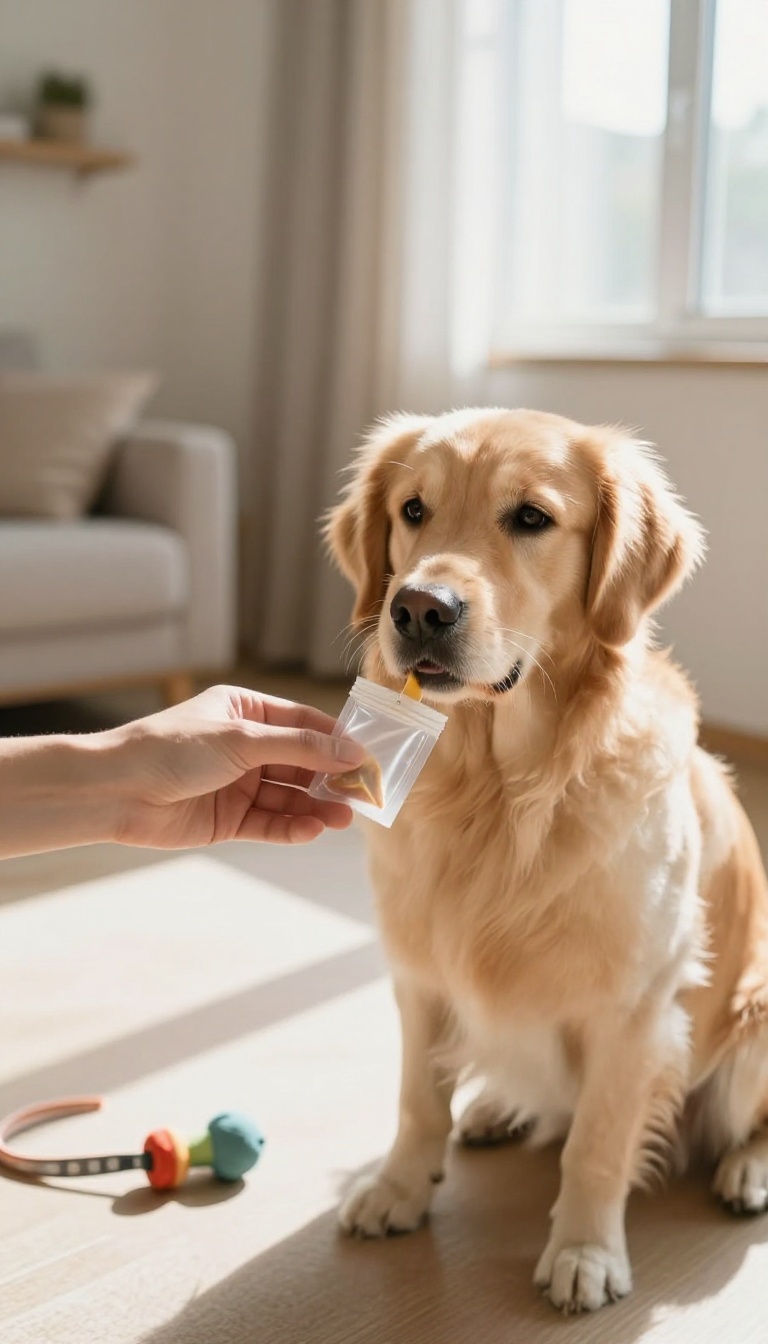
Does your dog's eyes glaze over when you say 'yes' for the hundredth time? That's a sign they're tuning out a marker that's become too routine. Varying your marker words not only adds novelty but also lets you communicate different types of rewards.
Think of it like this: 'yes' can mean a treat is coming, while 'good' might signal praise or play. This nuance helps your dog understand exactly what they've earned, making your training more precise and engaging.
Start by choosing two or three distinct marker words, each paired with a specific reward. For example, use 'yes' for food rewards, 'good' for praise or a quick game of tug, and 'okay' for releasing your dog from a command. The key is to be consistent—always follow each marker with its corresponding reward.
Practice this in short sessions, alternating between markers so your dog learns to associate each one with its unique payoff. This not only keeps training interesting but also builds a more flexible communication system.
Assign Meanings
Pick markers that are easy to say and distinct from each other. Common choices include 'yes, ' 'good, ' and 'okay. ' Decide what each one means: 'yes' for treats, 'good' for praise, and 'okay' for a release. Write them down so you stay consistent.
The clearer you are, the faster your dog will pick up on the differences.
Practice In Short Bursts
Set aside a few minutes each day to run through quick drills. Call your dog, give a command, and mark with one of your chosen words. Follow up with the corresponding reward.
Then switch to another marker. Keep sessions short and upbeat so your dog stays engaged. Over time, your dog will learn to anticipate which reward is coming based on the word you use.
Use Real-life Moments
Incorporate varied markers into everyday situations. When your dog sits politely at the door, say 'good' and give a scratch. When they come when called, say 'yes' and toss a treat.
When they finish a trick, say 'okay' to release them. This real-world practice helps your dog generalize the markers beyond training sessions.
7. The No-Mark Drill: Teach Your Dog to Offer Behaviors
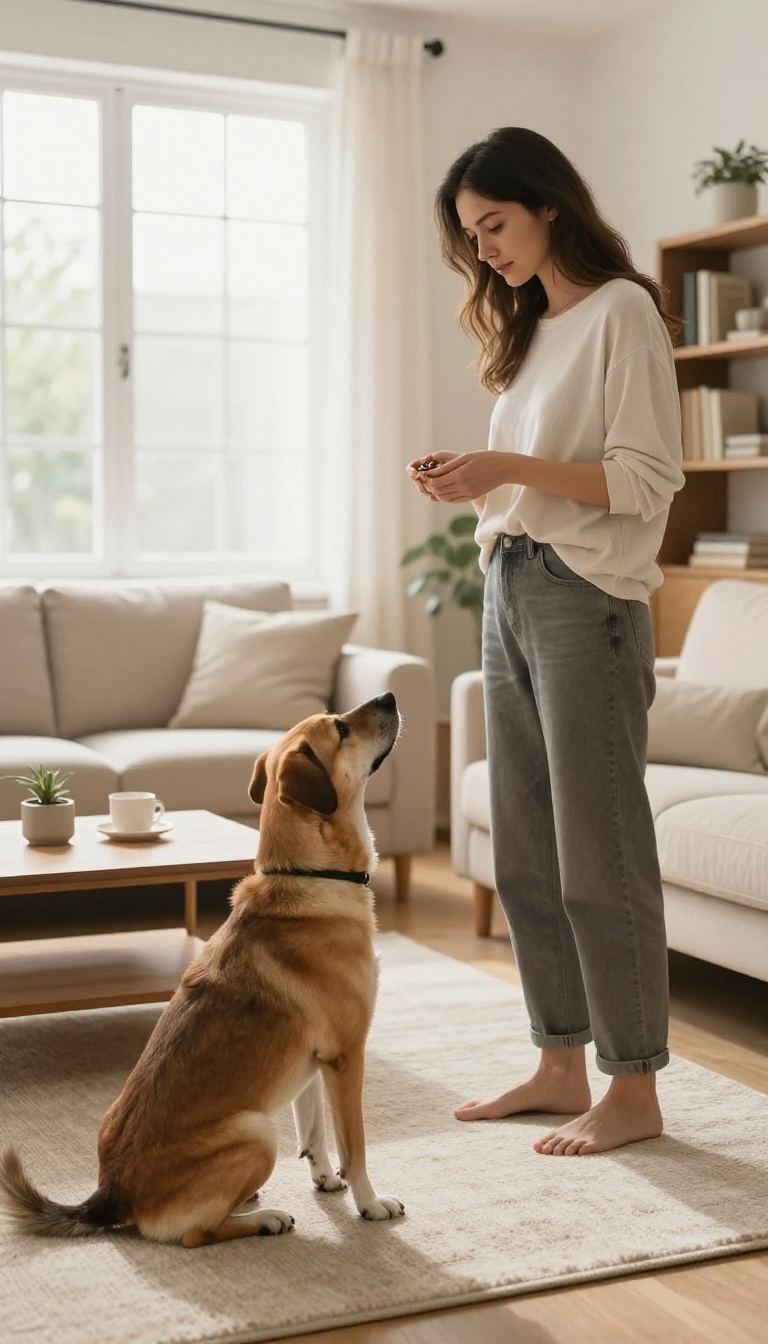
Sometimes the best way to sharpen your marker is to put it away. The No-Mark Drill forces your dog to think, experiment, and offer behaviors on their own. It's a fantastic way to build problem-solving skills and turn training into a two-way conversation.
In this drill, you'll withhold your marker and let your dog figure out what earns it. This encourages initiative and makes your dog an active participant in training, not just a passive responder. Start with a behavior your dog already knows well, like sit or down, and get ready to be patient.
Setting Up The No-mark Drill
Choose a low-distraction environment and have a handful of high-value treats ready. Put your marker word away—literally, don't say it. Stand quietly with your dog, and wait.
They'll likely offer a behavior they've been rewarded for before. The moment they do, mark with a click or a simple 'yes' and reward. That's the core of the drill: you're rewarding the offering, not the specific behavior.
What To Do When Your Dog Gets Stuck
If your dog just stares at you, don't help. Wait it out. You can subtly shift your weight or glance at a spot on the floor, but avoid giving cues.
If they're totally lost, you can 'prime' the behavior by luring once, then go back to waiting. The key is to let them discover that offering behaviors leads to rewards, which builds confidence and creativity.
Adding A Cue Once The Behavior Is Offered
Once your dog is consistently offering a behavior, you can add a cue. Wait for them to offer it, then say your cue right as they're doing it. Over time, they'll associate the cue with the action.
This makes the cue more reliable because your dog has chosen to perform the behavior, not just reacted to a prompt.
8. Distance and Distraction: Proof Your Marker
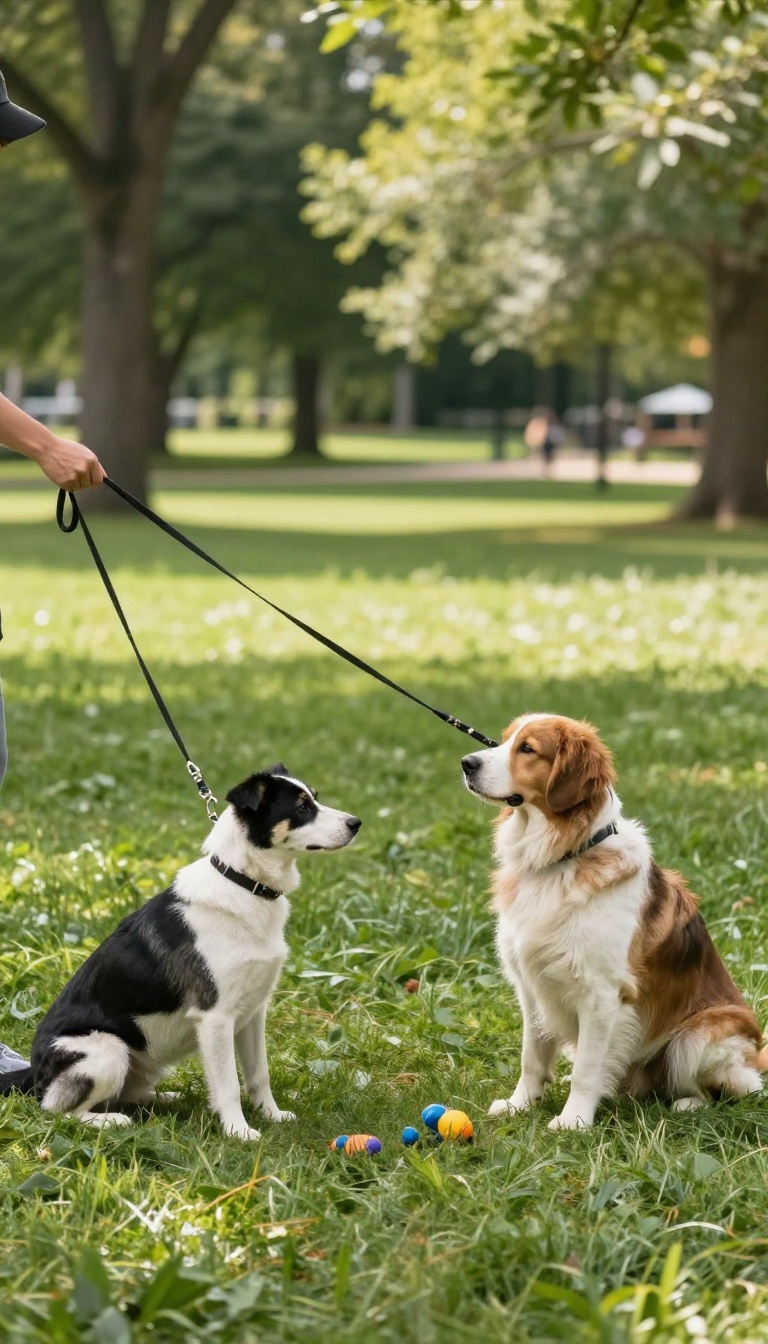
A marker word is only as good as its reliability in the real world. If your dog only responds in a quiet living room, that marker isn't doing its job when it matters most. This exercise is about taking your training on the road—literally.
Start by practicing in familiar but slightly busier spots, like your backyard or a quiet park. Gradually increase the distance between you and your dog, and add distractions one at a time. The goal is to make your marker a rock-solid signal that cuts through the noise.
Start Small, Build Up
Begin with a low-distraction environment, like your living room, and use a long leash to add distance. Mark and reward for simple behaviors, then slowly move to a hallway or a fenced yard. Each time you increase distance, keep the distractions minimal so your dog can succeed.
Add Distractions Gradually
Once your dog is solid at a distance, introduce one distraction at a time—a toy on the ground, a person walking by, or a mild noise. Mark the instant your dog responds correctly, and reward generously. If your dog struggles, reduce the distraction or distance and try again.
Real-world Practice
Take your training to places like a park or a sidewalk. Use a long line for safety and practice calling your dog's attention, marking when they look at you or perform a cue. Over time, your dog will learn that the marker means 'great job' no matter what's happening around them.
9. The Marker as a Bridge: Connect to a Clicker
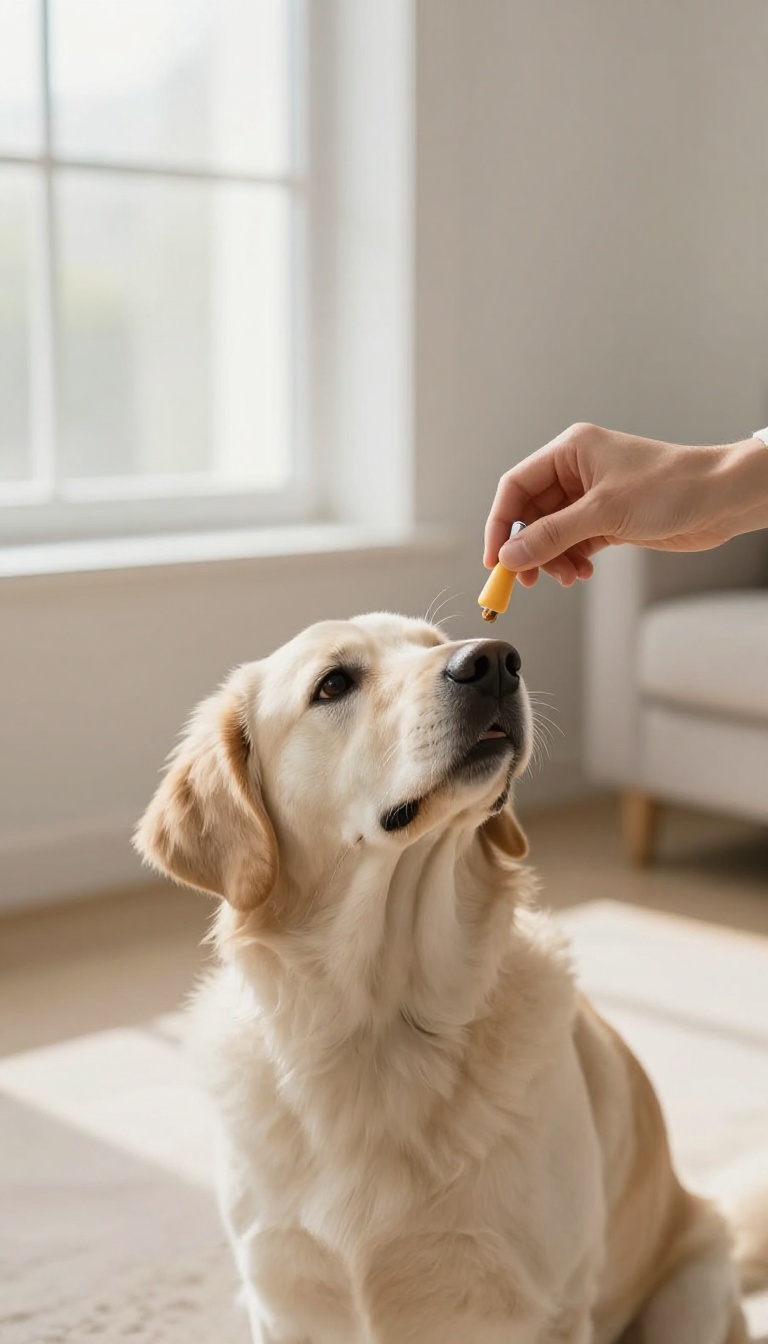
Clickers are fantastic tools, but they're not always practical. You can't click with your mouth full or when you're juggling leashes. That's where your verbal marker steps in as a bridge, letting you transition smoothly from clicker to voice without losing precision.
This exercise is all about pairing your marker with the clicker so your dog learns that both signals mean the same thing. Over time, you'll rely less on the clicker and more on your voice, making training more versatile and convenient.
Start With Familiar Cues
Begin with a behavior your dog already knows well, like 'sit' or 'down. ' Click and mark the instant your dog performs the behavior, then treat. Repeat this several times so your dog hears the click and your marker together, reinforcing that they're interchangeable.
Gradually Phase Out The Clicker
Once your dog is solid on the pairing, start skipping the clicker randomly. For example, click on the first sit, then use only your marker on the next. Mix it up so your dog never knows which one is coming, but always gets the reward.
This builds reliability in your verbal marker.
Test In Real-life Scenarios
Try using only your marker in situations where a clicker would be awkward, like during a walk or at a café. This proves your marker can hold up under distractions. If your dog struggles, go back to pairing for a few reps, then try again.
10. End-of-Session Ritual: Mark and Release
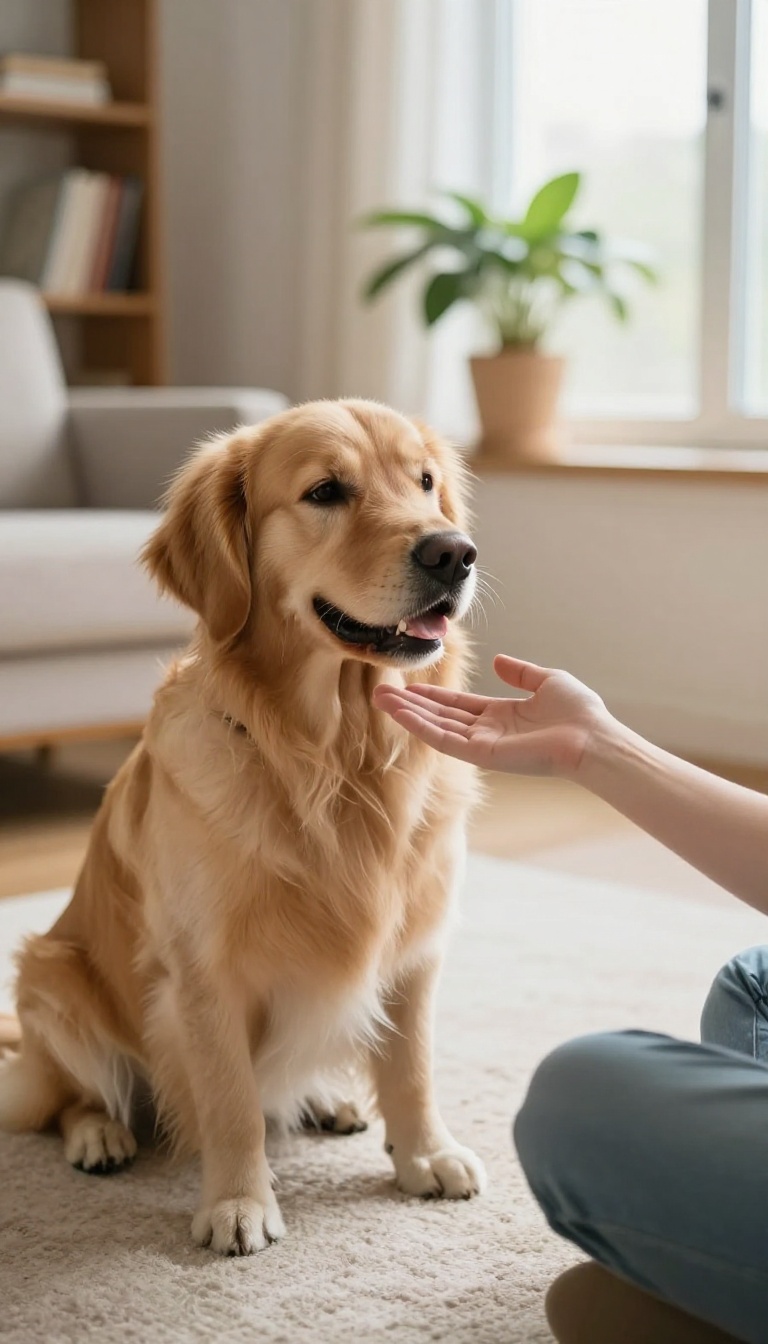
Training sessions can get intense, and knowing when to stop is just as important as knowing when to go. Without a clear ending, your dog might keep offering behaviors or get frustrated when treats stop coming. An end-of-session ritual gives your pup a definitive signal that work is done and playtime or rest begins.
This exercise is simple but powerful. You'll pair your marker with a release cue like "free" or "all done, " creating a predictable pattern that reduces anxiety and builds trust. Over time, your dog learns to relax the moment they hear the release, making training sessions more enjoyable for both of you.
Creating a clear ending signal isn't just about stopping—it's about teaching your dog that training has a beginning, middle, and end. This structure helps your pup feel secure and prevents the frustration that comes from unclear expectations. By consistently using a marker followed by a release, you're giving your dog a mental "off switch" that makes everyday training more efficient and more fun.
The ritual works like this: you mark the final correct behavior, then immediately say your release cue and let your dog move freely. The marker tells them "that's the last one, good job, " and the release tells them "now you can relax. " With practice, your dog will associate the release with the end of work, and you'll both look forward to training sessions instead of dreading them.
Why A Clear Ending Matters
Dogs thrive on predictability. When training sessions just fizzle out without a clear signal, your dog might stay on high alert, wondering if the next treat is coming. This can lead to overexcitement or even frustration.
A distinct end-of-session cue tells your dog, "You're done, and you did great. " It also prevents the common problem of a dog who keeps offering behaviors long after you've stopped rewarding, which can be exhausting for both of you. Think of it like a wind-down after a workout.
You wouldn't just drop the weights and walk away; you'd cool down and stretch. The same logic applies to your dog's training. A release cue gives them a moment to decompress and transition to a different activity, whether that's playing with a toy or settling down for a nap.
How To Build The Ritual
Start by picking a release cue that you'll use consistently, like "free, " "break, " or "all done. " Keep it short and distinct from any other commands. Next, practice the ritual in a low-distraction environment.
Ask your dog for a few simple behaviors they know well, like sit or down. On the last repetition, mark the behavior, then immediately say your release cue in a cheerful tone and toss a treat on the floor or gesture for them to move away. Repeat this several times over a few days, always using the same sequence: mark, release, reward.
Your dog will start to recognize that the release cue means the session is over. Once they understand, you can use this ritual at the end of every training session, whether it's a formal practice or a quick five-minute refresher.
Troubleshooting Common Pitfalls
If your dog doesn't seem to get the release cue, don't worry—it's a new concept. One common mistake is using the release cue too loosely, like saying "okay" in everyday conversation, which can confuse your dog. Pick a word you don't use often in other contexts.
Another pitfall is forgetting to mark the final behavior before the release. The marker is crucial because it tells your dog "that was right, " and the release then follows as a natural conclusion. If your dog seems reluctant to leave the training area after the release, try making the release more rewarding, like tossing a treat or engaging in a quick game of tug.
Over time, they'll learn that the release isn't the end of fun—it's the start of a different kind of fun.
FAQ
What is a marker word in dog training?
A marker word is a short, consistent sound (like "yes" or "good") that tells your dog the exact moment they did something right, followed by a reward. It bridges the gap between behavior and reinforcement.
How long does it take to charge a marker word?
It usually takes a few short sessions (about 5-10 minutes each) over a couple of days for your dog to strongly associate the marker with rewards. The key is to always follow the marker with a treat during the charging phase.
Can I use any word as a marker?
Yes, but it should be a word you don't use in everyday conversation, like "yes" or "click. " Avoid words that sound like commands you already use, such as "sit" or "stay. "
What's the difference between a marker word and a clicker?
A clicker is a mechanical device that makes a consistent sound, while a marker word is verbal. Both work the same way, but a marker word is always available and doesn't require equipment.
How often should I practice marker word exercises?
Short, frequent sessions are best—aim for 5-10 minutes a few times a day. Consistency matters more than length, and you can incorporate these exercises into everyday moments like meal times or walks.
Conclusion
These ten marker word exercises are your toolkit for clearer communication with your dog. Start with the basics, like charging the marker, and gradually build up to more advanced drills. Remember, patience and consistency are your best friends.
As you practice, you'll notice your dog's eyes light up when they hear that special word—because they know something great is coming. That's the magic of a well-trained marker. So grab some treats, pick an exercise, and enjoy the journey to a better-behaved pup.

I’m Pallab Kishore, the owner of Little Pets Realm — an animal lover and pet care enthusiast sharing easy tips, healthy recipes, and honest advice to help every small pet live a happy, healthy, tail-wagging life.