
Does your dog bounce off the walls when guests arrive, or lunge at every squirrel on a walk? You're not alone. Many owners accidentally reinforce chaos without realizing it.
The good news? You can train calmness just as easily as excitement. Positive reinforcement isn't just about treats—it's about timing, consistency, and rewarding the behaviors you want to see more of.
When you master a few key habits, your dog learns to make better choices on their own. These 11 habits are simple to start today, and they'll transform your dog's demeanor from frazzled to focused. Let's dive in.
1. Reward the Calm, Not Just the Cute
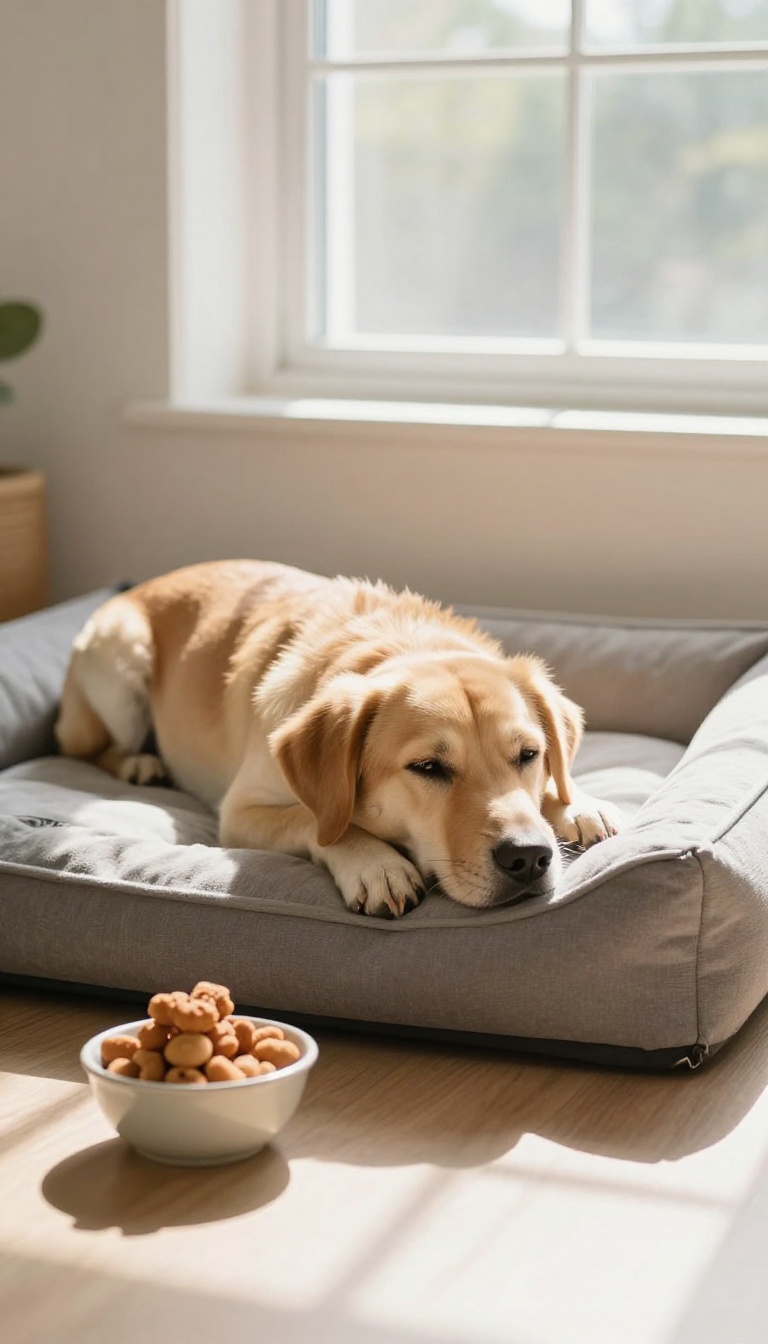
Most people only notice their dog when they're doing something wrong or being extra adorable. But the moments in between—when your dog is just lying there, relaxed and content—are golden opportunities. If you only ever reward the zoomies or the tricks, your dog learns that energy gets attention.
Calmness gets ignored. That's backwards. Start paying attention to the quiet.
When your dog settles on their bed, gives a soft sigh, or simply watches the world without reacting, that's your cue. A quiet "good boy" and a treat can work wonders. You're not bribing them; you're showing them what pays off.
Rewarding calm behavior is one of the most powerful habits you can build with your dog. It shifts the focus from correcting bad behavior to reinforcing the good. Over time, your dog will start offering calmness more often because it leads to good things.
This habit also helps reduce anxiety and hyperactivity, making your home a more peaceful place for everyone.
Why Calmness Often Goes Unrewarded
We tend to react to the loud, the fast, and the naughty. A dog barking at the door gets told off; a dog quietly chewing a toy gets ignored. That's a missed chance.
When you only respond to high-energy moments, your dog learns that's the way to get your attention. Calm behavior becomes invisible, and so it fades away.
How To Catch Calm Moments
Keep a small bowl of treats in a few rooms. Whenever you notice your dog lying down, resting their head on their paws, or just chilling, toss a treat their way. You don't need to call them over—just let the treat come to them.
This way, they learn that staying put and being relaxed is what earns the reward.
Timing And Consistency Matter
The reward needs to happen within a second or two of the calm behavior so your dog connects the dots. Be consistent: every time you see calm, reward it. Even if it's just a quick glance and a soft word, your dog will start to understand.
Over weeks, you'll see more spontaneous settling and fewer frantic moments.
2. Use a Marker Word for Instant Feedback
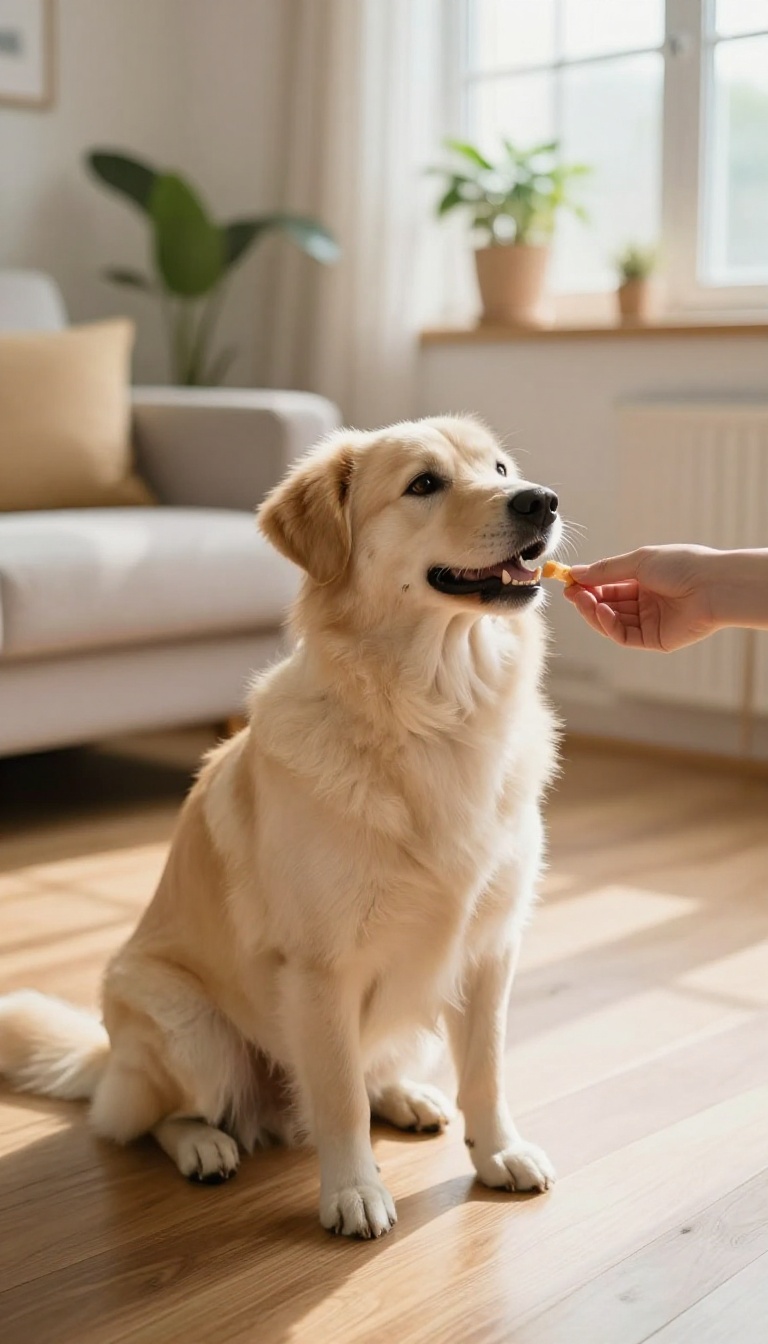
Timing is everything when you're training a dog. If the treat comes two seconds after the behavior, your dog might not connect the dots. That's where a marker word like "yes" saves the day.
A marker word is a sound that tells your dog, "That's exactly right! " It bridges the gap between the action and the reward, so your dog learns faster and with less confusion.
Start by choosing a short, sharp word like "yes" or "good. " Say it the instant your dog does something you like, then follow with a treat. Over time, your dog will learn that the word predicts a reward, making it a powerful tool for reinforcing calm behavior in real-time.
This habit is especially useful for capturing calmness. When your dog lies down on their own or settles during a busy moment, mark and reward it. You'll see more of that behavior because your dog learns that calmness pays off.
Why A Marker Works Better Than Just Treats
Treats are great, but they're slow. By the time you reach into your pocket, your dog might be doing something else. A marker word is instant, so it pinpoints the exact moment of good behavior.
This clarity speeds up learning and reduces frustration for both of you.
How To Load The Marker
Before you use the marker in training, you need to teach your dog what it means. Spend a few sessions saying "yes" and immediately giving a treat, with no behavior required. Repeat this 10 to 15 times, and your dog will start to perk up at the sound.
Now you're ready to use it to mark specific behaviors.
Use It To Catch Calm Moments
The magic happens when you start marking calm behavior. Keep treats handy and watch for moments when your dog is relaxed—lying down, sitting quietly, or just chilling. Say "yes" and drop a treat.
Your dog will start offering calm behavior more often, because it leads to good things.
Keep It Consistent And Clear
Consistency is key. Use the same word every time, and make sure everyone in the household uses it too. Avoid using the marker for things you don't want to reinforce.
And remember, the marker should always be followed by a treat, at least in the beginning. That's what keeps its power strong.
3. Time Your Treats to Beat the Reactivity
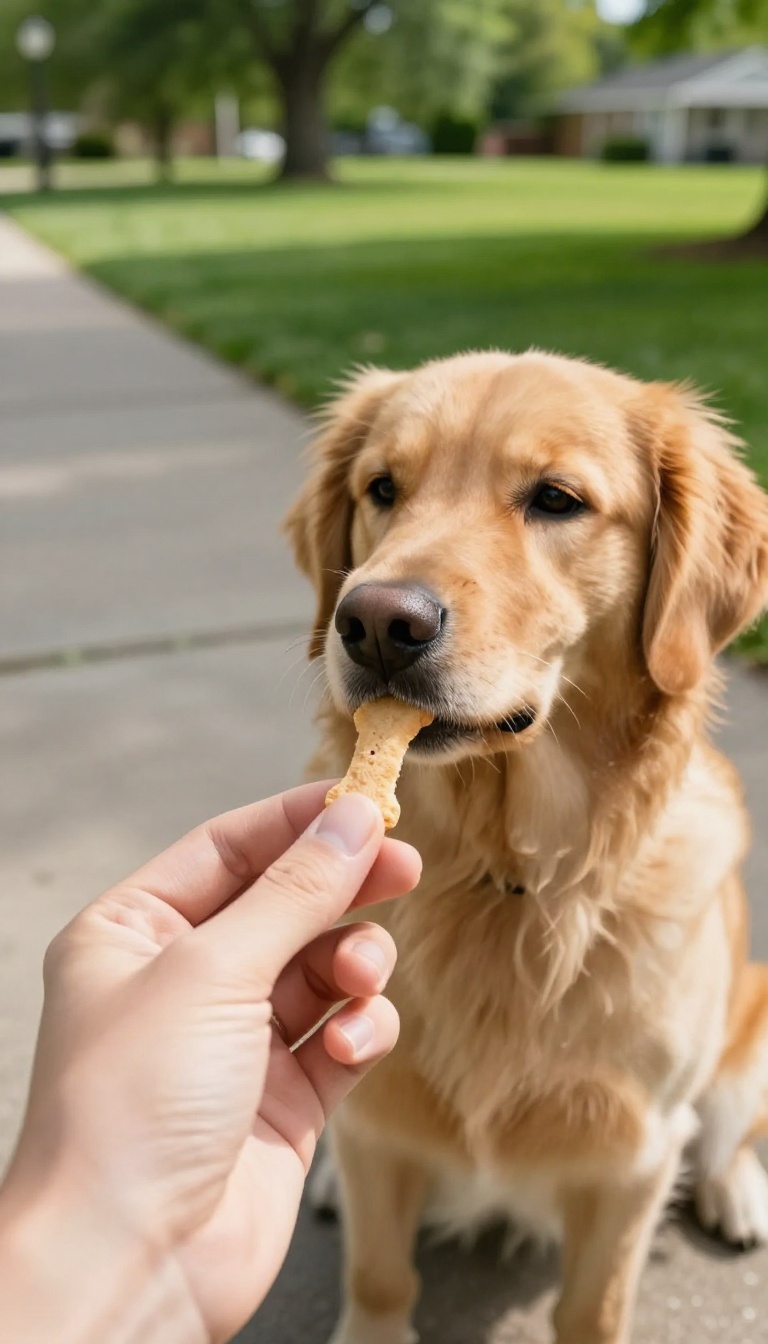
Reactivity often stems from fear or frustration, not stubbornness. When your dog sees a trigger, their brain goes into overdrive before they even react. That split second is your golden opportunity.
By rewarding the moment they notice something, you teach them that triggers predict good things. Over time, their emotional response shifts from panic to anticipation, and you get a calmer, happier dog.
The key is to reward before your dog crosses their threshold—the point where they start barking, lunging, or whining. You want to catch that first glance, the ear perk, the pause. That's when they're still thinking, not reacting.
Toss a treat, say 'yes, ' and let them connect the dots. With repetition, they'll start looking at you when they see a trigger, expecting a reward instead of a reaction.
Find The Threshold
Every dog has a distance at which they can notice a trigger without going overboard. Start far away—across the street, behind a fence, wherever they stay relaxed. Watch for subtle signs like a stiff body or a fixed stare.
That's your cue to reward. If you're too close and they're already barking, you've missed the window. Back up and try again.
Use High-value Treats
Not all treats are created equal. For reactivity training, you need something your dog absolutely loves—tiny bits of chicken, cheese, or hot dog. Save these special treats for training sessions so they stay exciting.
The more valuable the reward, the stronger the association. You want your dog to think, 'Wow, seeing a dog means I get chicken! '
Practice In Real Life
Training in your living room is easy, but the real world is where it counts. Start with low-distraction environments, like a quiet park at off-hours. As your dog gets better, gradually increase the difficulty.
Keep sessions short and positive. If your dog has a setback, don't stress—just lower the criteria and try again. Consistency beats intensity every time.
4. Make 'Settle' a Default Behavior
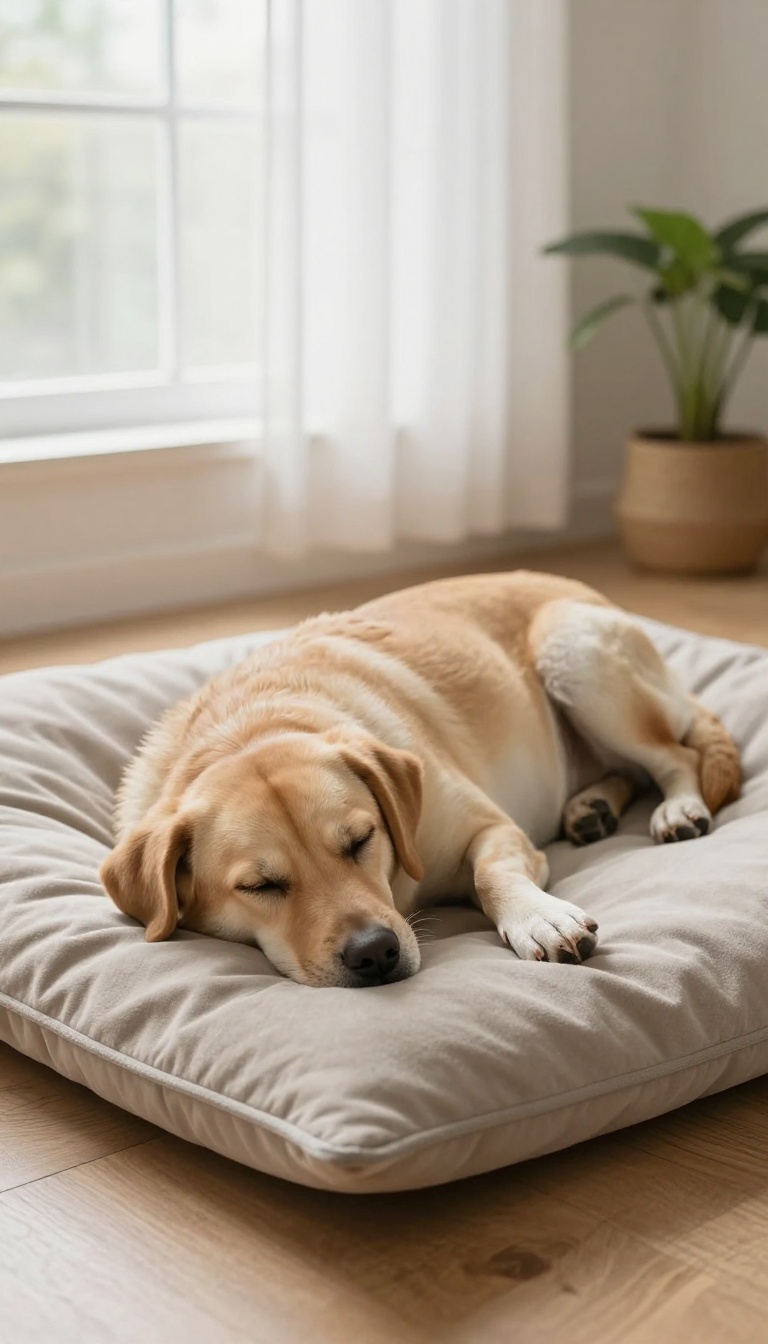
A dog that can switch off on cue is a joy to live with. Teaching a settle behavior gives your dog a clear job: relax on this mat or bed. It's not about forcing calmness—it's about rewarding the choice to be still.
Start by placing a mat or bed in a quiet spot. Toss a treat onto it and say 'settle' as your dog steps on. Gradually shape longer durations, rewarding any relaxed posture.
Over time, your dog will associate the mat with calm, and you'll have a go-to tool for busy moments.
Choose The Right Spot
Pick a location that's out of the main traffic flow but still near you. A corner of the living room or a spot in your home office works well. The goal is to make the mat a peaceful refuge, not a place where your dog feels isolated.
Shape The Behavior Step By Step
Begin by rewarding your dog for simply looking at the mat, then for stepping on it, then for lying down. Use a clicker or a marker word like 'yes' to pinpoint the exact moment they offer the right position. Keep sessions short—two to three minutes is plenty.
Add A Cue And Increase Duration
Once your dog is consistently lying on the mat, introduce the verbal cue 'settle' right before they lie down. Then gradually extend the time they stay put, starting with a few seconds and working up to a minute or more. Always reward before they get up, so they learn that staying is what pays.
Use It In Real Life
Once your dog has the hang of it, start using the settle cue in everyday situations. Ask for a settle when you're eating dinner, watching TV, or when guests arrive. Each successful settle reinforces the habit, and soon your dog will head to their mat on their own when they need a break.
5. Trade High-Value Rewards for Loose-Leash Walking
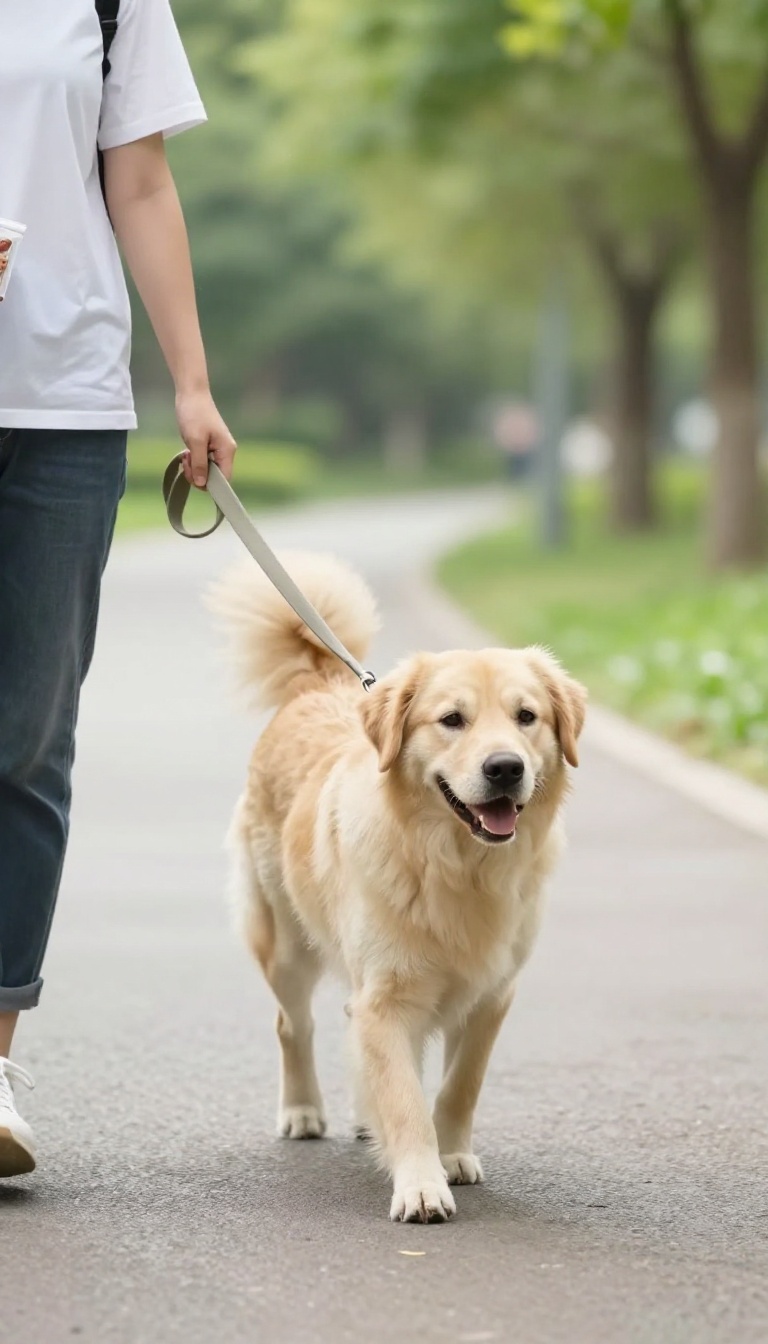
Pulling on the leash is a classic frustration, but it's also one of the easiest behaviors to reshape. Instead of yanking back or stopping dead, try a simple swap: reward the moments your dog chooses to walk politely. When you consistently pay for slack, your dog learns that calm walking pays better than tugging.
The key is to make good behavior more valuable than the distraction. Keep a pouch of high-value treats—something smelly and irresistible like chicken or cheese—and use them only for walks. Every time your dog checks in with you or the leash goes slack, mark it with a “yes” and deliver a treat.
Over time, your dog will offer that behavior more often because it reliably leads to good things.
Reward The Check-in
When your dog looks back at you during a walk, that's gold. It means they're choosing to engage with you instead of the environment. Toss a treat right at your feet so they have to come back to you.
This builds a habit of checking in, which naturally keeps the leash loose.
Use A Marker Word
A consistent marker like “yes” or a clicker tells your dog exactly when they've done something right. Pair the marker with a treat every time. This sharpens your communication, so your dog understands precisely which behavior earned the reward.
It's a tiny habit that makes a huge difference.
Change Direction Often
If your dog starts to pull, don't brace for impact. Instead, turn and walk the other way. When they catch up and the leash slackens, reward them.
This teaches your dog to watch you for cues rather than dragging you forward. It turns the walk into a game of follow the leader.
6. Practice the 'Name Game' for Instant Focus
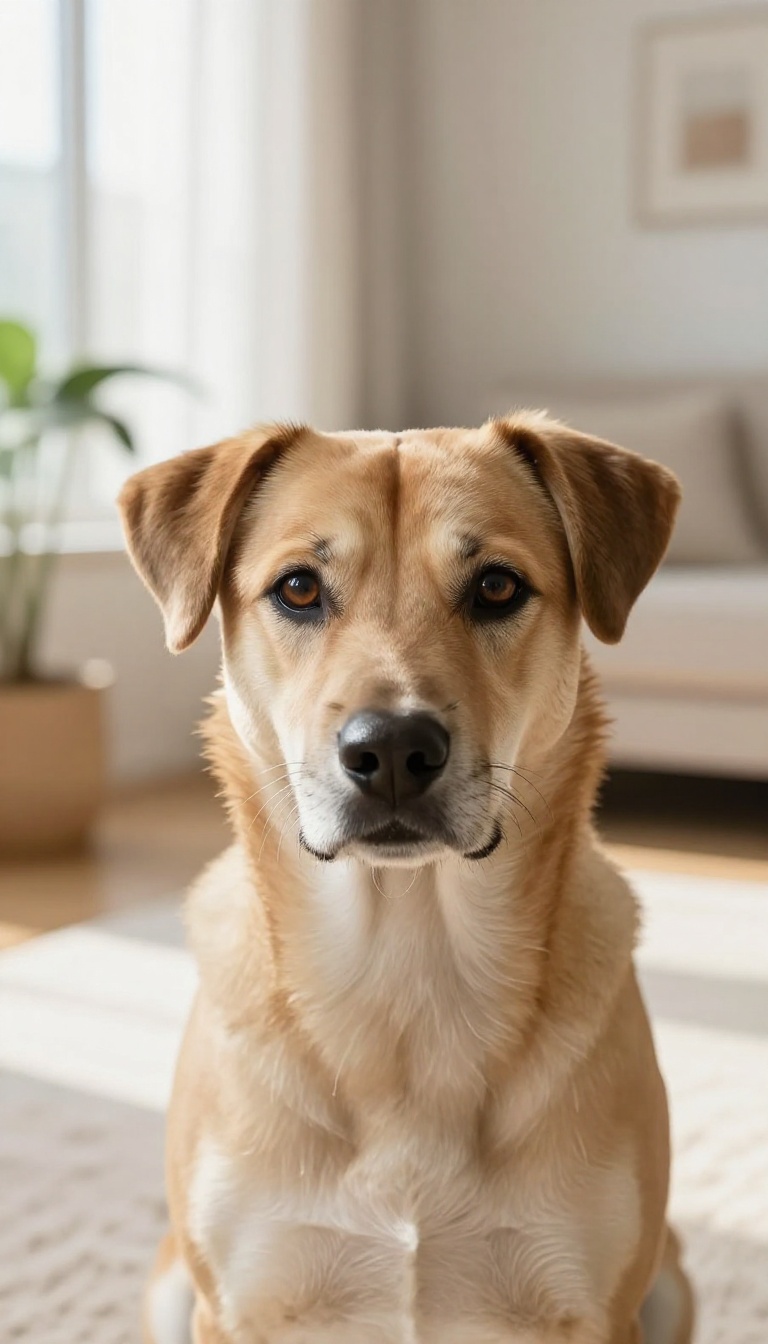
Ever feel like your dog is deaf to their name the moment something exciting happens? That's not stubbornness—it's a training gap. The Name Game turns your dog's name into a powerful cue that snaps their attention back to you, no matter what's going on around them.
The Name Game is deceptively simple: say your dog's name, and the moment they look at you, mark it with a click or a word like 'yes, ' then reward. That's it. But the magic lies in repetition and consistency.
Over time, your dog learns that their name predicts good things, so they'll check in with you more often, even in distracting situations.
Why It Works
Dogs learn through association. When you pair their name with a reward every time they turn to you, you're building a strong positive association. That means their name becomes a cue to look at you, not just a sound they hear.
This is the foundation for reliable recall and a calm, focused dog.
How To Play
Start in a quiet room with no distractions. Say your dog's name in a happy, upbeat tone. The instant they make eye contact, mark and reward.
Repeat 10-15 times, then take a break. Gradually add mild distractions, like a toy on the floor or a friend walking by. Always reward the look, even if it's brief.
Common Pitfalls To Avoid
One mistake is saying your dog's name repeatedly without a reward, which teaches them to ignore you. Another is using their name in a scolding tone—that makes it a negative cue. Also, don't reward if they don't look; just wait a moment and try again.
Keep sessions short and fun, and always end on a high note.
Real-life Applications
Once your dog reliably looks at you when you say their name, you can use it to redirect attention before they react to a trigger. For example, if you see a dog approaching on a walk, say their name and reward the check-in. This builds a habit of looking to you for guidance, which is key to calm behavior.
7. Use Life Rewards to Reinforce Good Choices
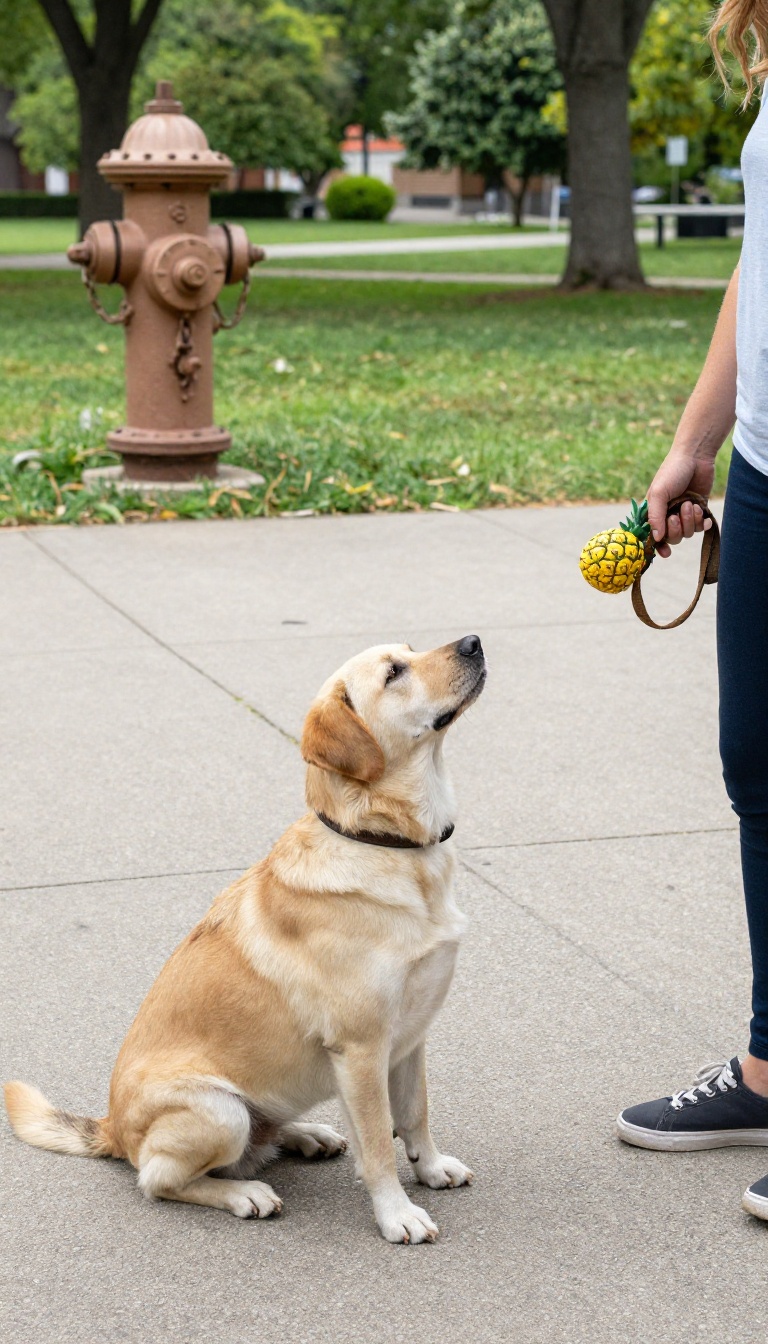
Every dog has a list of things they absolutely love—sniffing that fire hydrant, chasing a ball, or greeting a friend at the door. These everyday joys are powerful training tools that cost nothing and are always available. By using them as rewards, you teach your dog that calm behavior opens the door to fun.
Life rewards are the natural reinforcers that occur in your dog's daily routine. Instead of always reaching for a treat, you can use these moments to reward good behavior. For example, ask your dog to sit before you open the door for a walk, or wait calmly before you toss the toy.
This turns ordinary activities into training opportunities.
Why Life Rewards Work
Life rewards tap into what your dog genuinely wants in the moment. When you pair a calm sit with the excitement of going outside, your dog learns that self-control leads to great things. This builds a strong, reliable behavior because the reward is directly tied to the activity your dog already loves.
How To Add Life Rewards To Your Routine
Start by identifying the moments your dog gets excited—mealtime, walks, playtime, or greeting visitors. Before each one, ask for a simple behavior like a sit or a down. If your dog complies, release them with a cheerful 'okay' and let them enjoy the reward.
Keep it short and consistent, and soon your dog will offer calm behaviors automatically.
Make It A Habit, Not A Chore
The key is to use life rewards naturally, without making it feel like a formal training session. Sprinkle these mini-exercises throughout the day. Over time, your dog will learn that patience pays off, and you'll see a calmer, happier companion in everyday situations.
8. Build a 'Calm Greeting' Routine for Visitors
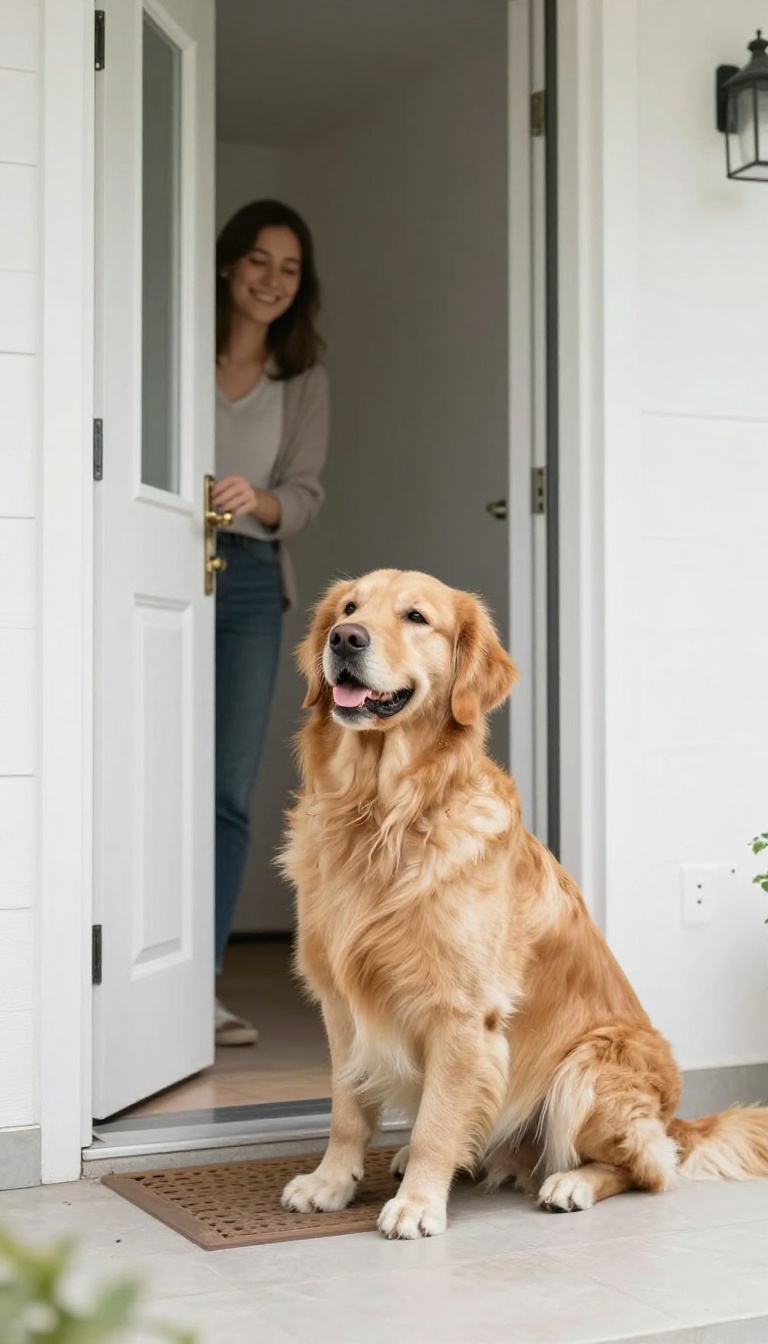
The doorbell rings, and suddenly your dog is a furry tornado, barking and jumping at the door. It's a common scene, but it doesn't have to be that way. You can teach your dog that calm behavior is what earns them attention—and that makes visits much more peaceful for everyone.
Start by setting up a simple routine that your dog can practice every time someone comes over. The goal is to replace the frantic excitement with a calm, polite sit or a designated spot to wait. With consistent practice, your dog will learn that good things happen when they stay composed.
Start With A Solid Foundation
Before you can expect calm greetings, your dog needs to know the basics. Make sure they can sit and stay reliably in a quiet room. Practice these cues with treats and praise so they become second nature.
If your dog struggles, break it down into smaller steps—reward any calm behavior, even if it's just a brief pause.
Practice With Fake Visitors
You don't need real guests to train this. Have a friend or family member ring the doorbell or knock while you work with your dog. Ask your dog to sit or go to their spot, then reward them for staying calm.
Keep the practice sessions short and positive, gradually increasing the level of distraction as your dog gets better.
Reward The Calm, Ignore The Chaos
When visitors actually arrive, make sure you only give attention when your dog is calm. If they jump or bark, turn away and wait. The moment they relax—even for a second—mark it with a treat or gentle praise.
This teaches your dog that calm behavior is what gets them the attention they crave.
Make It A Habit
Consistency is key. Use the same routine every time someone comes over, and soon it will become automatic for your dog. Over time, you'll see them choose calmness on their own, because they've learned that's the fastest way to get a greeting.
It's a simple shift that makes a huge difference in your dog's overall demeanor.
9. Incorporate Short Training Sessions into Daily Walks
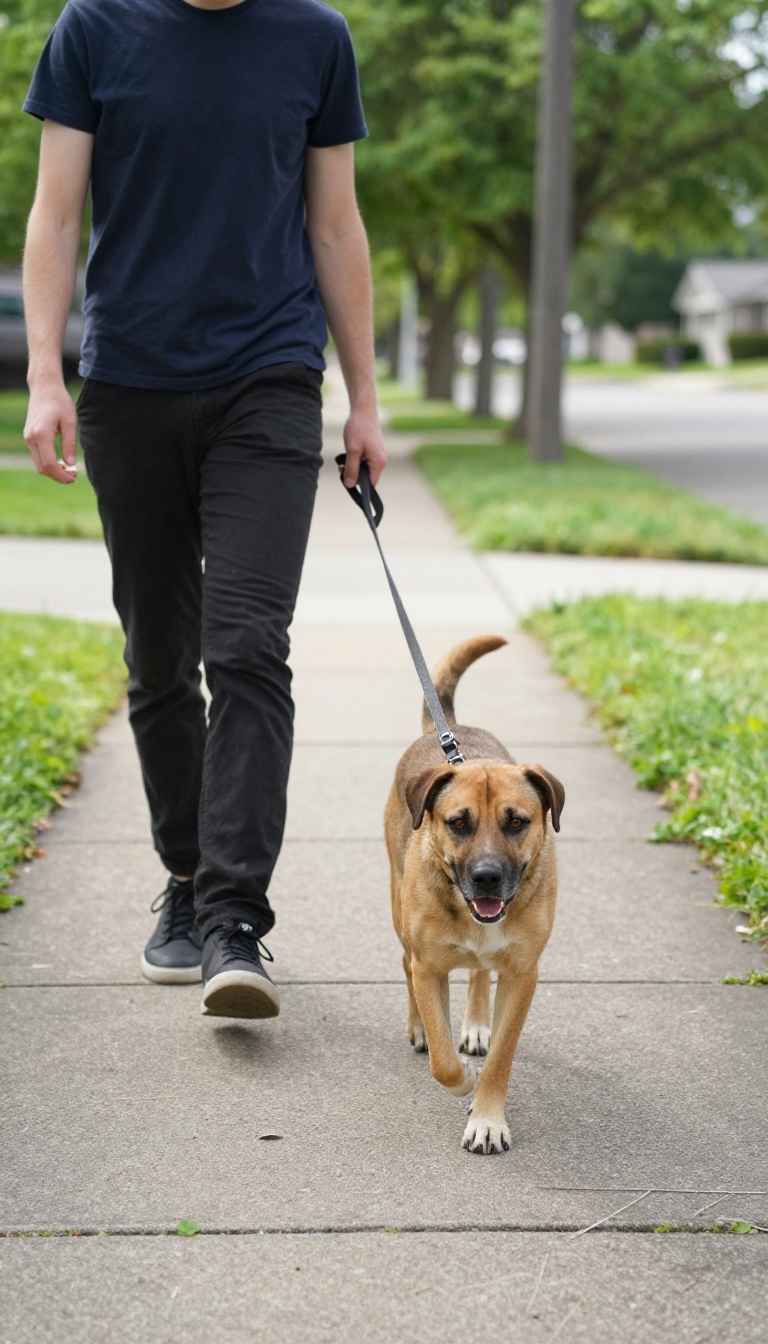
Walks are more than just exercise—they're prime opportunities for learning. Instead of letting your dog drag you to every lamppost, turn the walk into a mini training session. This keeps their brain busy and reduces the boredom that often leads to pulling or barking.
You don't need to set aside extra time for training. Just weave a few cues into your normal route. Ask for a sit at the curb before crossing, or reward your dog for checking in with you instead of lunging at a distraction.
These little moments add up, and your dog starts to see walks as a time to focus on you, not just the environment.
Use Curb Stops And Check-ins
Every time you reach a curb, pause and ask for a sit. Wait until your dog's rear hits the ground, then mark and reward. This teaches impulse control and makes crossing safer.
Similarly, when your dog looks back at you voluntarily during the walk, drop a treat. This reinforces the habit of checking in, which keeps them engaged and less reactive.
Make It Fun And Fast
Training during walks should feel like a game, not a chore. Keep sessions short—just a minute or two at a time. Use a happy voice and high-value treats.
If your dog gets too excited or distracted, move to a quieter spot or end the session. The goal is to leave them wanting more, not to force a long drill.
Reward Loose-leash Moments
When your dog walks beside you with a slack leash, that's a behavior worth rewarding. Reach into your pocket and give a treat every few steps. This teaches them that staying close pays off.
Before long, they'll choose to walk calmly by your side instead of pulling ahead, because they've learned that's what earns the good stuff.
10. Reward Patience During Meal Prep
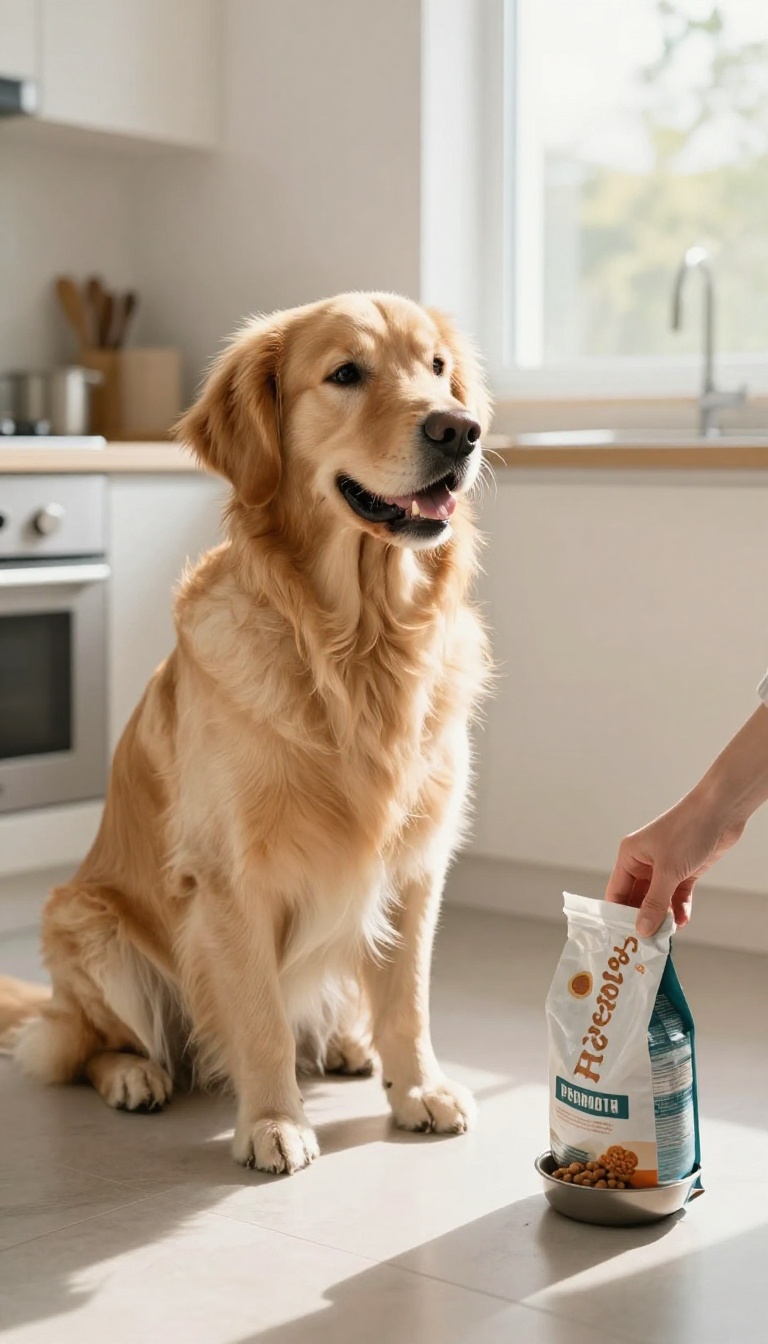
Mealtime is a daily ritual that can double as a training session. When you ask your dog to wait while you scoop their food, you're teaching them that calm behavior earns the reward. It's a simple way to build impulse control in a situation where they're naturally excited.
Start by having your dog sit or lie down before you even open the food container. Use a clear cue like "wait" or "stay" and hold your ground. If they break the position, calmly reset them without scolding.
The moment they hold still, even for a second, mark it with a "yes" and release them to eat. Over time, you can increase the duration and add distractions like opening the fridge or setting the bowl down. This habit doesn't just make mealtimes more peaceful—it strengthens your dog's ability to stay composed in other high-excitement moments.
Start With A Simple Sit
Before you even pick up the food bowl, ask your dog to sit. Use a treat to lure them into position if needed. Once they're seated, say "wait" and take a step toward the food.
If they get up, guide them back to a sit and try again. Reward them with a small treat for staying put, then release them to their meal. This builds a foundation of patience before you add more steps.
Increase The Challenge Gradually
Once your dog reliably waits for a few seconds, make it harder. Move the bowl closer, set it on the floor, or open the pantry door. Each time, reward them for holding their position.
If they break, just reset and try again. The key is to keep sessions short and end on a success, so your dog stays motivated and confident.
Use A Release Cue
Pick a word like "okay" or "free" to signal that they can eat. This gives your dog a clear boundary between waiting and acting. Say the release cue in a cheerful tone and let them dive in.
Over time, your dog will learn that patience pays off, and they'll start offering calm behavior on their own.
11. End Each Day with a Calming Wind-Down Ritual
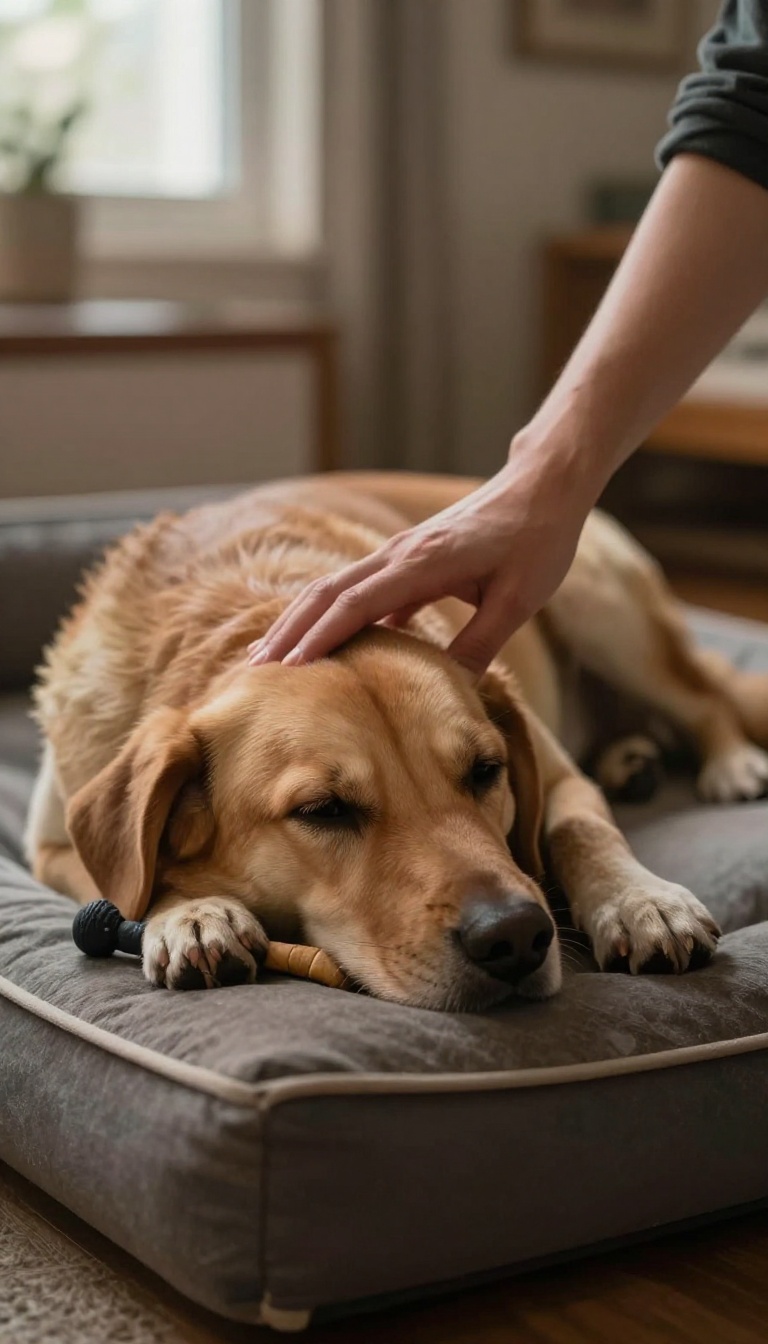
Just like us, dogs benefit from a predictable bedtime routine that signals it's time to power down. A consistent wind-down ritual helps your dog transition from the day's excitement to a state of calm, making it easier for them to settle and sleep soundly. By rewarding the act of relaxing, you're teaching your dog that the end of the day is a positive, peaceful time.
A calming wind-down ritual doesn't have to be elaborate. It's about repetition and consistency. Start by dimming the lights and speaking in a softer tone.
Then, engage in a quiet activity like a gentle massage or offering a long-lasting chew. The key is to reward your dog for settling—whether that's lying down on their bed or simply being calm. Over time, your dog will associate these cues with relaxation and will be more likely to settle quickly, even on nights when they're particularly energetic.
Why A Routine Works
Dogs thrive on predictability. A consistent bedtime routine reduces anxiety because your dog knows what to expect. When you repeat the same sequence of events each night, your dog's brain starts to relax in anticipation of the quiet time ahead.
This is especially helpful for high-energy dogs who struggle to switch off.
Crafting The Perfect Ritual
Start with a short, calm walk to let your dog do their business. Then, move to a quiet room and offer a chew or a puzzle toy. While they chew, you can give gentle pets or massage their ears and back.
Use a calm, low voice to say 'settle' or 'bedtime. ' After a few minutes, guide them to their bed and reward them with a treat when they lie down. Keep the whole process low-key and consistent.
Rewarding The Calm
The most important part is to reward your dog for calm behavior, not just for the activity. When your dog lies down on their own, quietly say 'yes' and drop a treat near them. This reinforces the exact behavior you want.
Avoid exciting play or loud praise during the wind-down, as that can re-energize your dog. The goal is to make calmness the most rewarding choice.
FAQ
How long does it take to see results with positive reinforcement?
You'll notice small changes within a few days, but lasting habits take 2-4 weeks of consistent practice. Patience and repetition are key.
What if my dog is too excited to focus on treats?
Start in a low-distraction environment and use high-value treats like chicken or cheese. Gradually increase distractions as your dog succeeds.
Can positive reinforcement work for reactive dogs?
Yes, it's one of the most effective methods. By rewarding calm responses to triggers, you can change your dog's emotional reaction over time.
Do I need to use treats forever?
No. Once a behavior is solid, you can phase out treats and use praise, play, or life rewards instead. But keep treats handy for tough situations.
What if I accidentally reward unwanted behavior?
It happens to everyone. Just stop rewarding that behavior and redirect to something you like. Consistency will help your dog learn the right choice.
Conclusion
Building a calmer, happier dog isn't about perfection—it's about showing up consistently with patience and a pocket full of treats. Each small habit you practice strengthens your bond and teaches your pup that good things come from calm choices. Start with one or two ideas that feel doable, then add more as you both get the hang of it.
Remember, every gentle interaction is a step toward a more peaceful home. So keep it simple, stay positive, and enjoy the journey with your furry friend. The best rewards are the quiet moments of trust you'll share.

I’m Pallab Kishore, the owner of Little Pets Realm — an animal lover and pet care enthusiast sharing easy tips, healthy recipes, and honest advice to help every small pet live a happy, healthy, tail-wagging life.