
Does your shy dog hide behind your legs when visitors arrive, or freeze on walks at the sight of a stranger? That hesitancy isn't a flaw—it's a signal that your pup needs a gentle nudge toward bravery. The good news?
Confidence isn't something dogs are born with; it's something you can build together, one small success at a time. These 11 exercises focus on low-pressure activities that turn everyday moments into opportunities for courage. From scent games to trick training, each idea is designed to help your nervous companion discover their own boldness—without flooding them with overwhelming situations.
Ready to see your dog's tail wag a little higher? Let's start.
1. Start with Treat Scavenger Hunts
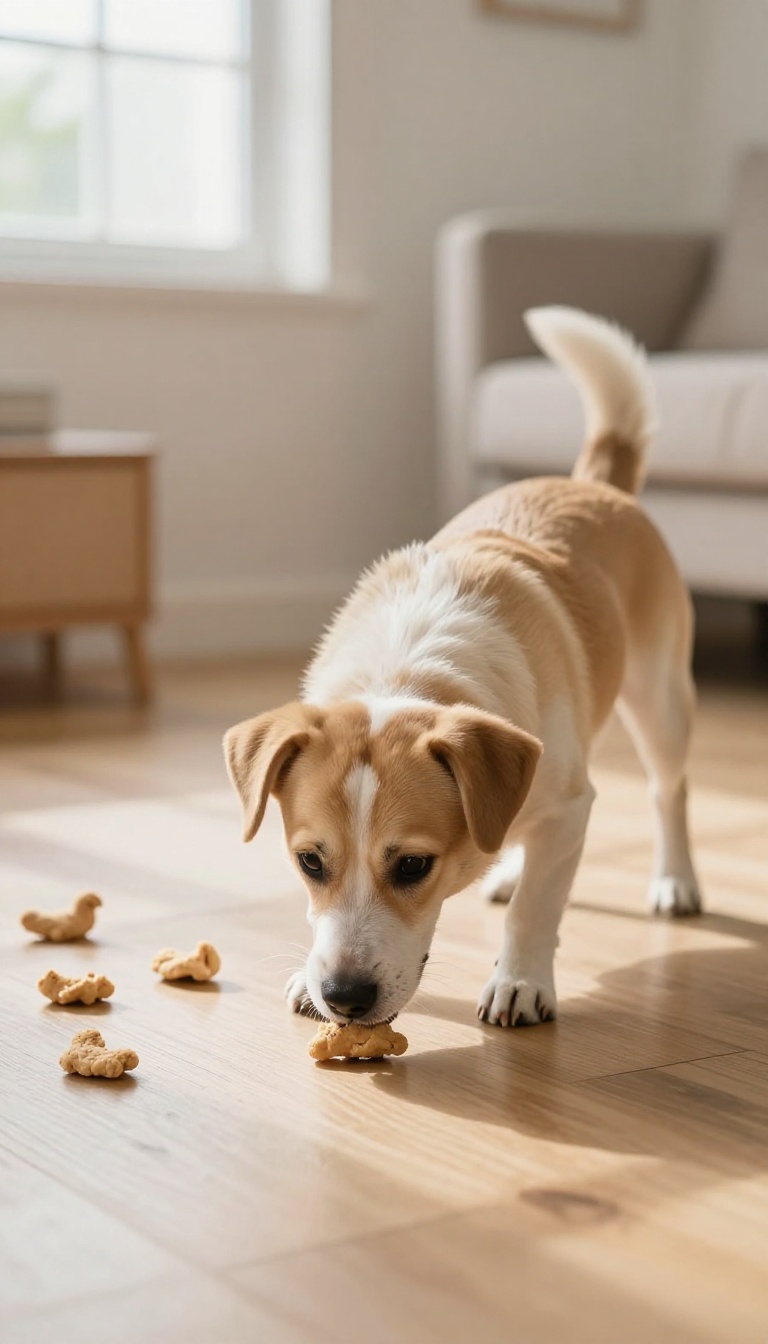
For a shy dog, the world can feel like a series of scary surprises. A treat scavenger hunt turns that around by putting your pup in control of a fun, rewarding game. Instead of waiting for something to happen, they get to search, find, and celebrate—all on their own terms.
This simple activity builds confidence through repeated small wins, showing your dog that they can make good things happen.
Think of a scavenger hunt as a buffet of tiny victories. When your dog finds a hidden treat, their brain releases a burst of dopamine—the feel-good chemical. Over time, this creates a positive association with exploring and problem-solving.
For a nervous dog, this is huge. They learn that using their nose and moving through their environment leads to rewards, not threats. It's a gentle way to encourage bravery without forcing them into scary situations.
Why Scent Work Calms Nerves
Sniffing is a natural, calming behavior for dogs. It lowers their heart rate and shifts their focus from anxiety to curiosity. When you hide treats, you're giving your dog a job that feels safe and satisfying.
They get to move at their own pace, and every discovery is a little boost to their self-esteem. Plus, it's mentally tiring, which helps burn off nervous energy in a positive way.
How To Set Up Your First Hunt
Start in a small, familiar room with no other pets or people around. Use high-value treats like small pieces of chicken or cheese. Let your dog watch you place a few treats in easy spots—just a few feet away, maybe on the floor or a low chair.
Say 'find it! ' in a cheerful voice and let them go. As they get the hang of it, make the hiding spots a bit trickier: under a towel, behind a chair leg, or on a low shelf. Always keep it doable so they end with a win.
Turn It Into A Routine
Consistency is key for building confidence. Try a 5-minute scavenger hunt once or twice a day, maybe before meals or after a walk. You can also use their regular kibble instead of treats to avoid extra calories.
Over time, your dog will start to see their environment as a place full of hidden treasures, not hidden dangers. That shift in perspective is exactly what they need to feel more secure.
2. Master the 'Touch' Cue
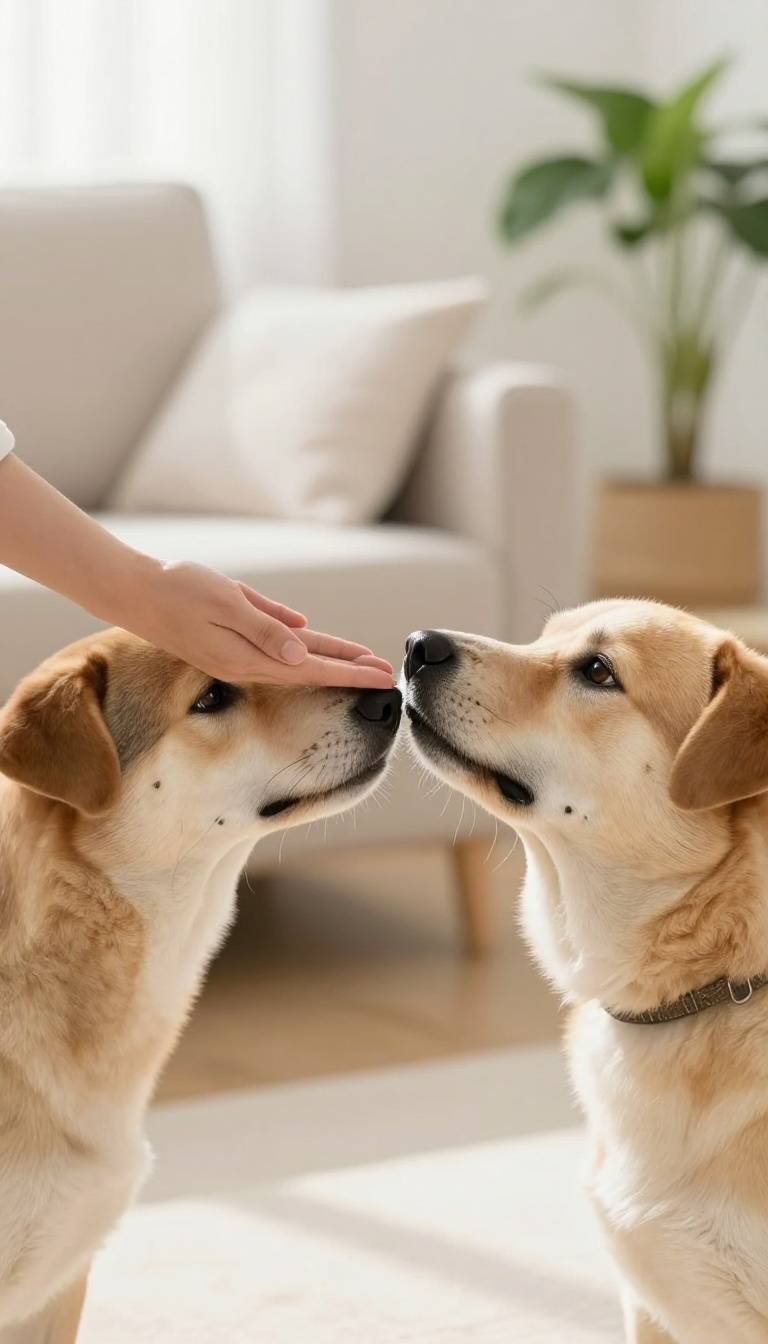
Teaching your dog to touch your palm with their nose is more than a cute party trick. For a shy dog, it's a way to say, 'I can do this, ' and earn a reward for bravery. This simple behavior gives them a clear job and a safe way to interact with you, which builds confidence through tiny wins.
Start by presenting your open palm a few inches from your dog's nose. The moment they sniff or nudge it, mark with a 'yes' or a click and give a treat. Repeat until they offer the touch eagerly.
Then, gradually move your hand a bit farther away, encouraging them to step forward. This small movement is a big deal for a nervous dog—it's them choosing to engage with the world on their terms.
Why It Works
Touch gives a shy dog a sense of agency. They learn that their actions can produce a reward, which builds optimism. It also redirects their focus from scary stimuli to a familiar, safe interaction with you, lowering their stress.
Step-by-step Training
Use high-value treats and keep sessions short—two to three minutes max. Start with your hand close, then gradually increase distance and add distractions. Always end on a success, even if that means going back a step.
Real-world Applications
Once your dog masters touch, use it to guide them through tricky moments. Ask for a touch when a stranger approaches or during a walk past a noisy truck. It gives them a focused task and reinforces that they can handle new situations.
3. Set Up Obstacle Courses at Home
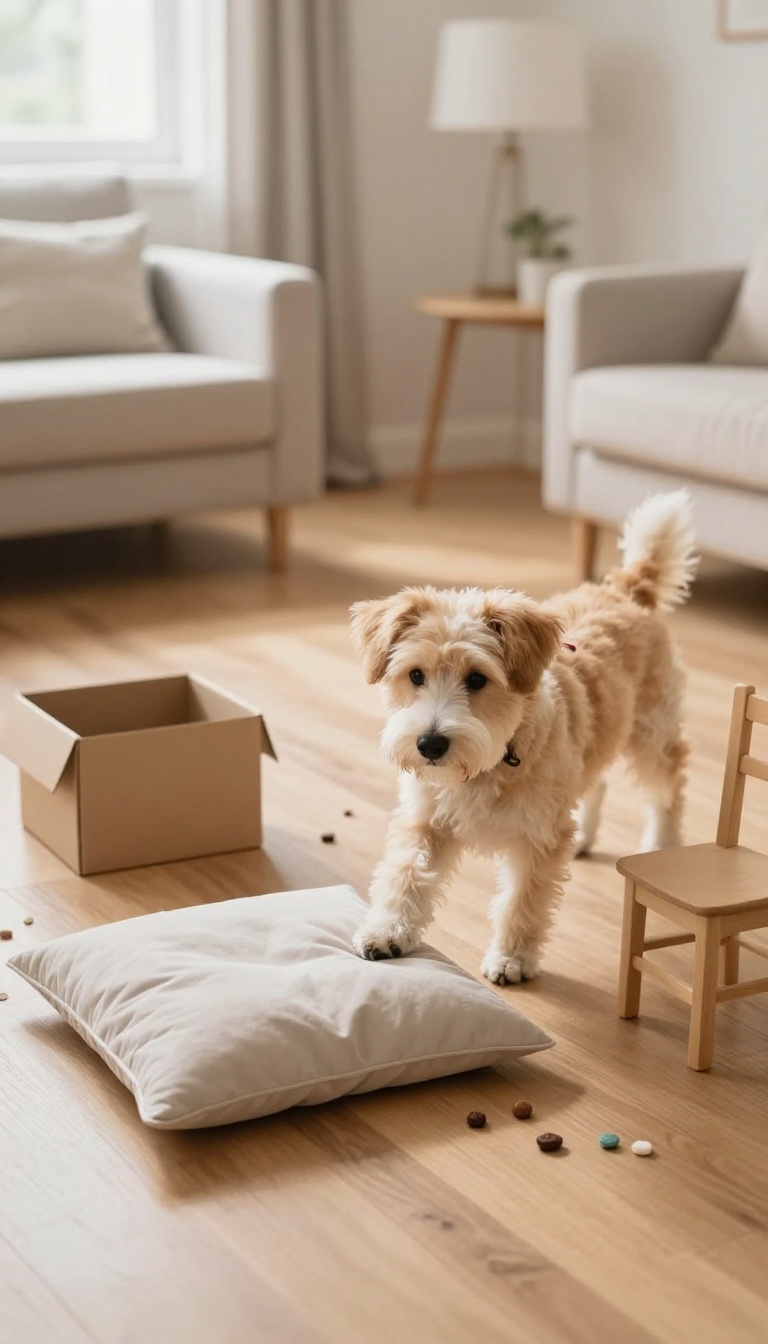
Turning your living room into a mini obstacle course is a fun way to help your shy dog discover their own bravery. You don't need fancy equipment—just a few household items like pillows, boxes, and chairs. Guiding your dog through a simple course with treats builds physical confidence and coordination, all while keeping the pressure low and the rewards high.
Obstacle courses are a fantastic confidence booster because they give your dog a clear task to focus on. For a nervous pup, having a job to do can be incredibly grounding. The sense of accomplishment after navigating a tunnel or stepping over a bar is a powerful mood-lifter.
Plus, it's a great way to burn off energy in a safe, controlled environment.
Start Simple And Slow
Begin with just two or three obstacles that are easy to conquer. A low pillow to step over and a box to walk around are perfect starters. Place them in a line with plenty of space between each.
Use a high-value treat to lure your dog through the course, letting them set the pace. If they hesitate, that's okay—just pause and offer extra encouragement.
Make It Fun With Rewards
The key is to make each obstacle feel like a game. Toss a treat through a tunnel or place one on the far side of a chair to motivate your dog to complete the task. Celebrate every success with enthusiastic praise and a tasty reward.
Over time, your dog will start to associate the course with positive experiences, making them more willing to try new things.
Gradually Increase The Challenge
As your dog gets the hang of it, you can add more obstacles or make them slightly trickier. Stack a couple of pillows higher, create a zigzag path with chairs, or introduce a tunnel made from a blanket draped over two chairs. Always watch for signs of stress, and if your dog seems overwhelmed, take a step back and simplify.
The goal is to build confidence, not to push them past their comfort zone.
Keep Sessions Short And Positive
Aim for five to ten minutes per session, a few times a week. Short, positive experiences are much more effective than long, draining ones. End each session on a high note, with your dog successfully completing a favorite obstacle.
This leaves them feeling proud and eager for the next time.
4. Practice Parallel Walking
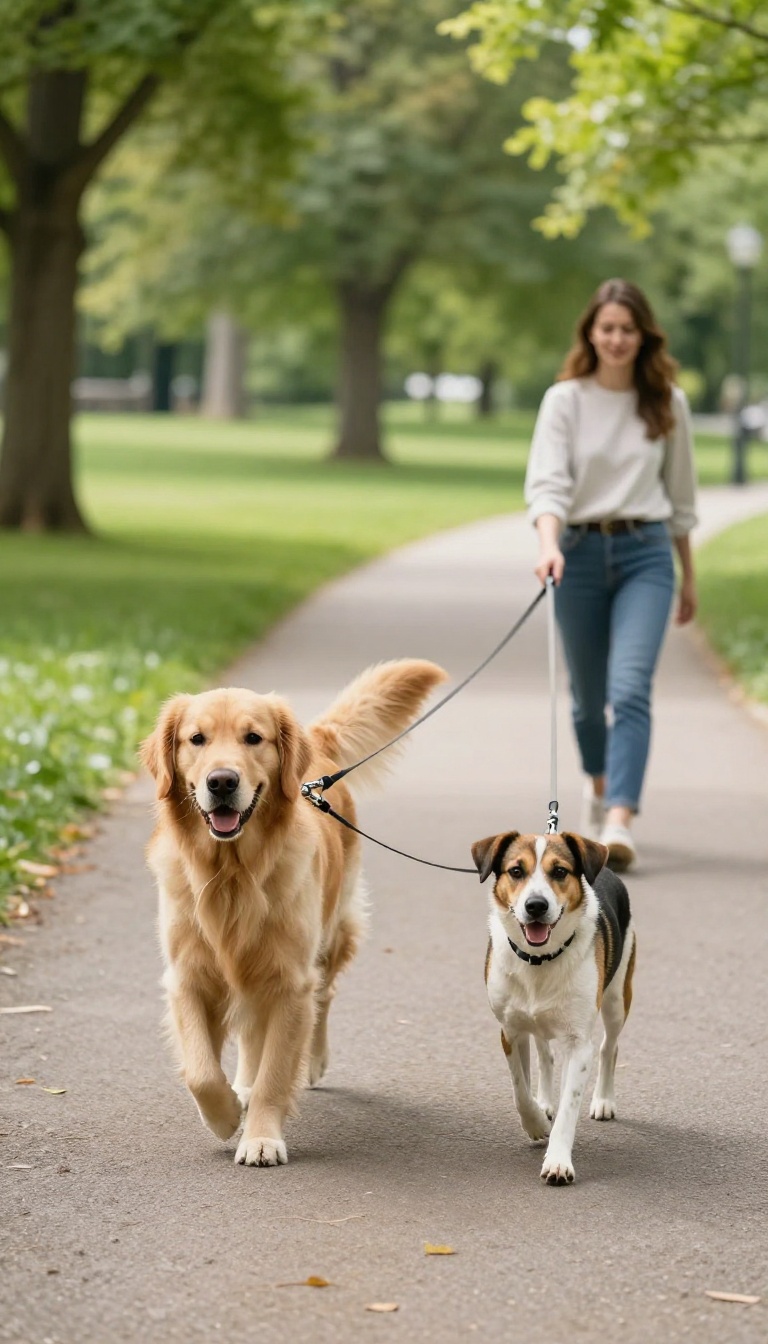
Sometimes the best way to teach your dog that other dogs aren't scary is to let them watch a calm, confident dog do the walking. Parallel walking is a low-pressure exercise where you and your dog walk alongside a well-behaved dog at a comfortable distance. This social modeling can work wonders for a shy pup, showing them that walking can be relaxed and even fun.
Parallel walking isn't about forcing your dog to interact. It's about letting them observe another dog's calm behavior while they're both doing something normal—walking. Over time, your dog starts to associate the presence of other dogs with positive, uneventful experiences.
This can gradually lower their anxiety and build a foundation of trust.
Find The Right Walking Buddy
The key is choosing a partner dog that is calm, confident, and well-socialized. A dog that ignores other dogs and walks nicely on a loose leash is ideal. Avoid dogs that are overly excited, reactive, or prone to pulling, as that can stress your shy dog further.
Ask a friend, neighbor, or local trainer if they have a suitable dog you can practice with.
Start At A Safe Distance
Begin by walking your dog on the same route as the other dog, but far enough away that your dog doesn't show signs of stress—like excessive panting, yawning, or pulling. This distance will vary depending on your dog's comfort level. The goal is to keep them under their threshold so they can learn without feeling overwhelmed.
As they get more comfortable, you can gradually decrease the distance.
Keep It Positive And Short
During the walk, use a happy, upbeat voice and offer high-value treats for calm behavior. Keep the session short—10 to 15 minutes is plenty. End on a positive note before your dog gets tired or stressed.
Over time, you can increase the duration and decrease the distance, always watching your dog's body language for signs of relaxation.
5. Introduce Puzzle Toys
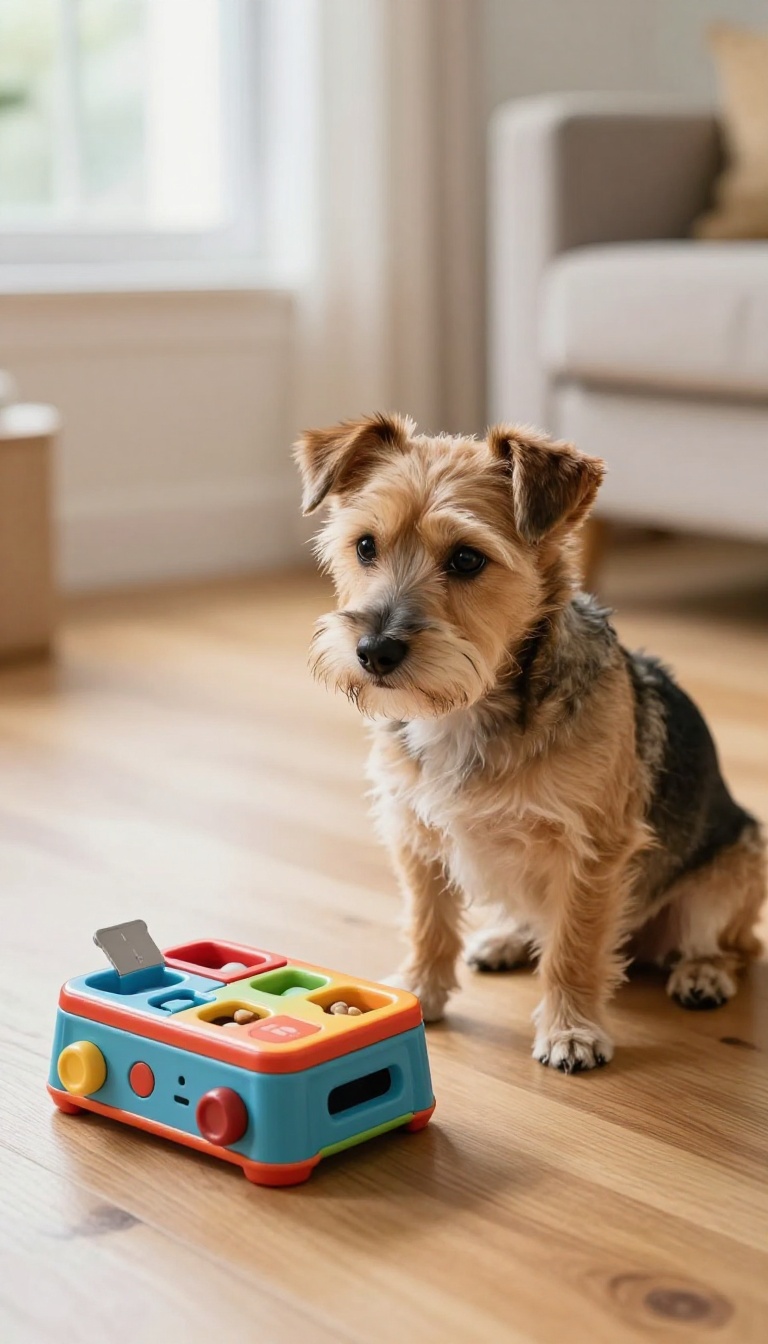
Puzzle toys that dispense treats are more than just a way to keep your dog busy—they're a mental workout that builds confidence from the inside out. For a shy dog, solving a puzzle is a solo victory: no pressure, no judgment, just a tasty reward for figuring things out. That sense of accomplishment can do wonders for a nervous pup's self-esteem.
When your dog learns to slide a lid, lift a flap, or roll a ball to get a treat, they're not just having fun—they're practicing problem-solving. Each small success sends a message to their brain: "I can do this. " Over time, that belief spills over into other areas of their life, making them braver in new situations.
Plus, puzzle toys give your dog a healthy outlet for their energy, which can reduce anxiety and prevent destructive chewing.
Start Simple To Ensure Early Wins
Begin with a puzzle that's easy to solve, like a treat-dispensing ball or a flat tray with a few sliding pieces. The goal is to let your dog succeed quickly, so they associate the toy with positive feelings. If they get frustrated, step in and show them how it works—gently guide their nose or paw to the right spot.
Early wins build momentum and make your dog eager to try again.
Level Up Gradually To Keep It Challenging
Once your dog masters the first puzzle, switch to something a bit harder, like a puzzle with multiple compartments or one that requires a sequence of actions. The key is to keep the challenge just above their current skill level. If they struggle, don't let them get too discouraged—go back to an easier version for a while.
The goal is steady progress, not perfection.
Make It A Solo Activity To Foster Independence
Puzzle toys are perfect for times when your dog needs to entertain themselves, like when you're working or just need a break. Set up the toy in a quiet corner and let them work on it alone. This teaches your dog that being on their own can be rewarding and fun, which is a huge confidence booster for shy pups who often rely on you for reassurance.
6. Use the 'Look at That' Game
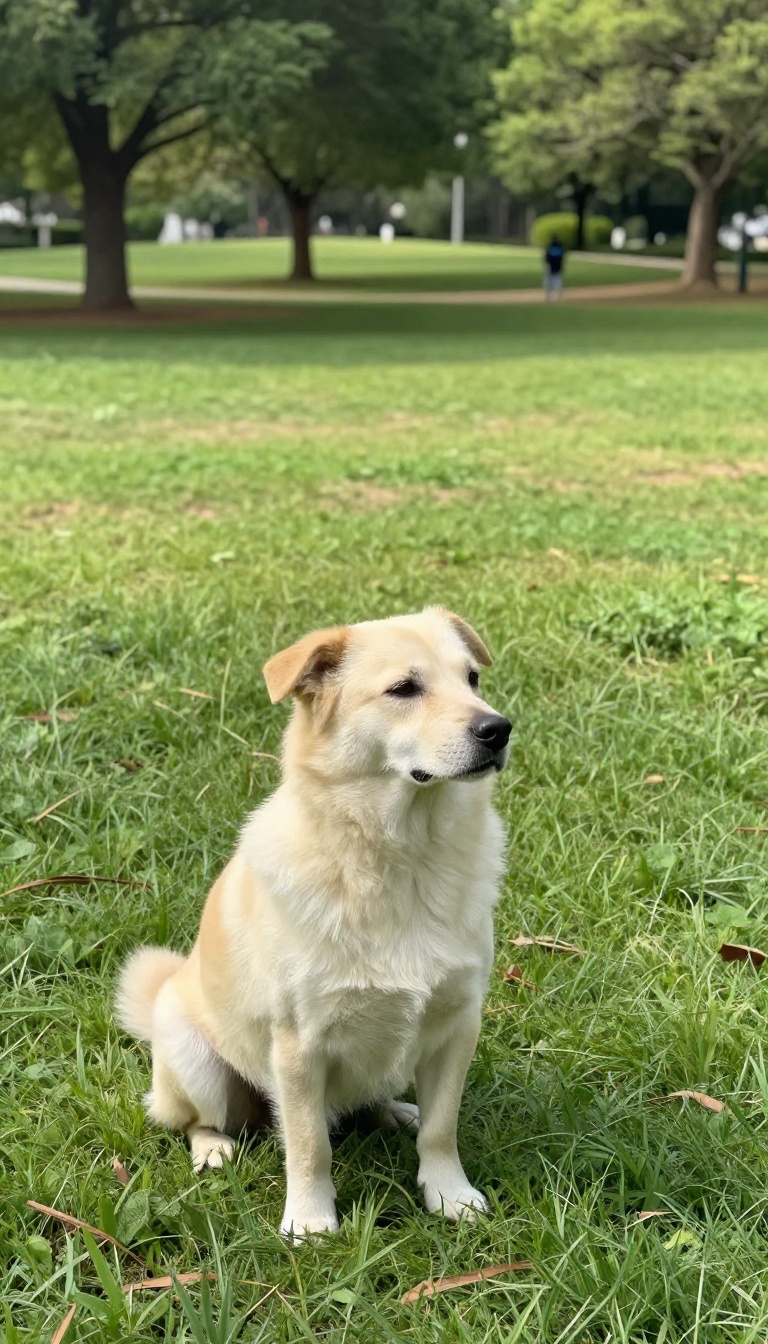
When your dog notices a trigger like a stranger or a car, mark and reward them for looking at it without reacting. This teaches them to associate scary things with good things. It's a simple game that shifts their emotional response from fear to curiosity.
The 'Look at That' game, popularized by Leslie McDevitt, is a powerful tool for building confidence in shy dogs. It works by changing your dog's automatic reaction to something that scares them. Instead of forcing them to interact, you simply let them observe from a safe distance and reward them for staying calm.
Over time, your dog learns that the sight of a trigger predicts good things, like treats or praise.
How To Play The Game
Start with a trigger at a distance where your dog notices it but doesn't react strongly. When they look at it, say 'yes' or click and give a treat. Repeat this several times.
The key is to reward the looking, not the reaction. If your dog starts to react, you're too close—move further away.
Why It Works For Shy Dogs
This game helps your dog build a new, positive association with the thing that scares them. It also gives them a sense of control—they can choose to look and get a treat, or look away. This reduces their stress and builds their confidence in handling scary situations.
Progression And Troubleshooting
As your dog gets more comfortable, you can gradually decrease the distance or use slightly more challenging triggers. If your dog gets stuck, take a step back and make the game easier. Always end on a positive note, with your dog feeling successful.
7. Create a Safe Space with a Crate
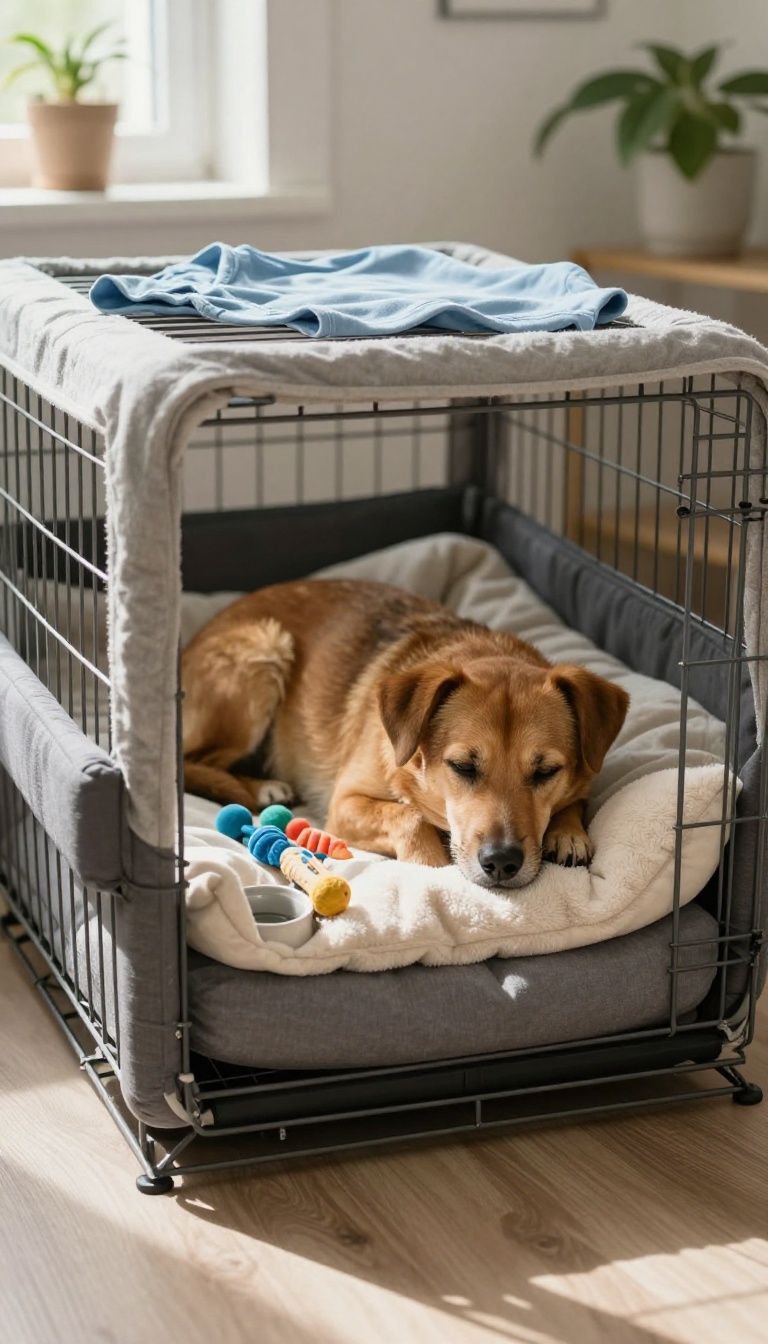
A shy dog often feels overwhelmed by the world, and having a place to retreat can be a game-changer. A crate, when introduced properly, becomes more than just a confinement tool—it's a personal den where your dog can decompress. This exercise is about letting your dog own that space, which builds confidence through choice and control.
Make The Crate Inviting
Start by placing the crate in a quiet corner of your home, away from heavy foot traffic. Add a soft bed, a favorite toy, and maybe an old t-shirt that smells like you. Leave the door open and toss a few treats inside so your dog discovers it on their own.
The goal is to create a positive association without any pressure.
Let Your Dog Choose
Never force your dog into the crate. Instead, let them wander in and out freely. When they voluntarily step inside, calmly toss a treat their way.
Over time, they'll learn that the crate is their safe zone—a place where nothing scary happens. This sense of control is key for building confidence in a nervous dog.
Reward Relaxation
Watch for moments when your dog settles down inside the crate, even for a few seconds. Quietly drop a treat near them without making a big deal. This reinforces that being calm in their space is a good thing.
As they get more comfortable, you can gradually close the door for short periods, always rewarding relaxed behavior.
8. Try Nose Work Games
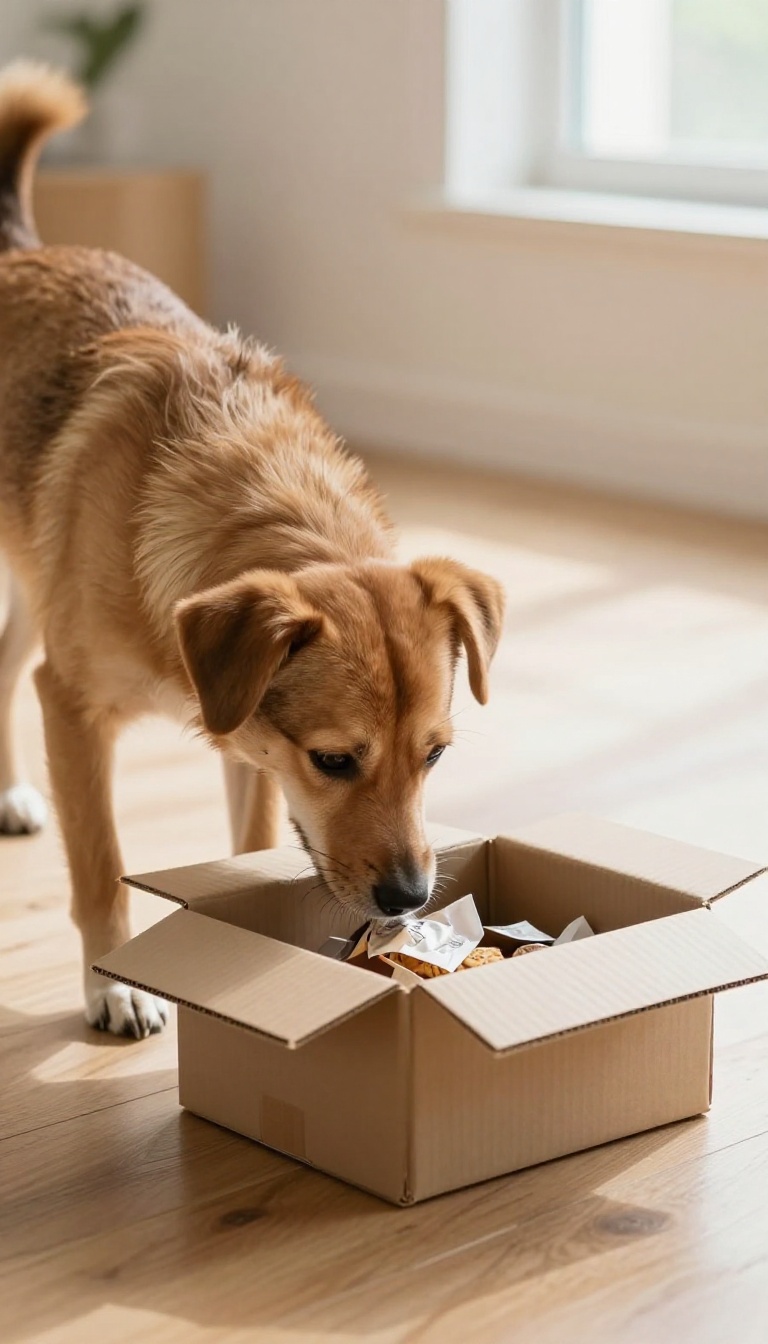
Dogs experience the world through their noses, and for a shy pup, that can be a huge relief. Nose work games let your dog use their strongest sense in a low-pressure way, turning a simple search into a win. When they find that hidden treat, the pride is real—and it builds courage with every sniff.
Nose work is more than just a fun game; it's a confidence builder that taps into your dog's natural instincts. For a nervous dog, the mental focus required to track a scent can help them forget their worries and feel capable. Start easy, celebrate every find, and watch their self-assurance grow.
Start With Easy 'find It' Games
Begin with a treat your dog loves. Let them see you place it a few feet away, then say 'find it! ' with an excited tone. As they move toward it, encourage them.
When they sniff it out, praise them like they just won the lottery. This builds a positive association with using their nose and creates an immediate sense of accomplishment.
Progress To Hidden Treats Around The Room
Once your dog understands the game, start hiding treats in slightly trickier spots—behind a chair leg, under a cushion, or just around a corner. Keep it easy enough that they succeed most of the time. Each successful find reinforces that they can solve problems on their own, which is a major confidence boost for a shy dog.
Use A Scent Box For Extra Fun
A scent box is simply a cardboard box or muffin tin with a few treats hidden inside, covered by crumpled paper or towels. Let your dog sniff around and dig for the reward. This activity encourages persistence and problem-solving, and the physical act of digging and nosing can be very satisfying and stress-relieving.
Turn Walks Into Scent Adventures
On your next walk, let your dog stop and sniff interesting spots—a tree base, a patch of grass, a fire hydrant. This isn't just about bathroom breaks; it's mental enrichment. By allowing them to explore scents at their own pace, you're giving them control and reducing anxiety.
You can even hide a treat along the path and encourage them to find it.
9. Incorporate Trick Training
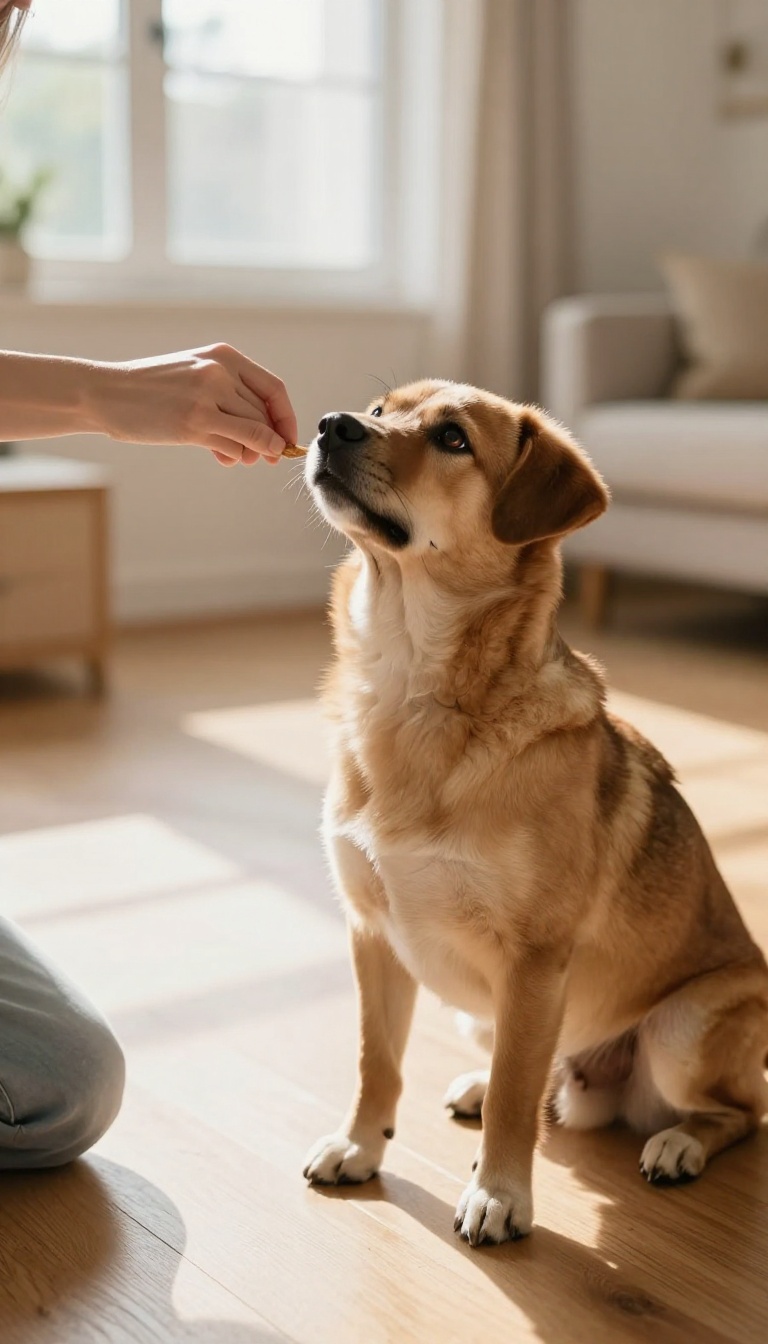
Trick training isn't just for show—it's a powerful confidence builder for shy dogs. When your dog learns a new trick, they experience success in a low-pressure setting, which can translate to more self-assurance in other areas. Plus, it's a fun way to bond and communicate with your pup.
Start with simple tricks that are easy to master, like 'spin' or 'roll over'. Break each trick into small steps and use high-value treats to reward every attempt. The key is to make the experience positive and stress-free, so your dog feels proud of their accomplishments.
As they get the hang of it, you can gradually increase the difficulty, but always keep sessions short and upbeat.
Start With Easy Tricks
Choose tricks that involve natural movements, like 'spin' (turning in a circle) or 'touch' (touching your hand with their nose). These are simple for dogs to understand and don't require complex coordination. Use a clicker or a cheerful 'yes' to mark the behavior, then reward with a treat.
Keep training sessions to just a few minutes, ending on a high note.
Break It Down
For tricks like 'roll over', break the behavior into smaller steps. First, lure your dog into a down position, then move the treat to the side to encourage them to roll onto their shoulder, and finally over onto their back. Reward each small step toward the final behavior.
This builds confidence as your dog realizes they can figure things out.
Celebrate Every Success
Shy dogs need lots of encouragement. Celebrate every tiny step with enthusiastic praise and treats. Avoid correcting mistakes—just ignore them and try again.
The goal is to make your dog feel like a superstar. Over time, this positive reinforcement will help them become more willing to try new things in other situations.
10. Schedule Playdates with Calm Dogs
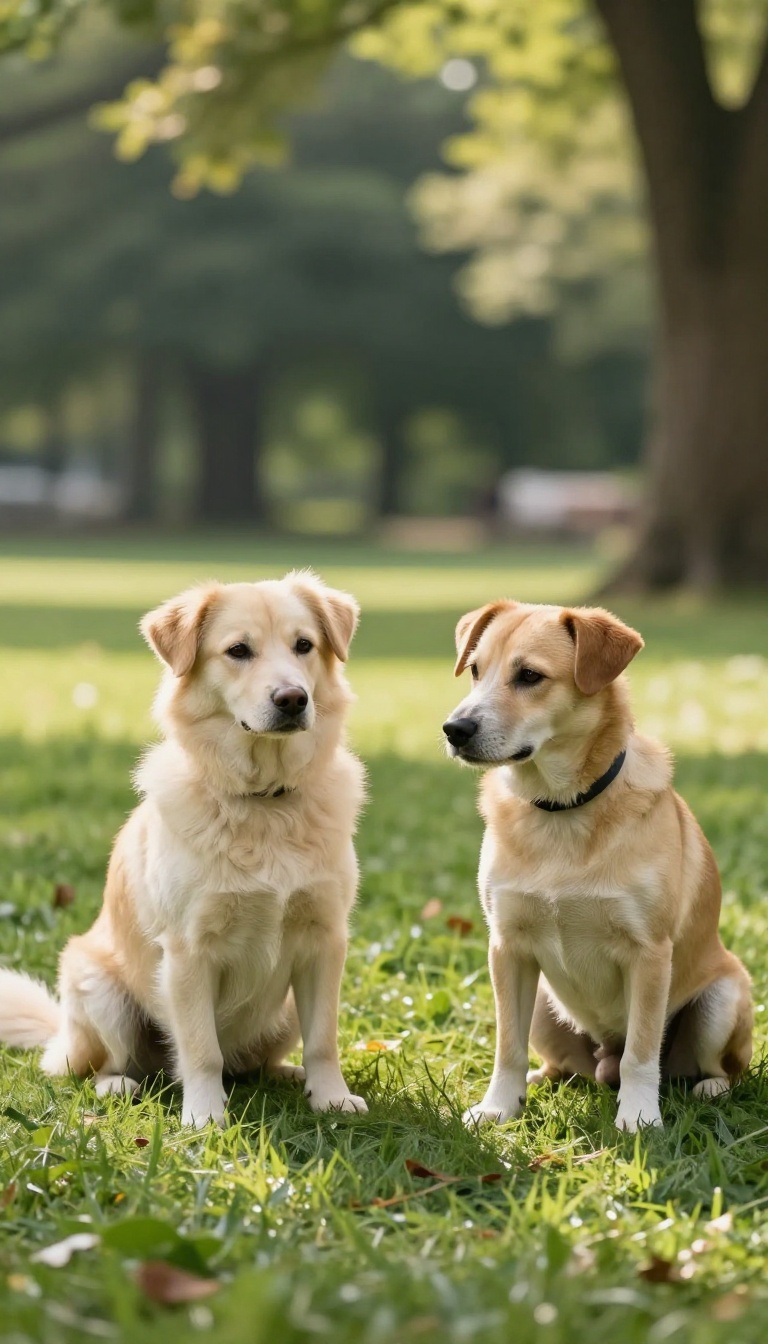
One of the most natural ways for a shy dog to learn confidence is by watching and interacting with a well-adjusted peer. A calm, friendly dog can model relaxed behavior and show your pup that new situations aren't so scary after all. The key is to choose the right playmate and set up the meeting carefully so it stays positive and low-pressure.
When your nervous dog spends time with a confident, gentle dog, they pick up on social cues and learn that other dogs aren't a threat. This can be especially helpful if your dog tends to be fearful around unfamiliar dogs. A good playdate provides a safe space to practice social skills without the chaos of a dog park.
Find The Right Canine Mentor
Look for a dog that is calm, well-socialized, and patient—not overly boisterous or pushy. A good candidate might be a friend's dog who is known for being friendly but not overwhelming. Avoid dogs that are overly dominant or have high energy, as they can intimidate a shy pup.
Ideally, the mentor dog should be comfortable around nervous dogs and able to read their signals.
Set Up A Neutral, Quiet Space
Choose a neutral location like a quiet park or a friend's fenced yard where neither dog feels territorial. Keep the first few meetings short, around 15-20 minutes, and let the dogs approach each other at their own pace. Keep both dogs on leashes initially, but allow enough slack for them to sniff and interact naturally.
Watch for signs of stress, and if either dog seems overwhelmed, calmly separate them and try again later.
Let Positive Interactions Speak For Themselves
Don't force interaction—just let the dogs be in the same space and allow them to decide when to engage. Reward both dogs with treats and praise for calm, friendly behavior. Over time, your shy dog will start to mirror the confident dog's relaxed body language.
The goal isn't to push your dog into constant play, but to show them that being around other dogs can be a pleasant, safe experience.
11. Celebrate Small Wins Daily
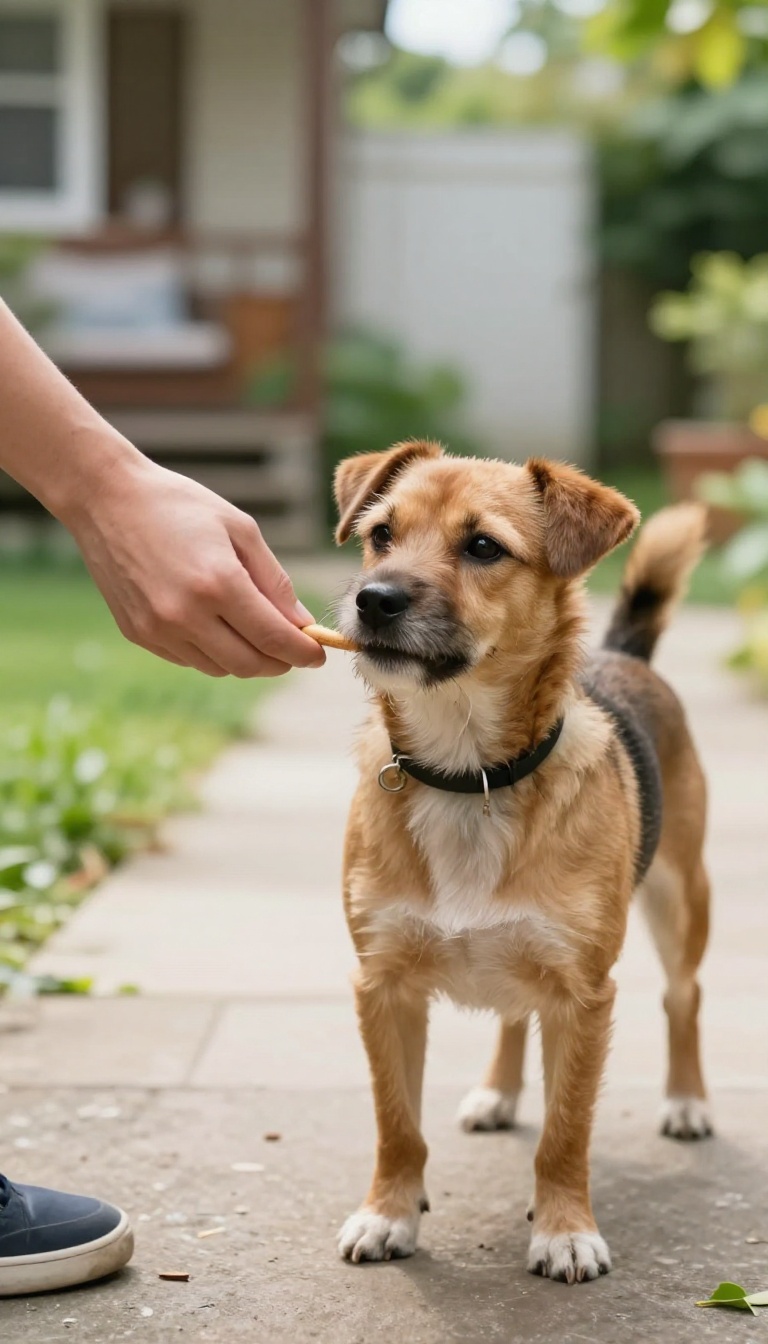
Confidence grows through a series of tiny victories, not overnight transformations. For a shy dog, every small step—like approaching a new person or walking past a scary object—is a triumph worth acknowledging. By actively noticing and rewarding these moments, you reinforce their courage and build momentum.
Here’s how to make daily celebrations a habit that transforms your dog’s outlook.
Start by identifying the small behaviors you want to encourage, such as a glance at a trigger or a tentative step forward. Have treats ready and mark the exact moment your dog shows bravery, then follow with a calm, happy reward. This positive reinforcement tells them they’re on the right track, making them more likely to repeat the behavior.
Over time, these micro-wins accumulate into a solid foundation of self-assurance.
What Counts As A Small Win?
Small wins are any behavior that moves your dog slightly out of their comfort zone. It could be as simple as sniffing a novel object, making eye contact with a stranger, or walking past a noisy grate. The key is to choose moments that are achievable without causing fear.
By defining these wins, you can actively look for them during your daily routine.
How To Reward Effectively
Timing matters. Use a marker word like “yes” or a clicker at the exact moment your dog shows bravery, then deliver a high-value treat. Keep the reward calm and consistent—no excited squealing, which can overwhelm a shy pup.
Pair the treat with a soft “good dog” to reinforce the connection. This clear communication helps your dog understand what they did right.
Building A Celebration Routine
Incorporate celebrations into your daily walks or training sessions. For example, after a walk, jot down three brave moments you noticed. Or set a goal to mark five small wins each day.
This routine shifts your focus from what your dog can’t do to what they’re slowly conquering. It also keeps you consistent, which is crucial for a nervous dog’s progress.
FAQ
How long does it take to build a shy dog's confidence?
It varies by dog and history. Some see progress in weeks, others take months. Consistency and patience are key.
Always go at your dog's pace.
Can I use these exercises on an older nervous dog?
Absolutely. Age doesn't limit learning. Just be extra gentle and adjust intensity to your dog's physical and emotional comfort.
What if my dog gets scared during an exercise?
Stop immediately and give them space. Go back to a simpler step or take a break. The goal is to build confidence, not force them into fear.
Should I use treats or toys as rewards?
Use whatever your dog loves most—treats, toys, or praise. The reward should be highly motivating to reinforce positive behavior.
Can these exercises help with separation anxiety?
They can indirectly help by boosting overall confidence, but separation anxiety often needs a tailored plan. Consult a professional if it's severe.
Conclusion
Building your shy dog's confidence is a journey, not a race. Each small success is a stepping stone to a happier, more secure pup. Remember to celebrate every victory, no matter how tiny.
With time, patience, and these exercises, you'll see your dog blossom into a more confident companion. Keep the sessions short and fun, and always let your dog set the pace. Your effort and love are the best tools you have.

I’m Pallab Kishore, the owner of Little Pets Realm — an animal lover and pet care enthusiast sharing easy tips, healthy recipes, and honest advice to help every small pet live a happy, healthy, tail-wagging life.