
A calm greeting isn't just about manners—it's about keeping your dog safe and your guests comfortable. Every jump is a missed opportunity to reinforce the behavior you actually want.
The good news is that with a few simple tweaks, you can turn frantic hellos into polite interactions. These 15 lessons focus on real-world situations, so you'll see progress fast.
Start with the ones that fit your dog's energy level, and watch the difference.
1. Teach a Solid 'Sit' Before the Door Opens
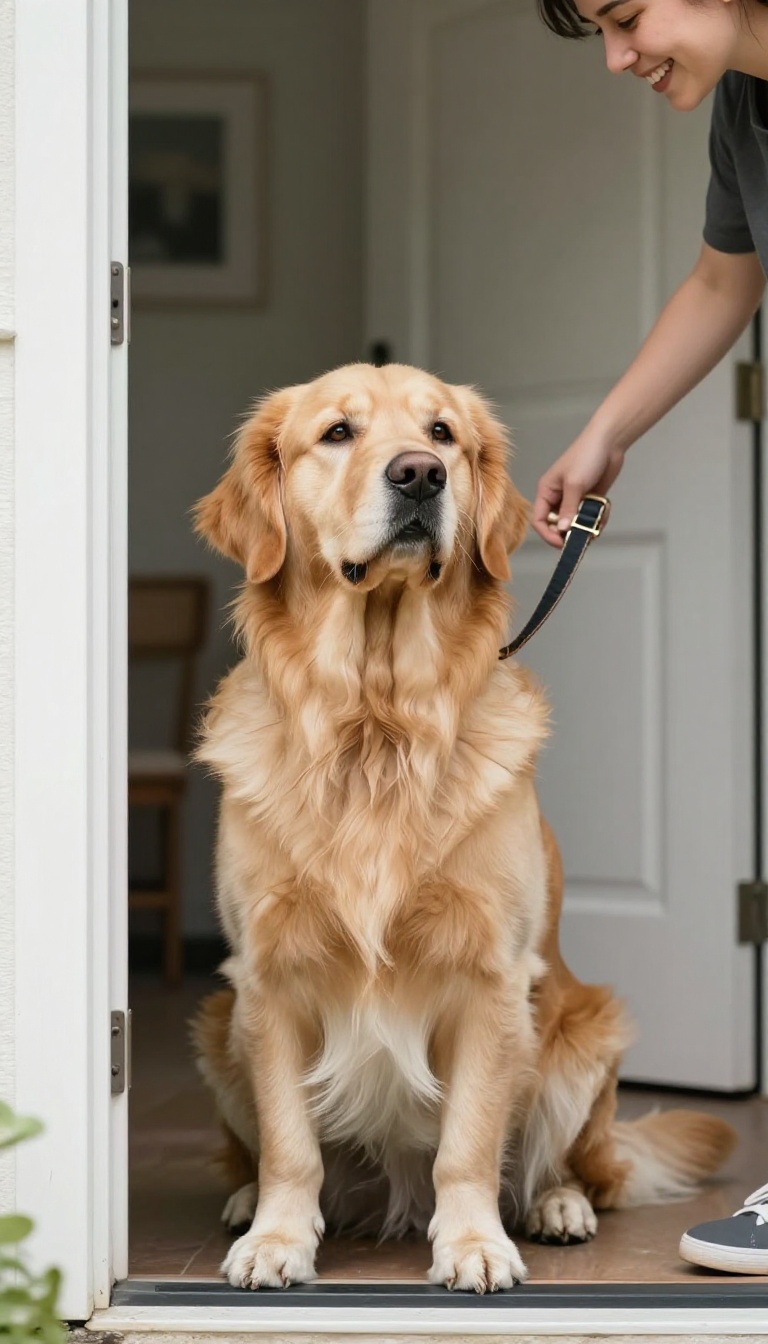
Before you can expect a polite greeting, your dog needs to understand what you're asking for when the doorbell rings. That starts with a rock-solid sit, not just in the living room, but right at the front door where the excitement happens. This lesson is about building that foundation so your dog has a clear, calm behavior to fall back on when guests arrive.
The key is to practice when there's no real distraction. Start by standing near the door with your dog on a leash. Ask for a sit, and reward the moment their bottom hits the floor.
Repeat this several times until your dog offers the sit on their own. Then, add a gentle knock or a ring of the bell—but don't open the door yet. Reward your dog for staying in the sit despite the noise.
Gradually increase the challenge by having someone outside, but keep the session short and positive. Over time, your dog will learn that sitting at the door is the best way to earn treats and attention.
Start With No Distractions
Begin in a quiet room, away from the door. Ask for a sit and reward immediately. Practice this until your dog sits reliably, even when you move toward the door.
This builds a strong foundation before adding any excitement.
Add Knock And Bell Sounds
Once your dog sits consistently near the door, introduce the sounds that trigger jumping. Knock on the wall or play a doorbell sound on your phone. Reward your dog for staying seated despite the noise.
Keep the volume low at first, then increase it gradually.
Practice With A Helper
Enlist a friend to knock or ring the bell while you stay with your dog. Keep your dog on a leash and ask for a sit. If they break, calmly guide them back without scolding.
Reward every successful sit, even if it's just for a second. This helps your dog connect the sound with staying calm.
2. Use a Mat or Bed as a Default Greeting Spot
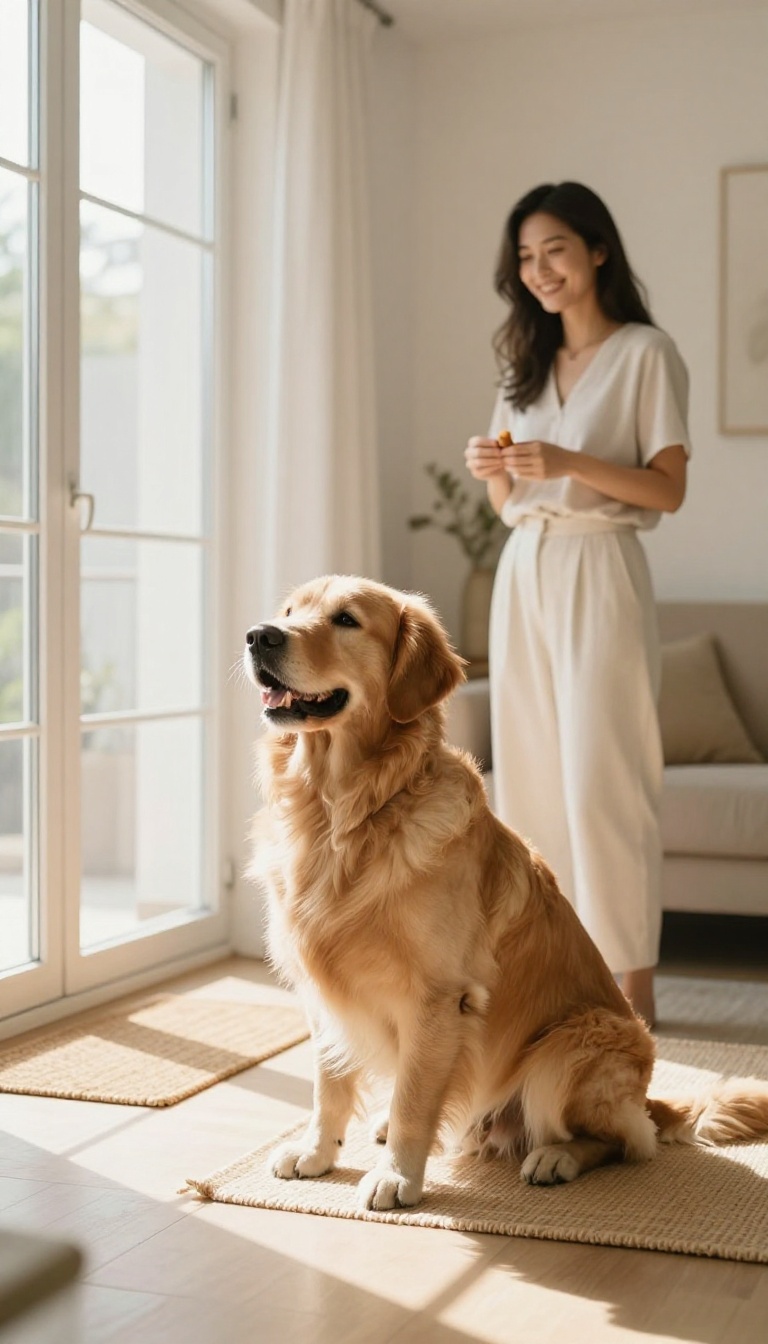
A mat can become your dog's go-to spot when the doorbell rings. It gives them a clear job and keeps them away from the door, where the excitement happens. Instead of guessing what to do, your dog learns that guests mean "go to your mat.
"
Teaching your dog to run to a mat when guests arrive turns chaos into a routine. The mat becomes a safe zone where calm behavior is rewarded. Start by making the mat a happy place with treats and praise, then practice with fake doorbells and helpers.
Over time, your dog will associate the mat with good things, not with jumping.
Why A Mat Works
A mat gives your dog a specific task, which reduces anxiety and excitement. It also physically separates them from the door, so they can't practice jumping. Plus, it's easier for you to manage because you can reward calm behavior on the mat instead of trying to stop jumps.
How To Teach The Mat Behavior
Start by tossing treats onto the mat and saying "mat" as your dog steps on it. Practice this in short sessions until they go to the mat on cue. Then add a doorbell sound and reward them for staying on the mat.
Gradually increase the distraction by having a helper knock or enter.
Common Mistakes To Avoid
Don't use the mat only when guests arrive—that makes it a cue for excitement. Practice randomly throughout the day. Also, avoid pulling your dog to the mat; let them choose to go there.
And don't forget to reward them for staying, not just for going.
3. Practice with Fake Visitors
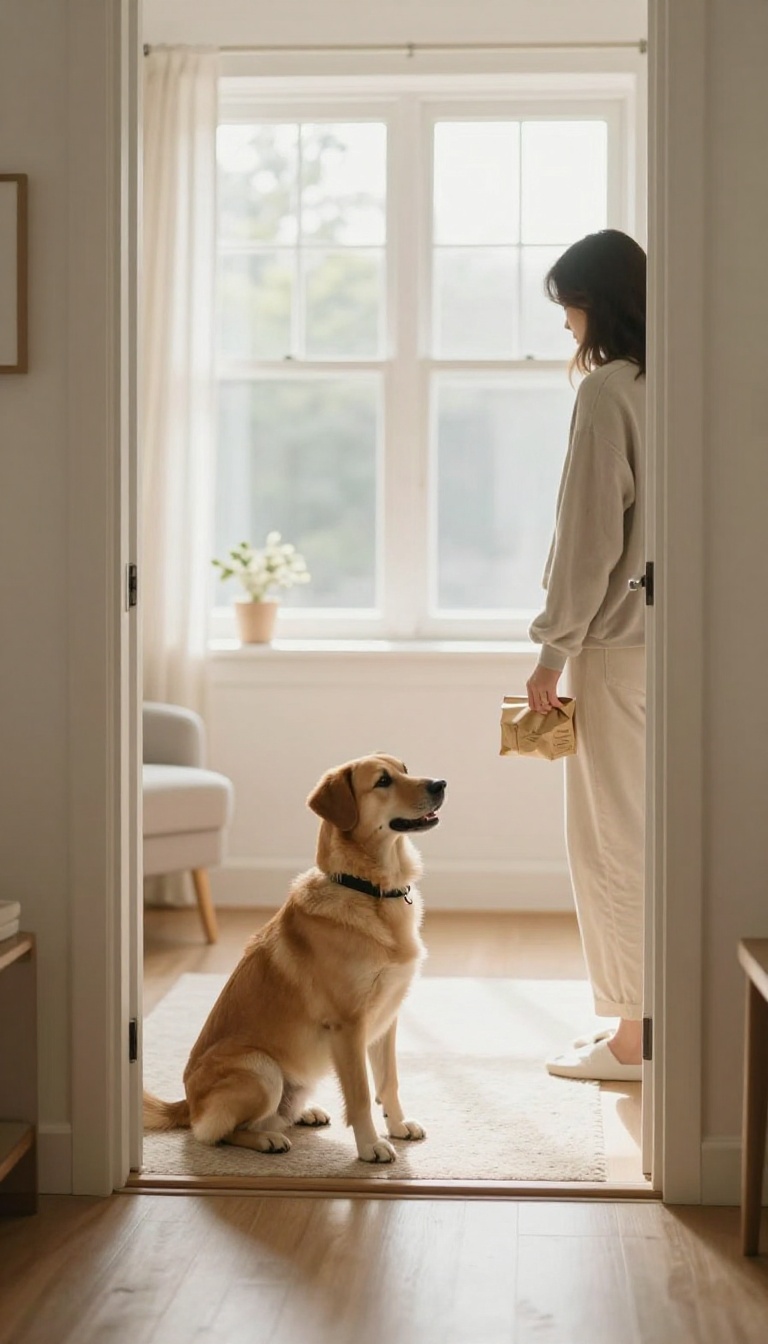
Your dog needs reps, not just reminders. The best way to build a calm greeting is to rehearse it before the real thing. That’s where fake visitors come in.
Set up a practice session with a friend or family member who can play the role of a guest. Have them knock or ring the bell, then walk in. The key is to ignore your dog completely until all four paws are on the floor and they’re relaxed.
No eye contact, no talking, no petting. Only when they’re calm do you release them for a quiet hello. Repeat this often, and your dog will start to connect the doorbell with staying calm.
Start With Easy Rehearsals
Begin with a low-key setup. Have your fake visitor enter without any excitement, like they’re just coming to pick up a package. Keep your dog on a leash if needed, and reward the calm moments with a treat.
The goal is to make the greeting feel boring, not thrilling.
Add Realistic Distractions
Once your dog handles the basics, spice it up. Have the visitor carry a bag, wear a hat, or talk on the phone. These small changes mimic real-life situations and help your dog generalize the behavior.
If they jump, the visitor steps back and tries again. Consistency is what teaches.
Use A Helper Who Follows The Rules
Your fake visitor needs to be on board. They can’t sneak a pet or get excited when your dog jumps. Pick someone who understands the drill and will follow your instructions.
That way, every practice session sends the same message: jumping gets you nothing, calm gets you attention.
4. Reward Four-on-the-Floor Behavior
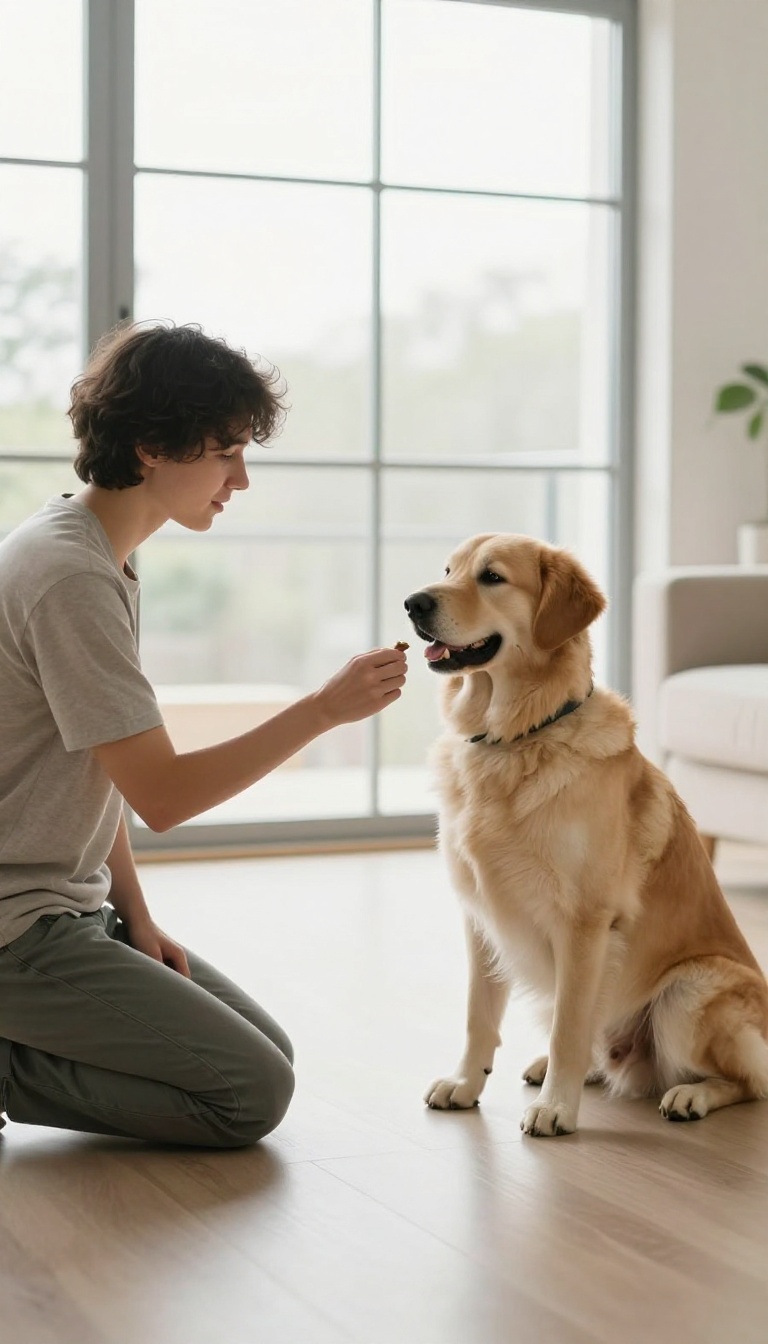
Dogs repeat what gets them what they want. If jumping earns attention—even negative attention—they'll keep doing it. The fix is to make calm, grounded behavior the only thing that pays off.
When you consistently reward four paws on the floor, your dog learns that politeness opens the door to greetings. It's a simple shift, but it changes everything.
The core of this lesson is to give your dog attention only when all four paws are on the ground. That means no eye contact, no talking, no touching when they jump. Turn away, cross your arms, and wait for the moment they settle.
The instant all four paws touch down, calmly say “good” and offer a treat or gentle pet. This approach works because it removes the reward for jumping and adds one for calm behavior. Over time, your dog will realize that jumping actually delays the greeting, while sitting or standing still gets them exactly what they want.
Why Ignoring Works Better Than Pushing
Pushing your dog away or saying “no” can feel like attention to them. They might even think it's a game. By turning away and staying silent, you send a clear message: jumping gets nothing.
It's not about being mean—it's about being consistent.
Timing The Reward Right
The reward needs to come within a second of all four paws touching down. If you wait too long, your dog might not connect the treat with the behavior. Have treats ready by the door so you can mark the moment with a quick “yes” and deliver the reward.
Practice Without Guests First
You don't need a crowd to start. Practice with family members or friends who can follow your cues. Have them ring the doorbell, then go through the same routine: ignore jumps, reward calm.
Repetition in a low-stakes setting builds muscle memory.
5. Teach an Incompatible Behavior Like 'Go Fetch'
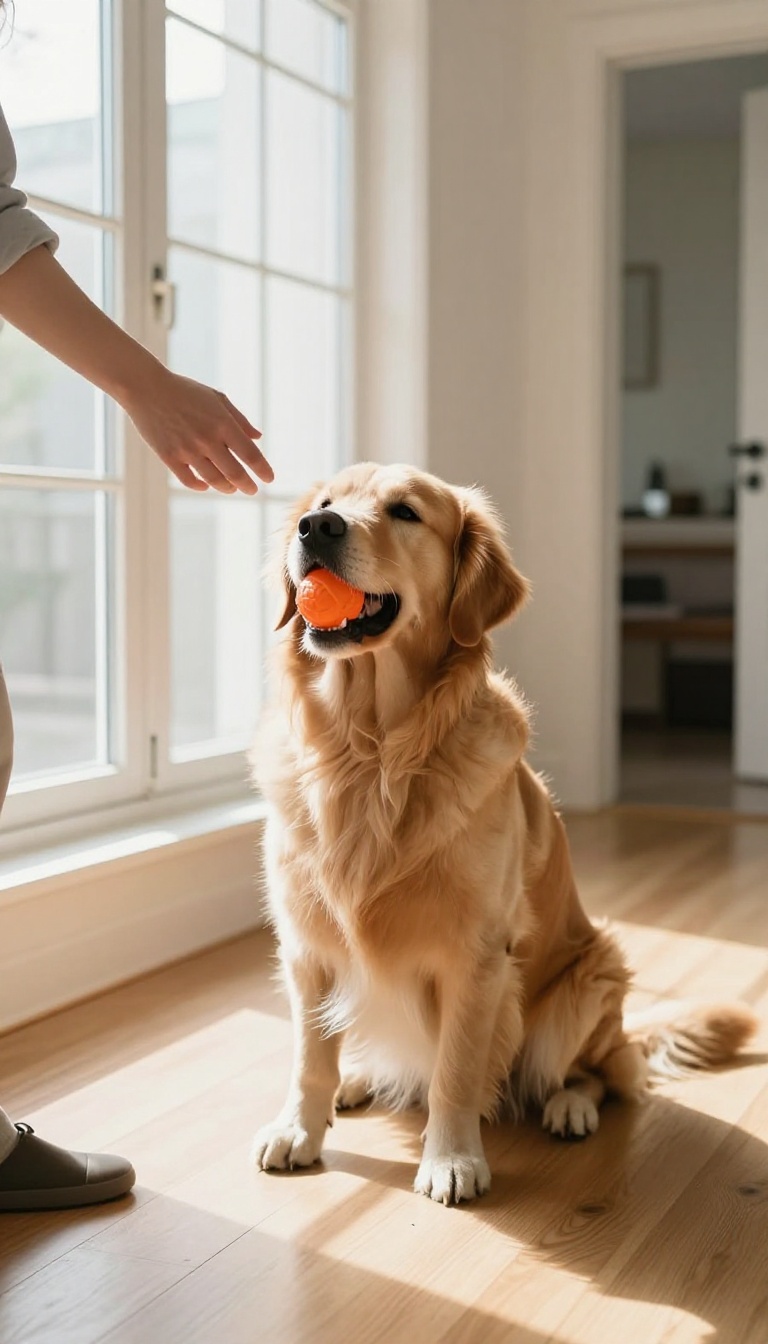
Jumping is often just an overflow of excitement. Instead of trying to suppress that energy, give it a clear, fun outlet. Teaching your dog to fetch a toy when guests arrive redirects that enthusiasm into a productive behavior that simply can't happen at the same time as jumping.
The key is to make the fetch cue automatic and rewarding. Start by practicing when it's calm, then gradually add the excitement of a doorbell or a guest. Soon, your dog will associate arrivals with the joy of retrieving, not leaping.
Start With A High-value Toy
Pick a toy your dog absolutely loves—something squeaky, bouncy, or soft. Keep it special by only bringing it out during greeting practice. This makes the fetch cue more enticing and gives your dog a strong reason to focus on the toy instead of the guest.
Use A Simple Cue Word
Choose a short, clear word like 'fetch' or 'get it' and use it every time you throw the toy. Pair it with a hand signal, like pointing, so your dog learns to respond even when they're excited. Consistency is key—use the same word and gesture every single time.
Practice In Real-life Scenarios
Once your dog reliably fetches on cue in a quiet room, start adding distractions. Have a friend ring the doorbell, then immediately ask for a fetch before they enter. Reward your dog with praise and a treat after they bring the toy back.
Repeat this until the fetch becomes their default greeting behavior.
6. Use a Leash or Tether During Greetings
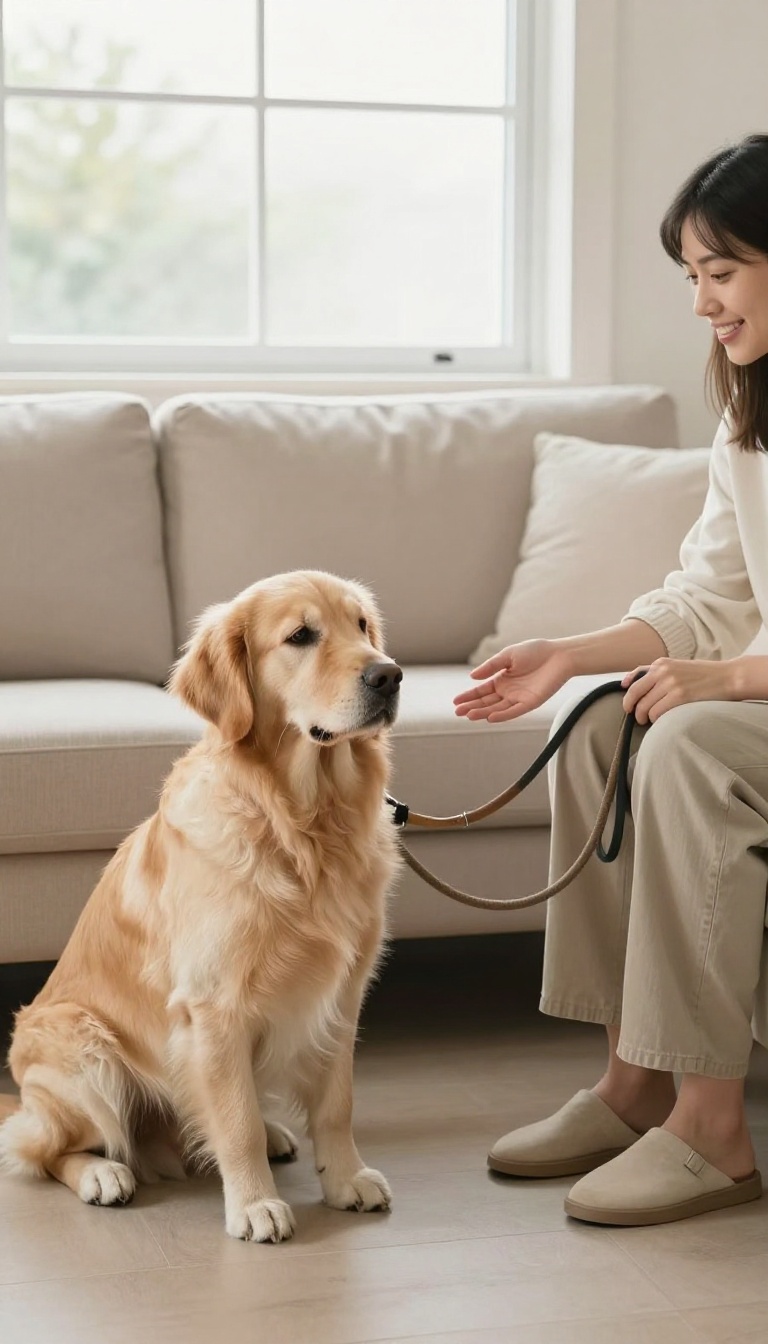
Sometimes the simplest tools make the biggest difference. A leash or tether gives you a physical connection to your dog, so you can guide the interaction without raising your voice or repeating commands. It also stops your dog from rehearsing the jump, which is key to breaking the habit.
When guests arrive, keeping your dog on a leash or tether is a game-changer. It gives you control, prevents rehearsing the jump, and sets your dog up for success. Here's how to do it right.
Why Leashing Works
A leash isn't a punishment—it's a safety net. It lets you keep your dog close, so you can calmly redirect before the jump happens. Plus, it sends a clear signal: 'We're practicing manners now. '
How To Set It Up
Clip on a leash before opening the door, or use a sturdy tether anchored to a heavy piece of furniture. Keep the leash loose but ready. As guests enter, ask them to ignore your dog until all four paws are on the floor.
Then, let the greetings begin.
What To Do When Your Dog Pulls
If your dog strains toward the guest, don't yank or scold. Instead, step back, create space, and wait for a calm moment. Reward that calm with a treat or a quiet 'good. ' This teaches your dog that calmness gets them closer to the guest.
Practice Makes Perfect
Don't wait for real guests—practice with family members or friends. Have them ring the doorbell, walk in, and ignore your dog until they're calm. Repeat until your dog starts to get the hang of it.
Soon, the leash will be a cue for good manners.
7. Practice Calm Greetings with a 'Wait' Command
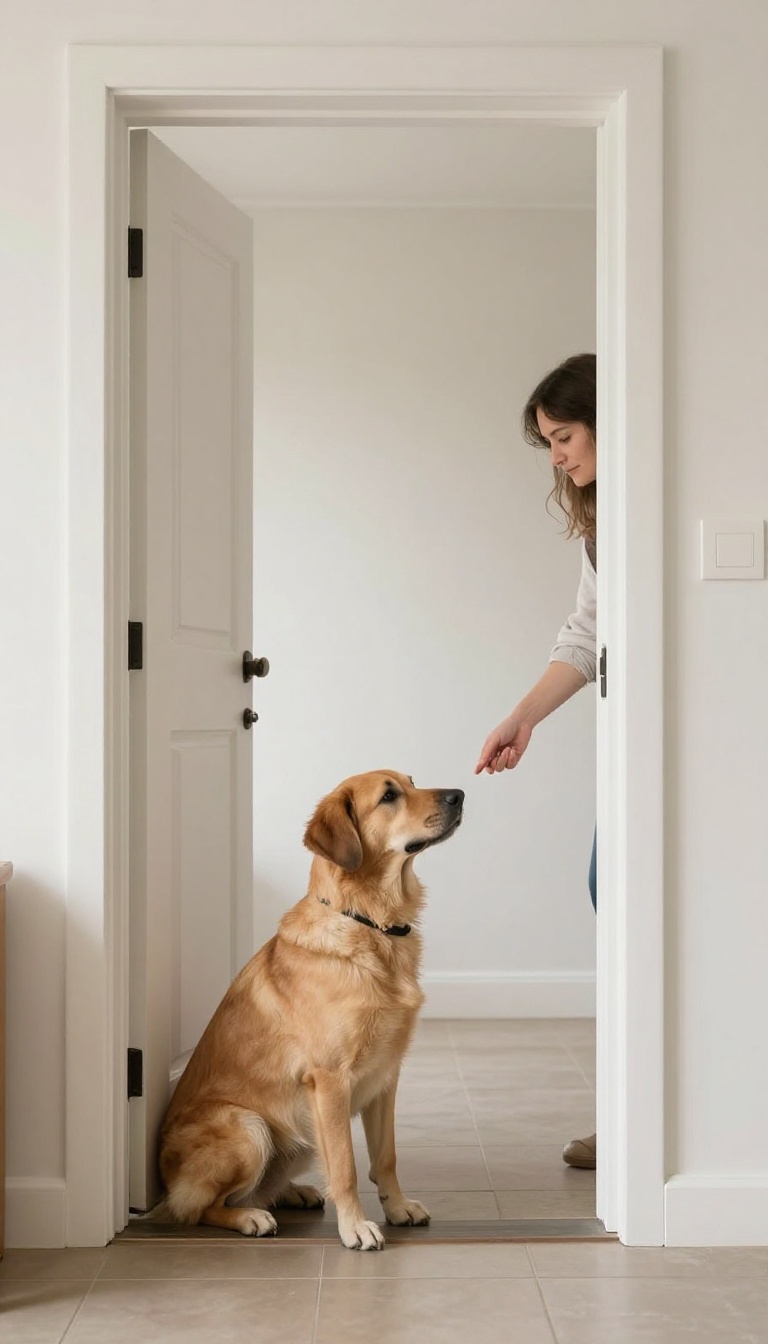
The 'wait' command is a game-changer for greeting chaos. It asks your dog to pause before rushing to the door, giving you a moment to set the tone. This simple cue builds impulse control and turns a frantic hello into a structured event.
Teaching 'wait' isn't about being strict—it's about giving your dog a clear job to do. When they know what's expected, they feel more secure and less overwhelmed. Start in low-distraction settings, then gradually add the doorbell and guests.
Start With A Simple 'wait'
Begin by asking your dog to sit or stay a few feet from the door. Use a hand signal and a calm voice. Reward them for holding still, even for a few seconds.
Keep sessions short and positive, so your dog learns that waiting is rewarding.
Add Distance And Distractions
Once your dog understands 'wait' indoors, practice with the door closed, then cracked open, and finally with a friend outside. Increase the challenge slowly. If your dog breaks the wait, calmly reset and try again.
Patience is key—this isn't about perfection overnight.
Release With A Cue
Pick a release word like 'okay' or 'free' to signal when your dog can greet. Use it consistently so your dog knows exactly when it's time to say hello. This clarity reduces anxiety and helps them stay calm until you give the green light.
8. Manage Excitement with Pre-Visit Exercise
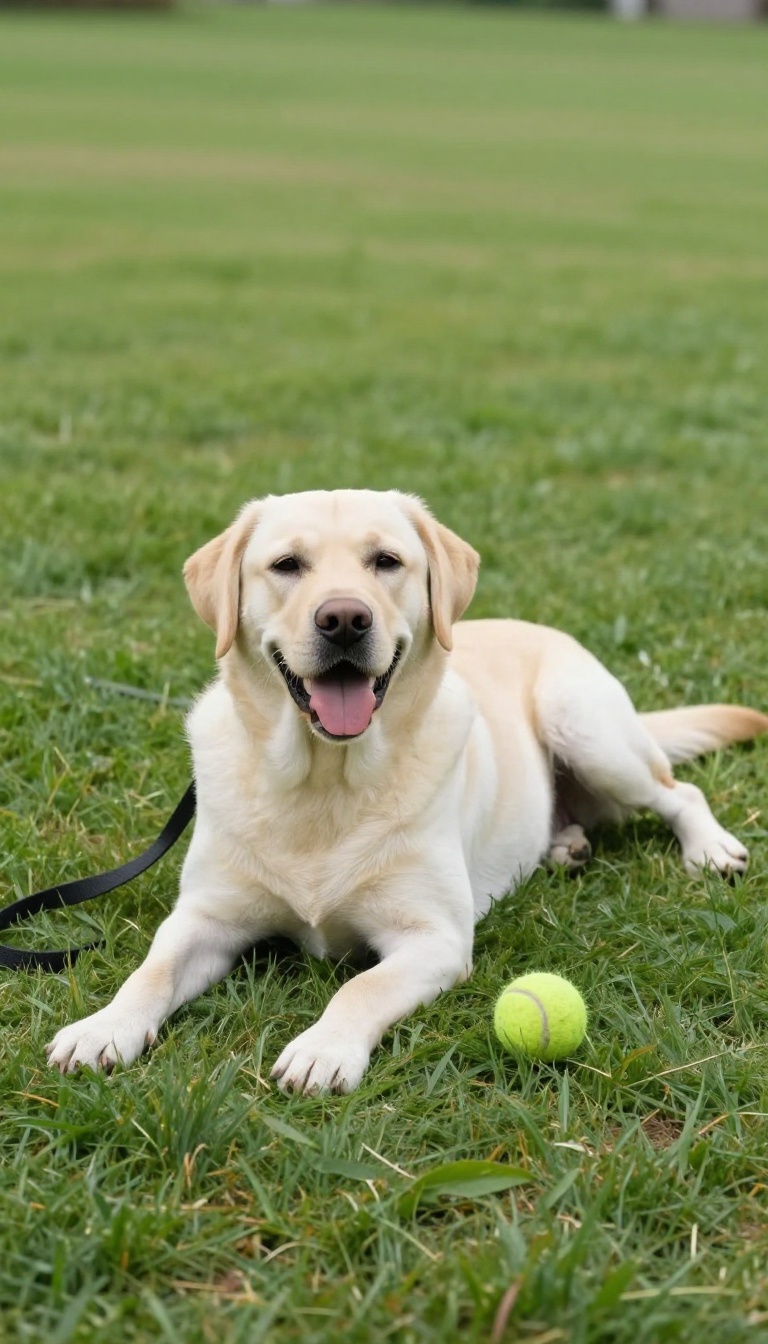
A tired dog is a calmer dog, plain and simple. When your pup has already burned off that extra zoomies energy, the front door becomes less of a launchpad and more of a normal spot. Pre-visit exercise isn't about exhausting your dog into submission—it's about giving them a healthy outlet for the excitement they feel.
Think of it as a reset button. A good walk or play session before guests arrive helps your dog enter a more relaxed state of mind. They've already had their fun, so the greeting becomes less about explosive energy and more about calm curiosity.
This simple step can dramatically reduce jumping because the urge to leap is often just a burst of unspent energy.
Match Exercise To Energy Level
Not all dogs need the same amount of exercise. A high-energy breed like a Border Collie might need a solid 30-minute run, while a senior Lab might do well with a gentle 15-minute stroll. The goal is to take the edge off, not to exhaust them completely.
Pay attention to your dog's cues—if they're still bouncing off the walls, they might need a bit more, but if they're panting and relaxed, you've hit the sweet spot.
Timing Matters: When To Exercise
The best time to exercise your dog is about 15-20 minutes before guests are due to arrive. This gives them enough time to catch their breath and settle down, but not so much time that they build up a second wind. If you exercise them too early, they might be raring to go again by the time the doorbell rings.
Too late, and they'll be too wired to focus on the exercise itself.
Mental Exercise Counts Too
Physical exercise is great, but don't underestimate the power of mental stimulation. A quick session of obedience training, a puzzle toy, or a sniffing game can tire out your dog just as effectively as a run. These activities engage their brain, which can be even more tiring than physical exertion.
Plus, they reinforce the calm behaviors you want to see during greetings.
Make It A Routine, Not A Chore
Consistency is key. If your dog knows that guests arriving means a fun walk or game beforehand, they'll start to associate the doorbell with something positive and calming. Over time, this routine can become a signal that helps them self-regulate their excitement.
It's a win-win: your dog gets exercise, and you get a calmer greeting.
9. Ask Guests to Ignore the Dog Until Calm
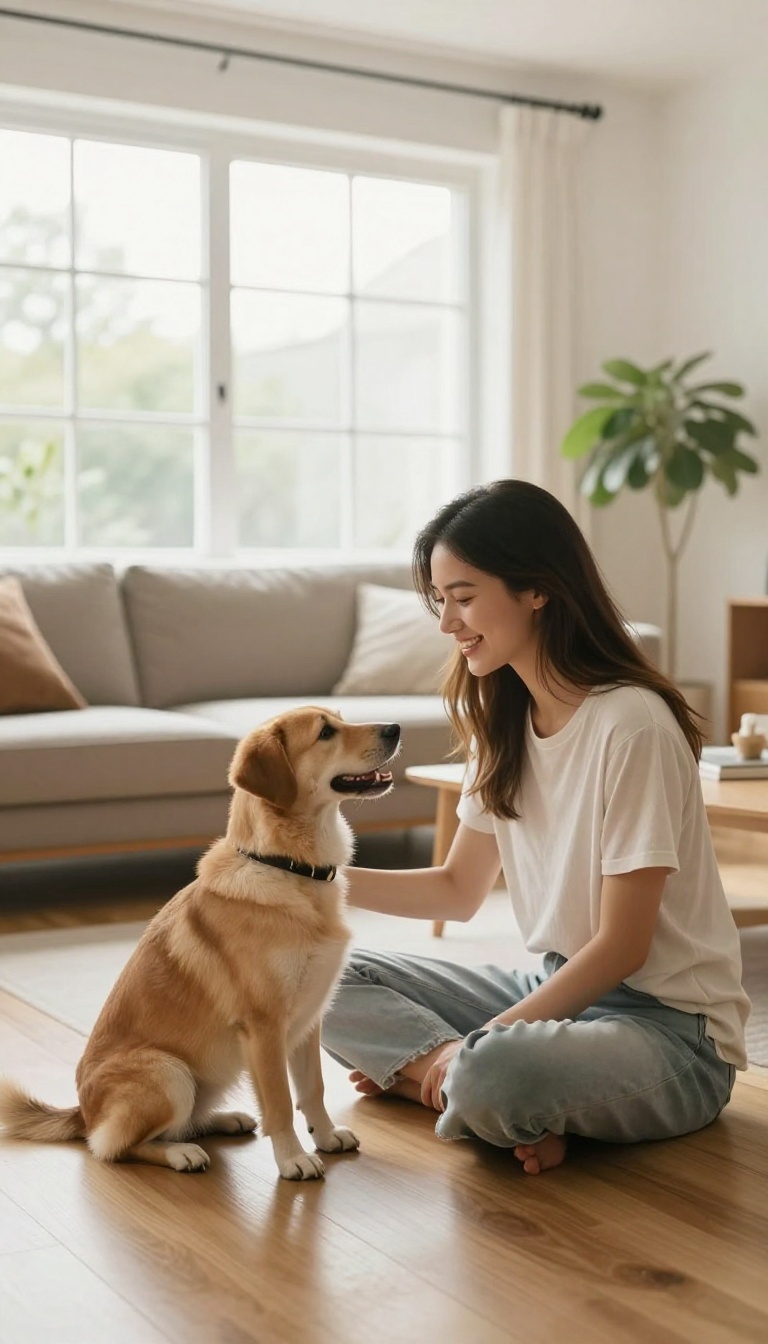
One of the most effective ways to stop jumping is to remove the reward entirely. When guests ignore your dog until all four paws are on the floor, your dog learns that calm behavior is what gets attention, not frantic leaps. This approach works because it flips the script.
Instead of your dog controlling the interaction, you and your guests set the rules. It’s simple, but it takes consistency and a bit of patience from everyone involved.
When guests ignore the dog until calm, they’re not being rude—they’re being consistent. This technique relies on the principle of extinction: if jumping no longer results in attention, the behavior will eventually fade. But it only works if everyone follows through every single time.
Here’s how to make it work smoothly:
Set The Ground Rules Before The Door Opens
Brief your guests before they come inside. Let them know you’re training your dog and that you’ll ask them to ignore the dog until they’re calm. Most people are happy to help once they understand why.
Keep it light: “Hey, we’re working on polite greetings, so please don’t pet him until he’s sitting or standing still. ” That way, they’re prepared and won’t accidentally reward the jump.
What “ignore” Really Means
Ignoring means no eye contact, no talking, no touching, and no pushing the dog away. Even negative attention can feel rewarding to an excited dog. Instead, guests should turn sideways, keep their hands at their sides, and wait.
The moment your dog’s paws hit the floor, even for a second, that’s when the attention can start—calmly and quietly.
Reward The Calm, Not The Jump
When your dog finally settles, have the guest give a gentle pat or a soft treat. This reinforces the behavior you want. If the dog jumps again, the guest should immediately resume ignoring.
It’s a clear cause-and-effect lesson: calm gets attention, jumping gets nothing. Over time, your dog will learn that patience pays off.
Stay Consistent With Every Visitor
This only works if it’s applied every time, with every guest. If one person gives in and pets the dog mid-jump, it can set back progress. Remind repeat visitors of the routine, and consider posting a small note by the door as a friendly reminder.
Consistency is the secret sauce that turns this technique into a lasting habit.
10. Use a 'Say Hello' Cue to Release Your Dog
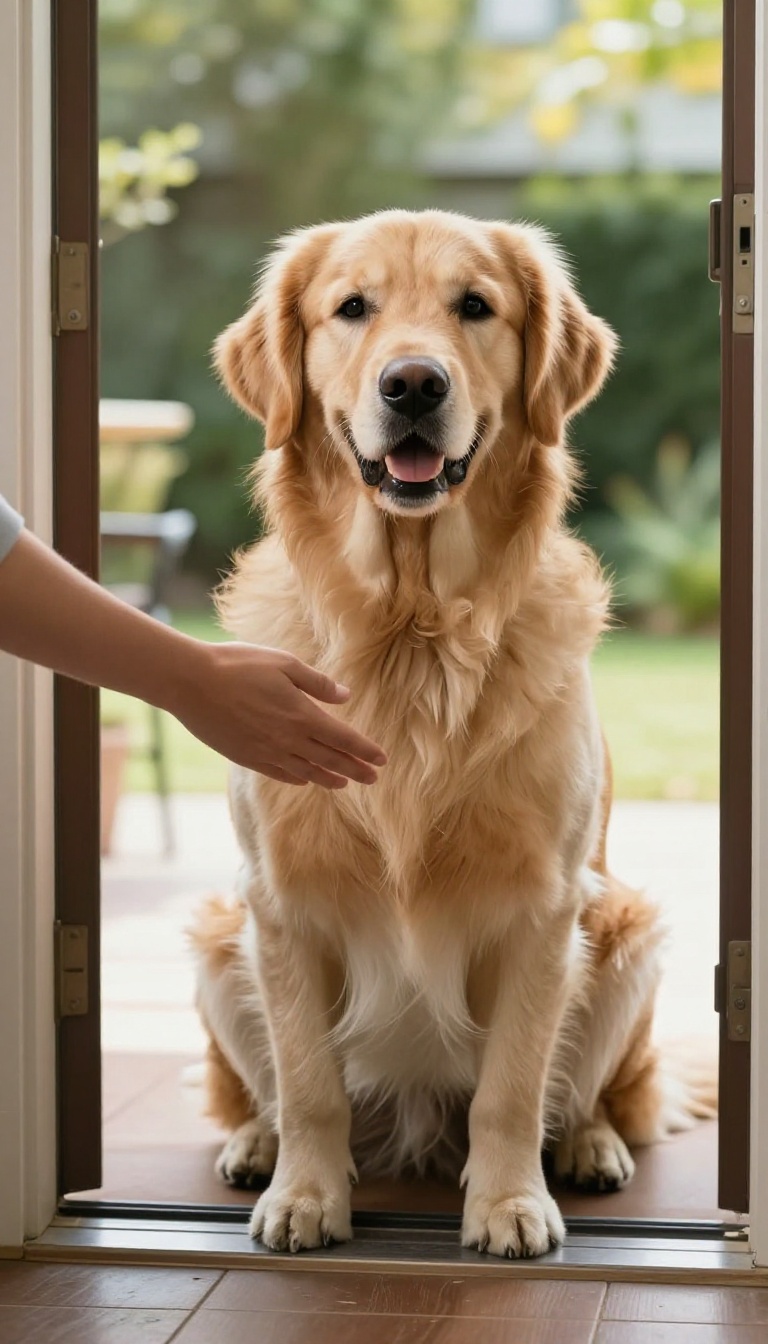
Giving your dog a clear signal to greet can turn chaos into calm. Instead of letting them rush the door, you teach them that patience earns the reward of interaction. This simple cue gives your dog a job to do and helps them understand exactly when it's okay to say hi.
The 'say hello' cue works because it gives your dog a clear rule: you stay calm, and then you get to greet. It's not about suppressing excitement—it's about channeling it into a controlled, happy moment. Over time, your dog learns that calm behavior is what makes the fun begin.
Why A Release Cue Works
Dogs thrive on structure. When you use a release cue, you're telling your dog, 'This is the moment you've been waiting for. ' Without it, they're left guessing, which often leads to jumping. The cue removes the guesswork and gives them a clear path to the interaction they crave.
How To Teach The 'say Hello' Cue
Start in a low-distraction setting. Have your dog on a leash, ask them to sit or stay, and then say 'say hello' in a happy tone as you allow them to approach. Reward them with treats and praise when they greet politely.
Practice with family members first, then move to friends.
Troubleshooting Common Mistakes
If your dog jumps even after the cue, you might be releasing them too early. Wait for a moment of calm, even if it's just a second. Also, make sure everyone uses the same cue and follows the same rules.
Consistency is key—if one person lets them jump, the lesson gets muddy.
11. Practice Doorbell Desensitization
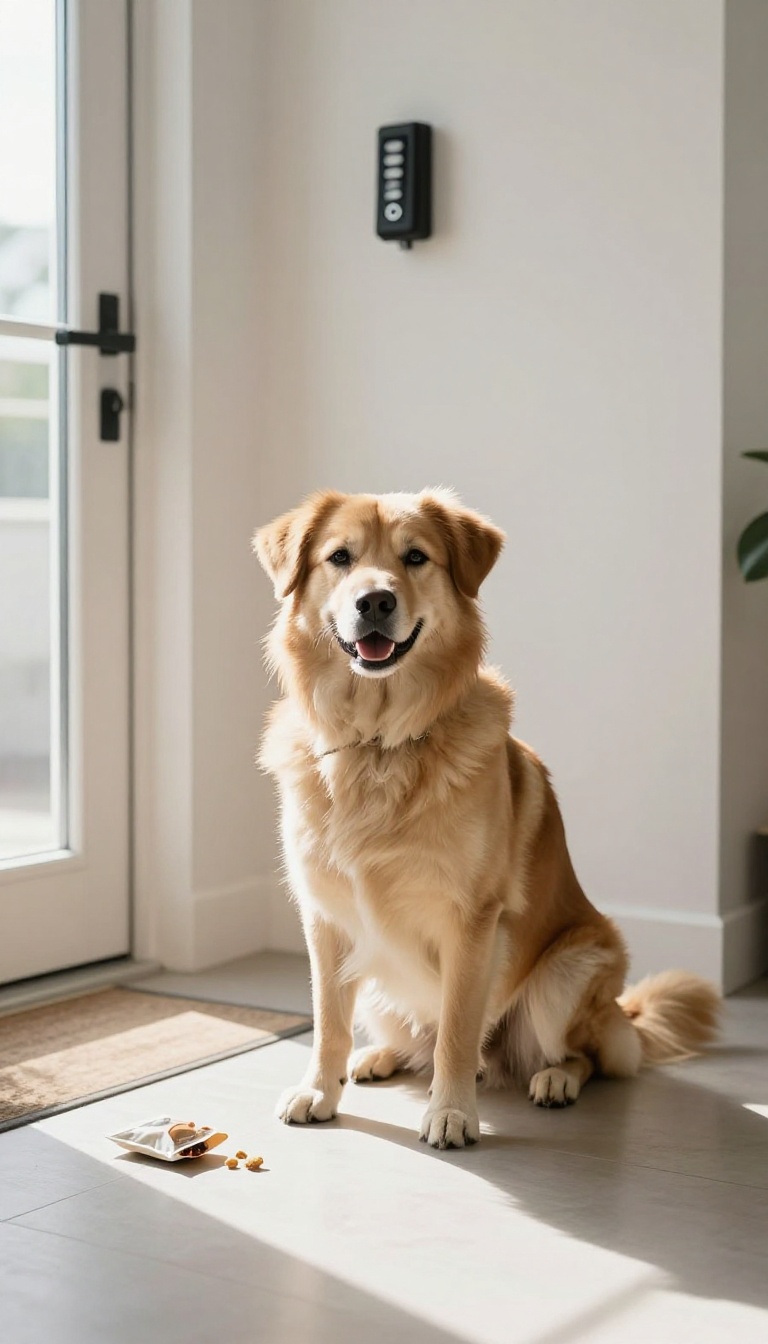
The doorbell is often the trigger that sets off the jumping frenzy. It's a sudden, loud sound that signals excitement, and your dog has learned to associate it with guests arriving. But you can change that association.
By playing the doorbell sound in a controlled way, you can teach your dog that it's no big deal. Over time, the bell becomes just another noise, not a cue to launch at the door.
Start With The Sound At Low Volume
Grab your phone and record the doorbell, or find a similar sound online. Play it at a very low volume, just barely audible. As soon as your dog hears it, calmly toss a treat on the floor or ask for a sit.
The goal is to pair the sound with something positive and boring. Keep the sessions short, just a few minutes a day. Your dog should stay relaxed, not excited.
If they start to react, lower the volume even more. You're building a new habit, and that takes patience.
Gradually Increase The Volume
Once your dog ignores the low-volume bell, turn it up a notch. Keep rewarding calm behavior. If they look at you instead of the door, that's a win.
You're teaching them that the sound means 'look at me, get a treat, ' not 'jump at the door. ' Increase the volume in small steps over several days or weeks. If your dog regresses, back off a bit. There's no rush.
The goal is to desensitize them so the real doorbell doesn't trigger the jumping response.
Add Movement And Distractions
After your dog handles the sound at full volume, start adding realistic elements. Walk toward the door when the bell rings, or have a friend stand outside. Keep rewarding calm behavior.
You might even practice with a knock on the door or the sound of a door opening. This step bridges the gap between the recorded sound and the real thing. It helps your dog understand that the bell is just a signal, not a command to jump.
With enough practice, they'll stay calm even when the pizza delivery shows up.
12. Teach a Strong 'Leave It' for Doorway Excitement
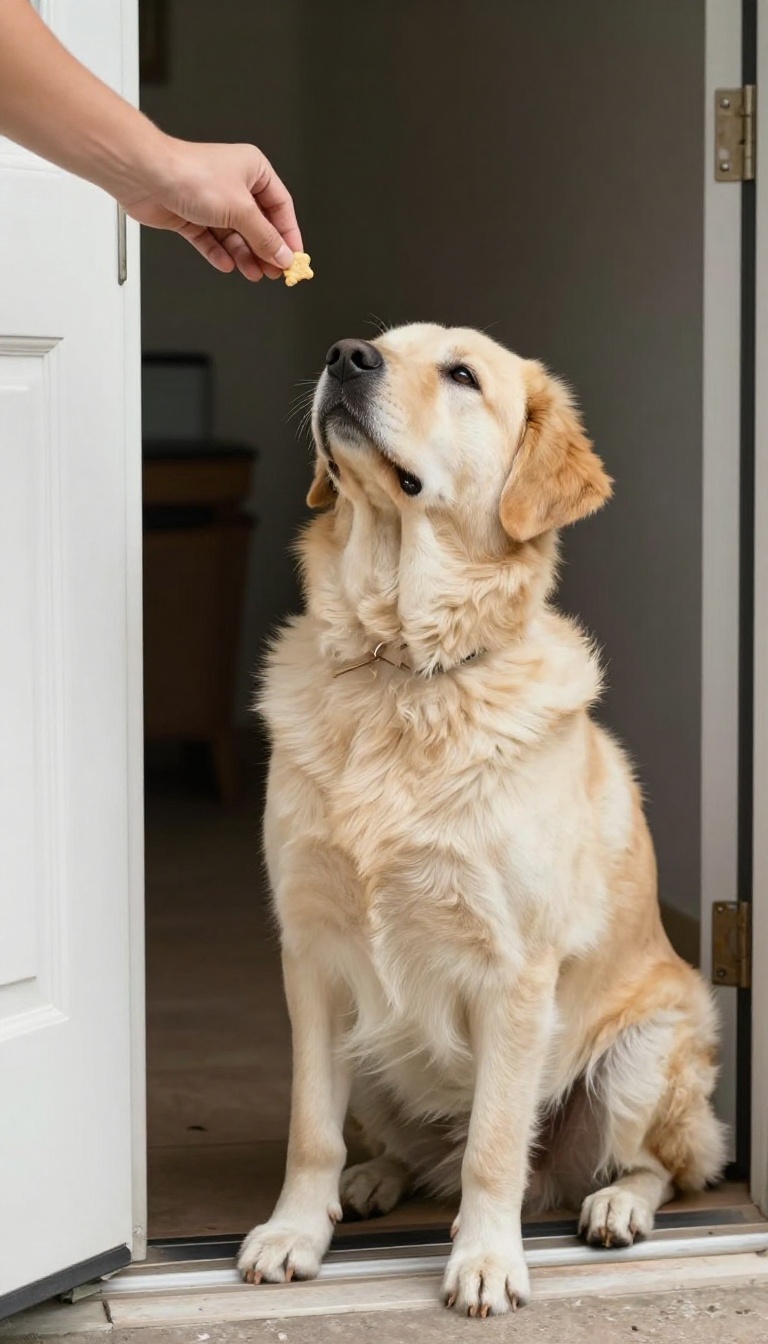
The moment the doorbell rings, your dog's brain switches into overdrive. Everything else disappears—including you. That's where 'leave it' becomes your secret weapon.
It gives your dog a clear job to do when excitement peaks, shifting focus from the door to you. With practice, 'leave it' turns a chaotic greeting into a moment of calm control.
Start training away from the door, where distractions are low. Use high-value treats and practice 'leave it' with objects on the floor. Once your dog understands the cue, move closer to the door.
Gradually add realistic triggers like knocking or the sound of the doorbell. The goal is to make 'leave it' automatic, even when adrenaline is high. Pair it with a sit or a down to create a calm default behavior.
Start With Simple Distractions
Begin in a quiet room. Place a treat on the floor, cover it with your hand, and say 'leave it. ' Reward your dog for looking at you instead. Repeat until your dog responds without hesitation.
This builds a strong foundation before you add the chaos of a doorway.
Add Door-specific Triggers
Once your dog is solid with 'leave it' indoors, introduce door-related sounds. Play a recording of a doorbell or knock at low volume. Ask for 'leave it' and reward calm behavior.
Gradually increase the volume and add real-life practice with a helper at the door.
Use 'leave It' As A Greeting Reset
When a guest arrives, ask your dog to 'leave it' before opening the door. This gives your dog a moment to collect themselves. If your dog breaks the cue, close the door and try again.
Consistency teaches that calm behavior gets access to guests, not jumping.
13. Create a Barrier with a Baby Gate or Exercise Pen
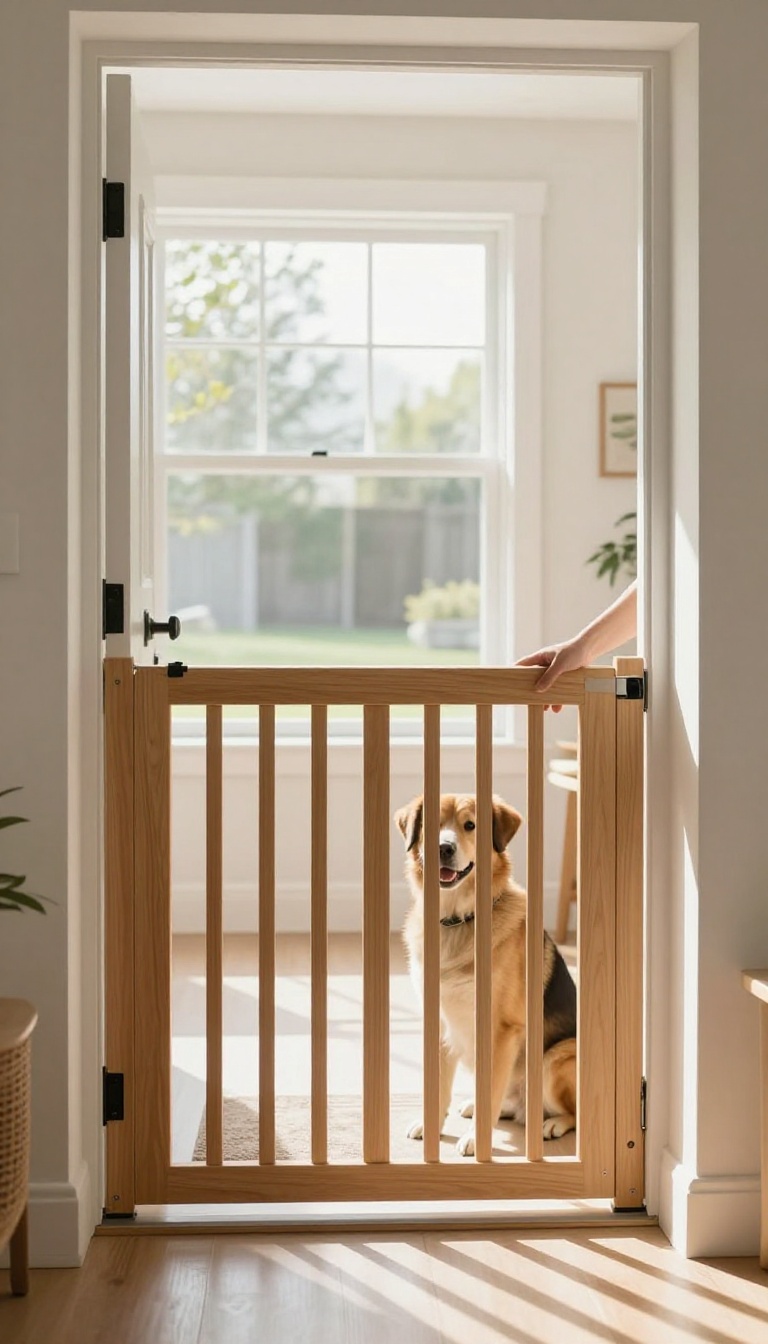
Sometimes the simplest solution is a physical one. A baby gate or exercise pen can be a game-changer when you're expecting guests. It gives your dog a clear boundary and a safe spot to settle, without relying on them to remember their manners in the heat of the moment.
This isn't about punishment—it's about setting everyone up for success. Your dog gets to see who's at the door, but from a distance that keeps paws on the floor. You get to open the door without bracing for impact.
Setting up a barrier is straightforward, but there are a few ways to make it work best for your home and your dog. The goal is to create a space that feels like a positive retreat, not a timeout corner. With the right setup, your dog will learn that guests mean good things happen in their safe zone, and jumping becomes a non-issue.
Where To Place The Barrier
Position the gate or pen so your dog can still see the front door but is far enough away to prevent a lunge. A hallway a few feet back often works well. If your door opens into a living room, angle the pen to create a cozy nook rather than blocking the entire space.
The idea is to keep your dog part of the action, just at a safe distance.
Make It A Happy Place
Your dog should love being behind the barrier, not dread it. Toss in a stuffed Kong, a favorite chew, or a snuffle mat before guests arrive. Use a calm, happy voice to send them to their spot.
Over time, they'll associate the barrier with good things, which makes it easier to use consistently.
Practice Before You Need It
Don't wait for a real guest to test this setup. Practice with a friend or family member several times a week. Ring the doorbell, have your dog go to their spot, and reward them for staying calm.
Repetition builds reliability, so when the actual doorbell rings, your dog knows the drill.
14. Use High-Value Treats to Reinforce Calm Behavior
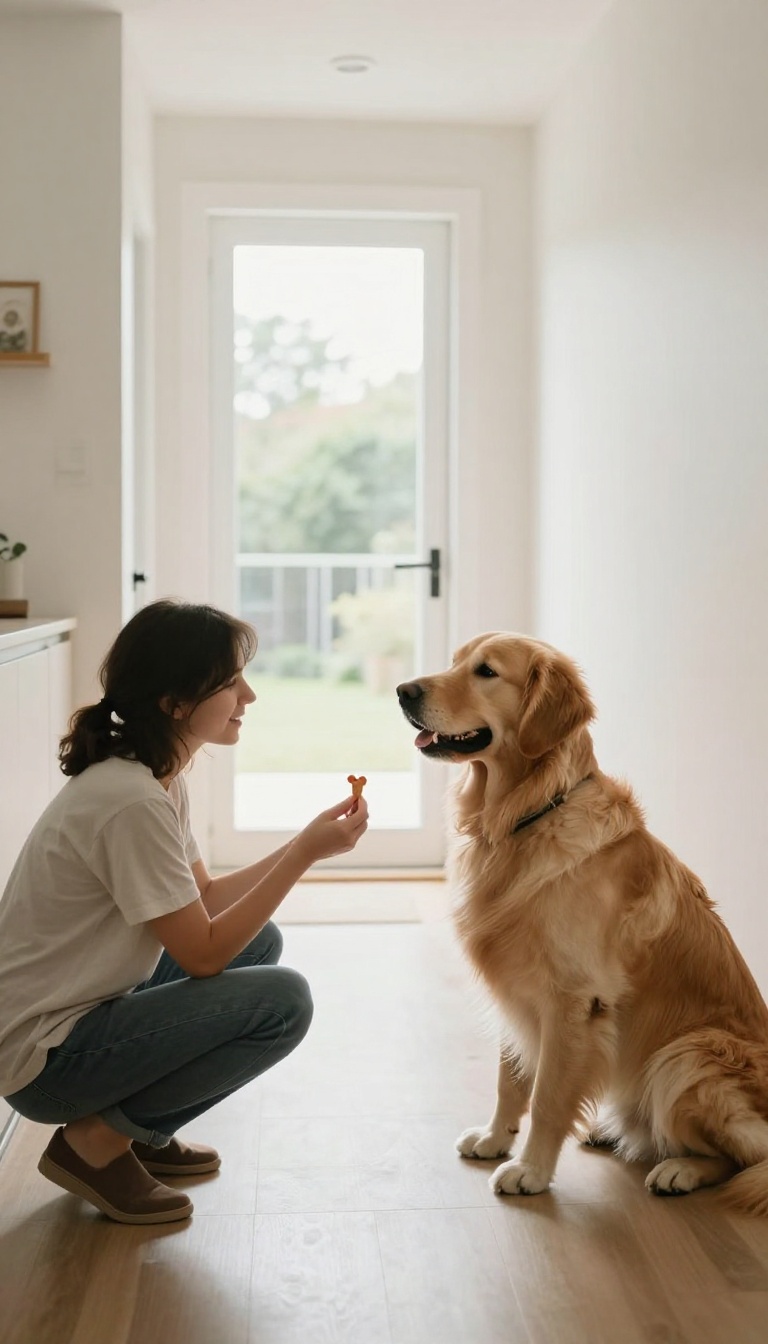
Treats can be a game-changer when it comes to greeting manners. The trick is to use them strategically, rewarding your dog for staying calm rather than for jumping. This turns the greeting into a training opportunity instead of a chaotic free-for-all.
By keeping special treats on hand, you can redirect your dog's focus and make calm behavior more appealing than excited jumping. Over time, your dog will learn that good things happen when they keep all four paws on the floor.
Having a stash of high-value treats ready by the door sets you up for success. These should be something your dog rarely gets, like small pieces of chicken, cheese, or a special training treat. The novelty makes them extra motivating, so your dog is more likely to pay attention to you instead of the guest.
When the doorbell rings or a guest arrives, be ready to reward the moment your dog shows any sign of calmness. It could be a brief pause in barking, a sit, or even just a moment of quiet. Timing is everything—the faster you reward, the clearer the message.
Why High-value Treats Work
Regular treats might not cut it when your dog is already excited. High-value treats cut through the chaos because they're irresistible. They give your dog a reason to focus on you rather than the jumping urge.
This is especially helpful for dogs that are highly food-motivated or easily overstimulated.
Setting Up A Greeting Routine
Start by practicing with a friend or family member. Have them knock or ring the bell, and keep your dog on a leash if needed. The moment your dog stays calm—even for a split second—pop a treat in their mouth.
Repeat this several times so your dog starts to associate the doorbell with calm behavior and tasty rewards.
Rewarding The Right Moments
Reward your dog for any calm behavior during the greeting, like sitting, staying, or simply not jumping. If your dog jumps, ignore the behavior and wait for them to settle. Then reward.
This teaches your dog that jumping gets them nothing, while calm behavior earns them something special.
15. Stay Consistent with Every Greeting
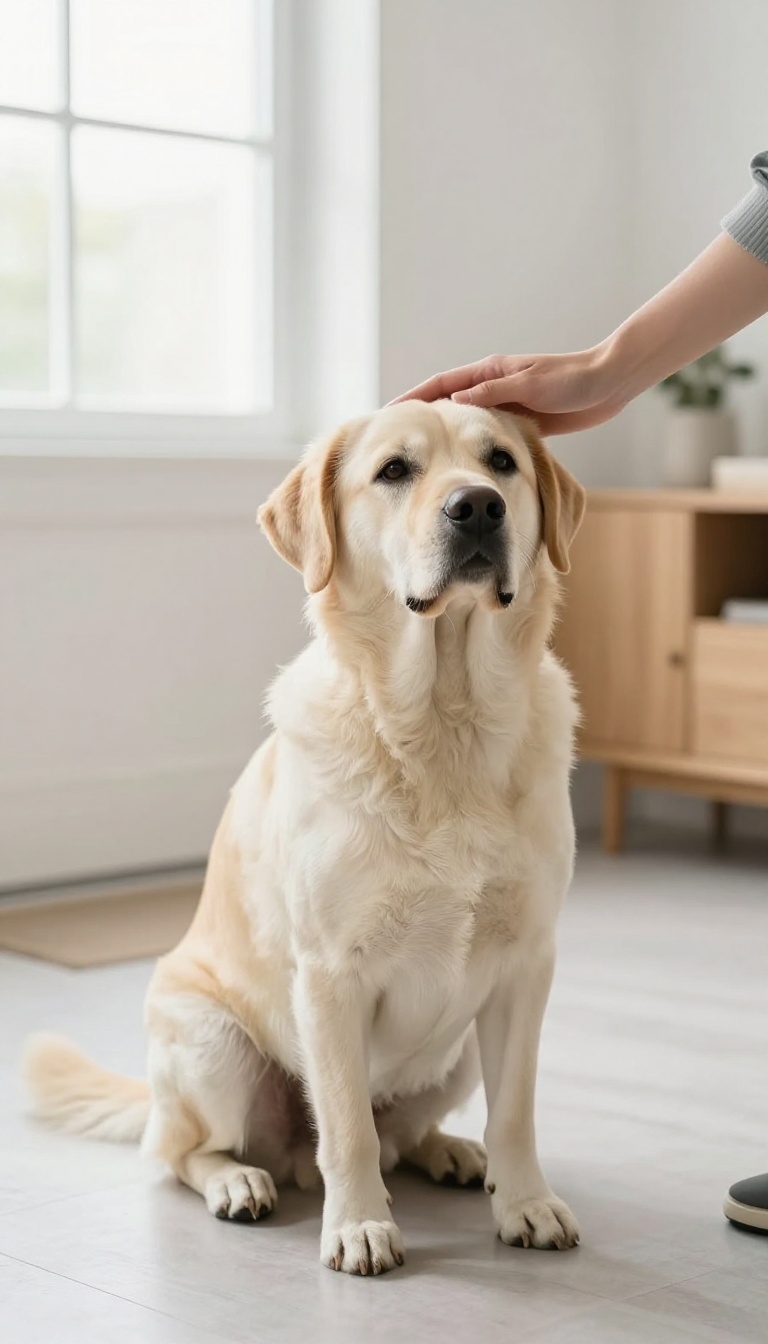
Consistency is the secret ingredient that turns all these tips into lasting habits. If you're strict about greetings one day but let it slide the next, your dog gets mixed signals. That confusion often leads to more jumping, not less.
Think of it like teaching a child table manners. You wouldn't allow eating with hands on Tuesday but demand a fork on Wednesday. The same logic applies to your dog.
When every greeting follows the same rules, your dog learns that calm behavior is the only option.
When you're consistent, your dog starts to understand what's expected. The rules become predictable, and predictability breeds confidence. Here's how to make consistency work for you and your pup.
Set The Same Rules For Everyone
If you let your dog jump on your best friend but scold them for jumping on your aunt, your dog won't know what's right. Sit down with everyone who visits regularly and explain the greeting routine. Ask them to ignore the dog until all four paws are on the floor.
When everyone follows the same script, your dog gets a clear message: jumping never works, but calmness always gets attention.
Use The Same Cue Every Time
Pick a simple cue like "sit" or "off" and stick to it. Don't switch between "down, " "no jump, " and "settle"—that only confuses your dog. Say the cue once, in a calm voice, and wait.
If your dog doesn't respond, gently guide them into position. Over time, the cue becomes a reliable signal that good things happen when they listen.
Respond The Same Way Every Time
Your reaction matters just as much as your dog's behavior. If you sometimes laugh off a jump and other times get upset, your dog will keep testing the boundaries. Decide on a consistent response—like turning away and folding your arms—and use it every single time.
When your dog realizes that jumping always leads to zero attention, they'll stop trying.
Practice Even When You're Not Expecting Guests
Consistency doesn't just apply when someone rings the doorbell. Practice the greeting routine with family members at random times. Have your partner walk in and out of the front door while you reinforce calm behavior.
The more your dog practices the right way, the more automatic it becomes. Soon, a calm greeting will be your dog's default, even on exciting days.
FAQ
How long does it take to stop a dog from jumping on guests?
It depends on the dog and how consistent you are. With regular practice, many dogs show improvement in a few weeks, but it can take a few months for the habit to fully fade.
What should I do if my dog jumps on a guest despite training?
Stay calm and remove your dog from the situation. Have them sit or go to their mat, and ask the guest to ignore them until they are calm. Then try again.
Is it okay to use a spray bottle or loud noise to stop jumping?
No, punishment can increase anxiety and make the problem worse. Positive reinforcement and management are more effective and build a better relationship with your dog.
Can I train an older dog to stop jumping?
Yes, older dogs can learn new behaviors. It may take a bit more patience, but the same principles of rewarding calm behavior and managing excitement work well.
What if my dog jumps when I come home, not just with guests?
Use the same techniques when you arrive home. Ignore your dog until they are calm, then greet them. Consistency across all greetings will help.
Conclusion
Reducing excited jumping isn't about suppressing your dog's joy—it's about giving them a better way to express it. Each of these lessons builds self-control and clear communication, so your dog knows exactly what to do when the door opens.
Start with one or two strategies that fit your routine, and practice them consistently. Before long, you'll welcome guests without the leap, and your dog will still get the attention they crave—just in a calmer, more polite way.

I’m Pallab Kishore, the owner of Little Pets Realm — an animal lover and pet care enthusiast sharing easy tips, healthy recipes, and honest advice to help every small pet live a happy, healthy, tail-wagging life.