
Small dogs come with big personalities, but their size doesn't mean they need fewer rules. Without clear boundaries, those adorable quirks can turn into habits that make life harder for both of you.
The good news is that a few simple training principles can prevent most issues before they start. These 13 rules focus on everyday situations, from socialization to handling, so you can build a confident, well-mannered companion.
You'll find practical tips that fit seamlessly into your routine and help your pup thrive. Start with the ones that resonate most, and watch the difference.
1. Rule #1: Treat Them Like a Dog, Not a Toy
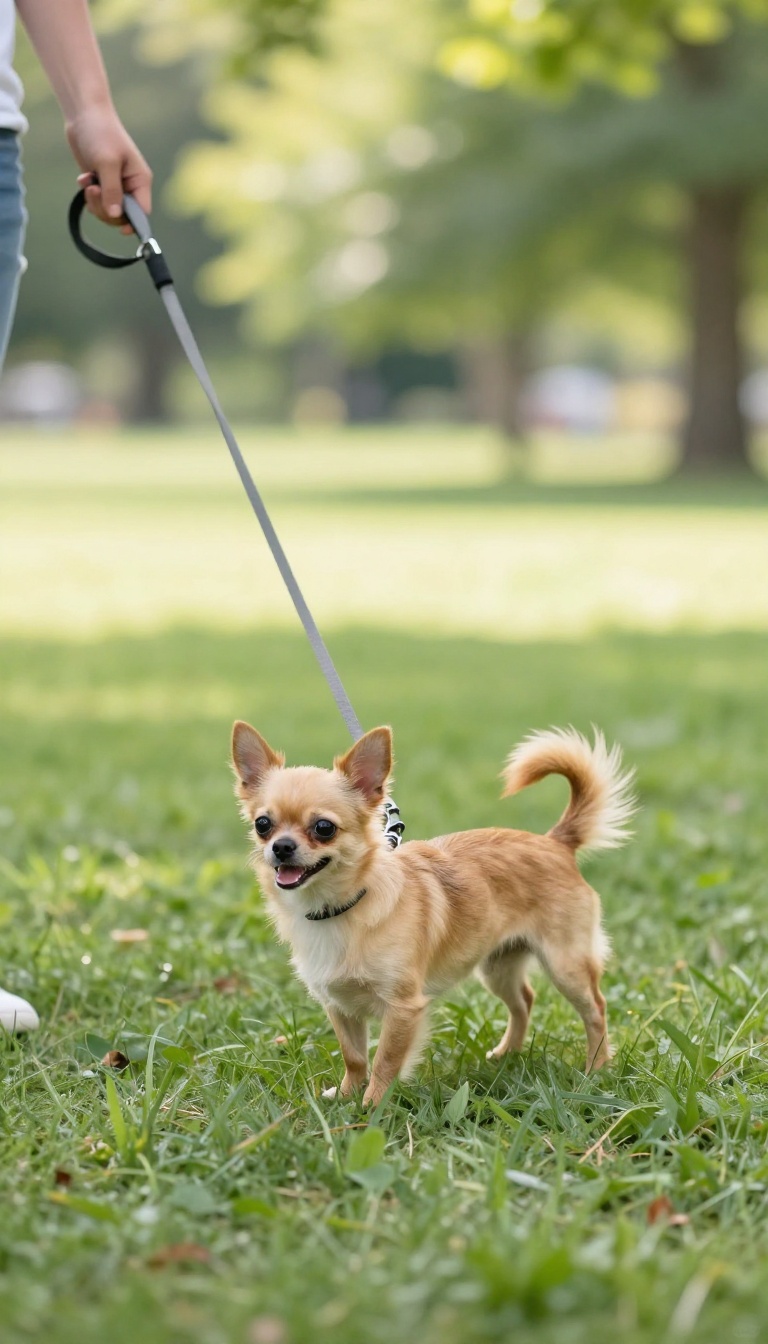
It's easy to scoop up a tiny pup and carry them everywhere, but that habit can backfire. When small dogs never touch the ground, they miss out on crucial experiences that build confidence and teach them how to navigate the world. Over time, this can lead to fearfulness, reactivity, and even aggression.
Letting your small dog walk on their own four paws is one of the simplest yet most powerful training decisions you can make. It signals that they are a capable dog, not a fragile accessory. Ground time lets them sniff, explore, and learn to cope with new sights and sounds, which builds a solid foundation for good behavior.
Why Ground Time Matters
When a small dog is constantly carried, they miss out on vital socialization. They don't learn how to approach other dogs, read body language, or handle unexpected noises. This lack of experience can make them anxious and prone to snapping or hiding.
Walking on the ground, even for short periods, exposes them to the real world in a controlled way, helping them become more adaptable and less fearful.
Start Small And Positive
If your pup is used to being carried, start by setting them down in safe, quiet areas for a few minutes each day. Use treats and praise to create positive associations with being on the ground. Gradually increase the time and introduce busier environments as their confidence grows.
Always keep the experience positive and end on a good note.
Balance Carrying And Walking
There's nothing wrong with carrying your dog sometimes—it's great for bonding and safety in crowded places. The key is balance. Let them walk when it's safe and appropriate, and carry them only when necessary.
This teaches them that being on the ground is normal and rewarding, not something to fear.
2. Rule #2: Start Socialization Early and Keep It Positive
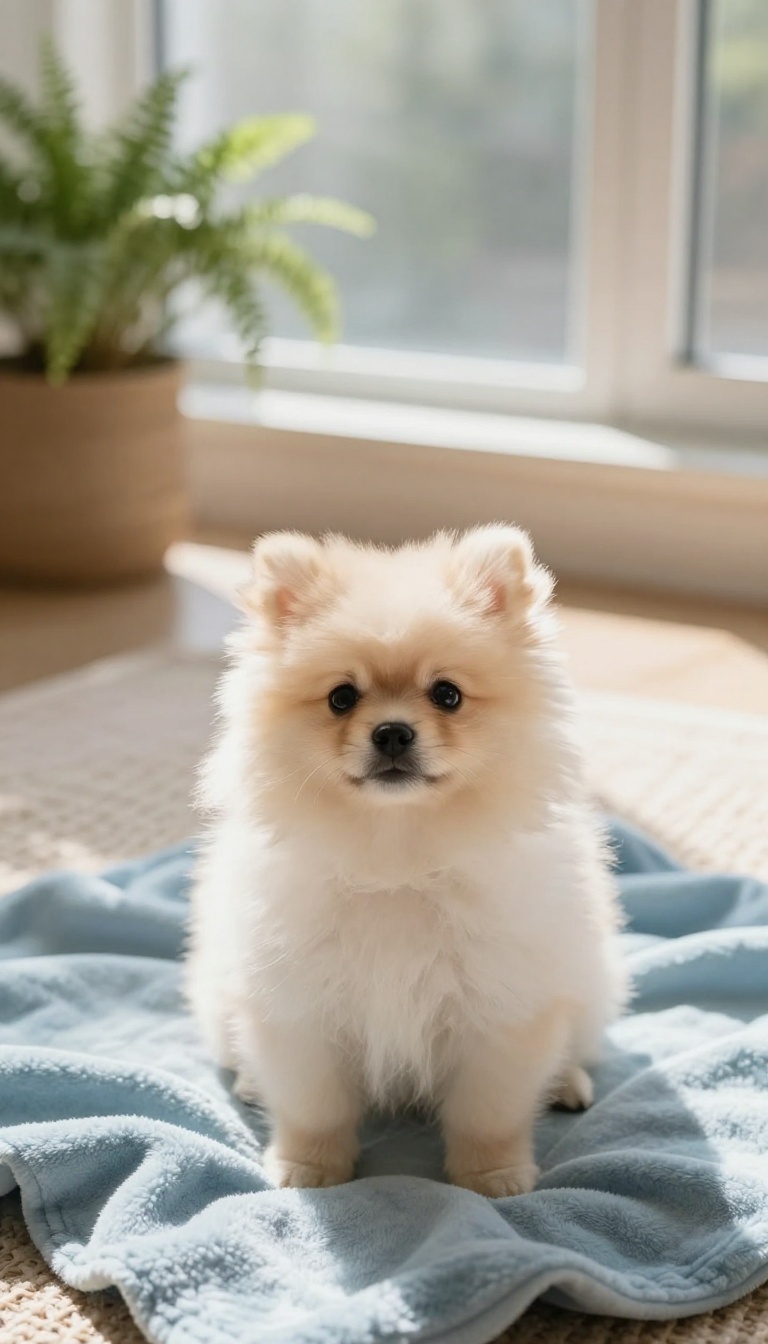
Tiny dogs often get a pass on socialization because they're so portable and cute. But that's exactly why it's so important to start early. Without a solid foundation, small dogs can become fearful or reactive, simply because the world feels overwhelming to them.
Socialization isn't about throwing your pup into every situation and hoping for the best. It's about carefully introducing them to new people, places, and experiences in a way that feels safe and rewarding. Done right, it builds a confident, happy companion who handles life's surprises with ease.
The critical window for socialization is between 3 and 14 weeks of age. During this time, puppies are most open to new experiences. But that doesn't mean older dogs can't learn too—it just takes more patience and positive reinforcement.
Focus on exposing your small dog to a variety of sights, sounds, and surfaces. Think about what they'll encounter in everyday life: other dogs, children, traffic, umbrellas, elevators, and different floor textures. Each positive encounter builds their confidence and reduces the chance of fear-based reactions later.
Remember, quality beats quantity. A few calm, happy introductions are far better than overwhelming your pup with too much at once. Always pair new experiences with treats, praise, or play to create a positive association.
The Golden Window: What To Prioritize
Between 3 and 14 weeks, your puppy's brain is like a sponge. That's the perfect time to introduce them to as many safe, positive experiences as possible. Prioritize meeting friendly, vaccinated dogs, gentle children, and a variety of adults.
Also expose them to common household noises like vacuum cleaners, doorbells, and kitchen appliances. Don't forget about handling. Gently touch their paws, ears, and mouth so they get used to being examined.
This makes vet visits and grooming much easier down the road. Keep each session short and upbeat, and always let your pup set the pace.
Puppy Classes: A Great Start
Enrolling in a puppy socialization class is one of the best investments you can make. These classes are designed to give your pup safe, structured interactions with other puppies and people. They also teach you how to read your dog's body language and respond appropriately.
Look for classes that use positive reinforcement and keep group sizes small. Avoid any that use harsh corrections or force. A good class will boost your pup's confidence and give you both a solid foundation for future training.
Handling Fearful Moments
Even with careful planning, your small dog might get scared sometimes. If that happens, don't force them to face the fear. Instead, calmly remove them from the situation and try again later with a lower intensity.
For example, if your pup is nervous around big dogs, start by watching them from a distance and reward calm behavior. Never punish fear. That only makes things worse.
Instead, use treats and praise to create positive associations. Over time, your dog will learn that scary things aren't so bad after all.
3. Rule #3: Use Positive Reinforcement, Not Fear
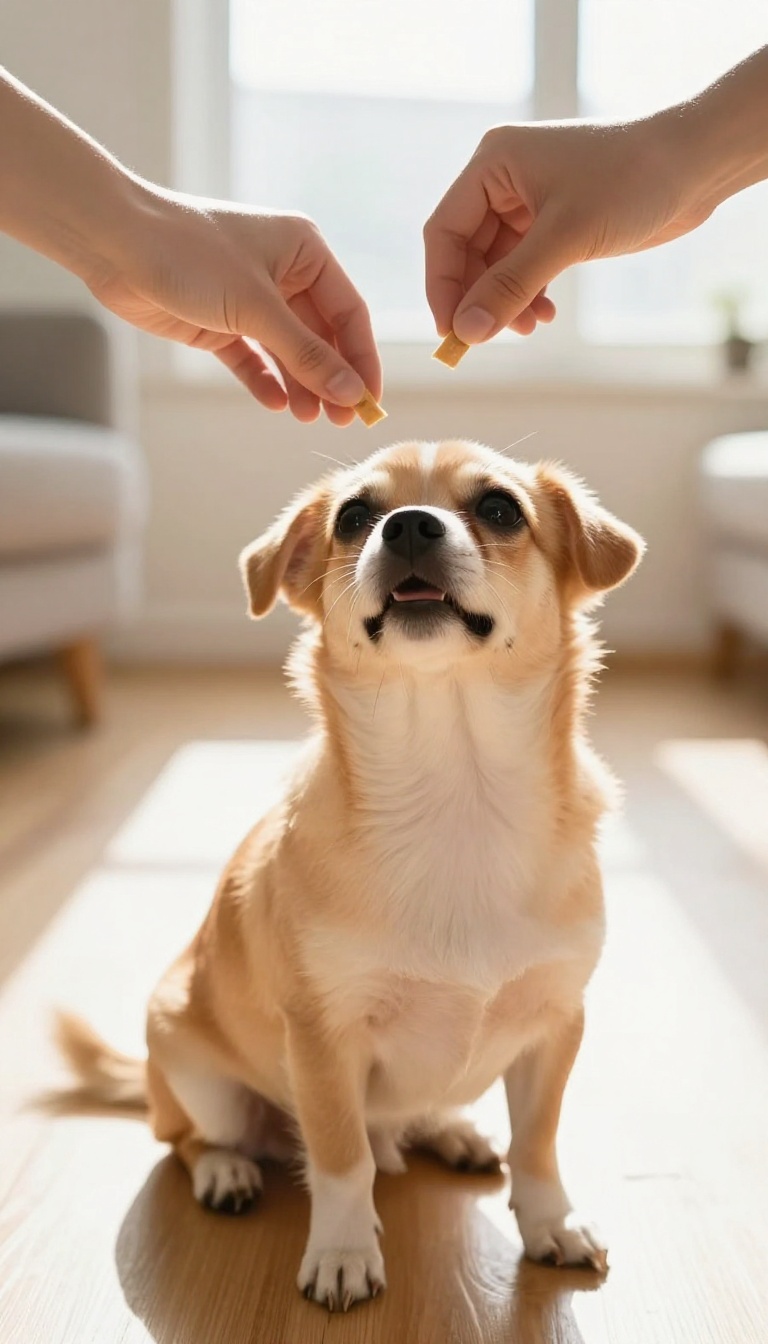
Small dogs are sensitive souls. When you raise your voice or use harsh corrections, they don't learn better behavior—they just get scared. Fear can lead to anxiety, defensiveness, and even aggression, which is the opposite of what you want.
Positive reinforcement flips the script. Instead of punishing mistakes, you reward the behaviors you want to see again. This builds trust and makes training feel like a game.
Your dog will be more eager to learn, and you'll both have more fun in the process.
Positive reinforcement means giving your dog something they love right after they do something right. That could be a tasty treat, a favorite toy, or a happy "Yes! " with a scratch behind the ears.
The key is timing: the reward must come within a second or two so your pup connects the action with the payoff. Avoid physical punishment, yelling, or using tools like shock collars. These create fear and can damage your bond.
Small dogs are especially prone to becoming anxious or defensive when scared, which can lead to snapping or hiding. Instead, focus on what you want them to do, and make it easy for them to succeed.
Why Fear Backfires With Small Breeds
Small dogs already live in a world where everything is bigger than them. When you add fear to the mix, they feel even more vulnerable. A scared dog doesn't have the mental space to learn.
They're in survival mode, which means they might freeze, flee, or fight. Harsh corrections can also teach your dog to associate you with bad things. That's a fast track to a nervous, distrustful pup.
Instead, you want to be the person who brings good news—treats, play, and safety. That's how you build a confident, happy companion.
How To Reward Good Behavior Effectively
The reward needs to be something your dog truly loves. For most pups, that's tiny, soft treats that you only use during training. Keep them extra special so your dog stays motivated.
You can also use a clicker to mark the exact moment they do the right thing, then follow with a treat. Be generous with praise, too. A cheerful "Good dog!
" or a quick belly rub can work wonders. The more consistent you are, the faster your dog will catch on. And remember: if your dog fails, it's not their fault.
Adjust the situation or your expectations, and try again.
Turning Mistakes Into Learning Opportunities
When your dog does something you don't like, don't punish—redirect. For example, if they jump on guests, calmly ask for a "sit" and reward that instead. If they bark at the door, call them to you and give a treat for coming.
This teaches them what to do, not just what not to do. Mistakes are part of training. If you lose your cool, just pause and take a breath.
Your dog is learning, and so are you. With patience and positivity, you'll both get there.
4. Rule #4: Be Consistent with Rules and Boundaries
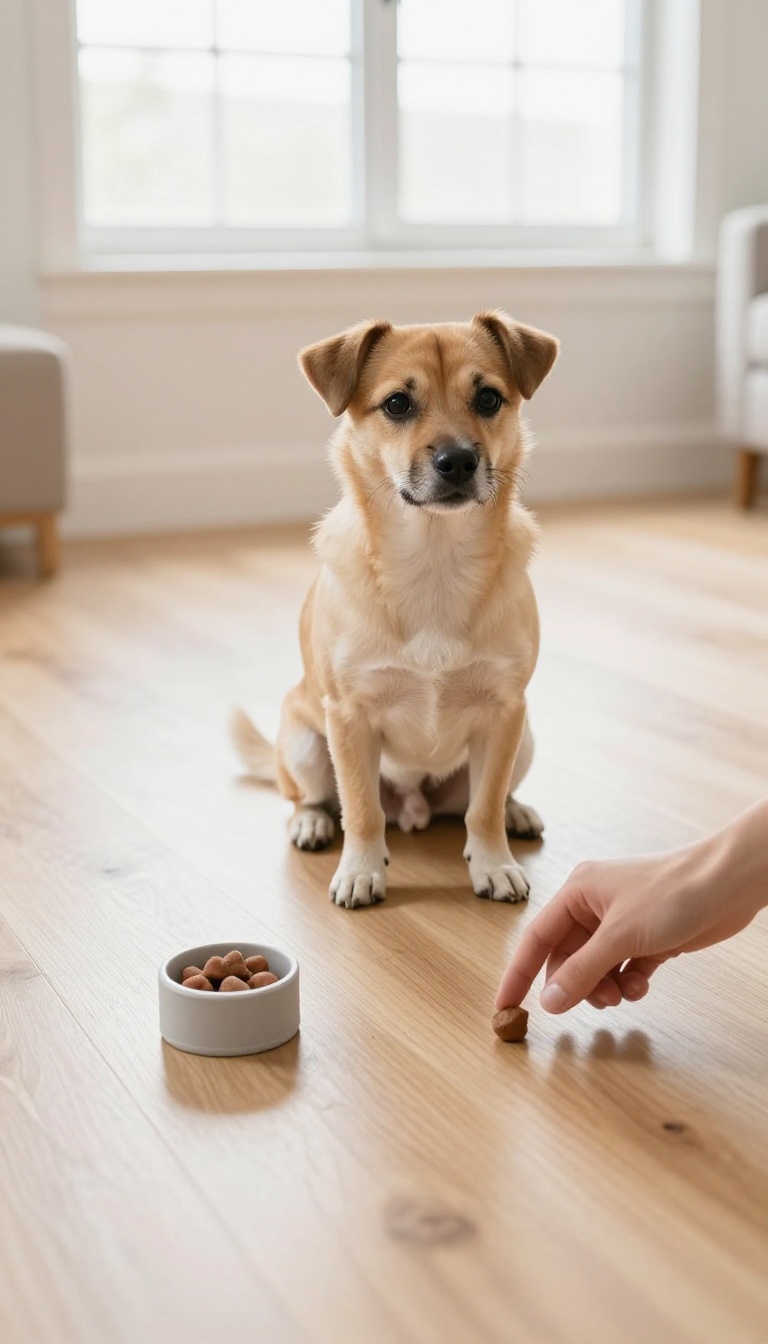
Consistency is the secret ingredient in dog training, especially for small breeds. If you let your pup on the couch sometimes but not others, they'll get confused. Mixed signals make it harder for them to learn what's expected.
Dogs thrive on routine and clear expectations. When rules change from day to day, your small dog can't figure out what's allowed. That confusion often leads to anxiety or stubborn behavior.
Consistency helps your pup feel secure and understand their place in your home.
Set Clear Rules From Day One
Decide what behaviors are okay and what aren't before you bring your pup home. Write them down if needed. For example, if you don't want your dog on the furniture, make that a rule from the start.
It's much easier to prevent a habit than to break one later.
Everyone In The Household Must Follow The Same Rules
If one person lets the dog on the bed and another doesn't, your pup gets mixed messages. Sit down with your family or roommates and agree on the rules. Consistency across all people helps your dog learn faster and reduces stress for everyone.
Use The Same Cues And Rewards
Use the same words and hand signals for commands like 'sit' or 'down. ' If you say 'off' when your dog jumps on the couch, don't switch to 'down' later. Also, make sure everyone rewards good behavior the same way, whether it's a treat or praise. This reinforces the right actions consistently.
5. Rule #5: Teach Bite Inhibition Early
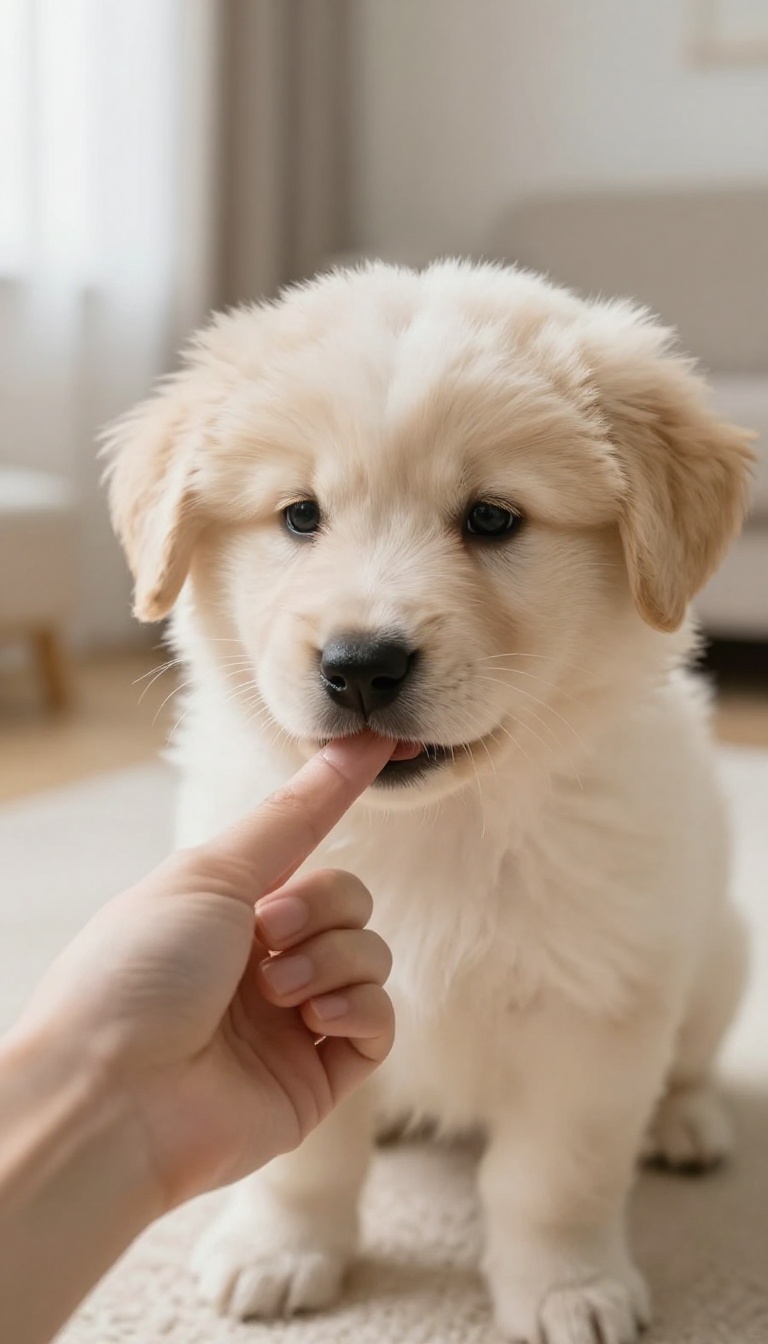
Those needle-sharp puppy teeth can be a real problem, especially when your small dog thinks your fingers are chew toys. Bite inhibition is the skill that teaches your pup to control the force of their bite, so even if they mouth you, it doesn't hurt. Starting early is key, but it's never too late to work on it.
This rule isn't about stopping all mouthing—it's about teaching your dog to be gentle.
When your puppy bites too hard, let out a high-pitched yelp, just like another puppy would. This startles them and signals that the bite was too rough. Then, immediately stop playing and turn away for a few seconds.
This time-out teaches them that rough play ends the fun. Consistency is crucial—everyone in the household must use the same signal. Over time, your pup learns to soften their bite to keep the game going.
If yelping doesn't work, try a calm but firm 'ouch' and then ignore them for a short time. The goal isn't to punish, but to communicate. With patience, your small dog will learn to use their mouth gently, making playtime safer for everyone.
Why Bite Inhibition Matters For Small Breeds
Small dogs often get away with mouthy behavior because it's less intimidating, but that doesn't make it okay. A nip from a Chihuahua can still break skin, and a habit of biting can lead to bigger problems as they age. Teaching bite inhibition early prevents accidental injuries and helps your dog understand boundaries.
It also builds trust—your dog learns that you're a source of gentle interaction, not a chew toy.
The Yelp-and-pause Method
This classic technique mimics how puppies learn from their littermates. When your dog bites too hard, let out a sharp yelp and then turn away, ignoring them for 10-20 seconds. This teaches them that rough play stops the fun.
Be consistent—use the same yelp every time. If your dog is overexcited, a brief time-out in a quiet room can help them calm down. Over time, they'll learn to control their jaw pressure.
Redirecting Mouthy Behavior
Sometimes puppies bite because they're teething or just want to play. Keep a variety of chew toys handy and redirect their attention whenever they start mouthing you. Offer a toy and praise them when they take it.
This teaches them what's appropriate to chew on. If they go back for your hand, repeat the yelp-and-pause. With patience, they'll learn that toys are for chewing, and people are for cuddling.
6. Rule #6: Manage Their Environment to Prevent Accidents
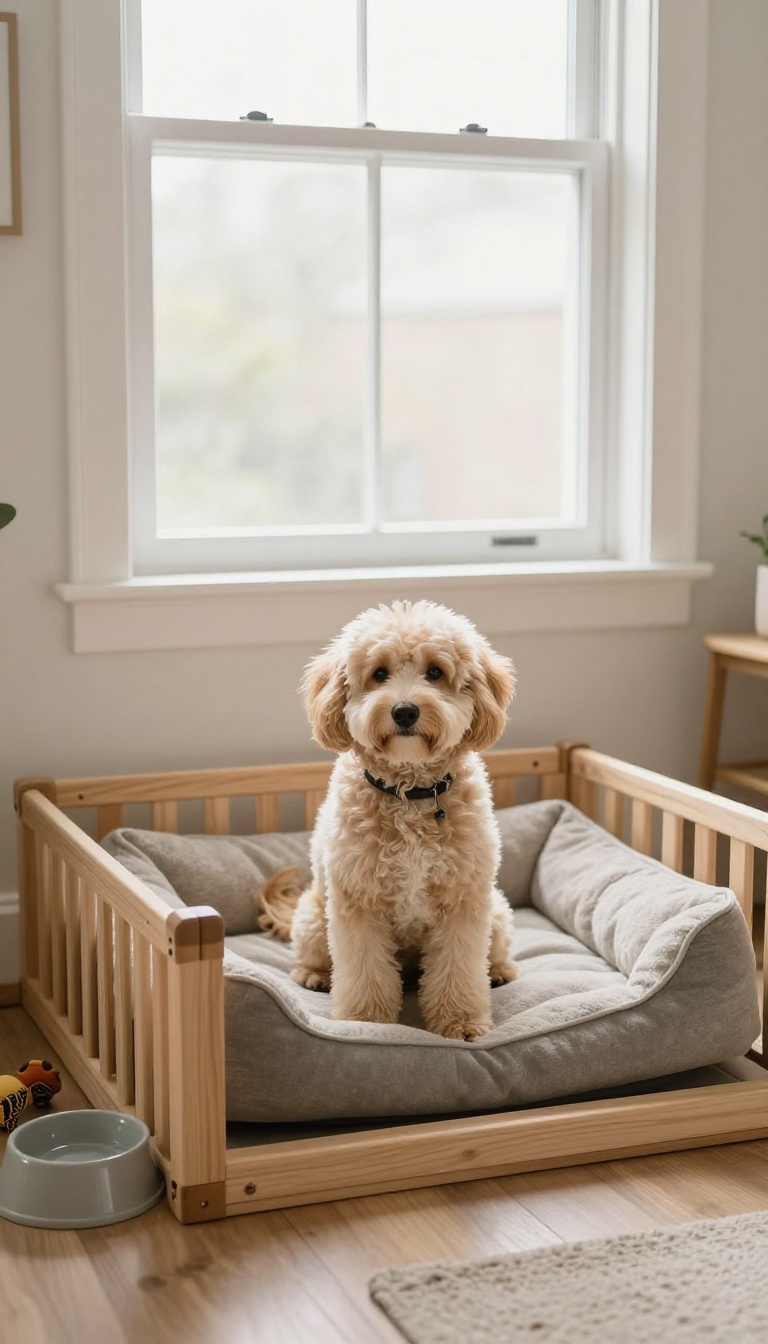
You can't watch your small dog every second, and you shouldn't have to. The secret to preventing accidents—whether that's puddles on the floor or chewed-up shoes—is setting up their space so success is the only option. A little planning goes a long way in building good habits.
Managing your dog's environment isn't about being controlling; it's about being smart. By using tools like baby gates, crates, and leashes, you can guide your pup toward good choices without constant correction. This proactive approach reduces stress for both of you and makes training feel effortless.
Use Baby Gates To Create Safe Zones
Baby gates are a lifesaver for small dog owners. They let you block off rooms where accidents are likely, like the kitchen or the home office. Set up a safe zone with their bed, water, and a few toys, and your pup will learn that this is their special space.
It's much easier to prevent a mess than to clean one up.
Crate Training For Peace Of Mind
Crates aren't punishment—they're a cozy den where your dog feels secure. When you can't supervise, pop them in the crate for a short time. This prevents accidents and destructive chewing while also helping with house training.
Just make sure the crate is the right size and that they get plenty of breaks.
Keep A Leash Handy For Indoor Supervision
A lightweight leash can be a great management tool indoors. Attach it to your dog's collar and let them drag it around under your watch. If you see them heading for trouble, you can gently redirect them before they make a mistake.
This works wonders for puppies who haven't mastered house rules yet.
7. Rule #7: Provide Plenty of Mental and Physical Exercise
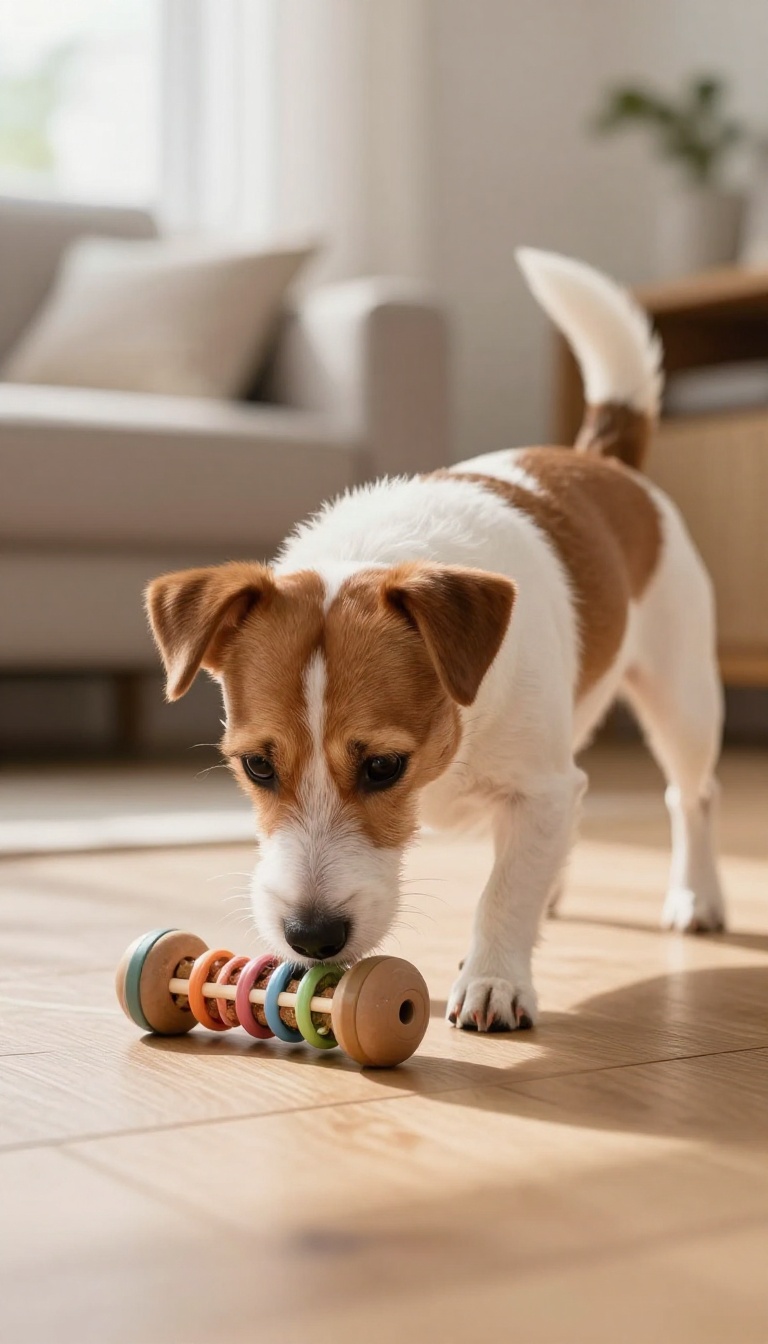
It's easy to assume that a tiny dog doesn't need much activity, but that's a mistake. Small breeds are often bursting with energy, and without an outlet, that energy can turn into barking, chewing, or other unwanted behaviors. Exercise isn't just about burning off steam—it's about keeping your pup's mind sharp and their body healthy.
Daily walks are a must, even for the smallest pups. A 20-minute stroll lets them explore the world through their nose, which is mentally tiring in a good way. But physical exercise alone isn't enough.
Puzzle toys, treat-dispensing balls, and training games provide mental challenges that wear them out just as effectively as a long run. When your small dog is both physically and mentally satisfied, they're far less likely to find trouble on their own.
Why Small Dogs Need More Than A Lap
Many small dogs are bred for companionship, but that doesn't mean they're couch potatoes. Breeds like terriers, dachshunds, and even toy poodles have high energy and intelligence. Without proper exercise, they can become anxious or bored, leading to excessive barking or destructive chewing.
Regular activity helps them stay calm and content, making training easier and your bond stronger.
Simple Ways To Add Mental Stimulation
You don't need a gym membership for your dog. Hide treats around the house for a fun scavenger hunt, or teach them a new trick using a clicker. Rotate their toys to keep things fresh, and try a puzzle feeder at mealtime.
These small additions to your routine can make a big difference in your dog's happiness and behavior.
Matching Exercise To Your Dog's Needs
Every small dog is different. A young Jack Russell will need more vigorous exercise than a senior Pomeranian. Pay attention to your dog's cues—if they're still bouncing after a walk, add a few minutes of fetch or a short training session.
If they're panting heavily, it's time to rest. The goal is to tire them out, not exhaust them.
8. Rule #8: Don't Skip Obedience Training Because They're Small
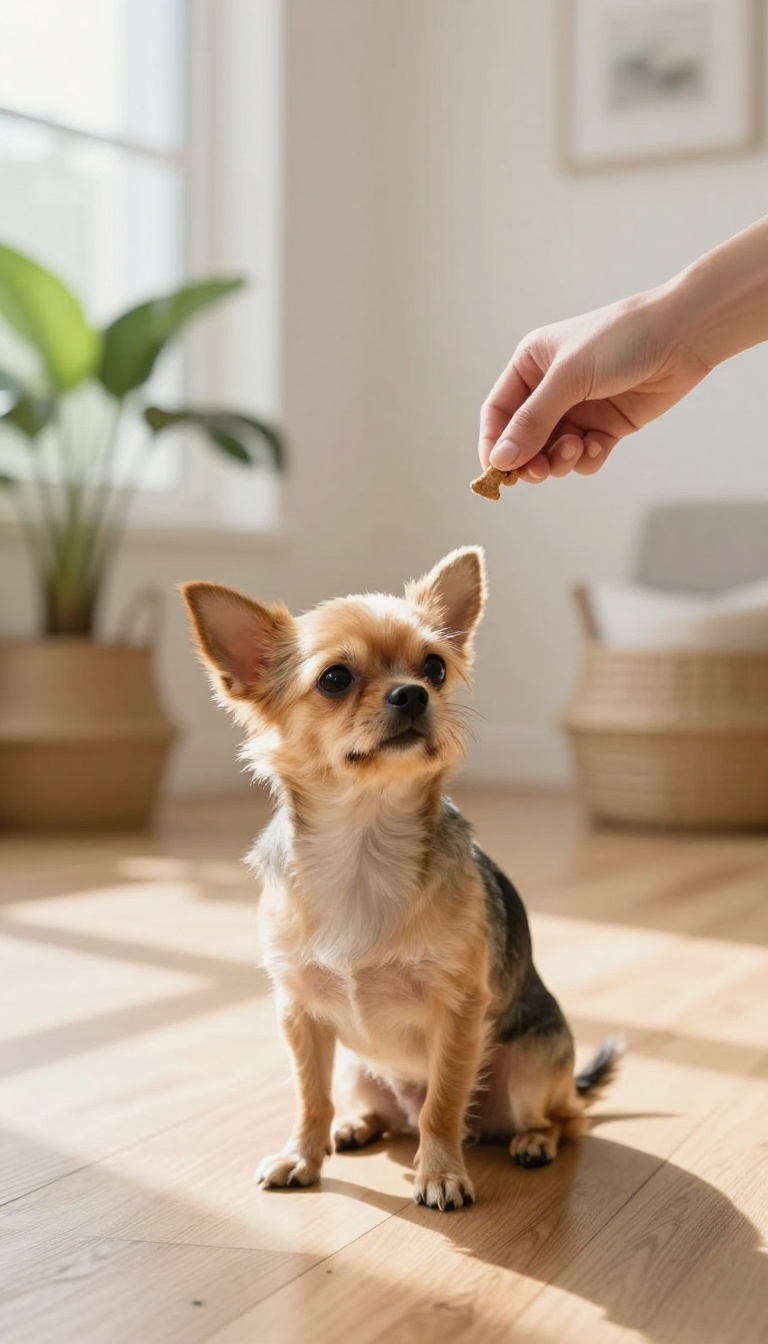
Somewhere along the way, a myth took hold that small dogs don't need formal obedience training. Maybe it's because they're easy to scoop up, or perhaps their antics seem harmless. But the truth is, basic commands are just as essential for a Chihuahua as they are for a German Shepherd.
Without them, you're missing a key layer of safety and convenience.
Teaching your small dog commands like sit, stay, and come isn't about being a drill sergeant. It's about giving them a clear way to understand what you expect. These cues can prevent them from darting out the door, lunging at a passing squirrel, or bothering a guest.
Plus, a well-trained small dog is often more welcome in public places, which means more adventures for both of you.
Safety First: Why 'come' Is Non-negotiable
A reliable recall is a lifesaver, literally. Even if your small dog is usually glued to your side, something exciting can grab their attention. If they slip their collar or squeeze through a gate, a solid 'come' command can stop them before they run into the street or get lost.
Practice in safe, enclosed areas and reward generously so they always associate coming to you with something great.
Everyday Manners: Sit, Stay, And Down
Small dogs are often carried or held, but they still need to know how to behave on the ground. 'Sit' is a polite way to greet people without jumping up. 'Stay' helps when you're opening the door or preparing their meal. 'Down' is useful for settling on a mat at a café or when you need them calm during grooming. These commands build impulse control, which makes life smoother for everyone.
Training Builds Confidence, Not Fear
Some owners worry that training will make their small dog timid or stressed. But done right, it actually boosts their confidence. When your dog understands what you're asking, they feel more secure because they can predict what happens next.
Use positive reinforcement—treats, praise, and play—to create a happy learning experience. You're not forcing them; you're teaching them a language that strengthens your bond.
9. Rule #9: Address Resource Guarding Immediately
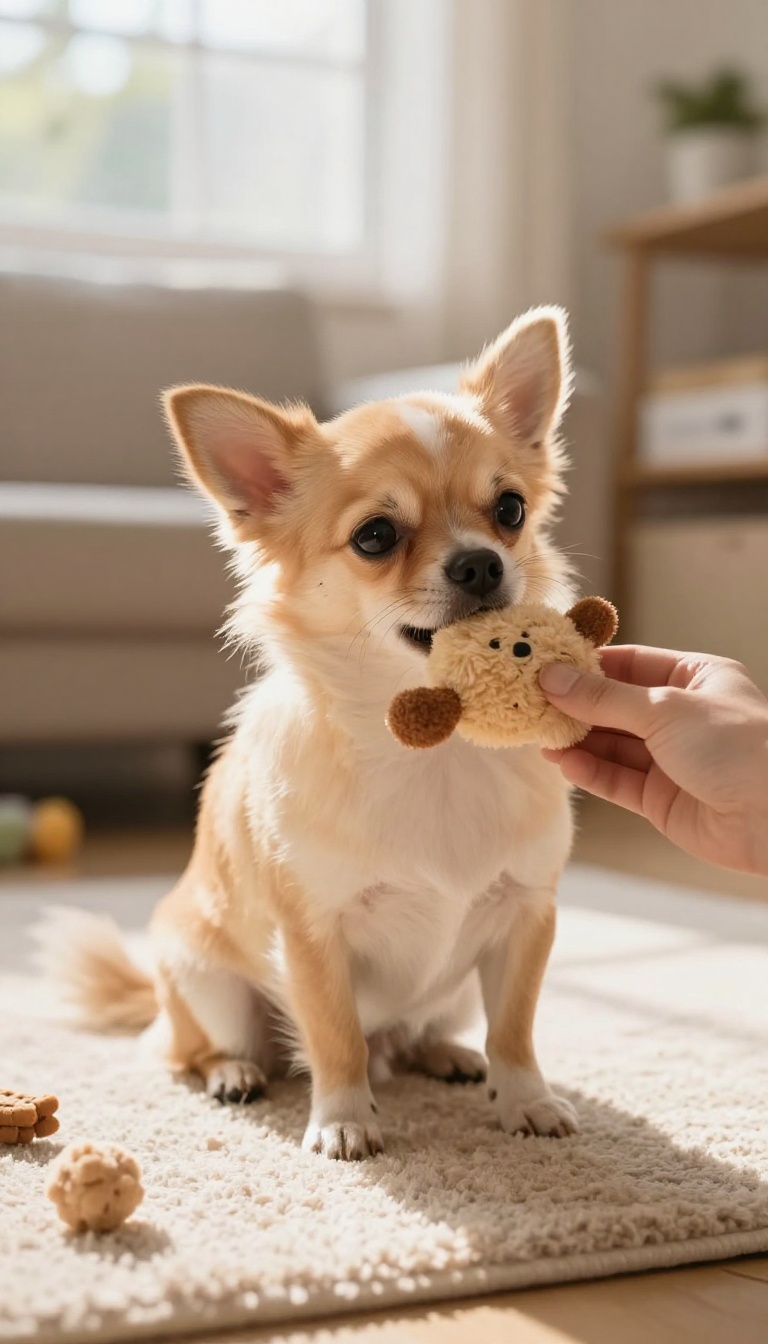
Resource guarding might seem scary, but it's a common behavior in small dogs. When your pup growls over a treat or toy, it's their way of saying, 'This is mine! ' Ignoring it can lead to bigger problems, like snapping or biting. The good news is you can turn this around with a simple training technique.
Resource guarding is when a dog protects something they value, like food, toys, or even a favorite spot. For small dogs, this can be a survival instinct, but in a home, it's unnecessary and risky. The key is to teach your dog that your approach means good things happen, not that they'll lose their treasure.
Start by trading up: offer a high-value treat in exchange for the item they're guarding. This shows them that giving things up leads to even better rewards. Over time, they'll learn to relax and even welcome your presence near their stuff.
Why Small Dogs Guard
Small dogs often guard because they feel vulnerable. Their size makes them feel like they need to protect their resources. It's not about being aggressive; it's about feeling insecure.
Recognizing this can help you respond with patience instead of punishment.
The Trade-up Game
The trade-up game is simple. When your dog has something they shouldn't, offer a treat they love even more. Say 'drop it' in a cheerful voice and show the treat.
As soon as they release the item, give them the treat and praise. This teaches them that giving things up is a win-win.
When To Seek Help
If your dog's guarding is severe, like growling or snapping even when you're far away, it's best to consult a professional trainer. They can help you safely modify the behavior. Never punish a dog for growling, as that can escalate to biting without warning.
10. Rule #10: Avoid Picking Them Up Too Often
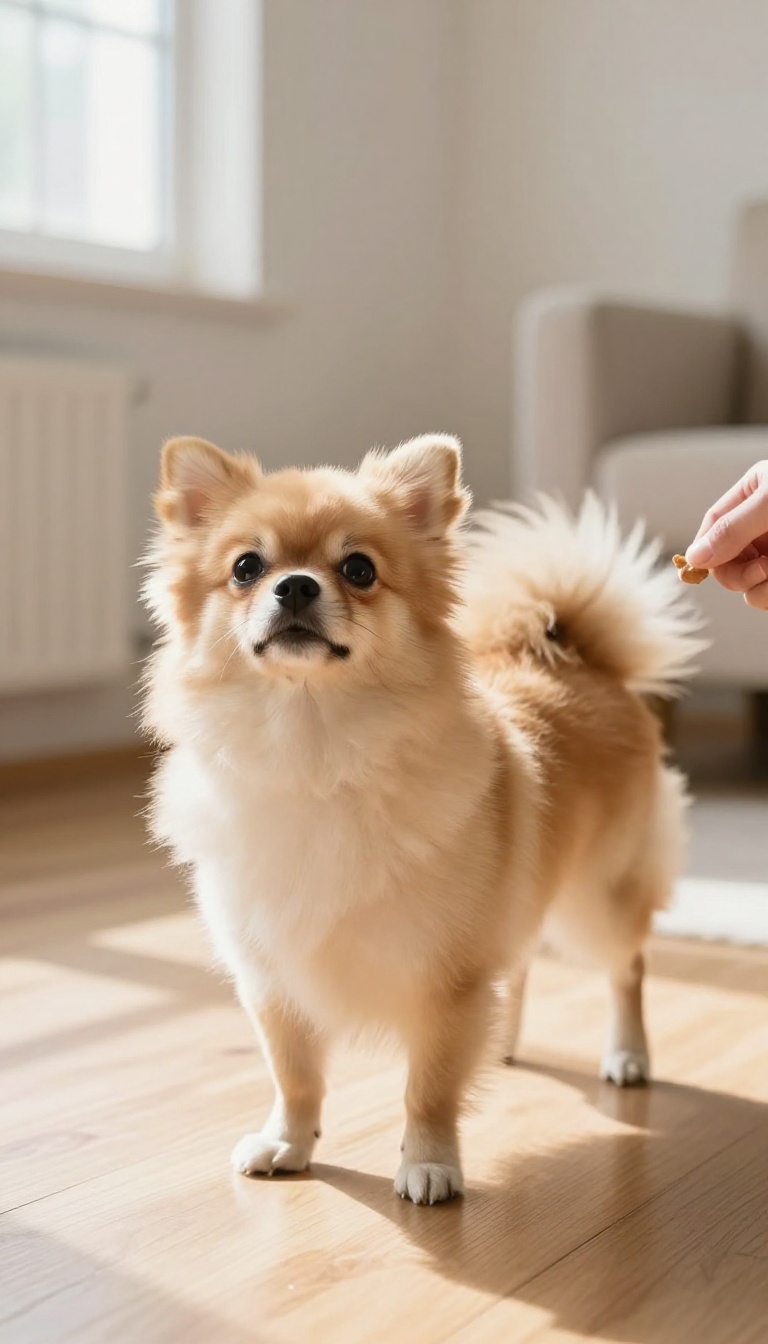
It's tempting to scoop up your tiny companion whenever they seem tired, scared, or just plain cute. But every time you do, you're teaching them that being carried is the norm. That can backfire in a big way.
When you constantly carry your small dog, they miss out on crucial chances to build confidence and learn how to navigate the world on their own four paws. Over time, they may become clingy, anxious, and even reactive when they're not in your arms. The fix isn't to never pick them up—it's to be more mindful about when and why you do.
Why Carrying Too Much Backfires
Small dogs are already at a disadvantage when it comes to feeling secure in a world full of giants. If you always swoop in to save them from unfamiliar situations, they never learn to cope. They start to believe that being on the ground is dangerous, which fuels anxiety and over-dependence.
That can lead to excessive barking, trembling, or even snapping when they feel cornered.
Encourage Ground Time
Give your pup plenty of opportunities to walk, sniff, and explore on their own. Start in safe, quiet environments and gradually introduce busier places. Let them approach new things at their own pace.
Reward calm, curious behavior with treats and praise. You're not abandoning them—you're giving them the gift of self-assurance.
When Picking Up Is Okay
There are times when carrying is necessary—like crossing a busy street, navigating a crowded elevator, or keeping them safe from an off-leash dog. The key is to make those moments quick and purposeful, not the default. After you set them down, give them a chance to walk again.
Over time, they'll learn that being held is just a short detour, not a permanent state.
11. Rule #11: Socialize with Other Dogs of All Sizes
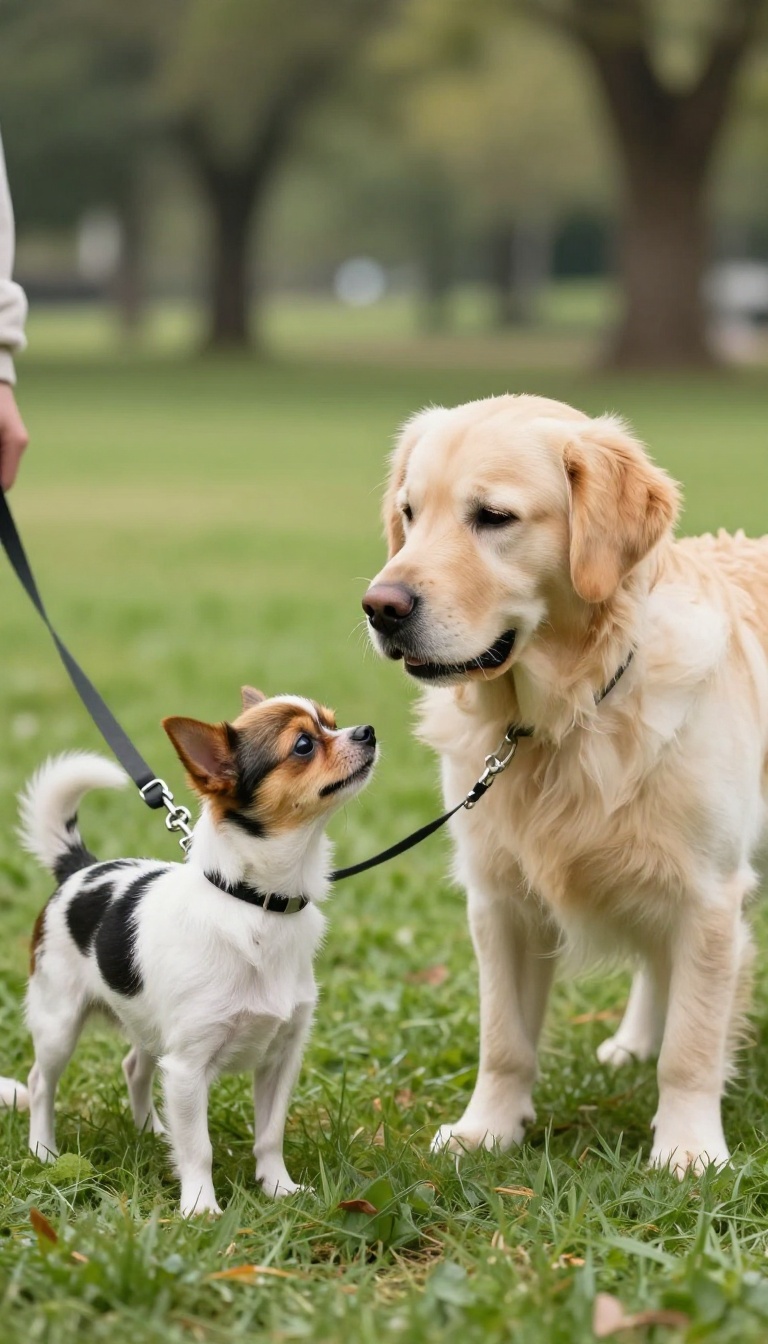
A common mistake is letting small dogs interact only with other small dogs. That feels safe, but it can backfire. When a tiny pup never meets larger breeds, they may become nervous or reactive around them later.
Controlled, positive meetings with big dogs teach your small companion that size isn't scary. It builds confidence and prevents fear-based aggression, which is a big win for everyone involved.
Socializing your small dog with larger dogs isn't about throwing them into a chaotic dog park. It's about creating deliberate, safe encounters that build positive associations. Start with calm, well-mannered big dogs and keep sessions short.
Watch your pup's body language for signs of stress, and always let them approach at their own pace. This exposure helps your small dog learn to read social cues from bigger breeds, which is crucial for avoiding misunderstandings. A well-socialized small dog is less likely to snap or growl out of fear, making walks and trips to the vet much easier.
Start With Calm, Leashed Introductions
Begin in a neutral space like a quiet park or a friend's backyard. Keep both dogs on leashes and allow them to sniff each other briefly. If either dog seems tense, calmly end the session and try again later.
The goal is a relaxed, positive experience, not a forced interaction.
Watch For Fear And Stress Signals
Learn to read your small dog's body language. Signs like tucked tail, flattened ears, or excessive yawning mean they're uncomfortable. If you see these, create distance and give them a treat for staying calm.
Never punish fear; it only makes it worse.
Use Treats To Build Positive Associations
During introductions, give your small dog high-value treats whenever they remain calm around a larger dog. This helps them link big dogs with good things. Over time, they'll start to feel more relaxed and even excited to meet new canine friends.
Gradually Increase Exposure
Once your small dog is comfortable with one or two big dogs, slowly introduce them to different breeds and sizes. Keep sessions short and positive. This gradual approach prevents overwhelm and builds lasting confidence.
12. Rule #12: Use a Harness Instead of a Collar
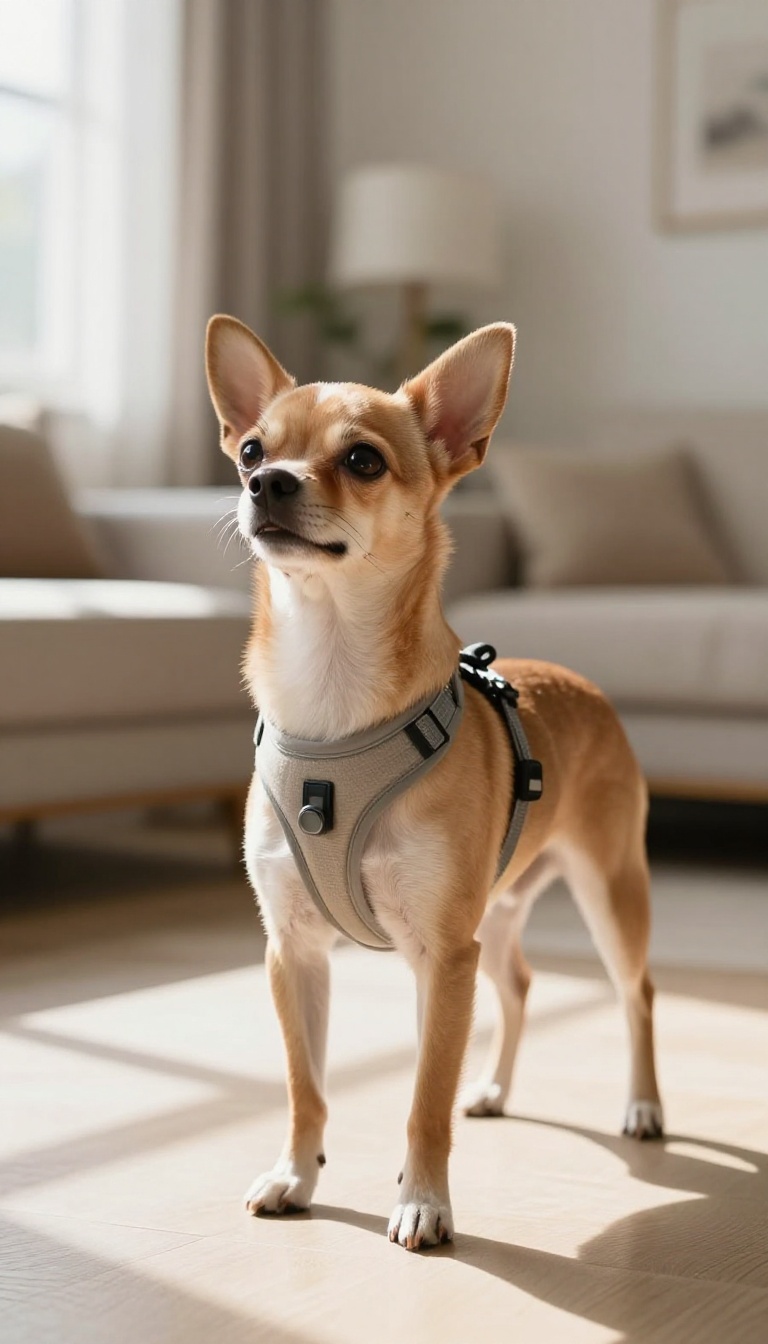
When you're training a small dog, the gear you use matters just as much as the commands you teach. A collar might seem standard, but for tiny breeds, it can do more harm than good. Their necks are delicate, and even gentle pulling can cause injury or long-term health issues.
Switching to a harness gives you better control without putting pressure on their throat. It also makes walks more comfortable for your pup, so they're more willing to focus on learning. This simple change can prevent a host of problems down the road.
A harness distributes pressure across your dog's chest and back, reducing strain on the neck. This is especially important for small dogs, who are prone to tracheal collapse and other neck injuries. With a harness, you can guide your dog gently without yanking on their neck, which makes training sessions safer and more pleasant.
Additionally, a harness gives you more control over your dog's movements. If your small dog tends to lunge or pull, a harness lets you redirect them without causing pain. This makes it easier to teach loose-leash walking and other obedience skills.
Why Collars Are Risky For Small Dogs
A collar puts all the pressure on your dog's neck, which can be dangerous for small breeds. Their tracheas are narrow and fragile, and any sudden jerk can cause injury. Even normal pulling can lead to coughing, breathing problems, or even a collapsed trachea.
By switching to a harness, you eliminate that risk entirely and keep your pup safe during training.
Better Control For Training
With a harness, you have more leverage and control over your dog's body. This is especially helpful when teaching commands like 'heel' or 'leave it. ' You can gently guide your dog's movement without causing discomfort, which makes training more effective. Plus, a harness prevents your dog from slipping out of their collar, a common issue with small dogs that have narrow heads.
Choosing The Right Harness
Not all harnesses are created equal. Look for a front-clip harness, which discourages pulling by turning your dog to the side when they tug. Make sure it fits snugly but not too tight, with room for two fingers between the harness and your dog's body.
A well-fitted harness will be comfortable and secure, so your dog can focus on learning rather than adjusting to an ill-fitting piece of gear.
13. Rule #13: Be Patient and Keep Training Sessions Short
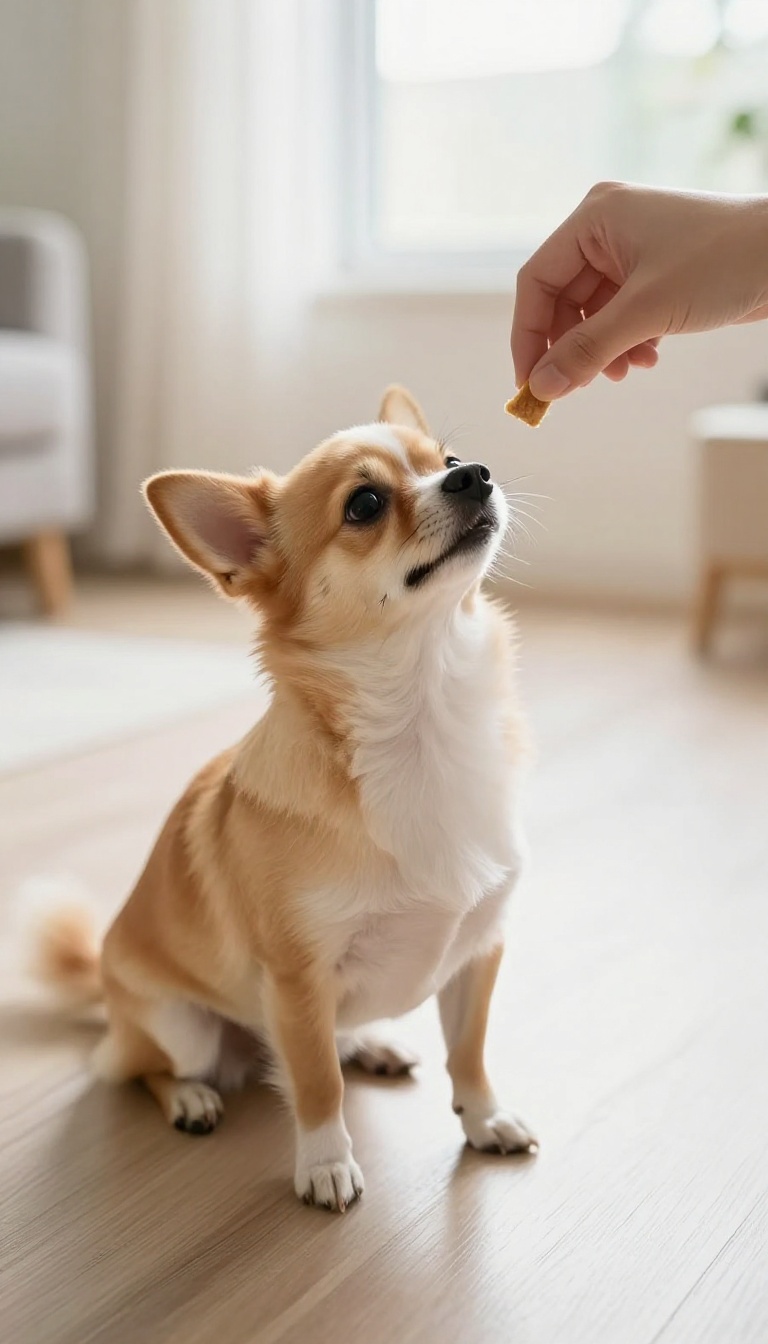
Training a small dog can feel like a marathon, but it shouldn't be. Their attention spans are tiny, and forcing long sessions only leads to frustration for both of you. The secret is to keep things brief and always end on a win.
When you respect your dog's limits, they'll actually look forward to learning. Short, focused bursts of training build trust and make every session count. Here's how to make the most of those precious minutes.
Small dogs are smart, but they're also easily distracted. A five-minute session can accomplish more than a twenty-minute drill if you keep it positive and engaging. The goal is to leave your pup wanting more, not dreading the next session.
Why Short Sessions Work Better
Think of training like a game of fetch—short, energetic throws are more fun than a long, tiring toss. Dogs learn best in short, repeated bursts, especially when they're young. A 5-10 minute window keeps their brain sharp and their tail wagging.
If you push past that, you'll see signs of boredom or stress, like yawning or looking away. That's your cue to stop.
How To Structure A Mini-session
Start with a warm-up command they already know, like 'sit' or 'down. ' Then introduce one new trick or behavior. Keep it simple and break it into tiny steps. Use high-value treats and plenty of praise.
After a few successful reps, wrap up with a fun game or a quick 'good boy' and let them go. This way, they associate training with good things.
Ending On A High Note
Always finish before your dog loses interest. If you end mid-success, they'll remember that feeling of winning. That positive memory makes them eager to come back for more.
If you end on a failure, they'll start to dread training. So pick an easy command they love, give them a jackpot reward, and call it a day.
FAQ
At what age should I start training my small dog?
Start training as soon as you bring your puppy home, usually around 8 weeks old. Early socialization and basic commands are key to preventing behavior problems.
How do I stop my small dog from barking excessively?
Identify the trigger and desensitize your dog gradually. Reward quiet behavior and provide plenty of exercise and mental stimulation to reduce boredom barking.
Can small dogs be crate trained?
Absolutely. Crate training gives small dogs a safe den and helps with housebreaking and preventing destructive behaviors when you're away.
What should I do if my small dog shows aggression?
Consult a professional trainer or behaviorist. Avoid punishment, which can worsen aggression, and work on positive reinforcement techniques to build trust.
How much exercise does a small dog need?
Most small dogs need at least 30 minutes of exercise daily, but it varies by breed. Combine walks with playtime and mental challenges for a well-rounded routine.
Conclusion
Small dogs may be tiny, but their habits can grow into big headaches if left unchecked. The good news is that most problems are preventable with a few simple, consistent rules. Pick one or two tips from this list that fit your pup's personality and your daily routine.
Stick with them for a couple of weeks, and you'll likely see calmer behavior and fewer surprises. Training a small dog isn't about being strict—it's about clear communication and rewarding the choices you want to see again. Start small, stay patient, and celebrate the little wins.

I’m Pallab Kishore, the owner of Little Pets Realm — an animal lover and pet care enthusiast sharing easy tips, healthy recipes, and honest advice to help every small pet live a happy, healthy, tail-wagging life.