
Leaving your dog home alone doesn't have to mean stress for either of you. With a little planning, you can turn those hours into a calm, positive experience that builds your pup's confidence.
The key is starting small and using gentle routines that feel natural, not like boot camp. These ten strategies focus on comfort, mental stimulation, and gradual adjustments, so your dog learns to relax on their own.
Whether you're dealing with separation anxiety or just want to make solo time easier, these tips will help you both breathe easier.
1. Start with Short Departures
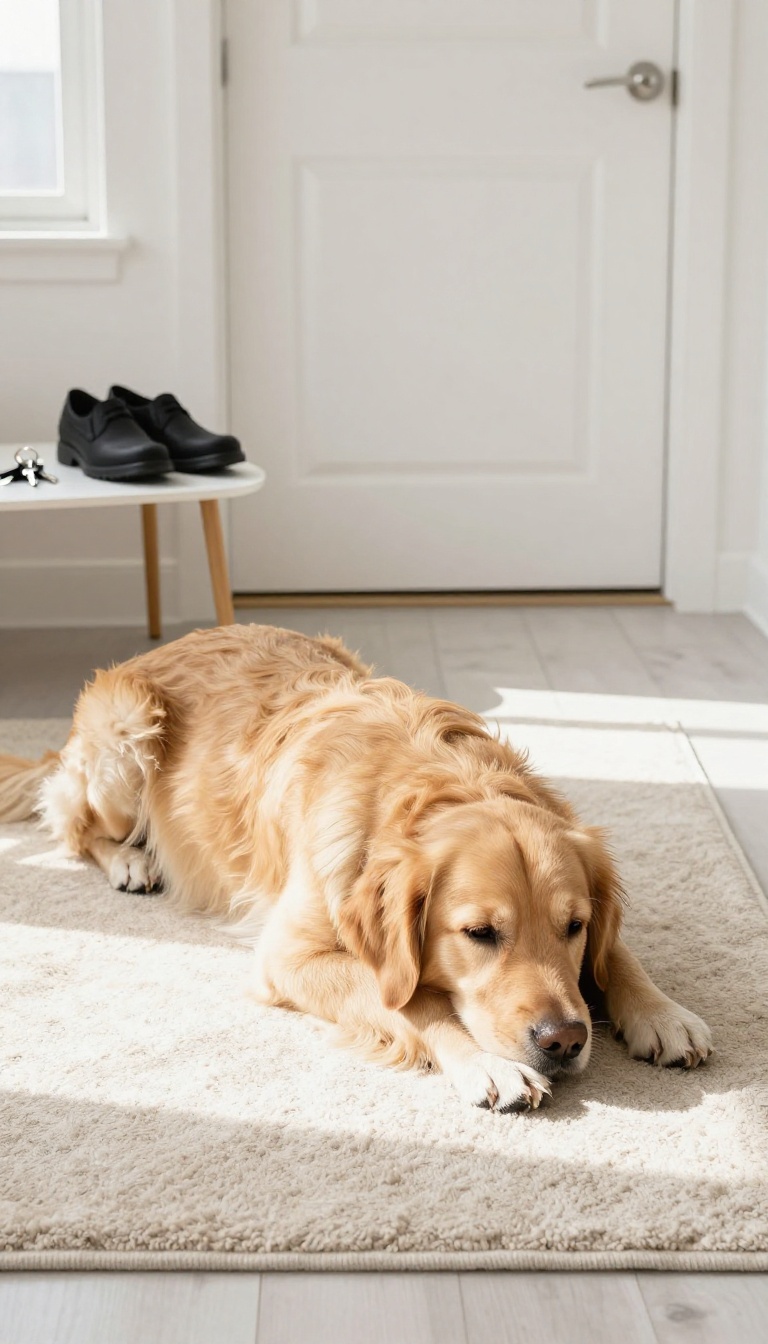
The first step to helping your dog feel okay alone is making alone time feel like no big deal. That means practicing tiny departures that are so quick your pup barely notices you're gone. These mini sessions teach your dog that you always come back, which builds a solid foundation of trust.
Start by picking a calm moment when your dog is relaxed, maybe after a walk or a meal. Then, grab your keys, put on your shoes, and walk out the door for just a few seconds. Come back in before your dog has a chance to get anxious.
Repeat this several times, gradually stretching the time to a minute, then five, then ten. The goal is to keep each session under your dog's stress threshold, so they learn that being alone is boring, not scary.
Use A Calm Cue
Before you leave, say a simple phrase like 'I'll be back' in a cheerful, relaxed tone. Use the same cue every time. This becomes a signal that your departure is temporary, and it helps your dog stay calm because they know what to expect.
Pair it with a small treat or a favorite toy to create a positive association.
Keep Goodbyes Low-key
Avoid making a big fuss when you leave or return. If you act like it's a huge deal, your dog will think it is. Instead, slip out quietly and greet your dog calmly when you come back.
This teaches them that coming and going is just a normal part of the day, not an emotional event.
Track Your Progress
Keep a simple log of how long you're leaving your dog each time. Start with 10-second absences and add 5-10 seconds every few sessions. If your dog shows signs of stress, like panting or pacing, drop back to a shorter time.
Consistency and patience are key—this isn't a race.
2. Create a Cozy Safe Space
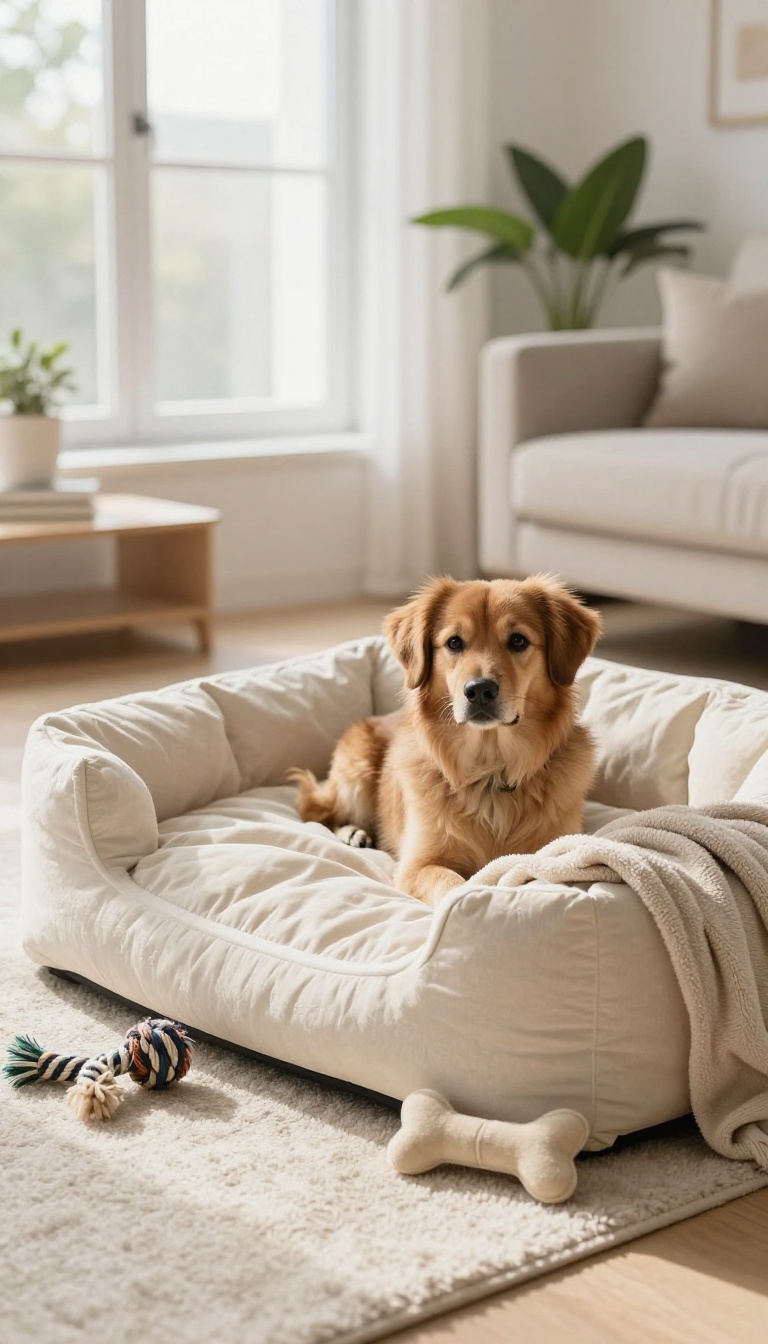
Dogs are den animals at heart, so having a dedicated spot that feels like their own can do wonders for their confidence when you're out. A cozy safe space isn't just a luxury—it's a practical tool that helps your pup self-soothe. By making this area inviting and consistent, you're giving them a clear cue that alone time is okay.
Start by picking a low-traffic corner of your home where your dog already likes to nap. Place their bed or a soft blanket there, along with a couple of favorite toys. Adding a worn t-shirt of yours can be a powerful comfort because your scent reassures them.
Keep the space consistent—don't move it around—so your dog learns to associate that spot with safety and calm.
Choosing The Right Spot
Look for a place that's quiet but not completely isolated. A corner of the living room or a spot near a window (without direct sun) works well. Avoid high-traffic areas like hallways or near the front door, where your dog might get anxious watching you leave.
The goal is a retreat, not a confinement.
Making It Inviting
Add layers of softness—a plush bed, a fleece blanket, or even a crate with the door left open. Toss in a puzzle toy stuffed with treats to keep them busy. The more positive associations you build, the more your dog will seek out this spot on their own.
You can also play calming music or leave a white noise machine nearby to muffle outside sounds.
Building The Routine
Introduce the space gradually. Toss treats near it during the day, and feed your dog their meals there. When you're home, encourage them to settle in it with a chew or a stuffed Kong.
Over time, they'll start to choose that spot naturally. The goal is to make it their go-to place, not a punishment zone.
3. Use Interactive Puzzle Toys
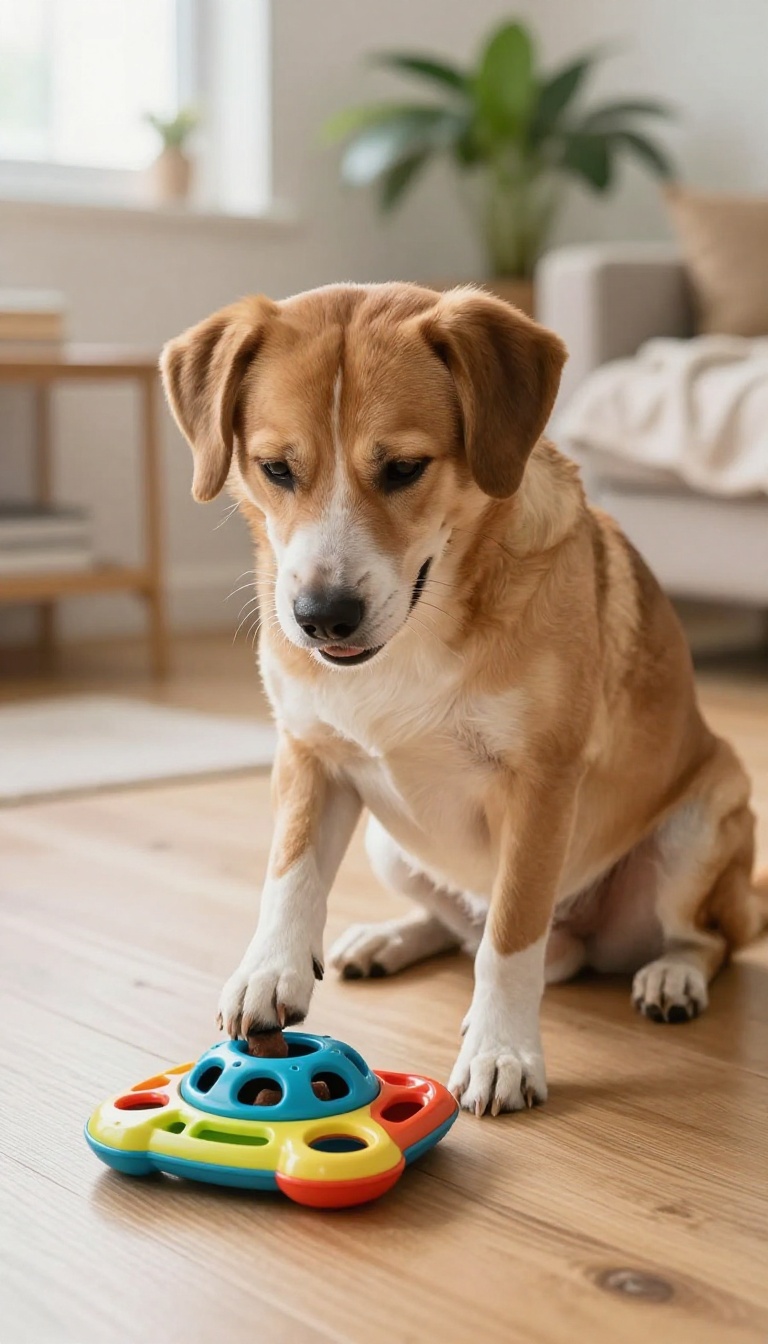
Puzzle toys are a game-changer for dogs who need a little distraction when you head out. Instead of just leaving a bowl of food, you can turn mealtime into a fun challenge that keeps their brain busy while you're away. The best part?
It creates a positive link between your departure and something they enjoy, so they start to see your leaving as a good thing.
When you're gone, your dog's mind can start to wander, and that's when anxiety often creeps in. An interactive puzzle toy gives them a job to do, which redirects their energy into something productive. It's not just about keeping them occupied—it's about giving them a sense of accomplishment.
Plus, the mental workout can actually tire them out more than a long walk, leaving them calm and content when you return.
Start Simple To Build Confidence
Don't hand your dog a super complex puzzle right off the bat. Start with an easy one, like a treat-dispensing ball or a simple sliding puzzle, so they get the hang of it. Show them how it works a few times while you're still home, then let them try it on their own.
This builds their confidence and makes the toy a familiar, comforting item rather than a frustrating challenge.
Make It A Special Occasion
Reserve puzzle toys for times when you're leaving, so they become a special treat. Your dog will start to associate your departure with something exciting, not scary. Fill the toy with something high-value, like peanut butter or small pieces of chicken, and only give it right before you walk out the door.
Over time, they'll look forward to seeing you grab that toy.
Rotate Toys To Keep It Fresh
Dogs get bored with the same toy just like we do. Keep a few different puzzle toys and rotate them so your pup doesn't lose interest. You can also vary the treats inside to add an element of surprise.
A new toy or a different filling can reignite their curiosity and keep them engaged for longer stretches of alone time.
4. Practice Calm Departures and Arrivals
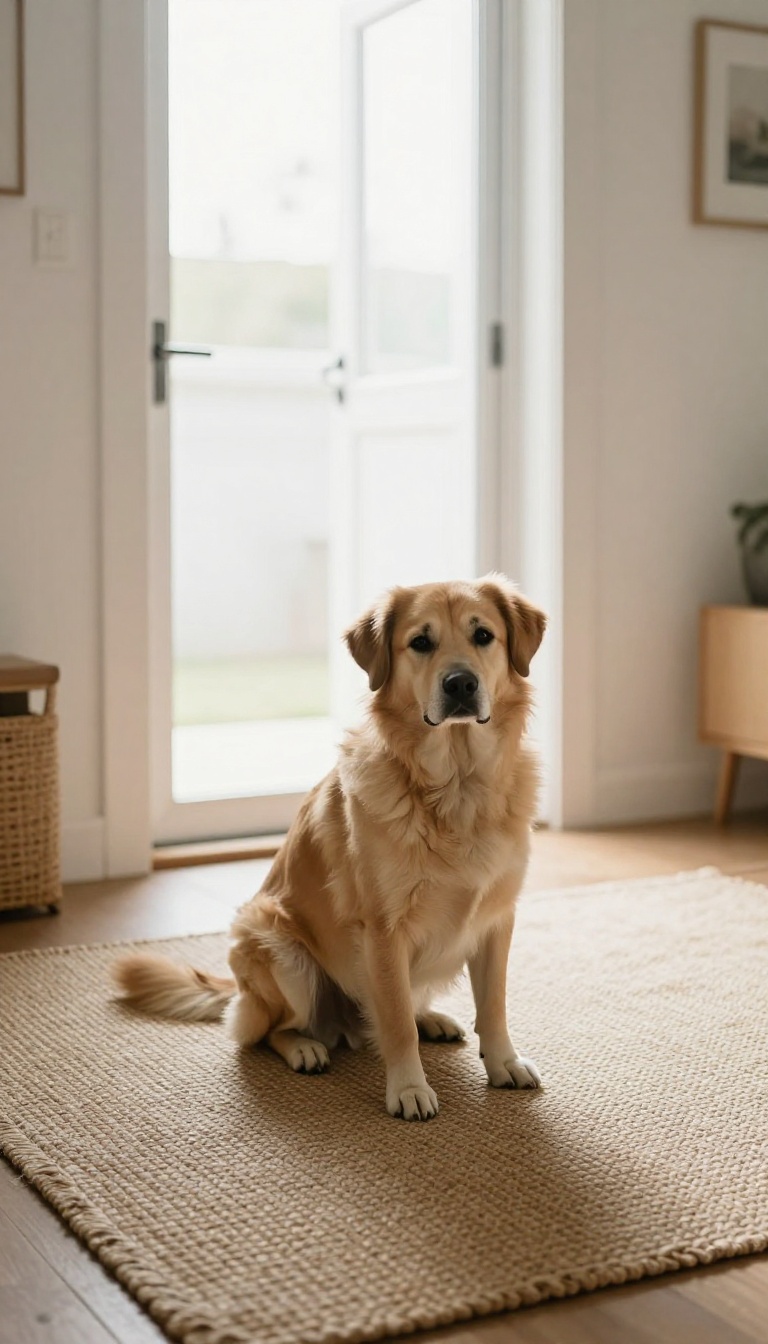
The way you say goodbye and hello can set the tone for your dog's entire alone time. If you make a big production out of leaving, your dog learns to dread it. But when you keep things low-key, you send a clear message: coming and going is just a normal part of the day.
Start by changing your pre-departure routine. Instead of fussing over your dog or speaking in a high-pitched voice, act like you're just stepping out to grab the mail. Grab your keys, put on your shoes, and head out without a dramatic farewell.
The same goes for coming home—greet your dog calmly, wait until they're relaxed before giving attention, and then move on to your normal activities. This helps your dog see your comings and goings as no big deal, reducing the anxiety that builds up around your absence.
Make Goodbyes Boring
The goal is to make your departure as unexciting as possible. Avoid long, emotional goodbyes. Instead, give your dog a quick pat or a treat, then walk out the door without looking back.
If you're consistent, your dog will start to associate your leaving with calmness rather than stress. Remember, your dog picks up on your cues, so if you act like it's no big deal, they'll learn to do the same.
Keep Hellos Mellow
When you walk back in, resist the urge to shower your dog with attention right away. Wait until they're calm and relaxed, then greet them gently. This teaches your dog that your return isn't a reason for excitement or anxiety.
Over time, your dog will learn to stay relaxed even when you walk through the door, which carries over to the time you're gone.
Practice Short Trips
To reinforce the idea that departures are no big deal, practice leaving for very short periods—just a few minutes at a time. Do this several times a day, gradually increasing the duration. This helps your dog get used to the routine without feeling overwhelmed.
Combine this with your calm routine, and your dog will start to see your leaving as a normal, boring event.
5. Try Background Noise or Music
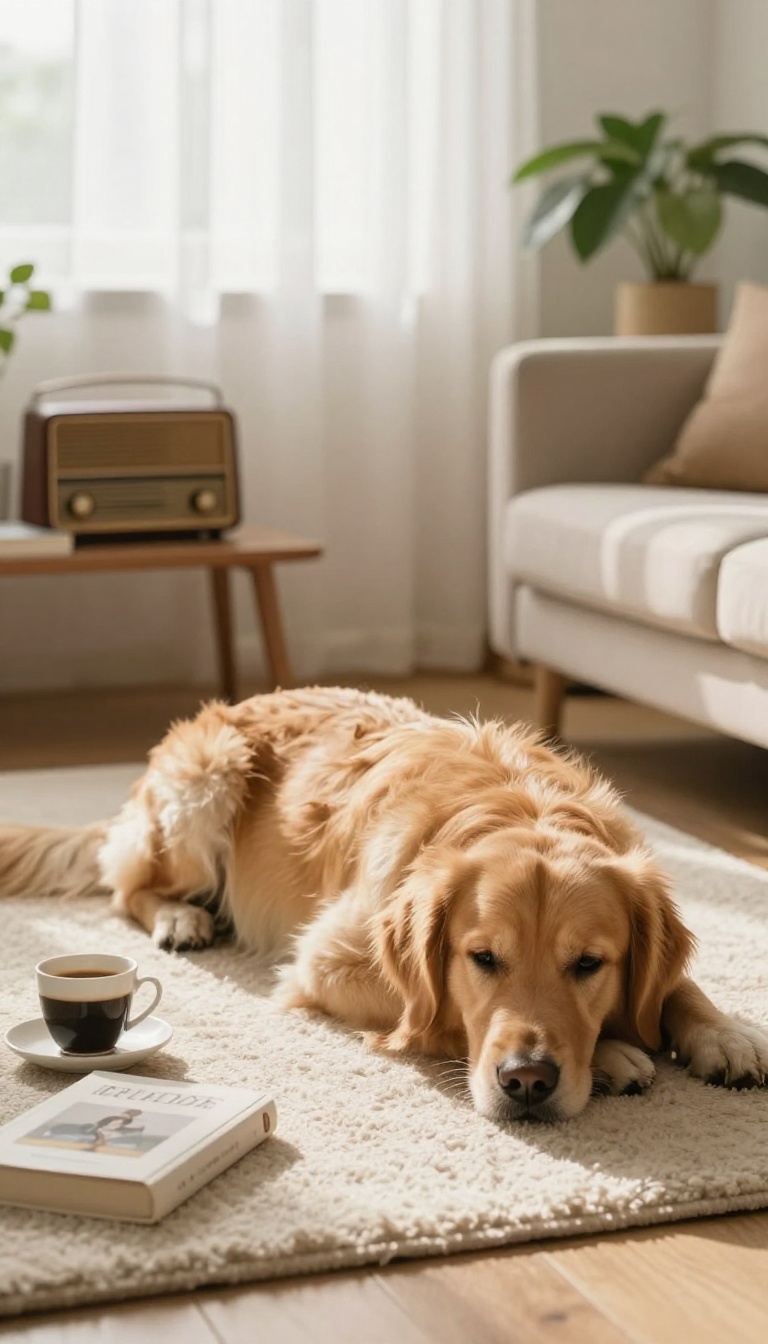
A quiet house can feel deafeningly empty to a dog, amplifying every creak or distant siren. Background noise fills that silence with a comforting hum, making your absence less noticeable. It’s a simple trick that can dramatically shift your dog’s emotional state.
Leaving on soft music, a podcast, or white noise can mask startling sounds and provide a soothing backdrop. For many dogs, this auditory cushion reduces anxiety and makes them feel less isolated. The right sound can turn a tense, lonely stretch into a calm, restful period.
Why Sound Helps
Dogs have sensitive hearing, so sudden noises like traffic or construction can trigger stress. Background noise creates a consistent auditory environment, which feels safer. It also mimics the comforting sounds of a busy household, like the TV playing or people talking softly.
Choosing The Right Audio
Not all sounds work for every dog. Classical music is a popular choice because its tempo can lower heart rate. Podcasts or talk radio provide human voices that can be reassuring.
White noise machines or apps are great for masking unpredictable sounds. Experiment to see what your dog responds to best.
Setting It Up Safely
Keep the volume at a moderate level—loud enough to mask outside noise but not so loud it becomes overwhelming. Use a timer or smart plug to turn the audio on and off automatically. Ensure the device is out of reach and cords are secured to avoid any chewing hazards.
6. Incorporate a Pre-Departure Walk
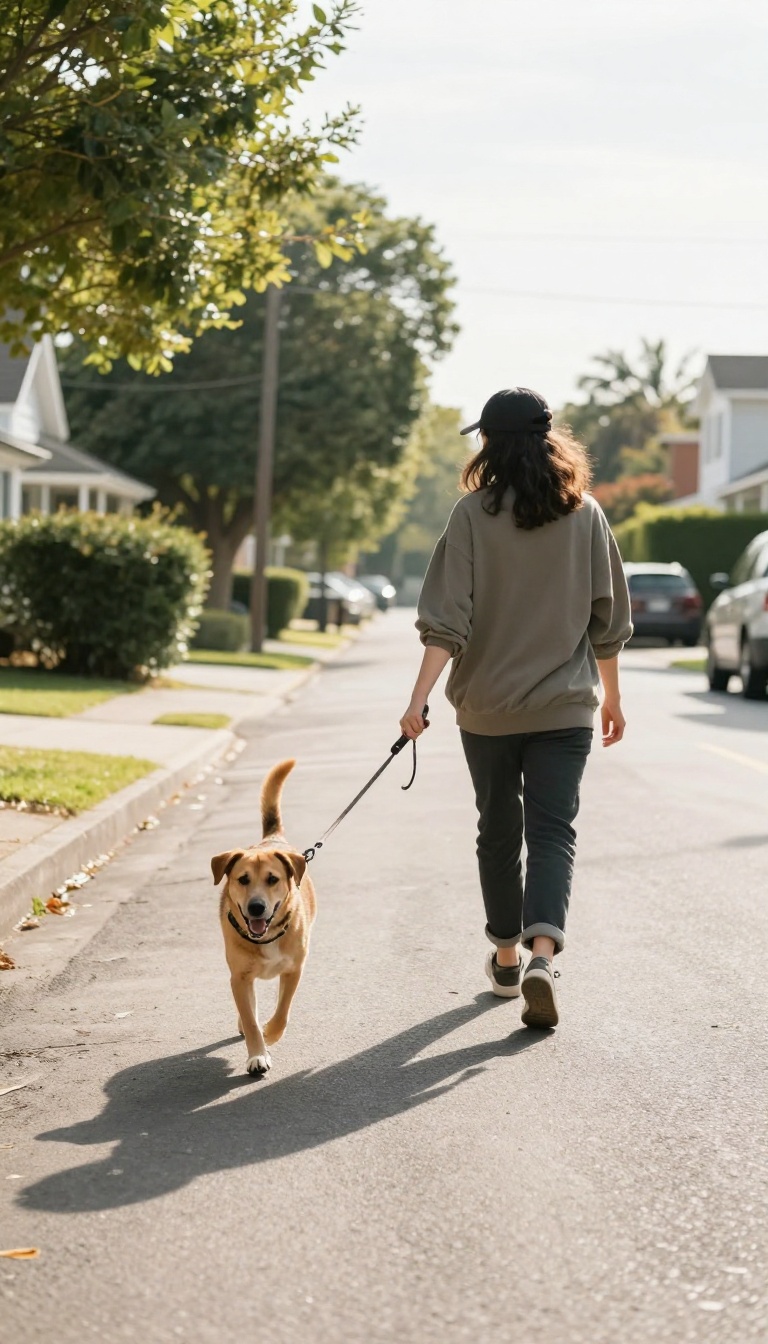
A quick walk or play session before you head out can set the stage for a peaceful day. It’s not about exhausting your dog—just helping them release some pent-up energy so they’re more inclined to settle down. Think of it as pressing a reset button on their mood before you leave.
When you make a pre-departure walk a regular part of your routine, your dog starts to associate your leaving with something positive. That walk becomes a signal that good things are coming, not a cue for anxiety. Plus, a tired dog is a relaxed dog, and that makes alone time much easier for both of you.
Why Timing Matters
The goal is to have your dog wind down right before you leave, not get revved up. Aim for a walk that ends about 15–20 minutes before you go. This gives them time to drink water, settle into their spot, and start feeling sleepy.
If you walk too close to departure, they might get excited again when they see you grab your keys.
Matching Intensity To Your Dog
Not every dog needs a marathon. A young, high-energy pup might benefit from a brisk 20-minute walk or a game of fetch. An older or less active dog might be fine with a short, slow stroll around the block.
The key is to match the activity to your dog’s age, breed, and fitness level. You want them pleasantly tired, not exhausted or stressed.
Making It A Ritual
Dogs thrive on routine, so consistency is your friend. Try to do the walk at the same time each day, using the same route. Over time, your dog will learn that this walk leads to a calm, quiet period.
That predictability can be incredibly reassuring for a dog who struggles with being left alone.
7. Introduce Crate Training Positively
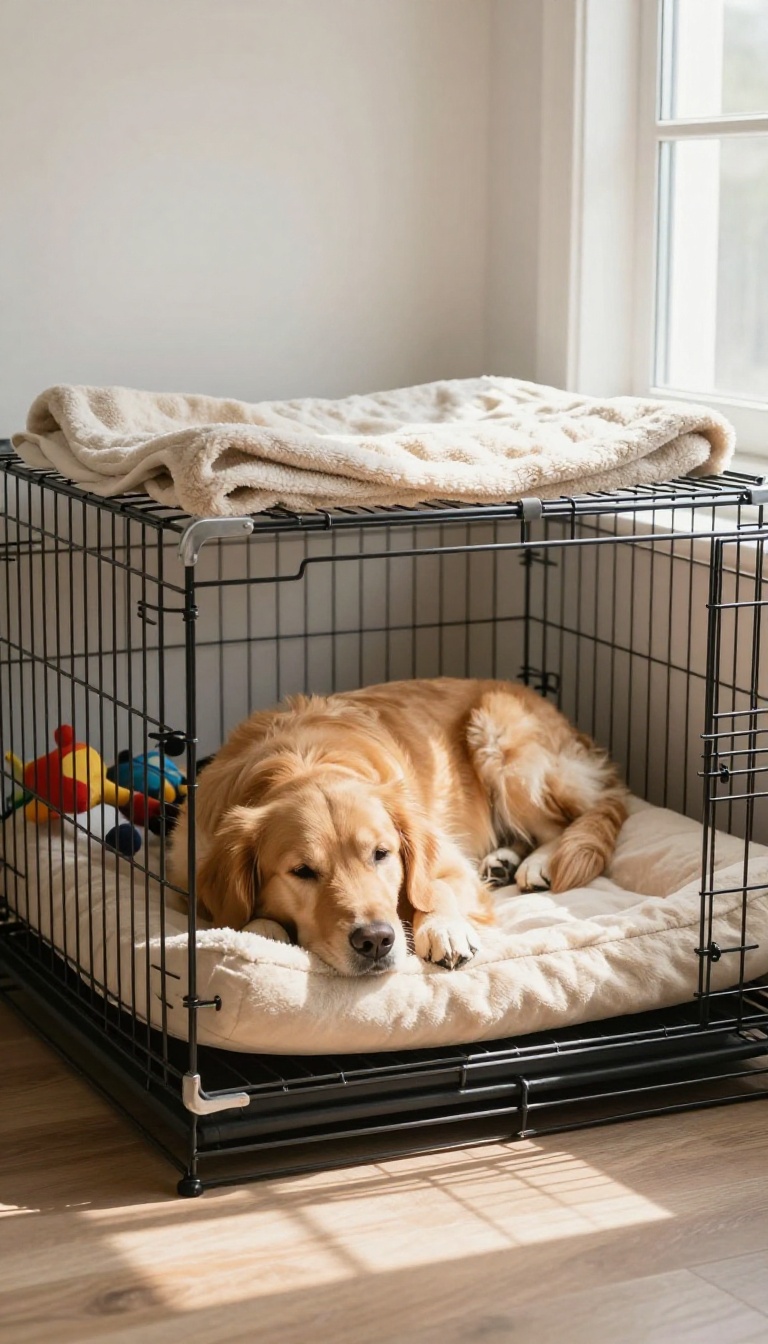
Crate training often gets a bad rap, but when done right, it can be a lifesaver for both you and your dog. The goal isn't to lock your pup away—it's to give them a cozy, secure space they actually love. Think of it as their personal den, not a punishment cell.
Start by making the crate a happy place. Toss in a few treats, add a soft blanket, and leave the door open so your dog can explore at their own pace. The more positive associations you build, the more your dog will see the crate as a retreat, not a cage.
A crate can become your dog's favorite spot when you introduce it slowly and kindly. The trick is to never force your dog inside or use it as a timeout zone. Instead, let them discover the crate on their own terms, with plenty of rewards along the way.
Here's how to make crate training a positive experience from day one.
Make The Crate Inviting
Place the crate in a quiet corner where your dog feels part of the action but not overwhelmed. Add a comfy bed, a favorite toy, and maybe an old t-shirt that smells like you. This makes the space feel safe and familiar.
Leave the door open during the day so your dog can wander in and out freely. Drop treats inside randomly to encourage exploration. Soon, your dog will start napping there on their own, which is exactly what you want.
Build Positive Associations With Meals
Feed your dog their meals near the crate at first, then gradually move the bowl inside. Once they're comfortable eating inside, start closing the door for a few minutes while they finish. This teaches them that good things happen in the crate.
You can also give them a special treat, like a stuffed Kong or a chew toy, only when they're in the crate. This makes the crate a place for tasty rewards, not isolation.
Practice Short, Stress-free Sessions
Start by closing the crate door for just a minute or two while you're still in the room. Then, gradually increase the time and step out of sight for a few seconds. Always return before your dog gets anxious, and reward calm behavior with praise or a treat.
Keep sessions short and sweet at first. The goal is to show your dog that being in the crate is no big deal—you always come back, and they get a reward for staying chill.
8. Practice Desensitization to Cues
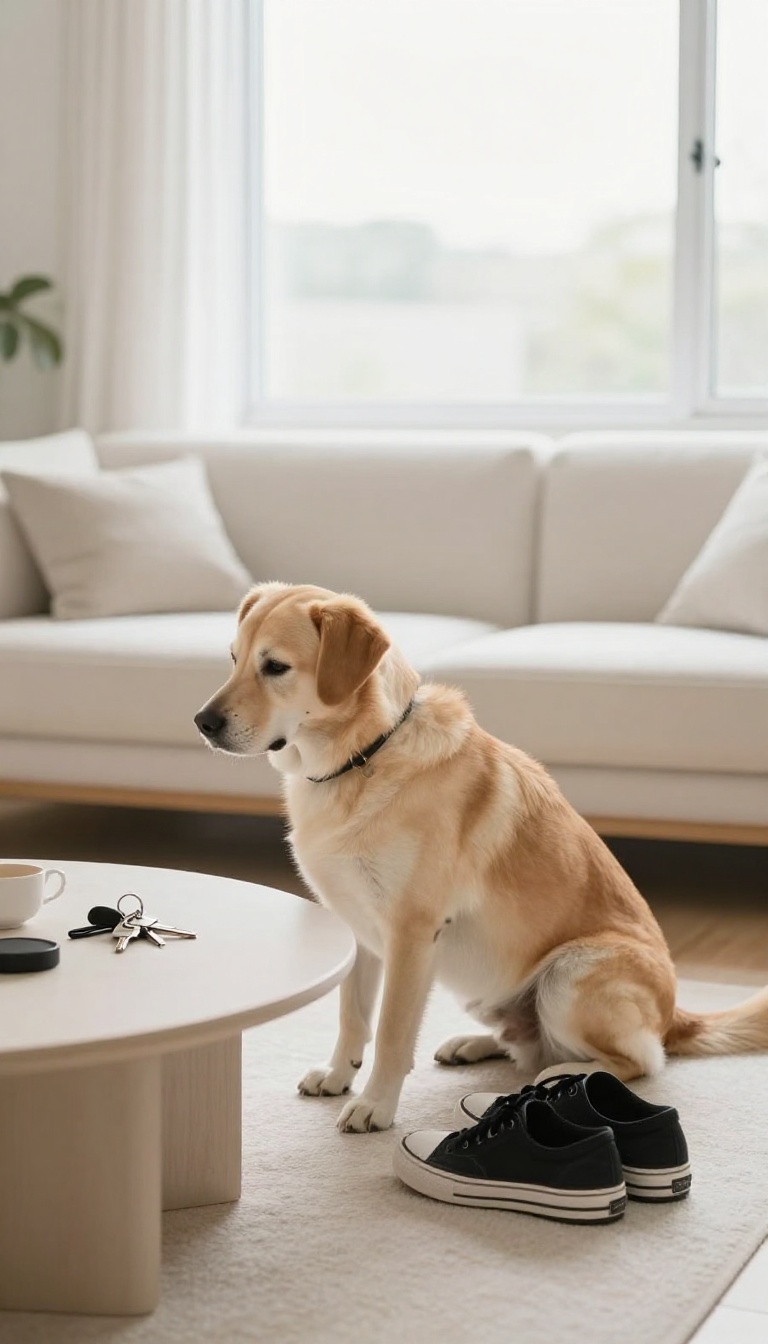
Dogs are masters at reading our routines. They notice the jingle of your keys, the zip of your jacket, or the click of your shoes—and they connect those sounds with you leaving. Over time, these cues can trigger anxiety even before you head out the door.
The fix isn't to hide your habits but to make them boring and meaningless through a technique called desensitization.
Desensitization works by exposing your dog to the cues that normally signal your departure, but without the actual goodbye. You'll repeat these actions so often that they lose their emotional charge. Eventually, your dog will stop associating the keys or coat with being left alone, which takes the edge off those pre-departure jitters.
It's a simple, gentle approach that fits perfectly into your daily routine.
Start With The Smallest Cue
Pick one cue that your dog reacts to—maybe it's grabbing your keys or putting on your shoes. Begin by performing that action in a very low-key way, then immediately sit back down. Do this several times throughout the day, keeping your movements calm and your voice neutral.
Your dog will quickly learn that the cue doesn't always lead to you leaving.
Gradually Increase The Intensity
Once your dog seems relaxed with the basic action, make it slightly more realistic. Pick up your keys and walk to the door, then turn around and sit down. Or put on your coat and stand by the door for a few seconds before settling back on the couch.
The key is to move slowly and only increase the intensity when your dog shows no signs of stress, like pacing, whining, or excessive panting.
Add The Full Departure Sequence
After your dog is comfortable with individual cues, combine them into a short sequence. Grab your keys, put on your coat, walk to the door, and then—instead of leaving—turn around and offer a treat or a favorite toy. This teaches your dog that these actions can lead to something positive, not just solitude.
Over time, you can even step outside for a few seconds and come right back, building up to longer absences.
9. Set Up a Doggy Camera or Monitor
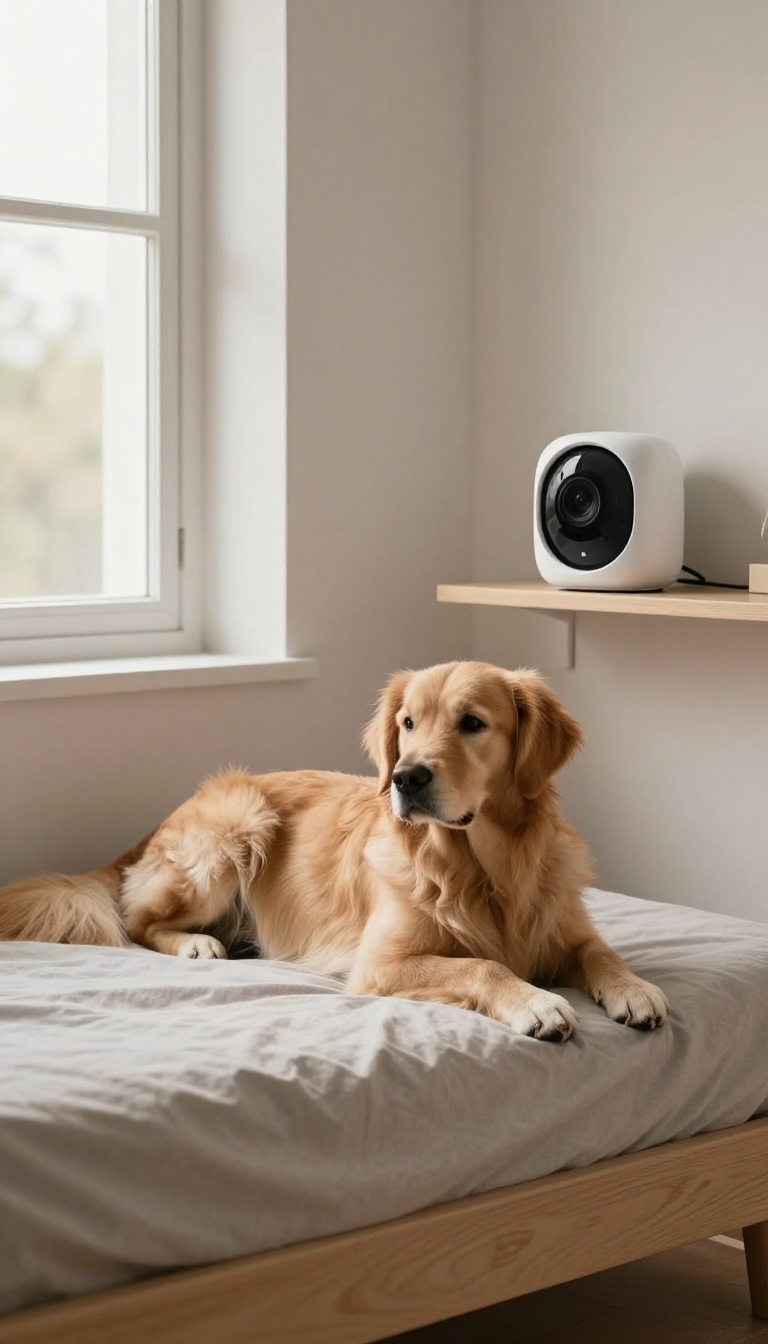
Ever wonder what your dog actually does while you're gone? A camera can turn that guesswork into a clear picture. It's not about spying—it's about understanding their alone-time behavior so you can adjust your routine if needed.
Plus, many modern pet cameras let you talk to your dog through a speaker. A quick "It's okay, I'll be home soon" can calm a nervous pup and remind them they're not alone.
Pick The Right Camera For Your Space
You don't need a fancy security system. A simple pet camera with two-way audio and a wide-angle lens works great for most homes. Look for one with night vision if you want to check in during evening hours.
Some models even dispense treats, which can turn your absence into a positive moment for your dog. Place the camera where it captures your dog's main hangout spot—maybe their bed or favorite window. Avoid pointing it directly at their face; a broad view is less intrusive and more useful.
Check In Without Causing Stress
The goal is to reassure, not to make your dog more anxious. If you talk through the camera, keep your tone calm and upbeat. A short, gentle phrase like "Good dog, I'll be back soon" is enough.
Don't overdo it—constant talking can actually reinforce that being alone is something to worry about. Start by using the camera during short practice runs. Leave for 10 minutes, watch how your dog settles, and then return quietly.
This builds their confidence that you always come back.
Use The Footage To Spot Patterns
The real power of a camera is the data it gives you. Watch a few days of recordings to see when your dog gets restless, barks, or paces. Maybe it's right after you leave, or maybe it's when the mail carrier comes by.
Once you spot a pattern, you can address it directly—like leaving a puzzle toy for the first 20 minutes or closing the blinds during delivery hours. If you see signs of severe distress, like drooling or frantic scratching, that's a clue you may need to step up your training or consult a professional. The camera helps you catch these issues early.
10. Consider a Pet Sitter or Doggy Daycare
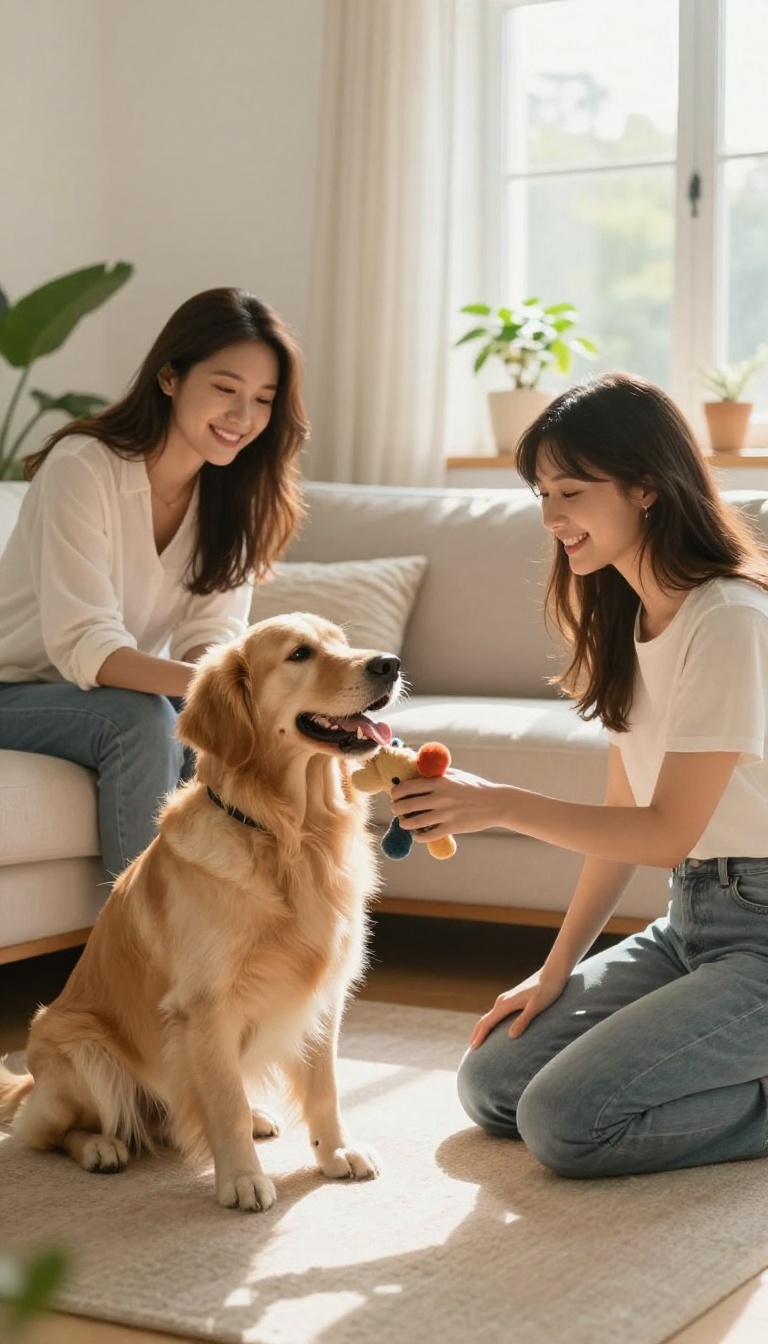
When your schedule keeps you away for longer stretches, sometimes the best routine is bringing in a little help. A pet sitter or doggy daycare can turn a lonely day into a social one, giving your dog the attention and exercise they need. This option isn't just for convenience—it can be a lifeline for dogs who struggle with being alone.
Having someone check in or a lively environment to explore can ease anxiety and keep their spirits up.
Pet sitters and daycare aren't one-size-fits-all, so it's worth exploring what fits your dog best. Some pups thrive with a midday visit from a sitter who takes them for a walk and plays a bit. Others love the energy of daycare, where they can romp with other dogs and get plenty of supervision.
The key is to introduce this new routine gradually. Start with a short visit or a half-day at daycare to see how your dog reacts. Watch for signs of stress or overexcitement.
With the right match, you'll both feel more at ease during your time apart.
Finding The Right Fit
Not all sitters or daycares are created equal. Look for someone who asks about your dog's habits, fears, and favorite things. A good sitter will visit beforehand to meet your pup and learn their routine.
For daycare, ask about staff-to-dog ratios and how they handle different personalities. Trust your gut—if something feels off, keep looking.
Easing Into It
Jumping straight into a full day away can be overwhelming. Instead, try a few short sessions first. Have the sitter come for 30 minutes while you run errands, or book a half-day at daycare.
This lets your dog get used to the new people and place without feeling flooded. Over time, you can extend the hours as your dog becomes more comfortable.
Making The Most Of It
Once your dog is settled, you can tailor the experience to their needs. If your dog loves cuddles, a sitter who spends time indoors might be perfect. If they're social butterflies, daycare offers playtime and mental stimulation.
Some owners even mix it up—a sitter on some days, daycare on others—to keep things interesting. The goal is to make your dog's day feel full and fun, not just endured.
FAQ
How long can I leave my dog home alone?
It depends on your dog's age, breed, and temperament. Adult dogs can typically handle 4-6 hours, but puppies and seniors may need shorter periods. Always provide plenty of water and a safe space.
What if my dog has severe separation anxiety?
Start with very short departures and gradually increase time. Consider consulting a professional trainer or veterinarian. In some cases, medication may be helpful, but always combine it with behavior modification.
Should I leave the TV or radio on for my dog?
Yes, many dogs find background noise comforting. It can mask sudden sounds and make the house feel less empty. Choose calming music or talk radio, not high-energy shows.
Is crate training cruel?
No, when done correctly, a crate can be a safe, cozy den for your dog. The key is to introduce it gradually and never use it as punishment. Your dog should see it as a positive place.
How do I know if my dog is stressed when I'm away?
Signs include excessive barking, destructive chewing, pacing, drooling, or having accidents. A camera can help you observe these behaviors. If you notice them, adjust your training approach or seek professional help.
Conclusion
Gentle training is less about perfect sessions and more about building trust while you're away. Start with one or two routines that feel manageable, and let your dog's comfort guide your pace. Over time, these small habits turn alone time into a calm, confident experience.
Your pup doesn't need a perfect day—just a predictable, kind one. So pick a routine, keep it simple, and enjoy the peace that comes with a relaxed, happy dog at home.

I’m Pallab Kishore, the owner of Little Pets Realm — an animal lover and pet care enthusiast sharing easy tips, healthy recipes, and honest advice to help every small pet live a happy, healthy, tail-wagging life.