
Chasing cars is one of those habits that can turn an ordinary walk into a heart-stopping moment. It’s not just about safety—though that’s huge—it’s about helping your dog feel less reactive and more in control.
The fix isn’t punishment or avoiding every street; it’s smarter training that works with your dog’s instincts. These 13 ideas focus on gradual exposure, clear cues, and rewarding calm choices, so you can practice anywhere without turning your life upside down.
Whether you’re working in a driveway or a quiet park, these methods build real, lasting change—no expensive gear or perfect conditions required.
1. Start with Desensitization from a Safe Distance
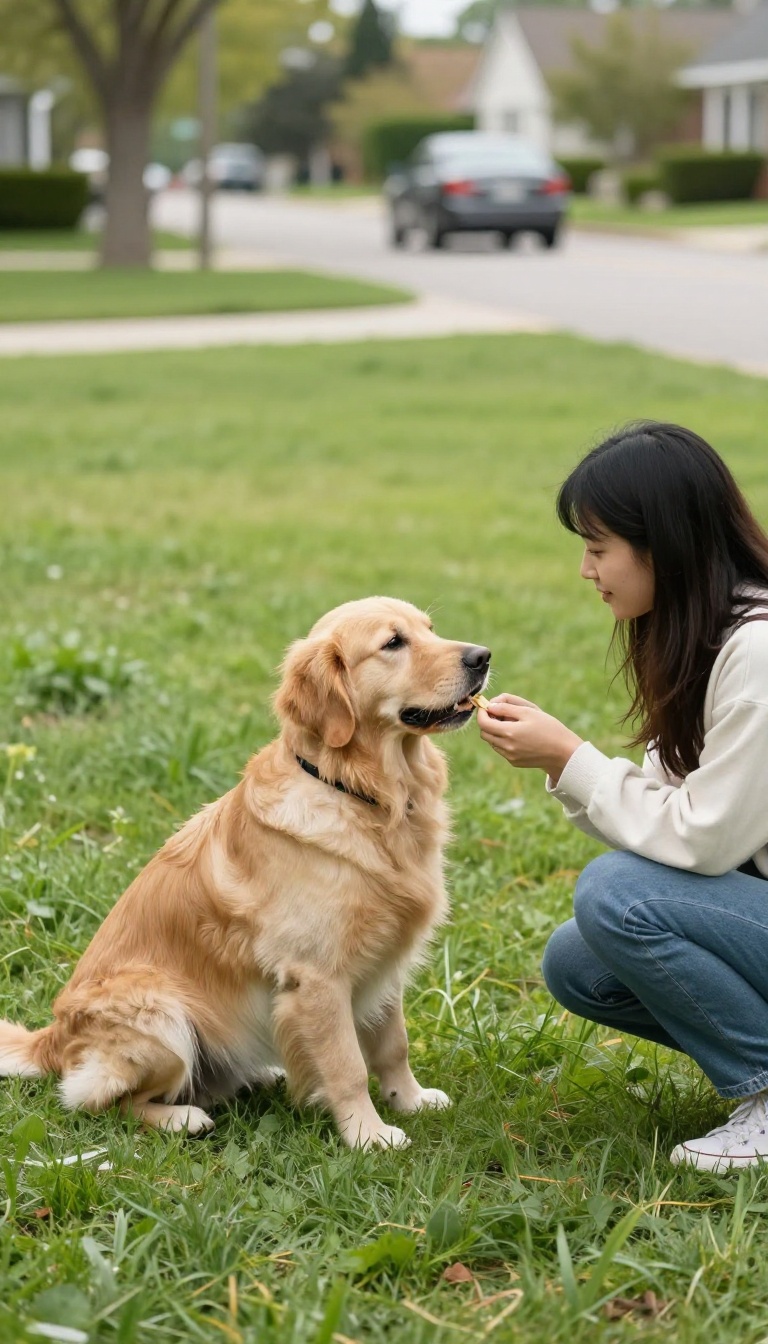
Before you ask your dog to ignore a moving car, you need to change how they feel about cars in the first place. That starts with distance. The goal is to find a spot where your dog notices traffic but doesn't react—no lunging, barking, or fixating.
From there, you can slowly build a positive connection with the sight and sound of vehicles.
Desensitization isn't about forcing your dog to face their fear head-on. It's about giving them space to learn that cars are no big deal. Start far away—maybe a parking lot edge or a quiet street where cars pass occasionally.
Watch your dog's body language. If they're relaxed, you're in the right spot. If they're tense or staring, you're too close.
Move back until they're comfortable, then start rewarding calm behavior.
Pick The Right Distance
Every dog has a threshold where they start to react. For some, that's 50 feet from a road; for others, it's 200 feet. You want to stay just below that line.
A good test: if your dog can take a treat without hesitation, you're at a good distance. If they ignore the treat, you're too close. Start there and adjust as they improve.
Use High-value Treats
Not all treats are created equal. When you're working near cars, you need something your dog absolutely loves—tiny pieces of chicken, cheese, or hot dog. The moment a car appears, start feeding.
The goal is to pair the sight of a car with something awesome. Over time, your dog will start to look at you when they see a car, expecting a treat.
Keep Sessions Short And Positive
Training near traffic is mentally tiring for your dog. Keep sessions to five or ten minutes, and always end on a good note. If your dog is doing well, quit while you're ahead.
You can always come back later. The goal is to build a new emotional response, not to exhaust your dog.
2. Teach a Solid 'Watch Me' Cue
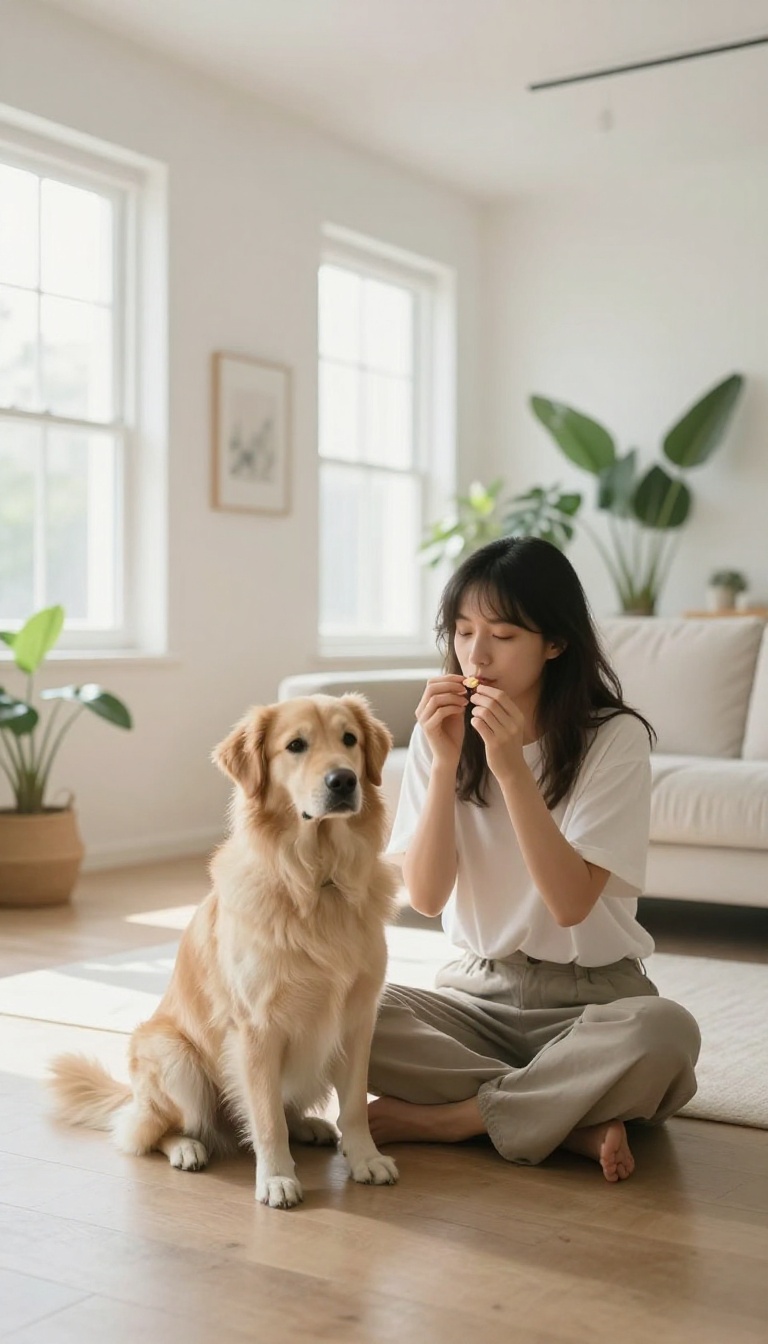
Eye contact might not sound like a big deal, but it’s one of the most powerful tools you can have when your dog’s brain is locked on a speeding car. A reliable 'watch me' cue gives you a way to interrupt that laser focus before the chase instinct even kicks in. It’s simple, portable, and works in any situation—whether you’re standing at the end of your driveway or crossing a busy street.
Start in a quiet room with zero distractions. Hold a treat near your face, say 'watch me, ' and the moment your dog looks at your eyes, mark and reward. Repeat this until they’re offering eye contact the second you give the cue.
Then gradually add mild distractions—like a squeaky toy or a friend walking by—before you ever practice near a road. The goal is to make eye contact so automatic that it becomes your dog’s default response when they see something exciting, like a car.
Why Eye Contact Works
When your dog is staring at a moving car, their brain is already in 'chase' mode. Eye contact forces them to shift focus to you, which breaks that mental loop. It’s not about dominating your dog—it’s about giving them a clear, simple alternative to a dangerous behavior.
Plus, it builds a habit of checking in with you, which makes every other training exercise easier.
How To Build The Cue
Start in a boring room with no distractions. Hold a treat at your nose and say 'watch me. ' The second your dog looks at your eyes, mark with a click or a 'yes' and give the treat. Repeat 10–15 times, then start saying the cue just before you bring the treat up.
Over a few sessions, phase out the treat hand entirely and use a closed fist or just your finger. Practice in different rooms, then outside, then near low-traffic areas.
Practice Near Cars Gradually
Once your dog is solid indoors, move to a driveway or a quiet sidewalk. Keep a distance where cars are visible but not overwhelming—maybe 50 feet away. Ask for 'watch me' before a car passes, and reward heavily if they hold eye contact.
As they get better, slowly decrease the distance. If they break focus, that’s a sign you’re too close. Back up and try again.
The key is to set them up for success, not to test them.
3. Use a Long Line for Controlled Exposure
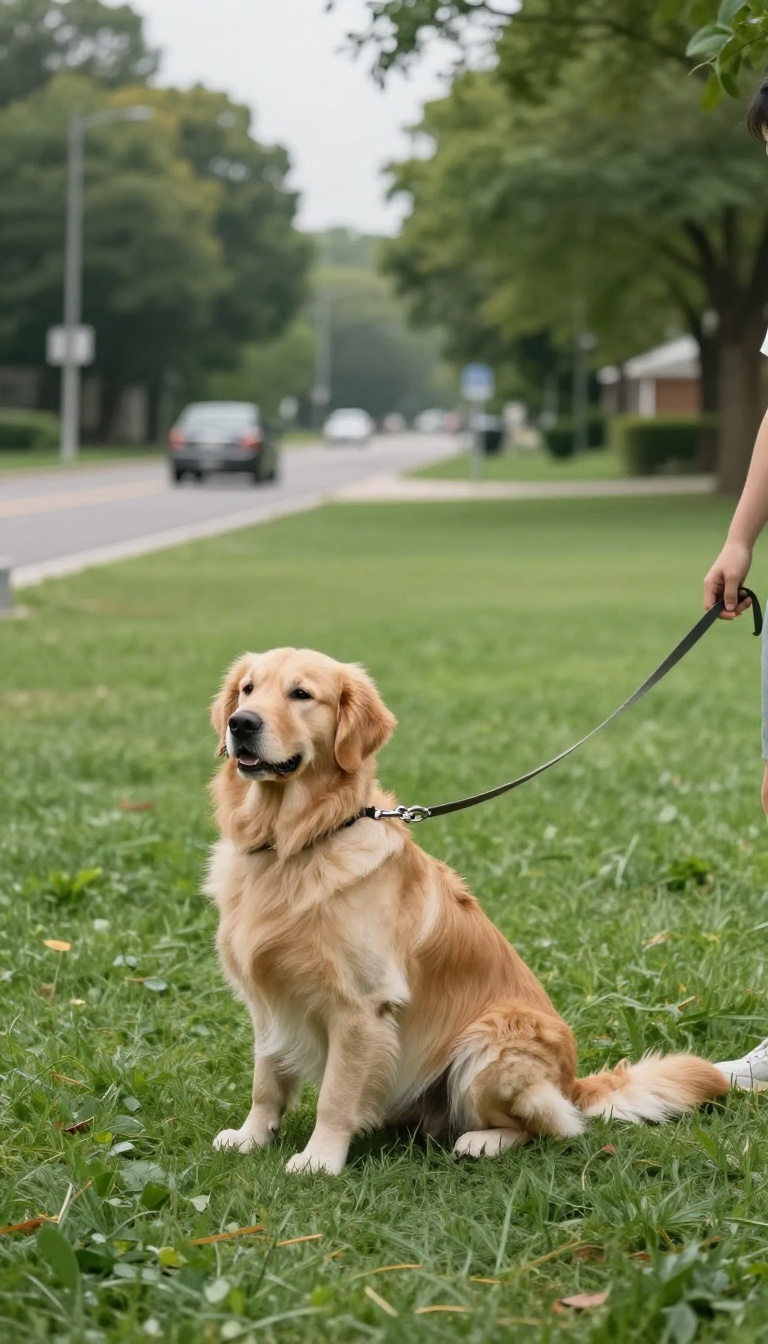
A long training leash is your best friend when your dog needs to practice being near cars without the risk of a full-on chase. It gives you the freedom to let them explore, sniff, and observe from a safe distance while you stay in control. This setup turns a potentially dangerous situation into a teachable moment, where your dog can learn that cars passing by don’t have to trigger a sprint.
Start by attaching a 30-foot long line to your dog’s harness. Find a safe spot near a road where you can stand far enough away that your dog doesn’t immediately fixate on traffic. Let them wander, but keep the line loose.
The goal is to let them notice cars without feeling the need to react. When a car approaches, call your dog’s name and reward them for looking at you instead of the car. Over time, you can gradually decrease the distance, but always stay within your dog’s comfort zone.
This method builds confidence and teaches your dog that calm behavior near cars is what gets them treats and praise.
Pick The Right Spot
Choose a location where you can control the distance and traffic flow. A quiet residential street or an empty parking lot near a road works well. Stand far enough away that your dog can see cars but isn’t overly excited.
This threshold is where learning happens—too close and they’ll be overwhelmed, too far and they won’t associate the training with real cars.
Practice Recall First
Before you add cars into the mix, make sure your dog has a solid recall on the long line. Play games where you call them back and reward with high-value treats. This builds a strong response that will be crucial when a car passes.
If your dog can’t reliably come when called in a boring setting, they won’t be able to do it with the distraction of a moving car.
Reward Calm Observation
When a car drives by and your dog stays relaxed, mark that moment with a calm “yes” and give a treat. You’re not asking for a perfect heel—just a pause in their attention. This teaches them that ignoring cars is more rewarding than chasing them.
Over time, they’ll start to look at you automatically when they hear a car approaching.
Gradually Reduce Distance
As your dog gets better, you can shorten the long line or move a few steps closer to the road. But always watch their body language. If they stiffen, stare, or start to lunge, you’re too close.
Back up and work at a distance where they can succeed. This gradual approach builds a solid foundation without flooding your dog.
4. Play 'Find It' to Redirect Attention
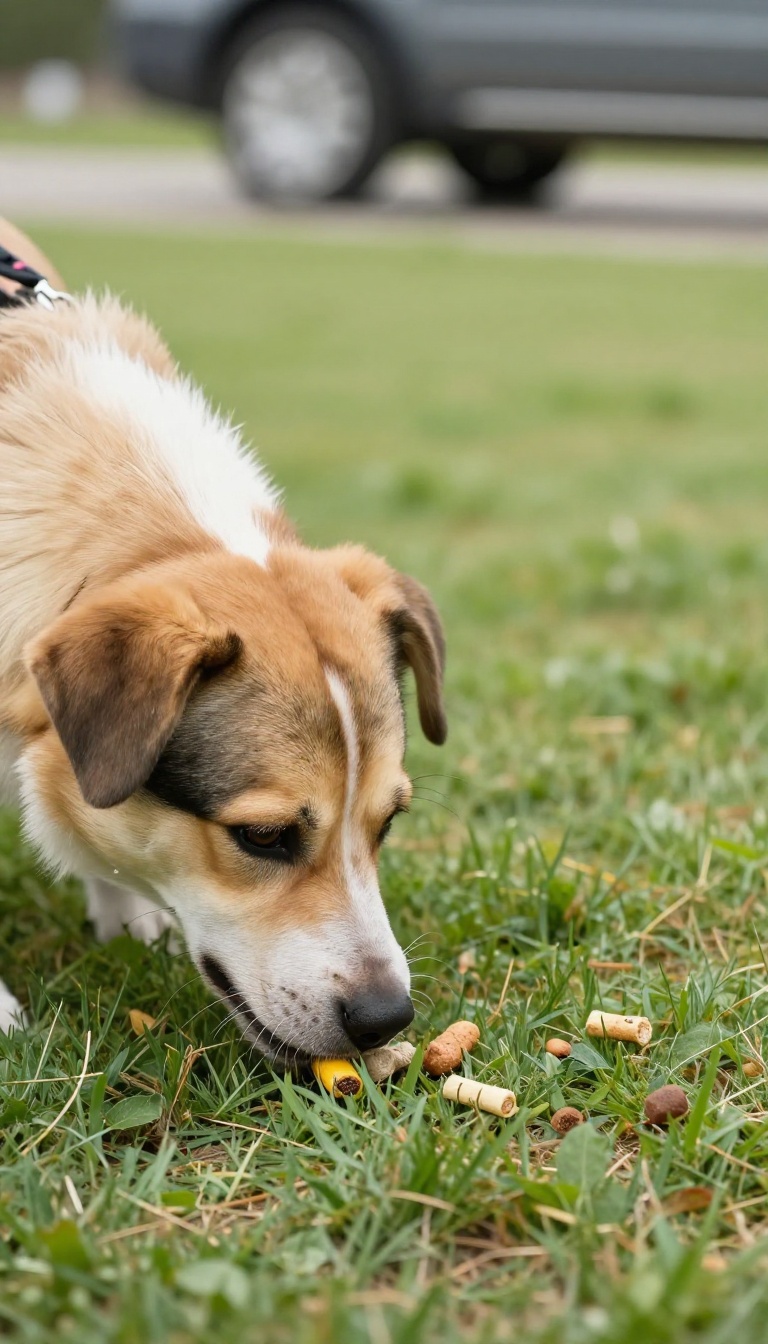
Sometimes the best way to stop a behavior isn't to fight it head-on, but to give your dog something better to do. That's where the 'Find It' game shines. When a car approaches, instead of letting your dog lock onto the wheels, you scatter a handful of treats on the ground and turn the moment into a rewarding scavenger hunt.
It's simple, effective, and works almost anywhere.
The 'Find It' game is a classic impulse-control exercise that taps into your dog's natural foraging instincts. When a car comes into view, you toss a few treats onto the grass or sidewalk and say 'Find It! ' in a cheerful voice. Your dog's nose drops to the ground, and suddenly the moving vehicle becomes background noise.
The key is to practice this in calm settings first, then gradually add real cars as distractions. Over time, your dog learns that cars predict a fun game, not a chase.
Start With Low Distractions
Begin in your living room or backyard where there are no cars. Toss a treat a few feet away and say 'Find It! ' as your dog goes after it. Repeat until your dog instantly looks for the treat when they hear the cue.
This builds a strong foundation so the behavior is automatic when you need it most.
Use High-value Treats
Choose treats that your dog absolutely loves—small pieces of chicken, cheese, or hot dogs work well. The more exciting the reward, the more likely your dog will choose sniffing over staring at a car. Keep these special treats reserved only for training sessions near traffic, so they stay extra valuable.
Practice Near Cars, But Safe
Once your dog has the hang of 'Find It' in quiet areas, move to a spot where you can see cars from a safe distance, like a park bench near a road. Start far enough away that your dog notices the car but doesn't react intensely. As the car approaches, scatter treats and cue 'Find It. ' Gradually decrease the distance over several sessions, always rewarding the moment your dog's nose hits the ground.
Make It A Game, Not A Test
Keep the mood light and playful. Use a happy voice, and don't worry if your dog misses a few treats or glances at the car. The goal is to make sniffing more rewarding than chasing.
If your dog struggles, go back a step and practice at a greater distance. Patience and consistency will pay off.
5. Practice 'Sit and Stay' Near Driveways
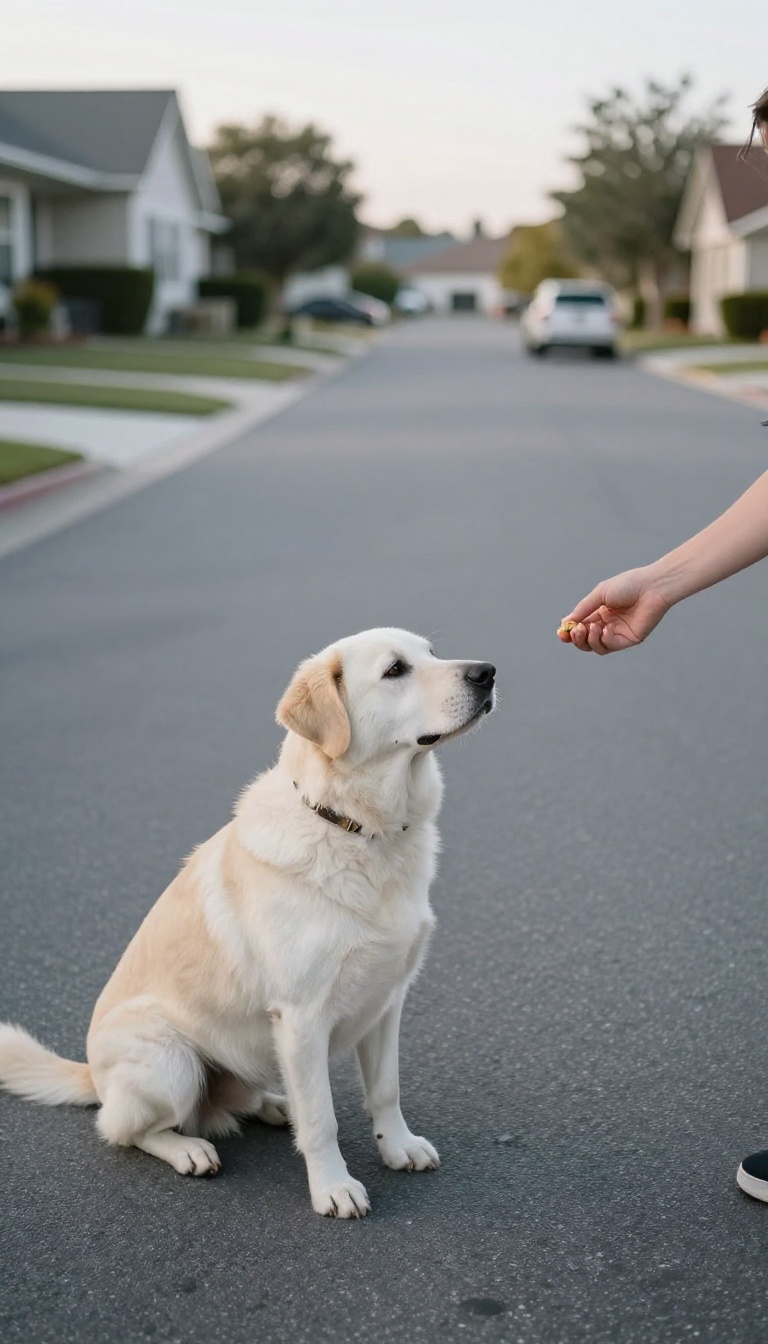
Driveways are perfect training spots because they offer real-world distractions without the chaos of a busy road. You can control the distance and timing, making it easier for your dog to succeed. Start when the street is quiet, then gradually add more cars as your dog gets the hang of it.
Set up a training session at the edge of your driveway, where your dog can see approaching cars but still feel safe. Use a high-value treat to lure your dog into a sit, then give a clear 'stay' cue. As a car passes, reward your dog for staying calm and focused on you.
Keep sessions short—five to ten minutes—so your dog doesn't get overwhelmed. Over time, you can move closer to the road or practice during busier times, always rewarding calm behavior.
Start With A Quiet Time
Pick a time when traffic is light, like early morning or midday. Position your dog at the edge of the driveway, far enough from the road that they're not triggered. Practice sit-stay while cars are few and far between.
This builds a strong foundation before you add more distractions.
Use A High-value Reward
Bring out the treats your dog only gets during training—tiny pieces of chicken, cheese, or hot dog. Give them the moment they hold eye contact with you instead of watching the car. This teaches your dog that staying calm around cars leads to something amazing.
Gradually Increase The Challenge
Once your dog can hold a stay with cars passing at a distance, start moving closer to the road or choose a busier time. You can also ask for a longer stay or add a 'look at me' cue. The key is to make small, manageable steps so your dog never feels overwhelmed.
6. Try a Head Halter or Front-Clip Harness
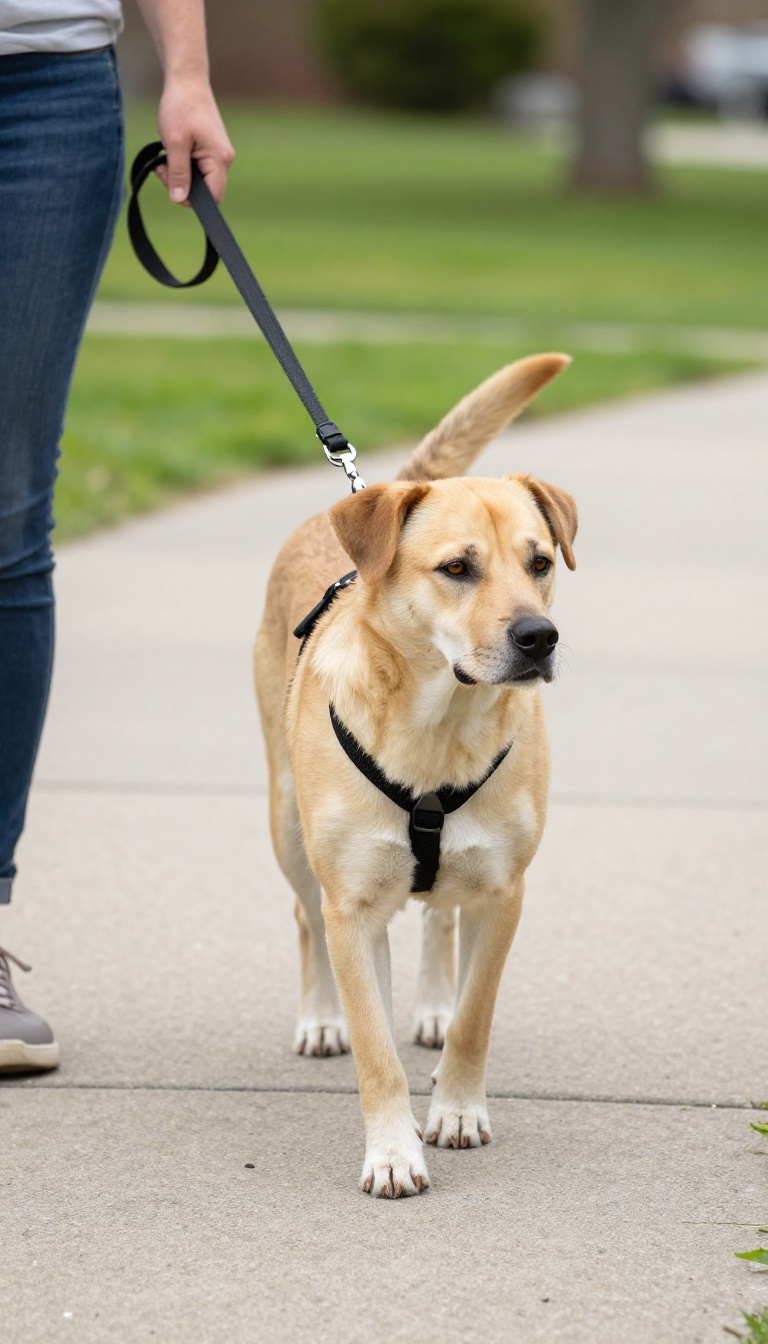
Sometimes you need a little extra help in the moment, especially when a car comes out of nowhere. A head halter or front-clip harness gives you more control without resorting to pain or fear. These tools don't fix the behavior on their own, but they can prevent dangerous lunges while you work on training.
When your dog is mid-lunge, it's hard to redirect them with just a flat collar. Head halters and front-clip harnesses work by steering your dog's body, not just their neck. They're designed to reduce pulling and give you more leverage, so you can keep your dog safe without yanking or hurting them.
Plus, they send a calming signal to your dog, which can help them think more clearly in stressful situations.
How They Work
A head halter fits around your dog's snout and behind their ears, similar to a horse's halter. When your dog pulls, the halter gently turns their head toward you, which breaks their focus and stops the forward motion. A front-clip harness has a leash attachment at the chest, so when your dog pulls, their body turns to the side instead of charging ahead.
Both tools give you better control without putting pressure on the throat.
Choosing The Right Fit
Fit is crucial for both tools. A head halter should be snug but not tight, allowing your dog to open their mouth and pant. A front-clip harness should sit comfortably behind the front legs without rubbing.
Try them on in a store or at home, and let your dog wear them for short periods before heading out. A proper fit ensures your dog stays comfortable and you stay in control.
Introducing The Tool Gradually
Don't just strap it on and hit the sidewalk. Let your dog sniff it, then give them treats while wearing it inside. Start with short sessions, and pair the tool with lots of rewards.
You want your dog to associate the halter or harness with good things, not stress. Once they're comfortable, practice in low-distraction areas before tackling real-world car situations.
7. Create a 'Car Chase' Training Game at Home
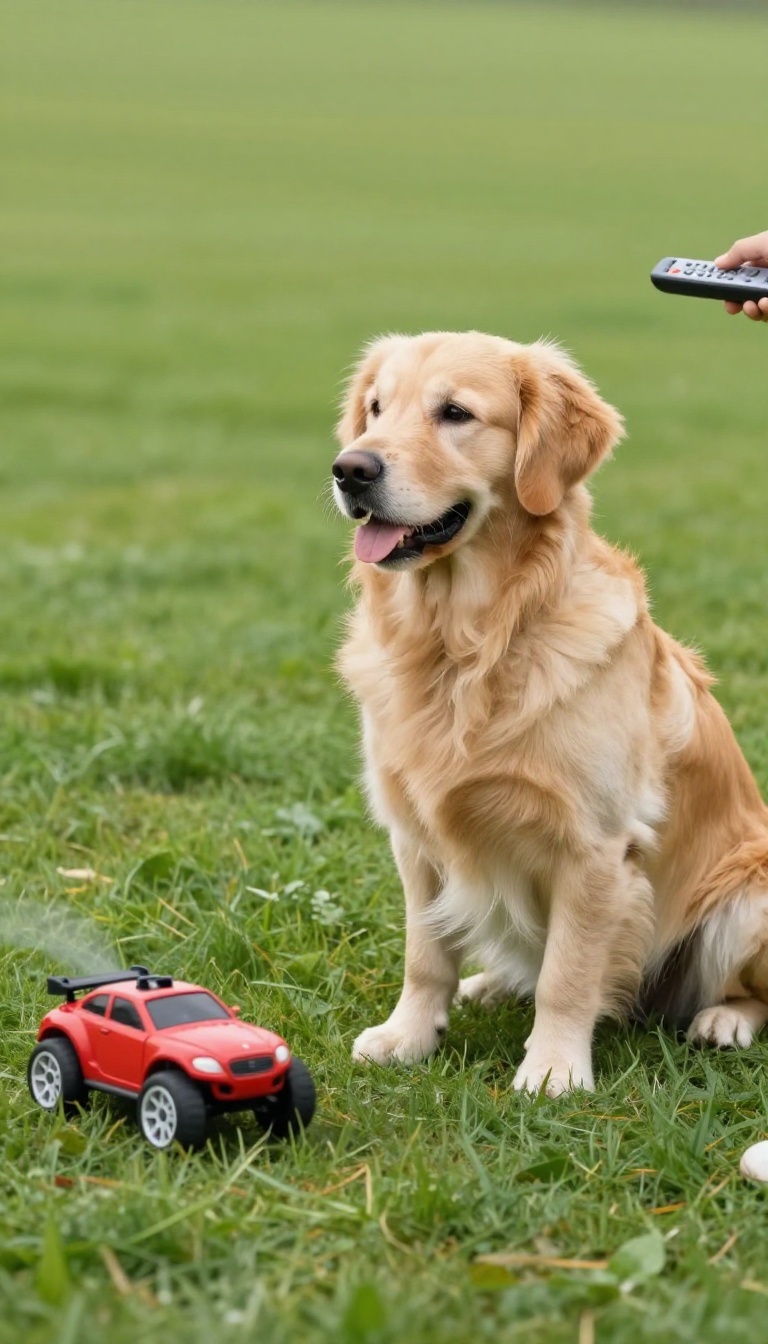
If you can't get your dog near real cars without a meltdown, bring the cars to your dog—sort of. A remote-controlled car can mimic the movement that triggers the chase response, but in a controlled space where you're in charge. This game turns a scary scenario into a fun, rewarding exercise that builds focus.
The goal is to teach your dog that seeing a moving car doesn't have to lead to chaos. Instead, they can look at you and get a treat. Start slow, keep sessions short, and always end on a positive note.
Over time, your dog will associate the sight of a moving vehicle with good things—not just the urge to bolt.
Set Up Your Training Space
Pick a quiet area like a backyard or a large room. Make sure there's enough room for the car to move safely without hitting anything. Have high-value treats ready—something extra tasty like chicken or cheese.
You'll also need a reliable recall cue like 'come' or 'look' that your dog already knows well.
Start With Distance And Low Movement
Begin with the car far away and moving slowly. Keep your dog on a leash or harness for safety. When the car moves, say your cue like 'look' or 'watch me. ' The instant your dog glances at you, mark it with a 'yes' and give a treat.
Repeat this several times, gradually decreasing the distance and increasing speed as your dog stays focused on you.
Add Distractions And Randomize
Once your dog is comfortable, mix it up. Have the car zip in different directions, or add a second person to control it. Sometimes let the car stop and start unexpectedly.
The key is to keep your dog's attention on you, not the car. If they start to lunge or stare, slow down and go back to a step they can handle.
Turn It Into A Fun Challenge
Make it a game of 'can you ignore the car? ' Have a friend drive the car in patterns while you call your dog to you. Reward every time they choose you over the car. You can even make it a race—who gets to the treat first, you or the car?
This builds a strong habit of checking in with you when cars are around.
8. Build a Strong 'Leave It' Command
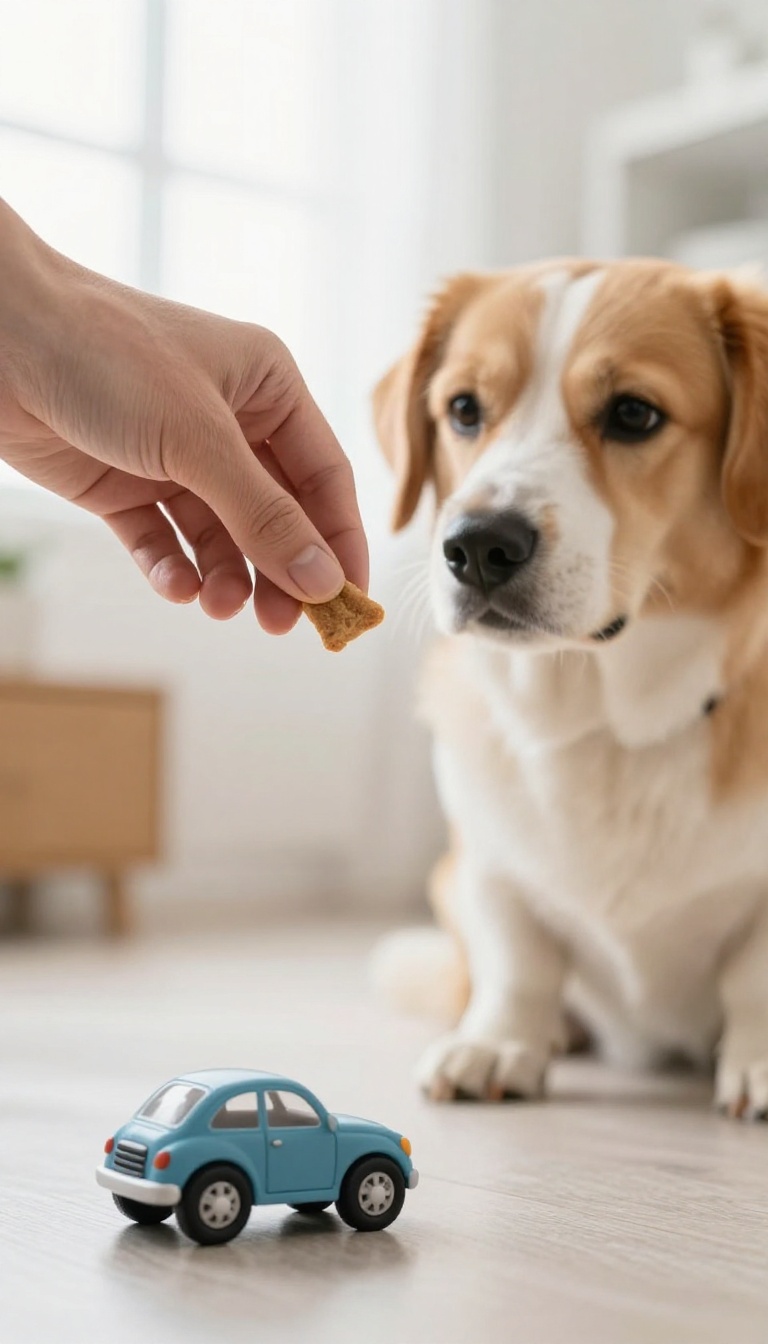
A rock-solid 'leave it' cue is more than a party trick—it's a safety net for moments when a car suddenly appears. The goal is to teach your dog that ignoring moving objects earns something better, like a tasty treat or a favorite toy. Start in a low-distraction space and build up gradually.
Once your dog understands the game, you can practice near roads with a long leash for safety. This command gives you a way to interrupt the chase before it starts, which is far easier than stopping it mid-run.
The 'leave it' command works by teaching your dog to voluntarily disengage from something tempting. It's not about force or intimidation—it's about building a habit of looking to you for guidance when they spot a potential trigger. With consistent practice, your dog will learn that cars are not worth chasing because better things come from you.
Start With Toys In The Living Room
Begin with a favorite toy on the floor. When your dog moves toward it, say 'leave it' in a calm, firm voice and cover the toy with your foot. The moment they back off or look at you, mark with a 'yes' and reward with a high-value treat from your other hand.
Repeat until they reliably pause when they hear the cue. Once they've got the hang of it with a stationary toy, roll the toy gently across the floor. This mimics movement, which is closer to what they'll face with cars.
Keep sessions short—five minutes max—so your dog stays engaged and doesn't get frustrated.
Practice With Moving Objects Indoors
Use a toy car or a skateboard to create controlled movement. Place your dog on a leash and have a helper roll the object past at a distance. Say 'leave it' before they even react, and reward them for staying calm.
If they lunge, increase the distance or slow the object down. The key is to set your dog up for success. You want them to succeed more often than they fail, so adjust the difficulty based on their reactions.
Over time, you'll see them start to check in with you automatically when something moves.
Take It Outside With Real Cars
Once your dog is solid indoors, move to a quiet street or parking lot. Keep them on a long leash and stand far enough away that they notice cars but don't react. Use the 'leave it' cue as a car passes, then reward heavily.
Gradually decrease the distance over multiple sessions. Remember, safety first. Never rely on the command alone near traffic—always have a secure leash and be ready to step in.
The goal is to build a strong default behavior, not to test your dog's limits.
9. Use a Basket Muzzle for Safety During Training
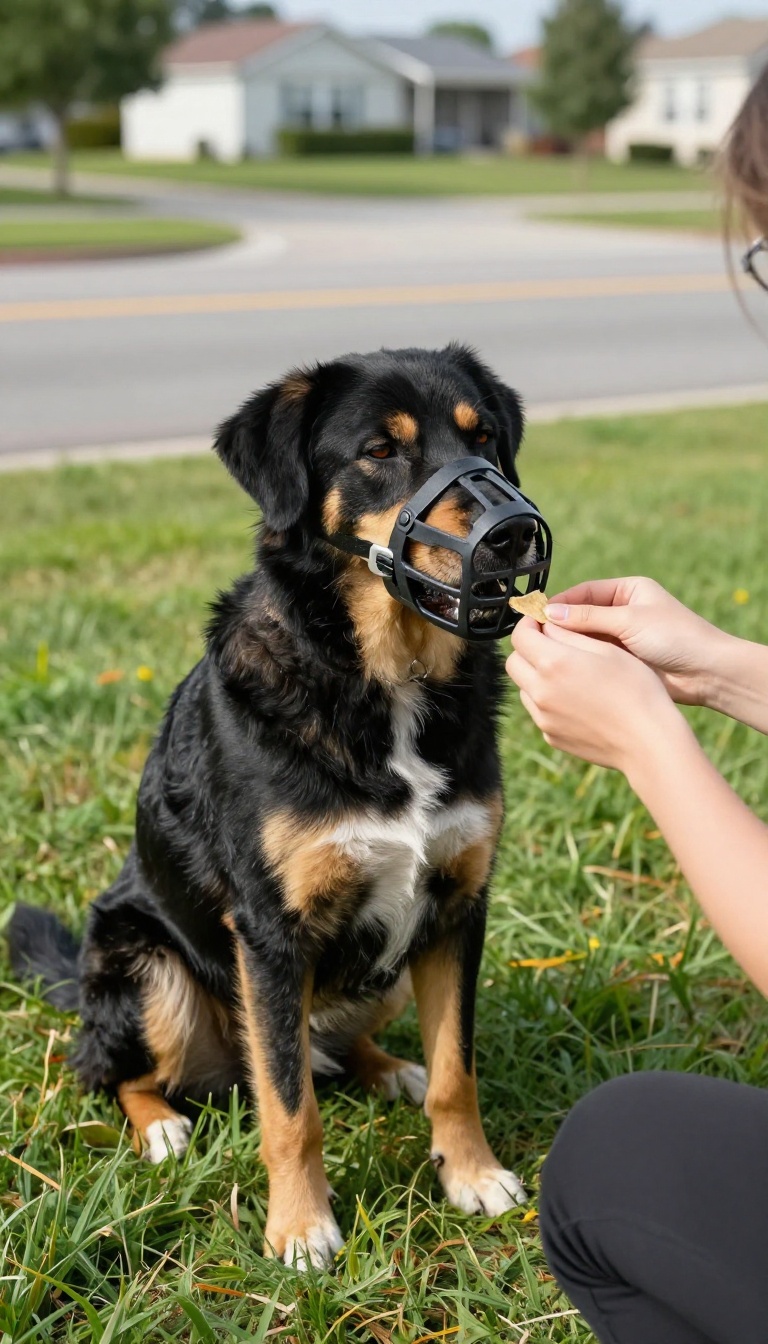
If your dog gets so worked up that they lunge or snap at passing cars, a basket muzzle can be a game-changer. It lets you practice real-world training without the constant worry of a bite. Think of it as a seatbelt—not a punishment, just a smart safety measure.
A basket muzzle is different from a cloth one. It allows your dog to pant, drink, and even take treats, which is essential for training. The key is to introduce it slowly and positively so your dog sees it as a normal part of the routine.
Once your dog is comfortable, you can focus on the actual behavior without fear of a snap.
Why A Basket Muzzle Helps
When a dog is over threshold, they might redirect their frustration onto you or another dog. A basket muzzle prevents that while still letting you work on desensitization. It also gives you peace of mind, which helps you stay calm—and your dog picks up on that.
Getting Your Dog Used To It
Start by letting your dog sniff the muzzle and rewarding them for any interest. Then, hold it near their face while giving treats. Gradually work up to having them put their nose inside, then fasten it for a few seconds.
Always pair it with something awesome, like peanut butter smeared inside, so it becomes a positive experience.
Training With The Muzzle On
Once your dog is comfortable, head to a low-distraction area and practice your usual training—like 'watch me' or 'sit'. The muzzle lets you safely expose your dog to cars at a distance without worrying about a bite. Remember, the muzzle is temporary; as your dog gets better, you can phase it out.
10. Incorporate Impulse Control Games
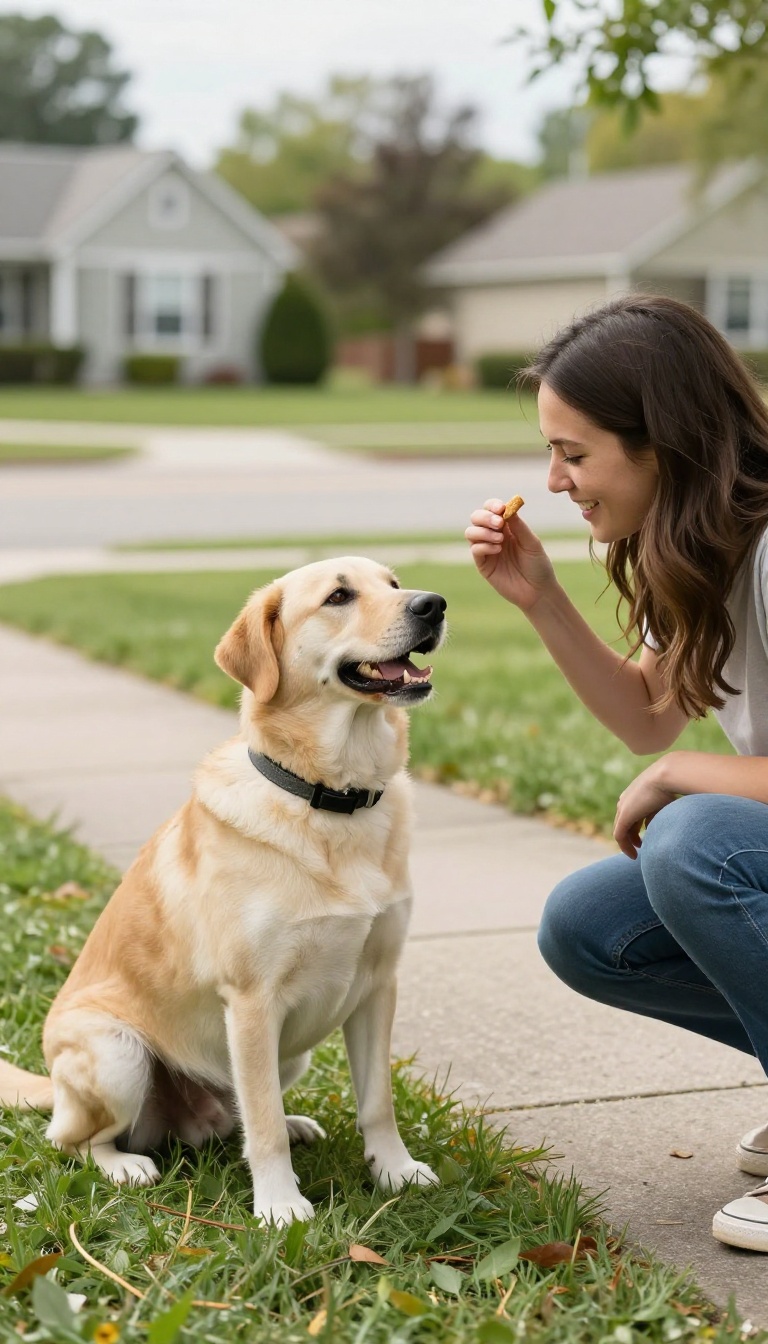
Impulse control is the hidden skill behind almost every safe behavior around cars. When your dog can pause, wait, and think before acting, the urge to chase loses its grip. These games are simple, fun, and they build the exact mental muscle your dog needs to resist that sudden zoom of a vehicle.
Start with games that are easy to do at home, then gradually move to more distracting environments. The key is to make waiting and self-control more rewarding than the chase itself. You're not just teaching tricks—you're reshaping how your dog reacts to exciting triggers.
Start With 'wait At The Door'
Begin inside, at a door your dog knows well. Ask for a 'sit' or 'down, ' then open the door a crack. If your dog moves, close it and try again.
The goal is for your dog to hold still until you give a release word like 'okay. ' Practice this every time you go outside, and soon your dog will automatically pause at thresholds—even when a car whizzes by.
Try 'leave A Treat On The Paw'
This classic game is pure gold for impulse control. Have your dog sit or lie down, then place a treat on their paw. They'll likely try to eat it right away—that's fine.
The goal is to build up to a moment where they wait for your 'take it' cue. Start with a closed fist, then move to an open palm, then to the paw. It teaches your dog that patience earns the reward, which directly translates to resisting the urge to chase.
Add A 'look At Me' Game
Eye contact is a powerful tool for breaking focus. Hold a treat near your eye and say 'look. ' When your dog makes eye contact, mark and reward. Then, do it near a window or in the yard where cars pass.
This gives you a way to redirect your dog's attention the moment you see a car coming, before the chase instinct kicks in.
11. Train in a Fenced Area with Visual Barriers
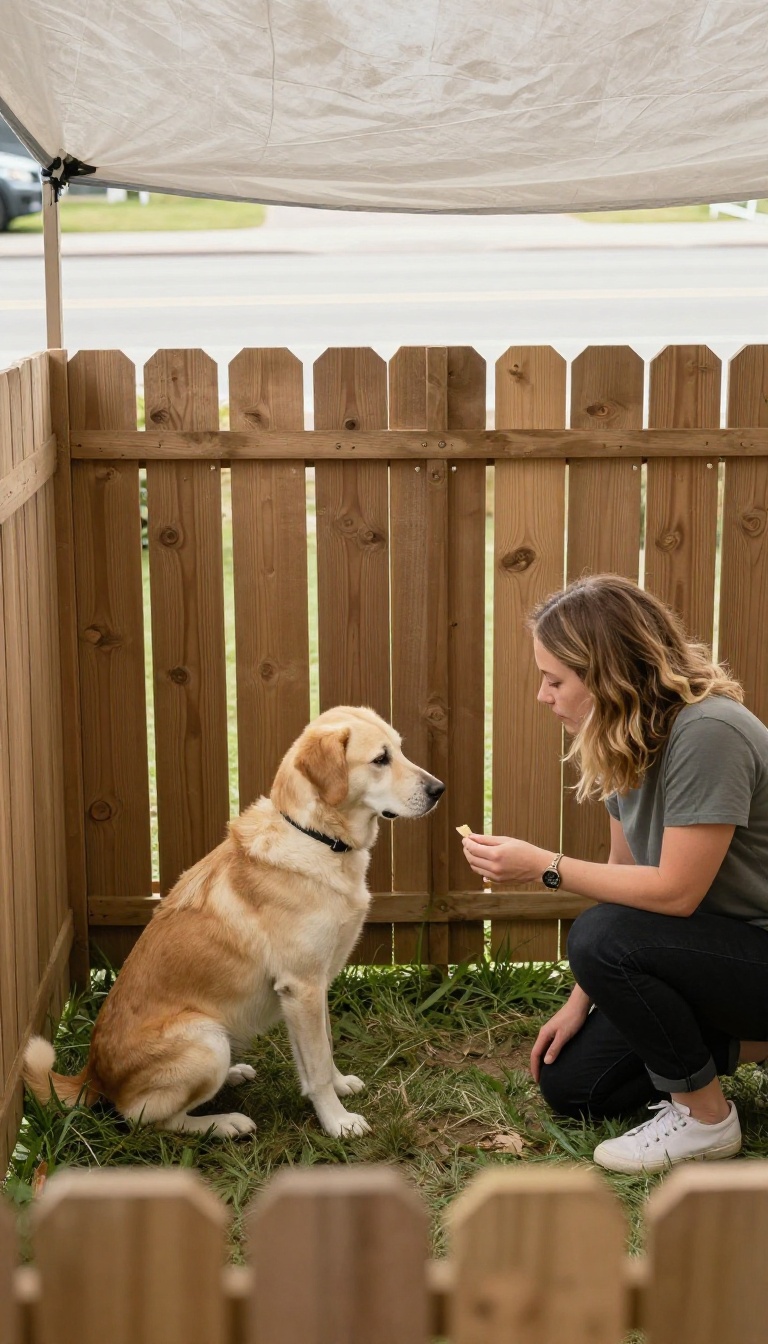
Sometimes the best way to teach your dog to ignore cars is to control what they see. A fenced yard or a quiet corner of a park can become your training arena, where you can manage the distance and visibility of passing traffic. By using visual barriers like tarps or solid fencing, you create a safe, low-stress environment for practice.
Set up a space where your dog can hear cars but not see them clearly. This reduces the intensity of the trigger while still giving you a chance to work on calm behavior. Over time, you can gradually remove barriers or move closer to the road, always keeping your dog under threshold.
Why Visual Barriers Work
Dogs often react to the sight of a moving car before they even hear it. Blocking that visual trigger lowers arousal levels, making it easier for your dog to focus on you. Think of it as turning down the volume on a loud song so you can have a conversation.
Setting Up Your Training Space
Use a sturdy fence, a row of tarps, or even parked cars as a natural shield. Make sure the area is secure and free from distractions. Position yourself and your dog so that cars pass at a distance where your dog notices but doesn't react.
That's your starting point.
Progressive Exposure Steps
Start with the barrier fully blocking the view. Reward calm behavior with treats or praise. Then, create small gaps or lower the barrier slightly to reveal a bit of the road.
Each session, increase the visibility only if your dog stays relaxed. If they react, you've gone too far—back up and try again.
12. Use a Clicker to Mark Calm Behavior
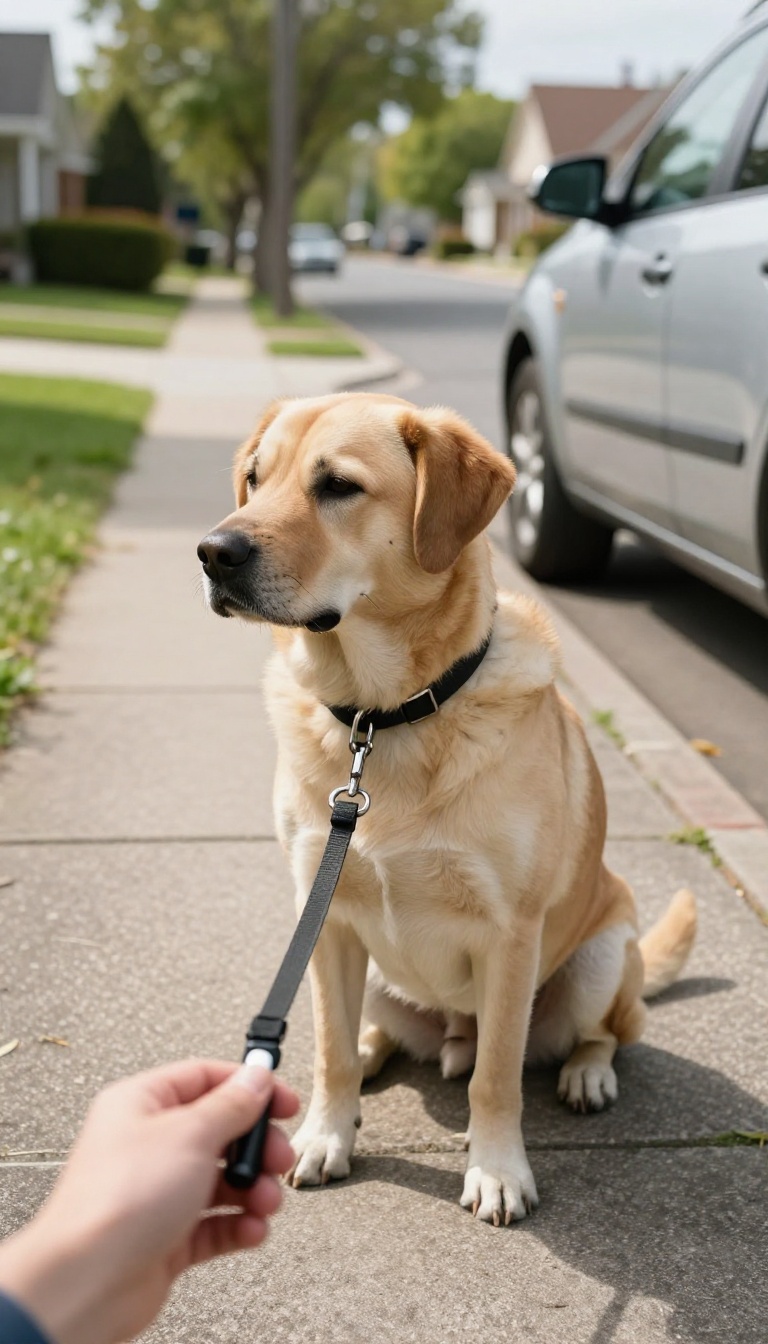
Clicker training is all about timing. When you click at the exact moment your dog notices a car but stays relaxed, you're telling them, 'Yes, that's what I want. ' Over time, this builds a new habit: seeing a car means calm, not chaos. It's simple, but it works because it's precise.
You don't need to wait for perfect behavior. Start by clicking for any small sign of calm—like a soft body, a glance that doesn't turn into a stare, or even just a relaxed ear. The click marks the moment, then you follow with a treat.
This builds a strong association between the sight of a car and good things, without any pressure.
Start Small: Practice At A Distance
Begin where your dog can see cars but isn't too worked up. That might be a quiet street or a parking lot edge. Click and treat for any relaxed response.
If your dog is too excited, you're too close. Move back until they can notice a car without reacting, then practice there.
Use The Clicker To Shape Calm
You don't have to click only for perfect calm. You can shape it. For example, click for a soft body, then for a glance away from the car, then for sitting or lying down.
Each click tells your dog they're on the right track. This makes the training fun and builds confidence.
Gradually Increase The Challenge
As your dog gets the hang of it, you can slowly move closer to the road or practice at busier times. Always keep the sessions short and end on a positive note. If your dog starts reacting, you've moved too fast—just take a step back and try again later.
13. Consult a Professional for Severe Cases
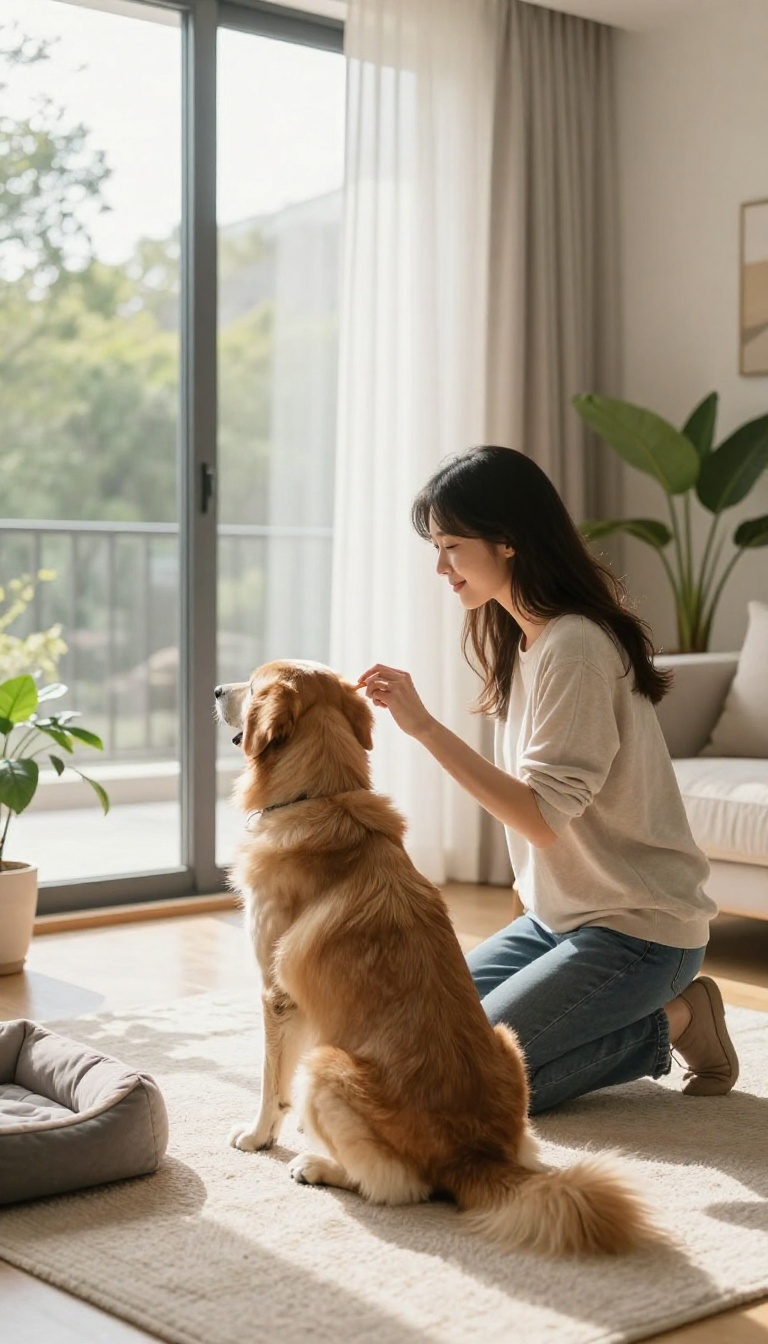
Sometimes, despite your best efforts, the chasing behavior runs deeper than simple excitement. If your dog's reaction is extreme—lunging, snapping, or fixating to the point of ignoring everything else—it's time to call in reinforcements. A certified trainer or veterinary behaviorist can pinpoint the root cause and design a plan that fits your dog's specific triggers and temperament.
It's not a failure; it's the smartest move for everyone's safety.
Working with a professional isn't about handing over the reins—it's about getting expert eyes on the problem. They can spot subtle cues you might miss and offer techniques that are both humane and effective. Plus, they'll teach you how to manage high-stress moments with confidence, so you're not just reacting but actually preventing the chase before it starts.
Think of it as an investment in peace of mind and a safer future for your dog.
Recognizing When It's Time
If your dog's chasing has escalated to the point where you're avoiding walks altogether or you're worried about them breaking loose, that's a clear signal. Also, if you've tried multiple training methods without progress, a professional can offer a fresh perspective. Don't wait until a close call—early intervention makes a huge difference.
What A Professional Can Offer
A certified trainer or behaviorist will assess your dog's behavior in real-life scenarios, then craft a custom plan that might include desensitization, counter-conditioning, or management strategies. They can also recommend tools like head collars or long lines that add an extra layer of safety. Most importantly, they'll coach you on timing and consistency, which are key to lasting change.
Finding The Right Expert
Look for credentials like CPDT-KA or DACVB, and ask about their experience with reactivity and chasing. Read reviews, ask for references, and trust your gut—you want someone who communicates clearly and uses positive, force-free methods. Many offer virtual sessions, so you can get help no matter where you live.
FAQ
Why does my dog chase cars?
Dogs often chase cars because of their prey drive, herding instinct, or simply because the movement triggers excitement. It's a natural behavior, but it's dangerous and needs management.
Can I train my dog to stop chasing cars on my own?
Yes, many dogs improve with consistent training using the methods in this article. However, if the behavior is severe or you feel unsafe, professional help is recommended.
How long does it take to stop a dog from chasing cars?
It varies by dog and consistency. Some dogs show improvement in a few weeks, while others may need months of training. Patience and regular practice are key.
Are certain breeds more prone to chasing cars?
Breeds with strong herding or prey instincts, like Border Collies, Australian Shepherds, or Greyhounds, may be more prone. But any dog can develop this habit.
What should I do if my dog suddenly chases a car?
Stay calm and use a strong recall command if you have one. If not, try to get your dog's attention with a loud noise or a treat. Always keep them on a leash near roads.
Conclusion
Training a car-chasing dog takes patience, but every small step you take together makes the streets safer and your bond stronger. Start with the exercises that feel most manageable in your daily routine, whether that’s a solid “watch me” or a reliable recall. Consistency matters more than perfection, so celebrate the tiny wins and keep sessions short and positive.
Over time, your dog will learn that staying by your side is way more rewarding than chasing a moving target. You’ve got this—one walk, one treat, one calm moment at a time.

I’m Pallab Kishore, the owner of Little Pets Realm — an animal lover and pet care enthusiast sharing easy tips, healthy recipes, and honest advice to help every small pet live a happy, healthy, tail-wagging life.