
Training your dog doesn't have to feel like a chore—for either of you. The moment you turn practice into play, your pup's ears perk up, their tail wags faster, and learning sticks. These 15 games blend fun with real skill-building, so you'll see progress without the boredom.
From impulse control to recall, each activity targets a specific behavior while keeping your dog excited to train. You'll also strengthen your bond, one playful session at a time.
Ready to make training the highlight of your dog's day? Pick a game, grab some treats, and let the fun begin.
1. The Name Game: Building Instant Attention
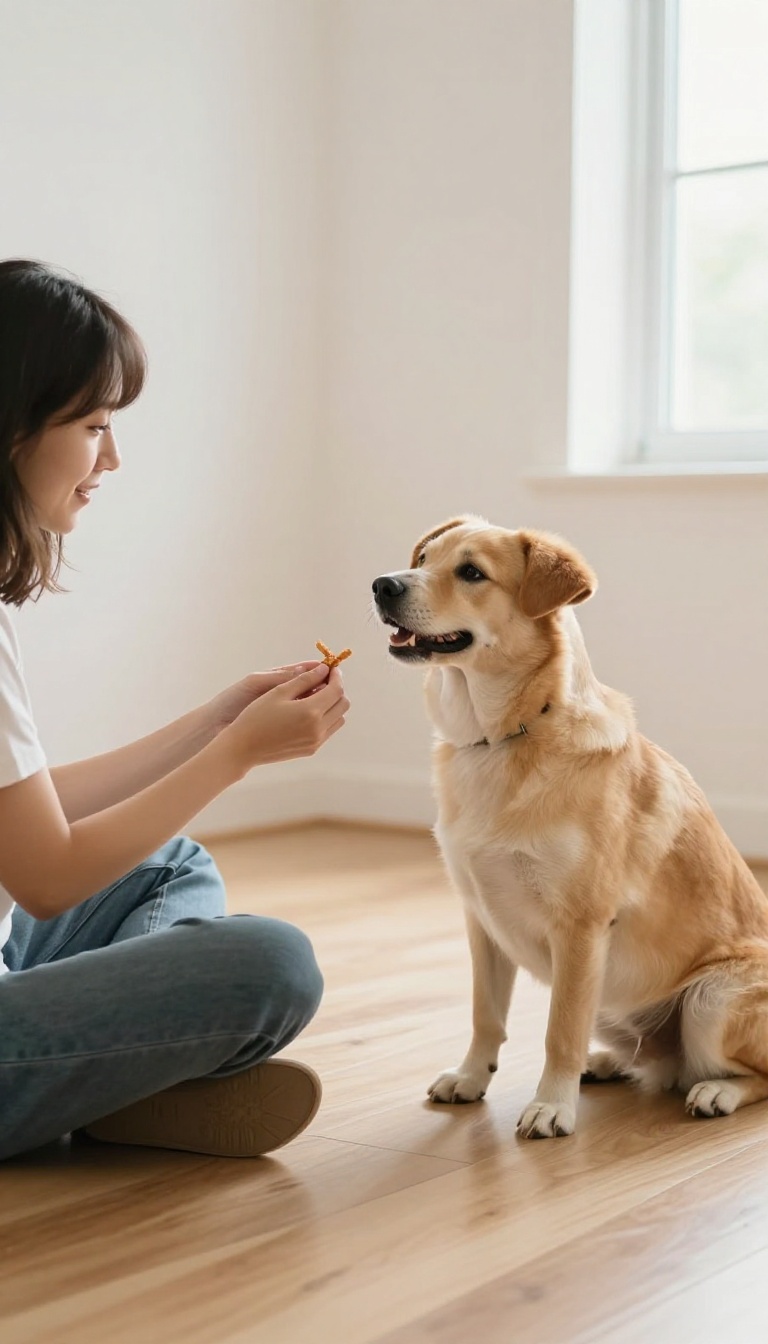
Before you can teach anything else, your dog needs to learn that their name means "look at me. " This simple game turns that into a fun reflex. It's the first step to a dog that tunes in when you speak, even in distracting environments.
Start in a quiet room with a handful of tiny, high-value treats. Say your dog's name in a happy, upbeat tone. The moment they turn their head or make eye contact, mark with a "yes!
" and toss a treat. Repeat this ten times, then take a short break. Over a few sessions, your dog will start whipping their head around the second they hear their name.
Once your dog has the hang of it at home, gradually add distractions—a squeaky toy on the floor, a friend walking by, or a trip to the backyard. The goal is to make responding to their name automatic, no matter what's happening around them. Always reward the check-in, even if it takes a few extra seconds at first.
Why It Works
Dogs learn through association. When you pair their name with a tasty reward and your happy tone, they start to see it as a cue for good things. This builds a strong foundation for recall and focus, making every other training game easier.
Common Mistakes To Avoid
Don't repeat your dog's name over and over if they don't respond—that teaches them they can ignore you. Instead, wait for a pause, then try again with a more exciting tone or a treat in your hand. Also, never use their name in a scolding tone, or they'll start to dread it.
Leveling Up The Game
Once your dog reliably looks at you, add a hand signal like touching your nose. Say their name, then point to your nose. When they make eye contact, reward.
This builds a stronger connection between the name and the action. You can also practice in short bursts throughout the day, like before meals or when you come home.
2. Find It: Harnessing the Power of Scent
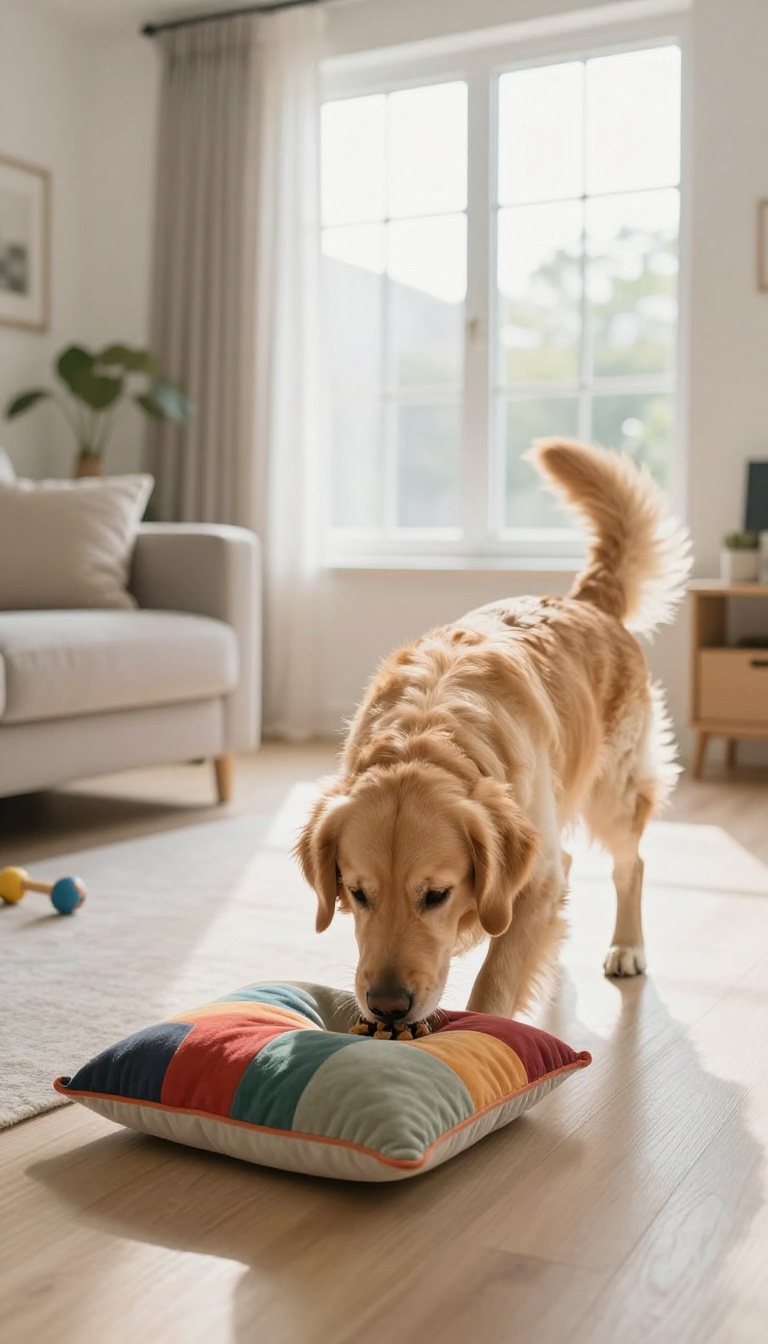
Dogs experience the world through their noses, and this game puts that superpower to work. You hide treats or toys, and your dog uses their nose to track them down. It’s a simple concept that delivers big mental stimulation and taps into instincts your pup already has.
Start easy by hiding a treat in plain sight, then gradually make it harder. Toss a treat a few feet away and say “Find it! ” as your dog watches. As they get the hang of it, hide treats under cushions, behind furniture, or in another room.
You can also use a favorite toy instead of food. The goal is to let your dog’s nose lead the way, not their eyes. This game builds confidence and gives them a job to do—something every dog craves.
Why Scent Work Matters
Scent work is more than just a fun game—it’s a form of mental exercise that tires dogs out faster than physical activity. When your dog uses their nose, their brain is actively processing and problem-solving. This can help reduce anxiety and curb destructive behaviors caused by boredom.
Plus, it’s a great way to bond, as you’re working together as a team.
Getting Started: Easy Hides
Begin with simple, visible hides to teach the game. Place a treat on the floor, say “Find it, ” and let your dog sniff it out. Once they understand the cue, move to slightly hidden spots like under a towel or behind a chair leg.
Always celebrate success with praise or a small reward. Keep sessions short—five minutes is plenty—and end on a high note.
Leveling Up: Advanced Challenges
As your dog becomes a pro, crank up the difficulty. Hide treats in harder-to-reach places like inside a cardboard box or under a pile of laundry. You can also play outdoors, hiding treats in grass or around a tree.
For an extra challenge, try using a single scent (like a drop of essential oil on a cotton ball) and teach your dog to find that specific smell. This is the foundation for nose work competitions.
3. The Box Game: Impulse Control with a Twist
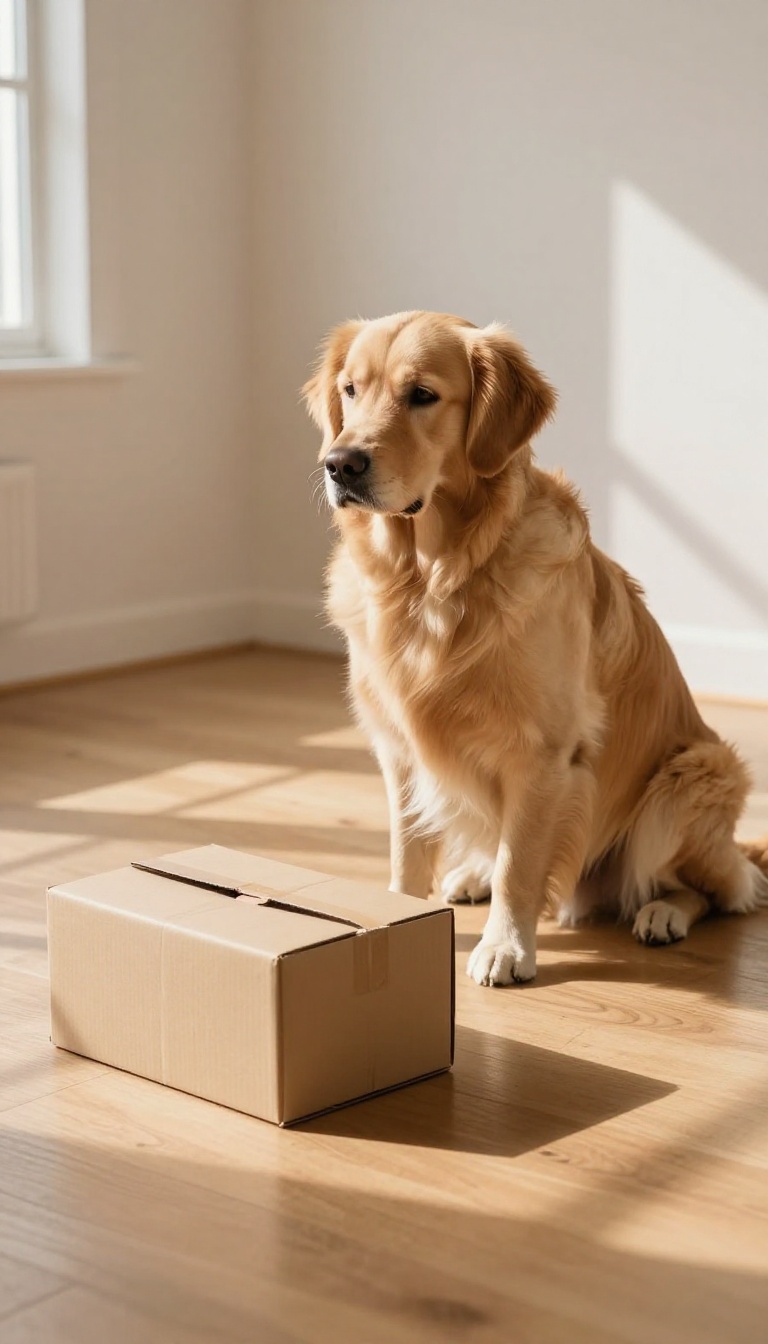
Impulse control is one of those skills that makes life with a dog so much easier. Whether it's waiting at the door or not snatching food off the counter, a little patience goes a long way. The Box Game turns that lesson into a fun challenge that your dog will actually look forward to.
The Box Game is simple: you place a treat in a box, let your dog see it, then close the lid or cover it. Your dog will naturally want to grab it, but the rule is they can only take it when you give a release cue like "okay" or "take it. " This teaches them to pause and wait for your signal, even when temptation is right in front of them.
Why It Works
Dogs learn best when they're rewarded for the right behavior. The Box Game rewards patience, not grabbing. Over time, your dog learns that waiting actually gets them the treat faster than lunging for it.
This builds a habit of self-control that carries over to other situations.
How To Play
Start with a box your dog can easily see into. Put a treat inside, close the lid, and hold it or place it on the floor. Wait for your dog to show any sign of restraint—like sitting or looking at you—then say your release cue and let them grab it.
Repeat, gradually increasing the time they need to wait.
Level Up The Challenge
Once your dog gets the hang of it, make the game harder. Use a box with a lid that's harder to open, or place the treat in a puzzle toy. You can also practice in different rooms or with distractions around.
The goal is to keep your dog's brain engaged and their impulse control sharp.
4. Tug with Rules: Playful Obedience
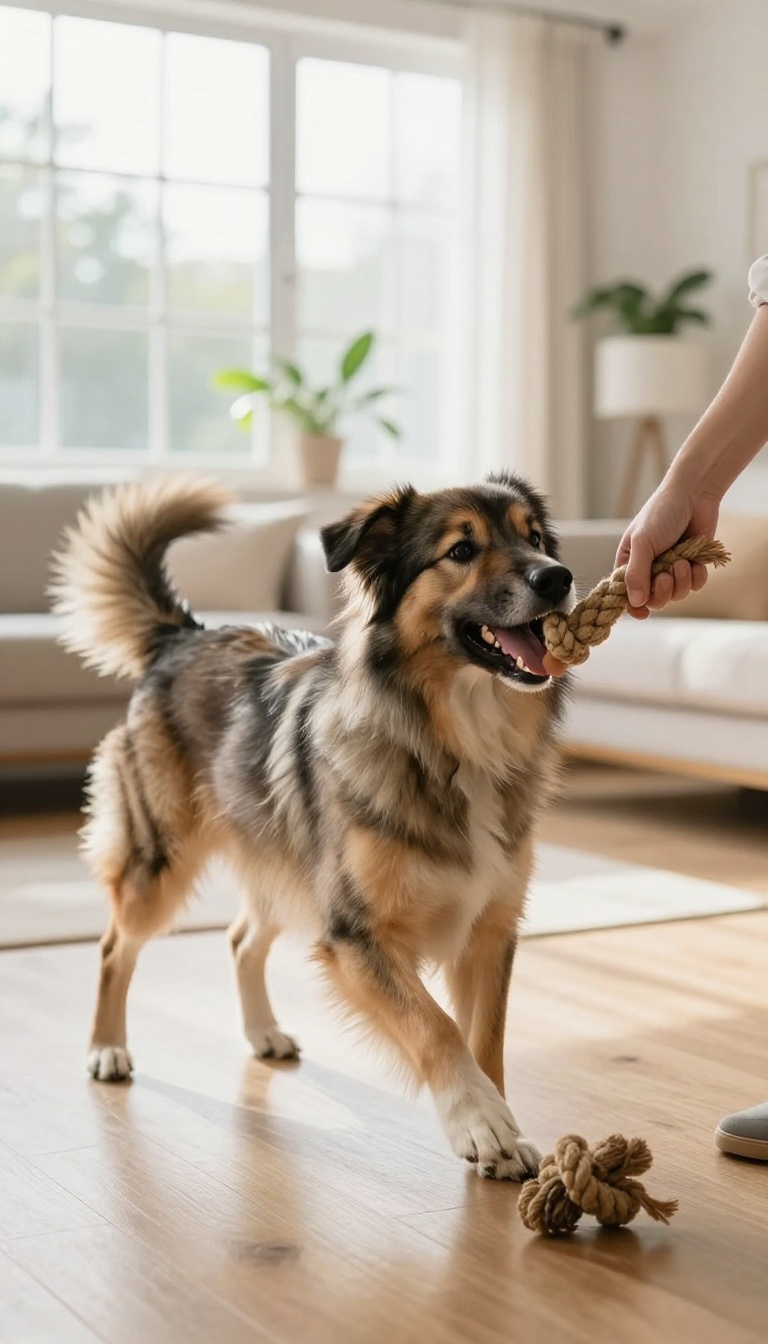
Tug-of-war often gets a bad rap, but when played with clear rules, it's one of the best games for teaching self-control. Your dog learns to engage and disengage on cue, which translates directly to better behavior in real-life situations. Plus, it's a fantastic way to burn off energy without leaving the living room.
Start with a quick warm-up: have your dog sit and offer the toy. Say "take it" and let the game begin. Keep the play intense but controlled for about 10 seconds, then pause and ask for a "drop it.
" The moment they release, reward with praise and a treat, then restart. This back-and-forth builds a solid foundation for impulse control and reinforces that following your cues leads to more fun.
Setting The Ground Rules
Before you start, decide on the rules and stick to them. The game only continues when your dog is polite—no teeth on skin, no growling at you, and they must release the toy when asked. If they break a rule, say "oops" and end the game for a minute.
This teaches that cooperation is the key to keeping the fun going.
Teaching 'drop It' Effectively
The trick to a reliable "drop it" is making the release more rewarding than the tug. Use a high-value treat or a second toy as a trade. As your dog opens their mouth, say "drop it" and immediately reward.
Practice this several times during each session, gradually increasing the time they hold before you ask.
Adding Challenges For Advanced Play
Once your dog masters the basics, add variations to keep things interesting. Ask for a "sit" before you throw the toy, or have them "wait" for a few seconds before they can grab it. You can also practice "leave it" with the toy on the ground.
These small tweaks turn a simple game into a full obedience workout.
5. The Shell Game: Boosting Problem-Solving Skills
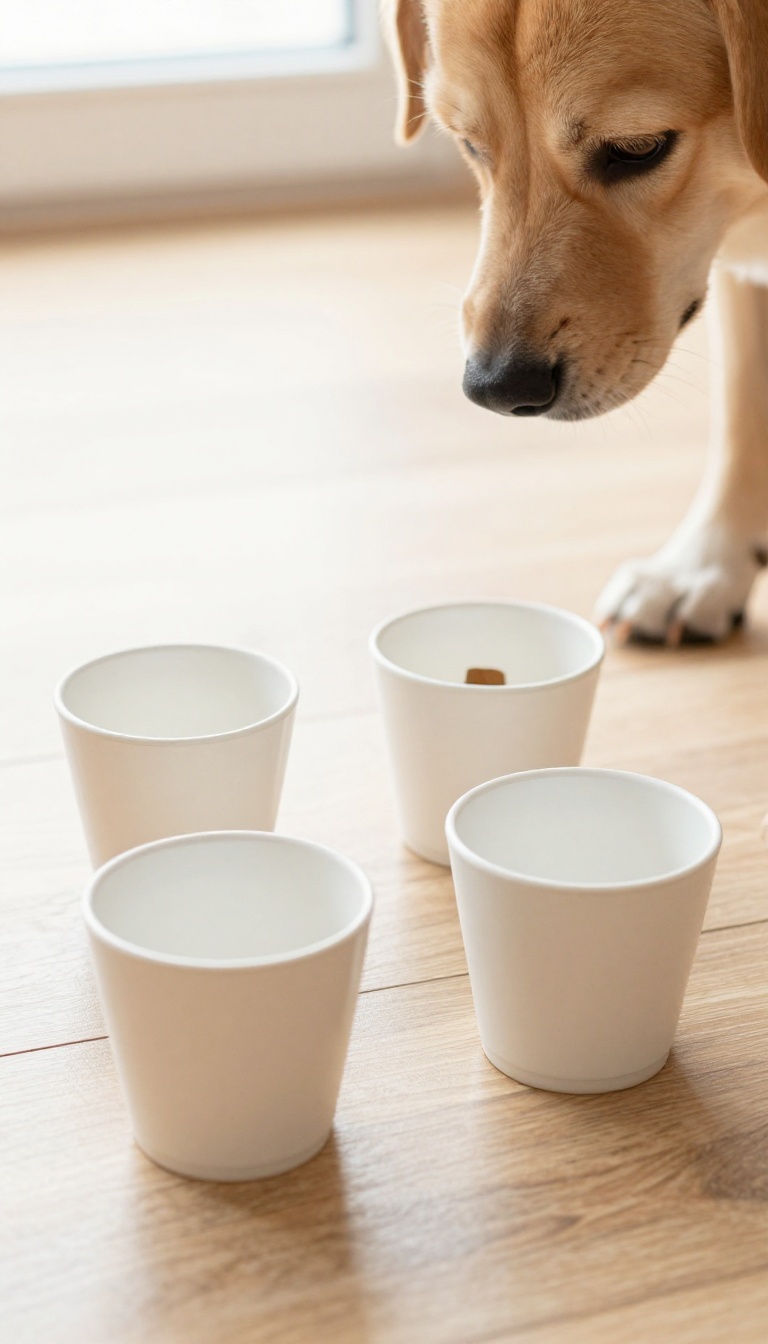
Dogs are natural problem solvers, but they need practice to sharpen that skill. The shell game turns a simple treat hunt into a mental workout that builds memory and focus. It’s easy to set up at home, and your dog will love the challenge.
Start with three identical cups or containers and a high-value treat. Let your dog watch as you place the treat under one cup, then slowly shuffle the cups around. Encourage your dog to sniff and paw at the cups to find the treat.
As they get better, speed up the shuffling or add more cups to increase the difficulty. Always reward success with the treat and plenty of praise.
Why It Works
This game taps into your dog’s natural hunting instincts. Tracking the treat under moving cups exercises their working memory and teaches them to focus on a task. It also builds confidence as they learn to trust their nose and problem-solving abilities.
Getting Started
Begin with just one cup to teach the concept. Place the treat under the cup and let your dog knock it over to get the reward. Once they understand, add a second cup, then a third.
Keep sessions short—five minutes is plenty—and always end on a success.
Making It Harder
Once your dog masters the basic shuffle, try moving the cups in a circle or swapping them faster. You can also use different containers, like small boxes or bowls, to keep the game fresh. For an extra challenge, hide the treat under one cup and distract your dog with a toy before letting them choose.
6. Recall Relay: Making Come When Called Fun
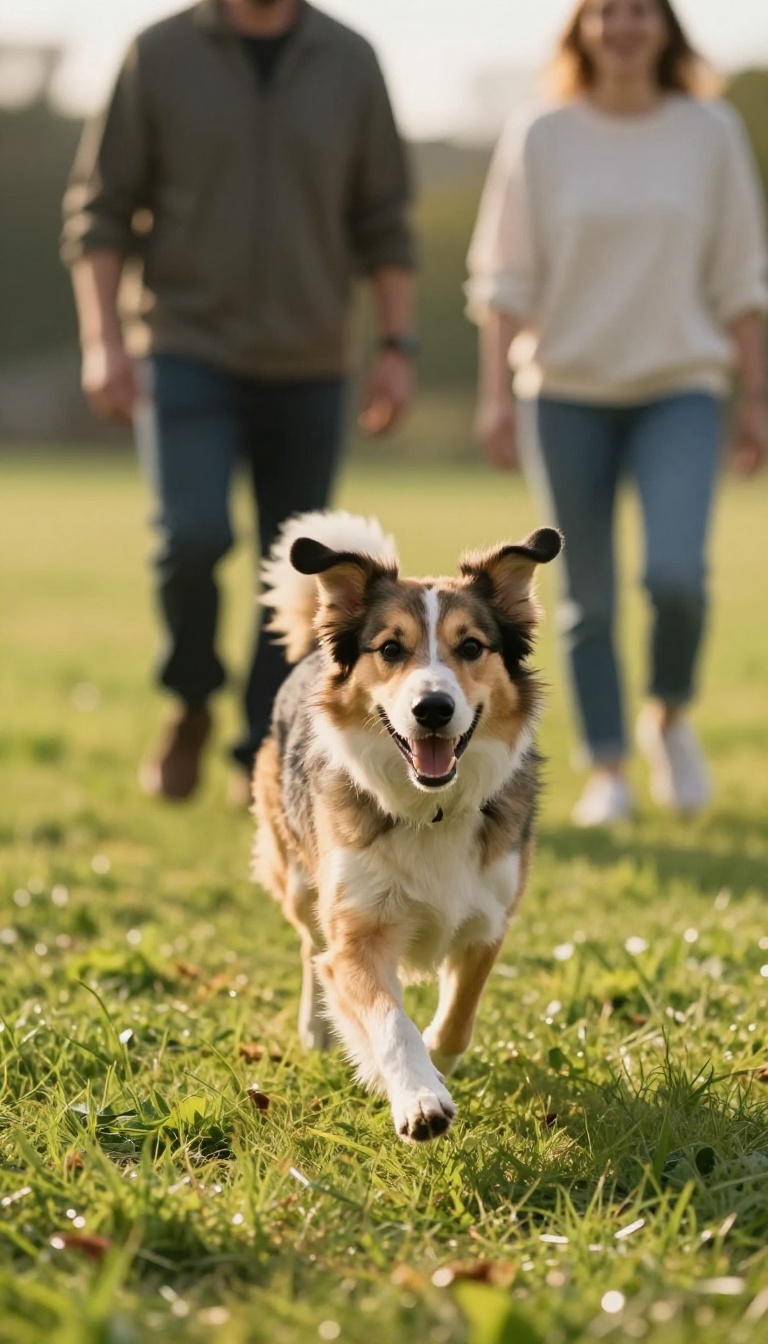
A reliable recall can be a lifesaver, but drilling 'come' over and over gets dull fast. The Recall Relay turns that essential command into a lively game that your dog will actually look forward to. With two people and a little space, you can build a rock-solid response that holds up even when distractions are high.
The Recall Relay is simple: you and a partner stand a short distance apart, taking turns calling your dog back and forth. Each time your dog reaches the caller, they get a treat or a quick play session. The game turns recall into a fun chase, teaching your dog that coming when called always leads to something great.
Start with short distances in a low-distraction area, then gradually increase the distance and add challenges as your dog gets the hang of it.
Setting Up The Game
Start in a quiet, enclosed space like a backyard or a long hallway. You and your partner should stand about 10 to 15 feet apart, with your dog in the middle. Have treats or a favorite toy ready, and decide on a clear cue like 'come' or 'here. ' The goal is to make each recall a positive, exciting event, so keep the energy upbeat and the rewards high-value.
Making It Exciting
The key to a strong recall is making it more fun than whatever else is going on. Use an enthusiastic voice, open your arms wide, and maybe even take a few steps backward to encourage your dog to chase you. When they arrive, throw a mini celebration—treats, praise, or a quick tug session.
You want your dog to think, 'Running to my human is the best game ever! '
Adding Challenges
Once your dog is reliably zipping between you two, it's time to level up. Increase the distance, add mild distractions like a tossed toy, or practice in a new location. You can also vary the rewards—sometimes a treat, sometimes a game of fetch.
This keeps the game unpredictable and your dog's recall sharp, even when the environment gets more interesting.
7. The Wait Game: Teaching Patience at Doorways
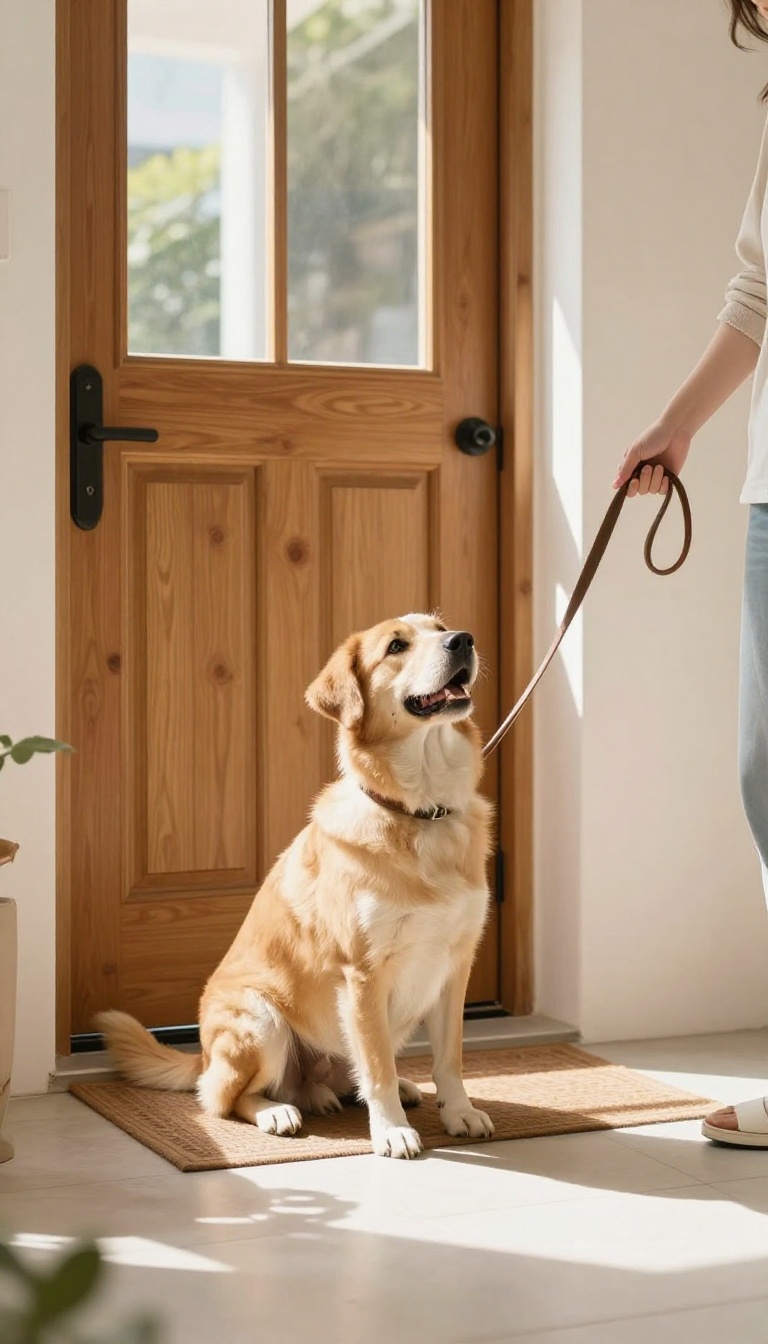
Doorways are a common source of chaos. The moment the handle turns, your dog might lunge, bark, or bolt. The Wait Game flips that script by turning the door into a training station.
You'll teach your dog that calm behavior leads to the fun stuff—going outside. It's simple, practical, and a total game-changer for daily routines.
The Wait Game is about teaching your dog to pause at the threshold until you give the release cue. This isn't about being harsh—it's about building a habit of checking in with you before moving forward. With consistent practice, your dog will learn that patience pays off, and you'll say goodbye to door-dashing for good.
Start With A Simple Sit
Begin at the door with your dog on a leash. Ask for a sit, then open the door just a crack. If your dog stays seated, praise them and close the door.
If they move, gently close the door and reset. Repeat until they hold the sit reliably. This builds the foundation for the full wait.
Add The Release Cue
Once your dog is solid at sitting, introduce a release word like "okay" or "free. " Say the cue, then step through the door and let your dog follow. This teaches them that they only move when you say so.
Keep sessions short—five minutes max—so your dog stays engaged.
Increase The Challenge
Gradually make the game harder. Open the door wider, step outside yourself, or add distractions like a tossed toy. If your dog breaks the wait, calmly bring them back and start again.
The goal is to make the wait feel like the best part of the game, so your dog chooses to stay put.
8. The Touch Game: Targeting for Precision
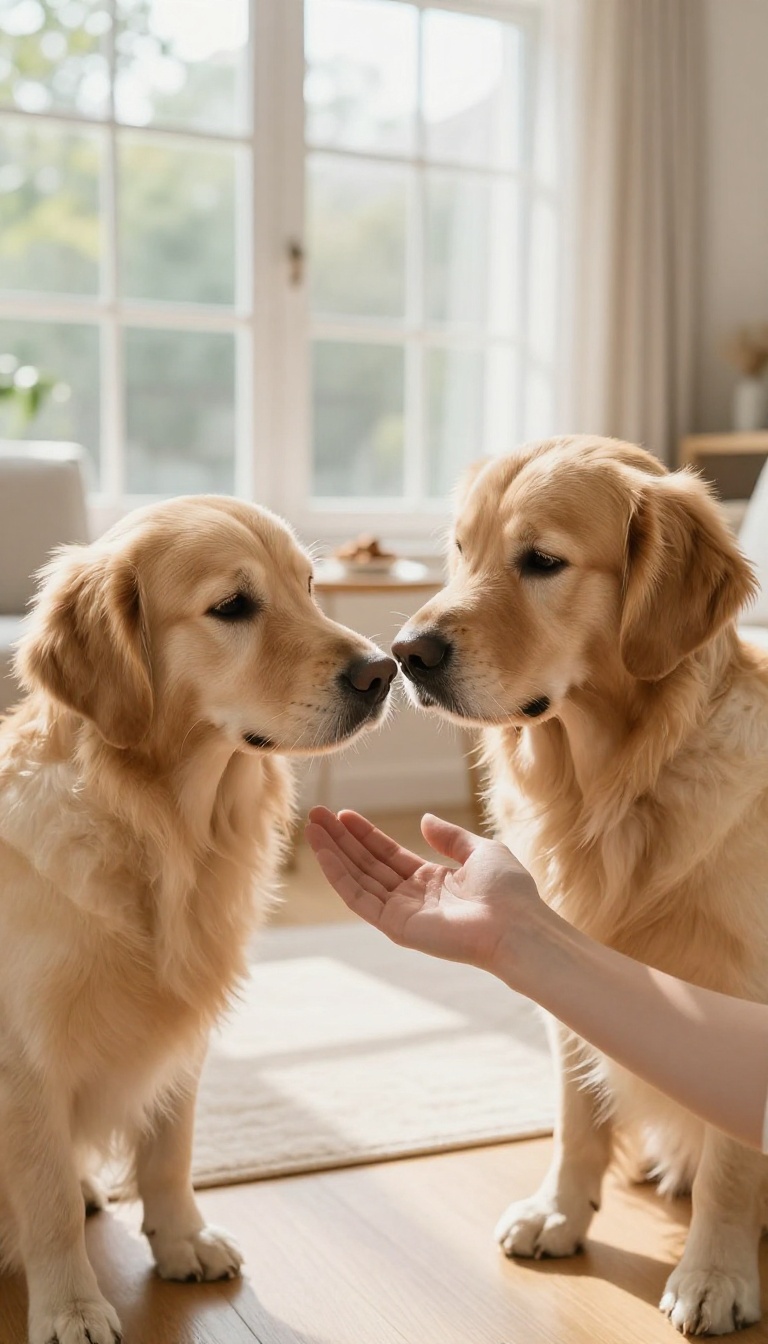
Teaching your dog to touch a target—whether your hand or a stick—is like giving them a remote control for their nose. It’s a simple game that builds focus and precision, and it’s the foundation for everything from agility obstacles to cute tricks like ringing a bell. The best part?
It’s so easy to start that you can play it right now, with zero equipment.
The touch game is all about teaching your dog to boop their nose onto a specific spot on command. It’s a brilliant way to channel their natural curiosity into a controlled behavior. Once your dog masters the basic touch, you can use it to guide them through complex movements, like weaving through poles or placing their paws on a target.
Plus, it’s a fantastic confidence booster for shy or anxious dogs because it gives them a clear, simple job to do.
Why Targeting Works So Well
Targeting taps into your dog’s instinct to investigate with their nose. When you present a target, they’re naturally curious, and rewarding that curiosity with a treat makes the behavior stick. It’s also a low-impact activity, perfect for puppies or senior dogs who need mental stimulation without physical strain.
And because it’s so precise, it sharpens your dog’s focus and builds a stronger connection between your cues and their actions.
How To Start The Touch Game
Start by presenting your open palm a few inches from your dog’s nose. The moment they sniff or touch it, mark with a “yes” and give a treat. Repeat this a few times, then gradually add a verbal cue like “touch” just before they make contact.
Once they’re reliably touching your hand, you can introduce a target stick or a sticky note on the wall. Keep sessions short—five minutes max—and always end on a high note.
Taking It To The Next Level
Once your dog understands the basics, you can get creative. Use the touch to guide them through an obstacle course, to close doors, or to press a button that plays a sound. You can also work on distance and duration, asking them to touch a target across the room or hold their nose on it for a few seconds.
This game is incredibly versatile, so let your imagination run wild.
9. The Treat Toss: Building Focus and Control
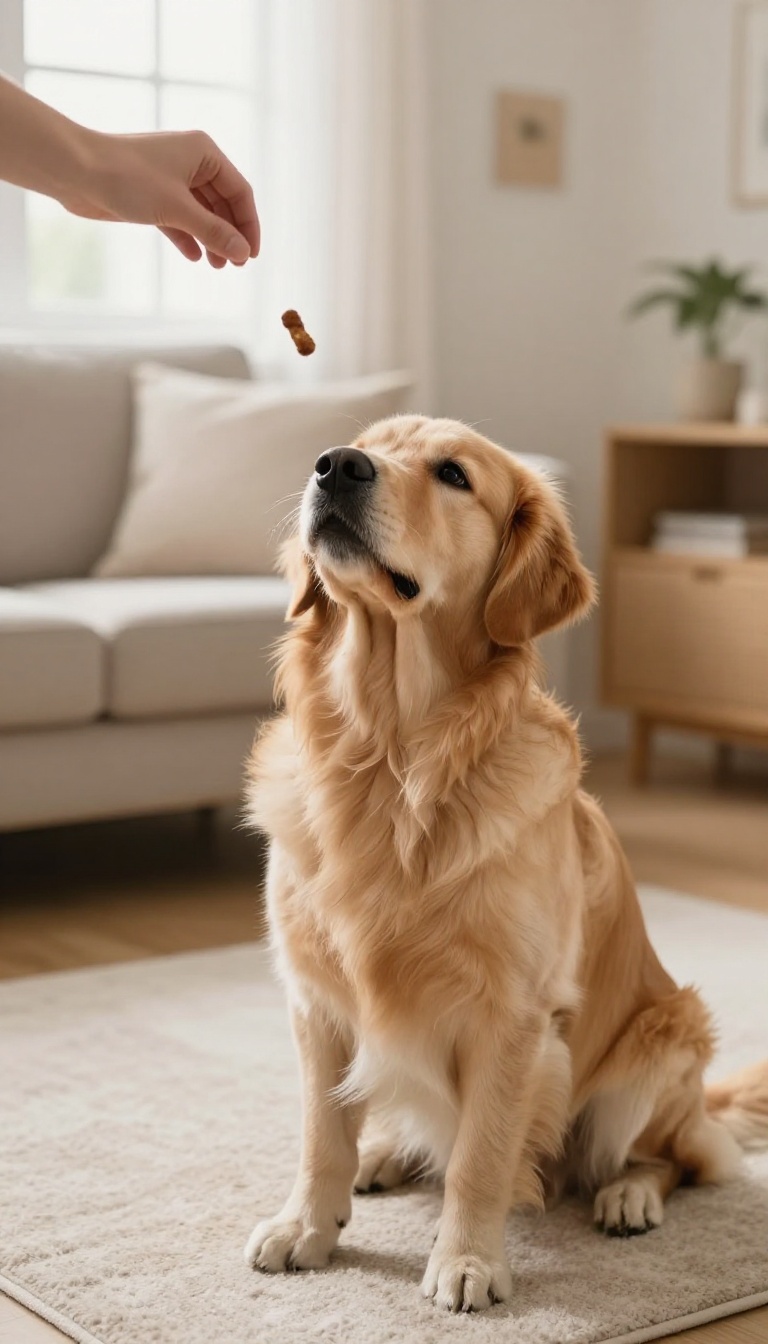
Sometimes the simplest games pack the biggest punch. The treat toss is exactly that—a low-effort, high-reward activity that sneaks impulse control into your daily routine. You toss a treat, your dog waits, and then they get the green light to chase it down.
It sounds basic, but it's quietly powerful. This game teaches your dog to hold their excitement until you say go. That pause is the core of self-control, and it transfers to real-life moments like waiting at doors or staying calm around food.
Plus, it's a great way to burn mental energy without needing much space.
Start by having your dog sit or lie down in front of you. Hold a treat in your hand, show it to them, then toss it a short distance—just a few feet away. The key is to keep your hand closed or give a clear 'wait' signal so they don't lunge immediately.
As soon as the treat lands, say your release word like 'okay' or 'get it' and let them go. At first, your dog might break the wait the moment the treat leaves your hand. That's normal.
Go back to a shorter distance or use a less exciting treat until they catch on. The goal isn't perfection on day one—it's building the habit of looking to you before acting. Once your dog gets the hang of it, you can increase the distance, toss treats in different directions, or even do it outdoors.
You can also use this game to practice stays in motion: toss the treat, then take a step or two before releasing. That adds a layer of challenge without making it frustrating.
Why It Works
The treat toss works because it turns a natural behavior—chasing food—into a structured exercise. By adding a wait before the chase, you're teaching your dog that patience pays off. This taps into their impulse control, which is like a muscle: the more you use it, the stronger it gets.
It also reinforces focus because your dog has to keep their eyes on you for the release cue, not just on the treat.
Step-by-step Setup
Find a quiet spot with minimal distractions. Have your dog sit or lie down. Show them a treat, then toss it a short distance—about 2 to 3 feet.
Use a clear 'wait' or 'stay' cue before tossing. When the treat lands, pause for a second, then say your release word. If your dog breaks early, calmly bring them back and try again with a shorter toss or a less tempting treat.
Keep sessions short—5 to 10 repetitions is plenty.
Progression Tips
Once your dog masters the basics, mix it up. Toss the treat behind them, to the side, or at varying distances. You can also add movement: toss the treat, then take a few steps before releasing.
This teaches your dog to hold their position even when you're moving. Another variation is to toss two treats in different directions and let them choose after the release, which adds a fun decision-making element.
10. The Hide and Seek Game: Strengthening Recall and Bond
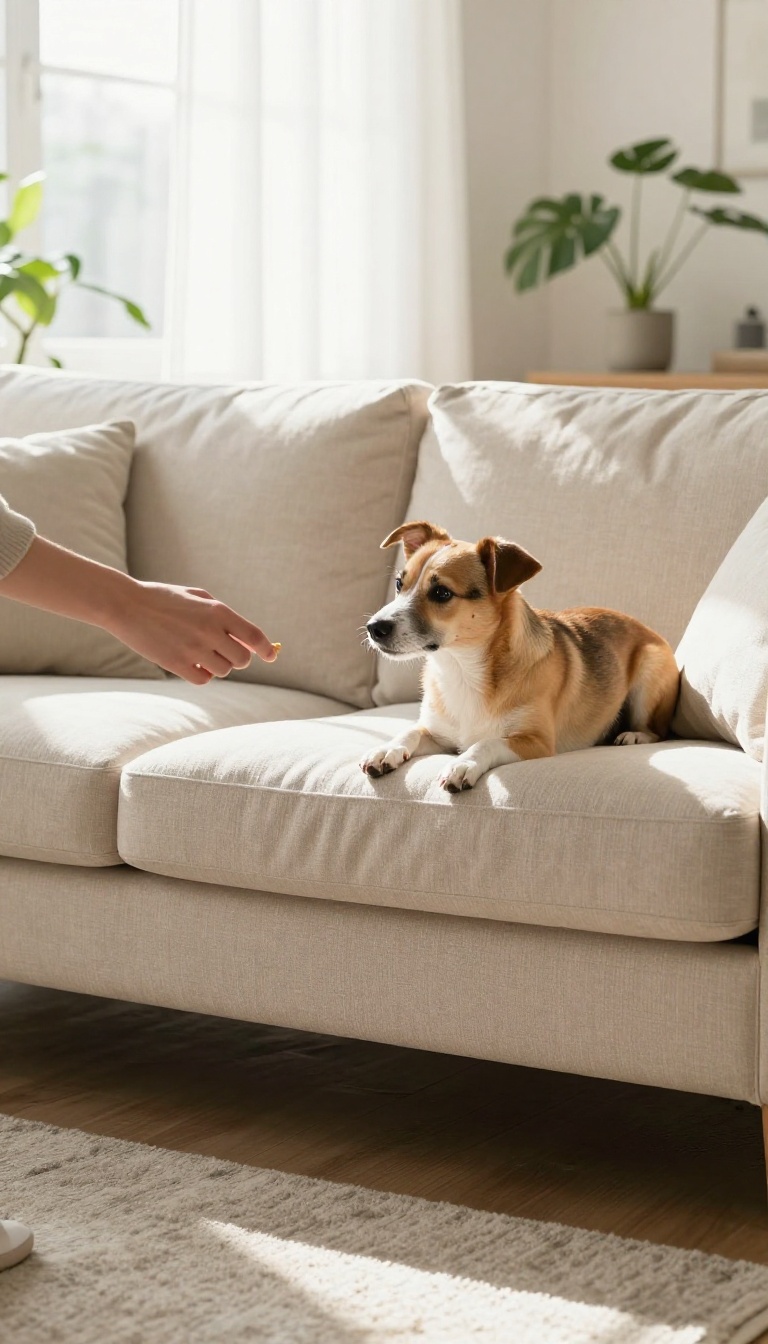
Hide and seek isn't just for kids—it's a fantastic way to build a rock-solid recall while having a blast. When you hide and call your dog, they learn to come find you, turning the 'come' command into an exciting game. This activity also deepens trust, as your dog learns that seeking you out always leads to fun and rewards.
Start simple by hiding in an easy spot, like behind a door or a piece of furniture. Call your dog in a happy, excited voice and reward them with treats and praise when they find you. As they get the hang of it, make the hiding spots trickier—behind a tree, in another room, or under a blanket.
The key is to always celebrate their success, so they associate coming to you with positive outcomes.
Why It Works
This game taps into your dog's natural hunting instincts. Instead of just hearing 'come' and getting a treat, they actively search for you, which makes the command more engaging. The mental and physical stimulation also helps burn energy, making it a great indoor activity on rainy days.
Getting Started
Begin in a small, familiar space with minimal distractions. Have a friend or family member hold your dog while you hide, or use a 'stay' command if they know it. Once hidden, call their name and 'come' in an upbeat tone.
When they find you, make it a party—lots of treats, pets, and excited praise.
Leveling Up The Challenge
As your dog becomes a pro, increase the difficulty. Hide in more challenging spots, or have someone else hide while you stay with the dog. You can also play this game outdoors in a fenced yard, using natural obstacles like bushes or trees.
Just be sure to keep it safe and always end on a high note.
Safety And Tips
Always supervise the game, especially outdoors. Avoid hiding in dangerous spots like near roads or steep drops. If your dog seems frustrated, make it easier by peeking out or making a noise to help them.
The goal is to build confidence, so keep sessions short and fun.
11. The Spin Game: Teaching Directional Cues
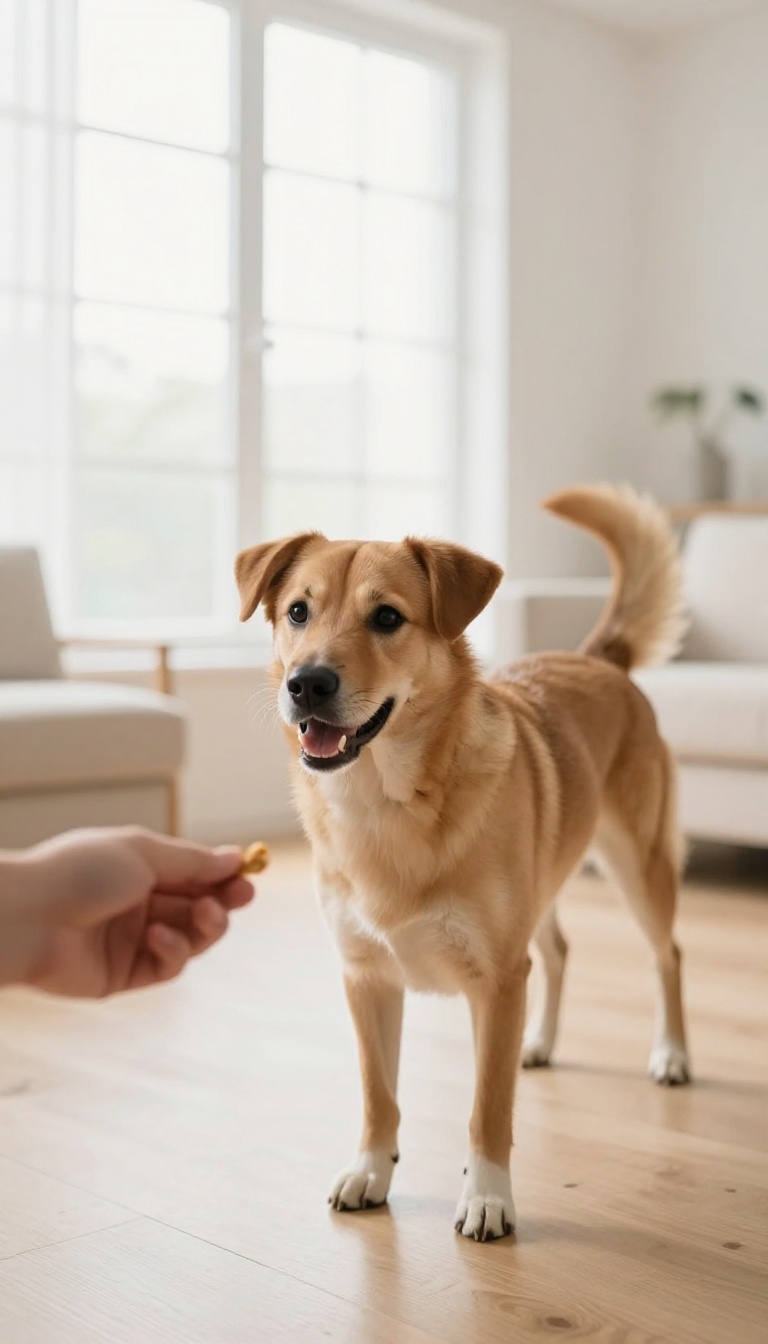
Dogs are masters of body language, but they often need a little help understanding left from right. The Spin Game turns that confusion into a clear, fun conversation. With a treat as your guide, your pup will learn to twirl on cue, building coordination and sharpening their responsiveness in the process.
Why Spin Builds Real Skills
Spinning isn't just a cute trick. It reinforces your dog's ability to follow subtle hand signals and verbal commands, which carries over to everyday obedience. The movement also stretches their spine and hips, improving flexibility and body awareness.
Plus, it's a great way to burn off a little extra energy without needing a big yard.
Step-by-step: Luring The First Spin
Start with your dog standing in front of you. Hold a treat close to their nose, then slowly move it in a circular motion around their head. As they follow the treat, their body will naturally turn in a full circle.
The moment they complete the spin, say 'yes' and give them the treat. Repeat this a few times, then gradually add the verbal cue 'spin' just before you start luring. Practice in short bursts so your dog stays eager and focused.
Adding Directional Cues: Spin Vs. Turn
Once your dog has mastered spinning in one direction, teach the opposite direction using a different cue—like 'turn' or 'other way. ' This helps your dog understand that words have specific meanings and that they need to watch your body language for clues. Use a distinct hand signal for each direction, such as a clockwise circle for 'spin' and a counterclockwise one for 'turn. ' Soon, your dog will respond to just the word or gesture alone.
Troubleshooting And Next Steps
If your dog gets dizzy or stops mid-spin, slow down and keep the circle small. Some pups prefer a wider arc, so adjust your lure to match their comfort. Once they're confident, try adding spins into a fun sequence—like spin, sit, then down—to keep their brain engaged.
You can also practice on different surfaces, like grass or a mat, to help your dog generalize the behavior.
12. The Stuffy Game: Encouraging Calm and Chewing
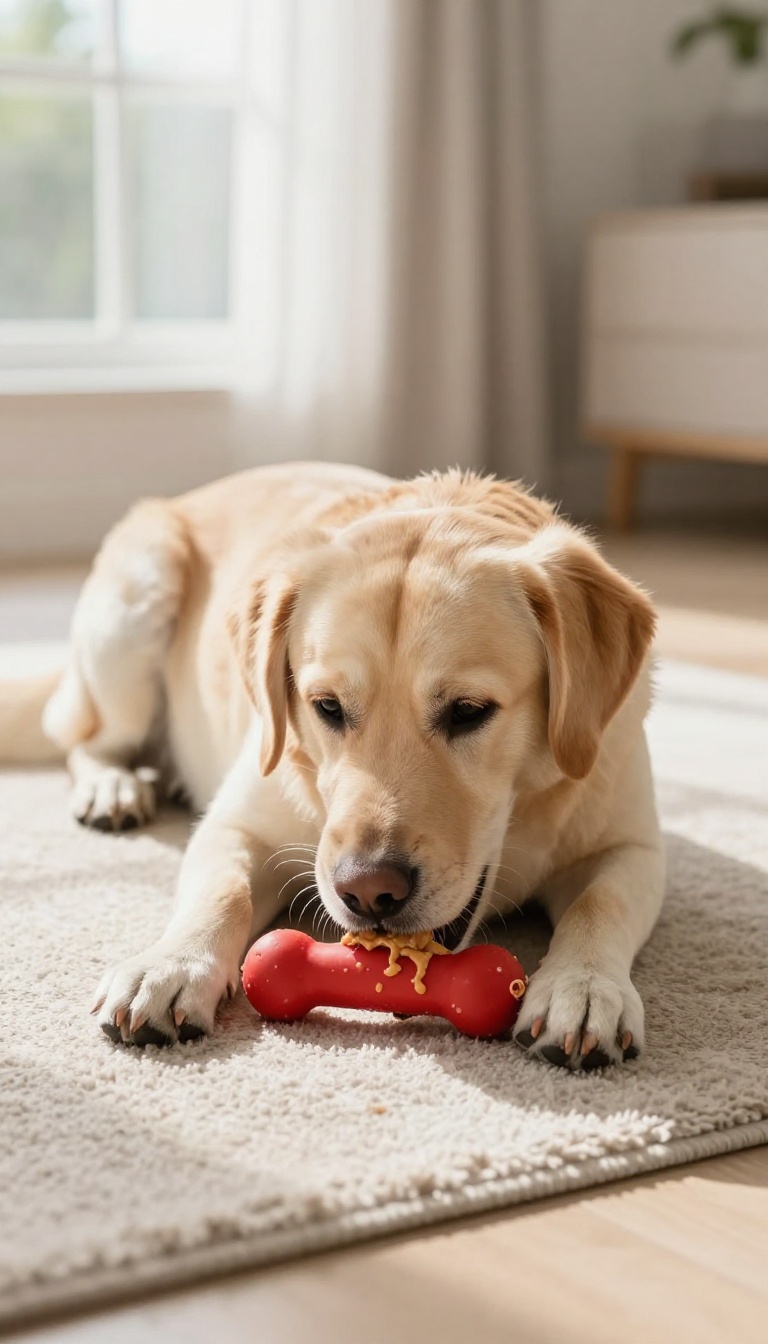
Some dogs seem to have a never-ending supply of energy, and when they’re bored, that energy can turn into destructive chewing. The Stuffy Game is a simple, effective way to redirect that natural urge into something positive. Instead of scolding your pup for gnawing on your shoes, you’ll be rewarding them for working on a tasty puzzle.
The Stuffy Game is all about stuffing a durable toy, like a Kong, with treats or peanut butter and letting your dog figure out how to get them out. It’s a fantastic way to provide mental stimulation, encourage calm behavior, and satisfy their need to chew. This game is perfect for rainy days, when you need a few minutes of quiet, or as a way to wind down after a walk.
Why Stuffing Works
Dogs are natural foragers, and in the wild, they’d spend a good chunk of their day searching for food. The Stuffy Game taps into that instinct. By making your dog work for their treats, you’re giving their brain a workout.
This mental fatigue is often more tiring than physical exercise, which helps calm an overexcited pup. Plus, the repetitive licking and chewing action releases endorphins, which have a soothing effect.
How To Play The Stuffy Game
Start with an easy level to keep your dog motivated. Smear a little peanut butter or soft cheese on the inside of the toy, and let them lick it off. Once they get the hang of it, you can stuff it more tightly with a mixture of kibble, treats, and maybe a bit of banana or pumpkin.
You can even freeze the stuffed toy for a longer-lasting challenge. The key is to make it rewarding, so your dog stays interested.
Adding A Calm Element
The Stuffy Game isn’t just about keeping your dog busy—it’s also a great tool for teaching calmness. Give your dog the stuffed toy when you’re settling down on the couch or when you need them to relax in their crate. Over time, they’ll associate the toy with quiet time.
You can also use it to redirect unwanted chewing. If you catch your dog gnawing on something they shouldn’t, swap it for the stuffed toy and praise them for choosing the right item.
13. The Fetch and Drop Game: Combining Retrieval and Release
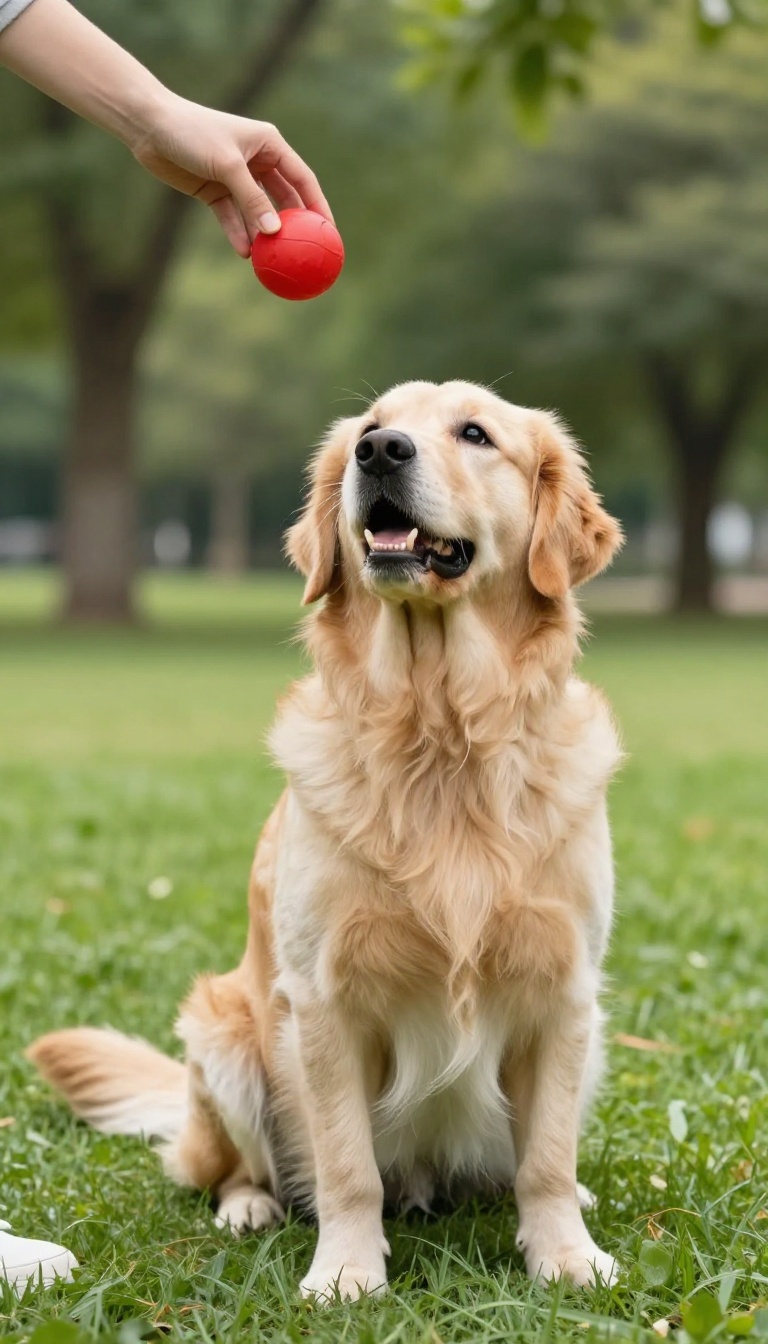
Fetch is a classic, but it can turn into a game of keep-away if your dog doesn't understand 'drop it. ' This variation adds a simple rule: the ball only gets thrown again when it lands at your feet. It's a fun way to teach impulse control and polite play without extra training sessions.
Start with a toy your dog loves but can easily give up. Play a normal game of fetch, but when your dog returns, ask for a 'drop it' cue. The moment the toy hits the ground near you, mark it with a 'yes' and toss the toy again.
If your dog holds on, stay calm and wait, or offer a treat to encourage the release. The key is consistency—the game only continues when the toy is dropped at your feet.
Why This Works
This game turns a natural retrieving instinct into a structured exercise. Your dog learns that dropping the toy leads to more play, which reinforces the behavior. It also builds patience and focus, as they must wait for your signal before the fun resumes.
Troubleshooting Common Hiccups
If your dog runs off with the toy, don't chase—that turns it into a chase game. Instead, walk away or ignore them until they come back. If they drop it too far away, gently guide them back with a treat.
For dogs that struggle to release, trade the toy for a high-value treat, then immediately toss the toy again so they learn letting go doesn't end the game.
Leveling Up The Challenge
Once your dog masters the basics, add a 'wait' before throwing. Ask them to sit and hold still while you wind up, then release with a 'go get it. ' You can also vary the drop spot—sometimes ask for it at your side, other times in front of you. This keeps the game fresh and sharpens their listening skills.
14. The Obstacle Course: Building Confidence and Agility
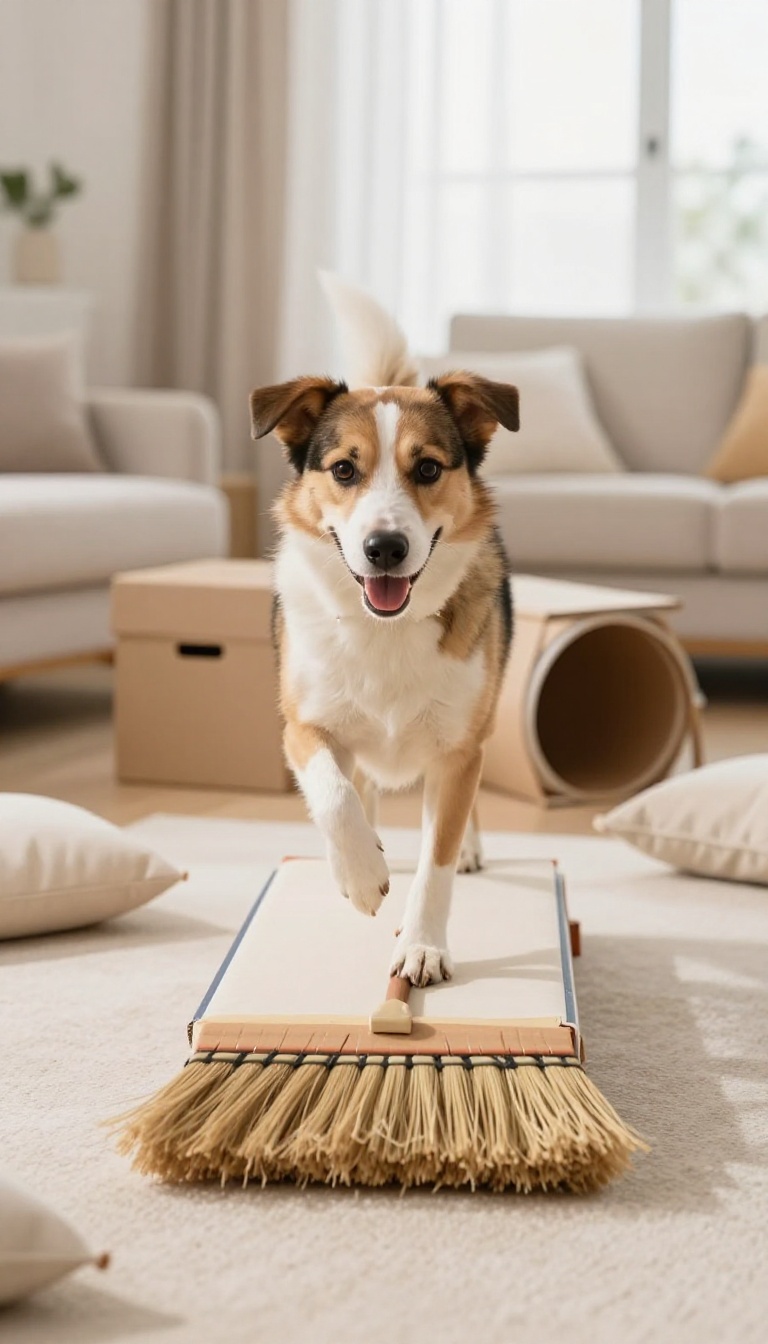
Your living room can become a mini adventure park with just a few items you already own. An obstacle course isn't just about physical exercise—it's a mental workout that teaches your dog to trust your guidance and navigate new challenges. As they conquer each hurdle, their confidence grows, and so does your teamwork.
Start by setting up a simple course using chairs, cushions, boxes, or a broomstick balanced on low supports. Guide your dog through each obstacle with a treat or a target stick, rewarding them for every successful attempt. Keep sessions short and upbeat, and always end on a positive note so your dog is eager for the next round.
Setting Up A Safe Course
Before you start, make sure your course is safe and age-appropriate for your dog. Use non-slip surfaces, avoid sharp edges, and keep jumps low. For puppies or senior dogs, focus on flat obstacles like walking over a towel or weaving between cones.
Always supervise your dog and remove any items that could cause injury.
Teaching Each Obstacle Step By Step
Break down each obstacle into small steps. For example, to teach your dog to go under a chair, first lure them with a treat, then gradually lower the chair until they're comfortable. Use a consistent cue like 'under' or 'over' so your dog associates the word with the action.
Practice one obstacle at a time before combining them into a full course.
Adding Variety And Challenge
Once your dog masters the basics, mix it up. Change the order of obstacles, add new ones, or introduce distractions like a toy on the ground. You can also increase the difficulty by making tunnels longer or adding a pause box where your dog has to sit before continuing.
This keeps the game fresh and mentally stimulating.
15. The Calm Down Game: Teaching Relaxation on Cue
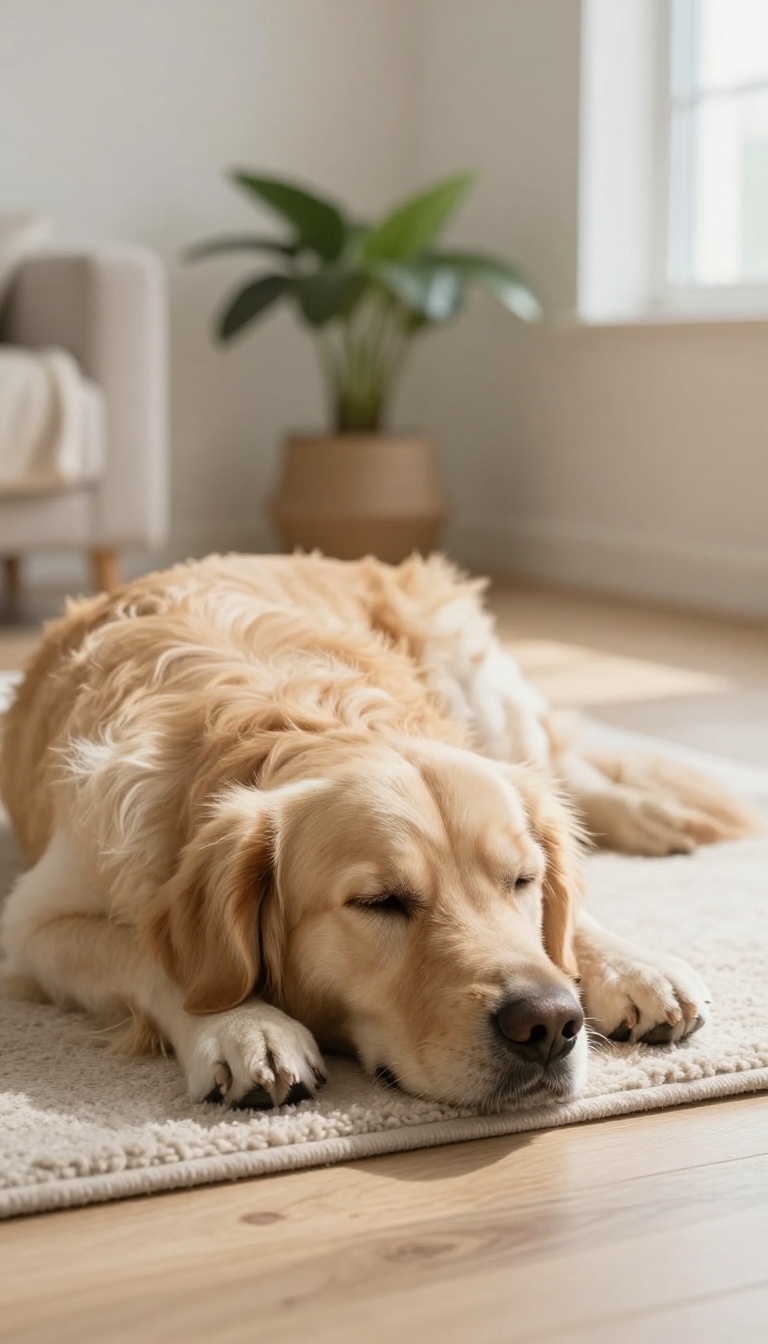
After a rousing game of fetch or tug, your dog's brain is still buzzing. That's where the Calm Down Game comes in—it's the perfect way to teach your pup how to switch gears and find their chill button. By pairing a simple cue with a comfy mat, you'll give your dog a go-to spot for relaxation, whether you're watching TV or working from home.
The Calm Down Game is all about making relaxation a learned behavior. Instead of hoping your dog settles on their own, you'll actively train them to associate their bed or mat with calmness. This not only helps with impulse control but also gives you a reliable tool for managing overexcitement.
Plus, it's a game that ends with both of you feeling peaceful—what's not to love?
Why It Works
Dogs naturally seek out comfortable spots, but they don't automatically know when to settle. By rewarding your dog for lying down and staying relaxed on their mat, you're reinforcing a behavior that's incompatible with bouncing off the walls. Over time, the mat becomes a cue for calmness, triggering a relaxation response even in the middle of chaos.
Step-by-step Setup
Start by placing a mat or bed in a quiet corner. Toss a treat onto the mat and say 'place' as your dog steps on it. Reward them for any interaction with the mat, then gradually shape the behavior: reward for sitting, then lying down, then staying down for a few seconds.
Use a calm, soothing voice and high-value treats to keep the session positive.
Adding The Cue
Once your dog consistently lies down on the mat, introduce a verbal cue like 'settle' or 'calm. ' Say the cue just before they lie down, then reward. Practice in different rooms and with increasing distractions, but always keep sessions short and end on a positive note. Soon, your dog will head to their mat the moment they hear the cue.
Real-life Applications
Use the Calm Down Game during mealtimes, when guests arrive, or when you need some quiet time. It's also a great way to wind down after a high-energy play session. The more you practice, the faster your dog will learn to relax on command, making your home a more peaceful place for everyone.
FAQ
How often should I play training games with my dog?
Short, frequent sessions are best. Aim for 5-10 minutes a few times a day to keep your dog engaged and prevent boredom.
What if my dog loses interest during a game?
End the game on a positive note and try again later. Keep sessions short and always use high-value treats to maintain motivation.
Can these games help with behavioral issues?
Yes, many games focus on impulse control, focus, and recall, which can address common issues like jumping, door-dashing, or poor recall.
Are these games suitable for puppies?
Absolutely, but adjust the difficulty to your puppy's age and attention span. Keep sessions very short and use gentle, positive methods.
Do I need special equipment for these games?
Most games use everyday items like treats, toys, or household objects. A few may require a target stick or a mat, but you can improvise easily.
Conclusion
Training your dog doesn't have to feel like a chore—it can be the best part of your day. Pick two or three games from this list that match your pup's energy and your schedule, then stick with them for a couple of weeks. You'll notice more focus, fewer behavior hiccups, and a whole lot of tail wags.
Remember, the goal is connection, not perfection. So grab some treats, keep sessions short and upbeat, and let the fun lead the way. Your dog will thank you with every happy bounce.

I’m Pallab Kishore, the owner of Little Pets Realm — an animal lover and pet care enthusiast sharing easy tips, healthy recipes, and honest advice to help every small pet live a happy, healthy, tail-wagging life.