
A tired dog is a happy dog, but not all tiredness is equal. Physical exercise wears out the body, while scent work wears out the brain—and that mental fatigue is often more satisfying for your pup.
The best part? You don't need a backyard or a long hike to make it happen.
These 11 indoor scent games turn your living room into a nose-work playground, giving your dog a job to do and a reason to feel proud. Whether you have a hyper puppy or a senior dog who loves a good puzzle, these games are simple, adaptable, and endlessly fun.
1. The Classic Treat Hunt
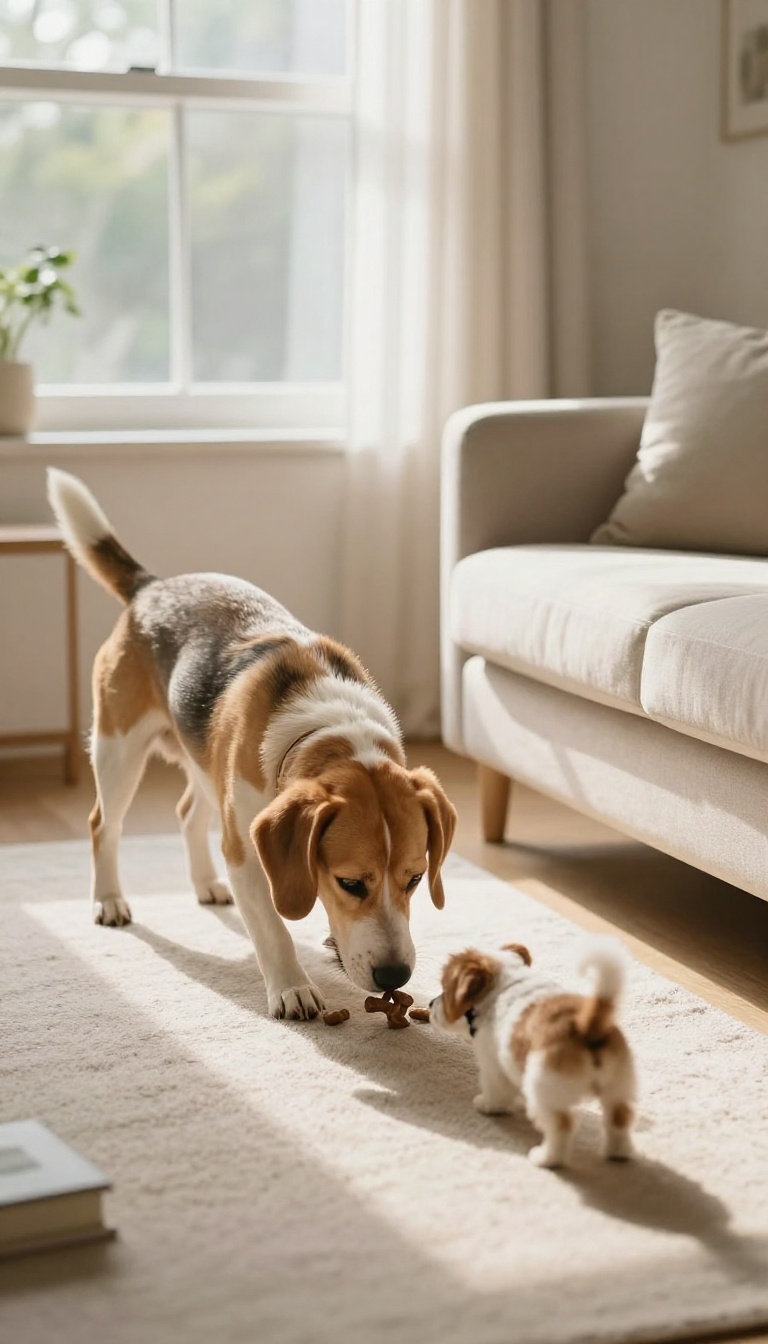
Start with the simplest nose game: hide a few treats around a room and let your dog use their sniffer to find them. This game taps into their natural foraging instincts and builds confidence. Begin easy, then ramp up the challenge by tucking treats under cushions, behind chair legs, or on low shelves.
The Classic Treat Hunt is the perfect entry point for scent work because it requires almost no setup and works for dogs of all ages and energy levels. You only need a handful of smelly, high-value treats and a room where your dog is allowed to explore. Start with a few treats placed in plain sight, then gradually hide them in trickier spots as your dog catches on.
This game not only exercises their brain but also strengthens your bond as you cheer them on.
Why It Works
Dogs have an incredible sense of smell—up to 100, 000 times more sensitive than ours. When they use their nose to find food, it triggers a natural hunting response that releases dopamine, making them feel calm and satisfied. Unlike physical exercise, which can hype them up, scent work tires them out mentally, which is often more draining and rewarding for your pup.
How To Start
Pick a quiet room with minimal distractions. Show your dog a treat, let them sniff it, then place it on the floor a few feet away. Say "find it!
" in an excited voice and let them go. As they get the hang of it, start hiding treats in slightly hidden spots—under a towel, behind a door, or on a low table edge. Always celebrate their success with praise or a small reward.
Level Up The Challenge
Once your dog is a pro at finding treats in one room, increase the difficulty. Hide treats in boxes, under blankets, or in a muffin tin with tennis balls covering some cups. You can also hide treats in multiple rooms and let your dog search the whole house.
Just make sure the treats are safe and not hidden in places where your dog could get stuck or hurt.
2. The Shell Game
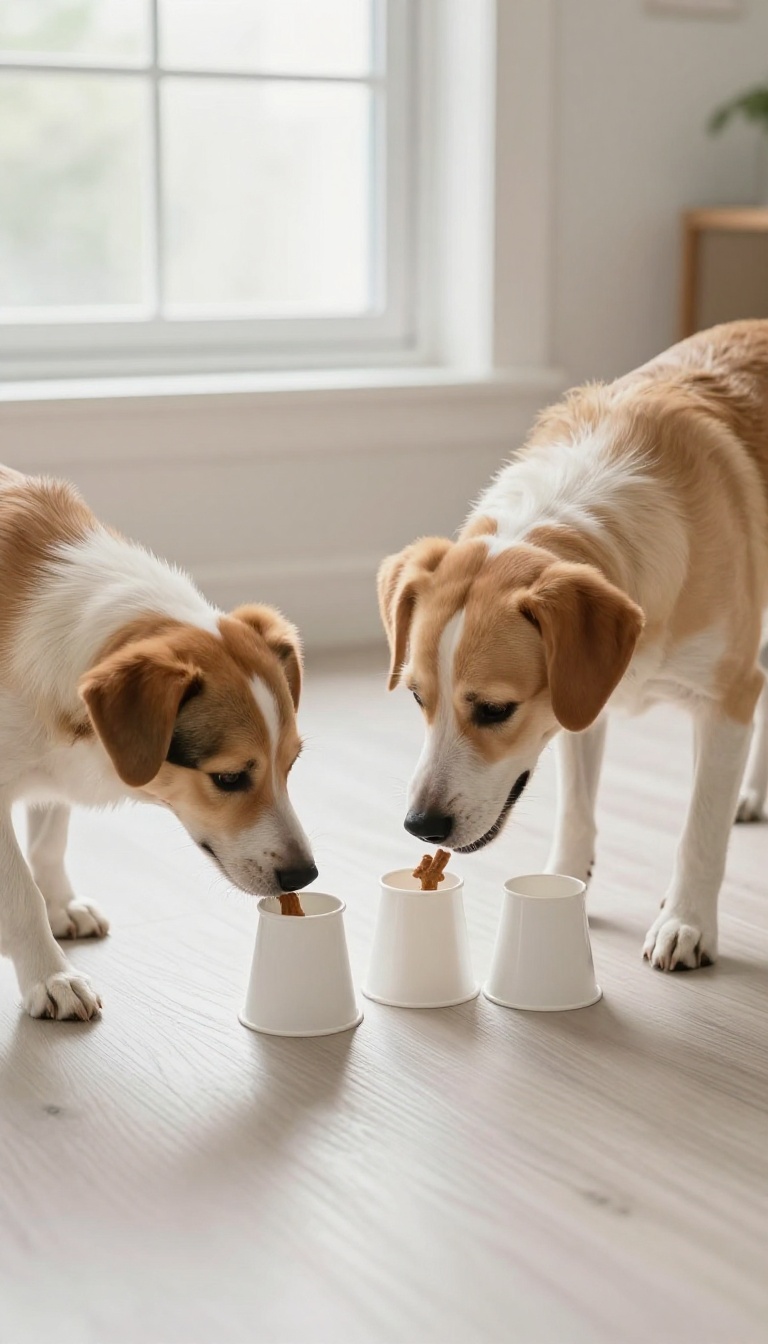
Here's a classic that never gets old—and it's surprisingly good for your dog's brain. The shell game isn't just about luck; it's about teaching your pup to rely on their nose and think through a problem. You'll need three cups (or bowls) and a few high-value treats.
It's simple to set up and endlessly entertaining for both of you.
Start by letting your dog watch you place a treat under one of the cups. Shuffle the cups slowly at first, then give your dog the cue to 'find it. ' As they get the hang of it, speed up the shuffling and even move the cups in a circle. The goal is to get your dog to track the treat with their nose, not just their eyes.
This game sharpens their focus and builds confidence in their scenting ability.
Why It Works
Dogs are natural scent-trackers, and this game taps into that instinct. When they use their nose to find the treat, they're engaging a part of their brain that physical exercise doesn't reach. It's a mental workout that can tire them out just as much as a long walk.
Plus, the challenge of tracking a moving target keeps them engaged and eager to play.
How To Level Up
Once your dog masters the basic version, you can make it harder. Use identical cups so there are no visual clues. Try moving the cups in a faster, more complex pattern.
You can even hide the treat under one cup, then slide all three cups to different spots before letting your dog sniff them out. The key is to gradually increase the difficulty so your dog stays challenged without getting frustrated.
Common Mistakes To Avoid
One mistake is using cups that are too transparent or leaving the treat visible. That lets your dog cheat with their eyes instead of their nose. Another is moving too fast too soon—start slow and build up.
Also, be patient. Some dogs get confused at first, but with practice, they'll get the hang of it. And always use treats your dog really loves, so they're motivated to play.
3. Scent Trails with a Twist
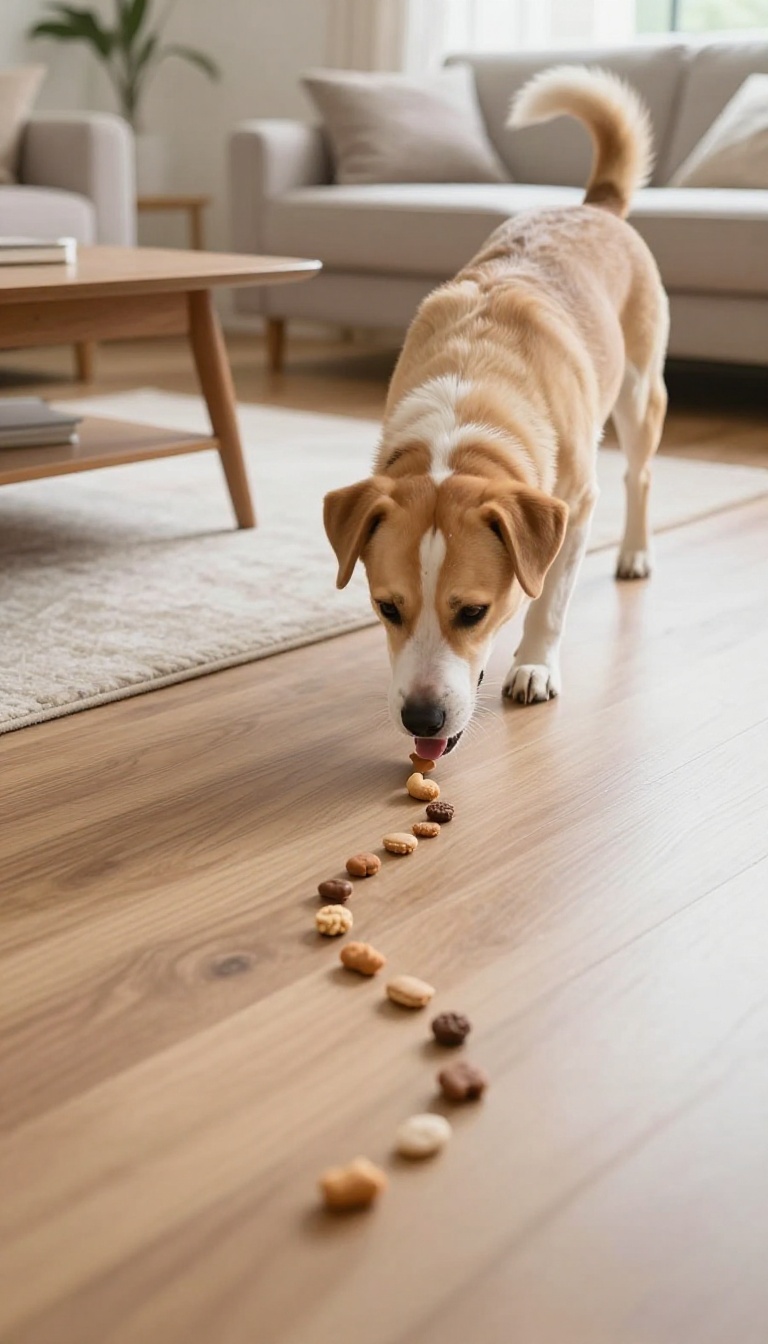
A straight scent trail is a good start, but adding twists and turns takes the game to a whole new level. This version keeps your dog guessing and thinking as they follow their nose through the living room or hallway. It's a simple upgrade that turns a basic sniffing exercise into a mini adventure.
To set up a scent trail with a twist, you'll need a few high-value treats and a bit of space. Start by letting your dog watch you place a treat at the beginning of the trail, then drag another treat along the floor in a line, making a few gentle curves and maybe a loop. Hide the final treat under a cushion or behind a chair leg.
Then, release your dog and let them follow the scent path. The key is to make the trail interesting—add a turn around a table leg, weave between chair legs, or go under a coffee table. This forces your dog to use their nose more actively and keeps them engaged for longer.
Why Twists Matter
Straight lines are easy, but curves and obstacles make your dog slow down and really focus on the scent. They have to stop, sniff, and decide which way to go. That mental effort is what makes the game tiring in a good way.
Plus, it's more fun to watch your dog problem-solve as they navigate around furniture.
How To Set Up The Trail
Choose a room with some furniture or objects you can use as natural obstacles. Lay the trail in a zigzag pattern, or make a circle that doubles back on itself. You can also use different surfaces—carpet, tile, or a rug—to vary the scent intensity.
Keep the trail short at first, then gradually make it longer and more complex as your dog gets better.
Making It Harder Over Time
Once your dog masters a simple twisted trail, you can add more challenges. Use a toy instead of a treat, or hide the final reward in a box or under a blanket. You can also lay the trail a few minutes before letting your dog start, so the scent has time to settle.
This makes the game more realistic and even more rewarding.
4. The Muffin Tin Puzzle
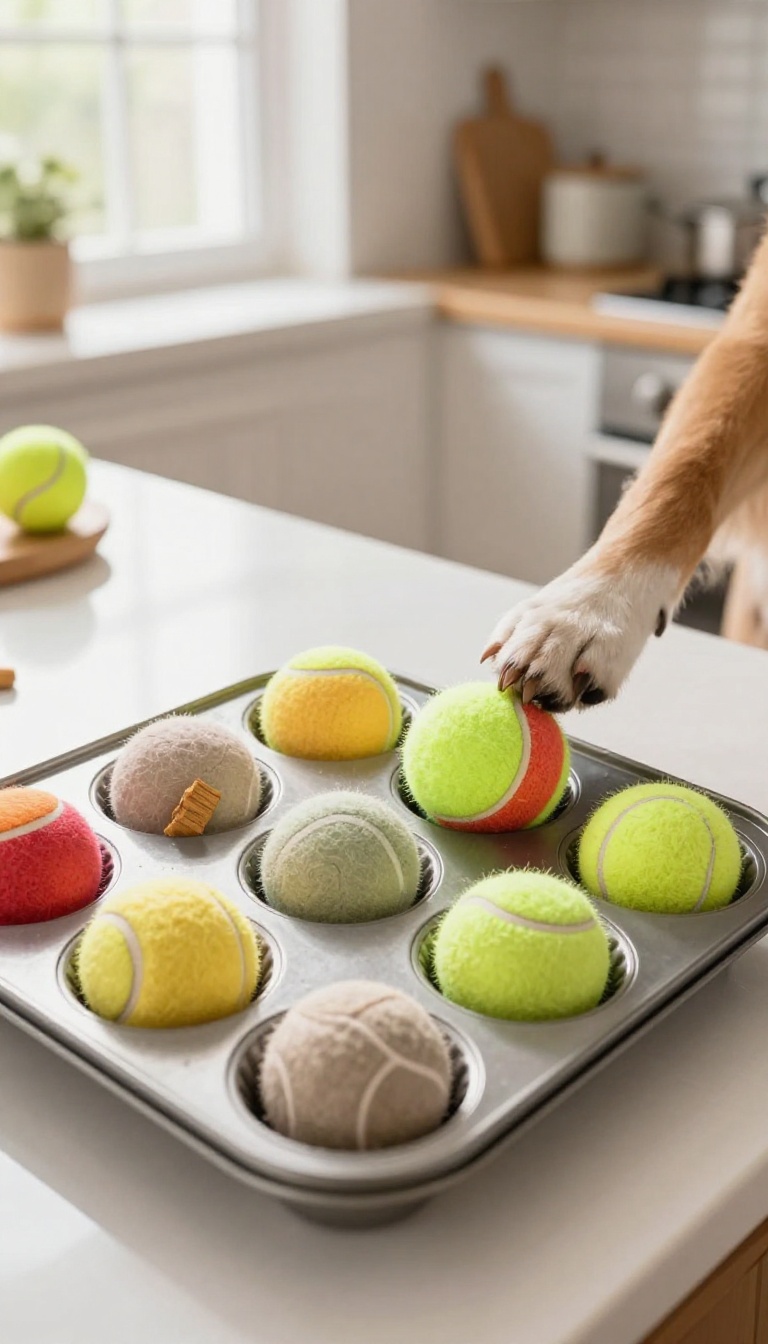
This game is a fantastic way to engage your dog's nose and brain at the same time. It's simple to set up with items you probably already have in your kitchen. The challenge is figuring out how to get the treats out from under the balls, which takes some thinking and a bit of paw work.
The muffin tin puzzle is a classic DIY enrichment activity that combines scent detection with problem-solving. It's perfect for dogs who love to use their noses and are ready for a slightly trickier challenge. The game encourages persistence and rewards your dog for using both their sense of smell and their physical skills to uncover the hidden treasures.
Why It Works
The muffin tin puzzle taps into your dog's natural foraging instincts. The scent of the treat wafts out from under the tennis ball, giving their nose a clear signal. But the ball blocks easy access, so your dog has to figure out how to move it—whether by nudging with their nose or swatting with their paw.
This combination of scent work and problem-solving provides excellent mental stimulation and can help tire out even the most energetic pup.
How To Set It Up
Grab a standard 12-cup muffin tin and drop a small, high-value treat into each cup. Then place a tennis ball (or any ball that fits snugly) on top of each cup. That's it—the game is ready.
For a first attempt, you might want to leave a few cups uncovered so your dog gets the hang of it. Once they understand the concept, cover every cup and watch them work.
Tips For Success
Start with an easy version by leaving a few treats visible on top of the balls or in uncovered cups. This builds confidence. As your dog gets the hang of it, you can make it harder by using smaller treats or placing the tin in a more challenging spot.
Always supervise to ensure your dog doesn't try to chew the balls or the tin. If your dog gets frustrated, gently guide them by tapping a ball or lifting it slightly to show them the treat underneath.
5. Find the Toy by Name
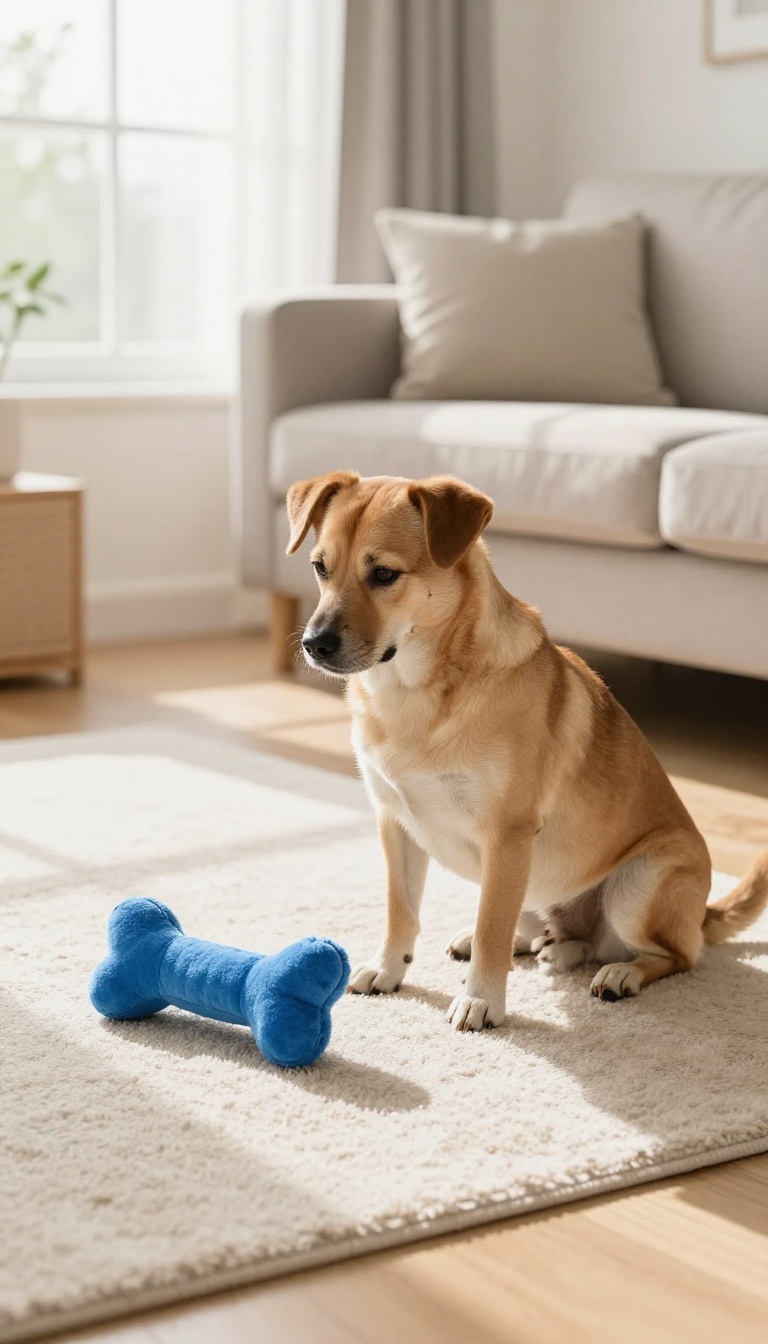
Does your dog know the names of their toys? Most dogs can learn dozens of object names, and this game puts that skill to work. It's a brilliant mix of scent work, memory, and listening that keeps their brain buzzing.
Plus, it's a fantastic party trick to show off to friends.
Start by teaching your dog the names of a few favorite toys. Hold up a toy, say its name clearly, and give it to them when they show interest. Repeat this until they reliably look at or touch the toy when you name it.
Once they've got the basics, you can turn it into a search game by hiding the toy and asking them to find it by name.
Teaching Toy Names
Begin with two or three toys that are very different in texture and size. Say the name, wiggle the toy, and let your dog sniff it. When they touch or grab it, reward with a treat and praise.
Practice a few times a day, but keep sessions short to hold their attention.
Making It A Search Game
Once your dog knows a toy's name, place it somewhere visible but not obvious, like behind a chair leg or under a blanket. Ask them to "find [toy name]" and encourage them to sniff around. When they bring it back or point to it, celebrate with a treat.
Gradually hide the toy in harder spots to increase the challenge.
Adding Distractions
When your dog is comfortable finding one toy, add a second toy with a different name. Ask for one by name, and if they bring the wrong one, simply say "try again" and guide them to the right one. Over time, you can add more toys and hide them in different rooms for a full indoor scavenger hunt.
6. The Box Maze
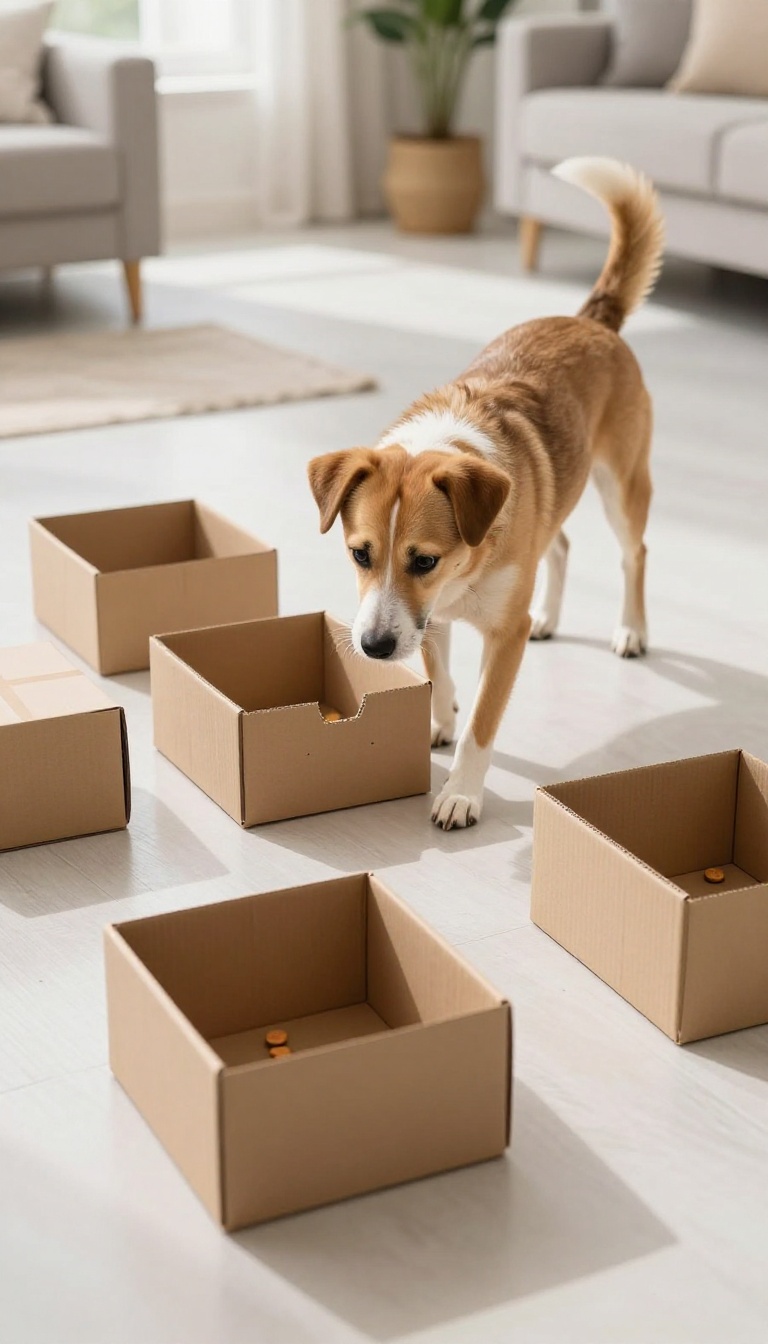
If your dog loves to explore, this game turns your recycling bin into an adventure. Grab a few cardboard boxes of different sizes, cut open some flaps, and tape them together to create a mini maze. Hide treats inside and let your dog find their way through—it's like a puzzle, but for their nose.
The Box Maze is all about encouraging your dog to use their nose while navigating obstacles. It's a fantastic way to build confidence, especially for shy or anxious dogs, because they get to move at their own pace and discover rewards along the way. Plus, it's a great indoor activity that requires minimal setup and zero special equipment.
Setting Up Your Maze
Start with three or four boxes of varying sizes. Cut holes in the sides or leave flaps open to create tunnels and openings. Arrange them in a line or a zigzag pattern, and secure them with tape so they don't collapse.
For a first attempt, keep the maze simple—just a few turns and dead ends. As your dog gets the hang of it, you can add more boxes or make the paths trickier.
Hiding The Treats
Place a few treats inside the maze, tucking them into corners, under flaps, or inside smaller boxes. You can also use a mix of treats and toys to keep it interesting. For an extra challenge, hide treats in some boxes and leave others empty, so your dog has to check each one.
Start by letting your dog watch you place a treat or two, then gradually hide them out of sight.
Guiding Your Dog Through
Encourage your dog to enter the maze with a cheerful voice or a point. If they seem unsure, you can lead them by gently tossing a treat a few steps ahead. Let them work at their own pace—this is about mental stimulation, not speed.
Once they find a treat, praise them warmly. Repeat the game a few times, but keep sessions short to maintain interest.
Boosting Difficulty
Once your dog masters a simple maze, you can level up. Use more boxes, create longer tunnels, or stack boxes to make vertical challenges. You can also hide treats in crumpled paper or inside a box with a lid that needs to be nudged open.
The goal is to keep their brain engaged and their nose busy, so don't be afraid to get creative.
7. The Towel Roll-Up
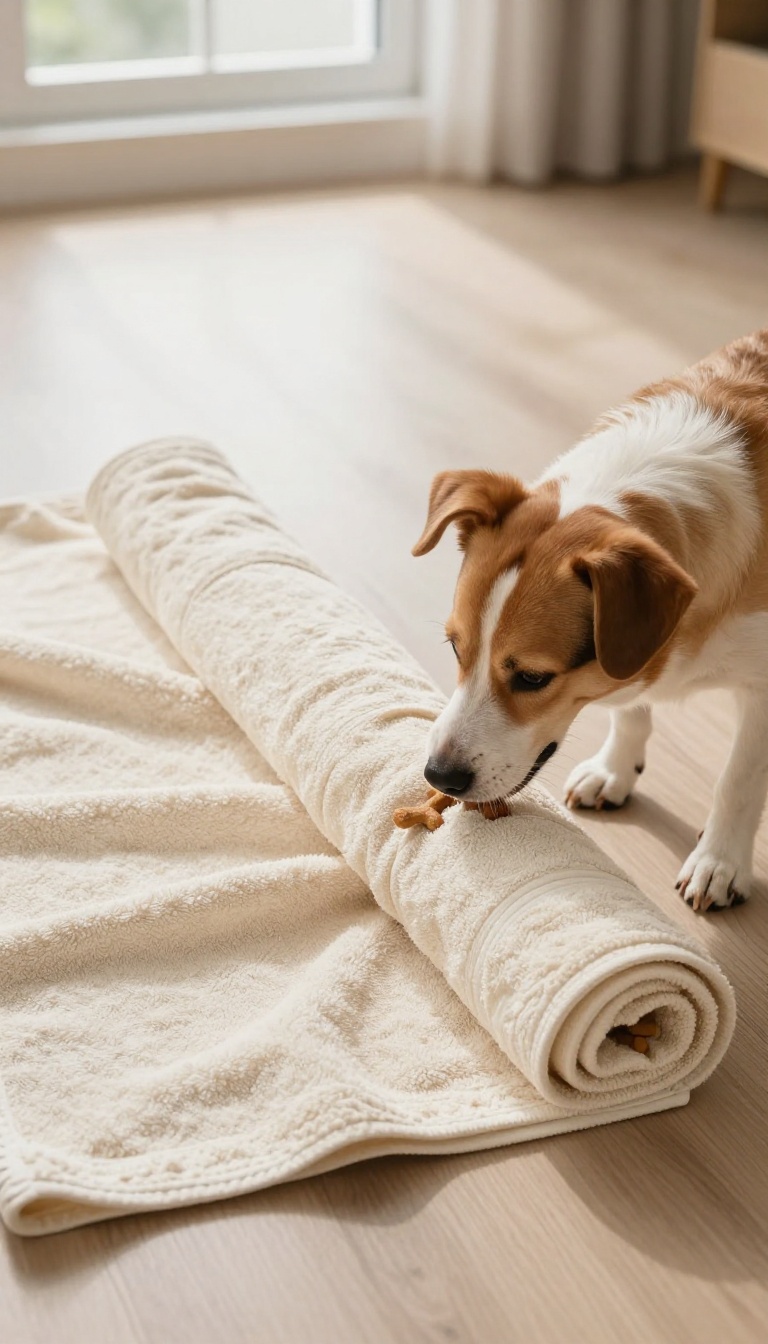
Old towels lying around? Put them to work. This game is a simple but effective way to challenge your dog's nose and problem-solving skills.
It's also a great boredom buster for rainy days or when you need a few minutes of quiet.
Start with a clean, dry towel and scatter a few small, smelly treats in the middle. Roll the towel up into a log, then tie it in a loose knot or just tuck the ends under. Place it on the floor and let your dog figure out how to unroll it to get the treats.
The combination of scent and physical manipulation keeps their brain engaged, and the unrolling action is satisfying for dogs who like to shred—minus the mess.
Why It Works
This game taps into your dog's natural foraging instincts. In the wild, dogs would spend hours searching for food, and this activity mimics that. The towel holds the scent, and the rolling and unrolling provide a physical challenge that's just hard enough to be fun without being frustrating.
How To Make It Easier Or Harder
For beginners, leave the towel loosely rolled or only tie a simple knot. You can also place the treats on top of the towel rather than inside. As your dog gets the hang of it, roll the towel tighter, add more knots, or hide it under a cushion.
You can even use a larger towel for a longer-lasting challenge.
Safety And Cleanup Tips
Always supervise your dog during this game, especially if they're a chewer. Use a towel that's in good condition—no loose threads or frayed edges. After play, give the towel a quick wash to remove drool and treat crumbs.
If your dog tries to eat the towel, stop the game and try a different scent game.
8. The Scent Discrimination Game
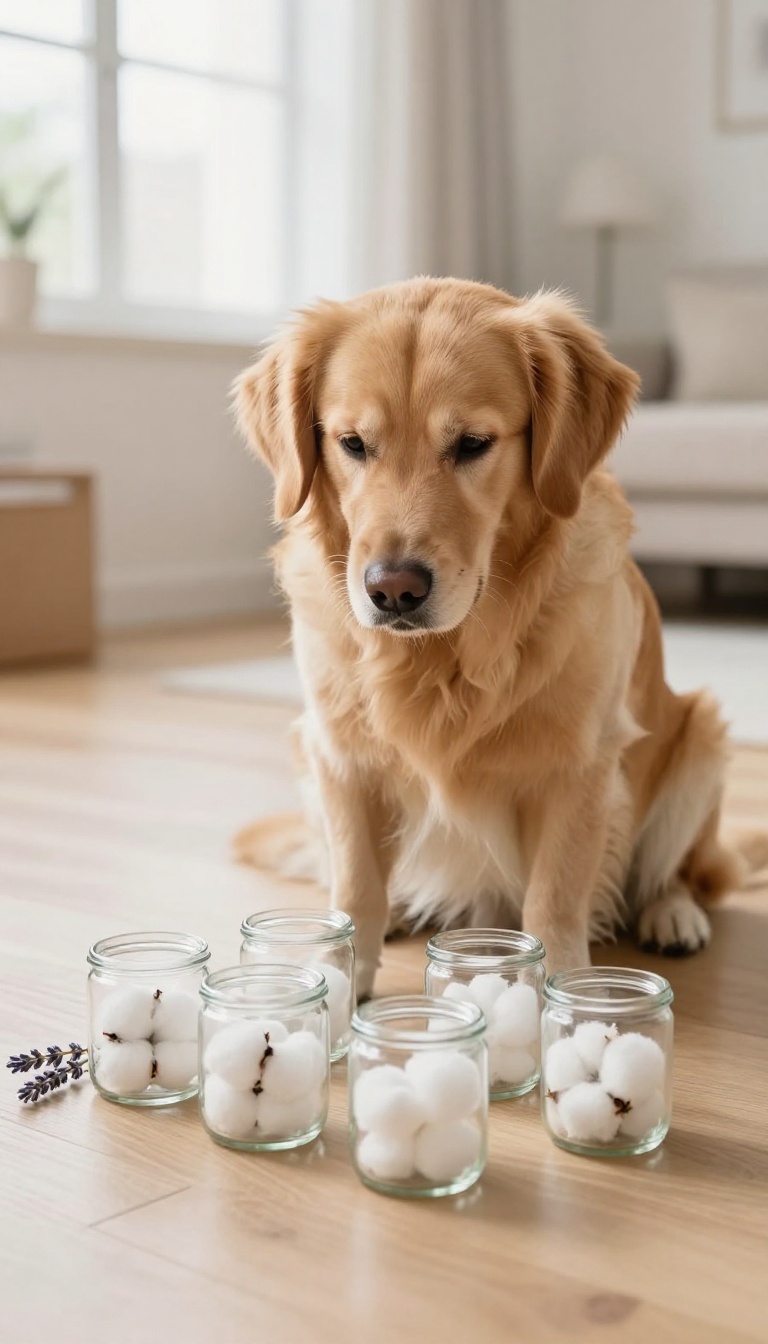
Dogs have an incredible sense of smell, but can they pick out one specific scent from a lineup? This game puts their nose to the test in a fun, challenging way. It's perfect for building focus and confidence, and it's a great indoor activity when you're short on space.
Start by choosing a distinctive scent like lavender or anise. Use a cotton ball and add a drop or two of the essential oil. Let your dog sniff it and reward them for showing interest.
Then, place that scented cotton ball among several others with different scents (or no scent at all) and encourage your dog to find the target. Reward generously when they do.
Why It Works
This game taps into your dog's natural ability to discriminate between odors. It strengthens their focus and teaches them to rely on their nose, which is mentally tiring in a good way. Plus, it's a fantastic confidence builder as they learn to solve a scent puzzle.
Setting It Up
Gather a few identical containers or cotton balls. Use one scent for the target and different scents for the distractors, like lemon, peppermint, or plain water. Start with just two or three options and gradually increase the difficulty as your dog gets the hang of it.
Progression Tips
Once your dog consistently finds the target, make the game harder by hiding the scented ball in different locations, using more distractors, or even moving the target to a different spot after your dog starts searching. Always end on a positive note with a big reward and praise.
9. The Staircase Search
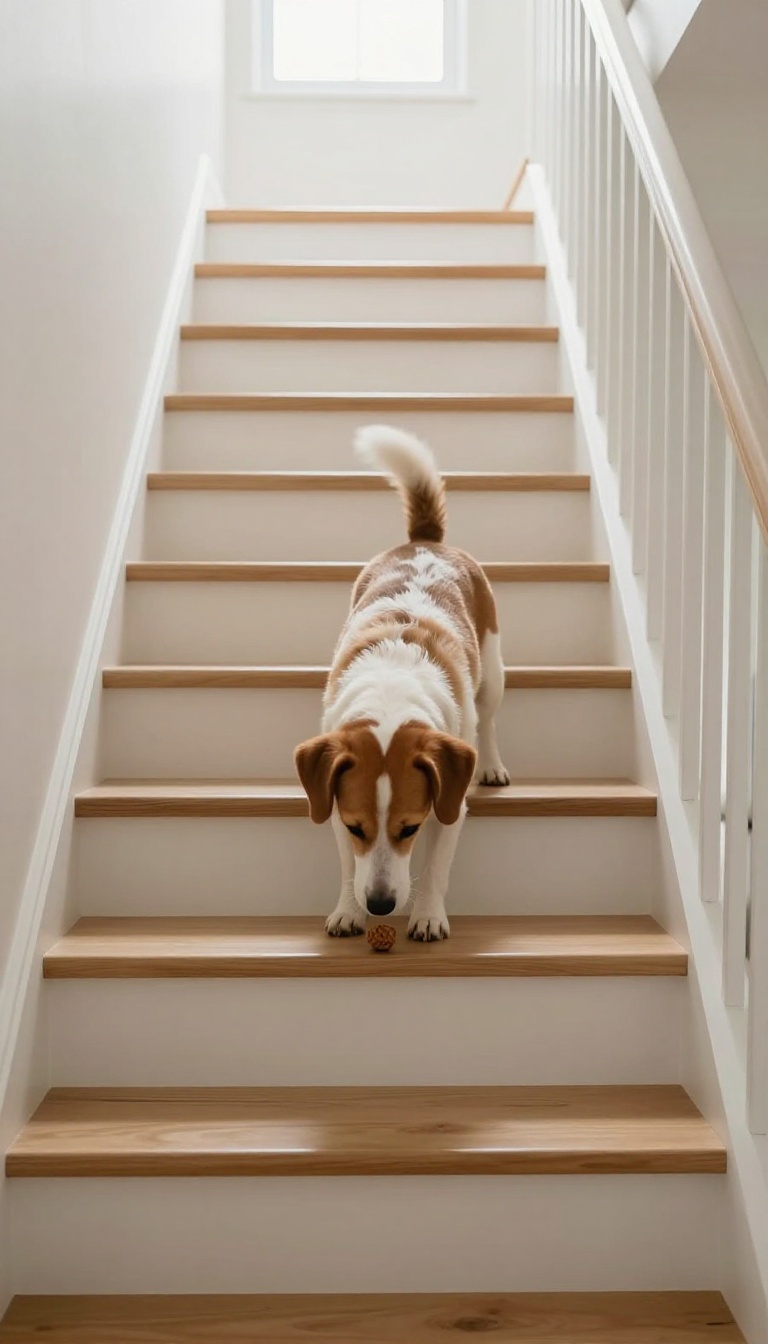
Got stairs? Then you've got a ready-made scent course. This game adds a vertical twist to nose work, asking your dog to sniff out treats on different steps.
It's a great way to build confidence and coordination, especially for dogs who are used to searching on flat ground.
The staircase search is simple to set up and works well for dogs of all ages and energy levels. It turns a common household feature into a challenging puzzle that exercises both body and brain. Plus, it's a fantastic way to burn off extra energy on days when outdoor time is limited.
How To Set It Up
Start with a few high-value treats and a clear staircase. Place a treat on the first step, then a couple steps up, and so on. Keep the pattern random—some treats on low steps, some on high.
For beginners, keep it to the bottom few steps and use visible treats at first. As your dog gets the hang of it, you can hide treats under edges or behind corners.
Why It Works
Stairs force your dog to move their nose up and down, which is different from side-to-side searching on flat ground. This helps strengthen their tracking skills and builds spatial awareness. The physical effort of climbing also adds a light cardio element, making it a well-rounded activity.
Safety First
Always supervise your dog during this game, especially if you have a senior dog or a puppy. Keep the stairs clear of clutter and make sure the treats are small enough to avoid choking. If your dog seems unsure, go back to the bottom step and build up gradually.
The goal is fun, not frustration.
10. The Hide-and-Seek Game
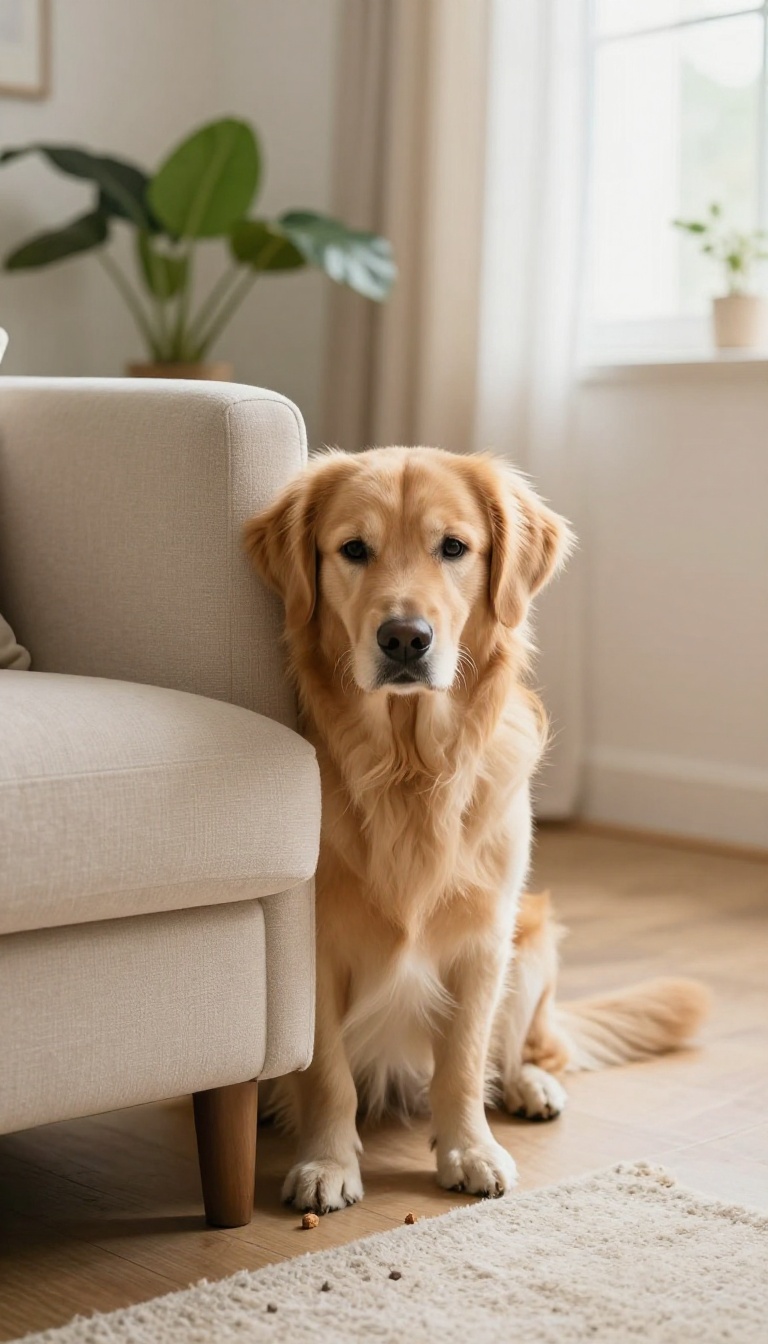
When you think of hide-and-seek, you probably picture kids, but dogs absolutely love this game too. It taps into their natural tracking instincts and turns your home into a giant puzzle. Plus, it’s a sneaky way to reinforce recall without your dog even realizing they’re training.
Start simple: have a friend or family member hold your dog by the collar while you sneak off to an easy hiding spot, like behind the couch or in a closet. Then call your dog’s name in an excited voice. When they find you, celebrate with treats and praise.
As they get better, make the hiding spots trickier and wait longer before calling.
Why It Works
Dogs use their noses to locate you, which is a powerful mental workout. The game also strengthens your bond because your dog learns that finding you leads to rewards. Plus, it practices recall in a fun, low-pressure way—your dog comes when called because they want to, not because they have to.
Leveling Up The Challenge
Once your dog masters the basics, increase the difficulty. Hide in less obvious places, like under a bed or behind a door. You can also start hiding while your dog is distracted with a toy or treat, so they have to actively search for you.
Another option is to have two people hide at once and take turns calling.
Safety Tips For Indoor Play
Keep hiding spots safe—no small spaces where your dog could get stuck. Make sure your dog always has a clear path to you, and avoid hiding near stairs or sharp corners. If your dog seems frustrated, go back to an easier spot and build their confidence.
The goal is fun, not stress.
11. The Scent Box Challenge
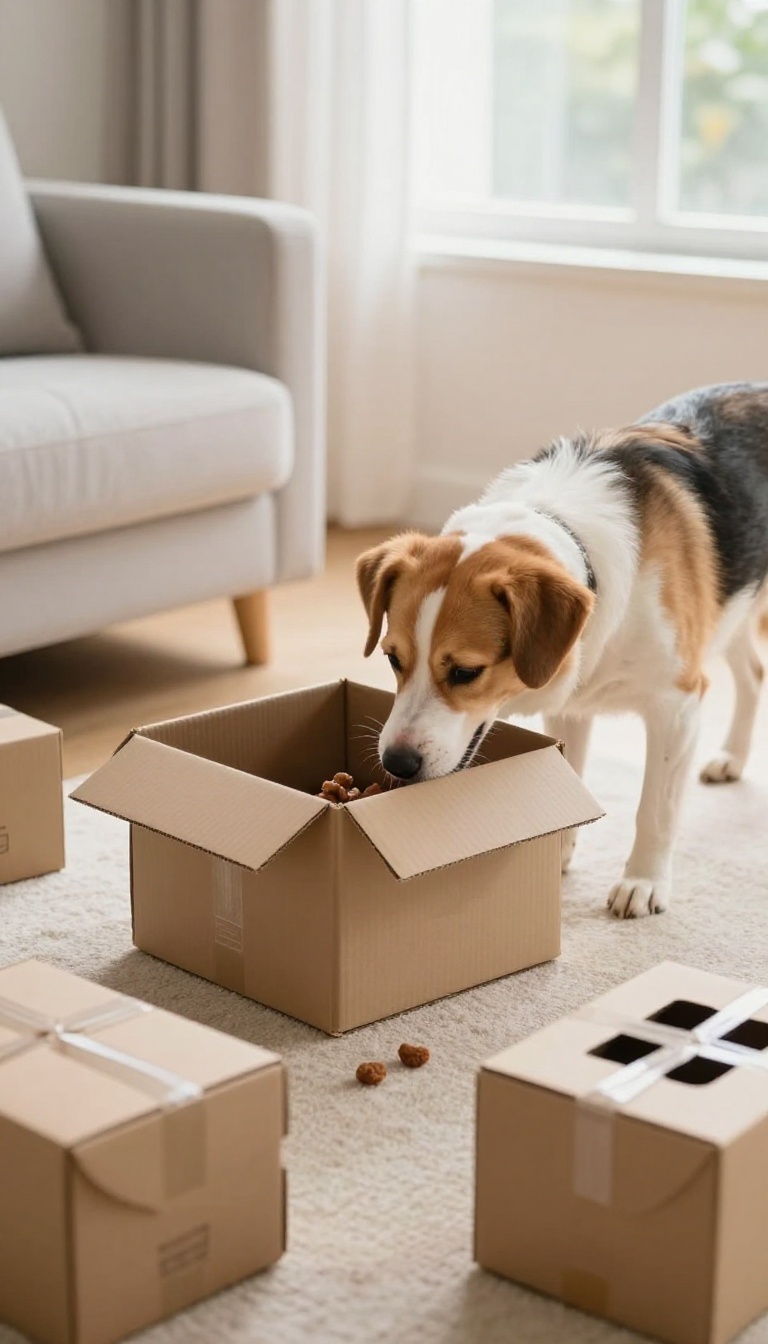
Ready to level up your dog's nose work? The Scent Box Challenge takes the classic shell game to a new tier by using boxes with holes, forcing your pup to rely purely on smell to find the hidden treasure. It's a fantastic way to build confidence and sharpen those natural tracking skills, all from the comfort of your living room.
This game is as simple or as complex as you make it. Start with a few cardboard boxes, poke some holes in them, and place a smelly treat in just one. Let your dog sniff each box and figure out which one holds the prize.
As they get the hang of it, you can increase the number of boxes, use different containers, or even hide a specific scent like a favorite toy.
Getting Started: What You'll Need
Gather a few boxes of varying sizes—shoeboxes, delivery boxes, or even plastic containers with lids. Cut or poke holes large enough for your dog to sniff through but not big enough to get a paw or nose stuck. You'll also need high-value treats, something extra smelly like cheese or hot dogs, to make the scent obvious at first.
How To Play The Game
Start with just two boxes. Place a treat in one, leave the other empty, and let your dog sniff. When they choose the right box, reward them with the treat plus lots of praise.
Gradually add more boxes and make the hiding spots more challenging—maybe place the treat in a box that's slightly hidden behind another, or use identical boxes so scent is the only clue.
Taking It Up A Notch
Once your dog masters the basics, you can introduce variations. Use a specific scent like lavender or anise on a cotton ball, and hide that instead of a treat. Or turn it into a memory game by showing your dog which box has the treat, then moving the boxes around—just like the shell game.
You can also use different materials like Tupperware with holes or even muffin tins with tennis balls covering the cups.
Why This Game Works
The Scent Box Challenge taps into your dog's natural foraging instincts, giving them a job to do that's both mentally and physically engaging. It's a great way to build impulse control, as they learn to wait and think before acting. Plus, it's endlessly customizable, so your dog never gets bored—and you can easily adjust the difficulty to match their skill level.
FAQ
How long should each scent game session last?
Keep sessions short and sweet—5 to 10 minutes is perfect. You want your dog to stay engaged and end on a high note, not get frustrated or bored.
What if my dog doesn't seem interested in scent games?
Start with super high-value treats like cheese or hot dogs. Also, make the first few hides super easy so your dog gets a quick win. Patience and positive reinforcement are key.
Can puppies play these games?
Absolutely! Just keep the difficulty low and the treats small. Scent games are great for puppies because they build confidence and teach them to use their natural abilities.
Do I need any special equipment?
No, most games use items you already have at home—treats, towels, boxes, muffin tins, and tennis balls. You can get creative with everyday objects.
Are these games safe for senior dogs?
Yes, but adapt them to your dog's mobility. Avoid games that require jumping or climbing stairs if your dog has joint issues. Flat, easy-to-reach hides work best.
Conclusion
Scent games are more than just a way to pass the time—they're a powerful tool for building your dog's confidence, focus, and happiness. Every sniff is a tiny victory, and every game is a chance to connect with your pup in a meaningful way. Start with one or two games and see how your dog responds.
You might be surprised by how quickly they become a scent-work superstar. So grab some treats, clear a little floor space, and let the nose games begin.

I’m Pallab Kishore, the owner of Little Pets Realm — an animal lover and pet care enthusiast sharing easy tips, healthy recipes, and honest advice to help every small pet live a happy, healthy, tail-wagging life.