
Picture this: you sit down to a nice dinner, and within seconds, a wet nose nudges your elbow and a pair of hopeful eyes locks onto your plate. That persistent begging can turn every meal into a guilt trip, but it doesn't have to be that way.
By teaching your dog a few simple table manners, you can reclaim your dining space and enjoy your food without the constant interruptions. The key is consistency and a clear set of rules.
Dogs thrive on routine, and when they know exactly what's expected of them at mealtime, they're much more likely to relax and leave you alone.
1. The Placemat Command: Teach a Specific Spot
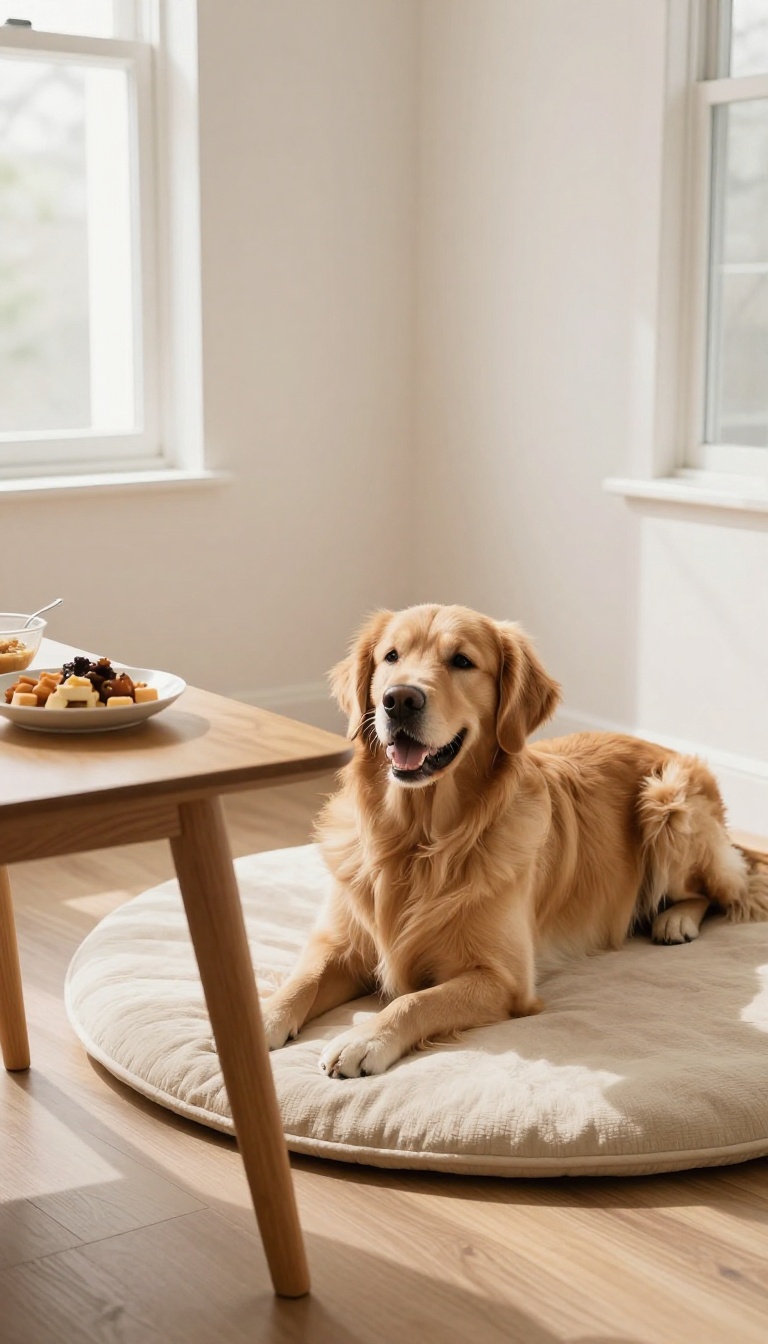
One of the most effective ways to stop begging is to give your dog a clear alternative behavior. Instead of hovering near the table, they can learn to settle on a designated mat or bed during mealtimes. This not only removes them from the action but also gives them a job to do, which many dogs find satisfying.
Start by choosing a mat or bed that's comfortable and portable. Place it a few feet away from the table, but still in the same room so your dog feels included. Use a command like "go to your spot" and lure them onto the mat with a treat.
Once they're on it, reward them and give plenty of praise. Repeat this several times a day, gradually increasing the time they stay before getting the reward. The goal is to make the mat a positive, relaxing place where good things happen.
Why This Works
Dogs are creatures of habit, and when they learn that the mat is where they get treats and attention, they'll be more likely to choose it over begging. It also gives them a clear boundary that's easier to understand than a vague "no. "
Getting Started
Pick a mat that's easy to clean and large enough for your dog to lie down comfortably. Use high-value treats like small pieces of chicken or cheese to make the mat extra appealing. Practice in short sessions, and always end on a positive note.
Adding Duration
Once your dog reliably goes to the mat, start increasing the time between rewards. Use a release word like "okay" to let them know when they can leave. This teaches them to stay until you give permission, which is key for mealtime.
Troubleshooting
If your dog gets up, gently lead them back to the mat without scolding. Consistency is more important than perfection. If they're struggling, try moving the mat closer to the table at first, then gradually move it farther away.
2. Ignore the Whine: Don't Give In to Attention-Seeking
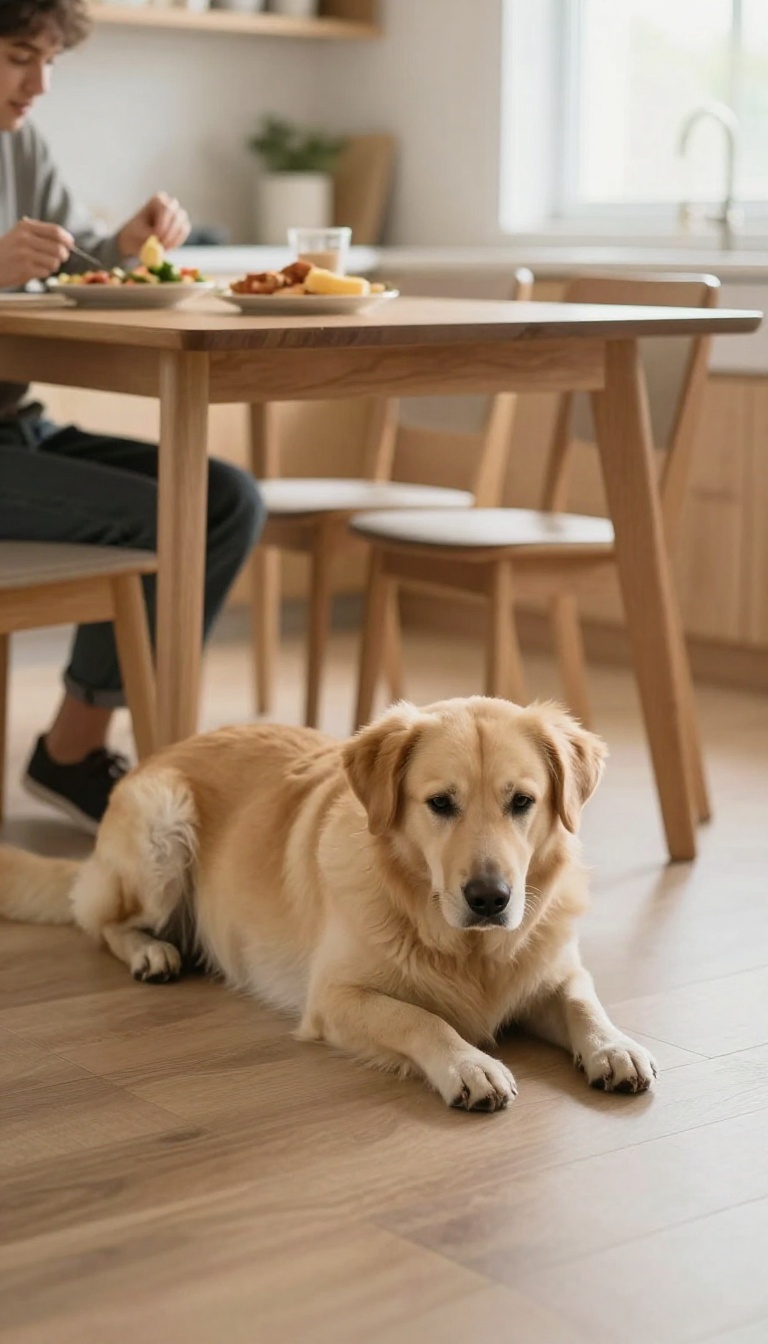
That high-pitched whine can be grating, and the paw on your knee is hard to ignore. But here's the thing: any reaction, even a stern 'no, ' is still attention. Dogs learn quickly that whining gets a response, so they keep doing it.
The fix is to give zero attention until the behavior stops, then reward the calm.
When your dog whines or paws at you during dinner, it's tempting to shush them or push them away. But that's exactly what they want—a reaction. Instead, act like they're invisible.
No eye contact, no talking, no touching. The moment they stop and settle, quietly give them a treat or a gentle pat. This teaches them that silence and calm are what get your attention, not the noise.
Why Any Reaction Can Backfire
Even negative attention can reinforce begging. If you yell at your dog, they might see it as a form of engagement. They learn that whining leads to some kind of interaction, which is better than being ignored.
By withholding all reactions, you break that cycle and show them that begging doesn't work.
How To Ignore Effectively
Ignoring isn't just looking away—it's fully disengaging. Turn your body, avoid eye contact, and don't talk. If your dog persists, you can leave the room for a few seconds, then come back and continue eating.
Consistency is key: every single time they whine, you ignore. Only when they're quiet do you acknowledge them.
Rewarding The Calm Moments
The moment your dog stops whining and lies down quietly, that's your cue to reward them. A small treat or a soft 'good dog' can go a long way. Timing matters—reward within a second or two of the calm behavior so they connect the dots.
Over time, they'll learn that being quiet is what earns your attention.
3. Feed Before You Eat: Take the Edge Off Hunger
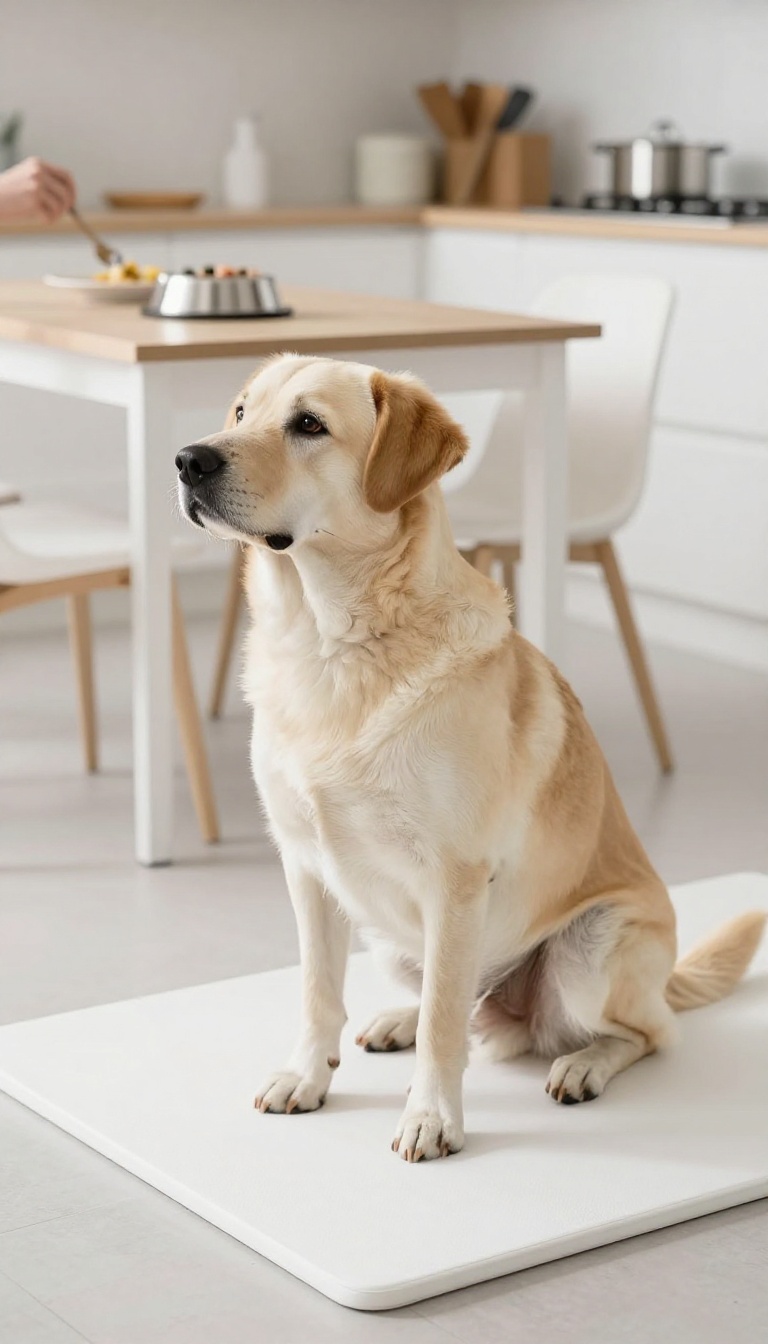
A hungry dog is a persistent beggar. When your pup's stomach is growling and they can smell your food, their focus is entirely on getting a bite. The simplest way to remove that desperation is to feed them before you sit down to your own meal.
By giving your dog their dinner first, you're not just filling their belly—you're also setting a clear routine. They learn that their food comes at a specific time, and yours is separate. This small shift can make a big difference in their behavior at the table.
Why Timing Matters
Dogs are creatures of habit. If they know their meal is coming before yours, they'll start to associate your dinner time with their own satisfied state. A full dog is less likely to beg because the biological drive to scavenge is reduced.
Plus, you're teaching them that your food is not part of their meal schedule.
How To Implement This Routine
Start by feeding your dog at the same time every day, about 15-20 minutes before you eat. Use a consistent command like "dinner time" so they know what's happening. Make sure they eat in their own designated spot, away from the table.
This reinforces that their food is there, not at your feet.
What If Your Dog Finishes Too Fast?
If your dog inhales their food and still begs, try using a slow feeder bowl or puzzle toy to extend their mealtime. You can also give them a long-lasting chew or a stuffed Kong to keep them occupied while you eat. This not only distracts them but also gives them a positive activity to focus on.
4. Use a Crate or Gate: Create a Visual Barrier
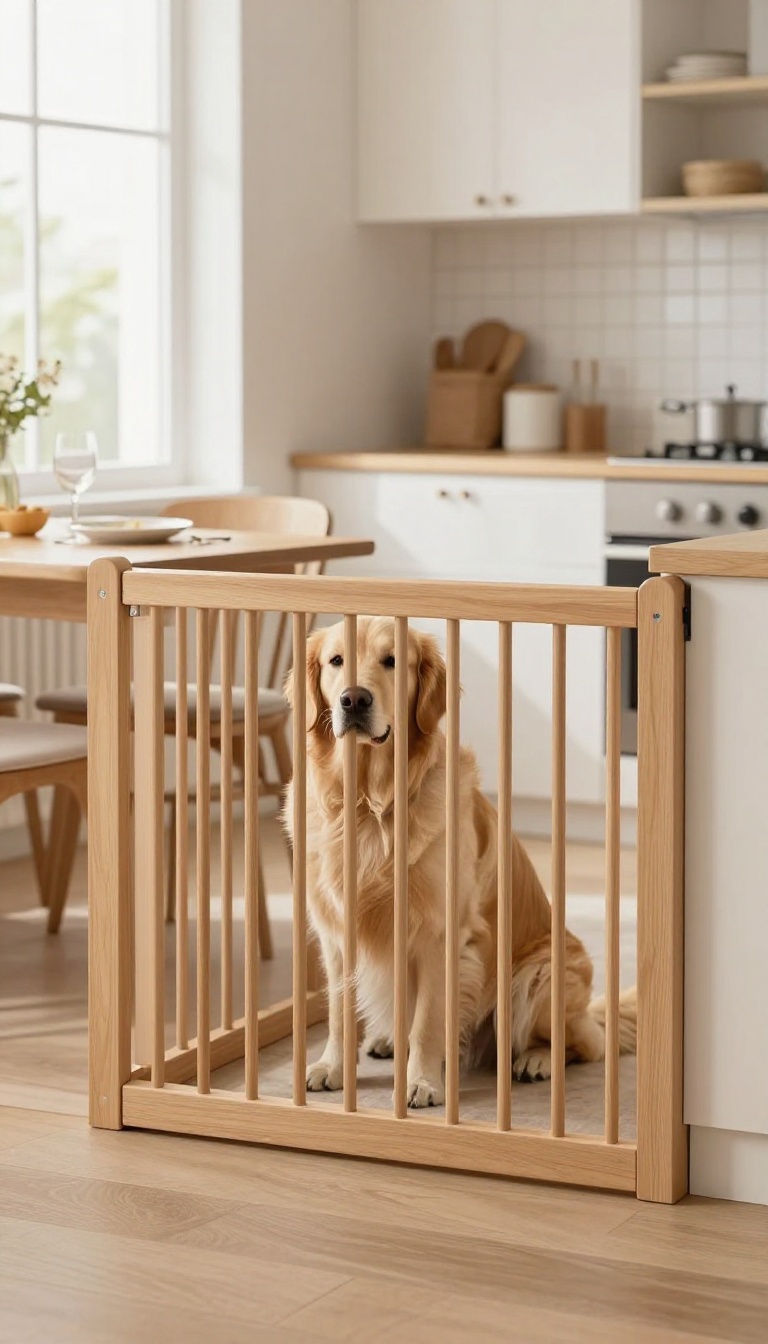
Sometimes the best way to break a habit is to make it impossible. If your dog can't stop begging, a simple physical barrier can do wonders. Using a crate or baby gate to keep your dog out of the dining area during meals creates a clear boundary that both you and your dog can understand.
When your dog can't reach you, the begging behavior simply can't happen. This isn't about punishment—it's about setting up a situation where good behavior is the only option. Over time, your dog will learn that mealtime is a time for them to be in their own space, not hovering around the table.
Why A Visual Barrier Works
Dogs are highly visual creatures. When they can see you eating, their natural scavenging instincts kick in. A crate or gate removes that visual trigger, making it easier for your dog to relax and settle down.
Without the sight of food, the urge to beg diminishes significantly.
Setting Up The Barrier
Place the crate or gate in a spot where your dog can still feel part of the family, like a corner of the living room or the kitchen entryway. Make it comfortable with a bed or a favorite toy. The goal is to create a safe, positive space, not a punishment zone.
You can even give your dog a special treat or puzzle toy to enjoy while you eat.
Making It A Positive Routine
Consistency is key. Use the barrier every single time you sit down to eat. Before long, your dog will associate the sound of the gate or the sight of the crate with mealtime and will go there willingly.
Reward calm behavior with praise or a small treat after the meal, reinforcing that staying in their spot is a good thing.
5. Practice the 'Leave It' Command: Teach Self-Control
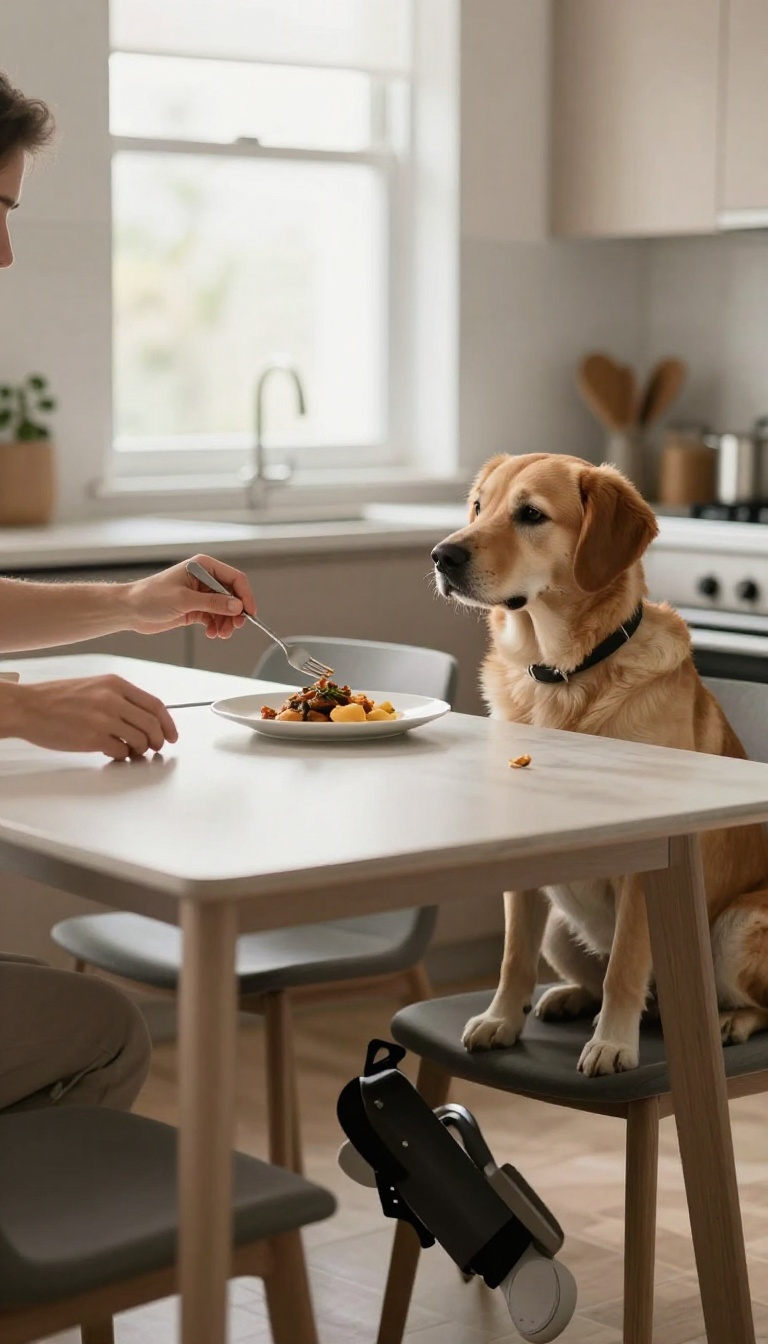
Training your dog to ignore food on command is a game-changer. The 'leave it' cue gives your dog a clear job during meals, shifting focus from your plate to earning a reward. It's not about being harsh—it's about building a habit of self-control that makes begging less automatic.
Start by teaching 'leave it' in a low-distraction setting. Hold a treat in your closed fist, let your dog sniff, and wait for them to pull back. The moment they do, say 'yes' and reward with a different treat from your other hand.
Repeat until they consistently back off, then add the verbal cue 'leave it' just before they move away. Once that's solid, practice with the treat on the floor under your foot, then progress to food on a plate at table height. Always reward your dog for choosing to look at you instead of the food—that's the behavior you want to reinforce.
Start With Simple Distractions
Begin with easy setups: a treat on the floor, a piece of kibble on your palm. Use a high-value reward for compliance, like a piece of chicken, so your dog learns that ignoring one thing leads to something better. Keep sessions short and upbeat, ending on a success.
Graduate To The Table
Once your dog reliably ignores food on the floor, mimic real meal conditions. Place a plate with a small treat on the table, stand nearby, and practice 'leave it' while you pretend to eat. Gradually increase the duration and your movement, so your dog learns to hold the behavior even when you're reaching for your fork.
Reward The Look, Not The Lunge
The goal is for your dog to glance at the food, then turn to you for direction. When they do that, mark and reward enthusiastically. This teaches them that checking in with you is more profitable than staring at your dinner.
Over time, the begging impulse fades because it simply doesn't pay off.
6. Reward Calm Behavior: Reinforce the Right Actions
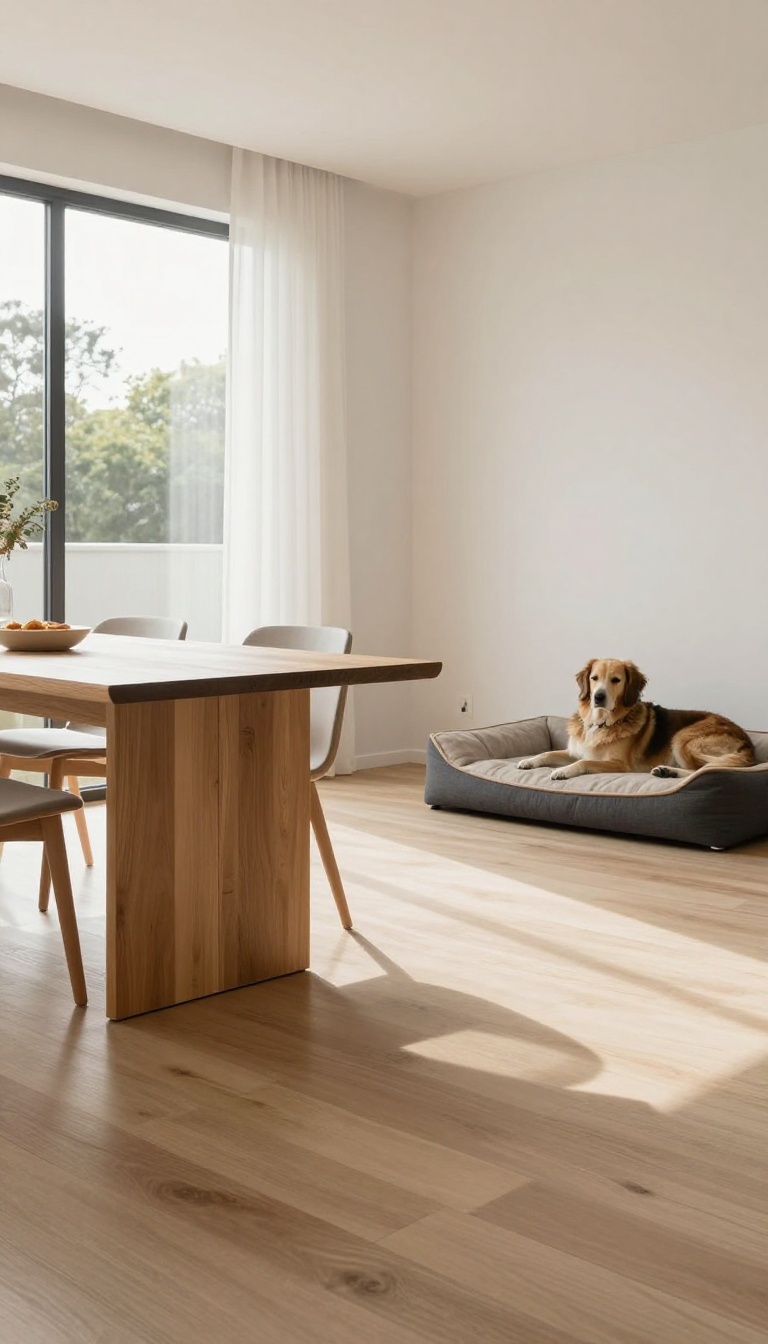
Training isn't just about correcting unwanted actions—it's about making sure the good ones get noticed. When your dog sits quietly during dinner, that's a golden opportunity to show them what works. A little reward goes a long way in shaping their mealtime behavior.
Catching your dog in the act of being calm is the most direct way to teach them that peace pays off. Instead of waiting for them to beg and then reacting, watch for those moments when they're relaxed. Maybe they're lying on their bed, or just sitting without staring at your plate.
That's your cue to toss a treat their way or offer a quiet word of praise. Timing matters here. You want to reward within a second or two of the calm behavior, so your dog connects the treat with what they're doing right then.
If you wait too long, they might think the reward came from something else. Keep treats handy, but don't make it a constant stream—sporadic rewards are actually more effective at reinforcing behavior. This approach flips the dynamic.
Instead of your dog pestering you for food, they learn that being calm is what earns them good things. Over time, they'll choose to settle down because they've learned that's the path to rewards. It's a simple shift in perspective that can transform your mealtimes.
Why Rewarding Calm Works
Dogs repeat behaviors that get them something they like. When you reward calmness, you're making that state more likely to happen again. It's the opposite of accidentally rewarding begging—which often happens when you give in to those puppy eyes.
By consistently rewarding the quiet moments, you're teaching your dog that patience is more profitable than pestering.
How To Catch Your Dog Being Good
Start by having treats ready before you sit down to eat. Then, watch your dog for any sign of calm—maybe they're lying down, looking away from the table, or just sitting quietly. The instant you see it, say 'Yes! ' or click, and toss a treat to them.
You can also use a specific cue like 'settle' to mark the behavior, so they start to understand what you're asking for.
Making Rewards Work In Real Life
You don't have to reward every single calm moment—that would be exhausting. Instead, reward randomly. Sometimes give a treat, sometimes just a scratch behind the ears, sometimes nothing.
This unpredictability keeps your dog guessing and makes them more likely to keep offering calm behavior. Also, make sure the treats are small and low-calorie, so you're not adding too many extra calories to their diet.
7. Don't Feed from the Table: Break the Association
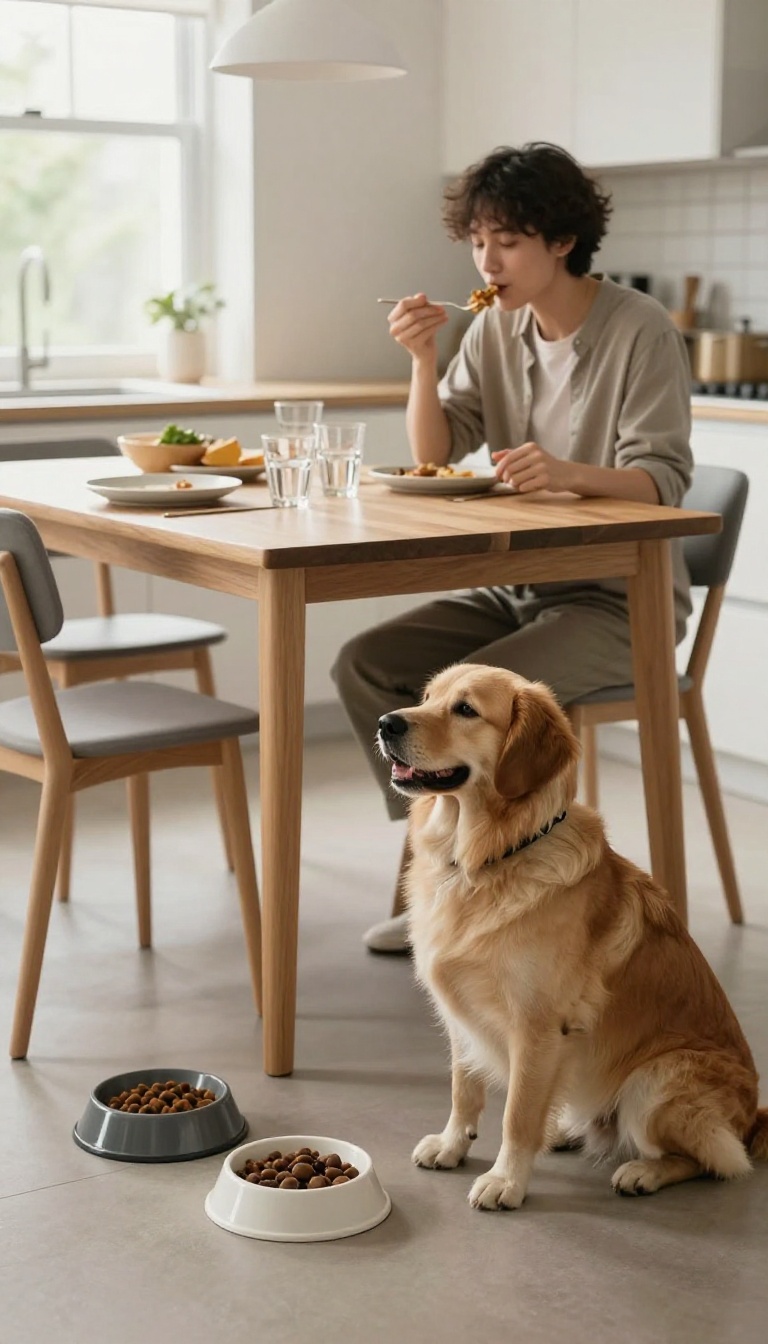
Your dog learns quickly that staring at your plate sometimes pays off. If you occasionally slip a bite of chicken or a piece of toast from your hand, you're teaching them that begging is a winning strategy. The fix is simple: never feed from the table, not even once.
When you feed your dog from the table, you're directly rewarding the behavior you want to stop. That single scrap reinforces the cycle, making it harder for your dog to understand why they shouldn't beg. Instead, make a clear rule: human food only goes in their bowl, and only after you've finished eating.
Why Table Feeding Backfires
Dogs are masters of cause and effect. If they nudge your elbow and you hand over a piece of steak, they'll repeat that action every single time. Even if you only give in occasionally, the random reward is enough to keep them trying.
This is called intermittent reinforcement, and it's one of the strongest ways to build a habit.
The Bowl-only Rule
Make a firm rule: any leftovers or safe human food goes straight into their bowl, never from your plate or hand. This breaks the direct link between begging and getting food. Your dog will learn that good things come from their bowl, not from your dinner.
Consistency is key—everyone in the household must follow the same rule.
Timing Matters: Wait Until You're Done
If you want to share a little something, wait until you've finished your meal and are away from the table. Then, put the treat in their bowl. This way, your dog associates the reward with being patient and calm, not with begging.
Over time, they'll learn that good things happen when they leave you alone during meals.
8. Use a Puzzle Toy or Kong: Keep Them Busy
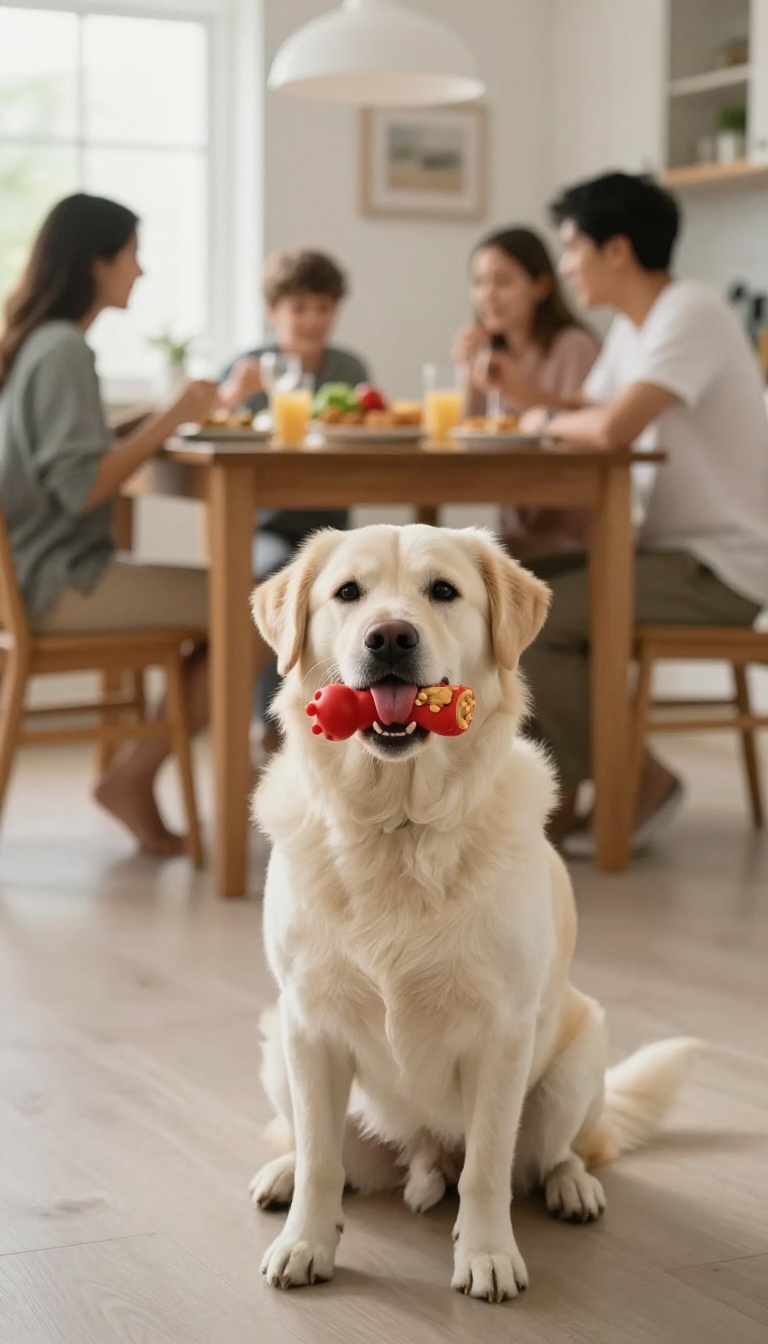
When your dog has something engaging to do, the temptation to beg drops dramatically. A stuffed Kong or a puzzle toy filled with treats can turn mealtime into your dog's own fun activity. This simple switch redirects their focus from your plate to their own rewarding challenge.
Dogs beg partly out of boredom and habit. If they're used to hovering around the table, they need a compelling alternative. A puzzle toy or Kong stuffed with something delicious gives them a job to do.
While you eat, they work on getting the goodies out. This not only keeps them busy but also provides mental stimulation that tires them out in a good way.
Choose The Right Toy
Not all puzzle toys are created equal. For a Kong, pick the right size for your dog. A toy that's too small can be a choking hazard, and one that's too big might be frustrating.
For puzzle toys, start with a beginner level and work your way up. If your dog gets bored easily, rotate between a couple of different options to keep things interesting.
Make It Worth Their While
The filling matters. Use something your dog absolutely loves—peanut butter, cream cheese, mashed banana, or even their regular kibble mixed with a little wet food. You can also freeze the Kong for a longer-lasting challenge.
The goal is to make the toy more appealing than whatever is on your plate.
Introduce It Before You Sit Down
Timing is everything. Give your dog the toy a few minutes before you start eating. This gives them time to get engaged and settled.
If you hand it over right as you sit down, they might still be figuring it out and look up at you. By starting early, they're already in the zone by the time you take your first bite.
Use It Consistently
For this to work, make it a routine. Every time you sit down for a meal, your dog gets their puzzle toy. Consistency teaches them that mealtime is their time to work on their own treat, not to stare at yours.
Over time, they'll start to associate the dinner table with their own special activity.
9. Establish a 'No Dogs at the Table' Rule: Set Boundaries
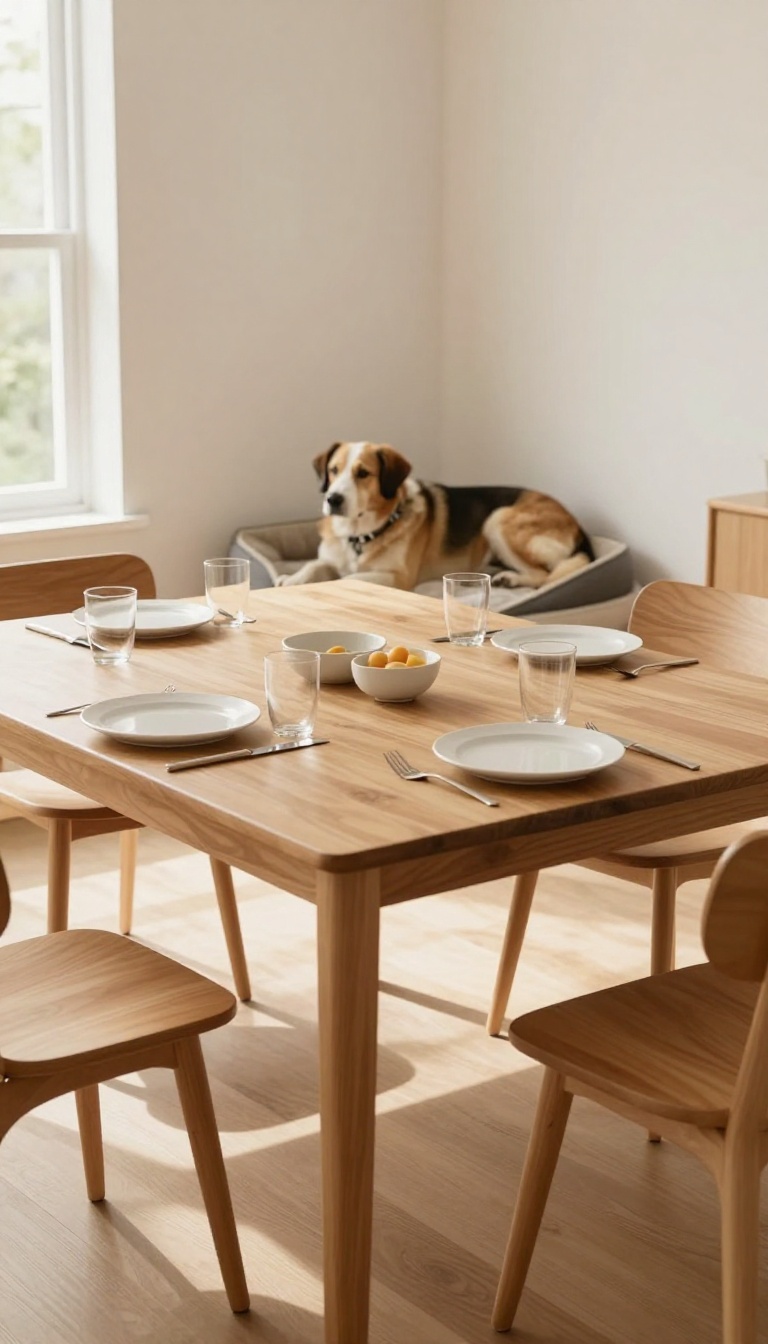
Sometimes the clearest way to stop begging is to make the dining area completely off-limits. If your dog isn't allowed near the table, they can't stare, whine, or sneak a paw onto your lap. This rule works best when you enforce it every single time, without exceptions.
Dogs are masters of reading patterns, and they'll quickly learn that the dining room is a no-go zone. The moment you let them slide just once, the boundary blurs. So pick a spot for them—like a cozy bed in the corner—and guide them there whenever they wander over during meals.
Why A Hard Boundary Works
When your dog is physically removed from the table, they can't practice the begging behavior at all. Out of sight often means out of mind, and they'll settle down once they realize the action isn't happening near you. This also removes the temptation for you to slip them a bite, which only reinforces the habit.
How To Enforce It Gently
You don't need to be harsh—just consistent. If your dog enters the dining area, calmly say 'out' and lead them to their designated spot. Use a treat or a chew toy to make that spot more appealing.
Over time, they'll learn that staying there earns them a reward, while approaching the table gets them nothing.
What To Do If Your Dog Already Knows Begging
If your dog is used to getting scraps, expect some pushback at first. They might whine or pace, but don't give in. Ignore the noise and only reward them when they're quiet and settled.
After a few meals, they'll understand that the new rule is here to stay.
10. Practice with Distractions: Build Up Gradually
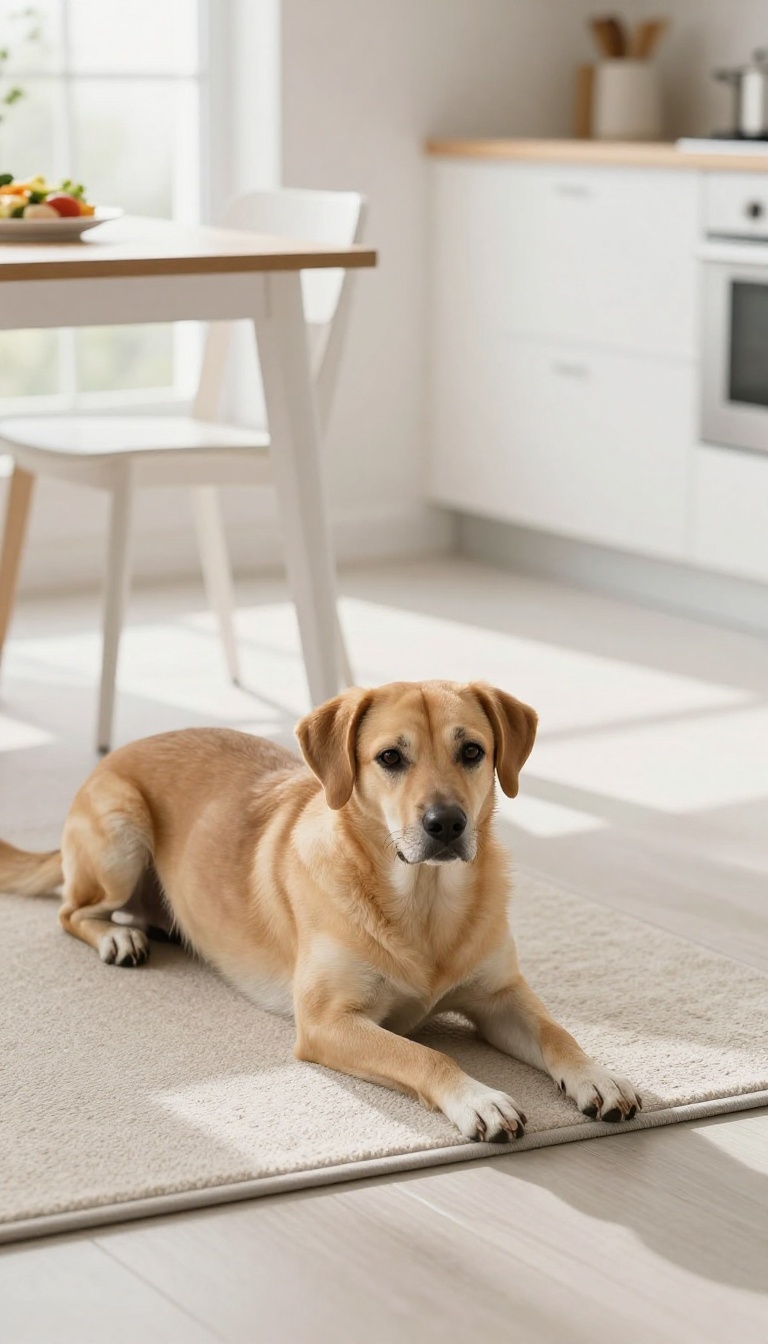
Training in a calm, quiet room is a solid start, but real life happens at the dinner table with clinking forks and the aroma of roasted chicken. That's why practicing with distractions is the final piece of the puzzle. By slowly increasing the level of temptation, you teach your dog that good manners apply everywhere, not just in the training corner.
It's about building a reliable habit that holds up when it matters most.
Start with a low-key setup: have your dog on a mat or bed nearby while you eat a small snack. Reward calm behavior with occasional treats, but never from your plate. Once your dog gets the hang of it, gradually add more tempting foods and busier settings.
The goal is to make the right choice easy at first, then steadily raise the bar. Remember to keep sessions short and positive. If your dog starts to struggle, dial it back a step.
This isn't about perfection—it's about progress. Over time, your dog will learn that staying calm during meals is more rewarding than begging.
Start With A Boring Meal
Begin with something plain like crackers or celery. Sit at the table, have your dog in their designated spot, and reward any calm behavior. This low-stakes practice lets your dog succeed without overwhelming temptation.
Add Real Temptation Slowly
Once your dog is reliable with bland foods, introduce something more enticing, like a piece of chicken or a burger. Keep the same rules: no eye contact, no whining, and no wandering. Reward calmness generously to reinforce the behavior.
Vary The Setting And Timing
Practice in different rooms, at different times of day, and with different people around. The more varied the practice, the more your dog generalizes the rule. Try having a friend over for dinner or eating outside on a nice day.
Use A Mat Or Bed As A Safe Spot
A designated mat or bed gives your dog a clear place to settle. Teach them to go there on cue and stay until released. This becomes their 'job' during meals, making it easier for them to resist the urge to beg.
11. Use a Leash or Tether: Manage the Space
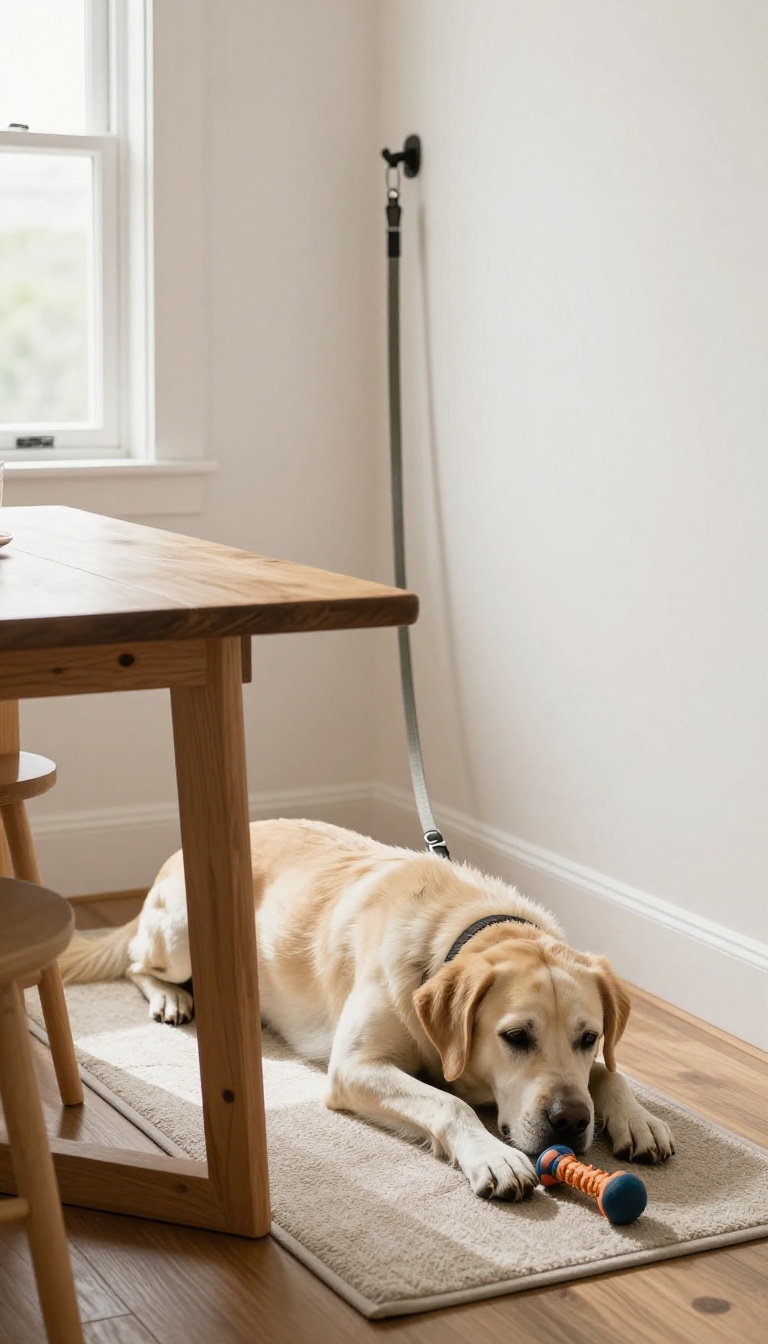
Sometimes the simplest solution is the most effective. If your dog has a habit of drifting toward the table mid-meal, a leash or tether can be a game-changer. It’s not about punishment—it’s about creating a physical boundary that helps your dog understand where they should be.
When you first start using a leash or tether, your dog might pull or whine a bit. That’s normal. Stay calm and consistent.
Over time, they’ll learn that the mat is their spot, and the leash is just a reminder. This method is especially handy if you have guests over or if your dog gets overly excited during meals.
Set Up A Comfortable Spot
Choose a mat or bed that’s comfortable for your dog and place it a few feet away from the table. Attach a leash or tether to a sturdy anchor point, like a heavy piece of furniture or a wall hook. Make sure the length allows your dog to lie down comfortably but not reach the table.
Add a favorite toy or a chew to keep them occupied.
Practice During Meals
Start by having your dog on the tether while you eat. Give them a command like 'go to your mat' and reward them when they settle. If they try to get up, gently guide them back.
Consistency is key—every meal, every time. Soon, your dog will associate the tether with calm behavior.
Gradually Phase It Out
Once your dog reliably stays on their mat, you can start leaving the leash off during short periods, like when you’re just having a snack. Keep it handy for longer meals or when guests are over. Eventually, many dogs won’t need the tether at all, but it’s okay to keep using it as a safety net.
12. Teach 'Go to Your Bed' as a Default Behavior
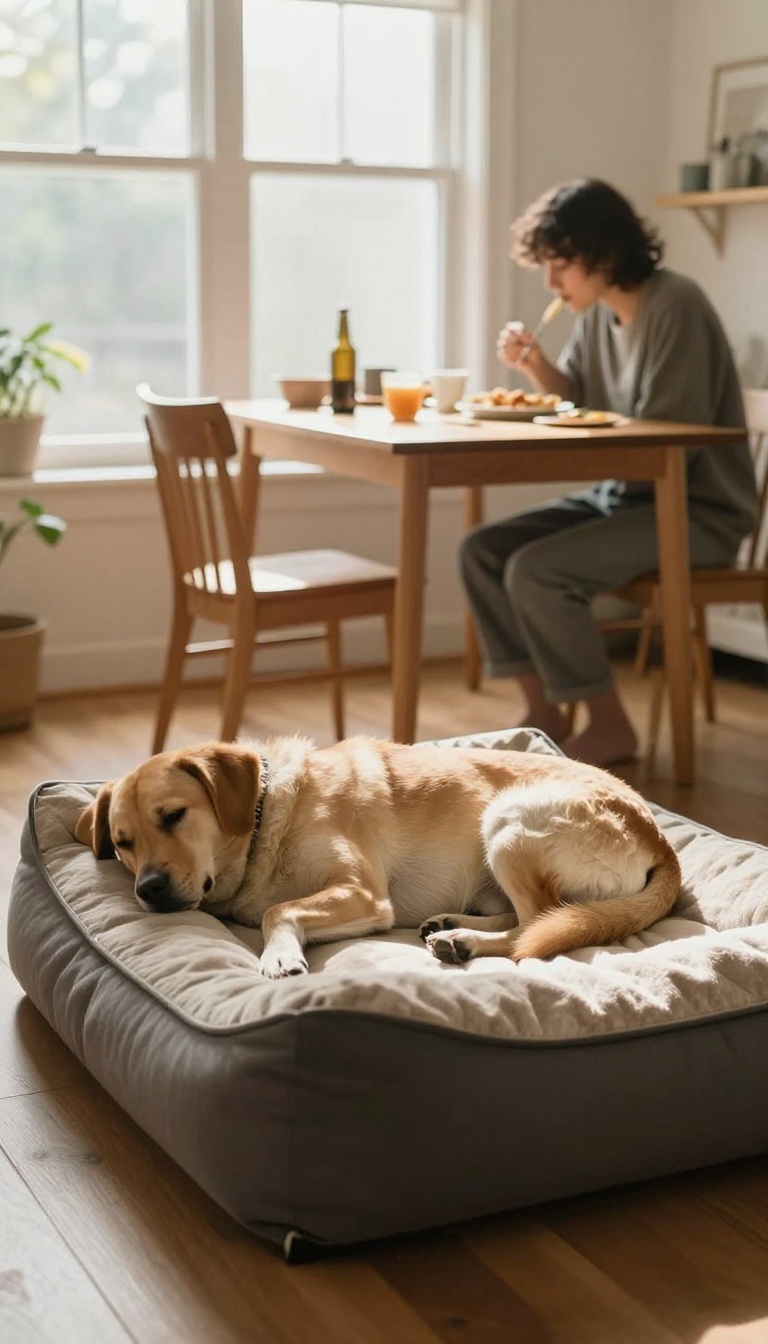
Imagine sitting down to eat and your dog calmly walks to their bed, lies down, and stays until you finish. That’s the magic of teaching a solid 'go to your bed' cue. It gives your dog a clear job during mealtime, so they’re not hovering around the table looking for handouts.
This command isn’t just about obedience—it’s about giving your dog a comfortable, positive place to be while you eat. With consistent practice, your dog will learn that mealtime means relaxation, not begging.
Start by training the cue in a quiet room with high-value treats. Use a mat or dog bed as the target. Say 'go to your bed, ' lure them onto it, and reward immediately.
Repeat until they move to the bed without a lure. Then gradually add distance and duration. Once they’re reliable, practice during actual meals, starting with short stays and rewarding calm behavior.
This turns the bed into a default spot, so your dog naturally goes there when you sit down to eat.
Start Simple, Then Build Up
Begin in a distraction-free area. Use a comfortable bed or mat. Toss a treat onto the bed and say 'go to your bed. ' As they step on, mark with 'yes' and give another treat.
Repeat until they go to the bed on their own. Then add a release word like 'okay' to let them leave. Practice this for a few days before moving to mealtime.
Make The Bed The Best Place To Be
Your dog needs to see their bed as a rewarding spot. Give them a special chew or a stuffed Kong only when they’re on the bed. This makes the bed more appealing than your plate.
Over time, they’ll associate the bed with good things, and they’ll choose it willingly.
Use It At Every Meal
Consistency is key. Before you sit down, give the cue and have your dog go to their bed. If they get up, calmly lead them back and say 'go to your bed' again.
Don’t give attention or food until they’re settled. With repetition, your dog will learn that staying on the bed is the only way to earn rewards.
13. Be Consistent with All Family Members: Avoid Mixed Signals
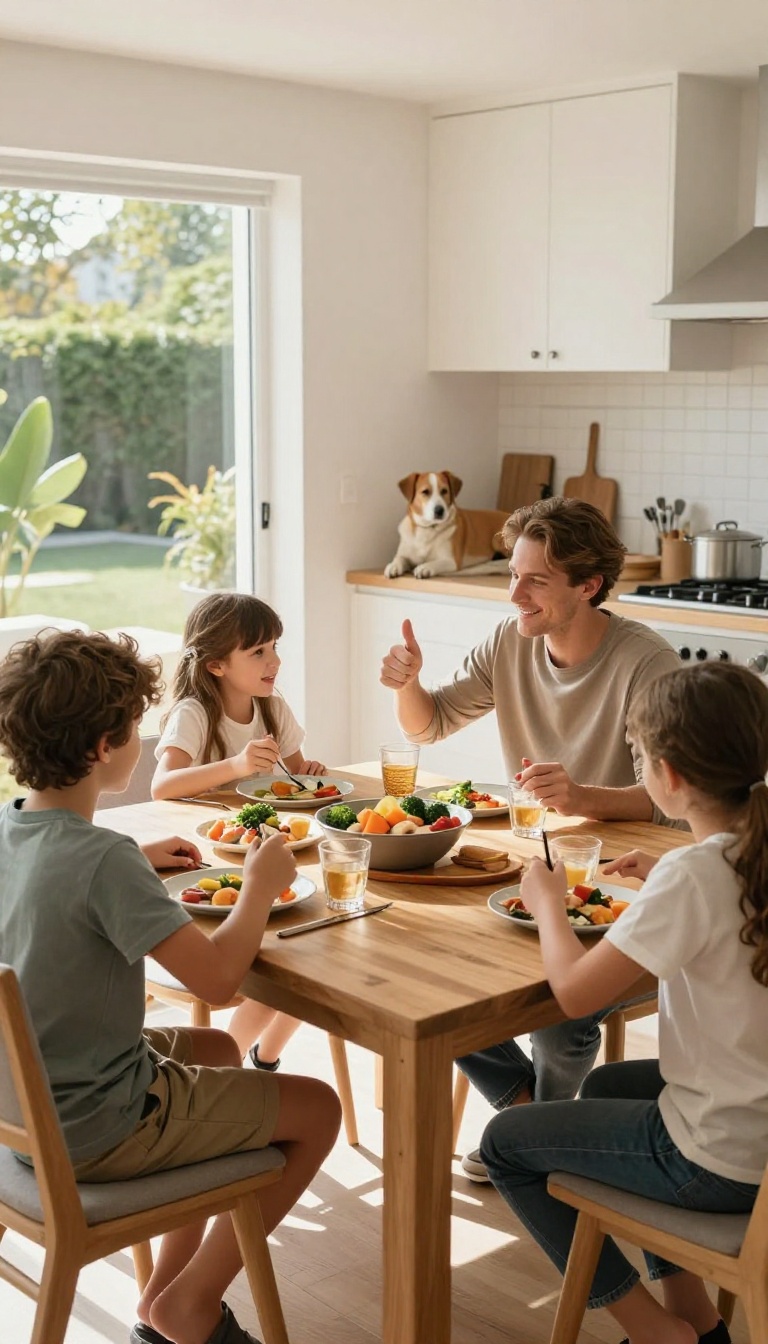
One of the biggest hurdles in dog training is the well-meaning family member who slips a piece of bacon under the table. That single act can undo days of consistent work. Dogs are smart—they quickly learn which humans are the soft touches and will target them relentlessly.
To truly stop begging, everyone in the household must be on the same page. That means the same rules, the same commands, and the same zero-tolerance policy for feeding from the table. When you’re all consistent, your dog gets a clear message: begging never works, no matter who’s holding the fork.
Consistency is the secret sauce in dog training. If one person gives in, it teaches your dog that persistence pays off—at least sometimes. That’s the exact opposite of what you want.
Mixed signals confuse your dog and make the begging worse. Start by having a family meeting. Agree on the rules and write them down if you have to.
Make sure everyone knows what to do when the dog begs: ignore them, say a firm “no, ” or send them to their bed. No exceptions, no ‘just this once. ’ It also helps to use the same command words. If you say “place” and your partner says “go to your spot, ” your dog might not connect the dots.
Pick a simple cue and use it consistently. Remember, your dog isn’t trying to be difficult—they’re just following their instincts. With a united front, you’ll make it clear that begging is a dead end, and your dog will eventually stop trying.
Why Mixed Signals Confuse Your Dog
Dogs learn through association. If begging sometimes gets a treat and sometimes gets ignored, they’ll keep trying because the reward is unpredictable. That’s the same reason slot machines are so addictive.
Consistency removes the gamble and teaches your dog that begging simply doesn’t work.
How To Get Everyone On Board
It’s not always easy to get the whole family to follow the rules, especially kids or guests. Explain why it matters, and make it easy for them to comply. Put a note on the fridge, have a designated spot for your dog to go during meals, and praise anyone who sticks to the plan.
Over time, it becomes second nature.
Handling Guests Who Slip Up
Guests can be the toughest to manage. They might not know the rules or might think they’re being nice. Politely tell them ahead of time, “Please don’t feed the dog from the table—we’re training him. ” If they still slip, gently remind them.
Your dog’s long-term behavior is more important than a moment of awkwardness.
14. Try a Food-Dispensing Toy for Your Dog: Make Mealtime Fun
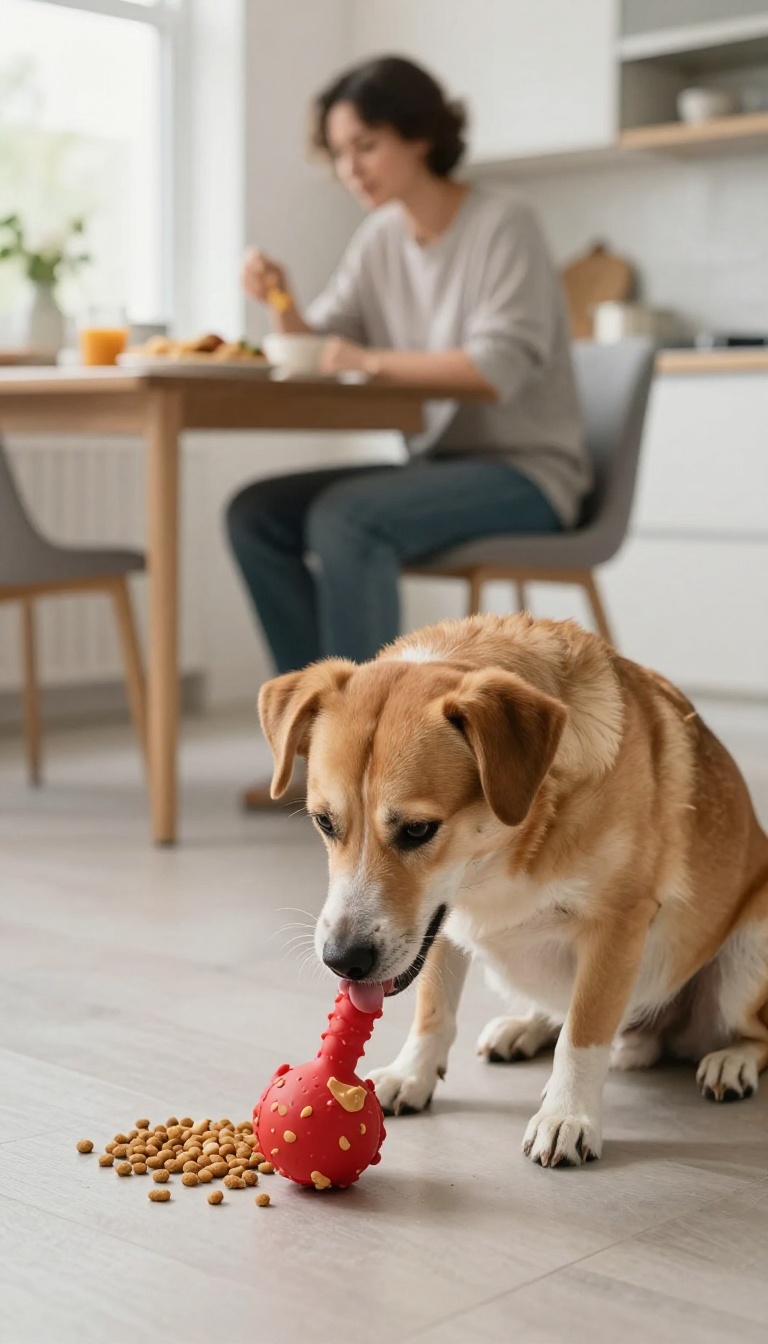
Instead of focusing on what your dog shouldn't do, redirect that energy into something positive. A food-dispensing toy or slow feeder can turn your dog's own mealtime into a rewarding challenge. While you eat, your dog gets to work for their food, which keeps them busy and satisfied.
Food-dispensing toys are a win-win. Your dog gets mental stimulation and a tasty reward, and you get to enjoy your meal in peace. The key is to use them consistently during your meals, so your dog learns that good things happen when they stay in their spot.
Choose The Right Toy
Not all food-dispensing toys are created equal. For beginners, a simple Kong stuffed with kibble and a bit of peanut butter works wonders. For more advanced pups, puzzle toys that require sliding or flipping pieces can provide a longer challenge.
Pick one that matches your dog's skill level to avoid frustration.
Make It Part Of The Routine
The magic happens when you pair the toy with your mealtime. Start by giving your dog the toy right as you sit down to eat. Over time, your dog will associate your dinner with their own special treat.
This routine builds a positive habit that replaces begging behavior.
Keep It Interesting
Dogs can get bored with the same toy every day. Rotate between two or three different dispensing toys to keep the novelty alive. You can also freeze the toy with wet food or broth for a longer-lasting challenge, especially on days when you need extra quiet time.
Supervise And Adjust
Always supervise your dog with a new toy to ensure they don't chew and swallow pieces. If your dog finishes too quickly, try a more difficult toy or freeze it. If they lose interest, switch to a higher-value filling.
The goal is to keep them engaged for the duration of your meal.
15. Consult a Professional if Needed: Get Extra Help
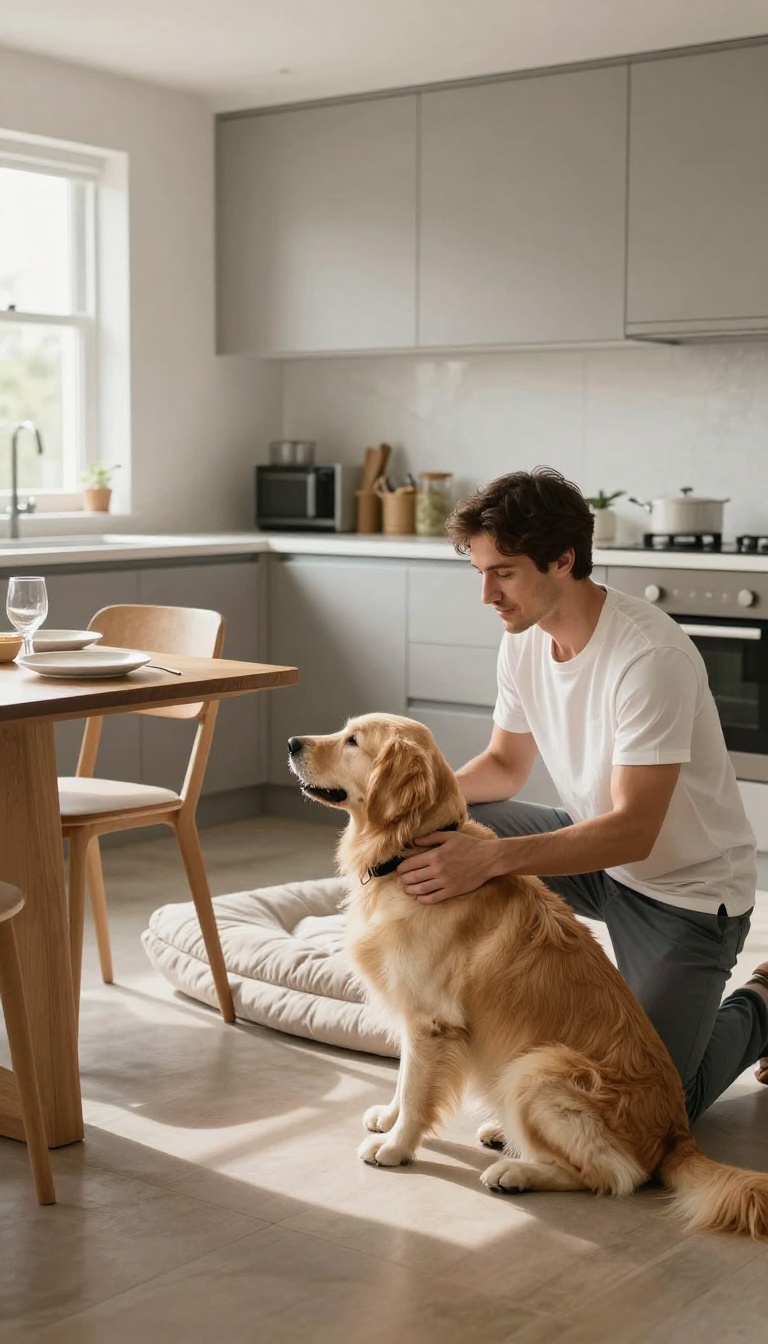
There comes a point when you've tried everything—placemats, puzzle toys, ignoring the whines—and that dog still camps out under the table like it's a five-star restaurant. That's not a failure on your part; it's a sign that the behavior might be deeper than simple habit. A certified dog trainer or a veterinary behaviorist can step in with fresh eyes and a tailored plan that actually addresses the root of the problem.
Professional help isn't a last resort for 'bad' dogs; it's a smart move for any owner who wants a peaceful mealtime without the stress. Trainers see begging patterns all the time and know exactly how to break them. They'll also spot subtle triggers you might have missed, like anxiety or a medical issue that makes your dog extra food-focused.
Why A Professional Can Make The Difference
A professional brings objectivity and experience. They can assess your dog's body language, your feeding routine, and the household dynamics that might be reinforcing the begging. Instead of guessing, you get a clear, step-by-step plan that fits your dog's personality and your lifestyle.
That's a huge weight off your shoulders.
What To Expect From A Training Session
Most trainers will start by asking about your daily routine and watching a meal or two. They'll then teach you practical cues like 'go to your bed' or 'settle' and show you how to reward calm behavior. You'll likely get homework, but it's simple stuff you can practice right away.
The goal isn't perfection overnight—it's steady progress.
How To Choose The Right Expert
Look for someone with credentials from organizations like the Certification Council for Professional Dog Trainers (CCPDT) or the International Association of Animal Behavior Consultants (IAABC). Ask about their experience with food-related behaviors and request a consultation before committing. A good trainer will be happy to answer your questions and will never use harsh methods.
FAQ
Why does my dog beg even when they're not hungry?
Begging is often a learned behavior driven by attention and the possibility of getting food. Even if your dog isn't hungry, they may beg because it has worked in the past. Consistency and ignoring the behavior can help break the habit.
How long does it take to stop a dog from begging?
The time varies depending on the dog and consistency. Some dogs may improve within a few weeks, while others might take a few months. The key is to be patient and consistent with the training methods.
Is it okay to give my dog scraps from the table sometimes?
It's best to avoid giving scraps from the table entirely. This reinforces begging and can also lead to unhealthy eating habits. If you want to share, put a small amount in their bowl after you've finished eating.
What if my dog is begging because they're genuinely hungry?
Ensure your dog is getting the right amount of food for their size and activity level. If you're unsure, consult your vet. But even if they're hungry, they should learn to wait calmly rather than beg.
Can I train an older dog to stop begging?
Yes, older dogs can learn new behaviors, though it may take a bit more time and patience. The same principles apply: consistency, positive reinforcement, and clear boundaries.
Conclusion
Breaking the begging habit takes time and patience, but the payoff is worth it. You'll enjoy your meals without the guilt or annoyance, and your dog will feel more secure with clear rules. Start with a few of these strategies and stick with them.
Remember, every dog is different, so feel free to mix and match what works best for your situation. With consistency and positive reinforcement, you can transform mealtime into a peaceful, enjoyable part of your day.

I’m Pallab Kishore, the owner of Little Pets Realm — an animal lover and pet care enthusiast sharing easy tips, healthy recipes, and honest advice to help every small pet live a happy, healthy, tail-wagging life.