
Dinner prep shouldn't feel like a heist movie every night, with your dog eyeing the counter like it's a snack vault. Sneaky food stealing is common, but it's also one of the most fixable habits—if you tackle the root cause instead of just chasing them around.
These ten fixes range from simple setup changes to training drills that build self-control. You'll find practical ways to keep food safe, teach your dog better choices, and make mealtime calm for everyone.
Pick the ones that fit your pup's personality and start with the easiest win today.
1. Manage the Environment: Keep Food Out of Reach
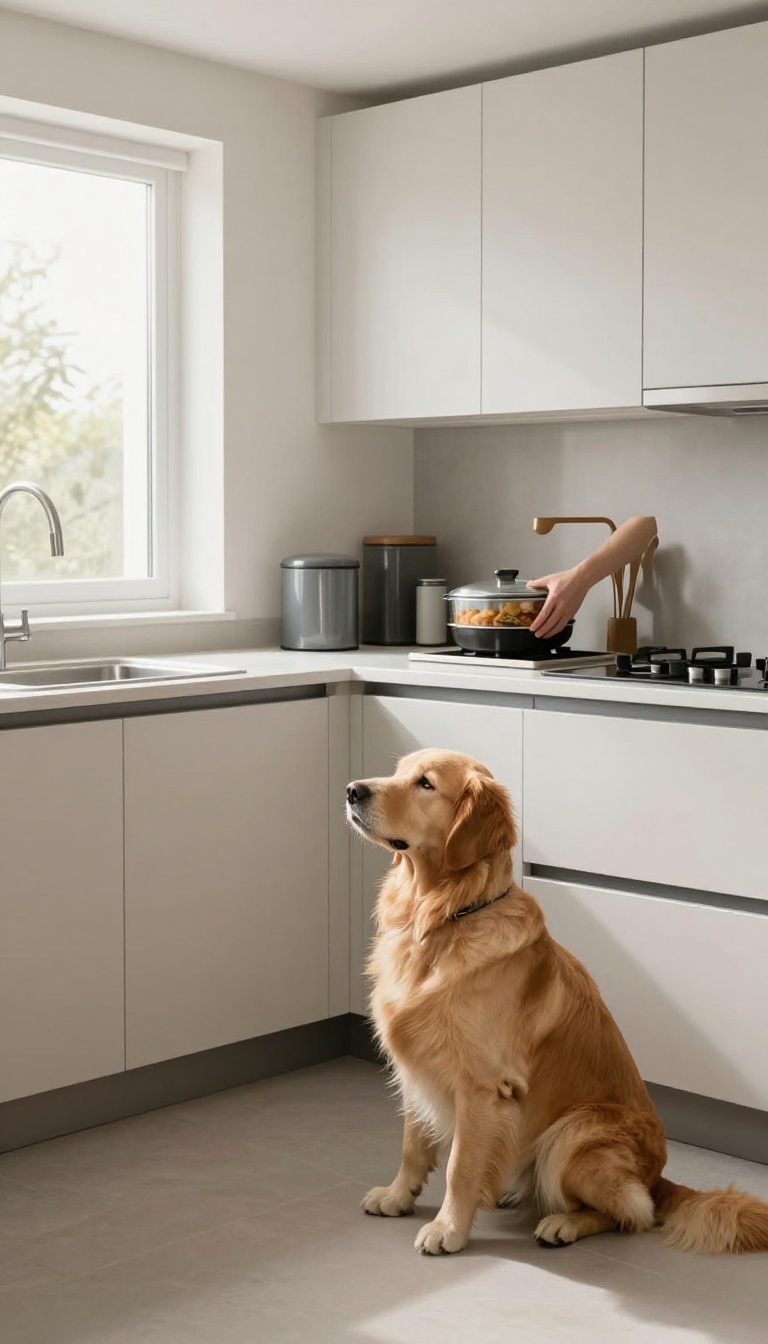
The easiest way to stop a food thief is to remove the temptation altogether. If your dog never gets the chance to snatch a snack, the habit won't get reinforced. This approach requires a bit of vigilance at first, but it pays off quickly.
Clear The Counters
Make it a rule to never leave food unattended on counters or tables. After cooking, put leftovers away immediately. Use a covered container or place items in the microwave or oven until you're ready to eat.
This removes the visual cue that triggers your dog's sneaky behavior.
Secure The Trash
Dogs are clever, and a tipped-over trash can is an all-you-can-eat buffet. Invest in a trash can with a locking lid or keep it inside a cabinet with a childproof latch. Take out the trash regularly, especially after cooking or eating, to minimize odors that attract your pup.
Use Baby Gates And Closed Doors
If your dog tends to sneak into the kitchen or dining area, use baby gates to block access when you're not actively supervising. Close doors to rooms where food is present. This physical barrier gives you peace of mind and prevents your dog from practicing the sneaky behavior in the first place.
2. Teach a Solid 'Leave It' Command
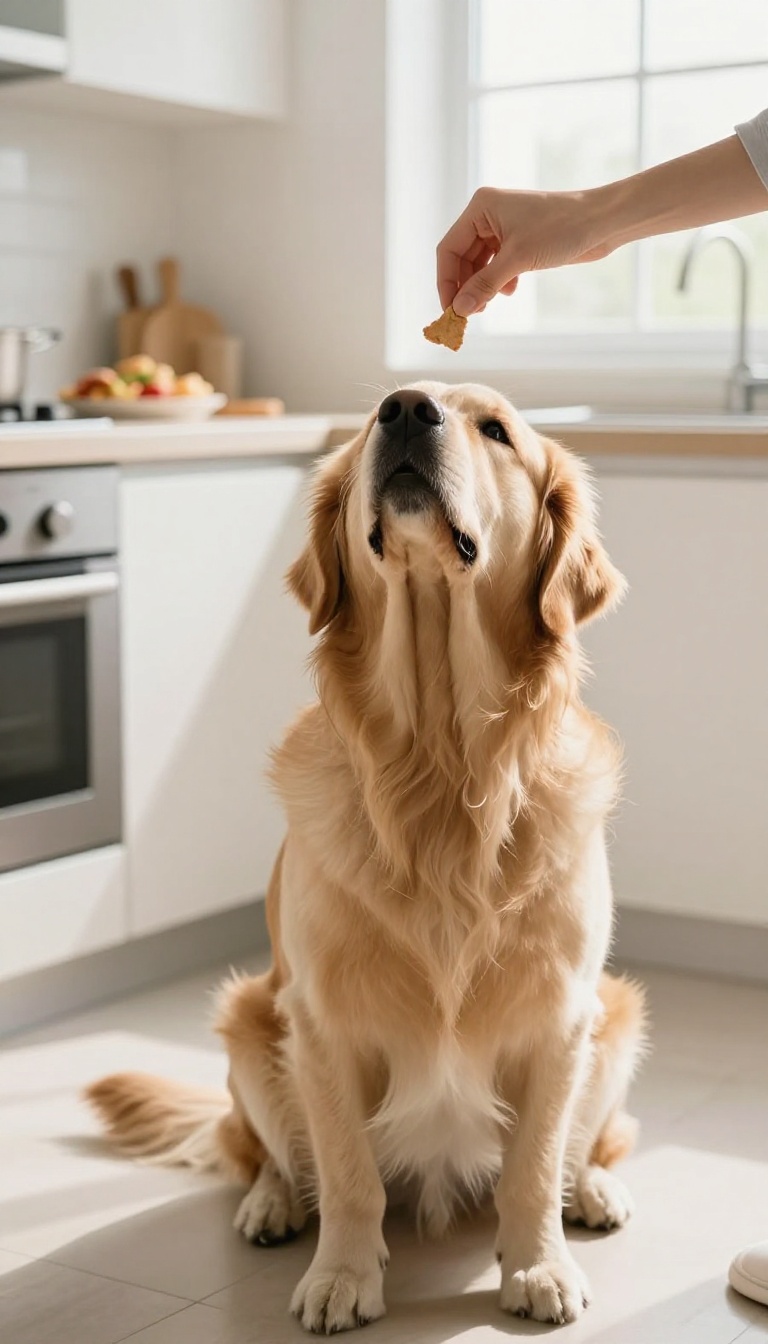
A reliable 'leave it' is like a pause button for your dog's snack radar. It buys you a moment to react before they snatch something they shouldn't. This command isn't just a party trick—it's a practical tool that can prevent a stolen steak or a swallowed pill.
The key is to start easy and build up gradually. You'll want your dog to associate 'leave it' with good things, not fear. That means lots of treats and praise for backing off.
With patience, you'll have a dog that looks to you for permission instead of acting on impulse.
Start With Easy Wins
Begin with a low-value treat in your closed fist. Hold it out, say 'leave it' in a calm voice, and wait. The second your dog stops sniffing or nudging, mark it with 'yes' and reward them with a better treat from your other hand.
Repeat this until they instantly back off when they hear the cue.
Move To Real-life Scenarios
Once your dog nails the hand version, place a treat on the floor but cover it with your foot. Say 'leave it' and reward them for looking at you instead. Then try dropping a treat from your hand, and finally, place food on a counter or table.
Always keep sessions short and end on a success.
Use It In The Kitchen
Practice 'leave it' while you're cooking or setting the table. Have your dog sit nearby, and if they eye the food, calmly say 'leave it. ' When they look away, toss them a treat. This builds a habit of checking in with you, even when there's tempting food around.
Troubleshoot Common Slip-ups
If your dog ignores 'leave it, ' you're probably moving too fast. Go back a step and lower the value of the food. Also, avoid repeating the cue—say it once, and if they don't respond, use a gentle leash correction or remove the temptation.
Consistency beats repetition.
3. Use Positive Reinforcement for 'Four on the Floor'
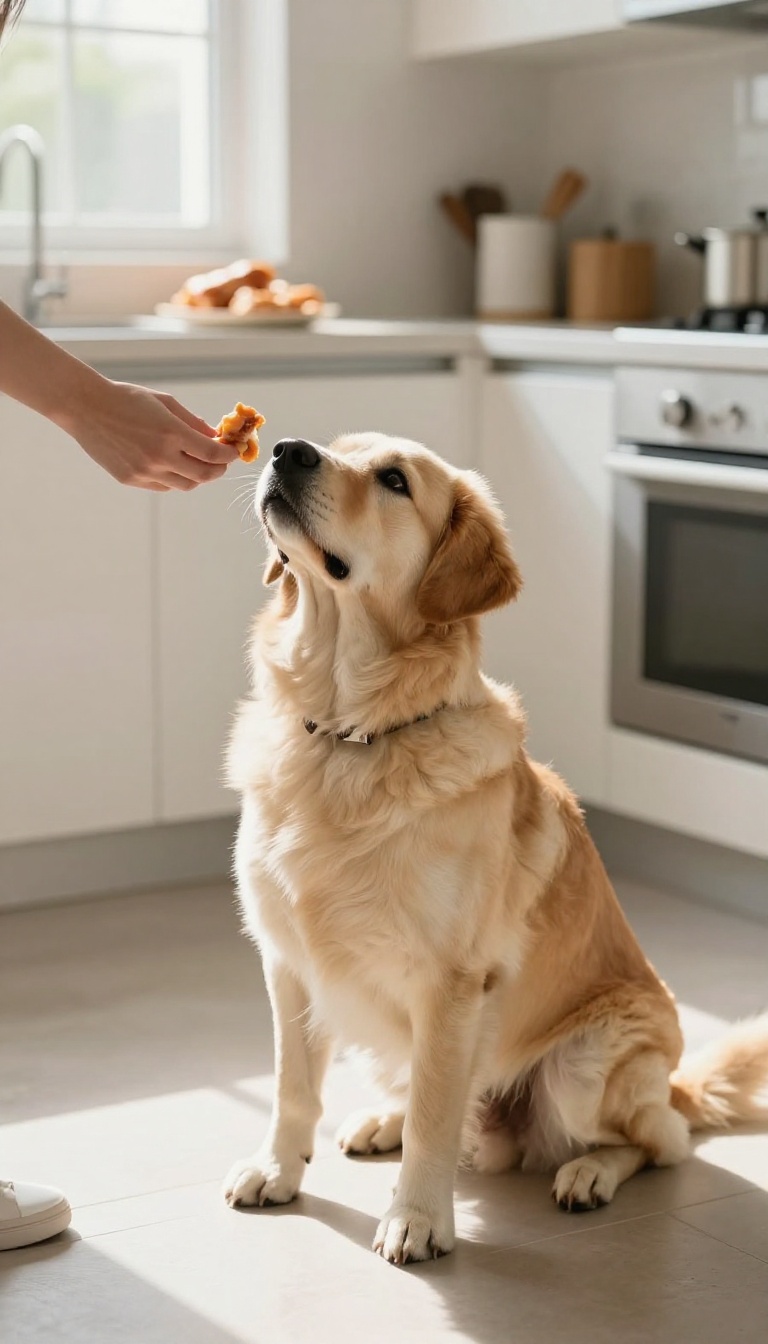
Jumping up to snatch food is a self-rewarding habit—your dog gets a tasty payoff every time they launch. But you can flip that equation by rewarding the opposite behavior: keeping all four paws planted on the ground. This approach doesn't just stop the stealing; it teaches your dog that staying grounded is the fastest way to earn good things.
Positive reinforcement turns training into a game your dog actually wants to play. Instead of scolding or chasing, you're showing them what works. Over time, they'll choose to stay down because it pays off more than counter-surfing ever did.
Why 'four On The Floor' Works
Dogs repeat behaviors that get them rewards. When they jump and steal, the reward is obvious. By consistently rewarding them for keeping their paws down, you make that behavior more valuable.
It's a simple swap: the counter becomes boring, and the floor becomes the jackpot.
How To Start Training
Keep high-value treats handy, like small pieces of chicken or cheese. Stand near the counter and wait for your dog to have all four paws on the ground. The moment they do, say 'yes' and give a treat.
Repeat this several times, then start adding slight distractions, like moving a plate or opening the fridge. Always reward before they even think about jumping.
Make It A Habit
Consistency is key. Practice in short sessions throughout the day, especially during meal prep. If your dog does jump, simply ignore and wait for them to come down, then reward.
Over time, they'll learn that being calm and grounded is the best way to get your attention and treats.
4. Crate or Tether During Meal Prep
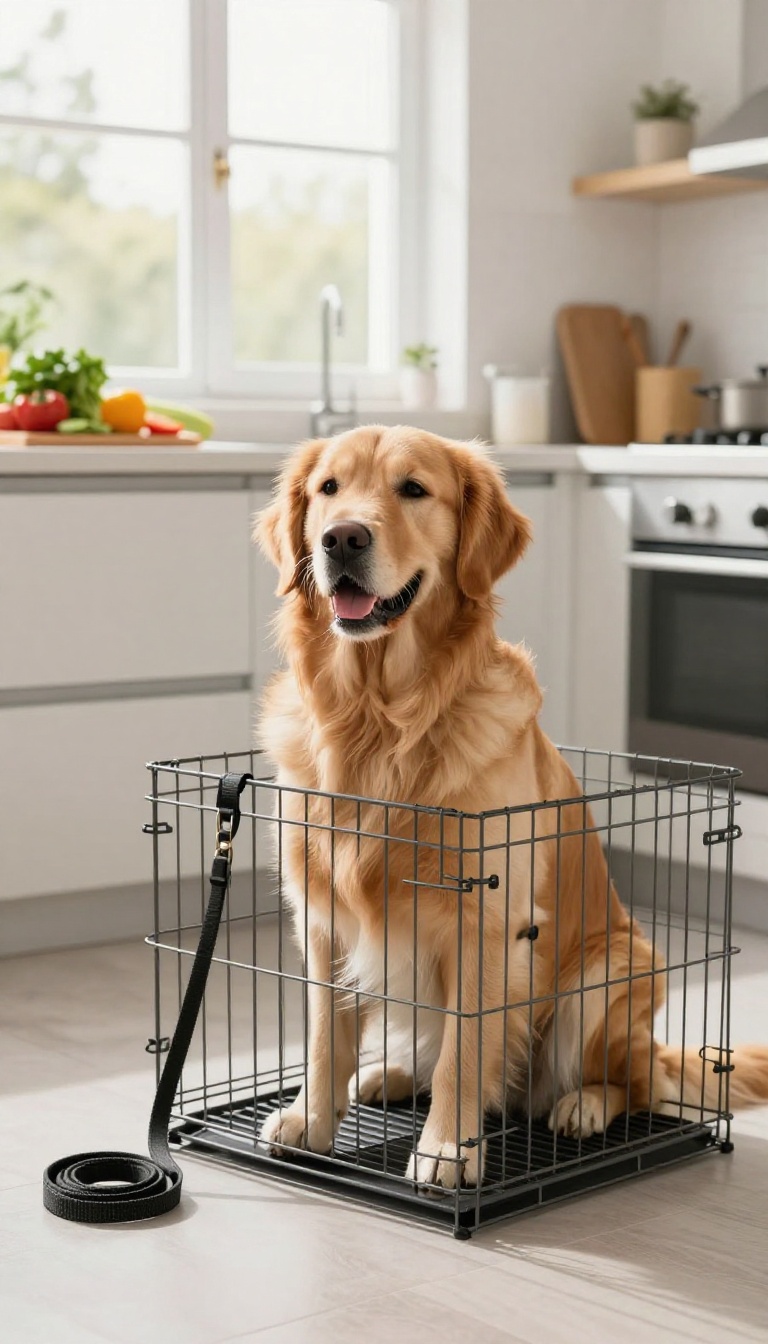
When you're chopping veggies or plating dinner, your dog's nose goes into overdrive. That's the perfect moment for a food thief to strike. Instead of hovering over them, set up a safe zone where they can relax and watch without practicing bad habits.
A crate or a tether gives your dog a clear boundary and keeps them out of the way. It's not a punishment—it's a routine that makes meal prep stress-free for both of you.
Using a crate or tether during meal prep is a simple management strategy that prevents your dog from rehearsing the stealing behavior. When your dog is safely occupied, you can cook, eat, and clean up without watching over your shoulder. The key is to make this space positive and rewarding, so your dog actually looks forward to it.
Start by associating the crate or tether with good things. Give your dog a stuffed Kong, a chew toy, or a puzzle feeder to keep them busy. Over time, they'll learn that meal prep means they get a special treat.
This way, you're not just preventing theft—you're teaching your dog that staying in their spot is a great deal. Tethering works well for dogs who are comfortable with a leash, but always supervise to avoid tangling. Crates are ideal for dogs who already see them as a safe den.
Whichever you choose, consistency is key. Use the same spot every time, and your dog will start to settle in as soon as you head to the kitchen.
Make The Crate A Happy Place
If your dog isn't crate-trained yet, start slowly. Toss treats inside and let them explore on their own. Feed them meals in the crate with the door open.
Once they're comfortable, close the door for short periods while you're nearby. The goal is to make the crate a cozy retreat, not a jail cell. Add a soft blanket and a safe chew toy.
You can even play calming music or leave a piece of your worn clothing inside for comfort. When your dog willingly goes in, reward them with a treat. This positive association will make meal prep time a breeze.
Tethering Done Right
Tethering is a great option if you're in a small space or your dog prefers to be near you. Attach a leash to a sturdy anchor point, like a table leg or a wall hook, and give your dog enough room to lie down comfortably. Make sure they can't reach the counter or table.
Always supervise your dog while they're tethered, and never leave them alone. Provide a chew toy or a puzzle to keep them occupied. If your dog pulls or whines, ignore the behavior and reward calm moments.
With practice, they'll learn to relax on their tether.
Keep The Routine Predictable
Dogs thrive on routine. If you use the crate or tether every time you cook, your dog will know what to expect. They'll start to settle before you even finish pulling out the cutting board.
That predictability reduces anxiety and makes the whole process smoother. Try to use the same cue, like "go to your spot" or "place, " so your dog understands what's happening. Consistency helps them feel secure, and soon they'll see meal prep as a signal for downtime, not a chance to snatch food.
5. Provide Engaging Alternatives: Puzzle Toys and Chews
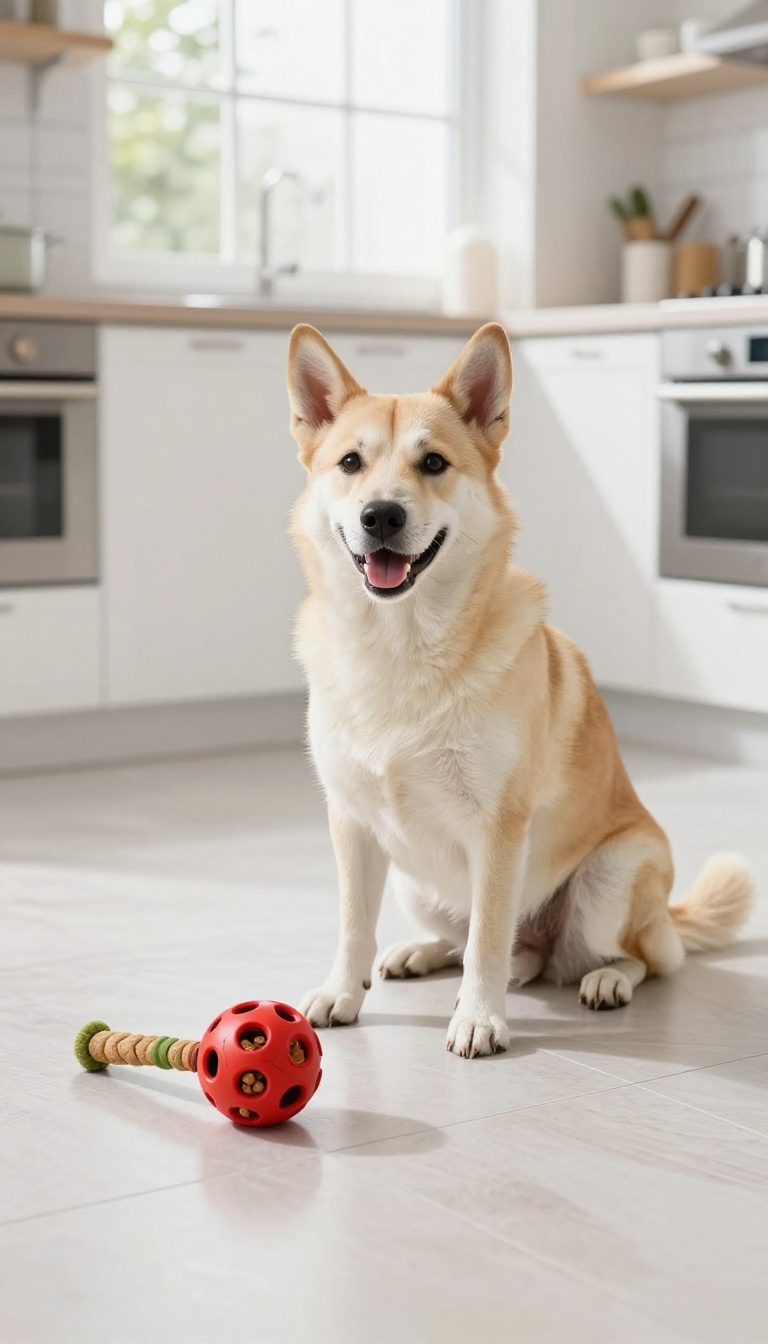
Ever notice how your dog's sneakiest moments happen right when you're busy? That's not random—it's boredom. When there's nothing better to do, the kitchen counter becomes a playground.
The fix? Give them a job that's more fun than stealing.
Why Boredom Fuels Food Theft
Dogs are natural scavengers, and an idle mind will find mischief. If your pup is left to their own devices during your mealtime, they'll invent their own entertainment—which often involves your plate. A bored dog isn't being naughty; they're just solving a problem: 'What's interesting around here? '
The Best Puzzle Toys For Mealtime Distraction
Not all toys are created equal. Look for puzzle feeders that make your dog work for treats, like a Kong stuffed with peanut butter or a treat-dispensing ball. These engage their brain and nose, turning mealtime into a game.
Rotate a few options so they don't get bored with the toy itself.
Long-lasting Chews To Keep Them Busy
Sometimes you need something that lasts longer than a few minutes. Bully sticks, yak chews, or a frozen carrot can keep a determined chewer occupied while you eat. Just supervise to ensure safety, and pick the right size for your dog.
A busy mouth is a quiet mouth—and a plate that stays untouched.
How To Introduce These Alternatives Smoothly
Don't just toss a puzzle toy at your dog and expect magic. Start by showing them how it works—drop a few treats inside and let them figure it out. Pair it with your mealtime routine, so they learn that when you sit down to eat, they get their own special treat.
Consistency turns this into a habit they'll love.
6. Increase Exercise and Mental Stimulation
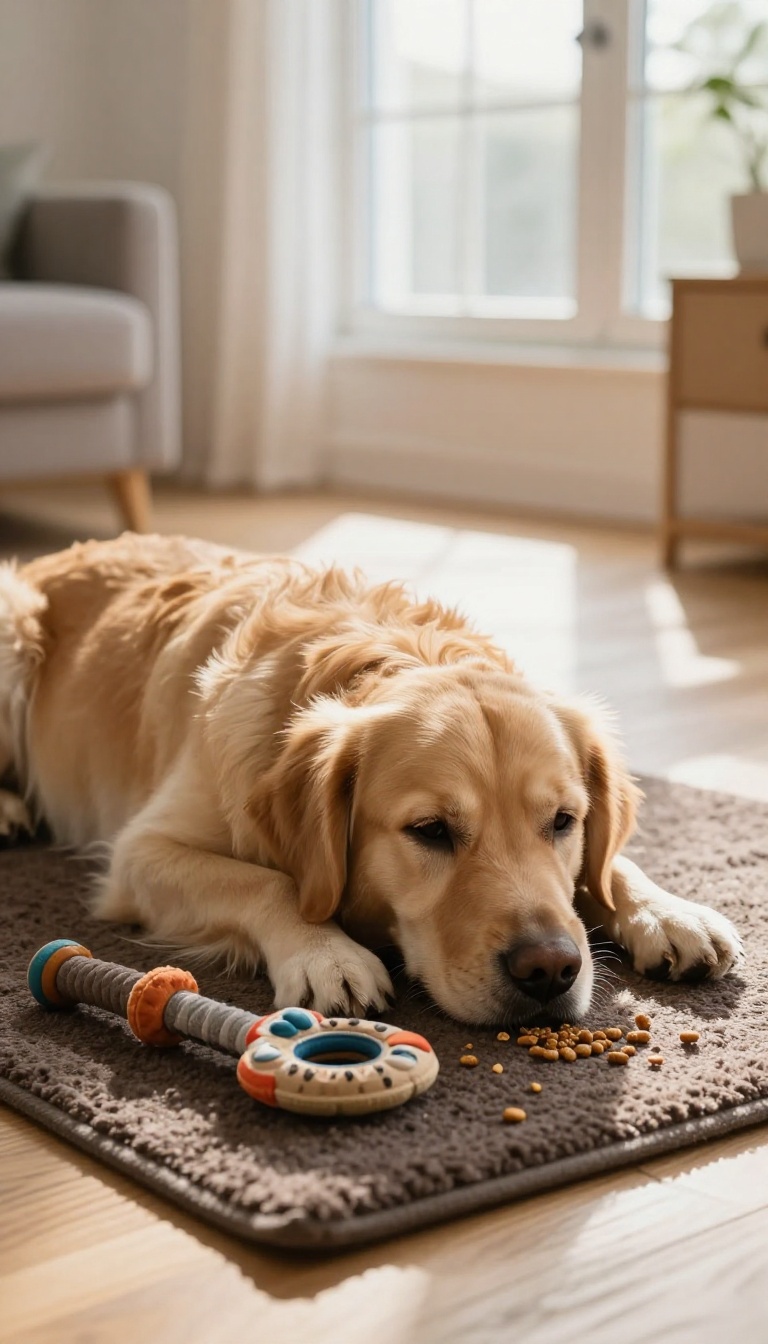
Sometimes the best defense against a sneaky snacker is a tired, satisfied dog. When your pup has burned off energy and used their brain, scavenging for food loses its appeal. It’s not just about wearing them out—it’s about meeting their natural needs so they don’t have to create their own fun.
A dog that’s bored or under-stimulated will find ways to entertain themselves, and raiding the counter is a classic choice. By adding more physical activity and mental challenges to their day, you’re not only reducing that urge but also building a happier, more balanced pup. Here’s how to put that energy to good use.
Burn Energy Before You Cook
A quick walk or a game of fetch before you start meal prep can work wonders. When your dog has already had a good run, they’re more likely to settle down and nap while you cook. Even 15 minutes of active play can make a difference, especially for high-energy breeds.
The goal is to take the edge off so they’re not pacing around the kitchen looking for trouble.
Make Mealtime A Puzzle
Instead of just dumping kibble in a bowl, use puzzle feeders or snuffle mats. These tools turn eating into a game that engages their nose and brain. Licking and sniffing are naturally calming activities, so they help your dog relax while satisfying their foraging instinct.
You can also hide small treats around the house or in a cardboard box for them to find—just supervise to avoid any paper shredding.
Add Short Training Sessions
A few minutes of training each day can be as tiring as a long walk. Teach new tricks or practice old ones, focusing on impulse control like 'wait' or 'leave it. ' These sessions build mental muscles and reinforce the idea that good things come from paying attention to you, not from sneaking food. Keep them short and fun, and reward with praise or a small treat.
7. Practice 'Nothing in Life Is Free' (NILF) Training
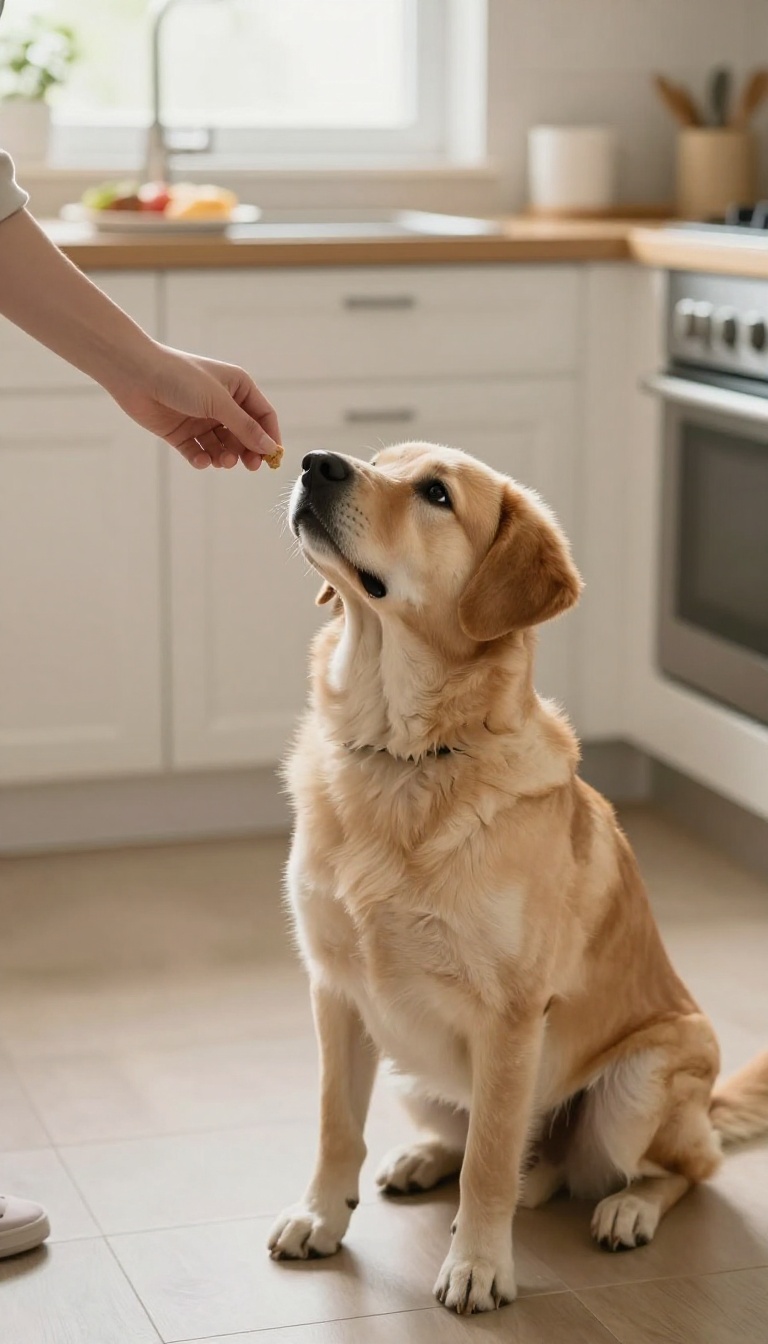
Does your dog help themselves to your sandwich the second you turn your back? They're not being malicious—they're just following their nose. The 'Nothing in Life Is Free' (NILF) method flips the script by making your dog earn every good thing, which builds impulse control and patience.
It's not about being harsh; it's about setting clear expectations that polite behavior gets rewarded.
NILF is a simple, gentle training philosophy that turns everyday moments into learning opportunities. Instead of giving your dog food, attention, or play for free, you ask for a simple behavior first—like a sit or a down. This small change teaches your dog that good things come from calm, polite actions, not from snatching or begging.
Over time, this builds the self-control they need to resist the temptation of a juicy steak left on the counter.
Start With Easy Wins
Begin with low-stakes moments. Before you put down their food bowl, ask for a 'sit. ' Before you toss a toy, ask for a 'down. ' Before you clip on the leash, ask for eye contact. These tiny rituals make your dog think, 'Oh, I need to do something to get what I want. ' Keep the commands easy at first so they succeed often and build confidence.
Make It A Habit In Real Life
Once your dog gets the hang of it, start applying NILF to situations that matter. When you're prepping dinner, ask for a 'sit' before you drop a stray piece of carrot. If they're about to sneak a bite from the coffee table, call them over and ask for a 'settle' before giving them a treat.
The key is consistency—the more you practice, the more your dog learns that patience pays off.
Keep It Positive And Consistent
NILF isn't about being a drill sergeant. It's about rewarding the behavior you want to see. Always use a happy, encouraging tone, and never withhold food or attention as punishment.
If your dog is struggling, go back to easier commands and build up slowly. Consistency matters more than perfection—every time you ask for a behavior, you're reinforcing the idea that patience leads to good things.
8. Use a Head Halter or Basket Muzzle as a Temporary Tool
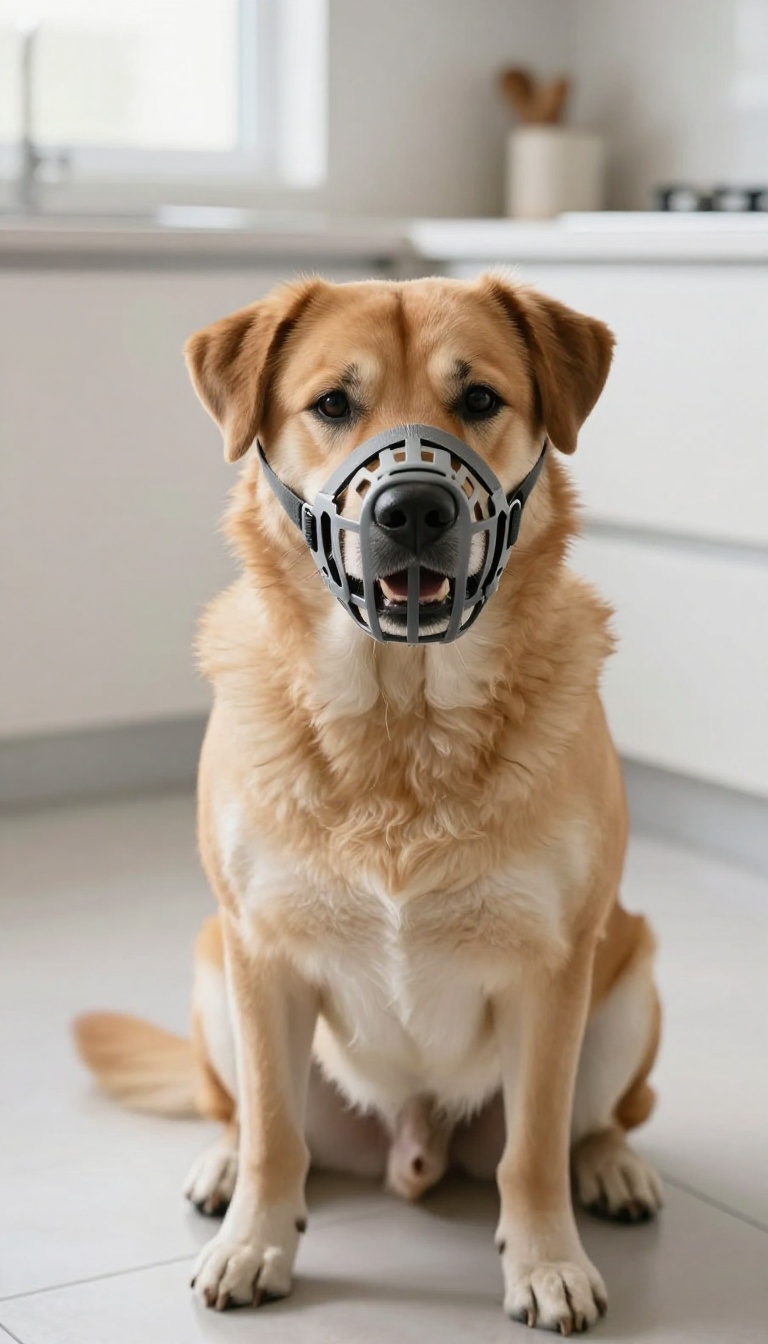
Sometimes, despite your best efforts, your dog's counter-surfing skills are just too advanced for quick fixes. That's where a head halter or basket muzzle comes in—not as a punishment, but as a smart safety tool while you work on long-term training. Think of it like a seatbelt: it keeps everyone safe during the learning curve.
Head halters and basket muzzles are often misunderstood, but they can be game-changers for persistent stealers. They don't hurt your dog, and they don't replace training—they simply make it impossible for your pup to snatch food while you teach better habits. Here's how to use them effectively and humanely.
Why A Basket Muzzle Works
A basket muzzle allows your dog to pant, drink, and even take treats, but it blocks them from grabbing food off counters or tables. It's a physical barrier that gives you peace of mind during high-risk moments like cooking or eating. Unlike a tight muzzle, a basket style is comfortable and safe for short supervised sessions.
The key is to introduce it slowly with positive reinforcement so your dog sees it as a normal part of the routine.
Head Halters For Better Control
A head halter fits around your dog's snout and behind their ears, giving you gentle control over their head direction. When your dog lunges toward food, the halter naturally turns their head away, which interrupts the behavior. It's especially useful for walks or when you're eating in public places.
With consistent use, your dog learns that pulling toward food doesn't work, and they start choosing to look to you instead.
How To Introduce Either Tool
Start by letting your dog sniff the tool and reward them for calm behavior. Then, slowly put it on for a few seconds at a time, always pairing it with treats and praise. Gradually increase the duration and practice in low-distraction settings before using it during meals.
Keep sessions short and positive—your goal is to make the tool a cue for good things, not a source of stress.
Pair It With Training For Lasting Results
These tools are not a permanent solution. While your dog wears one, focus on training impulse control with commands like 'leave it' or 'wait. ' Use high-value rewards to reinforce the behavior you want. Over time, you can phase out the tool as your dog's self-control improves.
Remember, the goal is to teach your dog to make better choices on their own, not to rely on the equipment forever.
9. Address Underlying Anxiety or Medical Issues
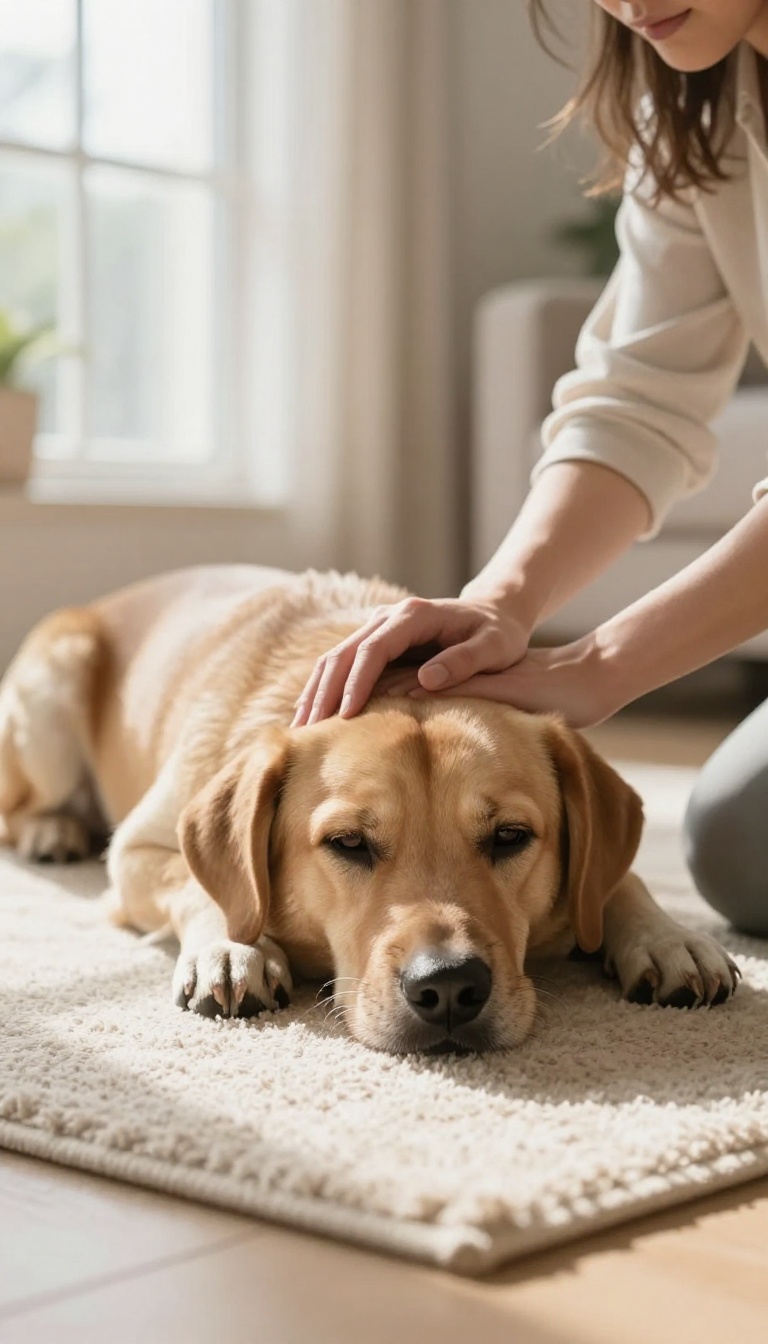
Sometimes the sneaky snacking isn't about willpower or training gaps—it's a signal that something deeper is going on. Dogs can't tell us when they're stressed or not feeling well, so they might turn to food as a comfort or because their body is telling them to eat unusual things. If your dog's food stealing feels compulsive, sudden, or paired with other odd behaviors, it's worth looking beyond the surface.
Before you blame yourself or your dog's stubbornness, consider that anxiety or a medical condition could be driving the behavior. Conditions like pica (eating non-food items) or digestive issues can make a dog obsess over food. Anxiety, whether from separation, loud noises, or changes at home, can also push a dog to seek out food for relief.
A quick vet check can rule out physical causes, and a behaviorist can help you untangle emotional triggers.
When To Suspect A Medical Issue
If your dog suddenly starts stealing food after years of being trustworthy, or if they go after non-food items like rocks or fabric, that's a red flag. Other signs include weight loss, vomiting, or changes in appetite. A vet can run blood work and check for deficiencies or conditions like diabetes, thyroid problems, or gastrointestinal issues.
Treating the underlying problem often reduces the food obsession naturally.
The Anxiety Angle
Dogs with anxiety often find comfort in chewing and eating. If your dog only steals food when you're away or during stressful events like thunderstorms, anxiety might be the trigger. Look for pacing, whining, or destructive behavior alongside the stealing.
A certified behaviorist or trainer can create a plan to build your dog's confidence and reduce stress, making them less likely to turn to food for comfort.
Working With Your Vet And A Behaviorist
Start with a thorough vet exam to rule out medical causes. If your dog gets a clean bill of health, ask for a referral to a behaviorist. They'll observe your dog's behavior and help you identify patterns.
Together, you can work on desensitization, counter-conditioning, or even medication if the anxiety is severe. This isn't about giving up—it's about getting to the root of the problem so you can truly fix it.
10. Be Consistent and Patient: Consistency Is Key
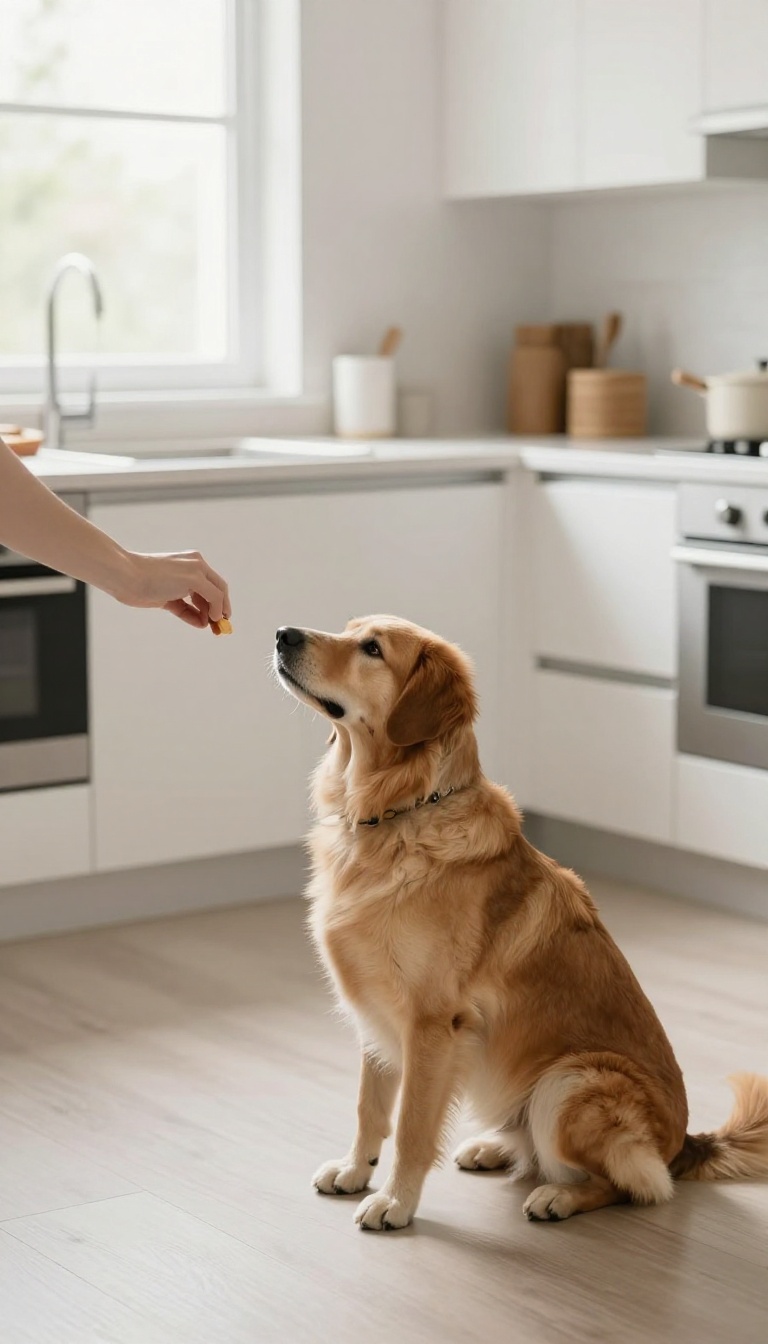
You've set up barriers, tried training drills, and maybe even moved the cookie jar. But if everyone in the house isn't on the same page, your dog will keep finding loopholes. Consistency is the glue that holds all the other fixes together—and it's often the missing piece.
When one person lets the dog lick the plate and another shooes them away, the message gets muddled. Your dog isn't being stubborn; they're just following the rules as they understand them. Clear, consistent expectations make it easier for your pup to choose the right behavior.
Get Everyone On The Same Page
Sit down with your family or roommates and agree on the rules. Will the dog ever get food from the table? What about scraps while cooking?
Write it down if you have to. The goal is to have one unified response every time your dog tries to sneak food. If one person caves, the habit sticks.
Use The Same Cues And Rewards
Pick a cue like 'leave it' or 'off' and use it consistently. If you say 'no' one day and 'down' the next, your dog gets confused. Also, make sure everyone rewards the same behaviors—whether that's a treat for sitting calmly or just a happy 'good dog. ' Consistency turns training into a clear game.
Celebrate Small Wins
Did your dog resist the sandwich on the counter for a full minute? That's worth a party. Acknowledge every step in the right direction.
Patience isn't just about waiting—it's about noticing progress and reinforcing it. Over time, those small wins add up to a reliable habit.
FAQ
Why does my dog steal food even when they're not hungry?
Dogs are natural scavengers, and food stealing is often driven by instinct, boredom, or learned behavior. Even if they're not hungry, the thrill of getting something forbidden can be rewarding.
Is it safe to use a shock collar to stop food stealing?
No, shock collars are not recommended. They can cause fear and anxiety, which may worsen the behavior and damage your bond. Positive reinforcement and management are safer and more effective.
How long does it take to stop a dog from stealing food?
It depends on the dog and the consistency of training. Some dogs improve within a few weeks, while others may take months. Consistency and patience are crucial.
Can I train an older dog to stop stealing food?
Absolutely. Older dogs can learn new behaviors, though it may take a bit more time. Focus on management and positive reinforcement, and you'll see progress.
What should I do if my dog steals something dangerous?
If your dog grabs something toxic or harmful, remove it immediately if safe, and contact your vet or an emergency animal poison control. For non-dangerous items, use a trade-and-reward approach to avoid conflict.
Conclusion
Food-stealing is a tough habit to break, but you don't have to live on edge every time you turn your back. Start with the one or two fixes that fit your kitchen setup and your dog's personality, then build from there. Consistency will teach your pup that sneaking around just doesn't pay off anymore.
Before long, you'll be able to prep meals without a shadow lurking behind you. Pick your first strategy today and give it a week—you'll likely see a big difference in your dog's choices.

I’m Pallab Kishore, the owner of Little Pets Realm — an animal lover and pet care enthusiast sharing easy tips, healthy recipes, and honest advice to help every small pet live a happy, healthy, tail-wagging life.