
Digging is one of the most natural instincts your dog has, but that doesn't mean your flower beds have to suffer. Instead of fighting the behavior, you can channel it into something productive that keeps both your pup and your yard happy.
The key is understanding why they dig—whether it's boredom, energy, or just plain fun—and then offering better alternatives. These 11 solutions range from simple setup tweaks to training tricks, so you can pick what fits your dog's personality and lifestyle.
With a little patience and the right approach, you'll turn destructive digging into a rewarding activity for everyone. Let's get started.
1. Create a Designated Digging Pit
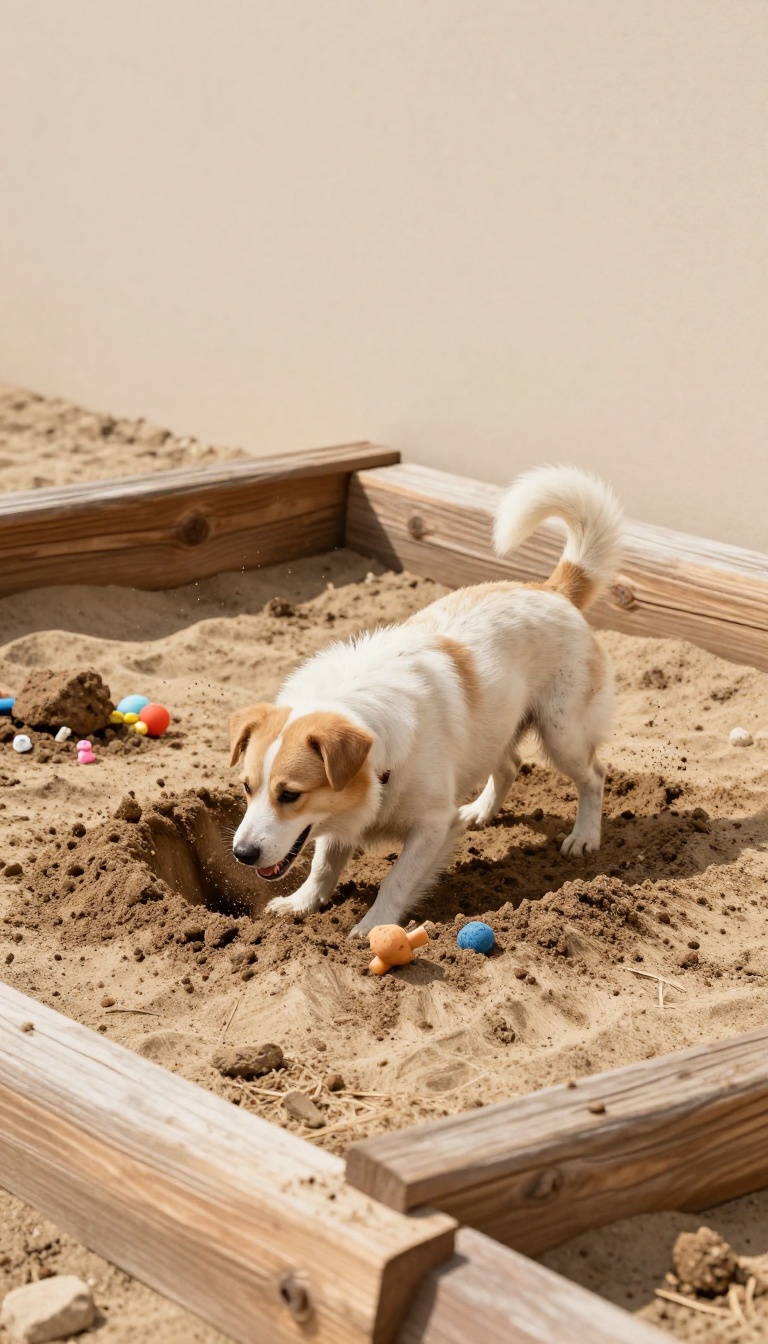
Instead of trying to stop your dog from digging altogether, give them a spot where it's totally okay. A designated digging pit turns a problem behavior into a fun, controlled activity. You'll save your garden and give your pup a job they actually enjoy.
Start by choosing a location that's visible and accessible, like a corner of the yard. Build a simple frame using wood or stones, and fill it with loose soil or sand. Make it inviting by burying toys, treats, or even a favorite bone.
The goal is to make this spot more appealing than your flower beds.
Choosing The Right Spot
Pick a spot that's easy for your dog to find and for you to supervise. Avoid areas that are too close to fences or hidden from view, as you want to encourage use. Make sure the soil is soft and dig-friendly—sand or loose topsoil works best.
If your dog prefers a certain area, try placing the pit nearby to redirect their energy.
Making The Pit Irresistible
Bury high-value rewards like peanut butter-filled Kongs, squeaky toys, or small treats. Rotate the toys regularly to keep things interesting. You can also mix in some of your dog's own scent by rubbing a towel on them and burying it.
The more exciting the pit, the less likely your dog will wander off to dig elsewhere.
Training Your Dog To Use It
Lead your dog to the pit and encourage them to dig by scratching the surface or tossing a toy in. When they dig in the pit, praise them enthusiastically and give a treat. If they start digging elsewhere, calmly interrupt and guide them back to the pit.
Consistency is key—soon they'll associate the pit with positive reinforcement.
Maintaining The Pit
Keep the pit clean and fresh by turning the soil occasionally and removing any waste. Replenish buried treasures to keep it exciting. If the pit gets too deep or uneven, add more soil.
A well-maintained pit stays inviting and prevents your dog from losing interest.
2. Increase Physical Exercise
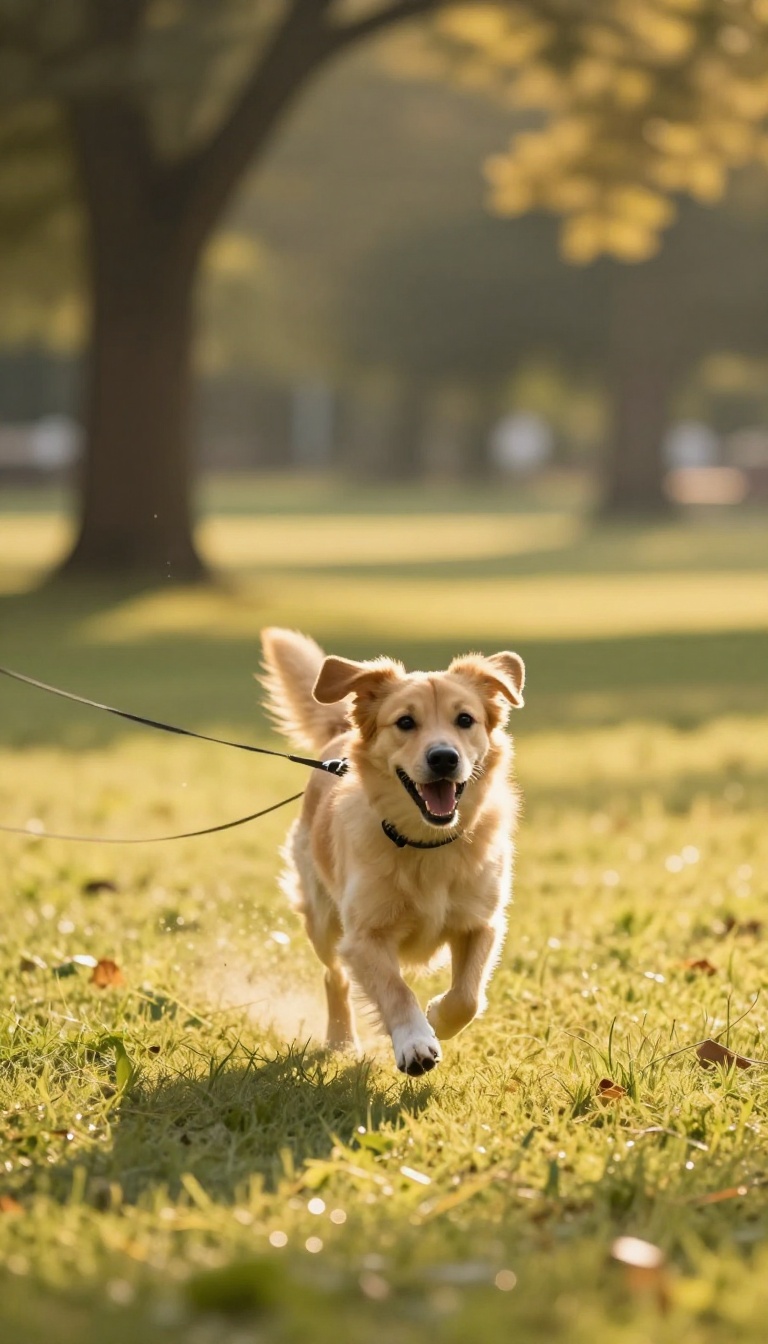
A tired dog is a happy dog, and a tired dog is far less likely to dig up your yard out of sheer boredom. When your pup has pent-up energy, digging becomes an easy outlet for that restless feeling. By boosting their daily exercise, you can redirect that energy into more constructive activities—and save your lawn in the process.
Exercise isn't just about physical health; it's a mental reset for your dog. A well-exercised dog is calmer, more content, and less prone to destructive behaviors like digging. The goal is to tire them out both physically and mentally, so they're more interested in napping than excavating.
Mix Up The Routine
Variety keeps your dog engaged. Instead of the same old walk around the block, try a new trail, a different park, or even a game of fetch in the backyard. Changing the scenery stimulates their mind and makes exercise feel like an adventure.
Aim for at least 30 to 60 minutes of activity daily, depending on your dog's breed and energy level.
Add Mental Challenges
Physical exercise is only half the battle. Incorporate puzzle toys, training sessions, or nose work games to tire their brain. A mentally tired dog is just as content as a physically tired one.
For example, hide treats around the house and let your dog sniff them out—it's a great way to burn energy without extra miles.
Schedule Playdates
Dogs are social creatures, and a playdate with a canine buddy can be the ultimate workout. Running, wrestling, and chasing each other are natural ways to burn off steam. If you don't have a friend's dog to borrow, consider a local dog park (if your dog is social) or a doggy daycare for a few hours a week.
3. Provide Mental Stimulation with Puzzle Toys

Sometimes digging isn't about physical energy—it's about a bored brain looking for a job. Puzzle toys and treat-dispensing games give your dog a satisfying mental workout that can replace the thrill of excavation. When their mind is engaged, the urge to dig for entertainment often fades away.
Puzzle toys tap into your dog's natural problem-solving instincts, turning snack time into a brain game. Instead of digging up your lawn, they'll be figuring out how to slide, flip, or nudge their way to a reward. It's a win-win: your dog gets mental stimulation, and your yard stays intact.
Start With Easy Puzzles
Begin with simple puzzles that have a low difficulty level, like a treat-dispensing ball or a basic slider toy. This builds your dog's confidence and shows them that using their brain pays off. Once they master the easy stuff, you can gradually increase the challenge to keep them engaged.
Rotate Toys To Keep It Fresh
Dogs can get bored with the same puzzle just like we do. Keep a stash of two or three different puzzle toys and rotate them every few days. This keeps the novelty alive and prevents your dog from losing interest—and turning back to digging out of boredom.
Incorporate Puzzle Time Into Daily Routine
Make puzzle solving a regular part of your dog's day, maybe right before or after a walk. A consistent schedule helps your dog look forward to this mental challenge. Over time, they'll see puzzle time as a rewarding activity that fulfills their need for stimulation.
4. Use Scent Work and Nose Games

Dogs experience the world through their noses, and a good sniffing session can be just as tiring as a long run. When you turn digging into a nose game, you're not just stopping the behavior—you're giving them a job they actually love. Scent work taps into their foraging instincts and redirects that energy into something constructive.
Start by hiding treats or kibble in safe spots around your yard—under a toy, behind a plant pot, or in the grass. Let your dog watch you place a few, then encourage them to find each one. As they get better, make the hides trickier and use scent trails by dragging a treat along the ground before hiding it.
This turns your yard into a puzzle, and your dog will be too busy sniffing to think about digging up your tulips.
Make It A Daily Game
Set aside five to ten minutes each day for a nose game. It doesn't take long, but it gives your dog a mental workout that leaves them satisfied. You can even use their regular meals as the reward, so no extra treats are needed.
Consistency is key—once they know the game, they'll look forward to it and choose sniffing over digging.
Try Scent Trails For Extra Challenge
For dogs that love a challenge, create a scent trail by dragging a piece of smelly sausage or cheese across the yard. Start with a short, straight line, then gradually make it longer with turns. This taps into their tracking instincts and keeps their brain busy.
Just make sure the trail ends in a reward they can find, like a treat or a favorite toy.
Use Puzzle Toys For Indoor Fun
When the weather isn't cooperating, bring nose work inside. Puzzle toys that require your dog to sniff out hidden treats are perfect for rainy days. You can also hide treats under cups or in a muffin tin with tennis balls on top.
This gives them the same mental stimulation without any digging involved.
5. Install a Digging Deterrent Barrier
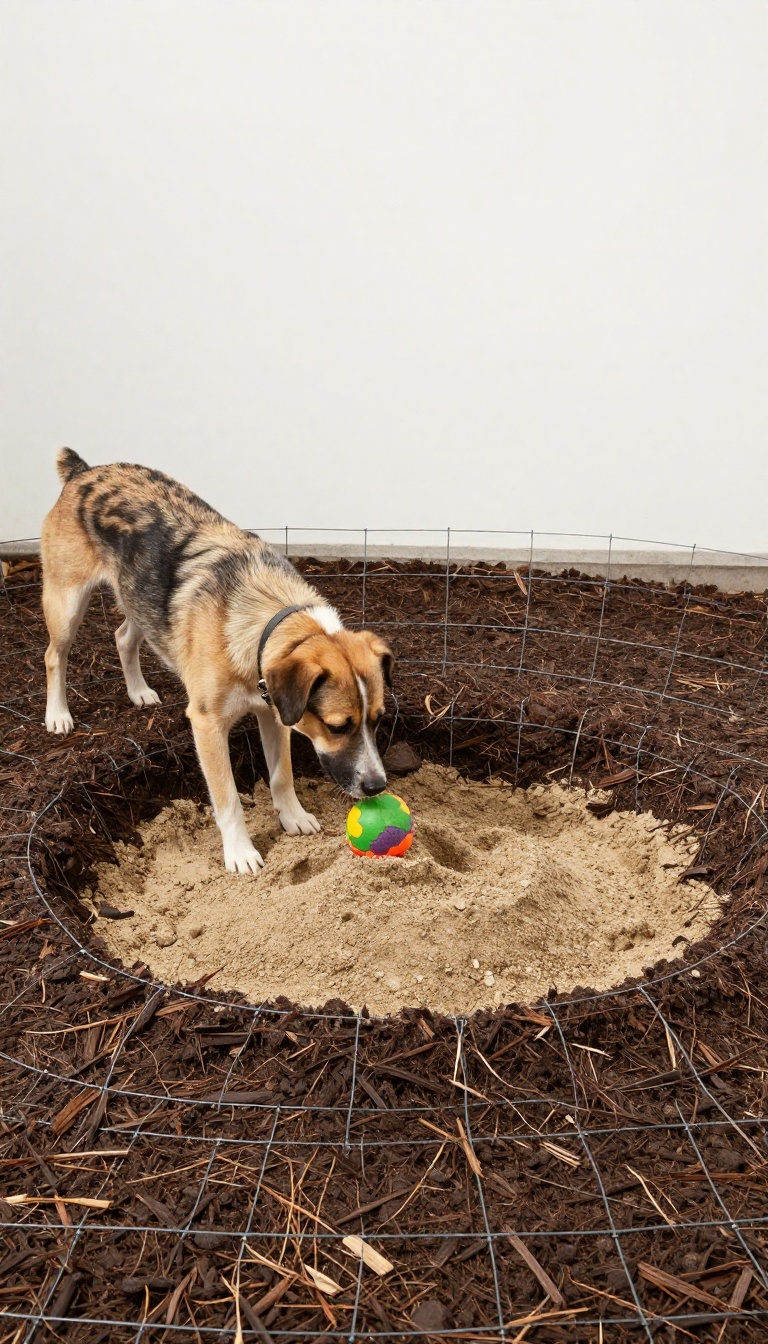
Sometimes the simplest fix is to make the digging spot less appealing. A physical barrier can stop your dog from accessing the soil while still letting them enjoy the yard. This method works especially well for dogs that dig in specific areas, like under fences or near garden beds.
Barriers are a straightforward, low-effort solution that doesn't require training or constant supervision. By placing obstacles in the soil, you create an uncomfortable digging experience without harming your dog. The goal is to redirect their energy to a more appropriate spot, like a designated digging pit.
Choose The Right Material
Rocks, chicken wire, or buried fencing are all effective options. Rocks work well for small areas, while chicken wire can cover larger patches. For fence lines, bury a wire mesh at least a foot deep to prevent escape attempts.
Pick something that blends with your landscape so it doesn't become an eyesore.
Install It Properly
Lay the barrier just below the surface, covering it with a thin layer of soil or mulch. This keeps it hidden but still detectable. Make sure there are no sharp edges that could hurt your dog's paws.
Secure the edges with landscape staples or stakes to keep it in place.
Pair It With A Positive Alternative
A barrier alone might not be enough. Give your dog a spot where digging is allowed, like a sandbox or a designated pit. Bury toys or treats there to encourage them to use it.
This way, you're not just saying 'no'—you're offering a better yes.
6. Offer a Cool Retreat in Hot Weather
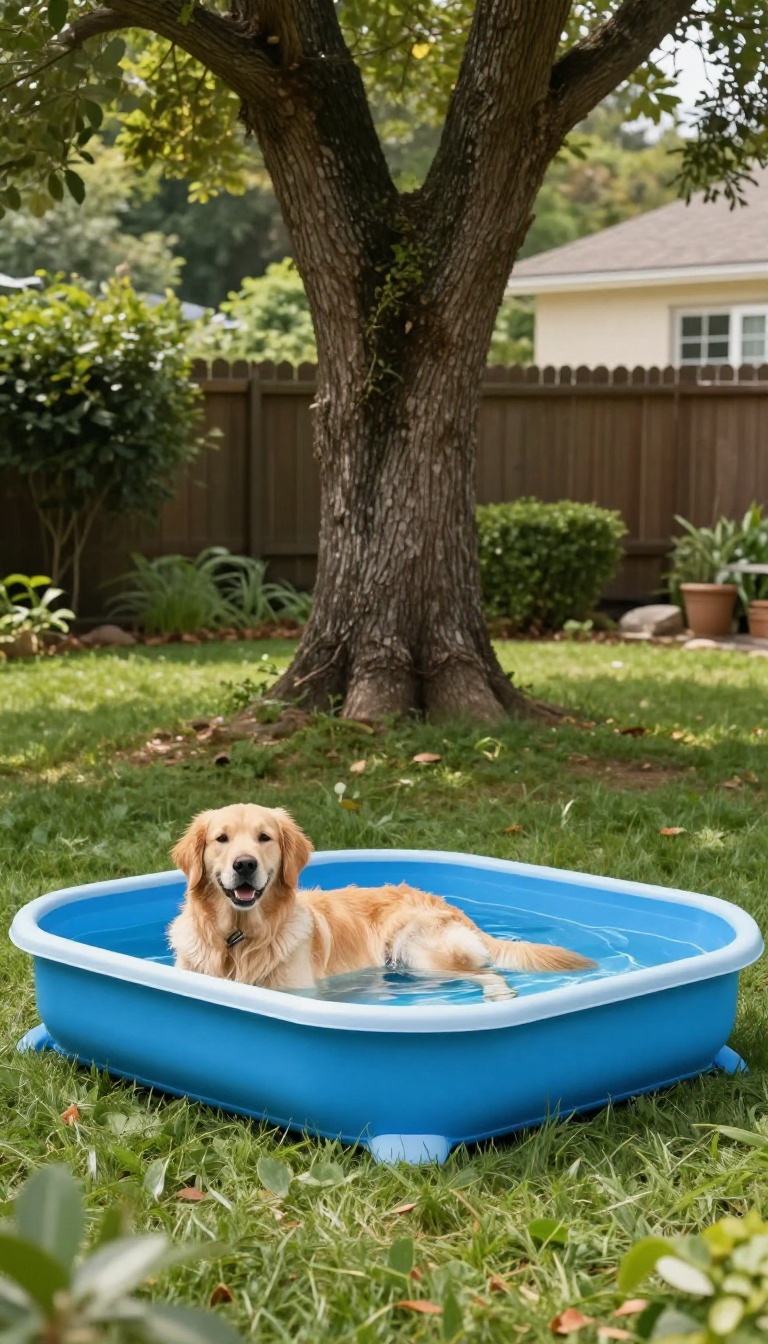
When the sun beats down, your dog's digging instinct often kicks in as a way to escape the heat. The ground beneath the surface stays cooler, so they'll naturally try to tunnel down to chill out. Instead of letting them wreck your lawn, give them a cool spot that's even more appealing than a fresh hole.
Start by setting up a shady corner in your yard where your dog can relax without baking. Add a kiddie pool filled with a few inches of cool water—many dogs love splashing around or just lying in it to drop their temperature. If your dog isn't a water fan, a cooling mat or a damp towel placed in the shade can do the trick just as well.
The goal is to make this retreat so inviting that digging for cool dirt becomes unnecessary.
Create A Shaded Oasis
Pick a spot under a tree, a pergola, or even a large umbrella that stays shaded for most of the day. Make it comfortable with a soft bed or a pile of old towels. If you want to encourage your dog to use it, toss a few treats or their favorite toy there so they associate the area with good things.
Over time, they'll head straight to this cool zone instead of digging up your garden beds.
Make Water Play Fun
A kiddie pool is a classic solution, but not every dog takes to it right away. Start by placing a few toys in the water or adding a splash of chicken broth to make it smell interesting. Some dogs prefer a shallow pan or a sprinkler to run through.
Whatever you choose, keep the water clean and fresh, and always supervise your dog around water to keep things safe.
Use Cooling Mats And Damp Towels
If your dog isn't into water, a cooling mat can be a lifesaver. These mats are designed to stay cool without refrigeration, and they're easy to move around. You can also wet a towel with cool water, wring it out, and lay it in the shade for your dog to lie on.
Just make sure to check it regularly and re-wet it as needed, especially on really hot days.
7. Rotate Toys and Chews Regularly
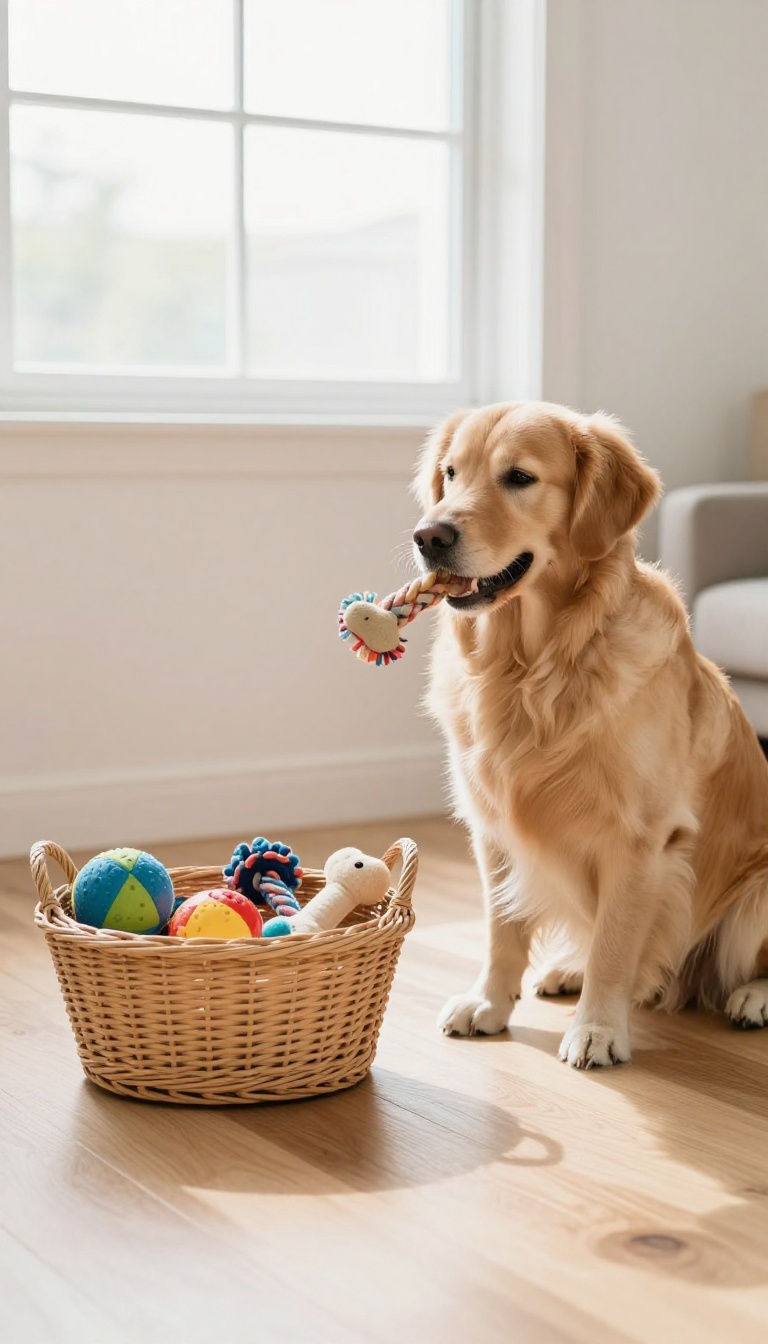
Even the most exciting toy loses its charm after a few days. If your dog's digging stems from boredom, a stale toy box might be part of the problem. By rotating toys and offering long-lasting chews, you give your pup something new to explore—and less reason to redecorate your lawn.
Dogs thrive on novelty. When they see the same ball or squeaky every day, their interest fades, and they look for entertainment elsewhere—often in your garden. Rotating toys keeps things fresh and mentally stimulating, which can cut down on digging caused by sheer monotony.
Start by dividing your dog's toys into two or three groups. Keep one group out for a few days, then swap it for another. The "new" toys feel exciting again, and your dog stays engaged without needing to dig for fun.
Long-lasting chews are another powerful tool. A good chew—like a bully stick, yak cheese, or a stuffed Kong—can occupy your dog for an hour or more. That's an hour of focused chewing instead of digging.
Just supervise new chews and pick the right size and hardness for your dog's chewing style.
Why Toy Rotation Works
Dogs get bored with the same toys, just like we get bored with the same playlist. When toys become predictable, digging becomes a more appealing way to burn energy. Rotating toys taps into your dog's natural curiosity—each swap feels like a surprise gift, which keeps their brain busy and their paws out of the dirt.
How To Rotate Effectively
Keep it simple: gather all toys, split them into two or three bins, and rotate every few days. Don't put all the favorites in one bin—mix them up so each rotation has a good variety. Also, include different types: soft plush, rubber chew toys, puzzle toys, and interactive balls.
This variety gives your dog options and prevents boredom from setting in.
Choosing The Right Chews
Long-lasting chews are a game-changer, but not all are created equal. Look for chews that are safe, digestible, and appropriate for your dog's size and chewing intensity. Bully sticks, collagen sticks, and rubber toys stuffed with treats are great choices.
Avoid anything too hard that could crack teeth, and always supervise your dog when giving them a new chew.
8. Practice Obedience Training and Commands
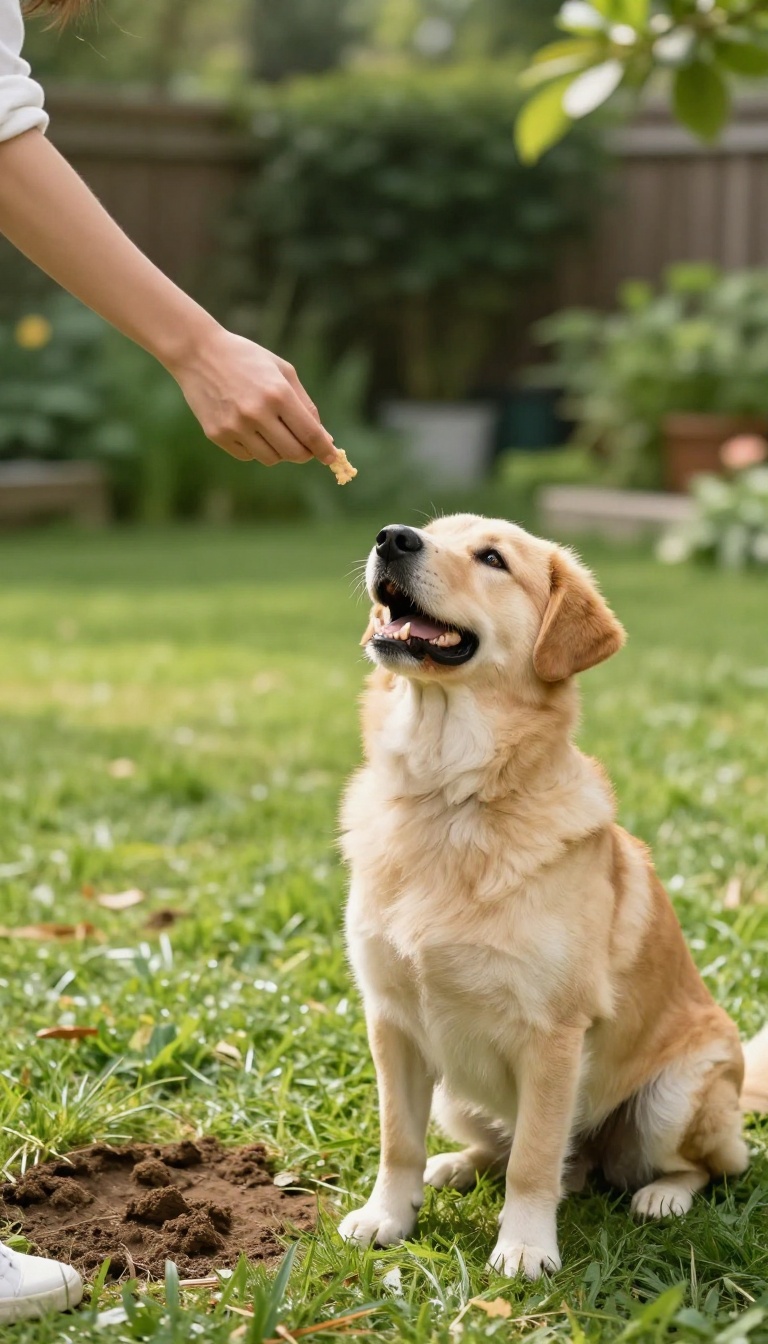
Training isn't just about teaching tricks—it's a powerful tool for managing digging. When your dog understands clear commands, you can interrupt unwanted behavior and guide them toward something better. It also strengthens your bond, making your pup more likely to listen when it matters most.
Obedience training gives you a way to communicate with your dog in the moment. Instead of yelling or chasing, you can use a command to stop the digging and offer an alternative. This approach turns a frustrating habit into a chance for positive interaction.
Start With The Basics
Begin with simple commands like 'sit' and 'stay' before moving to digging-specific cues. A solid foundation makes it easier for your dog to focus, even when they're excited about digging. Practice in low-distraction areas first, then gradually add more tempting environments.
Teach 'leave It' For Digging
The 'leave it' command is a game-changer for digging. Start by showing a treat in your closed hand, say 'leave it, ' and reward when your dog backs away. Then apply it to the digging spot—when your dog starts to dig, say 'leave it' and reward them for stopping.
Consistency is key.
Redirect With 'come' Or 'fetch'
Once you interrupt digging, redirect your dog to an appropriate activity. Use 'come' to call them away, then throw a toy or start a game of fetch. This teaches them that stopping digging leads to something fun, making the redirection more rewarding.
Keep Sessions Short And Positive
Training works best in short, upbeat bursts. Aim for 5-10 minute sessions a few times a day, always ending on a positive note. Use treats, praise, and play to reinforce good behavior, and avoid punishment—it can create fear and worsen digging.
9. Address Separation Anxiety

When your dog digs only when you're not home, it's often a sign of separation anxiety rather than mischief. This kind of digging is a coping mechanism—a way to burn off nervous energy or self-soothe. The good news is that with patience and the right strategies, you can help your pup feel more secure and curb that destructive behavior.
Separation anxiety can turn your living room into a disaster zone, but digging is just one of many symptoms. If you suspect anxiety is the root cause, start by observing when the digging happens. Does it occur right after you leave, or hours later?
This can give you clues about the severity. For mild cases, simple changes to your routine and environment can make a big difference. For more intense anxiety, you might need to work with a professional trainer or veterinarian.
Spot The Signs
Before you can address the digging, you need to confirm it's anxiety and not boredom. Look for other signs like pacing, drooling, barking, or bathroom accidents when you're gone. If your dog only digs near doors or windows, that's a strong clue they're trying to get to you.
Set up a camera to see what happens—it's eye-opening and helps you tailor your approach.
Desensitize Your Departures
One effective technique is to make your comings and goings less dramatic. Practice short departures—just a few seconds—and gradually increase the time. Keep your goodbye low-key and don't make a fuss when you return.
This teaches your dog that leaving isn't a big deal. You can also try giving them a special treat or toy that they only get when you're away, creating a positive association with your absence.
Create A Calm Space
Set up a safe, cozy area where your dog feels secure. This could be a crate with soft bedding, a quiet room, or a corner with their favorite blankets. Add an item of your clothing that smells like you—it's comforting.
Playing soft music or leaving a TV on can also help mask outside noises that might trigger anxiety. The goal is to make this spot their happy place, not a punishment.
When To Call A Pro
If your dog's anxiety is severe or doesn't improve with these steps, don't hesitate to seek help. A certified dog trainer or veterinary behaviorist can create a tailored plan. In some cases, medication might be necessary to help your dog relax enough to learn new behaviors.
There's no shame in getting support—it's the kindest thing you can do for your furry friend.
10. Use Positive Reinforcement for Good Behavior
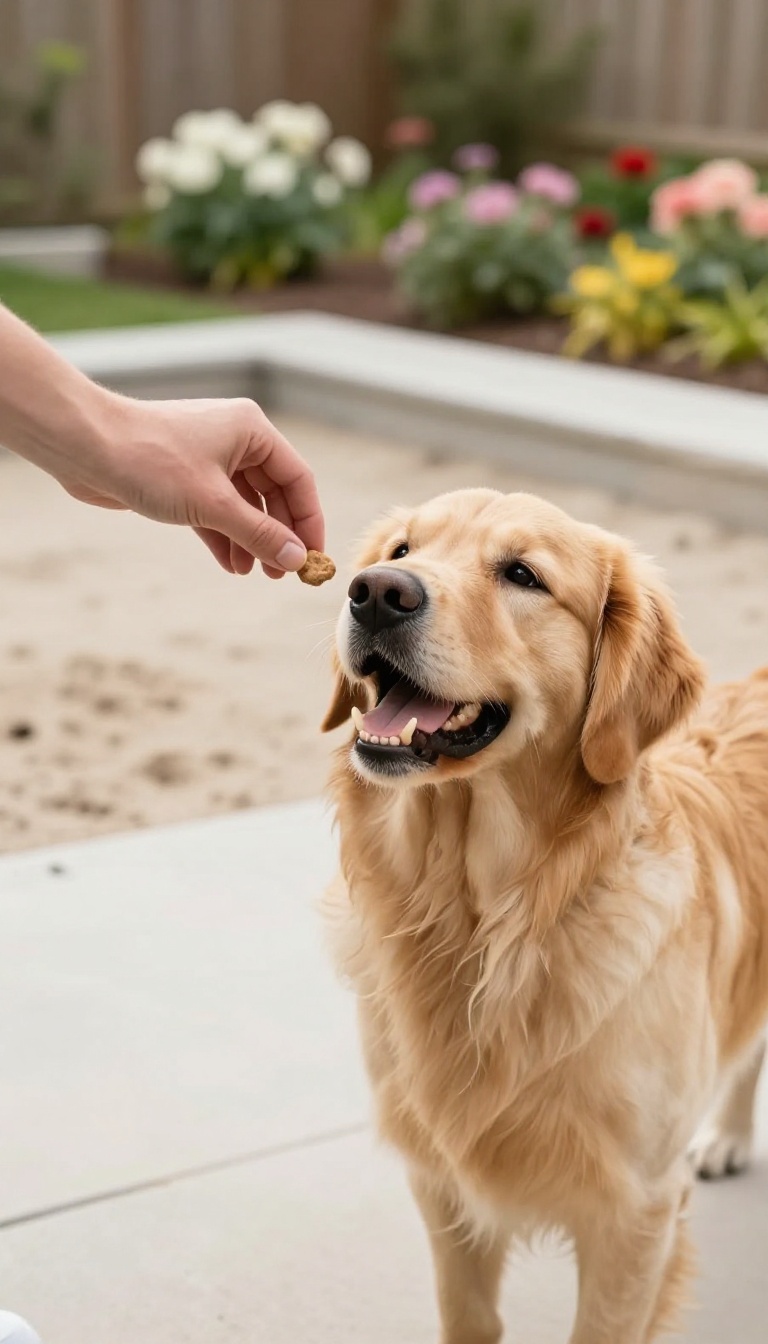
Rewarding the right choices works wonders. When your dog opts for their sandbox instead of your tulips, make it rain treats and praise. This isn't bribery—it's clear communication.
Positive reinforcement tells your pup exactly what you want, and they'll repeat behaviors that earn good things.
Catching your dog in the act of doing something right is the golden opportunity. Have treats ready whenever they're near their digging zone. Toss a treat the second they start digging there, and follow up with a cheerful "Good dig!
" This instant feedback builds a strong association. Over time, they'll choose the designated spot because good things happen there.
Timing Is Everything
The reward needs to happen within a second or two of the desired behavior. If you wait too long, your dog won't connect the treat with the digging. Keep a small pouch of treats on you during outdoor time so you're always ready.
Even a quick "Yes! " followed by a treat works perfectly.
Make The Designated Area Extra Special
Boost the appeal of their digging spot by hiding toys or treats in the loose soil. Sprinkle a few kibble or a favorite snack just under the surface. When they dig and find treasure, they'll be more motivated to return.
This turns the sandbox into a fun game, not just a boring patch of dirt.
Redirect, Don't Punish
If you catch them digging where they shouldn't, calmly call them over to the approved area. Guide them with a treat and encourage digging there. Punishment can create fear and confusion, making the problem worse.
Redirecting with a positive tone keeps the experience pleasant and teaches them where to dig.
11. Consider Breed-Specific Needs
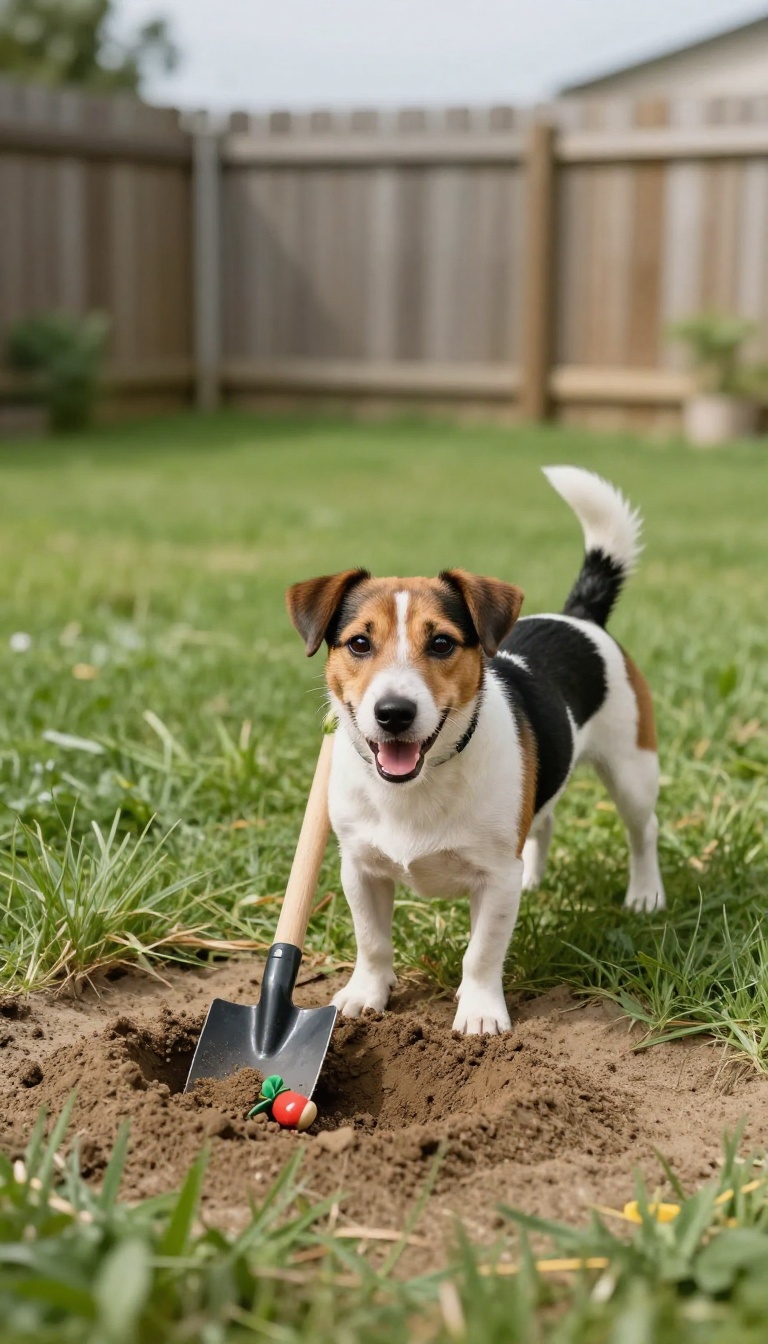
Not all dogs dig for the same reasons, and your dog's breed can tell you a lot about why they're doing it. A terrier's relentless tunneling is rooted in hunting instincts, while a husky's crater-like holes are often about creating a cool den. When you understand the 'why' behind the digging, you can tailor your solution to match their natural drives.
Matching your approach to your dog's breed-specific instincts can make a huge difference. Instead of trying to stop the behavior entirely, you can redirect it into something that satisfies their innate urges. This section will help you identify the likely motivation behind your dog's digging and offer targeted strategies to keep them busy and your yard intact.
Terriers: Hunters At Heart
Terriers were bred to chase and dig out vermin, so digging is as natural to them as breathing. For these determined little diggers, the best approach is to give them a legal outlet. Build a designated digging pit or sandbox and bury toys or treats for them to find.
Teach them a 'dig' command so they know where it's okay to dig, and reward them for using that spot. You can also try interactive puzzle toys that simulate hunting, like a snuffle mat or a treat-dispensing ball, to keep their minds busy.
Huskies And Northern Breeds: Den-makers
Huskies and other northern breeds dig to create cool, comfortable dens, especially in warm weather. They're also known for digging under fences to explore. To redirect this behavior, provide a shaded, cool area where they can dig to their heart's content.
A kiddie pool filled with sand or dirt in a shaded spot can work wonders. You can also bury frozen treats or ice cubes to make the digging spot extra appealing. If they're digging under the fence, reinforce the fence line with rocks or buried wire to prevent escapes.
Dachshunds: The Tunnel Experts
Dachshunds were bred to dig into badger dens, so they have a strong instinct to tunnel. They're also curious and love to explore. For these little excavators, create a dig pit with loose soil or sand and hide toys or treats.
You can also use a sandbox with a lid to keep them out when you're not supervising. Another tip is to give them plenty of exercise and mental stimulation to reduce their urge to dig from boredom. A flirt pole or a game of fetch can help burn off that extra energy.
FAQ
Why do dogs dig holes?
Dogs dig for various reasons: boredom, hunting instincts, comfort, attention, or to escape. Understanding the cause helps you choose the right solution.
How can I stop my dog from digging under the fence?
Bury chicken wire or rocks along the fence line, or install a concrete footer. Also, ensure your dog gets enough exercise and mental stimulation.
Is it okay to let my dog dig in a designated area?
Yes, providing a designated digging pit is a great way to satisfy your dog's natural instinct while protecting the rest of your yard.
What are some indoor alternatives for digging?
You can use a sandbox indoors, but a better option is to provide puzzle toys, snuffle mats, or hide treats in a towel for your dog to 'dig' out.
When should I consult a professional about my dog's digging?
If digging is excessive, destructive, or accompanied by other signs of anxiety, it's wise to consult a veterinarian or a certified dog behaviorist.
Conclusion
Redirecting a digger doesn't mean erasing the instinct—it's about giving it a better place to live. Try one or two of these solutions that fit your yard and your dog's energy level, then stick with them for a couple of weeks. You'll likely see fewer craters and more happy tail wags.
Start with the easiest fix today, and let your dog's progress guide the next step. A little patience and a lot of treats can turn your backyard into a place where digging works for both of you.

I’m Pallab Kishore, the owner of Little Pets Realm — an animal lover and pet care enthusiast sharing easy tips, healthy recipes, and honest advice to help every small pet live a happy, healthy, tail-wagging life.