
Last updated on August 19th, 2026 at 04:14 pm
Between work calls, school runs, and everything else, finding time for dog training can feel impossible. But here's the thing: your dog doesn't need hour-long sessions to learn—just a few focused minutes scattered through your day can work wonders.
This guide breaks down 10 quick drills that fit neatly into your existing routine, from morning coffee to bedtime.
You'll see how small, consistent moments add up to a well-mannered pup, no extra time required.
1. Morning Focus: 5-Minute 'Wait' Drill
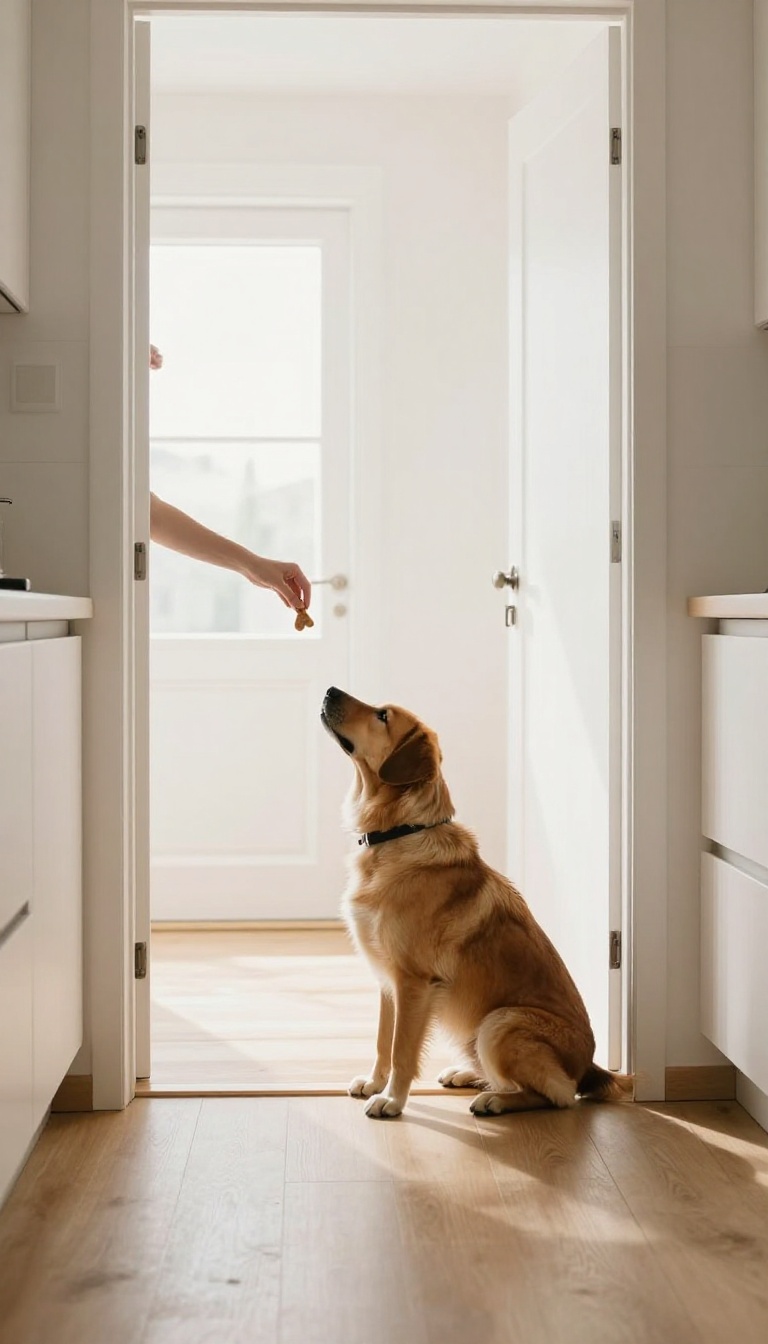
Mornings are often rushed, but that's exactly when a short training session can pay off. The 'wait' drill is a simple way to teach your dog impulse control, and it only takes five minutes. By practicing at the door or before meals, you set a calm tone for the rest of the day.
Start by asking your dog to sit, then open the door just a crack. If they move, close it and try again. Reward them with a treat when they hold still.
Repeat this a few times, gradually increasing the door opening. The same principle works at mealtime: have your dog wait before placing the bowl down. This quick exercise builds patience and reinforces that good things come to those who wait.
Why 'wait' Works
The 'wait' command is different from 'stay' because it's temporary and tied to a specific release. It teaches your dog to pause and look to you for guidance, which is especially useful in busy moments. Practicing it in the morning helps your dog start the day with a focused mindset.
How To Set Up The Drill
Pick a quiet spot with few distractions. Have a handful of small treats ready. Use a clear cue like 'wait' and a release word like 'okay'.
Keep sessions short and positive, ending with a play session or a walk. Consistency matters more than duration.
Troubleshooting Common Hiccups
If your dog keeps breaking the wait, go back a step and make it easier. Try closing the door fully before asking for a wait, or use a leash to prevent lunging. Always reward the instant they pause, even if it's just for a second.
Over time, they'll learn to hold longer.
2. Commute Boost: 'Watch Me' for Distraction Control
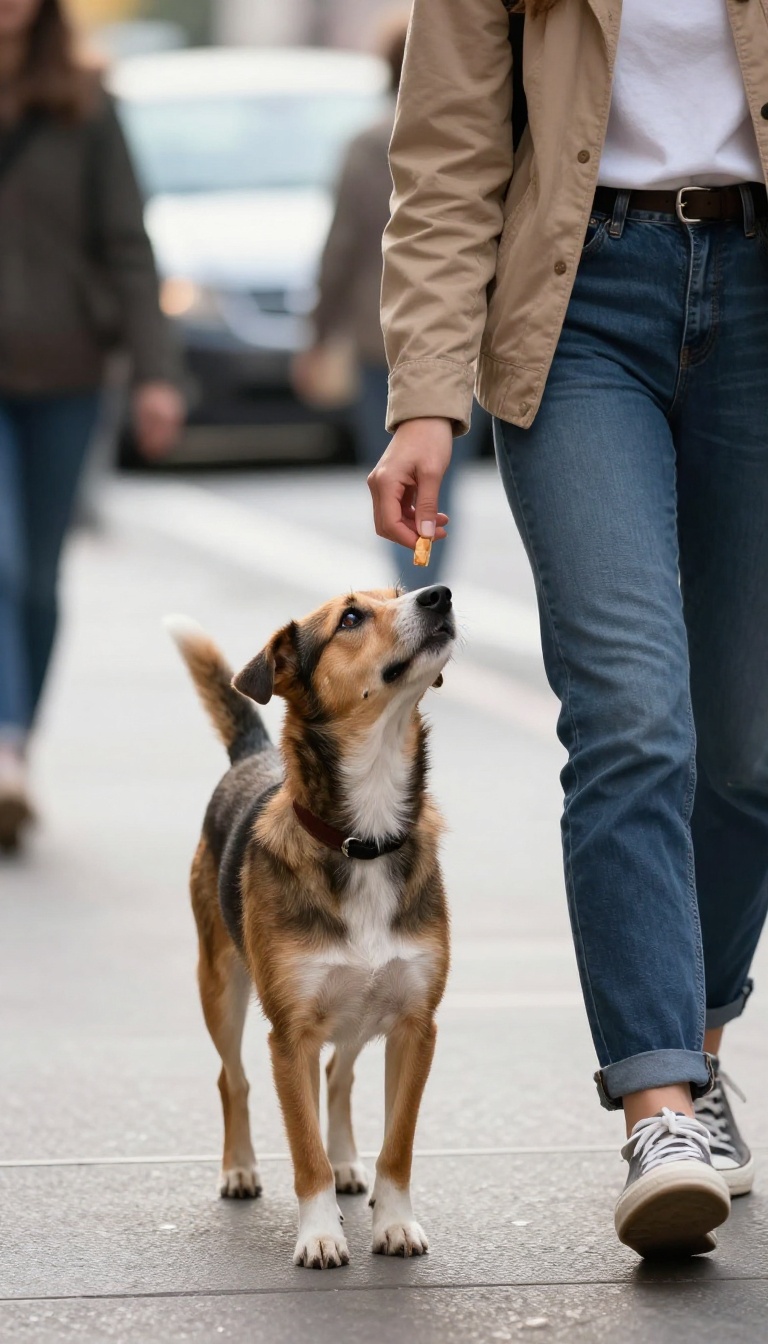
Your daily commute—whether it's a short drive or a brisk walk to the station—is prime training time. Instead of letting your dog zone out or get worked up by passing cars, people, or squirrels, turn those minutes into a mini focus session. The 'watch me' cue is a simple but powerful way to build attention and curb reactivity, and it's perfect for busy days when you can't carve out a dedicated training block.
This session turns your commute into a training opportunity. The goal is simple: get your dog to voluntarily look at you, especially when distractions are around. Over time, this builds a habit of checking in with you, which makes walks calmer and reduces lunging or barking at triggers.
You can practice in the car, on a walk, or even while waiting at a crosswalk—anywhere you and your dog have a few spare moments.
Start In A Low-distraction Spot
Before you hit the busy streets, practice 'watch me' in your driveway or a quiet parking lot. Hold a treat near your face, say 'watch me, ' and reward the moment your dog makes eye contact. Do this for a few minutes until your dog understands the game.
Then, gradually move to busier areas, like a sidewalk with light foot traffic, and repeat the cue. The key is to reward every glance, even if it's brief, so your dog learns that focusing on you pays off.
Use The Car As A Training Zone
If you drive to work, your car is a perfect training space. While stopped at a red light, ask for 'watch me' and reward with a small treat. This works because the car provides a safe, confined space, and the passing scenery offers a controlled level of distraction.
Just make sure your dog is secured in a crate or with a seatbelt harness, and never handle treats while driving—only reward when the car is fully stopped.
Turn Walks Into Focus Walks
On your morning or evening walk, weave 'watch me' into your routine. Every time you see a potential distraction (another dog, a jogger, a noisy truck), cue 'watch me' before your dog has a chance to react. Reward generously when they look at you instead of the trigger.
This not only strengthens attention but also prevents reactive outbursts. Over time, your dog will start offering eye contact automatically when they see something exciting, which is exactly what you want.
3. Lunch Break: 'Leave It' for Safety
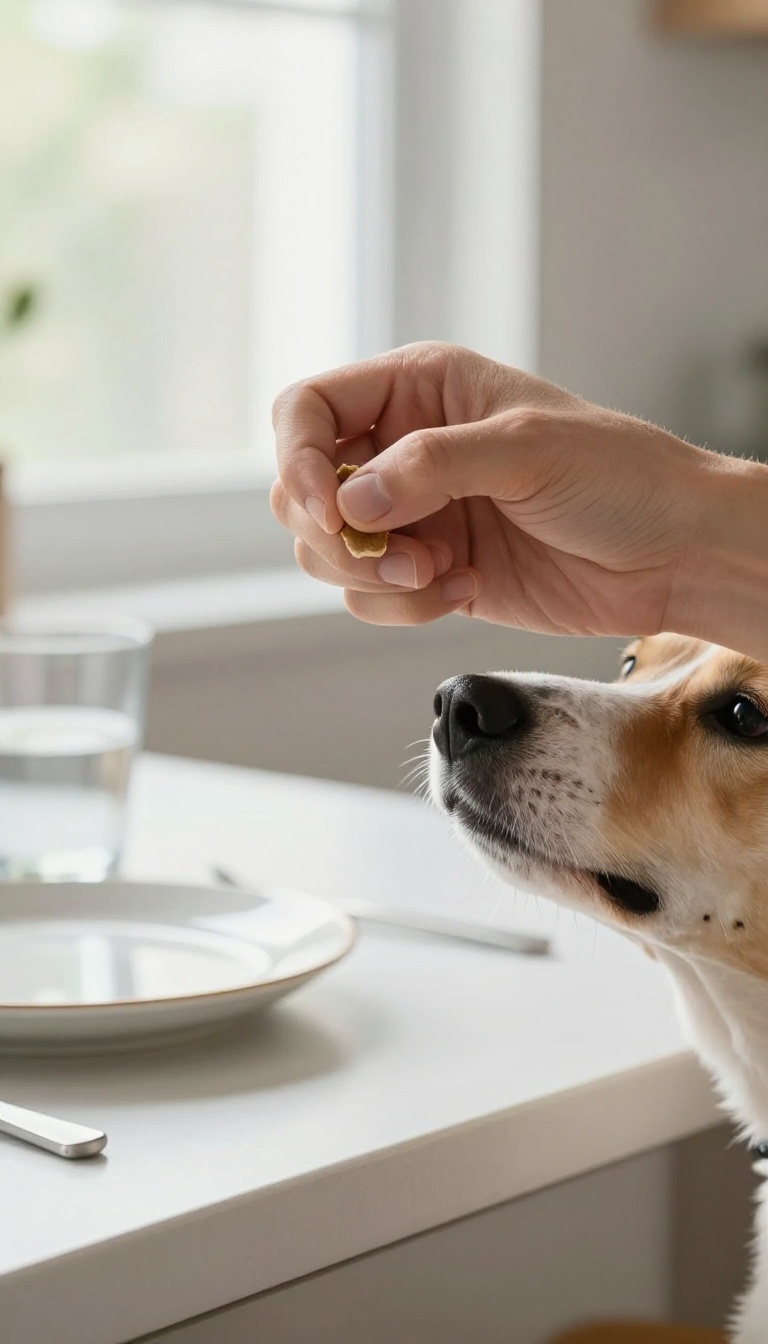
Lunch is another pocket of time you can put to good use. This session focuses on 'leave it'—a cue that can stop your dog from grabbing something dangerous before it becomes a problem. The best part?
You can practice it right at the kitchen table with just a few treats.
Start by holding a treat in your closed fist. Let your dog sniff, lick, and paw at it. The moment they pull back or look away, say 'yes' and give them the treat from your other hand.
Repeat this a few times, then move to placing the treat on the floor under your foot. Once your dog consistently backs off, try dropping a treat on the floor and covering it with your hand if they lunge. This builds a solid foundation in minutes.
Why 'leave It' Matters
Dogs explore the world with their mouths, and that can lead to trouble. From dropped medicine to toxic foods, a quick 'leave it' can prevent a trip to the vet. This cue gives you control in unpredictable moments, and it's simple to reinforce during a lunch break.
Step-by-step In 5 Minutes
Start with a treat in your closed fist. Wait for your dog to stop trying and look at you, then mark with 'yes' and reward from the other hand. Repeat a few times.
Then place a treat on the floor under your foot, and only release it when your dog backs off. End with a real-world test: drop a treat and say 'leave it' before they can grab it.
Turning It Into A Habit
Use 'leave it' in everyday situations—when you drop a pill or find something on the sidewalk. The more you practice in short bursts, the more automatic it becomes. Before you know it, your dog will glance at you for guidance instead of diving for the item.
4. Afternoon Pick-Me-Up: 'Touch' for Engagement
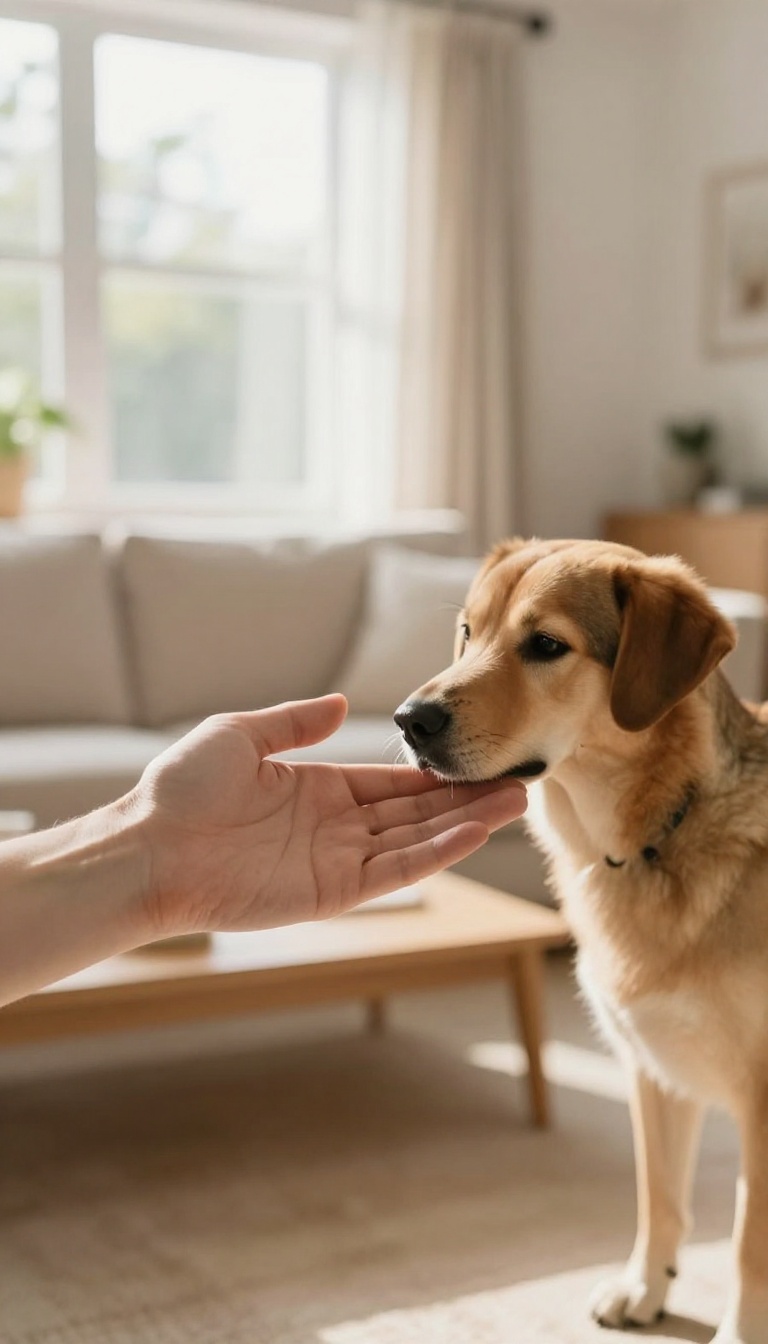
The afternoon slump hits both of you. Your dog is dozing, and you're staring at a screen, feeling the energy dip. A quick 'touch' session is the perfect way to wake everyone up without turning your living room into a gym.
This one cue is a powerhouse for refocusing and connection, and it takes less than two minutes to practice.
Teaching your dog to touch your palm with their nose is more than a cute party trick. It's a fast, effective way to reboot your dog's attention, especially when they're distracted or a bit bored. The motion is simple, the reward is instant, and the mental effort your dog puts in is surprisingly tiring—which is great when you need a calm pup afterward.
Why 'touch' Works So Well
The touch cue is a natural behavior that's easy to shape. Your dog already explores the world with their nose, so you're just adding a cue to something they do anyway. It also gives them a clear, simple job: 'put your nose here. ' That focus is exactly what you need when you're trying to redirect them from the mailman or the cat.
Plus, it's a positive, non-stressful way to interrupt unwanted behavior.
How To Teach It In 60 Seconds
Hold your flat palm a few inches from your dog's nose. The moment they sniff or touch it, say 'yes! ' and give them a treat. Repeat a few times, then start saying 'touch' just before they make contact.
Move your hand a little farther away each time, and soon they'll be booping your palm on cue. Keep the session short—five to ten repetitions is plenty for a quick afternoon break.
Using 'touch' To Redirect And Reconnect
Once your dog knows the cue, you can use it to pull their attention away from distractions. If they're barking at a noise outside, ask for a touch and reward them for turning back to you. It's also a great way to reconnect after a busy day—just a few touches and treats can reset the mood and remind them that you're a team.
5. Evening Wind-Down: 'Settle' on a Mat
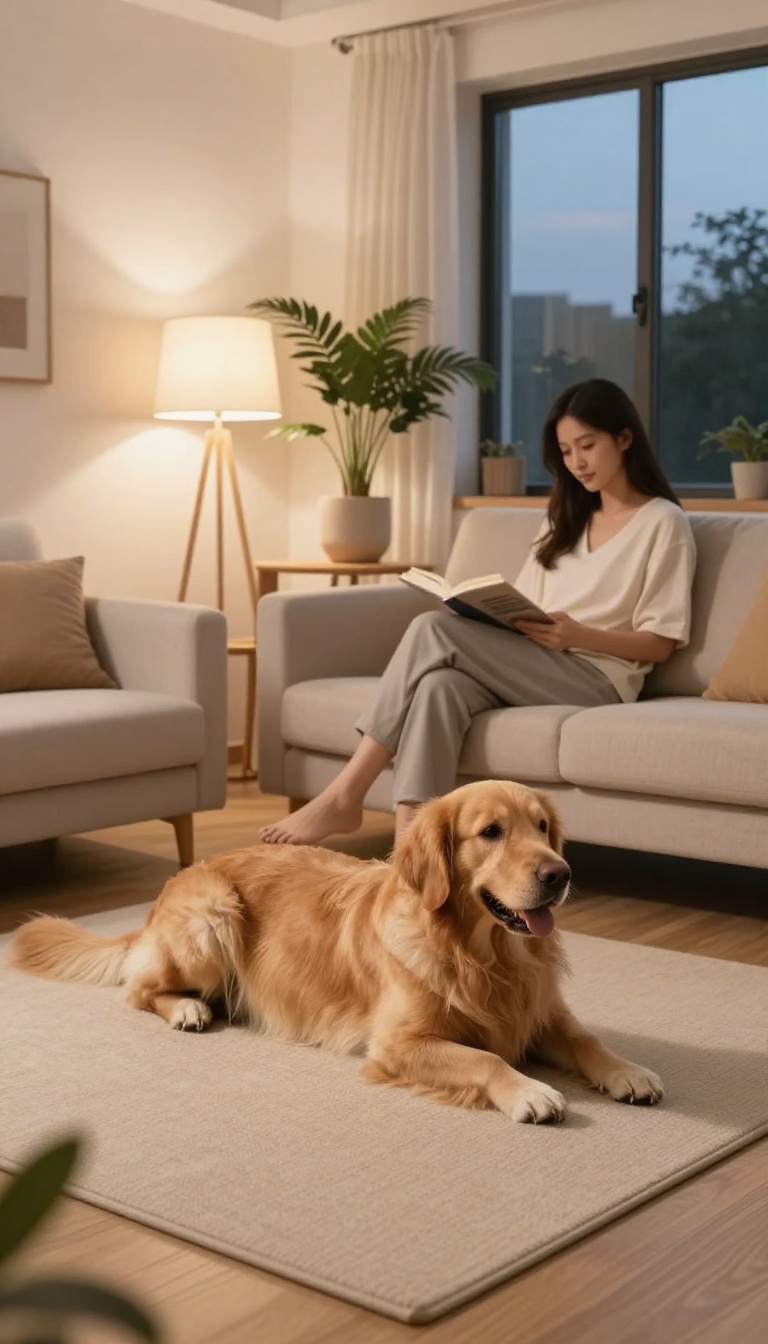
The end of the day often brings a mix of exhaustion and leftover energy—for both of you. Instead of collapsing on the couch while your dog paces or whines, use those final minutes to teach a valuable skill: settling down. This session is all about helping your dog learn to relax on command, which is perfect for winding down after a busy day.
This is a calm, low-energy training session that reinforces impulse control and relaxation. You'll teach your dog to go to a designated mat or bed and stay there calmly, even as you move around. It's a great way to end the day on a positive note, and it sets the stage for peaceful evenings.
Set Up The Space
Choose a quiet spot in your home where your dog can relax without distractions. Place a comfortable mat or bed there. Have a handful of small, soft treats ready—something your dog loves but doesn't get all the time.
Keep the session short, about 5 minutes, so it stays positive and doesn't turn into a battle of wills.
Lure And Reward
Start by holding a treat near your dog's nose and slowly guide them onto the mat. As soon as all four paws are on the mat, say 'yes' or click and give the treat. Repeat this a few times, letting your dog figure out that the mat is a good place to be.
Then, start rewarding any calm behavior—like sitting or lying down—while they're on the mat. This teaches them that being still and relaxed earns treats.
Add A Cue And Duration
Once your dog is consistently going to the mat, introduce the verbal cue 'settle' right as they step onto it. Then, gradually increase the time between treats. Start by waiting a few seconds, then reward.
Over several sessions, build up to a minute or more. If your dog gets up, simply guide them back and start again. The key is to keep it relaxed and not stressful.
Practice In Real Life
Use this skill during your evening routine. When you're watching TV or reading, ask your dog to 'settle' on their mat and reward them periodically for staying. This helps them generalize the behavior beyond training sessions.
Soon, they'll automatically head to their mat when you start winding down, giving you both a peaceful end to the day.
6. Weekend Mini-Session: 'Loose Leash Walking'
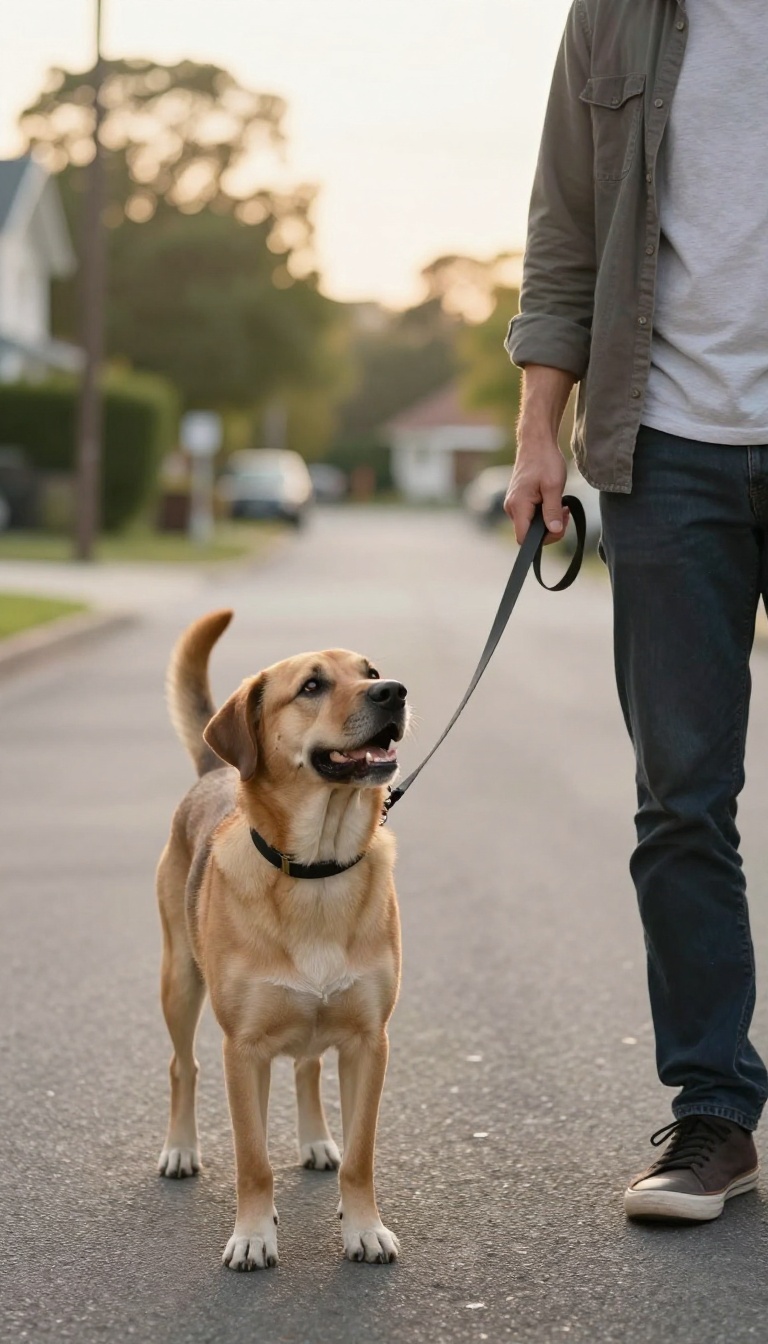
Weekends often feel like a catch-up marathon, but they're also a golden chance to polish skills that make daily life smoother. Loose leash walking is one of those behaviors that can turn a stressful stroll into a pleasant one. A quick 10-minute session on Saturday or Sunday can reinforce the habit without eating into your downtime.
Start by choosing a low-distraction spot, like your backyard or a quiet street. Grab a handful of high-value treats and your dog's regular leash. The goal is simple: reward your dog for staying near you with a slack leash.
If your dog pulls, stop moving and wait. When the leash loosens, mark and treat. Keep the session short and upbeat, ending on a positive note.
Set Up For Success
Pick a time when your dog is calm but not sleepy—maybe after breakfast or before the afternoon nap. Use a standard 6-foot leash and a comfortable harness. Have treats ready in a pouch or your pocket.
Keep the session to 10 minutes max; quality beats quantity.
The 'be A Tree' Game
This classic game teaches your dog that pulling gets them nowhere. Whenever your dog pulls, stop and become a tree—no movement, no eye contact. Wait for the leash to slacken, even for a second, then mark and reward.
This simple exercise builds awareness and patience.
Turn It Into A Game
Make it fun by changing direction often. Every time your dog catches up and walks beside you, say 'Yes! ' and drop a treat. This encourages your dog to watch you and stay close.
You can also add a 'touch' cue—ask your dog to bump your hand with their nose as you walk, which keeps their focus on you.
Wrap Up On A High Note
End the session with a short, easy walk where your dog is likely to succeed. Then do a quick play session or give a puzzle toy. This leaves your dog feeling good about the training and eager for the next one.
A few minutes of practice each weekend will make a noticeable difference on your daily walks.
7. Rainy Day Quickie: 'Find It' for Mental Exercise
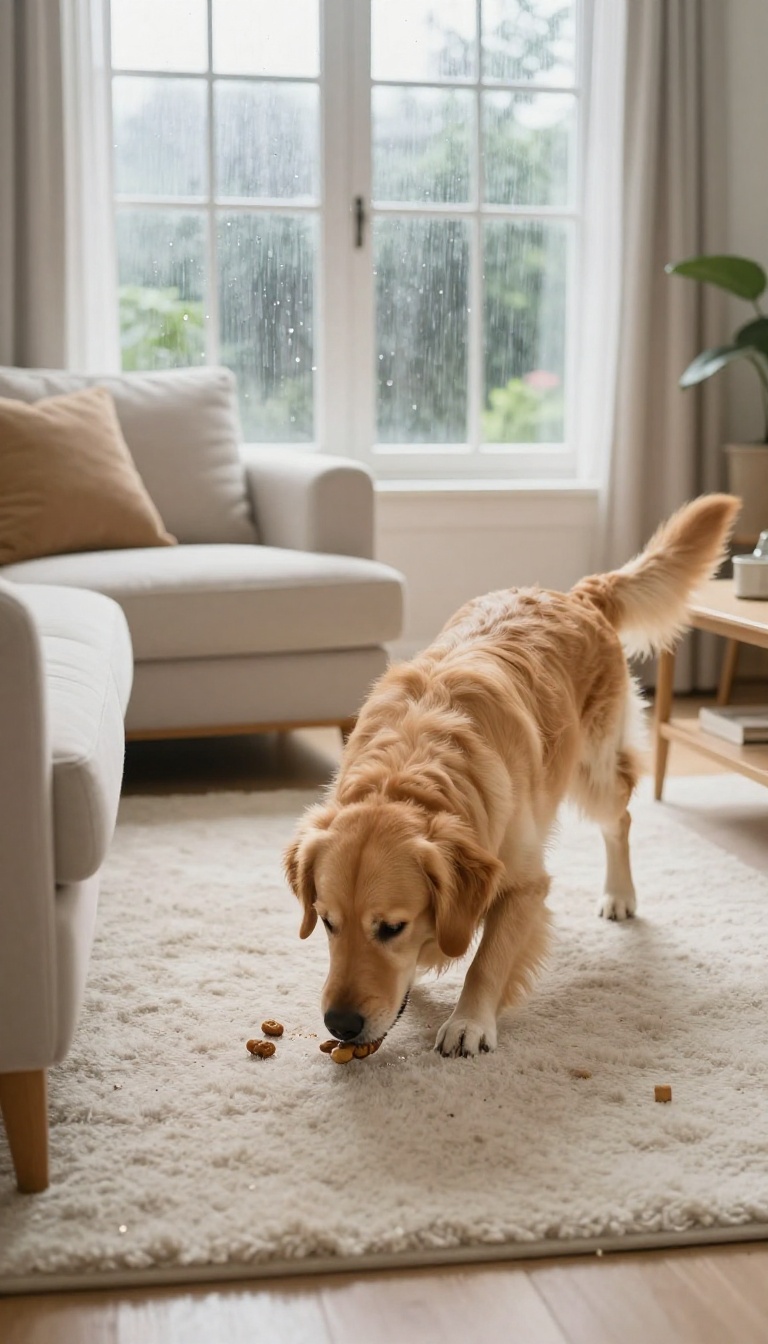
When the weather turns sour, your dog's energy doesn't take a day off. Instead of letting cabin fever set in, turn a rainy afternoon into a brain-boosting game. 'Find It' is a simple, scent-based activity that tires your pup out faster than a long walk—no raincoat required.
This game is a lifesaver on days when you're short on time and stuck indoors. It taps into your dog's natural sniffing instincts, providing mental stimulation that's just as exhausting as physical exercise. Plus, it's incredibly easy to set up and can be played in any room of your house.
Why Scent Work Works
Dogs experience the world through their noses, and using that superpower is both fun and fulfilling. When your dog sniffs and searches, their brain is hard at work, which builds focus and confidence. A few rounds of 'Find It' can leave your pup happily tired, even if you haven't moved from the living room.
How To Play 'find It'
Start easy: show your dog a treat, let them sniff it, then toss it a few feet away and say 'Find it! ' in an excited voice. As they catch on, hide treats under cushions, behind furniture, or in plain sight but slightly out of reach. Always let them see you hide it at first, then gradually make it more challenging.
Keep sessions short—5 to 10 minutes is plenty—and always end on a high note.
Making It A Habit
Rainy days are perfect, but this game works any time you need a quick energy release. Try it while dinner is in the oven or during a commercial break. You can even use your dog's regular kibble instead of treats, so you're not adding extra calories.
The more you play, the better your dog gets, and the more fun it becomes for both of you.
8. Bedtime Routine: 'Crate' for Comfort
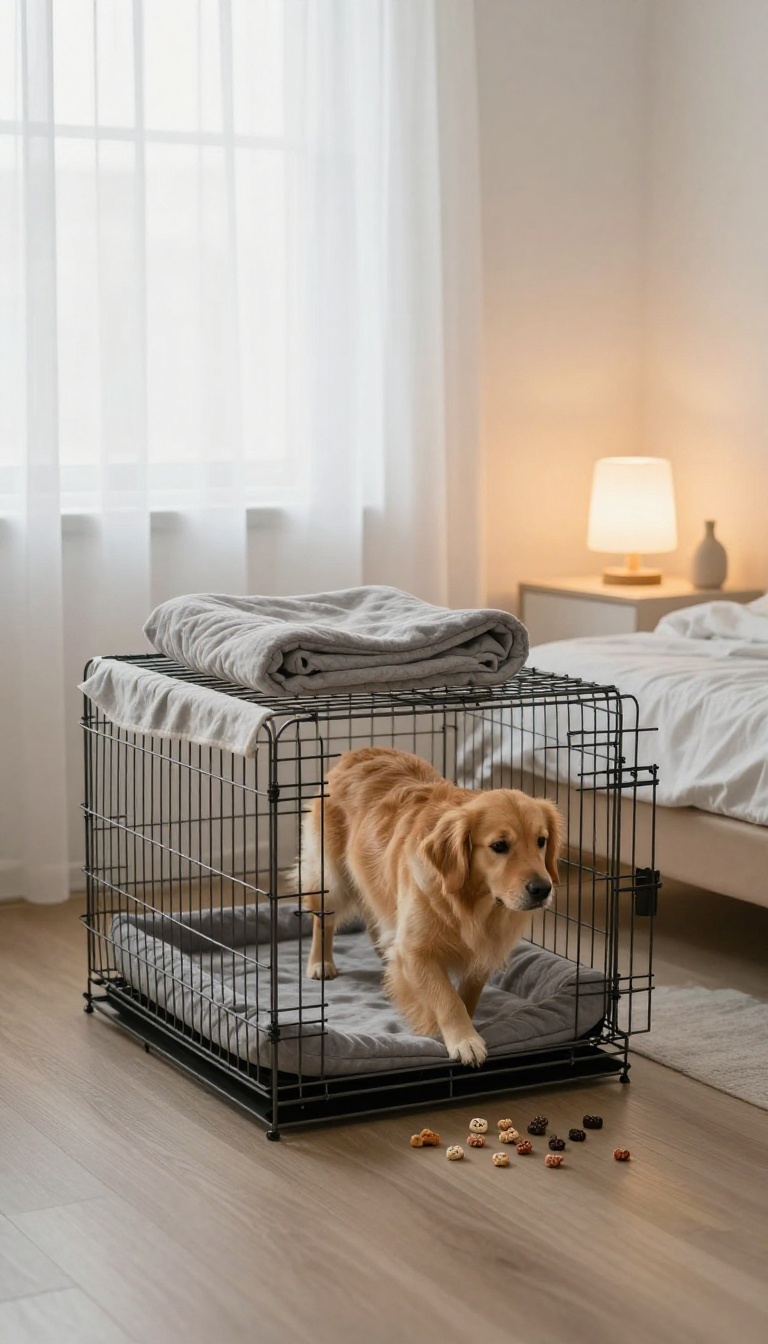
As the day winds down, your dog's energy might still be buzzing. A quick crate session before bed can turn that restlessness into calm. This isn't about locking them away—it's about making the crate a cozy, voluntary retreat.
Use the last few minutes before lights out to reinforce that the crate is a good place. Toss a few treats inside and let your dog wander in on their own. No pressure, no closing the door yet.
Just let them discover that the crate holds good things.
Start With Treat Tosses
Stand near the crate and casually toss a treat inside. Let your dog step in to grab it. Repeat a few times, letting them come and go freely.
This builds a positive association without any stress.
Add A Calm Cue
Once your dog is comfortable going in, add a word like 'bedtime' or 'crate' just before they enter. Say it softly, then toss the treat. Over time, they'll connect the cue with the action and the reward.
Practice Short Stays
If your dog is okay with the door closing, try a few seconds at a time. Keep it relaxed and reward them for staying calm. Gradually increase the duration, but always end on a positive note.
9. Multi-Task Training: 'Sit' During Commercials
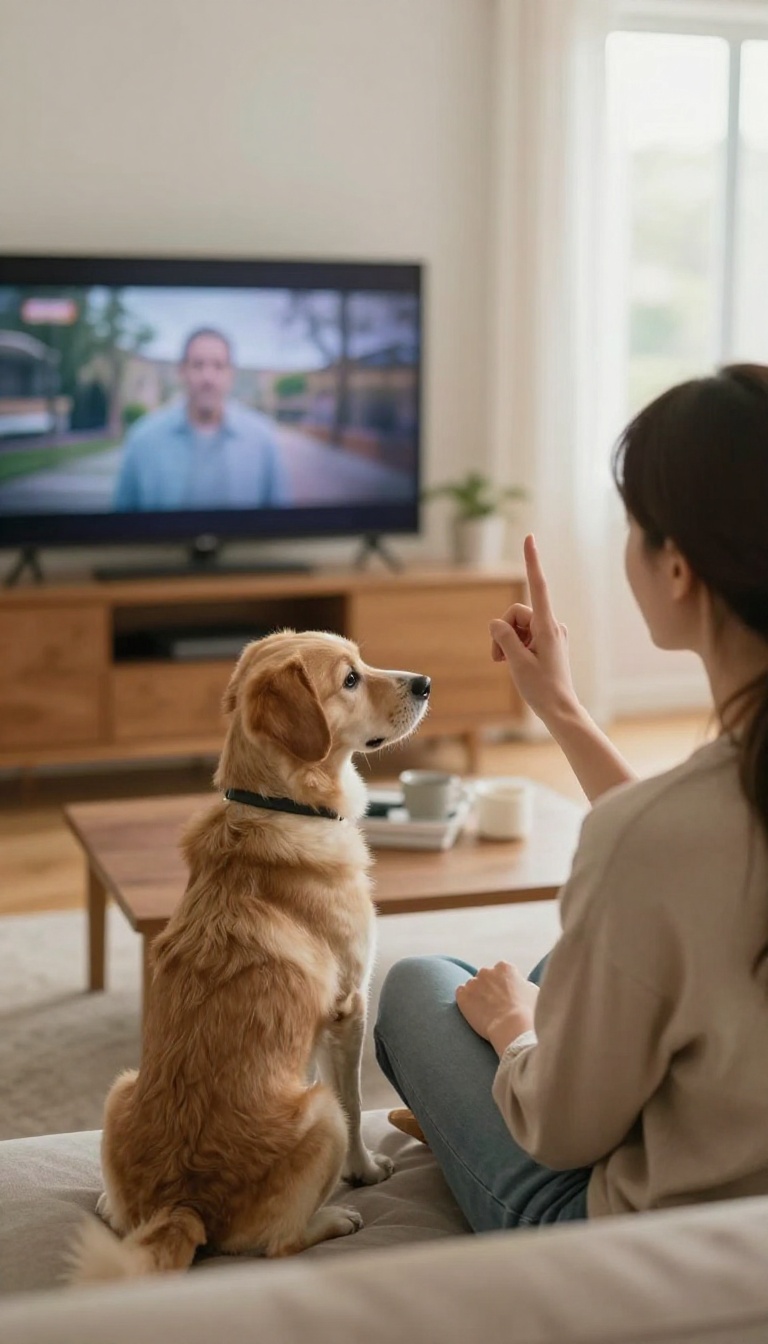
TV time is often guilt time for dog owners. You're relaxing, but your pup is just lying there, and you feel like you should be doing something productive. Turns out, those commercial breaks are perfect for quick training sessions.
Instead of grabbing the remote or scrolling through your phone, use each ad break to practice a few commands. It's a simple way to reinforce obedience without stealing time from your other tasks.
The key is to make it a habit. When the show pauses for a commercial, that's your cue to start a mini training session. You don't need treats or toys—just your voice and a few seconds of focus.
Start with the basics. Ask your dog to 'sit' and reward with a quick 'yes' and a treat if you have one. If not, a happy tone and a quick scratch behind the ears works just as well.
Then move to 'down' and maybe a 'stay' for a few seconds. The beauty of this is that it's short and sweet. Your dog learns to respond quickly, and you get to practice without feeling like you're sacrificing your downtime.
Plus, it's a great way to keep your dog's mind sharp and your bond strong.
Make It A Game
Turn each commercial into a mini game. For example, during the first break, practice 'sit' three times. During the next, do 'down' three times.
Then mix it up: 'sit', 'down', 'sit', 'down'. This keeps your dog engaged and prevents boredom. You can also add a fun twist by using a different command each day.
Monday could be 'sit', Tuesday 'down', Wednesday 'stay', and so on. This variety keeps both you and your dog interested.
Keep It Short And Positive
Commercials are usually 30 seconds to a minute, so you don't have time for long drills. Aim for 3-5 repetitions per break. That's plenty to reinforce the behavior without overdoing it.
Always end on a positive note. If your dog nails the last 'sit', throw a mini celebration. This leaves your dog feeling successful and eager for the next session.
If your dog struggles, don't get frustrated—just go back to an easier command and finish with a win.
Involve The Whole Family
If others are watching with you, let them join in. Each person can take a turn giving a command during a commercial. This helps your dog learn to listen to different people and strengthens the family bond.
It's also a great way to get kids involved in training. They'll love having a role, and your dog will love the extra attention. Just make sure everyone uses the same cues and rewards to keep things consistent.
Track Your Progress
Keep a mental note of how many times your dog gets it right. Over the week, you'll likely see faster responses and fewer mistakes. That's progress you can feel good about.
If you want to be more formal, jot down a quick tally on your phone. But the real reward is seeing your dog automatically sit when the TV goes to commercial—that's a sign your training is sticking.
10. Grooming Time: 'Paw' for Handling
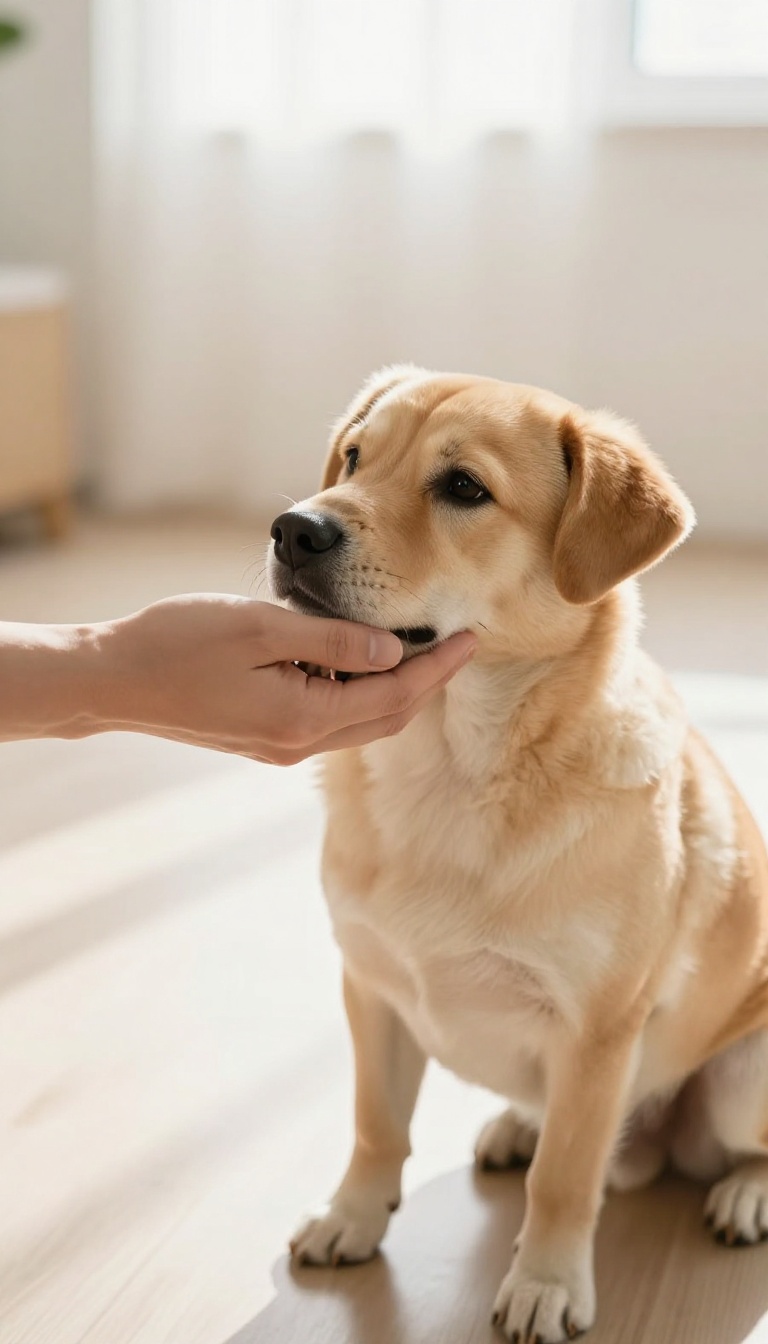
Grooming sessions are often a battle of wills, but they don't have to be. By turning paw handling into a game, you can teach your dog to stay calm during nail trims and paw checks. This not only makes grooming easier but also builds trust and cooperation.
Start by having your dog sit or lie down. Gently touch their paw and say 'paw' as you lift it. Reward immediately with a treat.
Repeat this several times, gradually increasing the duration you hold the paw. Once your dog is comfortable, introduce the clippers or brush, rewarding calm behavior. This simple drill turns a stressful chore into a positive bonding experience.
Step-by-step Paw Offering
Begin with your dog in a comfortable position. Say 'paw' and gently lift one paw, holding it for a second before releasing and rewarding. Practice this a few times, then extend the hold time.
As your dog gets the hang of it, add a verbal cue like 'give me your paw' to encourage voluntary offering.
Desensitizing To Grooming Tools
Introduce the nail clippers or brush without using them. Let your dog sniff and investigate, then reward calm behavior. Next, touch the tool to their paw without clipping, rewarding each time.
Gradually progress to clipping one nail, always pairing with high-value treats. This builds a positive association with the tools.
Making It A Daily Habit
Incorporate paw handling into your daily routine, even when grooming isn't needed. A quick 'paw' session during TV commercials or while waiting for coffee reinforces the behavior. This regular practice keeps your dog comfortable with handling and makes actual grooming sessions quicker and stress-free.
FAQ
How long should each training session be?
Each session should be 5 to 10 minutes. Short, frequent sessions are more effective than long ones because they keep your dog engaged and prevent boredom.
Can I train my dog if I have a very irregular schedule?
Absolutely. The key is to be consistent with the quality of training, not the exact time. Fit sessions in whenever you have a few spare minutes, even if it's at different times each day.
What if my dog doesn't respond to treats?
Try using a favorite toy or praise as a reward. Some dogs are more motivated by play or affection. Find what your dog loves most and use that as a reward.
How do I keep my dog focused during short sessions?
Start in a quiet environment with minimal distractions. Gradually add distractions as your dog gets better. Also, keep sessions upbeat and end on a positive note before your dog loses interest.
Can these quick sessions replace formal obedience classes?
They can supplement formal training, but for complex behaviors or serious issues, professional guidance is recommended. These sessions are great for daily reinforcement and bonding.
Conclusion
Short sessions add up faster than you think. Pick one or two drills from this list, keep them fun, and stick with them for a week or two. You'll likely notice your dog paying better attention and settling into daily routines with less fuss.
Consistency matters more than perfect execution, so don't stress about getting every cue right. Just show up, keep it positive, and let small wins build momentum. Before long, those five-minute breaks become a natural part of your day—and your dog will love the extra focus.

I’m Pallab Kishore, the owner of Little Pets Realm — an animal lover and pet care enthusiast sharing easy tips, healthy recipes, and honest advice to help every small pet live a happy, healthy, tail-wagging life.