
Last updated on August 19th, 2026 at 04:22 pm
Training your dog without treats can feel like a puzzle, especially when your pup seems to work only for kibble. But relying on food isn't the only way to build a strong, responsive bond. Many dogs are just as thrilled by a game of tug, a quick belly rub, or the chance to chase a favorite toy.
Switching to non-food rewards doesn't mean losing your dog's attention—it often strengthens your connection. You'll find that some rewards are more motivating than treats, especially for high-energy or toy-driven dogs.
Plus, you'll avoid the extra calories and the hassle of carrying treats everywhere. In this guide, you'll discover 11 practical, dog-approved reward ideas that go beyond the treat pouch.
1. Play a Quick Game of Tug
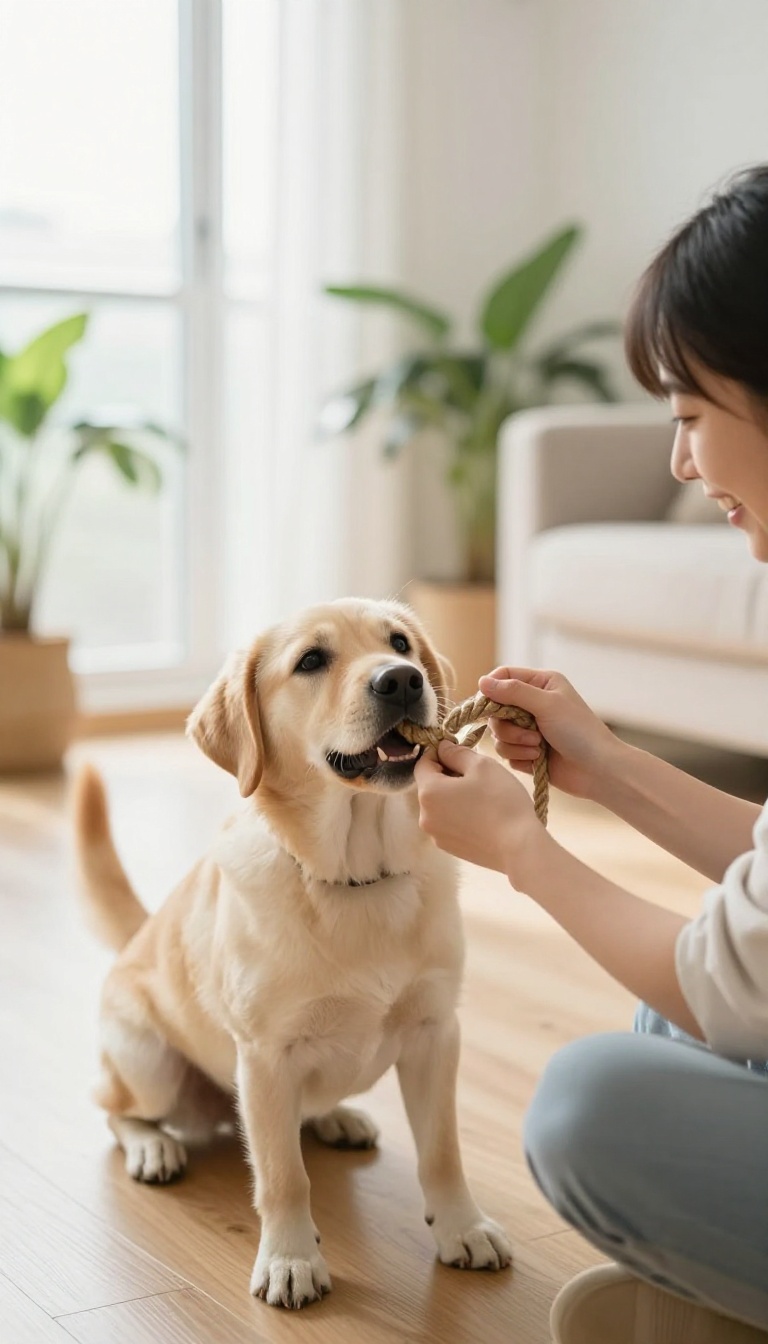
Tug is more than just a fun activity—it's a powerful reward that taps into your dog's natural prey drive. When you play tug, you're not only giving your dog a burst of excitement, but you're also reinforcing impulse control and strengthening your bond. The key is to use a designated tug toy and let your dog win sometimes to keep the game fair and enjoyable.
Tug is a high-value reward that works wonders for many dogs, especially those with a strong play drive. It's a great way to burn off energy and provide mental stimulation, all while reinforcing commands like 'drop it' and 'take it. ' To make tug an effective reward, keep the sessions short and enthusiastic, and always end on a positive note by letting your dog win and then calmly asking for the toy back.
Why Tug Works As A Reward
Tug taps into your dog's natural instincts, making it inherently rewarding. It's interactive, which strengthens your bond, and it provides both physical exercise and mental engagement. Because it's a high-arousal activity, it can be especially motivating for dogs that are less food-driven, making it a perfect alternative to treats.
Setting Up The Game For Success
Choose a sturdy tug toy that's clearly different from other toys, so your dog knows when it's time to play. Start the game with a clear cue like 'tug' and end it with 'drop it' and a treat-free reward like a scratch behind the ears. Keep sessions short—around 30 seconds to a minute—to maintain excitement and prevent overstimulation.
Making Tug A Training Tool
Use tug as a reward for a job well done. For example, after a successful recall or a perfect sit-stay, pull out the tug toy and engage in a quick game. This teaches your dog that good behavior leads to fun, which can boost their enthusiasm for training.
Just remember to keep the game controlled and always let your dog win sometimes to keep it rewarding.
2. Offer a Belly Rub or Scratch Session
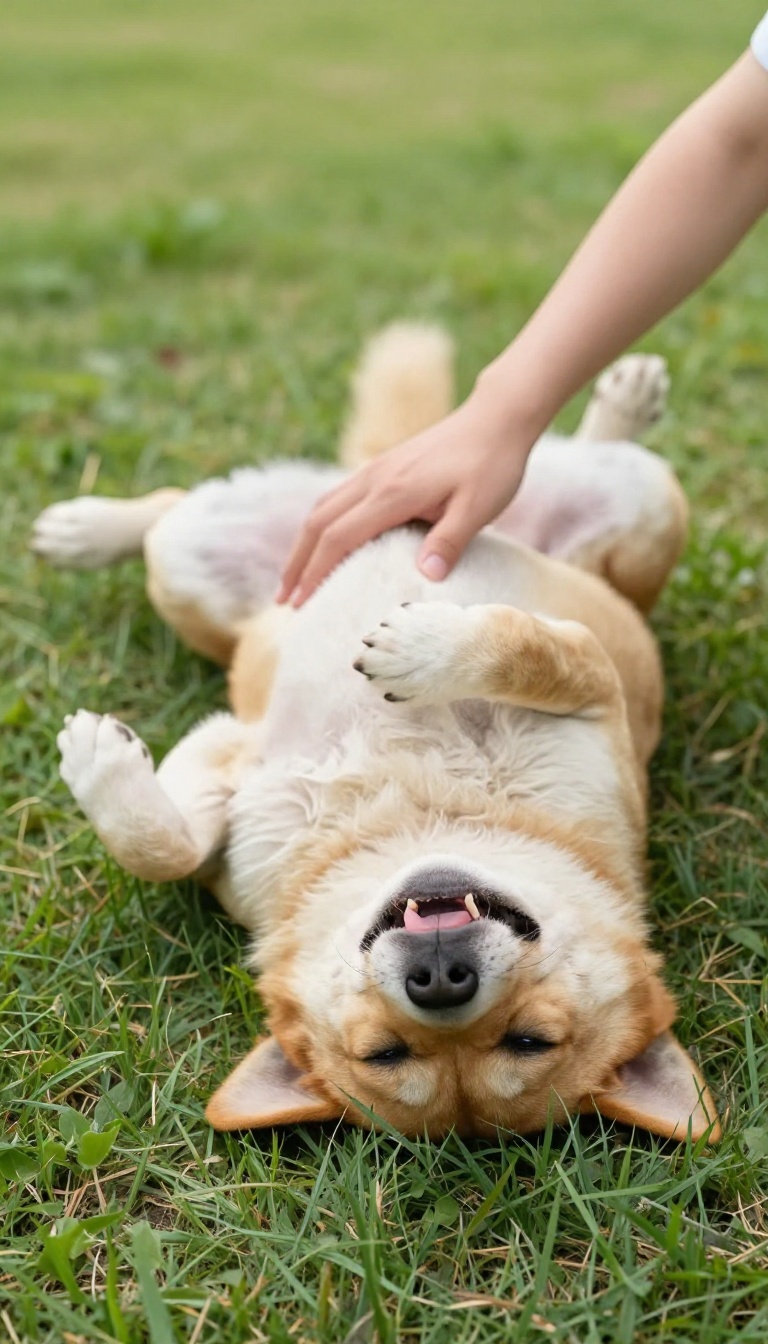
Physical touch is a language every dog understands. For many pups, a good belly rub or a scratch behind the ears is pure bliss, and it costs you nothing but a few minutes of your time. This kind of reward works especially well for dogs that are naturally affectionate and seek out human contact.
It's also a great way to reinforce calm behavior because the reward itself encourages relaxation.
When you use physical affection as a reward, you're not just giving your dog something pleasant—you're also strengthening your bond. Unlike treats, which are consumed and gone, a belly rub creates a shared moment of connection. It's a reward that both of you can enjoy together, and it reinforces the idea that good things happen when your dog is near you and paying attention.
Know Where Your Dog Likes To Be Touched
Every dog has their favorite spot. Some go wild for belly rubs, while others prefer a good scratch behind the ears or at the base of the tail. Pay attention to your dog's reactions.
If they lean into your hand, wag their tail, or have a relaxed, happy expression, you've found a winner. Avoid areas that make them tense or pull away, like the paws or the top of the head for some dogs.
Use Touch As A Marker For Good Behavior
Timing matters when you're rewarding your dog. The moment they do what you ask—whether it's sitting, lying down, or coming when called—give them a quick scratch or rub. Keep it brief at first, then you can extend the session if they stay calm.
This way, your dog learns that the touch is directly linked to the behavior, and they'll be more likely to repeat it.
Combine Touch With Verbal Praise
Pairing a belly rub or scratch with a happy, encouraging voice can make the reward even more powerful. Say something like "Good dog! " in a warm tone while you rub their belly.
Over time, your dog will associate your praise with the physical affection, so even when you can't stop to pet them, your voice alone can serve as a reward.
Keep Sessions Short And Sweet
You don't need to turn every training moment into a five-minute massage session. A few seconds of focused attention can be just as rewarding as a longer rub. If your dog seems to lose interest or gets too excited, it's okay to end the session and try again later.
The goal is to keep the reward special and meaningful, not to overdo it.
3. Toss a Favorite Toy for a Fetch Session
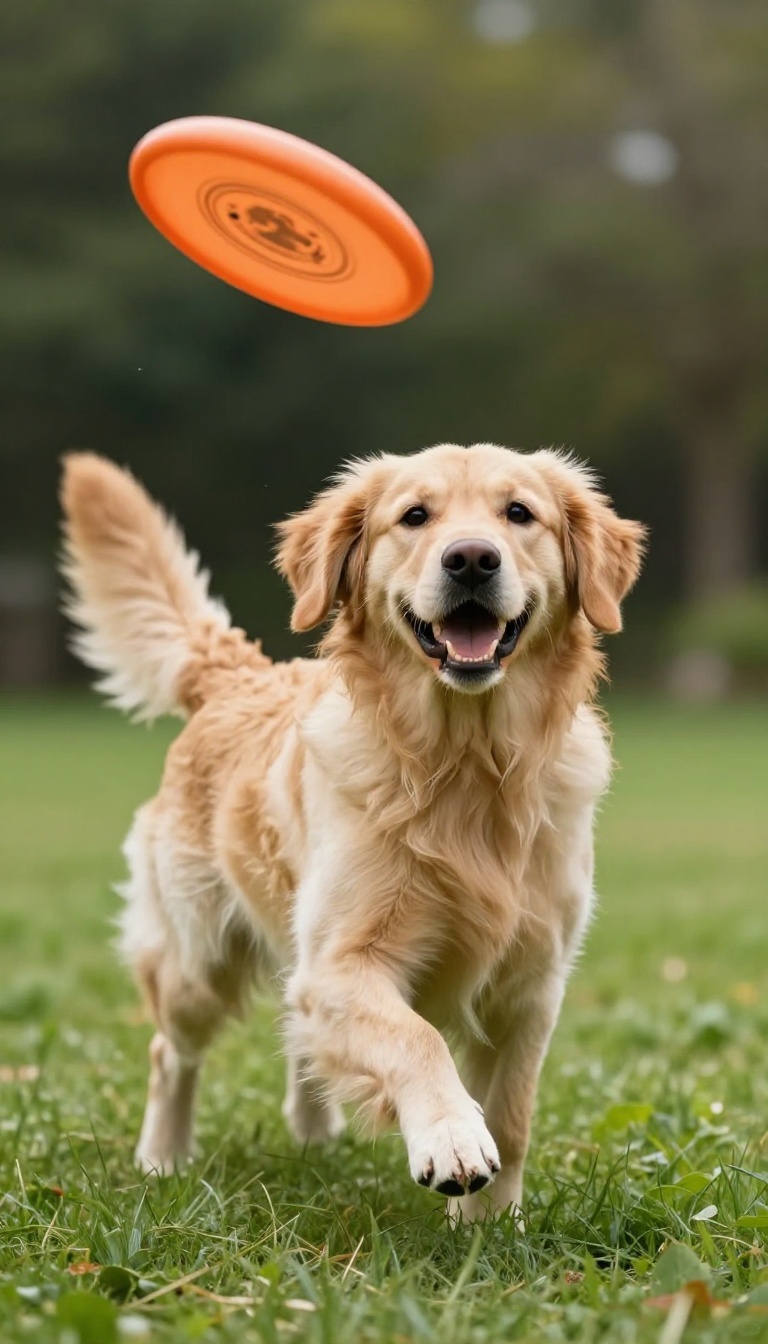
For toy-obsessed dogs, nothing beats the thrill of a well-aimed throw. A quick game of fetch isn't just fun—it's a powerful reward that taps into their natural instincts to chase and retrieve. This makes it an excellent alternative to food, especially for high-energy pups who need both physical and mental outlets.
Plus, fetch is versatile: you can use it in the yard, at the park, or even indoors with a soft toy.
When you use fetch as a reward, you're not just giving your dog a treat—you're giving them an experience. The act of chasing, catching, and returning the toy engages their body and mind, releasing pent-up energy and reinforcing positive behavior. This is particularly effective for recall training, as your dog learns that coming back to you leads to the fun of the throw.
The key is to keep sessions short and exciting, so your dog remains eager for the next opportunity to play.
Why Fetch Works As A Reward
Fetch works because it's inherently reinforcing for many dogs. The chase triggers their prey drive, and the retrieve satisfies their instinct to bring prey back to their pack leader—you. This makes it a natural and powerful reward that doesn't rely on food.
Additionally, fetch provides both physical exercise and mental stimulation, which can help reduce anxiety and boredom. For dogs that are highly toy-motivated, the promise of a game can be more motivating than any treat.
How To Use Fetch In Training
To use fetch effectively, start by getting your dog excited about the toy. Toss it a short distance and encourage them to bring it back. When they return, praise them warmly and immediately throw the toy again as the reward.
This reinforces the behavior you want—like coming when called—by pairing it with the fun of the game. You can also use fetch to reward calm behavior, like sitting politely before you throw. The key is to make the fetch session the reward, not the toy itself.
Tips For Keeping Fetch Fun And Safe
Keep fetch sessions short and varied to maintain your dog's interest. Use different toys or throwing patterns to prevent boredom. Always choose a toy that's appropriate for your dog's size and chewing style, and avoid hard objects that could damage teeth.
Watch for signs of fatigue, especially on hot days, and provide water breaks. If you're using fetch to reinforce recall, practice in a safe, enclosed area first, then gradually increase distractions. This ensures your dog stays focused and happy.
4. Give Access to a Sniffing Adventure
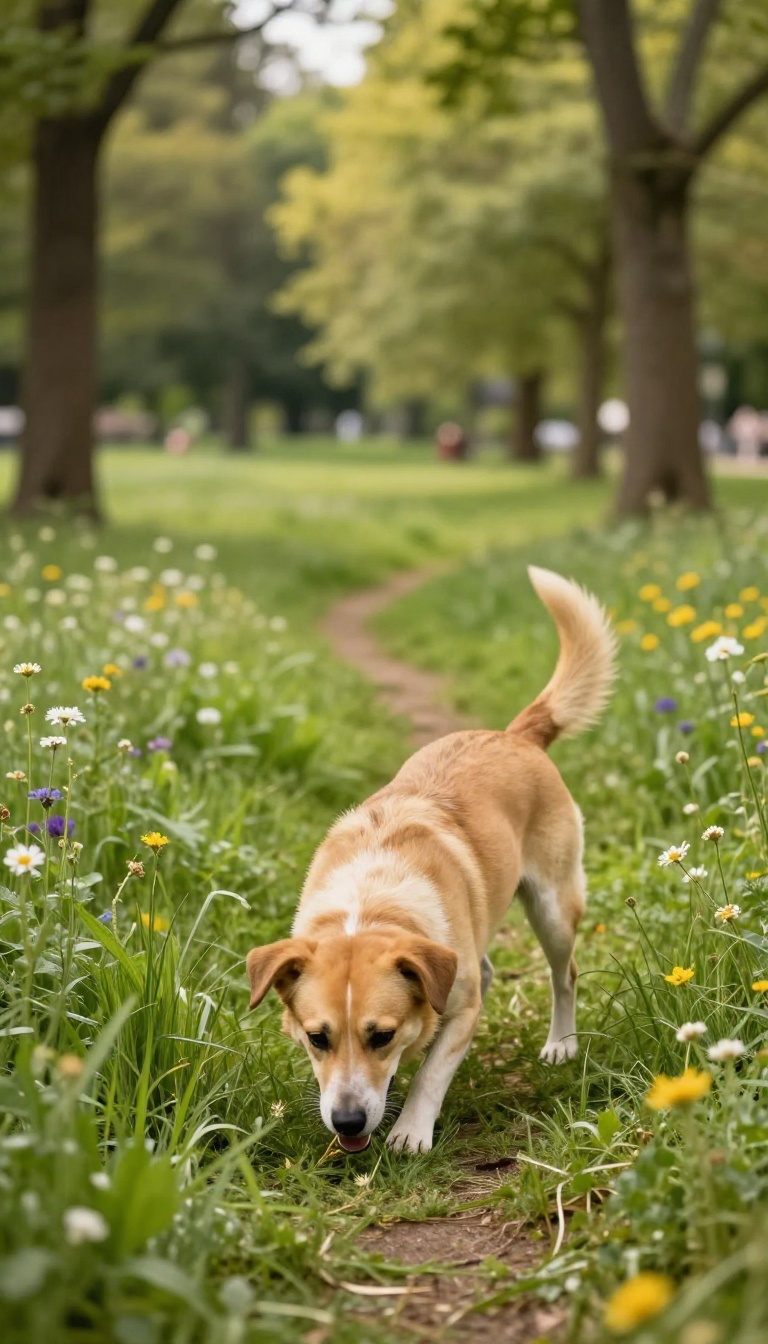
Sometimes the best reward isn't a thing at all—it's an experience. For many dogs, the world is a symphony of scents, and letting them explore it on their own terms can be more satisfying than any treat. A dedicated sniffing session taps into their natural instincts and provides intense mental stimulation that leaves them calm and content.
Sniffing is a powerful reward because it's inherently rewarding for dogs. When you allow your dog to investigate a new area or a designated sniff spot, you're giving them a chance to gather information, solve puzzles, and simply be a dog. This kind of activity can be especially valuable for high-energy dogs who need more than physical exercise to feel fulfilled.
Why Sniffing Works As A Reward
Sniffing isn't just a casual hobby—it's a full-brain workout. When dogs sniff, they're processing a complex stream of information, which can be more tiring than a long run. This mental fatigue helps promote calm behavior and can be a great way to reward your dog for staying relaxed or following a command.
How To Set Up A Sniffing Adventure
You don't need a forest to give your dog a great sniffing experience. A simple walk in a new neighborhood, a visit to a park, or even a few minutes in your own backyard can work. The key is to let your dog take the lead and follow their nose.
You can also create a 'sniff spot' in your yard by scattering a few safe items or planting different herbs.
Using Sniffing As A Training Reward
To use sniffing as a reward, simply allow your dog to sniff after they've done something you asked. For example, after a 'sit' or 'down', say 'Go sniff! ' and let them explore for a minute. This teaches your dog that good behavior leads to enjoyable experiences, making them more likely to comply in the future.
5. Use a Clicker and Praise as a Marker
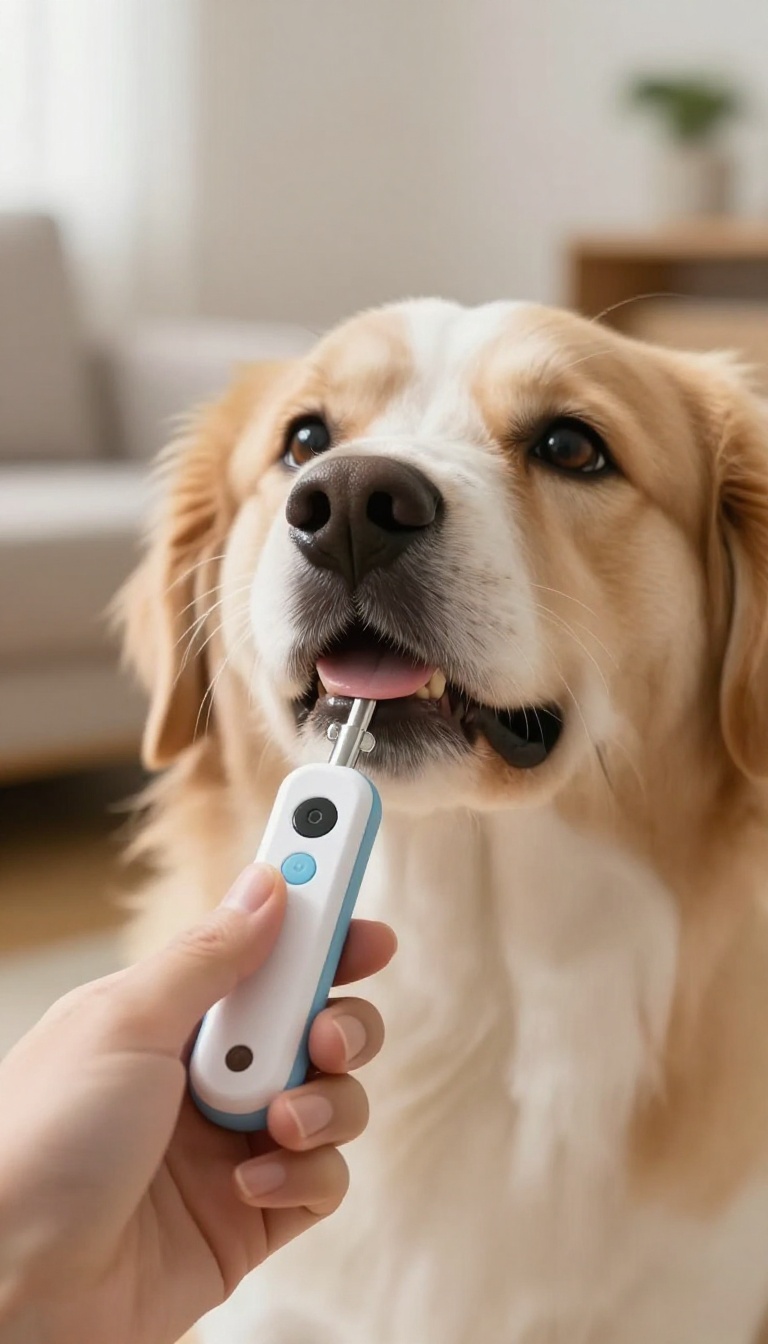
A clicker is a tiny tool that makes a distinct sound, and when paired with enthusiastic praise, it becomes a powerful marker for good behavior. Many dogs respond brilliantly to sound and the tone of your voice, so this combo can be just as rewarding as a treat. It’s also a great way to sharpen your dog’s focus and build clear communication.
The clicker isn’t a reward itself—it’s a signal that tells your dog exactly when they’ve done something right. The sound is consistent and quick, so your pup knows instantly which action earned the praise. Pair that with a happy, excited voice, and you’ve got a reward that’s both mental and emotional.
Why Clicker Training Works
Clicker training uses a technique called positive reinforcement. The click marks the exact moment your dog performs the desired behavior, and then the praise (and maybe a pat) follows. This clear timing helps your dog learn faster than using your voice alone, which can vary in tone and speed.
The clicker is always the same, so your dog never gets confused.
How To Pair Clicker With Praise
Start by charging the clicker: click, then immediately give praise and a small reward (you can use a treat initially, then fade it out). Repeat until your dog looks at you when they hear the click. Then, use the clicker during training sessions, and after the click, shower your dog with praise like “Good boy! ” or “Yes! ” in a happy, high-pitched voice.
Over time, your dog will associate the click and praise with success.
Tips For Getting The Most Out Of It
Keep training sessions short—five minutes a few times a day works best. Always end on a positive note, and don’t forget to vary your praise to keep it exciting. You can also use the clicker to mark behaviors you like, like sitting calmly or making eye contact, and then reward with a game of tug or a quick belly rub.
The key is to be consistent and always follow the click with something your dog loves.
6. Provide a Chew Toy or Bone
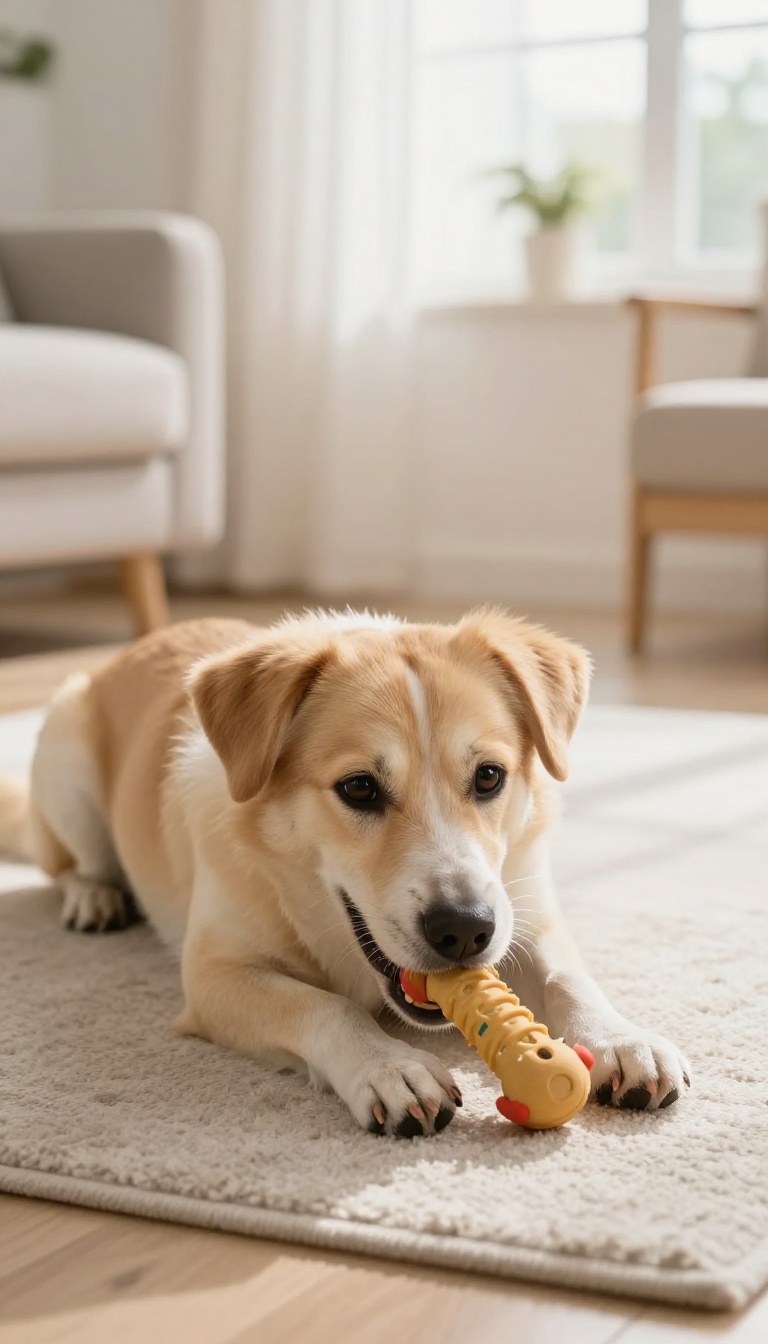
Some dogs are born chewers—they find comfort and joy in sinking their teeth into something satisfying. For these pups, offering a chew toy or bone as a reward taps into an instinct that’s even more powerful than food. It’s not just about the chew itself; it’s about giving them a job to do, a way to unwind, and a healthy outlet for their natural urges.
Chewing is a self-reinforcing behavior for many dogs. When you use a chew toy as a reward, you’re not just giving them a treat—you’re giving them an activity that keeps them busy and content. This works especially well for dogs who are easily overstimulated or have a lot of energy to burn.
Plus, it’s a reward that lasts longer than a treat, giving your dog a positive association with the behavior you just reinforced.
Why Chewing Works As A Reward
For dogs that love to chew, the act itself is rewarding. It releases endorphins, reduces stress, and satisfies an innate need. When you present a chew toy right after a desired behavior, you’re pairing that behavior with a deeply satisfying experience.
Over time, your dog will start to see training as a chance to get that amazing chew, not just a chore.
Choosing The Right Chew Toy
Not all chew toys are created equal. You need something safe, durable, and appealing to your dog. Look for toys that are appropriate for your dog’s size and chewing style.
For heavy chewers, consider tough rubber toys or nylon bones. For gentler chewers, softer plush toys or edible chews might work better. Always supervise your dog with new chews, and avoid anything that splinters or is too hard on teeth.
How To Use Chews In Training
The key is to use the chew as a reward, not a constant distraction. Keep it out of reach most of the time, then bring it out only after your dog performs a cue. For example, ask for a sit, then hand over the chew.
This makes the chew special and increases its value. You can also use a short chew session as a break after a training session, letting your dog unwind while still associating the reward with good behavior.
7. Go for a Short Walk or Run
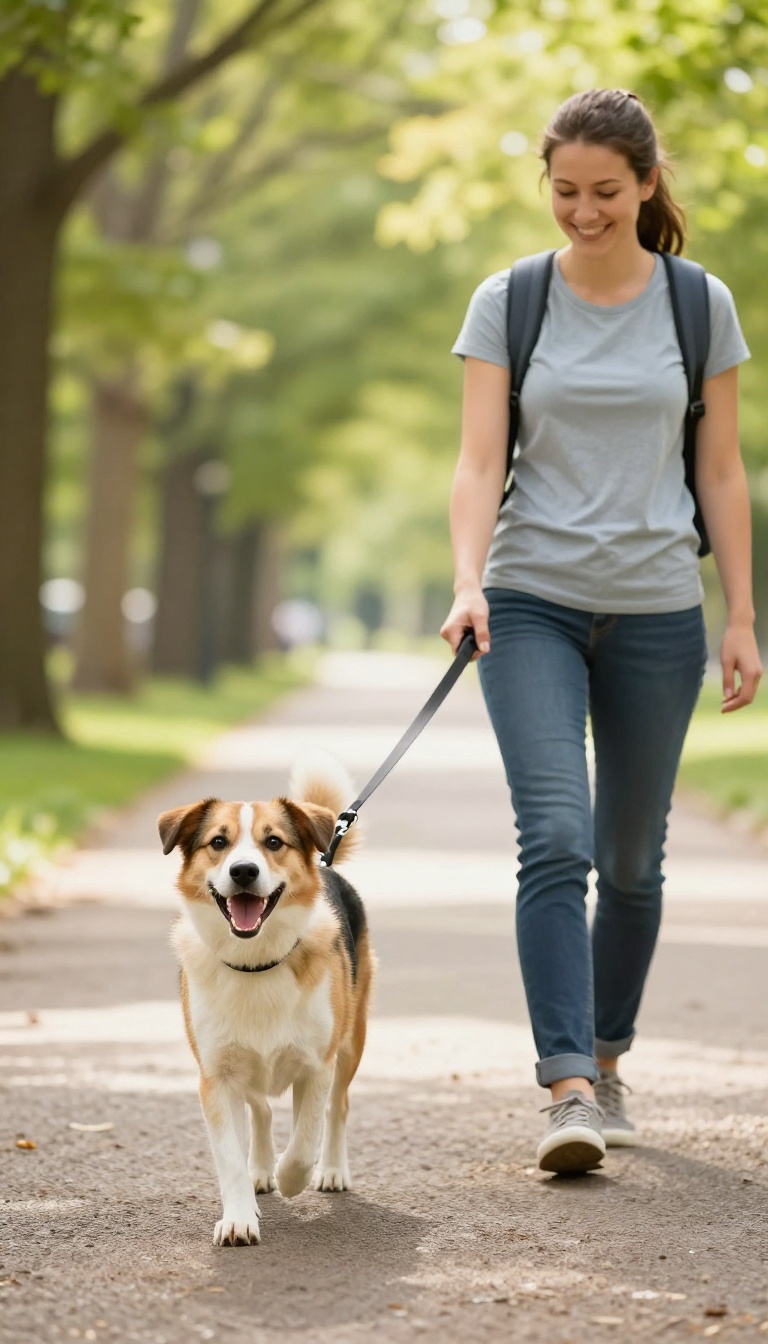
Sometimes the best reward is simply moving forward. For many dogs, especially those with endless energy, a short walk or run can be far more exciting than any treat. It’s a chance to explore, sniff, and burn off steam—all while reinforcing good leash manners and building a stronger bond with you.
Using a walk as a reward works best when you make it a special event, not just the daily routine. Keep it short and fun, and let your dog lead the way a little. This turns a simple walk into a celebration of good behavior.
Why Walks Work So Well
Walks tap into your dog’s natural instincts. They get to explore new smells, see different sights, and feel the freedom of movement. For high-energy breeds, a quick run can be the ultimate payoff.
Plus, it’s a healthy reward that benefits both of you.
Turning A Walk Into A Reward
To make a walk feel like a reward, keep it short and exciting. Use a happy tone, let your dog sniff around, and vary the route. You can also add a game of fetch or a few sprints if your dog loves to run.
The key is to keep it positive and fun.
Using Walks For Training
You can use walks as a reward for good behavior during training sessions. For example, after your dog follows a command, say “Let’s go! ” and head out the door. This teaches your dog that listening leads to great things.
Over time, you’ll see more enthusiasm for training.
8. Play Hide-and-Seek with You
Hide-and-seek isn't just for kids—it's a fantastic way to reward your dog while sharpening their recall and problem-solving skills. This game turns you into the most exciting part of their day, and it's a powerful tool for building a stronger bond. The best part?
It requires no equipment, just a bit of space and your enthusiasm.
Start by having your dog stay in one room while you sneak off to another. Then, call their name in an excited voice. When they find you, celebrate with lots of praise and play.
As they get the hang of it, you can make it trickier by hiding behind doors, under blankets, or in closets. This game not only rewards your dog with your attention but also teaches them to come when called, even when they can't see you.
Why It Works
Dogs are natural hunters, and the thrill of the chase is deeply rewarding. When you hide, you become the 'prey' they get to find, which taps into their instincts. It's also a mental workout—they have to use their nose, ears, and memory to track you down.
This kind of engagement is more tiring than a simple walk, making it a great way to burn off energy without treats.
How To Start
Begin with easy hides in the same room. Have someone hold your dog or tell them to 'stay' while you duck behind a chair. Call them enthusiastically, and when they find you, make a big deal out of it.
Gradually increase the difficulty as they improve. Always end on a high note—finish with a fun game of tug or a belly rub so they associate the game with positive feelings.
Turn It Into A Training Tool
Use hide-and-seek to reinforce the 'come' command. Instead of just hiding, call your dog from another room and reward them when they arrive. You can also hide a favorite toy or a family member, turning it into a group activity.
This game is especially useful for building a reliable recall in a fun, low-pressure way, which can be a lifesaver in real-world situations.
9. Offer a Splash in a Kiddie Pool or Sprinkler
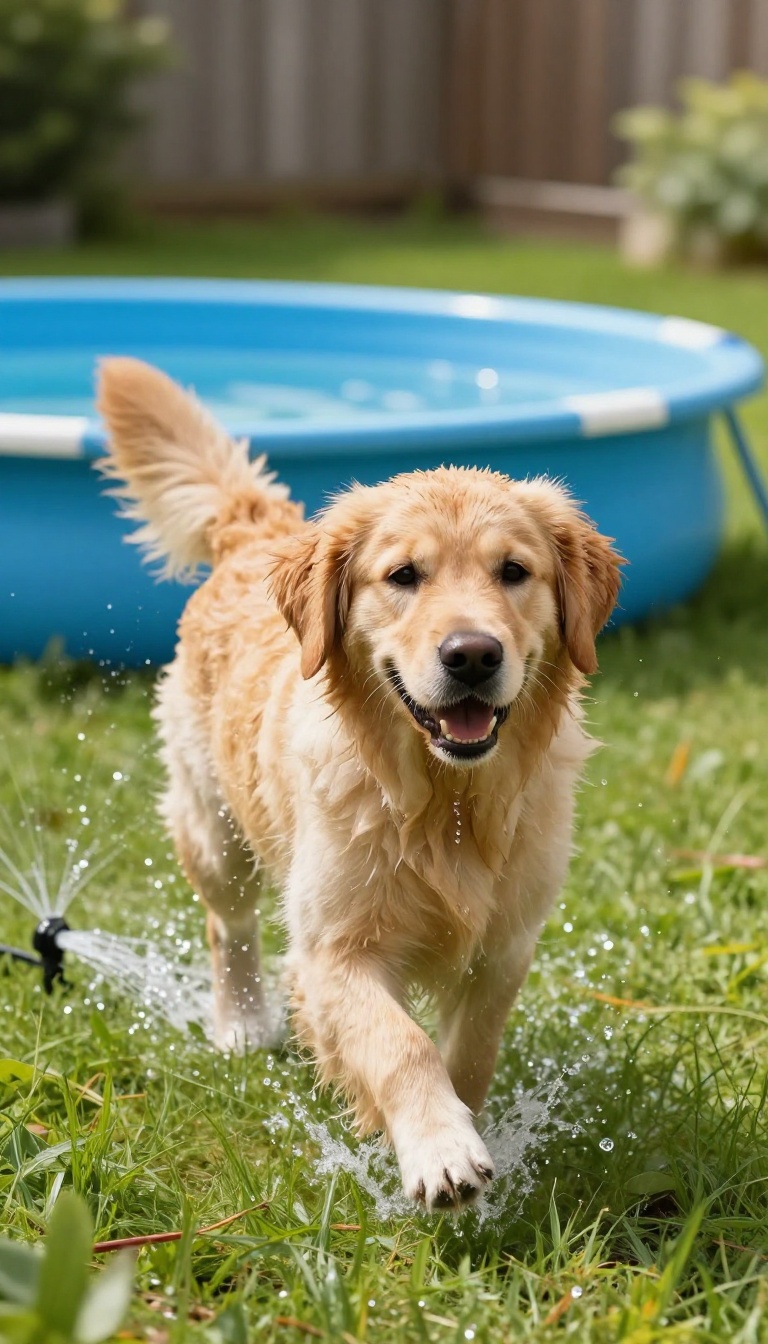
When the temperature climbs, a splash of cool water can be the ultimate prize for a water-loving pup. Setting up a kiddie pool or turning on the sprinkler turns your backyard into a canine water park. It's a refreshing, high-value reward that also helps your dog burn off energy and stay cool.
For dogs that naturally gravitate to water, this reward is pure joy. The key is to use it as a special treat, not an everyday free-for-all. Keep the session short and fun, and always supervise to ensure safety.
Set Up A Splash Zone
Choose a shallow kiddie pool or a sprinkler with a gentle spray. Fill the pool with a few inches of cool water and place it on a flat, grassy area. If using a sprinkler, set it to a low, misty setting to avoid overwhelming your dog.
Let your dog approach at their own pace—never force them in.
Use It As A Reward
Call your dog to you, ask for a sit or a down, then say 'Go splash! ' and let them run to the water. This creates a clear connection between the behavior and the reward. Keep the splash session short—a few minutes is plenty—and then move on to another activity.
Safety And Timing
Always supervise water play, especially with puppies or dogs new to swimming. Avoid using pools with slippery surfaces, and never leave your dog unattended. On hot days, watch for signs of overheating, and provide fresh drinking water nearby.
End the session before your dog gets too tired or cold.
10. Give a Special Privilege Like Sitting on the Couch
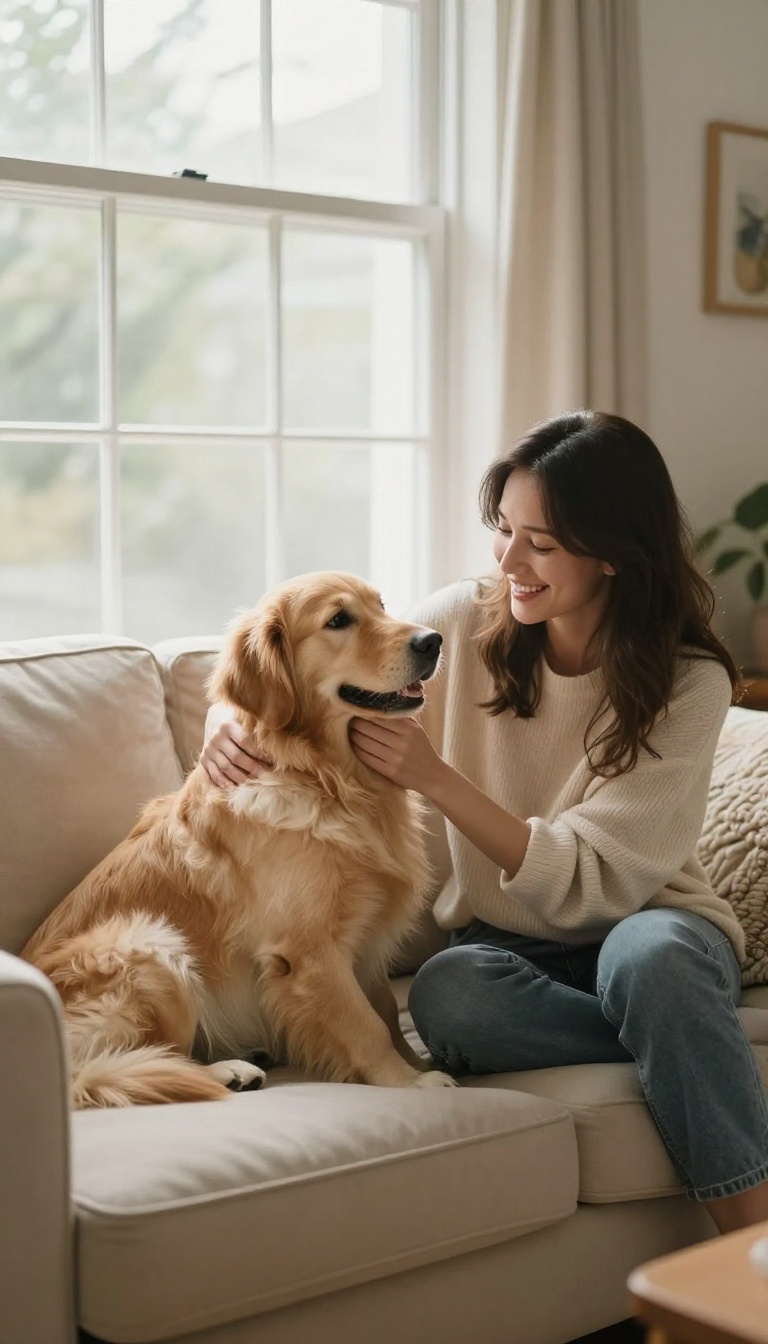
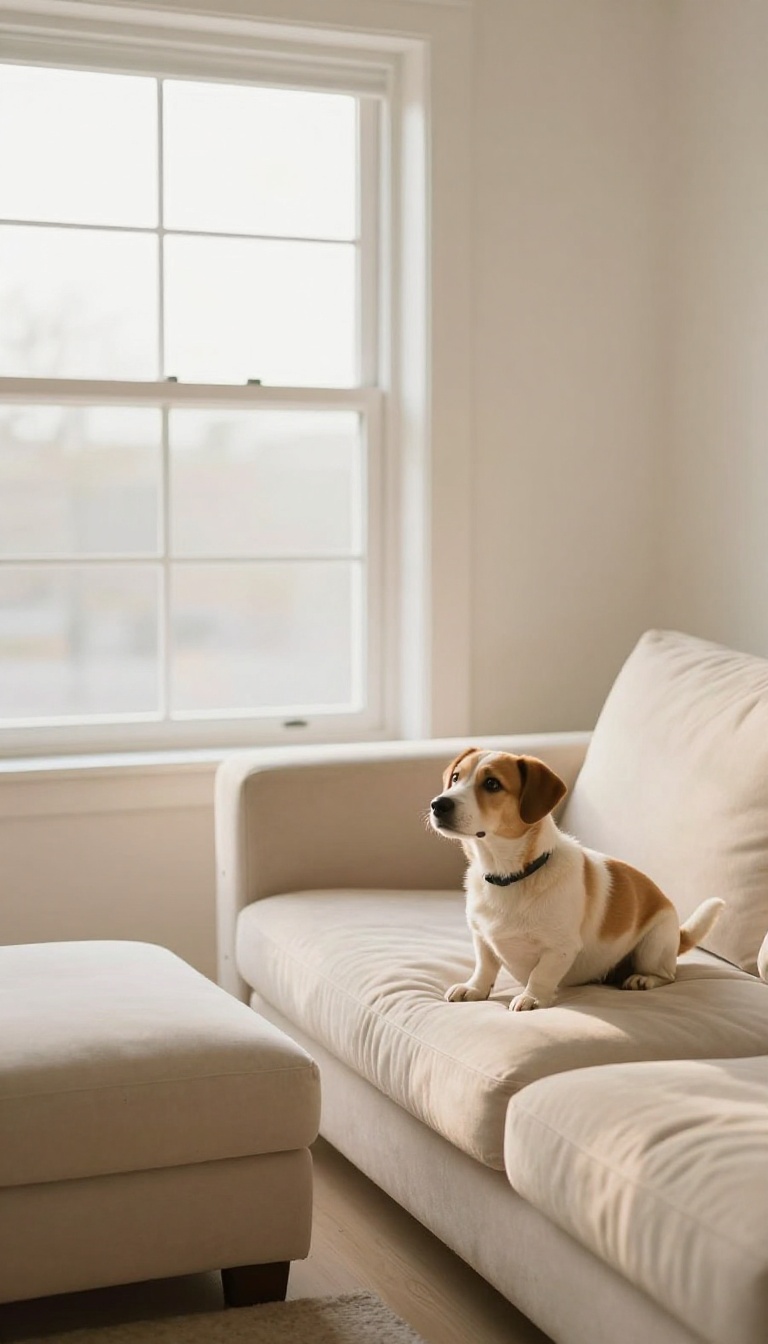
For many dogs, the ultimate prize isn't a snack—it's a spot on the couch. If your pup is usually banned from the furniture, letting them up for a few minutes can feel like winning the jackpot. This simple act rewards good behavior with trust and closeness, which can be more meaningful than any treat.
The couch is more than just a piece of furniture; it's a symbol of family time and comfort. When you invite your dog up, you're saying, "You're part of the pack. " That sense of belonging is a powerful motivator.
Plus, it's a zero-cost reward that requires no prep and no cleanup—just a little space on your lap or beside you.
Why It Works
Dogs are social animals that crave proximity to their humans. Allowing them on the couch gives them a front-row seat to your world, which many dogs find deeply satisfying. It also taps into their natural desire for a soft, warm resting spot—especially if their usual bed is on the floor.
For dogs that are normally kept off furniture, the novelty makes it even more special.
How To Use It As A Reward
The key is to make the privilege conditional. Ask for a specific behavior—like a sit, down, or a calm settle—then invite them up with a cheerful "okay! " Keep the session short, maybe 2–3 minutes, then ask them to hop down.
This prevents the couch from becoming a free-for-all and keeps the reward special. Over time, your dog will learn that good behavior earns them that coveted spot.
When To Skip This Reward
If your dog has resource guarding issues, is overly excited on furniture, or you simply prefer to keep the couch off-limits, this reward isn't for you. Also, be mindful of dogs with joint problems—jumping on and off can be tough on them. In those cases, consider a plush dog bed placed next to you as a similar, safer alternative.
11. Use a Puzzle Toy or Interactive Game
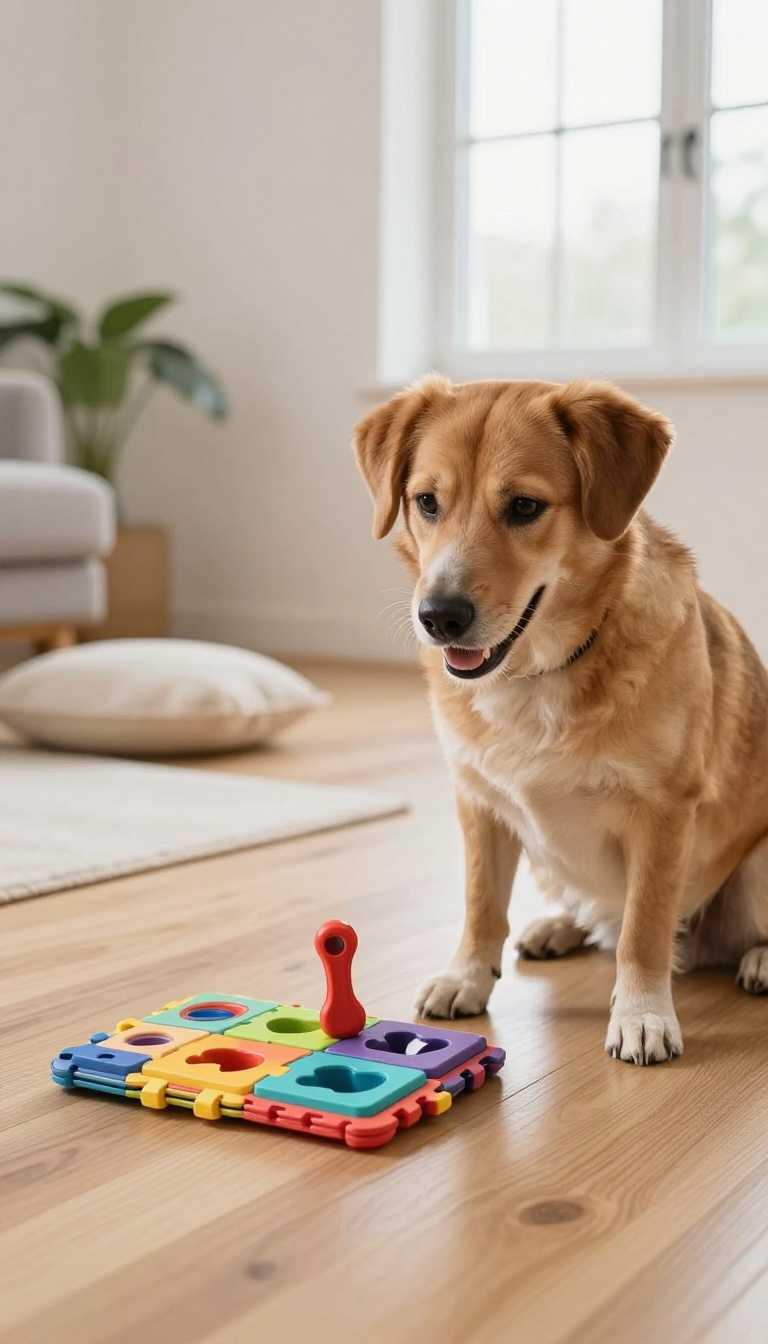
When your dog is a whiz at basic commands, sometimes the best reward is a chance to think. Puzzle toys and interactive games tap into that natural problem-solving drive, turning a training session into a mental workout. Instead of a treat, the payoff is the satisfaction of cracking the puzzle or winning the game.
Puzzle toys come in all shapes and difficulty levels, from simple treat-dispensing balls to complex sliding-tile puzzles. The key is to use them as a reward after a correct behavior, not as a free-for-all activity. You can also invent games like 'find the toy' or 'which hand has the ball? ' to keep things fresh and engaging.
Choosing The Right Puzzle
Start with a puzzle that matches your dog's skill level. For beginners, a simple treat-dispensing ball or a snuffle mat works well. As they get the hang of it, move to more challenging puzzles that require multiple steps.
The goal is to keep them challenged but not frustrated.
Turning Games Into Rewards
Use interactive games like 'find the toy' or 'hide and seek' as a reward. After your dog performs a command, say 'find it! ' and toss a toy or hide it for them to discover. This turns the reward into an active, engaging experience that strengthens your bond.
Mental Stimulation Benefits
Puzzle toys and games provide mental stimulation that can tire your dog out just as much as physical exercise. This is especially useful for high-energy breeds or on rainy days when outdoor walks are limited. A mentally tired dog is a happy, well-behaved dog.
FAQ
Are non-food rewards as effective as treats?
Yes, for many dogs. The key is to find what your dog finds most rewarding. Some dogs are more motivated by play or praise than food, so non-food rewards can be even more effective.
How do I know which reward my dog likes best?
Observe your dog's reactions. Try different rewards and see which ones elicit the most excitement and engagement. You can also do a simple preference test by offering two rewards and seeing which one your dog chooses.
Can I use a combination of food and non-food rewards?
Absolutely. Mixing rewards keeps training interesting and prevents your dog from becoming too dependent on treats. You can use food for new or difficult behaviors and non-food rewards for practiced ones.
What if my dog isn't interested in toys or play?
Some dogs are less toy-motivated, but most enjoy some form of play or affection. Try different types of toys, games, or physical affection to find what your dog loves. You can also use environmental rewards like sniffing or a walk.
How often should I use non-food rewards?
Use them as often as you would treats. The key is to reward desired behaviors consistently, whether it's with food, play, or praise. Over time, you can gradually phase out rewards and rely more on praise and life rewards.
Conclusion
Swapping treats for real-life rewards doesn't have to be complicated. Start with one or two ideas that feel natural for you and your dog, then build from there. You'll likely find that the bond you're strengthening matters far more than any snack ever could.
Keep sessions short, stay consistent, and let your dog's favorite activities do the heavy lifting. Before long, you'll have a happy, motivated pup who responds just as eagerly to a game or a scratch behind the ears as they ever did to a biscuit.

I’m Pallab Kishore, the owner of Little Pets Realm — an animal lover and pet care enthusiast sharing easy tips, healthy recipes, and honest advice to help every small pet live a happy, healthy, tail-wagging life.