
Last updated on August 19th, 2026 at 04:14 pm
Puppies are adorable balls of energy, but that enthusiasm can lead to jumping, grabbing, and bolting out the door. The good news? You can channel that energy into games that teach self-control.
These aren't boring drills—they're fun, interactive activities that build a calmer, better-mannered dog. Each game below targets a specific impulse, like waiting for food or resisting a tempting toy. They're simple enough for any puppy and fit naturally into your daily routine.
No special equipment needed, just treats, toys, and a few minutes of focused play. Ready to turn chaos into calm? Let's dive into 13 games that will make your puppy think twice before acting on every whim.
1. The Magic Wait: Mastering the 'Stay' at Doorways
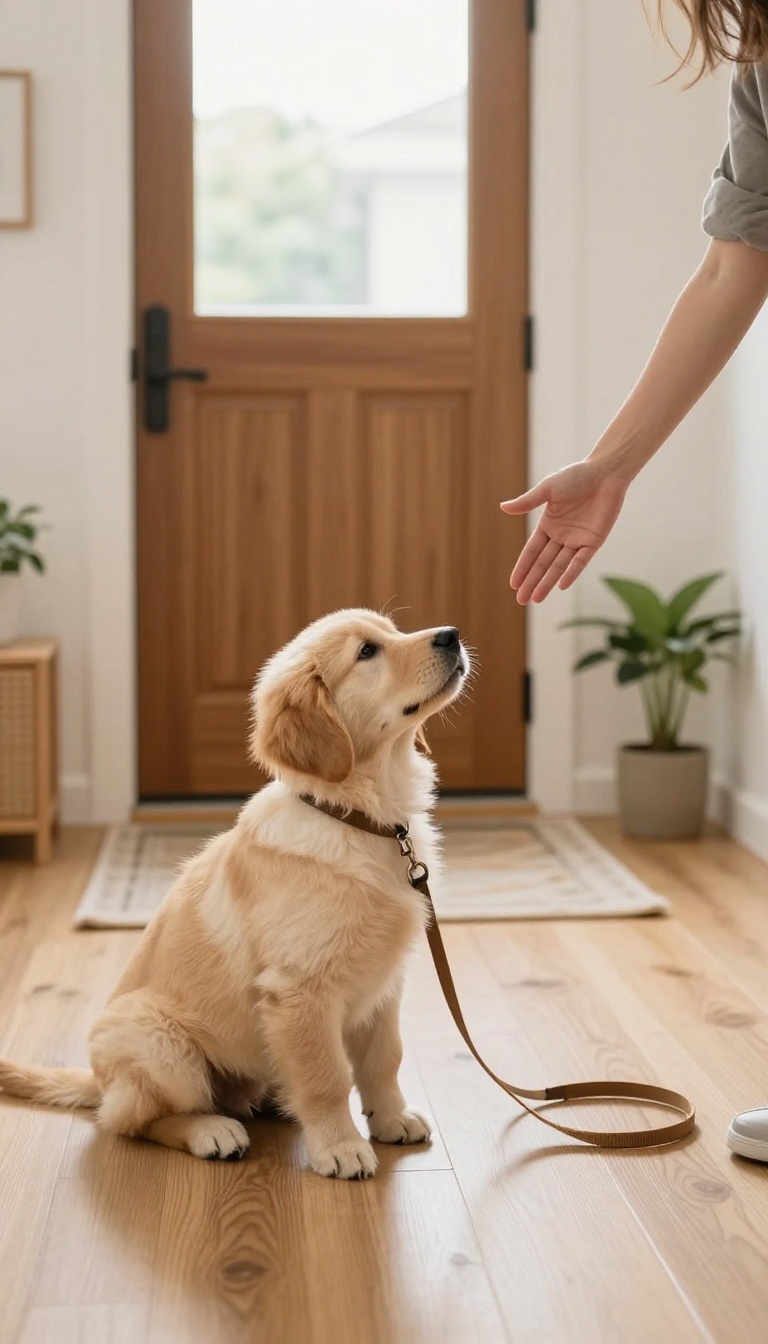
Every time the front door opens, it's like a starting gun for your puppy. They lunge, bolt, and ignore everything you say. This game flips that script by teaching your pup that the door only opens when they're calm and waiting.
It's a simple but powerful way to build impulse control where it matters most.
Start with the door closed. Stand near it with your puppy on a leash or just within arm's reach. Say 'wait' in a calm, upbeat voice, then reward any moment of stillness.
The moment they move, gently reset them and try again. You're not asking for a long stay yet—just a beat of self-control. Once your puppy gets the hang of the closed-door version, it's time to add the real challenge: the open door.
Start Small With The Closed Door
Begin with the door completely shut. Have your puppy sit or stand beside you. Give your cue, like 'wait' or 'stay', and reward them for not moving.
If they break, simply reposition them and try again. Keep sessions short—two or three minutes is plenty. The goal is to build a habit of checking in with you before moving forward.
Add The Open-door Challenge
Once your puppy can hold a wait with the door closed, crack it open just a few inches. If they try to push through, close it and reset. Reward them for staying put while the door is ajar.
Gradually open it wider and wider, always rewarding calm behavior. Remember, you're teaching them that the door opening is a cue to wait, not to go.
Practice With Real Exits
Now it's time to make it real. When you actually need to leave, ask for the wait at the door, open it, and step outside. If your puppy tries to follow, close the door and start again.
With patience, they'll learn to wait even when you're on the other side. This game takes practice, but it's a lifesaver for safety and good manners.
2. Treat Toss: Building Patience with the 'Leave It' Game
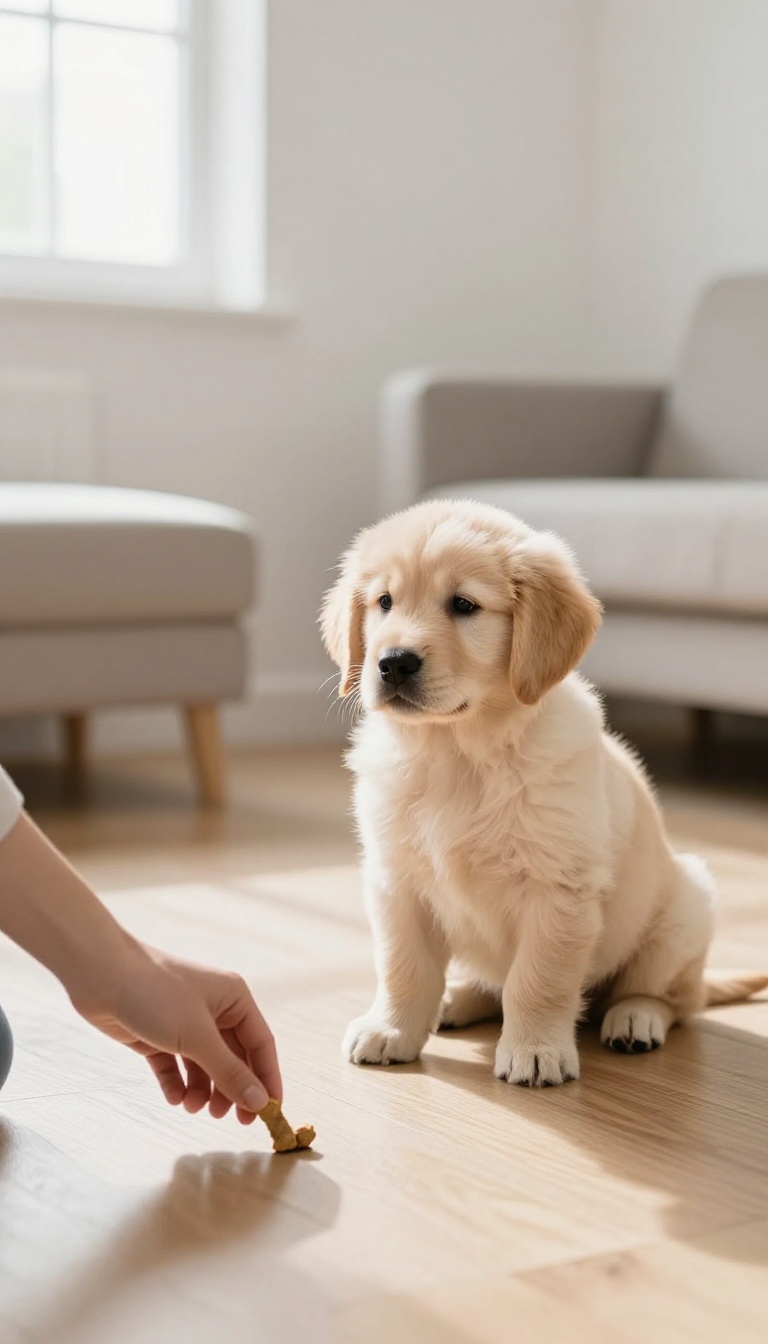
This game turns a simple treat toss into a powerful lesson in self-control. It's perfect for puppies who lunge at anything that moves or drops. The goal is to teach your pup that looking at you earns the reward, not chasing the treat.
Start by having your puppy on a loose leash or in a sit. Toss a treat a few feet away, but be ready to cover it with your foot if they lunge. The instant they look back at you, mark and reward with a different treat from your hand.
Repeat, gradually increasing the distance and temptation.
Why It Works
This game directly addresses the impulse to chase. By rewarding eye contact, you're reinforcing a calmer choice. Over time, your puppy learns that ignoring distractions leads to better rewards.
It's a foundational skill for real-world situations like dropped food or passing squirrels.
Step-by-step Setup
Begin in a quiet space with minimal distractions. Use high-value treats for the toss and even higher-value ones for the reward. Keep sessions short—just a few minutes.
As your puppy improves, you can play this game in more distracting environments, like a park.
Common Mistakes To Avoid
Don't let your puppy eat the tossed treat during training. If they manage to grab it, calmly take it away and reset. Also, avoid moving too fast; if they're struggling, go back to shorter distances.
Consistency is key, so practice daily.
3. The Name Game: Teaching Your Puppy to Check In
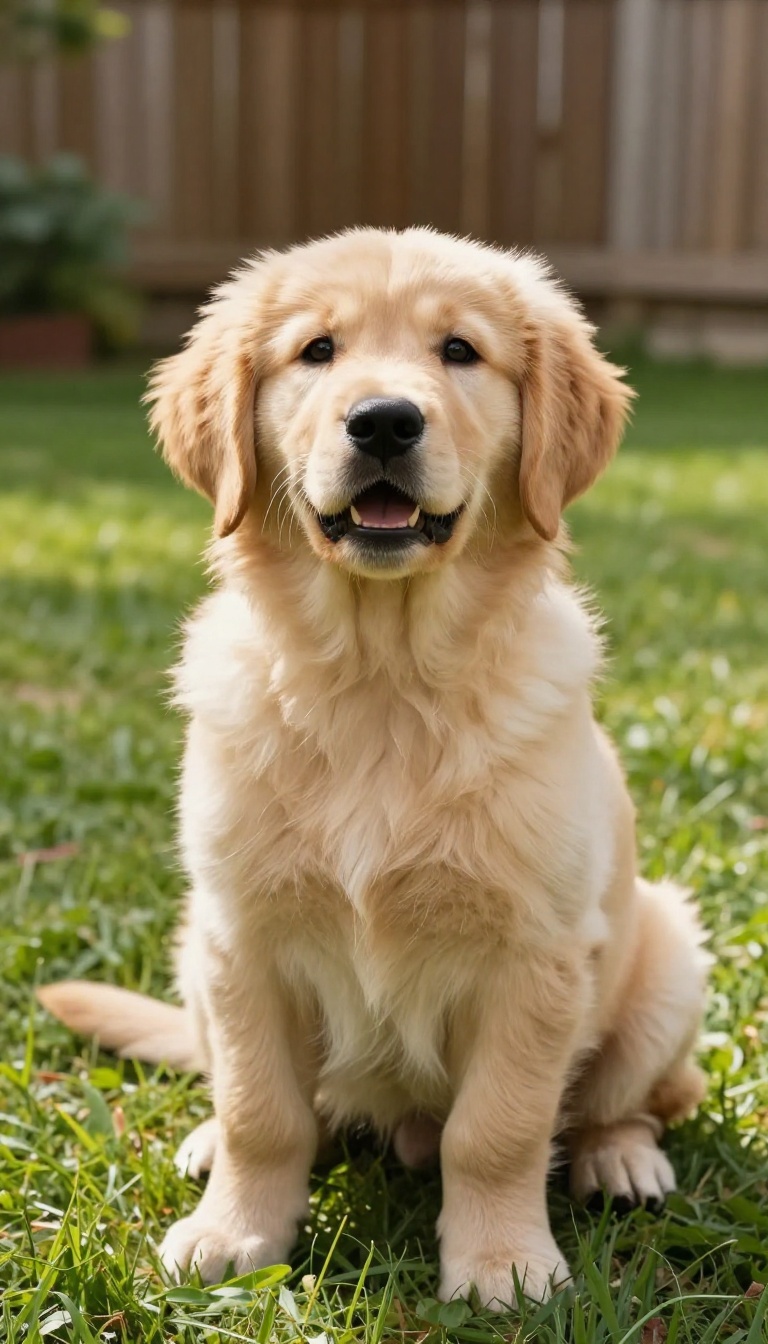
Your puppy's name should be the most exciting word in their vocabulary—not just something they hear before a scolding. The Name Game turns a simple call into a fun, rewarding moment that builds a strong recall response and encourages your pup to look to you for guidance. It's a foundational impulse-control exercise that pays off in every situation, from the dog park to your own backyard.
The Name Game is all about teaching your puppy that hearing their name means something wonderful is about to happen. When they turn to you after you say their name, you mark that moment with a happy "yes! " and deliver a tasty treat.
Over time, your puppy learns that checking in with you is always worth their while, which naturally reduces impulsive behaviors like bolting, ignoring you, or chasing after distractions.
Why It Works
Puppies are naturally curious and easily distracted, but they also love food and play. By pairing their name with a high-value reward, you're creating a positive association that makes them want to pay attention to you. This game also builds a habit of checking in, which is the foundation for reliable recall and better focus in distracting environments.
How To Play
Start in a quiet room with no distractions. Say your puppy's name in a happy, upbeat tone. The moment they look at you, mark with a clicker or the word "yes!
" and give them a small, tasty treat. Repeat this several times, then gradually increase the distance and add mild distractions. Keep sessions short—just a few minutes at a time—and always end on a positive note.
Common Mistakes To Avoid
One common mistake is using your puppy's name when you're frustrated or about to correct them. That teaches them to associate their name with something negative. Another mistake is repeating their name over and over without rewarding the first response.
If your puppy doesn't look up, try making a kissy noise or gently tapping the floor to get their attention, then reward the eye contact.
4. The 'Sit for What You Want' Rule
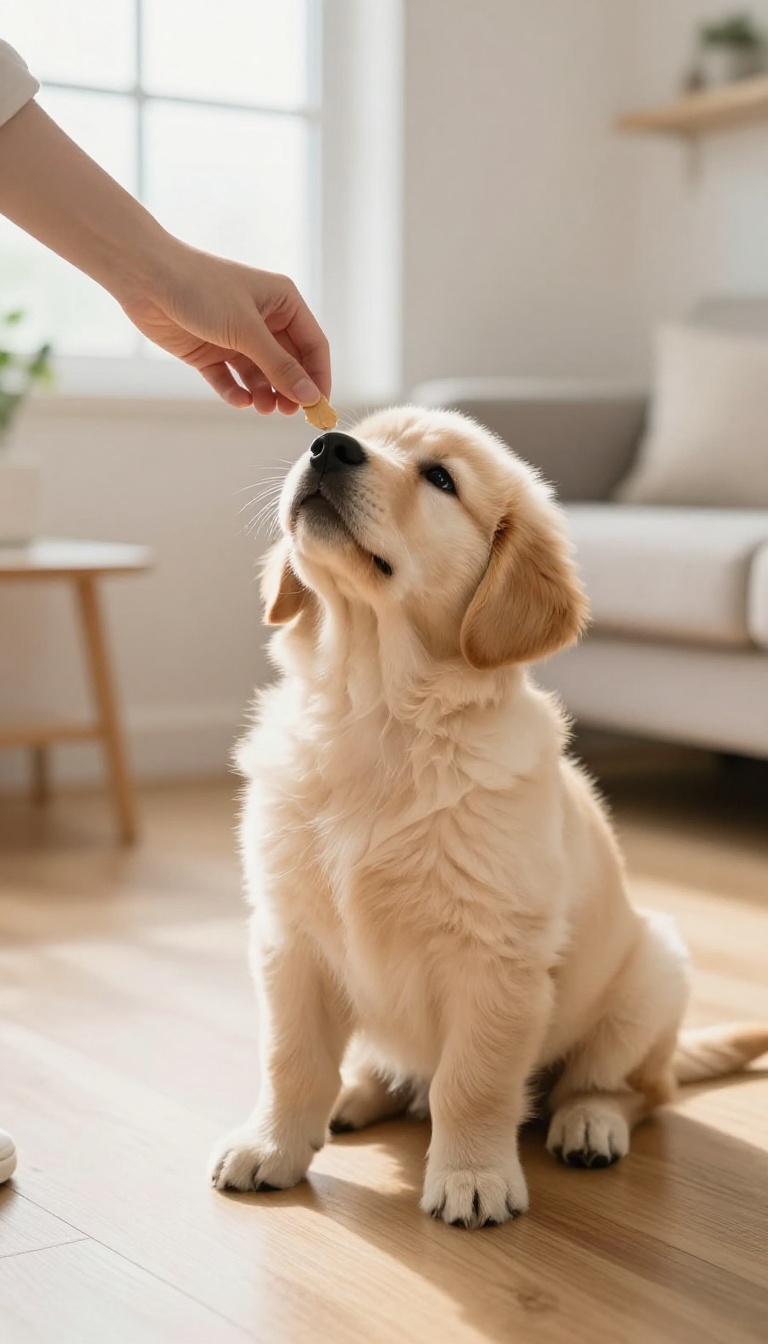
This one is a game-changer because it turns every everyday moment into a training opportunity. Instead of just practicing sits in a quiet room, you're asking your puppy to use that skill in real life—when they want dinner, when they want to play, or when they just want some love. It's simple, but it works wonders for impulse control.
The 'Sit for What You Want' rule is exactly what it sounds like: your puppy must sit before they get anything they desire. This includes meals, treats, toys, going outside, or even petting. By consistently requiring a sit before rewarding, you're teaching your puppy that patience pays off.
It's a small change that makes a big difference in their overall manners.
Start With High-value Rewards
Begin with something your puppy absolutely loves, like a small piece of chicken or a favorite toy. Hold it just above their nose, say 'sit' once, and wait. The moment their bottom hits the floor, say 'yes! ' and give the reward.
Repeat this a few times until they're sitting quickly.
Apply It To Mealtime
Before you put down the food bowl, ask for a sit. If they jump or lunge, calmly lift the bowl out of reach and wait. Once they sit, say 'okay' and place the bowl down.
This teaches them that calm behavior gets them what they want, not frantic excitement.
Use It For Attention And Play
When your puppy comes up to you for pets, ask for a sit before you give affection. Same with playtime—make them sit before you toss the toy or open the door to the yard. This reinforces the habit in a variety of situations, so it becomes second nature.
5. The 'Go to Your Mat' Calmness Exercise
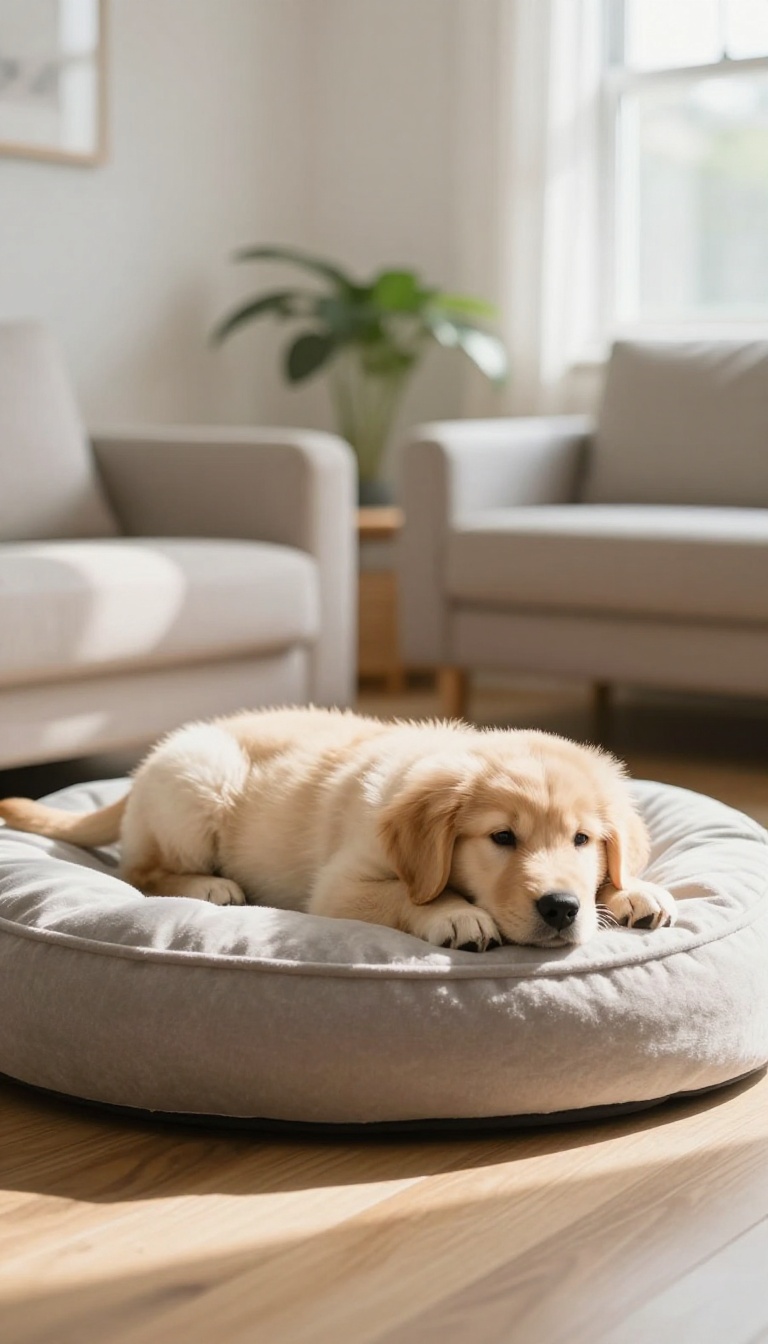
Teaching your puppy to settle on a mat is like giving them their own personal chill zone. It's a simple concept: the mat means calm, and calm gets rewarded. Over time, your puppy learns to go there on their own when they need a break or when things get too exciting.
This exercise is a cornerstone of impulse control because it gives your puppy a default behavior when they're unsure or overstimulated. Instead of jumping or barking, they can choose to go to their mat. It's a skill that pays off in countless situations, from visitors coming over to you eating dinner.
Start With A Simple Lure
Begin by placing a mat or bed on the floor. With a treat in your hand, let your puppy sniff it, then slowly move your hand toward the mat. As soon as their paws touch the mat, say 'yes' and give the treat.
Repeat this a few times, then start using a verbal cue like 'go to your mat' just before you lure. Soon, your puppy will associate the mat with good things.
Add Duration And Distractions
Once your puppy is comfortable going to the mat, start asking them to stay there for a few seconds before rewarding. Gradually increase the time, and then begin adding distractions like tossing a toy nearby or having someone walk past. If your puppy gets up, simply guide them back and try again.
The key is to reward calm, settled behavior, not just being on the mat.
Make It A Game
Turn this into a fun challenge by randomly asking your puppy to 'go to your mat' during playtime. Sometimes reward with a treat, sometimes with a toy, and sometimes just with praise. This unpredictability keeps your puppy engaged and reinforces that going to the mat is always a good choice, no matter the situation.
6. The 'Wait for the Green Light' Food Bowl Game
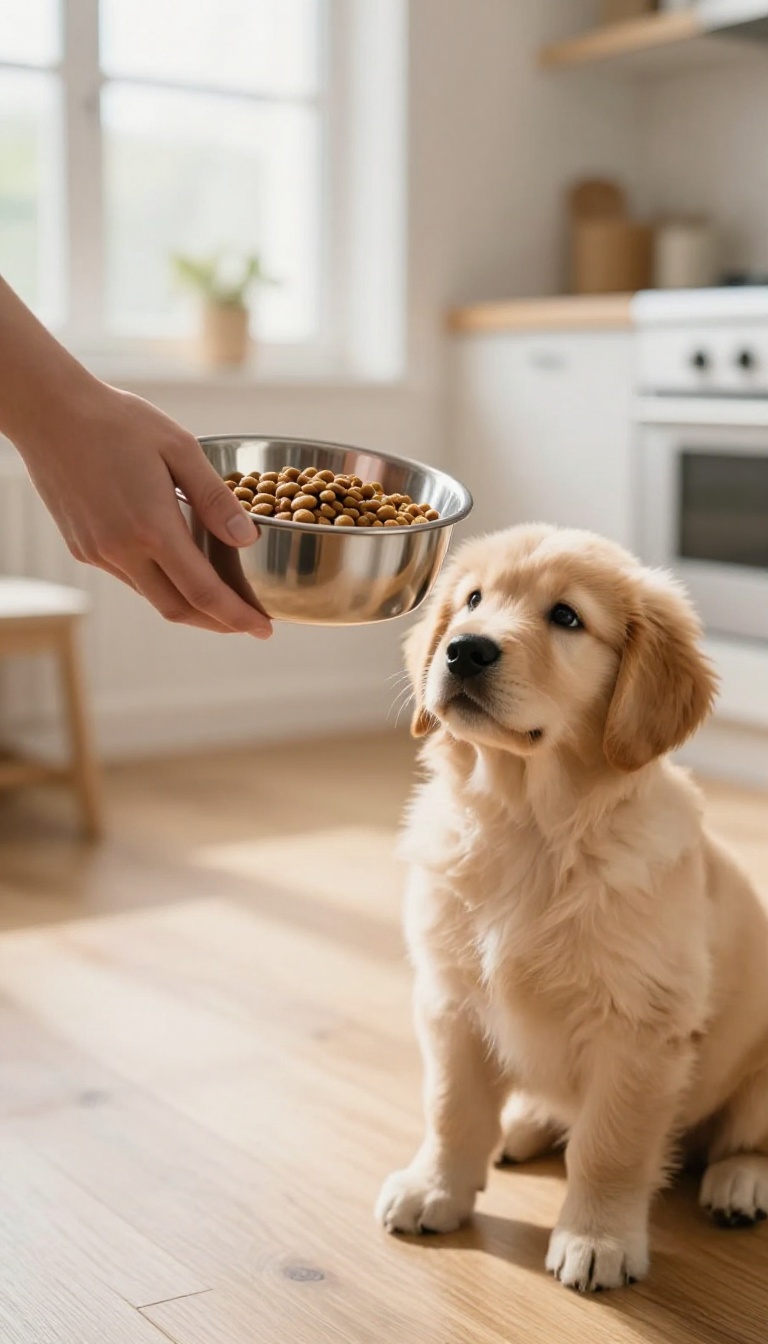
Mealtime is prime time for impulse control. This game uses your puppy's daily kibble to teach patience and good manners around food. It's a simple, low-stress exercise that pays off in a big way—no more bowl-diving or snatching.
Start with your puppy on a sit. Hold the bowl at chest level, say 'wait, ' then slowly lower it. The moment your puppy breaks the sit or lunges, lift the bowl back up.
Repeat until they hold the sit as the bowl touches the floor. Then release with a cheerful 'okay! ' and let them eat.
Why This Works
Dogs naturally want to grab food quickly. By making the bowl appear only when they're calm, you're teaching them that patience gets rewarded. This builds a default 'sit and wait' behavior that carries over to other exciting situations.
Step-by-step Setup
Use their regular meal, not extra treats. Have them sit before you even pick up the bowl. Lower it slowly, and if they move, reset.
Keep sessions short—five to ten repetitions is plenty. Always end on a success.
Troubleshooting Common Mistakes
If your puppy keeps breaking the sit, you're moving too fast. Go back to a higher position and lower just an inch. Also, avoid saying 'no'—just silently lift the bowl.
Your calm energy teaches them that patience is the only way to get the bowl.
7. The 'Tug with Rules' Impulse Control Game
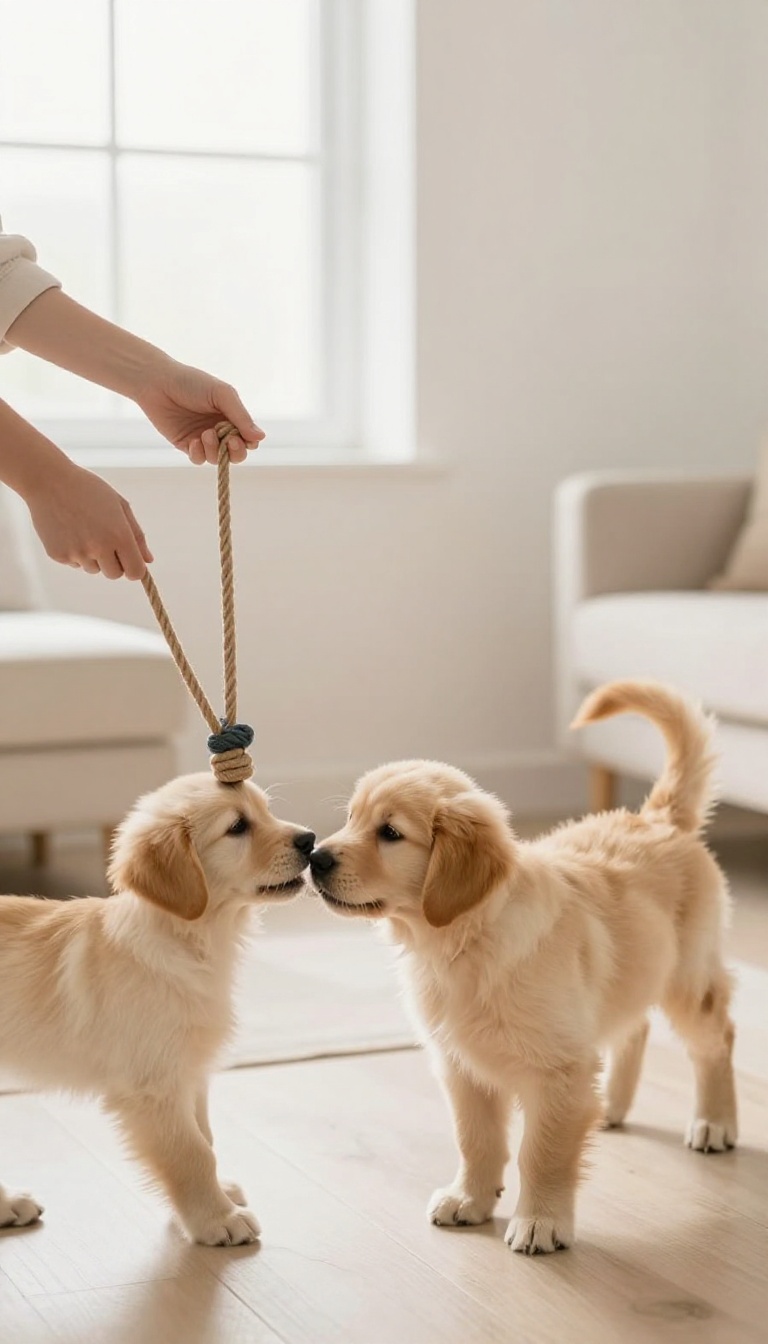
Tug-of-war often gets a bad rap, but when played with structure, it's one of the best impulse control exercises out there. The key is turning a wild game into a calm, rule-based activity that rewards patience. Your puppy learns that the fun only continues when they follow your cues and keep their excitement in check.
Start by teaching a solid 'take it' and 'drop it' cue. Hold the toy still and say 'take it' before letting your puppy grab it. After a few seconds of tug, pause and say 'drop it. ' The moment they release, praise and resume play.
If your puppy gets too mouthy or jumps, stop the game entirely and wait for them to settle before continuing.
Why This Works
Tug naturally triggers a dog's prey drive, making it a high-arousal activity. By adding rules, you're teaching your puppy to control their excitement even when instincts say otherwise. This translates to better behavior in real-world situations like greeting guests or walking past other dogs.
Setting Up The Game
Use a designated tug toy—something soft but durable. Keep sessions short, around 2-3 minutes, to avoid overstimulation. Always start with a calm puppy; if they're already wound up, do a quick settle exercise first.
Consistency is key: use the same cues every time so your puppy learns the pattern.
Troubleshooting Common Issues
If your puppy won't drop the toy, try trading it for a high-value treat. If they get too rough, end the game and walk away for a minute. Remember, the goal is not to win the game but to teach self-control.
Over time, your puppy will learn that calm behavior leads to more play.
8. The 'Hide and Seek' Recall Game
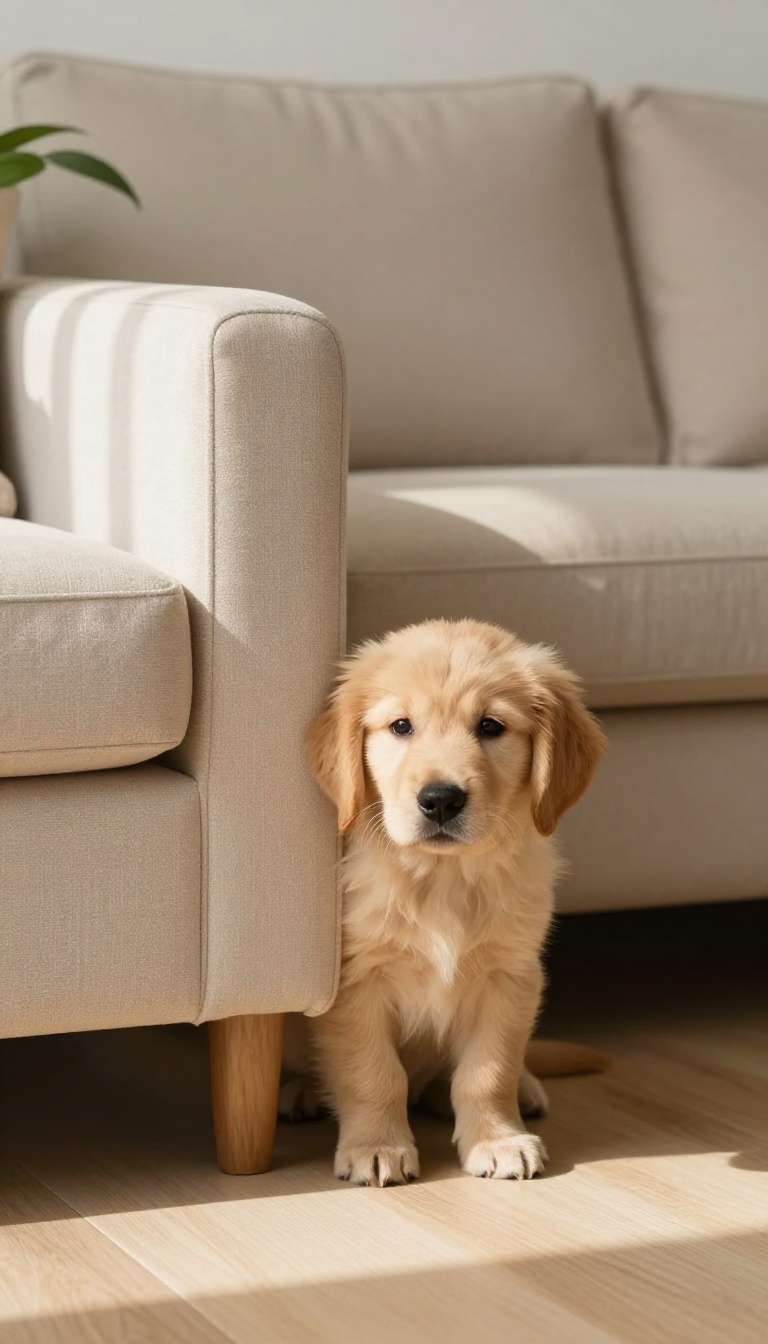
Coming when called is one of the most important skills your puppy can learn, but it's also one that often gets boring fast. If your pup only hears their name when it's time to leave the park or get out of trouble, they'll quickly learn to tune you out. The 'Hide and Seek' recall game flips the script by turning recall into a fun, rewarding game of discovery.
Instead of calling your puppy from across the room, you hide and let them find you. This taps into their natural curiosity and makes the act of coming to you an exciting adventure. Plus, it reinforces the habit of checking in with you, even when they're distracted.
The 'Hide and Seek' recall game is simple to set up and can be played indoors or outdoors. Start by letting your puppy see you hide behind a door or piece of furniture. Call their name in a happy, excited tone.
When they find you, reward them with a treat and lots of praise. As they get better, you can hide in more challenging spots or call less often. This game not only strengthens recall but also builds a stronger bond between you and your puppy.
Why It Works
Puppies are naturally curious and love to explore. When you hide, you become a puzzle for them to solve. The reward of finding you and getting a treat makes the behavior of coming when called more rewarding.
This game also teaches your puppy that checking in with you is always a good thing, even when they're busy playing or exploring.
How To Start
Begin in a small, quiet area with minimal distractions. Let your puppy watch you hide behind a door or a chair. Call their name in a cheerful voice.
When they come to you, shower them with praise and give a high-value treat. Repeat this a few times, gradually increasing the difficulty by hiding in more hidden spots or calling less often.
Taking It To The Next Level
Once your puppy understands the game, you can make it more challenging. Hide in different rooms or outside in your yard. You can also have a friend or family member hold your puppy while you hide, then release them to find you.
This adds an extra layer of excitement and reinforces the recall cue even when your puppy is excited or distracted.
9. The 'Trade Up' Game for Resource Guarding
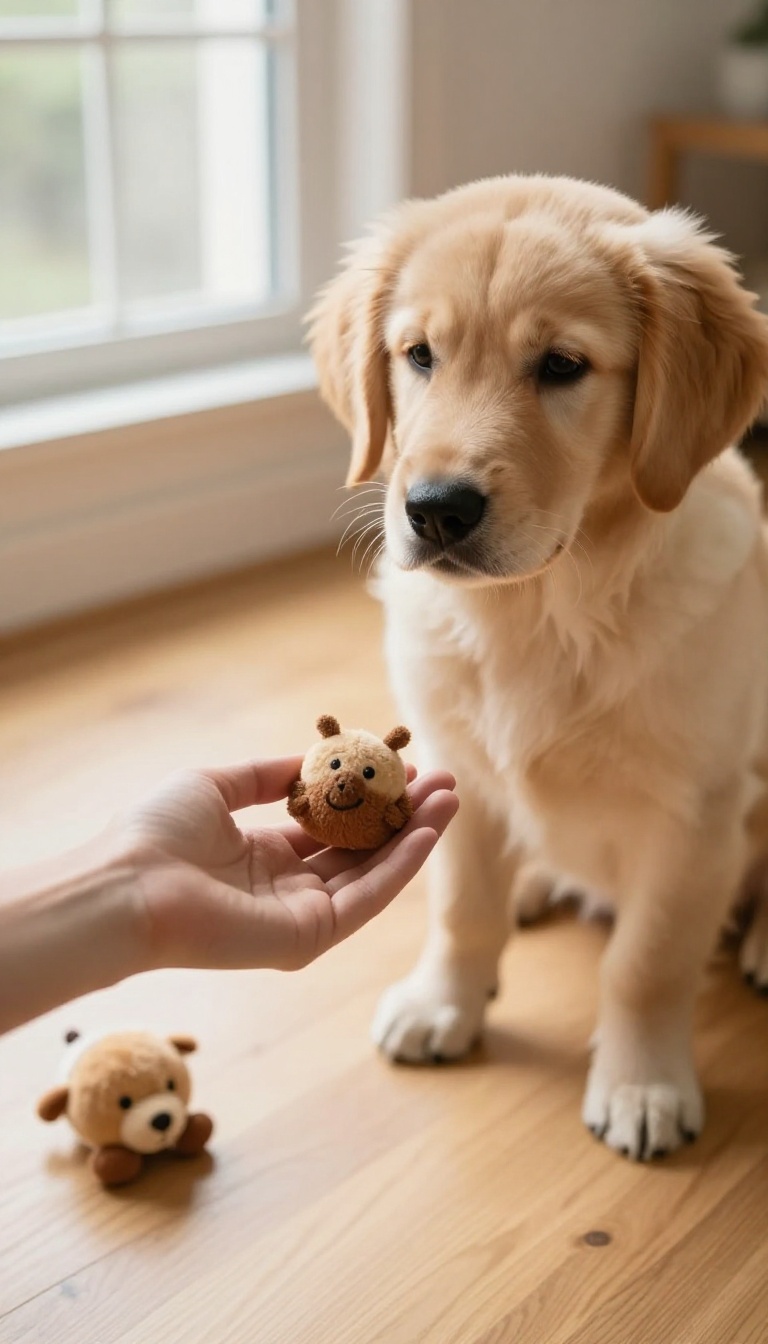
Some puppies get really attached to their toys, chews, or even food bowls. If your pup stiffens, growls, or snatches things away when you get near, that's resource guarding. It's a natural instinct, but it can become a real problem.
The 'Trade Up' game flips that instinct by teaching your puppy that giving something up actually leads to something better. It's a simple, low-pressure way to build trust and reduce possessiveness—before it becomes a habit.
The 'Trade Up' game is all about showing your puppy that your hands near their stuff are a good thing, not a threat. You're not taking things away—you're swapping them for something even more exciting. Over time, your puppy learns that releasing an item on cue earns them a reward, which makes them more willing to share.
This game is especially useful for puppies who guard food, toys, or random objects they find around the house. It's also a great foundation for teaching a reliable 'drop it' cue, which can be a lifesaver if your puppy ever picks up something dangerous. Start slow, use high-value treats, and always keep sessions short and positive.
The goal is to make your puppy think, "Hey, when I give up this thing, I get something awesome! "
Why Trading Beats Taking
When you take something away from a puppy, they learn to guard it harder. But when you trade, you're showing them that your approach means good things. This builds trust and reduces the fear that drives possessive behavior.
Think of it like this: if someone kept snatching your phone, you'd hold it tighter. But if they offered you a better phone every time you handed yours over, you'd probably hand it over willingly. Same idea for your puppy.
How To Play The Trade Up Game
Start with a toy or chew your puppy likes but isn't obsessed with. Hold a high-value treat (like chicken or cheese) near their nose and say 'trade' in a cheerful voice. When they let go of the item to take the treat, say 'yes! ' and give them the treat.
Then, let them have the item back or give them a different toy. This shows them that trading doesn't mean losing their stuff forever—it just means a quick exchange for something tasty. Repeat this a few times per session, gradually working up to higher-value items like bones or food bowls.
Troubleshooting Common Hiccups
If your puppy doesn't let go, don't pull or pry. Instead, try using a treat they absolutely love, or toss a handful of treats a few feet away so they move off the item. Then, pick up the item while they're eating and give it back after a few seconds.
If your puppy growls or stiffens, you're moving too fast. Back off, and try again with a lower-value item or a longer distance. The goal is to keep the game positive and stress-free.
If guarding is severe, consider working with a professional trainer.
10. The 'Pass the Puppy' Socialization Game
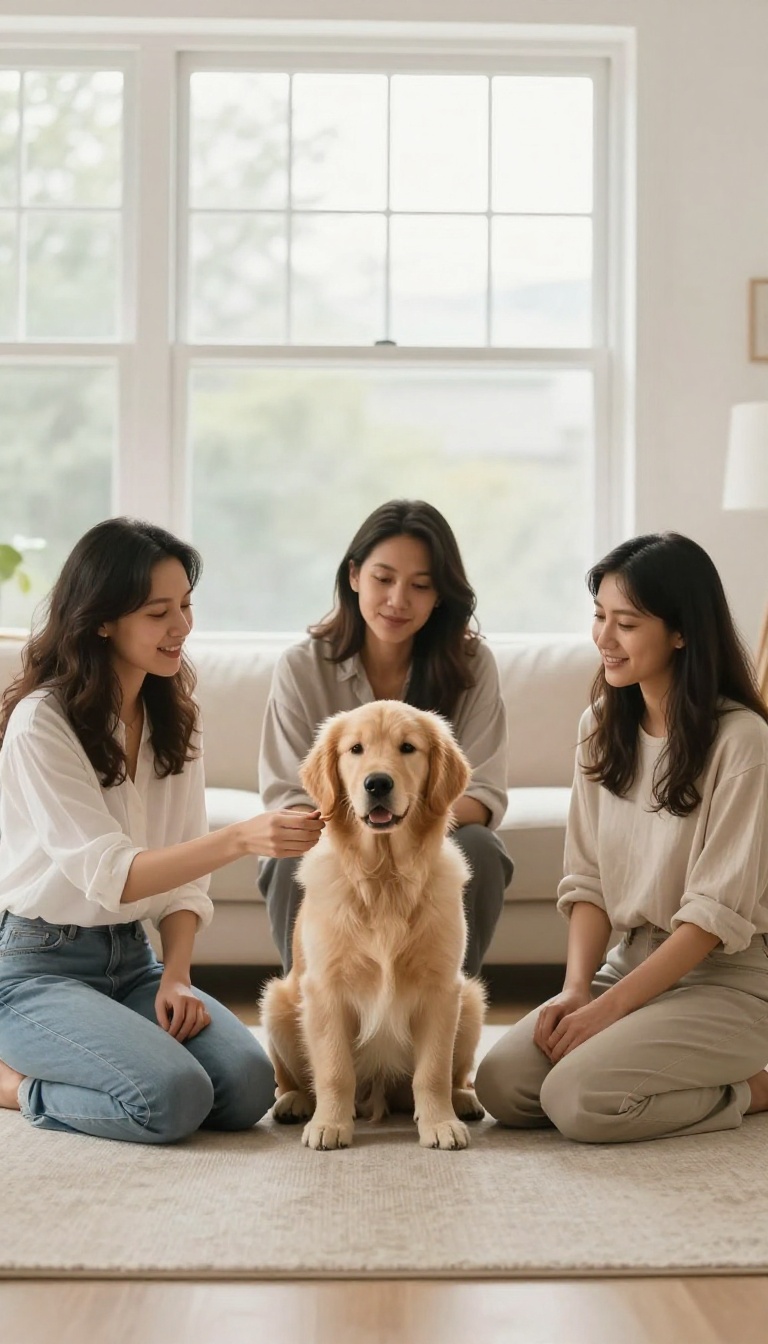
Socialization is about more than just meeting new people—it's about learning polite ways to interact. The 'Pass the Puppy' game turns greetings into a structured, rewarding experience. It's perfect for families or groups of friends who want to help a puppy build confidence without the chaos of everyone crowding at once.
This game is simple: each person takes a turn calling the puppy over, rewarding them for coming, and then gently passing them along to the next person. The key is to keep the energy calm and positive. You're teaching your puppy that approaching people calmly leads to good things, not that jumping or barking gets attention.
Why It Works
Puppies often get overexcited when multiple people are around. This game structures the interaction so the puppy learns to focus on one person at a time. It also builds social confidence because the puppy gets repeated positive experiences with different people, which reduces fear and anxiety in new situations.
How To Play
Start with two or three people sitting in a circle. Have one person call the puppy by name and reward them with a treat when they come. Then, that person gently guides the puppy to the next person, who calls them again.
Keep sessions short—just a few minutes—and always end on a positive note. Gradually increase the number of people as your puppy gets better at the game.
Adding Distractions
Once your puppy is comfortable with the basic game, add distractions like toys or other people walking by. This helps your puppy practice self-control in real-world scenarios. You can also vary the rewards—sometimes use a treat, sometimes a toy, sometimes just praise—to keep your puppy engaged and learning that good manners pay off in many ways.
11. The 'Red Light, Green Light' Walking Game
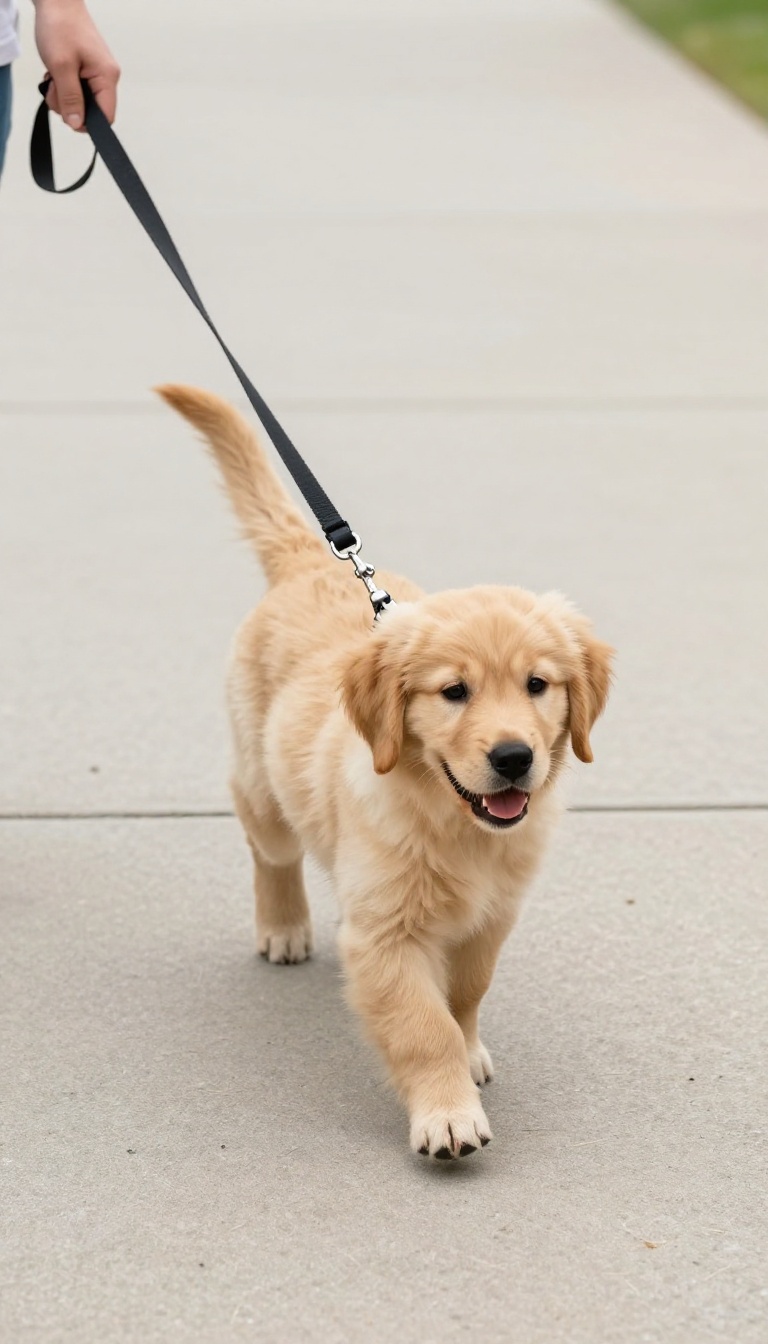
Walks can turn into a game of tug-of-war if your puppy thinks the world is a race track. The 'Red Light, Green Light' game flips that dynamic into a fun lesson in patience and focus. By turning stops and starts into a playful challenge, you'll teach your pup that paying attention to you is the best way to keep moving.
This game is perfect for puppies who pull ahead or get easily distracted on walks. It’s simple: when you say "green light, " you move forward, and when you say "red light, " you stop. The trick is to reward your puppy the moment they stop with you and check in.
Over time, they’ll learn that stopping is just as rewarding as walking, and that staying tuned to you is the key to a fun outing.
Why It Works
Puppies naturally want to explore, but this game teaches them that checking in with you is the gateway to more walking. It builds a default behavior of looking at you when you stop, which is the foundation for loose-leash walking. Plus, it turns a potentially frustrating walk into a cooperative game that strengthens your bond.
How To Play
Start in a low-distraction area like your backyard or a quiet sidewalk. Walk a few steps, then say "red light" and stop. The moment your puppy stops and looks at you, mark with a "yes" and give a treat.
Then say "green light" and continue. Gradually increase the duration of stops and the number of steps between them. Keep sessions short and upbeat, ending on a positive note.
Pro Tips For Success
Use a high-value treat that your puppy only gets during this game to keep their attention. If they pull ahead, don't yank the leash—just stop and wait for them to come back to you. Be consistent with your cues and always reward the check-in, even if it's brief.
Over time, you can add variations like changing pace or direction to keep it interesting.
12. The 'Find It' Nosework Game
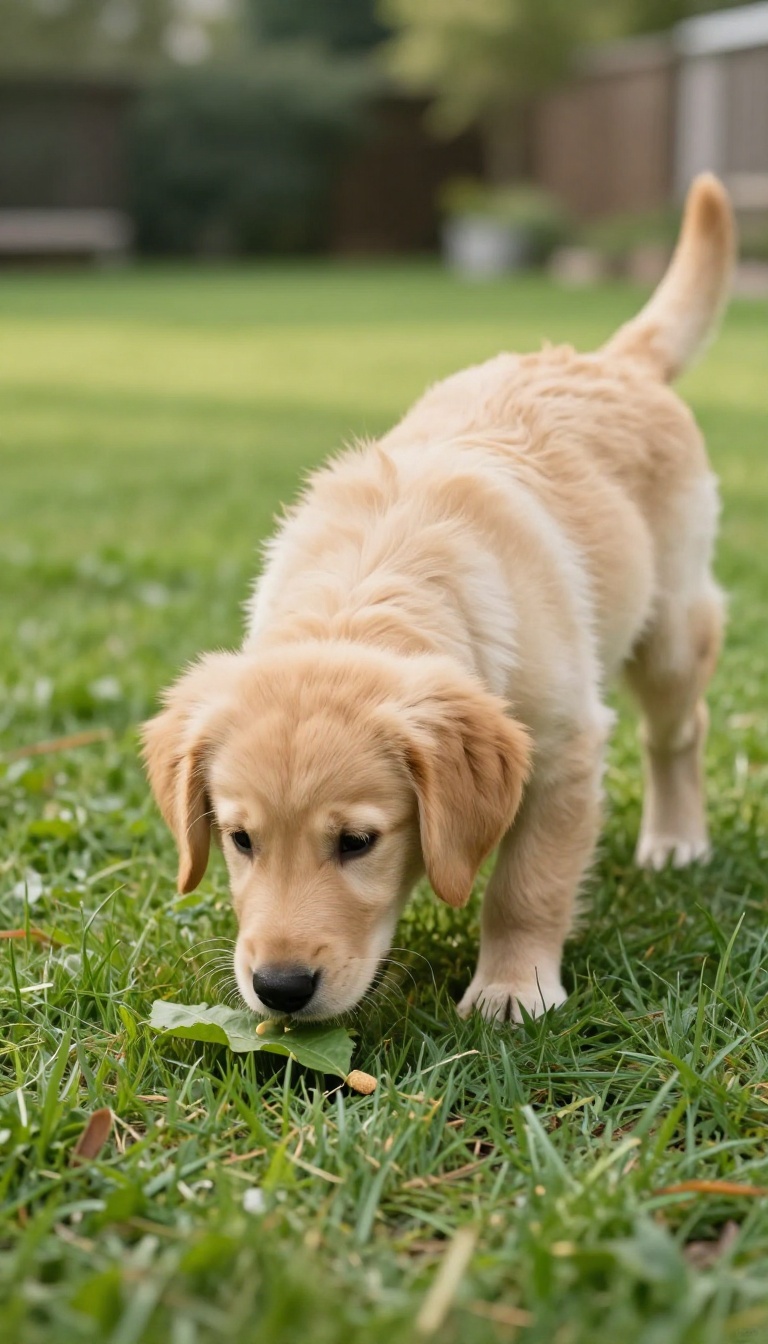
Nosework isn't just for working dogs—it's a fantastic way to tire out a puppy's brain. When your pup uses their nose to locate a treat, they're focusing on a task that requires patience and precision. This game naturally slows them down and teaches them to think before acting.
Start by showing your puppy a treat, then toss it a few feet away into a patch of grass or a safe area. Say 'find it' in an upbeat tone as they watch where it lands. Let them sniff around and discover it on their own.
The key is to let them work it out without pointing or helping too much. Each time they find it, praise them warmly. As they get better, you can hide treats in slightly harder spots—under a leaf, behind a toy, or even in another room.
This game builds their confidence and gives them a healthy outlet for their natural scavenging instincts. It's also a great way to redirect energy when they're getting overly excited.
Why Nosework Calms A Puppy
Sniffing is a calming activity for dogs—it lowers their heart rate and releases endorphins. When your puppy is focused on finding a scent, they're not thinking about jumping or grabbing. This mental workout is just as tiring as physical exercise, making it perfect for high-energy pups who need to settle down.
How To Make It More Challenging
Once your puppy gets the hang of finding treats in plain sight, start hiding them behind obstacles or in different rooms. You can also use a 'seek' command to have them wait while you hide the treat, then release them to search. This adds an extra layer of impulse control because they have to wait for your cue before they start sniffing.
Turn It Into A Daily Habit
Incorporate 'find it' into your daily routine—use it before meals, after walks, or whenever your puppy seems restless. It's a simple way to give them a job and reinforce calm behavior. Plus, it's a fun bonding activity that doesn't require much space or equipment.
13. The 'Calm Crate' Quiet Time Game
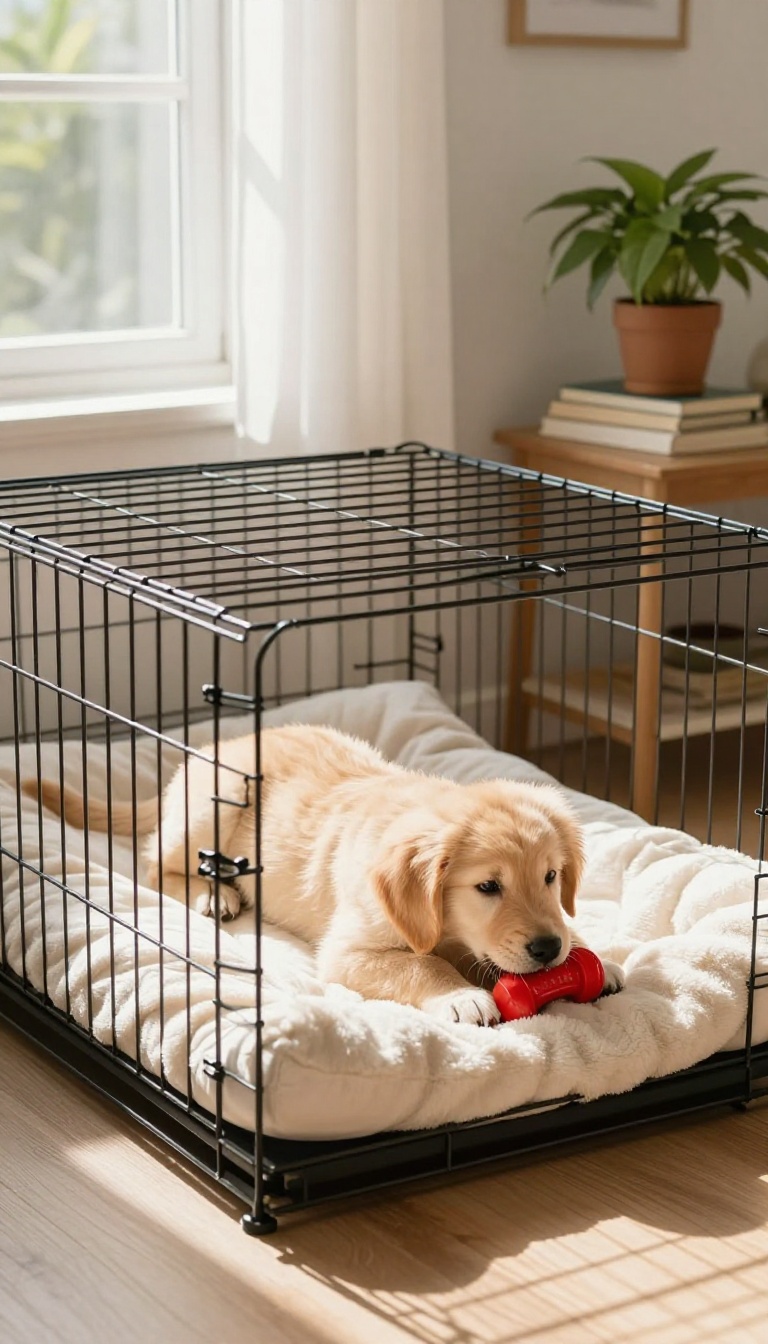
Crates get a bad rap when they're only used for time-outs or when you're leaving. But with a little creativity, the crate can become your puppy's favorite chill-out spot. This game turns the crate into a positive, rewarding place where calm behavior is the goal.
By pairing the crate with meals and special toys, you're teaching your puppy that being quiet and settled leads to good things. Over time, this builds a strong habit of relaxation that carries over into everyday life.
Why The Crate Should Be A Happy Place
The crate isn't a punishment—it's a den. Puppies naturally seek out cozy, enclosed spaces when they're tired or overwhelmed. By making the crate a source of good things, you're tapping into that instinct.
Feed your puppy their meals inside the crate with the door open. Toss in a stuffed Kong or a chew toy that they only get when they're in there. This creates a positive association that makes the crate feel like a treat, not a jail.
Step-by-step: How To Play The Quiet Game
Start by tossing a treat into the crate and letting your puppy go in to get it. Say a cue like 'crate' or 'bed' as they step in. Then, close the door for a few seconds while they eat the treat.
Gradually increase the time the door stays closed, but keep it short at first. The goal is to reward quiet, calm behavior. If your puppy whines or scratches, wait for a moment of silence before opening the door.
This teaches them that quiet earns freedom, not noise.
Rewarding Calm, Not Just Crate Time
The magic happens when you reward the calm itself. Watch for moments when your puppy is relaxed in the crate—maybe they're lying down or chewing quietly. Toss in a high-value treat or give verbal praise in a soft tone.
This reinforces that settling down is what gets them goodies. Over time, they'll start offering calm behavior on their own, knowing it pays off. You can also use this game during busy times, like when you're cooking or on a call, to give your puppy a positive way to spend that time.
FAQ
At what age can I start impulse-control games with my puppy?
You can start as early as 8 weeks old, but keep sessions short (2-5 minutes) and use high-value treats. Puppies have short attention spans, so frequent, brief sessions work best.
How long does it take to see results?
Most puppies show improvement within a week of daily practice, but consistency is key. Some games, like 'leave it, ' may take a few weeks to master. Patience and positive reinforcement are essential.
What if my puppy gets frustrated or gives up?
If your puppy gets frustrated, make the task easier. Go back a step and reward more frequently. Always end on a positive note to keep training fun and motivating.
Can these games help with hyperactive puppies?
Yes, impulse-control games are excellent for hyperactive puppies because they teach calm behavior and self-regulation. They also provide mental stimulation, which can tire them out more than physical exercise alone.
Do I need any special equipment for these games?
No, most games use everyday items like treats, toys, and a leash. A mat or bed is helpful for the 'go to your mat' game, but you can use a towel or blanket. The focus is on training, not gear.
Conclusion
These 13 games are more than just fun—they're building blocks for a well-mannered adult dog. By weaving them into your daily routine, you'll see fewer door dashes, less jumping, and a calmer puppy overall. Remember, consistency and patience are your best tools.
Start with a couple of games that resonate with you, and gradually add more as your puppy catches on. Every session is a chance to strengthen your bond and set your pup up for success. Happy training!

I’m Pallab Kishore, the owner of Little Pets Realm — an animal lover and pet care enthusiast sharing easy tips, healthy recipes, and honest advice to help every small pet live a happy, healthy, tail-wagging life.