
Last updated on August 19th, 2026 at 04:14 pm
Teaching your puppy to enjoy alone time doesn't require fancy gadgets or endless patience—just a few smart strategies that make solitude feel safe and normal. Whether you're heading back to the office or just want to run errands without guilt, these eleven lessons are designed to ease separation anxiety and build your pup's confidence step by step.
You'll find budget-friendly tips, practical routines, and gentle training methods that fit into real life. No need for drastic changes or expensive tools—just consistent, caring approaches that help your furry friend feel secure when you're not around.
Let's turn those anxious moments into calm, happy ones.
1. Start with Micro-Departures
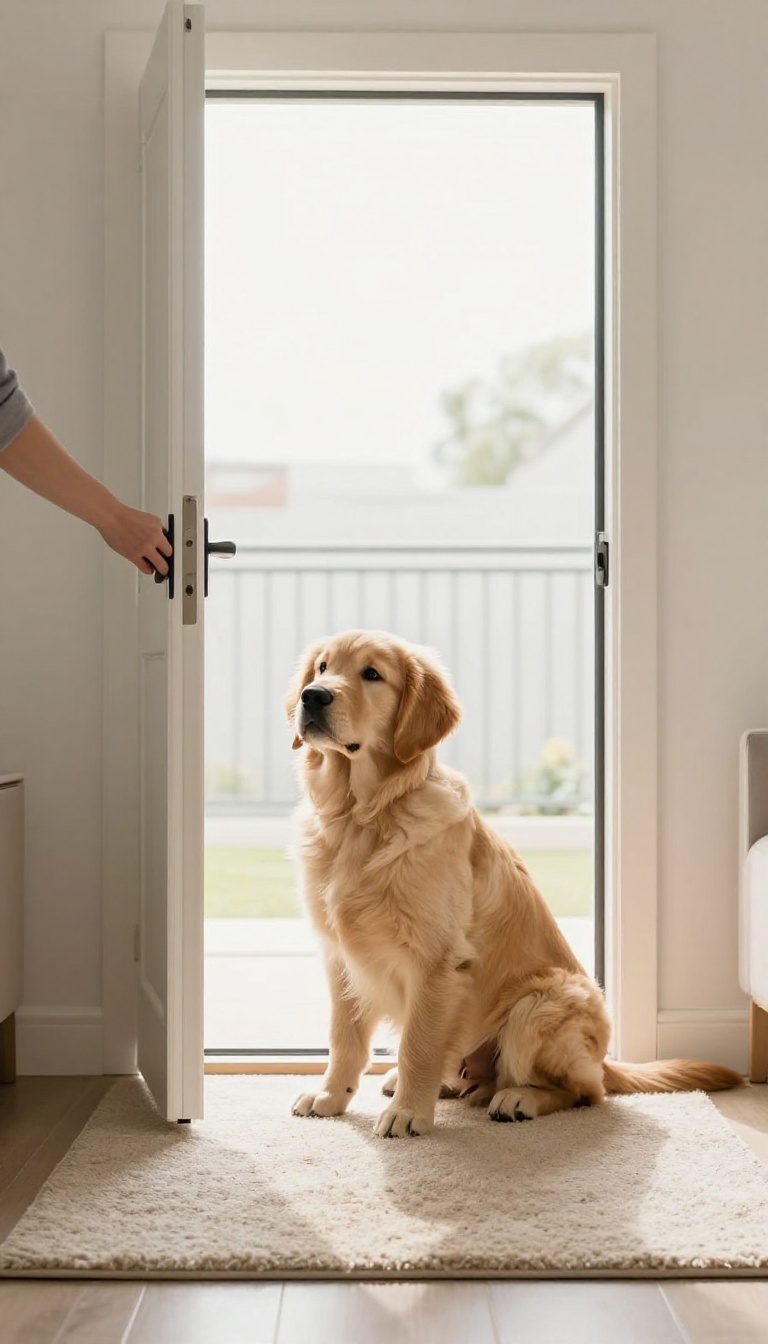
The thought of leaving your puppy alone can feel overwhelming, but you don't have to start with a full workday. Begin with tiny, almost silly absences—just a few seconds at a time. These micro-departures teach your pup that you always come back, building trust without triggering panic.
Think of it as a game of peekaboo. Step out the door, close it, count to five, then come back in with a calm, happy greeting. Repeat this several times a day, gradually increasing the time.
The key is to keep each session short enough that your puppy stays relaxed. You're not trying to test their limits yet—just showing them that being alone is no big deal.
Why Seconds Matter
Puppies live in the moment. A few seconds of solitude might feel like nothing to you, but it's a huge step for them. By keeping departures brief, you prevent anxiety from kicking in.
Your puppy learns that the door opening and closing isn't a signal for distress—it's just a normal part of the day. Over time, those seconds turn into minutes, and minutes into hours.
How To Practice
Pick a time when your puppy is calm, perhaps after a walk or play session. Use a simple cue like 'I'll be right back' in a cheerful tone, then step out. Return before they even start to whine.
Reward them with a treat or a gentle pat when you come back. This positive association makes your return the best part of the game.
Gradually Increase The Time
Once your puppy handles five seconds without stress, bump it to ten, then fifteen, and so on. The goal is to move at their pace, not yours. If they start to fuss, you've gone too far—back up and try a shorter duration.
Consistency is more important than speed. A few extra days of practice now will save you from months of separation anxiety later.
2. Make Your Exit Low-Key
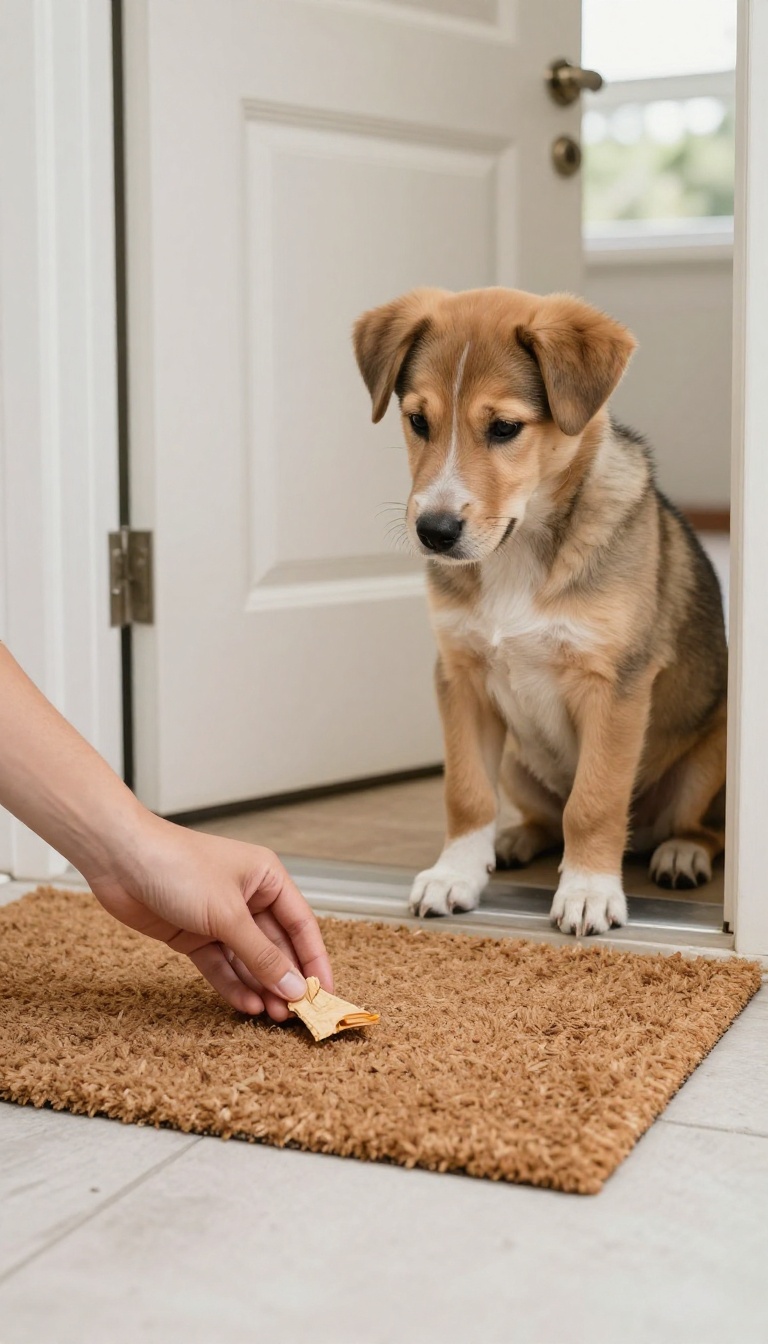
The way you walk out the door can speak volumes to your puppy. If you turn every departure into a tearful farewell, your pup learns that being alone is something to worry about. Instead, keep it calm and quiet—like it's no big deal.
That simple shift can change how your puppy views alone time.
Puppies are masters at reading your emotions. When you linger, fuss, or act anxious, they pick up on that nervous energy. A low-key exit tells them, "This is normal, no big deal.
" It's not about ignoring them completely, but about making the goodbye feel as routine as tying your shoes.
Start With A Calm Routine
Build a simple pre-departure routine that's the same every time. Maybe you grab your keys, put on your shoes, and then give a quick treat. The repetition helps your puppy know what's coming, and the treat gives them something positive to focus on.
Keep the whole sequence under a minute—no extra cuddles or long speeches.
Don't Make A Scene
When you're ready to leave, just go. Avoid dramatic goodbyes, long eye contact, or coming back for 'one more pat. ' Those actions make your exit feel like a big event. Instead, act like you're just stepping into the next room.
The more matter-of-fact you are, the more your puppy will think, "Oh, this is nothing. "
Keep Your Return Just As Low-key
The same rule applies when you come home. If you rush in with excited greetings, your puppy learns that being alone ends with a party. That can make the alone time feel more intense.
Instead, greet them calmly, wait a few minutes for them to settle, then give attention. This balances the whole experience.
3. Create a Cozy Safe Zone
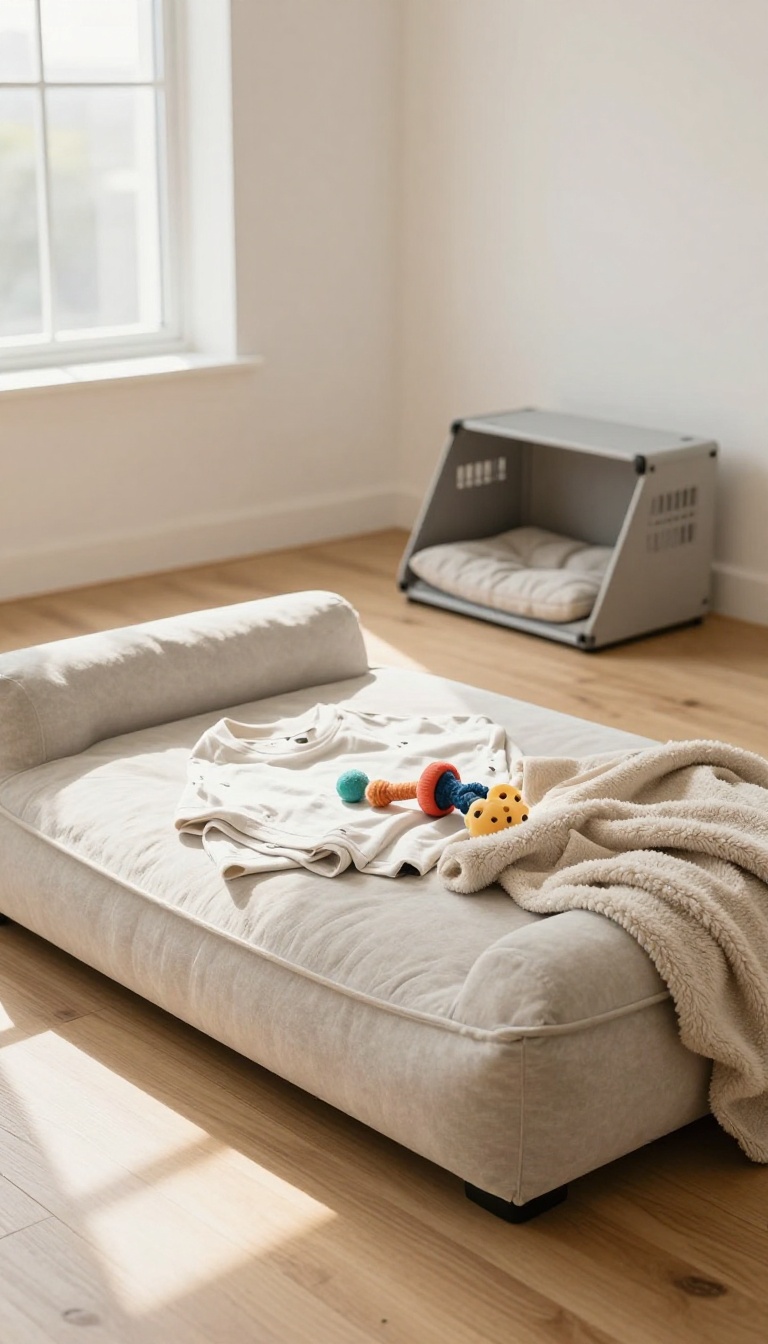
A safe zone gives your puppy a place to call their own, where they can retreat when they need a break or when you're not around. It's not about locking them away—it's about giving them a spot that feels familiar and comforting. When your pup has a cozy corner that's just for them, being alone becomes less scary and more like a normal part of the day.
Start by picking a quiet spot in your home that's away from heavy foot traffic but still close to where you spend time. A corner of the living room or a spot in your bedroom works well. Place a comfortable crate or a plush dog bed there, and add soft bedding that carries your scent—an old t-shirt or a blanket you've used.
Toss in a few of their favorite toys, especially ones that offer mental stimulation like puzzle toys or chew toys. The goal is to make this area so inviting that your puppy chooses to go there on their own, not just when you're leaving.
Choosing The Right Spot
The location of the safe zone matters more than you might think. You want it to be a place where your puppy can see you sometimes but also have some privacy. Avoid high-traffic areas like hallways or near the front door, as the coming and going can be distracting.
A corner of the living room or a quiet nook in your bedroom works well. Make sure it's not too hot or too cold, and that it's away from drafts and direct sunlight. The right spot feels like a little sanctuary, not a punishment corner.
Making It Comfortable
Comfort is key. Start with a soft, washable bed or a crate with a cozy blanket. Add a piece of your clothing that you've worn recently—your scent is incredibly calming to your puppy.
You can also include a warm water bottle wrapped in a towel for a soothing effect, especially for young puppies. Rotate toys to keep things interesting, but always leave a couple of favorites. The more inviting the space, the more your puppy will want to spend time there.
Introducing The Zone Gradually
Don't just plop your puppy in the safe zone and shut the door. Introduce it gradually. Toss treats inside and let them explore at their own pace.
Feed them their meals there, and give them special toys that only appear in that spot. Spend short periods with them in the zone, then gradually increase the time they spend there alone while you're still in the room. This builds positive associations and helps them see the zone as a happy place, not a lonely one.
4. Use a Special 'Alone-Time' Treat
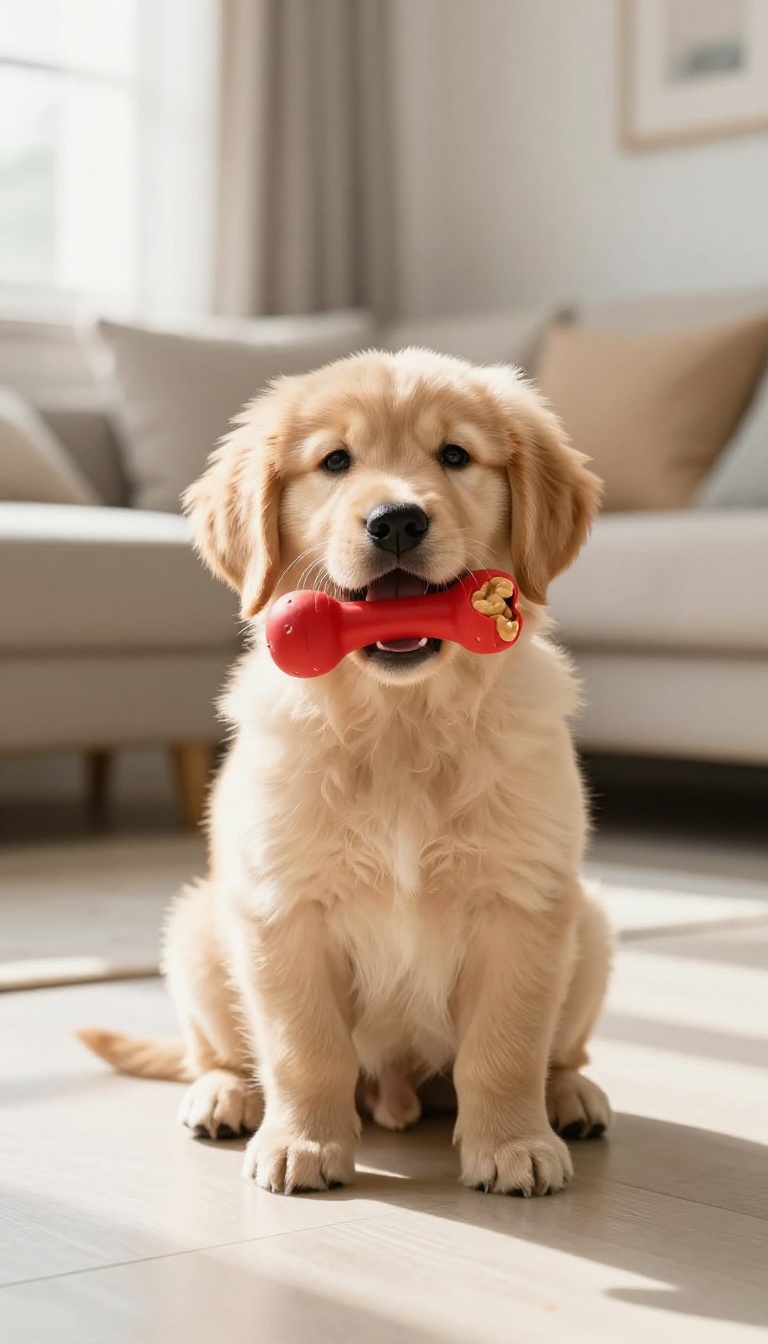
Imagine your puppy actually looking forward to you grabbing your keys. That's the magic of a special treat reserved only for your departures. By offering something irresistible and long-lasting, you're not just distracting them—you're teaching their brain that alone time equals good things.
The key is consistency and scarcity. If your pup gets this treat only when you leave, they'll start to associate your absence with a delicious reward. Over time, that positive association can replace anxiety with anticipation.
A special 'alone-time' treat is a powerful tool for building positive associations with solitude. The idea is simple: you offer a high-value, long-lasting chew or puzzle toy only when you're about to walk out the door. This creates a powerful link in your puppy's mind between being alone and receiving something wonderful.
It's not about bribing them to be quiet; it's about changing their emotional response to your departure. The treat should be something that takes time to enjoy, like a stuffed Kong, a bully stick, or a puzzle feeder. This keeps them occupied during the initial moments of your absence, which are often the most stressful.
As they learn that your leaving leads to a tasty reward, their anxiety can gradually fade, replaced by a sense of calm anticipation.
Choose The Right Treat
Not all treats are created equal when it comes to alone time. You want something that's safe, long-lasting, and engaging. Avoid treats that can be gulped down in seconds.
Instead, opt for options that require effort and time, like a frozen Kong filled with peanut butter and kibble, a durable chew toy, or a puzzle feeder. The goal is to keep your puppy busy for at least 15-20 minutes after you leave. Also, consider your puppy's chewing style and preferences.
Some pups love to gnaw on hard chews, while others prefer to lick and work for their food. Experiment with a few options to find what your puppy finds most rewarding. And always supervise your puppy with any new treat to ensure safety.
Timing Is Everything
The timing of the treat is crucial. You want to present it just as you're about to leave, not before. This way, your puppy learns that the treat appears right when you're heading out.
Make it a ritual: pick up your keys, give the treat, and calmly walk out the door. Avoid making a big fuss or saying long goodbyes, as this can heighten anxiety. Keep it low-key and matter-of-fact.
Consistency is key. If you offer the treat every time you leave, your puppy will start to anticipate it. But if you only give it sometimes, they might become confused or anxious, never knowing if a reward is coming.
So, commit to always using the special treat when you leave, even for short trips.
Make It Last Longer
To maximize the benefit, you want the treat to last as long as possible. Freezing a stuffed Kong or a treat-dispensing toy can extend the time your puppy spends on it. You can also layer different textures and flavors inside, like creamy peanut butter, yogurt, or wet food, then freeze it.
This not only keeps them busy but also provides mental stimulation, which can be tiring and calming. Another trick is to rotate the treats. If you use the same one every day, your puppy might get bored.
Having a few different special treats and alternating them can keep the experience exciting and novel. Just make sure each one is safe and appropriate for your puppy's age and size.
5. Practice Crate Training the Right Way
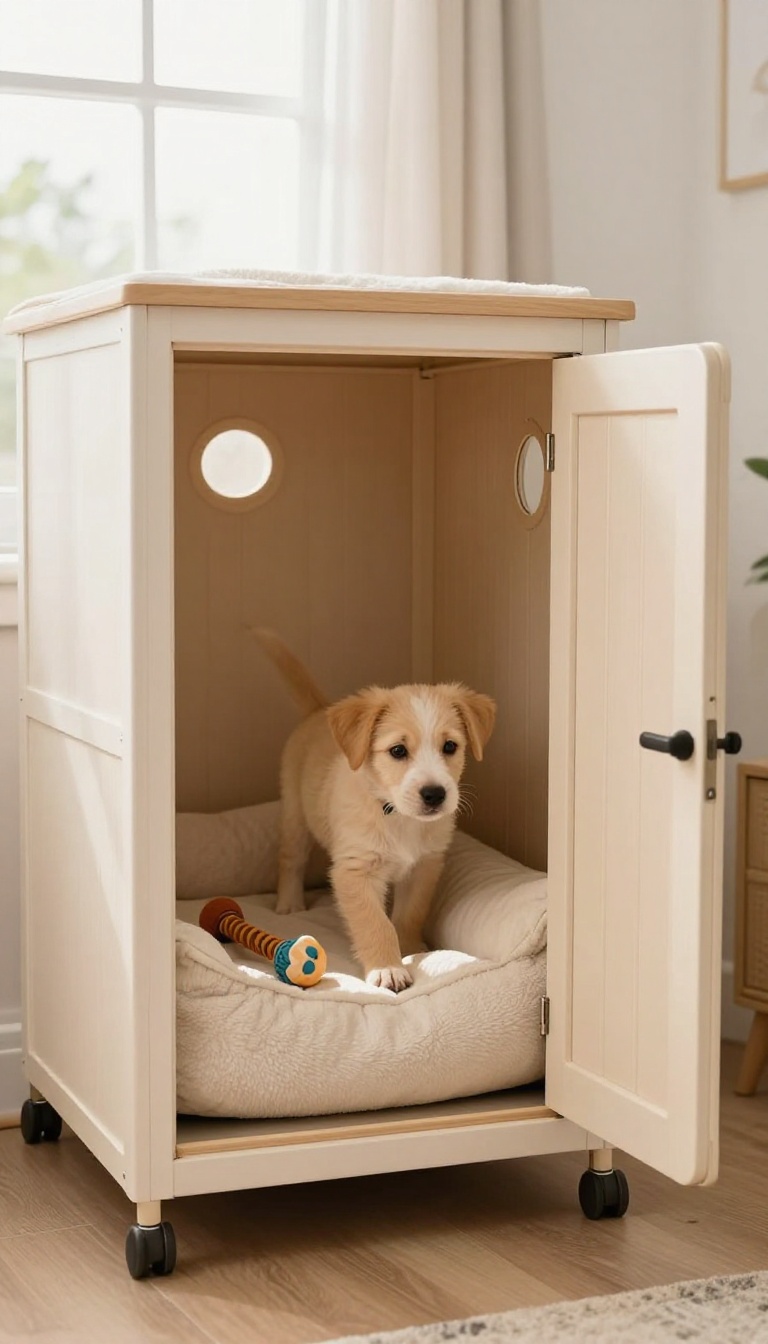
Crate training often gets a bad rap, but when done correctly, it becomes your puppy's favorite hideaway. The key is to make the crate a positive, voluntary space—not a punishment zone. With a little patience and the right approach, your pup will learn to see the crate as a cozy den where they can relax and feel secure on their own.
Start Slow And Make It Fun
Introduce the crate gradually, starting with the door open and tossing treats inside. Let your puppy explore at their own pace, rewarding every curious sniff or step inside. You can also feed meals near the crate, then slowly move the bowl inside over a few days.
This builds a positive association without any pressure.
Create A Cozy Den
Make the crate inviting with soft bedding and a safe chew toy. Some puppies like a blanket draped over the top to mimic a den-like feel. Keep the crate in a family area during the day so your pup doesn't feel isolated, but avoid using it as a timeout spot.
The goal is to make it a place they choose to go, not a place they're sent to.
Never Use It As Punishment
It's tempting to use the crate as a quick fix for bad behavior, but that backfires. If your puppy associates the crate with being scolded or isolated, they'll resist it and feel anxious. Instead, use positive reinforcement for calm behavior inside, and always give them a treat or praise when they enter voluntarily.
This builds trust and security.
6. Play Calming Music or White Noise
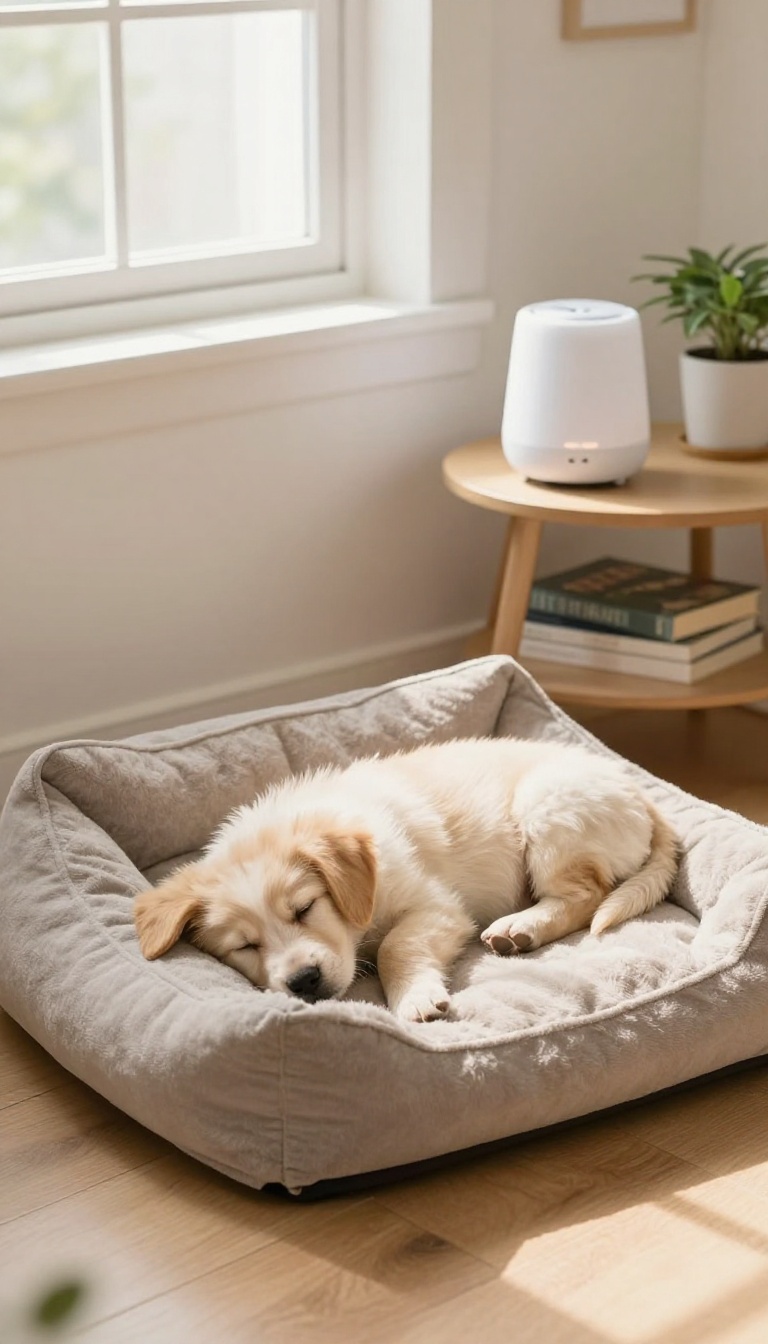
Sometimes the silence is the loudest part of being alone. Sudden noises—a door slam, a car horn, or a neighbor's dog—can startle your puppy and trigger anxiety. By filling the air with gentle sound, you create a buffer that keeps those surprises at bay.
It's like giving your pup a cozy auditory blanket.
Soft music or white noise does more than just mask sounds; it sets a mood. Calming melodies can lower heart rate and reduce stress hormones, while steady white noise mimics the soothing whoosh of the womb or a gentle fan. The goal is a predictable, peaceful soundscape that tells your puppy, "All is well.
"
Choose The Right Sound
Not all sounds are created equal. Classical music, especially pieces with slow tempos, has been shown to relax dogs. There are also playlists made just for pups, featuring reggae or soft rock.
White noise machines offer options like rain, ocean waves, or simple static. Experiment to see what your puppy responds to best—some prefer the steady hum of a fan.
Start Before You Leave
Turn on the music or white noise a few minutes before you head out. This lets your puppy associate the sound with your departure in a calm way, rather than the sound suddenly starting as you walk out the door. Keep it at a moderate volume—loud enough to mask outside noise, but not so loud it becomes another stressor.
Make It A Habit
Consistency helps your puppy learn that this sound means "quiet time. " Use it every time you leave, even for short trips. Over time, your pup will start to relax as soon as the music begins.
It's a simple cue that signals safety and routine.
7. Stick to a Predictable Routine
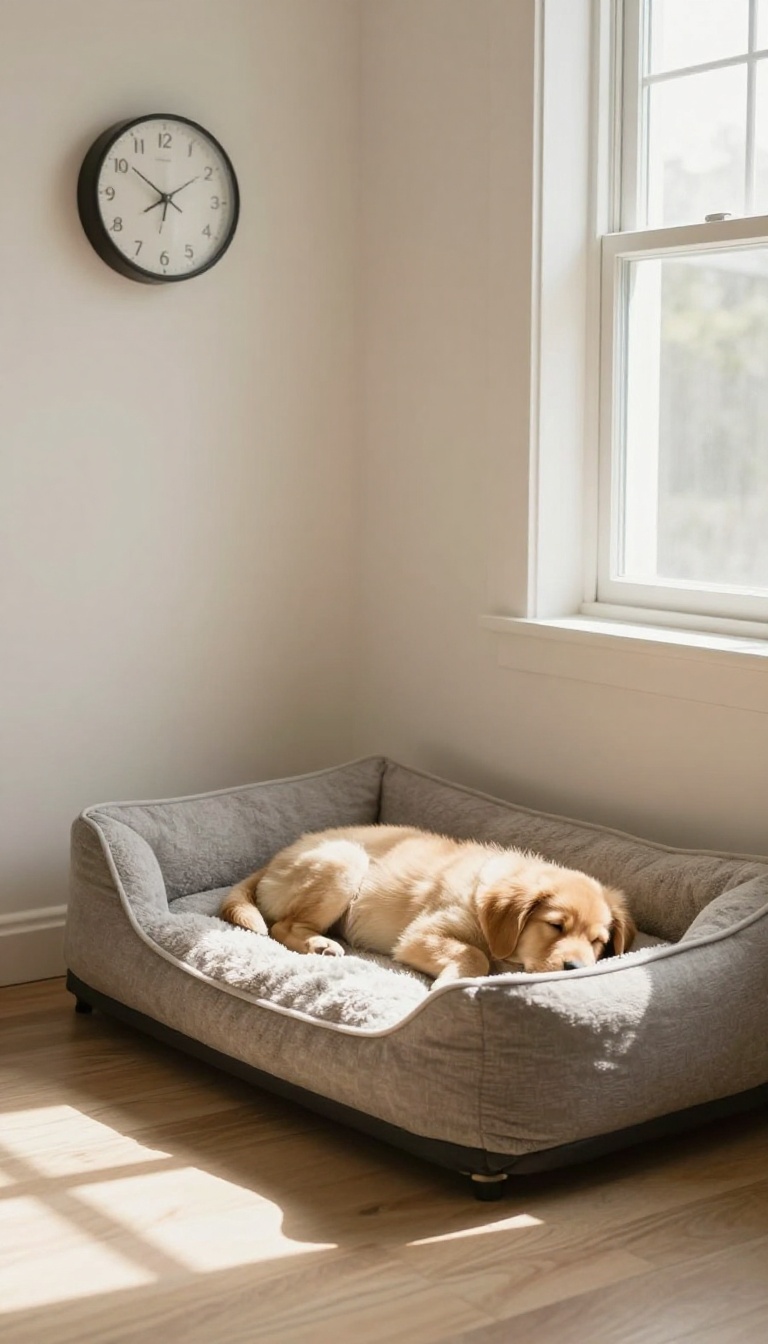
Dogs are creatures of habit, and a predictable schedule can be a powerful antidote to anxiety. When your puppy knows exactly when meals, walks, and alone time happen, the world feels more stable and less scary. A routine doesn't have to be rigid down to the minute—just consistent enough that your pup can start to anticipate what comes next.
This predictability builds trust and reduces the stress of uncertainty, making alone time just another normal part of the day.
Building a routine starts with the basics: feed your puppy at the same times each day, take walks on a regular schedule, and designate specific periods for alone time. Over time, your puppy will learn that after breakfast comes a walk, and after a walk, you might leave for a bit—but you always come back. This sequence becomes a comforting rhythm that signals safety.
Consistency is key, so try to stick to the schedule as closely as possible, even on weekends. The more regular your routine, the more secure your puppy will feel.
Anchor The Day With Meals And Walks
Start by setting fixed times for meals and walks. Puppies thrive on knowing when food is coming and when they'll get to burn off energy. A predictable morning walk followed by breakfast sets a positive tone for the day.
Similarly, an evening walk before dinner helps your pup wind down. These anchors give structure and help regulate your puppy's internal clock, making alone time less jarring.
Make Alone Time A Regular Slot
Incorporate alone time into the daily schedule, just like meals and walks. Start with short periods and gradually increase them. If your puppy knows that every afternoon, from 2 to 4, they're in their safe space with a chew toy, they'll learn to settle.
Consistency here is crucial—random alone time can be confusing. By making it a predictable part of the day, you're teaching your pup that being alone is normal and temporary.
Keep The Routine Flexible But Consistent
Life happens, and sometimes you'll need to adjust the schedule. That's okay. The goal isn't perfection but a general pattern your puppy can rely on.
Try to keep the order of events consistent even if times shift slightly. For example, if you're late coming home, still do the usual walk before dinner. This flexibility within structure helps your puppy adapt without feeling anxious.
8. Exercise Before You Leave
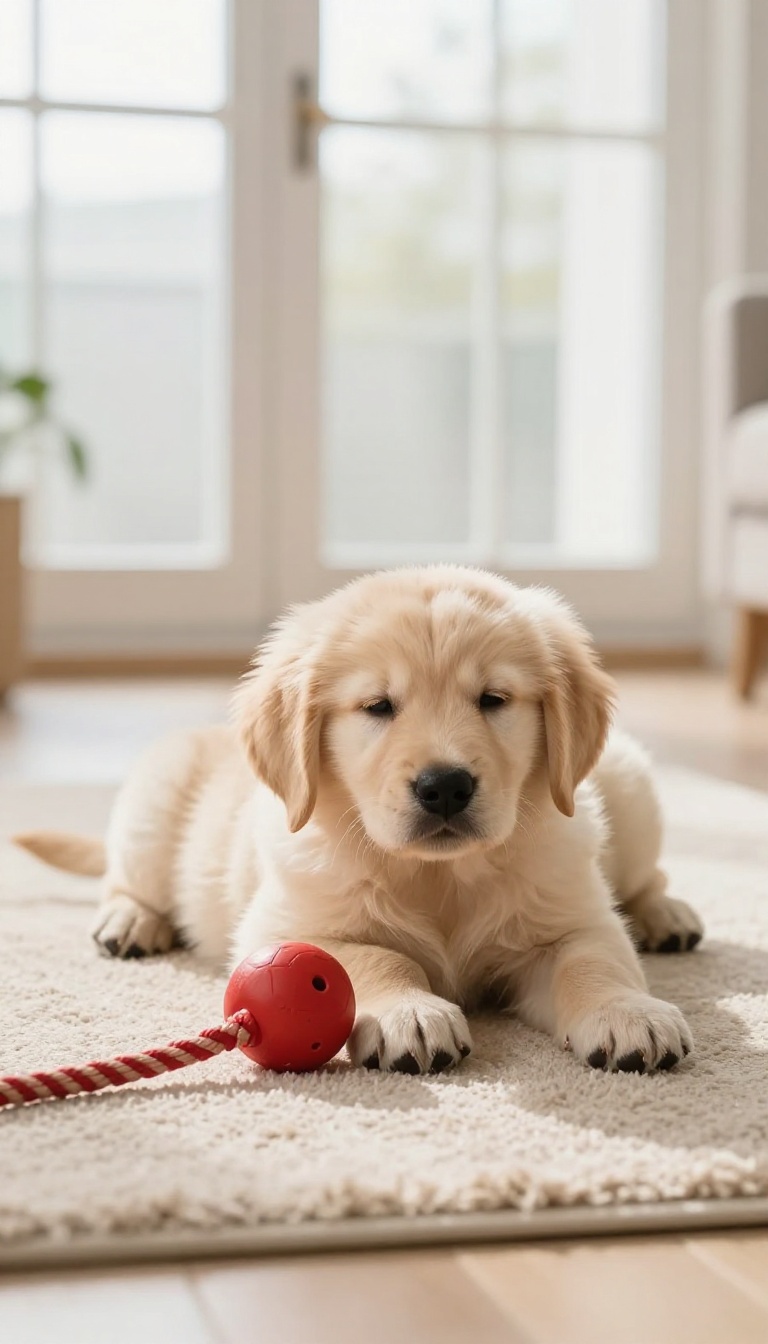
A tired puppy is a calm puppy. When your pup has burned off that extra zoomies energy, alone time feels more like a nap opportunity than a stressful event. Think of it as the difference between being stuck indoors on a rainy day versus settling in after a long hike—one leaves you restless, the other ready for rest.
Physical activity is only half the equation. Mental challenges like puzzle toys or short training sessions also drain energy in a satisfying way. By making exercise a regular part of your departure routine, you're not just tiring out your dog—you're teaching them that your leaving is a cue for relaxation, not worry.
Start with a good play session or walk about 20 minutes before you leave. The goal isn't to exhaust your puppy to the point of collapse, but to take the edge off so they're ready to settle. A quick game of fetch, a brisk walk, or even a few minutes of tug can make a world of difference.
Mental exercise counts just as much. Spend five minutes practicing basic commands like sit, stay, or touch. Or give them a food puzzle or a stuffed Kong to work on while you're gone.
This kind of brain work tires them out in a different way and keeps their mind occupied during the early part of your absence. Timing matters too. If you exercise too close to departure, your puppy might be too wired to settle.
If you do it too early, they might have already bounced back. Aim for that sweet spot where they're calm but not exhausted, so they can transition smoothly into alone time. Remember, consistency is key.
When your puppy learns that exercise always comes before you leave, they'll start to anticipate the calm that follows. Over time, this routine becomes a powerful signal that alone time is no big deal.
Match The Activity To Your Puppy's Age And Breed
A five-month-old Lab puppy has different needs than a two-year-old Chihuahua. High-energy breeds like border collies or retrievers might need more vigorous play, while smaller or older pups may prefer shorter, gentler sessions. Pay attention to your puppy's cues—if they're still bouncing off the walls after a walk, try adding a few minutes of training or a game of fetch.
If they seem worn out, that's your signal to wind down. The key is to find the right balance that leaves them relaxed, not overstimulated.
Mental Games That Tire Them Out
Physical exercise is great, but mental challenges can be just as exhausting. Try hiding treats around the house for your puppy to sniff out, or teach them a new trick. Puzzle toys are perfect for this—they make your pup think and work for their reward.
Even a simple session of 'find it' with a favorite toy can do the trick. These activities not only burn energy but also build confidence, which helps with separation anxiety in the long run.
Create A Pre-departure Ritual
Make exercise a predictable part of your leaving routine. For example, you might play fetch, then give your puppy a treat-filled toy, and then head out the door. This sequence becomes a ritual that signals 'time to relax. ' Over time, your puppy will start to associate your departure with positive, calm feelings.
Just keep it consistent—do the same activities in the same order every time you leave, and your puppy will learn to settle quickly.
9. Try Short Practice Sessions While You're Home
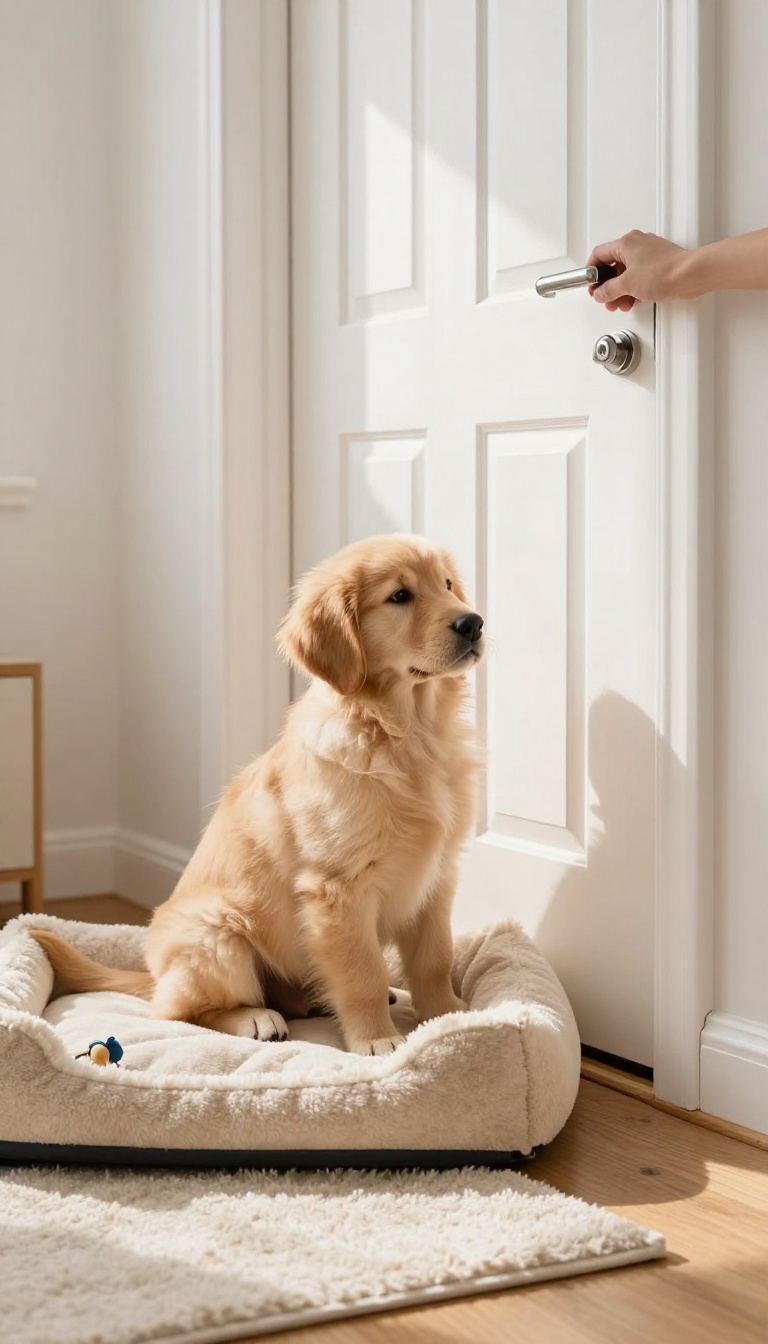
You don't have to leave the house to teach your puppy about alone time. In fact, practicing separation while you're still home is one of the gentlest ways to build that skill. It lets you control the distance and duration, and your pup learns that being apart from you doesn't mean you're gone forever.
Start by stepping into another room for just a minute or two. Close the door behind you, then come back before your puppy gets upset. The goal is to make these short absences feel like no big deal.
Over time, you can stretch the minutes and add more distance, like moving to a different floor or going into the backyard.
Start Small And Stay Calm
Begin with just a few seconds. Walk into the next room, close the door, and immediately return. Do this several times in a row, keeping your voice calm and your movements relaxed.
You're teaching your puppy that doors opening and closing are normal, not scary. If your puppy whines, wait for a quiet moment before coming back—this reinforces that calmness brings you back.
Use A Cue To Signal Alone Time
Pick a simple word or phrase like 'I'll be right back' or 'Be back soon' and say it in a cheerful tone before you leave the room. Use it consistently every time you step away, even for a minute. Your puppy will start to associate that phrase with a temporary separation, not a permanent one.
Pair it with a small treat or a favorite toy to make the moment positive.
Gradually Increase Distance And Duration
Once your puppy seems comfortable with a minute, bump it up to two or three minutes. Then try leaving the room and going upstairs, or stepping outside for a brief moment. The key is to increase the challenge slowly, so your puppy never feels overwhelmed.
If you notice signs of stress—pacing, whining, drooling—scale back and take smaller steps.
Reward The Calm
When you return, don't make a big fuss. Wait a few seconds, then give a quiet treat or a gentle pat. This keeps the reunion low-key and shows your puppy that being alone isn't a big deal.
Over time, your puppy will learn that staying calm during your absence is what earns the reward, not the frantic greeting.
10. Use a Webcam to Check In
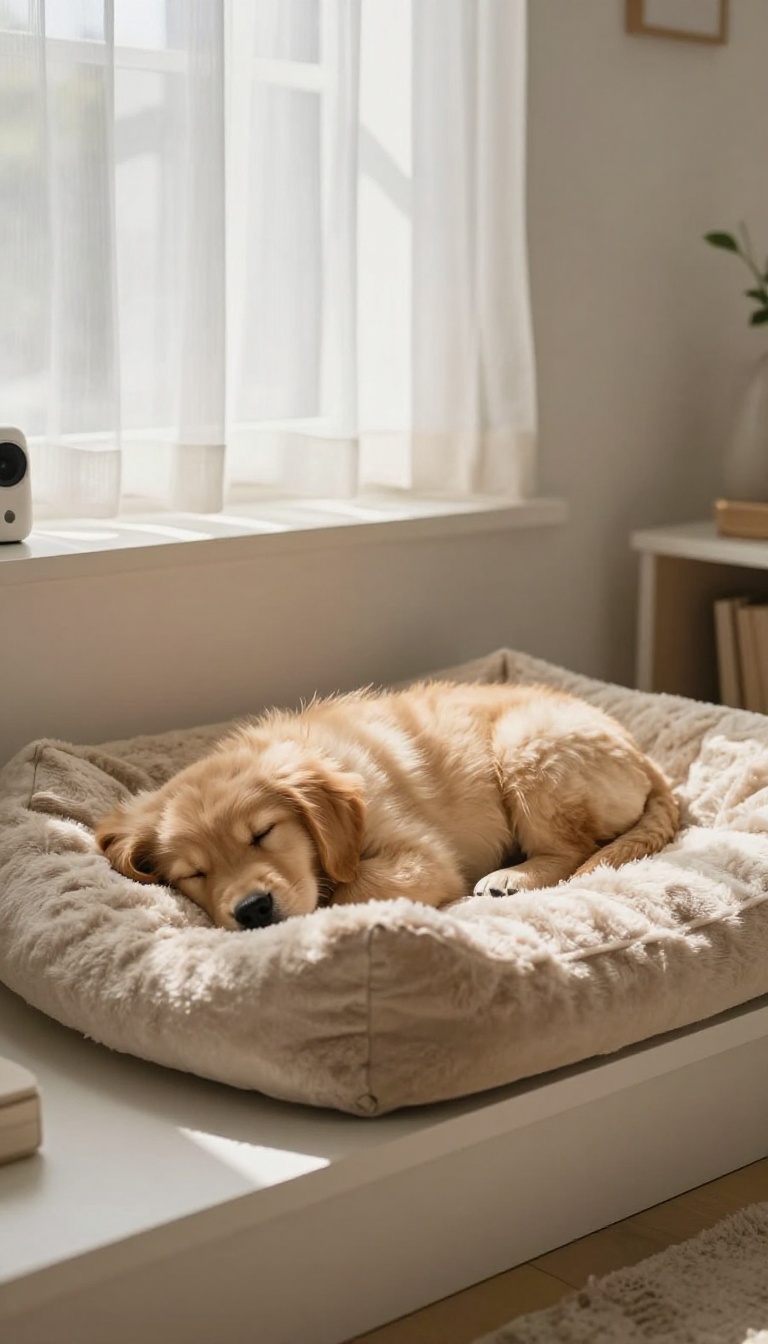
A webcam isn't just for security—it's a window into your puppy's world when you're away. Watching live footage can reveal stress signals you'd otherwise miss, like pacing, whining, or destructive chewing. With that insight, you can tweak your routine to address the root of the anxiety.
Set up a camera to monitor your puppy's behavior when you're away. This helps you spot issues early and adjust your training. You'll learn whether your pup truly relaxes or struggles the moment you leave, which guides your next steps.
Spot Early Signs Of Distress
A webcam lets you see subtle cues like lip licking, yawning, or restlessness that indicate stress. Catching these early means you can intervene before they become habits. For example, if you notice your pup starts pacing right after you leave, you might need to extend your departure routine or add a calming activity.
Adjust Your Training Based On Real Data
Instead of guessing, you can see exactly what works. If your puppy settles after 10 minutes, you know your current approach is effective. If they cry the entire time, it's time to revisit your alone-time training.
This real-time feedback turns your webcam into a training tool, not just a surveillance device.
Reassure Yourself, Too
Checking in on your pup can ease your own anxiety about leaving them alone. Seeing them nap peacefully or play with a toy reassures you that they're okay. This confidence helps you stay calm during the day, which also benefits your puppy—they pick up on your stress.
11. Celebrate Small Wins
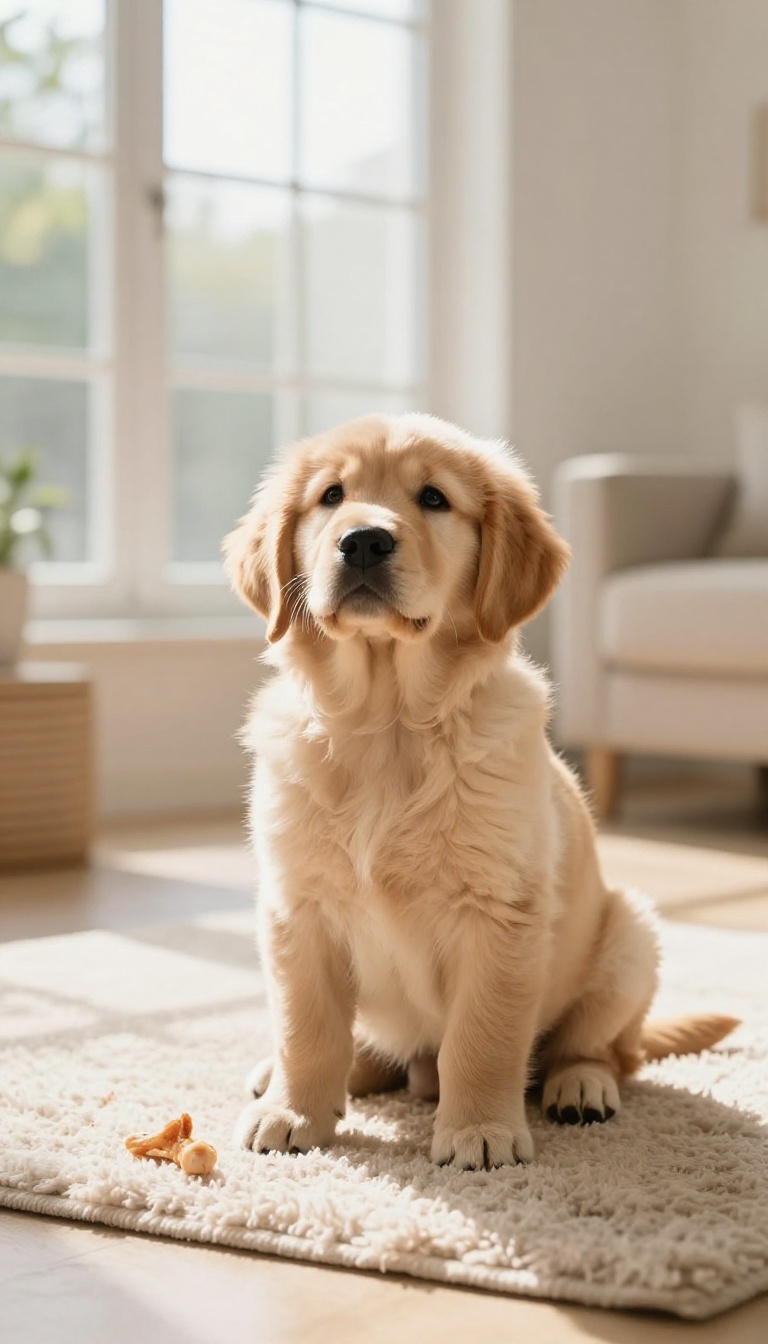
Every time your puppy handles a few minutes alone without melting down, that's a victory worth marking. Celebrating those moments doesn't mean throwing a party—it's about letting your pup know they did something right. Positive reinforcement is one of the most powerful tools in dog training, and using it consistently can turn alone time into something your puppy actually looks forward to.
When you come back to a calm puppy, resist the urge to rush in with excitement. Instead, keep your return low-key and then reward the behavior you want to see. A quiet 'good boy' and a small treat can go a long way.
This teaches your puppy that being alone leads to good things, not just your absence.
Timing Is Everything
The reward needs to come right after the good behavior. If you wait too long, your puppy won't connect the treat with staying calm. So, the moment you walk in and see them relaxed, that's your cue.
A quick treat and a gentle pat work best.
Keep It Low-key
If you make a big fuss when you return, your puppy might think your arrival is the exciting part, not the calm waiting. Keep your greeting quiet and neutral. Then, after a minute, give the reward.
This reinforces that being calm is what earns the treat, not your presence.
Build Up Gradually
Start with very short absences—even just a minute—and reward success. Then slowly extend the time. Each small win is a building block.
Before you know it, your puppy will handle longer stretches without stress, and you'll have a confident, secure pup.
FAQ
How long can a puppy be left alone?
Puppies can generally be left alone for one hour per month of age, up to a maximum of 8 hours. For example, a 3-month-old puppy can be alone for about 3 hours.
What are signs of separation anxiety in puppies?
Common signs include excessive barking or howling, destructive chewing, pacing, drooling, and having accidents indoors even when house-trained.
Should I ignore my puppy when I come home?
It's best to greet your puppy calmly and wait until they are relaxed before giving attention. This helps prevent overexcitement and reinforces calm behavior.
Can I use a crate for alone time?
Yes, a crate can be a safe and comforting space for your puppy if introduced properly. Make it positive with treats and never use it as punishment.
What if my puppy cries when I leave?
Start with very short departures and gradually increase the time. Provide a special treat and ignore the crying until they calm down. If it persists, consult a trainer.
Conclusion
Teaching your puppy to enjoy alone time is a gift that keeps giving, for both of you. These small, consistent steps build a foundation of trust that makes separation less stressful and your bond stronger.
Start with the easiest lesson and work your way up—every quiet moment is a win worth celebrating. With patience and routine, you’ll raise a confident, independent dog who knows you’ll always come back.

I’m Pallab Kishore, the owner of Little Pets Realm — an animal lover and pet care enthusiast sharing easy tips, healthy recipes, and honest advice to help every small pet live a happy, healthy, tail-wagging life.