
Last updated on August 19th, 2026 at 04:14 pm
You're at the park, and your puppy is pulling toward every squirrel, dog, and dropped french fry. It feels like you'll never get their attention back once something exciting happens. The good news?
Focus is a skill you can build, even in the most chaotic spots. These 15 exercises are designed for real-world distractions, not just quiet living rooms. They're short, practical, and easy to weave into your daily walks or trips to the café.
You'll start with simple games and gradually work up to harder challenges. By the end, your puppy will learn that checking in with you is more rewarding than chasing every distraction. Let's get started.
1. The Name Game: Turning Your Puppy's Name into a Cue
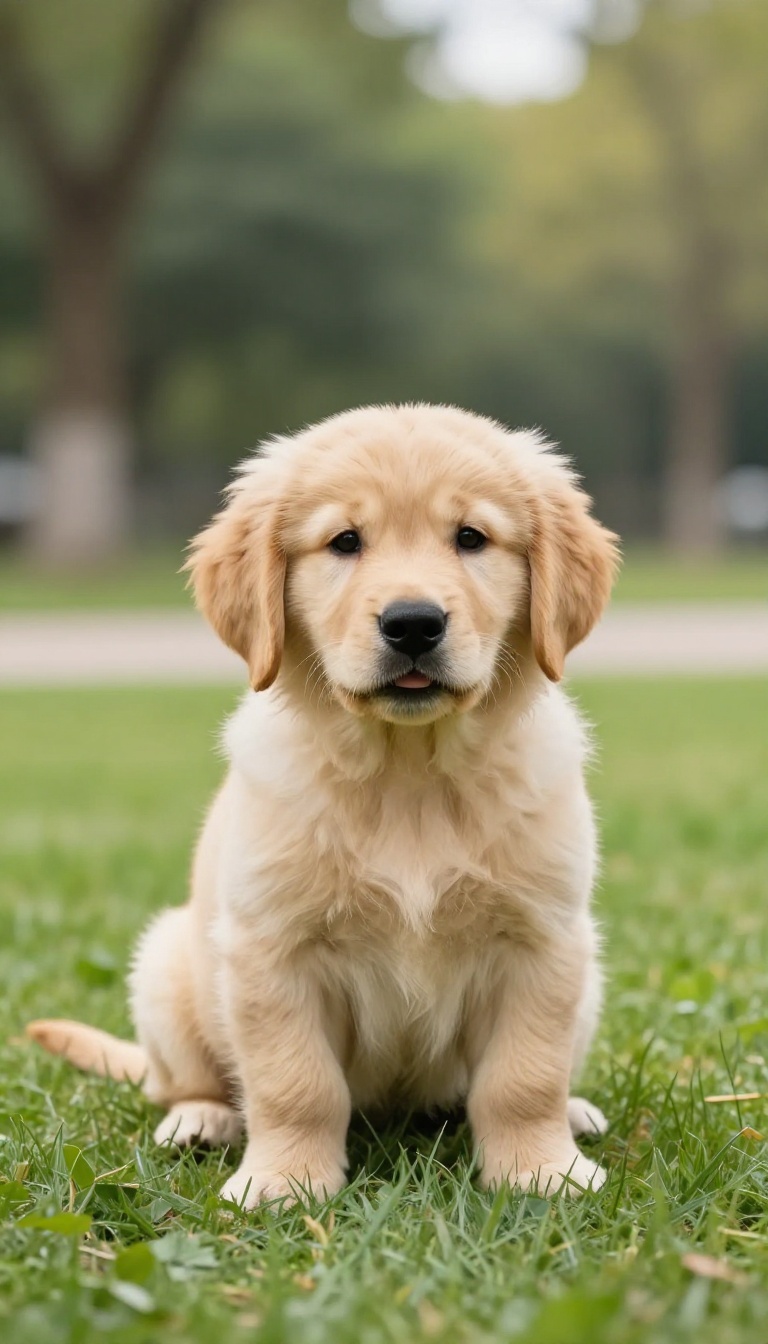
Before you can expect your puppy to focus in a busy park, they need to understand that their name means something good is about to happen. The Name Game is a simple, high-reward exercise that builds a strong, automatic response to their name, even when distractions are swirling around. It's the foundation for every other focus exercise you'll try, so it's worth getting right.
Start in a quiet room with no distractions. Say your puppy's name in a happy, upbeat tone, and the moment they look at you, mark it with a 'yes' or a click and give them a tasty treat. Repeat this 10 to 15 times, varying your tone and volume to keep it interesting.
Once your puppy is reliably turning to you at home, it's time to add mild distractions. Try practicing in your backyard, then on a quiet sidewalk, and finally at a park bench where there are a few people or dogs in the distance. The key is to keep the sessions short and always end on a positive note.
If your puppy ignores you, you've moved too fast—go back a step and build up more slowly.
Why This Works
Your puppy's name becomes a conditioned cue that predicts a reward. By pairing the sound of their name with something delicious, you're teaching them that paying attention to you is always worth it. This builds a strong foundation for all future training, especially in distracting environments.
How To Start At Home
Begin in a boring room with no toys or other pets. Say your puppy's name and immediately reward any eye contact, even if it's just a quick glance. Use small, soft treats that they love, and keep the session to just a few minutes.
Repeat this a few times a day until they're responding instantly.
Adding Distractions Gradually
Once your puppy is solid at home, take the game on the road. Start with mild distractions like a park bench with a few people walking by. Keep your puppy on a leash and stand far enough away that they can still focus on you.
Gradually move closer to the action as they succeed. Remember, if they fail, you've gone too far too fast—back up and try again.
2. Eye Contact: The Foundation of Focus
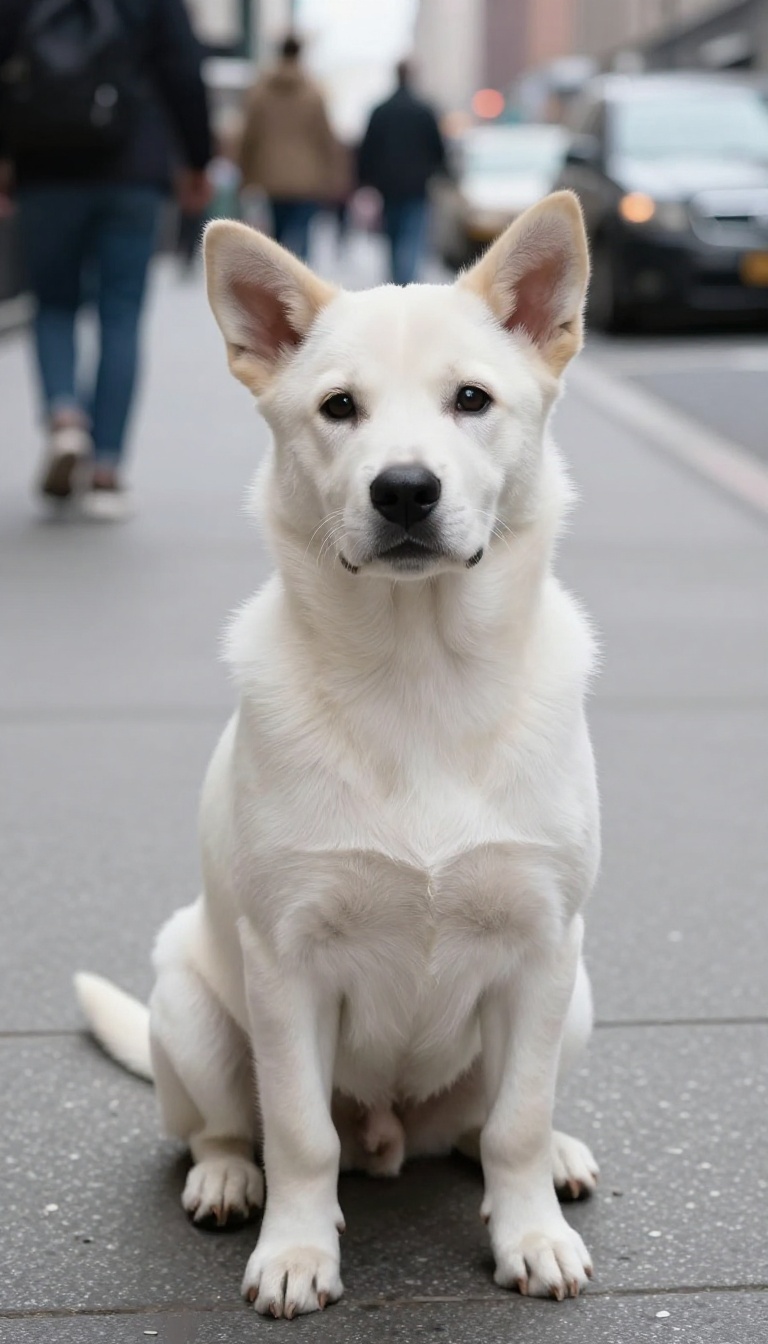
Eye contact is the simplest way to build a connection with your puppy, and it's the first step toward reliable focus. In a busy world, a quick glance at your face can mean the difference between a calm walk and a chaotic one. Start rewarding those glances early, and you'll have a solid foundation for everything else.
Begin by rewarding any eye contact, even if it's just a split-second look. Use a high-value treat and mark the moment with a 'yes' or a click. Then, gradually add a cue like 'watch me' before they look, so they learn the word means 'give me your eyes. ' Practice in short bursts during walks, rewarding every eye contact before moving on.
Over time, your puppy will offer eye contact more often, especially when distractions appear.
Why Eye Contact Matters
Eye contact is a natural way for dogs to communicate with us. When your puppy looks at you, they're checking in and showing they're aware of you. This behavior is the basis for all other focus exercises, because it teaches them that you're the source of good things.
In distracting places, a quick glance can be a lifeline, pulling their attention away from triggers and back to you.
How To Shape It
Shaping eye contact is easy. Wait for your puppy to look at you, then reward immediately. If they're not offering it, you can lure with a treat near your face, but be careful not to make it a staring contest.
Once they're consistently looking, add a verbal cue like 'watch me' just before they make eye contact. Practice in different settings, starting with low distractions and gradually increasing the difficulty.
Making It Stick In Busy Places
In busy environments, start with a distance that's manageable. If your puppy can't focus, you're too close to the distraction. Move further away and practice there.
Use high-value treats that you only use for this exercise, and keep sessions short—just a few minutes at a time. Reward every successful check-in, and soon your puppy will learn that focusing on you is more rewarding than anything else around.
3. The 'Look at That' Game: Building Neutrality to Distractions
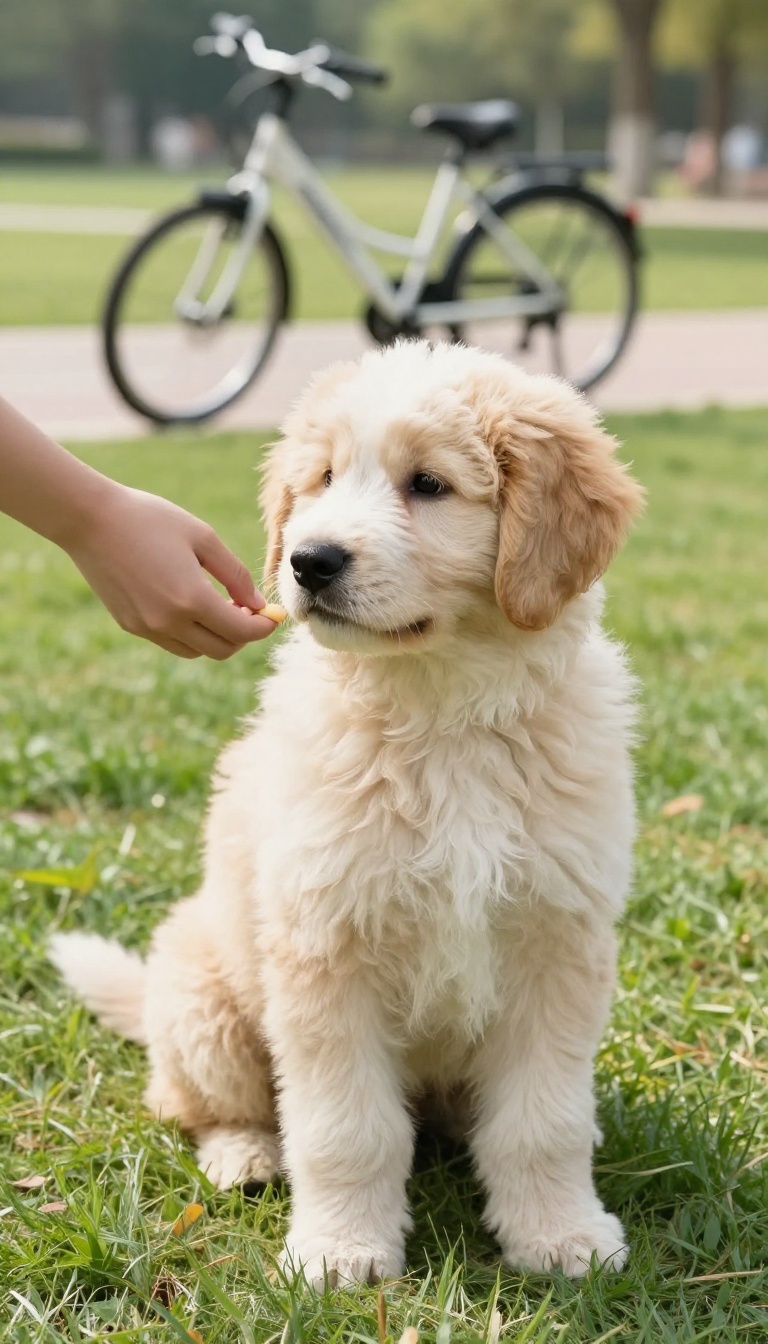
When your puppy notices a distraction, mark and reward for looking at it without reacting. This teaches them to notice triggers without losing their cool. It's a game that flips the script: instead of fighting for attention, you're rewarding your puppy for simply noticing the world around them.
The 'Look at That' game is a powerful way to build neutrality around things that usually send your puppy into a frenzy. The goal isn't to make the distraction disappear, but to change your puppy's emotional response from excitement or fear to calm curiosity. By rewarding the look, you're telling your puppy that noticing is enough—no need to lunge, bark, or chase.
Setting Up For Success
Start in a place where the distraction is visible but far enough away that your puppy can notice it without going over threshold. This might be the edge of a park or across the street from a busy café. Keep your treats ready and your marker (like a clicker or a 'yes') handy.
The Game In Action
When your puppy looks at the distraction, immediately mark and reward. Don't ask for anything else—just let them enjoy the treat. Repeat this a few times.
Your puppy will start to look at the distraction, then look back at you, expecting a reward. That's the magic moment: they're learning to check in with you instead of reacting.
Gradually Increasing Difficulty
As your puppy gets the hang of it, you can slowly decrease the distance to the distraction or choose something more exciting. But take it slow. If your puppy starts reacting, you've moved too fast.
Back up and try again from a comfortable distance. The game is about building a habit, not testing limits.
4. Hand Targeting: A Portable Focus Tool
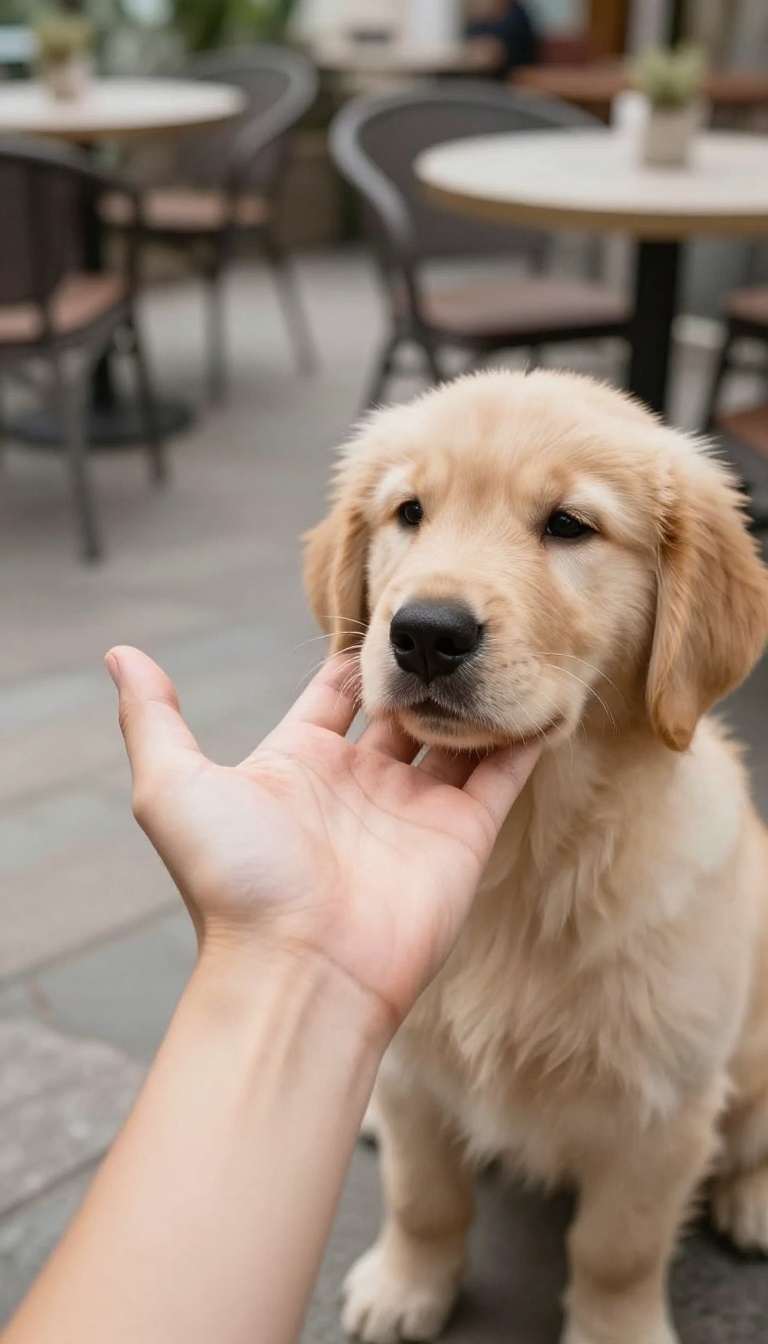
Hand targeting is one of those tricks that looks simple but works wonders in the real world. You teach your puppy to touch their nose to your palm, and suddenly you have a portable reset button. When things get chaotic, a quick hand target can pull their attention back to you without wrestling with a leash or shouting over the noise.
The beauty of hand targeting is its versatility. It's not just a cute party trick; it's a functional tool you can use anywhere. Whether you're waiting at a crosswalk, sitting at an outdoor café, or passing a barking dog, a hand target gives your puppy a clear, familiar action to focus on.
It's also a great way to build a positive association with your hands, which can help with grooming and handling later on.
Start With The Basics
Begin in a quiet room with no distractions. Hold your palm out flat, about six inches from your puppy's nose. The moment they sniff or touch it, mark with a 'yes' and reward.
Repeat until they're consistently touching your palm. Then, start adding movement: move your hand a few inches to the side and see if they follow. This builds the foundation for using it in busier settings.
Use It In Real-world Spots
Once your puppy has the basics down, take it on the road. Start in a mildly distracting area, like your front yard or a quiet park bench. Ask for a hand target before they get too excited.
For example, if you see a dog approaching, present your palm and reward the touch. This redirects their attention and gives them a job to do. Over time, you'll be able to use it in more chaotic places like busy streets or dog parks.
Make It A Habit
The more you use hand targeting, the more automatic it becomes. Try incorporating it into your daily routine: before crossing the road, when greeting strangers, or when your puppy gets overly excited. You can also use it to guide them away from tempting distractions, like a dropped sandwich.
The key is to keep it positive and rewarding, so your puppy sees it as a fun game rather than a chore.
5. The 'Find It' Game: Turning Distractions into a Game
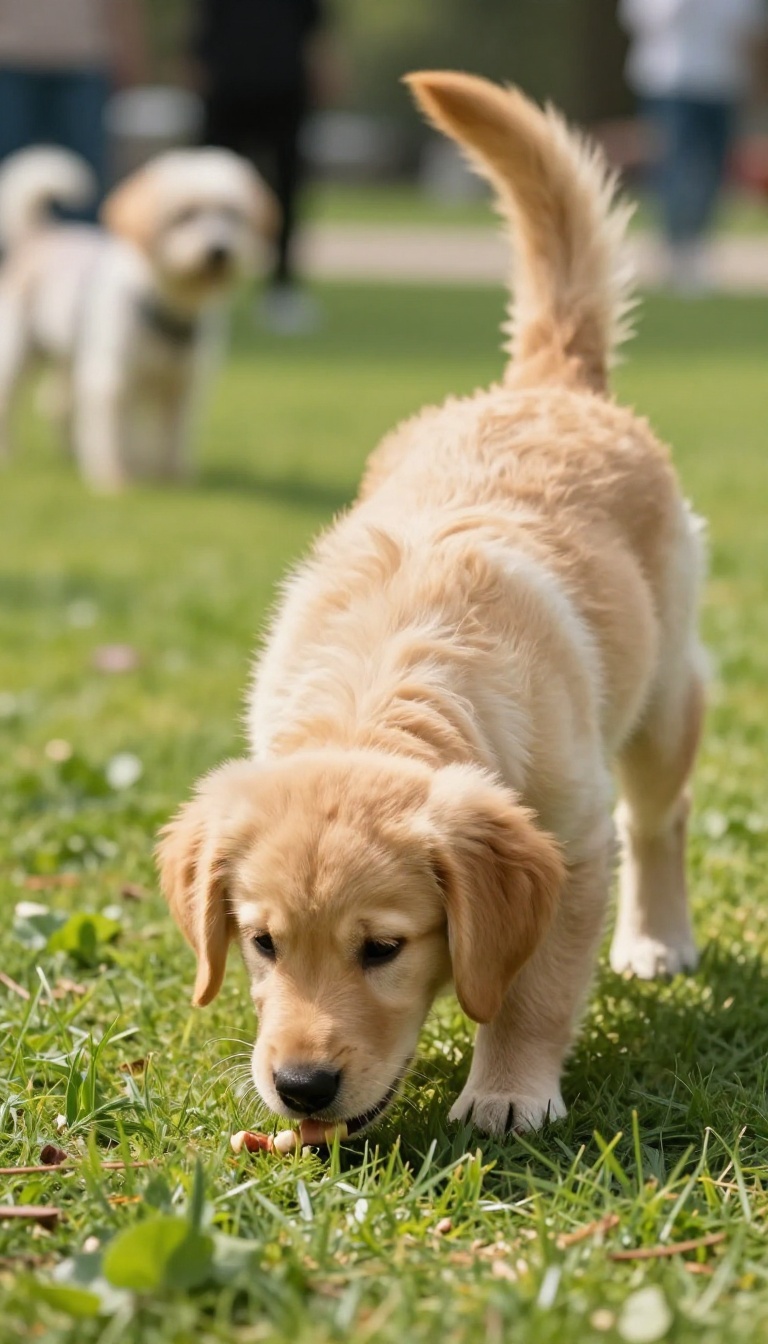
Sometimes the best way to get your puppy’s focus is to let them use their nose. The 'Find It' game does exactly that—it turns a moment of chaos into a fun, calming activity. By tossing a treat and asking your pup to search, you’re giving them a job that naturally settles their mind.
Plus, it’s a sneaky way to keep them engaged with you, because you’re the one controlling the game.
The 'Find It' game is simple: toss a treat a few feet away, say 'find it, ' and let your puppy sniff it out. It’s not just about the treat—it’s about giving your puppy a focused task that uses their natural instincts. Sniffing is inherently calming for dogs, so this game is perfect for busy spots where they might otherwise get overstimulated.
Once they get the hang of it, you can use it to redirect their attention back to you before asking for a sit or a watch.
Why Sniffing Calms Your Puppy
When your puppy sniffs, their heart rate slows down and their brain releases calming chemicals. It’s like a mini meditation for dogs. In a distracting place, this can be a lifesaver.
Instead of letting your puppy get worked up by every noise and movement, you give them a simple, satisfying task that brings their focus back to the ground and to you.
How To Start Indoors
Begin in a low-distraction room. Toss a treat a few feet away and say 'find it' in a cheerful tone. Let your puppy discover it naturally.
Once they’re good at that, start hiding treats under a towel or behind a chair leg. This teaches them to really search, not just follow the toss. Keep sessions short—two or three minutes is plenty.
Taking It To The Park
When you’re ready to try it outside, start in a quiet corner of the park. Toss a treat on the grass and say 'find it. ' Your puppy might be too excited to notice at first, so use a higher-value treat like chicken or cheese. As they get better, you can use the game to break their focus on a passing dog or a tempting smell.
Just remember to keep the game fun and fast.
Using 'find It' To Reset Focus
The real magic happens when you use 'Find It' as a reset button. If your puppy is staring at a squirrel, toss a treat behind them and say 'find it. ' The moment they turn and sniff, they’re no longer fixated on the distraction. Once they finish the treat, they’ll often look back at you for the next cue.
That’s your chance to reward them with another treat or a quick game.
6. The 'Settle' Mat: Creating a Calm Oasis Anywhere
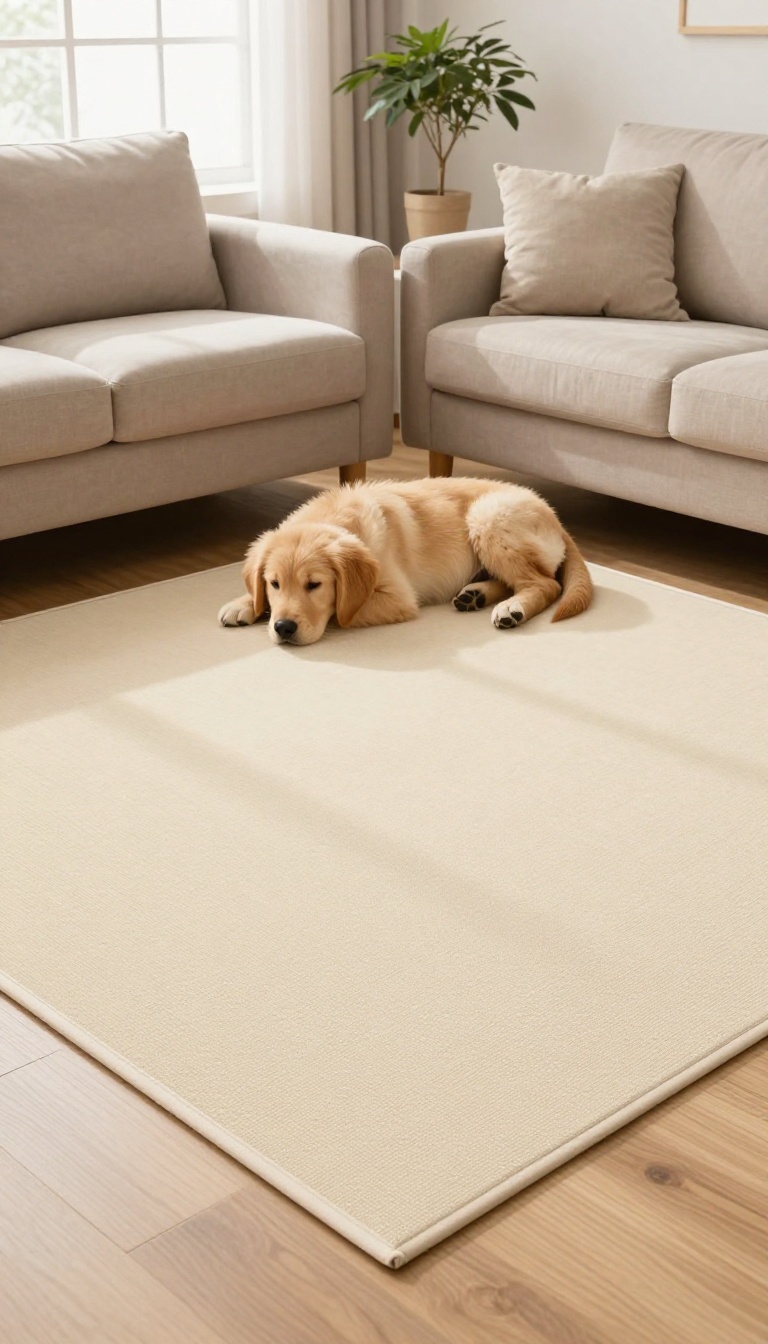
A mat can become your puppy’s personal 'off switch' in the middle of chaos. Teaching a solid settle on a mat gives them a clear job: relax here, watch the world go by, and earn treats for staying calm. It’s not about tiring them out—it’s about teaching them that calm behavior is rewarding, even when exciting things are happening around them.
Start by introducing the mat at home where it’s quiet. Toss treats onto the mat so your puppy learns that being on it is a good thing. Once they’re comfortable, add a cue like 'go to mat' or 'settle. ' Then gradually increase the duration and add distractions, always rewarding calm behavior.
The goal is to build a strong, reliable behavior that you can pull out anywhere.
Start Simple At Home
Begin with a mat or towel in a low-distraction room. Lure your puppy onto it with a treat, then reward them for staying. Use a release word like 'okay' to let them know when they’re done.
Practice short sessions, gradually increasing the time they stay on the mat. Keep it positive and end on a good note.
Add Real-life Distractions
Once your puppy is solid at home, take the mat to new places. Start with a quiet park bench or a friend’s backyard. Reward them for staying on the mat while people walk by or other dogs are in the distance.
If they get up, calmly guide them back and reward for re-settling. Over time, they’ll learn that the mat is a safe, calm spot no matter where you are.
Use It At Cafés And Busy Spots
When your puppy can settle with mild distractions, try a café or a busy sidewalk. Position the mat under your chair and have them lie down. Give them a chew or a stuffed Kong to keep them occupied.
Reward them periodically for staying relaxed. This not only builds focus but also makes outings more enjoyable for both of you.
Make It A Portable Calm Zone
The beauty of a mat is its portability. Keep a lightweight, foldable mat in your bag or car. Use it at picnics, outdoor events, or friends’ houses.
The familiar scent and texture signal to your puppy that it’s time to relax. With consistent practice, your puppy will learn to associate the mat with calmness, giving you a reliable tool in any situation.
7. The 'Wait' Game: Impulse Control in Motion
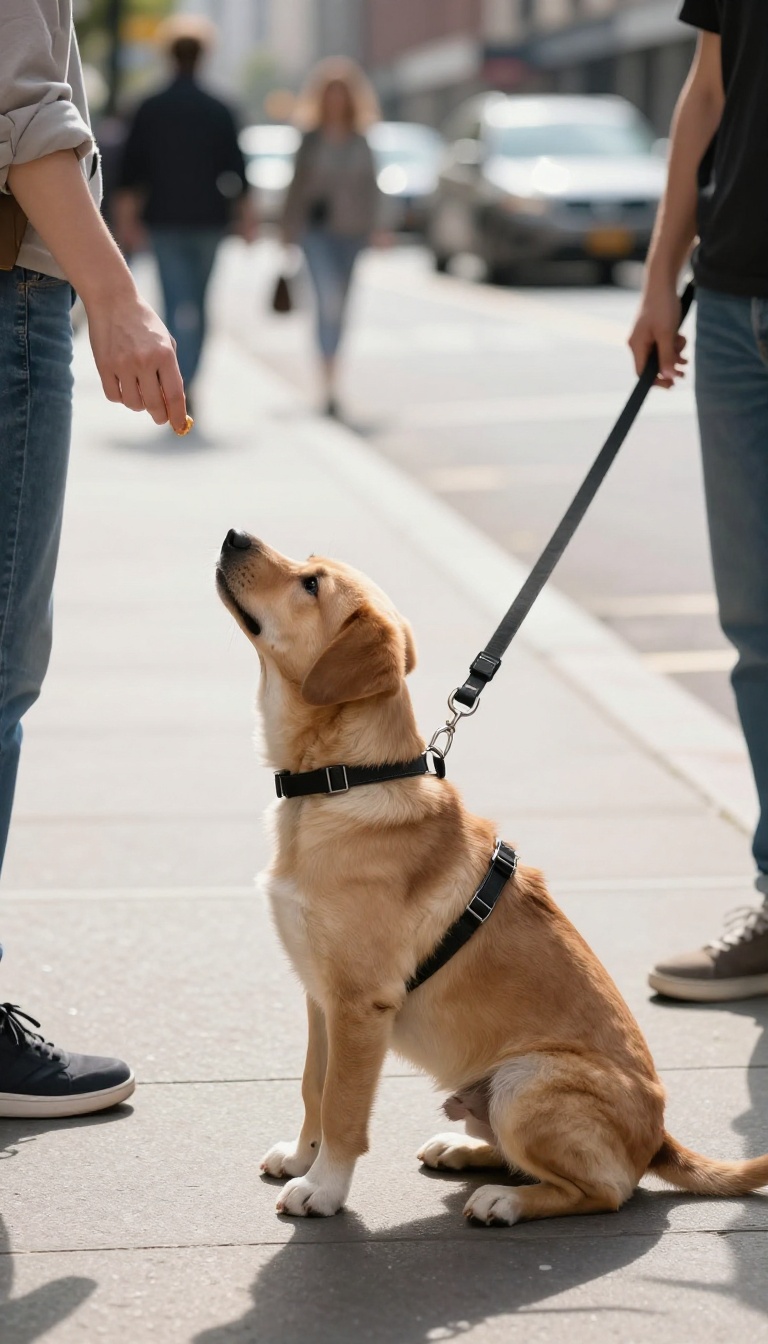
Teaching your puppy to wait is like installing a pause button on their excitement. It's not about making them freeze forever—it's about giving them a moment to think before they charge ahead. In busy places, that pause can be the difference between a calm walk and a chaotic one.
The 'wait' game is simple to start but gets powerful with practice. You'll use it before doors, curbs, and car exits. Each time, your puppy learns that staying put leads to something good, and that builds focus even when the world is pulling at their leash.
Before you start, pick a release word like 'okay' or 'let's go' and use it consistently. Begin in a low-distraction spot, then gradually move to busier areas as your puppy gets the hang of it. Keep sessions short—just a few repetitions—so your puppy stays excited about the game.
Start At Doorways
Doors are natural chokepoints where your puppy's excitement peaks. Have them sit or stand, then reach for the handle. If they move, calmly close the door and start over.
When they hold still, say 'wait, ' open the door a crack, and reward. Slowly increase the door opening and the time before you release.
Use Curbs And Crosswalks
Crossing the street is another perfect practice spot. Stop at the curb, ask for a 'wait, ' and look both ways. If your puppy tries to step off, block with your body or gently pull back.
When they stay put, reward and then release with your cue. This not only builds focus but also teaches safety.
Practice At The Car
The car door is a high-excitement zone—your puppy knows it's time to go somewhere fun. Before opening the door, ask for a 'wait. ' If they lunge, close the door and try again. Once they're calm, open it, let them hop out, and reward.
Over time, they'll learn that patience gets them out faster.
8. The 'Touch' Cue: A Quick Check-In
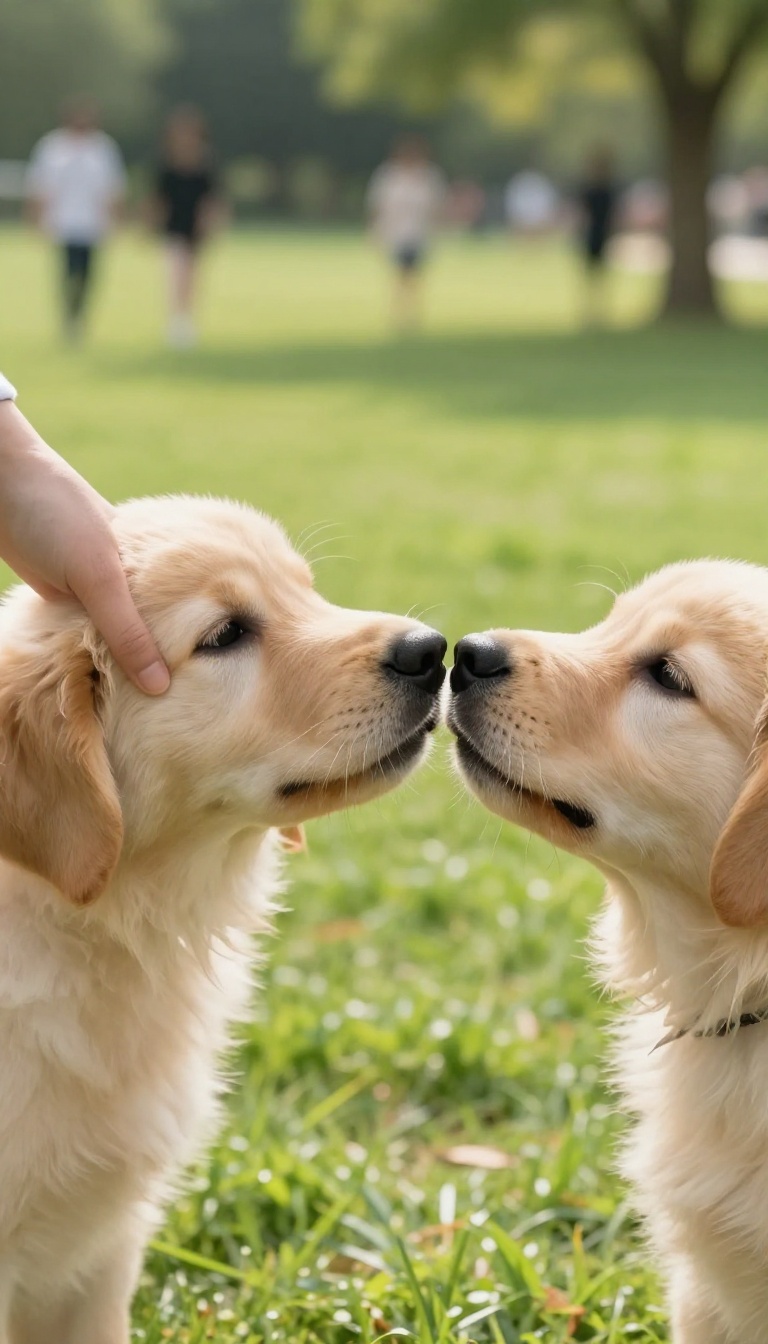
When your puppy is glued to a fascinating smell or a passing dog, calling their name might as well be background noise. That's where a simple nose-to-hand touch becomes your secret weapon. It's a fast, physical way to break their focus and bring them back to you, even in the middle of a distraction storm.
The best part? It's ridiculously easy to teach and takes just a few minutes a day. Once your puppy learns that touching your palm earns a reward, you'll have a reliable check-in tool that works in almost any situation.
The 'touch' cue is more than just a cute trick. It's a practical tool for redirecting attention in real-world settings. When your puppy is fixated on something exciting, asking for a touch gives them a clear, simple action that snaps them out of the trance.
Plus, it's a great way to build a habit of checking in with you voluntarily.
Why Touch Works In Chaotic Moments
Touch is a physical behavior that requires your puppy to move their head and body toward you. That movement alone breaks the visual lock they have on the distraction. It's also a behavior that's easy to reward quickly, which keeps the momentum going.
Unlike a recall that might be ignored, a touch is a low-pressure action that most puppies find easy to offer.
How To Teach It In Three Simple Steps
Start by presenting your open palm a few inches from your puppy's nose. The moment they sniff or nudge it, mark with a 'yes' and give a treat. Repeat this a few times until they're eagerly bumping your hand.
Then, add the verbal cue 'touch' just before they make contact. Gradually increase the distance and add mild distractions, like practicing in your backyard before heading to the park.
Using Touch As A Lifesaver On Walks
When you're out and about, use touch as a quick check-in before your puppy gets too worked up. If you see a squirrel across the street, ask for a touch before they lock on. This proactive approach keeps their attention on you and prevents reactive lunging.
You can also use touch to reset after a startling noise or a close encounter with another dog.
9. The 'Leave It' Game: Resisting Temptation
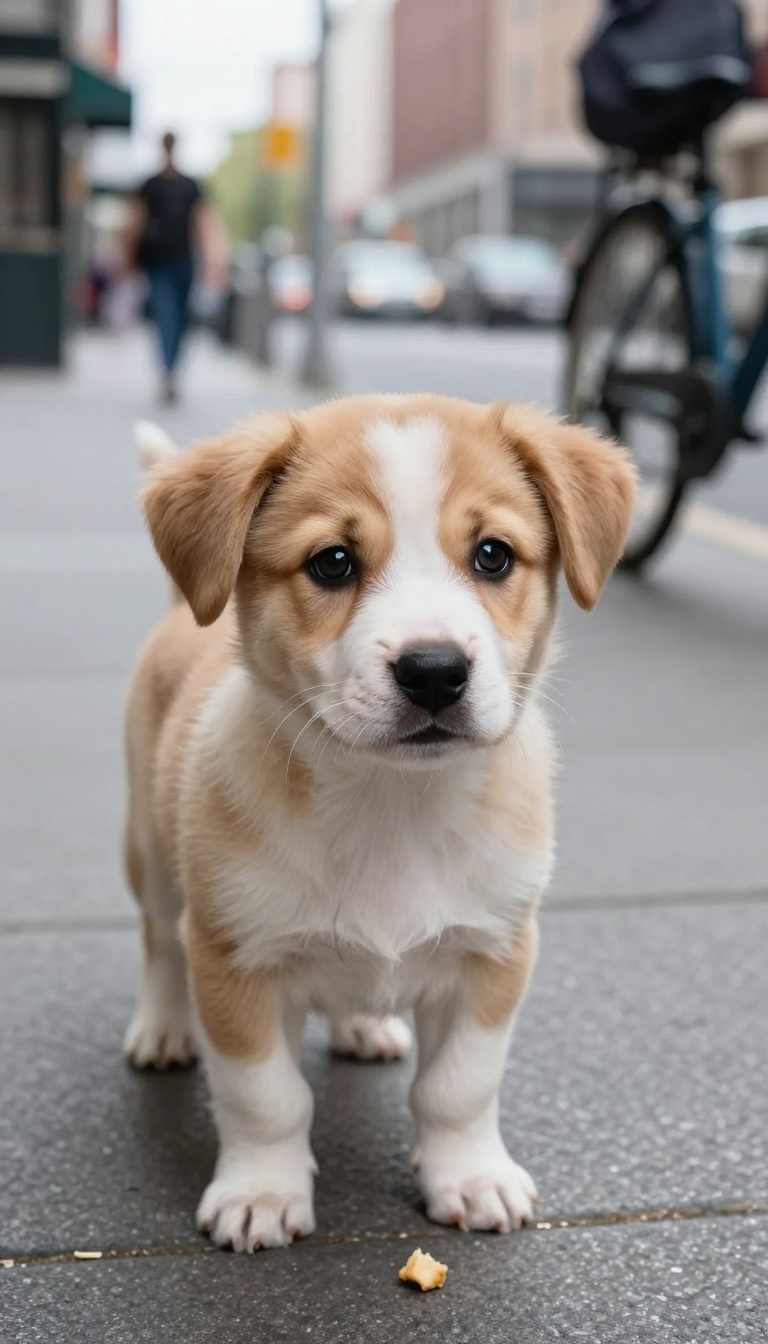
This game is a lifesaver when your puppy’s nose locks onto something they shouldn’t have. You’ll teach them that ignoring a tempting item leads to something even better. Start simple, and you’ll soon have a pup who can walk past distractions without a second glance.
The 'Leave It' game builds impulse control and reinforces that you are the source of all good things. It’s perfect for busy places where trash, food, or other dogs constantly compete for your puppy’s attention. With consistent practice, your puppy will learn to check in with you before deciding what to do.
Starting With A Closed Fist
Hold a treat in your closed fist and let your puppy sniff, lick, or paw at it. The moment they pull back or look away, say 'Yes! ' and give them a treat from your other hand. Repeat until they immediately back off when they see your closed fist.
This teaches them that not going for the treat is what earns the reward.
Moving To An Open Palm
Once your puppy understands the closed fist, try placing a treat on your open palm. If they lunge for it, close your hand quickly. Wait for them to hesitate or look at you, then mark and reward.
Gradually increase the time they must wait before getting the treat. This step builds patience and self-control.
Practicing On The Ground
Now it’s time to drop a treat on the floor. Cover it with your foot if needed, and use the same cue: 'Leave it. ' When your puppy looks away from the treat and toward you, reward them with a high-value treat from your pocket. This simulates real-world distractions like dropped food on the sidewalk.
Adding Real Distractions
Once your puppy is solid with treats on the ground, start practicing in busier spots. Use items like a toy, a piece of kibble, or even a safe object like a leaf. Keep sessions short and always end on a success.
You’ll soon have a puppy who can ignore a dropped french fry at the park.
10. The 'Watch Me' Challenge: Holding Focus Longer
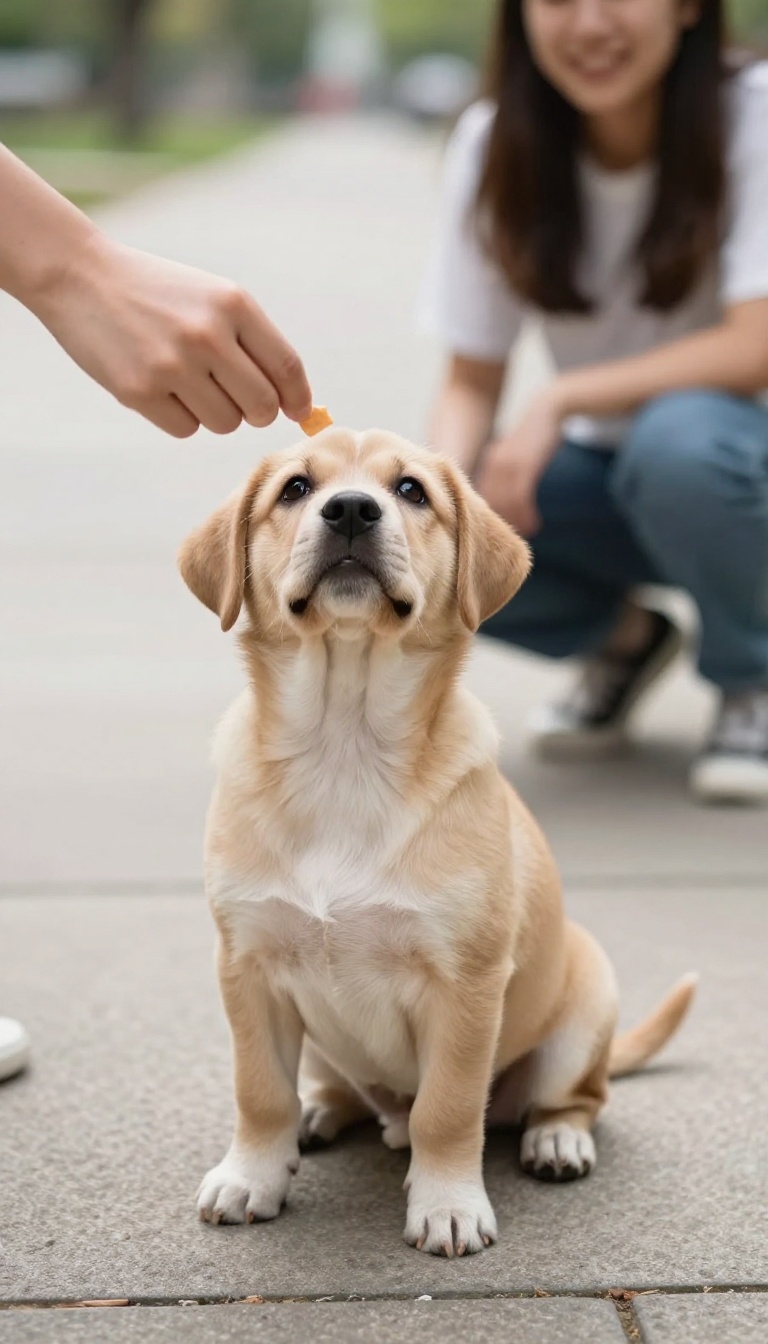
Once your puppy has the basics of eye contact down, it's time to stretch that attention span. The 'Watch Me' challenge is all about gradually increasing the duration of focus, turning a quick glance into a solid, sustained stare. This isn't just about obedience—it's about building your puppy's confidence that you're the most interesting thing around, even when a skateboard zooms past or another dog barks nearby.
Start in a low-distraction spot and ask for a 'watch. ' The moment your puppy locks eyes, mark it with a 'yes' and reward. Then, slowly extend the time before you reward, adding a second or two each session. The key is to keep it short enough that your puppy can't fail, but long enough to challenge them.
As they get better, introduce mild distractions—a friend waving, a toy on the ground—and reward them for holding focus despite the temptation.
Building Duration In Baby Steps
Think of this as a game of 'how long can you look at me? ' Begin with just one second, then two, then five. Use a treat in your hand to keep their attention, but gradually move the treat out of sight. If your puppy breaks eye contact, that's okay—just reset and try again.
The goal is to make each successful attempt a little longer than the last, without pushing too hard too fast.
Adding Distractions One At A Time
Once your puppy can hold a solid 5-second watch in quiet, start adding distractions. Have a friend walk by at a distance, or practice near a busy sidewalk. The trick is to start with distractions that are just barely noticeable, then increase the intensity.
Reward your puppy for every second they keep their eyes on you, even if they flicker for a moment. This builds a strong 'check-in' habit that will pay off in real-world chaos.
Making It A Game, Not A Chore
Keep the energy upbeat. Use a happy voice and make the reward extra special—maybe a tiny piece of chicken or a favorite toy. If your puppy gets frustrated, take a break and try again later.
The more fun this is, the more your puppy will want to participate. And remember, short sessions throughout the day beat one long, boring drill. A few 2-minute 'watch me' games during a walk can do wonders.
11. The 'Go Say Hi' Game: Controlled Greetings
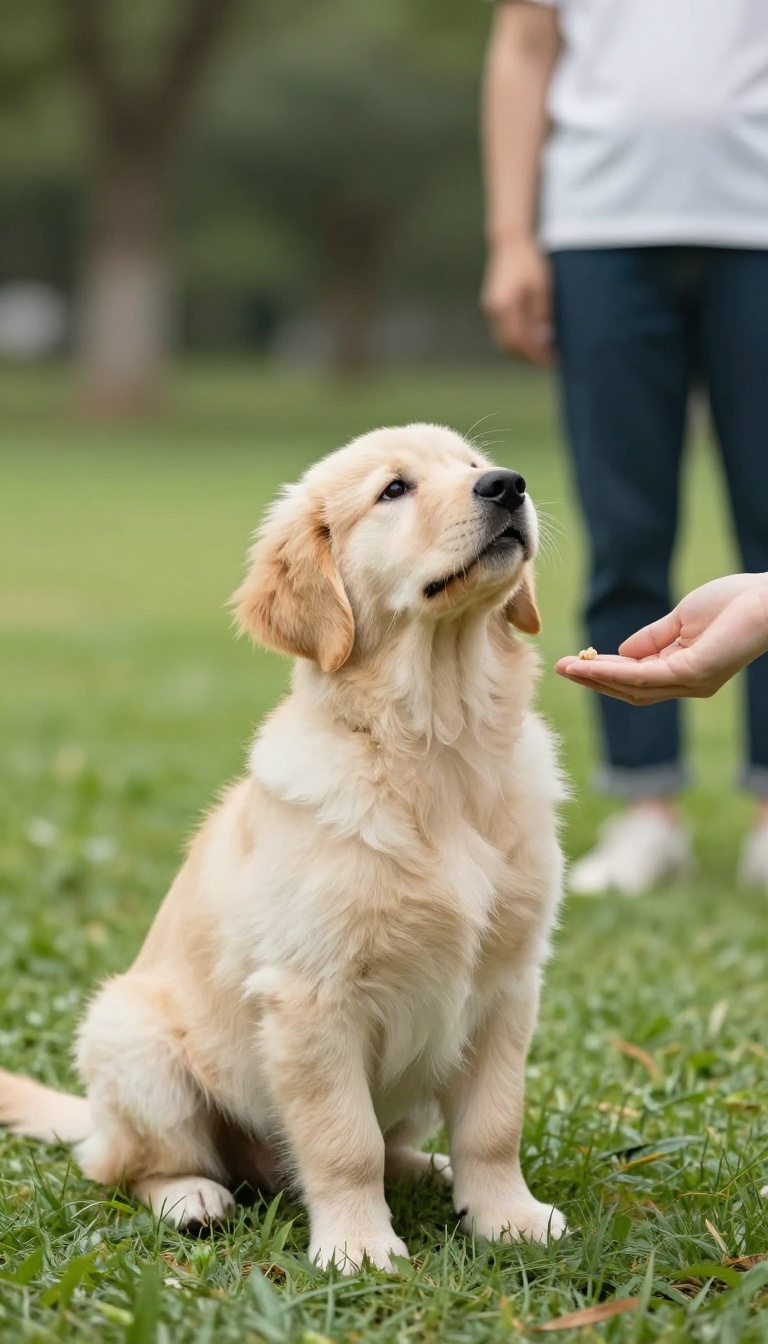
Greetings are one of the hardest things for a puppy to handle calmly. Every person or dog is a potential playdate, and their excitement can explode in a second. The 'Go Say Hi' game flips that script by teaching your puppy that greetings only happen when they're calm and looking at you.
It's a simple but powerful way to turn chaos into a controlled interaction.
Start by practicing in a low-distraction spot, like your living room. Have a friend or family member stand a few feet away. Ask your puppy to sit and look at you.
When they hold that focus, say 'go say hi' and let them approach. After a few seconds of polite sniffing, call them back and reward them for returning. Repeat until your puppy starts checking in with you before greeting anyone.
Why It Works
This game teaches your puppy that calm behavior is what unlocks social time. Instead of lunging or barking, they learn to offer eye contact and a sit. That self-control becomes a habit, making real-world greetings less frantic and more enjoyable for everyone.
Setting Up The Game
Use a clear cue like 'go say hi' and a release word like 'okay' to let them know they're free to approach. Start with one calm, known person or dog. Keep the greeting short—a few seconds is plenty.
Then call your puppy back with a happy tone and treat them generously. This builds a strong recall even when they're excited.
Practicing In Real Life
Once your puppy understands the game at home, take it on the road. Use a park bench or a quiet spot near a walking path. Ask a friend to approach slowly.
If your puppy stays calm and focused, give the 'go say hi' cue. If they pull or get too excited, simply walk away and try again. Consistency is key, and every successful greeting reinforces the pattern.
12. The 'Around' Game: Moving Focus
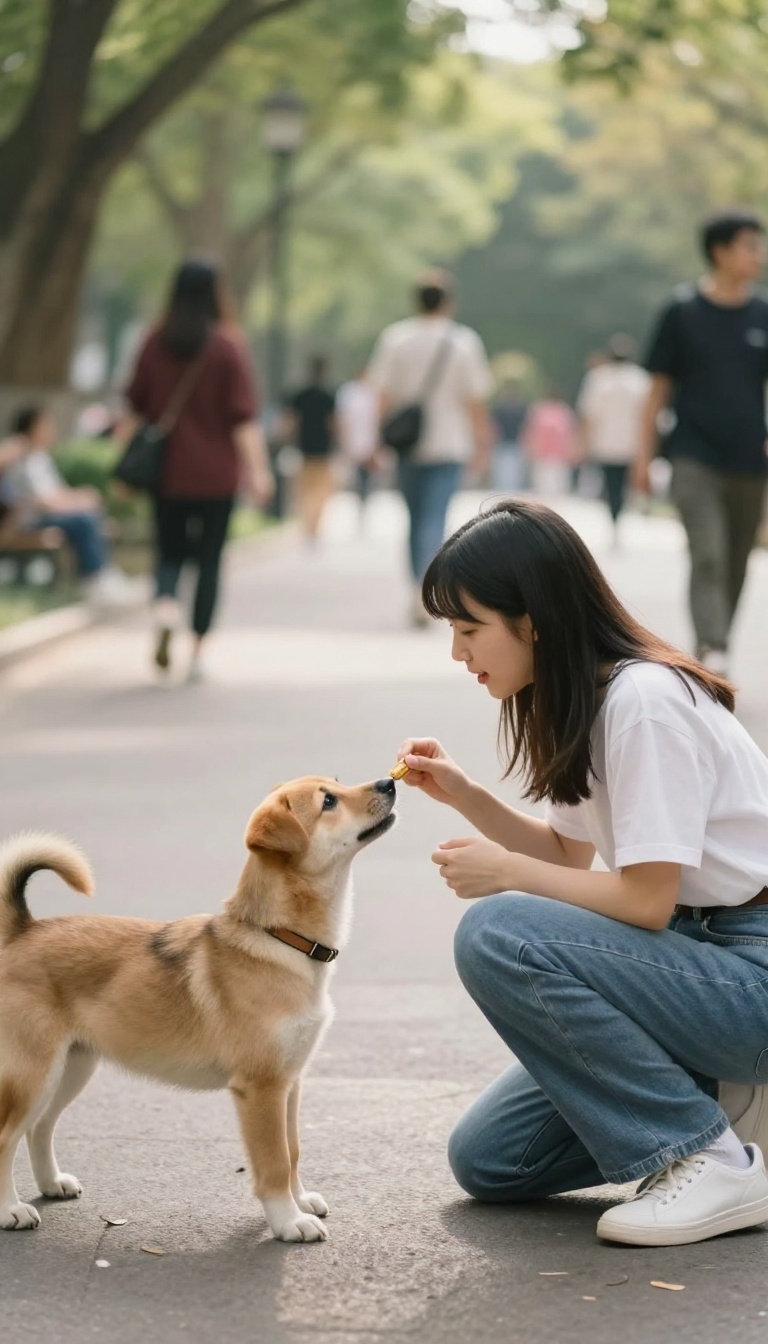
Sometimes the best way to keep your puppy's attention is to keep them moving. The 'Around' game turns you into a moving target, which is way more interesting than a stationary one. It's a simple but powerful way to build focus that works even when there's a lot going on around you.
This game is perfect for busy sidewalks, park benches, or anywhere you need your puppy to stay engaged with you. It's also a great way to burn off a little extra energy while reinforcing that you're the most fun thing in their world. The best part?
You can play it almost anywhere, with no special equipment needed.
Start With A Treat Lure
Hold a treat close to your puppy's nose and slowly guide them in a circle around you. Use a happy voice and keep the movement smooth. As they follow the treat, say 'around' or 'circle' to start associating the word with the action.
Reward them when they complete the loop. Do this a few times until they get the hang of it.
Add A Hand Signal
Once your puppy understands the motion, start using a hand signal instead of a treat lure. Use a circular motion with your hand, then say 'around. ' When they circle, reward them with a treat from your other hand. This helps them learn to respond to a cue even when they can't see a treat.
Take It On The Go
Now it's time to practice in a busier spot. Start in a quiet corner of a park, then gradually move closer to distractions. Ask for an 'around' before they get too focused on something else.
This keeps their attention on you and gives them a clear job to do. You can also use it as a reset when they start pulling toward something interesting.
Make It A Game Of Chase
For an extra challenge, turn the 'around' into a little chase. Take a few steps backward or to the side, then cue 'around' as they come to you. This adds movement and makes it more playful.
It's a great way to keep your puppy engaged while you're walking, and it reinforces that staying with you is fun.
13. The 'Middle' Position: Focus Between Your Legs
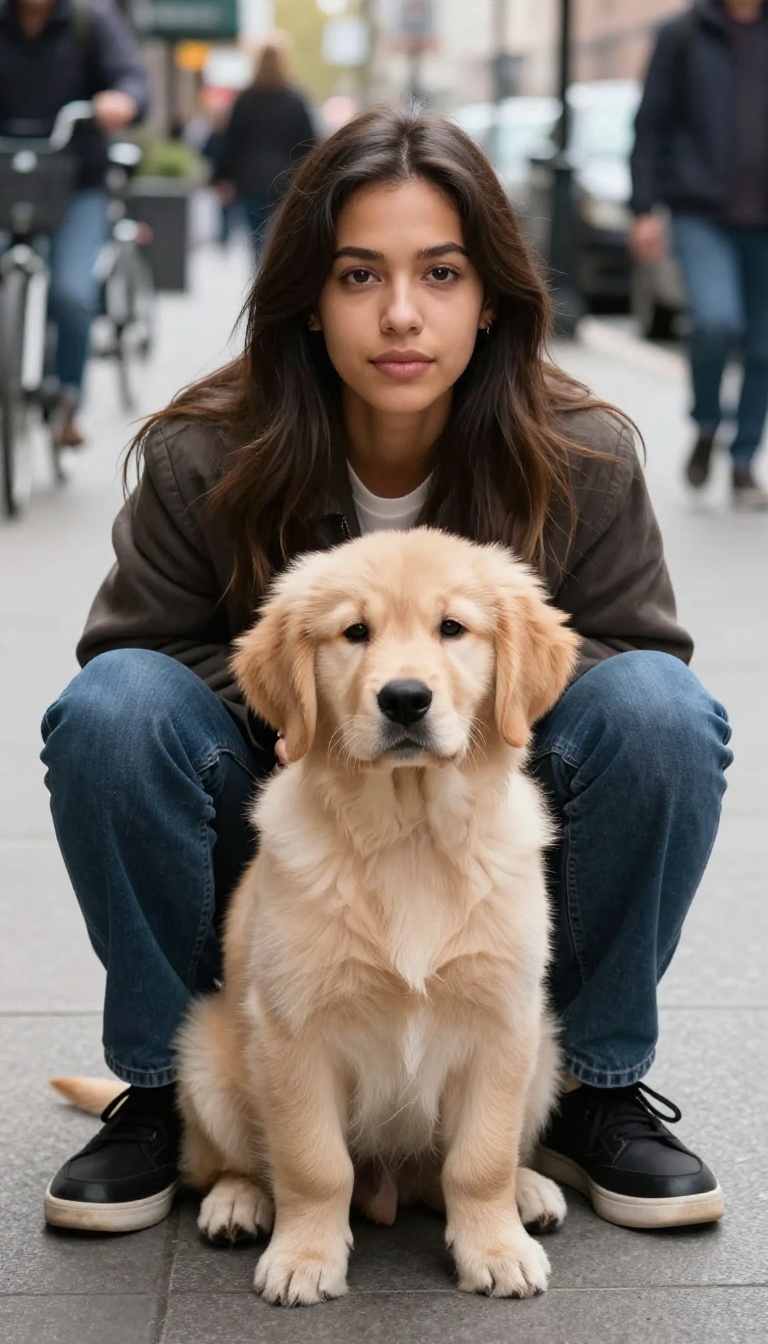
When the sidewalk turns into a gauntlet of bikes, strollers, and off-leash dogs, your puppy needs a place that feels safe and familiar. The 'middle' position—where they sit or lie between your legs—gives them that anchor. It's a simple way to say, 'Stay close, watch me, and we'll get through this together. '
The middle position isn't just about obedience; it's about building a shared calm in the middle of chaos. When your puppy learns to settle between your legs, they're not only physically close but also mentally tuned in to you. This exercise works wonders in crowded parks, busy sidewalks, or even while you're waiting in line at a coffee shop.
It turns a stressful moment into a bonding opportunity.
Why It Works
Dogs naturally seek out dens and enclosed spaces when they feel overwhelmed. Your legs create a mini-den that blocks out some of the visual chaos and gives your puppy a clear boundary. Plus, being in such close proximity means they can feel your calm energy, which helps them relax.
It's like giving them a safe harbor in a storm of distractions.
How To Teach It
Start at home with minimal distractions. Lure your puppy into a sit or down between your legs using a treat, then reward them for staying even for a second. Gradually increase the duration and add mild distractions like a toy or a family member walking by.
Once they've got it at home, take it on the road—begin in a quiet park and work up to busier spots. Keep sessions short and upbeat, and always end on a success.
Using It In The Wild
When you're out and about, use the middle position proactively. If you see a potential trigger—like a skateboarder zooming past—ask your puppy to go to 'middle' before they react. This gives them a job and a place to focus.
You can also use it as a reset button after a startling noise or a too-close encounter. The more you practice, the faster your puppy will slip into position on their own.
14. The 'Tug' Break: Using Play as a Reward
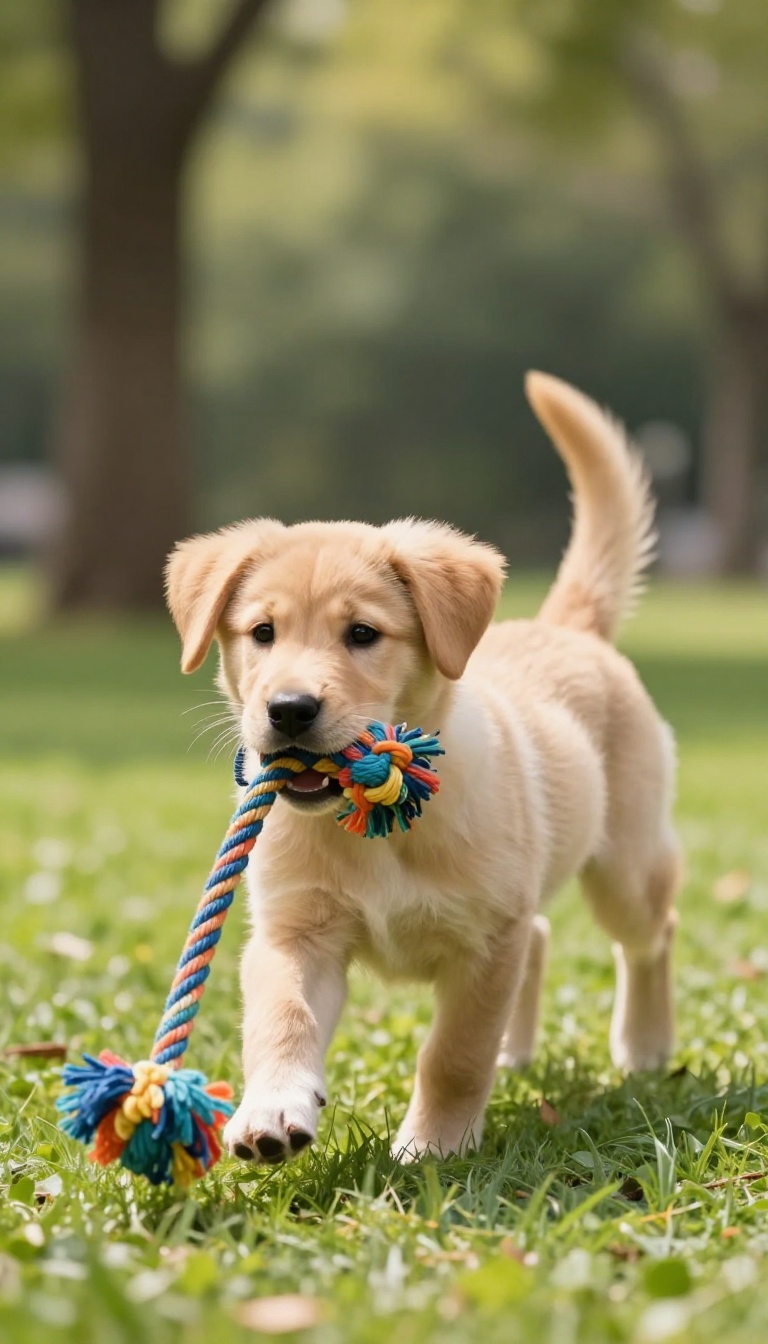
When your puppy is surrounded by distractions, sometimes the best reward isn't a treat—it's a game. Tug is a fantastic way to reinforce focus because it's exciting, interactive, and burns off energy in short bursts. The key is to use it strategically, not just randomly.
By making tug a special reward for paying attention, you teach your puppy that ignoring distractions leads to something even more fun.
Tug is more than just a game; it's a powerful training tool. When used correctly, it strengthens your bond and gives your puppy a clear reason to choose you over the environment. The trick is to keep sessions short and controlled, so your puppy stays engaged without getting over-aroused.
Start by playing tug in a low-distraction area, then gradually introduce it in busier settings as a reward for a solid 'watch me' or 'leave it. '
Why Tug Works As A Reward
Tug taps into your puppy's natural prey drive, making it inherently rewarding. Unlike a treat, which is consumed quickly, tug provides an interactive experience that involves you. This builds your value in your puppy's eyes.
Plus, the physical exertion helps release pent-up energy, which can make your puppy more focused afterward. Just remember to keep the game structured—use a cue like 'take it' and 'drop it' to maintain control.
Setting Up The Tug Break
Before you start, choose a tug toy that's appropriate for your puppy's size and age. Keep it special—only bring it out during training sessions. When your puppy gives you attention in a distracting place, mark it with a 'yes' and immediately engage in a 10-15 second tug session.
Then, ask for a 'drop it' and resume walking. This quick break reinforces that focusing on you leads to fun, and it’s easy to repeat throughout your walk.
Keeping Tug Calm And Controlled
The goal is to keep your puppy excited but not out of control. If your puppy gets too nippy or grabs the toy roughly, pause the game and wait for them to calm down. Use a calm voice and gentle movements to avoid overstimulation.
Always end the game on your terms—ask for a 'drop it' and then put the toy away. This teaches your puppy that playtime is a reward for good behavior, not a free-for-all.
15. The 'Real World' Walk: Putting It All Together
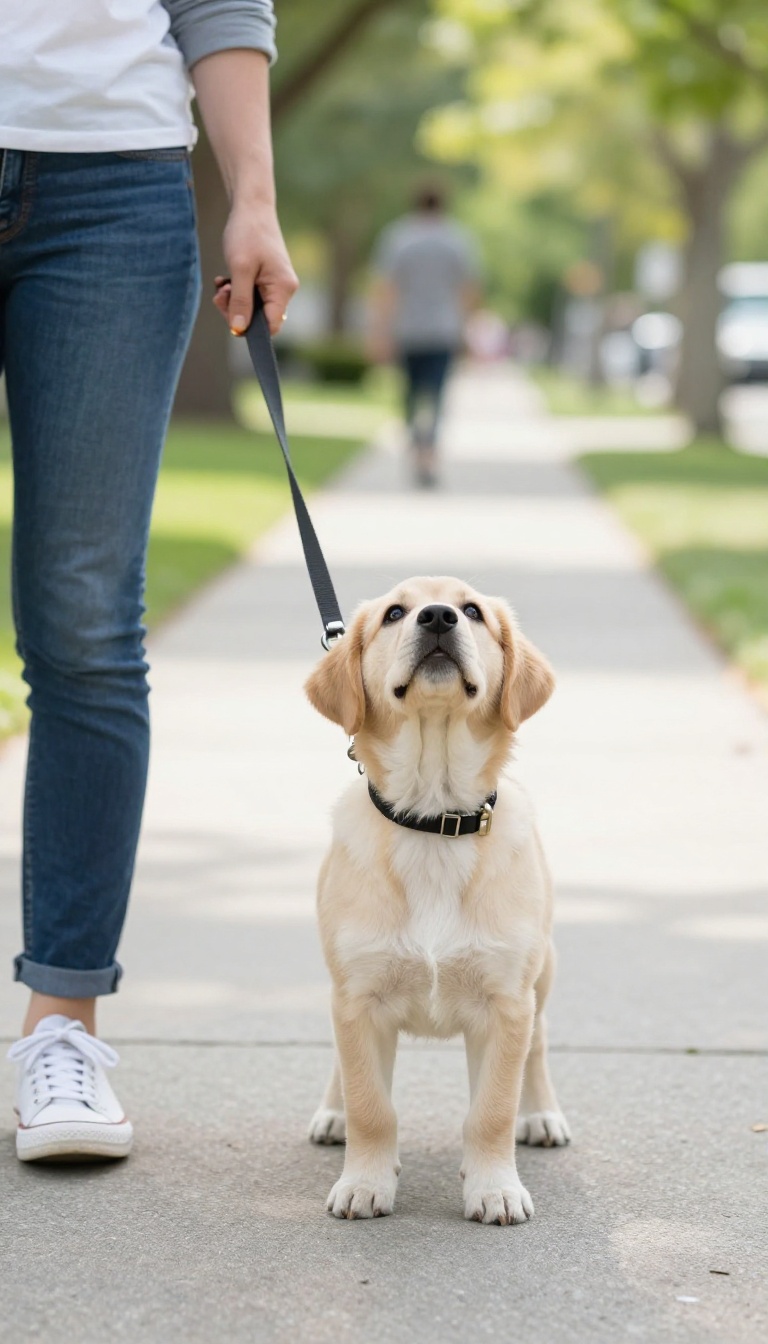
You've practiced name recognition in the kitchen and eye contact at the park bench. Now it's time to blend every skill into one seamless, real-world walk. This final exercise is about stitching together all the little games into a single, flowing session that mirrors the chaos of everyday life.
Think of it as a dress rehearsal for the distracting world outside. You're not just practicing one trick at a time anymore. You're teaching your puppy that focus is a habit, not a one-off performance.
Start With A Warm-up Loop
Begin your walk in a low-distraction area, like your driveway or a quiet side street. Spend the first few minutes doing quick name recognition and eye contact exercises. Say your puppy's name in a happy tone, and the moment they look at you, mark and reward.
This gets their brain in gear and reminds them that you're the most interesting thing on the block. Keep this warm-up short—about two minutes. You're not trying to exhaust them; you're just flipping the switch from 'explore mode' to 'work mode. ' Once you see a few solid check-ins, you're ready to move into the busier zones.
Layer Distractions Gradually
As you approach a busier street or a park, don't just dive into the deep end. Start with moderate distractions—maybe a few people walking by or a distant dog. As soon as you spot a potential trigger, cue your puppy into a 'watch me' or a 'leave it' before they even lock onto it.
The key is to be proactive, not reactive. If your puppy struggles, take a step back and increase the distance from the distraction. Then try again.
You're building a ladder of difficulty, and each rung needs to be solid before you climb higher. This way, your puppy learns that focus works even when the world gets loud.
Mix In Sudden Stops And Direction Changes
Real-world walks are full of surprises—a skateboarder zipping by, a squirrel darting across the path. To prepare your puppy for these, add random stops and turns into your walk. Every few steps, pause abruptly and ask for eye contact.
Or change direction without warning, and reward your puppy for following along without pulling. This teaches your puppy to keep one eye on you, even when they're excited. It also makes the walk more mentally tiring, which is great for burning off energy.
The goal is to make checking in with you the default behavior, not something they only do when they feel like it.
End With A Calm Victory Lap
Finish your walk in a quiet spot, just like you started. Do a few simple sits or downs to help your puppy wind down. Then, let them sniff around and decompress for a minute.
This signals that the 'work' is done and they can relax. Always end on a high note. If your puppy nailed a tough section, celebrate with extra treats and praise.
If they struggled, simplify the last part so they still finish with a win. Over time, these real-world walks will become second nature, and your puppy will learn that you're the anchor in any storm.
FAQ
How long should each focus exercise session last?
Keep sessions short, around 5-10 minutes, especially for puppies. End on a positive note before your puppy loses interest.
What if my puppy gets too distracted during training?
Move to a less distracting area and lower the criteria. Go back to basics and gradually build up again.
Can I train focus exercises with a puppy under 6 months?
Yes, but keep sessions very short and use high-value treats. Puppies have short attention spans, so patience is key.
How do I choose the right treats for training?
Use small, soft treats that your puppy loves. Save special treats for high-distraction environments to increase motivation.
What if my puppy only focuses when I have treats?
That's normal at first. Gradually phase out treats by using praise and play as rewards, but keep treats handy for tough situations.
Conclusion
Training focus in busy places isn't about perfection—it's about building a reliable habit your puppy can lean on when the world gets loud. Start with the easiest exercise, reward heavily, and gradually raise the distraction level as your pup succeeds. You'll both feel more confident on every walk, trip to the park, or visit to a friend's house.
Keep sessions short, celebrate the small wins, and remember that consistency beats intensity. Before you know it, your puppy will look to you for direction even when chaos swirls around, and that's a bond worth every minute of practice.

I’m Pallab Kishore, the owner of Little Pets Realm — an animal lover and pet care enthusiast sharing easy tips, healthy recipes, and honest advice to help every small pet live a happy, healthy, tail-wagging life.