
Last updated on August 19th, 2026 at 04:14 pm
Ever wish your dog would hold a stay when the world gets loud, busy, or just plain exciting? A reliable stay isn't just about obedience—it's the foundation for calm, safe adventures together.
These 15 challenges turn everyday moments into training wins, from doorbell rings to dropped treats. Each one builds real-world focus that pays off at home, at the park, and everywhere in between.
Ready to make stay your dog's superpower? Let's dive into playful drills that sharpen attention and deepen your bond.
1. The Doorbell Drill
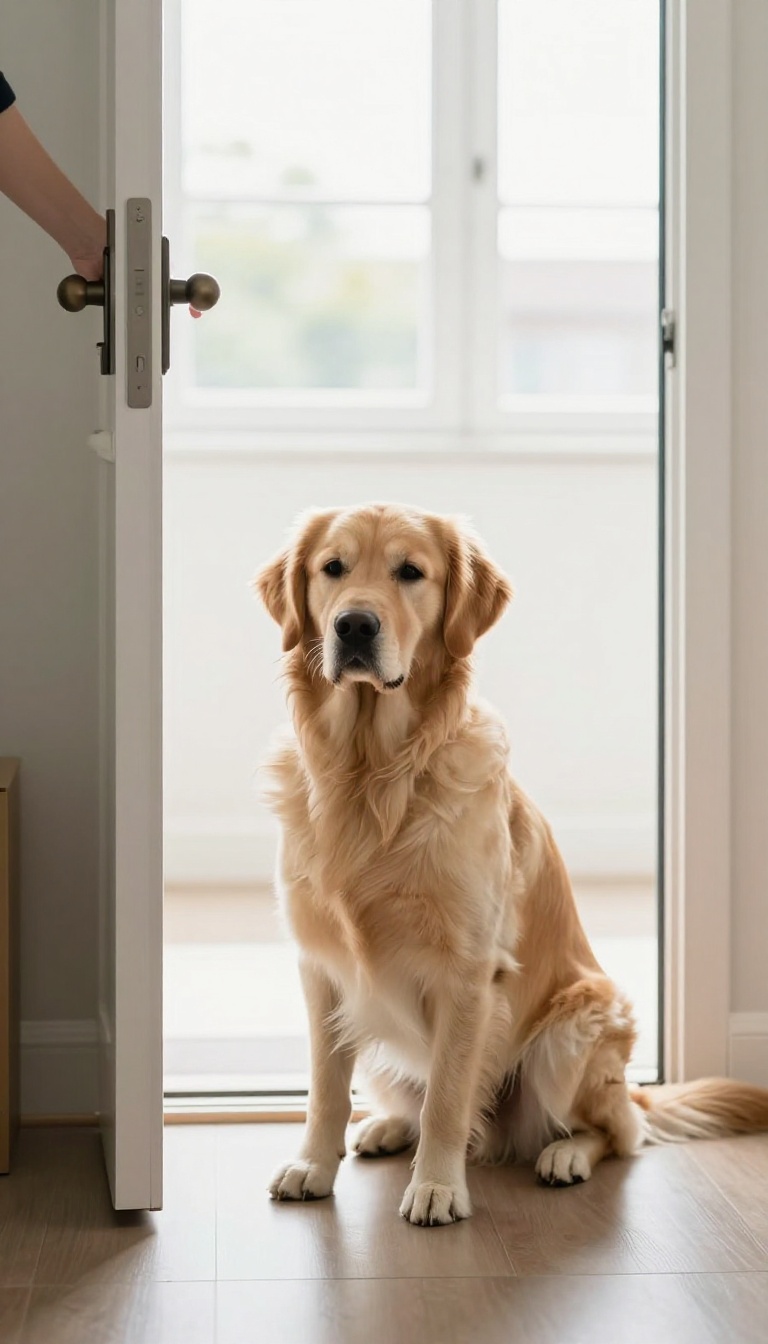
Doorbells are like magic triggers for most dogs—they go from zero to sixty in a split second. That instant alert is exactly why this drill works so well for building stay. You're teaching your dog that the doorbell is just a sound, not a command to react.
Start with your dog in a stay a few feet from the door. Have a friend ring the bell or knock once. The moment they do, say 'stay' in a calm, steady voice and reward your dog for holding position.
Keep the first few reps easy—just one ring, no opening the door. As your dog gets the hang of it, add more rings, have the friend enter, or move closer to the door. The goal is to make the doorbell a cue for staying put, not a signal to charge.
Start Simple, Then Build
Begin with the doorbell sound at a low volume or have your friend ring from inside the house. Reward your dog for staying even if they flinch. Gradually increase the intensity by having the friend ring from outside, then add a knock, and finally open the door while your dog holds.
Each step should be small enough that your dog succeeds most of the time.
Use Real-life Reps
Practice during actual deliveries or when guests arrive, but keep it controlled. Have your dog on a leash or in a stay before you answer. If your dog breaks, calmly reset and try again.
The more real-world practice, the faster your dog learns that stay means stay, even when the doorbell rings.
Reward The Calm, Not The Chaos
Timing matters. Mark the moment your dog holds still with a click or a 'yes, ' then give a treat. If your dog gets too excited, wait for a second of calm before rewarding.
This teaches your dog that staying relaxed is what earns the good stuff, not bouncing around.
2. The Treat Temptation
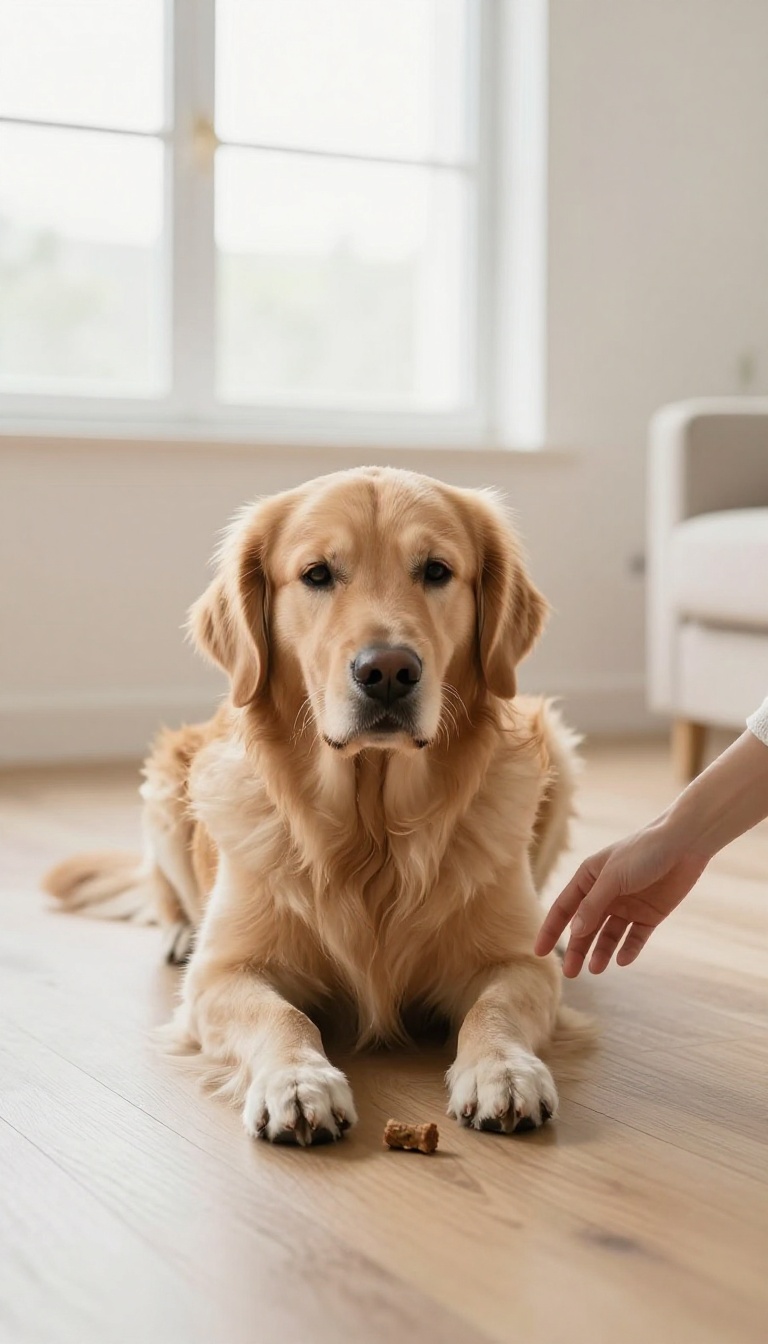
A dropped treat is the ultimate test of self-control. This challenge uses a high-value reward as a distraction, teaching your dog that staying put earns the prize, not lunging for it. It's a simple setup that packs a powerful punch for building focus.
Start with your dog on a stay. Place a treat on the floor a few feet away. If they break, calmly reset and try again.
Reward them from your hand for holding the stay, then gradually let them get closer to the treat before releasing. Over time, you'll build rock-solid impulse control.
Start Small, Build Up
Begin with the treat far enough away that your dog can resist easily. Use a clear release cue like 'okay' to let them go get it. As they succeed, move the treat closer or use a more tempting snack.
Always reward the stay, not the grab.
Add Movement And Distance
Once your dog masters a static treat, try dropping it from your hand while they're in a stay. Then increase your distance from them. This simulates real-life moments like dropping food on the kitchen floor.
The goal is a dog who waits for your signal, no matter what.
Turn It Into A Game
Keep it fun by mixing in quick releases and praise. If your dog breaks, just reset without frustration. End on a success, even if that means moving the treat farther away.
Short, positive sessions build confidence and focus faster than long, frustrating ones.
3. The Moving Target
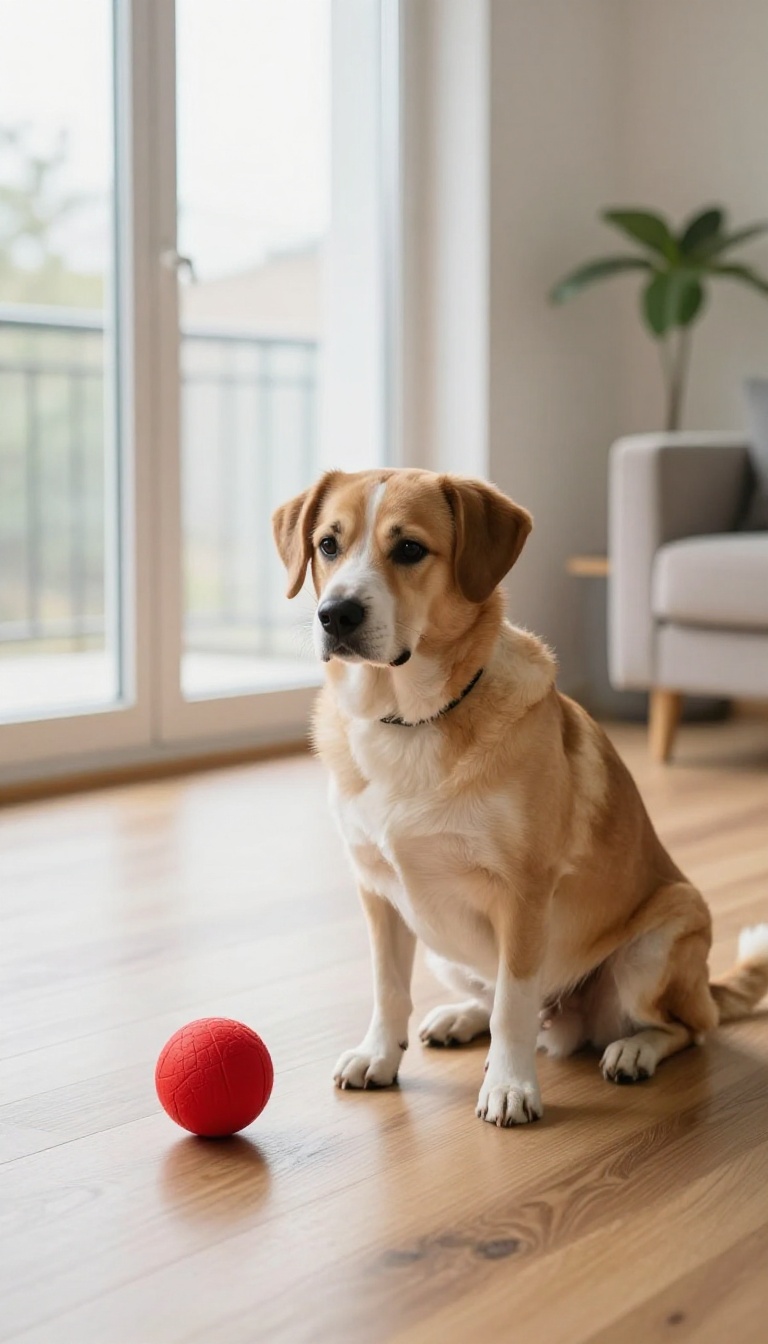
Dogs are natural chasers. A rolling ball or a squeaky toy being dragged past them can instantly break their concentration. This challenge trains your dog to hold their stay even when something tempting moves right in front of them.
It's a fun way to build impulse control and reinforce that staying put is always the best choice.
Start with your dog in a stay position. Have a friend or family member slowly roll a ball or drag a toy across the floor, several feet away at first. If your dog stays, reward them with praise and a treat.
Gradually decrease the distance and increase the speed as your dog gets better. The goal isn't to make it impossible—just to help them practice ignoring movement while staying relaxed.
Start Slow And Close
Begin with the moving object far enough away that your dog can succeed easily. Use a calm, slow motion so it doesn't seem like a game. Say 'stay' in a happy tone and reward immediately after the object passes.
This builds confidence and shows your dog that staying still is more rewarding than chasing.
Add Distance And Speed
Once your dog is comfortable with a slow roll, increase the distance between you and the moving object. Then, try moving it a bit faster or making it bounce. Keep sessions short—just a few repetitions—so your dog stays engaged.
Always end on a success, even if that means going back to an easier step.
Use Real-life Distractions
The real magic happens when you practice with things your dog actually encounters. Roll a ball in the park, drag a leash across the yard, or have someone ride a bike past. These real-world scenarios make the stay more reliable when it counts.
Remember to reward generously for any effort, and keep the training positive.
4. The Food Drop Challenge
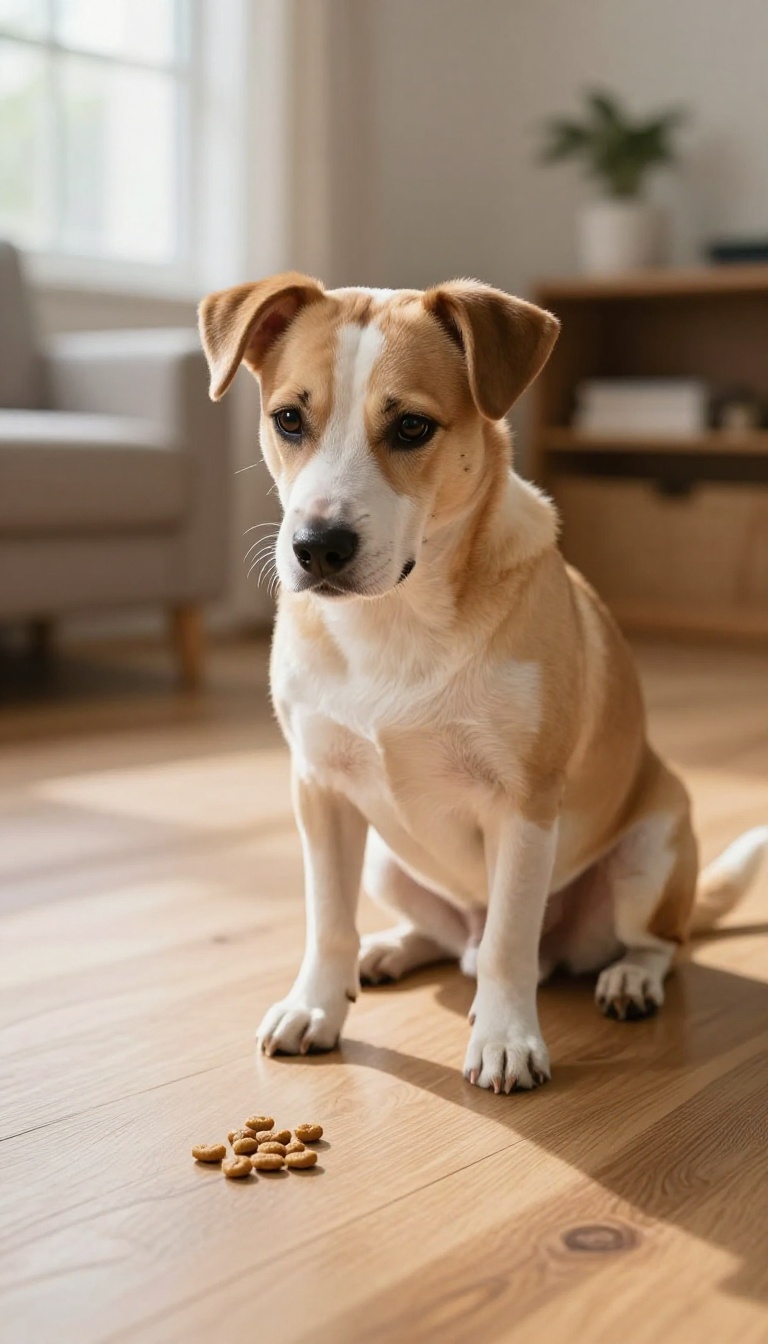
Some dogs would sell their soul for a piece of kibble, which makes this challenge a true test of willpower. The goal is simple: drop a treat right in front of your dog while they're holding a stay. If they hold, they win the treat—but only when you give the release cue.
This drill teaches your dog that good things come to those who wait, even when temptation is literally under their nose.
Start with your dog in a sit or down stay. Toss a piece of kibble or a low-value treat just a few inches away—close enough to be tempting but not so far that they’re likely to break. If your dog stays, praise them warmly, then give your release cue (like “okay” or “free”) and let them snatch the treat.
If they break early, calmly reset and try again with a smaller distance or a less exciting treat. The key is to make it easy enough for them to succeed most of the time, so they build confidence and learn that staying pays off.
Start Small And Build Up
Begin with a treat that’s not super high-value, like a piece of their regular kibble. Place it on the floor a few feet away, then return to your dog and release them to go get it. As they get the hang of it, gradually increase the difficulty: drop the treat closer, use a tastier reward, or toss it a little farther.
The goal is to stretch their self-control without overwhelming them. If your dog breaks, just reset and try a slightly easier version—no big deal.
Use A Release Cue Every Time
The magic of this challenge lies in the release cue. You’re not just teaching your dog to ignore food—you’re teaching them that the stay ends only when you say so. Use a consistent word like “okay” or “free” and always reward them with the dropped treat after they break.
This builds a clear pattern: stay means stay until I say otherwise, and then you get the prize. Over time, your dog will learn to wait even when the treat is right in front of them, because they know the release is coming.
Add Real-world Distractions
Once your dog is solid with a dropped treat, start adding real-world distractions. Drop a treat while the doorbell rings, or while another family member walks by. You can even practice outside on a quiet sidewalk.
The key is to keep the challenge manageable—if your dog struggles, dial it back by moving farther from the distraction or using a lower-value treat. This builds a rock-solid stay that holds up in the chaos of everyday life.
5. The Outdoor Distraction
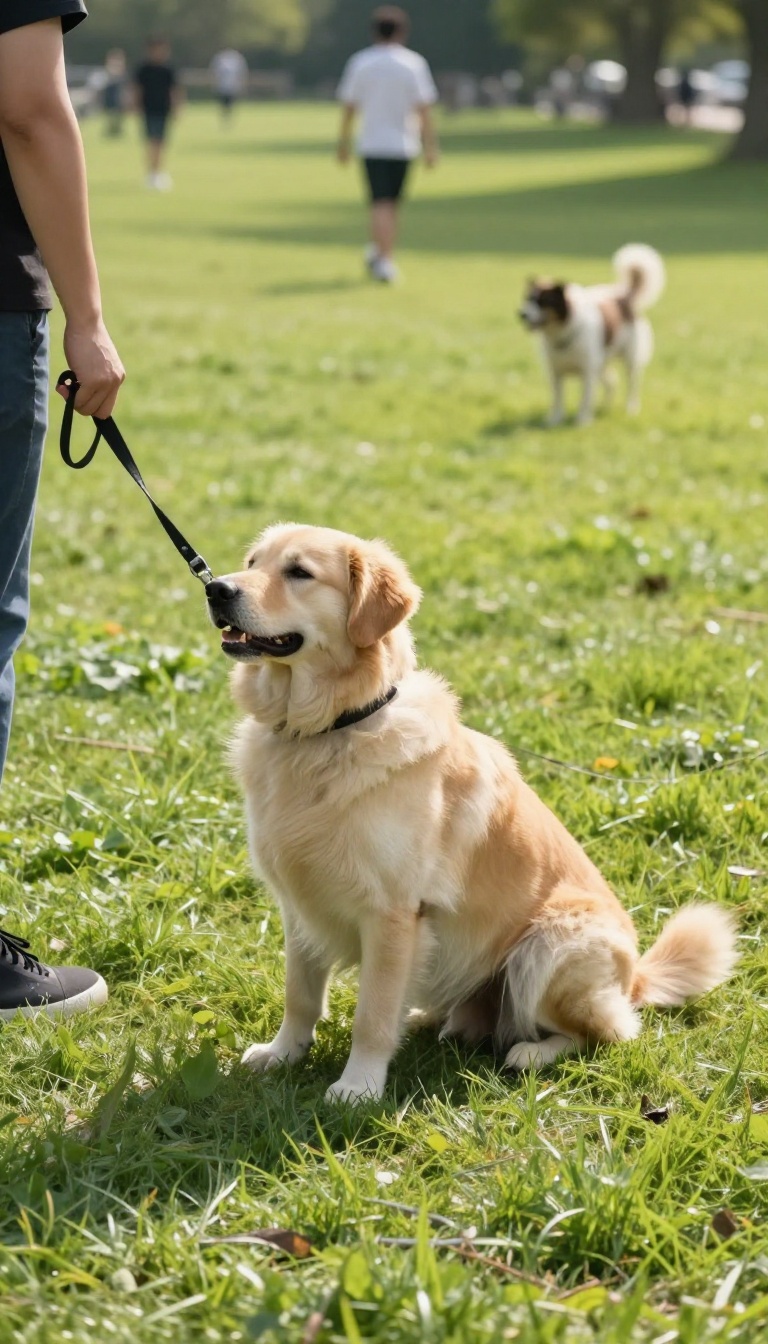
Taking stay from the quiet living room to the great outdoors is a whole different ballgame. The world is full of smells, sounds, and moving things that scream for your dog's attention. This challenge helps your dog learn to focus on you even when the environment is buzzing with life.
This challenge is all about building a rock-solid stay in a place where distractions are real and unpredictable. You'll start in a familiar outdoor space and gradually increase the difficulty as your dog succeeds. The goal is to teach your dog that stay means stay, no matter what's happening around them.
Start In Your Yard
Begin in your own backyard or a quiet corner of a park. Have your dog sit or lie down, give the stay command, and then take a few steps back. If your dog holds the stay, return and reward with a treat and praise.
Repeat this a few times, gradually increasing the distance you move away. Keep sessions short and positive, so your dog builds confidence before moving on.
Add Moderate Distractions
Once your dog is solid in the yard, it's time to introduce distractions. Choose a time when there are people walking by, other dogs in the distance, or interesting smells in the air. Start at a distance where your dog can still focus, and then slowly decrease that distance as they succeed.
If your dog breaks the stay, calmly bring them back to the original spot and start again. The key is to set your dog up for success by not pushing too hard too fast.
Move Closer To Triggers
As your dog gets better, you can move closer to the action. If there's a path where people walk, position yourself near it but far enough that your dog can still hold the stay. Gradually work your way closer, always rewarding your dog for staying put.
Remember to use a release word like 'okay' to let your dog know when the stay is over, so they don't feel like they have to hold it forever.
Use Real-life Rewards
The best reward for outdoor stays is often the chance to do something fun. After a successful stay, release your dog and let them sniff, play, or greet a friendly person. This teaches your dog that staying calm leads to good things.
Mix up treats with real-world rewards to keep your dog motivated and engaged.
6. The Walking Away Game
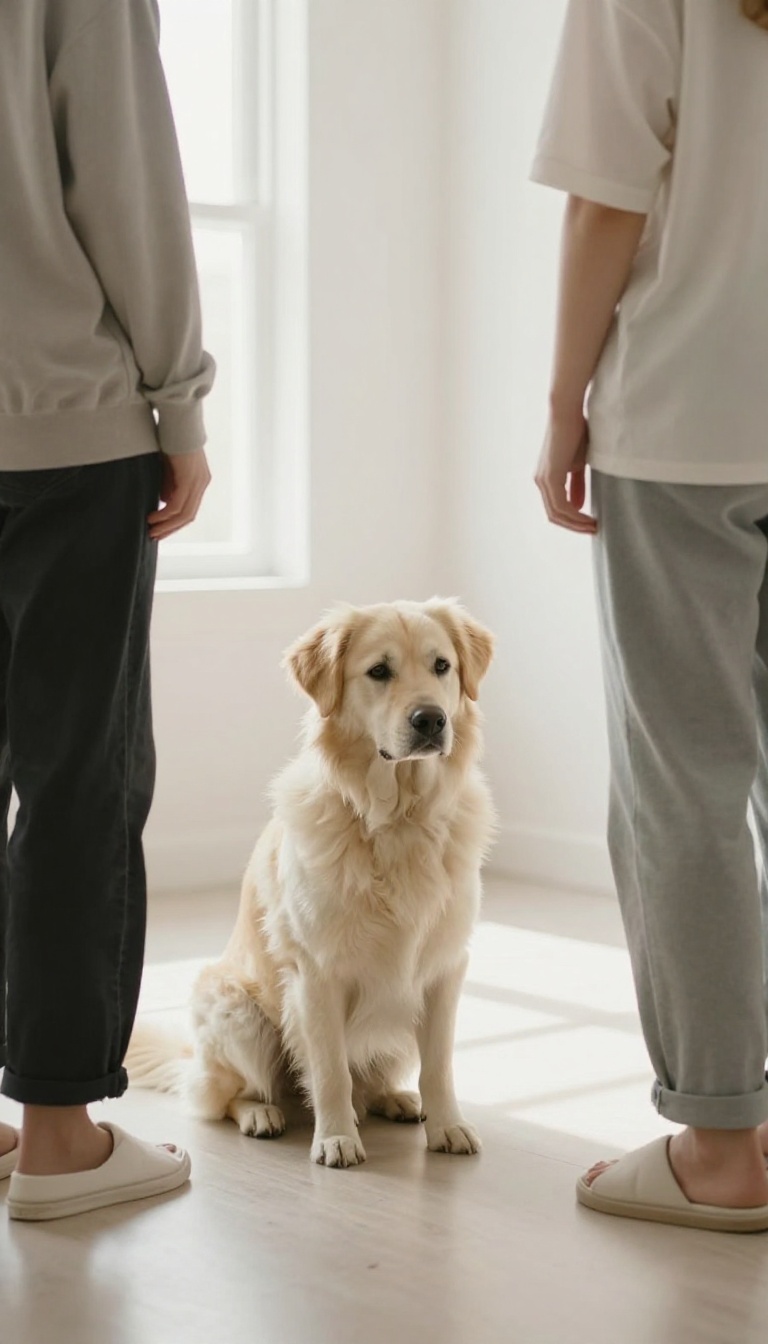
This one is all about teaching your dog that you leaving is no big deal. It's a simple drill that builds serious trust and focus, especially for dogs who get anxious when you move away. The goal is to make your departure the most boring, predictable thing in the world.
Start with your dog in a sit or down stay. Give a clear hand signal and say "stay" once. Then, take a single step backward.
If your dog holds, return immediately, mark with a happy "yes" or click, and reward. If they break, just reset them gently and try again with a smaller step. The key is to keep sessions short and successful, so your dog learns that staying put always pays off.
Start Small And Build Distance
Begin with just one step away, then return. Gradually increase to two, three, or even five steps over several sessions. The moment your dog looks worried, shrink the distance again.
You want to build confidence, not stress. Remember, the return is the reward—make it a party every time.
Add Duration And Distractions
Once your dog is solid with a few steps, start adding duration. Count to three before you return, then five, then ten. You can also add mild distractions like bouncing a ball or having a friend walk by.
The goal is to teach your dog that even when exciting things happen, staying is the best choice.
Use A Release Word
Always use a release word like "free" or "okay" to end the stay. This gives your dog a clear signal that the game is over and they can move. It also prevents them from guessing when to break, which builds stronger self-control.
Practice releasing from different distances and angles to keep it interesting.
7. The Turn Your Back Test
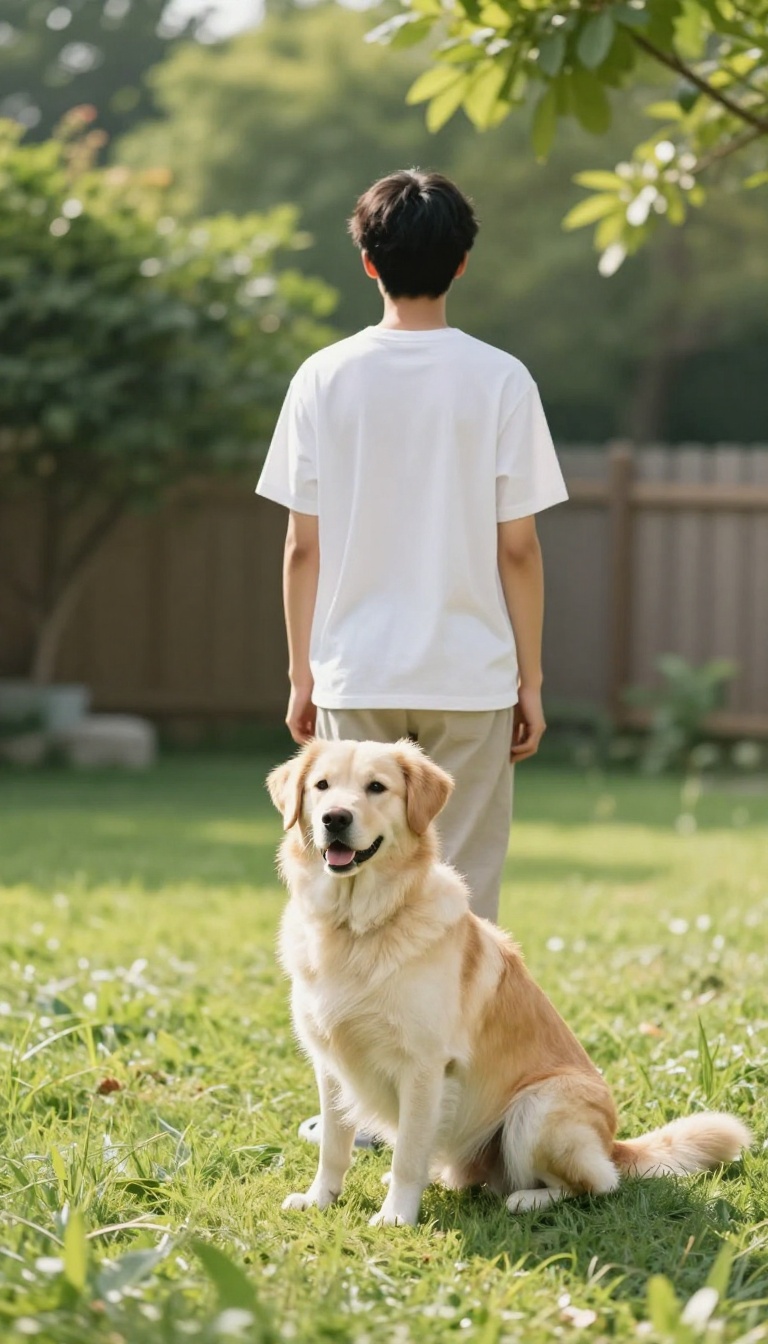
Dogs often rely on visual cues from us to know what's coming next. When you turn away, it can feel like the rules suddenly change. This challenge helps your dog trust that the stay command still applies, even when you're not making eye contact.
It's a simple drill with a big payoff: a dog who holds position without staring at you for reassurance. That's the kind of focus that makes real-world stays rock solid, whether you're at a café or in your own backyard.
Start with your dog in a sit or down stay. Give the cue, then calmly turn your back and stand still for a few seconds. If your dog stays, turn back and reward.
If they break, reset them and try again with a shorter duration. Gradually increase the time you spend with your back turned. You can also add small distractions like stepping to the side or shuffling your feet.
The goal is to teach your dog that the stay isn't tied to your gaze—it's tied to your word.
Why This Works
Dogs are masters at reading our body language, and eye contact is a big part of that. When you face them, they get a constant stream of subtle signals. Turning away removes that safety net, forcing them to rely on the command itself.
This builds genuine self-control and trust in the cue.
How To Make It Easier
If your dog struggles, start with a very short duration—just one or two seconds. You can also use a hand signal before turning away, like a flat palm, to reinforce the stay. Keep sessions short and end on a success, even if that means going back to facing them for a few reps.
Taking It Further
Once your dog nails the basic version, try turning your back and walking a few steps away. You can even turn around and face them again, then turn away once more. This teaches them to stay put no matter what you're doing.
It's a fantastic way to build rock-solid stays for real-life moments like answering the door or chatting with a neighbor.
8. The Jumping Jack Surprise
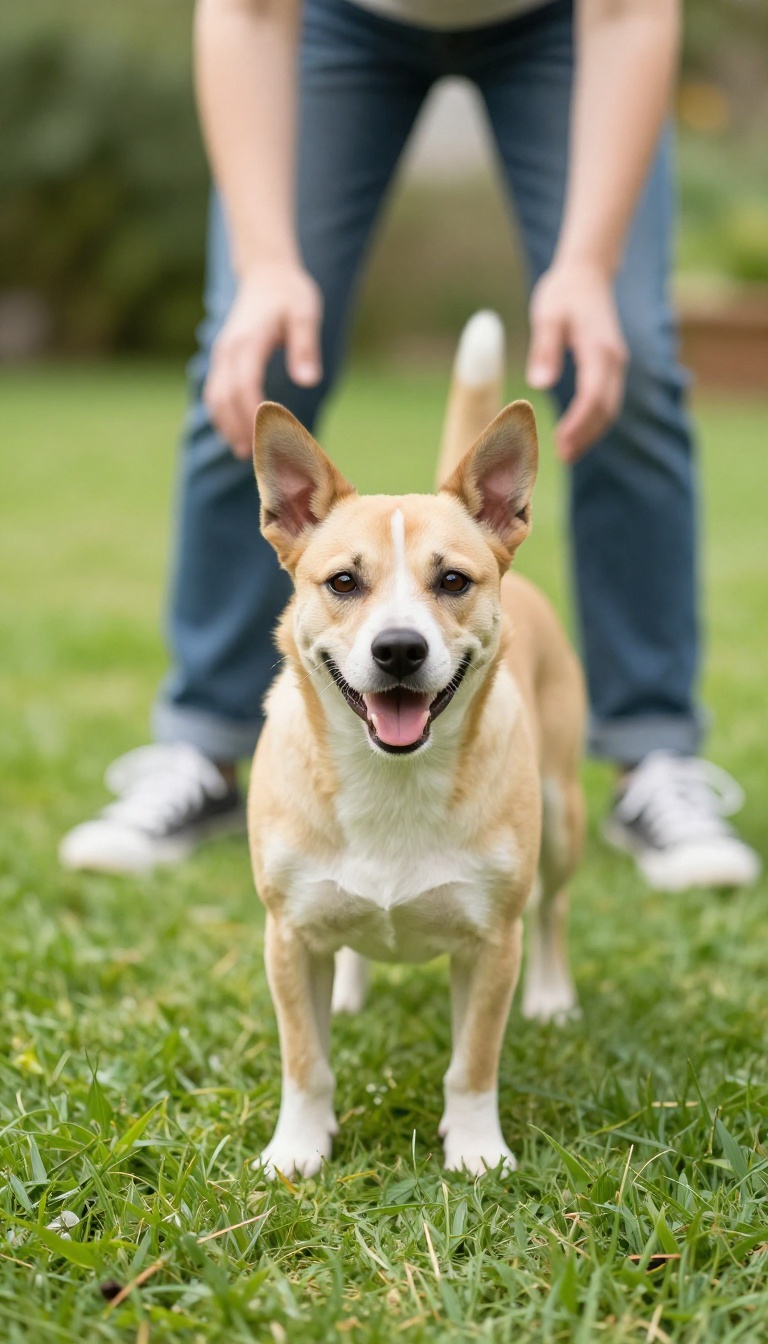
Dogs are masters of reading our body language, but sudden, jerky movements can still catch them off guard. This challenge turns your stay practice into a mini workout for both of you, teaching your pup that even when you bounce around like a maniac, staying put is the best choice. It's a fun way to build rock-solid focus in the face of unpredictable human antics.
Start with your dog in a sit or down stay a few feet away. Give a clear release word like 'okay' before you move, then do a few jumping jacks or wave your arms overhead. The key is to keep your movements big and unexpected, but never so wild that you accidentally bump your dog.
If they hold their stay, reward them with a treat and plenty of praise. If they break, calmly reset and try again with smaller movements.
Why Sudden Movements Matter
In real life, you might trip over a toy, wave your hands while talking, or reach for something on a high shelf. If your dog only stays when you're perfectly still, they're not truly reliable. This drill teaches them that your body can do all sorts of things without being a signal to move.
Adding Distractions Gradually
Don't start with full jumping jacks if your dog is easily startled. Begin with a simple arm wave or a little hop, then build up to more energetic movements as they succeed. You can also add a squeaky toy or a tossed treat to make it even more challenging, but only if your dog is already comfortable with the basic jumping jack drill.
Keeping It Fun And Positive
This challenge should feel like a game, not a test. Use a happy tone and reward generously when your dog stays. If they break, don't scold—just reset and try again with a shorter duration or less movement.
The goal is to build confidence, not stress, so keep sessions short and end on a high note.
9. The Doorway Threshold
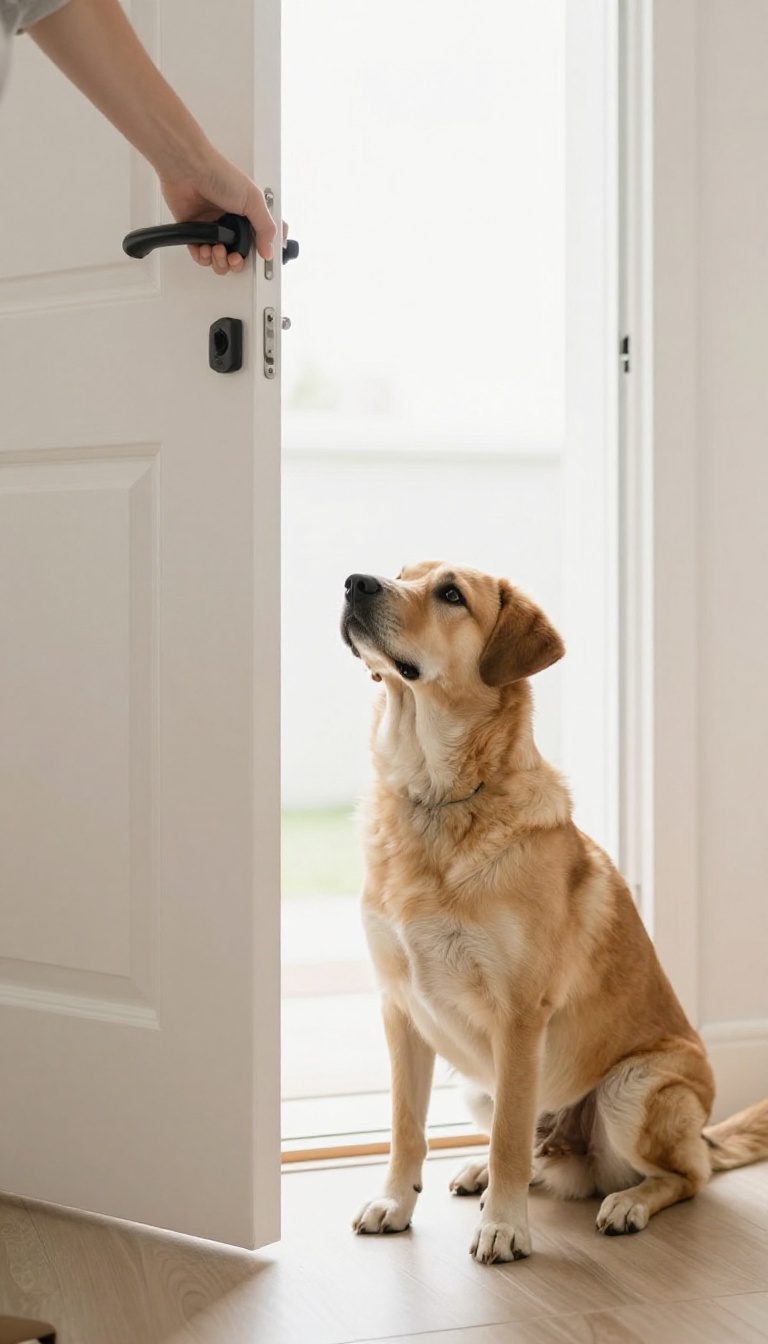
Doorways are like invisible lines that dogs love to blur. They rush through them without thinking, which can be dangerous if they bolt into the street or knock someone over. This challenge turns every threshold into a training moment, teaching your dog to pause and wait for your signal before crossing.
Start with your dog on a leash inside the house. Walk toward an exterior door and stop a few feet away. Ask for a sit and a stay, then slowly reach for the handle.
If your dog moves, reset and try again. Once they hold steady, open the door a crack. Reward them for staying put.
Gradually increase the door opening and the time they wait before you give a release word like “okay” or “free. ”
Why Thresholds Matter
Thresholds are natural boundaries that dogs often ignore. Practicing stay here builds impulse control in a real-world setting. It also keeps your dog safe from running into traffic or greeting strangers too enthusiastically.
Plus, it makes coming and going much less chaotic.
Start Indoors
Use any interior doorway, like between rooms, to practice. Have your dog sit and stay while you step through. Then call them to you.
This builds a foundation before you move to the front door, where distractions are higher.
Move To The Front Door
Once your dog is solid indoors, take it to the front door. Keep them on a leash for safety. Practice waiting while you open the door, step outside, and then return.
Reward calm behavior. Slowly increase the time and distance you move away.
Add Real-world Distractions
When your dog is ready, practice with the door open and real life happening outside. Have a friend walk by or a car pass. If your dog breaks stay, close the door and start again.
This teaches them that staying put is always the best choice.
10. The Toy Toss Temptation
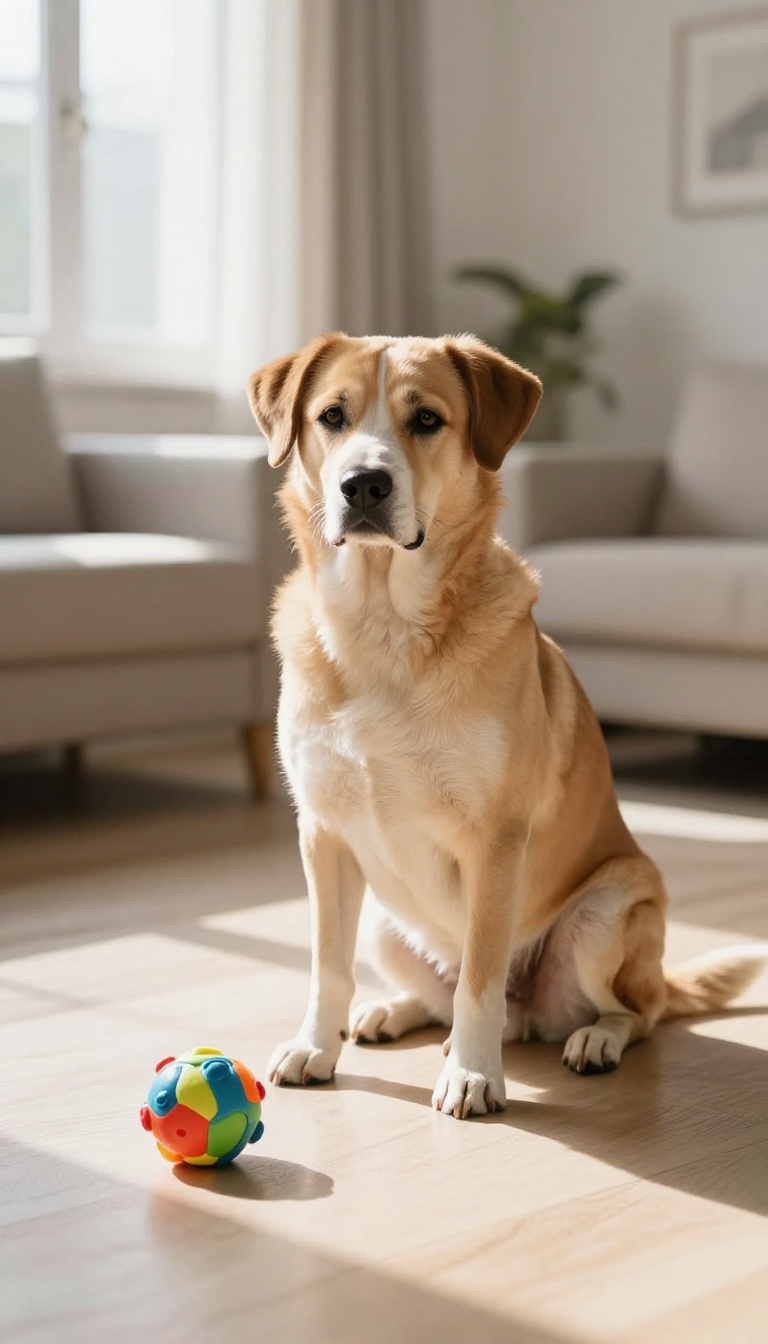
Playtime is where impulse control really gets tested. Most dogs see a tossed toy and their brain switches to chase mode before they even think. This challenge turns that natural reaction into a training opportunity: your dog holds a stay while you toss a favorite toy, then earns the reward by not moving until you release them.
It's simple, fun, and builds serious self-control.
Start with a toy your dog loves but isn't so exciting that they can't focus. Begin with a short stay, toss the toy just a few feet away, and immediately return to your dog. If they break, calmly reset and try again with a shorter distance or a less tempting toy.
The key is to reward the stay, not the chase. Once your dog gets the hang of it, you can increase the distance or use a squeakier toy to raise the stakes.
Why It Works
This drill teaches your dog that staying put, even when something exciting happens, leads to a better outcome. It strengthens their ability to control impulses, which is the same skill they need when a squirrel darts across the path or a ball rolls into the street. The toy toss also adds a playful element, so your dog learns that focus and fun go hand in hand.
Step-by-step Setup
Start with your dog in a sit or down stay. Show them the toy, then toss it a short distance while saying 'stay' in a calm voice. Wait a second or two, then release with a cue like 'okay' and let them fetch.
As they improve, gradually increase the toss distance and the time before release. Always use a release cue so your dog knows exactly when it's okay to move.
Common Mistakes To Avoid
One common mistake is tossing the toy too far or using a toy that's too exciting too soon. That sets your dog up to fail. Another is rewarding the chase instead of the stay—if you let them break without a reset, they learn that breaking pays off.
Keep sessions short and positive, and always end on a success.
11. The Crowd Control
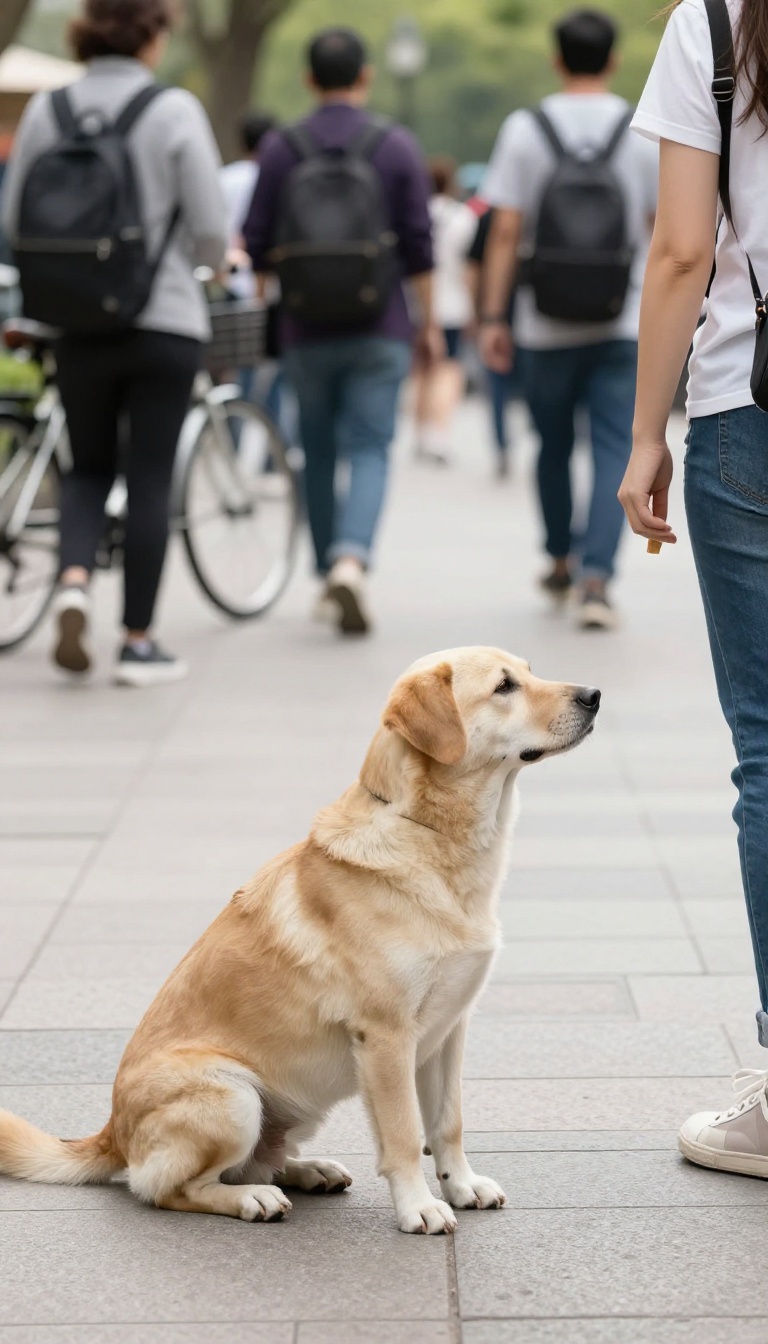
Sidewalks, pet stores, and busy parks are where stay really gets tested. The world is full of distractions, and your dog needs to learn that stay means stay even when there's a lot going on. This challenge is about building focus in the middle of all that noise, starting at a distance and working closer as your dog succeeds.
Start by finding a busy but safe spot, like a bench near a walking path or the entrance of a pet store. Begin with your dog in a stay at a distance where they can still focus on you. Reward them for holding the stay while people walk by, bikes pass, or other dogs appear.
Gradually decrease the distance as your dog gets more comfortable. The goal is to make the stay feel like the most rewarding thing in the world, even when the world is pulling for their attention.
Start Far, Then Close In
Distance is your friend at first. Keep your dog far enough away from the action that they can still listen. Reward every second of eye contact and stillness.
As they succeed, take a step closer. If they break, just go back a few steps and try again. This builds a solid foundation before you add more pressure.
Pick Your Moments
Not every moment in a busy place is the right time to train. Choose times when the crowd is moderate, not overwhelming. A slow afternoon at a park is better than a festival crowd.
You want your dog to succeed, not just survive. As they get better, you can pick more chaotic moments to test their focus.
Reward The Calm, Not Just The Stay
The stay itself is just the start. What you're really after is a calm, relaxed state of mind. Watch for loose body language, soft eyes, and a relaxed tail.
Reward those moments with treats and praise. If your dog is stiff or staring at every passerby, they're not really focused on you. That's a sign to move farther away or take a break.
Make It Fun, Not Just Hard
This challenge should feel like a game, not a test. Use high-value treats, a happy voice, and short sessions. End on a good note, even if that means moving back to an easier spot.
The more fun your dog has, the more they'll want to engage with you, even in the busiest places.
12. The Duration Builder
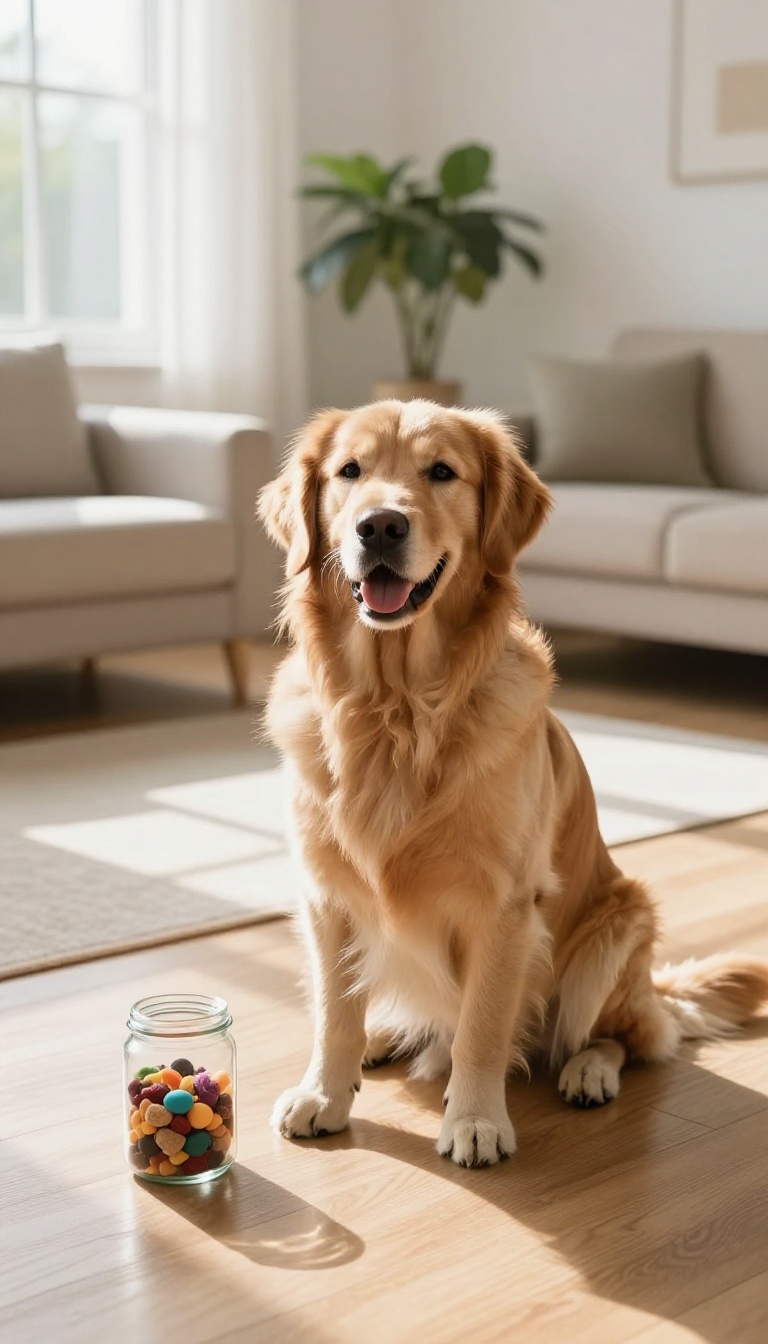
Stays often crumble not because of distractions, but because time drags on. Your dog might nail a five-second stay, then break at fifteen when they think the game is over. That's where the Duration Builder comes in—a simple way to stretch their patience without pushing too hard, too fast.
Think of this as the slow-march version of stay training. You're not adding chaos or movement; you're just asking your dog to hold still for a little longer each time. The trick is to make the wait worth it, so your dog learns that staying put is always a winning move.
Start Small And Sweet
Begin with a stay your dog already knows well, even if it's just three seconds. Mark that success with a release word like "free" or "okay, " then reward with a high-value treat. Repeat a few times, then bump the duration by two or three seconds.
Keep sessions short—five minutes max—so your dog stays fresh and eager.
Add Time, Not Pressure
Once your dog holds a ten-second stay comfortably, stretch to fifteen, then twenty. Don't rush. If they break early, go back to a shorter duration and build again.
The goal is to make longer stays feel like no big deal. Reward every successful hold, but vary the treats so the payoff stays exciting.
Make The Release Fun
The release cue is part of the game. Say it cheerfully, then toss a treat a few feet away or engage in a quick play session. This gives your dog something to look forward to after the stay, reinforcing that patience pays off.
Over time, they'll hold longer because they know the fun is coming.
13. The Distance Challenge
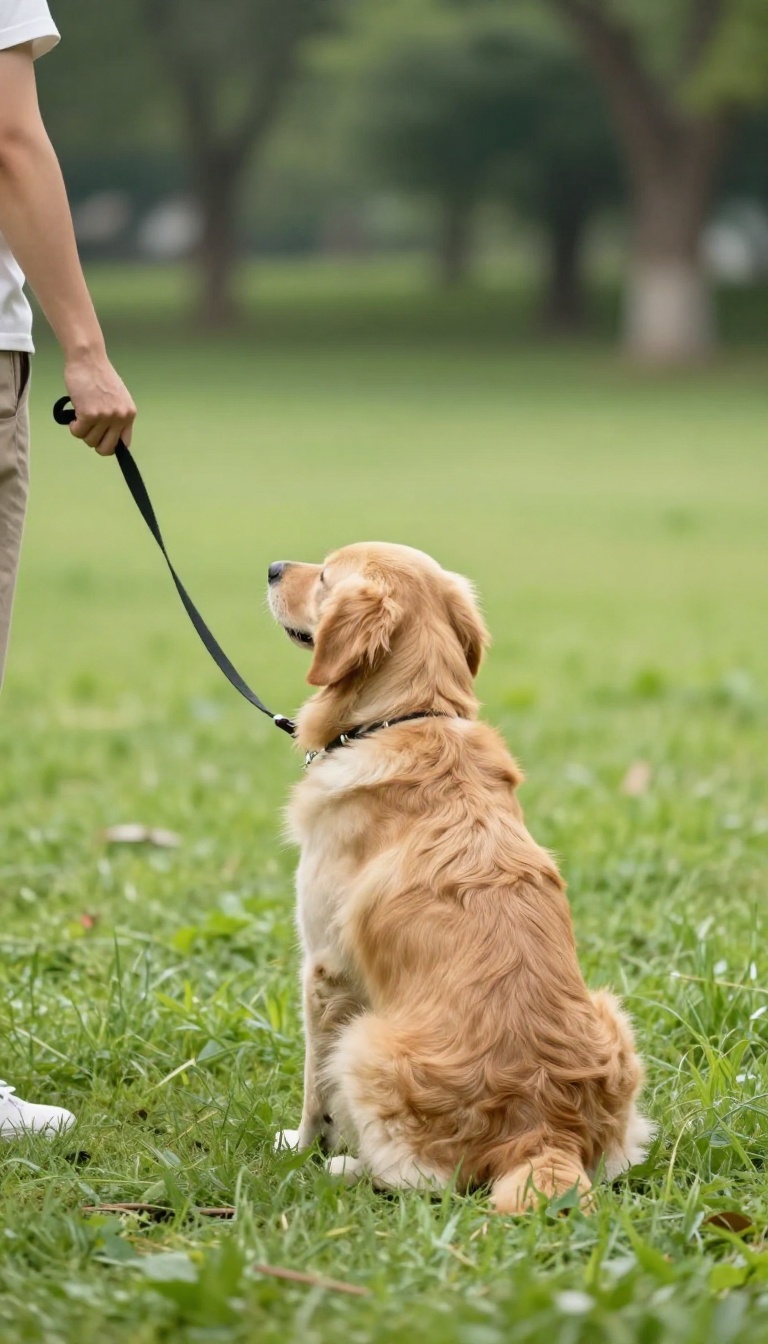
Distance is a sneaky variable in stay training. Your dog might hold a perfect stay when you're right next to them, but the moment you step back, they creep forward. That's because distance adds difficulty—it tests their trust and their understanding of the cue.
This challenge is all about building that distance gradually, so your dog learns that stay means stay, no matter how far away you are.
Start close, then take one small step back. If your dog holds, return and reward. If they break, simply reset and try a shorter distance.
The key is to make progress in tiny increments, so your dog never feels overwhelmed. Over time, you'll be able to move across the room, down the hall, or even out of sight—all while your dog remains a statue.
Why Distance Matters
Distance challenges your dog's impulse control in a unique way. When you're close, your presence is a reminder to stay. As you move away, that reminder fades, and your dog has to rely on their own training.
This builds independence and confidence, which is essential for real-world situations like when you need to step away to grab something or answer the door.
The Long Leash Method
A long leash is your best friend for this challenge. It gives your dog freedom to move but keeps them safe if they break. Attach a 15- or 30-foot leash, give your stay cue, and start walking backward.
If your dog moves, gently guide them back to the original spot with the leash, then try again. The leash also lets you reward from a distance—toss a treat or use a clicker to mark the stay before you return.
Adding Distractions At A Distance
Once your dog can hold a stay at a distance, start adding distractions. Drop a toy, bounce a ball, or have a friend walk by. The goal is to teach your dog that stay applies even when exciting things happen far away.
Start with mild distractions and gradually increase the intensity, always rewarding calm, still behavior.
14. The Distraction Stack
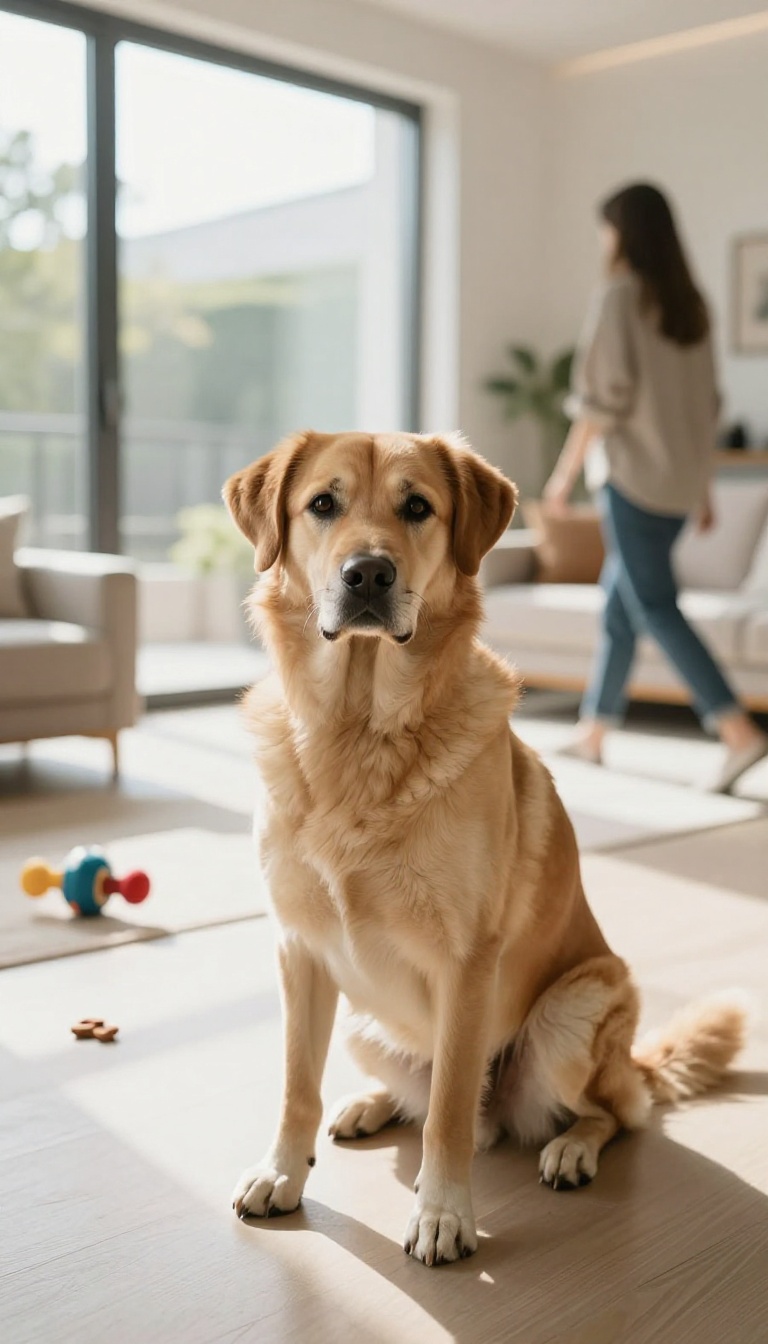
One distraction is manageable, but what happens when three things hit at once? That’s the real test of a stay. The Distraction Stack layers multiple temptations to mimic the chaos of real life, where the doorbell rings while the mailman walks by and the cat darts across the room.
Start with one distraction, then add another, then another. The key is to build up slowly so your dog doesn’t get overwhelmed. You’re teaching them to keep their brain engaged even when the world throws everything at them.
Start With A Solid Base
Before stacking, make sure your dog can hold a stay with one mild distraction. Use a cue like “stay” and reward heavily for success. If they break, go back to basics and shorten the duration.
Layer Distractions Gradually
Add a treat on the floor a few feet away, then roll a toy past, then have a friend walk by. Each time, keep the stay going and reward with high-value treats. If your dog struggles, remove one layer and try again.
Make It Unpredictable
The real magic happens when the distractions come in random order. Sometimes drop a treat, sometimes toss a toy, sometimes have someone jog past. This teaches your dog to expect the unexpected and stay focused no matter what.
15. The Real-Life Scenario
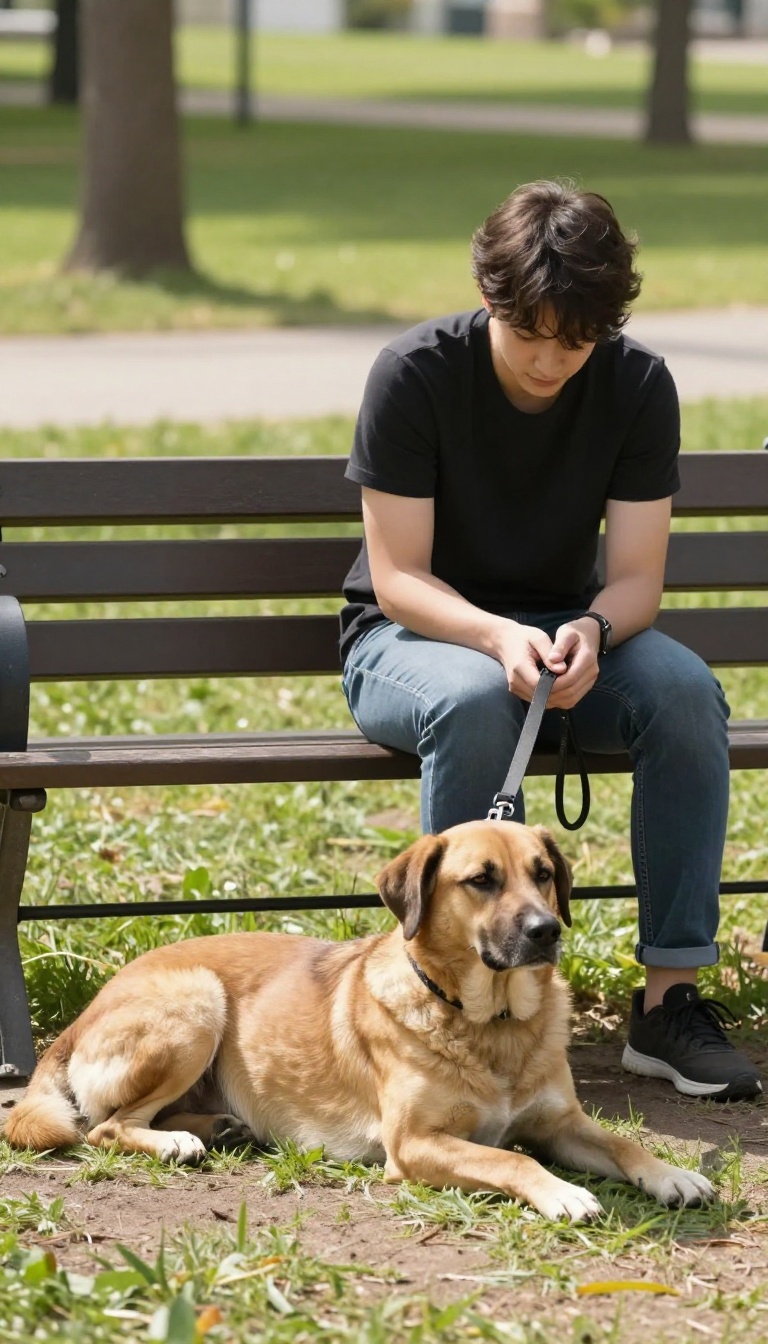
Training in the living room is one thing. Holding a stay at a bustling café or on a trail with squirrels everywhere is another. This challenge takes your dog's skills out into the world, where it really counts.
Why Real-life Settings Matter
Dogs don't automatically generalize commands. A stay in your kitchen might not translate to a stay at a park bench. Practicing in real-world spots teaches your dog that 'stay' means 'stay' no matter where you are or what's happening around you.
It builds reliability and trust, turning a trained behavior into a dependable habit.
How To Set Up Real-life Stay Practice
Start small. Pick a quiet outdoor spot, like a bench in a low-traffic park. Use a long leash for safety.
Give your dog a clear stay cue, then gradually introduce mild distractions—a person walking by, a distant dog. Keep sessions short and end on a success. As your dog gets better, move to busier places like a café patio or a picnic area.
Handling Distractions And Setbacks
Expect some slip-ups. That's normal. If your dog breaks the stay, calmly reset and lower the difficulty.
Maybe move farther from the distraction or shorten the duration. Reward heavily for successes. Over time, your dog will learn that staying put is more rewarding than chasing every interesting thing.
Patience and consistency are your best tools.
Making It A Fun Routine
Turn everyday outings into training opportunities. While waiting for your coffee, ask for a stay. At a picnic, have your dog stay while you set out the blanket.
These little moments add up. They also make your dog more confident and relaxed in new environments, because they know what to do. Plus, it's a great way to bond and show off your well-trained pup.
FAQ
How long should a dog stay?
Start with a few seconds and gradually increase. Aim for at least 30 seconds to 1 minute for a reliable stay, but longer is better for advanced training.
What if my dog breaks the stay?
Calmly put them back into position without scolding. Reduce the difficulty and try again. Consistency and patience are key.
How often should I practice stay?
Short, frequent sessions (5-10 minutes a day) are more effective than long, infrequent ones. Consistency beats marathon training.
Can I use a clicker for stay training?
Yes, a clicker can mark the exact moment your dog holds the stay, making the behavior clearer. Pair it with treats for best results.
What's the best release word for stay?
Choose a word like 'okay' or 'free' that you don't use in everyday conversation. Use it consistently to signal the end of the stay.
Conclusion
When your dog nails a stay in the middle of a distraction, that focus carries into every walk and training session. These challenges aren't about perfection—they're about building a reliable habit that works in real life. Start with the easiest challenge and add one new twist each week.
The more you practice, the more your dog learns that staying put is always a win. That calm, steady focus is exactly what makes everyday moments easier.

I’m Pallab Kishore, the owner of Little Pets Realm — an animal lover and pet care enthusiast sharing easy tips, healthy recipes, and honest advice to help every small pet live a happy, healthy, tail-wagging life.