
Last updated on August 19th, 2026 at 04:14 pm
A dog that bolts to the door or begs at the table can turn a cozy home into a circus. The place command is a simple yet powerful tool that gives your dog a clear job: settle on a mat and stay there until released.
It’s not about turning your pup into a robot—it’s about creating calm moments that make life easier for everyone. You don’t need expensive gear or hours of training.
With a few everyday items and a little patience, you can teach your dog to relax on cue. These ten lessons break down the process into manageable steps, from picking the right mat to handling real-world distractions.
1. Choose the Right Mat: Comfort Meets Function
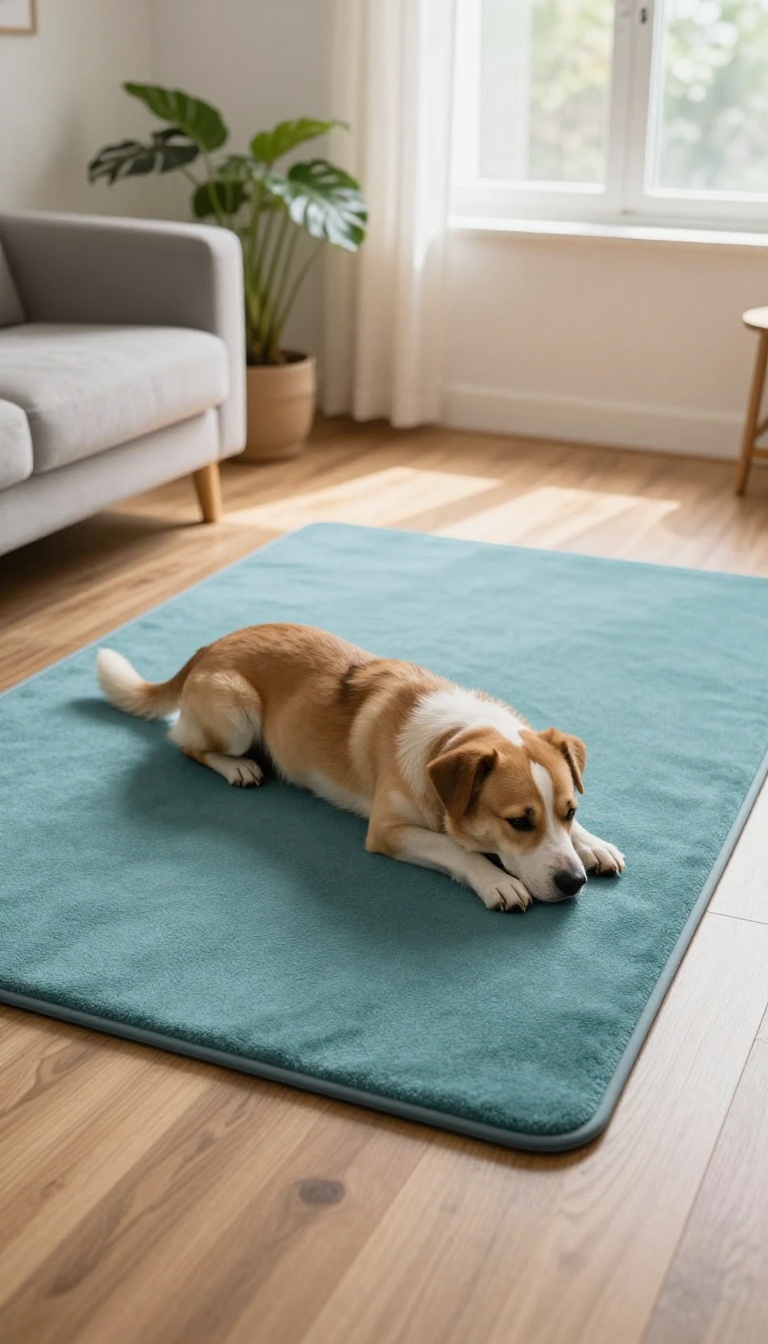
The foundation of a solid place command is the mat itself. Think of it as your dog's personal zone—a spot that signals relaxation and safety. The right mat makes training easier and your dog more willing to settle.
When you're picking a mat, you want something that's comfortable, easy to clean, and portable. A yoga mat or a bath mat works great because they're soft enough for your dog to lie on but sturdy enough to handle daily use. The key is to make this mat a special place your dog loves, not just another piece of floor decor.
Why Comfort Matters
Your dog will spend a lot of time on this mat, so comfort is non-negotiable. A thin, hard surface might discourage your pup from settling, especially if they're older or have joint issues. Look for mats with a little padding—like a thick bath mat or a yoga mat with extra cushioning.
You want your dog to think, 'This is my cozy spot, ' not 'This is where I'm forced to sit. '
Easy To Clean Wins
Life happens—muddy paws, drool, the occasional accident. That's why you need a mat that you can wipe down or toss in the washing machine. Avoid materials that soak up moisture or hold onto odors.
A rubber-backed mat is a smart choice because it stays put and resists slipping. You'll thank yourself later when a quick rinse keeps everything fresh.
Portability For Training Anywhere
The place command isn't just for home—it's for visits to the vet, trips to a friend's house, or even outdoor picnics. A portable mat lets you take the same cue everywhere. Roll it up, throw it in a bag, and you're ready.
This consistency helps your dog understand that 'place' means the same thing no matter where you are.
2. Introduce the Mat with Positive Associations
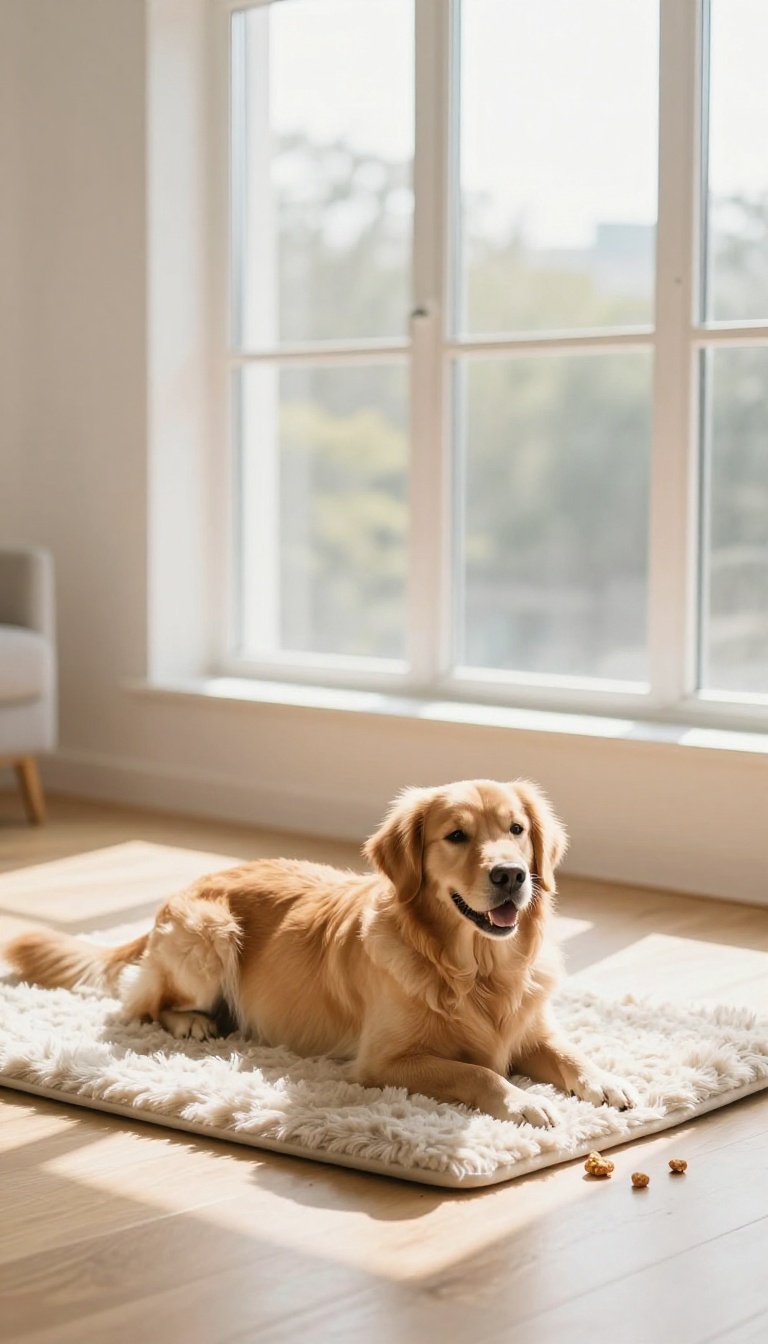
Before any formal training begins, you want your dog to think of the mat as the best spot in the house. Skip the pressure and let them discover it on their own. Toss a few treats onto the mat and let your pup wander over, sniff, and munch without any commands.
This builds a positive connection that makes the actual training feel like a game.
When you first bring out the mat, your dog might be curious or a little unsure. That’s totally normal. The goal here is to make the mat a place of good things—treats, praise, and maybe a favorite toy.
Spend a few days just letting your dog explore the mat at their own pace. Every time they step on it, drop a treat. Soon, they’ll start offering to sit or lie down on their own, and that’s exactly what you want.
Let The Dog Discover The Mat
Place the mat on the floor and casually toss a few high-value treats onto it. Don’t point or lure—just let your dog notice and decide to step on. When they do, celebrate with a quiet “yes” and another treat.
Repeat this a few times, then walk away. The idea is that your dog learns the mat is a source of good things, all on their own terms.
Build Excitement With Treat Drops
Once your dog is comfortable stepping on, start dropping treats in rapid succession while they’re on the mat. Toss one treat, then another, then another—so your dog stays engaged and excited. This teaches them that being on the mat is rewarding and fun.
Keep sessions short (a minute or two) and end on a high note.
Let Sniffing And Exploring Happen
Dogs learn through their noses, so let your pup sniff the mat thoroughly. You can even rub a treat on the surface to make it more interesting. Don’t rush this phase.
The more your dog explores and associates the mat with positive experiences, the more they’ll want to be there during training.
3. Capture the Behavior: Reward Any Contact
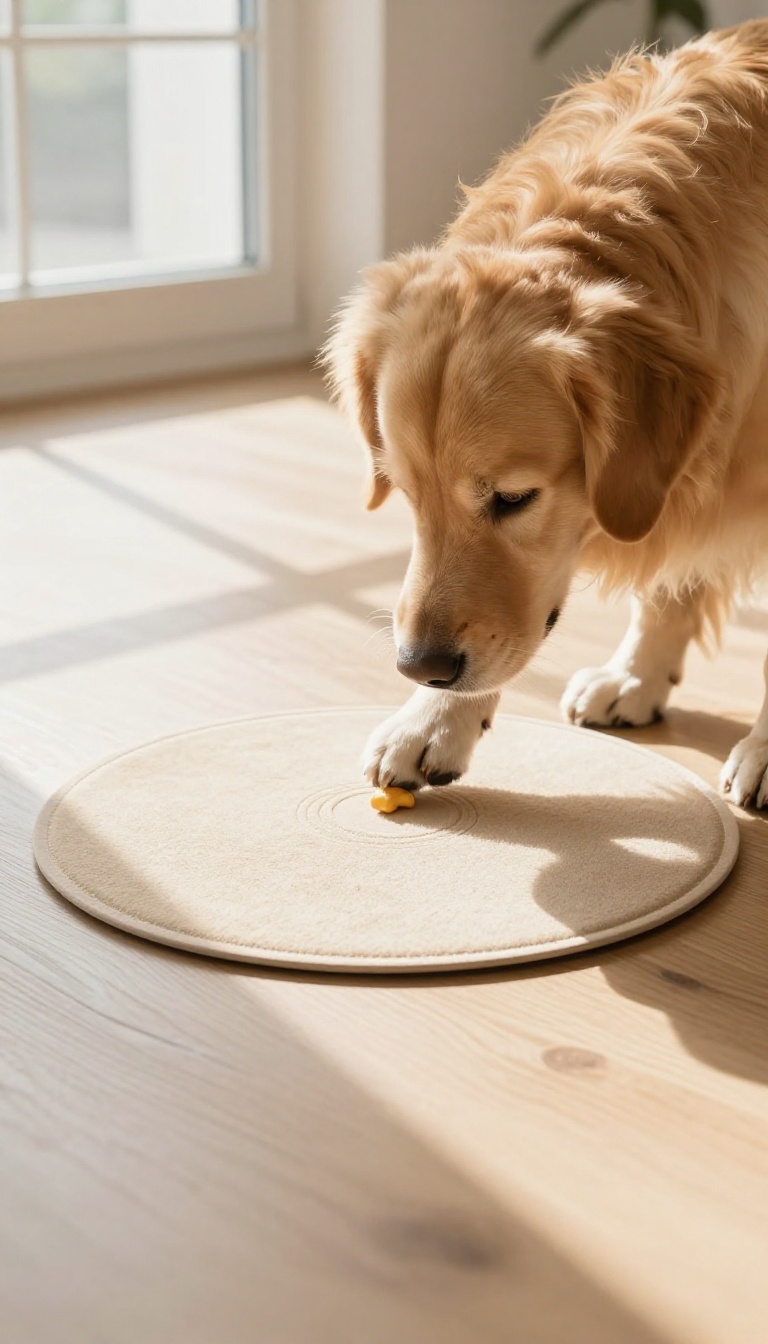
Timing is everything when you're teaching a new behavior. If you wait too long to reward, your dog won't know what earned the treat. That's where capturing comes in—you mark the exact moment your pup touches the mat, then follow up with a reward.
This simple technique builds a strong association between the mat and good things, making your dog want to go there on their own.
Start by having your dog on a leash or just nearby. Toss a treat onto the mat to encourage them to step on it. The instant their paw touches the mat, say 'yes' or click your clicker, then give them the treat.
Repeat this several times, and soon your dog will start offering the behavior on their own. Remember to keep sessions short and fun—five minutes is plenty. You're not just teaching a command; you're building a positive connection that will make future training easier.
Why Marking Matters
A marker—like a clicker or a word—acts like a camera snapshot. It tells your dog exactly what they did right. Without it, they might get confused about which action earned the reward.
By marking the moment of contact, you're providing clear feedback that speeds up learning. It's a small step that makes a big difference.
Step-by-step Capturing
Start with your dog near the mat, but don't force them. Toss a treat onto the mat and let them investigate. As soon as they step on, mark and reward.
Repeat until they're confidently stepping on. Then, you can start waiting for them to look at the mat or move toward it. Gradually, you'll only reward when they actually step on.
This builds a solid foundation without any pressure.
Troubleshooting Common Hiccups
If your dog seems unsure, go back a step and reward any approach. If they're too excited, try using a higher-value treat. Keep sessions upbeat and end before your dog loses interest.
Patience is key—every dog learns at their own pace. The goal is to make the mat the best place in the house, so keep it positive.
4. Add a Cue: Say 'Place' Before They Settle
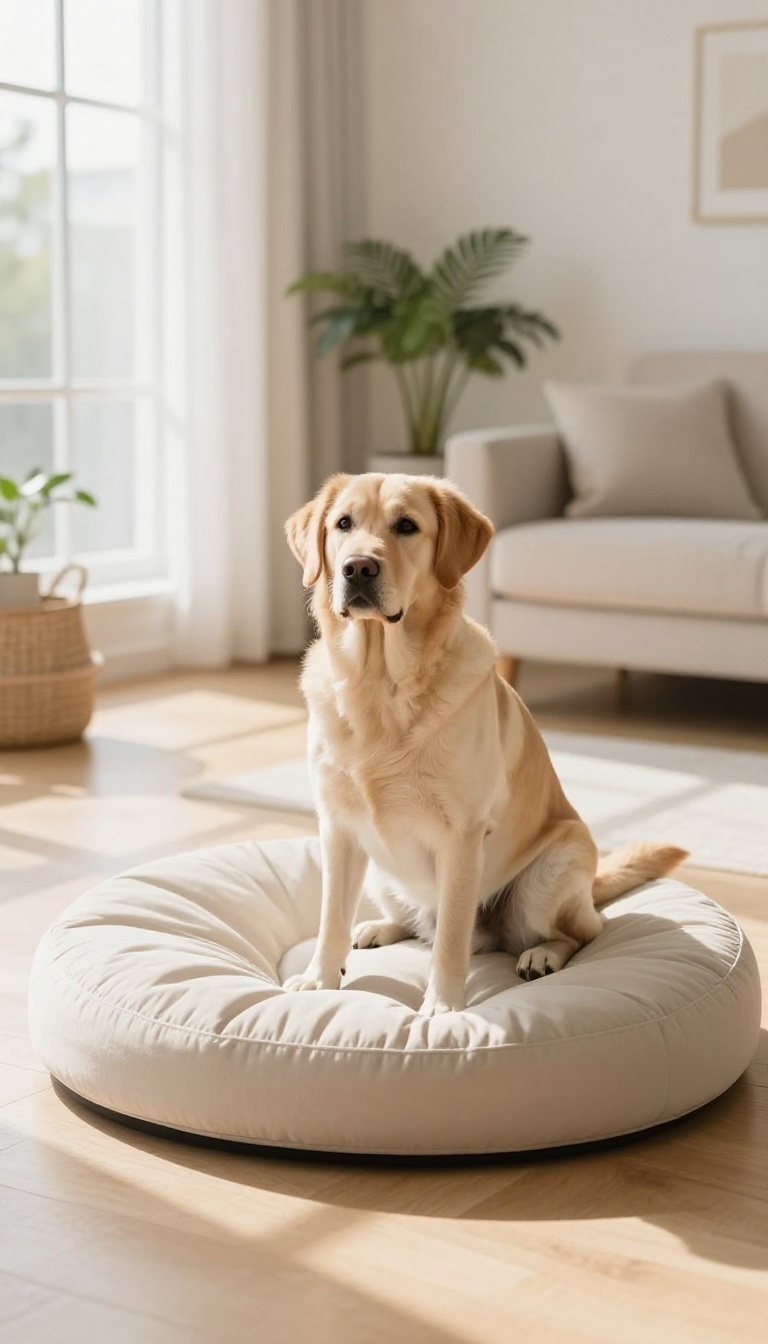
Once your dog is happily hopping onto the mat, it's time to give that action a name. Adding a verbal cue is like putting a label on a jar—it tells your dog exactly what you want when you say it. The key is to time it perfectly so the word becomes a promise, not just noise.
Start by watching your dog's body language. The moment they step onto the mat, say 'place' in a clear, happy tone. Then reward them with a treat.
Repeat this every time they settle, and soon they'll connect the word with the action. Keep sessions short—five minutes a day is plenty—and always end on a positive note.
Why Timing Matters
Say the cue just as their paws touch the mat, not before. If you say it too early, they might not understand what it refers to. If you say it too late, they're already settled and the word loses its punch.
Timing is your best friend here—think of it as pressing a button at the exact right moment.
Practice Makes Perfect
Repetition is the secret sauce. Every time your dog goes to the mat, say 'place' as they arrive. Even if they're just sniffing around, if they step on, say it.
Over time, the word becomes a signal that triggers the behavior automatically. Don't rush—consistency beats intensity.
Don't Overdo It
Keep training sessions fun and short. If you repeat the word too often without a reward, it loses meaning. Mix it up with other commands and play.
The goal is to make 'place' a happy word that leads to good things, not a nagging reminder.
5. Shape a Down: Encourage a Relaxed Position
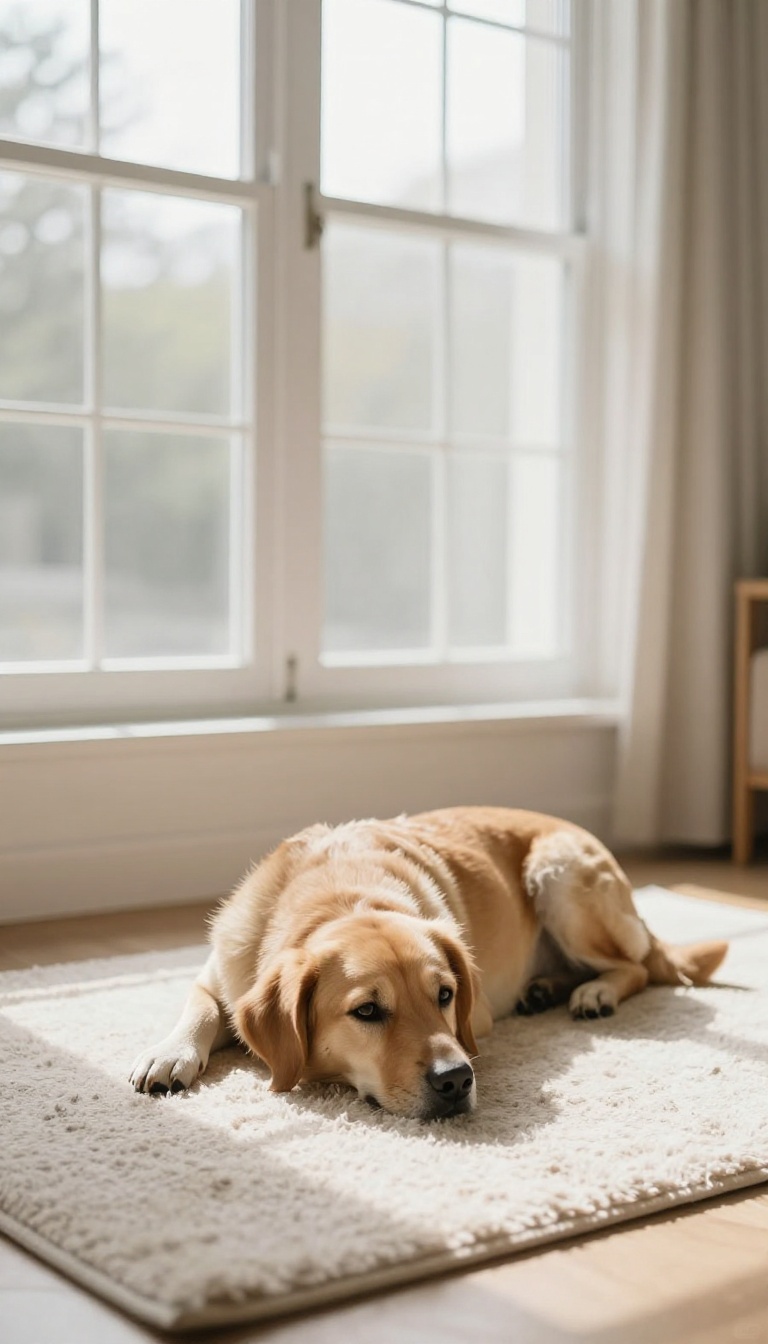
Once your dog understands that the mat is a good place to be, it’s time to add a layer of calm. Shaping a down on the mat turns a quick sit into a full settle, which is the heart of the place command. This step is about patience and rewarding the smallest efforts, so your dog learns that relaxing is what earns the good stuff.
Shaping a down means you reward your dog for gradually getting closer to the position you want. Start with your dog sitting on the mat, then hold a treat near their nose and slowly lower it to the floor. As your dog follows the treat, their elbows will naturally bend toward the ground.
The moment they lie down, even for a second, mark it with a “yes” and give the treat. If they only dip their head or shift their weight, that’s progress—reward that too. Over a few sessions, your dog will connect the mat with a relaxed, down position.
Start With Small Rewards
Don’t wait for a perfect down before you click or say “yes. ” Reward any movement toward the ground, like a head dip or a paw slide. This builds confidence and keeps your dog engaged. You can even use a treat to lure them into a down, then gradually phase out the lure as they understand the cue.
Use A Release Word
Pair the down with a release word like “free” or “okay” to signal the end of the stay. This teaches your dog that the down is a specific behavior with a clear start and finish. It also helps prevent them from popping up too early, because they know they’ll get their cue to move.
Increase Duration Slowly
Once your dog downs consistently, start delaying the treat by a second or two. This builds duration without pressure. If they get up too soon, simply reset and try again.
Keep sessions short and upbeat, ending on a success so your dog stays motivated.
6. Increase Duration Gradually
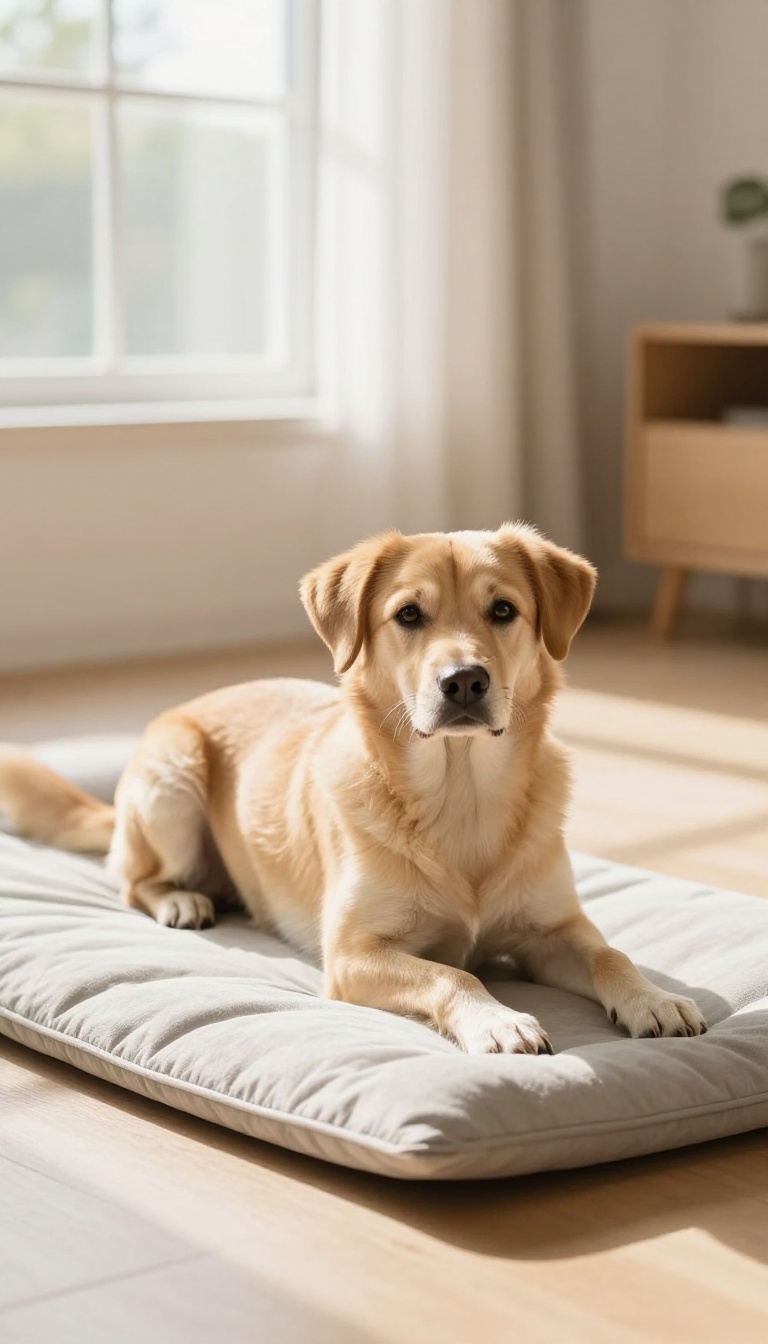
Once your dog understands the release word, it's tempting to expect a long stay right away. But asking for too much too soon can lead to frustration for both of you. The key is to build duration in small, manageable steps that set your pup up for success.
Start With A Few Seconds
Begin with stays that last just a few seconds. Have your dog lie down on the mat, say your release word, and reward them for getting up. This short, easy repetition helps your dog learn that the mat is a calm place to be, without the pressure of holding still for long periods.
Keep sessions upbeat and short—around five minutes is plenty.
Add Time In Small Increments
Once your dog is comfortable with a few seconds, add a little more time. Increase by just two or three seconds at a time. If your dog gets up before you release them, simply guide them back to the mat and start again.
This isn't a punishment—it's just a gentle reset. Over several sessions, those seconds add up to minutes.
Use A Release Word That Means 'you're Done'
Pick a release word like 'okay' or 'free' and use it consistently. This word tells your dog they can leave the mat. It's crucial that you always use the same word, and that you only say it when you truly want the stay to end.
If you say it and then ask your dog to stay again, the word loses its meaning.
Keep Sessions Short And Positive
Training should feel like a game, not a chore. End each session on a high note, with a successful stay and a reward. If you're both getting frustrated, take a break and come back later.
Short, positive sessions build confidence and make your dog eager to work with you.
7. Add Distance: Step Away and Return
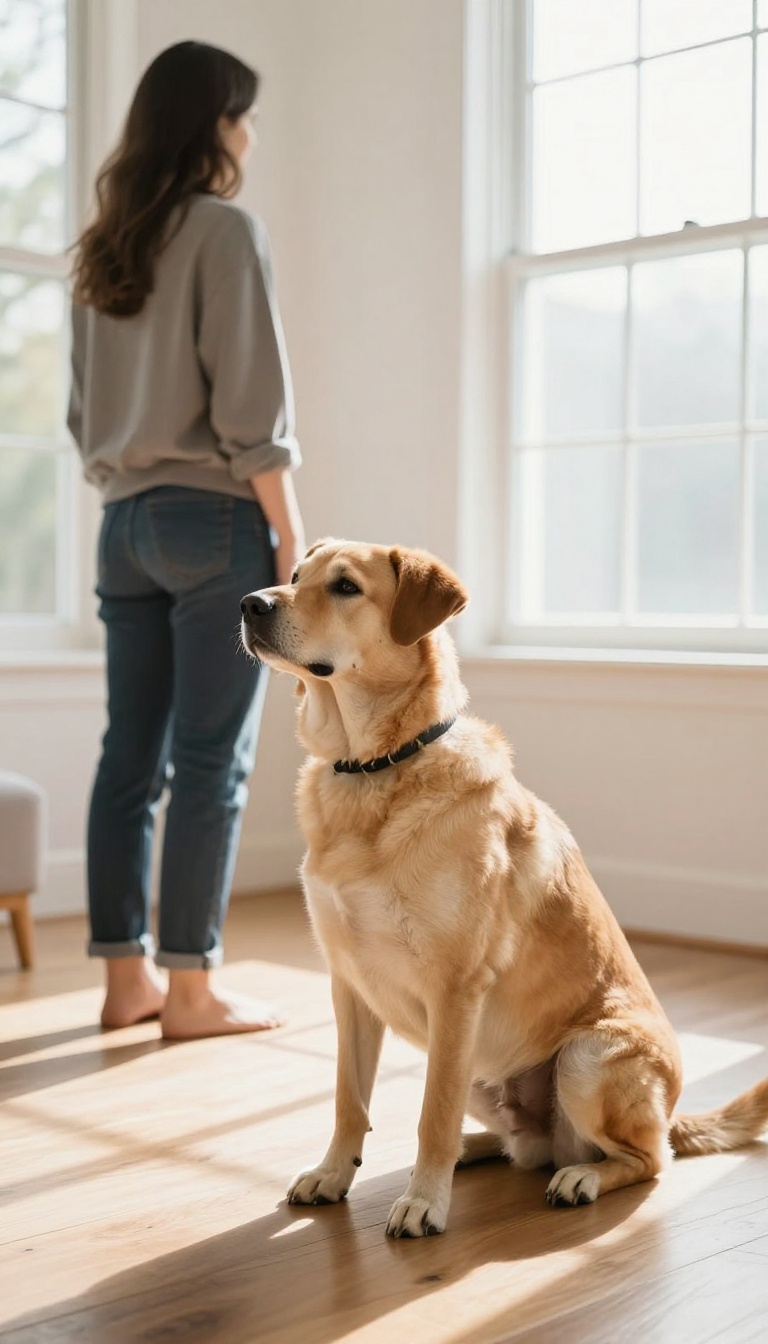
Once your dog can hold a stay for 30 seconds, it's time to add a little space. This step is all about teaching your pup that you can move around without breaking the stay. Start small—one step back, then return to reward.
Gradually increase the distance and time you're away, building your dog's confidence and your own.
Adding distance is a natural progression after your dog masters a short stay. The goal is to show your dog that you can step away and still come back, which builds trust and reliability. Here’s how to do it smoothly.
Start With One Step
Begin by asking your dog to stay, then take a single step backward. Return immediately to your dog and reward with a treat and praise. Repeat this several times so your dog gets used to the movement.
Keep the session short and positive—if your dog breaks, simply go back to the previous distance and try again.
Gradually Increase Distance
Once your dog is comfortable with one step, try two steps, then three. Move at your dog's pace—if they break, you've moved too fast. The key is to make small, incremental increases.
Over time, you can work up to crossing the room or even leaving the room for a few seconds.
Add Time Away
Distance and duration go hand in hand. After your dog can stay from a few steps away, start pausing before you return. Count to two, then three, then five.
This teaches your dog that you'll come back, even if you're not right next to them. Always return to reward, and release with your cue word.
Use A Long Leash For Safety
If you're working in an open area, keep a long leash attached to your dog's harness or collar. This prevents any accidental bolting and gives you control if your dog decides to break the stay. The leash isn't for correction—it's just a safety net while you build distance.
8. Introduce Distractions: From Toys to Doorbells
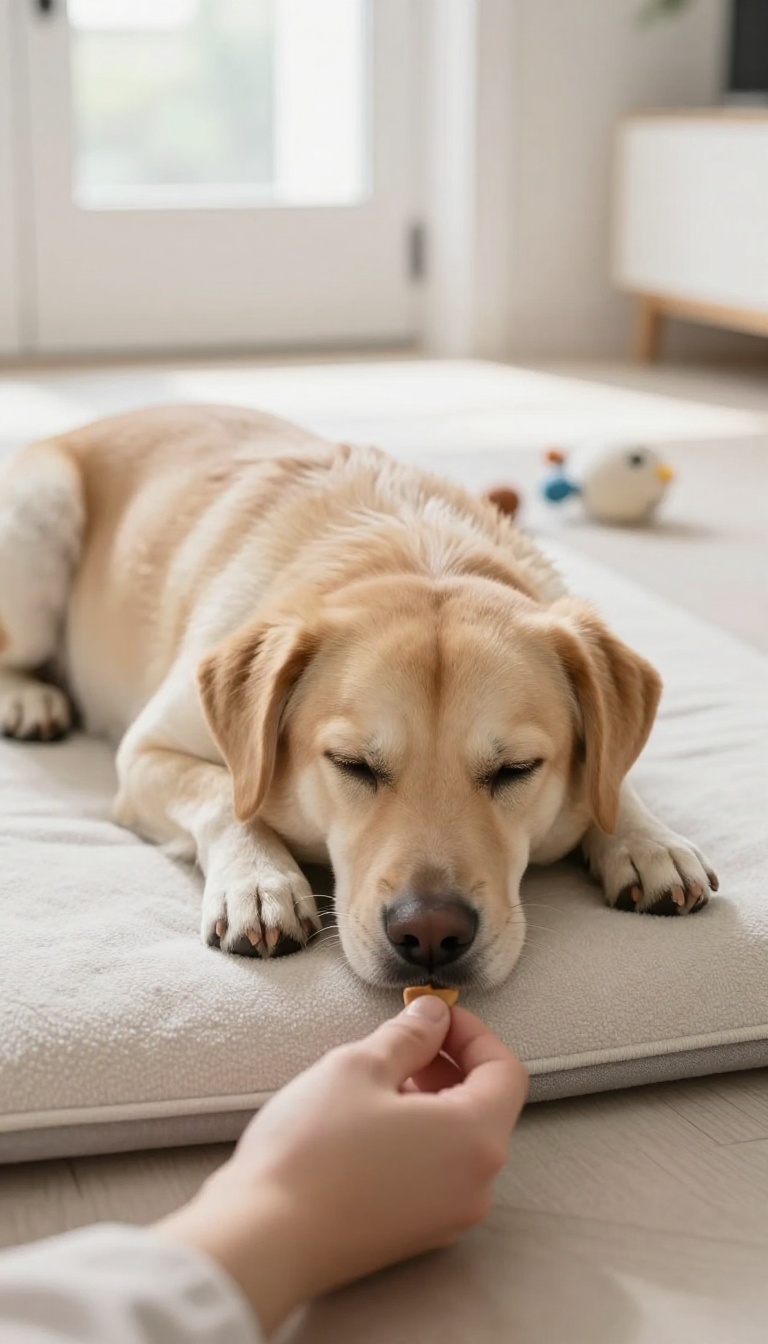
Your dog has mastered the mat in a quiet room. But the real world is full of surprises—dropped toys, ringing doorbells, and sudden noises. Training with distractions helps your dog learn to stay put no matter what’s happening around them.
It’s about building reliability, not just obedience.
Start small and work your way up. The goal is to teach your dog that the mat is a safe, calm place even when life gets busy. With consistent practice, your dog will learn to ignore distractions and focus on you.
Start With Mild Distractions
Begin by dropping a soft toy or a book a few feet away while your dog is on the mat. If they stay, reward them with a treat and praise. If they get up, calmly guide them back and try again.
The key is to keep the distraction level low enough that your dog can succeed.
Add Realistic Noises
Once your dog handles dropped objects, introduce sounds like a knock on the door or a doorbell ring. You can use a recording or ask a friend to help. Reward your dog for staying put, and gradually increase the volume or frequency of the noise.
Practice In Different Scenarios
Try having someone walk by, or roll a ball past the mat. You can also practice while you move around the room. The more varied the distractions, the better your dog will generalize the behavior.
Always reward calm, steady stays.
9. Use Place in Daily Routines: Mealtime and Guests
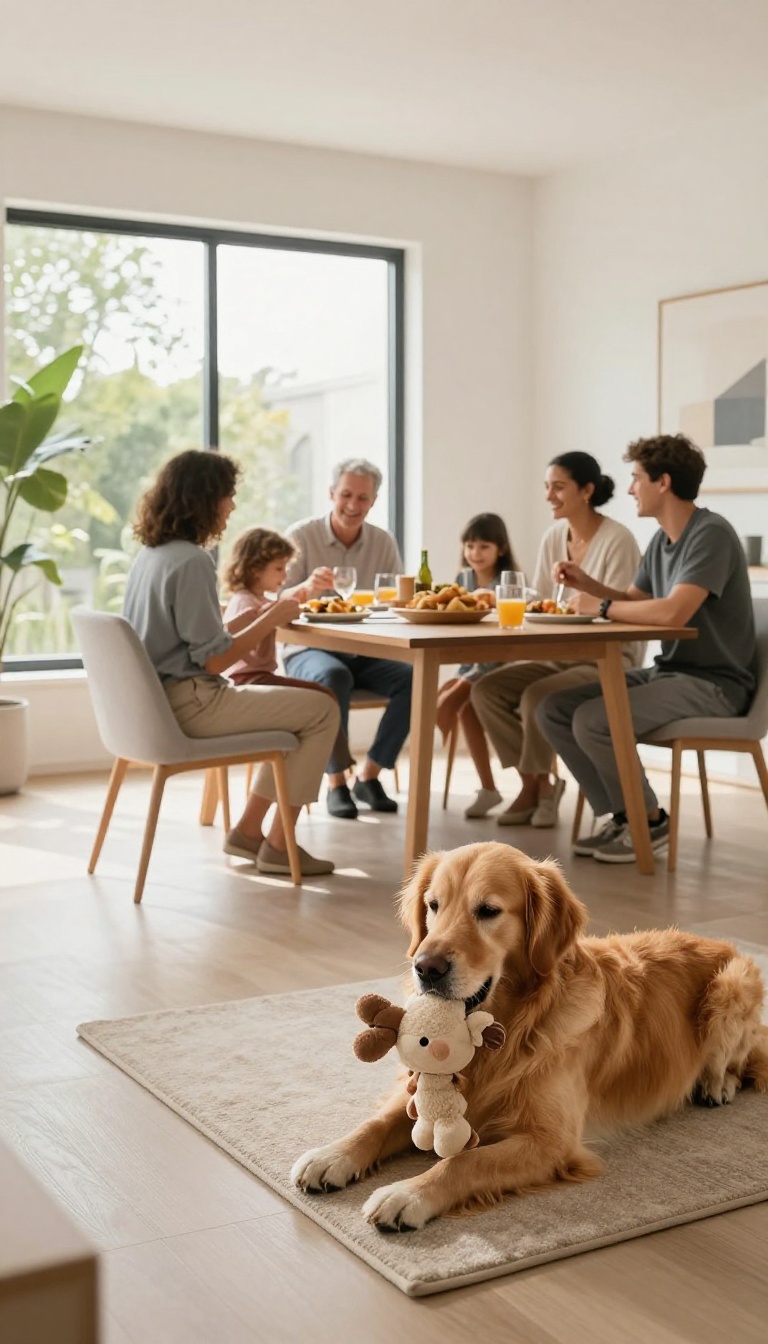
Mealtime and guest arrivals are two of the most chaotic moments in a dog-owning household. The doorbell rings, and your pup is already bouncing off the walls. Or you sit down to eat, and a wet nose nudges your elbow.
Sending your dog to place during these high-energy times gives them a clear job and a calm spot to focus on. It turns potential chaos into a routine your dog can predict and enjoy.
When you send your dog to place during meals or when guests arrive, you're not just managing behavior—you're building a habit that makes everyone feel more relaxed. Your dog learns that the mat is their go-to spot for downtime, and you get to enjoy your dinner or conversation without interruptions. The key is to practice these scenarios in small doses first, so your dog knows what to expect before the real thing happens.
Mealtime Manners
Start by having your dog go to place while you eat. Use a long-lasting chew or a stuffed Kong to keep them busy. Begin with short sessions—just a few minutes—and gradually extend the time as your dog gets better at settling.
Reward them for staying on the mat, and only release them when you're done eating. This teaches your dog that mealtime is a calm, boring event, not a chance to beg.
Guest Arrival Routine
When the doorbell rings, send your dog to place before you open the door. Ask your guests to ignore your dog until they're calm and on the mat. Once your dog is settled, they can greet your guests politely—but only after you give the release cue.
This prevents jumping and over-excitement, and it gives your dog a clear job to do while you handle the door.
Practice Makes Perfect
Don't wait for a real dinner party to test this. Practice with fake guests or during your own meals. Ring the doorbell yourself, or have a friend come over for a quick training session.
The more you rehearse, the more natural it becomes. Soon, your dog will automatically head to their mat when they see you sitting down to eat or when the doorbell rings.
10. Troubleshoot Common Challenges: Stubborn or Anxious Dogs
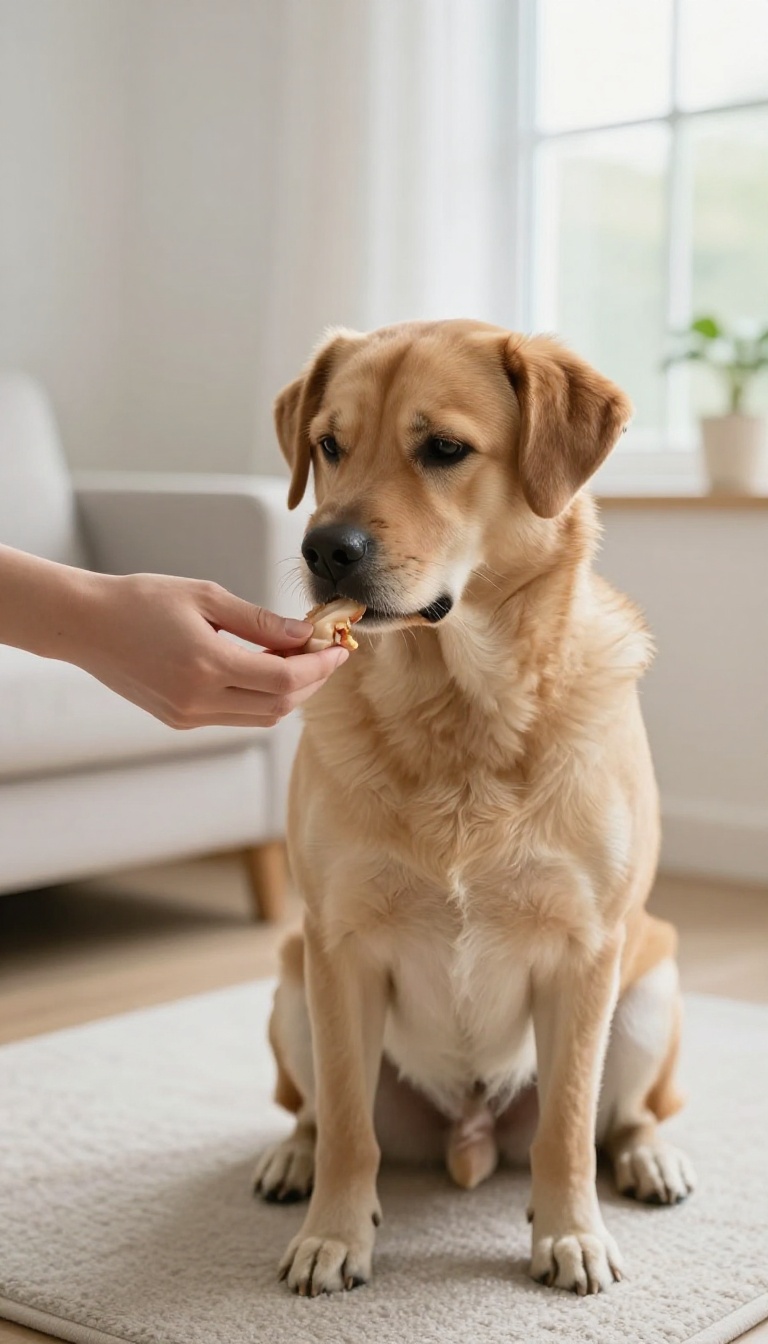
Even the best-laid training plans hit a snag now and then. If your dog refuses to settle or seems stressed, don't get discouraged. This is normal, and a few tweaks can get you back on track.
When your dog struggles, the first step is to go back a step in your training. If they're ignoring the mat, it might be too hard. If they're anxious, the environment might be too stimulating.
Break the exercise into smaller pieces and celebrate every tiny success.
Go Back A Step
Think of training like climbing a ladder. If your dog falls off, you don't jump back to the top—you step down a rung. If they were doing well with you sitting next to them but struggle when you move away, go back to sitting close.
If they're fine with a 10-second stay but break at 15, shorten the time. The goal is to set them up for success, not frustration.
Use Higher-value Treats
Sometimes the treats you're using just aren't exciting enough. If your dog turns their nose up at kibble or even regular biscuits, try something extra special. Cooked chicken, cheese, or hot dog slices can work wonders.
Reserve these high-value treats for training sessions so they stay special. The right reward can flip a stubborn dog's attitude in seconds.
Shorten Your Sessions
Training sessions that drag on can wear out your dog's patience. If you're hitting a wall, try cutting your practice time in half. Five focused minutes is better than twenty sloppy ones.
You can also break it up into two or three mini-sessions throughout the day. This keeps your dog fresh and eager to work.
Try A Different Mat
Your dog might not love the mat you picked. Some dogs prefer a softer surface, while others like something cooler. Try a different texture—a fluffy blanket, a rubber mat, or even a towel.
You can also change the location. A mat in a busy hallway is much harder to settle on than one in a quiet corner. Match the mat to your dog's comfort level.
FAQ
How long does it take to teach the place command?
It varies by dog, but with daily practice, most dogs learn the basics in a week or two. Consistency and short, fun sessions work best.
What if my dog won't stay on the mat?
Go back to shorter durations and reward frequently. Make sure the mat is comfortable and the training area is quiet. Use high-value treats.
Can I use a bed instead of a mat?
Absolutely. Any comfortable, designated spot works. Just make sure it's easy to clean and portable if you need to move it.
Is the place command the same as 'go to your bed'?
Yes, they're essentially the same. 'Place' is a common cue, but you can use any word you like. The key is consistency.
How do I stop my dog from leaving the mat without permission?
Practice the release word every time. If your dog leaves early, calmly guide them back and repeat. Never punish; just reset and try again.
Conclusion
Teaching the place command is one of the most practical skills you can give your dog. It helps them stay calm, gives them a job, and makes your home more peaceful. Start with these ten lessons, and you’ll see progress faster than you think.
Remember, every dog learns at their own pace. Be patient, keep sessions upbeat, and celebrate small wins. With a little time and consistency, you’ll have a dog that settles on cue—and a household that feels a whole lot calmer.

I’m Pallab Kishore, the owner of Little Pets Realm — an animal lover and pet care enthusiast sharing easy tips, healthy recipes, and honest advice to help every small pet live a happy, healthy, tail-wagging life.