
Last updated on August 19th, 2026 at 04:14 pm
Clicker training turns learning into a game your dog actually wants to play. That little click becomes a promise of a treat, and your dog starts offering behaviors just to hear it. It's a gentle, science-backed way to teach everything from sit to spin, and it works for puppies and seniors alike.
The best part? You don't need fancy equipment or hours of practice. A clicker, some treats, and a few minutes a day are enough to see real progress.
Whether you're tackling basic manners or teaching a fun trick, these 15 ideas will keep sessions fresh and rewarding. Let's dive into practical, creative ways to use your clicker that go beyond the usual sit and stay.
1. Capture Calmness to Reinforce Relaxation
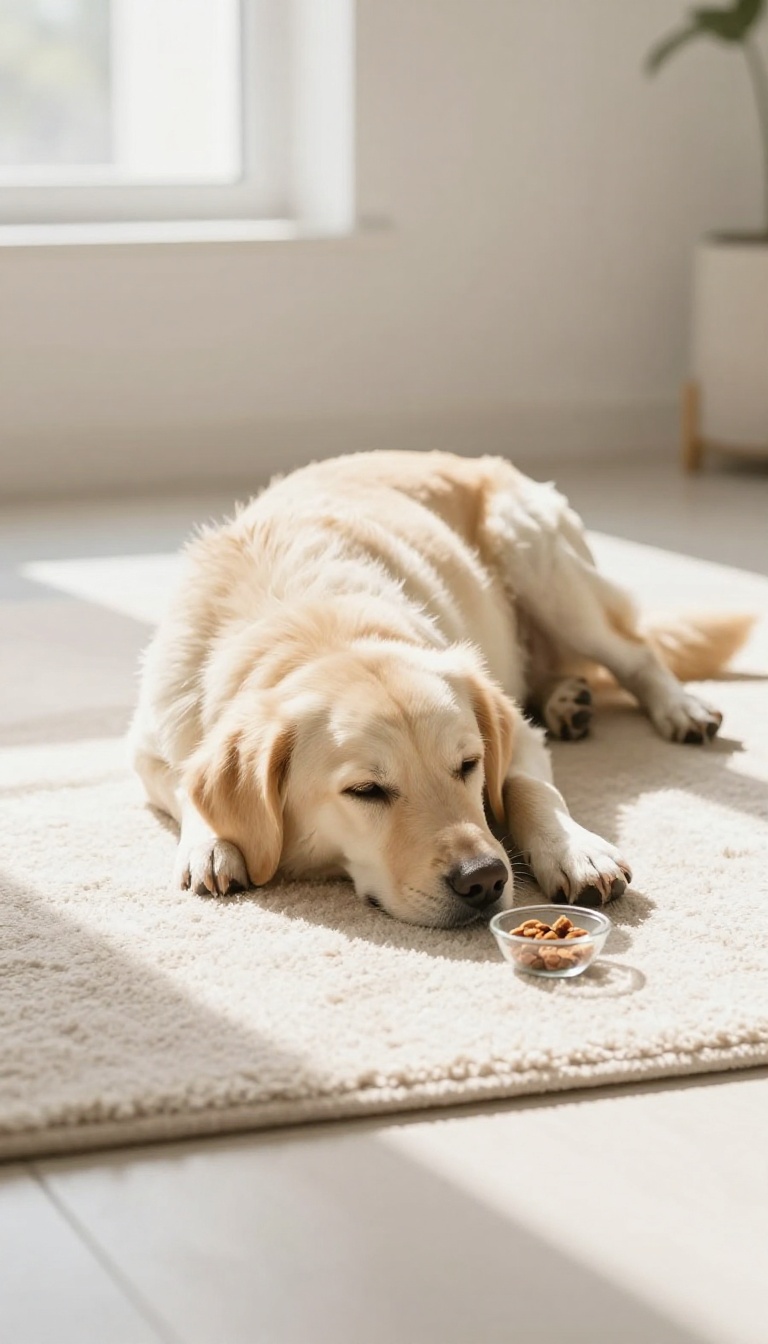
Most clicker training focuses on teaching actions, but you can also use it to shape your dog's emotional state. When you click and treat for relaxed behavior, you show your dog that calmness pays off. This simple practice can transform a hyper or anxious dog into a more settled companion, and it's one of the easiest ways to start clicker training.
Start by observing your dog throughout the day. The moment you see them lying down with a soft body, or even just taking a breath after being excited, click and give a treat. Timing is key—you want to mark the instant they are calm, not when they get up.
Over time, your dog will learn to offer calm behavior more often, because it leads to good things.
Why Calmness Is A Behavior
We often think of training as teaching commands like sit or stay, but relaxation is a behavior too. When you reinforce calmness, you're telling your dog, 'This is what I like. ' This is especially helpful for dogs that struggle to settle down or get anxious in certain situations. By rewarding a relaxed posture, you're building a default behavior they can fall back on.
How To Catch Calm Moments
Keep a small bowl of treats handy around the house. Whenever you notice your dog lying down quietly, especially after play or excitement, click and toss a treat. Do this a few times each session, but don't overdo it—you want them to stay relaxed, not get up for a treat.
If they stay lying down, you can click again for each second of calmness.
Using Calmness For Hyper Or Anxious Dogs
For a hyper dog, this technique teaches them that settling down is more rewarding than bouncing around. For an anxious dog, it helps them associate being calm with positive outcomes, which can reduce stress over time. Just remember to be patient and consistent.
You're not forcing calmness; you're simply noticing and rewarding it when it happens naturally.
2. Shape a Reliable Recall with a Clicker
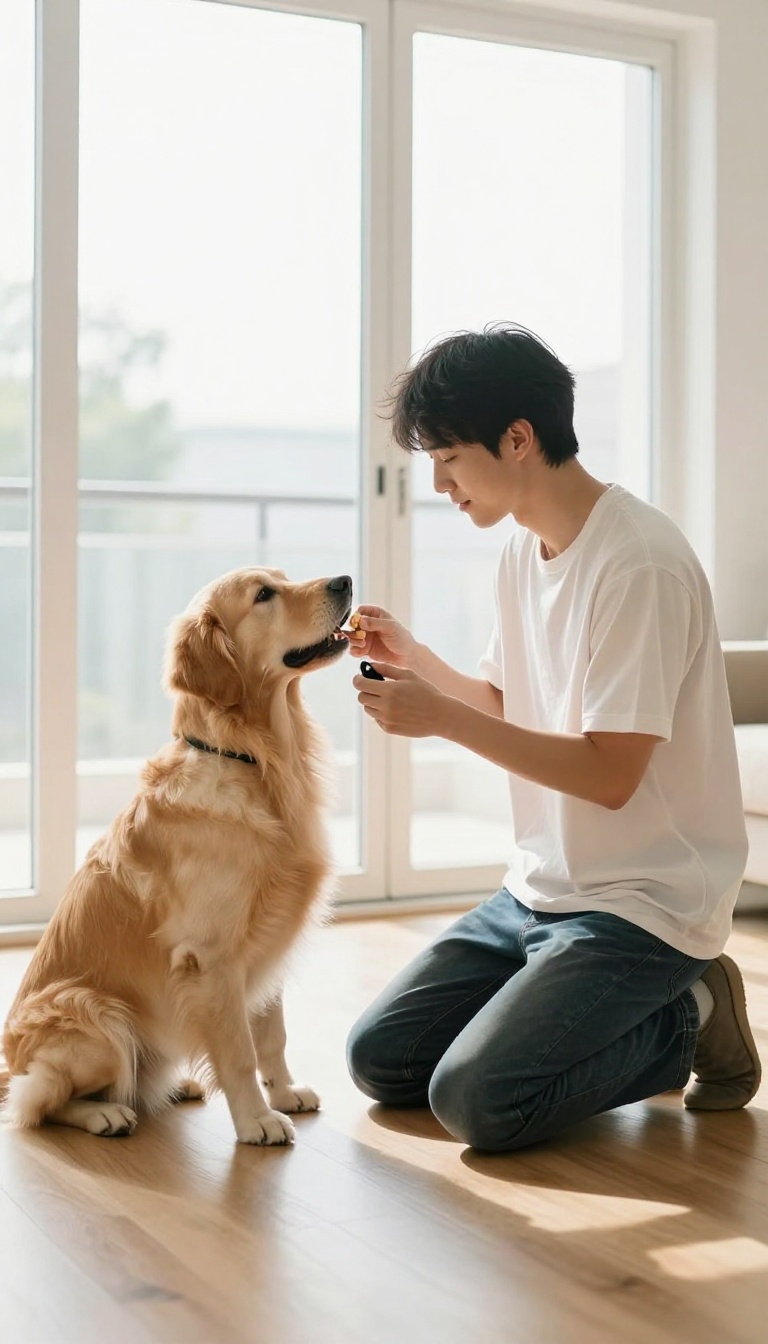
A solid recall is one of the most valuable behaviors you can teach, and the clicker makes it surprisingly simple. Instead of just calling your dog and hoping they come, you can shape the behavior step by step. Each time your dog looks at you, moves toward you, or takes a step in your direction, you click and reward.
This builds a strong association: coming to you is always a good thing.
Start in a quiet space with no distractions. Have treats ready and wait for your dog to glance at you. Click the instant they look, then reward.
Repeat this a few times, then start taking a step back as they approach. Gradually increase the distance and add mild distractions like a toy or a family member. Always keep sessions short and end on a high note.
The key is to mark the behavior precisely so your dog understands exactly what earned the click.
Start Small And Build Up
Begin in a room with no distractions. Click and treat every time your dog looks at you or moves closer. Once they reliably respond, move to a hallway or backyard.
Slowly increase the distance between you and your dog, always clicking when they head your way. This incremental approach prevents frustration and builds confidence.
Add Distractions Gradually
Once your dog is solid in a quiet setting, introduce distractions one at a time. Have a friend stand at a distance, or toss a toy nearby. Click and reward when your dog chooses to come to you despite the distraction.
Increase the difficulty gradually so your dog learns to focus on you even when things get exciting.
Use A Verbal Cue
After your dog consistently moves toward you, add a verbal cue like 'come' right before they start moving. Say it in a cheerful tone, then click when they arrive. Over time, your dog will associate the word with the action of coming to you, making the recall reliable even without the clicker.
3. Teach Loose-Leash Walking Without the Pull
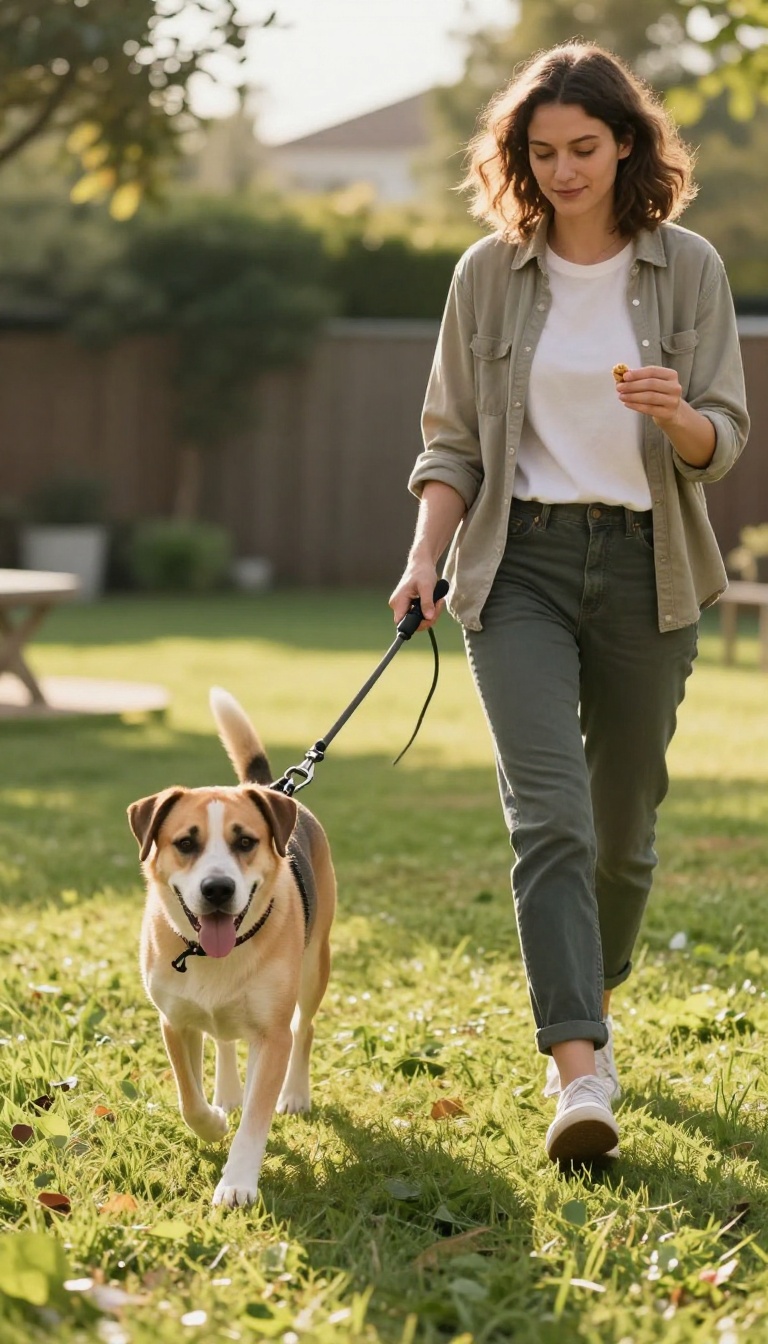
Loose-leash walking often feels like a battle of wills, but the clicker flips that dynamic. Instead of correcting every pull, you reward the exact moment your dog chooses to walk beside you with a slack leash. That tiny click tells your dog, "Yes, this is what I want, " and turns a frustrating walk into a game of timing and treats.
Start in a low-distraction area like your hallway or backyard. Click and treat every time the leash goes slack, even if it's just for a second. As your dog catches on, you'll gradually increase the distance between clicks, building longer stretches of polite walking without the pull.
The key is to reward the behavior you want, not punish the pulling. With the clicker, you mark the exact moment your dog is walking nicely, which makes the learning crystal clear. Before you know it, your dog will be offering loose-leash walking on their own, just to hear that click and earn a treat.
Start In A Low-distraction Zone
Begin indoors or in a quiet, fenced area where there are few temptations. Walk a few steps and click the instant your dog is beside you with a loose leash. Reward with a high-value treat.
Repeat this for a few minutes, keeping sessions short and upbeat. The goal is to build a strong association between walking calmly and getting rewarded, so don't rush into busy streets just yet.
Use A Treat Lure To Shape Position
Hold a treat near your nose to guide your dog into the correct walking position at your side. As they follow the treat, click and give it to them. Over time, you'll phase out the lure and rely on the clicker to mark the behavior.
This method works well because it shows your dog exactly where you want them to be, and the clicker reinforces that position.
Gradually Increase The Distance Between Clicks
Once your dog is consistently walking with a slack leash for a few steps, start extending the time between clicks. Click after two steps, then three, then five. This teaches your dog to maintain the behavior for longer periods.
If they pull, simply stop and wait. When they return to your side and the leash loosens, click and treat. This way, you're rewarding the reset, not the pull.
Add Real-world Distractions Slowly
As your dog masters loose-leash walking in quiet areas, gradually introduce more distractions. Practice in your front yard, then on a quiet sidewalk, and eventually in a park. Each time you increase the difficulty, go back to rewarding more frequently at first, then build up again.
This progressive approach keeps your dog successful and prevents frustration for both of you.
4. Build a Solid Stay with Incremental Steps
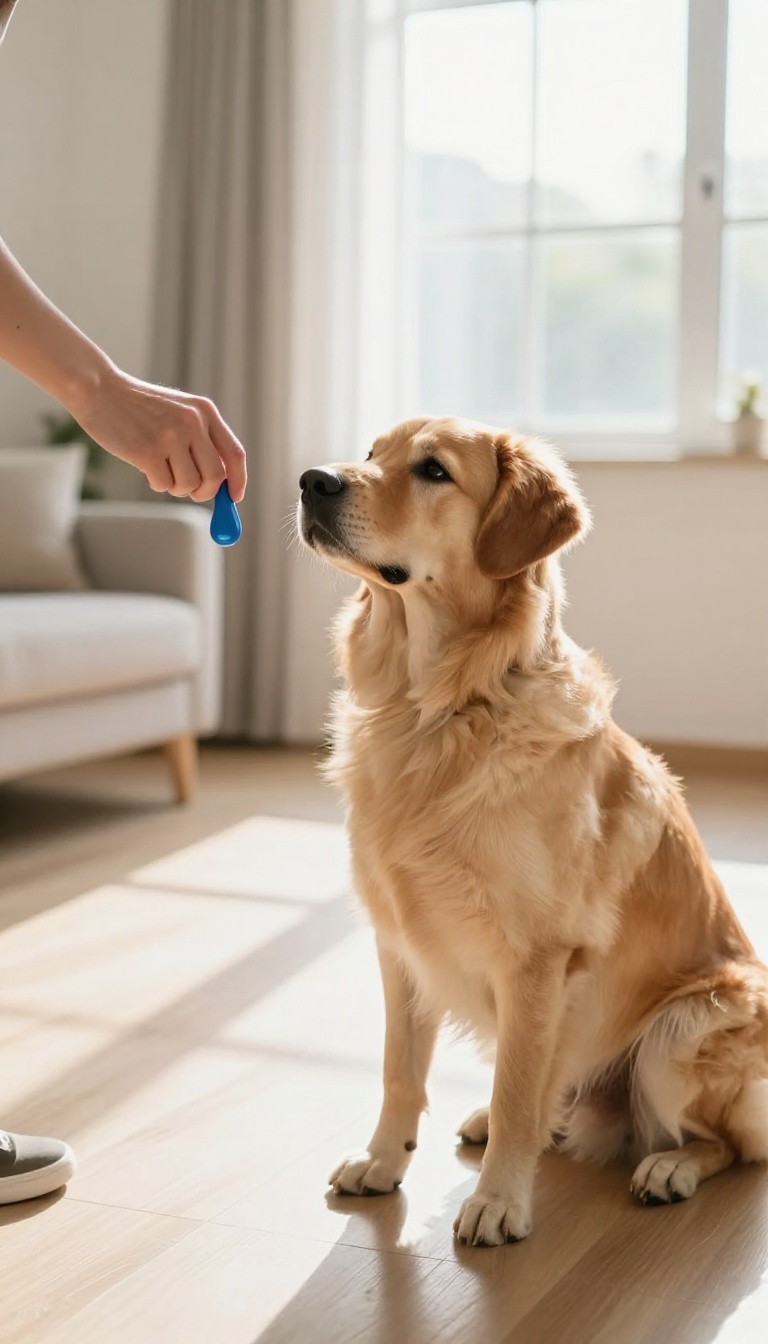
Teaching a reliable stay can feel like a test of patience, but the clicker makes it surprisingly straightforward. Instead of asking for a long stay right away, you reward tiny moments of stillness and gradually build on them. This way, your dog learns that staying put is a choice that pays off, not a chore.
Start by asking for a sit or a down, then click and treat the instant your dog holds the position. Even a split second of stillness earns a click. Once your dog understands that staying still is what gets the click, you can start adding duration, distance, and distractions one small step at a time.
Start With Seconds, Not Minutes
Begin with a one-second stay. Click and treat immediately, then release with a word like 'free' or 'okay. ' Repeat this a few times, then gradually increase the time before you click. If your dog breaks early, you've asked for too much too soon.
Go back to a shorter duration and build up again.
Add Distance In Tiny Steps
Once your dog can hold a stay for a few seconds, start adding distance. Take one small step back, then click and return to treat. Over time, you can take two steps, three steps, and eventually cross the room.
The key is to move slowly and always return to your dog before you click, so they learn that staying put brings the treat to them.
Introduce Distractions Gradually
A stay in your quiet living room is different from a stay at the park. Once your dog is solid at home, start adding mild distractions. Toss a toy on the floor, have someone walk by, or practice outside.
Click for any moment your dog remains in place, even if it's just for a second. This reinforces that staying put is more rewarding than chasing the distraction.
5. Train a Fun Spin Trick in Minutes
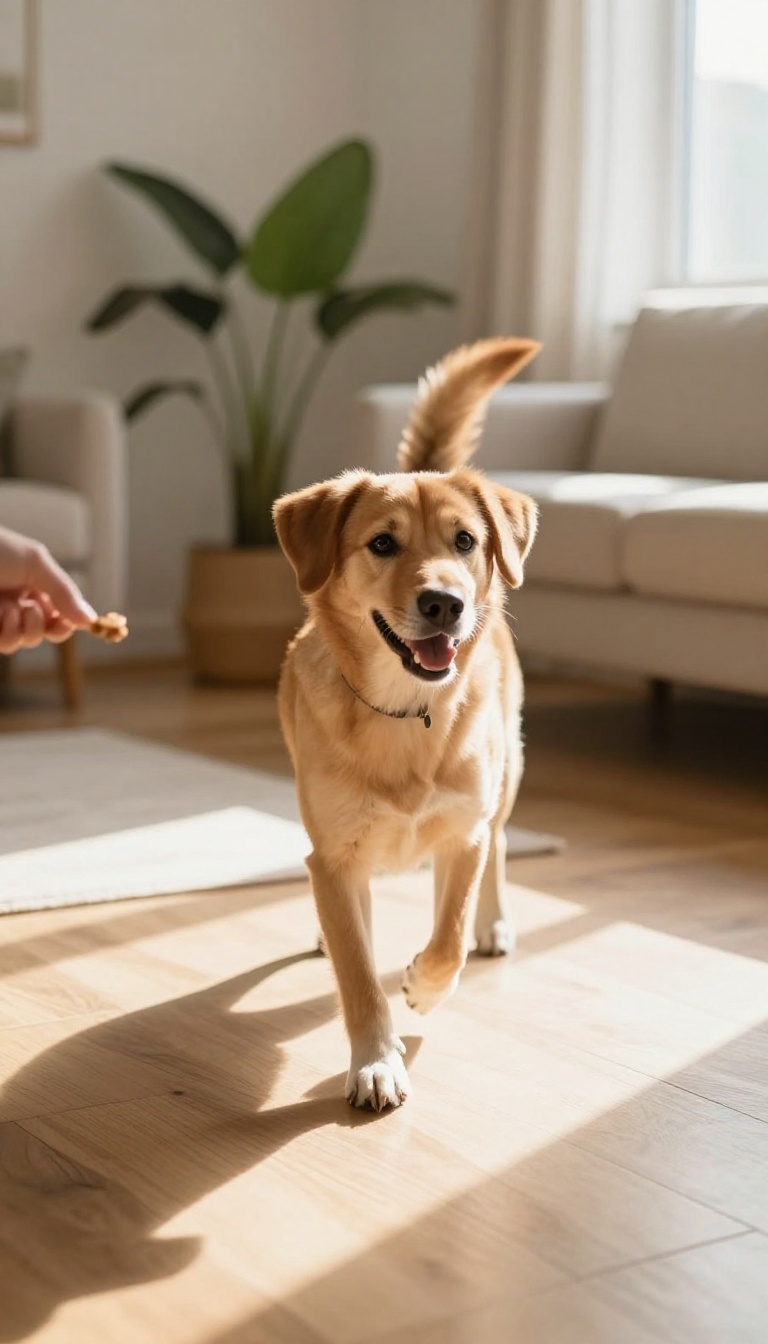
Teaching your dog to spin is one of the quickest, most entertaining tricks you can add to your clicker training toolbox. It’s a fantastic way to burn off a little energy, boost your dog’s confidence, and strengthen your bond—all in just a few short sessions. Plus, the spin is a great foundation for more complex tricks like weaving through your legs or even dancing routines.
This trick is incredibly simple to teach because it relies on your dog’s natural curiosity and love of treats. You’ll start by luring your dog in a circle with a tasty reward, clicking at the exact moment they complete the turn. With repetition, your dog will learn to spin on cue, and you can gradually fade out the lure until they respond to just your verbal command and hand signal.
The spin is not only fun but also provides excellent mental stimulation, making it a perfect addition to your clicker training sessions.
Step-by-step Luring
Hold a treat close to your dog’s nose and slowly move it in a circular motion, encouraging them to follow. As soon as your dog completes a full turn, click and reward. Repeat this several times, keeping sessions short and upbeat.
Once your dog is consistently following the lure, start adding a verbal cue like “spin” just before you begin the motion. Over time, your dog will associate the word with the action.
Fading The Lure
Once your dog understands the motion, it’s time to phase out the treat lure. Start by using an empty hand to make the same circular gesture, and click and reward when they spin. Gradually make your hand signal smaller and less obvious.
Eventually, you can just say “spin” and use a subtle finger point. Remember to click and treat every successful spin to reinforce the behavior.
Adding A Hand Signal
A clear hand signal makes the trick more reliable and fun. Choose a simple gesture, like circling your finger in the air or pointing to the side. Pair this signal with your verbal cue from the start, so your dog learns to respond to both.
Once your dog is comfortable, you can test them by giving only the hand signal or only the verbal cue to see if they understand both.
Troubleshooting Common Issues
If your dog seems confused, break the spin into smaller steps—click for a half turn, then gradually ask for more. Keep your lure high enough to encourage a full circle, and use high-value treats to keep motivation up. If your dog gets dizzy or disoriented, take a break and try again later.
Always end on a positive note, even if it means going back to a simpler step.
6. Use Targeting to Solve Problem Behaviors
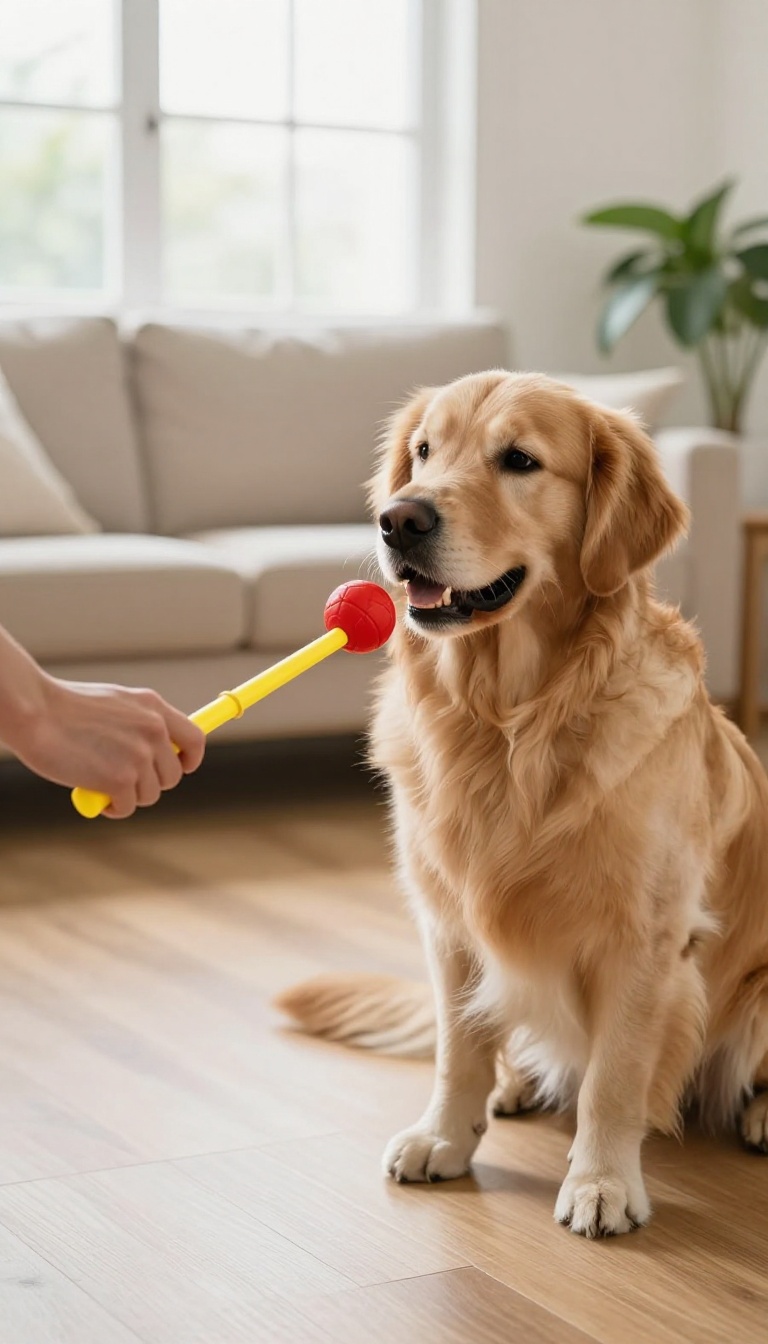
Targeting isn't just for teaching tricks—it's a clever way to redirect unwanted behaviors. By teaching your dog to touch a target stick or your hand with their nose, you give them a clear, positive alternative to jumping, barking, or door-dashing. It's a simple concept that packs a punch in real-life situations.
Targeting works because it gives your dog a specific job to do, shifting their focus from the problem behavior to a productive action. The best part? It's easy to teach and endlessly useful.
Once your dog knows how to touch a target, you can use it to guide them away from trouble, keep them occupied, and even build a foundation for more complex behaviors.
The Basics: Teaching A Nose Touch
Start by presenting your open palm a few inches from your dog's nose. The moment they sniff or touch it, click and reward. Repeat this a few times, then gradually move your hand to different positions—low, high, left, right.
Your dog will learn to actively seek out your hand, which is the foundation for all targeting work.
Redirecting Jumping And Barking
When your dog jumps up to greet you, instead of pushing them away, present your target hand at chest level. As soon as they touch it, click and treat, then guide them into a sit. For barking, use the target to redirect their attention to you.
Over time, your dog will learn that touching the target is more rewarding than barking or jumping.
Guiding Movement And Positioning
Targeting isn't just for stationary behaviors—it's a great way to move your dog around. Use the target to lead them into a crate, onto a mat, or into a heel position. You can even teach them to follow the target for agility-style maneuvers.
This builds coordination and focus, all while keeping training fun.
Building A Foundation For Other Tricks
Once your dog masters nose targeting, you can use it to teach spins, weaves, or even closing doors. The target becomes a cue that says, 'Follow this and good things happen. ' This makes learning new tricks faster and more enjoyable for both of you.
7. Shape a Down from a Sit Without Luring
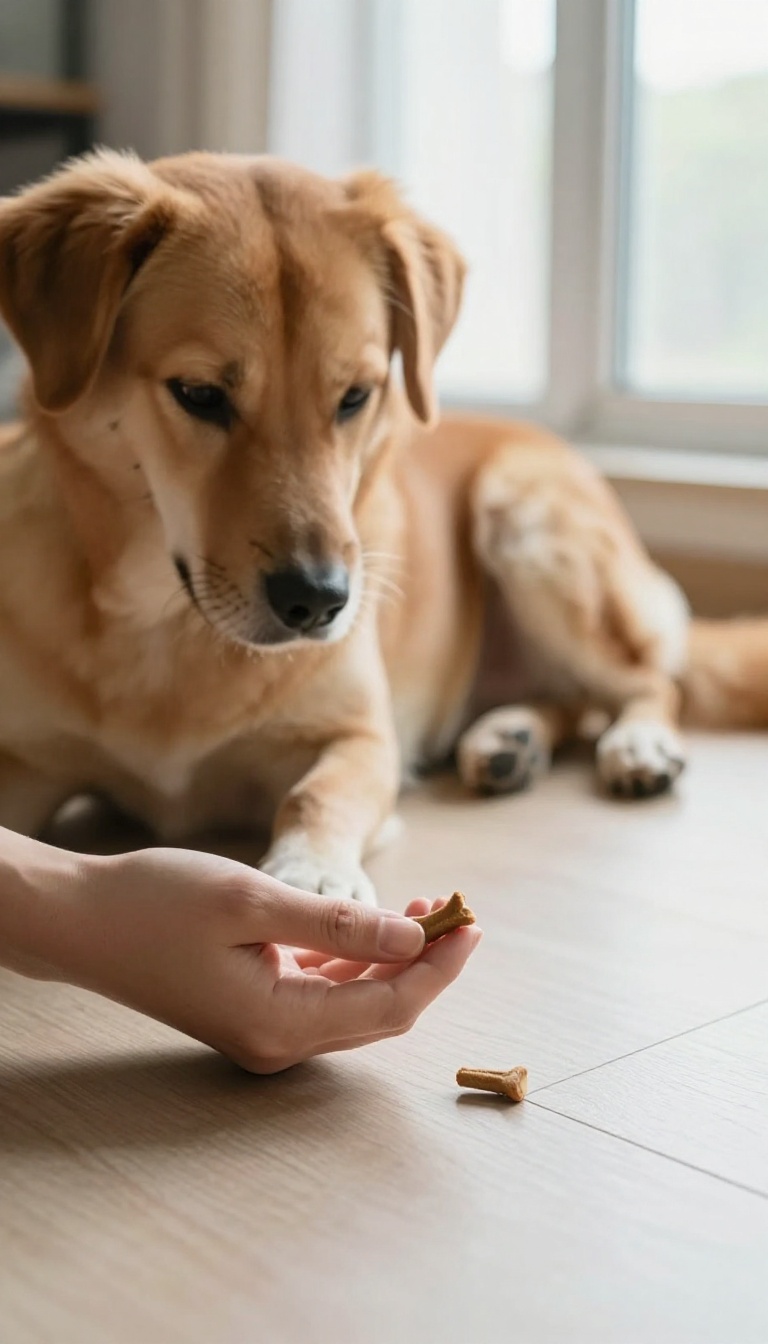
Luring a down is easy, but shaping it builds a smarter, more confident dog. Instead of guiding your dog into position, you wait for them to offer small movements toward the floor and click each one. This method teaches your dog to think and problem-solve, making the behavior stick longer.
Shaping a down from a sit is a fantastic way to deepen your dog's understanding of the behavior. It turns a simple command into a puzzle your dog learns to solve, which is both mentally stimulating and rewarding. Here’s how to break it down into manageable steps.
Start With The Sit
Begin with your dog in a sit position. Have your clicker and treats ready. Click and treat for any small movement that indicates your dog is thinking about going down—like a slight head dip or a shift in weight.
This rewards the initial intention, not just the final result.
Mark Small Steps
Over several short sessions, gradually raise your criteria. Click for a deeper head dip, then for an elbow bending, then for one paw sliding forward. Each click tells your dog, "Yes, that's closer!
" This incremental approach keeps your dog engaged and prevents frustration.
Add The Cue
Once your dog is reliably offering a full down, you can add the verbal cue "down" just before they perform the behavior. Say the cue, wait a second, and click when they go down. After a few repetitions, your dog will associate the word with the action, and you can phase out the clicker for this behavior.
8. Reinforce Polite Greetings to Stop Jumping
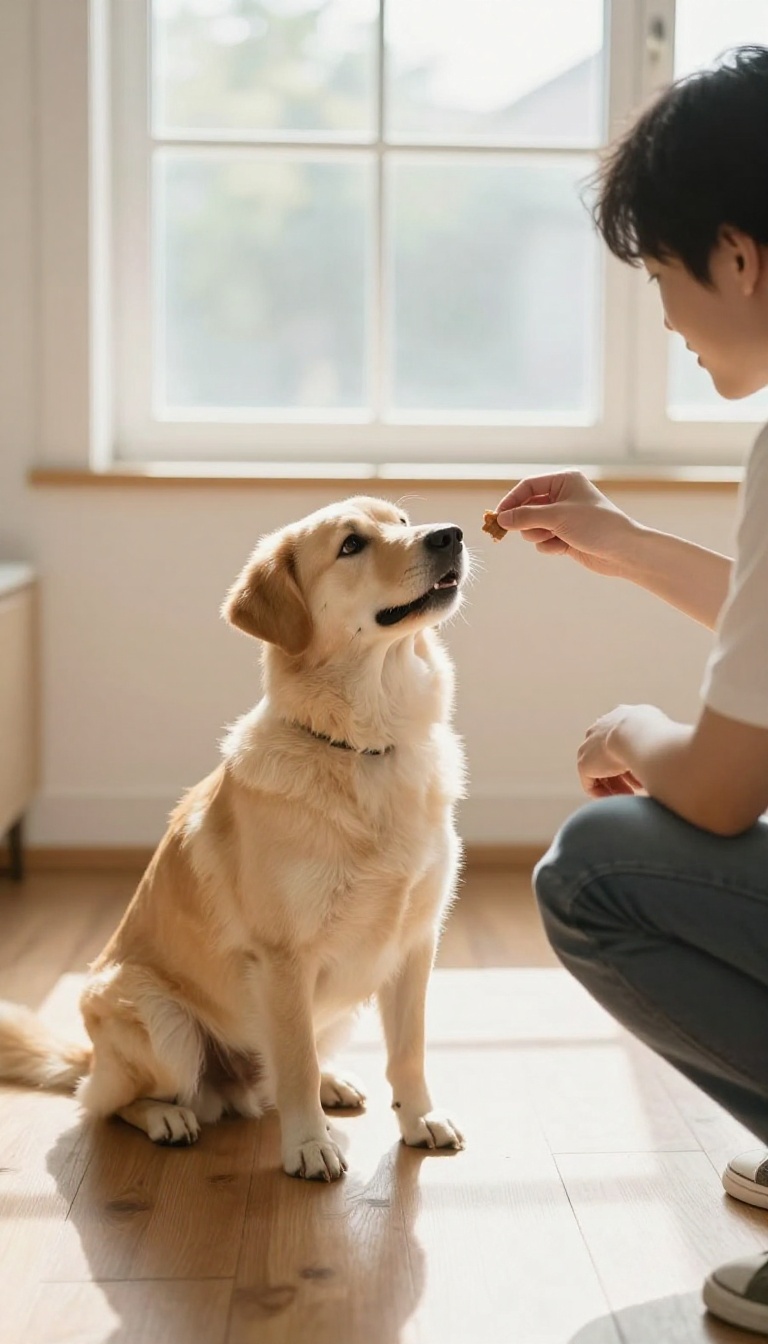
Jumping up is often a dog's way of saying hello, but it can be overwhelming for guests. Clicker training offers a clear, positive way to change this habit. Instead of scolding, you'll reward the behavior you want to see—four paws on the floor.
The key is timing. Click the instant your dog's feet touch the ground, then give a treat. With repetition, your dog learns that calm greetings earn rewards.
Practice in low-distraction settings first, then gradually add more exciting scenarios.
Start With Calm Practice
Begin at home with just you and your dog. Approach the door or greet them as if you've just arrived. If they jump, turn away and wait.
The moment all four paws are down, click and treat. This teaches that calm gets attention, not jumping.
Involve Friends And Family
Once your dog is consistent with you, enlist a friend to help. Have them approach and ignore any jumping. Click and reward only when your dog stays on the ground.
This generalizes the behavior so your dog learns polite greetings with everyone.
Use A Mat As A Backup
A mat can be a powerful tool. Teach your dog to go to their mat when someone arrives. Click and treat for staying there.
This gives them a clear alternative to jumping and makes greetings more manageable for everyone.
9. Teach a Reliable Leave It for Safety
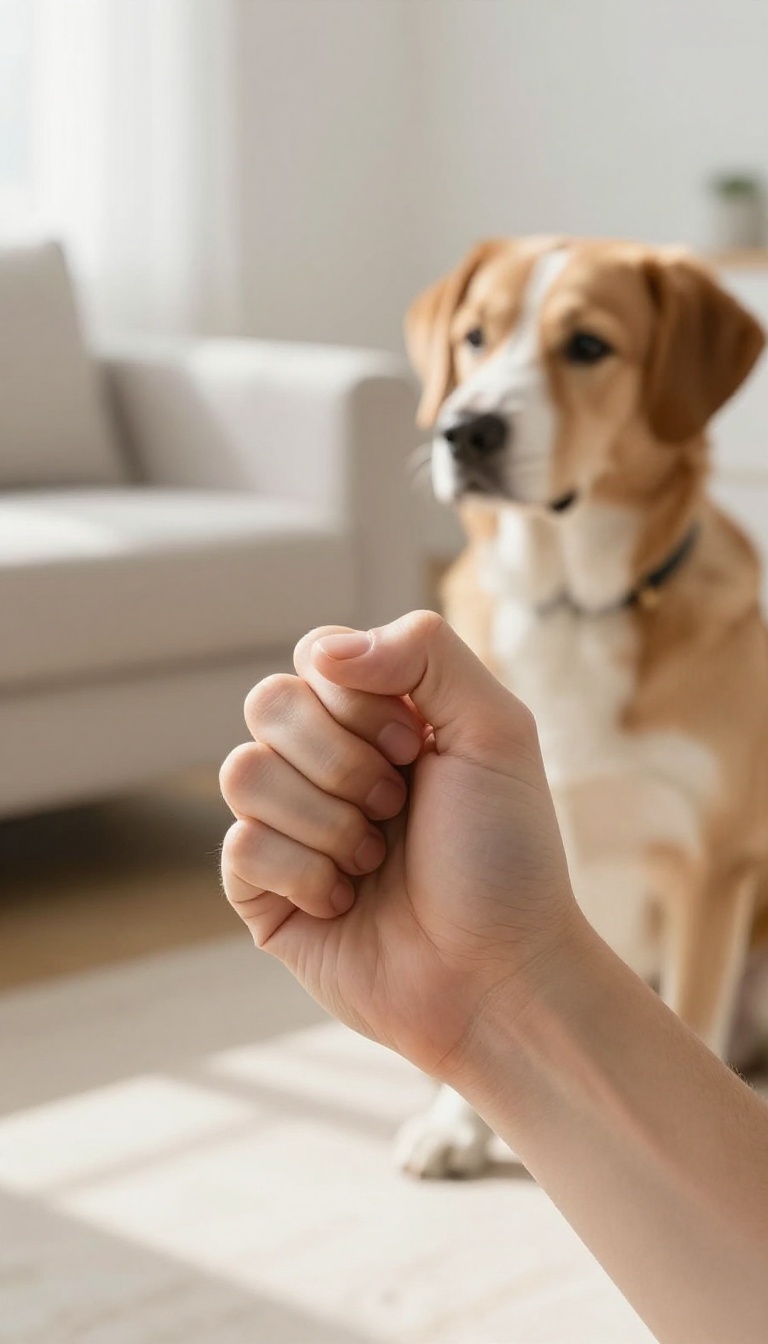
A solid leave it can be a literal lifesaver, especially if your dog has a habit of snatching things off the ground. The clicker makes this lesson clear and even fun. You're not just saying 'no'—you're teaching your dog that ignoring something tempting earns a reward.
Start with a treat in your closed hand, clicking when your dog backs away. Progress to items on the floor, and eventually use it to prevent them from grabbing dangerous objects.
Start With A Closed Fist
Begin by showing your dog a closed fist with a treat inside. When they sniff, paw, or mouth it, wait. The moment they pull back or look away, click and treat from your other hand.
This teaches them that backing off is what earns the reward.
Level Up To Floor Items
Once your dog understands the closed fist, place a treat on the floor under your foot or hand. Use the same principle—click when they turn away. Gradually remove your foot, letting the treat sit uncovered.
Keep sessions short to avoid frustration.
Add A Verbal Cue
When your dog consistently backs away from the treat, start saying 'leave it' just before they do. Over time, they'll associate the cue with the action. Practice in different rooms and with different distractions to build reliability.
Use It In Real-life Scenarios
The real test is applying leave it outside. Practice with dropped food, sticks, or other tempting items on walks. Always have high-value treats ready to reward your dog for choosing to ignore the item.
This builds a habit that could keep them safe from harmful objects.
10. Create a Fun 'Go to Bed' Cue
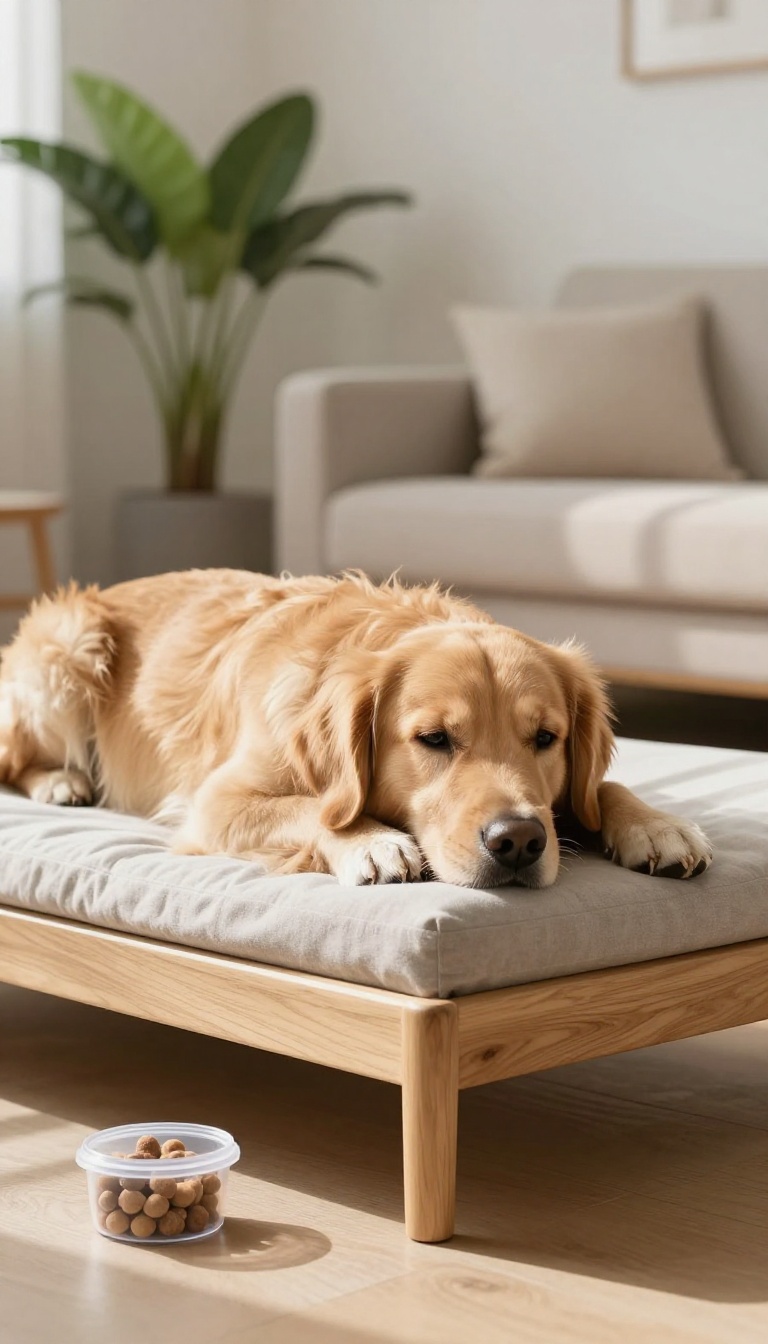
A reliable 'go to bed' cue is a game-changer for busy households. It gives your dog a clear job—settle on their mat—and gives you a moment of calm when you need it. The clicker makes this easy because you can reward each small step toward the bed, building the behavior gradually without pressure.
Start by placing a mat or dog bed in a quiet spot. Click and treat any interest in the mat—a sniff, a step, or a paw on it. Then shape closer approximations: both front paws, all four paws, and eventually a down.
Keep sessions short and upbeat, and soon your dog will offer the behavior just to hear the click.
Why This Cue Works
The 'go to bed' cue is useful for managing everyday chaos—doorbell rings, meal prep, or when you need your dog out from underfoot. It's also a calming behavior that helps anxious dogs feel secure in their own space. Because you're shaping it, your dog learns to think and choose the mat, which builds confidence.
Step-by-step Shaping
Begin with your dog on a leash or just nearby. Click and treat for looking at the mat, then for stepping toward it. Gradually raise the criteria: one paw on, two paws, then a full settle.
Use a verbal cue like 'bed' right before they move, and say it in a happy tone. End each session with a jackpot—several treats in a row—for a great effort.
Adding Duration And Distractions
Once your dog reliably goes to the mat, start delaying the click for a few seconds while they stay. Then add distractions—open the door, toss a toy, or have someone ring the bell. Click and treat for staying put.
This builds a solid settle that holds up in real life.
11. Improve Focus with a Look-at-Me Game
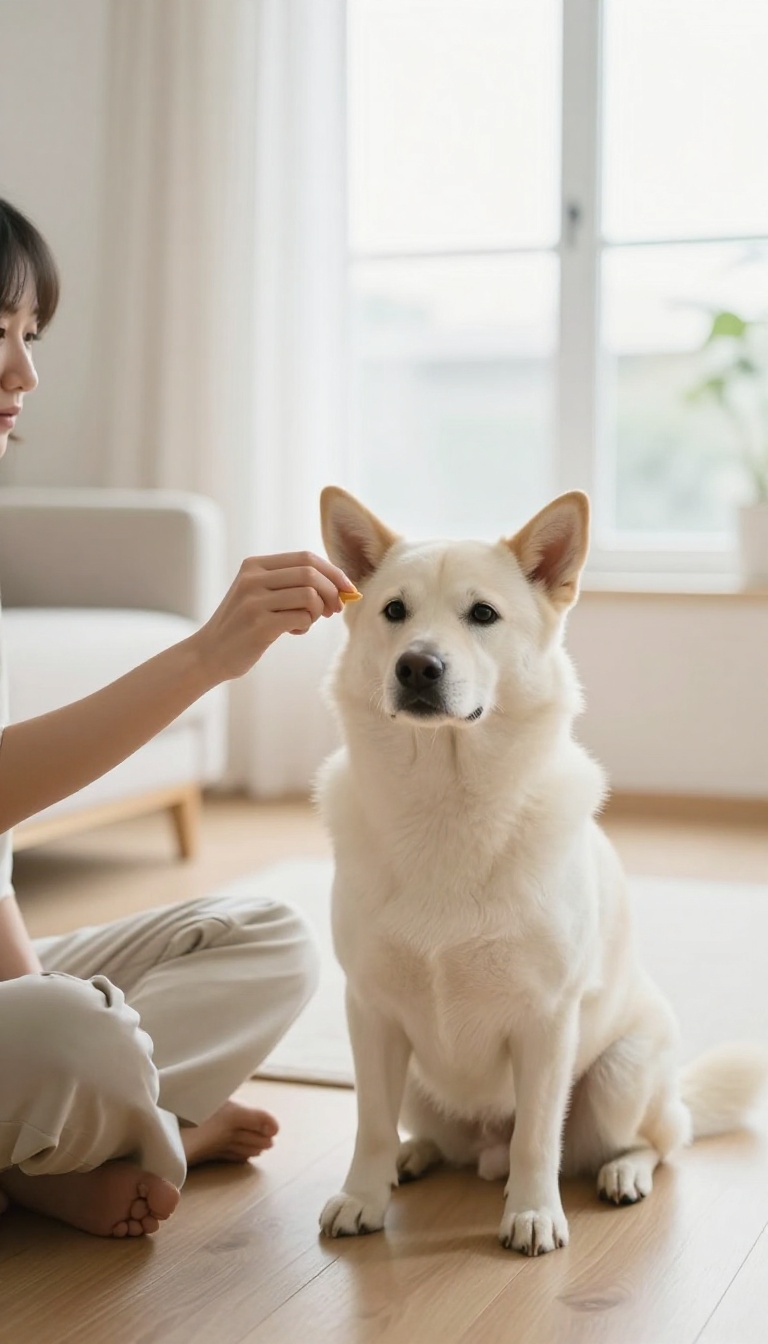
A wandering gaze is often the first thing to fade when distractions creep in. The look-at-me game flips that by making eye contact the most rewarding choice your dog can make. It's a tiny behavior with huge ripple effects, and it takes almost no setup.
Start with your dog in a quiet room and a clicker in hand. Hold a treat near your face, then wait. The second your dog's eyes meet yours, click and reward.
Repeat until your dog offers eye contact without the treat lure. Then add a cue like "look" or "watch me" right before they lock eyes. Once that's solid, start practicing in slightly busier spots—the backyard, a quiet street, or the edge of a park.
Each session builds a default habit of checking in with you, which makes every other training task easier.
Why Eye Contact Matters
Eye contact is more than a polite gesture. It means your dog is engaged and ready to learn. When your dog looks at you, they're signaling that you're more interesting than the squirrel across the road.
That focus is the foundation for reliable recalls, loose-leash walking, and calm behavior around distractions. The look-at-me game deliberately strengthens this connection, turning a natural behavior into a powerful training tool.
How To Shape A Solid Look
Begin with the easiest version: click and treat any glance in your direction. Gradually raise the bar by waiting for longer eye contact or for your dog to look at you from a short distance. Use a verbal marker like "yes" along with the clicker if you prefer.
Keep sessions short—two to three minutes—and end on a high note. If your dog struggles, go back a step and make it easier. The goal is to build confidence, not frustration.
Using Look-at-me In Real Life
Once your dog has a reliable look, use it before crossing the street, when guests arrive, or during vet visits. Ask for eye contact before your dog greets another dog or before you open the door. This simple cue gives your dog a clear job and helps them stay calm in exciting moments.
Over time, your dog will start checking in with you automatically, and that's when training really takes off.
12. Teach a Playful Bow for Confidence
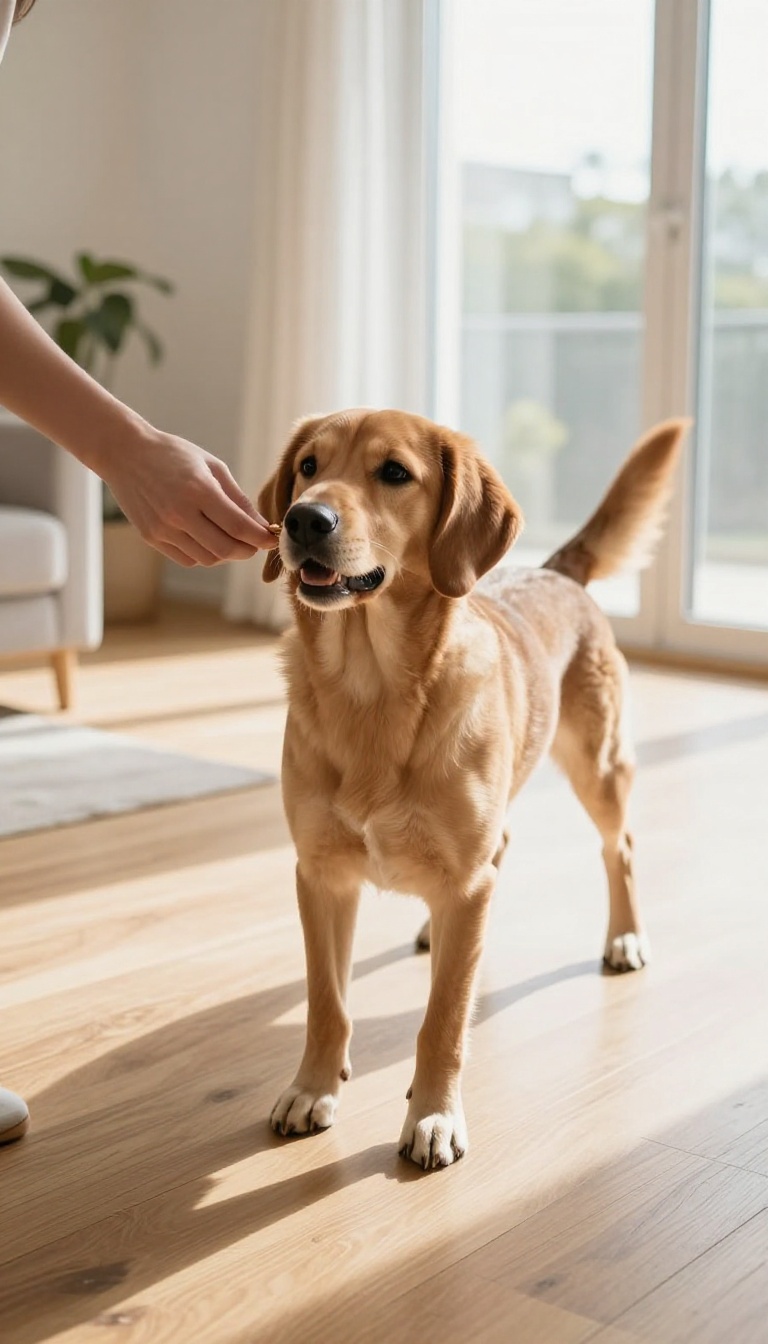
The play bow is one of those moves that looks both elegant and goofy, and dogs seem to love showing it off. Beyond the cuteness factor, it's a fantastic way to build body awareness and confidence, especially for shy or clumsy pups. Clicker training makes the process simple and fun, turning a natural stretch into a polished trick.
Start by holding a treat near your dog's nose, then slowly lower it toward the floor between their front paws. As their head follows the treat, their rear will naturally rise into a bow. The moment they strike the pose, click and reward.
Keep sessions short and upbeat, and soon your dog will offer the bow on their own.
Why It Builds Confidence
For many dogs, lowering their head while keeping their rear up feels a bit vulnerable at first. By rewarding this position, you're teaching them that being in an exposed posture is safe and rewarding. Over time, this can translate into more confident body language in other situations, like meeting new dogs or navigating tricky obstacles.
Shaping The Perfect Bow
If your dog struggles to keep their rear down, you can shape the behavior in small steps. Click for any slight head dip, then gradually ask for more. You can also use a target stick or your hand to guide them.
The key is to break it down and celebrate every tiny success—this keeps your dog engaged and eager to try.
Adding A Verbal Cue
Once your dog is consistently bowing, add a verbal cue like 'bow' or 'take a bow' just before they move into position. Say the word, then lure. After several repetitions, your dog will start to associate the word with the action.
Eventually, you can phase out the treat lure and just use the cue, rewarding with a click and treat from your hand or the floor.
13. Use a Clicker to Reduce Reactivity
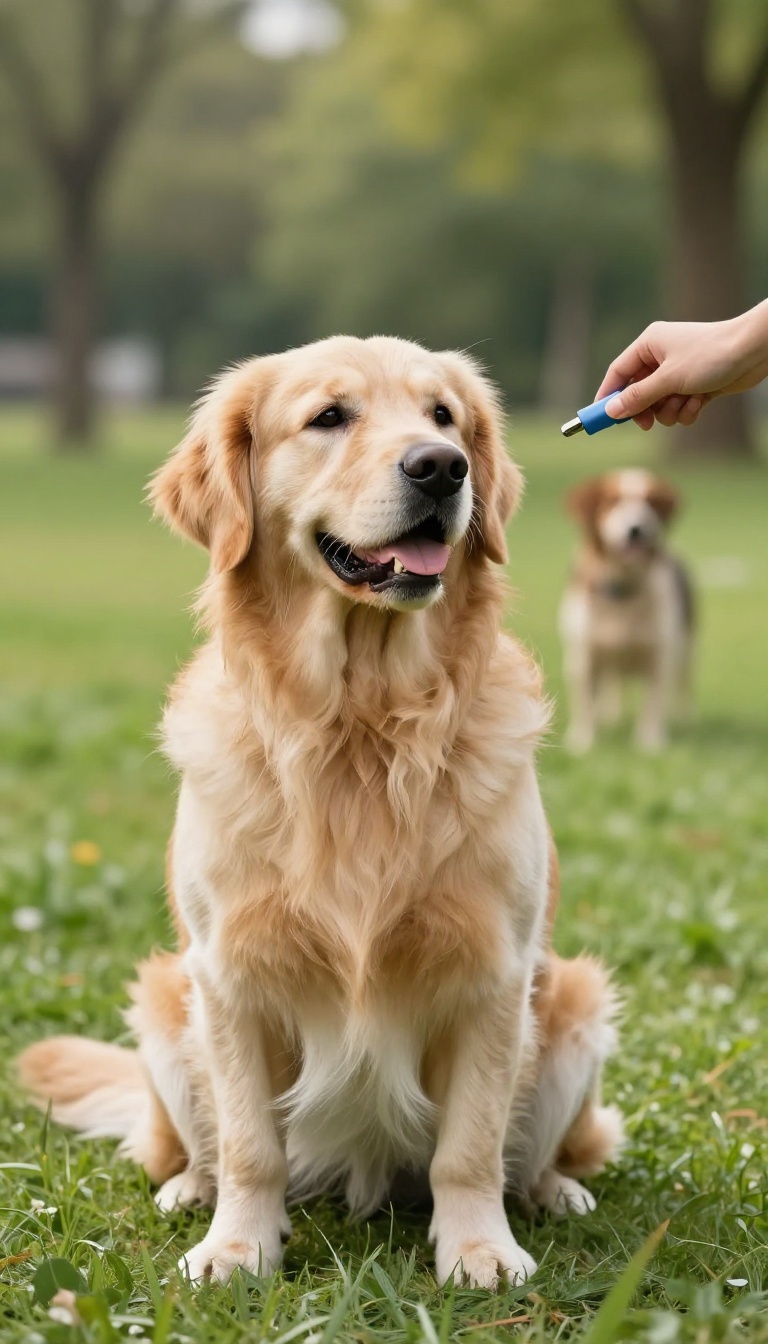
Reactivity—barking, lunging, or freezing at the sight of another dog—can turn a simple walk into a stressful event. But your clicker can help your dog build a new, calmer association with triggers. The key is to click and treat the moment your dog notices something without reacting, which teaches them that good things happen when they stay calm.
This technique, called counter-conditioning, pairs the trigger with a positive reward, gradually changing your dog's emotional response from fear or excitement to anticipation of a treat. It's not about forcing your dog to ignore the trigger; it's about changing how they feel about it. Over time, your dog will look to you for a click and treat instead of reacting.
Start At A Safe Distance
Find a spot where your dog can see a trigger—like another dog—but is far enough away that they don't react. This distance is your starting point. When your dog notices the trigger and stays calm, click and treat.
If they react, you're too close, so move back and try again. The goal is to set your dog up for success, not to test their limits.
Click For The Look, Not The Lunge
Watch for the moment your dog's head turns toward the trigger. That split-second of noticing without reacting is your click moment. Click and treat immediately, then guide your dog away with a cheerful call.
You're teaching your dog that seeing a trigger predicts good things, not stress. Over time, your dog will offer a check-in with you instead of reacting.
Progress Gradually And Keep Sessions Short
As your dog gets better, you can slowly decrease the distance to the trigger. But don't rush—each session should be short and end on a positive note. If your dog has a setback, that's fine.
Just go back to a comfortable distance and build up again. The clicker is your tool for patience, not pressure.
14. Train a Reliable 'Wait' at Doorways
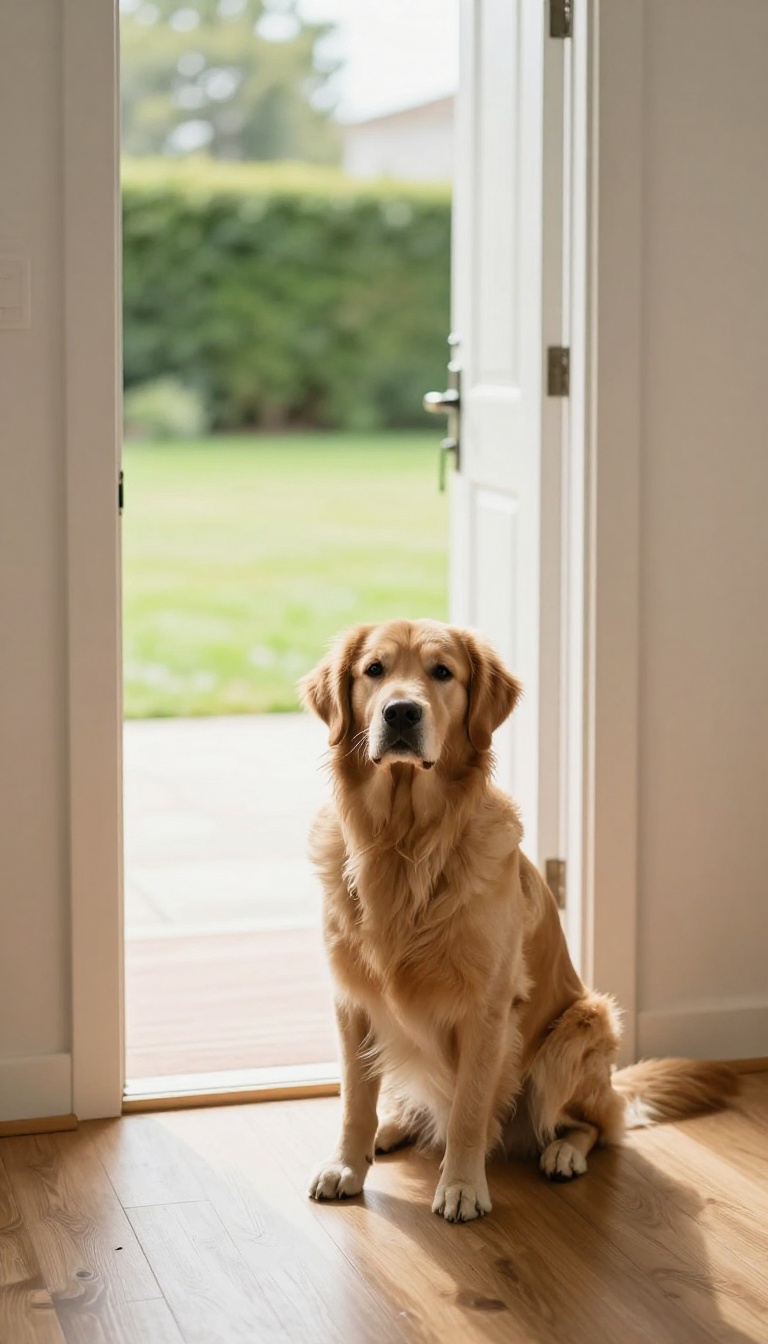
Doorways can turn your calm pup into a furry missile the second the handle turns. That burst of excitement is natural, but it's also risky—dogs who bolt out can run into traffic or get lost. Clicker training gives you a simple way to replace that rush with a pause, and the best part is that it clicks fast.
You don't need to wrestle your dog or block the door with your body. With a few treats and a clear cue, you can teach your dog that waiting at the threshold is the fastest path to fun. Once they get it, every door becomes a chance to practice good manners.
Start by standing near the door with your dog on a leash, but don't open it yet. Click and treat any moment your dog isn't pulling or leaning toward the door. That could be a glance your way, a sit, or even just a relaxed stance.
The click marks the instant they choose calm over chaos. Once your dog understands that calm earns clicks, add the cue "wait" just before you click. Then begin to reach for the handle.
If your dog moves, simply stop and wait. No correction—just let the pause reset the game. The moment they settle again, click and reward.
Gradually build up to actually opening the door a crack, then wider, then stepping through. The key is to keep the sessions short and end on a high note. A few minutes a day is plenty, and soon your dog will offer a polite sit at every exit.
Why Doorway Training Matters
Door dashing isn't just annoying—it's dangerous. A dog who bolts out can run into the street, get into fights, or simply get lost. Teaching a solid "wait" at thresholds gives you a moment to check the environment and keep your dog safe.
It also builds impulse control that carries over to other exciting moments, like greeting guests or getting out of the car.
Step-by-step Clicker Cue
Begin with the door closed and your dog on a leash. Click and treat for any calm behavior near the door. Then say "wait" and reach for the handle—if your dog moves, pause and ignore until they settle.
Click the instant they stop moving, then reward. Slowly progress to opening the door a few inches, then wider, always clicking for the pause. Practice with different doors and times of day so your dog generalizes the cue.
Troubleshooting Common Slip-ups
If your dog keeps charging forward, you might be moving too fast. Go back to just reaching for the handle without opening. Also, make sure you're clicking for the pause, not the movement.
If your dog is too amped up, try practicing after a walk or play session when they're calmer. Keep sessions short and positive—five minutes is plenty.
15. Shape a Fun 'Roll Over' Trick
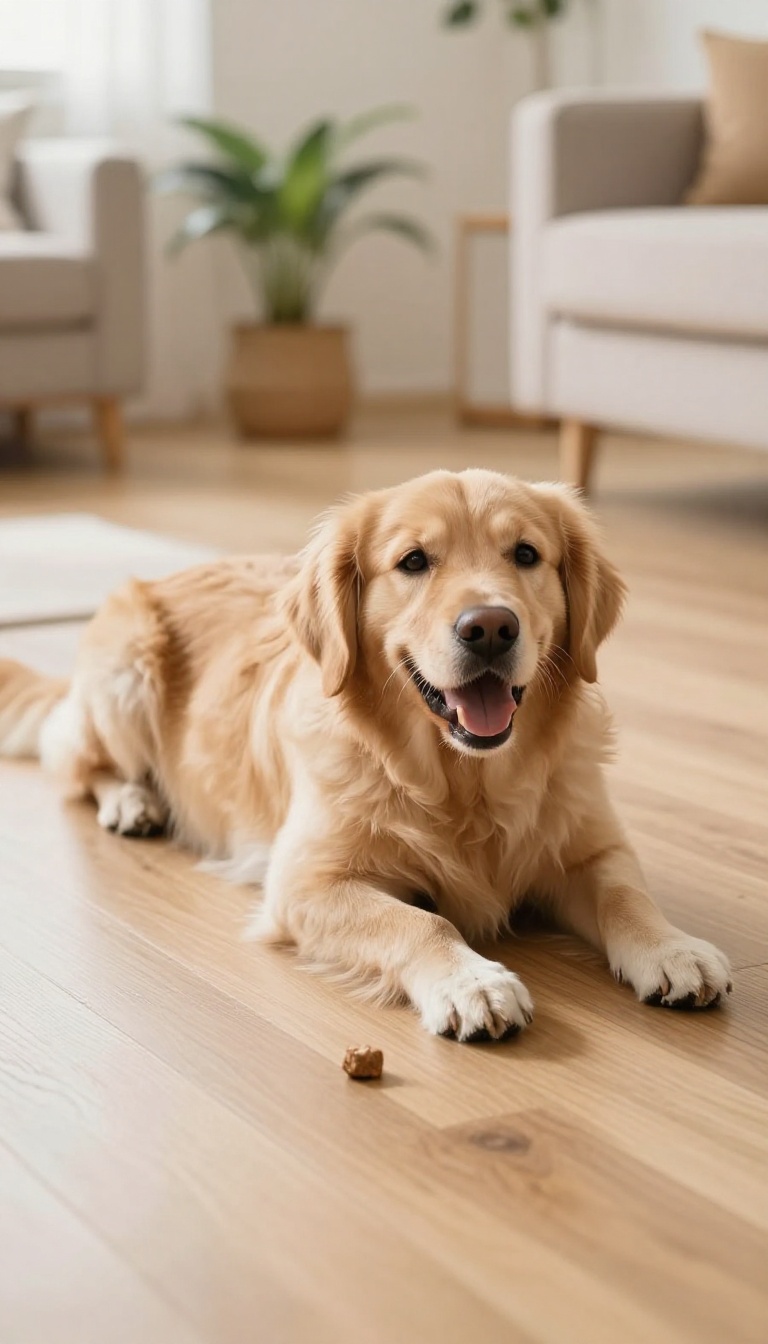
Roll over is a classic trick that never fails to impress, but teaching it can feel like a wrestling match if you try to force it. Clicker training changes the game by letting your dog figure out the movement on their own, one small step at a time. You'll be amazed at how quickly they pick it up when you reward each tiny success.
Start with your dog lying down. Click and treat for any slight head turn toward their shoulder. Then wait for a bigger head turn, then a shift of weight, and gradually shape the full roll.
Keep sessions short and upbeat, and always end on a high note. Before you know it, your dog will be rolling over with gusto, and you'll have a trick that's both fun and mentally stimulating.
Why Shaping Works For Rolls
Shaping is all about rewarding small steps toward the final behavior. For a roll, you might click for a head tilt, then a shoulder dip, then a full flop onto the side. This builds confidence and keeps your dog thinking.
They learn that trying new moves earns treats, which makes them more creative and eager to learn.
Step-by-step Breakdown
Start with your dog in a down position. Click and treat for any movement of the head toward their flank. Gradually raise the bar: click only for a head turn that touches their side, then for a weight shift, then for a full roll.
If your dog gets stuck, go back a step and try again. Patience is key, and every dog learns at their own pace.
Troubleshooting Common Hiccups
If your dog just stares at you, try luring slightly with a treat to get the first movement, but click the instant they move. If they jump up instead of rolling, practice on a soft surface and reward only when all four paws stay down. If they roll too fast and skip steps, break it down further and click for tiny increments.
Keep training fun and never force the motion.
FAQ
How long should a clicker training session last?
Keep sessions short—about 5 to 10 minutes for puppies and up to 15 minutes for adult dogs. End on a positive note before your dog loses interest.
What treats work best for clicker training?
Use small, soft, high-value treats that your dog loves, like pieces of chicken or cheese. They should be easy to chew quickly so you can keep the training flow going.
Can clicker training be used for older dogs?
Absolutely. Clicker training works for dogs of any age. Older dogs can learn new behaviors just as well, and it's a great way to keep their minds sharp.
What if my dog is scared of the clicker sound?
Start by clicking softly or use a pen click instead. Pair the sound with treats to create a positive association. You can also use a verbal marker like 'yes' if needed.
How do I fade out the clicker?
Once your dog reliably performs the behavior, start clicking less often and rely more on verbal praise and occasional treats. Eventually, you can phase out the clicker for most cues.
Conclusion
Clicker training works because it turns learning into a clear, rewarding conversation. You don't need marathon sessions—just a few focused minutes each day and a treat pouch that's always ready. Try one or two of these ideas this week and see which ones get your dog's tail wagging fastest.
Keep it light, stay consistent, and celebrate every small win. Before long, you'll both be amazed at how much you've learned together.

I’m Pallab Kishore, the owner of Little Pets Realm — an animal lover and pet care enthusiast sharing easy tips, healthy recipes, and honest advice to help every small pet live a happy, healthy, tail-wagging life.