
Nighttime barking can turn your peaceful home into a stress zone, leaving both you and your pup exhausted by morning. The good news?
Most causes are fixable with simple, consistent changes to your routine and environment. From tiring walks to calming treats, these 13 strategies target the root of the problem, not just the symptom.
Pick the ones that fit your dog's personality and start tonight—quieter bedtimes are closer than you think.
1. Tire Them Out with a Pre-Bed Walk
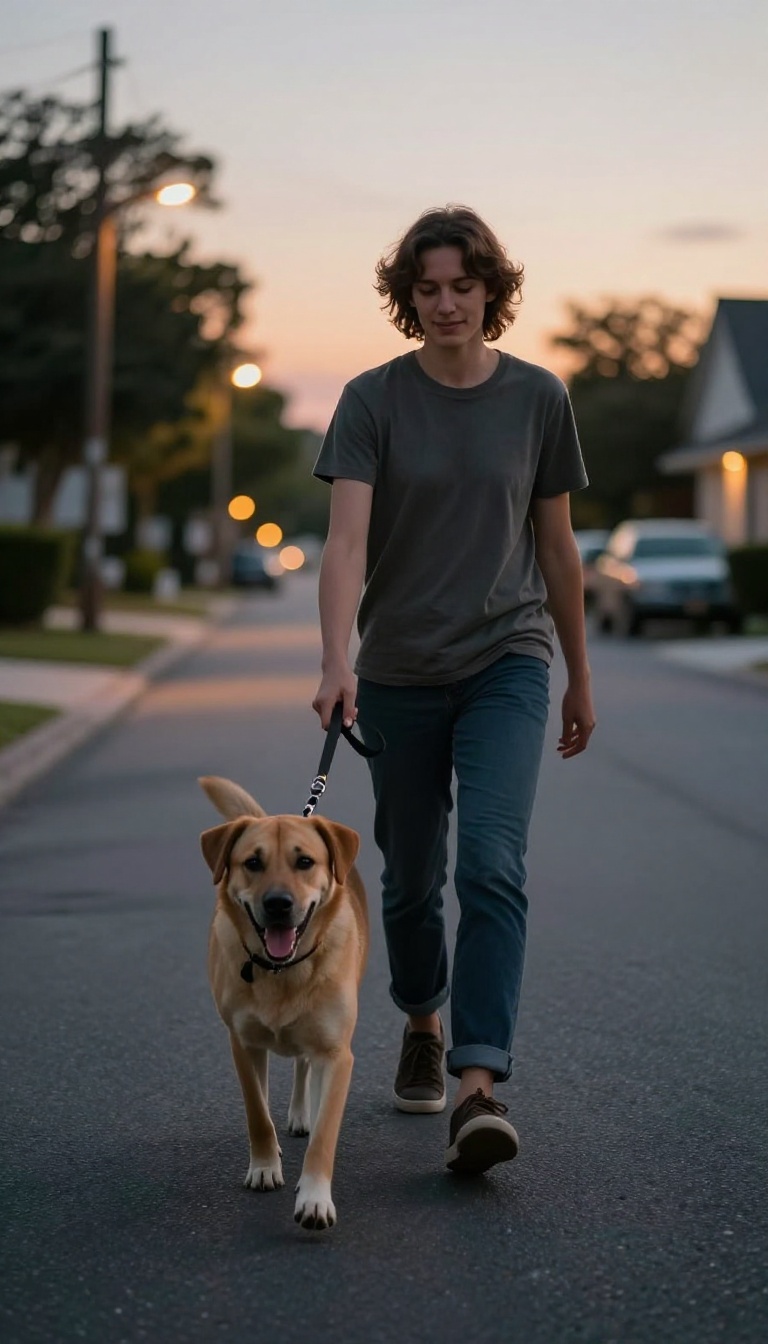
A tired dog is a quiet dog. When your pup has pent-up energy, that energy often comes out as barking, especially at night when things are still. A brisk walk before bed helps burn off that extra steam, making it easier for your dog to settle into sleep instead of guarding the yard or reacting to every sound.
Aim for 20–30 minutes of brisk walking, not just a slow stroll. The goal is to get your dog panting lightly and mentally engaged. This isn't just about physical exercise—it's also about giving your dog a chance to sniff, explore, and process the day, which can be deeply calming for their mind.
Walking before bed does more than just burn energy. It helps regulate your dog's internal clock, signaling that the day is winding down. Many dogs thrive on routine, and a consistent evening walk can become a powerful cue that it's time to relax.
Plus, the mental stimulation from sniffing and exploring can be just as tiring as the physical exertion, leaving your dog content and ready for rest. To get the most out of your pre-bed walk, keep the pace steady and purposeful. Let your dog stop to sniff occasionally, but avoid letting them get overly excited by other animals or stimulating environments.
The walk should be calming, not a high-energy play session. If your dog is still wired after 20 minutes, extend it to 30 or add a short training session to engage their brain further.
Why Timing Matters
The best time for this walk is about 30 to 60 minutes before you plan to go to bed. This gives your dog time to wind down, have a drink, and maybe do a final bathroom break. Walking too early might not tire them out enough, while walking too late could leave them too excited to sleep.
Find the sweet spot that works for your dog's energy level and your schedule.
Make It A Routine
Dogs thrive on predictability. If you walk your dog at the same time every night, they'll start to expect it and naturally begin to calm down as the walk approaches. Over time, this routine becomes a powerful signal that the day is ending, making it easier for your dog to switch into rest mode.
Consistency is key—try to stick to the same time and route to reinforce the habit.
Mix In Some Brain Work
Physical exercise is great, but mental stimulation can be even more tiring. During your walk, incorporate short training sessions—like practicing 'sit' or 'stay' at intersections, or playing a quick game of 'find it' with treats. This engages your dog's brain and helps them focus, which can reduce anxiety and nighttime barking.
Even just 5 minutes of focused training can make a big difference.
2. Create a Calm Bedtime Routine

Dogs are creatures of habit, and a predictable wind-down can work wonders for their nighttime anxiety. When your pup knows exactly what comes next, the world feels safer and sleep comes easier. A calm bedtime routine doesn't have to be elaborate—just consistent and soothing.
Start by picking a set time for bed and stick to it, even on weekends. Your dog's internal clock will adjust, and soon they'll start yawning and settling on their own. Keep the sequence short and simple: a brief play session to burn off any leftover energy, a final potty break, and then a few minutes of quiet cuddling or gentle brushing.
This pattern signals that the day is over and it's time to rest.
Keep It Predictable
Dogs find comfort in predictability. Use the same order of activities every night, and keep your tone soft and movements slow. Avoid anything too exciting, like a game of fetch or a new toy, right before bed.
Instead, opt for low-key activities that promote relaxation, such as a short walk or a puzzle toy that doesn't rile them up.
Add A Calming Cue
A specific phrase or a gentle signal can become a powerful sleep trigger. Say something like "time for bed" in a soothing voice, or use a hand signal like patting the bed. Pair this cue with a treat or a favorite blanket.
Over time, your dog will associate that cue with sleep, making it easier to settle down even on nights when they're a bit restless.
Make The Space Sleep-friendly
Your dog's sleeping area should feel safe and comfortable. Use a crate with a soft bed, or a designated corner with a blanket. Keep the room dim and quiet, and consider playing soft white noise or calming music to mask outside sounds that might trigger barking.
A familiar scent, like your worn t-shirt, can also soothe anxiety.
3. Give Them a Comfortable Sleeping Spot

A restless dog often just needs a better place to rest. If your pup is pacing, whining, or barking at night, their sleeping area might be the culprit. A cozy, designated bed in a quiet corner can make them feel secure and signal that it's time to settle down.
Think about where your dog sleeps now. Is it a cold floor, a drafty hallway, or right next to a window where every sound sets them off? Moving them to a spot that feels safe and snug can reduce nighttime anxiety and barking.
Add a familiar blanket or a well-loved toy to increase comfort and create a sense of home.
Pick The Right Spot
Choose a corner that's away from high-traffic areas and outside noises. Avoid placing the bed near doors or windows where your dog might hear or see things that trigger barking. A quiet, low-traffic spot in your bedroom or a cozy living room corner often works best.
The goal is to make your dog feel tucked in and protected, not on guard duty.
Choose The Right Bed
Not all beds are created equal. Older dogs may need orthopedic support for achy joints, while puppies might prefer a soft, nest-like bed they can burrow into. Consider your dog's size and sleeping style.
If they like to stretch out, get a larger bed. If they curl up, a donut or bolster bed can make them feel extra secure. A bed that fits well encourages better sleep—and less barking.
Add Familiar Comforts
A familiar item can work wonders for a nervous dog. Place a piece of your clothing—like an old t-shirt—in their bed. Your scent is calming and reassuring.
A favorite toy or a blanket they've had since puppyhood can also help them settle. Just make sure the items are safe and not easily destroyed, especially if your dog tends to chew when anxious.
Keep It Clean And Fresh
A dirty or smelly bed might actually discourage your dog from using it. Wash their bedding regularly with pet-safe detergent to keep it fresh and inviting. Vacuum the area around the bed to remove dust and allergens that could cause discomfort.
A clean, pleasant sleeping spot is more likely to be used—and appreciated—by your pup.
4. Use White Noise or Soft Music
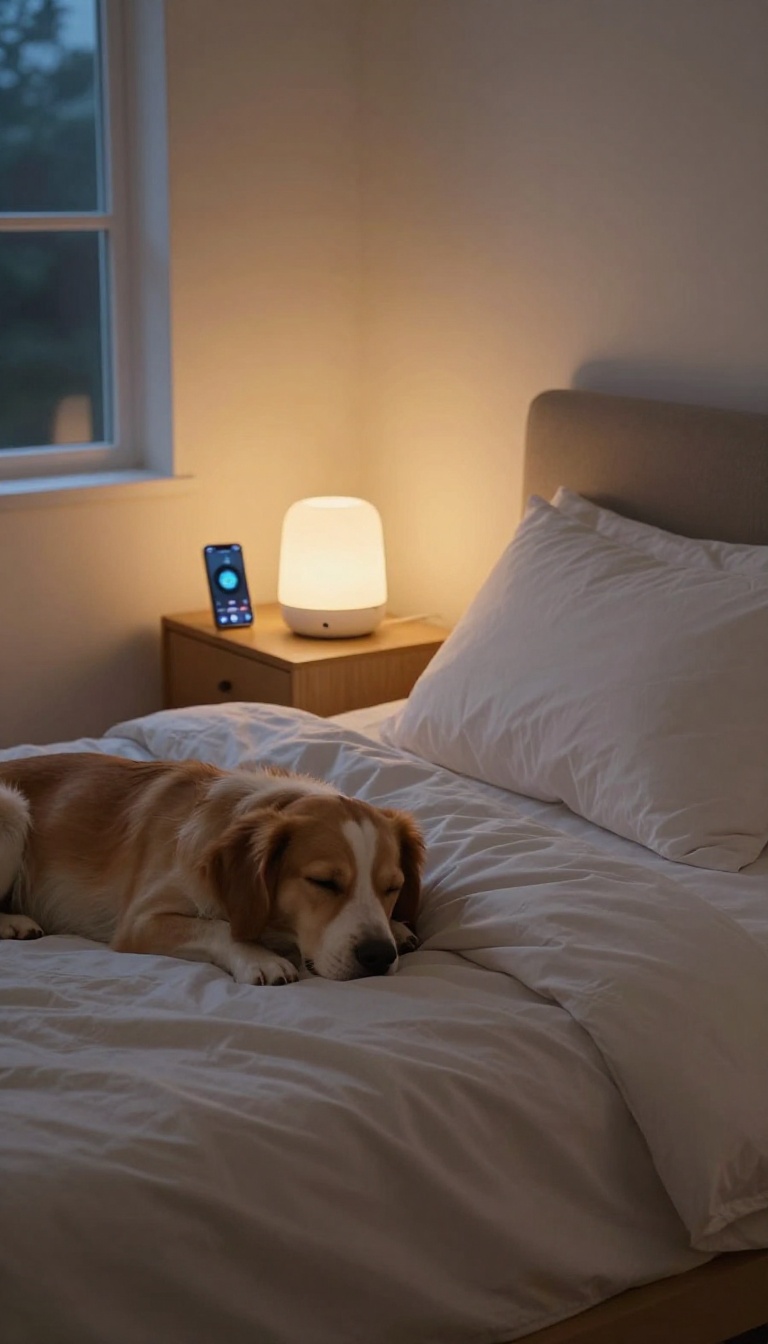
Sometimes the quiet of the night is exactly what sets your dog off. A distant car door, a neighbor's cat, or a creaking branch can be enough to trigger a barking fit. Background noise can be a game-changer because it masks those tiny triggers and helps your pup relax.
White noise or calming music isn't just for humans—it can work wonders for dogs too.
The concept is simple: fill the silence with a steady, soothing sound that drowns out the unpredictable noises that make your dog alert. This isn't about blasting sound to cover everything; it's about creating a consistent auditory backdrop that signals safety and calm. Many dogs find this kind of steady noise comforting, almost like a lullaby.
Why Sound Masking Works
Dogs have far better hearing than we do, so they pick up on sounds we don't even notice. A sudden noise at night can spike their alertness, leading to barking. White noise or soft music provides a constant, predictable sound that reduces the contrast between quiet and sudden noises.
This lowers the chance of a startle response and helps your dog stay in a relaxed state.
Choosing The Right Sound
Not all background noise is equal. White noise machines are popular, but you can also use a fan, a dedicated dog music playlist, or even a classical radio station. Look for sounds that are steady and not too stimulating.
Some dogs prefer the hum of a fan, while others respond better to specially composed dog music with slower tempos. Experiment to see what your dog settles into most easily.
How To Introduce It
Start by playing the sound at a low volume during the day, so your dog gets used to it. Then, turn it on at night before you head to bed. Keep the volume at a level that's audible but not overpowering—just enough to mask outside noises.
Consistency is key, so make it part of your nightly routine. Over time, your dog will associate the sound with sleep time.
5. Block Their View of the Outdoors
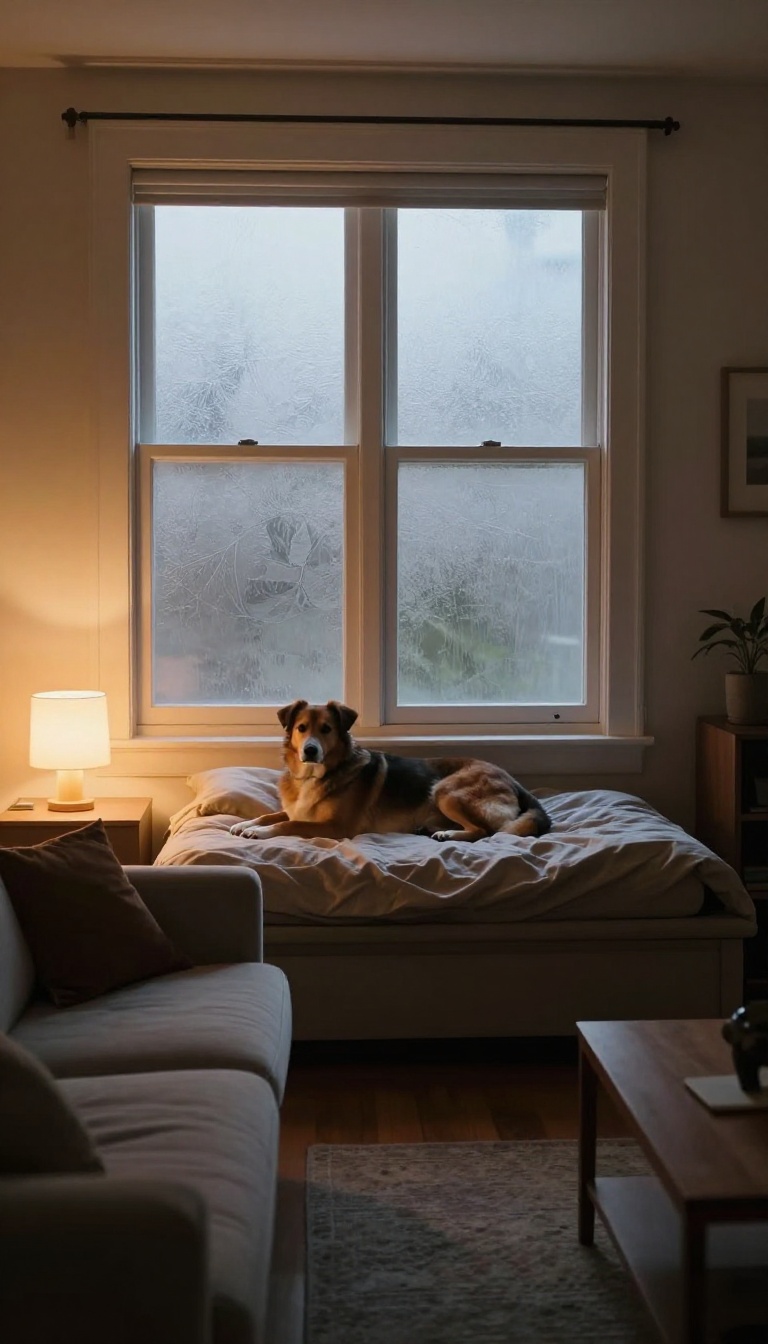
For dogs who treat the front window like their personal security monitor, every passing car or squirrel becomes a reason to sound the alarm. The visual stimulation keeps their brain in high alert mode, even after the trigger has moved on. Removing the sightline is one of the quickest ways to cut off the barking at its source.
When your dog can't see what's happening outside, there's simply less to react to. This fix works especially well for dogs that bark at specific triggers like delivery trucks, joggers, or neighborhood cats. You don't have to block the entire view—just enough to break the line of sight from your dog's favorite resting spot.
Curtains And Blinds: Your First Line Of Defense
Heavy curtains or blinds can do wonders, but they need to be fully closed before the barking starts. If you only close them after your dog has already barked, they'll learn that barking makes the view disappear—which might actually reinforce the behavior. Instead, close them at the same time every evening as part of your wind-down routine.
Window Film: Privacy Without The Cave Effect
If you still want natural light during the day, frosted or privacy window film is a great alternative. It blurs the shapes outside, so your dog can't tell a person from a tree. The film is easy to apply and remove, making it a renter-friendly option.
Just make sure it's installed low enough to cover your dog's eye level.
Rearrange The Room To Break The Line Of Sight
Sometimes you don't need to cover the window at all—just move the furniture. If your dog's bed or favorite perch is right next to the glass, shift it to a wall that doesn't face the street. This simple change can eliminate the trigger without making your home feel like a cave.
6. Address Separation Anxiety with a Puzzle Toy

Some dogs bark at night simply because they don't want to be alone. If your pup follows you everywhere during the day and gets clingy when you head for bed, separation anxiety might be the culprit. A puzzle toy can be a game-changer here—it gives their brain a job and keeps them focused on something positive instead of your absence.
When you give your dog a puzzle toy at bedtime, you're not just handing them a distraction. You're teaching them that nighttime is a time for independent fun, not panic. The key is to choose a toy that's engaging enough to hold their attention for a good while, but not so frustrating that they give up and start barking again.
Start with something moderately challenging and work your way up as they get the hang of it.
How Puzzle Toys Ease Separation Anxiety
A puzzle toy works by redirecting your dog's focus. Instead of fixating on the fact that you've left the room, they're sniffing, pawing, and problem-solving to get to the treat inside. This mental engagement releases feel-good hormones, which can lower stress levels.
Over time, your dog starts to associate your departure with something enjoyable, which can reduce the anxiety that triggers nighttime barking.
Choosing The Right Toy For Your Dog
Not all puzzle toys are created equal. For a first-timer, a simple treat-dispensing ball or a Kong stuffed with peanut butter is a great start. If your dog is a seasoned pro, try a sliding puzzle or a toy that requires multiple steps.
The goal is to find something that matches their skill level—too easy and they'll lose interest, too hard and they'll get frustrated. Rotate a few toys to keep things fresh.
Making The Puzzle Toy Part Of Your Bedtime Routine
Consistency is key. Introduce the puzzle toy at the same time every night, right after the last potty break. Hand it to your dog as you head to bed, and let them work on it while you settle in.
Over a week or two, your dog will start to look forward to this ritual. Just remember to factor the extra treats into their daily calorie count to avoid weight gain.
7. Try a Calming Supplement or Treat

When your dog's nighttime barking stems from anxiety, a little extra help in the form of a calming supplement can make a real difference. These aren't sedatives—they're natural helpers that take the edge off without knocking your pup out. Think of them as a gentle nudge toward relaxation, not a crutch.
Calming chews and treats use ingredients like chamomile, L-theanine, or melatonin to support a relaxed state. They work best when paired with a consistent bedtime routine, not as a standalone fix. Always check with your vet first to ensure the product is safe for your dog's size, age, and health.
What To Look For
Scan the label for proven calming ingredients: chamomile, valerian root, L-theanine, or melatonin. Avoid products with artificial colors or fillers. Choose a chew that matches your dog's weight range, and start with a lower dose to see how they respond.
How To Use Them Effectively
Give the treat about 30–45 minutes before bedtime, right after their last potty break. Consistency matters—use it every night for at least a week to gauge its effect. Some dogs need a little more time to build up the calming response.
When To Talk To Your Vet
If your dog has health conditions or takes other medications, a vet check is non-negotiable. They can recommend a specific product or dosage, and rule out underlying issues that might be causing the barking. Never guess when it comes to your dog's health.
8. Increase Daytime Exercise and Play

A tired dog is a quiet dog—it's an old saying for good reason. When your pup has burned off physical and mental energy during the day, bedtime feels like a reward, not a cage. Many night barkers are simply under-stimulated, and their excess energy turns into restless, vocal nights.
If your dog seems wired instead of wind-down, it's time to up the daytime activity.
Physical exercise is the obvious starting point, but mental stimulation is just as important for a calm night. A walk around the block might not cut it for high-energy breeds. Think about adding a game of fetch, a run, or a session at the dog park to really tire out those muscles.
Pair that with puzzle toys, training sessions, or scent games to wear out their brain. A dog that's both physically and mentally satisfied is far less likely to bark at every night sound.
Match Exercise To Your Dog's Breed And Age
Every dog is different, so tailor the exercise to their specific needs. A young Labrador needs more running and play than a senior Chihuahua. High-energy breeds like border collies, huskies, and terriers require more vigorous activity to feel truly tired.
On the other hand, brachycephalic breeds (like pugs or bulldogs) need shorter, less intense sessions to avoid overheating. Adjust the duration and intensity to your dog's fitness level, and always consult your vet if you're unsure.
Add Mental Challenges To Tire The Brain
Physical exercise alone might not be enough. Mental stimulation can be just as exhausting, if not more. Try puzzle feeders, snuffle mats, or hide-and-seek games with treats.
Short, fun training sessions that teach new tricks or reinforce old ones also work wonders. Rotate toys to keep things interesting, and consider a daily 'sniffari' walk where you let your dog stop and explore scents at their own pace. A tired brain is a quiet brain.
Time Your Last Activity Session Right
The timing of your dog's last exercise matters. A vigorous play session right before bed might leave them too wired to settle. Instead, aim for a moderate walk or play session a few hours before bedtime, followed by a calm wind-down routine.
This allows their heart rate to drop and their mind to relax. A short, gentle walk right before bed can also help them relieve themselves and settle more easily.
9. Practice Positive Reinforcement Training
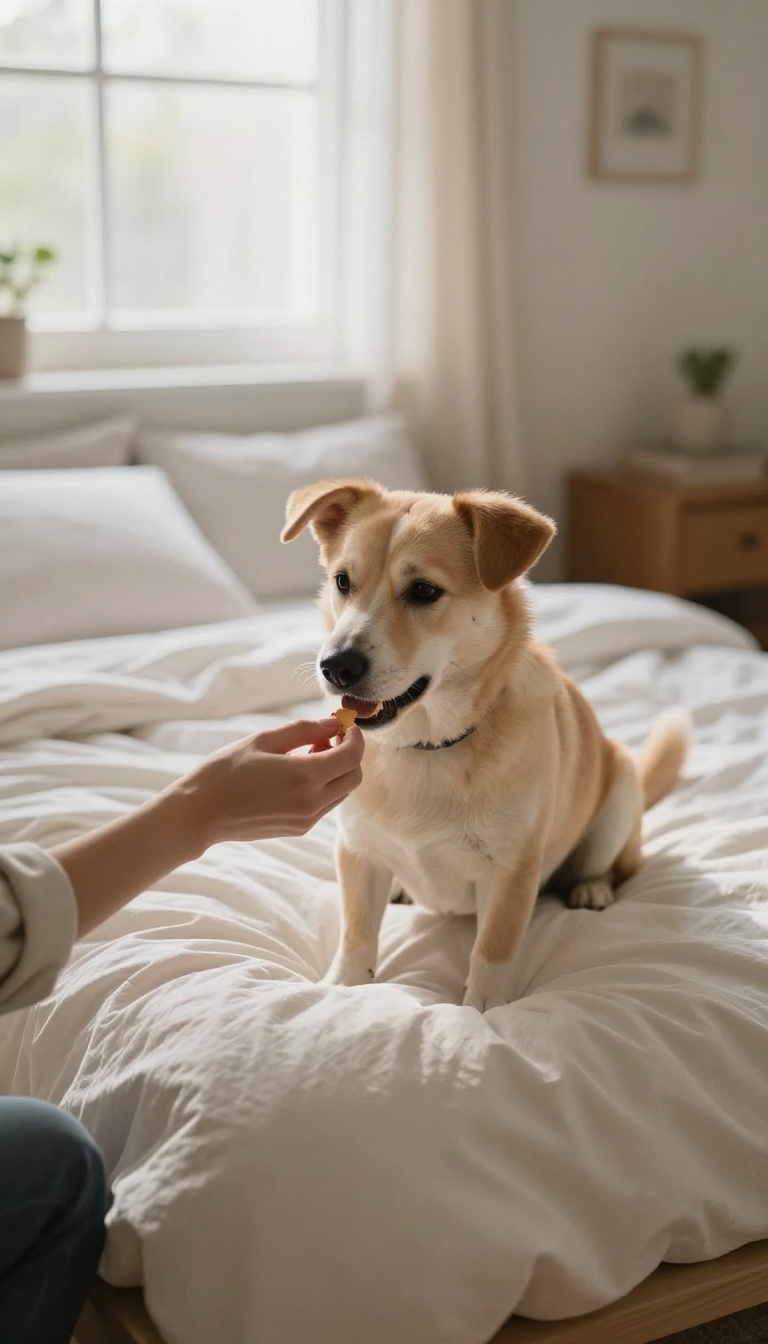
Training your dog to be quiet on command is one of the most effective long-term fixes for nighttime barking. Instead of scolding or punishing, you'll use treats and praise to teach your pup that silence brings rewards. This approach builds trust and gives your dog a clear way to earn your approval, making bedtime calmer for everyone.
Positive reinforcement training turns the 'quiet' command into a game your dog wants to play. The key is timing: reward the instant your dog stops barking, even if it's just for a second. Over time, your dog learns that staying quiet earns treats and praise, so they'll be more likely to choose silence on their own.
This method works for all breeds and ages, and it strengthens your bond while reducing stress.
Start With A Trigger
Begin training during the day when you can control the situation. Have a friend knock on the door or ring the bell, or use a recording of a common nighttime trigger like a car door. As soon as your dog barks, say 'quiet' in a calm, firm voice.
The moment they stop, even for a breath, mark it with a click or a word like 'yes' and give a treat. Repeat this until your dog starts to associate the word with stopping.
Add The Cue
Once your dog reliably stops barking when you say 'quiet', start adding the cue before they bark. Say 'quiet' just as they're about to bark, then reward them for staying silent. Practice this in different situations, gradually increasing the distraction level.
Keep sessions short—five to ten minutes—so your dog stays engaged and doesn't get frustrated.
Practice At Night
After your dog has mastered the command during the day, it's time to practice at night. Start with a quiet room and minimal distractions. Use the same routine: say 'quiet' when they start to bark, reward the silence.
If your dog barks in the middle of the night, use the command from bed. Keep your voice low and calm, and reward with a treat if they stop. Over time, your dog will learn that nighttime quiet brings rewards, too.
Be Consistent And Patient
Consistency is crucial. Use the same word and tone every time, and make sure everyone in the household does the same. Don't accidentally reward barking by giving attention or treats when they bark.
Instead, only reward silence. Remember, training takes time—some dogs pick it up in days, others in weeks. Stay patient and positive, and you'll see progress.
10. Rule Out Medical Issues

When barking appears suddenly or becomes relentless, your dog might be trying to tell you something hurts. Pain, discomfort, or an underlying health condition can easily disrupt sleep and trigger vocalizing. A quick vet visit can rule out medical causes and give you peace of mind.
Start by scheduling a check-up if the barking is new, persistent, or accompanied by other changes like restlessness, panting, or changes in appetite. Common culprits include arthritis, dental pain, urinary tract infections, or even cognitive decline in older dogs. Once your vet gives the all-clear, you can focus on behavioral fixes with confidence.
Signs Your Dog Might Be In Pain
Watch for subtle clues like pacing, whining, licking a specific area, or reluctance to settle. Older dogs may suffer from joint stiffness that worsens at night. If your dog seems uncomfortable when lying down or shifts positions often, pain could be the driver behind the barking.
Common Health Issues That Cause Night Barking
Urinary tract infections can make dogs need to go out more often, leading to barking to wake you. Dental problems can cause throbbing pain that intensifies when lying still. Cognitive dysfunction syndrome, similar to dementia, can cause confusion and disorientation at night, triggering vocalization.
What To Expect At The Vet Visit
Your vet will likely do a physical exam, possibly blood work or urine tests, and ask about your dog's behavior. Be ready to describe when the barking started, how often it happens, and any other symptoms. This information helps narrow down the cause and guides the right treatment.
11. Use a Thundershirt or Calming Wrap

A snug wrap can work wonders for a dog that barks at night out of anxiety. The gentle, constant pressure mimics the feeling of being held, which many dogs find deeply soothing. It’s like a warm hug that tells their nervous system it’s safe to relax.
Thundershirts and similar calming wraps are designed to apply acupressure-like pressure across your dog’s torso. This can lower heart rate and reduce stress hormones, helping your pup settle into sleep instead of barking at every sound. Best of all, it’s drug-free and easy to use—just put it on before bedtime and let the magic happen.
How It Works
The gentle pressure from the wrap stimulates calming receptors in your dog’s body, similar to swaddling a baby. It’s not a tight squeeze, just a consistent, soothing hug. Many dogs respond within minutes, their breathing slows, and they drift off more easily.
Choosing The Right Fit
Measure your dog’s chest girth and follow the manufacturer’s sizing chart. A wrap that’s too loose won’t provide enough pressure, while one that’s too tight can be uncomfortable. Look for adjustable straps and breathable fabric to keep your pup comfy all night.
When To Use It
Use the wrap during high-anxiety times, like thunderstorms, fireworks, or when you’re away. For nighttime barking, put it on just before bed and leave it on until morning—most dogs can wear it safely for 8–12 hours. Always supervise the first few uses to ensure your dog is comfortable.
12. Keep a Consistent Potty Schedule
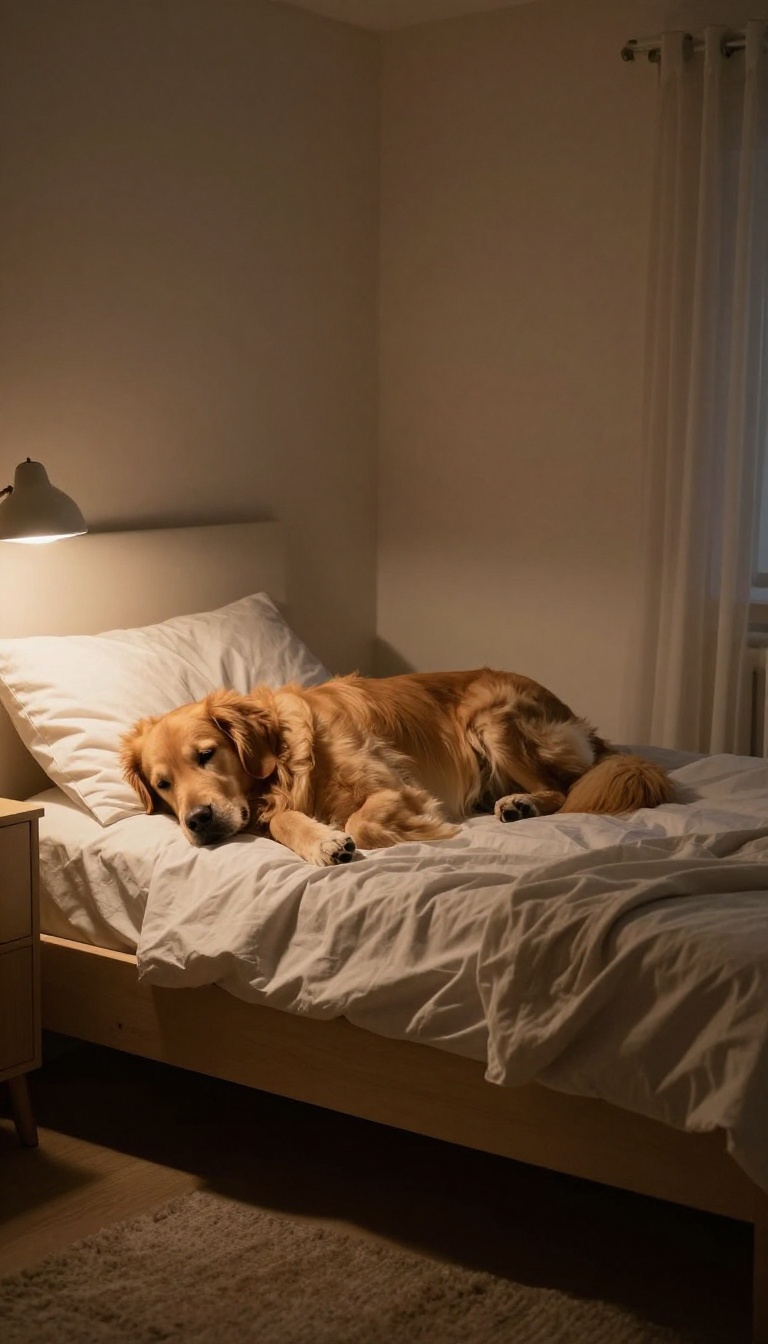
A full bladder is a loud bladder. If your dog is barking at night, they might just need to go out. A consistent potty schedule helps prevent accidents and reduces the chance of middle-of-the-night wake-up calls.
By setting a routine, you're telling your dog when it's time to sleep and when it's time to do their business.
Dogs thrive on routine, and bathroom habits are no exception. When your dog knows exactly when they'll get a chance to go out, they're less likely to bark for attention. A predictable schedule also helps their body adjust, so they can hold it through the night without discomfort.
The Final Potty Break
Make the last trip outside a non-negotiable part of your bedtime routine. Take your dog out right before you head to bed, even if they don't seem to need it. Use a quiet, boring command like 'go potty' and wait until they actually go.
Reward them with a calm 'good dog' and head straight inside. This signals that it's time to settle down, not play.
Consistency Over Convenience
Try to feed your dog at the same times each day and take them out at regular intervals. If you're consistent, their body will learn when to expect bathroom breaks. This reduces the chance of them needing to go in the middle of the night.
If your dog is a puppy or a senior, they may need an extra break, so adjust accordingly.
What If They Still Bark?
If your dog still barks after a consistent schedule, they might be barking for another reason. But a reliable potty routine eliminates one of the most common causes. If you're worried about accidents, consider using a crate or a confined space at night, as dogs naturally avoid soiling their sleeping area.
13. Consider a Professional Trainer or Behaviorist
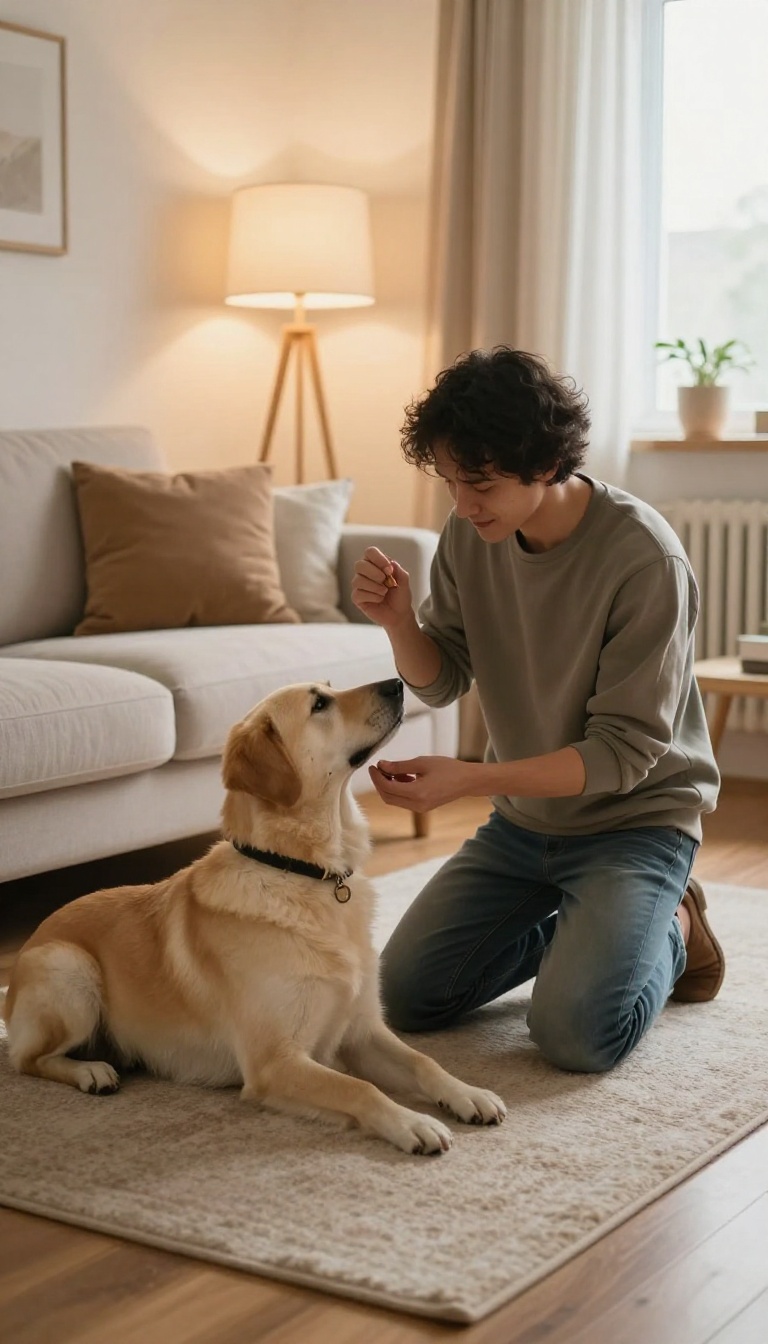
Sometimes, despite your best efforts, the barking just won't stop. That's when it's smart to call in the experts. A professional trainer or a veterinary behaviorist can spot what you're missing and craft a plan that actually fits your dog's unique needs.
When you've tried multiple strategies and the nighttime barking continues, it's a sign that the issue may be more complex than simple restlessness. A professional can assess your dog's behavior in person, look at your home environment, and identify triggers you might not notice. They'll also teach you the right techniques to use, so you're not guessing or making things worse.
What A Trainer Can Do
A certified dog trainer focuses on behavior modification. They can help with issues like separation anxiety, fear-based barking, or learned habits. Expect them to observe your dog, ask detailed questions, and then set up a step-by-step training plan.
You'll learn how to reward quiet behavior and manage the environment to prevent barking in the first place.
When To See A Veterinary Behaviorist
If your dog's barking is extreme, or if you notice other signs of anxiety like pacing, destructive chewing, or loss of appetite, a veterinary behaviorist is your next step. These are vets with advanced training in animal behavior. They can rule out medical issues and prescribe medication if needed, which can make training more effective.
How To Choose The Right Professional
Look for someone with certifications from reputable organizations like the CCPDT or IAABC. Ask about their experience with nighttime barking specifically. Read reviews and ask for references.
A good pro will be patient, use positive reinforcement, and never resort to punishment-based methods.
FAQ
Why does my dog bark at night for no reason?
Night barking often has a trigger like outside noises, boredom, or anxiety. Even if you don't hear anything, your dog's sharper senses might pick up sounds that set them off.
How long does it take to stop night barking?
It depends on the cause and consistency. Some dogs improve within a few days of routine changes, while others may take a few weeks of training and adjustment.
Should I ignore my dog's night barking?
Ignoring can work if the barking is attention-seeking, but it's important to rule out needs like potty or discomfort first. If the barking continues, address the root cause.
Can a calming supplement really help?
Many calming supplements contain natural ingredients that can reduce anxiety in some dogs. However, they aren't a cure-all and should be used alongside training and routine changes.
What if my dog only barks when I'm not in the room?
This often indicates separation anxiety. Try gradual desensitization, leaving a comforting item, or using a camera to monitor behavior. Professional help may be needed for severe cases.
Conclusion
A quieter bedtime isn't about silencing your dog completely—it's about giving them the right outlets and routines to settle naturally. Start with one or two fixes that fit your evening schedule, and stick with them for a week before adding more. Small, consistent changes make the biggest difference.
You'll likely notice calmer nights sooner than you think, and your dog will feel more secure knowing what to expect. Pick your first fix tonight and give it a fair shot—your future self (and your neighbors) will appreciate it.

I’m Pallab Kishore, the owner of Little Pets Realm — an animal lover and pet care enthusiast sharing easy tips, healthy recipes, and honest advice to help every small pet live a happy, healthy, tail-wagging life.