
Chewed-up shoes, gnawed table legs, and shredded cushions—if your pup sees your stuff as a chew toy, you know the struggle. It's not about punishing them; it's about redirecting that natural urge toward better outlets.
These 10 strategies focus on practical, everyday fixes that respect your budget and your dog's instincts. From smart toy choices to simple house rules, each tip is designed to save your belongings without turning your home into a fortress.
You'll learn how to set up safe zones, use positive training cues, and keep your dog engaged so they don't go looking for trouble. Whether you're dealing with a teething puppy or an adult chewer, these methods work.
1. Start with the Right Chew Toys
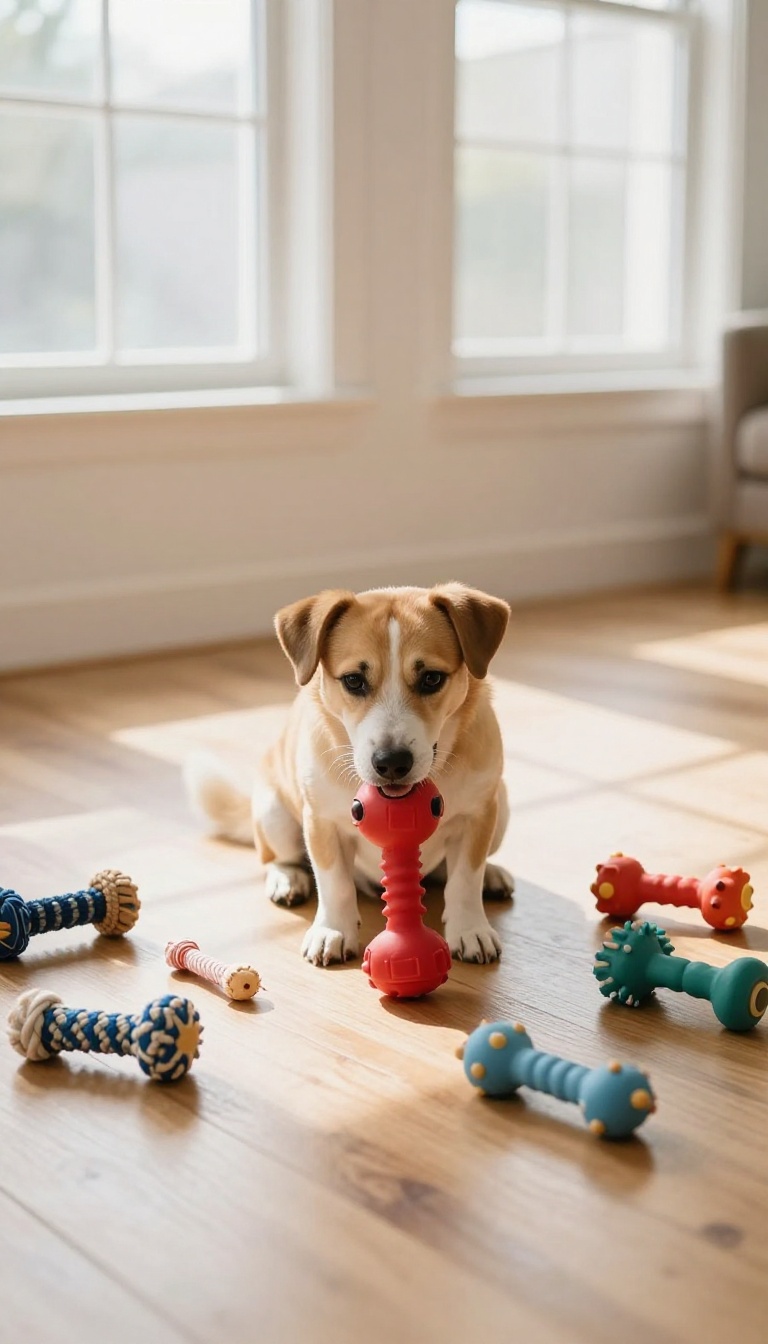
The first line of defense against chewed-up belongings is giving your dog something better to chew. Not all toys are created equal, and the right choice depends on your dog's size, age, and chewing style. When you match the toy to the dog, you're setting up a win-win situation: your stuff stays safe, and your pup gets an outlet that actually satisfies their urge.
Offer a variety of safe, durable chew toys that match your dog's chewing style. Rotate them to keep interest high, and praise your dog when they choose a toy over your stuff.
Know Your Dog's Chewing Style
Some dogs are gentle nibblers, while others are power chewers that can destroy almost anything. Observe how your dog chews—do they gnaw slowly or rip apart toys in minutes? For heavy chewers, look for toys labeled 'indestructible' or made from tough rubber like Kong or Goughnuts.
For lighter chewers, plush toys or rope toys might be enough. Matching the toy to the style prevents frustration and keeps your dog interested.
Rotate Toys To Keep Them Fresh
Dogs get bored with the same toys, just like we do. Keep a stash of 5-7 toys and swap them out every few days. This 'new' toy effect reignites their curiosity and makes the toy more appealing than your sneakers.
Rotate different textures and shapes—rubber, rope, plush, and puzzle toys—so your dog never knows what's coming next.
Praise The Right Choice
When you catch your dog chewing on a toy instead of your furniture, reward them immediately with a cheerful 'Good dog! ' and maybe a small treat. This positive reinforcement teaches your dog that chewing on toys is a great choice. Over time, they'll naturally gravitate toward their toys because they know it earns them praise and treats.
2. Use Crate Training as a Safe Haven
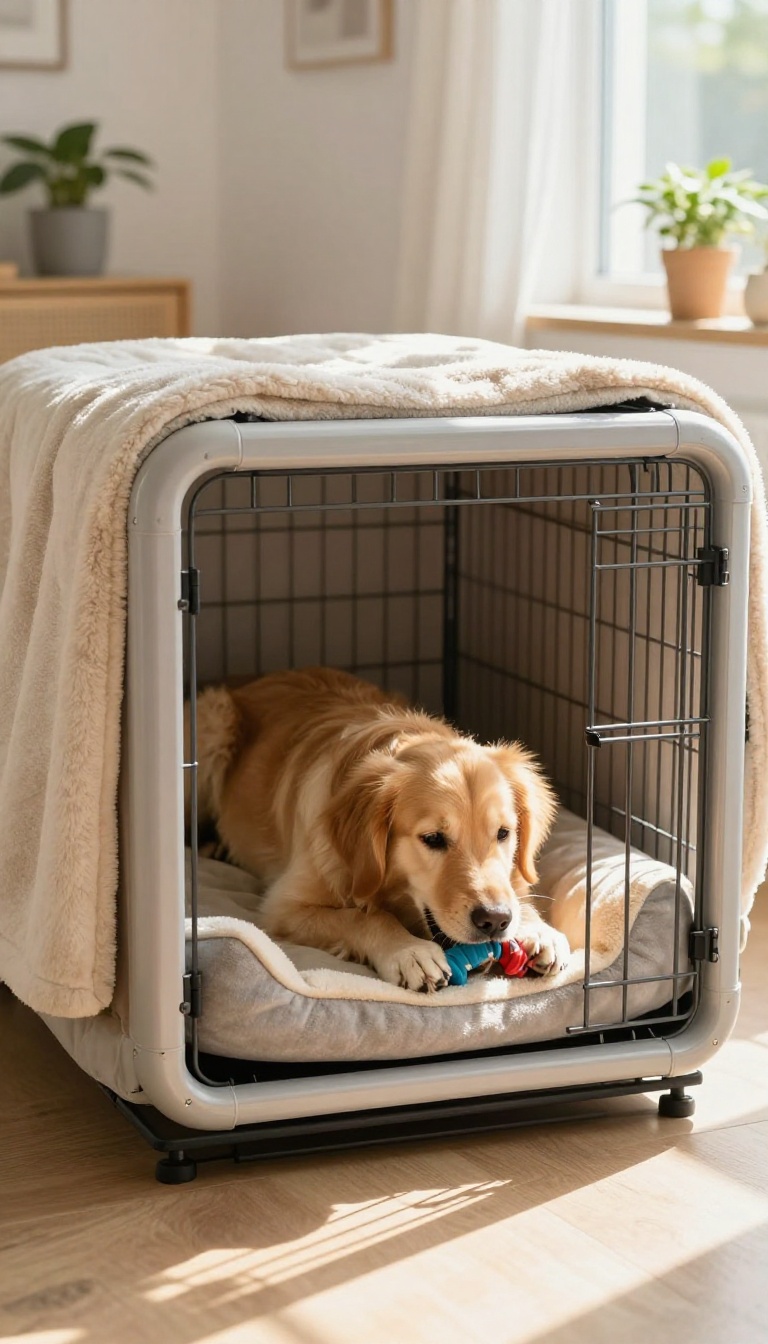
Crate training isn't about locking your dog away—it's about giving them a cozy den where they feel secure and can't get into mischief. When used correctly, the crate becomes your dog's favorite spot, and it's a lifesaver when you can't watch them every second. Let's set it up so it's a win-win for both of you.
The key is to make the crate a positive place. Start by feeding your dog their meals inside the crate with the door open, and toss in treats or a favorite toy. Over time, they'll associate it with good things.
Never use the crate as punishment—it should always be a safe retreat. When you need to step out or can't supervise, pop your dog in with a tasty chew toy and a comfortable bed. This keeps them out of trouble and gives you peace of mind.
Make It Inviting
Line the crate with a soft blanket or a dog bed, and add a few safe chew toys. You can even cover the crate with a light blanket to make it feel like a den. The goal is to create a space your dog wants to be in, not a place they dread.
Start Slow And Short
If your dog isn't used to the crate, don't force it. Leave the door open and let them explore at their own pace. Toss treats inside to encourage them.
Once they're comfortable, close the door for a few minutes while you're still in the room, then gradually increase the time. This builds positive associations.
Use It Wisely
Crate time should be limited—no more than a few hours at a stretch, depending on your dog's age and needs. Use it when you're away, during meals, or when you need a break. Always give your dog plenty of exercise and mental stimulation before crating, so they're ready to relax.
3. Puppy-Proof Your Living Space
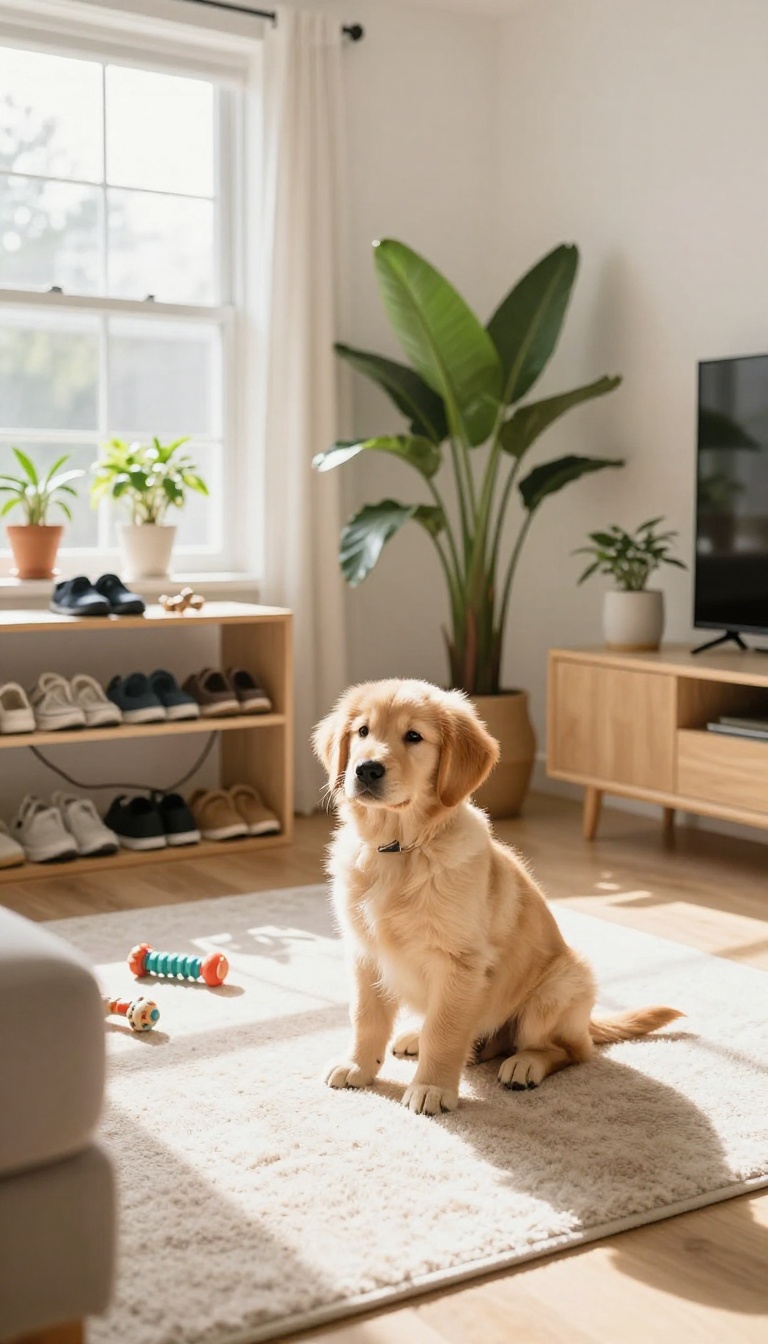
Before you can train better habits, you have to remove the temptation. Puppy-proofing isn't about turning your home into a sterile bubble—it's about smart, simple adjustments that keep your stuff safe while your pup learns the ropes. Think of it as setting the stage for success: the fewer opportunities to chew the wrong thing, the faster good habits stick.
Start by scanning your home at puppy eye level. Get down on your hands and knees and look for anything that might look like a toy: dangling cords, low bookshelves, shoes by the door, and plants within reach. The goal is to make the wrong choices invisible and the right choices obvious.
A little effort now saves you from frustration later.
Shoes And Clothes Out Of Sight
Shoes are a classic target because they carry your scent and have interesting textures. Keep them in a closed closet, on a high shelf, or in a bin with a lid. Same goes for socks, slippers, and laundry—don't leave them on the floor.
If your pup can't see them, they're less likely to go looking for them.
Cords And Cables Tucked Away
Electrical cords and charging cables are dangerous and expensive to replace. Use cord protectors, cable clips, or simply unplug and stash them when not in use. You can also run cords along baseboards or behind furniture.
For extra safety, use bitter apple spray on cords as a deterrent, but physical barriers work best.
Plants And Decor Elevated
Houseplants can be toxic if chewed, and decorative items are easy to knock over. Move plants to high shelves, hanging planters, or rooms your pup can't access. For low furniture, consider placing decorative items out of reach or behind closed doors.
Even small changes like this reduce the risk of a mess or a vet visit.
4. Teach the 'Leave It' Command
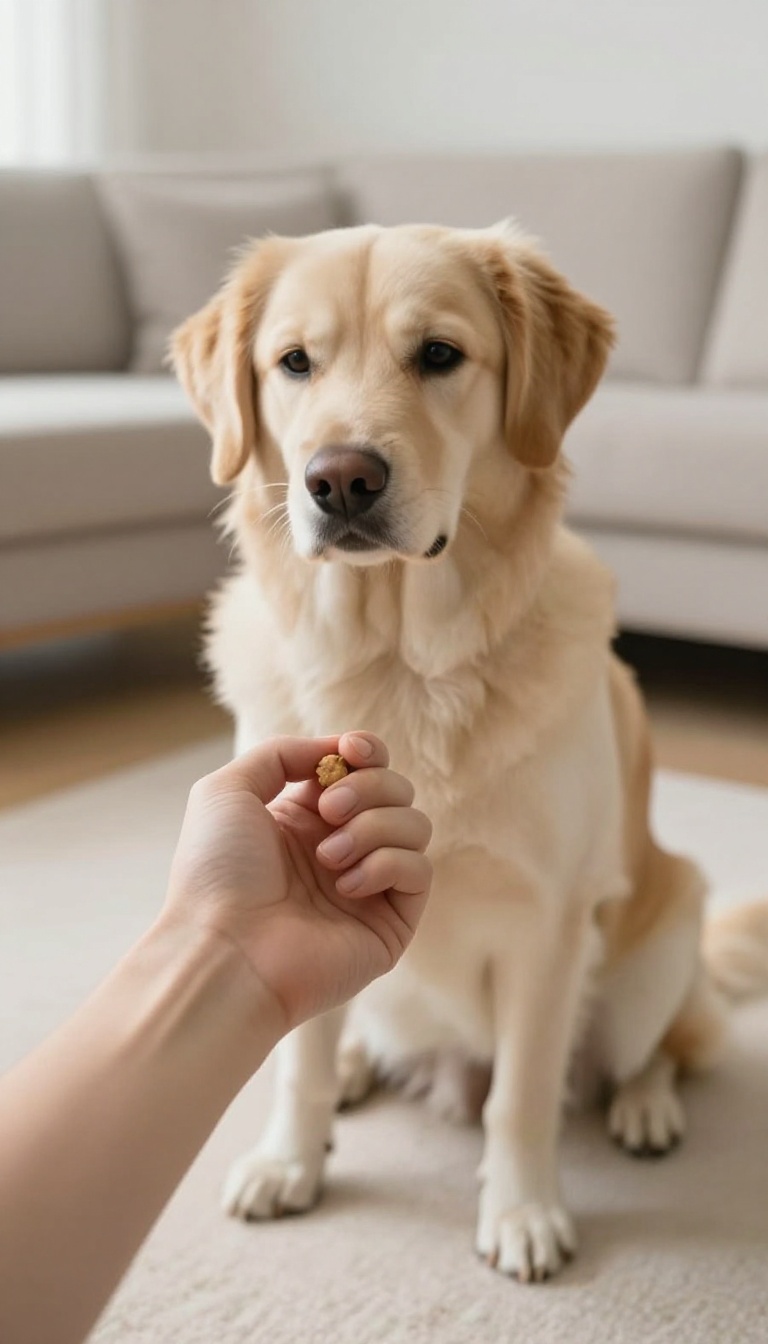
Sometimes the best way to protect your stuff is to teach your dog to ignore it on command. The 'leave it' cue is a lifesaver when your pup locks onto a shoe or a remote before you can intervene. It's not about scolding—it's about giving them a clear, rewarding alternative.
You can build this skill in short, fun sessions that fit into your day. Once your dog understands that 'leave it' means good things happen, you'll have a reliable way to prevent chewing before it starts.
Start with easy practice: hold a treat in a closed fist, let your dog sniff, and wait for them to pull back. The moment they do, say 'yes' and give a treat from the other hand. Repeat until they consistently back off, then add the verbal cue 'leave it' right as they pause.
Gradually increase difficulty by placing the treat on the floor, then using higher-value items like a favorite toy. Keep sessions short and end on a win. Once your dog has the basics, practice in real-life scenarios.
Toss a treat on the ground during a walk and say 'leave it' before they lunge. If they listen, reward generously. If not, go back to an easier step.
Consistency is key—use the command every time you see them eyeing something off-limits, and always reward the choice to back off. A solid 'leave it' doesn't just save your belongings; it keeps your dog safe from dangerous objects. With patience and practice, you'll have a dog that looks to you for guidance instead of chomping down on your favorite sneakers.
Start With Easy Wins
Begin in a quiet room with low-value treats. Hold a treat in your closed fist and let your dog sniff it. When they stop trying and pull their nose away, mark with a 'yes' and give them a different treat from your other hand.
Repeat this until they automatically pull back, then add the cue 'leave it' just before they do. This builds a strong foundation without frustration.
Add Distractions Gradually
Once your dog is reliable with the fist, place a treat on the floor under your hand. If they lunge, cover it. When they back off, reward with a treat from your pocket.
Slowly increase the challenge by using more tempting items like a piece of chicken or a squeaky toy. Practice in different rooms and then outside, always rewarding the choice to disengage.
Use It In Real Situations
The real test is using 'leave it' when your dog spots a shoe or a dropped snack. Say the command in a calm, firm voice, and if they turn away, praise and reward. If they ignore you, step in and remove the item without making a big deal.
Then try again with a slightly easier setup. Over time, your dog will learn that 'leave it' always leads to something better.
5. Rotate Toys to Keep Interest High
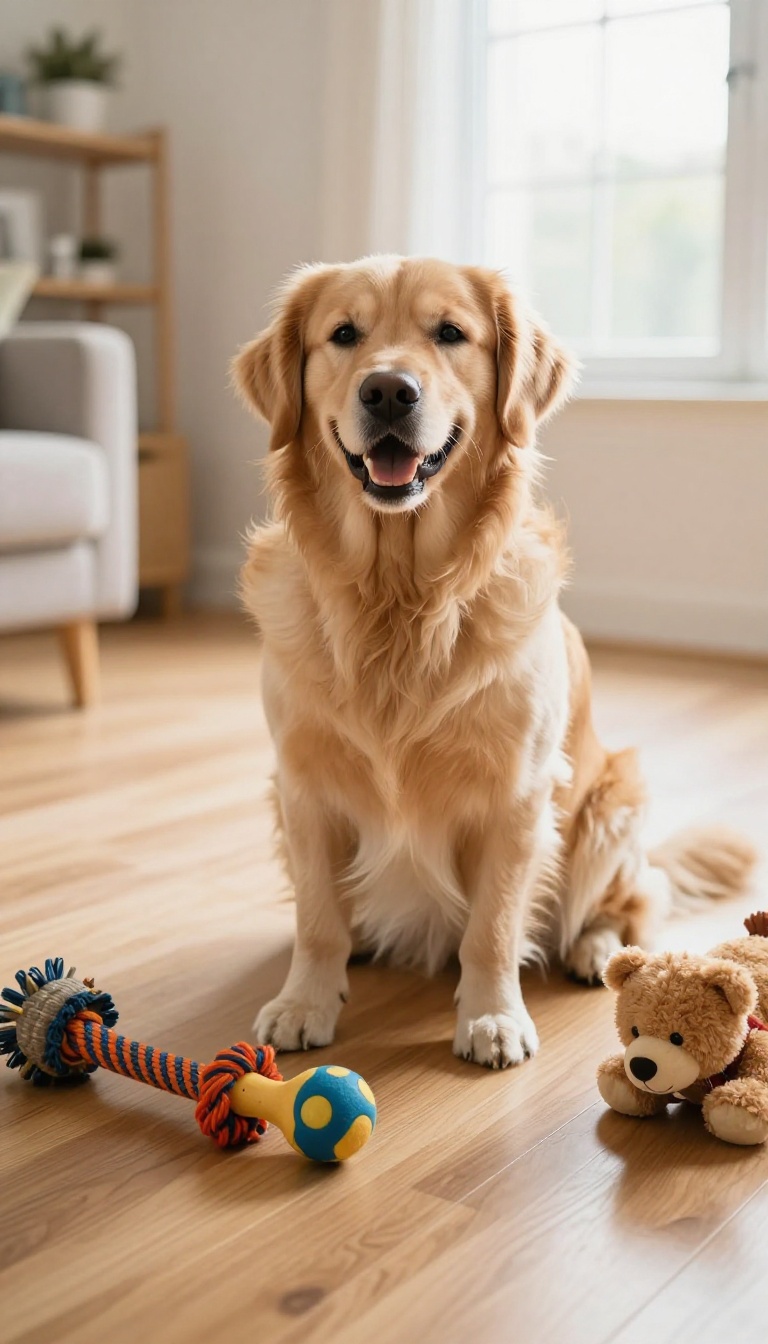
Dogs, like people, get bored with the same old thing. That brand-new squeaky toy that was the center of their universe last week? It's old news now.
When that happens, your sneakers start looking a whole lot more interesting. Rotating your dog's toys is a simple trick that keeps things fresh. By swapping toys in and out every few days, you make old favorites feel brand new again.
It's a low-effort way to keep your pup engaged and less likely to go looking for trouble.
The idea is straightforward: instead of leaving all your dog's toys out all the time, keep a few in rotation. Every few days, swap some out and bring back others. This way, your dog always has something that feels new and exciting, which keeps their interest in chewing on the right things high and their interest in your stuff low.
This works because dogs are naturally curious and novelty-seeking. When they have access to the same toys day after day, those toys lose their appeal. But when a toy disappears for a few days and then comes back, it's like getting a new toy without spending a dime.
This little bit of variety can go a long way in preventing boredom and the destructive chewing that often follows.
Why Toy Rotation Works
Think about how you feel about your favorite meal. Eat it every day, and it gets old. But have it once a week, and you still look forward to it.
The same goes for your dog's toys. When they're always available, they're not special anymore. Rotating toys also taps into your dog's natural scavenging instinct.
When a toy reappears after a few days, it's like a little treasure hunt. This keeps them mentally stimulated and satisfied, which reduces the urge to find their own fun by chewing on your belongings.
How To Set Up A Rotation System
Start by gathering all your dog's toys and dividing them into two or three groups. Make sure each group has a mix of different types—chew toys, plush toys, puzzle toys, and balls. Then, put out one group and store the others out of sight.
Every three to four days, swap the groups. When you bring out a new group, make it a big deal. Show your dog the toys and get them excited.
This helps them associate the new toys with positive energy and makes the rotation feel like a special event.
Tips For Keeping The Rotation Fresh
To make the rotation even more effective, pay attention to which toys your dog loves the most. If there's a particular toy they always go for, keep it in the rotation but maybe not every round. This way, it stays special.
Also, don't forget to clean the toys when you swap them. A quick wash with warm soapy water or a wipe-down with a pet-safe cleaner keeps them fresh and appealing. And if you notice a toy is getting worn or damaged, replace it.
A broken toy isn't fun for anyone and can be a safety hazard.
6. Apply Bitter Deterrents to Valuables
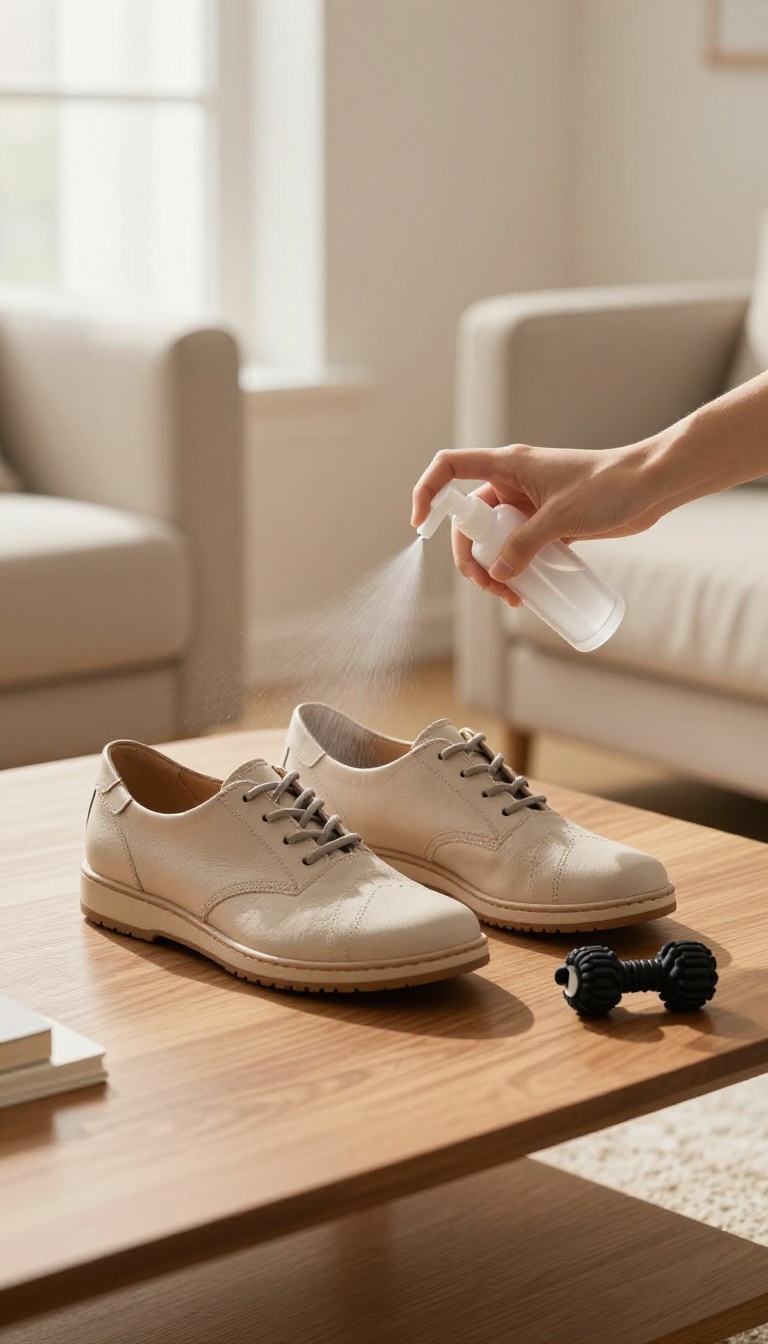
Some items are just too tempting for a determined chewer, no matter how many toys you offer. That's where bitter deterrent sprays come in—they make your stuff taste awful without causing any harm. A few spritzes on your favorite shoes or the corner of the coffee table can be enough to break the habit for good.
Bitter sprays are a simple, low-effort way to protect specific items you can't easily move or cover. The key is to choose a product made specifically for pets, as these are safe if ingested and won't stain most fabrics. Apply them regularly, especially after cleaning, to keep the taste strong enough to discourage your pup.
Choose The Right Spray
Not all bitter sprays are created equal. Look for ones with denatonium benzoate or similar bittering agents that are proven to work. Avoid products with harsh chemicals that could be toxic or irritating.
You can also make a DIY version with apple cider vinegar and water, but be aware that some dogs might actually like the taste—test it first.
Apply Correctly For Best Results
Spray a light, even coat on the areas your dog targets most, like the corners of furniture legs or the laces of your shoes. Reapply every few days, especially after rain or cleaning, because the taste fades over time. For fabric items, test an inconspicuous spot first to make sure it doesn't stain.
Pair With Positive Reinforcement
Sprays work best when you also teach your dog what they can chew. Whenever you catch them sniffing a sprayed item, redirect them to an appropriate chew toy and praise them enthusiastically. This way, they learn that good things happen when they choose the right things to gnaw on.
7. Increase Physical and Mental Exercise
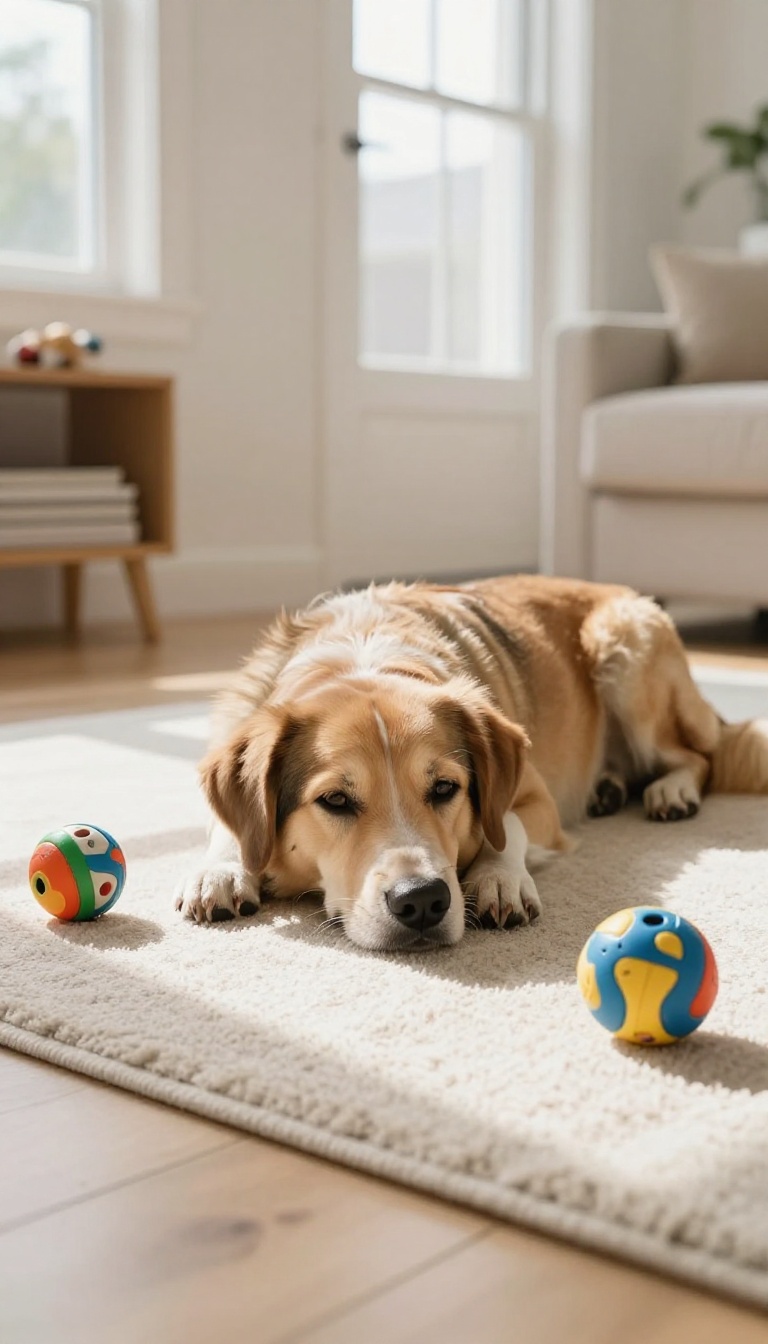
A tired dog is a good dog, and a busy mind is even better. When your pup has pent-up energy or feels mentally understimulated, chewing becomes a go-to outlet. By boosting both physical activity and brain games, you can channel that energy into healthier habits and save your belongings from becoming chew toys.
Start with the basics: make sure your dog gets enough daily exercise. A brisk walk, a game of fetch, or a run in the park can burn off that excess energy that often leads to destructive chewing. But don't stop there—mental stimulation is just as important.
Puzzle toys, interactive feeders, and short training sessions can tire out your dog's brain, making them less likely to seek out your shoes or furniture for entertainment. The goal is to create a balanced routine that satisfies both body and mind, leaving your pup content and your stuff intact.
Daily Walks And Playtime
Aim for at least 30 minutes to an hour of physical activity each day, depending on your dog's breed and age. Mix it up with different routes and activities to keep things interesting. Playing fetch or tug-of-war in the yard can also provide a quick energy release.
The key is consistency—regular exercise helps prevent boredom and reduces the urge to chew.
Puzzle Toys And Brain Games
Mental challenges can be just as tiring as physical ones. Invest in puzzle toys that dispense treats when solved, or try hiding treats around the house for your dog to sniff out. Simple training sessions teaching new tricks also engage their mind.
Rotate the toys and games to keep them novel and exciting.
Structured Training Sessions
Short, focused training sessions (5-10 minutes a few times a day) reinforce good behavior and provide mental stimulation. Work on commands like 'leave it' or 'drop it' to directly address chewing. Positive reinforcement with treats and praise makes these sessions enjoyable and effective.
8. Supervise and Redirect Chewing
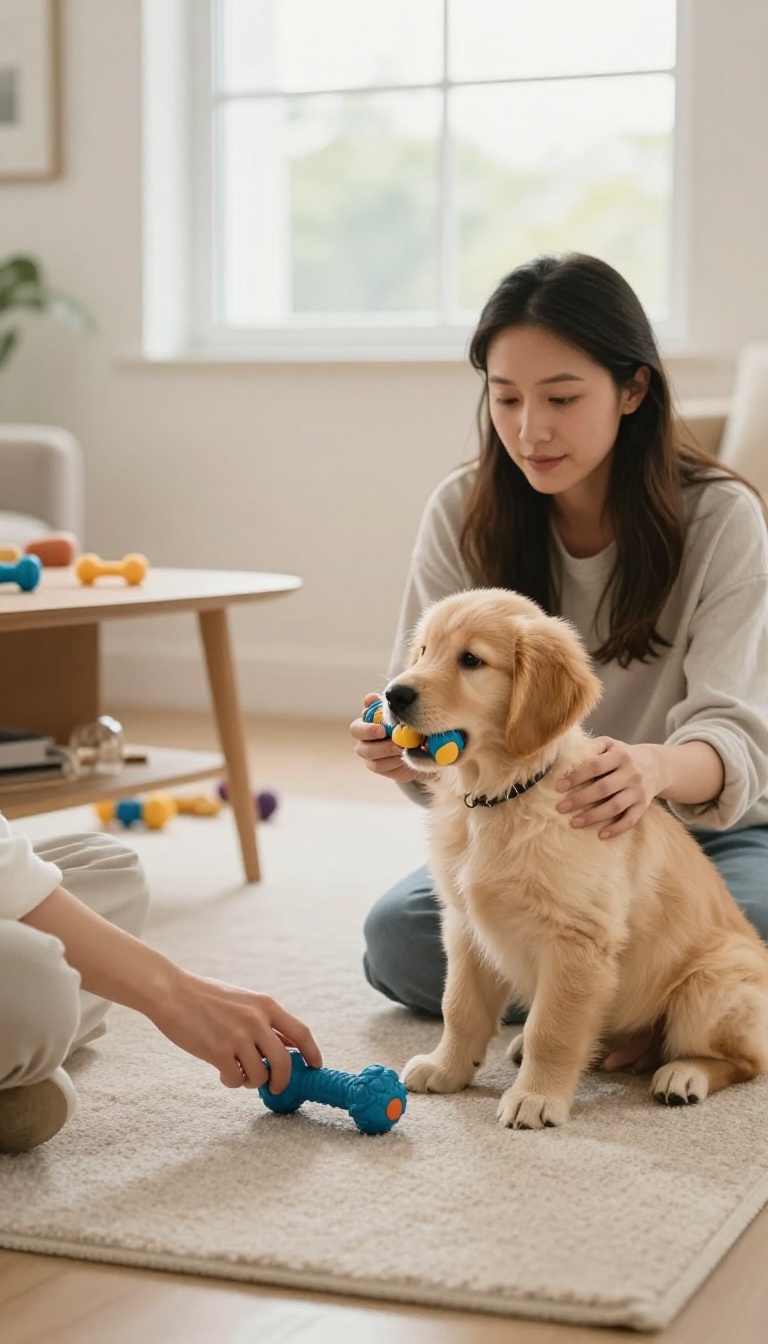
When you're not watching, that's when the trouble starts. Puppies and even adult dogs will happily chew on whatever's within reach, especially if they're bored or anxious. Supervision is your first line of defense—it lets you catch the behavior in the act and turn it into a teaching moment.
Keep your dog in sight as much as possible, especially during the early training phase. If you can't watch them, use a crate or a puppy-proofed room. When you do catch them chewing something they shouldn't, stay calm.
Yelling or chasing can make them think it's a game, or worse, scare them. Instead, gently take the item away and offer a more appropriate chew toy. As soon as they take the toy, praise them enthusiastically.
This teaches them that chewing on their own things is rewarding, while chewing on your stuff just gets them redirected. Over time, they'll learn to seek out their toys on their own.
Set Up A Chew-friendly Zone
Designate a specific area in your home where your dog can chew freely. Fill it with a variety of safe toys—rubber, rope, and dental chews. When you're busy or can't give them full attention, guide them to this spot.
It gives them a clear 'yes' zone, making it easier for them to make the right choice.
Use A House Line For Quick Intervention
A lightweight leash attached to your dog's collar can work wonders indoors. Let them drag it around while you're home. If you see them heading for a forbidden item, you can step on the leash or grab it to gently pull them away.
It's a low-stress way to interrupt without grabbing their collar or chasing them.
Make The Swap Exciting
The key to successful redirection is making the alternative more appealing. Keep a few high-value toys that only come out during supervised sessions. When you swap a shoe for a squeaky toy, act thrilled.
Play with them for a minute or two. This turns the redirect into a positive interaction, not a punishment.
9. Try Interactive Puzzle Toys
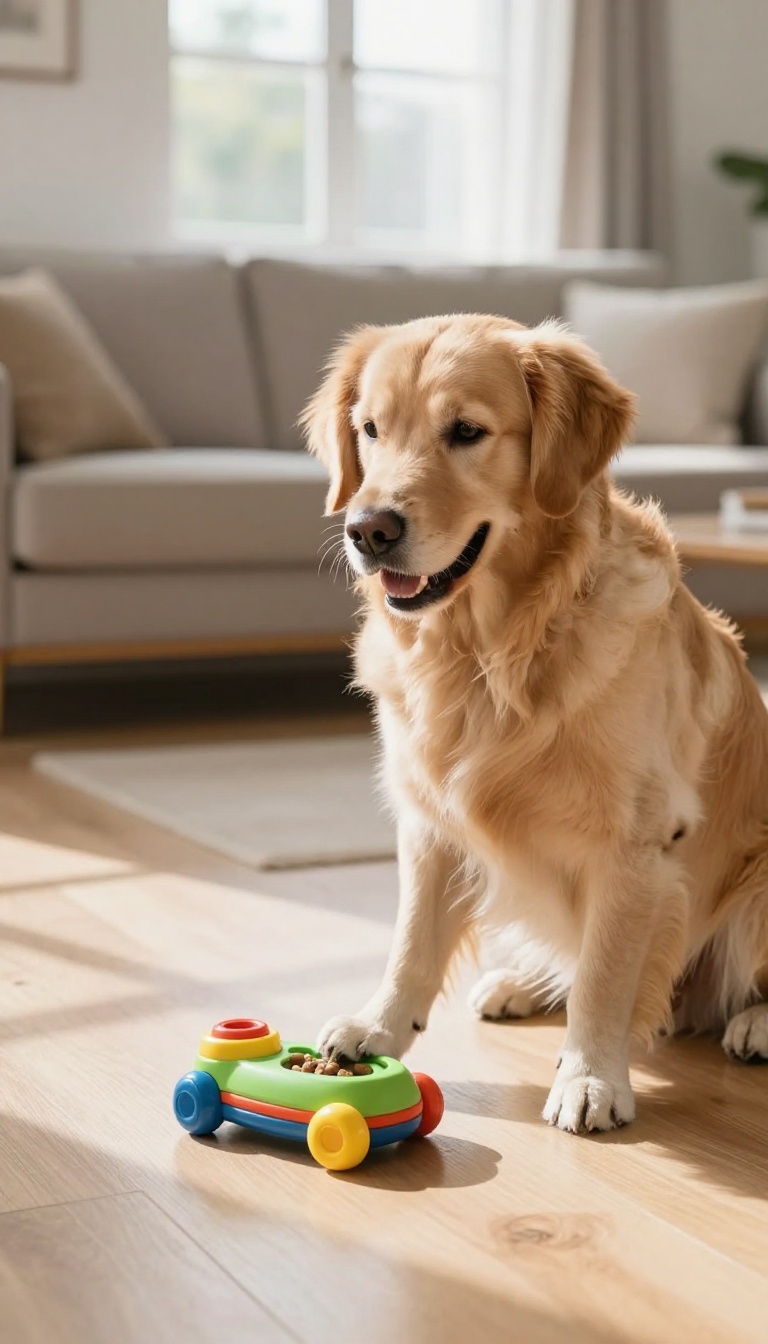
Interactive puzzle toys are a game-changer when you need a break from constant supervision. These toys challenge your dog's brain and reward them with treats, keeping them focused and away from your furniture. It's like giving them a job that actually pays off.
Why Puzzle Toys Work
Puzzle toys tap into your dog's natural problem-solving instincts. Instead of chewing on your remote, they're figuring out how to slide a panel or lift a lid to get a treat. This mental workout is just as tiring as a long walk, so they're less likely to seek out destructive activities.
Plus, the reward system reinforces good behavior—they learn that working for treats is more fun than wrecking your stuff.
Choosing The Right Puzzle
Not all puzzle toys are created equal. Start with a simple one that matches your dog's skill level. For beginners, try a treat-dispensing ball or a basic slider puzzle.
If your dog is a super chewer, look for durable options made from tough rubber or hard plastic. Avoid puzzles with small parts that could be swallowed. The goal is to challenge them just enough to keep them interested, not frustrated.
Rotate To Keep It Fresh
Dogs get bored with the same puzzle after a few days. Keep a stash of two or three different puzzles and rotate them every couple of days. This keeps the novelty alive and ensures your dog stays engaged.
You can also stuff a puzzle with different treats—peanut butter, kibble, or small biscuits—to change it up. A little variety goes a long way in preventing boredom-driven chewing.
10. Consistency and Patience in Training
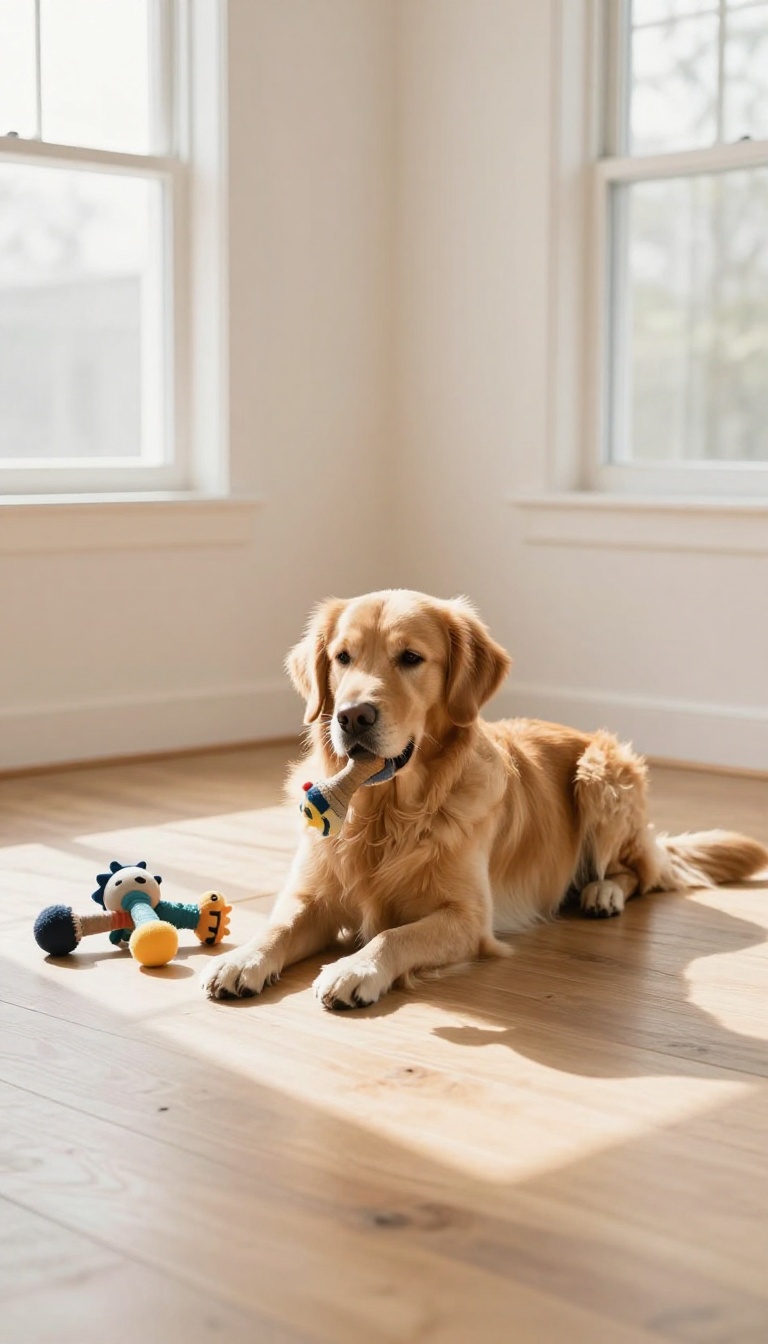
Training your dog to stop chewing your belongings is a marathon, not a sprint. It's easy to get frustrated when you come home to another chewed-up remote, but the key is to stay consistent and patient. Dogs learn through repetition and clear signals, so your steady approach makes all the difference.
Consistency means everyone in the household follows the same rules and uses the same cues. If you allow chewing on an old shoe but scold for a new one, your dog gets confused. Patience is equally important—your dog isn't trying to spite you; they're just following their instincts.
With time and positive reinforcement, those instincts can be redirected.
Set Clear Rules And Stick To Them
Decide what's off-limits and make sure everyone enforces the same boundaries. If you don't want your dog chewing on furniture, don't let them practice that behavior even occasionally. Use consistent verbal cues like 'leave it' and reward them when they comply.
This clarity helps your dog understand what's expected.
Use Positive Reinforcement, Not Punishment
When you catch your dog chewing something they shouldn't, calmly redirect them to an appropriate toy and praise them when they engage with it. Punishment can create fear and anxiety, which often makes chewing worse. Instead, focus on rewarding the good choices, and your dog will be more motivated to repeat them.
Be Patient With The Process
Changing a habit takes time, especially for puppies or dogs with a strong chewing drive. There will be setbacks, but that's part of the journey. Celebrate small victories and remember that every consistent day brings you closer to a chew-free home.
Patience isn't just a virtue—it's a training tool.
FAQ
Why does my dog chew everything?
Dogs chew for many reasons: teething, boredom, anxiety, or just because it feels good. Understanding the cause helps you choose the right strategy to address it.
How long does it take to stop destructive chewing?
It varies by dog and consistency. With regular training, many dogs show improvement within a few weeks, but it can take months for habits to fully change.
Are bitter sprays safe for my dog?
Yes, most bitter deterrent sprays are safe when used as directed. They're designed to taste unpleasant without being harmful, but always check the label and test on a small area first.
What if my dog chews even with toys available?
If your dog ignores toys, they might need more exercise or mental stimulation. Try different toy types, or consult a trainer if the behavior persists.
Can I train an older dog to stop chewing?
Absolutely. Older dogs can learn new habits with patience and positive reinforcement. It might take a bit longer, but it's definitely possible.
Conclusion
Saving your couch, shoes, and remote is really about redirecting that natural urge to chew into something positive. You don’t need to be a professional trainer—just pick a couple of strategies that fit your dog’s energy and your daily routine. Consistency and patience will do the heavy lifting.
Every time your pup chooses their toy over your furniture, that’s a win worth celebrating. Stick with it, adjust as needed, and soon those chewed-up belongings will be a thing of the past.

I’m Pallab Kishore, the owner of Little Pets Realm — an animal lover and pet care enthusiast sharing easy tips, healthy recipes, and honest advice to help every small pet live a happy, healthy, tail-wagging life.