
Last updated on August 19th, 2026 at 04:14 pm
Walking your dog should be a chance to unwind, not a constant tug-of-war. If your strolls feel more like a wrestling match than a relaxing outing, you're not alone.
The good news is that loose-leash walking isn't about perfection—it's about building simple habits that make sense for both of you. These fifteen practical tips focus on real-world scenarios, from gear choices to training tricks, without demanding hours of practice or expensive equipment.
Start small, stay patient, and you'll both actually look forward to the next walk.
1. Start with the Right Gear
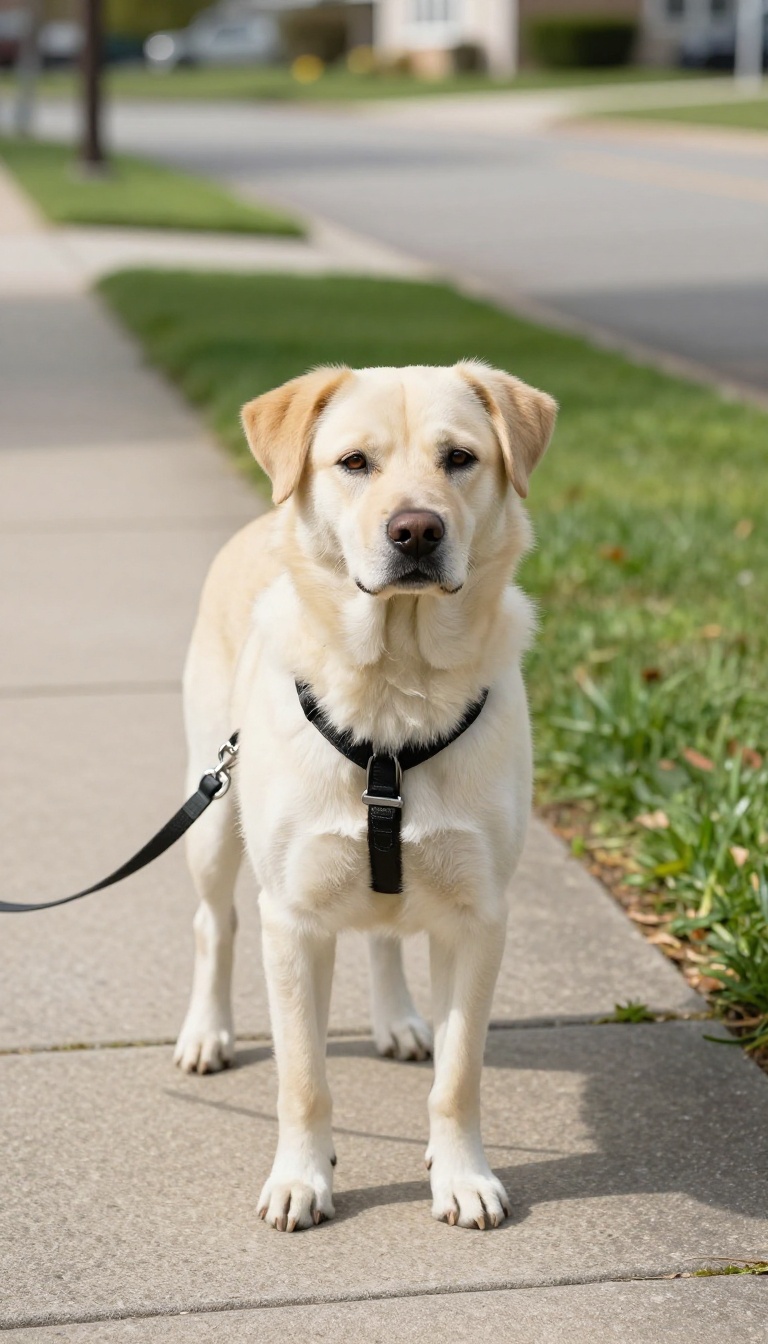
Before you work on technique, check what's in your hands. The wrong leash or collar can turn a calm dog into a puller before you even leave the driveway. Gear alone won't fix everything, but it sets the stage for success.
Switching to a standard flat leash and a front-clip harness gives you control without causing pain. Retractable leashes encourage pulling because they tighten when your dog leans forward. A front-clip harness redirects your dog's momentum toward you, making it easier to guide them back to your side.
Why A Front-clip Harness Works
Front-clip harnesses attach the leash to a ring on your dog's chest, not their back. When your dog pulls, the harness gently turns them sideways, breaking their forward momentum. This makes it easier for you to redirect them without yanking their neck or causing discomfort.
Skip The Retractable Leash
Retractable leashes are tempting because they give your dog freedom, but they're a nightmare for loose-leash training. The constant tension teaches your dog that pulling is normal. Plus, they can be dangerous if your dog bolts into traffic or tangles with another dog.
Get The Right Fit
A harness that's too loose can slip off, and one that's too tight can chafe. You should be able to fit two fingers snugly between the harness and your dog's body. The leash should be about six feet long—long enough for exploration, short enough to keep control.
2. Master the 'Be a Tree' Technique
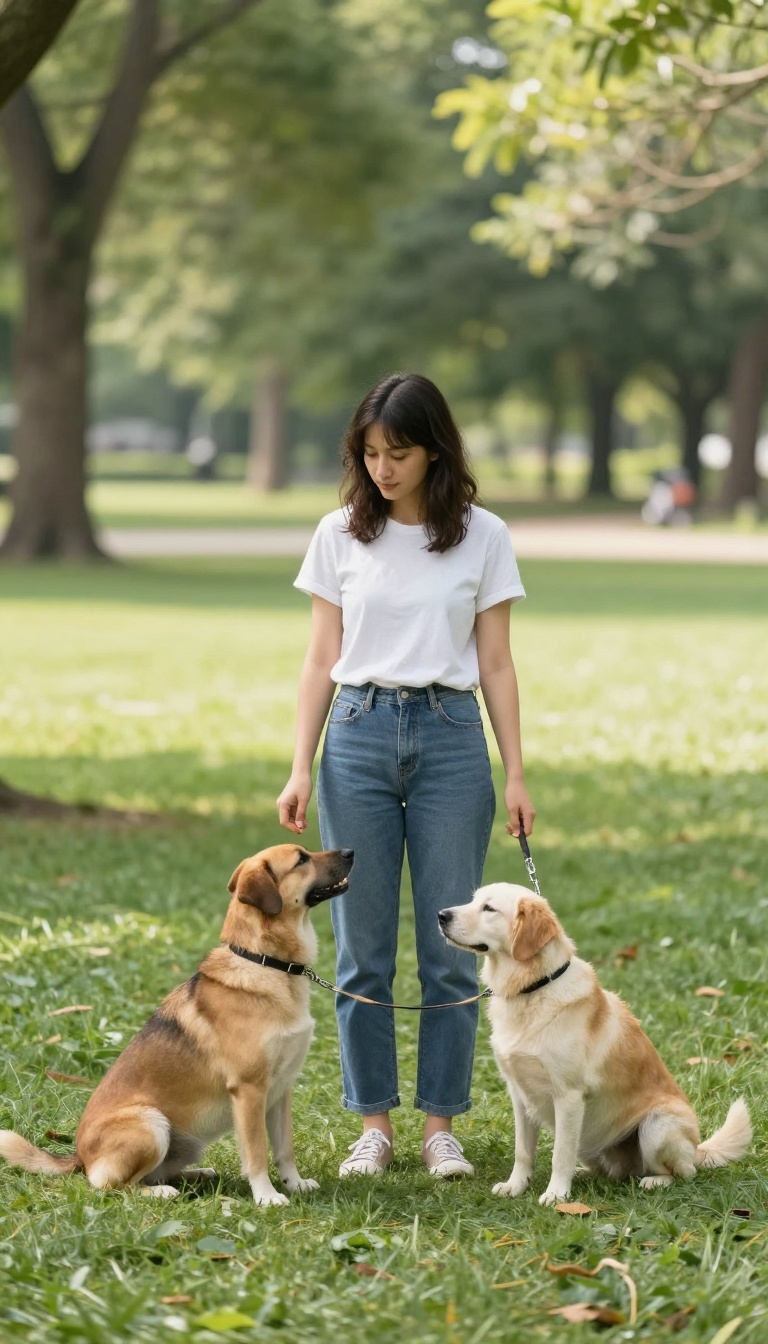
Pulling is often a dog's way of saying, 'I want to get there faster. ' But giving in to that pull only teaches them that pulling works. The 'Be a Tree' technique flips that script by showing your dog that calm behavior is what gets them moving again.
When your dog pulls, stop moving and stand still like a tree. Plant your feet, hold the leash steady, and wait. Don't yank or talk—just wait.
The moment your dog looks back or the leash slackens, mark it with a treat or a cheerful 'yes' and continue walking. Repeat this every time they pull. It's simple, but it works because it removes the reward (forward movement) and replaces it with a clear alternative: slack leash equals progress.
Why Standing Still Works
Dogs pull because it gets them somewhere. When you freeze, you break that connection. They learn that pulling actually stops the fun.
It's not about being stubborn—it's about being consistent. Every time you stop, you're teaching your dog that calmness is the only way to move forward.
How To Reward The Right Moment
Timing is everything. Watch for the exact second the leash goes slack or your dog turns to check in with you. That's when you reward.
Use a small, high-value treat or a quick play session. The goal is to make the slack leash feel like the best thing ever, so your dog starts offering it on their own.
Common Mistakes To Avoid
Don't pull back or jerk the leash—that turns it into a tug-of-war. Also, avoid talking too much; your voice can be distracting. And don't give up after a few tries.
It might feel slow at first, but consistency pays off. Remember, you're not just stopping the pull—you're building a new habit.
3. Use High-Value Treats Strategically
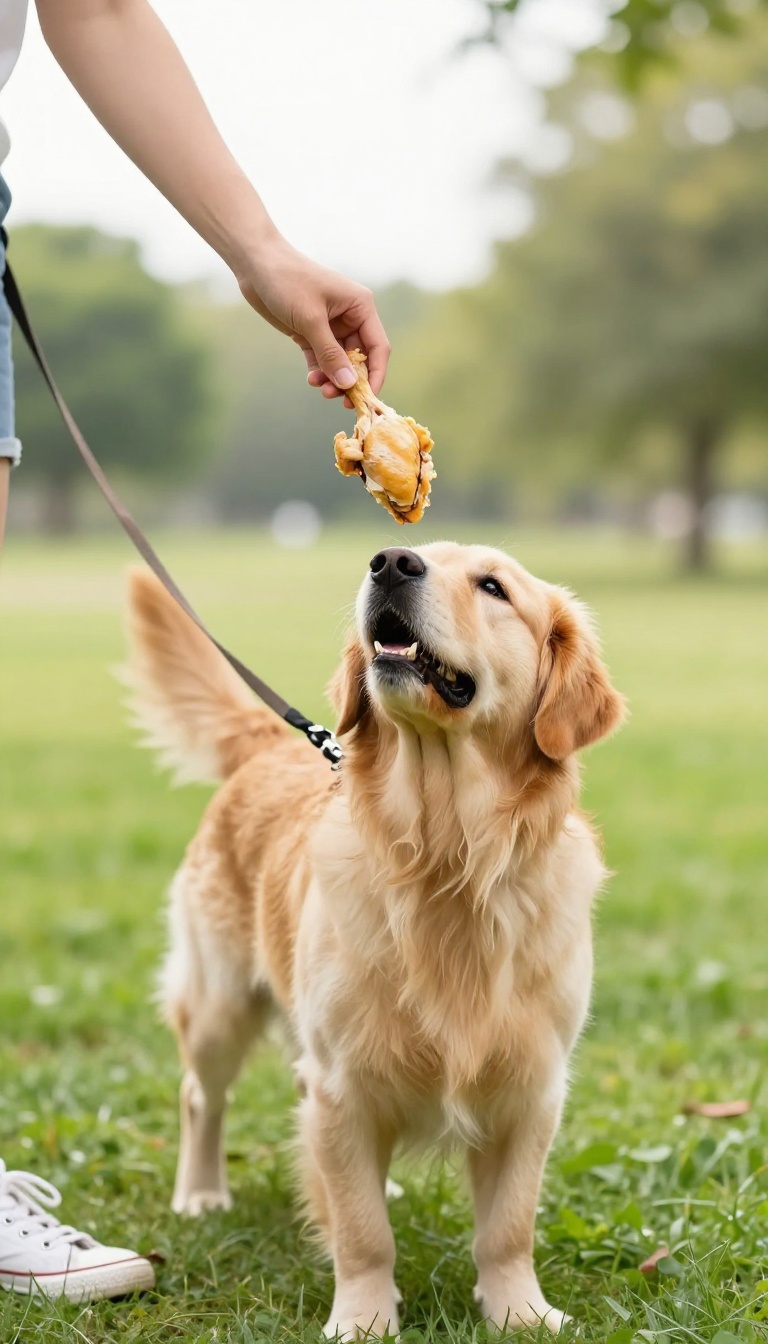
Not all treats are created equal, especially when you're competing with the smells of the great outdoors. A boring biscuit might get a sniff, but a piece of stinky cheese or chicken will get your dog's full attention. That's the secret to using treats for loose-leash walking: make them worth more than the distractions around you.
Keep a pouch of tiny, smelly treats (like boiled chicken, cheese, or hot dog bits) handy. The goal is to reward your dog for being in the right position—beside you—rather than for simply not pulling. Use a treat to lure your dog into a heel position, then reward them with a quick "yes" and the treat.
The key is to be strategic: treat frequently at first, then gradually increase the duration and distance between rewards as your dog gets the hang of it.
Pick Treats That Beat Distractions
High-value means high smell and high taste. Think soft, smelly, and small—about the size of a pea. Boiled chicken, string cheese, or liverwurst are all great options.
Avoid dry, crunchy biscuits that take forever to chew. You want your dog to gulp and refocus on you, not pause for a snack break.
Lure, Then Reward
Use the treat to guide your dog into the correct position. Hold it near your left leg (or right, if you prefer) and move it slowly to get your dog to follow. As soon as they're walking beside you, say "yes" and give the treat.
Over time, you'll need to lure less and reward more for natural good behavior.
Time The Reward Right
Reward the moment your dog is in the right spot, not after they've been there for a while. A quick "yes" followed by a treat reinforces the exact behavior you want. If you wait too long, your dog might think they're being rewarded for something else, like stopping or looking at you.
Phase Out Treats Gradually
Once your dog is consistently walking nicely, start reducing the frequency of treats. Replace some treats with praise or a quick game of tug. The goal is to make good behavior a habit, not a constant negotiation.
But keep those high-value treats for tough situations, like when a squirrel is nearby or during busy street walks.
4. Practice Indoors First
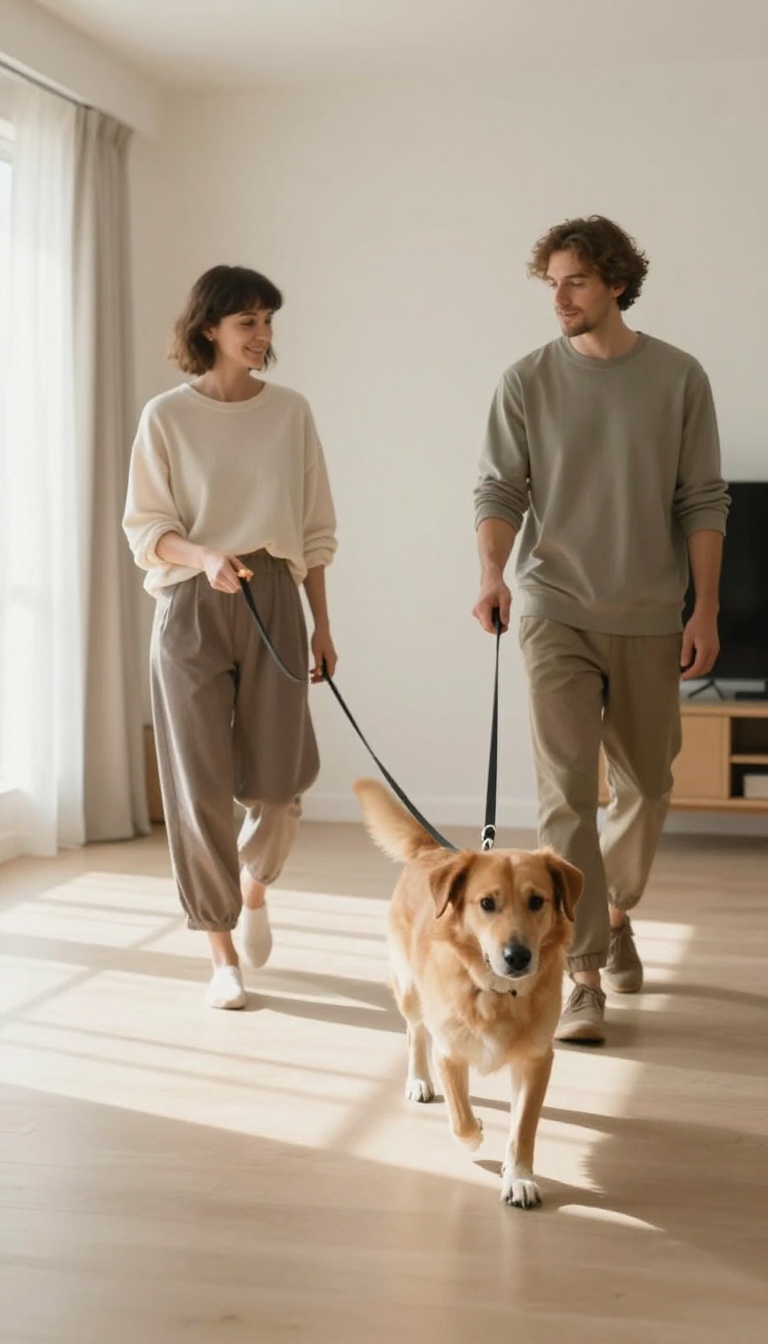
You don't need to step outside to start training loose-leash walking. Your living room or hallway is the perfect place to lay the groundwork, away from the chaos of traffic, squirrels, and intriguing scents. This low-stakes environment lets your dog focus entirely on you, building a solid foundation that will make outdoor walks much smoother.
Practicing indoors first is all about setting your dog up for success. Without the distractions of the outside world, your dog can learn the core skill of walking politely beside you. This isn't just for puppies—even adult dogs can benefit from a refresher in a calm space.
It's a chance to build muscle memory and reinforce the behavior you want, without the frustration of constant corrections.
Start In A Small, Familiar Space
Choose a room where your dog feels comfortable, like the living room or a long hallway. Clear away any clutter that might get in the way. Keep sessions short—just a few minutes at a time.
This keeps your dog engaged and prevents boredom. The goal is to make loose-leash walking feel like a fun game, not a chore.
Use High-value Treats And A Happy Tone
Indoor practice is the perfect time to use treats your dog absolutely loves, like small pieces of chicken or cheese. Keep your voice upbeat and encouraging. Every time your dog walks beside you with a slack leash, reward them immediately.
This positive reinforcement helps your dog understand exactly what you're asking for.
Keep Sessions Short And End On A High Note
A few minutes of focused practice is far more effective than a long, drawn-out session. Watch for signs of fatigue or frustration, and always stop before your dog loses interest. End with a successful lap and lots of praise.
This leaves your dog wanting more, making each practice session something they look forward to.
5. Change Direction Frequently
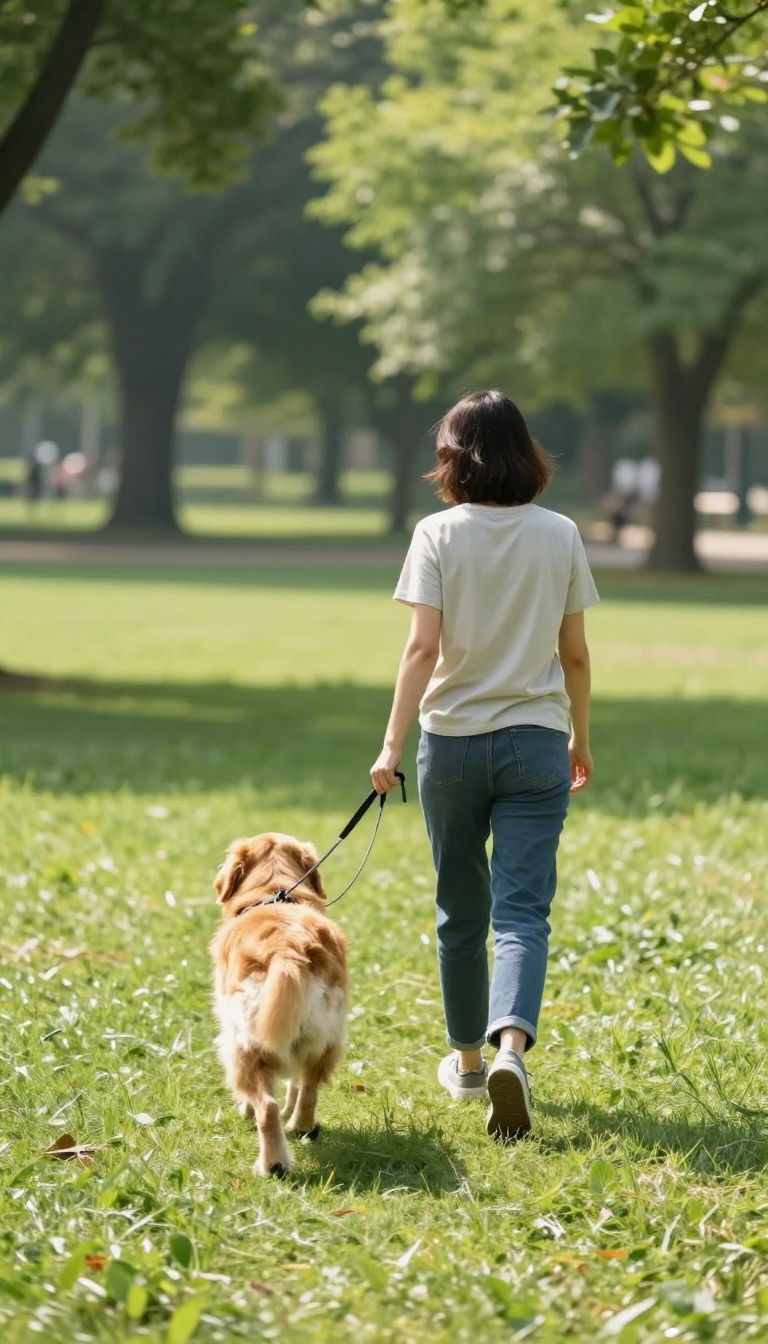
This is one of the simplest and most effective tricks to teach your dog that you're the one leading the walk. When your dog starts to pull ahead, instead of pulling back, simply turn around and walk the other way. It sounds almost too easy, but it works wonders.
The key is to do it without yanking or jerking the leash. Just a smooth, calm turn. Your dog will be caught off guard and will have to follow you to avoid being left behind.
Over time, they'll learn that pulling doesn't get them where they want to go—it just changes the route.
Why It Works
Dogs pull because they're excited and want to explore. When you change direction, you're breaking that forward momentum and redirecting their attention. It also teaches them to watch you for cues, because they never know when you might turn.
This builds a habit of checking in with you, which is exactly what you want on a walk.
How To Do It Right
Start in a low-distraction area. When your dog moves ahead and the leash tightens, say 'this way' in a cheerful tone and turn. Don't repeat yourself—just turn.
Be consistent. If you do this every time they pull, they'll quickly realize that pulling makes the walk less fun. Keep the pace brisk and your body language confident.
Make It A Game
You can also turn this into a fun game by randomly changing direction even when your dog isn't pulling. This keeps them engaged and makes the walk more interesting. Use a happy voice and reward them with a treat when they follow you smoothly.
It's a great way to build focus and make your walks more interactive.
6. Reward Eye Contact
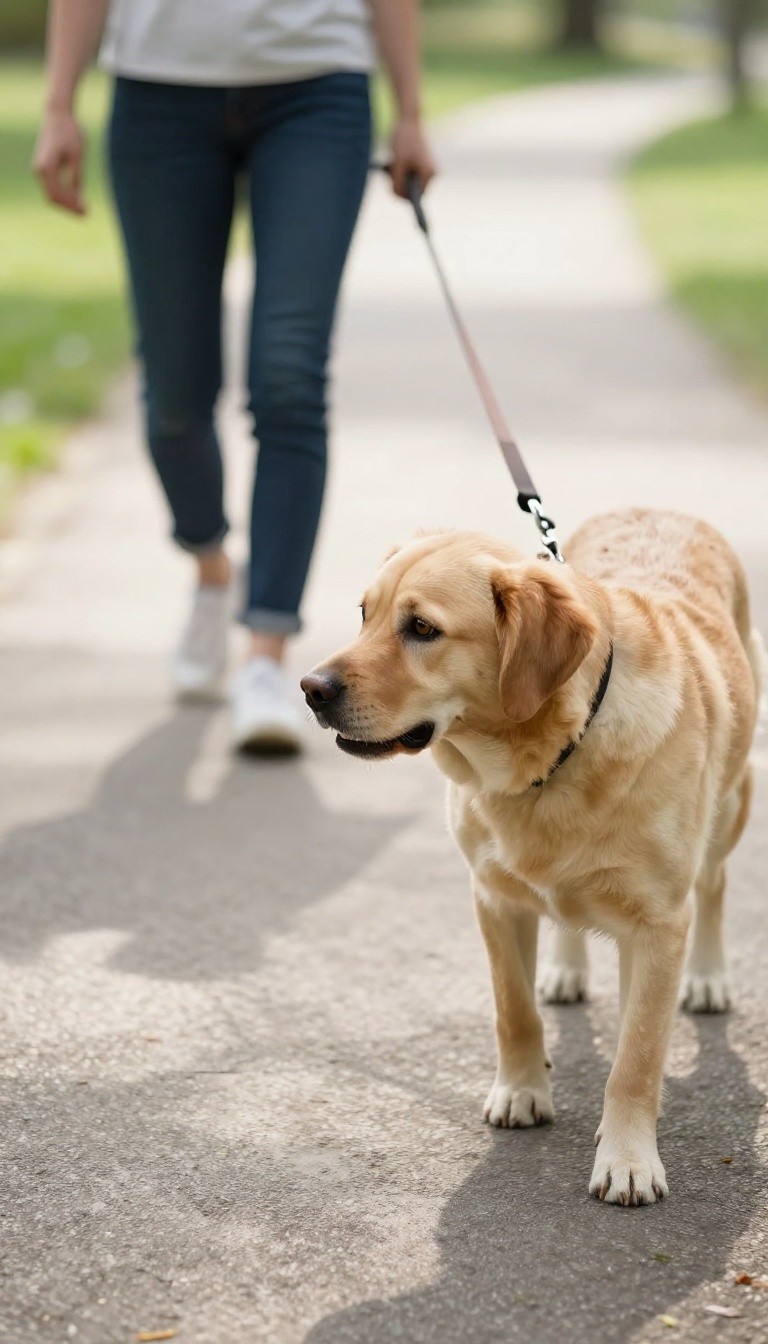
When your dog looks at you mid-walk, that's a golden moment. It means they're choosing to check in rather than chase every scent. Rewarding that glance teaches them that paying attention to you is worth their while.
Over time, they'll glance back more often, and pulling will naturally fade as they focus on you instead of the environment.
Why Eye Contact Matters
Eye contact is your dog's way of saying, 'I'm with you. ' It's a sign of trust and attention. When you reward it, you're reinforcing that being connected to you is more valuable than pulling toward a distraction. This simple habit builds a foundation for loose-leash walking because a dog that checks in is less likely to lunge or tug.
How To Capture The Glance
Start in a quiet place with few distractions. Hold a treat near your eye and say your dog's name. The moment they look at you, mark with a 'yes' and give the treat.
Repeat several times. Once they catch on, begin doing this during walks. Wait for those natural glances, then reward.
Timing is key—reward the instant they look, not after they've already turned away.
Turning Eye Contact Into A Habit
Make it a game. Randomly reward eye contact throughout the walk, not just when they're about to pull. Vary the treats so they stay interested.
As your dog gets better, you can increase the duration of eye contact before rewarding. This builds patience and focus. Soon, checking in will become second nature, and your walks will feel more like a team effort.
7. Use a 'Let's Go' Cue
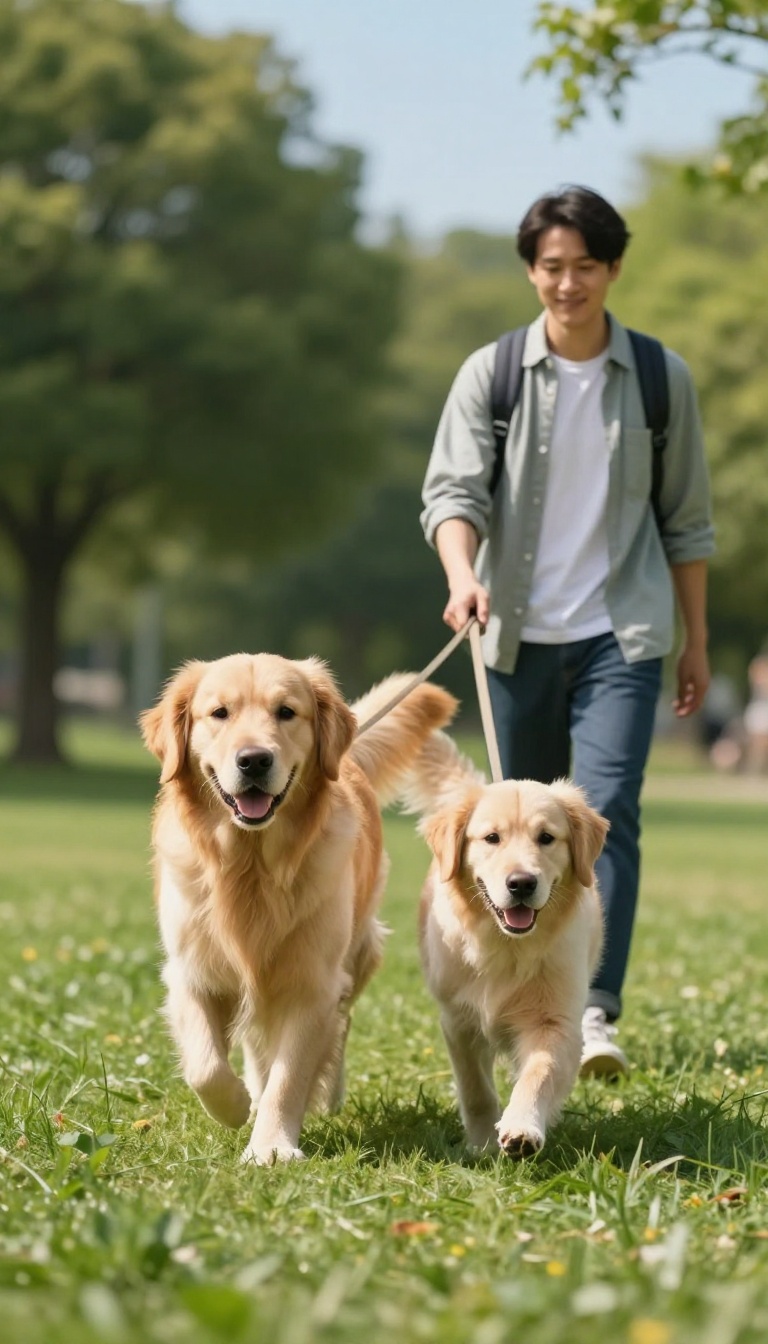
A clear verbal cue can work wonders when your dog knows exactly what it means. Instead of relying on leash tugs or confusing commands, a simple phrase like 'Let's go! ' tells your pup it's time to move forward together. The trick is to make that cue meaningful through practice and positive reinforcement.
Start by saying 'Let's go! ' in a cheerful tone right before you step off with a treat in hand. When your dog moves with you, give the treat and keep walking. Repeat this a few times in a low-distraction area, then gradually add more exciting environments.
The goal is to build a strong association: the phrase means good things happen when we move together.
Pair The Cue With A Treat
Choose a high-value treat your dog loves, something special like small pieces of chicken or cheese. Say 'Let's go! ' and immediately take a step forward. As soon as your dog follows, reward and praise.
This creates a positive link between the cue and moving with you. Over time, you can reduce the treats, but keep them handy for reinforcement.
Use The Cue To Redirect
When your dog starts to pull or gets distracted, use 'Let's go! ' as a gentle redirect. Say it with enthusiasm and change direction. Your dog will learn that the cue means 'follow me' and that good things happen when they do.
It's a great way to break a fixation on a smell or another dog without yanking the leash.
Keep It Consistent
Use the same phrase every time you want to move forward. Avoid switching between 'Let's go, ' 'Come on, ' or 'This way'—that only confuses your dog. Consistency helps your dog understand exactly what you're asking, making walks smoother and more predictable for both of you.
8. Keep Sessions Short and Fun
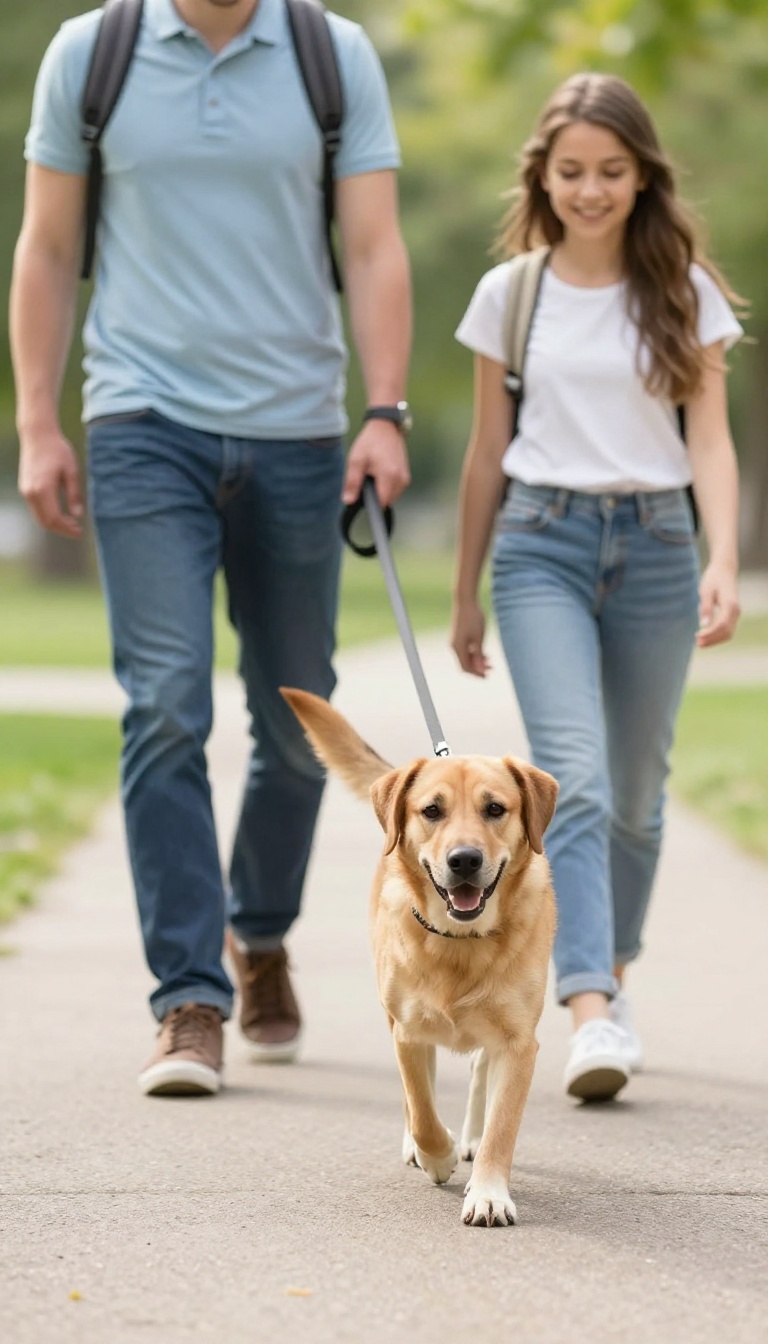
Training a dog to walk on a loose leash takes time, and cramming it into one long walk often backfires. Dogs get bored, frustrated, and distracted when a session drags on. Short, focused bursts of training are far more effective and keep the experience positive for both of you.
The goal is to end each session while your dog is still engaged and eager, not exhausted or overwhelmed.
Instead of trying to perfect your entire walk, dedicate just 5 to 10 minutes to deliberate training. This could be at the start, middle, or end of your stroll. Short sessions help your dog associate loose-leash walking with fun and rewards, not pressure.
Plus, you'll find it easier to stay consistent and patient when you're not spending an hour wrestling with the leash. Remember, quality beats quantity every time.
Why Short Sessions Work
Dogs learn best in short, repeated bursts. Their attention spans are limited, especially when there are squirrels and smells to investigate. By keeping training sessions brief, you're working with your dog's natural abilities rather than fighting against them.
A 5-minute focused session can teach more than a 30-minute frustrating walk. Plus, short sessions reduce stress for you too—you're less likely to get annoyed when things don't go perfectly.
How To Structure A Mini Session
Pick a quiet spot with few distractions to start. Ask your dog to walk beside you, reward generously for any loose-leash step, and keep the pace varied. After a few minutes, take a break and let your dog sniff or play.
This makes the training feel like a game, not a chore. You can also sprinkle these mini sessions throughout the day, like during a quick potty break or before dinner. The more often you practice, the faster your dog will catch on.
End On A High Note
Always stop training while your dog is still enthusiastic. If you end after a successful rep, your dog will remember the fun and be ready for more next time. If you push until frustration sets in, you risk turning walks into something your dog dreads.
A good rule of thumb is to quit while you're ahead—after a few great steps or a perfect heel. This builds confidence and makes each session something to look forward to.
9. Practice 'Find It' to Redirect
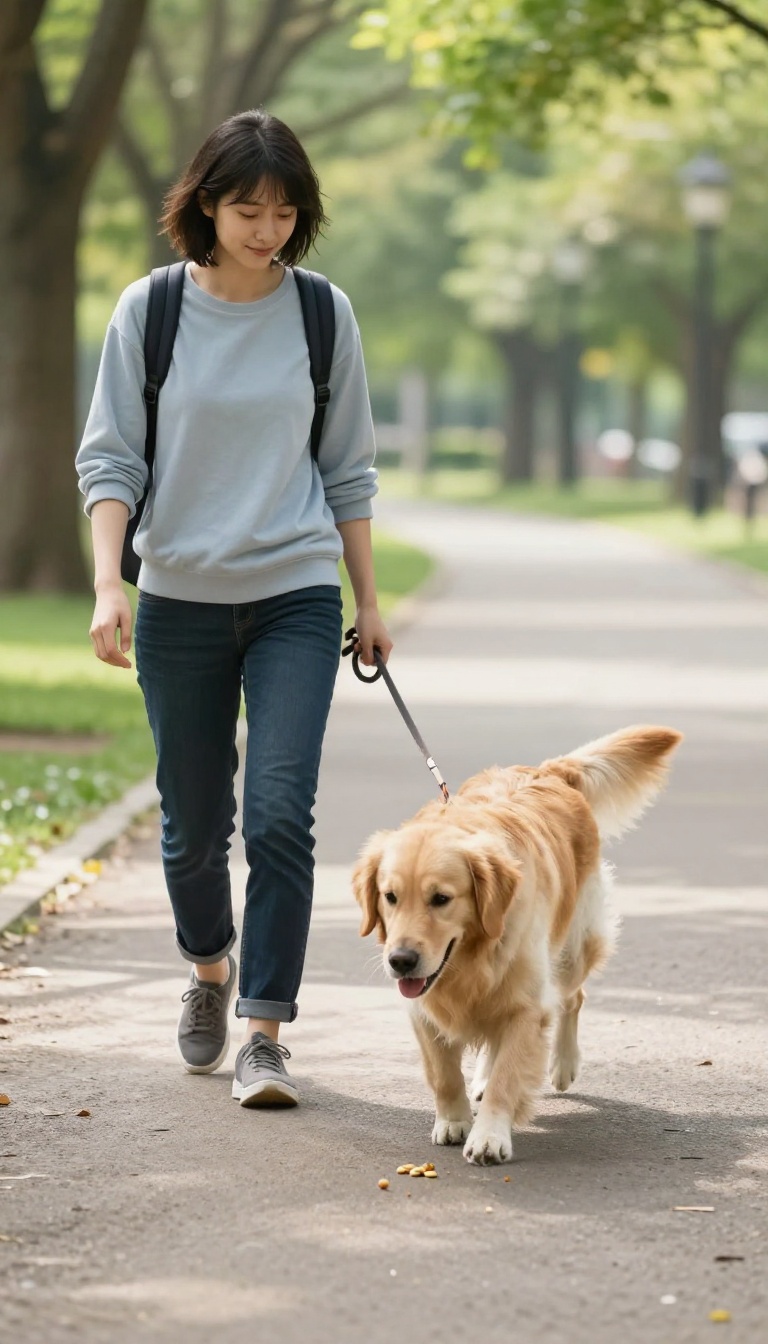
Every dog has moments when the world is just too exciting—a squirrel, a scent, another dog. Instead of yanking the leash or raising your voice, you can use a simple game to bring their attention back to you. 'Find It' is a gentle, positive way to break the pull and refocus your pup on the walk.
The 'Find It' cue is a lifesaver on walks. It works by giving your dog a clear, rewarding job to do: search for a treat on the ground. This not only stops the pulling but also engages their nose, which is naturally calming.
The key is to make it a fun, high-value game so your dog eagerly responds every time.
How To Teach The Cue
Start indoors or in a quiet backyard. Show your dog a treat, say 'Find it! ' in a cheerful tone, and toss it a few feet away. When they sniff it out and eat it, praise them warmly.
Repeat this several times until they instantly look for the treat when they hear the cue. Then practice outside in a low-distraction area before using it on busy walks.
When To Use It On Walks
Use 'Find It' the moment you notice your dog's focus slipping—before they start pulling. If they lock onto a distraction, toss the treat to the side and say 'Find it! ' This redirects their nose downward, breaking the stare and resetting their attention. It's especially handy when passing tempting spots like a fire hydrant or a patch of grass with interesting smells.
Make It A Game, Not A Fix
The more fun you make 'Find It, ' the more reliable it becomes. Use tiny, high-value treats like small pieces of chicken or cheese. Vary the distance and direction of your tosses to keep it exciting.
Over time, your dog will learn that checking in with you leads to good things, making walks more enjoyable for both of you.
10. Use a Front-Clip Harness for Control
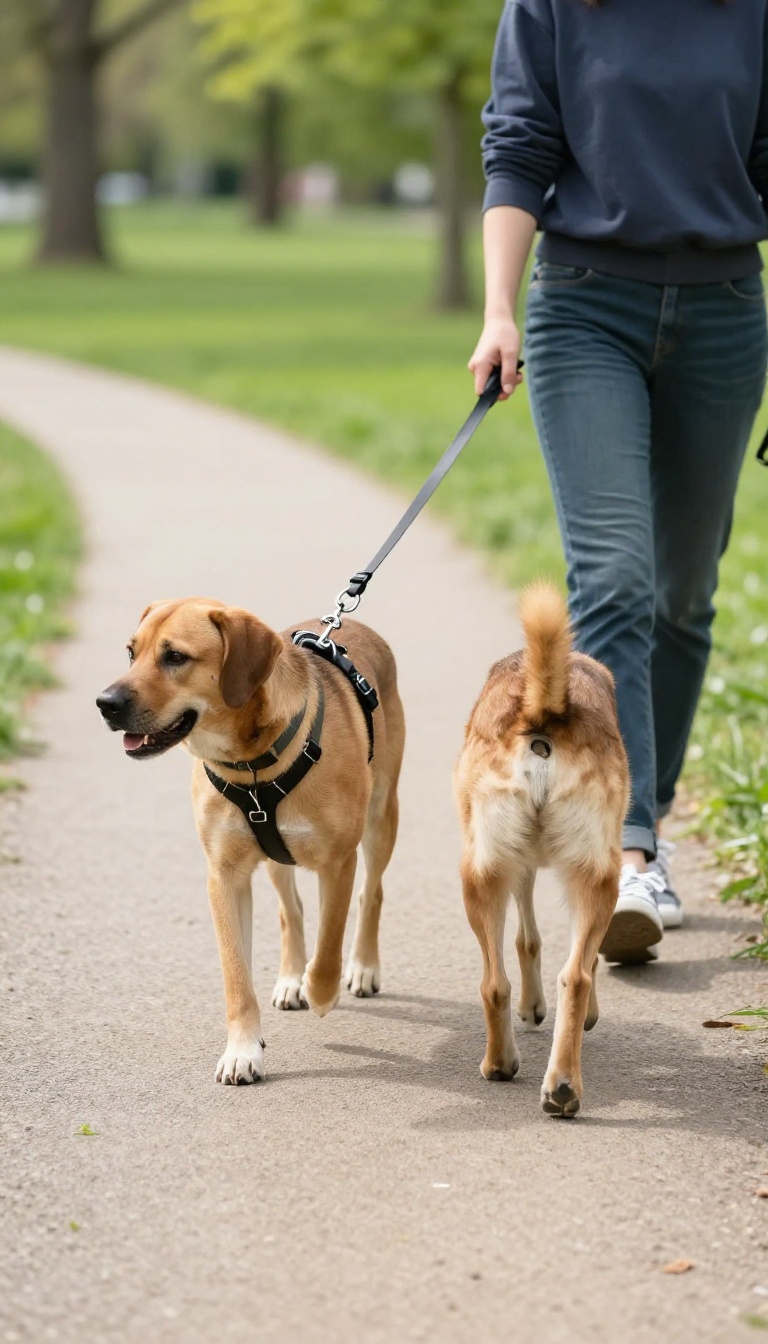
If your dog turns every walk into a sled-pulling event, a front-clip harness can be a lifesaver. Unlike a collar or a back-clip harness, this design attaches the leash at the chest, so when your dog pulls, they're gently turned back toward you. It gives you more control without hurting your dog or turning the walk into a battle of strength.
A front-clip harness works by using the dog's own momentum against them. When they lunge forward, the harness guides them to the side, breaking their forward drive. This makes it easier to redirect their attention and get back to a relaxed pace.
It's especially helpful for strong pullers or dogs that get overly excited on walks.
Why Front-clip Works Better
Front-clip harnesses distribute pressure across the chest and shoulders, which is safer than a collar that can strain the neck. The design also gives you more leverage, so you don't have to be stronger than your dog to keep them in check. Many owners find that their dog responds more quickly to gentle guidance with this setup.
How To Introduce It
Let your dog sniff and inspect the harness before putting it on. Start with short indoor sessions where they wear it without the leash, then attach the leash and practice walking in a quiet area. Reward calm behavior with treats and praise.
Over time, your dog will associate the harness with positive experiences.
Tips For Getting The Right Fit
A properly fitted harness should be snug but not tight—you should be able to fit two fingers under the straps. Check that the front clip sits in the center of the chest, and adjust the straps so it doesn't rub or chafe. If you're unsure, ask a professional at your local pet store for help.
11. Walk at Your Dog's Pace (Sometimes)
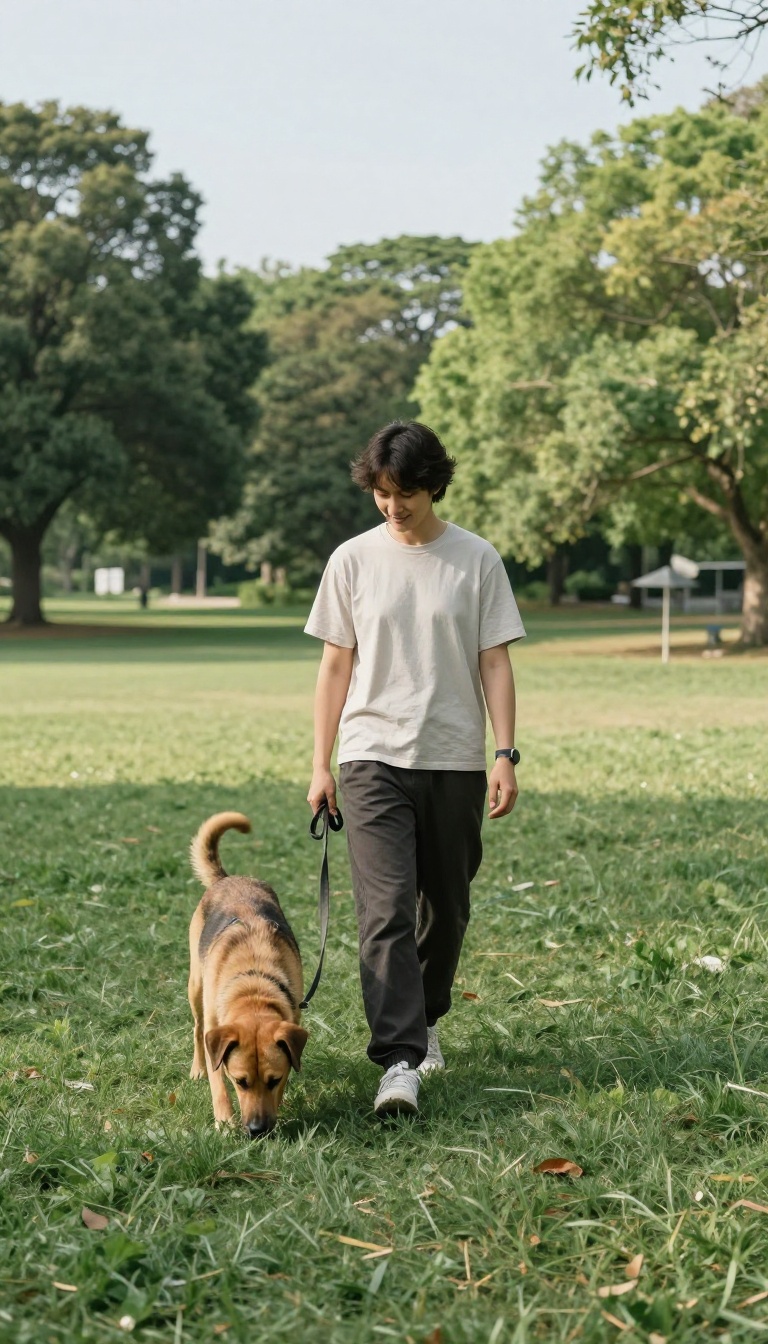
Most dogs don't pull because they're trying to be difficult—they're just excited to explore. When you let your dog set the pace for a short stretch, it can actually reduce pulling over the whole walk. The trick is to make it a deliberate choice, not a free-for-all.
Think of your walk as a series of small agreements. You decide when to move and when to stop, but you also give your dog clear opportunities to sniff and wander. This balance helps your dog feel heard without letting them take over.
Over time, they'll learn that patience on your part leads to more fun on their part.
Use A 'go Sniff' Cue
Pick a word or phrase like 'go sniff' and say it just before you allow your dog to investigate a spot. This cue tells them they have permission to relax and explore. It also creates a clear contrast with walking time, so your dog knows when to focus and when to take a break.
Set Time Or Distance Limits
Give your dog a sniff break every few minutes, but keep it short—maybe 30 seconds or a few steps. You can also use a landmark like a tree or a mailbox as a stopping point. This way, your dog learns that sniffing happens in chunks, not the whole walk.
Resume With A Clear Signal
When the break is over, use a cheerful 'let's go' or a gentle tug to signal it's time to move again. If your dog resists, wait a moment and try again. Consistency helps your dog understand that the break is over, and they'll be more willing to walk nicely.
Watch For Calm Moments
If your dog is walking calmly with a loose leash, reward them with a sniff break. This reinforces the behavior you want. Over time, your dog will realize that a relaxed pace leads to more sniffing opportunities, which makes them more likely to stay loose.
12. Be Consistent with Rules
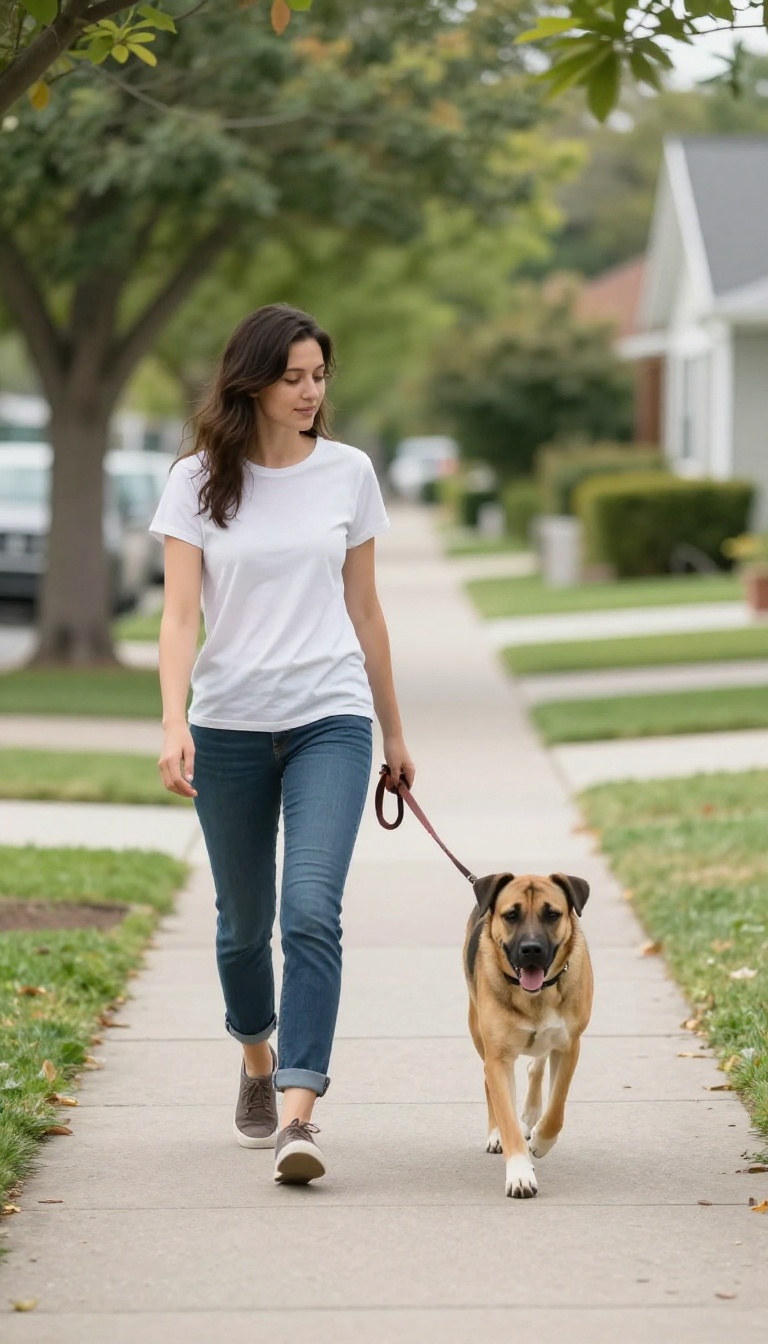
Dogs thrive on predictability. If you let them pull sometimes but correct them other times, they get mixed signals and never learn the right behavior. Consistency is the secret ingredient that turns a confused pup into a confident walker.
It's not about being strict—it's about being clear.
Consistency means deciding on your rules before you step out the door and sticking to them every single walk. Whether it's no pulling, no lunging, or stopping at curbs, your dog needs to know that the rules don't change based on your mood or the day of the week. When you're consistent, your dog learns faster and feels more secure because the world makes sense.
Set Your Rules Before You Head Out
Take a moment before each walk to remind yourself of your non-negotiables. Maybe it's 'no pulling toward other dogs' or 'stop at every curb. ' Write them down if you need to. When you're clear in your own mind, you're more likely to enforce them calmly and consistently.
Use The Same Cues Every Time
Pick a word or phrase for each behavior and use it consistently. If 'easy' means slow down, always say 'easy'—not 'whoa' or 'slow' on different days. Dogs learn through repetition, so repeating the same cue in the same tone helps them understand what you want.
Enforce Rules Even When It's Hard
The toughest part of consistency is sticking to your rules when you're tired, rushed, or stressed. But those are exactly the moments when your dog is watching. If you let a pull slide 'just this once, ' you're telling your dog that pulling sometimes works.
Stay firm, even when it's inconvenient, and your walks will get easier over time.
Get Everyone On The Same Page
If other people walk your dog, make sure they know and follow the same rules. Mixed messages from different handlers confuse your dog and slow progress. Share your list of rules with family members or dog walkers so everyone is consistent.
13. Use a Long Line for Practice
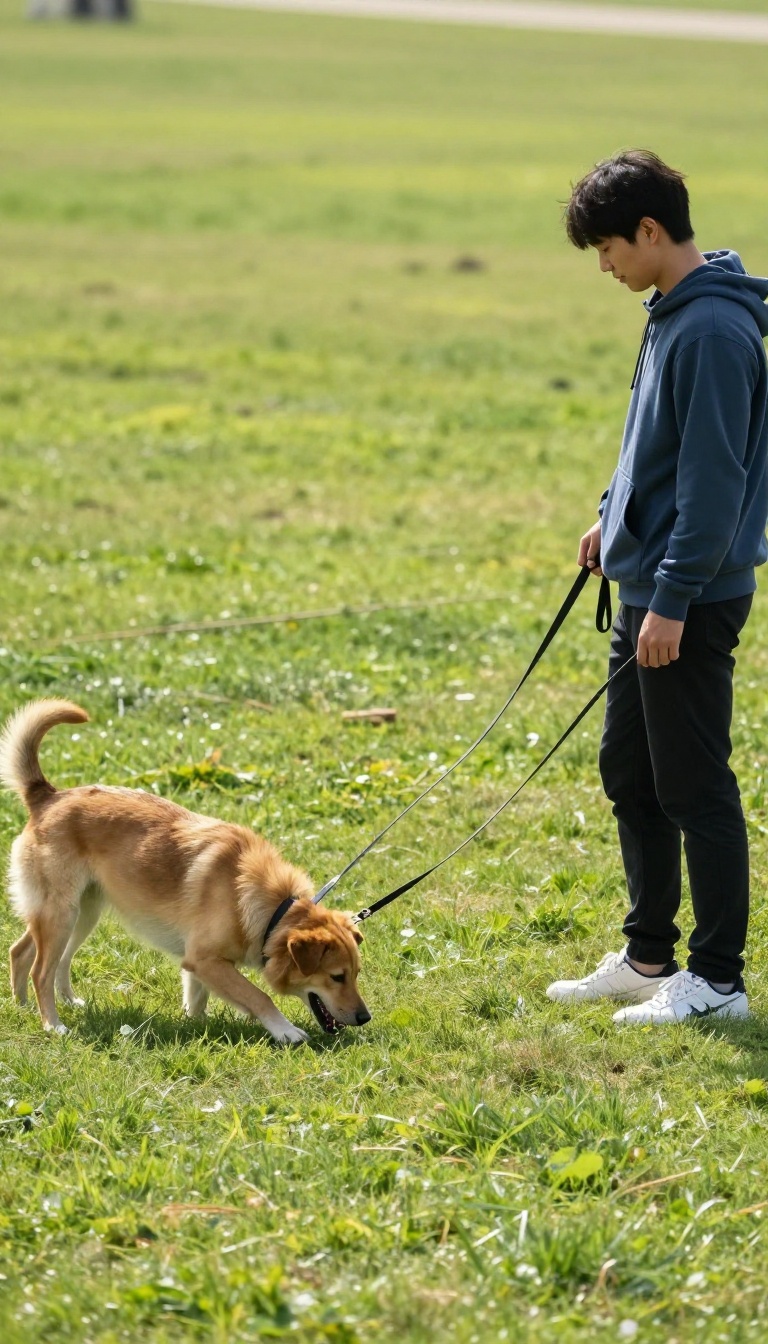
Sometimes the best way to teach a loose leash is to ditch the leash altogether—well, almost. A long training line gives your dog the freedom to explore while you work on recall and walking without constant tension. It's a game-changer for dogs who feel confined by a short leash and for owners who want to practice in a low-pressure setting.
Long lines are exactly what they sound like: lightweight leashes that range from 15 to 50 feet. They let your dog roam in a safe, open area while you keep a hand on the other end. The key is to use them as a training tool, not a permanent walking solution.
In this section, you'll learn how to set up for success, practice recall, and transition back to a regular leash.
Pick The Right Spot And Gear
Choose a secure, open space like a fenced field or an empty park. Avoid areas with roads, cliffs, or other hazards. For gear, a long line made of biothane or nylon works well—biothane is easier to clean, while nylon is lighter.
Attach it to a harness rather than a collar to prevent neck strain if your dog suddenly bolts. Hold the line loosely, letting it feed through your hands as your dog explores.
Practice Recalls Without Tension
Let your dog wander to the end of the line, then call them back with a happy, excited voice. When they come, reward them with a treat and a quick game of tug. The goal is to make returning to you more rewarding than staying at the end.
Repeat this several times, gradually increasing the distance. This builds a strong recall and teaches your dog that coming to you means good things, not the end of fun.
Incorporate Loose-leash Walking
Once your dog is comfortable with recalls, start moving with them. Walk in one direction, and when the line goes slack, mark it with a 'yes' and give a treat. If the line tightens, stop and wait for your dog to come back to you.
This teaches them that tension stops the walk, while slack keeps it going. Keep sessions short—five to ten minutes is plenty—and end on a positive note.
Gradually Transition To A Regular Leash
After a few weeks of practice, start using a standard 6-foot leash for short walks in quiet areas. Alternate between the long line and the regular leash so your dog doesn't get used to one style. If pulling returns, go back to the long line for a few sessions.
The long line isn't a crutch—it's a teaching tool that helps your dog understand that walking politely works best, no matter the length of the leash.
14. Stay Calm and Patient
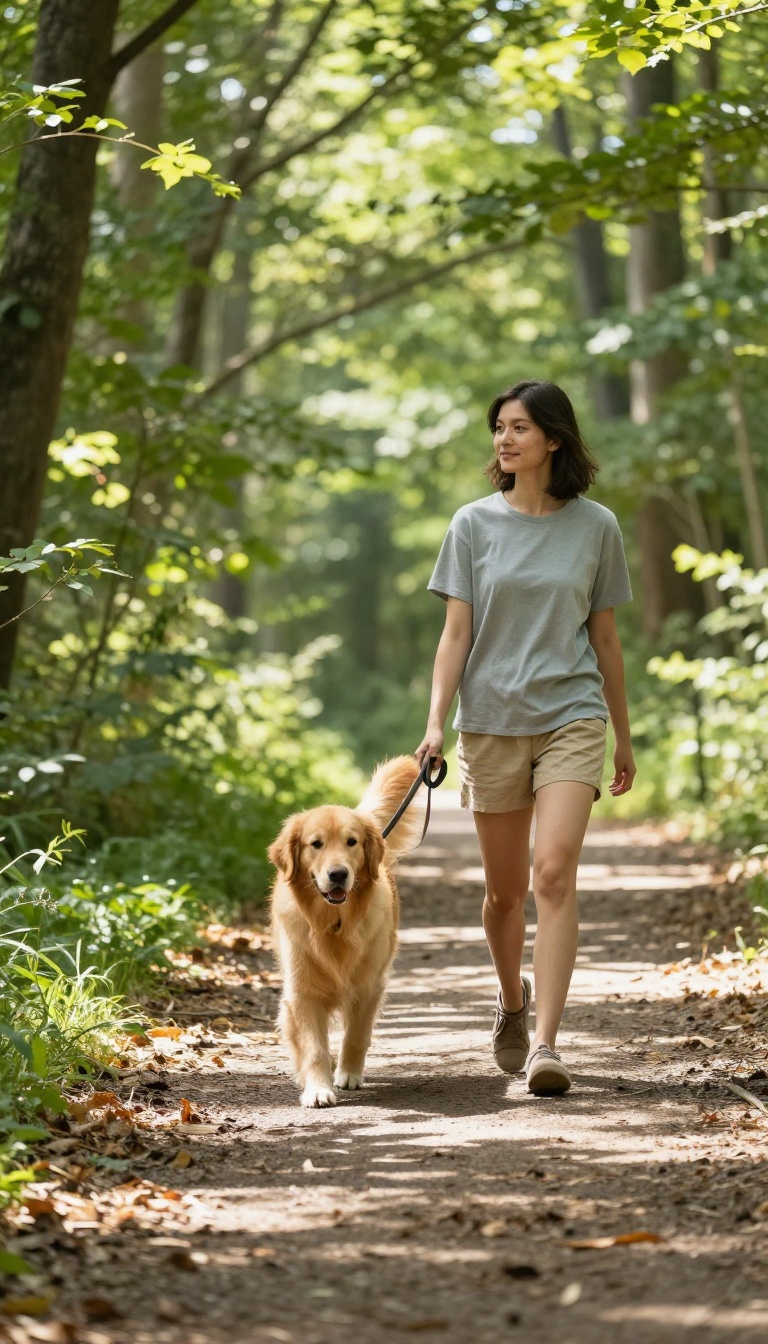
Your dog is a mirror of your emotions. When you're tense, they sense it and get anxious. When you're relaxed, they feel safe and follow your lead.
Staying calm isn't just a nice idea—it's a practical tool for better walks.
Breathe Before You Step Out
Take a few deep breaths before you grab the leash. This simple act lowers your heart rate and sets a relaxed tone. Your dog picks up on your energy, so starting calm helps them stay calm too.
Pause And Reset
When your dog pulls, stop moving. Stand still, take a breath, and wait until they relax. This isn't a punishment—it's a reset button.
Once they give you slack, reward them with a treat and continue. Patience here pays off.
Keep Your Voice Low And Steady
Shouting or yanking the leash only amps up the excitement. Instead, use a soft, steady voice to guide your dog. Say their name or a simple cue like 'easy' in a calm tone.
They'll respond better to a quiet leader than a loud one.
15. Celebrate Small Wins
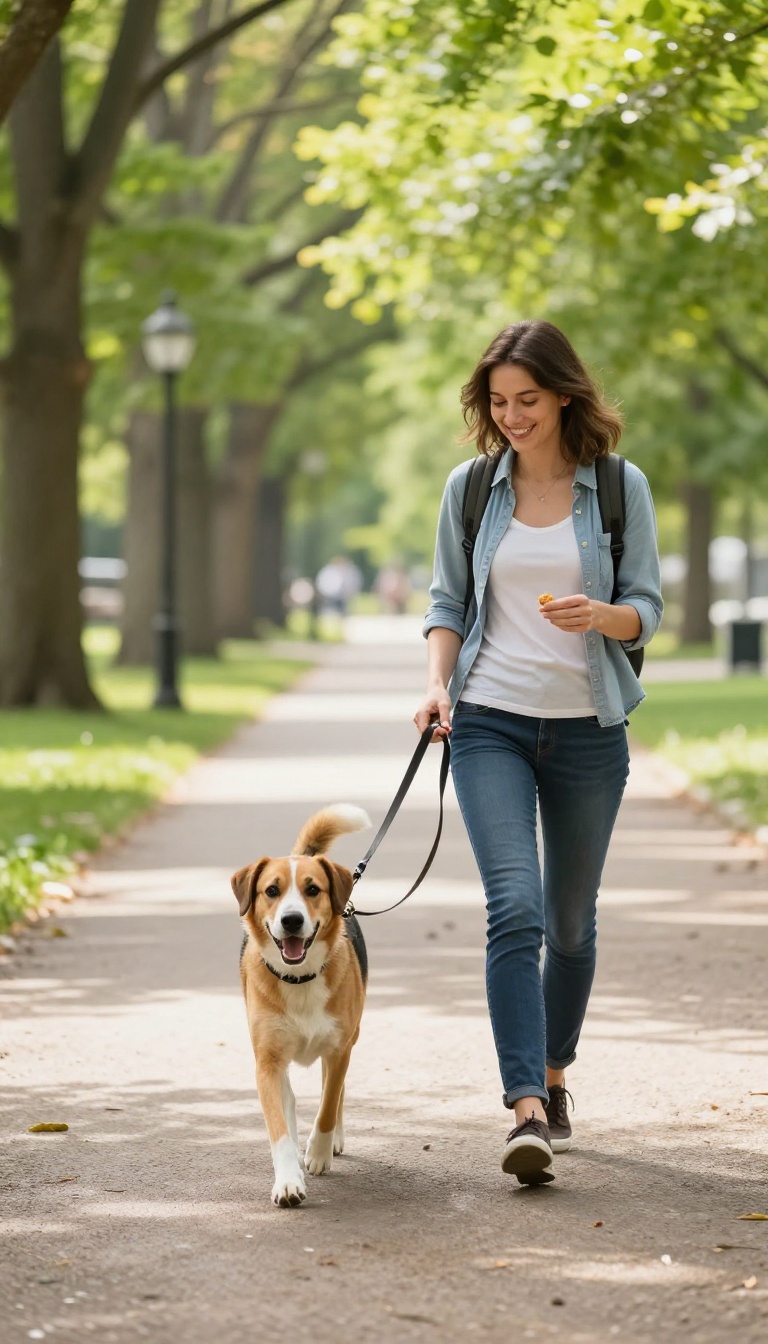
Training a dog to walk on a loose leash takes time, and it's easy to get caught up in the mistakes. But every time your pup chooses to walk calmly beside you, even for a few steps, that's a victory worth acknowledging. Celebrating these small wins not only boosts your dog's confidence but also keeps you motivated and positive throughout the process.
When you focus on what's going right, you and your dog both enjoy the walk more. Instead of dwelling on the pulls and tugs, notice the moments when the leash goes slack. Those are the building blocks of a solid loose-leash habit.
By rewarding those instances, you're telling your dog, "Yes, this is exactly what I want! "
Why Celebrating Matters
Dogs learn best when they're having fun and feeling successful. If you're constantly correcting and never praising, your dog might get frustrated or lose interest. Celebrating small wins creates a positive feedback loop: your dog repeats the behavior that earns treats or praise, and you feel happier about the training process.
It's a win-win that strengthens your bond and makes walks something you both look forward to.
What Counts As A Win?
A win doesn't have to be a full block of perfect walking. It can be a few seconds of loose leash, a quick check-in with you, or even just a step in the right direction after a pull. The key is to catch those moments and mark them with a happy "Yes!
" or a small treat. Over time, these tiny successes add up to big changes in your dog's walking behavior.
How To Celebrate Effectively
The best celebrations are immediate and clear. As soon as your dog walks nicely, give a treat or a quick game of tug right there on the spot. Use a cheerful tone to let them know they've done something great.
You can also use a clicker if you're into that—just make sure the reward follows within a second or two. The more consistent you are, the faster your dog will catch on.
Staying Motivated Yourself
Celebrating small wins isn't just for your dog—it's for you too. Every time you notice a positive moment, you're reinforcing your own patience and effort. Keep a mental note of how many good moments you had on a walk, and don't be hard on yourself if there were also some pulls.
Progress is progress, and every step forward is worth a little celebration.
FAQ
How long does it take to train a dog to walk on a loose leash?
It varies by dog and consistency. With daily practice, many dogs show improvement within a few weeks, but full reliability can take a few months. Patience and consistency are key.
What is the best harness for loose-leash walking?
A front-clip harness is often recommended because it discourages pulling by turning the dog toward you. Look for a well-fitted, padded option that doesn't restrict movement.
Can I use a retractable leash for loose-leash training?
It's best to avoid retractable leashes for training because they maintain constant tension and make it harder to teach a loose leash. A standard 6-foot leash is ideal.
What if my dog pulls because they're excited?
Excitement is common. Try to burn off excess energy with a quick play session before the walk, and use high-value treats to keep your dog focused on you.
Should I stop walking when my dog pulls?
Yes, stopping when your dog pulls teaches them that pulling stops the walk. Wait until the leash slackens, then reward and continue. This is a core habit for success.
Conclusion
Loose-leash walking isn't about perfection—it's about building a routine that works for both of you. Try a few of these habits, stay patient, and celebrate the small wins along the way. Your dog will pick up on your calm energy, and those strolls will start feeling a whole lot lighter.
Remember, every walk is a chance to practice and bond. You don't need fancy gear or endless training sessions—just consistency and a bit of humor when things get tangled. Stick with it, and soon you'll both be looking forward to stress-free time outside.

I’m Pallab Kishore, the owner of Little Pets Realm — an animal lover and pet care enthusiast sharing easy tips, healthy recipes, and honest advice to help every small pet live a happy, healthy, tail-wagging life.