
Last updated on August 19th, 2026 at 04:14 pm
Picture this: you're at the park, and your dog spots a squirrel. You call their name, but it's like you don't exist. Sound familiar?
Distractions are the ultimate test of your dog's listening skills, and without practice, they'll always win.
The good news? You can train your dog to focus on you even when the world gets exciting. These 11 distraction drills are designed to gradually build your dog's attention span, starting easy and getting harder.
Each drill is practical, simple, and something you can start today.
No need for fancy equipment or a professional trainer. Just a handful of treats, a little patience, and a willingness to have fun. Let's dive in.
1. The Name Game with a Twist
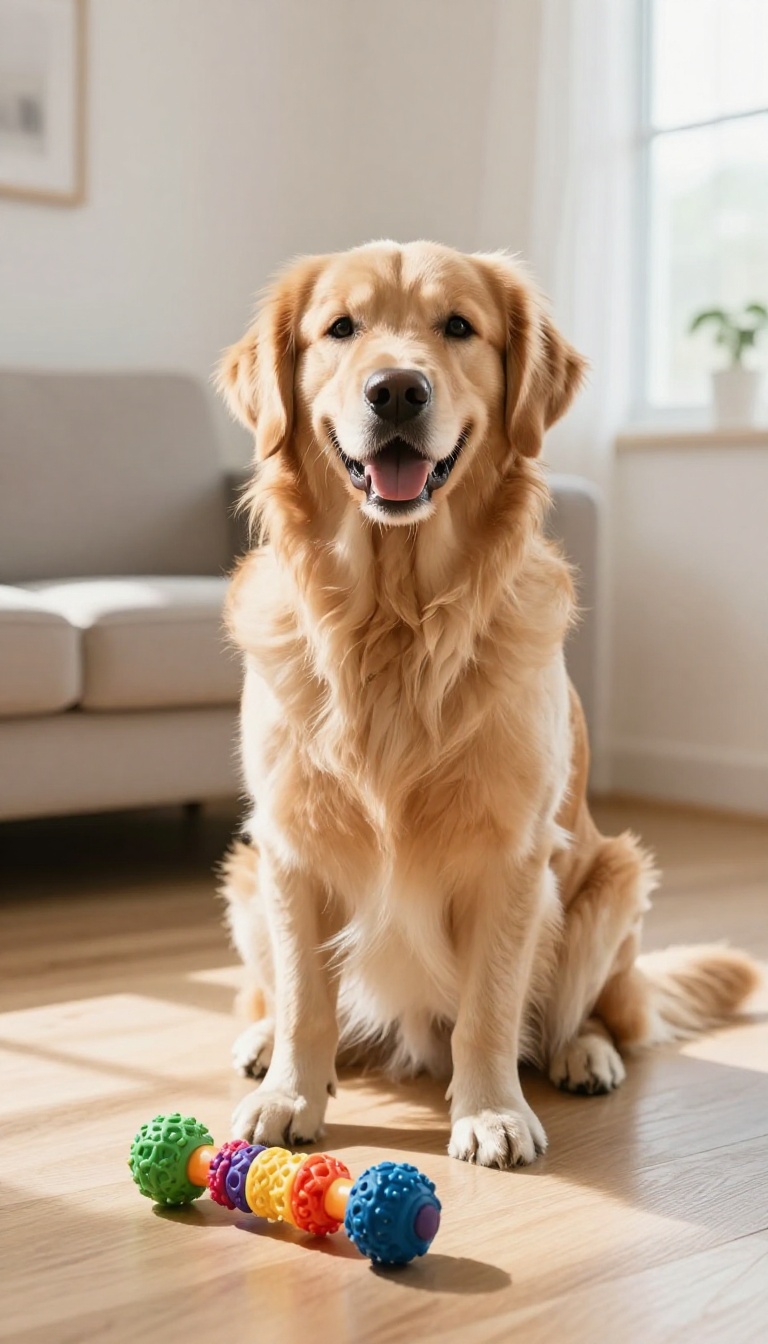
This drill turns your dog's name into a powerful cue that cuts through the noise. It's simple, but the twist makes all the difference. Instead of just calling your dog when you need them, you'll practice in a way that teaches them to check in with you eagerly, even when something else grabs their attention.
Start in a quiet room with no distractions. Say your dog's name in a happy, upbeat tone. The moment they look at you, mark with a clicker or a clear "yes!
" and reward with a high-value treat. Repeat this a few times until your dog is looking at you quickly and expectantly. Now, add the twist: introduce a mild distraction.
Place a favorite toy on the floor a few feet away, or have a family member walk through the room. Say your dog's name. If they turn to you, mark and reward generously.
If they don't, no big deal – just wait a moment, try again, or make the distraction easier. The goal is to set your dog up for success, not to test them.
Why The Twist Works
Most dogs learn to ignore their name because it's overused and rarely leads to anything exciting. By pairing their name with a reward in the presence of distractions, you're teaching them that checking in with you is always worth it. This builds a strong, automatic response that holds up in real-world situations.
How To Add Difficulty Gradually
Once your dog is nailing the drill with a toy on the floor, increase the challenge. Have someone bounce a ball nearby, or move to a slightly busier room. Always keep it manageable – if your dog struggles, dial it back.
The key is to progress slowly so your dog stays confident and engaged.
Common Mistakes To Avoid
Don't repeat your dog's name over and over. Say it once, and if they don't respond, wait a few seconds and try again. Also, avoid using a stern tone – you want your dog to associate their name with positivity, not a warning.
Keep sessions short, just a few minutes, and end on a high note.
2. The Cookie Toss
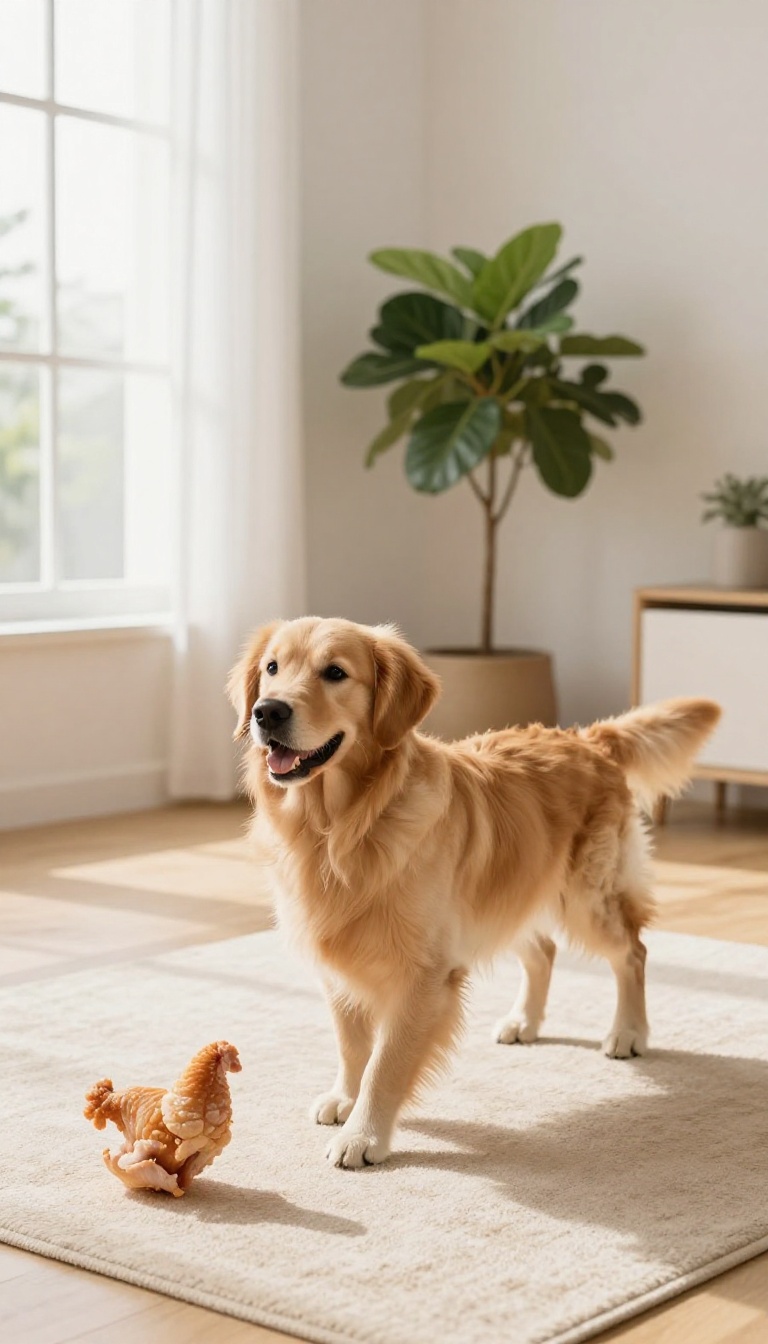
This game is deceptively simple, but it works wonders. You toss a treat a few feet away, and while your dog is busy gobbling it up, you call their name. The moment they turn back to you, you reward them with something even better.
It's a quick, fun way to teach your dog that checking in with you always pays off, even when they're distracted by something tasty.
The Cookie Toss is all about building a habit. When your dog hears their name, they should automatically look at you, expecting something great. By turning this into a game, you're making it rewarding and exciting.
Plus, it's easy to practice anywhere—inside, in the backyard, or even on a walk. The key is to start in a low-distraction area and gradually add more chaos as your dog gets better.
Why It Works
Dogs are naturally motivated by food, so tossing a treat gives them a moment of satisfaction. But then, when they hear their name and come back, they get an even better reward. This creates a powerful association: responding to their name leads to something awesome.
Over time, your dog will start checking in with you more often, even when they're busy with something else.
How To Play
Start with your dog on a leash or in a quiet room. Toss a low-value treat a few feet away. As soon as they reach it, say their name in a happy, upbeat tone.
The second they look at you, mark it with a 'yes! ' and give them a high-value treat, like a piece of chicken or cheese. Keep the sessions short—just 5-10 repetitions—so your dog stays excited and engaged.
Leveling Up
Once your dog gets the hang of it, make it harder. Toss the treat farther, or do it in a busier environment like a park. You can also try waiting a second or two before calling their name, so they have to make a choice to come back.
The goal is to build a reliable response no matter what's happening around them.
3. The Doorbell Drill
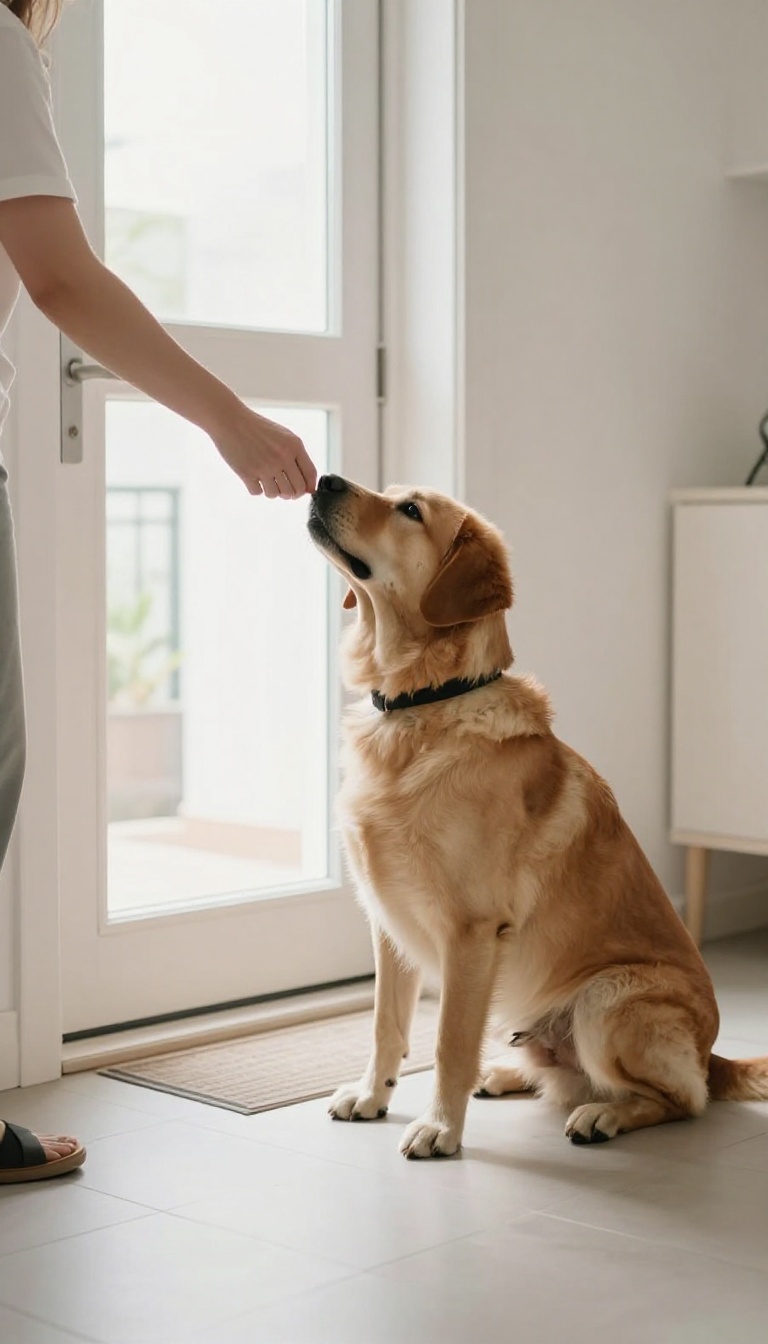
Doorbells and knocks are like magic triggers for most dogs. One sound and they're off to the door, barking and spinning before you can blink. That's exactly why it's such a great training tool.
When you can keep your dog calm during this everyday chaos, you're building serious focus that carries over to other distractions.
The Doorbell Drill is all about teaching your dog that the doorbell doesn't mean excitement—it means staying calm and looking to you for guidance. You'll start with a friend (or a phone recording) and practice a simple sit-stay while the sound happens. The key is to reward the calm, not the barking.
Why The Doorbell Works
Doorbells are unpredictable, loud, and often signal visitors—everything a dog finds thrilling. By using it as a training cue, you're turning a high-energy moment into a chance for focus. Plus, it's a real-world distraction, so your dog learns to listen in a situation that actually happens at home.
Setting Up The Drill
Start with a friend outside and your dog on a leash or in a sit-stay a few feet from the door. Have your friend ring the bell once, softly. The instant your dog stays seated and doesn't bark, mark with a 'yes' and drop a treat.
If they break, just reset and try again. Keep the first sessions short—just a few rings—so your dog doesn't get overwhelmed.
Raising The Bar
Once your dog handles a soft ring, gradually increase the volume or have your friend knock. You can also add movement by having your friend open the door a crack. The goal is to keep the sit-stay solid while the distraction gets harder.
Over time, your dog will learn that the doorbell means 'look at me, not the door. '
4. The Backyard Setup
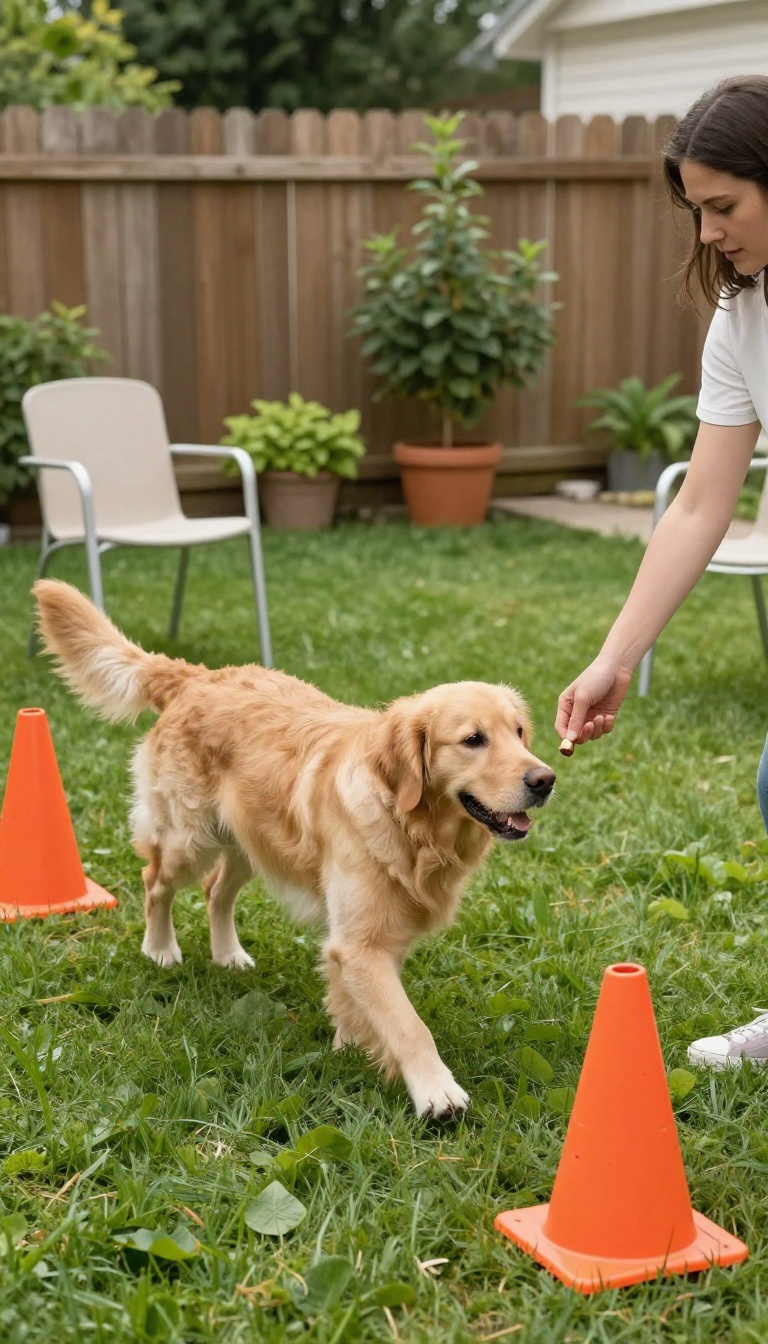
Your backyard might feel boring to you, but to your dog, it's a treasure trove of smells, sounds, and movement. That makes it a perfect training ground. This drill turns your own outdoor space into a mini obstacle course, teaching your dog to ignore visual clutter and stay locked on you.
Set up a few cones, chairs, or even laundry baskets in a loose pattern across your yard. Then practice heeling or recall while weaving through the obstacles. The goal is to make your dog's focus stronger than their curiosity about the environment.
Start Simple
Begin with just two or three obstacles spaced far apart. Walk a simple pattern while your dog heels beside you. Reward every moment of eye contact.
Keep sessions short—five minutes is plenty. The point is to build success, not frustration.
Add Motion
Once your dog can heel past static objects, add some movement. Toss a toy or a treat near an obstacle, but don't let your dog get it. Instead, reward them for staying focused on you.
This teaches them that ignoring distractions leads to better rewards.
Mix It Up
Change the layout every few days. Rearrange cones, add a new chair, or move the course to a different part of the yard. This prevents your dog from memorizing the route and forces them to pay attention to you, not the pattern.
5. The Food Scatter
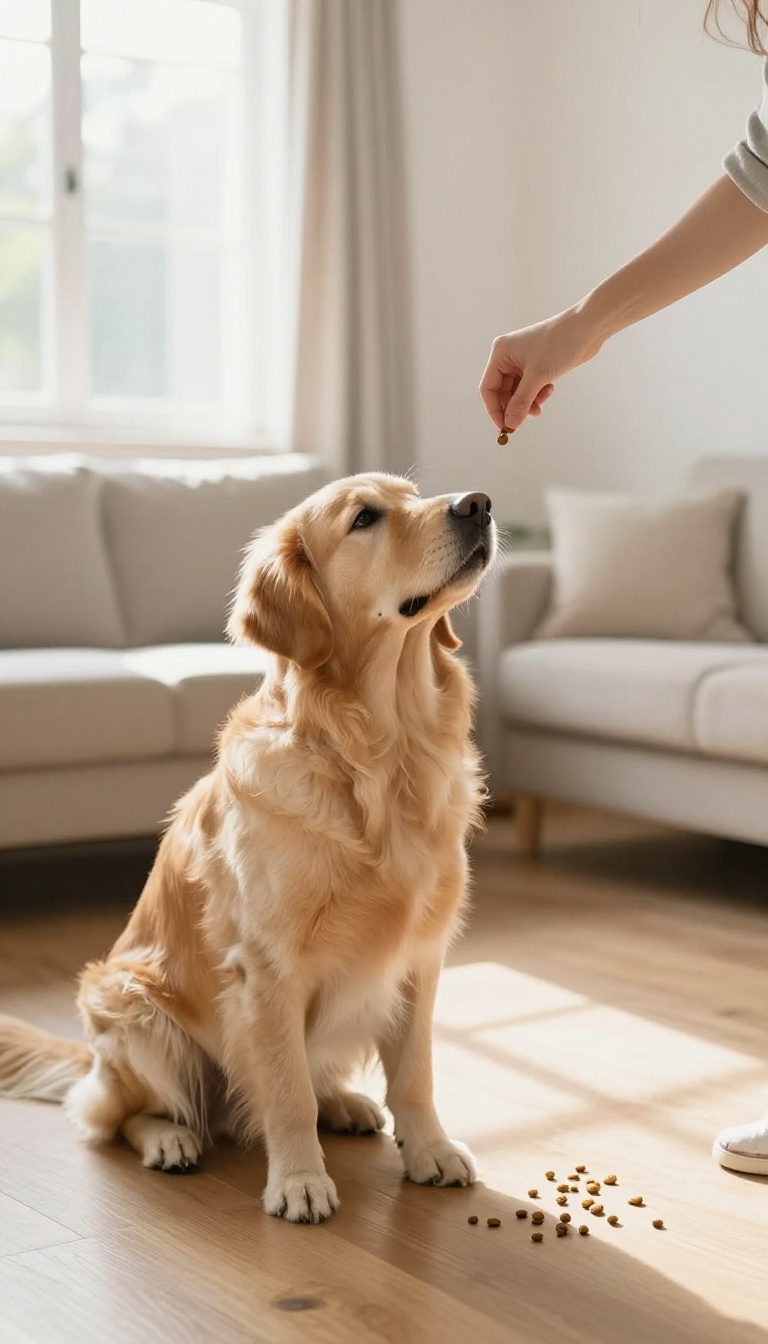
Food on the ground is a major distraction for most dogs. This drill uses that natural temptation to teach impulse control. By practicing 'leave it' with scattered kibble, you're showing your dog that listening pays off more than grabbing a quick snack.
Start with a small handful of kibble or low-value treats. Toss them a few feet away, then ask for a 'leave it'. Wait until your dog looks at you, then give a release cue like 'okay' and let them eat.
This reinforces that patience leads to good things.
Why It Works
The scattered food mimics real-world distractions like dropped snacks or litter on a walk. Your dog learns to check in with you before diving in, which builds a habit of looking to you for guidance in tempting situations.
How To Start
Begin with just a few pieces of kibble on a flat surface. Use a calm tone and keep sessions short, around two to three minutes. Reward your dog with a higher-value treat from your hand when they successfully wait, then release them to the scattered food.
Level Up The Challenge
Once your dog gets the hang of it, increase the value of the food or scatter it in a more distracting area, like grass. You can also add movement by tossing the food as you walk. The goal is to keep the exercise fun but gradually harder.
6. The Park Bench Practice
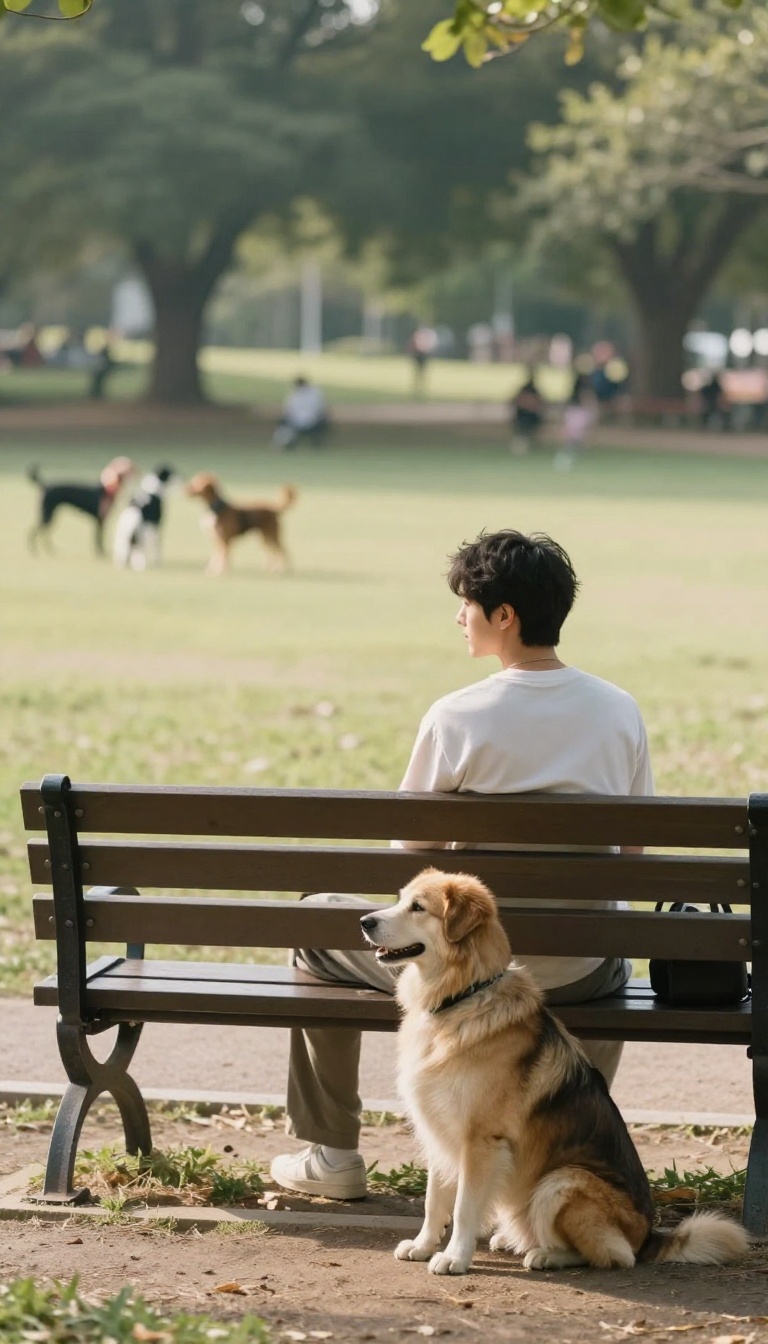
Parks are distraction central—dogs, people, squirrels, and smells everywhere. That’s exactly why they’re perfect for training. The Park Bench Practice turns a busy park into a controlled classroom, starting from a safe distance and closing in as your dog’s focus sharpens.
It’s real-world training without the overwhelm.
Find a bench at the edge of a park where you can see activity but are far enough away that your dog can still focus. Start with simple commands like sit, down, and watch me. Reward every success with a treat and praise.
As your dog gets better, gradually move closer to the action. This builds your dog’s ability to listen amidst real-life distractions, not just at home.
Why Start Far Away?
Distance is your friend at first. Being too close to other dogs or people makes it nearly impossible for your dog to concentrate. Starting far away lets your dog succeed early, which builds confidence and reinforces the habit of listening.
You’re teaching your dog that paying attention to you is always rewarding, even when exciting things are happening nearby.
How To Gradually Move Closer
Move closer only when your dog consistently responds to your commands at the current distance. Take small steps—literally. If your dog starts ignoring you, you’ve moved too fast.
Back up and try again. The goal is to make progress without overwhelming your dog. Over several sessions, you’ll be able to sit right next to the action and still get a reliable response.
Mix Up Your Commands
Don’t just repeat sit and down. Throw in watch me, touch, or a simple recall. Varying the commands keeps your dog engaged and prevents them from tuning out.
Also, change your position—sit, stand, or walk a few steps between commands. This makes the drill more realistic and helps your dog learn to listen no matter what you’re doing.
7. The Toy Temptation
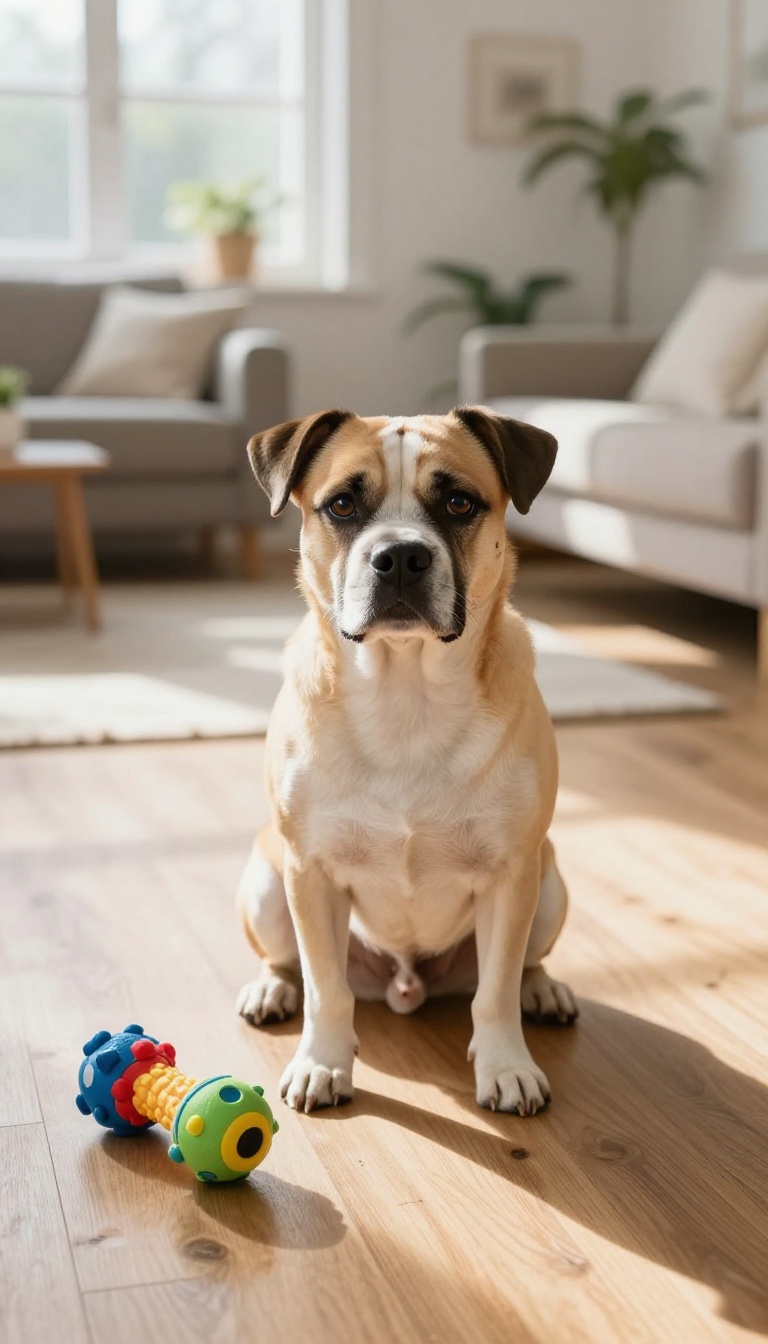
Toys are a dog's best friend, and that's exactly why they make such a powerful distraction. If your pup can ignore a squeaky ball or a tug rope when you ask for a sit, you're building serious focus. This drill turns playtime into a training session without your dog even realizing it.
Why It Works
Toys tap into your dog's prey drive and excitement, which are hardwired instincts. By asking for a behavior before the toy appears, you're teaching your dog that self-control leads to the fun stuff. The key is to reward the sit with the toy itself, not just a treat.
This makes the lesson more valuable because the reward is something your dog truly craves.
How To Run The Drill
Start with your dog on a leash in a low-distraction room. Hold a favorite toy at your side and ask for a sit. The moment your dog's butt hits the floor, say 'yes! ' and immediately engage in a quick game of tug or a few tosses.
If your dog lunges for the toy, simply ignore the attempt and wait. Keep the toy out of reach until they offer a sit again. Repeat this a few times, always rewarding the correct behavior with play.
Level Up The Challenge
Once your dog is nailing sits with the toy in view, start adding more temptation. Toss the toy a few feet away and ask for a sit before releasing them to fetch. Or try this outdoors where there are even more distractions.
You can also increase the duration of the sit before you reward, making your dog hold longer and longer. This builds impulse control that will pay off in real-world situations.
8. The Scent Trail Challenge
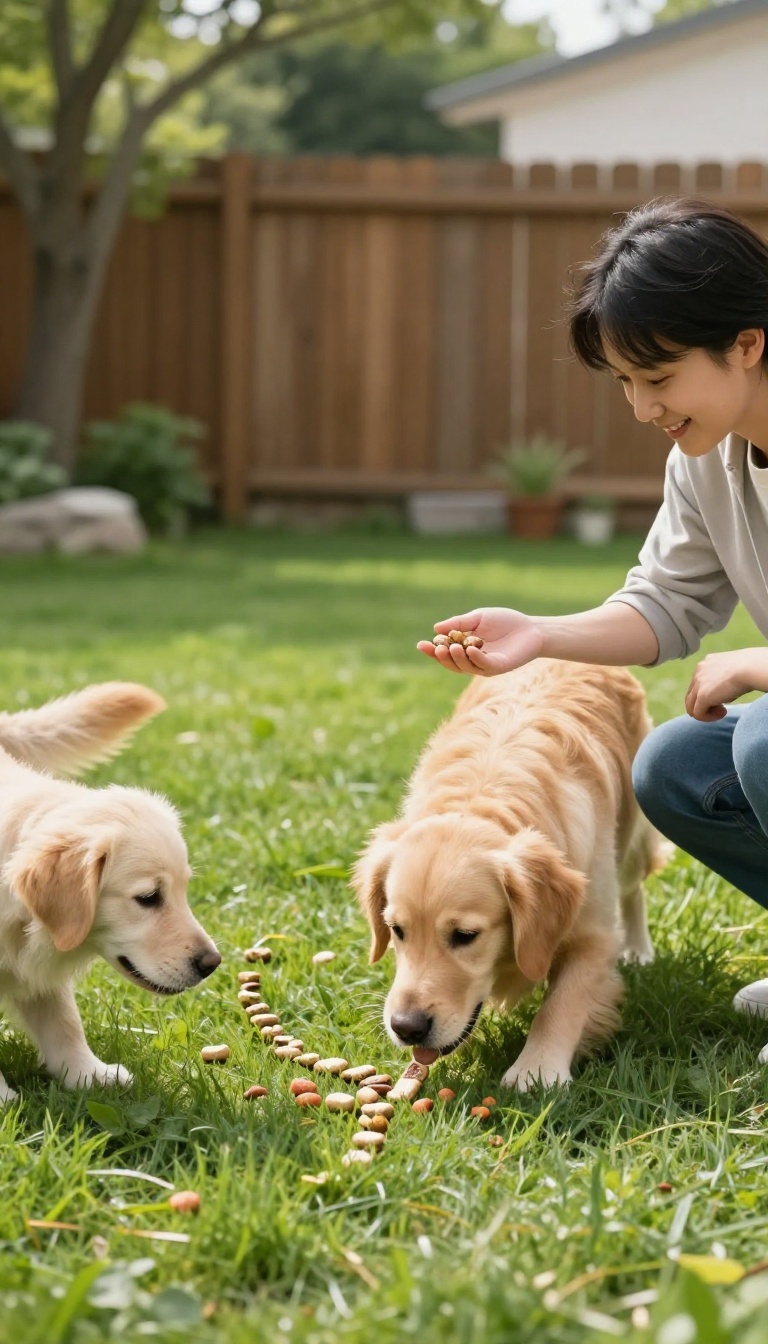
Dogs experience the world through their noses, and that’s often why they ignore you when something interesting is in the air. The Scent Trail Challenge flips that instinct into a listening exercise. You’ll lay a short trail of treats, then call your dog back to you at the end.
It’s a simple way to show that focusing on you leads to rewards, even when their nose is telling them otherwise.
This drill works because it combines two things dogs love: sniffing and treats. By setting up a scent trail, you’re giving them a job to do, but you’re also teaching them that listening to you is part of the game. The key is to start small and build up the difficulty as your dog gets better.
Start Small And Simple
Begin indoors or in a quiet backyard. Place a few treats in a straight line, about a foot apart. Let your dog sniff along the trail, but before they reach the last treat, call their name in a happy voice.
When they turn to look at you, reward them with a treat from your hand. Then let them finish the trail. This teaches them that responding to you is always worth it.
Add A Recall At The End
Once your dog gets the hang of the basic trail, set it up so the last treat is a bit farther away. As they approach it, call them back to you. Use a cue like “come” or “here. ” When they return, give them a high-value reward and lots of praise.
This reinforces that coming to you is even better than any treat on the ground.
Make It A Game
To keep things interesting, vary the trail shape—try a zigzag or a circle. You can also use different treats or even a favorite toy as the final reward. The goal is to keep your dog engaged and excited about listening, even when their nose is busy.
Over time, you can move the trail outside to a park or a busy sidewalk, but always start with a short, easy version first.
9. The Stranger Greeting
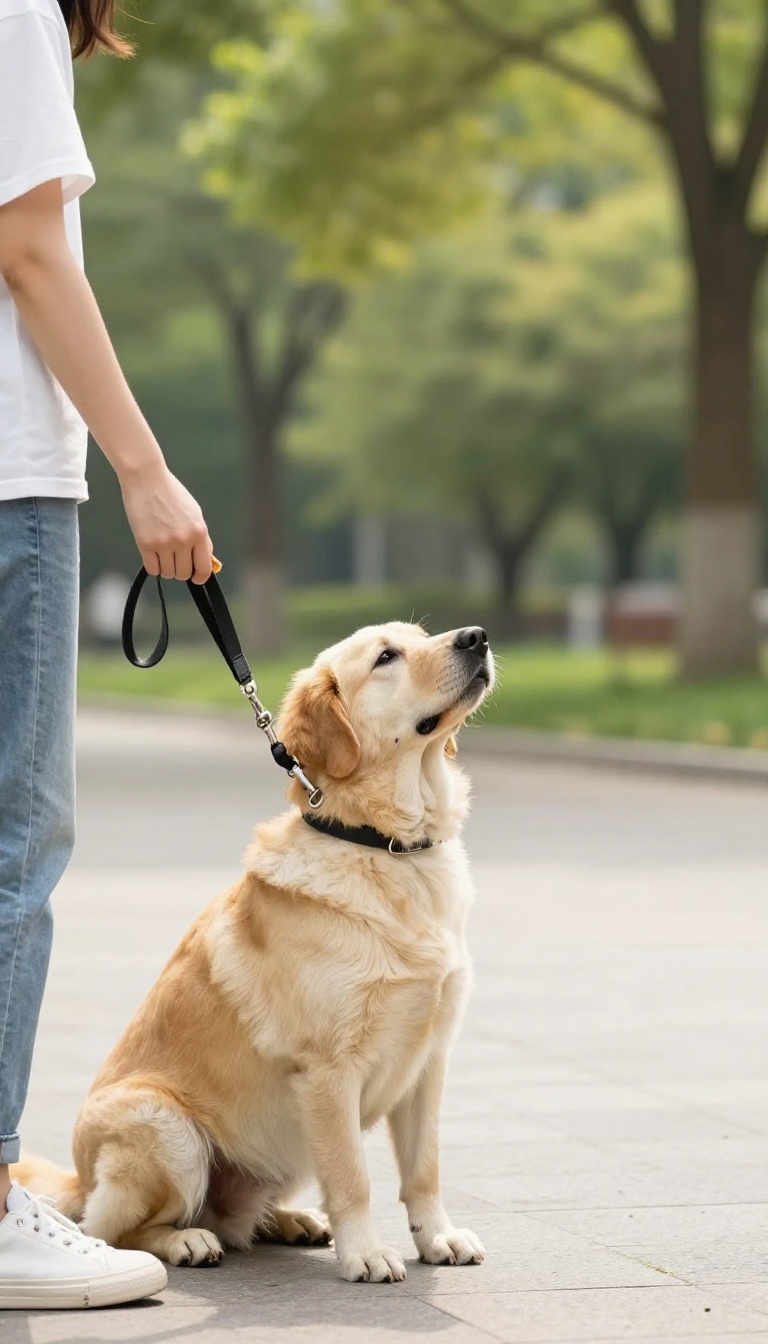
Meeting new people is a daily reality for most dogs, and it's also one of the most common moments when their listening goes out the window. The excitement of a new face can override everything you've taught them. This drill turns that moment into a training opportunity, so your dog learns that calm behavior around strangers is what earns them attention and treats.
This exercise is all about teaching your dog that polite greetings start with focus on you. Instead of letting your dog drag you toward a new person, you'll ask for a sit and stay, then reward them for staying calm as the stranger approaches. Over time, your dog will learn that ignoring the stranger and checking in with you is the fastest way to get what they want.
Set Up For Success
Pick a quiet spot with minimal other distractions. Have a friend stand about 20 feet away. Put your dog on a leash and ask for a sit.
Use a high-value treat to keep their attention on you. The goal is to start easy, so your dog understands what's being asked before you add the challenge of a moving person.
The Approach
Signal your friend to start walking toward you slowly. The moment your dog breaks eye contact or tries to stand, pause the approach. Wait until your dog settles back into a sit and looks at you, then give a treat.
Continue this stop-and-go pattern until your friend is close enough to greet. This teaches your dog that calm behavior makes the person come closer, not pulling or jumping.
Reward The Calm
When your friend reaches you, have them ignore your dog completely for a few seconds. If your dog stays in a sit, let your friend offer a treat from an open palm. If your dog breaks the sit, have your friend step back and try again.
This reinforces that calm, polite behavior gets them the interaction they want. After a few successful reps, your dog will start offering a sit automatically when someone new appears.
10. The Car Window Drill
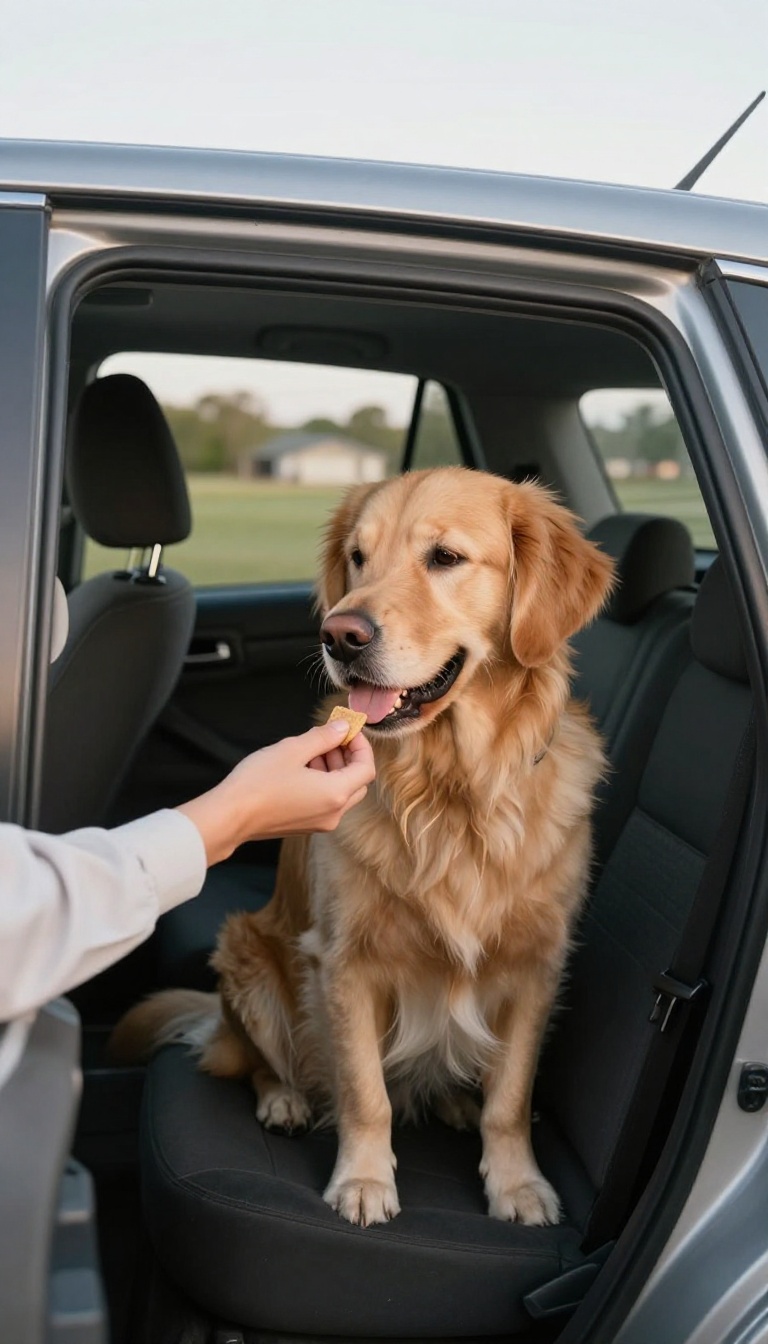
Car rides are pure magic for most dogs—wind in their face, new smells, and the world flying by. That excitement is exactly why your dog's brain goes out the window the moment you roll it down. This drill lets you practice listening in a controlled version of that chaos, without the risk of a loose dog or a distracted driver.
Start in a parked car with the engine off and the windows down. Your dog should be on a leash or safely secured, but still able to see and smell the outdoors. Begin with simple commands like 'sit' or 'down' while you're both just hanging out.
Reward every correct response with a high-value treat. The goal is to build a strong association between the car environment and focused obedience.
Start With The Car Off
Park in a quiet spot first, like your driveway or an empty lot. Keep the windows down just a crack so your dog gets used to the sensation without being overwhelmed. Practice basic commands for a few minutes, then let your dog sniff the air and take in the surroundings.
This low-pressure start helps your dog realize that listening is still rewarding even when things are interesting.
Add Mild Distractions
Once your dog is solid in a quiet setting, move to a slightly busier location—maybe a park entrance or a sidewalk near a road. Keep the windows down and practice commands while people walk by or other dogs are visible in the distance. The key is to keep the distractions manageable so your dog can succeed.
If your dog starts ignoring you, move farther away or roll the windows up a bit until you regain focus.
Simulate The Ride Excitement
To mimic the thrill of an actual ride, have someone sit in the driver's seat and start the engine while you practice commands from the passenger side. The vibration and noise add another layer of distraction. You can even crack the windows fully and let the breeze blow through.
This step is all about building your dog's ability to listen despite the anticipation of a trip.
Turn It Into A Real Trip
Finally, take a short drive to a safe spot like a empty parking lot. Park, roll the windows down, and practice a few commands before letting your dog out. This reinforces that good listening happens before the fun, not just during it.
Over time, your dog will learn that car windows mean a chance to earn treats, not just a free-for-all of smells.
11. The Group Class Simulation
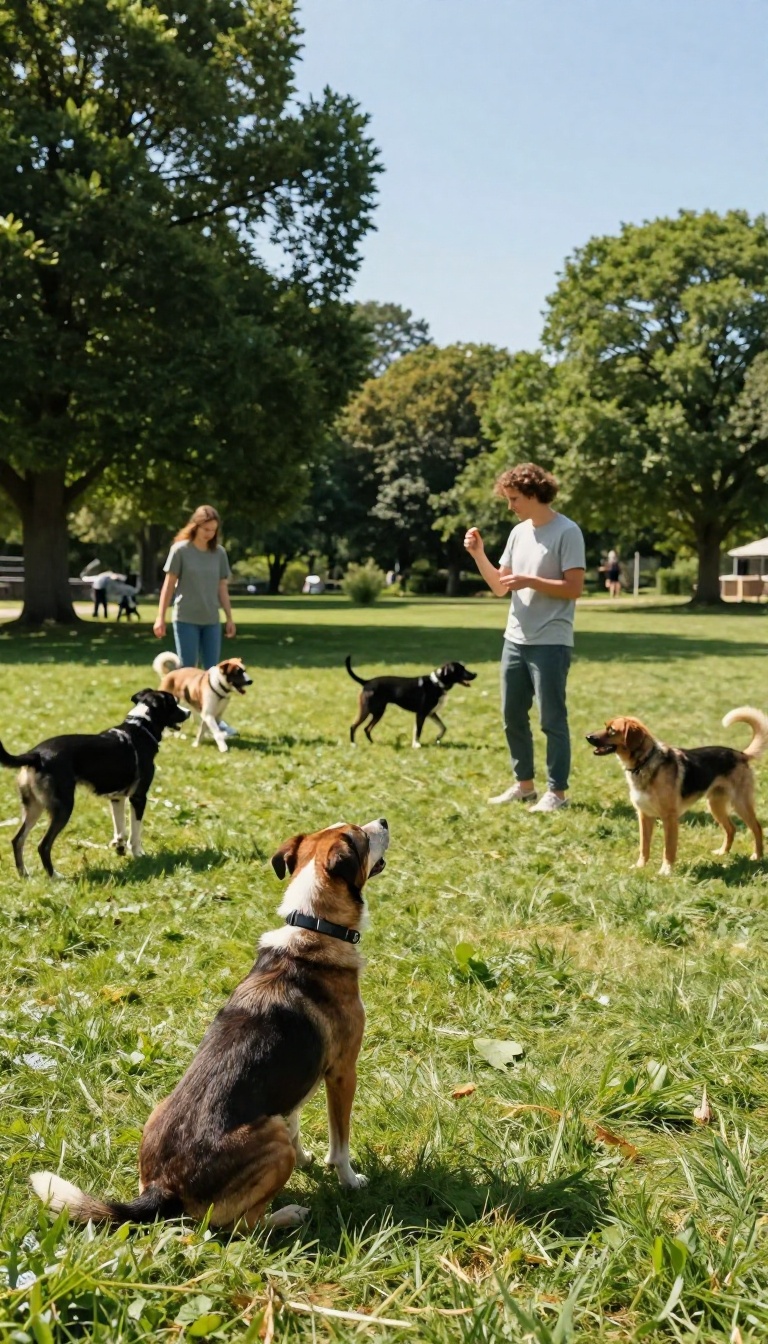
Real group classes are chaotic—multiple dogs, multiple handlers, and a dozen different distractions pulling attention in every direction. You can recreate that energy at home or in a local park without the cost or commitment. This drill is all about teaching your dog to listen when the world feels like a three-ring circus.
Set up a mock training session with a few friends and their dogs. Space everyone out at a distance where your dog can still see the others but isn't overwhelmed. Practice stays, recalls, and simple commands while the other dogs move around.
The goal is to build your dog's ability to focus on you despite the commotion. Start with just one other dog, then gradually add more as your dog improves. You can also simulate group class conditions by having friends walk their dogs in circles, toss toys, or practice their own commands nearby.
This drill teaches your dog that listening to you is more rewarding than joining the chaos.
Why It Works
Group classes are overwhelming because your dog has to filter out multiple sources of excitement. This simulation replicates that environment in a controlled way, so your dog learns to ignore other dogs and focus on your cues. The presence of other dogs also triggers social instincts, making it a high-value distraction that's harder to ignore than a squirrel or a toy.
How To Set It Up
Start by inviting one or two friends with well-behaved dogs. Choose a neutral location like a park or a large backyard. Have everyone stand in a loose circle with plenty of space between each dog.
Begin with simple commands like sit or down, then move to stays and recalls. Keep sessions short—5 to 10 minutes—and end on a positive note with lots of praise and treats.
Troubleshooting Tips
If your dog can't focus at all, increase the distance between dogs or start with the other dogs on leash and stationary. If your dog is too excited, practice this drill after a good exercise session to burn off excess energy. Always reward any moment of eye contact or attention, even if it's brief.
Gradually decrease the distance as your dog becomes more reliable.
FAQ
How long should each distraction drill session last?
Keep sessions short—5 to 10 minutes is plenty. Dogs have short attention spans, and frequent short sessions are more effective than long ones.
What if my dog gets too distracted and won't listen?
If your dog is overwhelmed, you're moving too fast. Go back to a less distracting environment and gradually increase difficulty. Always end on a positive note.
Can these drills work for puppies?
Yes, but adjust the difficulty. Puppies have shorter attention spans, so keep sessions even shorter and use high-value treats. Start with the easiest drills and build up.
Do I need special treats for these drills?
Not necessarily, but high-value treats like small pieces of chicken or cheese can help maintain focus. Use whatever your dog loves most.
How often should I practice distraction drills?
Aim for 3-4 times a week. Consistency is more important than frequency. Regular practice helps your dog generalize the behavior.
Conclusion
Start with one or two drills that match your dog’s current skill level, and keep sessions short and upbeat. The goal isn’t perfection—it’s building a habit of checking in with you, even when life gets noisy. Over time, those small wins add up to a dog who listens more reliably in real-world situations.
Mix up the settings and distractions as your dog improves, but always end on a positive note. Consistency and patience matter more than fancy equipment or long training blocks. With a little practice, you’ll both enjoy walks and outings with far less pulling, barking, or ignoring.

I’m Pallab Kishore, the owner of Little Pets Realm — an animal lover and pet care enthusiast sharing easy tips, healthy recipes, and honest advice to help every small pet live a happy, healthy, tail-wagging life.