
Last updated on August 19th, 2026 at 04:14 pm
Picture this: you're at the park, and your dog spots a half-eaten hot dog on the ground. Before you can react, he's already lunging. A solid 'leave it' command can stop that in its tracks, preventing everything from tummy aches to emergency vet visits.
But 'leave it' isn't just about food. It's about teaching your dog to pause, look to you, and make a safer choice—whether that's ignoring a dropped pill, a tempting squirrel, or a mysterious puddle. The best part?
You can practice these drills anywhere, with just a few treats and a little patience. In this guide, we'll walk through 13 practical drills that build your dog's impulse control step by step.
1. Start with a Closed Fist: The Foundation Drill
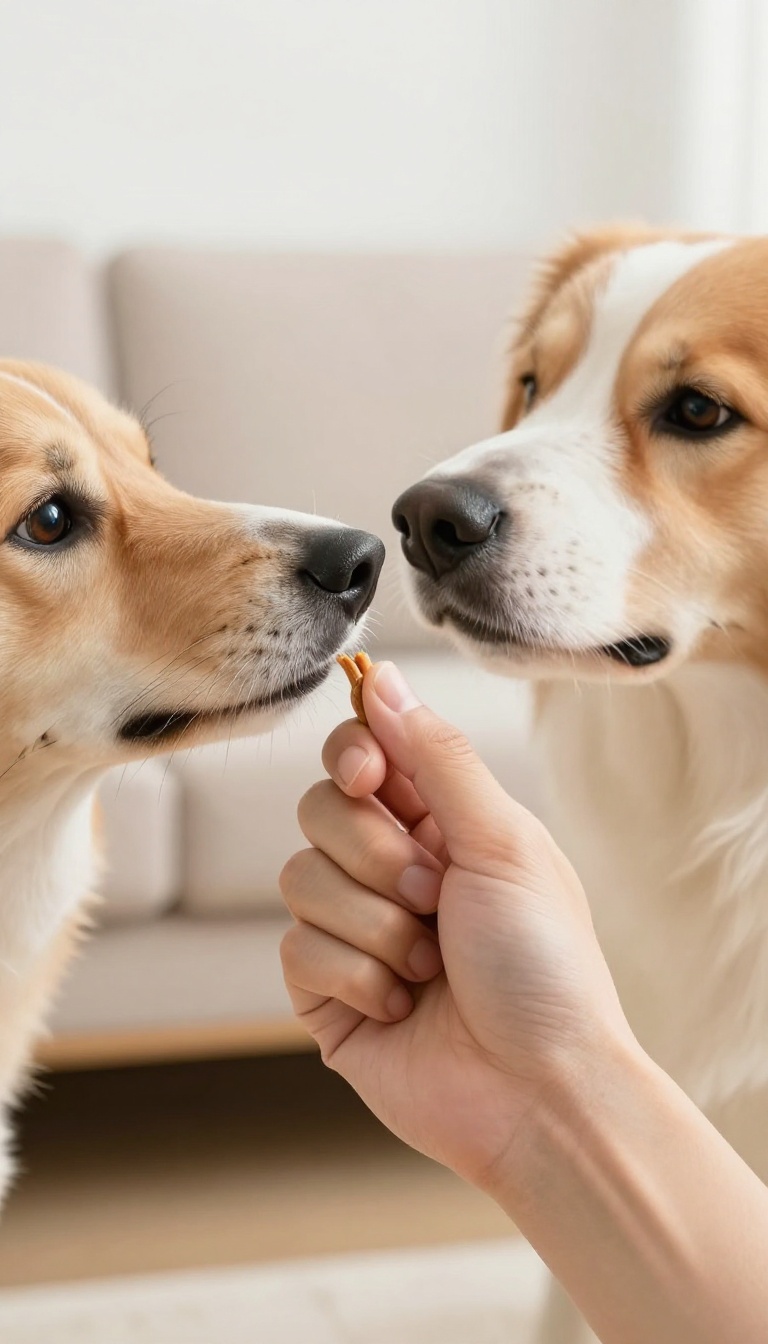
Before you can expect your dog to ignore a steak on the sidewalk, he needs to understand the basic concept of 'leave it. ' The closed fist drill is the perfect starting point because it's safe, simple, and sets the stage for everything else. You're teaching your dog that backing off from something interesting earns him something even better—a treat from you.
This drill is all about teaching your dog that moving away from a tempting item pays off. It's the first step in building impulse control, and it's so easy you can start it in your living room today. The key is to keep the treat hidden in your fist so your dog learns to disengage without any risk of grabbing it.
Why The Closed Fist Works
When your dog sniffs, licks, or paws at your closed fist, he's not getting the treat. The only way he gets it is by pulling back and giving you eye contact. This simple cause-and-effect teaches him that 'leave it' means 'back off and look at me. ' It's a low-pressure way to introduce the command without any frustration.
Step-by-step To Success
Hold a treat in your closed fist and present it to your dog. Let him investigate. The moment he stops trying and moves his nose away—even for a split second—say 'yes' and reward him with a treat from your other hand.
Repeat this several times. As he gets the hang of it, you can wait a little longer before marking, increasing his patience.
Common Mistakes To Avoid
Don't open your fist while your dog is still trying to get the treat, or you'll teach him that persistence pays off. Also, avoid pulling your hand away—that can turn it into a game of chase. Instead, keep your hand still and let him figure it out.
And always reward from the opposite hand so he learns to look away from the temptation.
2. Open Palm, Easy Reward: The First Real Test
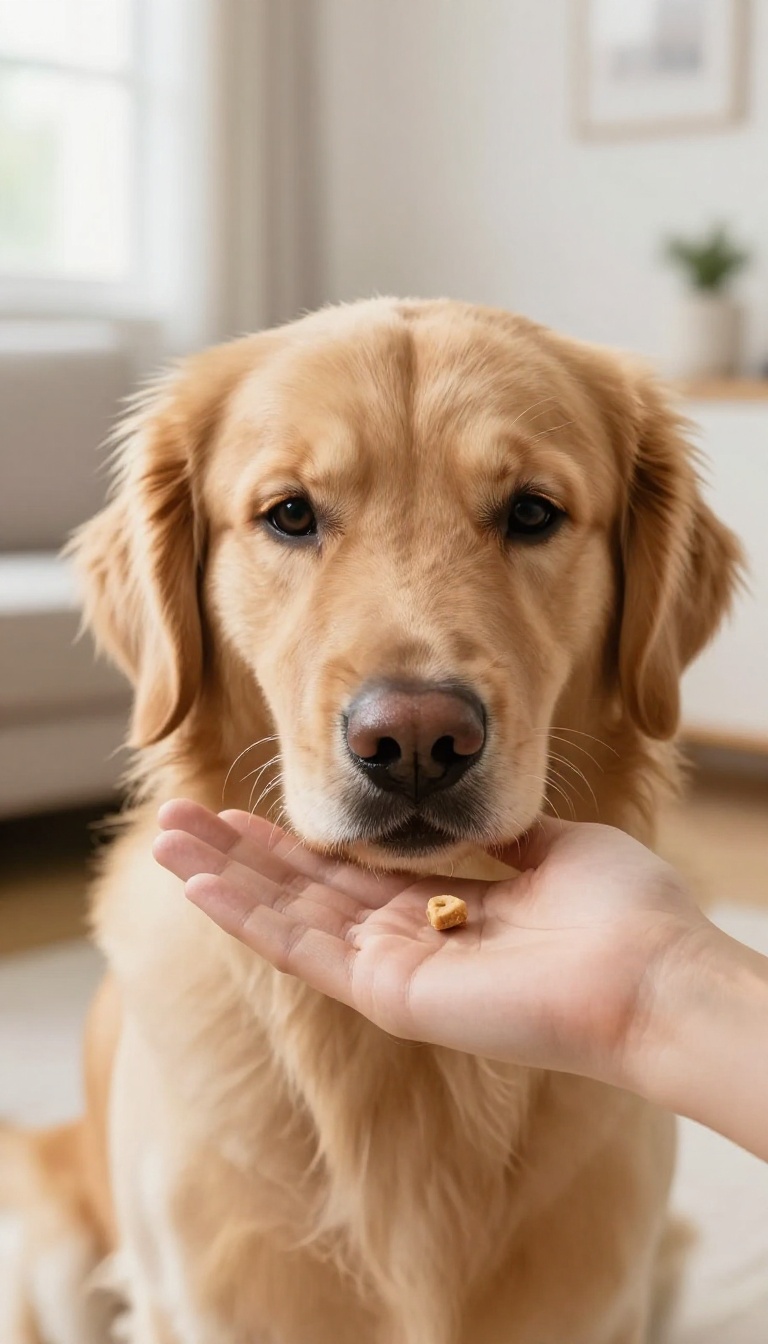
Now that your dog has the hang of the closed fist, it's time to level up. The open palm is a bigger temptation because the treat is right there, visible and within reach. This drill teaches your dog that 'leave it' means backing off, even when the reward is staring him in the face.
It's a small step, but it builds the foundation for real-world distractions.
Start with a treat in your open palm, held flat. Present it to your dog at nose level. If he tries to grab it, close your hand quickly into a fist and say 'leave it' in a calm, firm tone.
Wait for him to pull back—even a tiny pause counts. The moment he does, praise him and give him a different treat from your other hand. Repeat this several times, gradually increasing the time he must wait before getting the reward.
Why Open Palm Feels Different
An open palm is way more tempting than a closed fist. Your dog can see the treat, smell it, and almost taste it. That's why this drill is a real test of self-control.
It forces him to override his natural impulse to grab, which is exactly what you want when he spots a dropped chicken bone on a walk.
Timing Your Reward
The reward should come from your other hand, not the one holding the forbidden treat. This creates a clear distinction: the open palm treat is off-limits, but the reward treat is a win. Keep your movements smooth and quick.
If you fumble, your dog might get confused. Practice with easy treats first, then move to higher-value ones as he improves.
Adding A Verbal Cue
Once your dog consistently pulls back from the open palm, add the verbal cue 'leave it' right before you present your hand. Say it in a friendly but firm tone. Then, when he backs off, mark with a 'yes' or a clicker and reward.
This links the word to the action, so eventually he'll respond to the command alone, even without seeing a treat.
3. Drop It on the Floor: The Classic Food Drop
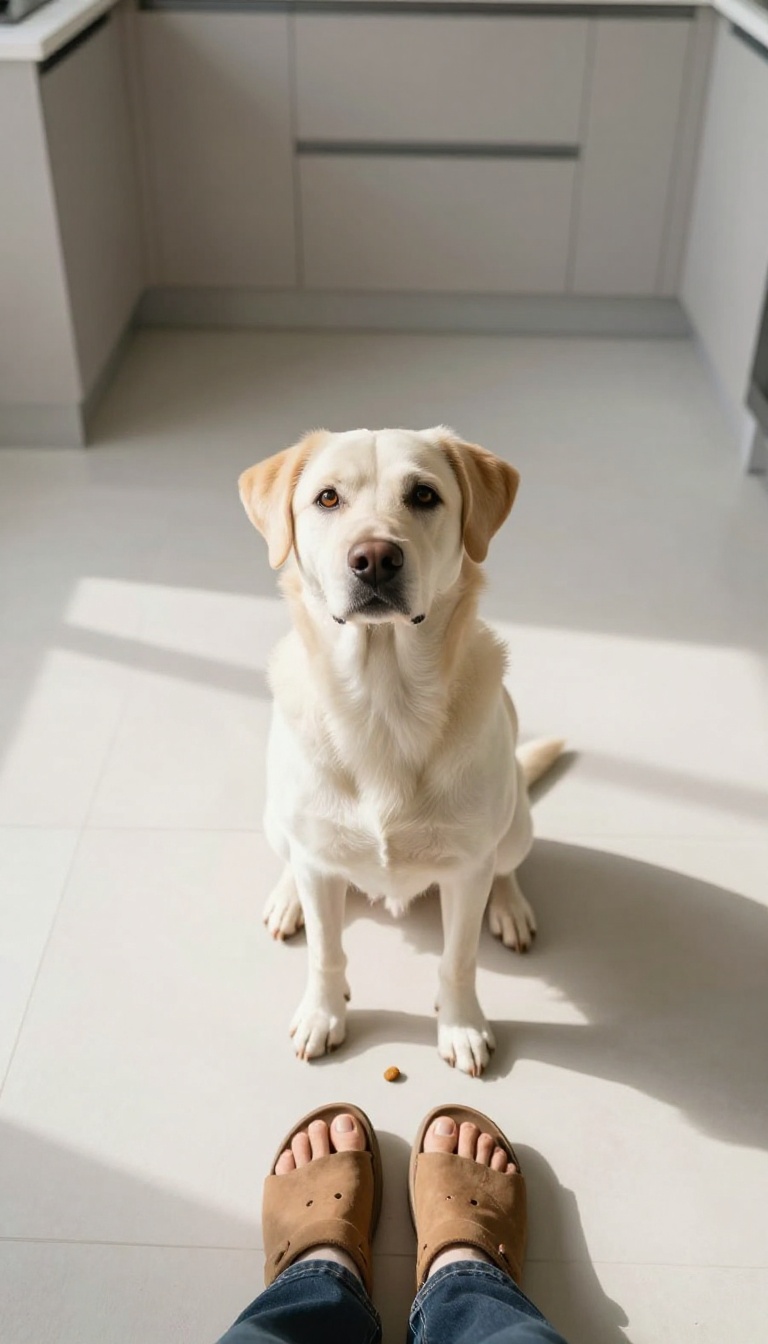
This drill is where the real magic happens. You're moving from your hand to the floor, which is a whole new level of temptation for your dog. It's simple, but it's the foundation for everything else in this list.
Start by placing a low-value treat on the floor, like a piece of kibble. Cover it with your foot or hand so your dog can't snatch it. Say 'leave it' in a calm, clear voice.
The moment your dog looks up at you, even for a split second, mark it with a 'yes! ' and reward him with a high-value treat from your pocket. This teaches him that ignoring the floor treat earns him something even better. Practice this a few times until he's consistently looking at you.
Then, gradually increase the time he must wait before getting his reward. Start with one second, then two, then five, and so on. If he breaks the stay, just cover the treat again and start over.
Keep sessions short and always end on a success.
Why This Drill Works
This drill works because it directly challenges your dog's impulse control. The treat is right there, but he learns that patience and attention to you pay off. It also builds a strong foundation for more advanced 'leave it' scenarios, like ignoring food on a walk or avoiding something dangerous.
Common Mistakes To Avoid
One common mistake is moving too fast. If your dog can't hold for even a second, you're pushing him too hard. Another mistake is using the same treat you're asking him to ignore as the reward.
That's confusing. Always use a higher-value reward from your pocket. Also, don't repeat the command over and over; say it once and wait for the behavior.
How To Progress
Once your dog is solid with a few seconds, start varying the duration randomly. Sometimes ask for two seconds, sometimes five, sometimes three. This keeps him guessing and prevents him from anticipating when the reward will come.
You can also start using more tempting treats, like a piece of chicken or cheese, as the floor item.
4. Walk Past the Temptation: The Moving Drill
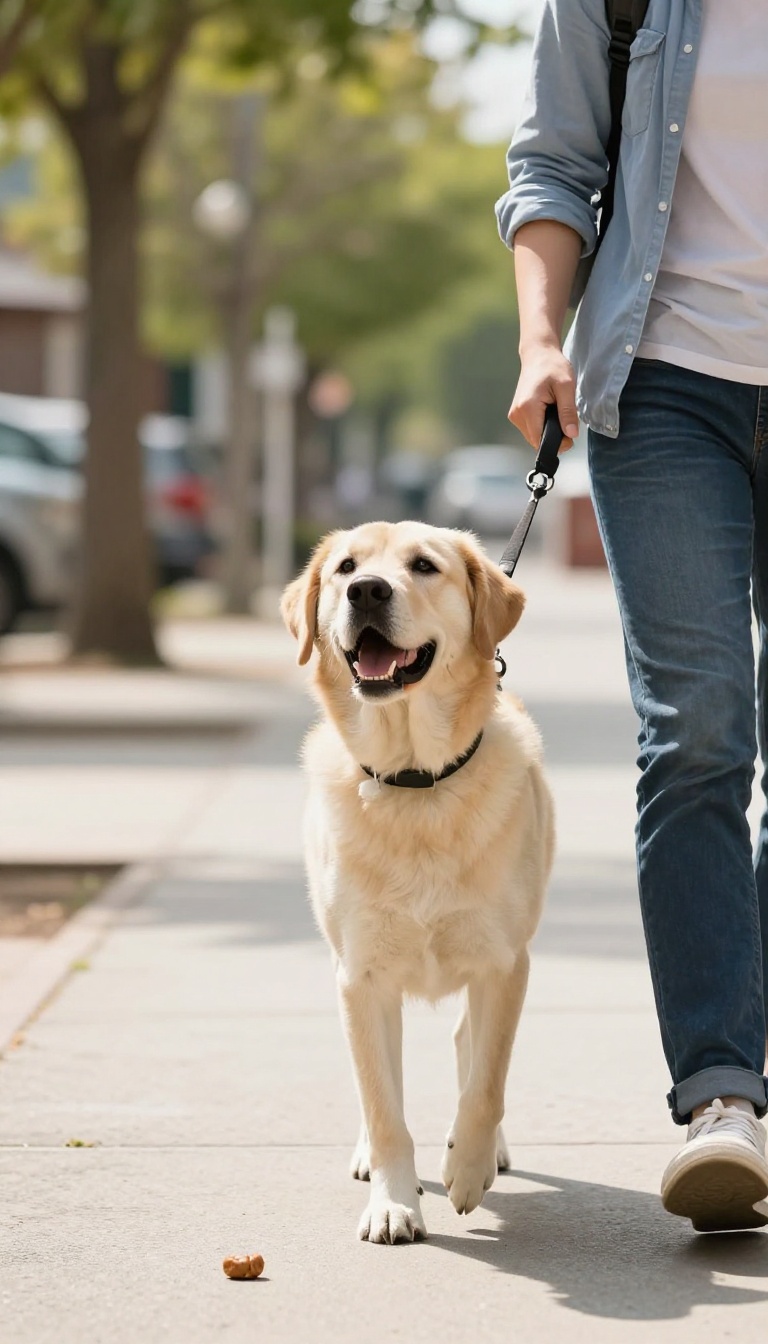
Once your dog has mastered 'leave it' in stationary positions, it's time to bring in motion. This drill mimics real-life scenarios where temptations appear while you're both on the move. Walking past a treat on the ground without stopping is a big step toward reliable impulse control.
This drill is all about teaching your dog that 'leave it' applies even when you're walking. It builds on the basics and adds the challenge of movement, which is where most accidents happen. By practicing this regularly, you'll prepare your dog for the unpredictability of walks.
Why This Drill Matters
Dogs naturally want to investigate interesting smells and objects, especially food. When you're walking, your dog's excitement can override training. This drill reinforces that 'leave it' is a command to follow regardless of speed or direction.
It also strengthens your bond, as your dog learns to look to you for guidance instead of acting on impulse.
How To Set It Up
Start in a low-distraction area like your living room or a quiet hallway. Place a treat on the floor a few feet ahead. With your dog on a loose leash, begin walking toward it.
As you approach, say 'leave it' in a cheerful tone and keep moving. If your dog tries to grab it, stop immediately and wait. Don't pull or yank the leash—just pause until your dog looks at you, then continue.
Reward And Reinforce
The key is to reward your dog for making the right choice. When he walks past the treat without lunging, praise him enthusiastically and give him a treat from your hand (not the one on the ground). This teaches him that ignoring the temptation leads to a better reward.
Over time, you can increase the difficulty by using more tempting items or walking faster.
Troubleshooting Common Issues
If your dog keeps going for the treat, you may have moved too quickly. Go back to a stationary 'leave it' drill and practice more. Also, make sure your tone is upbeat—'leave it' should not sound like a punishment.
If your dog is overly excited, try using a higher-value reward for the correct behavior, like a piece of chicken or a favorite toy.
5. The Drop and Look: Teaching Eye Contact
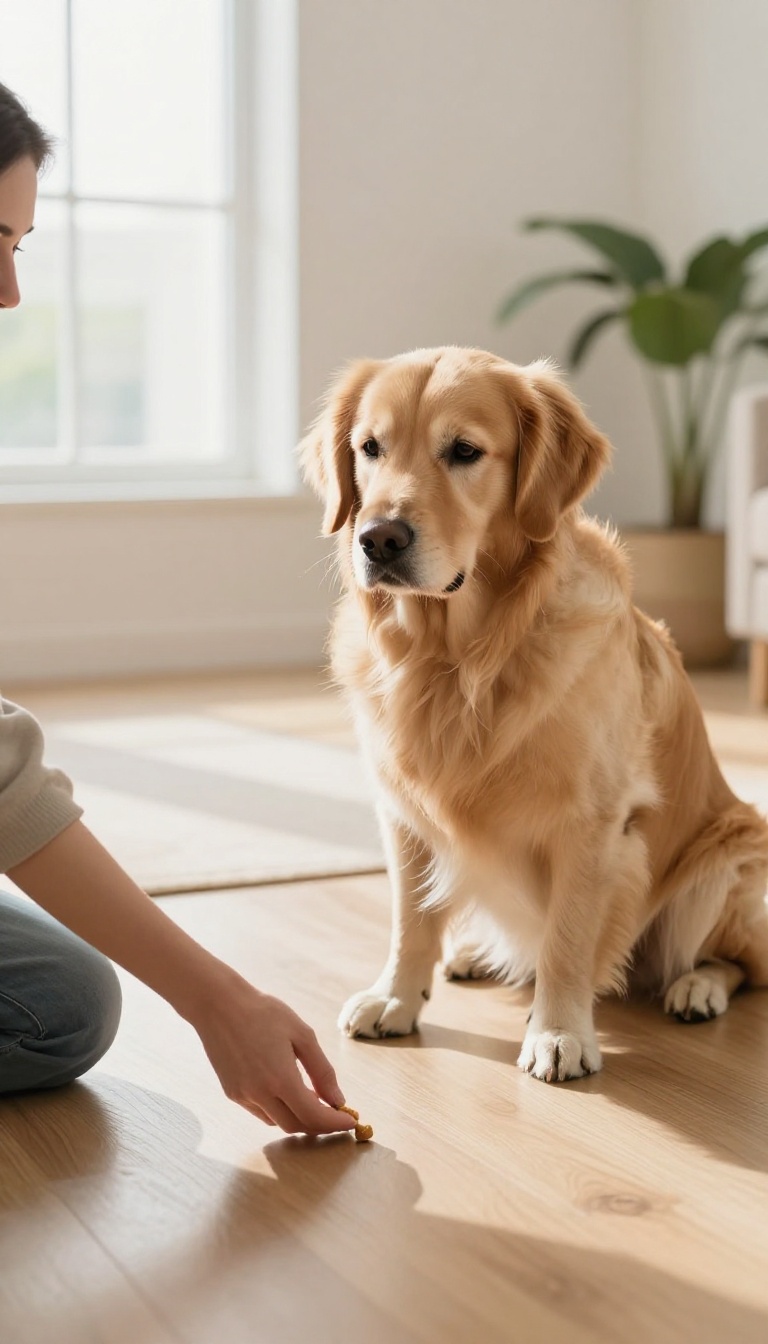
This drill flips the script by letting your dog discover that checking in with you is more rewarding than grabbing that tempting morsel. Instead of giving a command, you simply drop a treat and wait. When your dog looks up at you, mark it with a 'yes' or click, and reward from your hand.
Over time, this builds a default behavior: whenever something interesting appears, your dog will look to you first.
Start with a low-value treat on the floor in a quiet room. Drop it casually, then stand still and wait. Your dog will likely sniff or try to grab it, but when he eventually looks at you—even for a second—mark and reward with a high-value treat from your pocket.
Keep sessions short and positive. As he gets the hang of it, you can increase the value of the dropped item or practice in more distracting environments. The goal is to make eye contact a habit, not just a response to a command.
Why Eye Contact Matters
Eye contact is your dog's way of saying, 'I see you, and I'm ready for direction. ' It's the foundation of communication and impulse control. When your dog learns to look at you automatically, you can redirect his attention before he acts on a bad idea. This drill strengthens that connection and makes 'leave it' more reliable because he's already tuned in to you.
Step-by-step Setup
Choose a low-distraction area. Have a handful of small, soft treats ready—one for the drop, and several for rewards. Drop a treat on the floor, then step back slightly.
Keep your hands empty and your body relaxed. Wait for your dog to glance at you. The moment he does, say 'yes' and give him a treat from your hand.
If he goes for the dropped treat, simply cover it with your foot or pick it up and try again. Don't scold; just reset.
Adding Distractions Gradually
Once your dog is reliably looking at you in a quiet room, start adding mild distractions. Try dropping a treat near a favorite toy, or practice in the backyard. You can also vary the timing—sometimes reward immediately, sometimes wait a few seconds.
This builds patience and reinforces that checking in is always worth it. Over time, you'll see your dog naturally glance at you whenever something catches his eye.
Troubleshooting Common Hiccups
If your dog stares at the dropped treat and never looks up, try making a soft kissy noise or gently tapping your leg to get his attention. The moment he looks, mark and reward. If he's too excited, go back to an easier setting or use a less tempting item.
Keep sessions short and fun—always end on a success. Remember, this is about building trust, not forcing compliance.
6. Leave It for a Toy: Not Just Food
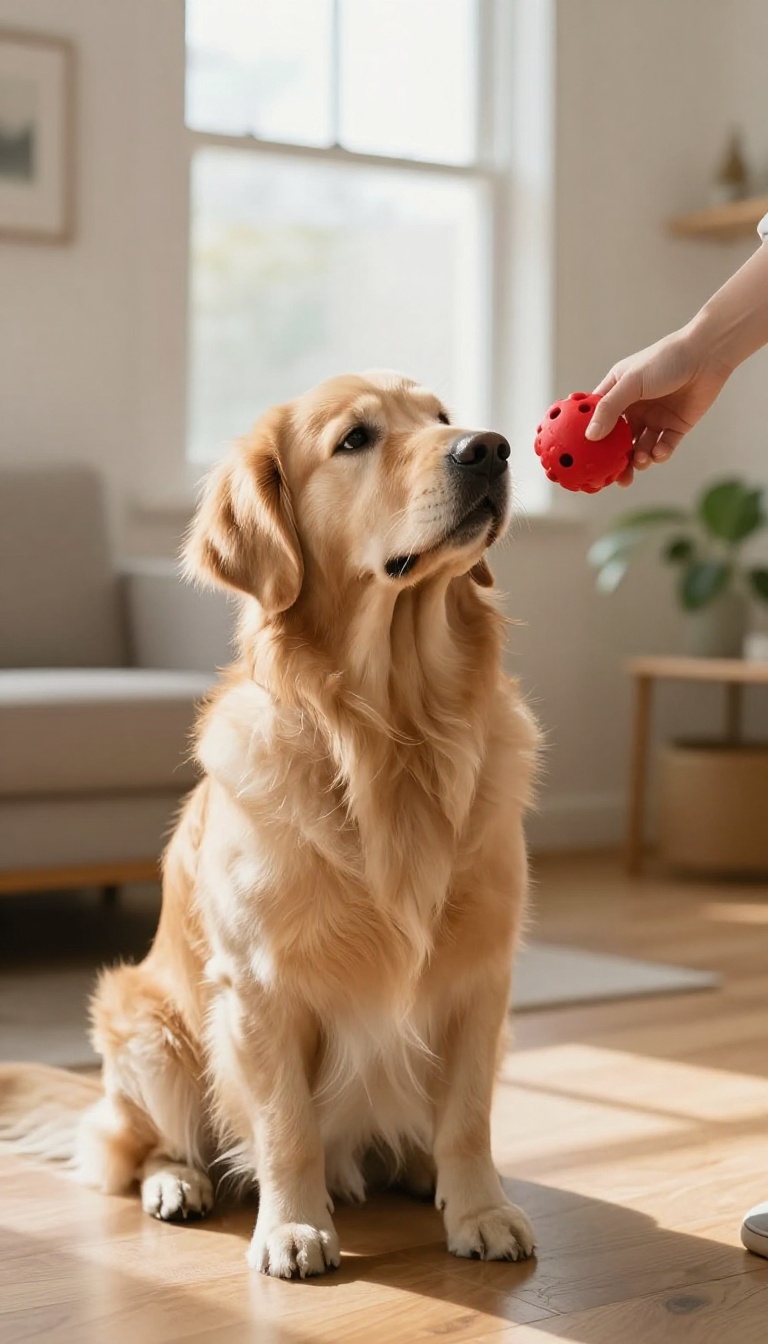
Most people practice 'leave it' with treats, but toys are a whole different ballgame. Your dog's favorite squeaky or tug toy might be even harder to ignore than a piece of kibble. That's why this drill is so important—it teaches your pup that 'leave it' applies to everything, not just snacks.
By using a toy, you're prepping your dog for real-life moments when they might want to chase a ball into the street or grab a stranger's shoe. It's a fun, low-stress way to build impulse control and strengthen your bond.
Start with your dog on a leash or in a quiet room. Hold a favorite toy in your hand and say 'leave it' in a calm, firm voice. If your dog backs off or looks at you, mark it with a 'yes' and reward with a high-value treat or a quick game of tug.
If they lunge for the toy, cover it with your hand or move it behind your back, then try again. Once your dog gets the hang of ignoring the toy in your hand, toss it a few feet away. Keep the leash loose and be ready to reel it in if they make a move.
The goal is for your dog to pause, glance at you, and wait for your release cue before going for the toy. This builds a strong 'check-in' habit that can prevent accidents later on.
Why Toys Are Trickier Than Treats
Toys tap into your dog's prey drive and play drive, which are powerful motivators. A squeaky toy can trigger an instant pounce, even in well-trained dogs. That's why practicing with toys is a great way to proof the command in a more distracting context.
It's not about being mean—it's about teaching your dog that good things come from waiting for your signal.
The Toss-and-wait Game
This is a simple but effective drill. Toss the toy a short distance, say 'leave it, ' and stand still. If your dog starts to move, step on the leash or give a gentle correction.
When they look back at you, praise and reward. Gradually increase the distance and the temptation. This game teaches your dog that ignoring a toy can lead to something even better.
Turning It Into A Tug Reward
One of the best ways to reinforce 'leave it' with toys is to use the toy itself as the reward. After your dog successfully ignores the toy, give a clear release cue like 'take it' and let them grab it. Then engage in a quick tug session.
This shows your dog that listening to you doesn't mean losing out—it means they get to play even more.
7. The Doorway Drill: Impulse Control at Thresholds
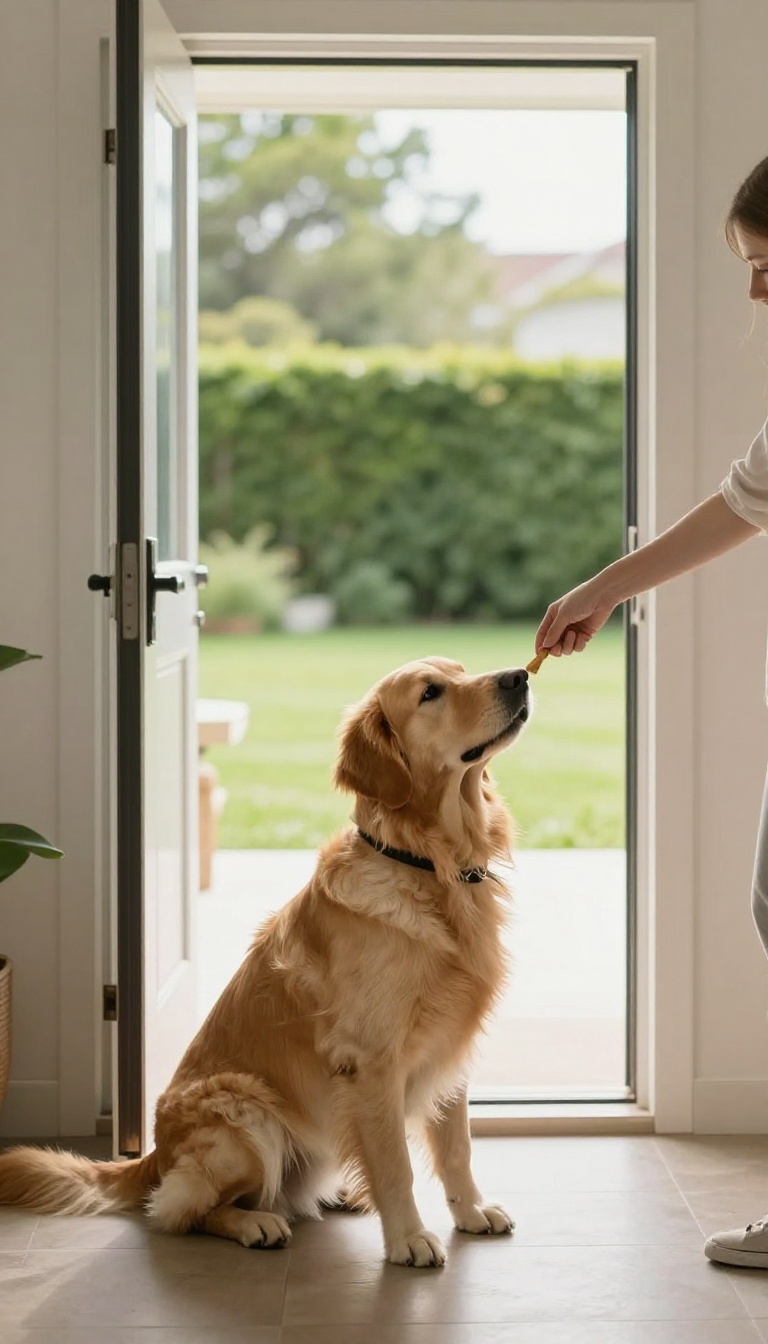
Doorways are like magic portals for dogs—the second that door cracks open, they're ready to rocket through. That's why they're the perfect place to practice 'leave it. ' This drill teaches your dog that staying put at a threshold is way more rewarding than bolting outside. It's a simple, life-saving skill that turns a chaotic exit into a calm, controlled moment.
Start with your dog on a leash, standing a few feet back from the door. Ask for a 'sit' and show him a treat in your closed hand. Open the door just a crack—enough for him to see the outside world.
If he stays seated and doesn't lunge, say 'yes' and reward him. If he moves, close the door and try again. The key is to make the door opening a signal for 'stay put, ' not 'go. '
Why Doorways Are High-risk Zones
Doorways are where most escape attempts happen. A dog who bolts out can run into traffic, get lost, or have a scary encounter. Practicing 'leave it' at the door builds a habit of checking in with you before crossing any threshold.
This isn't just about manners—it's about safety. Every time you practice, you're reinforcing that the door is a boundary, not a starting line.
Step-by-step: The Doorway Drill
Start with the door fully closed. Have your dog sit, then show a treat in your hand. Say 'leave it' and open the door a few inches.
If your dog stays, praise and give the treat. If he moves, close the door and start over. Gradually increase the door opening and the time he must wait.
Always end on a success, even if it's just a tiny step.
Adding Distractions For Real-world Readiness
Once your dog nails the basics, add distractions. Have a friend walk by outside, or toss a toy into the yard. The goal is to keep his focus on you, not the exciting stuff beyond the door.
Practice at different times of day and with different doors—front, back, car doors. The more varied your practice, the more reliable the behavior becomes.
8. The Drop and Walk Away: Building Distance
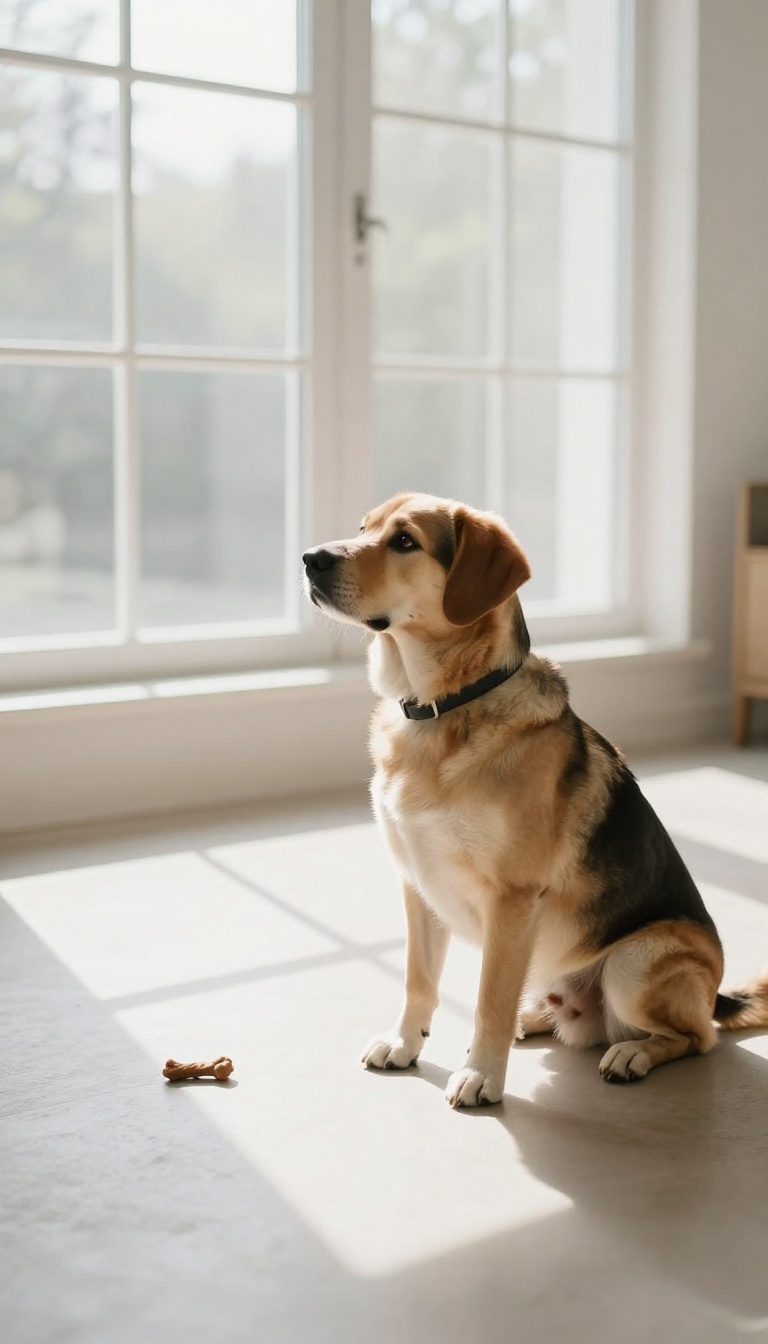
You've taught your dog to leave things alone when you're right there, but what about when you're across the room? Distance changes everything for a dog. The closer you are, the easier it is for them to follow your cue.
This drill builds that distance, so 'leave it' works even when you're not hovering over the temptation.
Start with your dog on a leash or in a quiet room. Place a high-value treat on the floor and say 'leave it' in a calm, firm voice. As soon as your dog looks away from the treat and toward you, mark and reward with a different treat from your hand.
Then, take a single step back. Repeat the process, gradually increasing the distance by a step or two each time. The key is to move slowly—if your dog breaks the stay, you've moved too far too fast.
Back up and try a shorter distance.
Why Distance Matters
When you're close, your body language and voice carry more weight. From a distance, your dog has to rely on the cue alone. This drill strengthens that connection, teaching your dog that 'leave it' means the same thing whether you're inches or yards away.
It's a game-changer for real-world situations, like when you spot something dangerous across the street.
How To Add Distance Gradually
Start with one step away, then return to your dog and reward. Next, try two steps, then three. Keep sessions short—five minutes max—and always end on a success.
If your dog struggles, go back to a shorter distance and build up again. Patience is key; you're building a reliable behavior, not rushing it.
Troubleshooting Common Slip-ups
If your dog keeps breaking the stay, you're probably moving too fast. Slow down and make it easier. Also, check your rewards—use something truly irresistible, like small pieces of chicken or cheese.
And remember to mark the moment your dog looks away from the treat, not when they come back to you. That's the behavior you want to reinforce.
9. The Hidden Treat: Leave It Without Seeing It
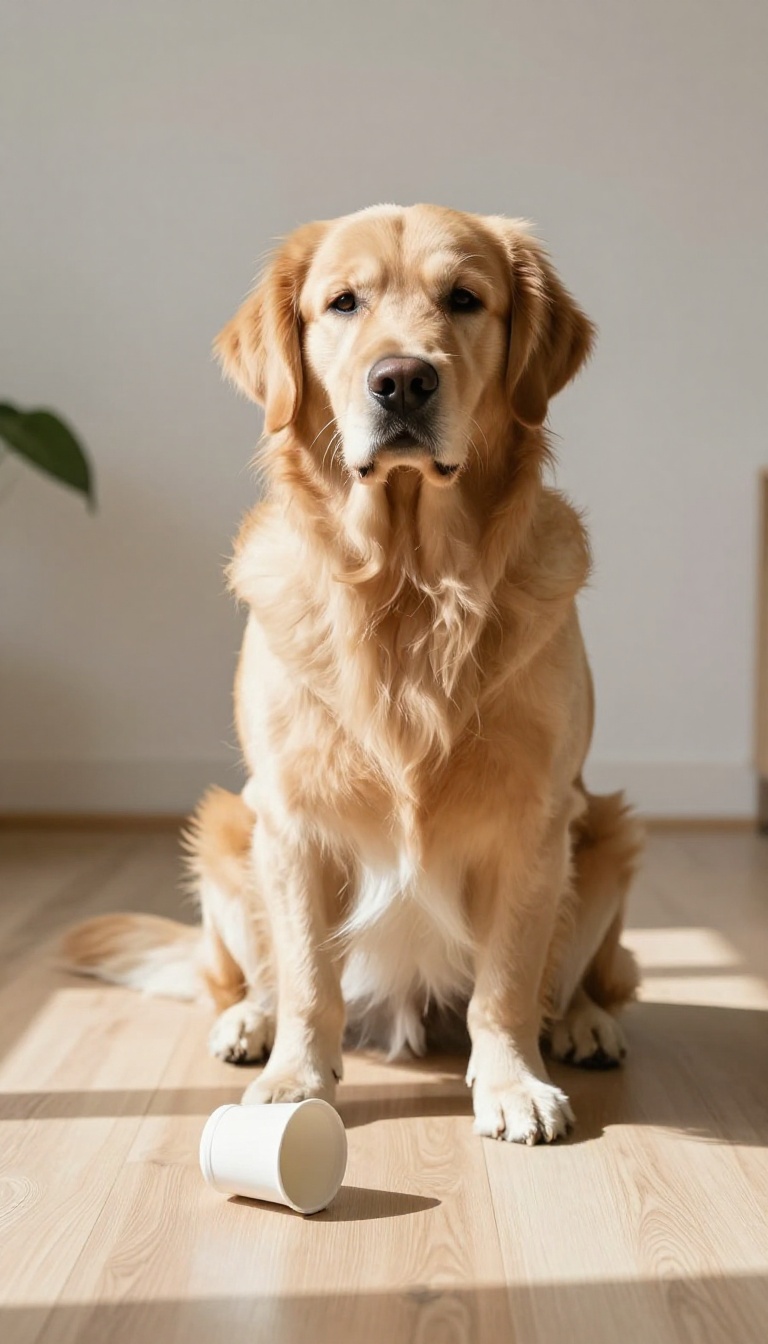
Dogs rely heavily on their noses, and sometimes that can work against you. When a treat is hidden from sight but its scent fills the air, your dog's instinct is to investigate. This drill uses that natural curiosity to build trust in your command, even when he can't see what's there.
By hiding a treat under a cup or behind a box, you're teaching your dog that 'leave it' applies even when the temptation is out of sight. It's a powerful step toward reliable obedience in real-world situations where dangers are often hidden.
This drill is all about teaching your dog to trust your cue over his own nose. It's a great way to strengthen his impulse control and reinforce that you're the one who decides what's safe. Start easy, then gradually increase the challenge as your dog gets the hang of it.
Setting Up The Hidden Treat
Choose a quiet room with minimal distractions. Place a treat on the floor and cover it with a plastic cup or a small cardboard box. Make sure your dog sees you do this—it's part of the learning process.
Have a separate stash of treats in your pocket or on a nearby table for rewarding.
Running The Drill Step By Step
Say 'leave it' in a calm, clear voice, then let your dog approach the covered treat. He'll likely sniff, paw, or try to knock the cup over. Ignore that behavior.
The moment he stops trying and looks at you, mark with a 'yes' or clicker, and reward him with a treat from your stash. Repeat several times, gradually increasing the time he must wait before looking at you.
Why This Drill Works
When your dog can't see the treat, he has to rely on his sense of smell, which is incredibly powerful. By learning to back off even when he knows something is there, he's building the kind of self-control that can prevent him from grabbing something dangerous that's hidden in the grass or under a bush. It also deepens his trust in you—he learns that following your cue always leads to a good outcome.
Taking It To The Next Level
Once your dog is consistently backing off from the covered treat, start hiding it in more challenging spots. Try placing it behind a box, under a towel, or even in another room. You can also practice without letting him see you hide it, so he has to rely purely on your cue.
Remember to keep sessions short and positive, ending on a success.
10. The Distraction Drill: Leave It with Other Dogs
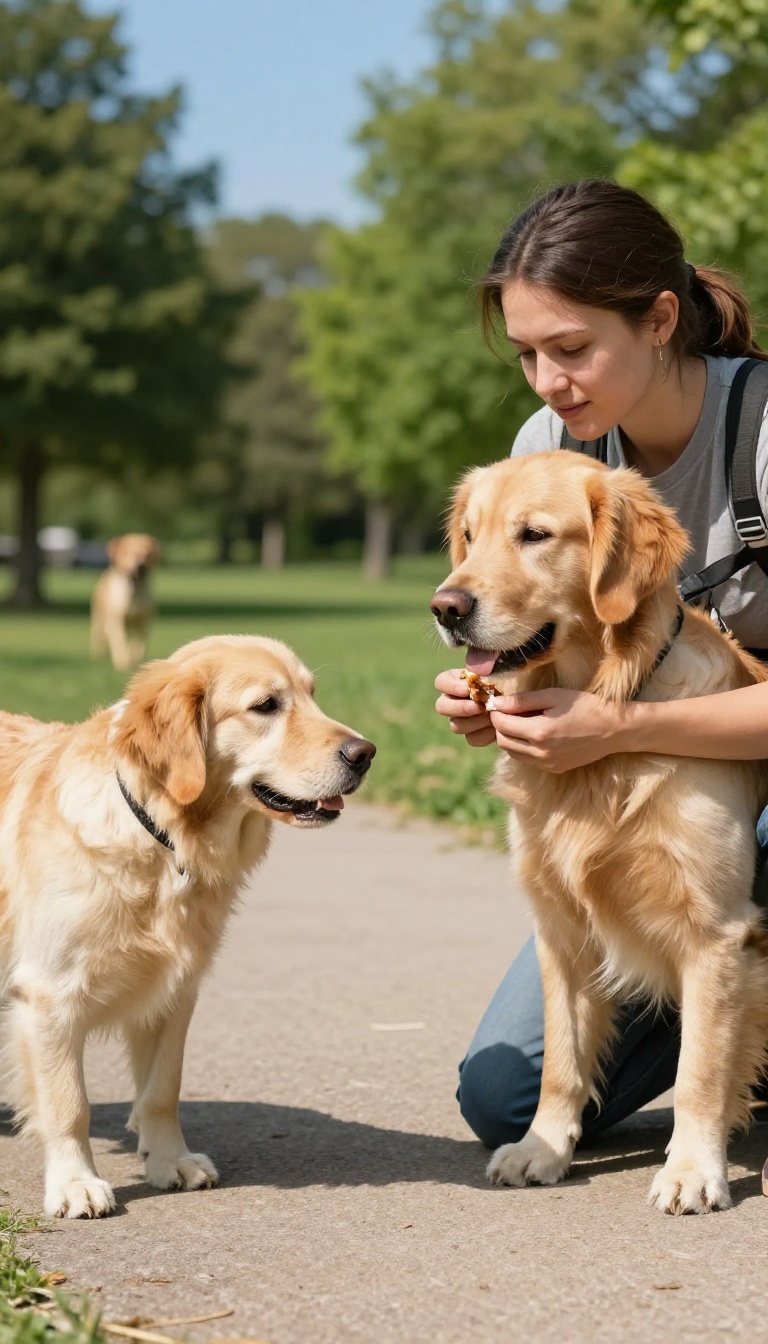
Practicing 'leave it' with food is one thing, but real life throws way bigger distractions at your dog—like another dog trotting by. If your pup gets overly excited or reactive around other dogs, this drill is a game-changer. It teaches him to break eye contact with the other dog and check in with you instead, which is a huge safety win.
Start in a quiet area where you can see another dog from a distance, but your dog is still calm enough to focus. Have high-value treats ready. The moment your dog notices the other dog, say 'leave it' in a cheerful tone.
As soon as he looks at you, mark and reward. Gradually close the distance over multiple sessions, always keeping your dog under threshold.
Start Far Enough Away
The key is to begin far enough away that your dog isn't already overexcited. If he's barking or lunging, you're too close. Back up until he can notice the other dog without losing his cool.
That's your starting point.
Use A High-value Cue
Your regular 'leave it' might not cut it when another dog is involved. Use a special cue like 'look' or 'watch me' that you've practiced a lot. Pair it with a super tasty treat, like chicken or cheese, so the reward is worth ignoring the other dog.
Practice In Real-life Settings
Once your dog is solid at a distance, practice in more realistic scenarios—like on a walking trail or at the edge of a park. Keep sessions short and always end on a positive note. Over time, your dog will learn that seeing another dog means good things happen when he looks at you.
11. The Drop and Retrieve: Leave It Then Take It
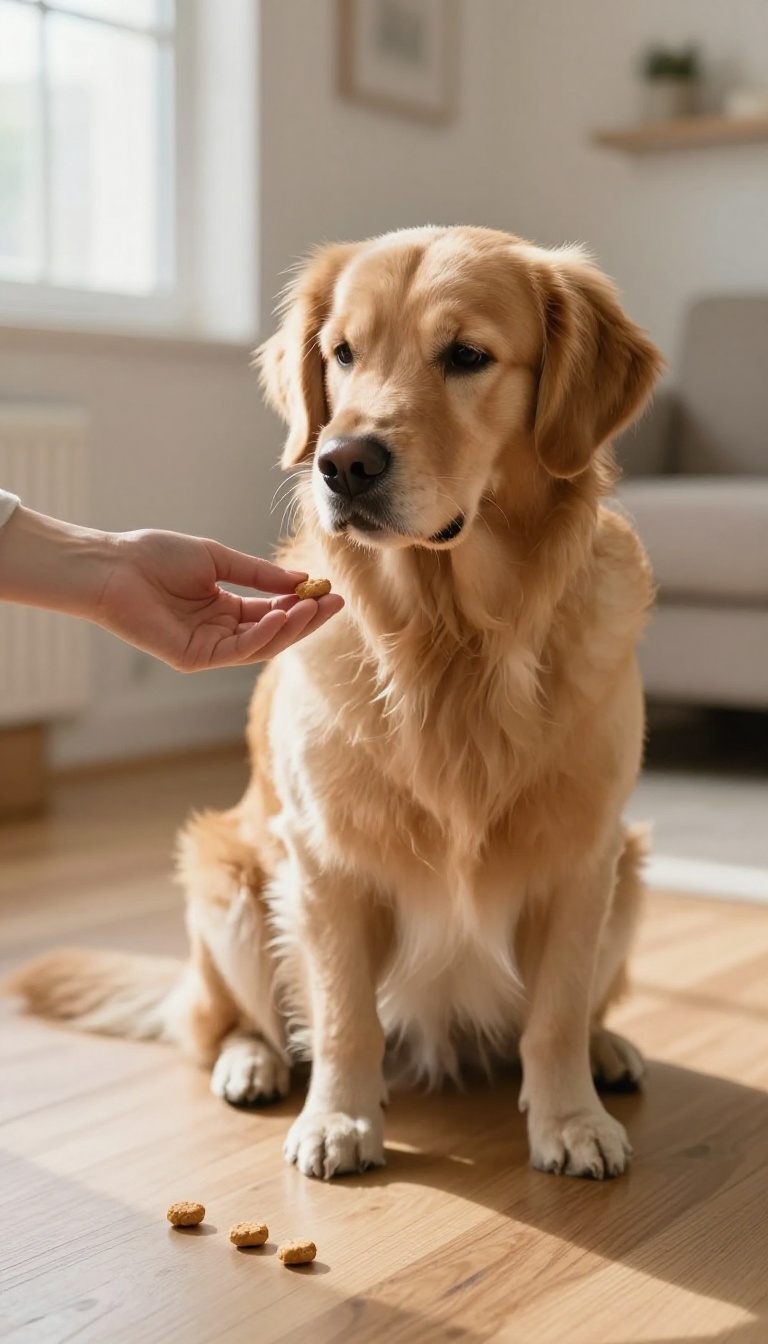
Teaching 'leave it' can feel like you're always saying no. But this drill flips that by turning it into a game of 'wait for it. ' Your dog learns that leaving something alone isn't the end of the world—it's just a pause before the reward. It's a great way to build impulse control while keeping training fun.
This drill is all about teaching your dog that 'leave it' doesn't mean 'never. ' You'll drop a treat, say 'leave it, ' and then give a release word like 'okay' to let him eat it. This teaches your dog to wait for permission, which is super useful in real life—like when he's about to snatch something off the coffee table or grab a snack from the floor. The key is to make the release word clear and consistent, so your dog knows exactly when it's safe to go ahead.
Start With An Easy Setup
Begin with your dog on a leash or in a sit-stay. Drop a low-value treat on the floor, not too close. Say 'leave it' in a calm, firm voice.
The moment your dog looks at you instead of the treat, mark it with a 'yes' or a click, then say 'okay' and let him eat it. This quick sequence builds the connection between ignoring the treat and getting permission to take it.
Add Distance And Duration
Once your dog gets the hang of it, start increasing the distance between you and the treat. Drop the treat a few feet away, then a few more. Also, stretch the time between 'leave it' and 'okay'—start with one second, then two, then five.
This teaches your dog to hold the 'leave it' even when the treat is farther away or when he has to wait longer.
Practice With Real-life Distractions
The ultimate goal is to have your dog 'leave it' in real situations. Try this drill with more tempting items—like a piece of chicken or a toy. You can also practice in different locations, like the park or a busy sidewalk.
The more you practice in varied settings, the more reliable your dog's response will be when it really counts.
12. The Emergency Leave It: High-Stakes Situations
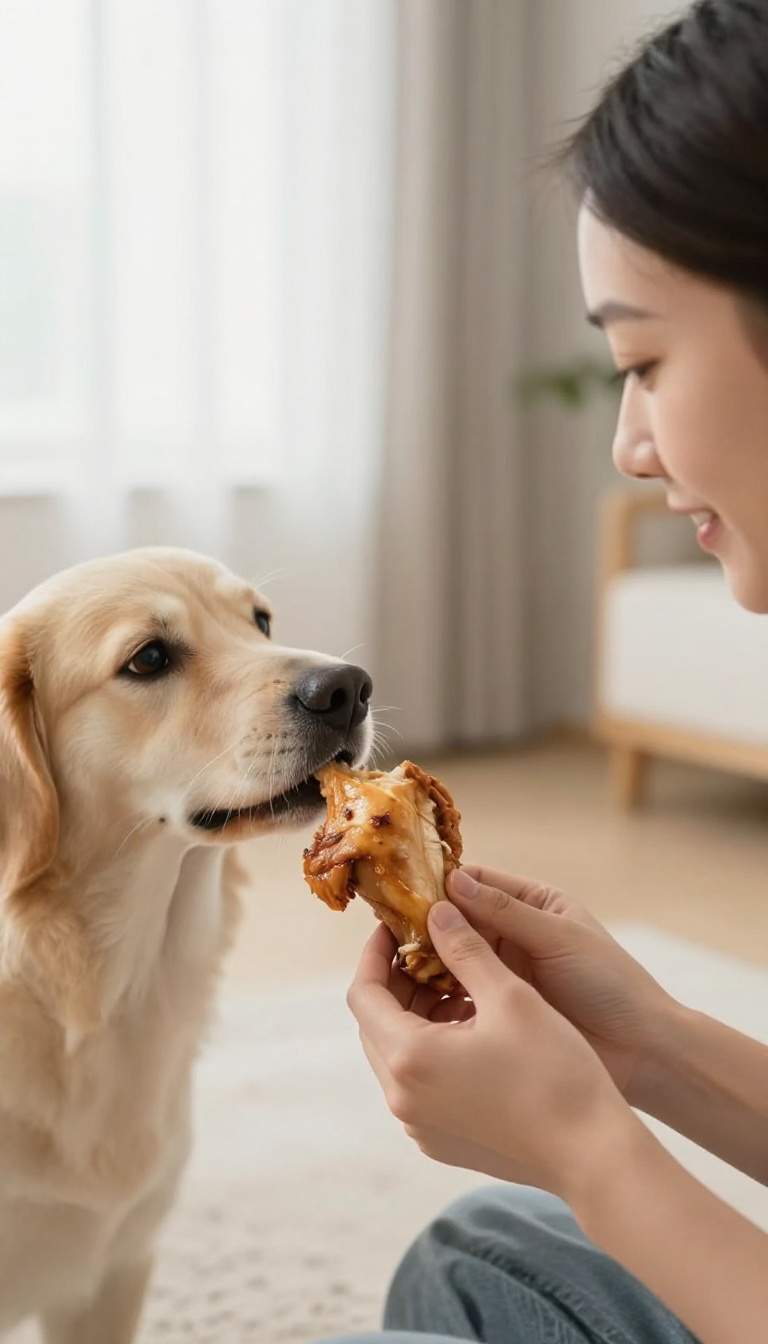
You've practiced 'leave it' with kibble and toys, but what about when your dog's life is on the line? A dropped pill, a chicken bone on the sidewalk, or a piece of chocolate under the couch—these are the moments where a rock-solid 'leave it' can make all the difference. This drill is about preparing for the worst-case scenarios, so your dog's response becomes automatic even when the stakes are high.
Start by using high-value items that are safe for training, like a piece of cooked chicken or a dog-safe treat. The key is to simulate the intensity of a real emergency without the danger. You'll want to use a serious, firm tone when giving the command, and reward your dog with an even better treat—something they rarely get, like a piece of freeze-dried liver or a tiny bit of cheese.
This teaches your dog that leaving something tempting can lead to something even better.
Setting Up Safe Scenarios
Choose a quiet room with minimal distractions. Place the high-value item on the floor, but keep your hand ready to cover it if needed. Have your dog on a leash for control.
Say 'leave it' in a low, serious voice, and be ready to block your dog if he goes for it. The moment he backs off or looks at you, mark with a 'yes' and give him the super treat. Repeat several times, gradually increasing the difficulty by using more tempting items or moving to a busier area.
Practicing With Motion
Once your dog is solid with a stationary item, try dropping the item from your hand or tossing it a few feet away. This mimics real-life situations where something falls or is thrown. Use the same serious tone and reward generously when your dog resists.
You can also practice with a partner who pretends to drop something, so your dog learns to listen even when someone else is involved.
Generalizing To Real-world Dangers
Gradually introduce safe stand-ins for dangerous items. For example, use a piece of chicken to represent a dropped pill, or a dog-safe bone to mimic a chicken bone. Practice in different locations—the backyard, a park, or a sidewalk.
The goal is to get your dog to respond reliably no matter where you are. Always keep training sessions short and positive, ending on a high note.
13. The Leave It in Motion: During Play
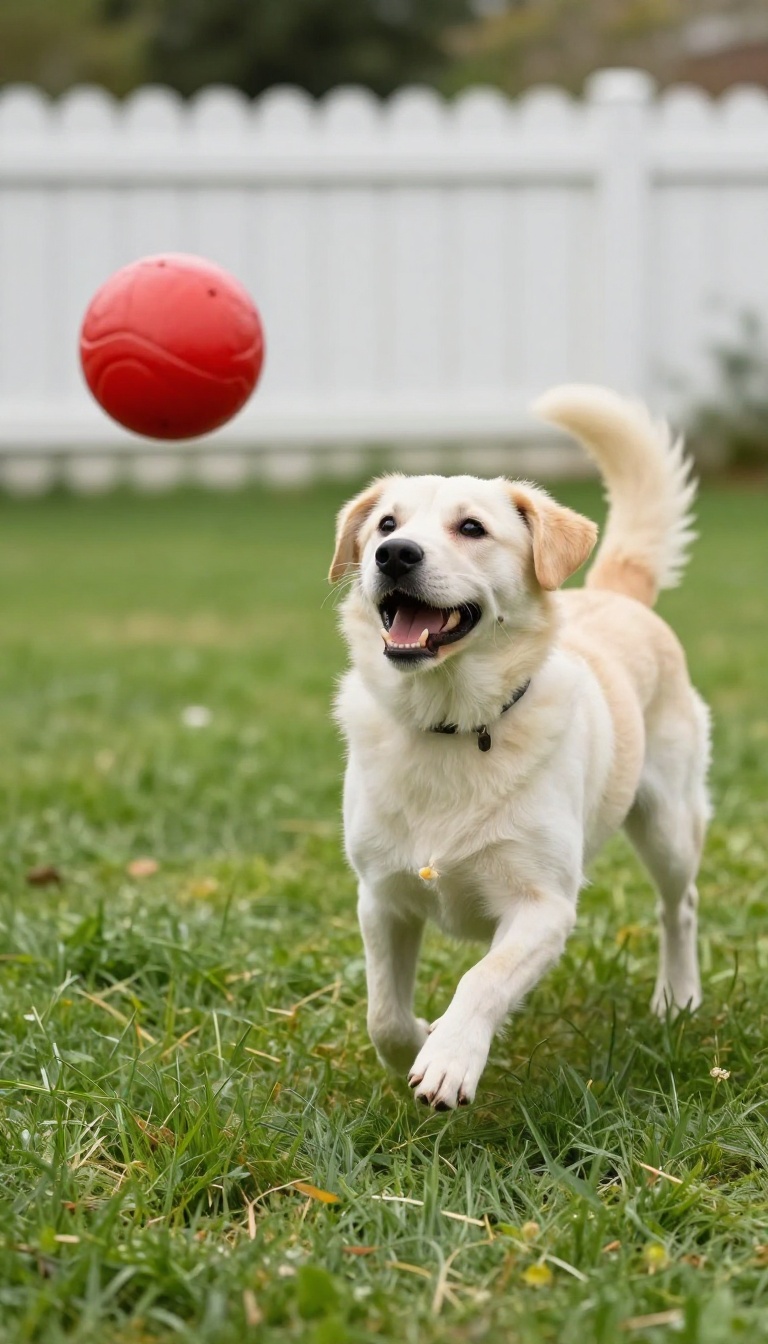
Playtime is the perfect classroom for impulse control, but it's often overlooked. When your dog is zooming after a ball, his brain is in full drive mode, which makes it the ultimate test for 'leave it. ' If he can pause mid-chase, you know the command is truly solid.
Start with a toy your dog loves, like a ball or a tug rope. Ask him to 'leave it' while the toy is still in your hand, then reward with a treat. Once he's got that down, toss the toy a short distance and give the command before he bolts.
The goal is to build a pause before the chase, not to stop play entirely.
Use A High-value Reward
When you're asking your dog to ignore a toy mid-play, make sure the treat you offer is extra special—something like chicken or cheese. This gives him a reason to choose you over the toy. Over time, he'll learn that pausing leads to something even better.
Keep Sessions Short And Fun
Don't turn playtime into a drill session. Keep the training bursts to a few minutes, then let him enjoy the toy freely. This keeps the game positive and prevents frustration.
You want him to associate 'leave it' with good things, not with play ending.
Build Up To Bigger Distractions
Once your dog is nailing 'leave it' with a ball, try it with a squeaky toy or a flirt pole. Each new distraction is a fresh challenge. Remember to reward the pause, not the perfect fetch.
The more you practice in motion, the more reliable the command becomes in real-life situations.
FAQ
How long does it take to teach a dog 'leave it'?
It depends on your dog's age and temperament, but most dogs pick up the basics in a few short sessions. Consistency is key—practice daily for 5-10 minutes, and you'll see progress within a week or two.
What if my dog ignores 'leave it'?
If your dog ignores the command, you're probably moving too fast. Go back to an easier step, like the closed fist, and build up gradually. Also, make sure you're using high-value rewards that are more enticing than the distraction.
Can I teach 'leave it' to a puppy?
Absolutely! Puppies can start learning 'leave it' as soon as they understand basic commands like 'sit. ' Keep sessions short and fun, and use lots of praise. Puppies have short attention spans, so patience is essential.
Is 'leave it' the same as 'drop it'?
No, they're different. 'Leave it' means don't touch something in the first place, while 'drop it' means release something already in their mouth. Both are useful, but 'leave it' is more about prevention.
How do I make 'leave it' work in real-world situations?
Practice in gradually more distracting environments. Start at home, then move to your yard, then on walks. Always reward heavily for success, and don't be afraid to use a higher-value treat when the stakes are high.
Conclusion
Teaching 'leave it' is one of the most valuable investments you can make in your dog's safety. It's not just about preventing stolen snacks—it's about building trust and communication that keeps your pup out of harm's way.
Start with the basics, practice regularly, and gradually increase difficulty. Before you know it, your dog will look to you for guidance when temptation strikes, making every walk and every day a little safer.

I’m Pallab Kishore, the owner of Little Pets Realm — an animal lover and pet care enthusiast sharing easy tips, healthy recipes, and honest advice to help every small pet live a happy, healthy, tail-wagging life.