
Last updated on August 19th, 2026 at 04:14 pm
Your dog's mouth turns into a magnet the second something hits the floor—socks, remote controls, even that sandwich you blinked away from. It's exhausting, but you can turn that grabby habit into a game. These 15 drop it games turn the release into a fun, rewarding skill your pup actually wants to play.
No more wrestling matches or prying jaws open. Just simple, practical drills that teach your dog to let go on command, whether they've snagged a toy or something they shouldn't have. Each one takes just a few minutes and uses everyday items you already have around the house.
Ready to get your stuff back without the tug-of-war? Let's get started.
1. The Classic Treat Swap
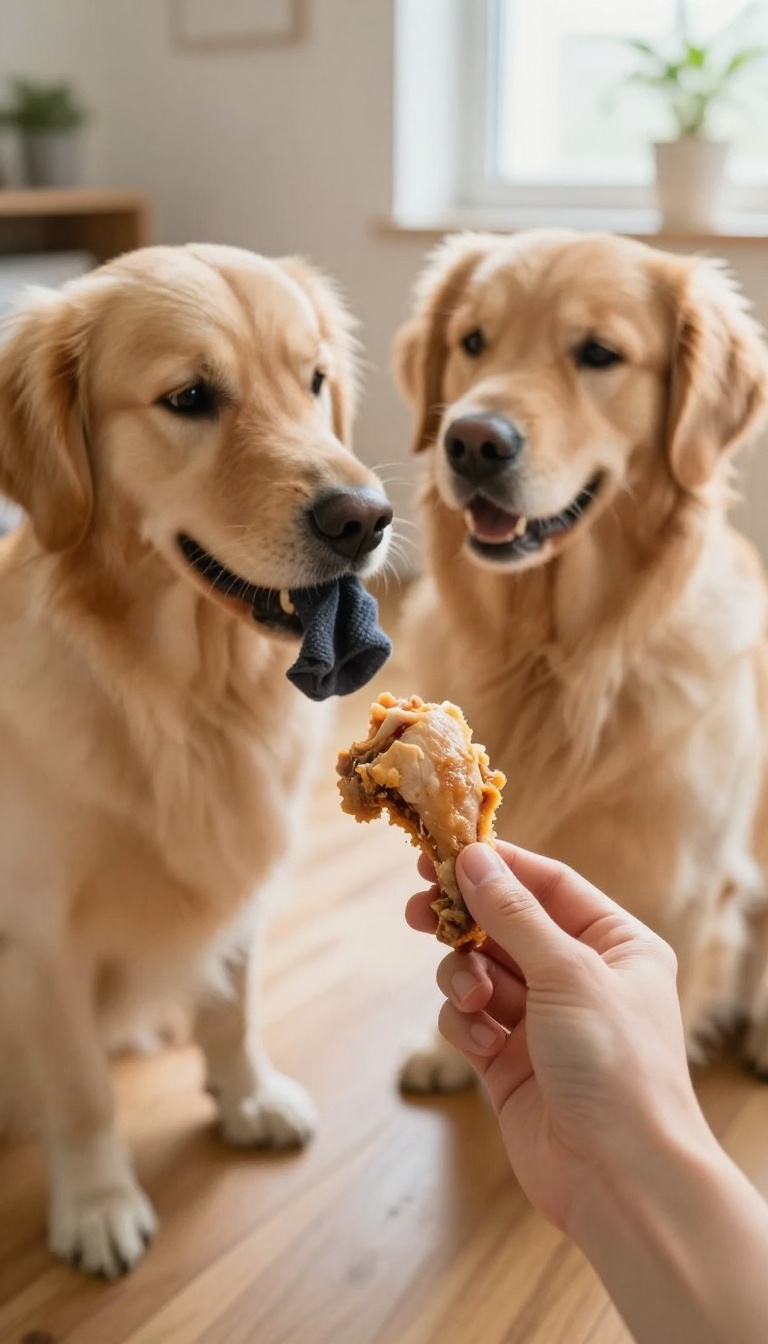
The easiest way to teach a reliable drop is to make letting go worth your dog's while. The treat swap turns a potential battle into a fair trade: you get the sock, they get a piece of chicken. It's simple, it's positive, and it works for almost every dog.
Start with something your dog already has, like a toy or a chewed-up tissue. Hold a high-value treat right at their nose, say "drop it" in a cheerful voice, and the moment their mouth opens, mark it with a "yes" and give the treat. Then pick up the item and hand it back or toss it away so they learn that dropping doesn't mean losing the fun forever.
Pick The Right Treat
Not all treats are created equal. Use something extra special—tiny bits of boiled chicken, cheese, or hot dog—so the trade feels like a win. Keep the pieces small, about pea-sized, so your dog stays focused and doesn't get full too fast.
If your dog is more toy-motivated, a squeaky ball can work just as well.
Practice With Low-value Items First
Don't start with your favorite shoe. Begin with items your dog doesn't care much about, like an old towel or a plastic bottle. This builds the habit without the pressure.
Once they're nailing the swap, gradually move to more tempting objects like socks or remote controls.
Make It A Game, Not A Test
Keep sessions short and playful. If your dog refuses to trade, don't chase or pry—just walk away and try again later. The goal is to build a positive association, so every successful swap gets a mini celebration.
After a few reps, your dog will start spitting things out just to hear that marker word.
2. The Two-Toy Tango
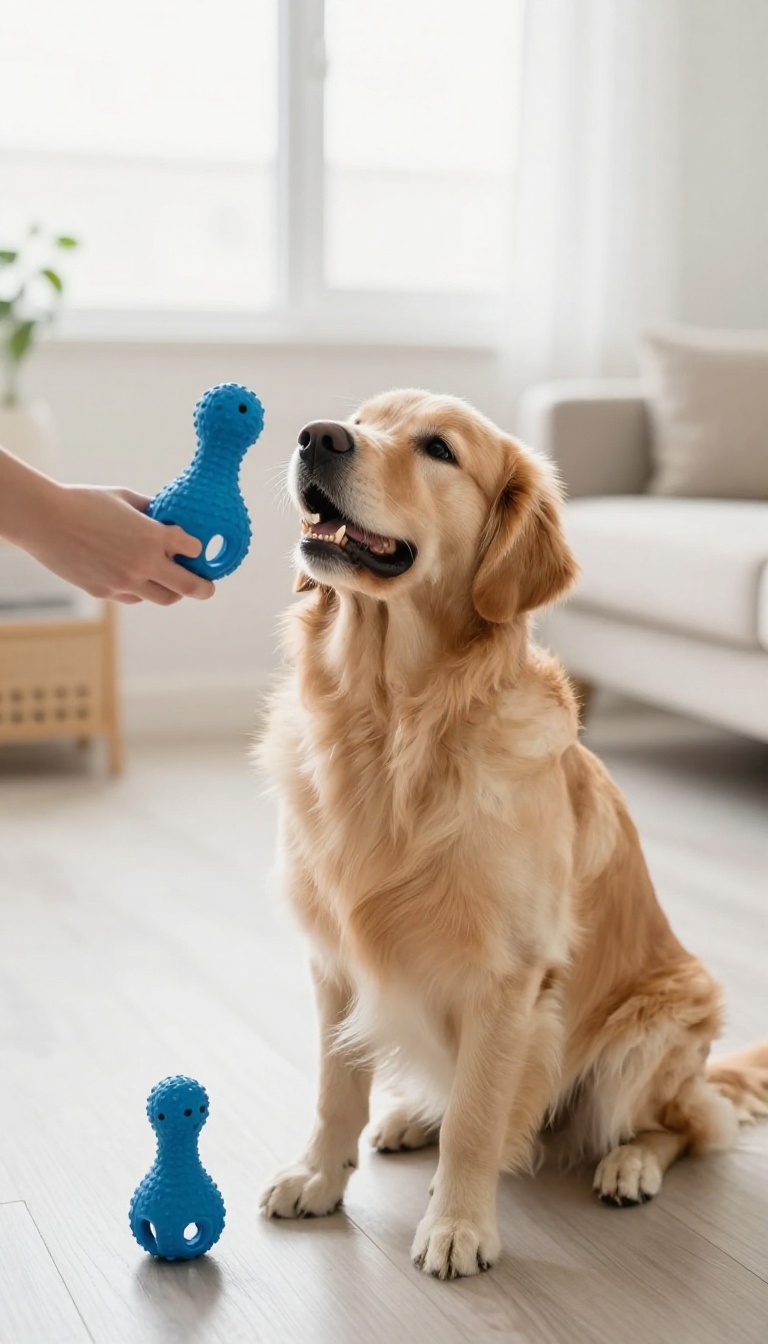
Some dogs drop one toy only because they've already got their eyes on the next prize. That's the whole trick behind this game. You're not fighting for the object—you're simply making the other toy look way more exciting.
The Two-Toy Tango turns trading into a natural reflex. Your dog learns that letting go leads to something even better, so the release becomes automatic instead of a battle of wills.
Set Up The Swap
Grab two identical toys—two squeaky balls, two ropes, whatever gets your dog excited. Keep one hidden behind your back and let your dog grab the other. When they have it, show the hidden toy and give it a little squeak or wiggle.
Most dogs will drop the first toy to investigate. The moment they do, say 'drop' and hand over the new toy.
Keep The Tango Going
Now repeat the same move with the other toy. Hide it, let your dog grab the second one, then reveal the first. Each time you swap, say 'drop' right as they release.
You're building a rhythm—drop, get new toy, drop, get new toy. Keep sessions short and lively, around five to ten swaps, so your dog stays engaged.
Make It A Real Game
Once your dog gets the hang of it, add a little distance. Toss one toy a few feet away, let them grab it, then show the other and call them over. This adds movement and makes the trade feel like a fun chase.
You can also vary the toys—one squeaky, one soft—to keep things interesting. The goal is a quick, happy release every time.
3. The Drop and Dash
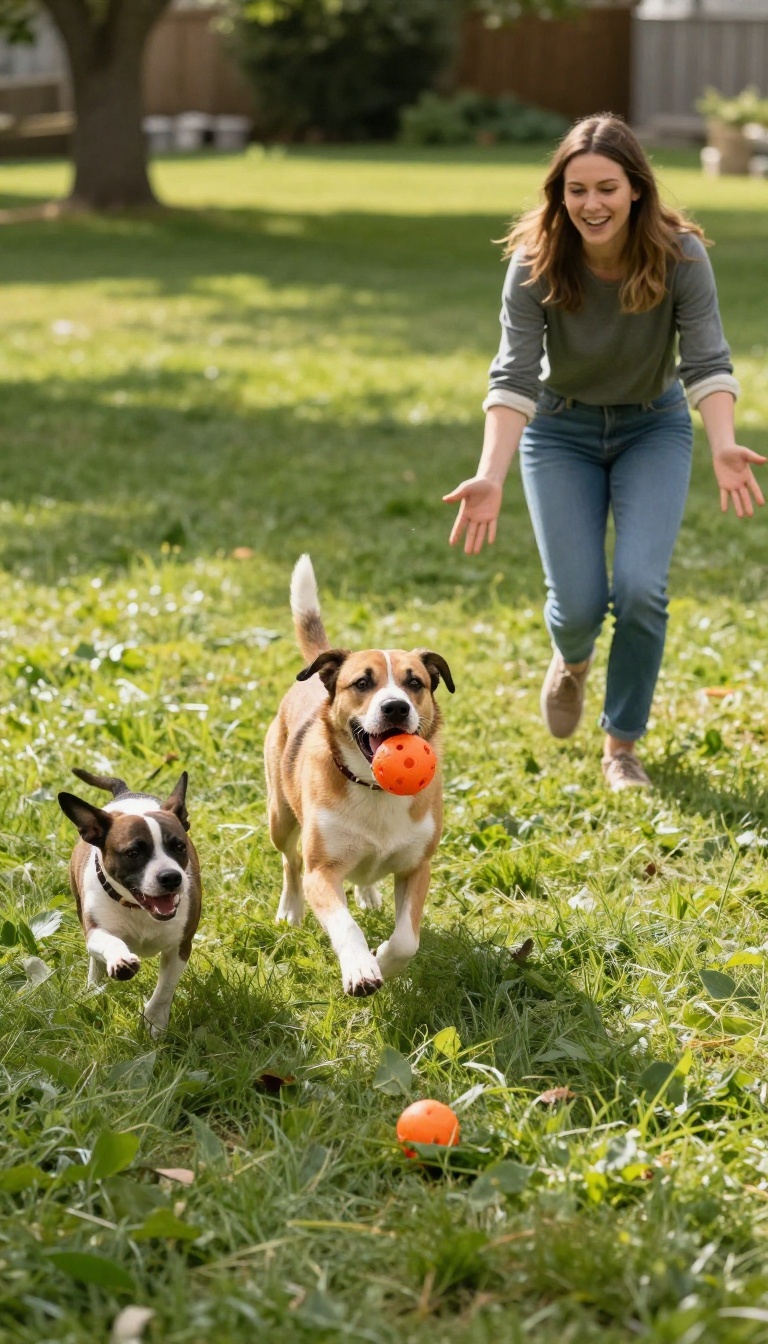
Sometimes the best way to teach a behavior is to make it the start of something even better. That's the idea behind this game. When your dog drops the item, you turn into a moving target, and the chase is on.
This makes letting go feel like a win, not a loss.
The Drop and Dash turns the release into a reward in itself. Instead of trading for a treat, you become the reward. This works especially well for dogs who love to chase and be chased.
It also builds a strong recall habit, because your dog learns that dropping something can lead to a fun game with you.
Start With A High-value Toy
Pick a toy your dog loves but isn't so obsessed with that they won't let go. A tug toy or a squeaky ball works well. Show it to your dog, let them grab it, then say 'drop it' in a cheerful voice.
The instant their mouth opens, say 'yes! ' and start running away a few steps. Your dog will likely follow, and that's the game.
Make The Chase Exciting
As your dog runs after you, keep your movements playful and unpredictable. Stop, crouch down, and encourage them to catch you. When they do, give them the toy back or start a quick game of tug.
This reinforces that dropping leads to fun, not the end of play.
Gradually Increase The Challenge
Once your dog gets the hang of it, start using items they're more likely to grab, like a sock or a shoe. Keep the same routine: say 'drop it', run away, and play. Over time, your dog will learn that dropping anything on command can lead to a great time with you.
4. The Tug and Release
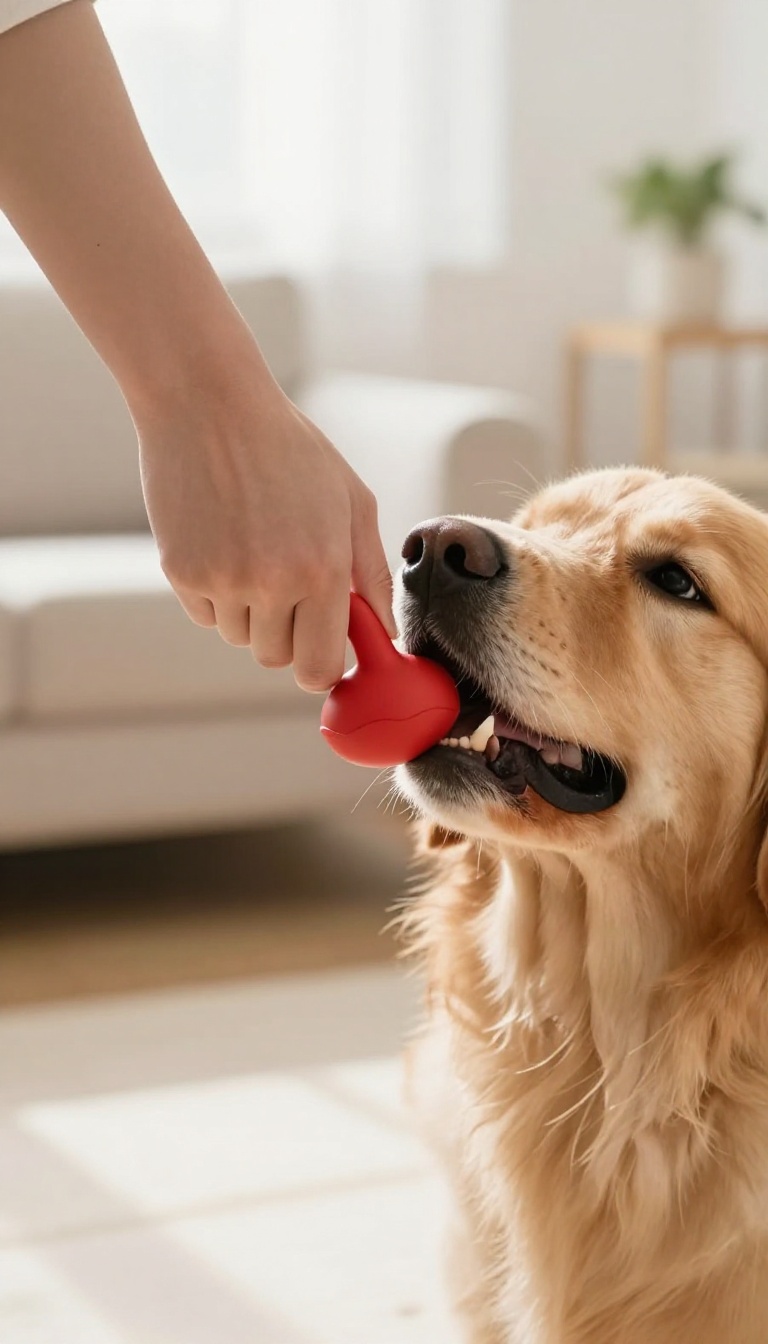
Tug is one of the most exciting games for many dogs, and it's a perfect setup for practicing drop it. Because your dog is already engaged and motivated, you can turn the pause in play into a learning moment. The key is to make the release worth more than the toy, so your dog willingly lets go when you ask.
Start with a tug session using a toy your dog loves. After a few seconds of play, stop moving the toy, say "drop it" in a clear, upbeat voice, and hold a tasty treat near your dog's nose. The moment your dog releases the toy, say "yes" and give the treat.
Then, immediately resume the game. This teaches your dog that letting go doesn't end the fun—it actually leads to a reward and more play.
Why Tug Works So Well
Tug naturally triggers a dog's prey drive, making them want to hold on tight. By using drop it during this high-arousal moment, you're teaching your dog to listen even when they're excited. The reward of a treat and a quick game restart reinforces that dropping is a win-win.
Tips For A Smooth Release
Keep your voice calm and avoid yanking the toy. If your dog doesn't drop right away, hold the treat closer to their nose or use a higher-value reward. Practice in short sessions of a few minutes each, and always end on a positive note.
Over time, you can gradually phase out the treat and rely on the game itself as the reward.
Troubleshooting Common Issues
If your dog gets too possessive, try using a toy they're less attached to at first. If they drop immediately but grab it again before you can reward, use a treat to lure them away. Consistency is key—practice regularly and keep the game fun so your dog stays eager to participate.
5. The Treat Scatter
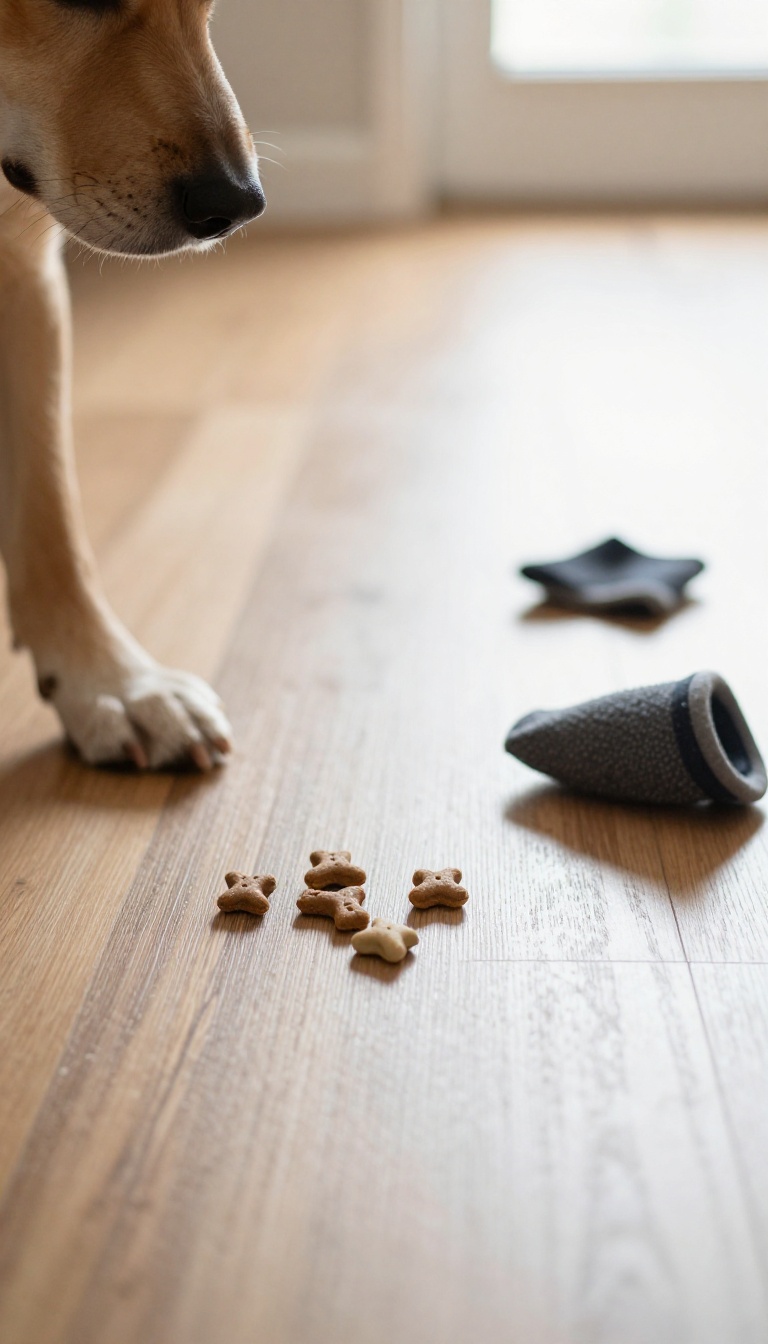
Sometimes the fastest way to get your dog to drop something is to make the floor suddenly more interesting than whatever they've grabbed. The treat scatter turns a potential standoff into a fun scavenger hunt, and it works especially well when your pup is already holding something they shouldn't have.
When your dog grabs something they shouldn't, resist the urge to chase or pry. Instead, calmly toss a small handful of treats on the floor a few feet away. The sudden patter of treats hitting the ground is usually enough to make your dog drop the item and investigate.
As soon as they release, say 'drop it' and then praise them warmly while they snuffle up the treats. This game teaches your dog that letting go leads to good things, without any struggle.
Why It Works
Dogs are natural scavengers, and the sound and scent of scattered treats trigger an instinctive foraging response. The treat scatter works because it redirects your dog's attention from the item to the floor, making the drop feel like their own choice rather than something you forced. Over time, your dog learns that dropping whatever they have leads to a rewarding jackpot.
How To Make It A Game
Start in a low-distraction area with treats your dog loves. Toss a small handful on the floor and say 'drop it' as they release the item. Reward them with praise and let them eat the treats.
Gradually increase the value of the item they're holding (from a toy to a sock) and practice in different rooms. You can also add a cue like 'scatter' before tossing the treats, so your dog learns to anticipate the fun.
Troubleshooting Tips
If your dog doesn't drop the item right away, try tossing the treats a little closer to their nose or use higher-value treats like cheese or chicken. Avoid reaching for the item while they're still holding it—wait until they've fully released. If your dog is too focused on the item to notice the treats, try moving the treats in a small arc to catch their eye.
With a little patience, most dogs catch on quickly.
6. The Toy Rotation
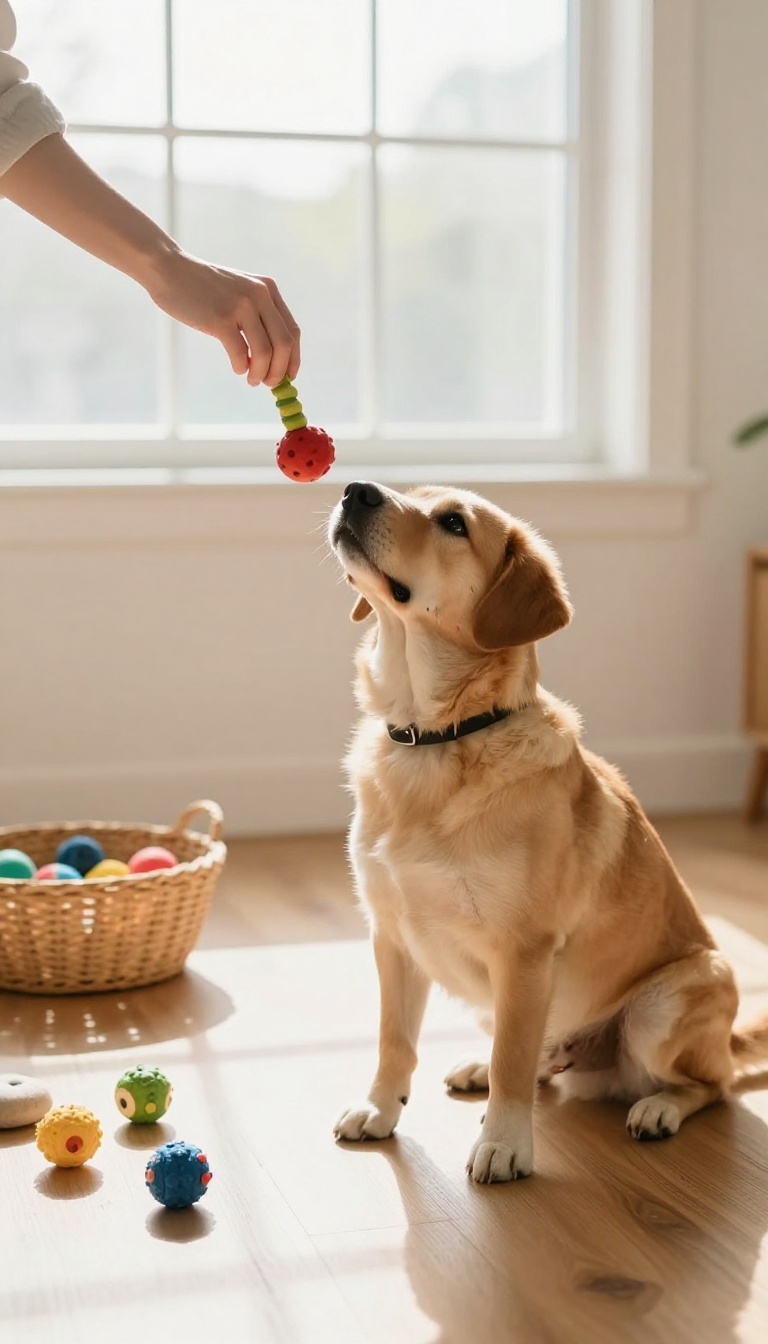
Dogs often grab and hold onto things simply because they're the only interesting option available. When every toy is always out, the novelty fades, and your stuff becomes way more appealing. A simple toy rotation keeps things fresh and gives you a natural reason to practice drop it.
Why Rotation Works
Dogs are like kids—when there are too many toys lying around, they lose interest in all of them. By keeping only a few toys out at a time and swapping them every few days, each toy feels new and exciting again. That renewed interest makes your dog more willing to trade, because they're curious about what you're offering next.
Setting Up The Swap
Start with two or three toys that you know your dog loves. Put the rest in a closet or bin where they can't see them. When your dog grabs one of the available toys, show them a different one from your stash and say 'drop it. ' The moment they release, give them the new toy.
You're not just teaching a command—you're showing them that letting go leads to something better.
Making It A Habit
The key is to make the swap feel like a game, not a punishment. Keep your tone upbeat and move the new toy around to spark their interest. If they hesitate, gently wave the new toy or let it squeak.
Over time, your dog will start dropping the instant they see you reaching for a replacement. You can even use this during playtime to keep things lively and reinforce the behavior in a fun, low-pressure way.
7. The Fetch and Drop
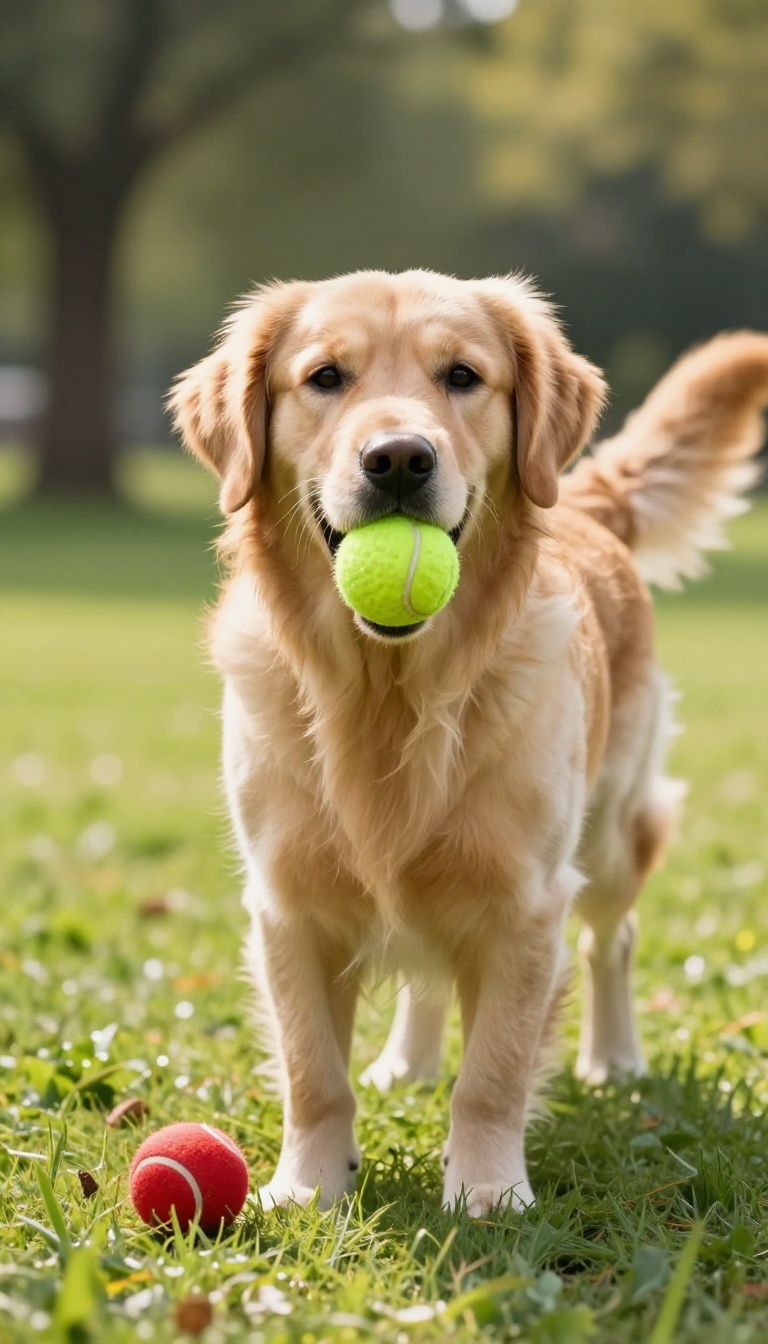
Fetch is more than just a game of chase—it's a perfect opportunity to practice drop it without making it feel like a chore. When your dog brings the ball back, they're already in a cooperative mood, so asking for a quick drop before the next throw feels natural. This simple tweak turns every fetch session into a mini training win.
The fetch and drop game is all about timing and consistency. The key is to make the drop a non-negotiable part of the game, but in a way that feels rewarding, not demanding. Your dog learns that letting go of the ball is the magic move that makes the fun continue.
Over time, they'll drop faster and with less hesitation because they know what's coming next.
Start With Two Toys
Grab two identical or equally exciting toys. Throw one, and when your dog brings it back, show the other toy and say "drop it" in a cheerful tone. The moment they release the first toy, toss the second one.
This keeps the game flowing and gives your dog a clear reason to let go—because something even better is about to fly.
Build In A Pause
Once your dog is dropping reliably with two toys, start adding a tiny pause before you throw the next one. Ask for a sit or just wait a second or two. This teaches patience and reinforces that dropping isn't the end of the fun—it's just a quick pit stop.
Gradually increase the pause, but keep it short enough to keep the game exciting.
Use Fetch As A Reward
Fetch itself can be the reward for a good drop. When your dog brings the ball back, ask for a drop, and the instant they comply, say "yes! " and throw the ball again.
This makes the drop a direct ticket to more play, which is exactly what your dog wants. It's a simple, powerful loop that builds a solid drop it behavior.
8. The Doorway Drop
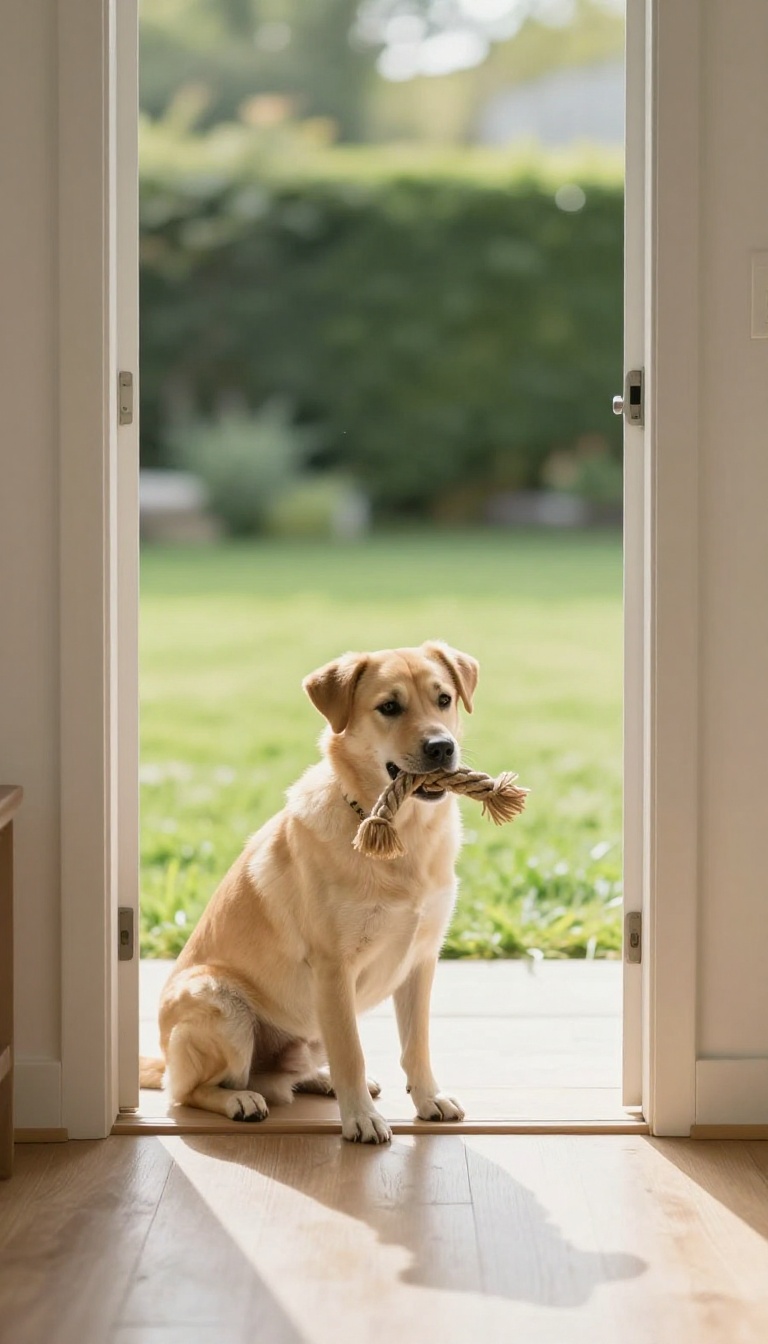
Doorways are like portals to your dog's favorite places—the park, the sidewalk, or just the backyard. That excitement makes them the perfect spot to practice drop it, because your dog is already amped up. The goal is to teach them that letting go of whatever they're holding is the ticket to the fun on the other side.
Start with a low-value item, like a boring toy, and work up to more exciting ones as they get the hang of it.
This game works because it uses your dog's natural anticipation. When they're about to go outside, they're already thinking about the smells and sights waiting for them. By asking for a drop right at the threshold, you're teaching them that releasing their mouth is the key to unlocking that adventure.
It's a simple concept, but it pays off big time in real-world situations, like when they grab a shoe right as you're heading out.
Start Before The Door
Begin a few feet away from the door, not right at it. Have your dog hold a toy, then say 'drop it' and show them a treat. The moment they let go, mark it with a 'yes' and give the treat.
Do this a few times, then move closer to the door. The key is to keep the difficulty low at first, so your dog succeeds and builds confidence. You're not asking for a drop while they're already staring at the door—that's too hard.
Build up gradually.
Add The Door Opening
Once your dog is dropping reliably a few feet away, start opening the door slightly as you ask for the drop. The sound and the sight of the outside world will add distraction, so be patient. If they don't drop right away, wait a second, then try again.
You can also use a higher-value treat to keep their focus. The moment they drop, mark and reward, then let them go through as the bonus. This teaches them that dropping leads to the fun.
Use The Threshold As The Cue
Now, the real magic happens when you ask for the drop right at the threshold, with the door open. Have your dog on a leash, and as you approach the door, ask for a drop. If they comply, mark and reward, then step outside together.
If they don't, just close the door and wait a beat, then try again. This teaches them that the door doesn't open until they let go. Over time, they'll start dropping the moment they see the door handle move, because they know what's coming next.
9. The Impulse Control Game
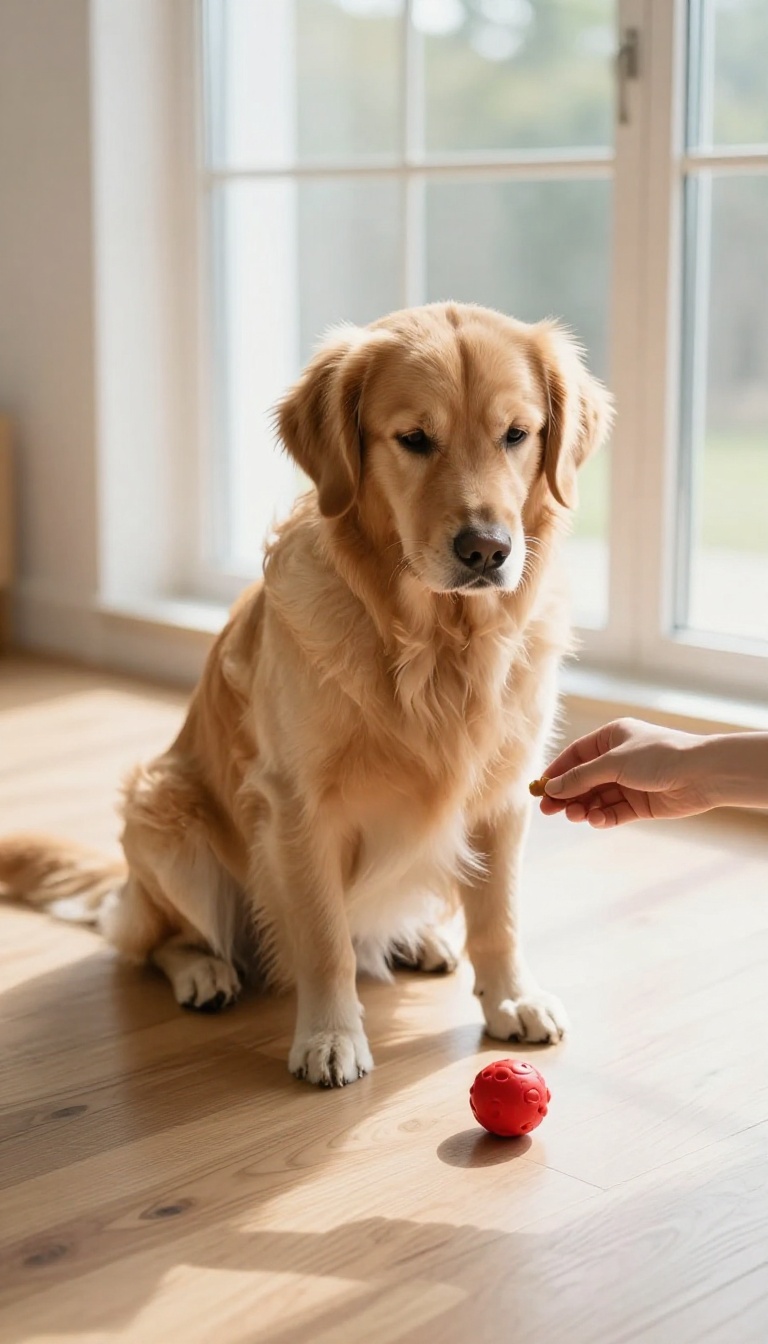
Some dogs grab things simply because they can. This game flips that instinct by teaching your pup that leaving something alone is actually more rewarding than snatching it. It's a simple setup that builds serious self-control, and it's perfect for dogs who treat every dropped item as a personal challenge.
Start with something your dog finds tempting but not overly exciting—a toy, a treat, or even a sock. Place it on the floor a few feet away, then stand close with your dog on a leash or just beside you. The goal isn't to test them from across the room; it's to teach them that ignoring the item earns them something better.
Start With Easy Wins
Begin with a low-value item, like a plain toy they don't care much about. Put it on the floor and say 'leave it' in a calm voice. The second your dog looks away or shows even a hint of disinterest, mark it with a 'yes' and reward them with a high-value treat from your hand.
Keep sessions short—just a few repetitions—so your dog stays engaged and doesn't get frustrated.
Add A Drop Cue
Once your dog consistently ignores the item, it's time to introduce the drop cue. Let them pick it up, then say 'drop' in a friendly tone and offer a treat right at their nose. Most dogs will release the item to get the treat.
When they do, praise them and give the reward. Repeat this a few times, then start saying 'drop' just before they let go, so they associate the word with the action.
Raise The Stakes Gradually
As your dog gets the hang of it, make the game harder. Use a more tempting item, like a treat or a favorite toy. Move the item closer to you or place it on a chair.
You can also add distractions, like another person walking by or a toy rolling nearby. The key is to increase difficulty slowly so your dog keeps succeeding. If they grab and won't drop, go back a step and practice more with easier items.
10. The Trading Game
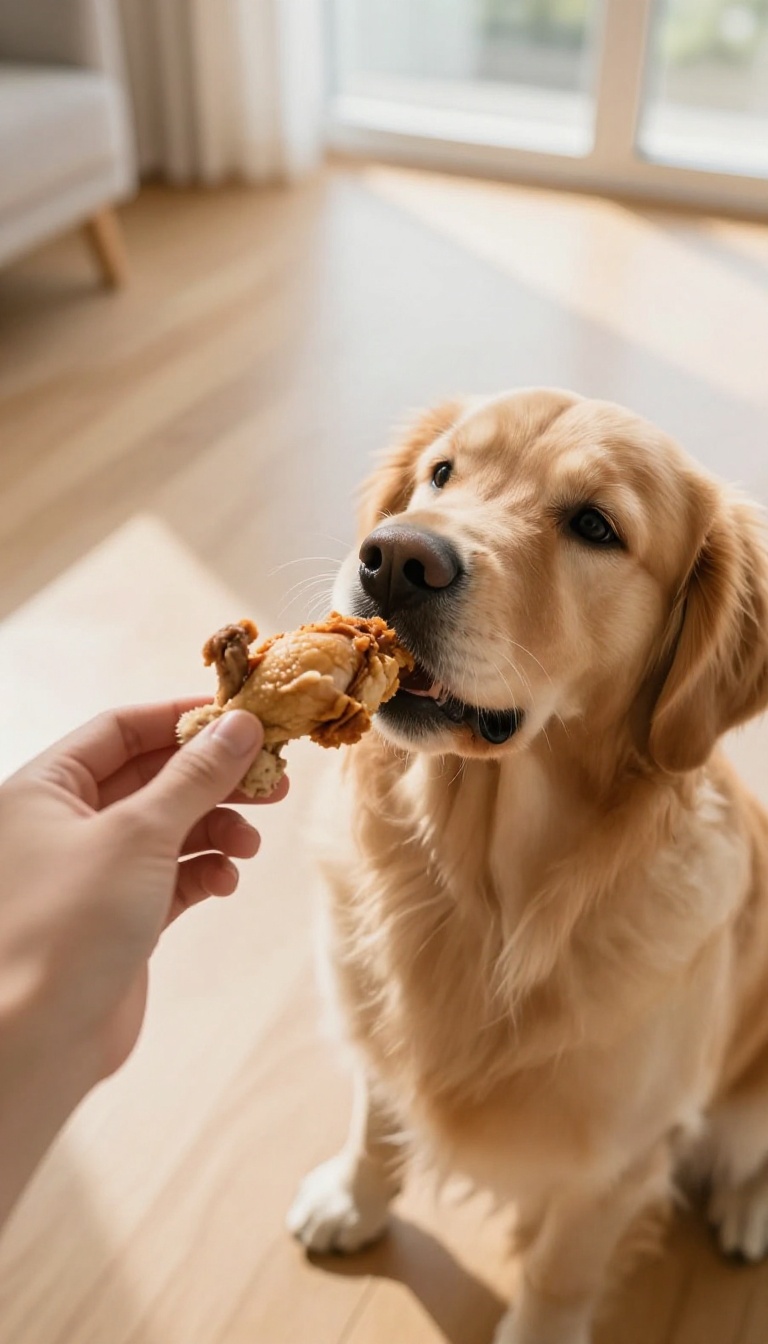
When your dog grabs something they shouldn't, your first instinct might be to chase or pry. But what if you made them an offer they couldn't refuse? The trading game turns every stolen item into a chance for a better deal—a tasty treat or a favorite toy.
Instead of a fight, it's a negotiation, and your dog learns that letting go always pays off.
The trading game is all about showing your dog that swapping what they have for something even better is a win-win. Start with something they love, like a chew toy, and offer a high-value treat. The moment they drop the toy to take the treat, say 'drop it' and reward them.
Repeat this until they release on command, then gradually move to less valuable items. The key is to make the trade worthwhile every single time, so your dog never feels like they're losing out.
Why Trading Beats Tugging
When you try to pull something out of your dog's mouth, you're playing a game of tug—and your dog usually wins because they have better leverage. Trading avoids that power struggle entirely. By offering something better, you're not forcing anything; you're giving your dog a choice.
That makes them more willing to comply, and it builds trust. Plus, it's a lot less stressful for both of you.
How To Set Up The Trade
Start with a quiet room and a low-value item your dog likes but isn't obsessed with, like a soft toy. Hold a high-value treat (think chicken or cheese) near their nose so they notice it. When they drop the toy to sniff or take the treat, say 'drop it' in a happy tone and give them the treat.
Then let them have the toy back if they want—this teaches them that trading isn't a one-way street. Practice this a few times before moving to more tempting items.
Graduating To Real-life Situations
Once your dog gets the hang of trading for treats, start using it in everyday situations. If they grab a sock, offer a treat instead of chasing them. If they pick up something outside, trade for a toy or a treat.
The more you practice, the faster they'll respond. Just remember to always have treats handy, or at least something your dog finds valuable, so you can make the trade whenever you need to.
11. The Drop It on Cue
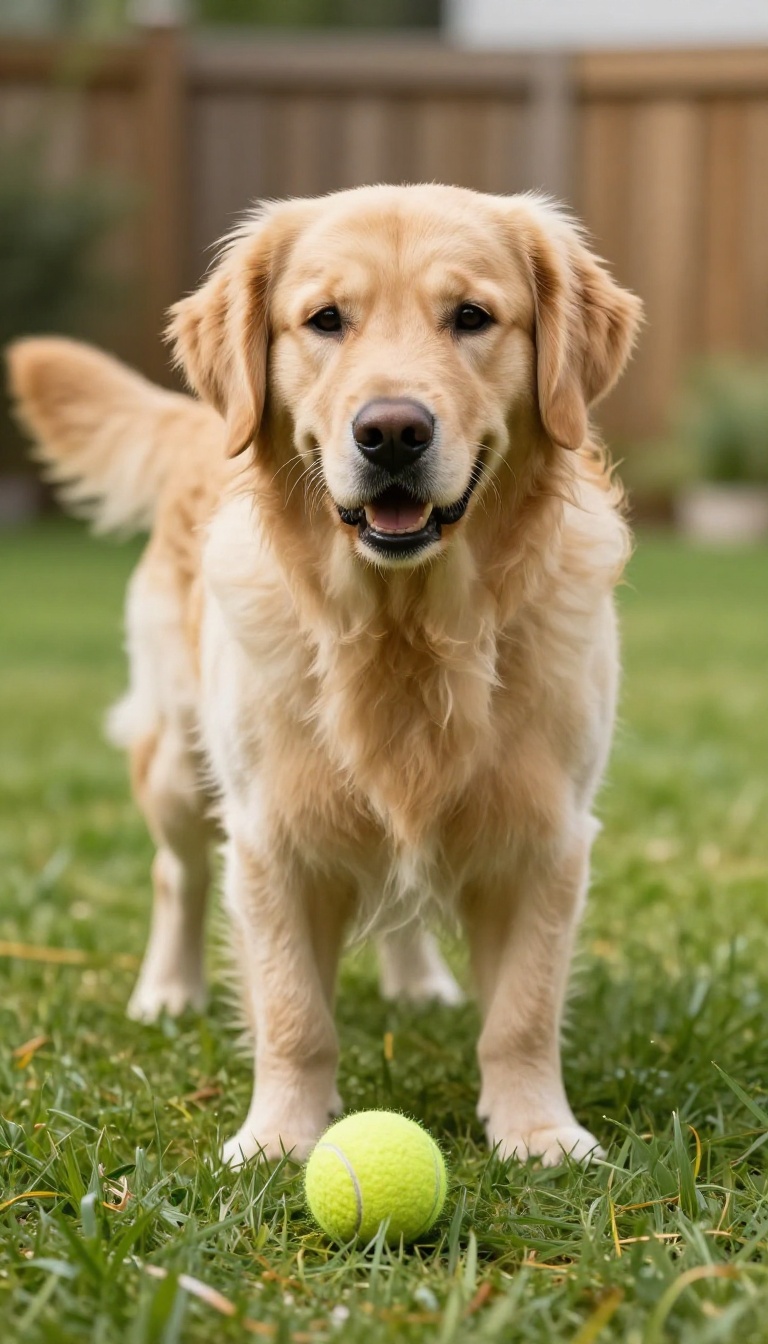
Once your dog understands the basics, it's time to make the cue rock-solid no matter what's happening around them. A dog who drops a toy in the living room might not drop a stolen shoe in the backyard. That's why practicing in different spots with different items is so important.
The goal is to build a reliable response that works everywhere, every time.
This game is all about proofing the drop it cue in real-world situations. You'll start easy and gradually increase the difficulty, so your dog learns to respond even when distractions are high. The key is consistency—use the same word every time, and reward every successful drop with something amazing.
Over time, your dog will associate the cue with a positive outcome, making them more likely to let go quickly.
Start With Boring Items
Begin with items that are low-value to your dog, like a plain rope toy or an old towel. Ask for the drop, and when they release, give a high-value treat like chicken or cheese. This builds a strong foundation because your dog learns that dropping something boring leads to something delicious.
Once they're nailing it with boring items, you can move up to more exciting stuff.
Change The Environment
Try practicing in different rooms, then in the yard, and eventually on walks. Each new place adds distractions, so start with a quiet area and gradually increase the chaos. If your dog struggles, go back a step and make it easier.
The point is to help them generalize the cue, so they understand that 'drop it' means the same thing no matter where they are.
Mix Up The Items
Once your dog is reliable with toys, introduce other objects like socks, shoes, or even food items (use safe ones like a piece of kibble). This teaches them that the cue applies to everything, not just their toys. Remember to keep the reward high-value, especially for items that are tempting.
With practice, your dog will drop anything on cue, even if they really want to keep it.
Keep It Positive
Always use a happy tone and make dropping feel like a game. Never punish your dog for grabbing something—instead, reward them for letting go. This builds trust and makes them more willing to comply.
If your dog hesitates, don't repeat the cue over and over; just wait a moment and then offer a trade. The more positive the experience, the faster they'll learn.
12. The Play Dead Drop
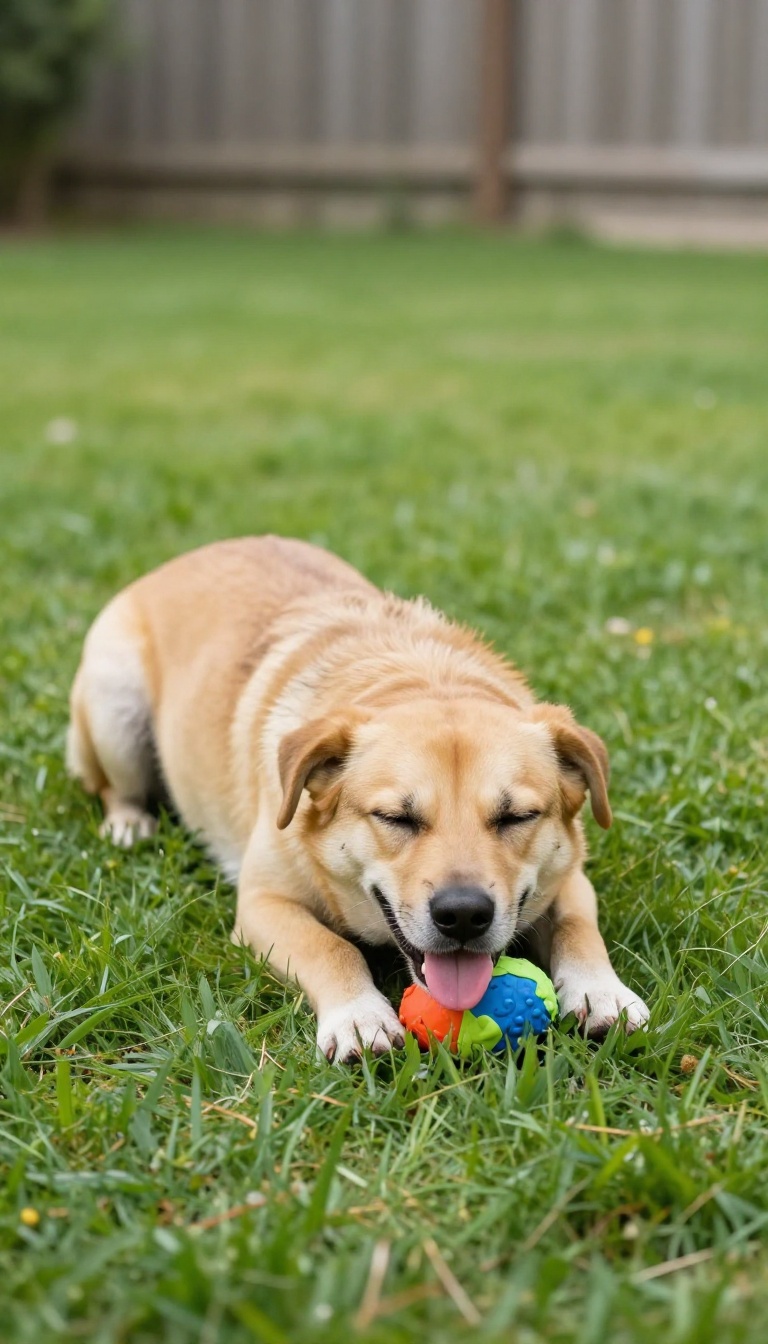
If your dog already knows how to play dead, this game turns a simple drop into a show-stopping trick. It's a fun way to add a little drama to your training sessions while reinforcing the release cue. The key is to keep it light and rewarding—your dog will start offering the drop just to get to the fun part.
Start with your dog holding a toy or a low-value item. Ask for the drop, and the instant they let go, give a cheerful "yes! " and immediately cue your play dead command.
As soon as they flop over, reward them with a jackpot of treats—a small handful tossed near their nose or a few tasty pieces given one by one. This creates a strong chain: drop leads to play dead, which leads to a big reward. Over time, your dog will start dropping items with extra enthusiasm, hoping to earn the chance to show off their trick.
Why It Works
This game works because it pairs the drop cue with a behavior your dog already finds fun and rewarding. The play dead trick becomes a secondary reinforcer—your dog learns that letting go opens the door to something even better. It also adds a moment of calm after the drop, which can help reduce the excitement that sometimes makes dogs grab things in the first place.
Step-by-step Setup
First, make sure your dog can play dead reliably on cue. If not, spend a few days practicing that trick separately. Then, choose a quiet spot with minimal distractions.
Have your dog hold a toy, say "drop it, " and the second they release, give your play dead cue. Reward with a jackpot of treats and lots of praise. Repeat a few times, then take a break.
Keep sessions short and upbeat so your dog stays eager.
Troubleshooting Common Hiccups
If your dog drops the item but skips the play dead, don't worry—just reward the drop first and practice the chain more slowly. If they get too excited to settle into the trick, try using a calmer reward, like a single treat at a time. If they refuse to drop at all, go back to a simpler drop game and build up the value of the drop itself before adding the trick.
Taking It To The Next Level
Once your dog nails the sequence, start adding variety. Use different items, practice in new locations, or ask for a play dead after dropping something they really want, like a favorite toy. You can also add a verbal cue like "drop and play dead" to make the whole chain one smooth command.
The goal is to make the drop feel automatic, with the trick as a fun bonus.
13. The Food Bowl Game
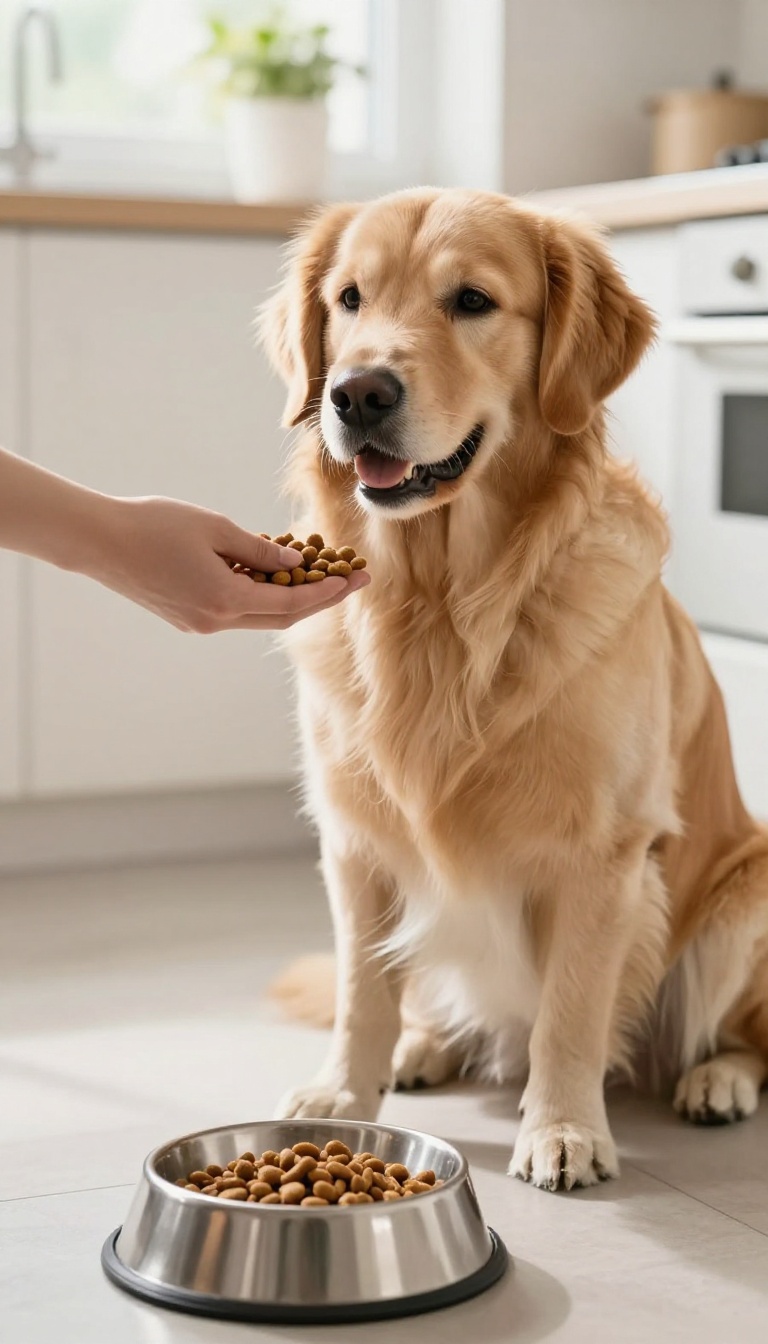
Mealtime is a golden training window. Your dog is already focused on the bowl, so it's the perfect time to practice letting go. This game uses their regular kibble to teach that releasing something from their mouth leads to something even better.
Start With A Handful
Begin by holding a few kibble pieces in your closed fist. Let your dog sniff and paw at your hand, but keep it shut. The moment they back off or look away, open your hand and say 'take it. ' This teaches them that patience gets rewarded.
Once they're comfortable, move to the next step.
Trade For The Bowl
Now, hold one piece of kibble in your open palm. Let your dog take it, then immediately offer the food bowl with the rest of their meal. As they drop the piece to go for the bowl, say 'drop it. ' Repeat this a few times, then gradually delay the bowl's appearance by a second or two.
Your dog learns that dropping what they have earns them something better.
Make It A Game
Once your dog gets the hang of it, turn it into a fun ritual. Toss a piece of kibble on the floor, let them grab it, then ask for 'drop it' before giving them the bowl. You can also practice with a toy they love, using the bowl as the reward.
Keep sessions short and upbeat, and always end with a jackpot—a handful of kibble or a favorite treat.
14. The Outdoor Drop
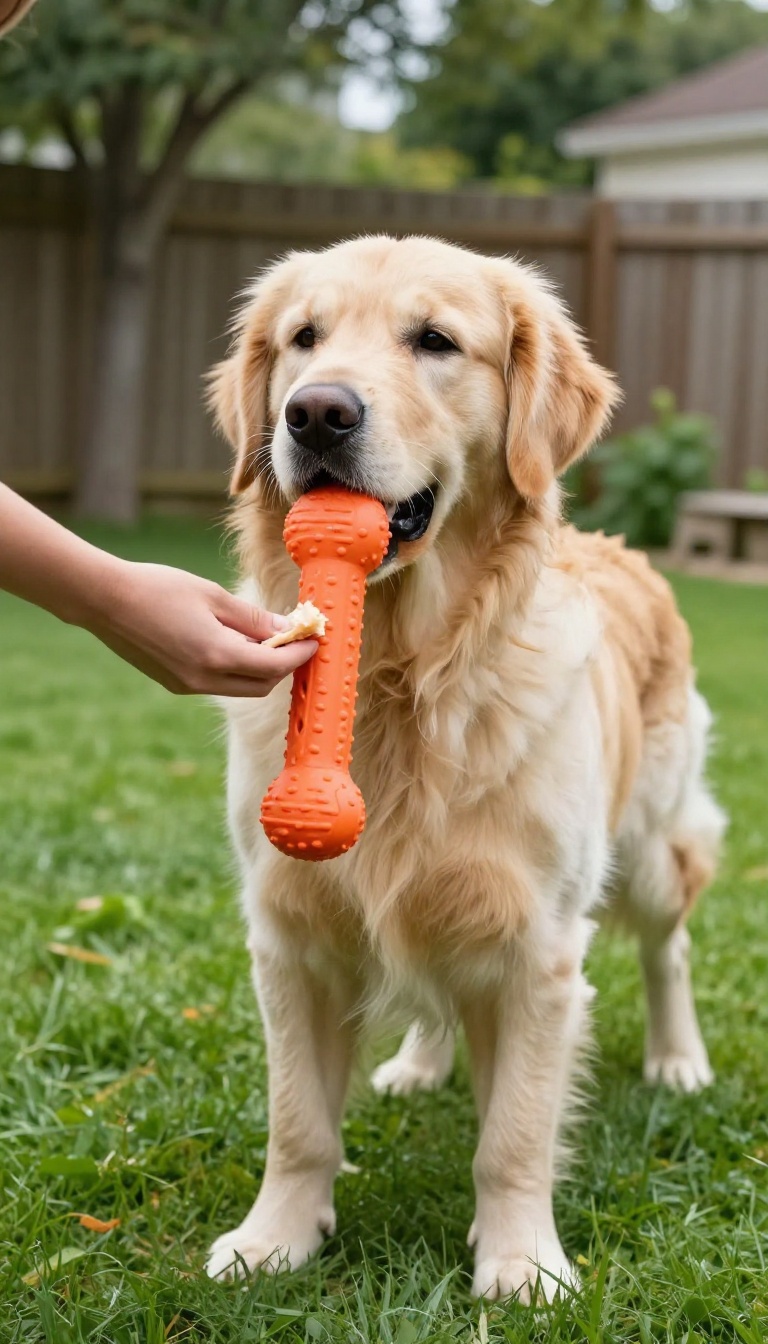
Taking the drop cue outside is where the real magic happens. Inside, your dog has learned to trade items for treats in a calm, familiar space. But the backyard or the park brings a whole new level of excitement—smells, sounds, and moving things that make letting go much harder.
That's exactly why this game matters. It builds a rock-solid drop that works even when your dog's brain is buzzing with distractions.
Start in a low-distraction area like your own backyard, then gradually work up to busier spots. Use high-value treats—something extra stinky or tasty that your dog rarely gets. The goal is to make dropping the item more rewarding than keeping it.
Keep sessions short and upbeat, and always end on a success. With patience, your dog will learn that dropping on cue leads to amazing things, no matter where you are.
Start Small, Then Build Up
Begin in a quiet, familiar outdoor space where your dog already feels comfortable. Use a toy or object they like but aren't obsessed with. Practice the drop cue exactly as you would indoors, with the same hand signal and treat reward.
Once your dog drops reliably in this calm setting, move to a slightly more distracting area, like a front yard or a quiet corner of a park. The key is to increase difficulty gradually so your dog keeps succeeding.
Upgrade Your Treats
Outdoor distractions mean your dog needs a bigger incentive to let go. Swap the regular kibble or biscuits for something truly irresistible—think boiled chicken, cheese, or freeze-dried liver. Cut them into tiny, pea-sized pieces so you can reward quickly without overfeeding.
The moment your dog's jaws loosen, mark it with a cheerful 'yes! ' and pop that treat right in front of their nose. This teaches them that dropping outside pays off even better than holding on.
Add Distance And Movement
Once your dog is dropping reliably in a moderately busy area, start adding distance. Toss a toy a few feet away and ask for a drop when they pick it up. Then try walking while they carry something, and cue the drop mid-stride.
You can also practice near moving people, bicycles, or other dogs—at a safe distance—so your dog learns to listen even when the world is zooming by. Always keep the leash on for safety and control.
15. The Emergency Recall Drop
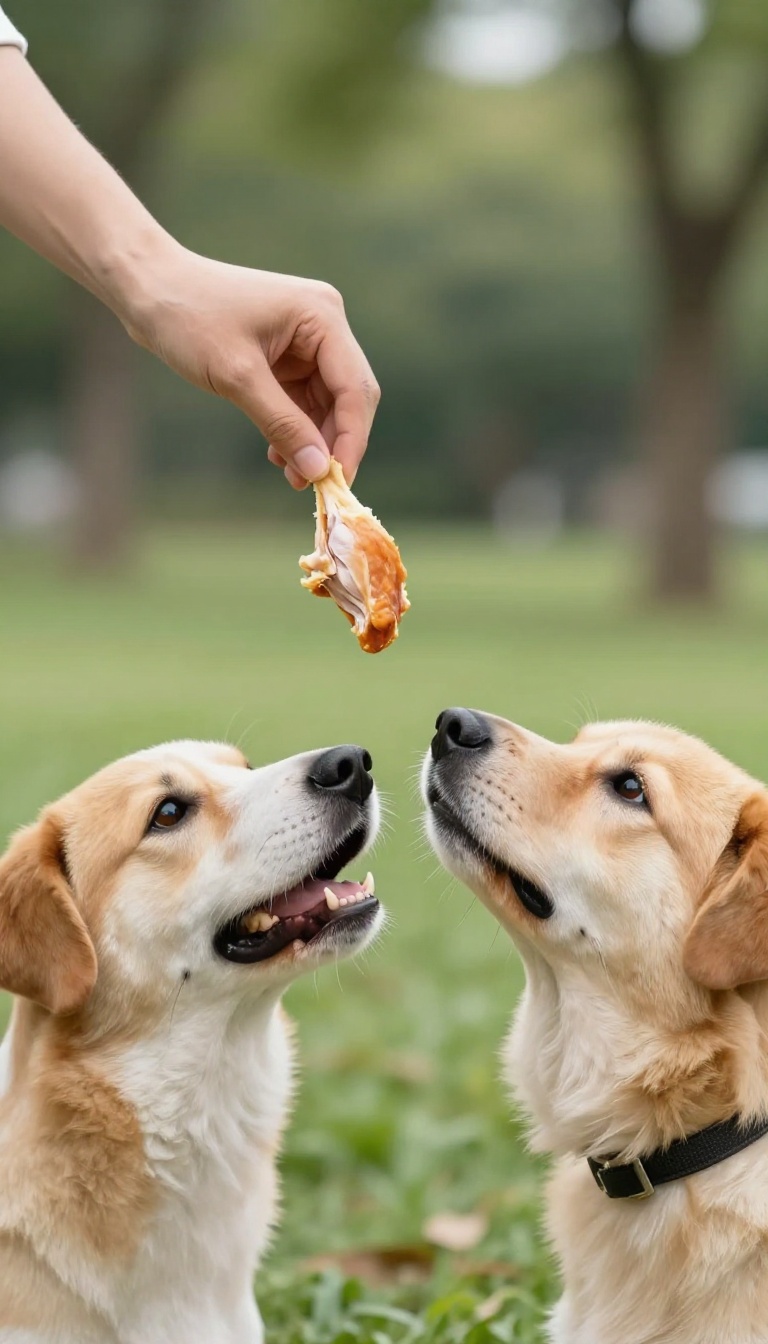
Some moments don't leave room for a slow, careful training session. A dropped pill, a chicken bone on the sidewalk, or a squirrel darting across the road—these are the times you need an instant release, no questions asked. That's where the emergency recall drop comes in.
It's a special version of "drop it" that uses a high-value reward and consistent practice in safe, controlled settings so your dog learns to let go immediately, even when their focus is locked on something else. The goal isn't just to get the item—it's to build a reflex that kicks in before your dog even thinks about running.
The emergency recall drop is different from a regular drop cue. It's reserved for high-stakes situations, so you'll want to make it feel extra special. Start by choosing a unique word or phrase that you only use in emergencies, like "now!
" or "give! "—something short and sharp that stands out from your everyday commands. Pair this cue with an ultra-high-value treat, something your dog rarely gets, like chicken, cheese, or hot dog slices.
The key is to practice in controlled environments first, gradually increasing distractions, so your dog learns to respond even when their nose is telling them otherwise. With consistent practice, you'll have a reliable emergency brake that could literally save your dog's life.
Why A Special Cue Matters
Using the same word for everyday drops and emergency drops can dilute its power. If you say "drop it" a hundred times a day for toys and socks, your dog might not realize that a specific situation demands a faster response. A unique cue signals that something important is happening and that a jackpot reward is coming.
This distinction helps your dog understand that the emergency cue is non-negotiable, even when they're tempted to bolt.
Setting Up The Practice
Begin in a quiet room with no distractions. Have your dog on a leash or in a confined area. Offer a moderately interesting toy or treat—not the highest value yet.
Say your emergency cue in a clear, upbeat tone, then immediately present a super tasty treat right at your dog's nose. The moment they release the item, mark it with a "yes! " and give them the treat.
Repeat this several times, gradually increasing the value of the item they have to drop, from a boring toy to a squeaky one, then to a food item on the floor.
Adding Distractions And Real-world Scenarios
Once your dog is responding reliably in a quiet room, start adding mild distractions. Have a friend walk by, or practice in your backyard. Then move to a park with a long leash.
The goal is to build up to a point where your dog will drop something even if they're chasing a squirrel or have a stolen sandwich in their mouth. Always use the emergency cue only in practice or real emergencies, and never punish your dog for being slow—just reset and try again. The more positive experiences you create, the stronger the reflex becomes.
FAQ
How long does it take to teach a dog to drop it?
It varies by dog, but with consistent practice, most dogs learn the basics in a few days. Mastery in distracting situations can take a few weeks.
What if my dog refuses to drop something dangerous?
Stay calm and offer a high-value treat or toy. If they won't drop it, try trading for something else or use a distraction like a treat scatter. Never chase or punish.
Can I use drop it with a puppy?
Absolutely. Puppies can learn drop it as early as 8 weeks old. Use gentle games and high-value rewards to make it fun.
What treats are best for drop it training?
Use small, soft, and smelly treats like cheese, chicken, or hot dogs. They should be more valuable than the item your dog is holding.
Why does my dog grab everything in the first place?
Dogs grab things out of curiosity, boredom, or because they've learned it gets attention. Drop it games redirect that behavior into a positive interaction.
Conclusion
Teaching drop it doesn't have to be a battle. By turning it into a game, you're not just stopping your dog from grabbing everything—you're building a stronger bond and a more reliable response. Start with the easiest games and work your way up.
With patience and consistency, your dog will learn that letting go is always worth it. So grab some treats, pick a game, and start practicing today. Your shoes will thank you.

I’m Pallab Kishore, the owner of Little Pets Realm — an animal lover and pet care enthusiast sharing easy tips, healthy recipes, and honest advice to help every small pet live a happy, healthy, tail-wagging life.