
Rainy days don't have to mean a bored, restless pup—or a guilt trip for you. With a little creativity, you can turn your living room into a training playground that tires out both body and mind.
These 11 games are perfect for days when a walk isn't on the table, and they'll strengthen your bond while building real skills. From nose work to impulse control, each one is simple to set up and fun to play.
Grab a few treats, clear some space, and let's make indoor days your dog's favorite part of the week.
1. The Cup Game: Build Focus and Patience
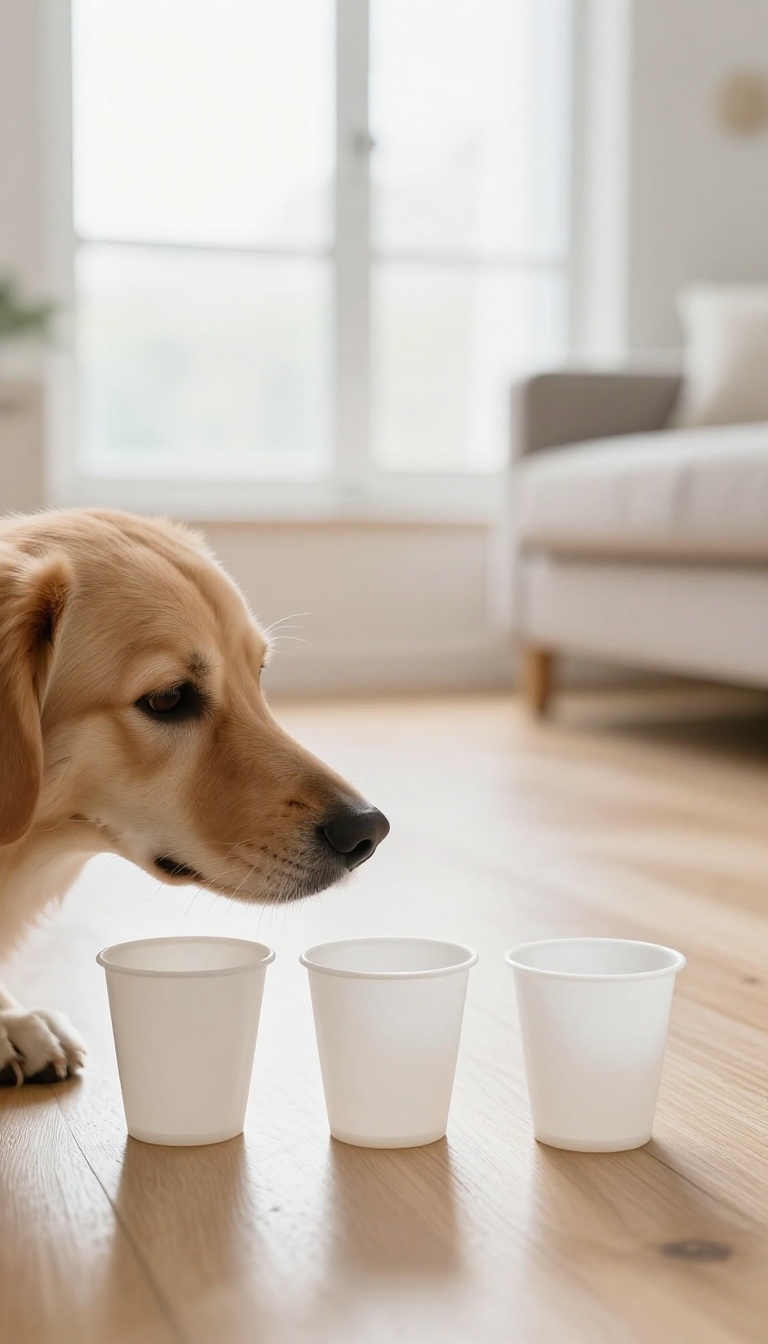
This classic shell game gets a dog-friendly twist that’s as entertaining as it is brain-training. It’s a fantastic way to channel your dog’s natural scavenging instincts while sharpening their observation skills. Plus, it’s a low-impact activity that works well in small spaces, making it perfect for apartment living or cramped living rooms.
Start with three identical cups or plastic containers, turned upside down. Show your dog a tasty treat, then place it under one cup while they’re watching. Slide the cups around slowly, then encourage your dog to choose.
When they nudge or paw at the right cup, lift it and let them have the reward. As they get the hang of it, you can speed up the shuffling or add more cups to increase the challenge.
Why It Works
The cup game taps into your dog’s natural problem-solving abilities. It requires them to track the treat visually and remember its location, which builds working memory and attention span. The wait-for-your-cue element also teaches impulse control, as your dog learns to hold back until you give the go-ahead.
How To Teach It Step By Step
Begin with just one cup and a treat on the floor, letting your dog eat it from under the cup. Then, place the treat under the cup and encourage them to flip it over. Gradually introduce the other cups, always using a cheerful tone and plenty of praise.
Keep sessions short—five minutes is plenty—to avoid frustration.
Troubleshooting Tips
If your dog loses interest, try using higher-value treats like cheese or chicken. If they knock over all the cups in excitement, slow down and reward calm behavior first. And if they seem confused, go back to the one-cup stage until they’re confident.
Patience is key, and every dog learns at their own pace.
2. Hide and Seek: Reinforce Recall and Stay
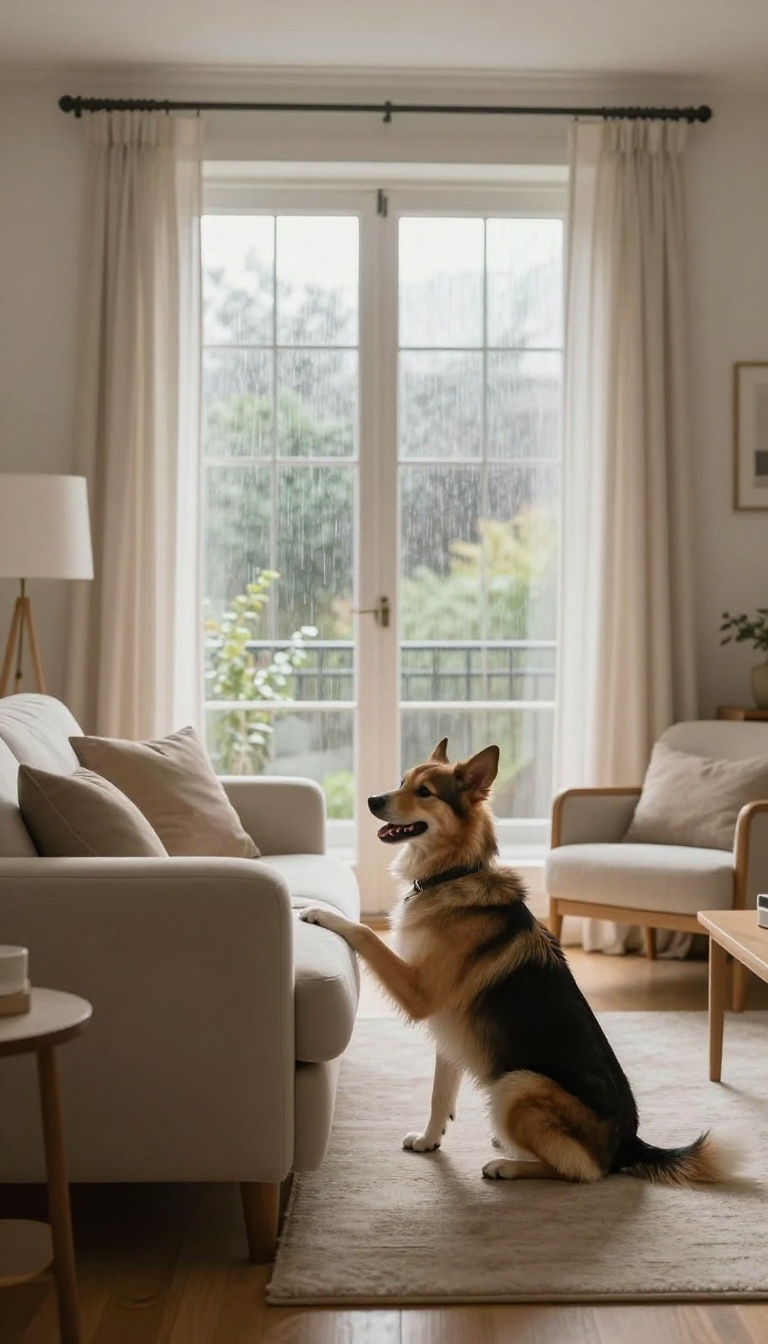
This isn't just a kid's game—it's a powerful training tool that taps into your dog's natural instincts. Playing hide and seek indoors strengthens your dog's recall and stay commands in a fun, low-pressure way. Plus, it's a fantastic mental workout that leaves your pup satisfied and tired.
Start Easy, Build Confidence
Begin by having your dog stay in a sit or down position while you walk a few feet away and hide behind a chair or curtain. Use a cheerful, excited voice to call their name and say "come! " The moment they find you, celebrate with praise and a treat.
Keep the first few rounds simple so they learn the game and feel successful.
Increase Difficulty Gradually
As your dog gets the hang of it, start hiding in more challenging spots—around a corner, in a closet, or under a blanket. You can also extend the stay duration before you call, testing their patience and impulse control. Always make sure your dog knows where you are at first, so they don't get frustrated.
Add A Verbal Cue For Recall
Use a specific word like "find me! " or "come find! " every time you hide.
This helps your dog associate that phrase with the exciting game of searching for you. Over time, they'll respond faster and more eagerly when they hear it, which can be a lifesaver in real-world situations where recall matters.
End On A High Note
Always finish the game while your dog is still enthusiastic. A few successful finds are better than dragging it out until they lose interest. This keeps the game fun and leaves them wanting more, so they'll be excited to play again next time.
3. Tug with Rules: Teach Drop and Take
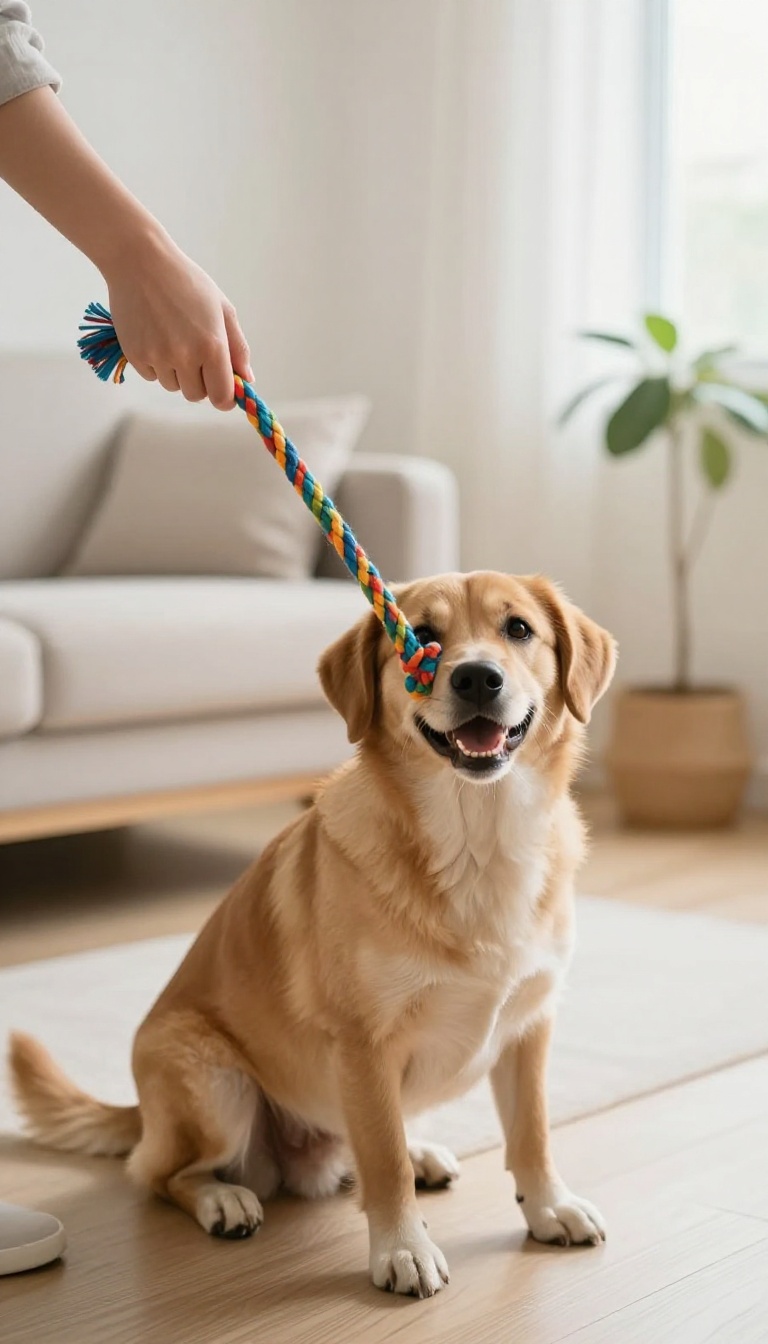
Tug-of-war often gets a bad rap, but when played with clear rules, it's actually a fantastic training game. It taps into your dog's natural prey drive while teaching two essential commands: 'take' and 'drop. ' This isn't just about burning energy—it's about building impulse control in a high-arousal situation, which is exactly what you need on a rainy day.
Start with a favorite tug toy and establish the ground rules. The game only continues when your dog follows your cues. This structured approach turns a simple play session into a powerful obedience workout that strengthens your bond and reinforces your role as the leader.
Set The Ground Rules
Before you even start, decide on the rules and stick to them. The game begins when you say 'take' and ends when you say 'drop. ' If your dog's teeth touch your skin, the game stops immediately. This teaches bite inhibition and respect for boundaries.
Consistency is key—every time you play, the rules are the same.
Teach 'drop' With A Trade
If your dog doesn't know 'drop' yet, start by trading. Offer a high-value treat right at their nose while saying 'drop' in a cheerful tone. The moment they release the toy, mark it with a 'yes' and give the treat.
Then, immediately re-engage with 'take' to keep the game going. This positive reinforcement makes dropping a win-win for your dog.
Add Impulse Control Challenges
Once your dog has the basics down, crank up the difficulty. Ask for a 'drop' mid-tug, then wait a few seconds before saying 'take' again. You can also practice 'leave it' with the toy on the floor before you start.
These small pauses teach your dog to think before acting, even when excitement is high—a skill that pays off in real-world situations.
4. The Shell Game: Boost Problem-Solving
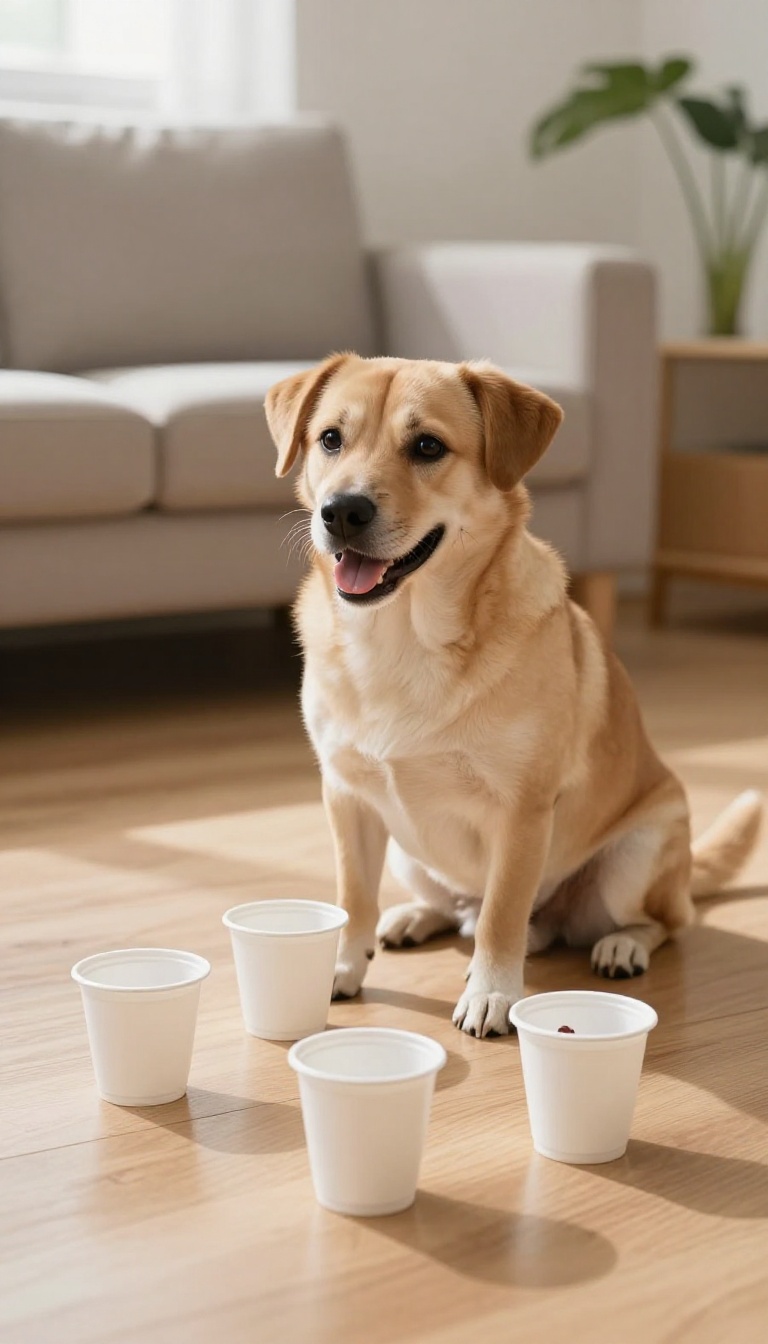
This isn't just a party trick—it's a serious brain workout. The shell game taps into your dog's natural scavenging instincts and sharpens their ability to focus and solve problems. It's perfect for rainy days when you need to burn mental energy without moving much.
Best of all, it's endlessly adjustable, so your dog never gets bored.
Start with three identical, opaque containers (like plastic cups or small buckets) and a high-value treat. Show your dog the treat, then place it under one container while they watch. Encourage them to sniff or paw at the correct one.
When they do, lift the container and let them have the treat. As they get the hang of it, start moving the containers around—slowly at first, then faster. This game builds memory, attention, and problem-solving skills, all while having a blast.
Why It Works
The shell game engages your dog's nose and brain simultaneously. It requires them to remember where the treat is, ignore distractions, and make a choice. This kind of mental stimulation is just as tiring as a long walk, making it ideal for rainy days.
Plus, it strengthens your dog's ability to focus on you and the task at hand.
Level Up The Challenge
Once your dog masters the basic game, add more containers or use different ones (like boxes or bowls). You can also start hiding the treat without letting them see where it goes, encouraging them to rely purely on scent. For an extra twist, ask your dog to 'wait' before choosing, which adds impulse control to the mix.
Keep It Fun And Safe
Always use treats your dog loves and keep sessions short—5 to 10 minutes is plenty. If your dog gets frustrated, go back a step and make it easier. Never force them to play; the goal is to build confidence and have fun.
Also, make sure containers are dog-safe and large enough that they can't be swallowed.
5. Obstacle Course: Channel Energy and Improve Coordination
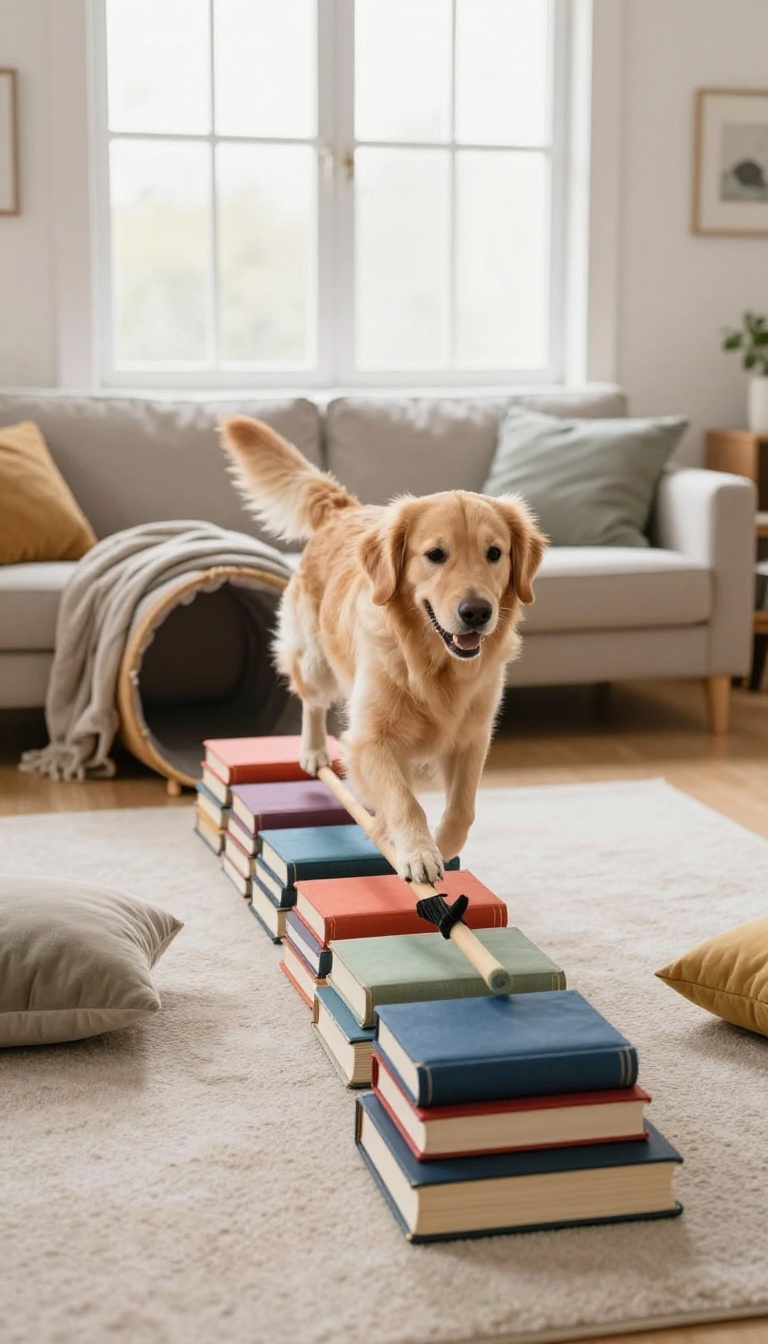
When the weather keeps you indoors, an obstacle course can be a lifesaver. It's a fun way to burn off that extra zoomies energy while sharpening your dog's coordination and focus. Plus, you don't need fancy equipment—just a few household items and a little imagination.
Setting up a mini agility course at home doesn't require a big space or expensive gear. You can use pillows, chairs, boxes, and even broom handles to create jumps, tunnels, and weave poles. The key is to keep it safe and simple, then gradually increase the difficulty as your dog gets the hang of it.
This game not only tires them out physically but also gives their brain a workout as they learn to navigate each obstacle.
Setting Up Your Course
Start by clearing a safe area in your living room or hallway. Use cushions or pillows as stepping stones for balance, a sturdy chair with a blanket draped over it as a tunnel, and a broomstick resting on two stacks of books for a low jump. For weave poles, you can use plastic cones or even water bottles filled with sand.
Arrange them in a line with enough space between each one for your dog to weave through comfortably. Remember to keep the course simple at first—you can always add more elements as your dog becomes more confident.
Guiding Your Dog Through
Use treats or a favorite toy to lure your dog through the course. Start by walking them through slowly, using a happy, encouraging voice. Reward them at each successful obstacle.
If your dog seems unsure, break the course into smaller parts and practice each one separately before putting it all together. Patience is key—this is supposed to be fun, not stressful. With practice, your dog will learn to follow your cues and navigate the course with enthusiasm.
Adding Variety And Challenge
Once your dog masters the basics, you can mix things up to keep them engaged. Change the arrangement of obstacles, add new ones like a hula hoop to jump through or a low plank to walk on, and try timing your dog to see if they can beat their own record. You can also incorporate commands like 'sit' or 'stay' at different points to reinforce obedience while they're having fun.
The goal is to keep the challenge appropriate for your dog's skill level so they stay motivated and excited.
6. Find the Treat: Engage the Nose
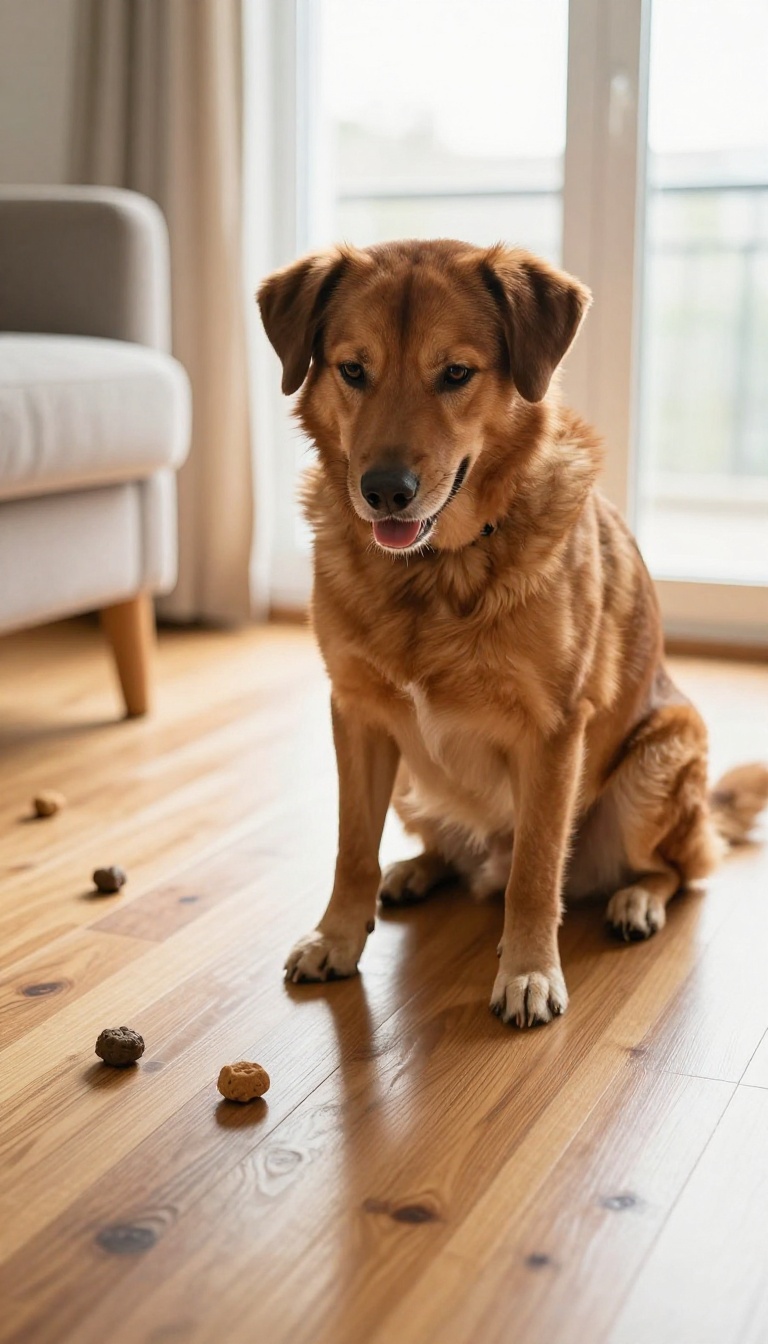
Dogs experience the world largely through their noses, and indoor days are the perfect chance to put that amazing sniffer to work. This game turns a simple treat hunt into a satisfying mental workout that can tire your pup out faster than a long walk. It's easy to set up, adapts to any space, and builds your dog's confidence as they learn to trust their instincts.
To play, start by letting your dog watch you toss a few treats onto the floor. Once they get the hang of that, move to the next level: hide treats in plain sight, then under things, and finally in more challenging spots. The goal is to make your dog use their nose, not just their eyes, so gradually increase the difficulty as they improve.
Start Simple, Then Build Up
Begin with easy finds to keep your dog motivated. Toss a treat a few feet away and say 'Find it! ' in an excited voice. Once they understand the game, start hiding treats behind chair legs, under a cushion (if they're allowed), or on low shelves.
This progression prevents frustration and keeps the game fun.
The Muffin Tin Challenge
For a fun twist, place a few treats in the cups of a muffin tin and cover each with a tennis ball. Your dog will have to figure out how to move the balls to get the treats. This adds a problem-solving element and is great for building persistence.
Start with one ball uncovered so they get the idea, then cover all the treats.
Make It A Workout
Turn the game into a full-body activity by hiding treats in different rooms or at different heights. Use a 'sit-stay' to release your dog, then send them on a search. This adds a physical component and reinforces impulse control.
You can also use a snuffle mat or a rolled-up towel with treats inside for a different texture challenge.
7. The Name Game: Teach Object Recognition
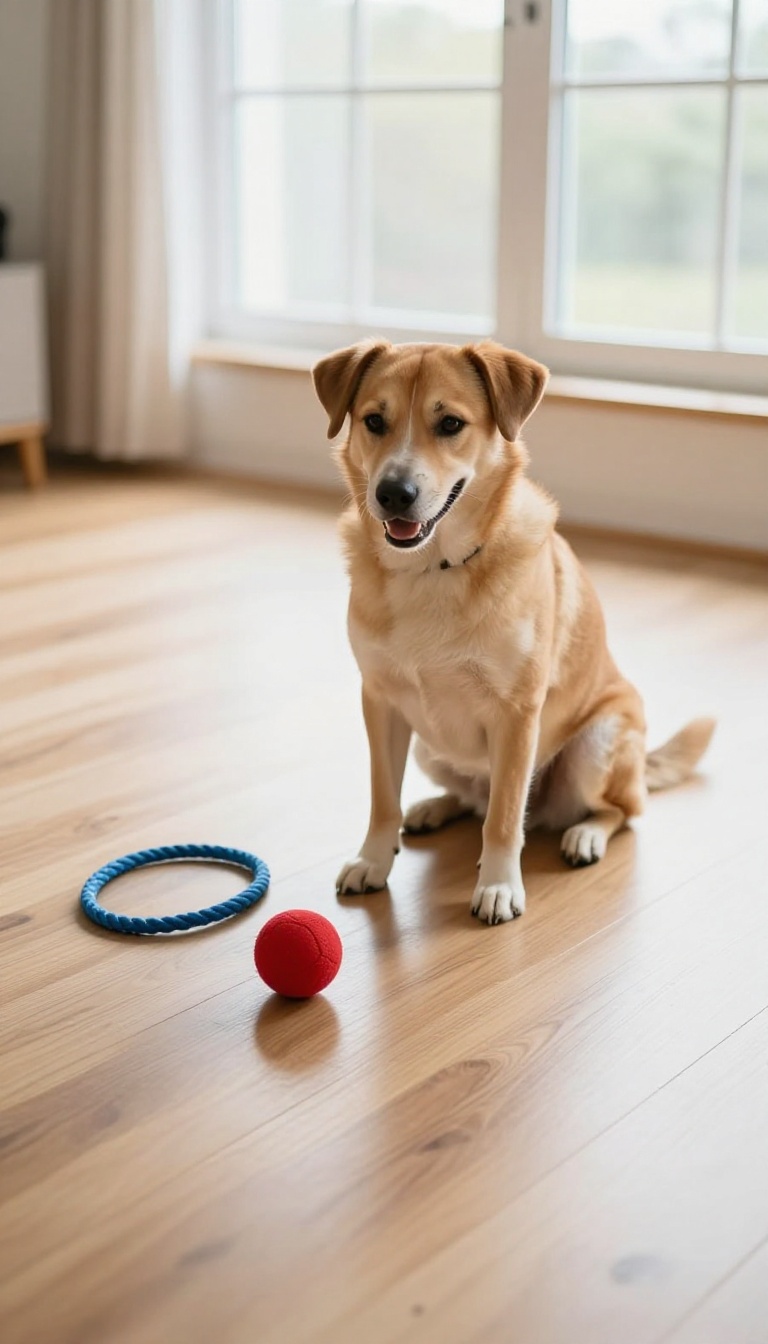
Teaching your dog the names of their toys is like unlocking a secret language between you two. It's a fun, low-energy game that turns everyday items into a vocabulary lesson. Plus, it's a fantastic way to sharpen their listening skills and boost their confidence.
Start with two or three of your dog's favorite toys, each with a distinct name like 'Ball' or 'Teddy. ' Sit on the floor with the toys in front of you and say the name of one toy, then encourage your dog to pick it up. When they do, reward them with a treat and lots of praise. Repeat this several times, mixing up the order to keep them guessing.
As your dog gets the hang of it, add more toys and gradually increase the distance between you. You can also introduce a 'drop it' cue to make the game more dynamic. The key is to keep sessions short and upbeat—five minutes a day is plenty.
This game not only teaches object recognition but also reinforces impulse control and focus.
Getting Started: Choose The Right Toys
Pick toys that are visually distinct and easy to grab, like a red ball, a blue rope, or a squeaky duck. Avoid toys that look too similar, as that can confuse your pup. Use high-value treats for rewards, and make sure you're in a quiet space with minimal distractions.
Step-by-step Training Method
Begin by placing two toys on the floor. Say the name of one toy, point to it, and encourage your dog to pick it up. When they do, praise and treat.
If they pick the wrong one, simply ignore it and try again. Once they consistently choose the right toy, remove the pointing cue and rely only on your voice.
Level Up: Add More Toys And Distance
Once your dog masters two toys, add a third, then a fourth. You can also place toys in different rooms and ask your dog to fetch a specific one from another room. This tests their memory and listening skills even further.
Remember to end on a high note with a success, so your dog stays motivated.
8. Spin and Twirl: Master Basic Cues
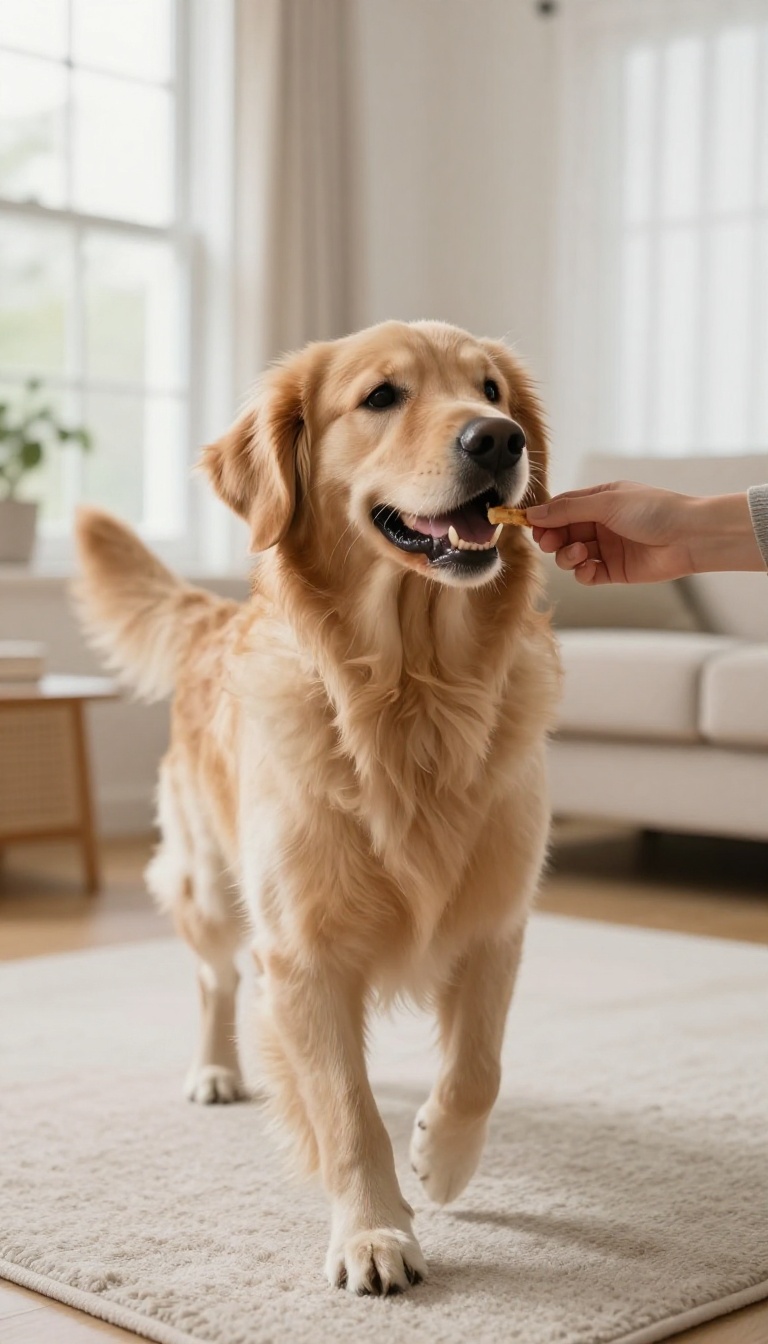
Teaching your dog to spin or twirl on command is more than just a cute trick—it's a fantastic way to sharpen their listening skills and burn off extra energy. This game builds coordination and reinforces the connection between verbal cues and physical actions. Plus, it's a surefire way to impress friends and family with your pup's fancy footwork.
Start by luring your dog in a circle with a treat held close to their nose. Once they complete the motion, say 'spin' and reward them. Practice in both directions to keep their brain engaged.
With repetition, you can phase out the treat lure and rely on the verbal cue alone.
Why Spin Works
Spinning requires your dog to focus on your hand and body language, which strengthens their ability to follow cues. It also engages their core muscles and improves spatial awareness, making it a great low-impact exercise for indoor days.
Step-by-step Training
Hold a treat near your dog's nose and slowly move it in a circular motion. As they follow, say 'spin' in a cheerful tone. Reward immediately when they complete the circle.
Repeat several times, then gradually reduce the hand motion until they respond to the word alone.
Add A Twist (literally)
Once your dog masters 'spin' in one direction, teach 'twirl' for the opposite direction. This adds mental complexity and prevents them from getting stuck in a routine. Use distinct cues and reward generously to keep it fun.
Make It A Game
Turn spin into a fun challenge by alternating between 'spin' and 'twirl' randomly. You can also incorporate it into a mini obstacle course or use it as a warm-up before other training games. The more playful you make it, the more eager your dog will be to participate.
9. The Treat Toss: Practice Self-Control
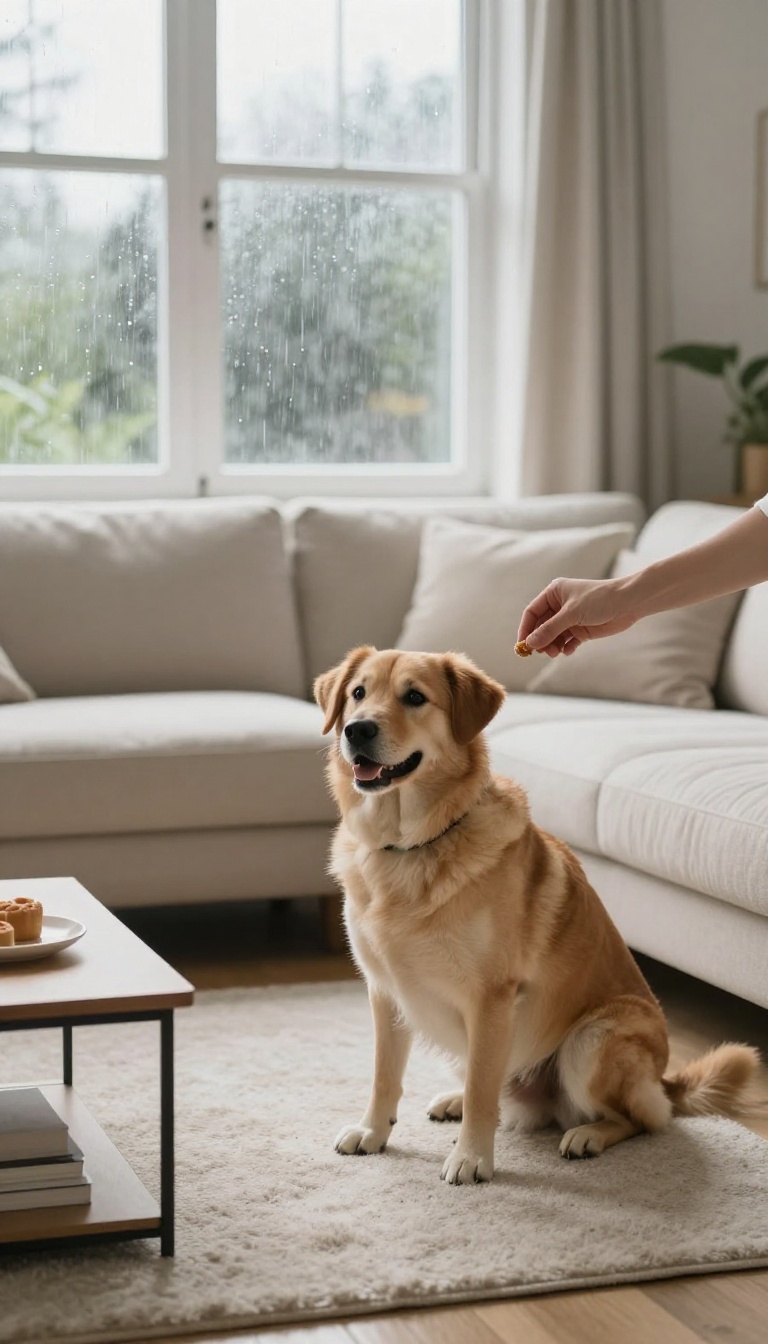
This game is all about teaching your dog that good things come to those who wait. It's a simple but powerful exercise that builds impulse control, which translates into better behavior in everyday situations—like not bolting out the door or jumping on guests. Plus, it's a great way to burn mental energy, which can be just as tiring as a long run.
Start by having your dog sit or lie down. Show them a treat, then toss it a few feet away—close enough that they can see it, but not so far that they're tempted to lunge. The goal is for them to stay put until you give a release cue like "okay!
" or "free! ". If they break before the cue, calmly reset and try again.
With practice, they'll learn that waiting earns them the reward, and the anticipation actually makes the treat taste better.
Why It Works
Impulse control is a foundational skill for any dog. By practicing waiting for a tossed treat, your dog learns to pause and think before acting. This carries over to real-life situations, like waiting at the door or staying calm when the mail arrives.
It also strengthens your role as the leader, since your dog learns that good things come from you, not from grabbing them on their own.
Setting Up For Success
Choose a quiet spot with few distractions. Use high-value treats that your dog loves, but keep them small so they don't fill up too quickly. Start with very short distances—just a few inches—and gradually increase as your dog gets the hang of it.
If your dog struggles, go back to tossing the treat right at their feet, or even just placing it on the ground in front of them, and build up from there.
Taking It To The Next Level
Once your dog masters the basics, you can make it harder. Toss the treat farther, or ask for a longer wait before releasing. You can also add a verbal cue like "wait" before the toss, then use a different release word.
Another fun variation is to toss two treats in different directions and let your dog choose which one to go for after the release—this adds a little decision-making to the game.
10. Interactive Puzzle Toys: Independent Problem-Solving
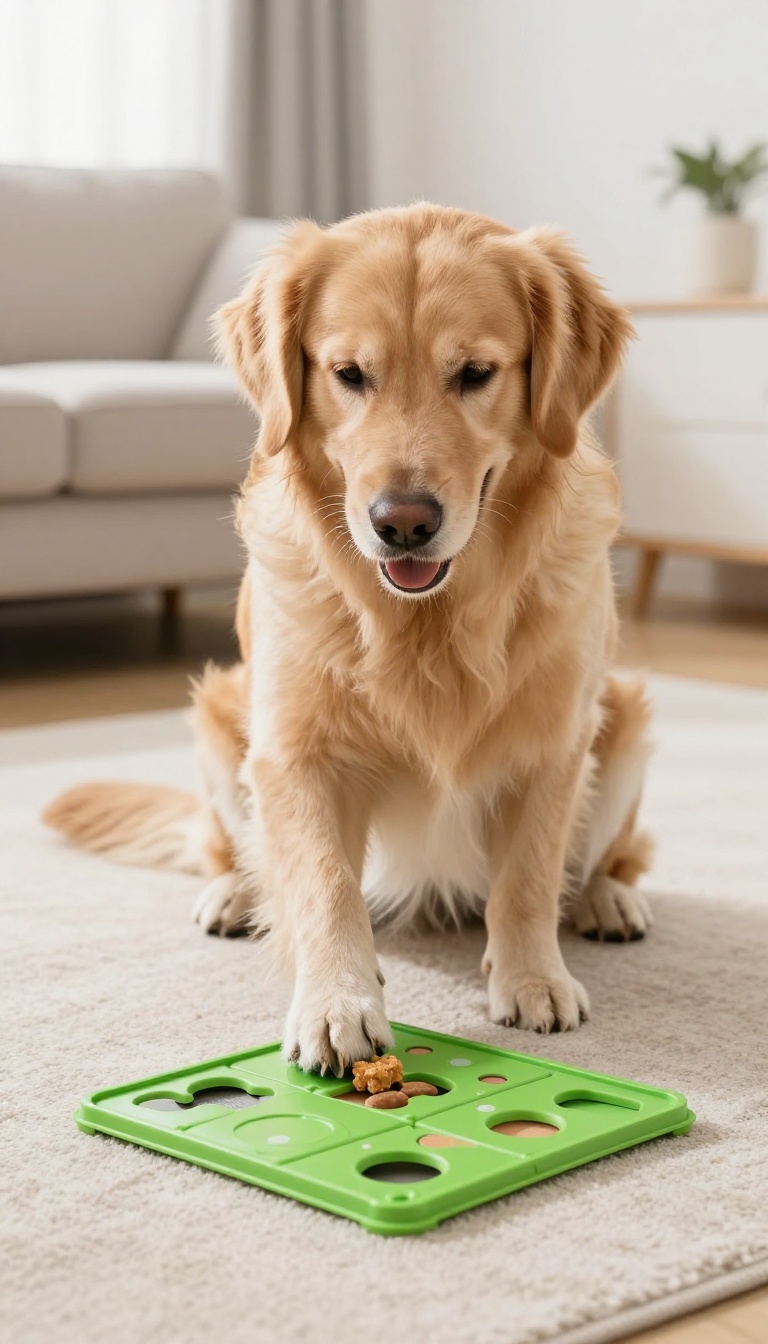
Some days, you need your dog to entertain themselves while you're tied up with work or chores. Interactive puzzle toys are the perfect solution—they challenge your dog's brain and keep them busy for minutes at a time. Best of all, you can buy them or make them at home with items you already have.
Puzzle toys come in all shapes and sizes, from sliding tiles to treat-dispensing balls. The goal is simple: your dog has to figure out how to get the treat by manipulating the toy. This engages their problem-solving skills and provides mental stimulation that can be just as tiring as a long walk.
Why Puzzle Toys Work
Dogs are natural problem solvers, and puzzle toys tap into that instinct. When they have to slide a lever or lift a flap to find a treat, they're using their brain in a way that settles them down. A mentally tired dog is a calm dog, which is exactly what you need on a busy day.
Diy Puzzle Ideas
You don't need to spend a fortune on fancy toys. Try hiding treats inside a muffin tin and covering each cup with a tennis ball. Or roll treats up in a towel and tie it in a loose knot.
These simple puzzles are just as effective and can be customized to your dog's skill level.
How To Introduce Puzzle Toys
Start with an easy puzzle and show your dog how it works by guiding their nose or paw. Once they get the hang of it, gradually increase the difficulty. Always supervise the first few times to make sure they don't get frustrated or try to chew the toy apart.
11. The 'Leave It' Game: Strengthen Boundaries
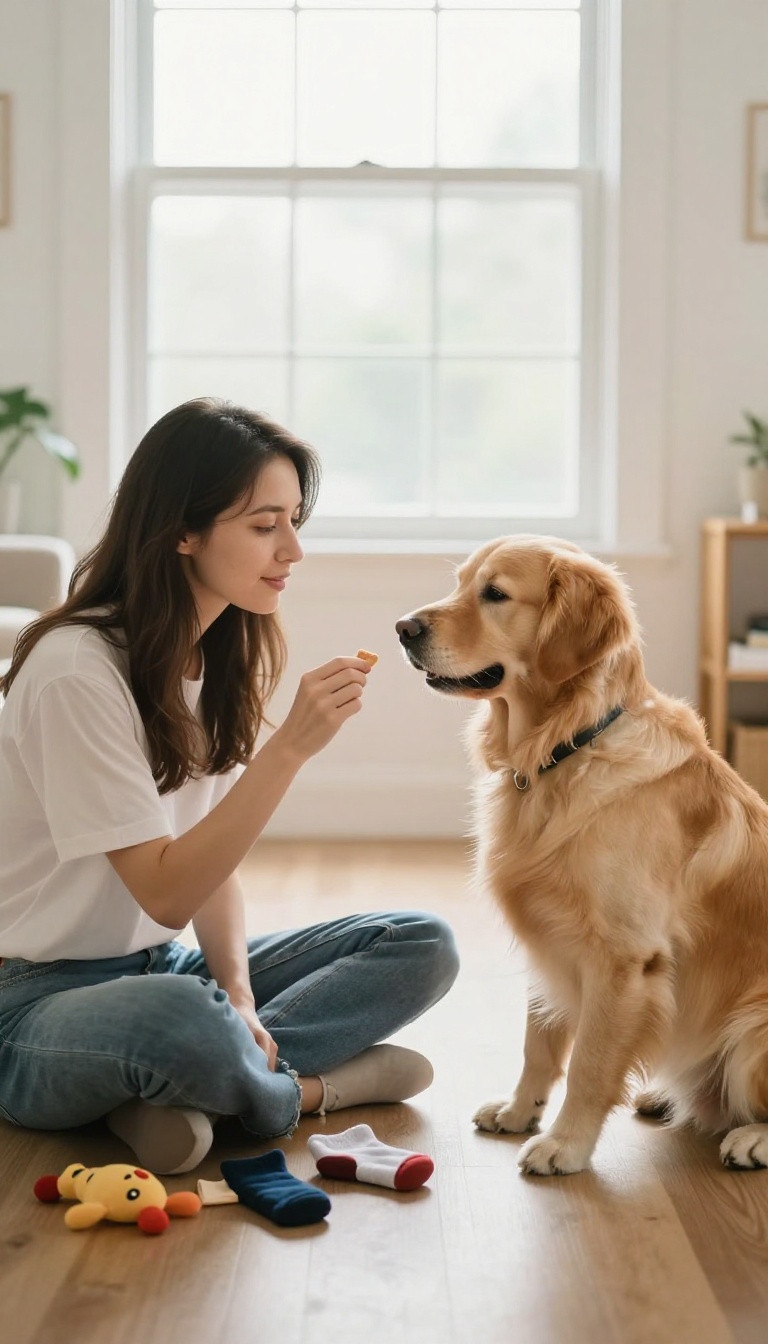
This game is a real lifesaver, especially when your dog decides the kids' toys or that random sock on the floor are fair game. It's not just about preventing a mess—it's about teaching your dog that you're the one in charge of what's valuable. The best part?
It's incredibly easy to start right on your living room floor.
The 'Leave It' game is a powerful tool for impulse control. It teaches your dog to pause and look to you for guidance instead of automatically grabbing something. This skill translates to real-world safety, whether it's avoiding a dropped pill, a toxic food, or a dangerous object on a walk.
Plus, it's a fantastic mental workout that helps tire out your pup on a rainy day.
Start Simple: The Hand Method
Begin with a treat in your closed fist. Hold it near your dog's nose, and when they sniff, lick, or paw at it, say 'leave it' in a calm, firm voice. The moment they pull back or look away, mark it with a 'yes' and reward them with a different treat from your other hand.
Repeat this until they understand that backing off earns the reward.
Level Up: Treat On The Floor
Once your dog gets the hand version, place a treat on the floor and cover it with your hand. Give the 'leave it' cue, and if they don't lunge for it, uncover the treat. If they go for it, cover it again.
When they can resist, let them have the treat as the reward. Gradually increase the difficulty by moving your hand away and eventually letting the treat sit uncovered.
Make It A Real-life Game
Use 'leave it' in everyday situations. Drop a piece of food on the floor and use the cue before letting them eat it. Practice with objects they love, like a favorite toy or a shoe.
The more you practice, the more automatic the response becomes. Remember to keep sessions short and positive—a few minutes a day is plenty.
FAQ
How long should I play these games with my dog?
Start with 5-10 minute sessions and gradually increase as your dog gets the hang of it. Short, frequent sessions are better than long ones to keep your dog engaged.
Are these games suitable for all dog breeds and ages?
Yes, but adjust the difficulty based on your dog's age and physical condition. Puppies and senior dogs may need simpler versions or shorter playtimes.
What if my dog loses interest quickly?
Try using higher-value treats or toys, and keep sessions upbeat. End on a positive note before your dog gets bored, and gradually increase the challenge.
Can these games replace outdoor exercise?
They're great supplements, but most dogs still need outdoor walks for bathroom breaks and socialization. Use these games to add extra mental stimulation on rainy days.
Do I need any special equipment?
Most games use everyday items like cups, towels, or toys. For puzzle toys, you can buy them or make DIY versions with household items.
Conclusion
Rainy days don't have to mean a bored, restless dog. These games turn your living room into a training playground, building focus and burning energy without needing a single step outside.
Start with the game that sounds most fun to you and your pup, and keep sessions short and upbeat. You'll both look forward to stormy afternoons once you see how much progress a few minutes of play can bring.

I’m Pallab Kishore, the owner of Little Pets Realm — an animal lover and pet care enthusiast sharing easy tips, healthy recipes, and honest advice to help every small pet live a happy, healthy, tail-wagging life.