
You've mastered the basics—sit, stay, come. But your dog is smart, and they're ready for more. Advanced tricks aren't just about showing off; they provide mental stimulation that tires them out even more than a long walk.
Plus, the focused one-on-one time deepens your bond in ways you might not expect. Teaching complex behaviors requires patience and a clear plan. The tricks below are designed for dogs who already know basic cues and love to learn.
Each one builds on natural instincts and uses positive reinforcement to keep things fun. Pick a trick that excites you, grab some high-value treats, and get ready to impress your friends. Your dog is more capable than you think—let's prove it.
1. Tidy Up: Teach Your Dog to Put Toys Away
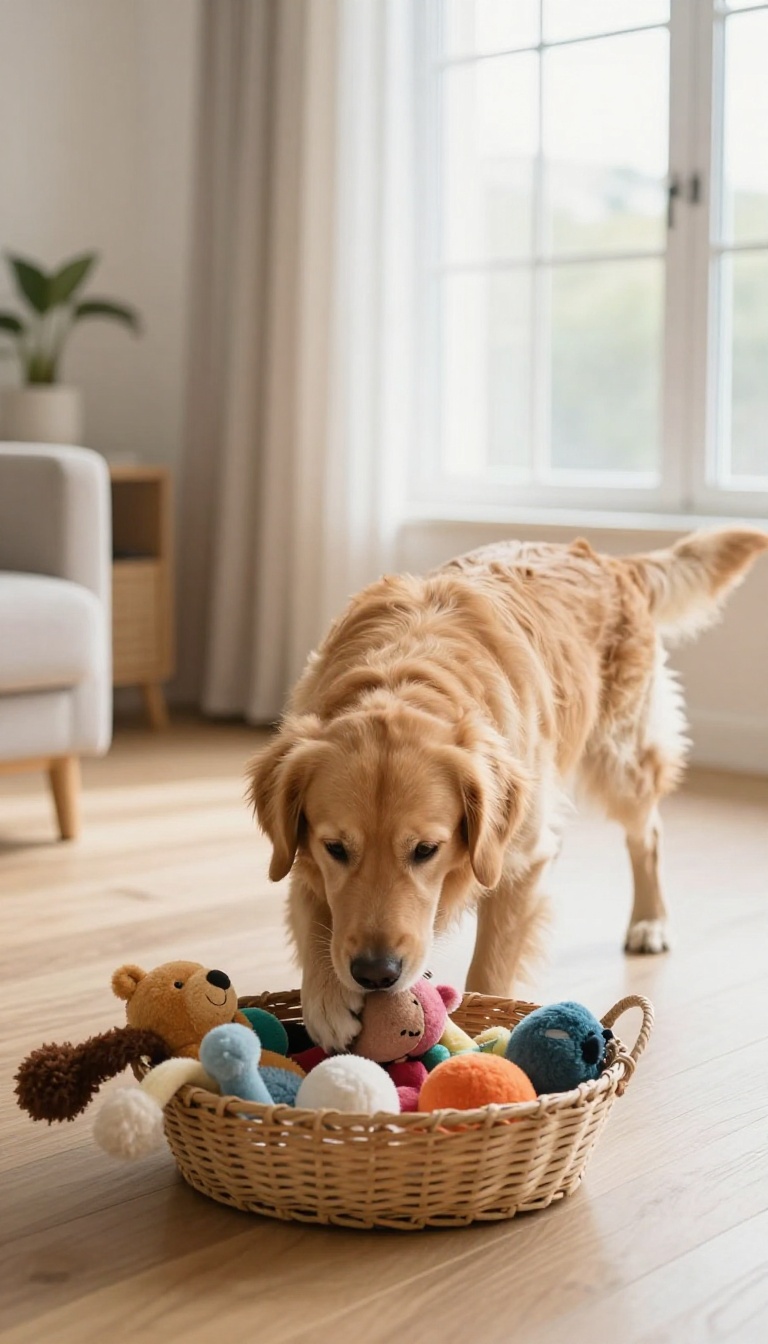
Cleaning up after playtime doesn't have to be a chore—it can be a fun game that exercises your dog's mind and body. Teaching your dog to pick up toys and drop them in a basket is a fantastic way to channel their natural retrieving instincts into a useful skill. Plus, it's a crowd-pleaser that shows off your dog's intelligence and your teamwork.
Start with a toy your dog already loves to hold. Use a command like 'hold' or 'take it' to encourage them to pick it up. Then, introduce a basket or bin and reward any interaction with it.
Gradually shape the behavior by rewarding closer and closer placements until your dog drops the toy directly into the basket. Add the cue 'tidy up' as you begin the sequence, and soon your dog will associate the phrase with the whole routine. Keep sessions short and upbeat, and always end with a big reward and praise.
Start With A Solid 'hold'
Before your dog can put toys away, they need to be comfortable holding items in their mouth. Practice with a soft toy or a dumbbell. Use a cheerful 'hold' command and reward with a treat when they take it.
Once they hold reliably, move on to the next step.
Introduce The Basket
Place the basket a few feet away and encourage your dog to approach it while holding the toy. Use a target stick or your hand to guide them. When they get near the basket, say 'drop it' and reward as soon as the toy falls in.
Repeat until they understand the goal.
Add The Cue And Fade Lures
Once your dog is consistently dropping toys into the basket, start saying 'tidy up' just before they pick up the toy. Gradually reduce your physical cues and treats, but keep the praise coming. Soon, you can point to a scattered toy and say 'tidy up' – and watch them do the rest.
2. Fetch Specific Items by Name
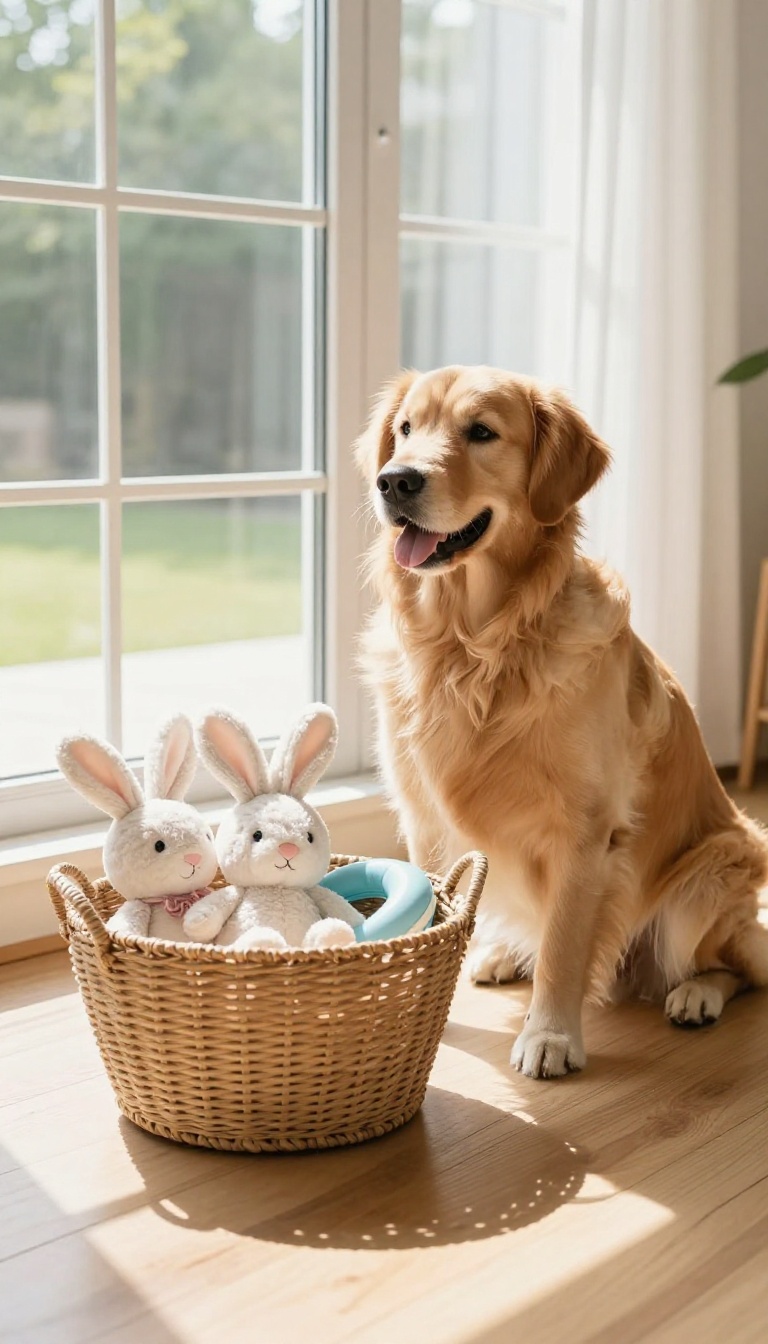
Teaching your dog to fetch a specific toy by name is a fantastic mental workout that also simplifies playtime. Instead of dumping a pile of toys and hoping they pick the right one, you can send them to grab their rope or their ball on command. It’s a trick that impresses everyone and strengthens your dog’s vocabulary.
Start with two toys that look and feel very different, like a plush bunny and a rubber ring. Place them a few feet apart and say the name of one as you point to it. When your dog picks it up, reward with a treat and praise.
Repeat until they reliably choose the named toy, then switch to the other toy. Once they have the idea, start mixing in more toys and practice in different rooms to help them generalize the names.
Start Simple
Begin with just two toys that have distinct shapes and textures. Say the toy's name as your dog grabs it, then reward. Keep sessions short and fun, ending before your dog loses interest.
Add More Toys
Once your dog consistently picks the right toy from two, add a third. Introduce new toys one at a time, saying the name clearly as they interact with it. This builds their vocabulary without confusion.
Practice In Different Rooms
Dogs often associate commands with specific locations. To ensure your dog truly knows the toy's name, practice in the living room, backyard, and even on walks. This helps them understand the cue anywhere.
3. Play Dead: The Dramatic Drop
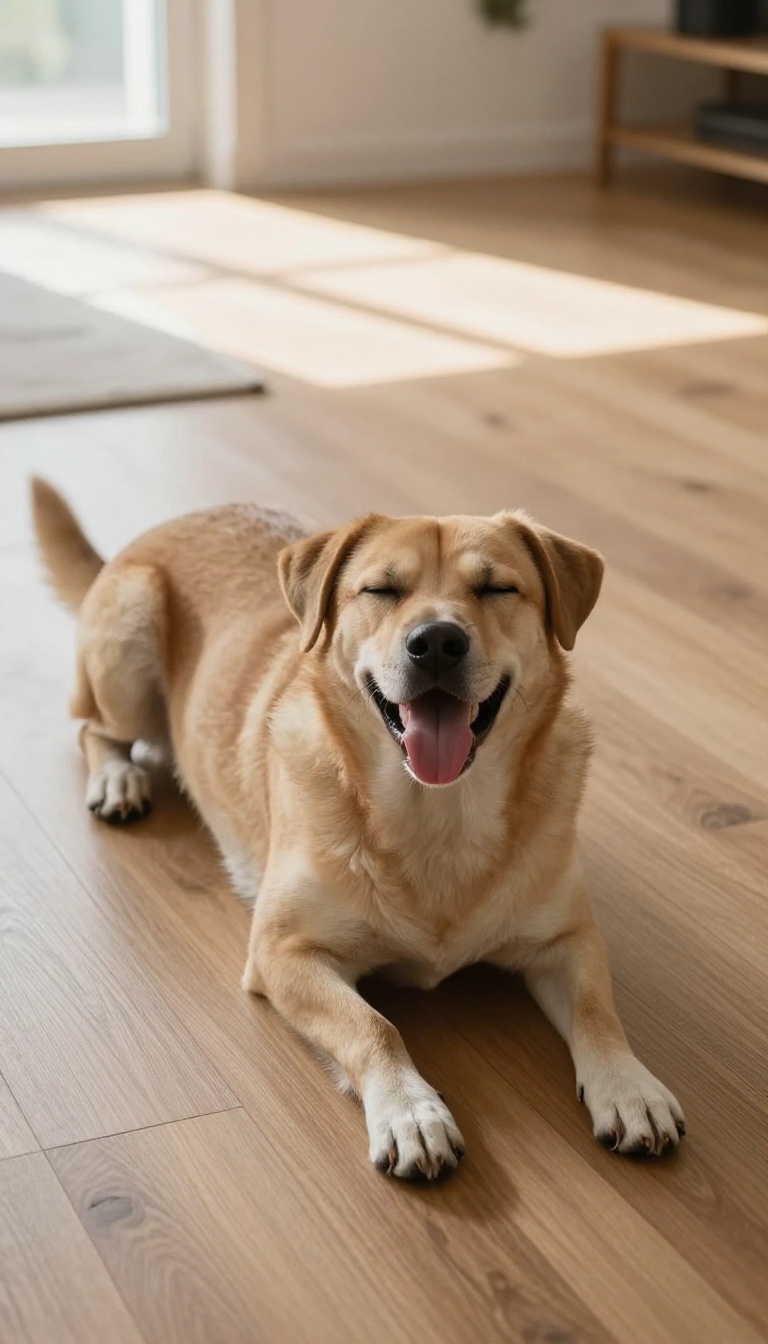
This trick is pure showmanship. It's a crowd-pleaser that makes it look like your dog has a flair for the theatrical, but really, it's just a fun way to build on the down position. The key is to break it into tiny steps so your dog never gets confused or frustrated.
Start with your dog in a down. Hold a treat near their nose and slowly move it toward their shoulder, encouraging them to roll onto their side. The moment they shift their weight, mark and reward.
Once they're comfortable lying on their side, add a hand signal—like a finger gun—and a verbal cue like "bang" or "play dead. " Keep sessions short and playful, and always end on a high note.
Shaping The Side Lie
Begin by luring your dog from a down into a side position. Move the treat from their nose toward their shoulder, then down to the floor. Reward any movement toward that side.
If your dog is hesitant, try a softer surface or a mat. Some dogs prefer to flop dramatically, while others need more encouragement. Be patient and let them figure it out.
Adding The Cue And Signal
Once your dog reliably drops to their side, it's time to add the cue. Say "bang" or "play dead" just before you lure, then give your hand signal. Over time, your dog will associate the words and gesture with the action.
Practice in different locations to generalize the behavior. Remember to keep your tone light and fun—this trick is all about the drama!
Troubleshooting Common Issues
If your dog pops back up too quickly, reward them for staying in the side position for a second or two before releasing. If they roll all the way over, that's fine—just reward the side lie first, then shape the full roll if you want. Short, frequent sessions work best.
If your dog seems bored, mix in other tricks to keep them engaged.
4. Weave Through Your Legs
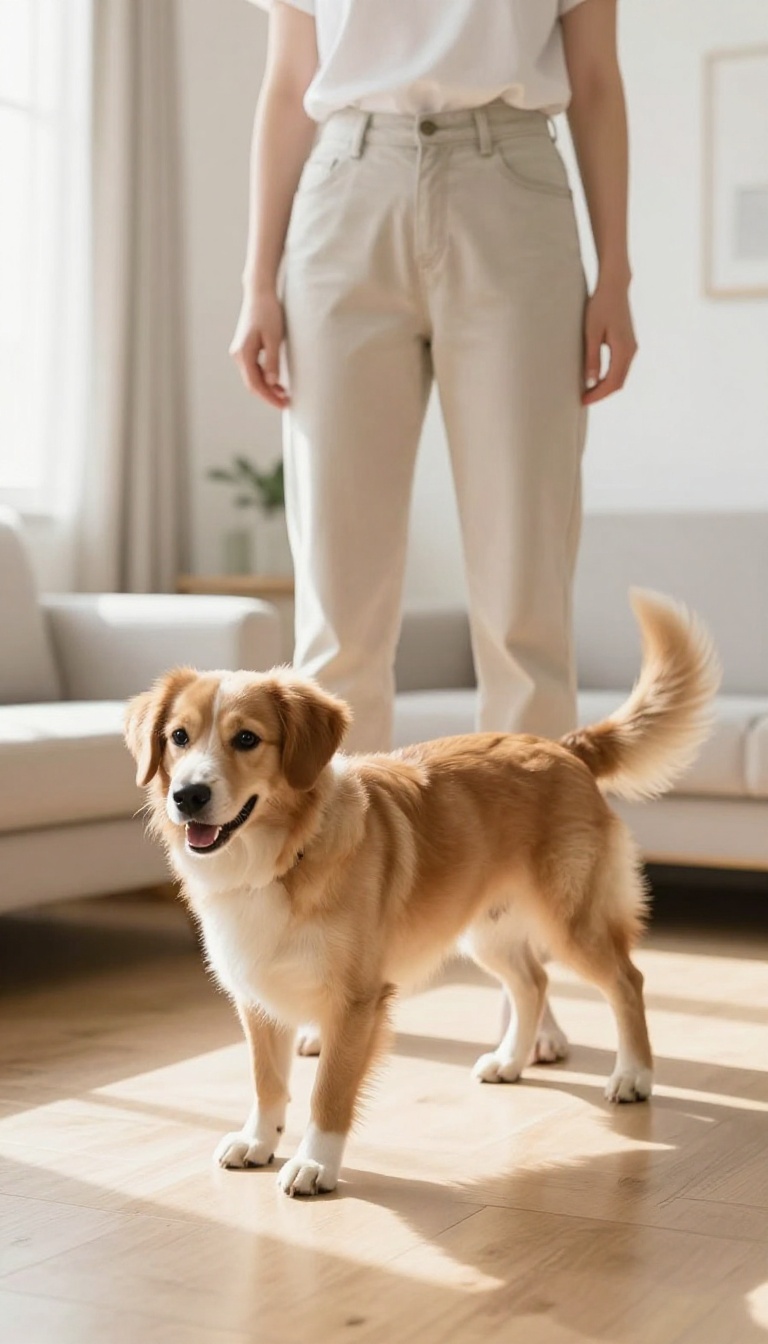
This move is a crowd-pleaser that shows off your dog's agility and your teamwork. It's a bit like a dance step, and once your dog catches on, they'll love weaving in and out as you walk. It also builds body awareness and coordination, which is great for their confidence.
Start with your dog standing beside you. Hold a treat in the hand closest to them and lure them through your legs from front to back. As they come out the other side, switch the treat to your other hand and lure them around your leg and through again.
Go slowly at first, rewarding each successful pass. Once they're comfortable with the motion, add a verbal cue like "weave" just before you lure. Gradually phase out the treat lure, using just the hand signal and then just the word.
Practice in short sessions to keep it fun and end on a high note.
Get The Basics Down
Begin with your dog on a leash for control. Use a high-value treat to guide them in a figure-eight pattern. Keep your steps small and your movements smooth.
Reward every successful weave, even if it's a bit clumsy at first. The goal is to build muscle memory, so repetition is key.
Add The Cue
Once your dog is reliably following the lure, introduce a verbal cue like "weave" right before you start the motion. Say it in a cheerful tone, then lure. After several repetitions, start saying the cue and pausing for a second to see if they begin the weave on their own.
If they do, praise and reward. If not, just lure again—they'll get it.
Drop The Lure
Now it's time to wean off the treat in your hand. Use the same hand motion but without a treat. If your dog gets confused, go back to luring for a few more reps.
Then try again. Once they respond to the hand signal alone, start using just the verbal cue. Practice in different locations to solidify the behavior.
5. Speak on Command and Hush on Cue
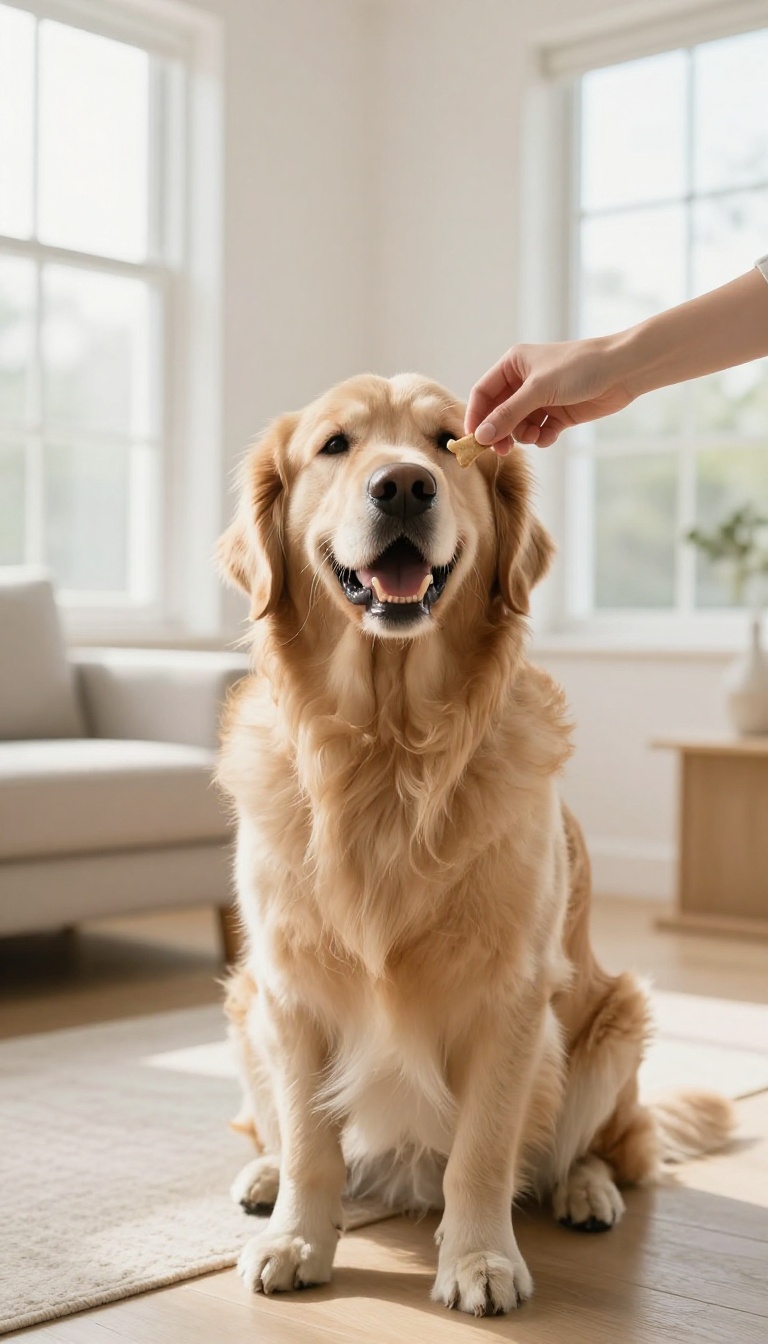
Teaching your dog to bark on command might seem counterintuitive—after all, most of us want less barking, not more. But when you control the cue, you gain control over the noise. This trick is a fantastic mental workout and a great party piece.
Start by capturing a natural bark, then add a quiet cue to bring the volume back down. It's a two-part skill that builds impulse control and sharpens your dog's listening. Plus, it's surprisingly practical for managing alert barking or just having a little fun.
The key is to break this into two separate behaviors: speak and hush. Each one gets its own cue and reward system. You'll want high-value treats and a quiet space to start, then gradually add distractions as your dog gets the hang of it.
Capturing The Bark
Wait for a moment when your dog naturally barks—maybe at the doorbell or during play. The instant they bark, say 'Speak' and reward with a treat. Repeat this several times until they start offering a bark when they hear the cue.
Keep sessions short and upbeat.
Adding The Quiet Cue
Once 'speak' is solid, work on 'hush. ' After your dog barks on cue, say 'Hush' in a calm, low voice. The moment they stop barking, even for a second, reward them. Gradually increase the duration of silence before giving the treat.
Be patient—this part takes time.
Putting It Together
Alternate between 'speak' and 'hush' in quick succession. This teaches your dog to switch between states on command. Use a release word like 'okay' to signal when the game is over.
With practice, you'll have a dog that barks on cue and quiets just as easily.
6. Crawl: Sneaky and Fun
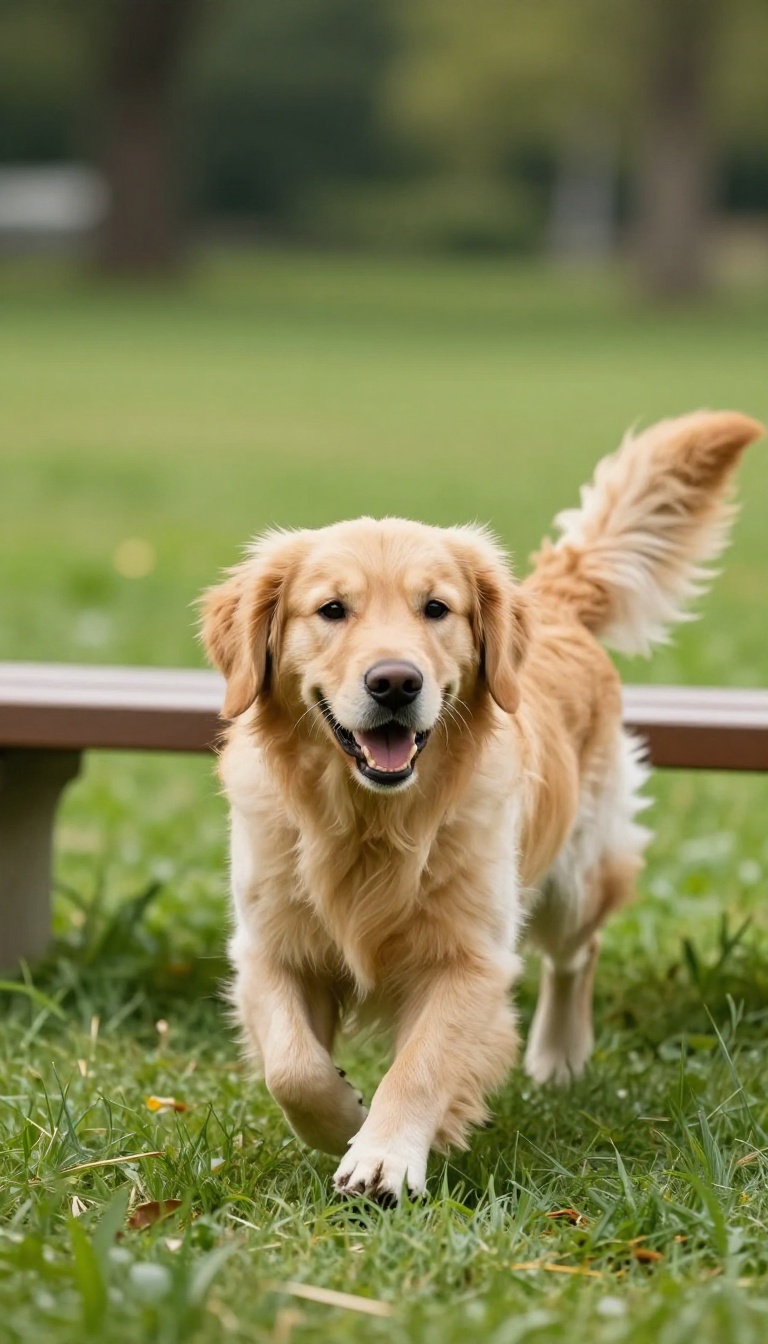
Crawling is a fantastic trick that builds coordination and confidence. It also looks incredibly cool—like your dog is on a secret mission. While it might seem tricky at first, breaking it down into small steps makes it totally doable for a bright learner.
Start with your dog in a down position. Hold a treat right at their nose and slowly move it forward along the ground, just a few inches. The moment they shift their weight or move a paw forward, mark it with a click or a cheerful "yes!
" and give them the treat. Repeat this, gradually increasing the distance they need to move before getting the reward. Once they're consistently scooting forward, add the verbal cue "crawl" right before you lure.
With practice, you can phase out the treat lure and just use a hand signal or the word alone.
Shaping The Movement
If your dog tries to stand up, gently guide them back down and try again. Keep sessions short—just a few minutes at a time—to keep it fun. Some dogs naturally want to belly-crawl, while others might try to inchworm with their chest up.
Both are fine, as long as they're moving forward while staying low.
Adding A Hand Signal
Once your dog understands the verbal cue, you can add a subtle hand signal. Use a flat hand, palm down, and move it forward like you're sliding it along the ground. This is handy for silent commands or when you're too far away to lure.
Making It Useful
Crawling can be a fun way to get your dog to move under low obstacles, like a table or a branch during a hike. It's also a great party trick to show off to friends. Plus, it's a low-impact exercise that's perfect for senior dogs or those recovering from injuries.
7. Spin and Twist: Directional Cues
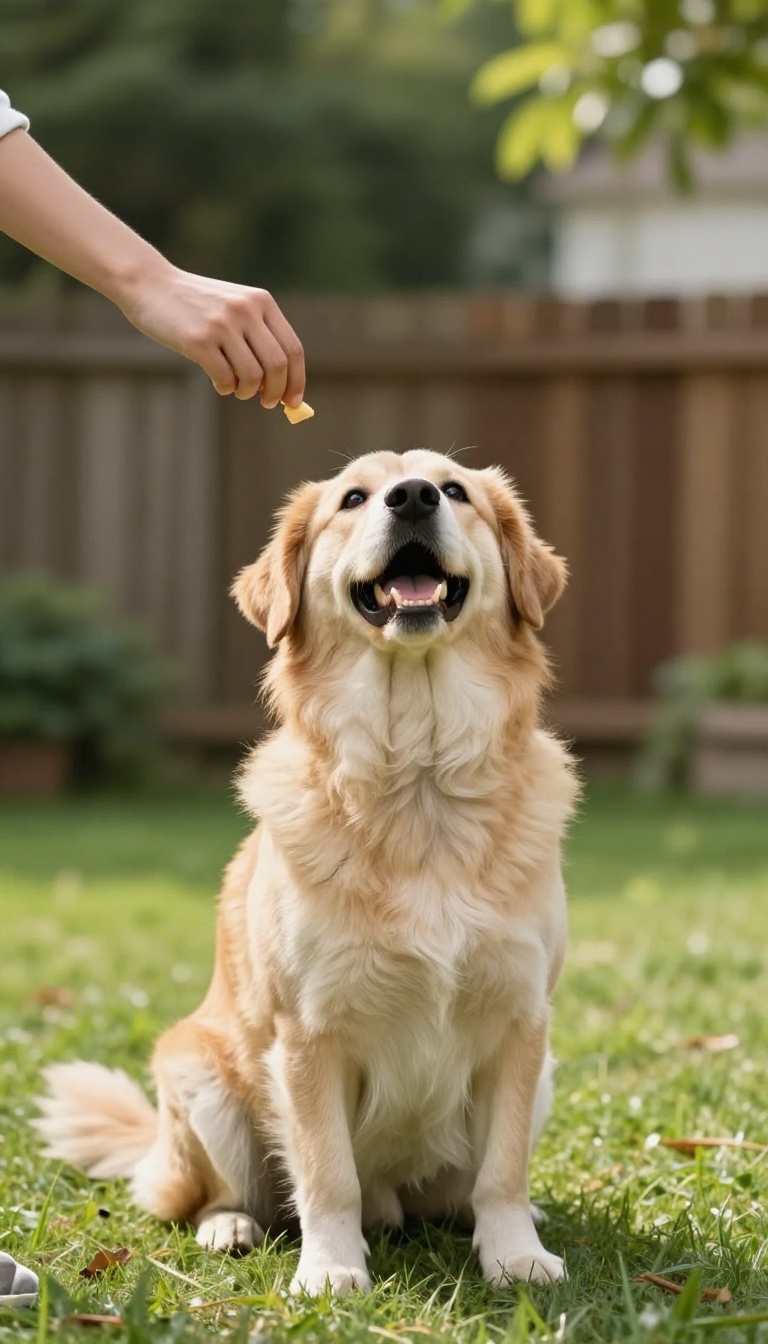
Once your dog has mastered a simple spin, it's time to add direction. This trick isn't just about going in circles; it's about teaching your dog to respond to left and right cues with precision. It's a fantastic way to sharpen their listening skills and build body awareness, all while having a blast.
Start by teaching a basic spin in one direction, using a treat to lure your dog in a circle. Once they've got that down, introduce a verbal cue like 'spin' for that direction. Then, teach the opposite direction with a different cue, like 'twist. ' The key is to be consistent with your cues and to reward each correct turn.
With practice, your dog will learn to spin and twist on command, impressing everyone with their directional savvy.
Why Directional Cues Matter
Adding direction to a spin isn't just about variety. It teaches your dog to pay attention to the subtle differences in your cues, which strengthens their overall responsiveness. It also helps with coordination and body awareness, as they learn to move each side of their body deliberately.
Plus, it's a fun way to challenge their brain and keep them engaged.
Teaching The Basics
Begin with a lure in one hand, say your right hand, and guide your dog in a clockwise circle, saying 'spin' as they follow. Reward with the treat and praise. Practice this until they can do it without the lure, just on the verbal cue.
Then, switch to your left hand and guide them counterclockwise, saying 'twist. ' Be patient and use high-value treats to keep them motivated.
Adding Distance And Distractions
Once your dog is reliable with both cues, start adding distance. Ask for a spin from a few feet away, then gradually increase the distance. You can also add distractions, like having them spin while a toy is nearby.
This helps solidify the behavior in real-world situations. Remember to keep training sessions short and fun.
Troubleshooting Common Issues
If your dog gets confused between the two cues, go back to basics and practice each separately. Make sure your body language and hand signals are distinct for each direction. If they start spinning in the wrong direction, stop and reset, then try again.
Consistency and patience are key. Celebrate small successes and keep the training positive.
8. Take a Bow: The Yoga Pose
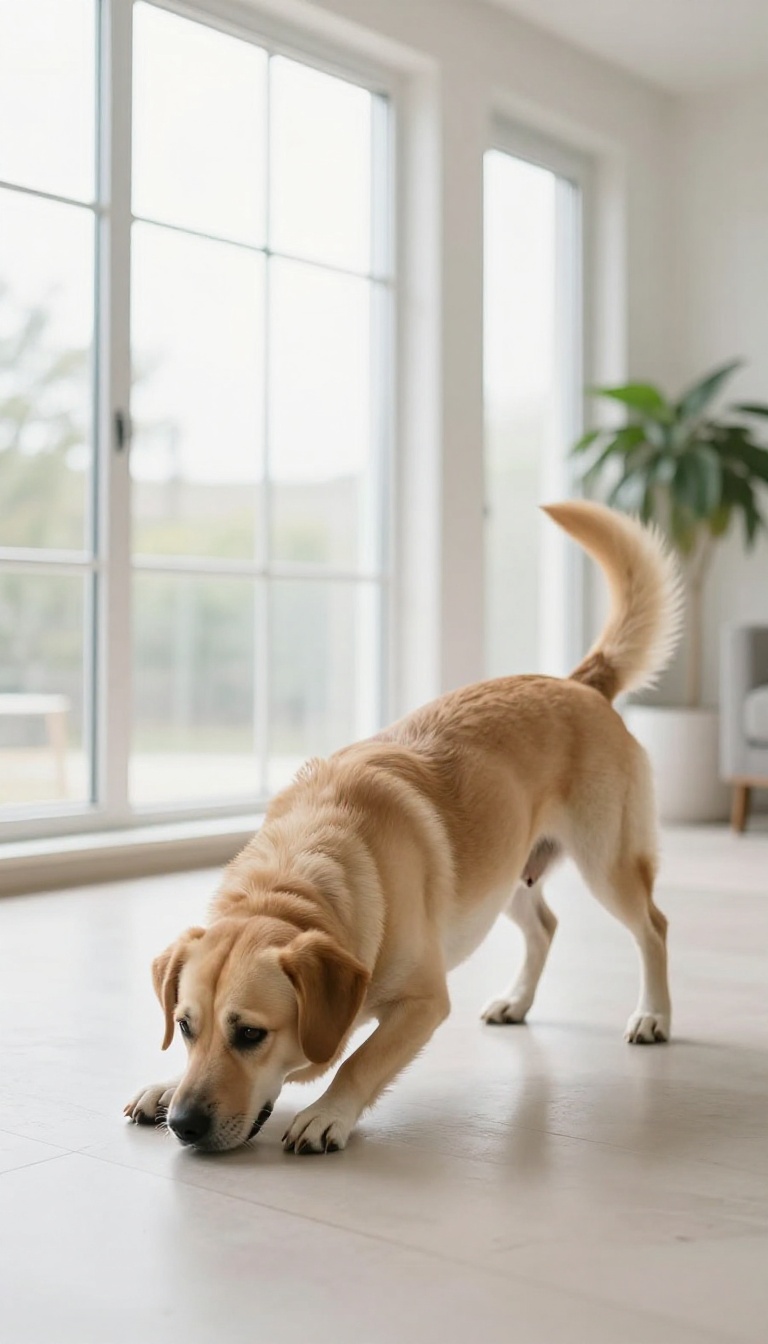
This trick is a graceful way to show off your dog's flexibility and focus. It's also a fantastic stretch for their spine and shoulders, especially after a vigorous play session. Teaching it is straightforward, and the result is a polished move that looks like your dog is taking a bow after a performance.
Start with your dog standing in front of you. Hold a treat close to their nose, then slowly lower it straight down between their front paws. As they follow the treat, their chest will lower, and their rear will stay up.
The moment their elbows touch the ground, mark with a click or a 'yes' and reward. Repeat this a few times, then introduce the verbal cue 'bow' just before you lure them down. With practice, you can phase out the treat and use just a hand signal.
Why Your Dog Will Love It
This trick taps into a natural stretching behavior. Many dogs will bow spontaneously when they're feeling playful or after waking up. By rewarding it, you're turning an instinctive move into a fun game.
Plus, the physical stretch feels good, so your dog will be more than happy to show it off.
Troubleshooting Common Issues
If your dog just lies down instead of bowing, you're probably moving the treat too far forward. Keep the treat close to their body and only lower it a few inches. If they're too excited and keep jumping, practice after a good walk when they're calmer.
Patience is key—keep sessions short and end on a high note.
Taking It To The Next Level
Once your dog has mastered the bow on cue, you can add a little flair. Ask for a bow from a distance, or teach them to hold the position for a few seconds before rewarding. You can even combine it with other tricks, like a spin into a bow, for a mini routine that will impress anyone watching.
9. Jump Through a Hoop
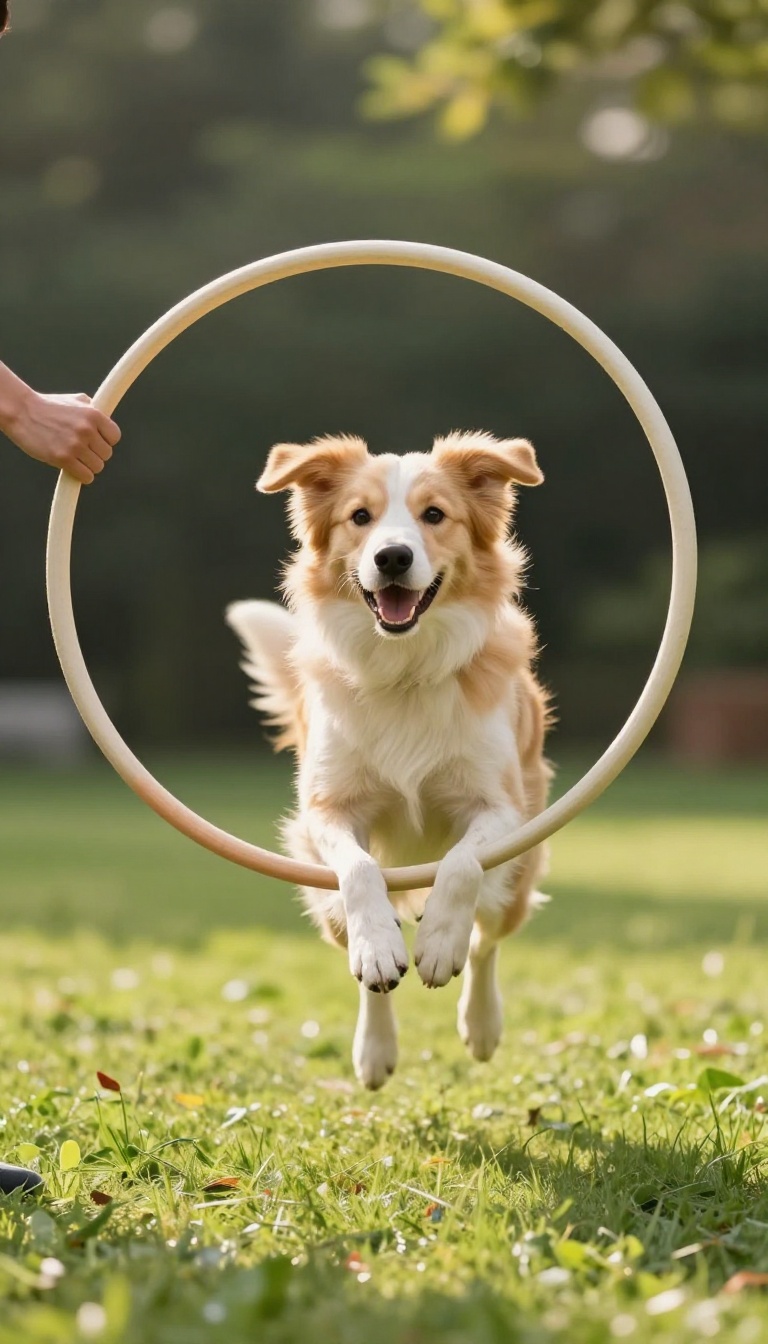
This trick is a showstopper that combines agility, confidence, and trust. It's also surprisingly easy to teach if you break it down into simple steps. Your dog will learn to associate the hoop with fun and treats, and soon they'll be leaping through it on command.
Start with the hoop flat on the ground so your dog can walk through it without jumping. Lure them with a treat, reward them for stepping through, and gradually raise the hoop a few inches at a time. Use a sturdy, lightweight hoop (like a hula hoop or an embroidery hoop) and make sure it's big enough for your dog to pass through comfortably.
Always keep sessions short and positive, and never force your dog if they seem hesitant.
Getting Started On The Ground
Place the hoop on the floor and let your dog sniff it. Hold a treat on the far side and encourage them to walk through. Reward every step they take through the hoop, even if they just put a paw in.
Repeat this until they confidently walk through on their own.
Adding Height And The Cue
Once your dog is comfortable walking through, lift the hoop just an inch or two off the ground. Use a cue like 'hoop' or 'jump' right before they go through. Gradually raise it higher, but keep it low enough that they can still clear it easily.
Never rush this step—your dog should be confident at each height before you raise it more.
Troubleshooting And Safety
If your dog tries to go around the hoop, guide them with the treat and use a gentle hand on their collar if needed. Make sure the hoop is stable and won't tip over. Always practice on a non-slip surface and check that the hoop has no sharp edges.
If your dog seems scared, go back to the ground level and build up more slowly.
10. Balance a Treat on Their Nose
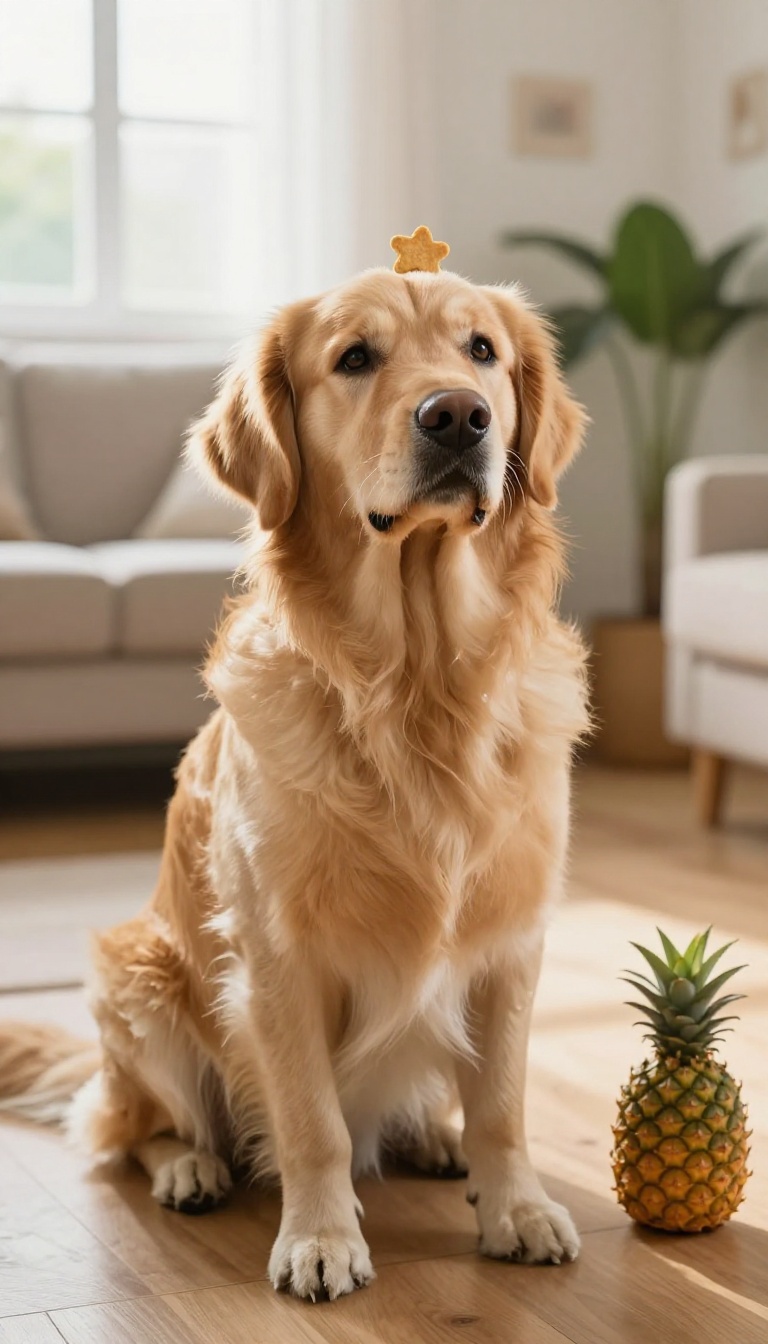
This trick is a true test of patience and self-control, and it never fails to impress. It starts with a simple sit, but the real challenge is teaching your dog to hold perfectly still while a treat balances on their nose. Once they've mastered that, you can add the fun part: a flip and a catch.
Start with a calm, quiet space and a treat that's not too slippery—think small, flat treats like a piece of cheese or a training biscuit. Have your dog sit, then gently place the treat on the bridge of their nose. Use a calm, steady voice to say 'hold' or 'stay' while keeping your hand near their chin to prevent them from dropping it.
Reward them the moment they hold still, even for a second, then gradually increase the time. Once they're solid with holding, teach the flip by giving a slight upward tap under their chin and saying 'catch' as they toss the treat. Practice this in short sessions to keep it fun and avoid frustration.
Remember, patience is key—this trick takes time, but the payoff is a confident dog who can balance like a pro.
Getting The Hold Right
The foundation is a rock-solid 'stay' and a relaxed posture. Start with your dog sitting, then place the treat on their nose while keeping your hand close. Say 'hold' and immediately reward with a different treat from your other hand.
If they drop it, no big deal—just reset and try again. Short, frequent sessions work best, and always end on a positive note.
Adding The Flip And Catch
Once your dog can hold the treat for a few seconds, introduce the flip. Gently tap under their chin or use a cue like 'catch' while moving your hand up. They'll naturally toss the treat and try to catch it.
Reward them when they catch it, even if it's messy at first. With practice, they'll learn to flip it high and catch it cleanly.
Troubleshooting Common Mistakes
If your dog is too eager and drops the treat, slow down and go back to shorter holds. If they're nervous, use a less smelly treat or practice without the flip until they're comfortable. Keep training sessions upbeat and short—five minutes at a time is plenty.
And always use high-value rewards to keep motivation high.
FAQ
How long does it take to teach an advanced trick?
It varies by trick and dog. Some may learn in a few sessions, while others take weeks. Break it into small steps and practice regularly for best results.
What if my dog gets frustrated?
Take a break and end on a positive note. Go back to an easier step they know well, then try again later. Keep sessions short and fun.
Can any dog learn these tricks?
Most dogs can learn advanced tricks with patience and positive reinforcement. Adjust the difficulty based on your dog's breed, age, and physical abilities.
What treats are best for training?
Use small, soft, high-value treats that your dog loves. Cut them into tiny pieces so you can reward frequently without overfeeding.
Should I use a clicker?
A clicker can help mark the exact moment your dog does the right behavior, but it's not required. You can use a consistent word like 'yes' instead.
Conclusion
Teaching advanced tricks is a journey that rewards both you and your dog. Each trick builds confidence, strengthens your communication, and provides mental exercise that keeps your pup sharp. Start with one trick, be patient, and celebrate the small wins.
Remember, the goal is to have fun together.
Your dog doesn't care about perfection—they care about spending time with you. So grab some treats, pick a trick, and enjoy the process. Happy training!

I’m Pallab Kishore, the owner of Little Pets Realm — an animal lover and pet care enthusiast sharing easy tips, healthy recipes, and honest advice to help every small pet live a happy, healthy, tail-wagging life.