
Car rides with your dog can go from stressful to smooth with a little planning and patience. Most pups aren't born loving the car—they learn to enjoy it through positive, repeated experiences.
The good news is you don't need a professional trainer or expensive gear to make a difference. These 13 tips focus on practical, budget-friendly steps that fit into your daily routine.
Whether your dog gets anxious at the sound of the engine or just can't sit still, you'll find simple solutions here. Start small, stay consistent, and you'll both look forward to the next adventure.
1. Start with Short, Happy Trips
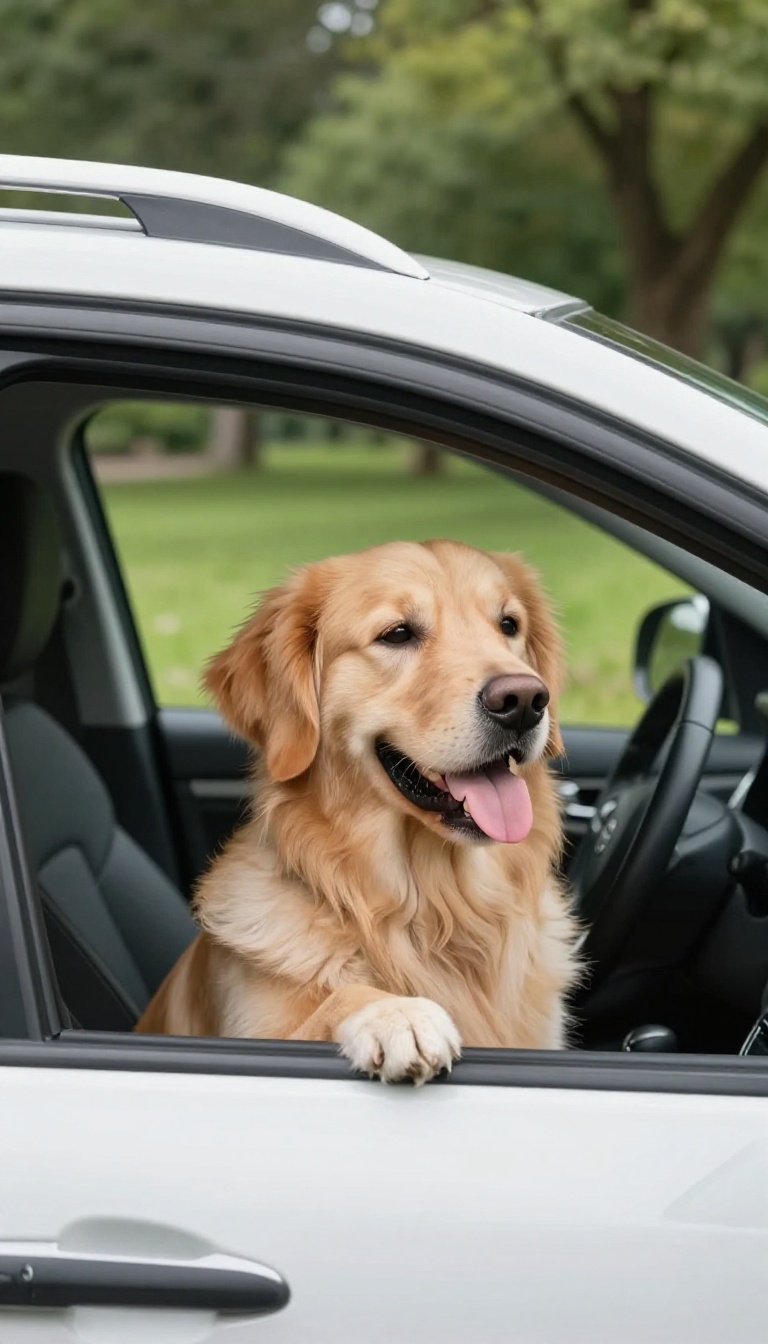
The fastest way to help your dog relax in the car is to make it a place where good things happen. That means starting small—really small. A quick drive to a favorite spot can do more than an hour-long rehearsal ever will.
Your dog's first car rides should be more about the destination than the journey. If you only drive to the vet, your pup will learn to associate the car with stress. Instead, pick places your dog already loves, like a park, a friend's yard, or a hiking trail.
Keep the ride under 10 minutes so the experience stays positive and ends before anxiety kicks in.
Pick A Dog-friendly Destination
Choose a spot your dog already gets excited about. That could be a dog park, a beach, or even a drive-through for a pup cup. The goal is to create a strong link between the car and something fun.
If your dog loves the destination, they'll start to look forward to the ride itself.
Keep The First Rides Short
Limit your first few trips to 5–10 minutes. That's enough time to build a positive association without pushing your dog past their comfort zone. You can gradually increase the duration as your pup becomes more relaxed.
Short and sweet beats long and stressful every time.
Use A Calm, Happy Tone
Your voice matters more than you think. Speak in a relaxed, cheerful tone during the ride. Avoid baby talk or high-pitched excitement, which can amp up a nervous dog.
A calm, steady voice tells your pup there's nothing to worry about.
2. Use a Crate or Seat Belt for Safety
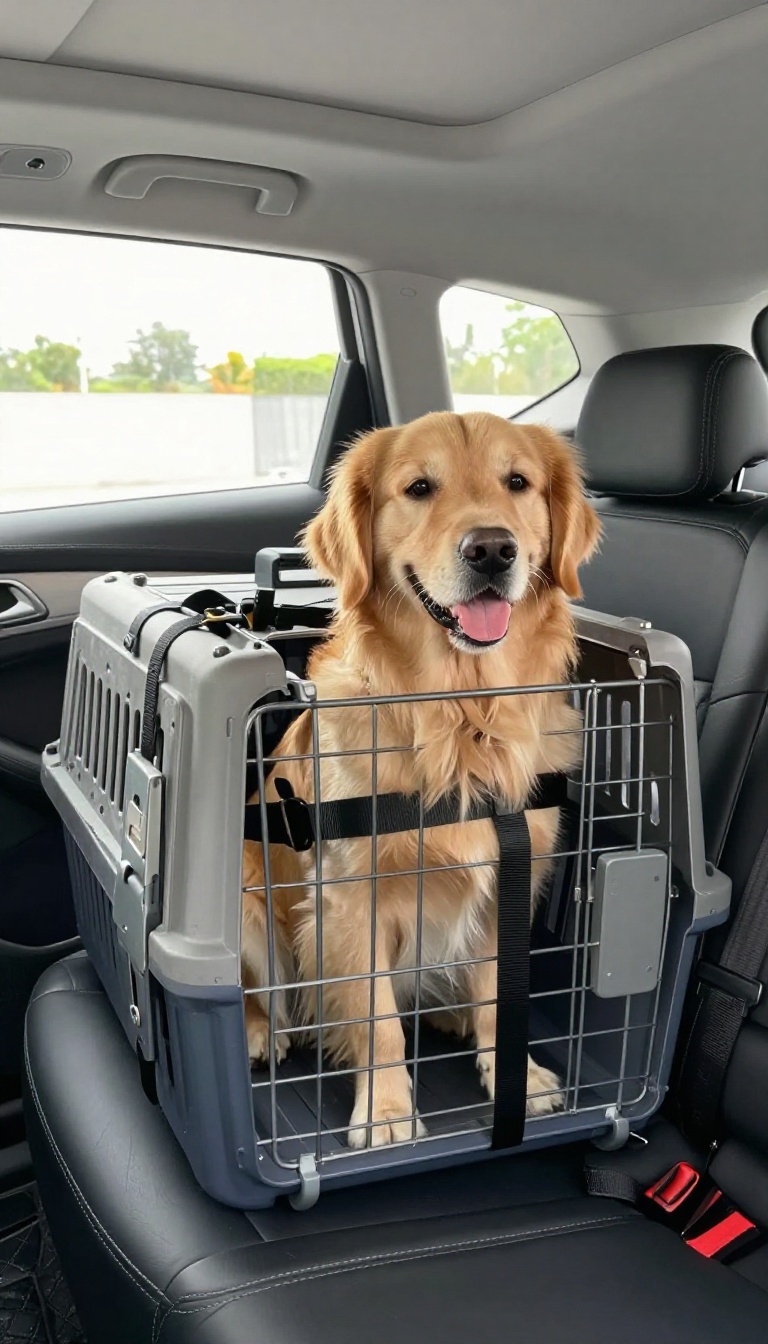
Keeping your dog secure isn't just about preventing accidents—it's about creating a calm, predictable space that eases travel anxiety. A crate or a properly fitted seat belt harness gives your pup a defined spot where they feel protected, which can dramatically reduce stress during rides. Plus, in the event of a sudden stop or collision, these restraints are lifesavers for both of you.
When your dog is loose in the car, every turn and brake can throw them off balance, making them nervous. A crate or harness provides stability and a sense of security, so they can settle down instead of pacing or whining. It also stops them from climbing into your lap or sticking their head out the window, which are common distractions that lead to accidents.
Choose A Crash-tested Crate
Look for crates that meet safety standards like those from the Center for Pet Safety. These are built with reinforced materials and secure latches to withstand impact. A wire crate can work if it's properly anchored, but a plastic or metal travel crate often feels more den-like and cozy for anxious dogs.
Make sure it's large enough for your dog to stand, turn around, and lie down comfortably.
Pick The Right Seat Belt Harness
If a crate isn't practical, a crash-tested harness is a great alternative. Avoid cheap clips that attach to the seat belt—they can snap on impact. Instead, choose a harness that wraps around the chest and connects to the car's LATCH system or seat belt buckle.
It should fit snugly without restricting movement, and always attach it to the back seat to keep your dog away from airbags.
Introduce It Gradually At Home
Don't wait until you're on the highway to introduce the crate or harness. Let your dog explore the crate at home with treats and toys, and practice wearing the harness indoors for short periods. This builds positive associations and reduces resistance when you're ready to hit the road.
Secure The Crate Or Harness Properly
A loose crate can slide around and become a projectile in a crash. Use tie-down straps or a seat belt to anchor the crate firmly to the car. For harnesses, double-check that the clip is locked and the straps aren't twisted.
A quick tug test before driving ensures everything is snug and secure.
3. Create a Cozy Car Space
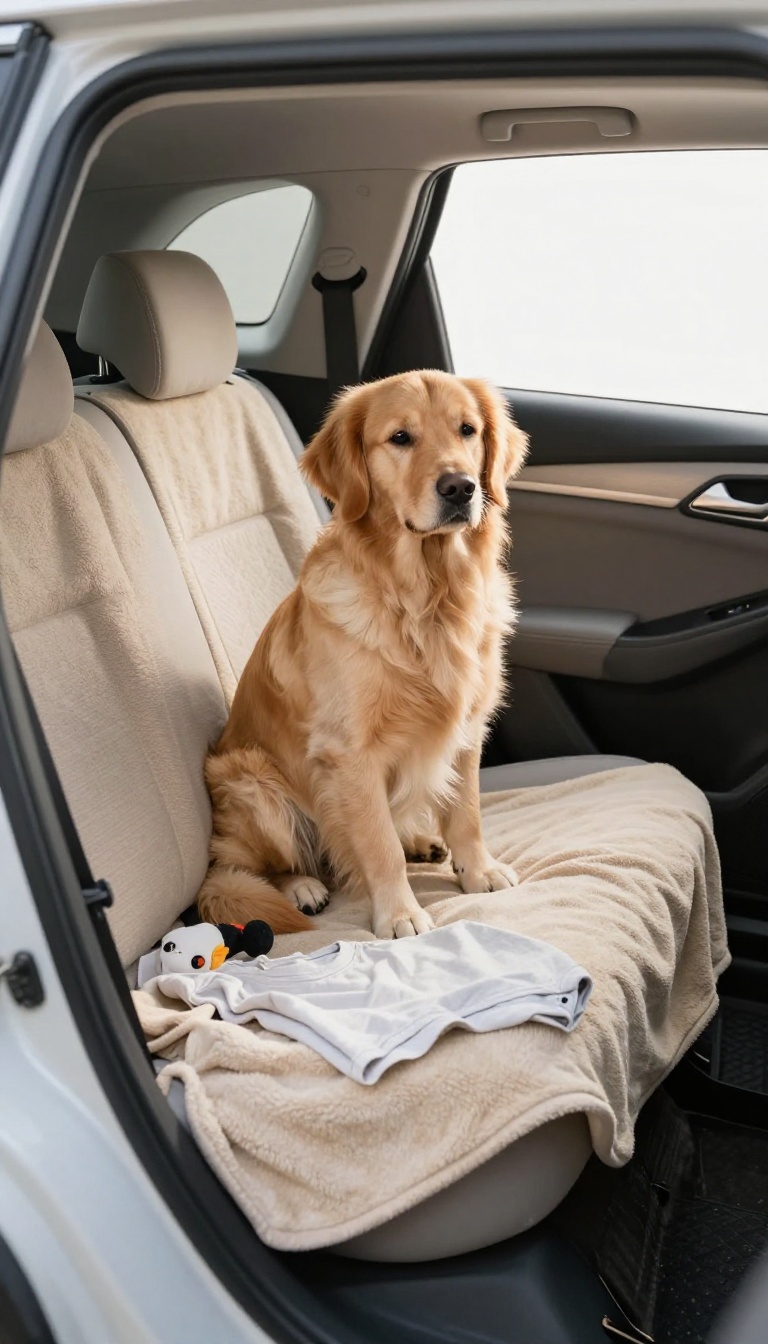
A familiar, comfortable spot can turn a stressful car ride into a calm one. Dogs pick up on smells and textures, so making the car feel like a safe den helps them relax. You don't need fancy gear—just a few items from home can do the trick.
Start by designating a specific area in the car for your dog, whether it's the back seat or cargo area. Place a soft blanket or dog bed there—something that smells like home. Add a favorite toy and a worn t-shirt that carries your scent.
This creates a cozy nook that signals safety and comfort.
Pick The Right Spot
Choose a spot that's secure and comfortable for your dog. For most dogs, the back seat is ideal—it's away from airbags and gives them a view. If your car has a cargo area, that can work too, especially for larger dogs.
Just make sure the surface is flat and stable, and consider a seat cover or non-slip mat to keep bedding in place.
Layer In Familiar Scents
Dogs rely heavily on smell to feel safe. Add items that carry familiar scents, like a blanket from their bed or an unwashed t-shirt you've worn. These scents remind them of home and you, which can lower anxiety.
Avoid washing these items right before a trip—you want the scent to be strong.
Add A Distraction Or Two
A favorite chew toy or puzzle toy can keep your dog occupied and shift focus away from the ride. Choose something that won't roll around or become a projectile. A stuffed Kong or a soft toy with a squeaker can work well.
Rotate toys to keep it interesting, and only bring them out during car rides to build positive association.
Keep It Consistent
Use the same setup every time you drive with your dog. Consistency helps them learn that this spot means good things are coming. Over time, they'll associate the car with comfort and adventure, not stress.
If your dog still seems uneasy, try adding a calming pheromone spray or a soft music playlist to enhance the cozy vibe.
4. Practice Calm Entries and Exits
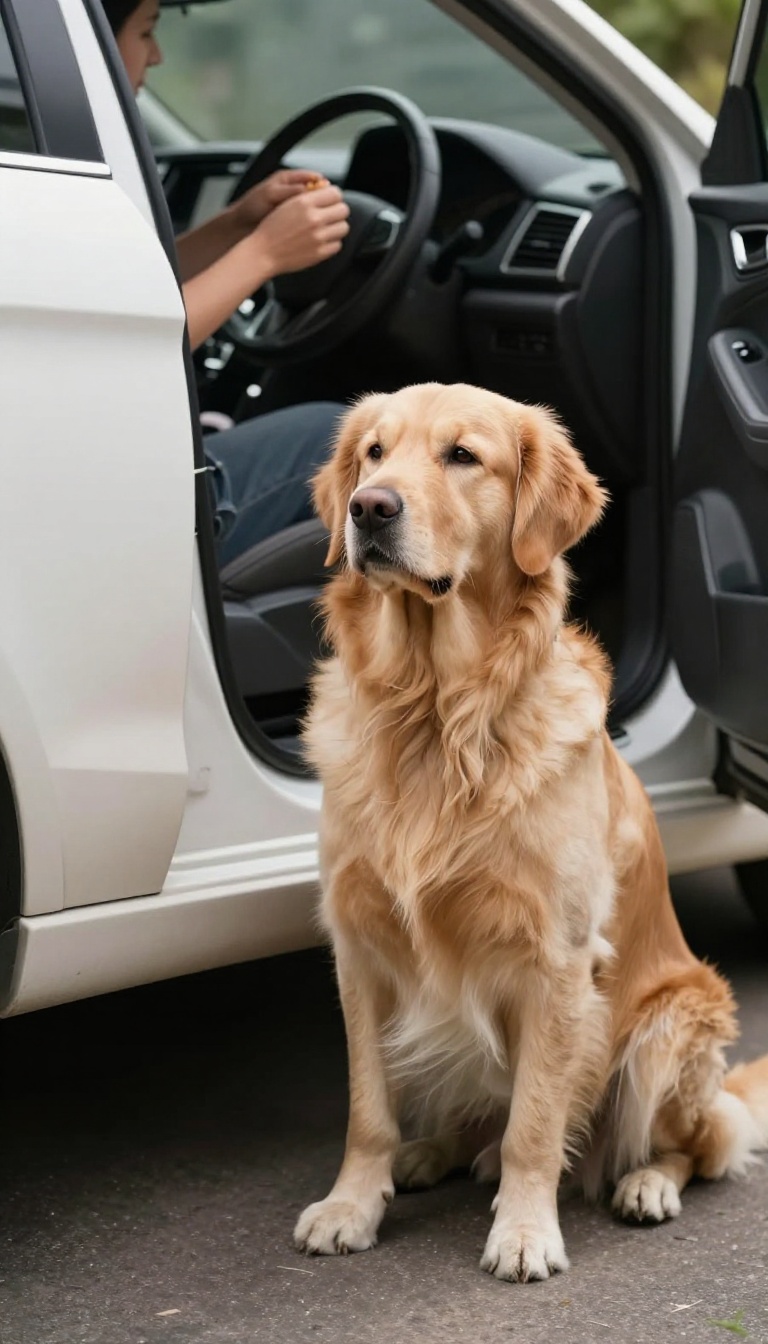
The way your dog gets in and out of the car sets the mood for the entire trip. If they're used to leaping in with excitement or bolting out the second the door opens, that energy carries over to the ride itself. Teaching a calm entry and exit isn't just about manners—it's about creating a predictable routine that helps your dog feel secure.
When they learn to wait for your cue, they're also learning to trust you as the leader, which reduces anxiety and makes each ride smoother.
Start by practicing at home when you're not going anywhere. Approach the car with your dog on a leash, and ask for a sit before you even open the door. Reward that calm position with a treat.
Then open the door just a crack, and if they stay seated, give another treat. Gradually work up to opening the door fully and letting them sniff the interior while still sitting. Use a consistent release word like "okay" or "hop in" to signal when they're allowed to jump in.
At first, they might rush, so close the door and wait a moment, then try again. The key is to be patient and consistent—every time you practice, you're reinforcing the idea that calm behavior gets them what they want. For exits, the same principle applies.
Before you open the door, ask for a sit or a down. If they're wiggling, wait until they settle. Then open the door and let them out only when they're calm.
This prevents door-dashing and keeps them safe in parking lots or busy areas.
Use A Cue Word
Pick a simple word like "wait" or "stay" to use at the car door. Say it in a calm, low voice, and reward your dog for holding still. Over time, they'll associate that word with the action of pausing, which makes it easier to control their impulses in exciting situations.
Practice In Short Sessions
Don't expect perfection overnight. Practice for just a few minutes each day, focusing on one step at a time. Short, frequent sessions are more effective than long, frustrating ones.
Keep the mood light and end on a positive note, even if it's just a tiny improvement.
Handle Excitement With Patience
If your dog gets overly excited, don't scold them—that can increase anxiety. Instead, simply close the door and step back. Wait for them to settle, even if it takes a minute, then try again.
This teaches them that calm behavior is what gets the car door open.
5. Desensitize to Engine Sounds
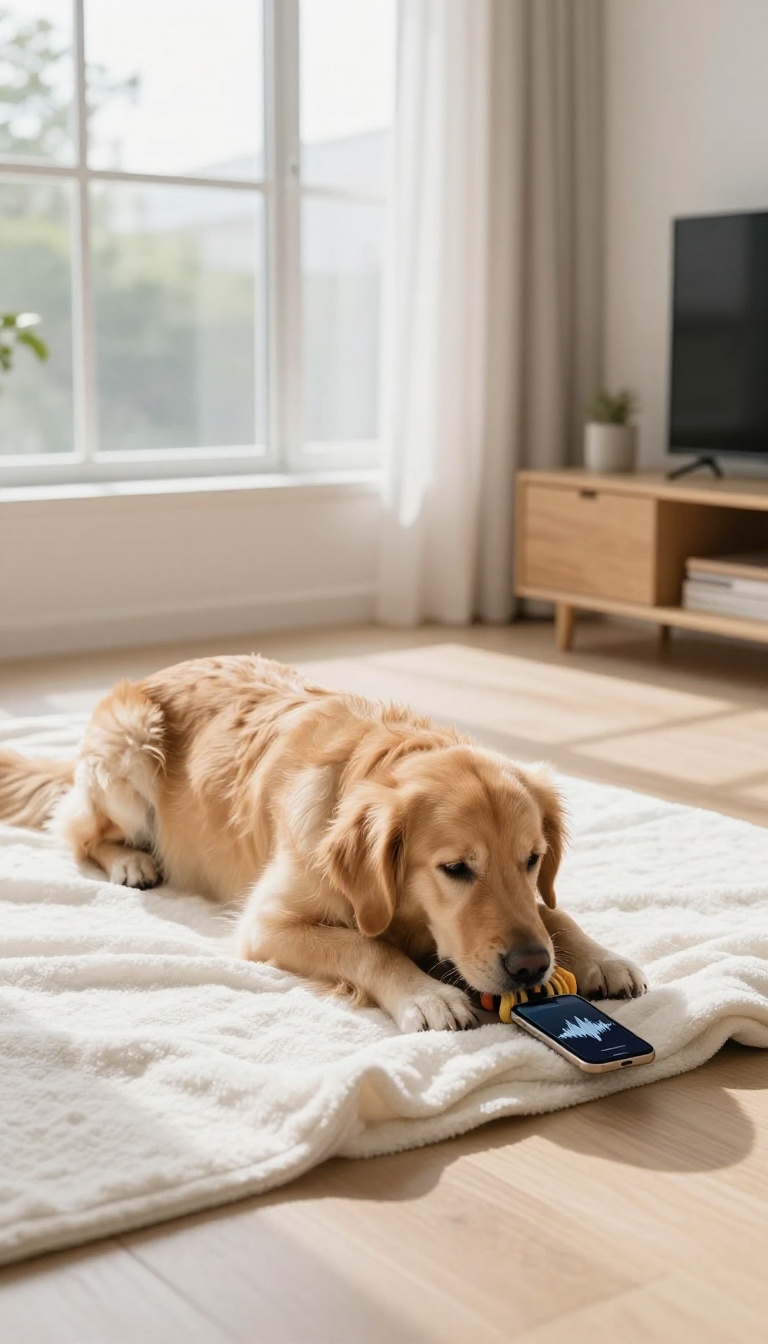
The rumble of the engine can be a major trigger for anxious dogs. It's a loud, unfamiliar noise that signals movement and unpredictability. But you can change that association at home, before you even back out of the driveway.
By playing engine sounds in a controlled, positive way, you help your dog build tolerance. The goal is to make that noise just another background sound—nothing to worry about.
Start by finding a recording of a car engine idling or revving softly. Play it at a very low volume while your dog is relaxed, maybe during a meal or while they chew a favorite toy. Pair the sound with high-value treats and calm praise.
Over several days, gradually increase the volume, but always keep it below the level that causes any stress. If your dog shows signs of anxiety—pacing, whining, or lip licking—back off and go slower. This simple exercise works because it uses counterconditioning.
Your dog learns that the scary sound predicts good things. The key is patience and consistency. Don't rush the volume increase; let your dog set the pace.
Once your dog is comfortable with the recording, you can move to the next step: sitting in a parked car with the engine off, then on. But for now, mastering the sound at home is a huge win.
Start With The Right Recording
Not all engine sounds are the same. A booming truck engine might be more intimidating than a quiet sedan. Look for a recording that matches your car's engine type.
You can find free sound clips online or record your own car's engine from inside the cabin. Keep the volume low enough that it's just a background hum, not a dominant noise.
Pair With High-value Rewards
Use treats your dog absolutely loves—tiny bits of chicken, cheese, or liverwurst. The better the reward, the stronger the positive association. Give a treat every few seconds while the sound plays.
If your dog stays relaxed, keep the session short, around two to three minutes, and end on a positive note.
Gradual Volume Increase
Increase the volume by just a notch or two every couple of days. Watch your dog's body language closely. If they notice the sound but stay calm, you're on track.
If they start to tense up, drop the volume back and try again later. The goal is to build a solid foundation of calm, so take your time.
6. Take a Pre-Ride Walk
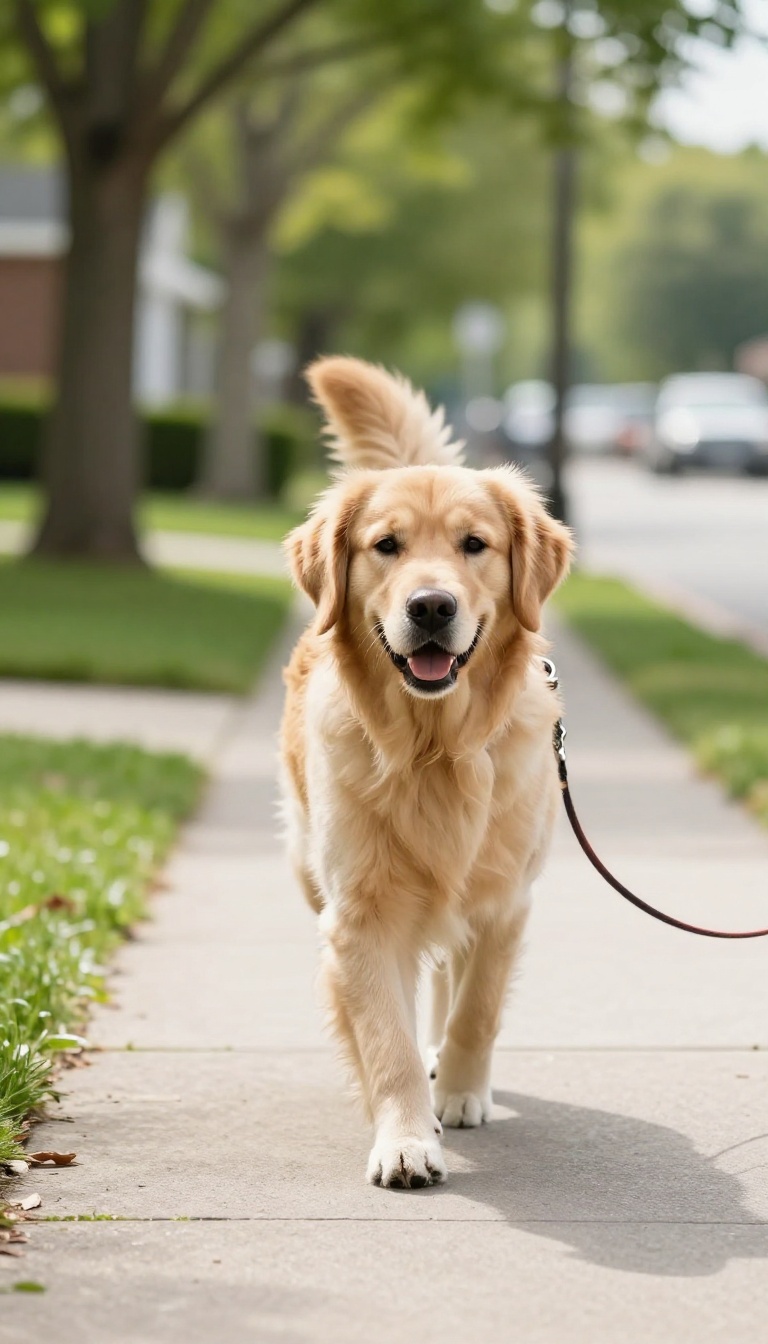
Before you even open the car door, consider a quick walk around the block. It's not just about bathroom breaks—it's about shifting your dog's energy. A short, brisk walk or a game of fetch can make a world of difference in how they handle the ride.
A tired dog is a calmer dog. When your pup has burned off some steam, they're more likely to settle into a nap than to pace, whine, or stare out the window in a frenzy. This simple step sets the tone for a relaxed journey.
How Long Should The Walk Be?
You don't need a marathon—10 to 15 minutes of walking or active play is usually enough. The goal is to take the edge off, not exhaust them completely. Pay attention to your dog's energy level and adjust the duration based on their age, breed, and fitness.
Make It A Routine
Dogs thrive on predictability. If you make the pre-ride walk a consistent part of your travel routine, your dog will start to associate the walk with the car ride. Over time, they'll learn that the walk is a calm prelude, not a stressful prelude to something scary.
Combine With Training Cues
Use this time to practice a few basic commands like 'sit' or 'stay' before getting in the car. This reinforces that you're in charge and helps your dog focus on you rather than the excitement or anxiety of the ride. It's a small effort that pays off in a more composed travel companion.
7. Use Calming Aids (Treats, Pheromones, etc.)
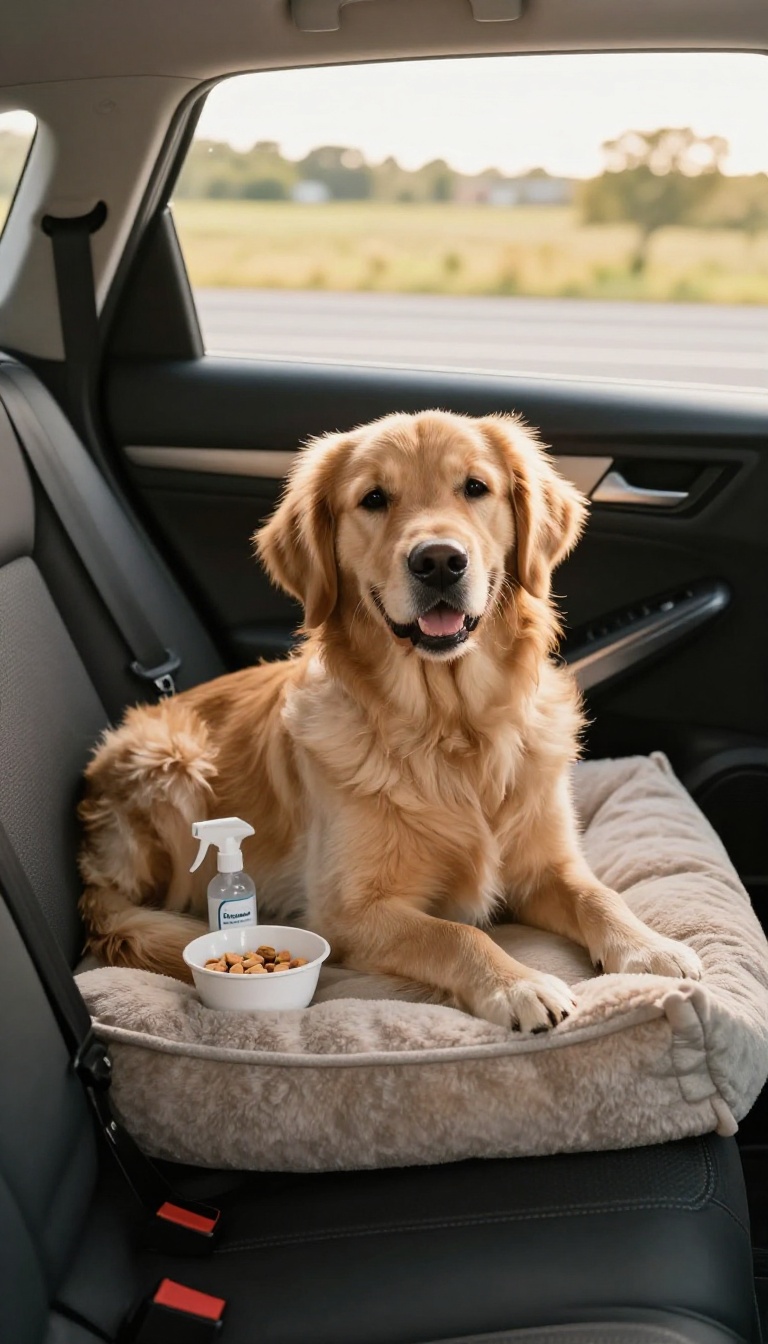
Sometimes, no matter how much you prepare, your dog still gets the jitters. That's where calming aids step in. These aren't magic fixes, but they can genuinely help take the edge off for anxious pups.
From chews to sprays, there are plenty of options to explore. The key is finding what works for your dog and using them consistently before you hit the road.
Calming aids come in many forms, and each works a little differently. Some target the senses, others work on the brain. A little trial and error might be needed, but the payoff is a calmer co-pilot.
Remember, these aids are meant to support, not replace, good training and a safe setup. They're most effective when paired with positive associations and a comfortable car environment.
Calming Treats And Chews
CBD treats and herbal chews are popular for a reason. They often contain ingredients like chamomile, L-tryptophan, or CBD, which can promote relaxation. Give one about 30 to 45 minutes before the ride so it has time to kick in.
Start with a low dose and see how your dog responds. Some pups get sleepy, others just become less reactive. Always pick products made specifically for dogs and follow the dosage instructions.
Pheromone Sprays And Diffusers
Dog-appeasing pheromones (DAP) mimic the calming scents a mother dog produces. Spritzing a little in the car or using a plug-in diffuser can create a sense of safety. It's subtle, but many dogs respond well.
Spray the car interior about 10 minutes before loading up. You can also spray a bandana or blanket. Just avoid spraying directly on your dog's face or nose.
Pressure Wraps And Calming Vests
A Thundershirt or similar wrap applies gentle, constant pressure—like a swaddle for babies. This can help dogs who feel overwhelmed by motion or noise. It's a drug-free option that's easy to use on travel days.
Make sure the fit is snug but not tight, and introduce it gradually at home first. Some dogs love it right away, others need a few tries. Pair it with a treat to create a positive association.
Consult Your Vet First
Before trying any supplement or aid, check with your vet. They can recommend safe options based on your dog's health, age, and any medications. This is especially important for CBD, as dosing and quality vary widely.
Your vet might also suggest prescription anti-anxiety meds for severe cases. That's okay—it's about finding what makes your dog comfortable. A quick call can save you from wasting money or causing unintended side effects.
8. Keep the Car Well-Ventilated
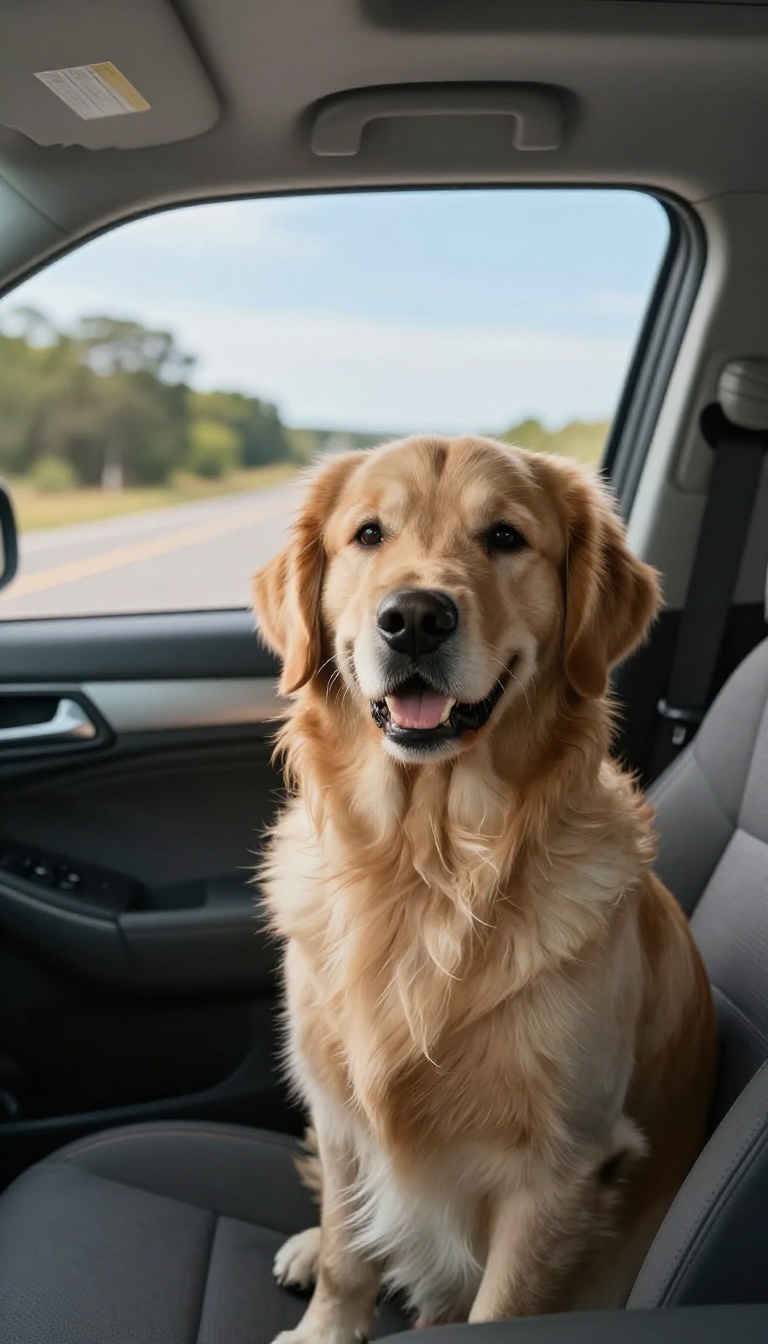
Fresh air can work wonders for a nervous pup. A stuffy car makes it harder for your dog to regulate body temperature, and that discomfort can quickly turn into anxiety or motion sickness. Cracking a window or turning on the AC isn't just about comfort—it's about creating a calm, breathable environment.
When your dog can feel a gentle breeze and smell the outside world, the ride feels less like a closed box and more like an adventure.
Good airflow does more than keep the car cool. It helps reduce the buildup of odors, moisture, and stale air that can make your dog feel queasy. Plus, the fresh scents coming through the window can be a pleasant distraction, shifting your dog's focus from nervousness to curiosity.
Of course, safety comes first. Always keep windows partially open—never low enough for your dog to stick their head out fully. You want airflow, not a high-speed wind tunnel.
And if you're using AC, make sure it's not blasting directly on your dog, as that can be uncomfortable. A well-ventilated car also helps with temperature regulation. Dogs don't sweat like we do—they pant to cool down.
Good airflow supports that natural cooling process, so your dog stays comfortable even on warmer days.
Crack The Windows Just Right
You don't need to roll the windows all the way down. A few inches is enough to create a steady flow of fresh air without making the ride too windy or noisy. If you're on the highway, keep the windows mostly up to avoid strong drafts.
In stop-and-go traffic, you can open them a bit more to let the heat escape.
Use Ac Smarter, Not Harder
Instead of blasting the AC on full power, set it to a moderate temperature and point the vents toward the floor or the back seat. This circulates air without blowing directly on your dog's face. If your car has rear vents, use them to keep the back seat comfortable.
A steady, gentle airflow is better than sudden bursts of cold air.
Watch For Signs Of Overheating
Even with good ventilation, keep an eye on your dog. Excessive panting, drooling, or restlessness can mean they're too warm. If you notice these signs, pull over, offer water, and let them cool down.
Never leave your dog alone in a parked car, even with windows cracked—temperatures can rise dangerously fast.
9. Schedule Regular Potty Breaks
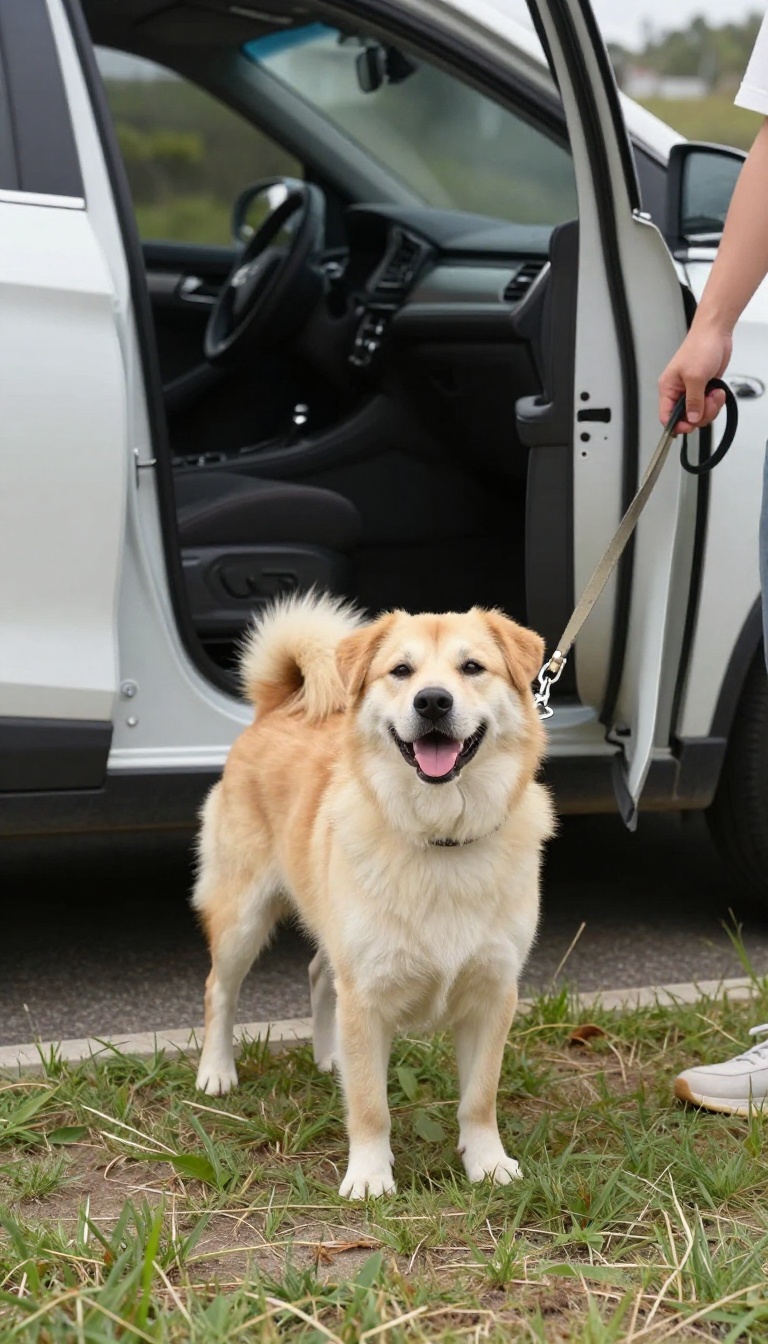
Long drives can be tough on your dog's bladder and patience. Stopping every couple of hours keeps things comfortable and prevents accidents. It also gives your pup a chance to stretch and reset before the next leg of the journey.
How Often To Stop
A good rule of thumb is to stop every 2 to 3 hours on long trips. Puppies and senior dogs may need more frequent breaks, so adjust based on your dog's age and health. Watch for signs like restlessness, whining, or excessive panting—they often mean it's time for a pit stop.
Make Each Stop Count
When you pull over, let your dog walk around on a leash for at least 5 to 10 minutes. This helps them relieve themselves and burn off some energy. Offer fresh water, but don't let them gulp too much at once, as that can lead to motion sickness.
A few minutes of sniffing and exploring can do wonders for their mental state.
Choose Dog-friendly Rest Areas
Not every rest stop is pet-friendly, so plan ahead. Look for designated pet areas or parks along your route. Apps like BringFido can help you find dog-friendly spots.
If you're stuck at a busy rest area, find a quiet grassy patch away from traffic and keep your dog on a leash at all times.
10. Reward Calm Behavior During the Ride
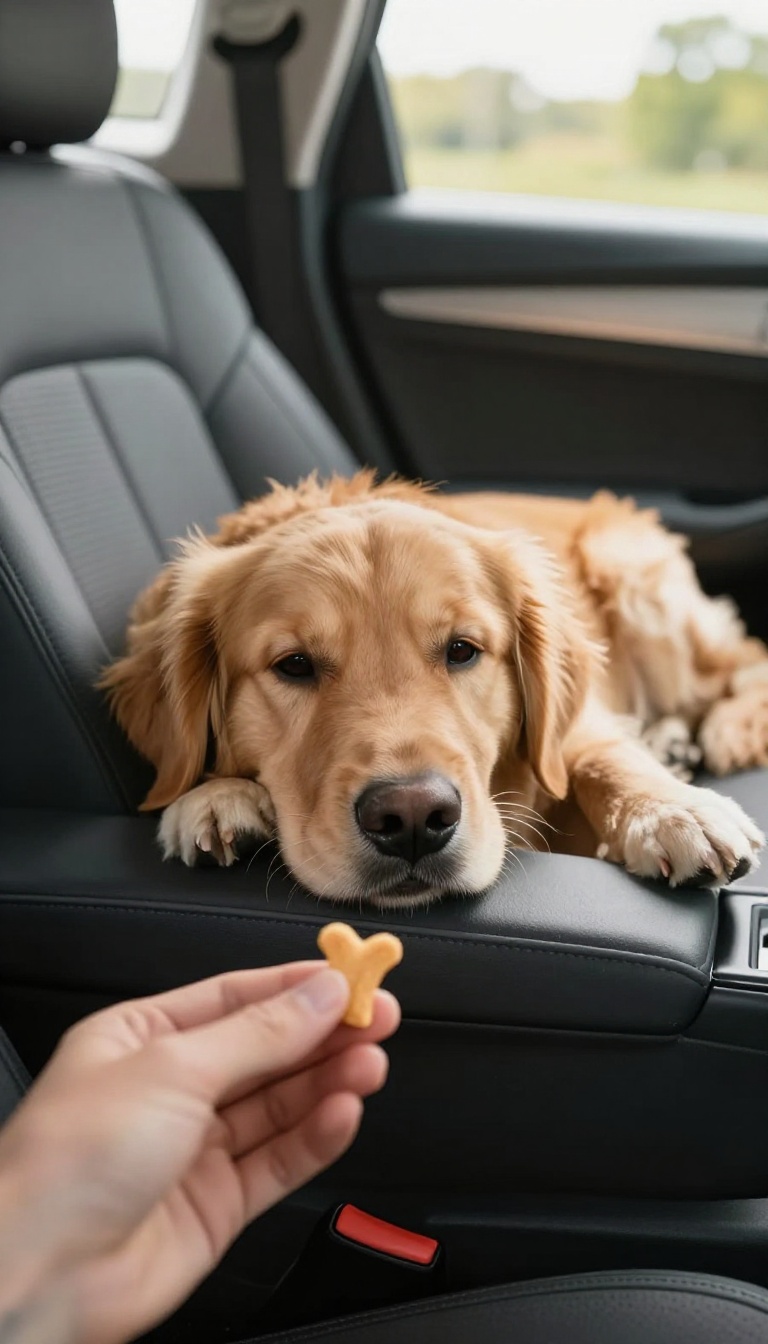
Dogs repeat what feels good. If your dog gets a tasty treat for lying quietly in the back seat, they'll start choosing that behavior on their own. It's a simple shift in focus: instead of waiting for the whining or pacing, catch the moments when they're relaxed and make it worth their while.
Keep a small pouch of high-value treats within easy reach while you drive. When your dog is calm—maybe lying down, resting their head, or just staring out the window peacefully—drop a treat their way. Timing matters.
You want to reward the exact moment of calm, not the excited bouncing that follows. Over time, your dog learns that being chill in the car leads to good things.
Catch The Calm Moments
Watch for the subtle signs: a relaxed body, soft eyes, or a deep sigh. That's your cue to reward. It might feel odd at first, praising your dog for doing nothing, but that's exactly what you're after.
You're teaching them that stillness is the best way to earn your attention and treats.
Use High-value Treats
Save the really good stuff—like small pieces of chicken or cheese—for car rides. If your dog is motivated by food, they'll start associating the car with these special rewards. Keep the treats tiny so you can give several without overfeeding.
And always keep your eyes on the road; you can toss treats to the back seat without looking.
Reward Quiet, Not Just Sitting
Some dogs sit still but still whine or whimper. Reward the absence of noise too. If your dog is quiet for a few seconds, treat that.
Gradually increase the time before you reward, so they learn to stay calm for longer stretches. Just be patient—it takes repetition.
11. Avoid Feeding Right Before the Trip
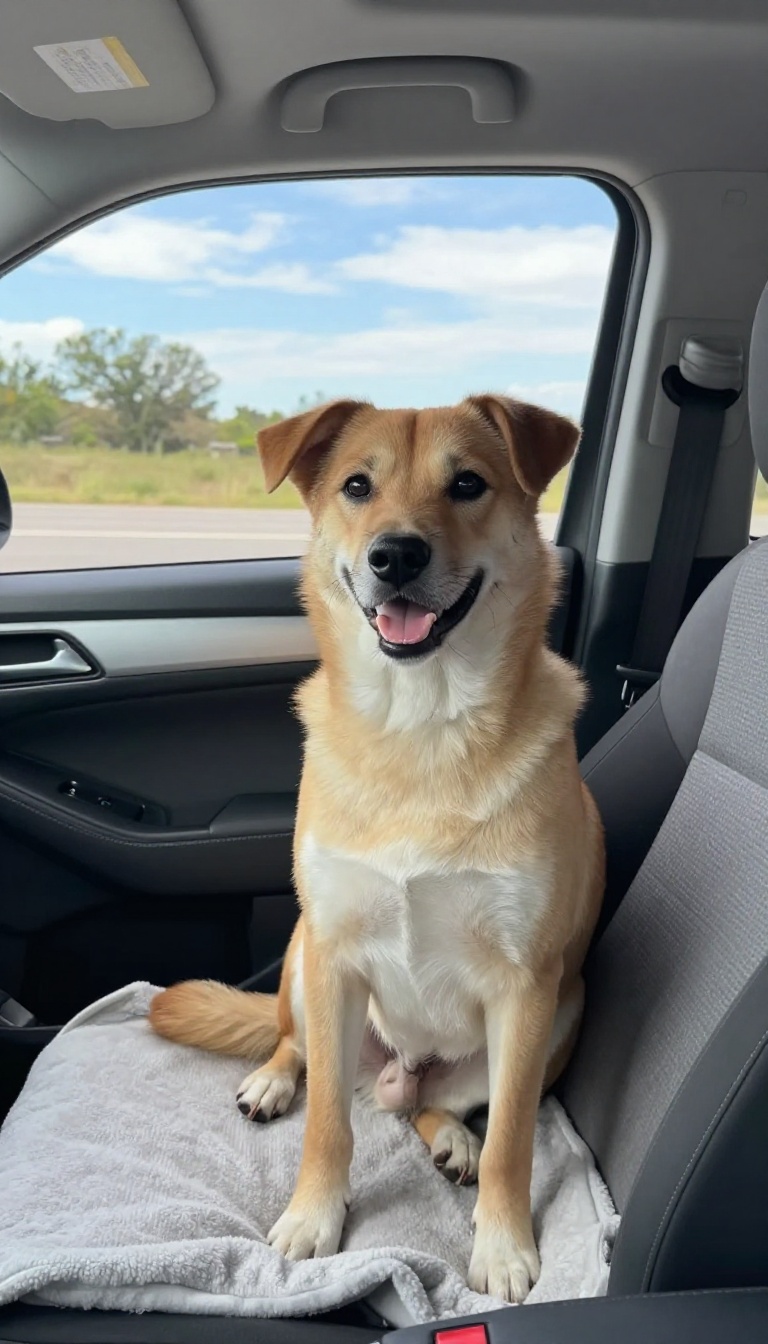
A full belly and a moving car rarely mix well. Many dogs end up drooling, pacing, or worse—throwing up—simply because they were fed too close to departure. Timing your dog's meal can make a huge difference in how comfortable they feel on the road.
Feeding your dog at least 3-4 hours before you hit the road gives their stomach time to settle. A light snack is fine if they're used to it, but a heavy meal right before driving is a recipe for motion sickness. If your dog tends to get queasy, an empty stomach is often the safest bet.
Why Timing Matters
When your dog eats, digestion takes energy and blood flow. A full stomach shifts their internal balance, making them more sensitive to the rocking and swaying of the car. That's why many dogs who are fine on short trips suddenly feel sick on longer ones.
Giving a few hours between meal and ride lets their body settle into a neutral state.
What To Do If Your Dog Needs A Snack
Some dogs can't go hours without food, especially if they're on medication or have a sensitive stomach. In that case, offer a small, bland snack like a few pieces of kibble or a plain biscuit about an hour before leaving. Avoid fatty or rich treats—they're more likely to upset the stomach.
Keep it light and see how your dog responds.
Hydration Without Overdoing It
Water is just as important as food, but too much right before a trip can lead to frequent pee breaks. Let your dog drink normally up to an hour before you leave, then offer small sips during rest stops. This keeps them hydrated without filling their bladder to the brim.
If your dog tends to gulp water, use a slow-dripper bottle or offer ice cubes instead.
12. Try a Gradual Desensitization Plan
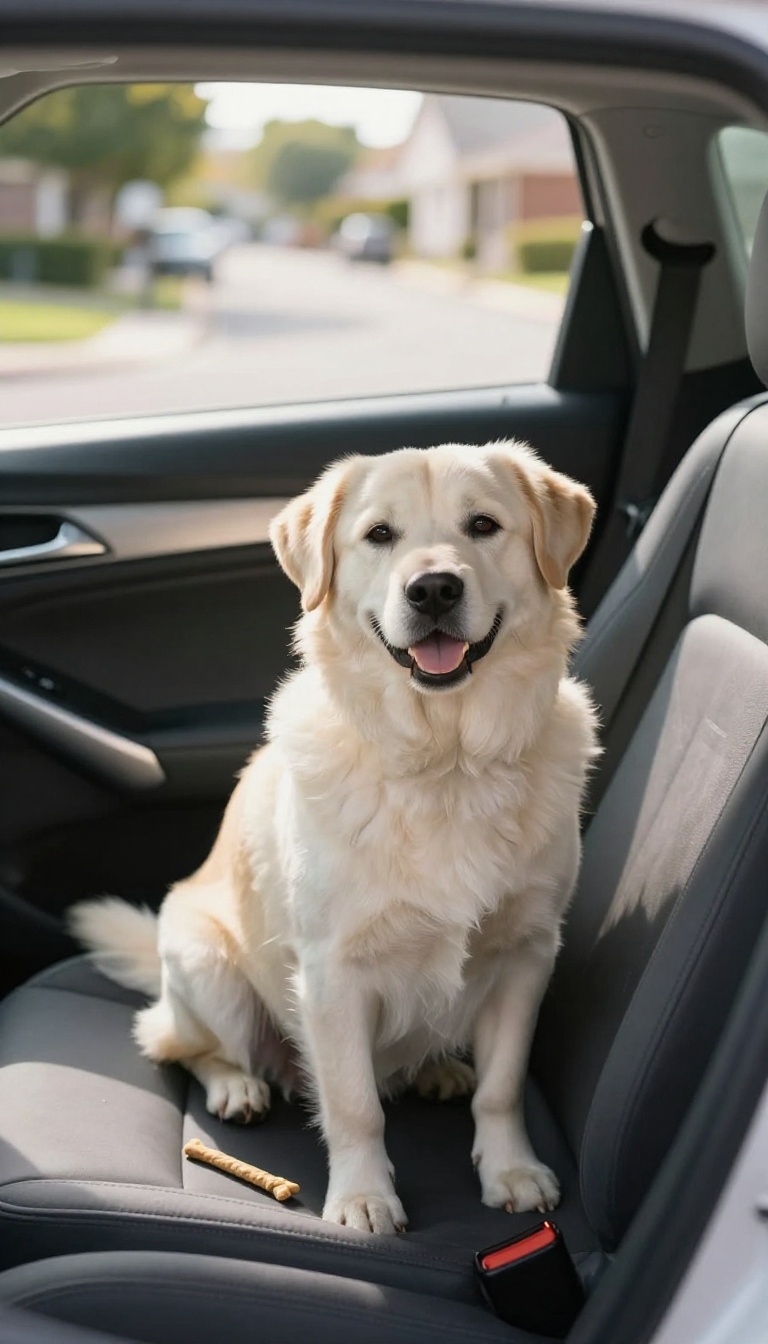
When your dog's anxiety runs deep, a single happy ride won't fix it. You need to rewire their brain step by step, showing them that the car is a safe place. Gradual desensitization breaks the scary experience into tiny, manageable pieces that your dog can actually handle.
It's patient work, but it pays off with a calm, confident traveler.
Start by just sitting in the parked car with your dog, engine off. Bring treats, a favorite toy, or a chew. Make it a party: praise softly and reward every calm moment.
Do this a few times until your dog seems relaxed and even happy to hop in. Then, move to the next step: start the engine but don't go anywhere. Let the car idle for a minute or two while you keep rewarding calm behavior.
If your dog panics, go back a step and build up more slowly. Once the engine is no big deal, take a short drive around the block, then gradually increase distance. Each success builds your dog's confidence, and each step should end with a big reward and a happy tone of voice.
Start With The Car Parked
Your first goal is to make the parked car a pleasant place. Open the door, let your dog sniff around, and toss treats inside. If they're hesitant, place treats near the door, then just inside.
Once they're comfortable, have them sit or lie down inside with the door open. Keep sessions short and end on a positive note. This step teaches your dog that the car itself isn't scary—it's just a room on wheels.
Add The Engine, Not The Movement
When your dog is relaxed in the parked car, turn on the engine without going anywhere. Stay in the driveway or a quiet parking lot. Talk calmly, give treats, and maybe play soft music.
If your dog shows signs of stress—panting, whining, or trying to escape—turn the engine off and try again later. The key is to associate the engine sound with good things, not fear.
Short Drives, Big Rewards
Once the engine is no big deal, take a very short drive—just around the block or to the end of the street. Keep the destination fun, like a quick walk or a treat from a drive-thru. Bring high-value treats and a calm voice.
If your dog is still nervous, keep the drive super short and gradually lengthen it over several sessions. Always end with something positive, so your dog learns that rides lead to good stuff.
13. Consult Your Vet for Severe Anxiety
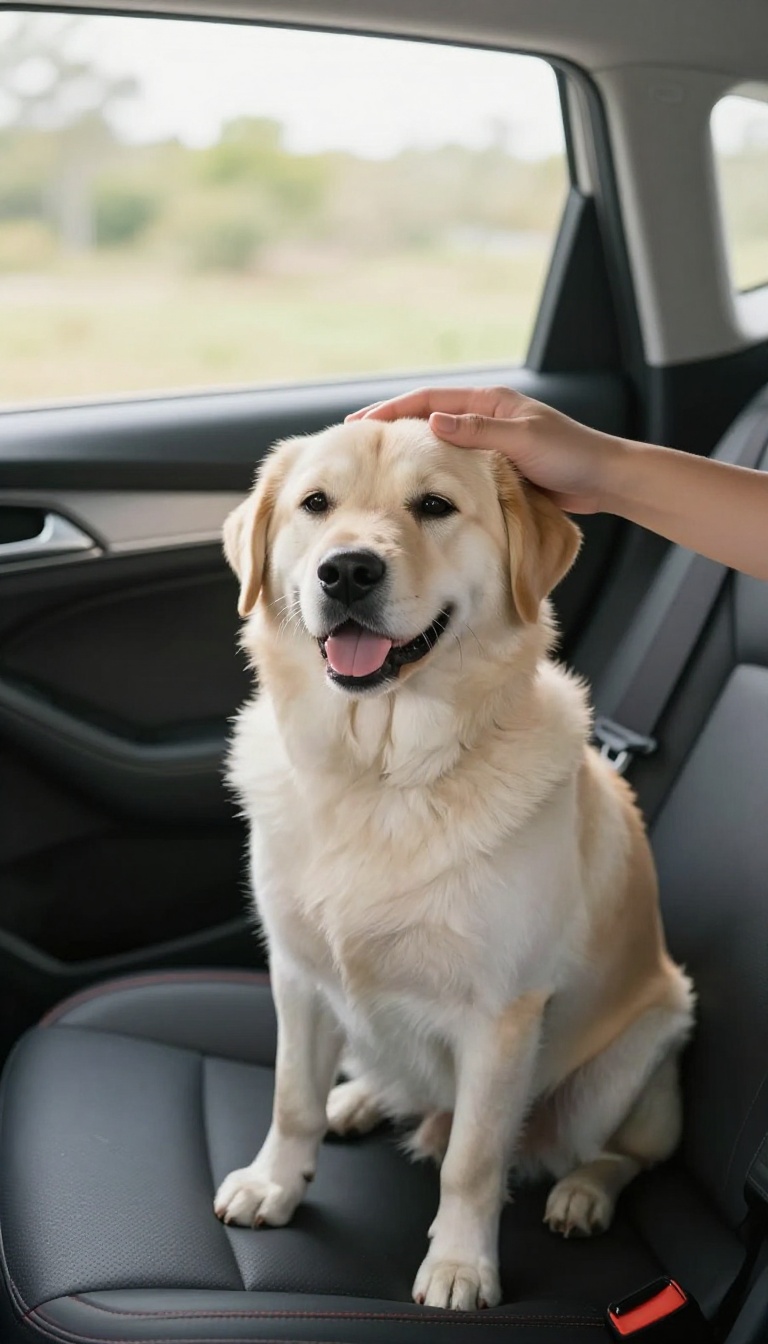
When your dog's anxiety doesn't improve with training or gradual exposure, it's time to bring in the experts. Your vet can offer solutions that go beyond basic behavior modification, from prescription medications to referrals for specialized care. Remember, seeking medical help isn't giving up—it's giving your dog the support they truly need.
If your dog's car anxiety is severe, professional help can make a world of difference. Vets can prescribe anti-anxiety medications that help your pup stay calm enough to learn and enjoy car rides. They can also recommend a veterinary behaviorist who can create a tailored plan for your dog's specific needs.
Don't let stigma or hesitation keep you from exploring these options—your vet is your partner in your dog's well-being.
When To Talk To Your Vet
If your dog shows extreme panic, like drooling, vomiting, or frantic pacing, or if they've injured themselves trying to escape the car, it's time to consult your vet. Also, if your dog's anxiety has gotten worse despite your best efforts, or if it's affecting your ability to take them to necessary appointments, professional guidance is essential.
Medication Options For Travel Anxiety
Your vet may suggest a short-acting anti-anxiety medication for specific events like vet visits or long trips, or a daily medication to help your dog manage overall anxiety. Some dogs benefit from natural supplements like L-theanine or pheromone sprays, but these aren't always enough for severe cases. Prescription options like trazodone or alprazolam can be highly effective when used under veterinary supervision.
Working With A Veterinary Behaviorist
For complex anxiety, a veterinary behaviorist can offer advanced behavior modification plans and medication management. They'll assess your dog's triggers and work with you to create a step-by-step desensitization and counterconditioning program. This level of support can be life-changing for dogs with deep-rooted travel fears.
Combining Medication With Training
Medication works best when paired with positive reinforcement training. Once your dog is calm enough to focus, you can gradually reintroduce car rides, rewarding them for relaxed behavior. This combination helps your dog build positive associations while the medication takes the edge off their anxiety.
FAQ
How long does it take to train a dog to enjoy car rides?
It varies by dog, but with consistent, positive training, many dogs show improvement within a few weeks. Severe anxiety may take longer and might require professional help.
Can I use a regular dog harness in the car?
No, you should use a crash-tested harness specifically designed for car travel. Regular harnesses may not protect your dog in an accident and could even cause injury.
What can I do if my dog gets car sick?
Try feeding a light meal 3-4 hours before travel, keep the car well-ventilated, and take frequent breaks. Some dogs benefit from ginger treats or medication prescribed by a vet.
Is it safe to let my dog stick its head out the window?
It's not recommended. Debris, insects, or sudden stops can injure your dog. Keep windows partially open for airflow, but not enough for your dog to stick its head out.
Should I crate my dog in the car?
A crash-tested crate is one of the safest options, especially for small dogs. It also provides a secure, den-like space that can reduce anxiety. Just make sure it's properly secured.
Conclusion
Getting your dog comfortable in the car isn't about perfection—it's about building trust one short trip at a time. Start with the tips that feel easiest for your routine, and don't rush the process. Even a few calm minutes in the driveway count as progress.
Keep sessions positive and watch for signs of stress, adjusting your pace as needed. Before long, car rides will feel less like a chore and more like a shared adventure. Your dog will thank you with a relaxed tail wag instead of a nervous whine.

I’m Pallab Kishore, the owner of Little Pets Realm — an animal lover and pet care enthusiast sharing easy tips, healthy recipes, and honest advice to help every small pet live a happy, healthy, tail-wagging life.