
Bringing home a puppy is pure joy, but those first few weeks can feel overwhelming. Between chewed shoes and puddles on the floor, you might wonder where to even start.
The good news? You don't need to tackle everything at once—just focus on the priorities that build a strong foundation.
These 11 training essentials are the ones that matter most for a happy, well-adjusted dog. They're practical, doable, and designed to set you both up for success from day one.
1. Potty Training: The Foundation of a Happy Home
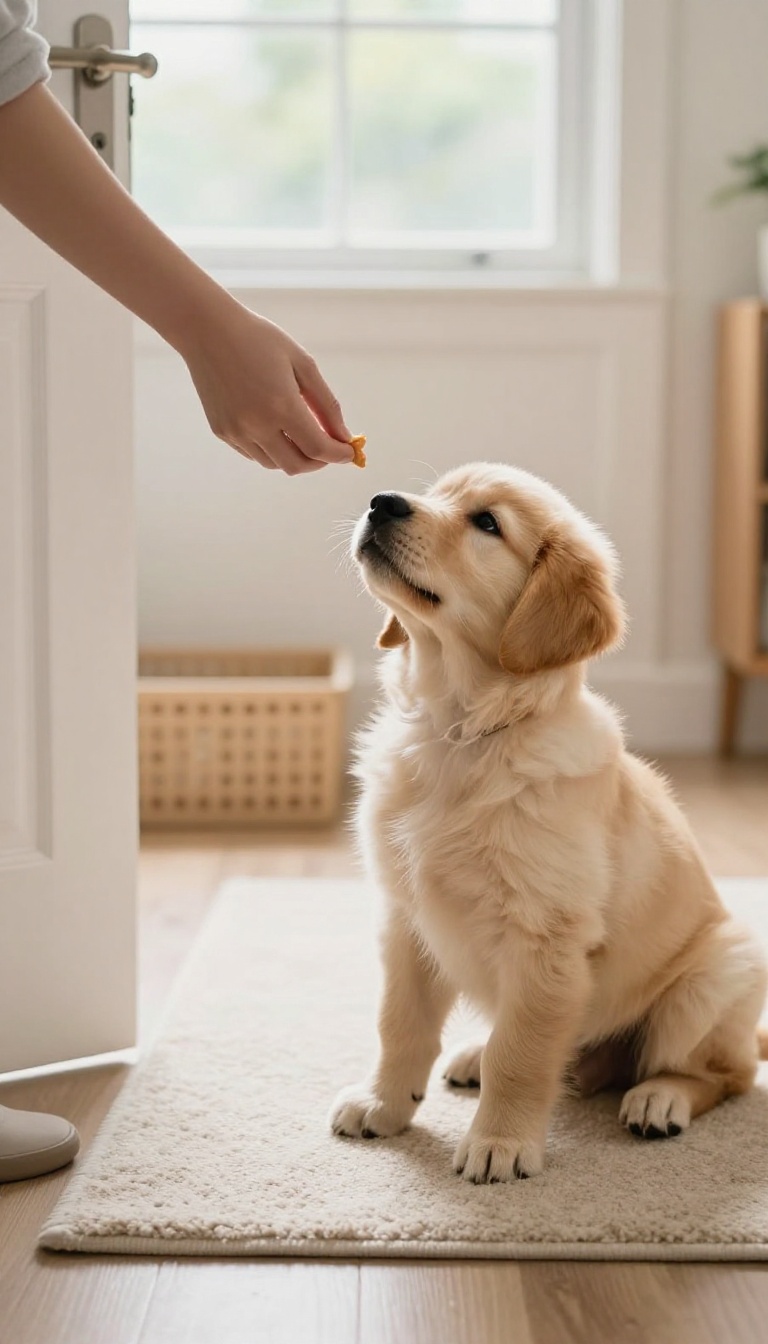
Potty training is often the first big hurdle for new puppy parents, and it's easy to feel frustrated when accidents happen. But with a little patience and a solid plan, you can set your pup up for success. The key is consistency—your dog learns best when they know exactly what to expect from you.
Set A Schedule And Stick To It
Puppies thrive on routine. Take your dog out first thing in the morning, after meals, after naps, and before bedtime. This helps them learn when it's time to go.
Keep the schedule as regular as possible, even on weekends, so your pup's internal clock gets the message.
Watch For The Signs
Learn to read your puppy's body language. Circling, sniffing, or whining are common cues that they need to go. When you see these signs, act fast and head to the designated potty spot.
The quicker you respond, the fewer accidents you'll have.
Use Positive Reinforcement
When your puppy does their business outside, celebrate! Give them a treat, praise them warmly, and maybe even a quick play session. This teaches them that going potty outdoors is a good thing.
Avoid punishment for accidents—it only confuses them and can slow down the training.
Consider Crate Training As A Tool
Crates can be a great help in potty training because dogs naturally avoid soiling their sleeping area. Use the crate for short periods when you can't supervise, but never as a punishment. Make it cozy and inviting, and always give your pup a chance to go out right before and after crate time.
2. Crate Training: A Safe Haven, Not a Jail
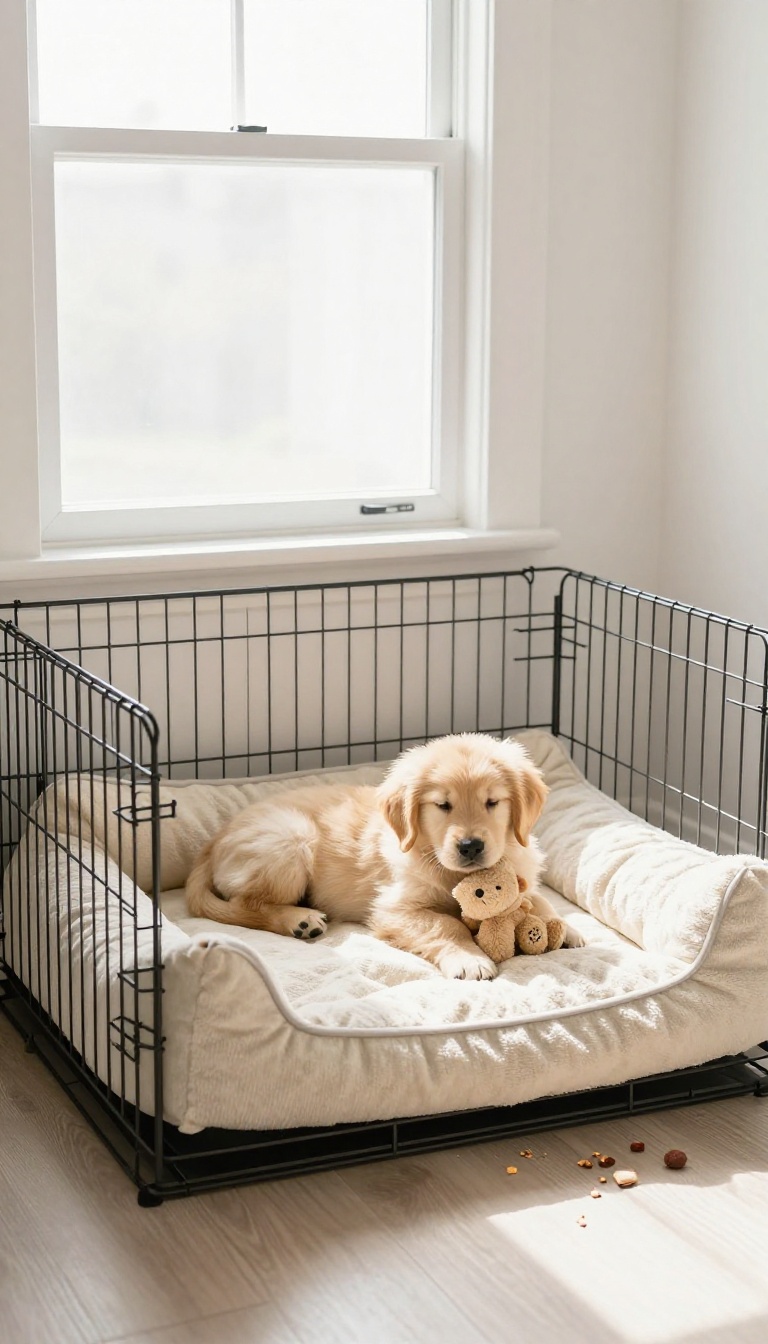
Crate training often gets a bad rap, but when done right, it's one of the kindest things you can do for your dog. Think of the crate as their personal den—a cozy spot where they can retreat and relax. It's not about locking them away; it's about giving them a space that's all theirs.
Start by making the crate a positive place. Toss treats inside and let your puppy explore at their own pace. Feed meals near the crate, then gradually move the bowl inside.
Once they're comfortable, close the door for short periods while you're nearby. Never force them in or use the crate as punishment—that turns it into a scary place. Instead, associate it with good things like tasty chews or a favorite toy.
Why Crates Work Wonders
Dogs are den animals by nature, so a crate taps into that instinct. It gives them a sense of security, especially in a new home. Plus, it's a huge help with potty training because dogs naturally avoid soiling where they sleep.
A properly sized crate—just big enough to stand, turn, and lie down—encourages them to hold it until you let them out.
Making The Crate Inviting
Add a soft bed or blanket and leave a few safe toys inside. You can also cover the crate with a light sheet to make it feel more like a den. Feed your dog their meals inside with the door open, then close it for a few minutes while they eat.
Gradually increase the time, always staying calm and positive. Before you know it, they'll trot in on their own for a nap.
Steering Clear Of Common Mistakes
One big mistake is using the crate too much or for too long. Puppies need plenty of play and bathroom breaks, so keep sessions short and supervised. Another is rushing the process—if your dog whines, don't immediately let them out, but don't ignore them for hours either.
Wait for a quiet moment, then open the door. This teaches them that calm behavior gets them out, not barking.
3. Socialization: The Key to a Confident Dog
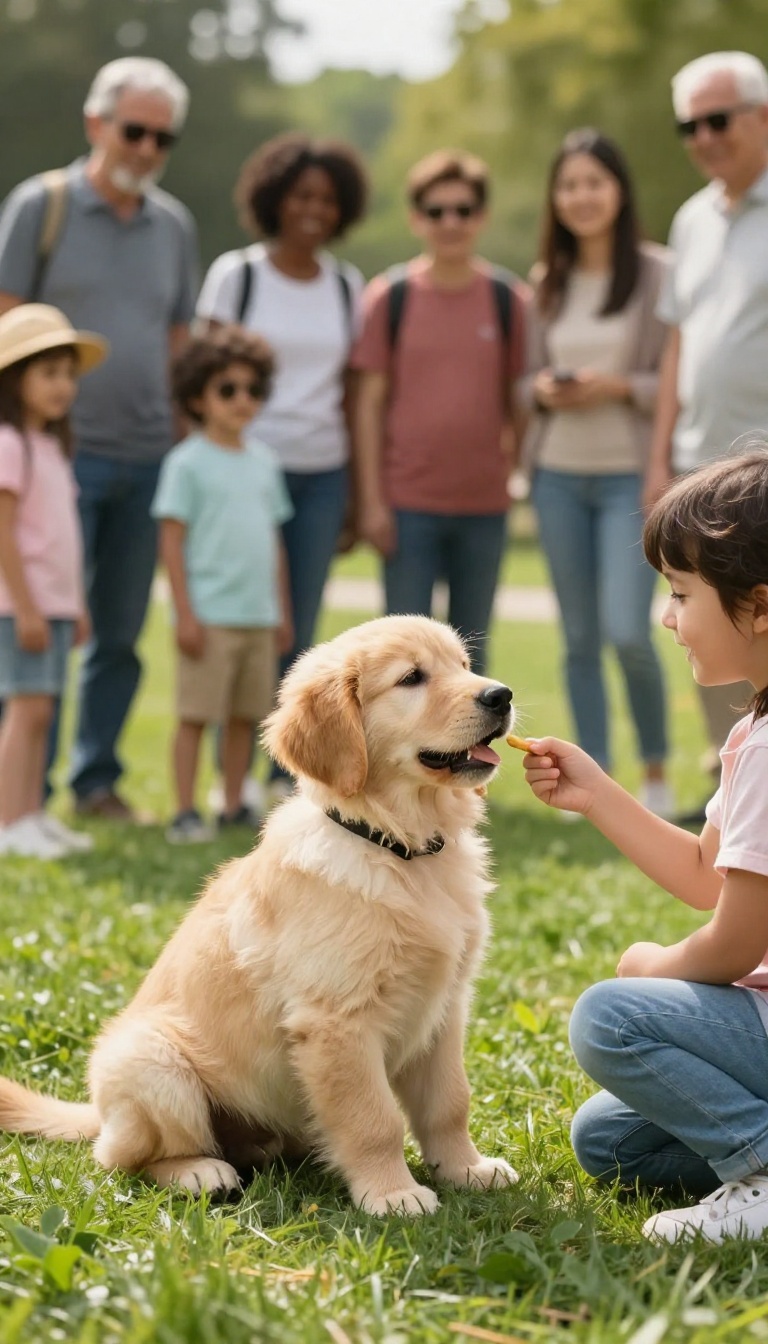
A well-socialized dog is a joy to be around, while a poorly socialized one can become anxious or reactive. Socialization isn't just about meeting other dogs—it's about teaching your puppy that the world is full of interesting, non-scary things. Start early, go slow, and keep every encounter positive.
This is the foundation for a confident, happy companion.
Socialization is the process of exposing your puppy to a wide variety of experiences in a safe, controlled way. The critical window for socialization is between 3 and 14 weeks of age, but it's never too late to make progress. The goal is to build positive associations, so your dog learns to handle new situations with curiosity rather than fear.
This prevents many behavior problems down the road, like aggression or anxiety.
Start Early And Go At Your Puppy's Pace
Begin socialization as soon as you bring your puppy home, even before vaccinations are complete. Carry them in your arms or use a stroller to expose them to sights and sounds without risking disease. Let your puppy set the pace—if they seem scared, back off and try again later.
Never force an interaction; the goal is to build trust, not overwhelm.
Expose Your Puppy To A Variety Of People And Places
Introduce your puppy to people of different ages, sizes, and ethnicities, as well as people wearing hats, sunglasses, or uniforms. Visit busy streets, parks, and pet-friendly stores. Play recordings of thunderstorms, traffic, and fireworks at low volume while giving treats.
The more varied the experiences, the more adaptable your dog will become.
Use Puppy Classes And Playdates For Safe Socialization
Puppy classes are a great way to socialize your dog in a controlled environment. They offer supervised play with other puppies and teach basic manners. Alternatively, arrange playdates with vaccinated, friendly dogs.
Always supervise interactions and keep them short and positive. This helps your puppy learn appropriate social skills and bite inhibition.
Make Every Experience Positive
Pair new experiences with high-value treats, praise, or play. If your puppy seems nervous, calmly redirect their attention and reward any brave behavior. Avoid coddling or comforting a scared puppy, as that can reinforce fear.
Instead, show confidence and use a cheerful tone. Over time, your puppy will learn that new things are opportunities for good things.
4. Basic Obedience: Sit, Stay, Come
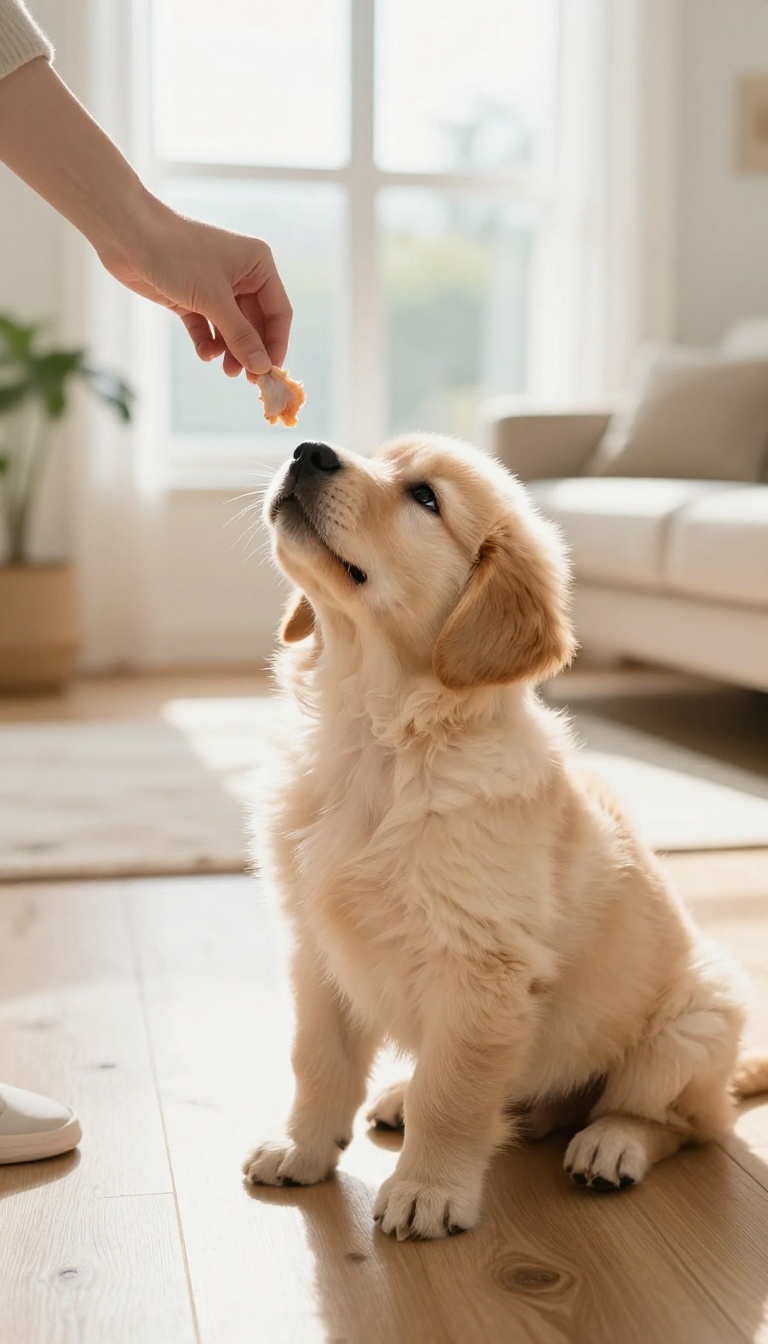
Once your puppy is comfortable in their new home, it's time to start shaping good manners. Basic obedience isn't about turning your dog into a robot—it's about building clear communication and trust. These three commands form the foundation for everything else you'll teach, and they're surprisingly easy to start with the right approach.
Start with one command at a time, using high-value treats like small pieces of chicken or cheese. Keep sessions short—five minutes, twice a day—and always end on a positive note. The goal is to make learning feel like a game, not a chore.
Sit: The Easiest Win
Sit is usually the first command dogs learn because it's natural and easy to capture. Hold a treat near their nose, then slowly lift it up and back over their head. As their head follows the treat, their bottom will naturally lower.
The moment they sit, say 'yes' and give the treat. Repeat this a few times, then add the verbal cue 'sit' just before they do it. Practice in different rooms and eventually outside, so they learn to respond anywhere.
Stay: Building Self-control
Stay teaches your puppy to hold still, which is a valuable skill for safety and manners. Start with them in a sit, then hold your palm out like a stop sign and say 'stay. ' Take one small step back, then immediately return and reward them for staying put. Gradually increase the distance and duration, but keep it easy at first.
If they break the stay, just calmly reset and try again. This command takes patience, but it's worth it for impulse control.
Come: The Safety Command
Come is the most important command for keeping your dog safe, especially off-leash. Start indoors with a happy, excited tone: say 'come' and back away a few steps, then reward when they reach you. Use a long leash in a fenced yard to practice with distractions.
Never call them for something they dislike, like a bath or nail trim, and always reward generously when they come. This builds a strong recall that could save their life.
5. Leash Manners: Walk Without the Pull
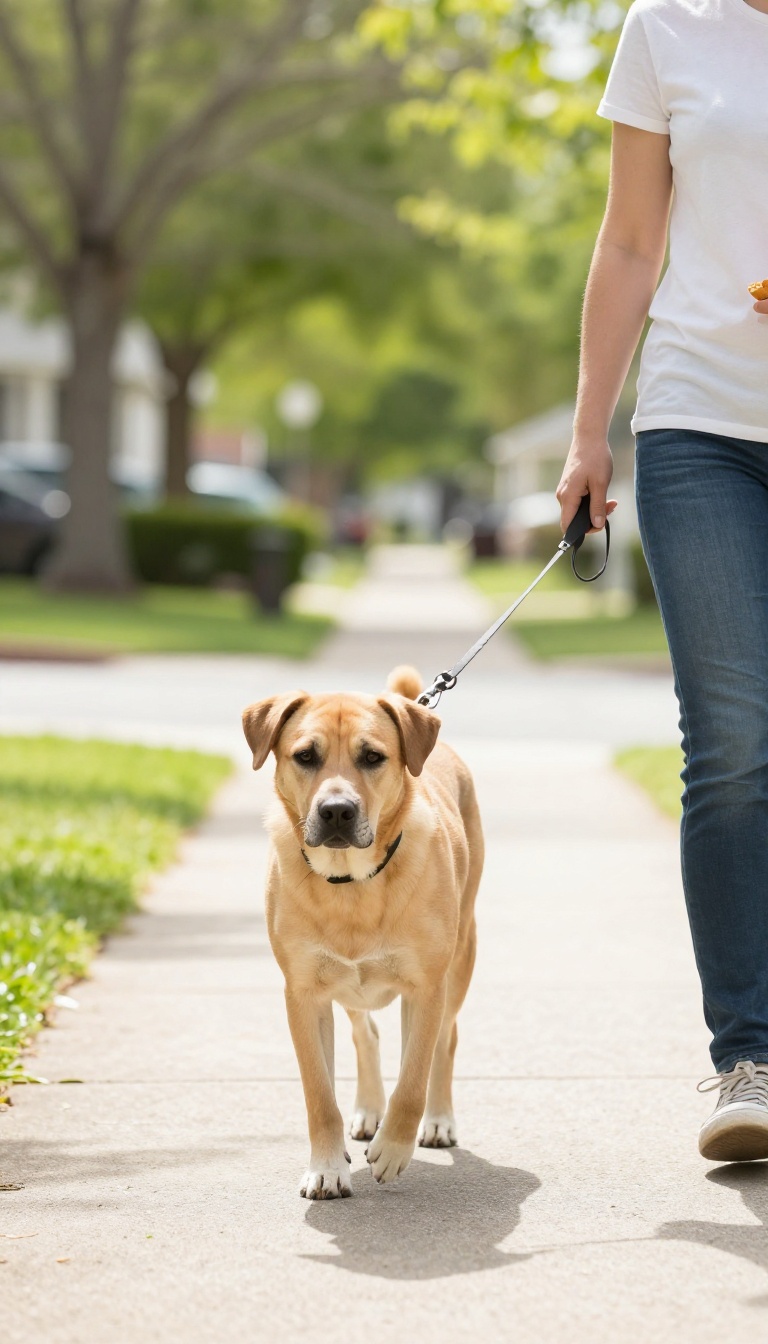
A loose leash walk is a game-changer for both of you. It turns daily outings into relaxed bonding time instead of a tug-of-war. The secret isn't strength—it's consistency and timing.
Your dog needs to learn that pulling gets them nowhere, but walking calmly by your side earns them freedom and treats. With patience and the right technique, you'll both enjoy the stroll.
Start by teaching your dog that a slack leash is the only way forward. When they pull, stop moving and wait. The moment the leash loosens, reward with a treat and continue.
This simple pause-and-go method shows them that pulling only delays the fun. A front-clip harness can be a lifesaver if your dog is a strong puller. It gently redirects their attention back to you without choking.
Pair it with high-value treats, and you'll see progress faster. Practice in a quiet, low-distraction area first—your backyard or an empty parking lot. As your dog gets the hang of it, gradually introduce busier environments.
Always keep sessions short and positive; a tired, happy dog learns best.
The Stop-and-go Method
When your dog pulls, simply stop walking. Don't yank the leash or scold—just freeze. Wait until they look back or step toward you, then reward and move again.
This teaches that pulling gets you nowhere, but relaxing the leash gets you moving. Consistency is key; every pull gets the same response.
Using A Front-clip Harness
If your dog is a strong puller, a front-clip harness is a game-changer. It clips at the chest, so when they pull, they naturally turn back toward you. This makes it harder to pull and easier to redirect.
Pair it with treats for good behavior, and you'll see a difference in just a few walks.
Practice In Quiet Zones First
Start in a boring area with few distractions—your driveway or a quiet park. This helps your dog focus on you. Once they're walking nicely there, gradually add distractions like other dogs or traffic.
Always set them up for success by choosing the right environment for their skill level.
6. Name Recognition: The Most Important Word
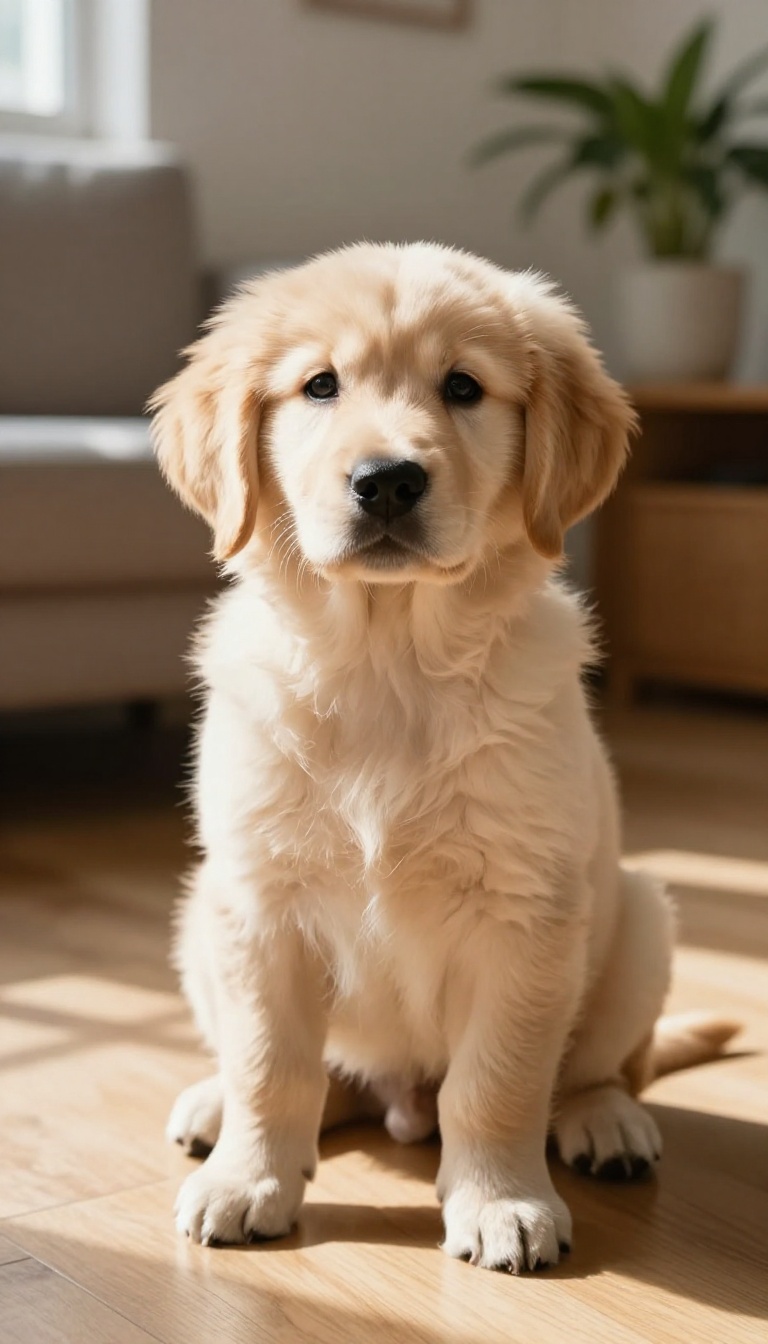
Your dog's name is more than just a label—it's the key to getting their attention and building a strong recall. When your pup learns that their name means good things, they'll be more eager to listen. This simple training step sets the stage for everything else.
Teaching your dog to respond to their name is one of the first and most valuable lessons. It's the foundation for recall and helps you get their focus before giving any command. With a little patience and consistency, your dog will learn that their name is always a signal for something positive.
Why Name Recognition Matters
A dog that knows their name is easier to manage in everyday situations. Whether you're at the park or in your living room, being able to quickly get your dog's attention can prevent accidents and keep them safe. It also strengthens your bond, because your dog learns to look to you for guidance.
How To Teach It
Start in a quiet place with few distractions. Say your dog's name in a happy, upbeat tone, and the moment they look at you, mark it with a 'yes! ' and give a treat. Repeat this several times, gradually increasing the distance and adding distractions.
Keep sessions short and fun, and always end on a positive note.
Common Mistakes To Avoid
One big mistake is using your dog's name when you're upset or about to scold them. If they hear their name and associate it with something negative, they'll be less likely to respond. Also, avoid repeating their name over and over without a reward—this teaches them to ignore you.
Instead, say it once, wait for a response, and reward promptly.
Using The Name In Daily Life
Once your dog is reliably responding, use their name in everyday situations to reinforce it. Call them for meals, playtime, or a quick cuddle. Always follow up with something positive.
Over time, your dog will perk up whenever they hear their name, ready for whatever good thing comes next.
7. Bite Inhibition: Teaching a Soft Mouth
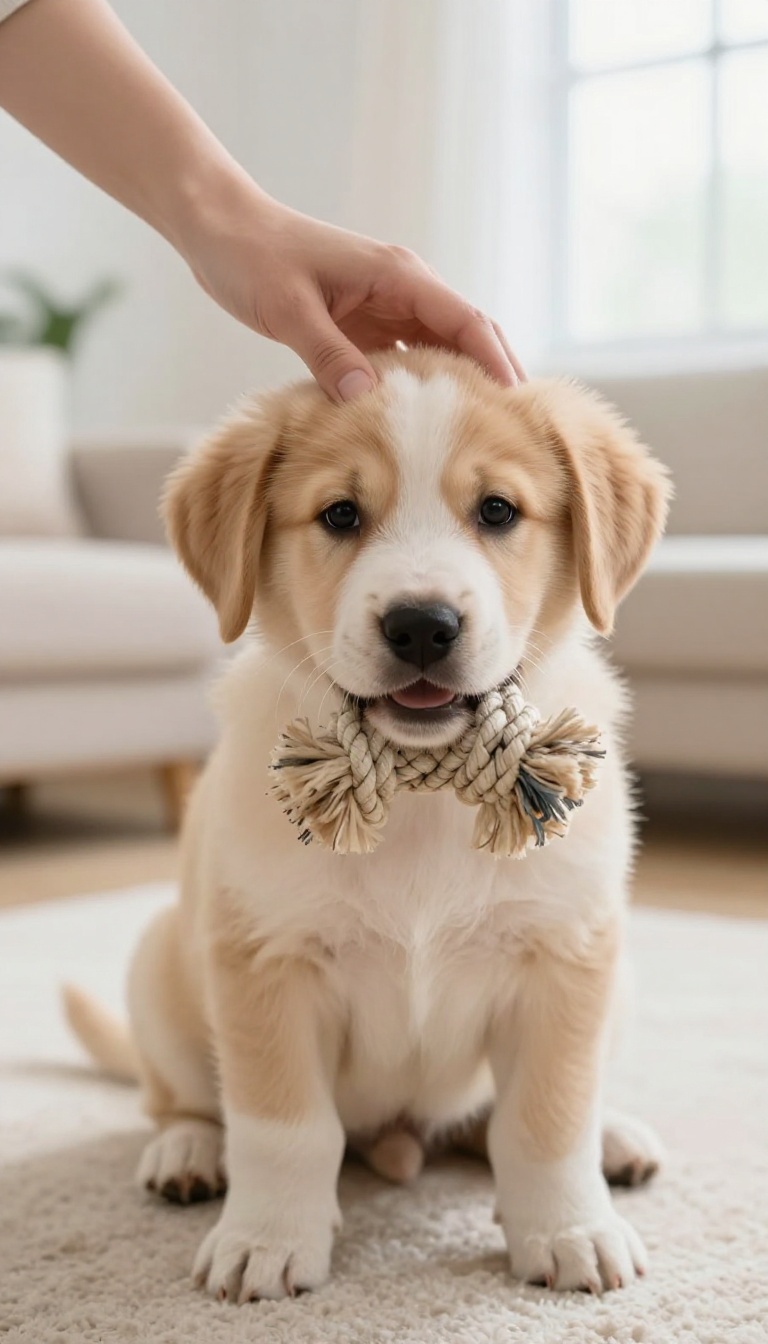
Puppies explore the world with their mouths, and those needle-sharp teeth can really hurt. But it's not about stopping all biting—it's about teaching your pup how to use their mouth gently. This is a crucial skill that will keep everyone safe, especially kids and other pets.
Start by letting your puppy know when they've bitten too hard. A high-pitched yelp, like another puppy would make, tells them they've crossed the line. Then, immediately stop playing and turn away for a few seconds.
This mimics how littermates teach each other. After the pause, resume play, but if they bite hard again, repeat the process. Consistency is key.
Also, make sure to provide appropriate chew toys. When your puppy starts to mouth, redirect them to a toy. This teaches them what's okay to chew on and what's not.
Why Yelping Works
When you yelp like a hurt puppy, your dog learns that hard bites end the fun. This is a natural signal they understand from their early days with their mother and siblings. It's not about scaring them—it's about clear communication.
Over time, they'll learn to control the pressure of their bite.
Redirecting To Chew Toys
Instead of just saying no, show your puppy what they can bite. Keep a few chew toys handy and offer one whenever they start mouthing on you or your clothes. This teaches them that toys are for chewing, not human skin.
Rotate toys to keep them interesting, and praise them when they choose the toy on their own.
When To Seek Help
Most puppies outgrow excessive mouthing by the time they're six months old, especially with consistent training. But if your puppy's biting seems aggressive, or they don't respond to yelping and redirecting, it might be time to consult a professional trainer. They can assess the behavior and give you tailored strategies.
8. Leave It and Drop It: Preventing Trouble
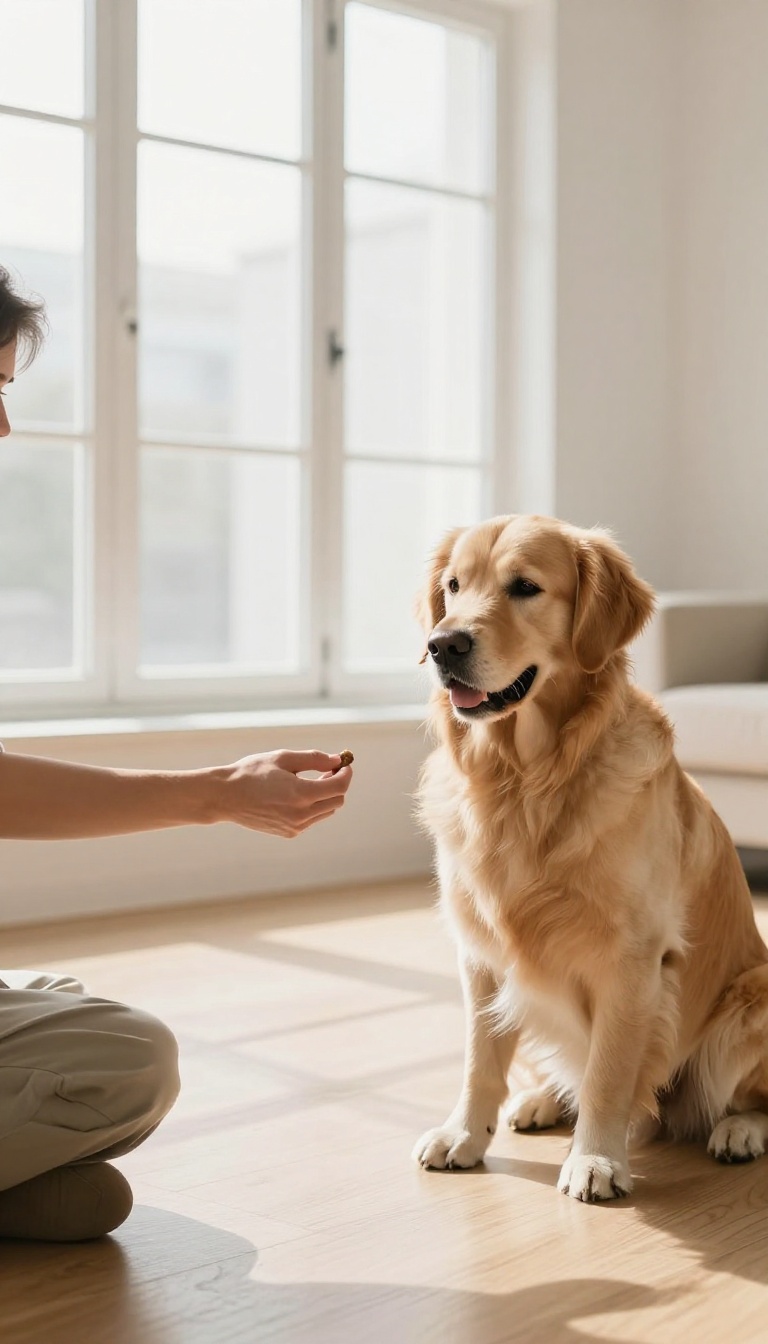
Some commands are nice-to-have, but these two are non-negotiable. 'Leave it' stops your dog from grabbing something before it happens, while 'drop it' gets them to release something already in their mouth. Together, they can prevent a trip to the emergency vet or a nasty fight over a stolen snack.
Start with 'leave it' by holding a treat in your closed fist. Let your dog sniff, lick, and paw at it, but ignore them until they pull back. The instant they back off, say 'yes! ' and reward with a different treat from your other hand.
Repeat until they understand that ignoring the closed fist earns a better reward. Then progress to placing a treat on the floor under your foot, covering it, and rewarding them for looking away. Finally, try with the treat uncovered, but be ready to cover it if they lunge.
For 'drop it, ' start with a low-value toy and trade it for a high-value treat. Say 'drop it' as you offer the treat, and when they release, praise and give the treat. Gradually increase the value of the item they have to drop, always making the trade worth their while.
These commands are lifesavers, literally. Practice them in short, fun sessions, and you'll have a dog that thinks twice before grabbing something they shouldn't.
Why These Commands Matter
Dogs explore with their mouths, and they don't know that a dropped pill, a chicken bone, or a chocolate bar is dangerous. 'Leave it' and 'drop it' are emergency brakes that can stop your dog from ingesting something harmful or toxic. They also prevent resource guarding and keep walks stress-free when your dog spots a tempting pile of garbage.
Step-by-step: Teaching Leave It
Start with a treat in your closed fist. Let your dog sniff and paw, but ignore them. The moment they pull back, say 'yes! ' and give a different treat from your other hand.
Repeat until they back off immediately. Then place a treat on the floor, cover it with your foot, and reward them for looking at you instead. Gradually uncover the treat, and if they lunge, cover it again.
Practice in short sessions until they reliably turn away.
Step-by-step: Teaching Drop It
Begin with a toy your dog likes but doesn't love. Offer it, then say 'drop it' as you present a high-value treat. When they release the toy, praise and give the treat.
Repeat, gradually using more tempting items. If your dog grabs something truly dangerous, don't chase—offer a trade with something irresistible. Never punish them for dropping, as that can make them less likely to release in the future.
9. Handling and Grooming: Building Trust
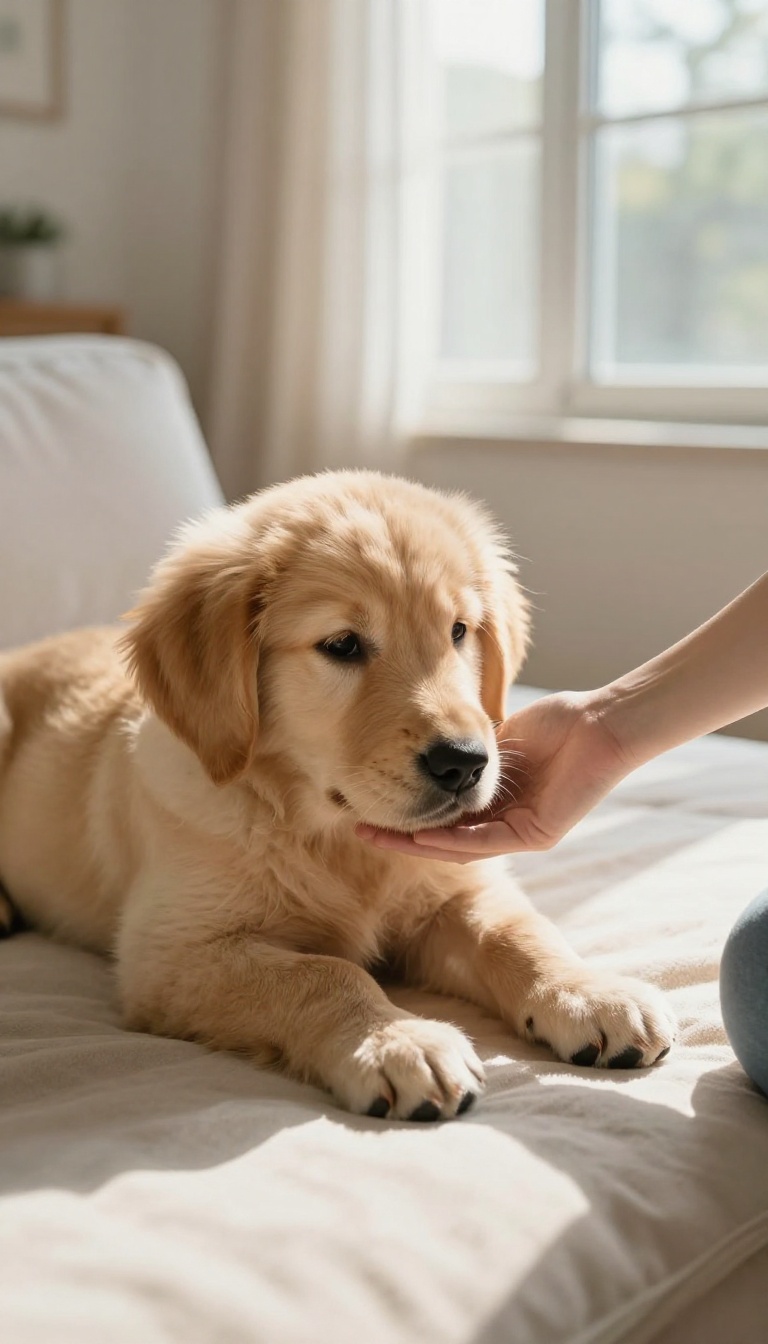
Most puppies squirm when you try to touch their paws or look at their teeth. That's normal, but it's something you can gently change. Regular handling builds trust and makes future vet visits and grooming sessions much easier.
Start slow, keep sessions short, and always pair touch with something your dog loves. Before long, your pup will see handling as a positive part of your routine.
Start With The Paws
Begin by touching your puppy's paws for just a few seconds while they're relaxed. Reward with a treat and praise. Gradually increase the time and practice picking up each paw.
This helps with nail trims and makes your dog comfortable with having their feet handled.
Ears, Mouth, And Tail
Gently rub your dog's ears, lift their lips to check teeth, and touch their tail and rear. Do this during calm moments, not when they're excited. Pair each touch with a treat.
This builds tolerance for vet exams and daily care like teeth brushing.
Make It A Game
Turn handling into a fun activity. Say "paw" and gently hold it, then reward. Use a happy voice and keep the mood light.
If your puppy pulls away, stop and try again later. The goal is to keep the experience positive, not forced.
10. Alone Time: Preventing Separation Anxiety
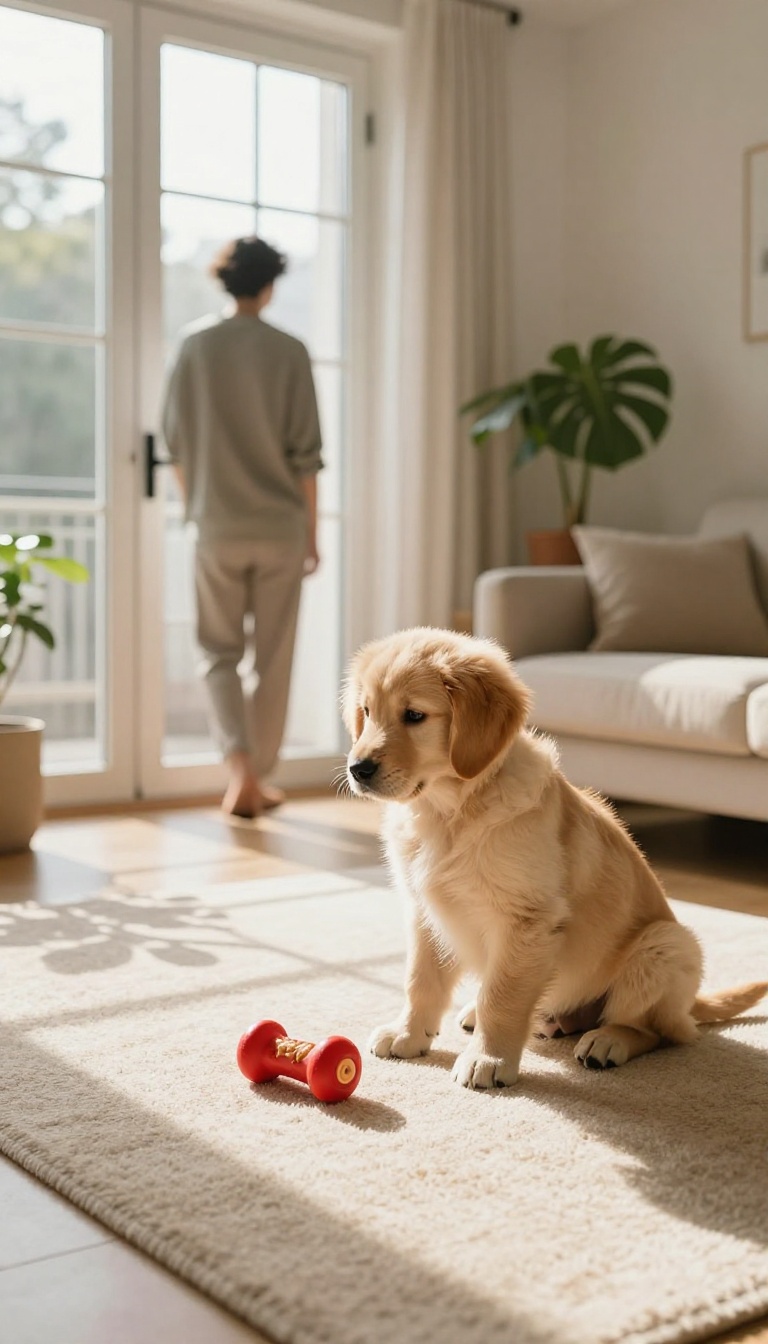
Puppies can get clingy fast, and if you never teach them to be okay on their own, you might end up with a dog who panics every time you grab your keys. Separation anxiety is stressful for both of you, but it's largely preventable with a little practice. The trick is to make alone time feel totally normal and even enjoyable—not scary.
Start by leaving your pup alone for just a minute or two while you step into another room. Then gradually build up to longer stretches, always keeping it low-key. Give them something awesome to do while you're gone, like a stuffed Kong or a puzzle toy, so they associate being alone with treats and fun.
And when you come back, don't make a big fuss—just a calm hello. This teaches your dog that departures and arrivals are no big deal, which builds their confidence and independence.
Start Small And Slow
Don't expect your puppy to handle an hour alone right away. Begin with short absences—just a few minutes—while you're still in the house. This helps them learn that being apart from you isn't scary.
Gradually increase the time over days or weeks, always staying below their comfort threshold. If they start to whine or pace, you've gone too fast and need to dial it back.
Make Alone Time Fun
Give your puppy something special that they only get when you're gone. A frozen Kong filled with peanut butter or a treat-dispensing puzzle toy can keep them busy and happy. This turns your departure into a positive event.
Rotate the toys so they stay exciting, and always supervise them with anything that could be a choking hazard.
Keep Goodbyes And Hellos Boring
If you make a big deal out of leaving or coming home, your puppy will too. Keep your goodbyes brief and calm—no long, emotional farewells. When you return, wait a few minutes until they're calm before you greet them.
This teaches them that your comings and goings are just a normal part of life, not something to get worked up about.
11. Impulse Control: The 'Wait' Game
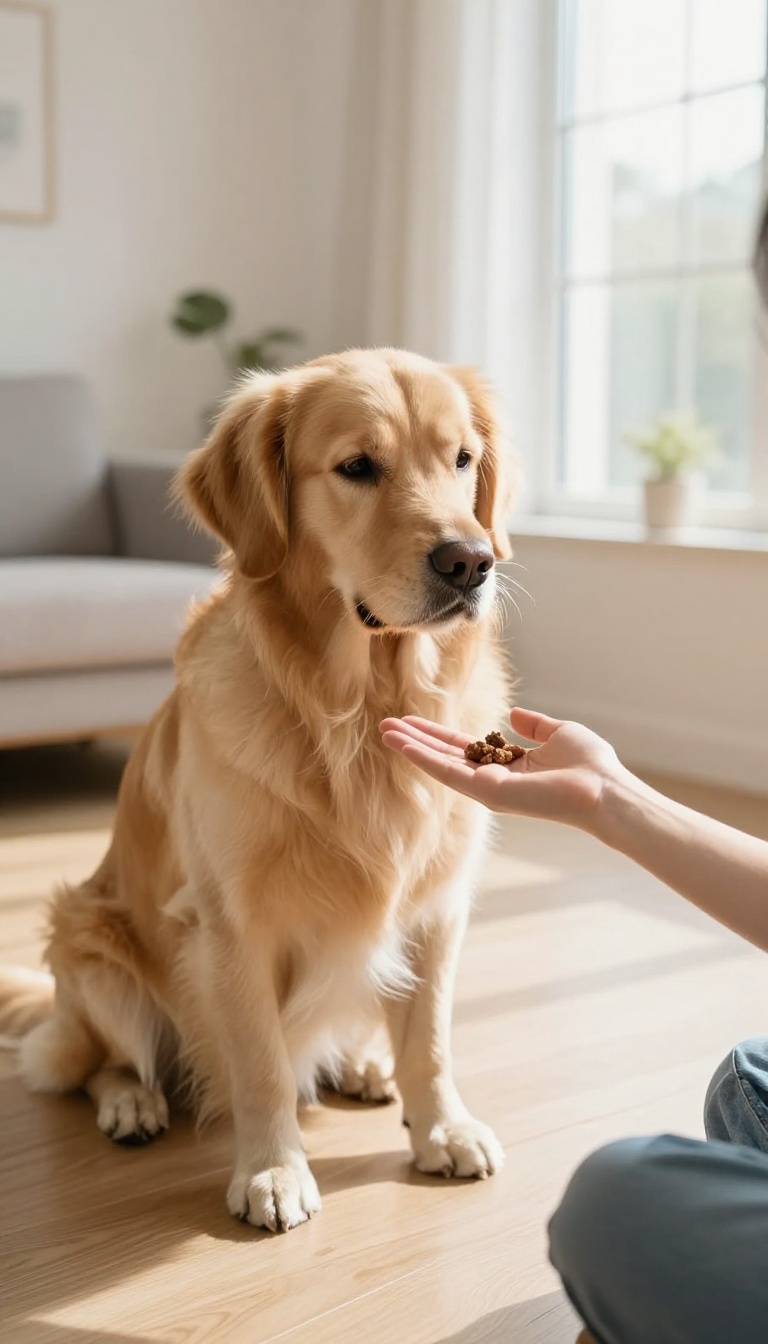
Dogs are impulsive by nature, but a little self-control goes a long way. The 'wait' game is a simple, powerful exercise that teaches your pup to pause before acting. It's not about suppressing their enthusiasm—it's about channeling it into good manners.
Start by asking your dog to sit, then hold up a treat and say 'wait' in a calm, clear voice. Open your palm like a stop sign and take a step back. If they stay put, reward them with a treat and a quiet 'yes. ' If they break the wait, just reset and try again.
The goal is to build a solid pause that works in real-life situations, not just in the kitchen.
Why Waiting Matters
Impulse control is the foundation of good behavior. A dog who can wait is less likely to dart out the front door, snatch food off the counter, or bolt into traffic. It also strengthens your bond because your dog learns to look to you for guidance instead of acting on instinct.
Plus, it's a mental workout that tires them out just as much as a long walk.
How To Teach 'wait' Step By Step
Start with low-distraction settings. Hold a treat in your closed fist, let your dog sniff it, then say 'wait' and open your hand. If they lunge, close your fist and wait until they back off.
The moment they pause, mark and reward. Gradually add distance and duration, and practice at doorways, car doors, and before meals. Keep sessions short—five minutes max—and always end on a success.
Real-life Applications
Use 'wait' before going through doors to prevent door-dashing. At mealtime, have your dog wait until you set the bowl down and release them. In the car, teach them to wait before jumping out.
You can even use it at the vet's office or when greeting guests. The more you practice in different contexts, the more reliable your dog becomes.
FAQ
How long does it take to potty train a puppy?
Most puppies can be reliably potty trained within 4-6 months, but it varies. Consistency and a schedule are key. Some small breeds may take longer.
Crate training can speed up the process.
When should I start socializing my puppy?
Start socializing as early as possible, ideally between 3 and 14 weeks old. This is the critical socialization window. Ensure your puppy has had at least their first vaccinations before meeting other dogs, but you can still expose them to new sights and sounds safely.
What if my dog doesn't like the crate?
Go slow and make the crate positive. Feed meals inside, toss treats in, and leave the door open. Never force them in.
You can also cover the crate with a blanket to make it cozy. Patience is key.
How do I stop my dog from pulling on the leash?
Stop walking when your dog pulls and only move forward when the leash is loose. Reward them for walking nicely. Use a front-clip harness to reduce pulling.
Consistency is important; don't let pulling work sometimes.
Is it ever too late to train an older dog?
No, it's never too late. Older dogs can learn new tricks, but it may take more patience. Focus on positive reinforcement and be consistent.
Old habits are hard to break, but with time and effort, you'll see progress.
Conclusion
Training your first dog is a journey, but you don't have to do it all at once. Focus on these 11 priorities, and you'll build a strong foundation for a happy, well-behaved companion. Remember, patience and consistency are your best tools.
Every dog learns at their own pace, so celebrate the small wins. Start with one or two priorities, and gradually add more. Your dog will thank you with love and loyalty.

I’m Pallab Kishore, the owner of Little Pets Realm — an animal lover and pet care enthusiast sharing easy tips, healthy recipes, and honest advice to help every small pet live a happy, healthy, tail-wagging life.