
You don't need a puppy to teach an old dog new tricks. In fact, adult dogs often learn faster because they have better focus and self-control.
Training your adult dog isn't just about commands—it's about creating a calmer, more predictable home. When your dog knows what to do in everyday situations, you both relax and enjoy each other more.
These ten goals target the moments that matter most, from mealtime to walks to visitors at the door. Each one is practical, achievable, and designed to make your daily life noticeably better.
1. Calm Greetings at the Door
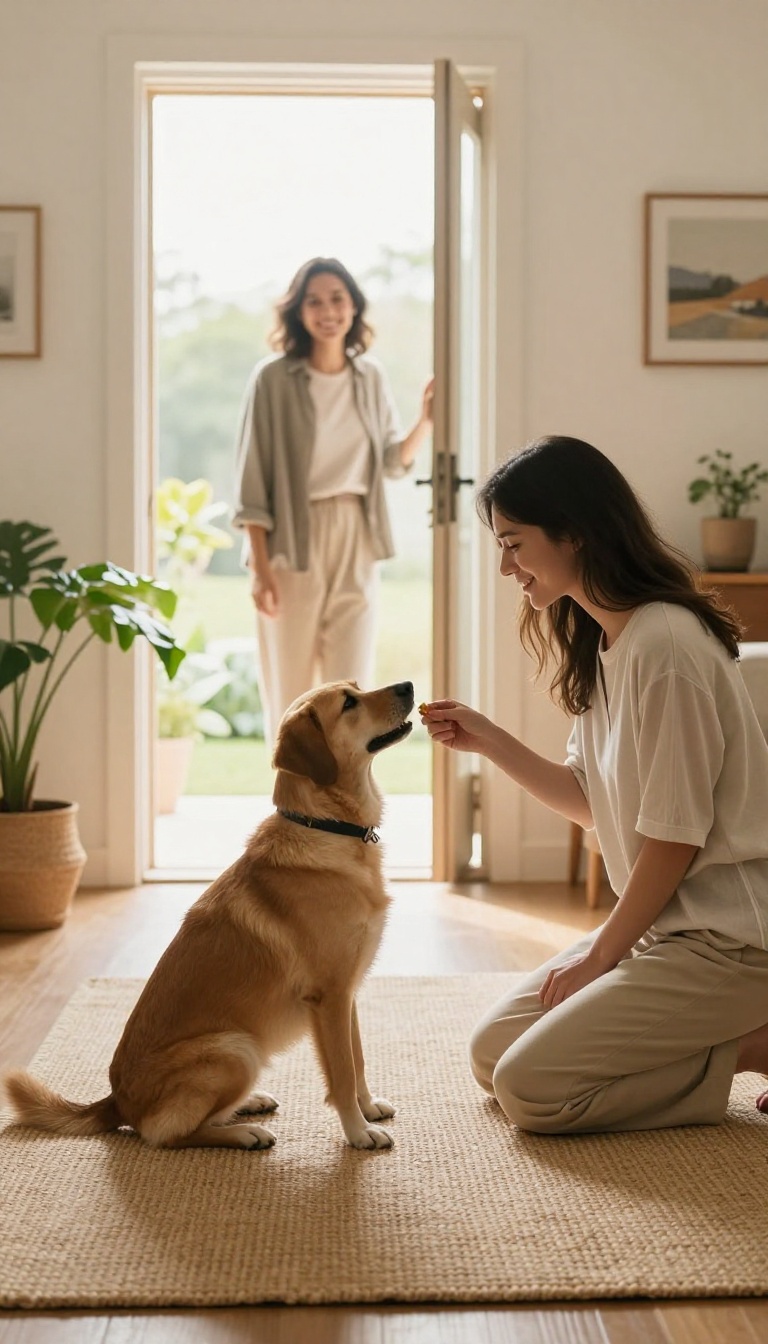
The doorbell rings, and within seconds your dog is a whirlwind of excitement—jumping, barking, and making your guests feel like they're being ambushed. It's a common scene, but it doesn't have to be that way. Teaching your adult dog to greet visitors calmly is one of the most practical training goals you can set.
It transforms arrivals from chaotic to pleasant, and it's a skill that pays off every single time someone comes over.
When your dog learns to stay calm at the door, you're not just stopping bad manners. You're giving your dog a job to do, which actually reduces their anxiety. Many adult dogs get overexcited because they're unsure how to behave when someone new appears.
By teaching a clear routine, you remove that uncertainty, and your dog can relax instead of losing it. Plus, guests will appreciate not being jumped on, and you'll avoid the embarrassment of wrestling your dog away from the door.
Start With The Trigger
The first step is to practice without real guests. Have a friend ring the doorbell or knock while you work with your dog on a leash. The goal is to reward your dog for staying calm, not for reacting.
Ask for a simple 'sit' or 'down' before you even open the door. If your dog stays, give a treat. If they lunge or bark, calmly walk them away and try again.
Repetition is key—your dog needs to learn that calm behavior gets the door opened, not excitement.
Teach A Mat Or Place Command
A mat or bed can be a lifesaver for door greetings. Train your dog to go to their mat on cue and stay there until you release them. Start without distractions, then gradually add the doorbell, knocking, and finally real visitors.
The mat gives your dog a clear spot to focus on, which makes it easier for them to stay calm. It's a simple concept, but it works wonders for dogs that get too excited at the door.
Practice With Real People
Once your dog is reliable with the doorbell and mat, it's time to bring in real guests. Keep sessions short and controlled. Have your guest ignore your dog completely until they are calm.
Then, allow a gentle greeting. If your dog gets too excited, calmly lead them back to their mat and try again. Over time, your dog will learn that polite behavior gets attention, while jumping and barking gets none.
Consistency is everything, so make sure everyone who visits follows the same rules.
2. Reliable Recall Off-Leash
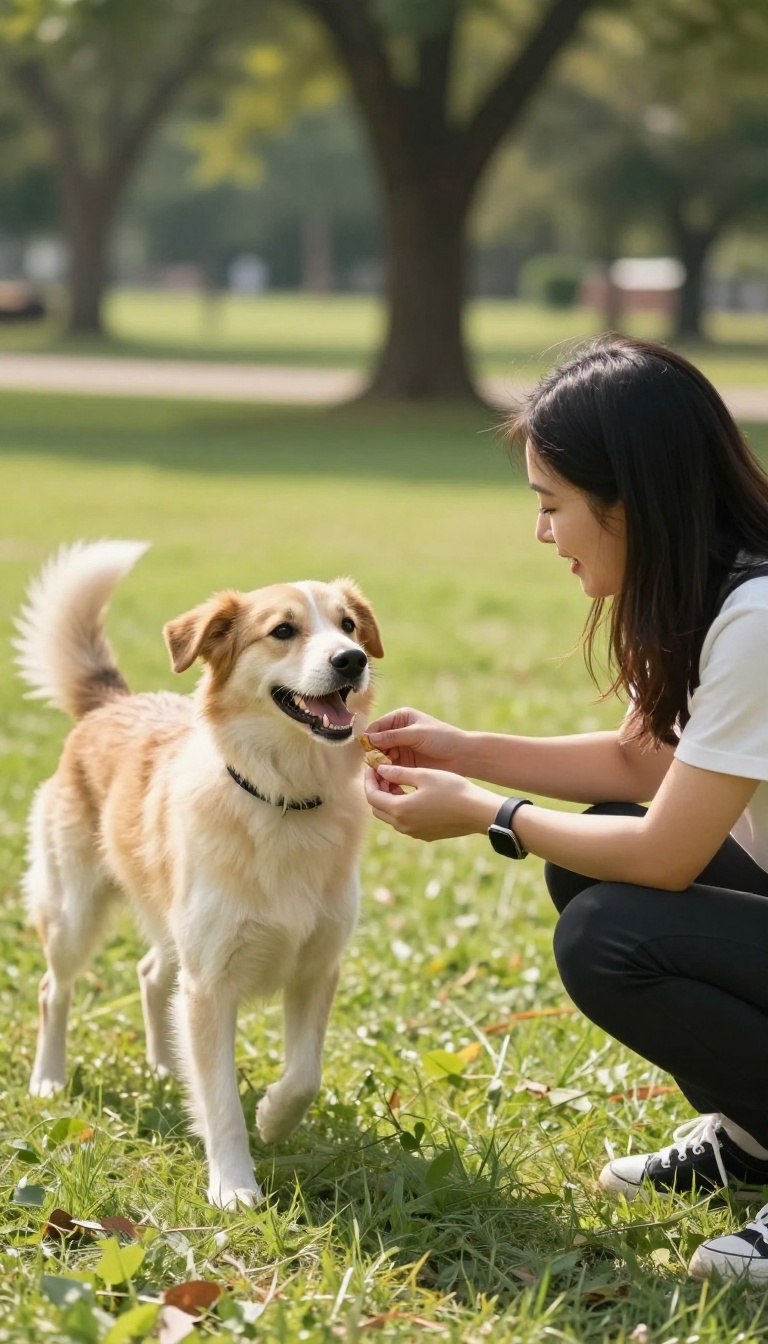
A dog that comes when called is a dog that gets more freedom. Off-leash adventures become possible, and you stop worrying about them bolting after a squirrel or a cyclist. It’s not just a trick—it’s a safety net that turns stressful walks into relaxed outings.
Building a reliable recall takes time, but the payoff is huge. Start in a quiet space with few distractions, then gradually add more challenging environments. Use high-value treats and a happy tone so your dog learns that coming to you is always a good deal.
Practice daily, and never call your dog to you for something negative like punishment or nail trims—you want them to associate recall with positive experiences.
Start Small And Distraction-free
Begin indoors or in a fenced yard where there’s nothing exciting to distract your dog. Call their name and reward them the instant they turn toward you. Use a long leash for safety as you move to a park or quiet trail.
The goal is to make coming to you the most rewarding option, so keep treats extra special—something like chicken or cheese that they only get during training.
Use A Consistent Cue Word
Pick a word like 'here' or 'come' and stick to it. Avoid using it casually or when you’re annoyed. Say it once in a cheerful voice, then give your dog a second to respond.
If they don’t, resist the urge to repeat it—that just teaches them they can ignore you. Instead, move away or make a silly noise to get their attention, then reward them when they catch up.
Practice In Real-world Situations
Once your dog is reliable in low-distraction areas, start adding real-life scenarios. Have a friend walk by at a distance, or practice near a busy road with your dog on a long leash. Gradually increase the difficulty, but always keep sessions short and fun.
End on a success, so your dog stays motivated and confident.
Make Coming To You A Party
When your dog reaches you, celebrate like it’s the best moment of the day. Use a happy voice, give a jackpot of treats, and maybe play a quick game of tug. If they know that coming to you means fun, they’ll choose you over distractions more often.
And if you ever need to leash them or end playtime, do it calmly and then offer a treat—so they don’t learn that coming means the fun stops.
3. Loose-Leash Walking
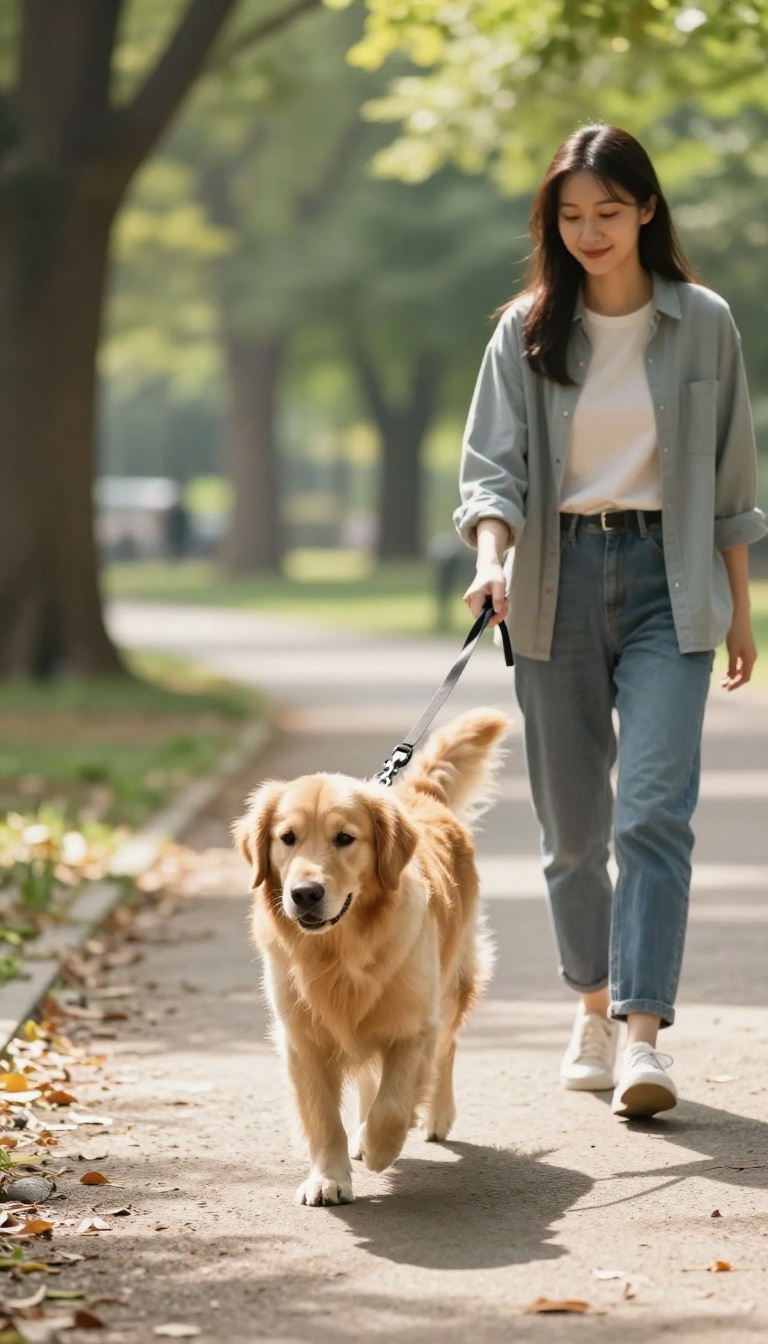
There's nothing quite like the frustration of a walk that turns into a tug-of-war. Your arm aches, your dog's collar is digging in, and neither of you is having fun. The good news is that loose-leash walking isn't just for puppies—adult dogs can absolutely learn to walk politely beside you, and the payoff is huge.
When your dog stops pulling, walks become a pleasure instead of a chore. You'll actually enjoy the fresh air, and your dog gets more freedom to sniff and explore because you're not constantly tensing up. It's a win-win that makes daily exercise something to look forward to.
Loose-leash walking is about teaching your dog that staying near you is more rewarding than charging ahead. It's not about forcing them into a perfect heel position—it's about having a relaxed, slack leash that makes walks calm and enjoyable for both of you. With a little patience and the right technique, you can turn your daily strolls into quality bonding time.
Why Dogs Pull And How To Change It
Dogs pull because it works. When they strain forward and you follow, they learn that pulling gets them where they want to go. The fix is simple: stop rewarding the pull.
The moment your leash tightens, stop walking. Wait for your dog to loosen the leash, even for a second, then reward with a treat and continue. This teaches them that a slack leash moves you forward, while a tight one brings everything to a halt.
The Power Of Rewards And Timing
Positive reinforcement is your best tool. Keep small, high-value treats in your pocket or a treat pouch. Whenever your dog walks beside you with a loose leash, drop a treat at your side so they learn to stay close.
Timing matters—reward the exact moment the leash is slack, not after they've already pulled. Over time, your dog will choose to stay near you because good things happen there.
Practice Makes Perfect, Even Indoors
You don't need a park to practice. Start in a quiet room with no distractions. Walk a few steps, stop, and reward your dog for staying by your side.
Gradually add more space and more distractions, like the backyard or a quiet street. The key is to set your dog up for success—start easy, build up slowly, and always end on a positive note.
4. Polite Mealtime Behavior
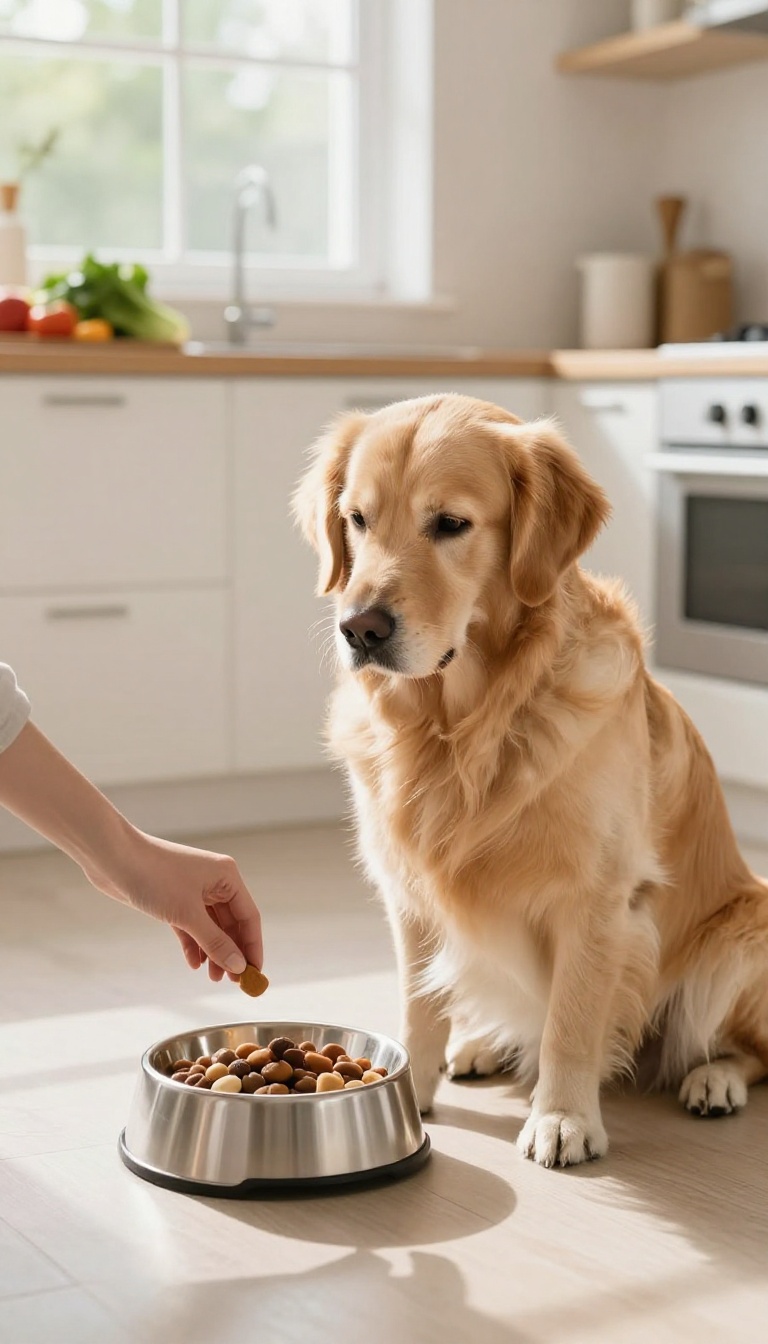
Mealtime can turn into a free-for-all when your dog thinks every bite is up for grabs. Begging at the table, snatching food from counters, or bolting down kibble the second the bowl hits the floor—these habits make dinner stressful for everyone. Teaching your adult dog to wait calmly and keep four paws on the floor transforms meals into a peaceful ritual.
It’s not about being strict; it’s about giving your dog clear expectations so they can relax and enjoy their food without the chaos.
Polite mealtime behavior isn’t just about good manners—it’s about safety and reducing stress. When your dog learns to wait for a cue before eating, they’re less likely to inhale food and risk choking or digestive issues. Plus, a dog that doesn’t beg is a dog that gets more positive attention and treats, which strengthens your bond.
Start with simple exercises like having your dog sit and stay while you prepare their bowl, then gradually increase the duration before releasing them. Consistency is key—everyone in the household should follow the same rules so your dog doesn’t get confused.
The 'wait' Command
Teaching your dog to wait for food is a game-changer. Begin by asking your dog to sit, then place the bowl on the floor while saying “wait. ” If they move toward it, lift the bowl and try again. Start with just a few seconds, then gradually increase the time.
Reward them with a release word like “okay” before they eat. This simple exercise builds impulse control and makes mealtime calm and predictable.
Curbing Counter Surfing
If your dog has a habit of snatching food from counters or tables, you need to manage the environment and teach an alternative behavior. Keep tempting items out of reach, and use baby gates or a crate during meal prep if necessary. Train your dog to go to a designated spot, like a mat, and stay there while you cook or eat.
Reward them for staying put, and they’ll learn that good things come when they mind their own business.
No More Begging At The Table
Begging is often reinforced accidentally—those puppy-dog eyes are hard to resist. To stop it, ignore the behavior completely. Don’t make eye contact, don’t talk, and don’t push them away.
Instead, give them a chew toy or a puzzle feeder in another room during meals. Over time, your dog will learn that the table isn’t a source of food, and they’ll settle down on their own.
5. Comfortable Handling and Grooming
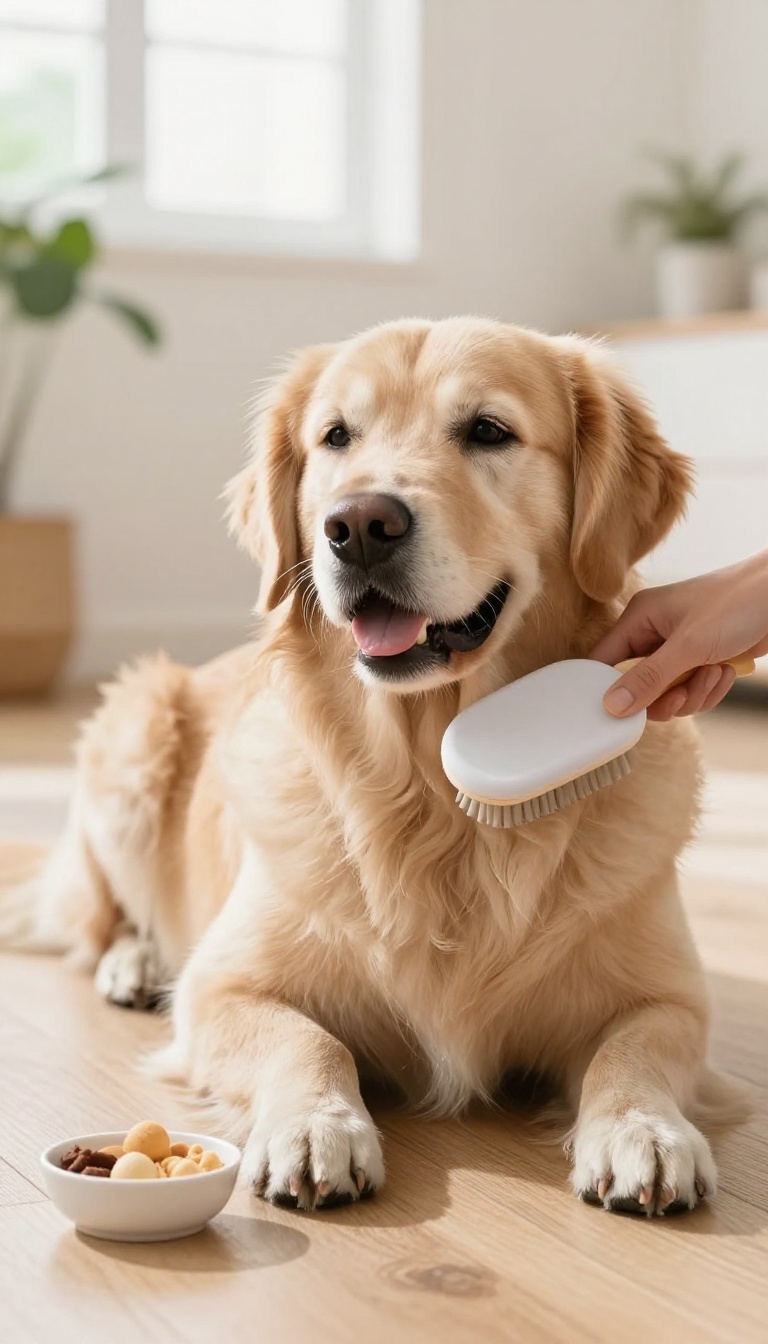
Many adult dogs never learn to enjoy being touched, brushed, or examined. They squirm, nip, or bolt when you try to trim their nails or check their ears. This makes routine care stressful for both of you.
Training your dog to accept handling turns grooming from a battle into a bonding time. It also means vet visits are calmer and safer. With patience and positive reinforcement, you can teach your dog that being handled is no big deal.
Start by pairing gentle touches with treats. Touch your dog's paws, ears, and tail while giving a treat. Gradually increase the duration and add brushing or nail clipping.
Always move at your dog's pace and stop if they show stress. Over time, your dog will learn that handling predicts good things, making grooming sessions easier and more enjoyable for everyone.
Start With Touch Desensitization
Begin by touching your dog in non-sensitive areas like the back or shoulders while offering treats. Slowly work toward paws, ears, and mouth. Keep sessions short and positive.
If your dog pulls away, go back a step and try again later. This builds trust and reduces fear.
Make Brushing A Positive Ritual
Introduce the brush slowly, letting your dog sniff it first. Brush a few strokes while giving treats. Gradually increase the brushing time.
For dogs with thick coats, use a gentle brush to avoid discomfort. Over time, your dog will look forward to brushing as a special time together.
Practice Exam Behaviors
Teach your dog to tolerate being handled for vet-like checks. Gently lift lips to check teeth, look in ears, and run hands over the body. Reward calm behavior.
This makes vet visits less stressful and helps you spot any health issues early.
6. Crate Training for Relaxation
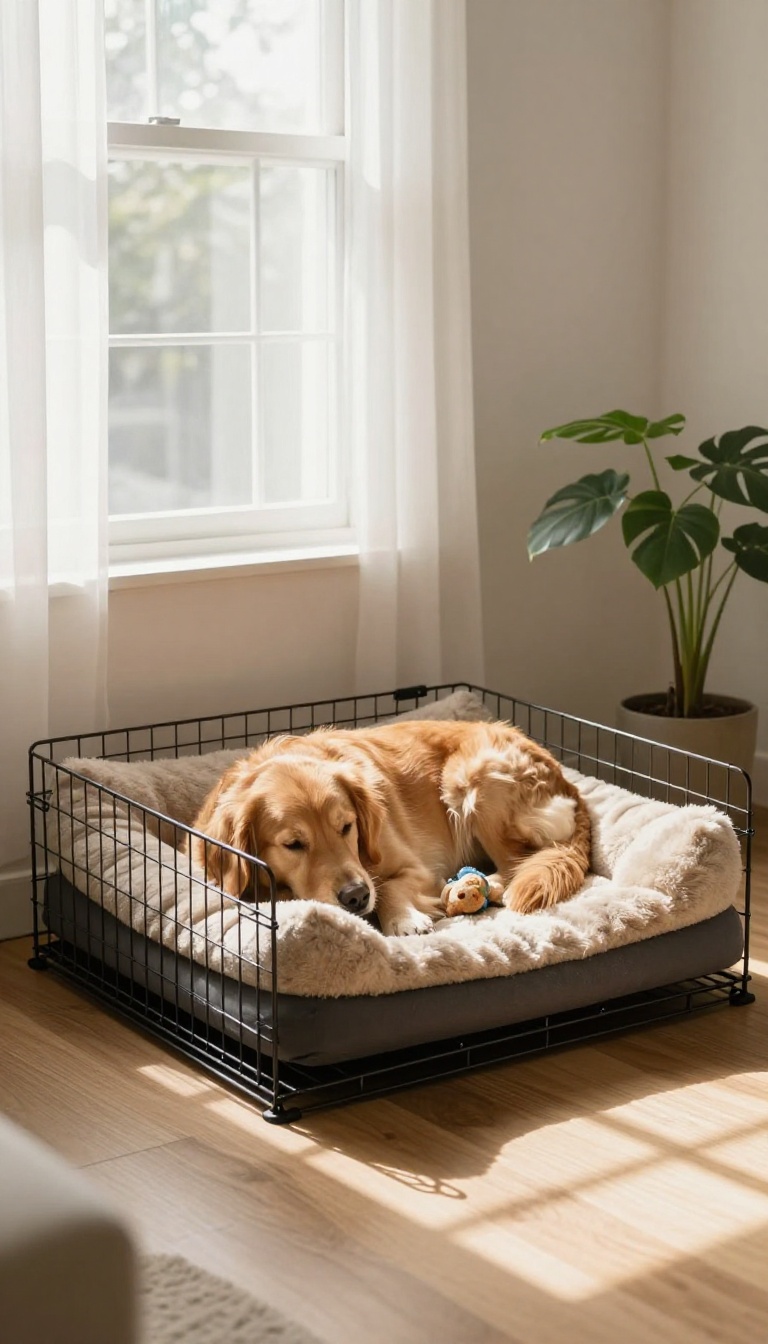
Many adult dogs never step foot in a crate, and that's a missed opportunity. When done right, a crate becomes your dog's personal den—a place they choose to go when they need a break. It's not about confinement; it's about giving them a predictable, cozy spot that feels like home.
Crate training an adult dog isn't about locking them away. It's about teaching them that the crate is a safe, comfortable space where good things happen. Start by making the crate inviting with a soft bed and a favorite toy.
Toss treats inside and let your dog explore at their own pace. Keep the door open at first, so they can come and go freely. Over time, they'll start napping in there on their own, and that's when you know it's working.
Why A Crate Helps Daily Life
A crate-trained dog is easier to manage in many situations. When visitors come over, you can give your dog a quiet place to settle instead of dealing with overexcitement. During travel, a crate keeps your dog secure in the car and makes hotel stays less stressful.
And if your dog ever needs to stay at the vet, they'll handle it better if they're already comfortable in a crate.
Making The Crate A Positive Place
The key is to associate the crate with good things. Feed your dog their meals inside the crate with the door open. Give them a special chew toy that only appears when they're in there.
Use a calm, happy voice when they go in, and never use the crate as punishment. With patience, your dog will see the crate as their own little sanctuary.
Using The Crate For Quiet Time
Once your dog is comfortable, you can use the crate for scheduled rest times during the day. This is especially helpful if your dog struggles to settle down or follows you around constantly. Put them in the crate with a puzzle toy or a bone for 30 minutes.
They'll learn to relax and enjoy some downtime, and you'll get a few moments of peace too.
7. Focus and Attention in Distractions
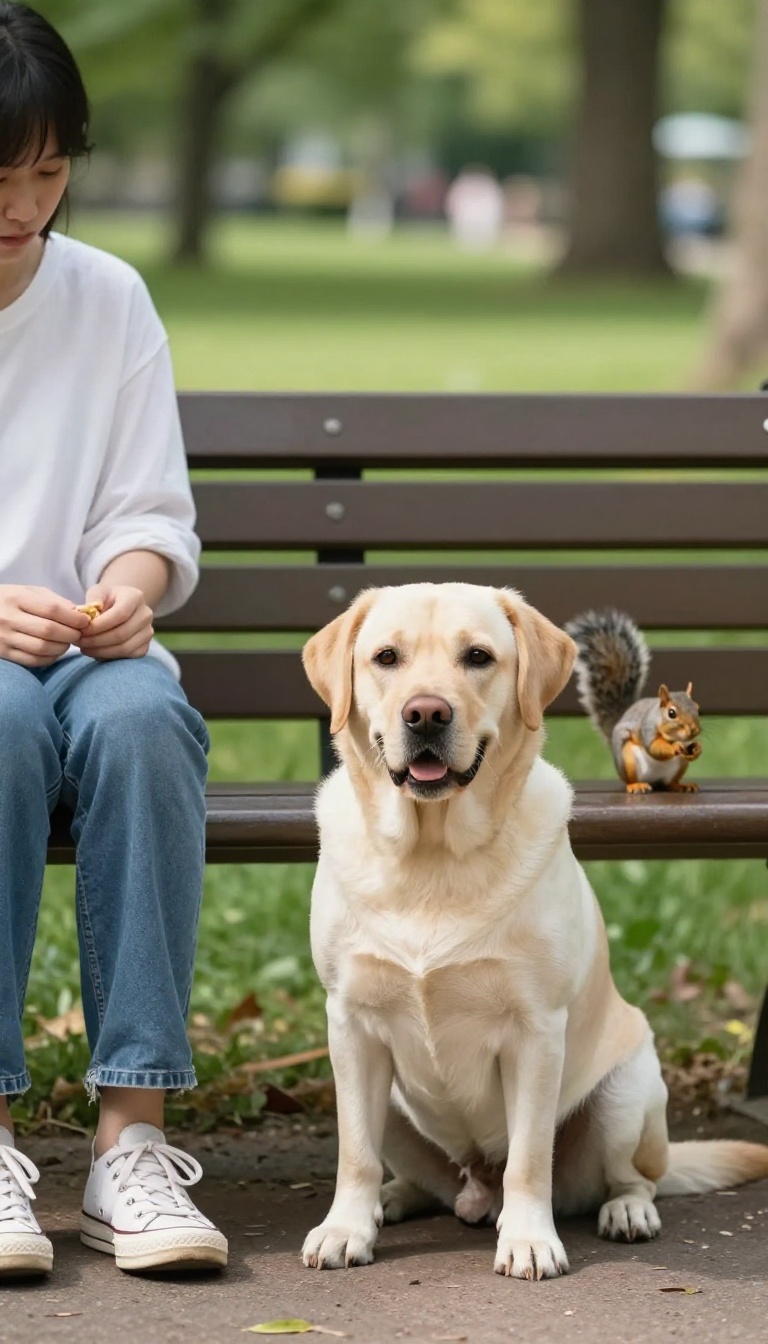
Picture this: you're at the park, and your dog spots a squirrel. In that split second, the world disappears, and they're gone. Sound familiar?
Teaching your adult dog to focus on you, even when life gets exciting, is one of the most valuable skills you can build. It's not about being a drill sergeant—it's about creating a partnership where your dog chooses to check in with you, no matter what's happening around them. This goal turns chaotic moments into opportunities for connection, and it's easier than you think.
Start small and build up. Begin in a quiet room with no distractions. Say your dog's name and reward them the instant they look at you.
Do this a few times a day, and soon they'll associate their name with good things. Then gradually add mild distractions, like a toy on the floor or a family member walking by. The key is to set your dog up for success—if they can't focus, you've moved too fast.
Back up a step and try again. With patience and consistency, your dog will learn that paying attention to you is the best game in town.
Start With A Solid Foundation
Before you can expect focus in a chaotic park, your dog needs to master it at home. Use high-value treats—something they don't get every day, like chicken or cheese. Practice the 'look at me' cue in short bursts, keeping it fun and rewarding.
End each session on a positive note, and always leave them wanting more. This builds a strong base that will hold up when distractions appear.
Gradually Increase Distractions
Once your dog is reliable in a calm setting, it's time to level up. Move to a room with a window, then to your backyard, then to a quiet street. Each step should be small enough that your dog can still succeed.
If they struggle, you've moved too fast—go back a step and practice more. Remember, the goal is progress, not perfection. Celebrate every small win along the way.
Use Real-life Rewards
In the real world, the best rewards aren't always treats. Sometimes it's the chance to chase a squirrel or greet another dog. Use those moments as rewards for checking in with you.
For example, when your dog looks at you on a walk, say 'yes! ' and then release them to sniff a bush or play with a friend. This teaches them that focusing on you actually gets them what they want.
Practice In High-distraction Environments
Eventually, you'll want to practice in places like a busy park or a pet store. Start at a distance where your dog can still focus, and gradually move closer. Keep sessions short—five minutes is plenty.
And always have a plan for when your dog loses focus. A simple 'let's go' and a turn in the other direction can reset the situation. With time, your dog will learn to tune in even when the world is buzzing.
8. Settle on a Mat or Bed
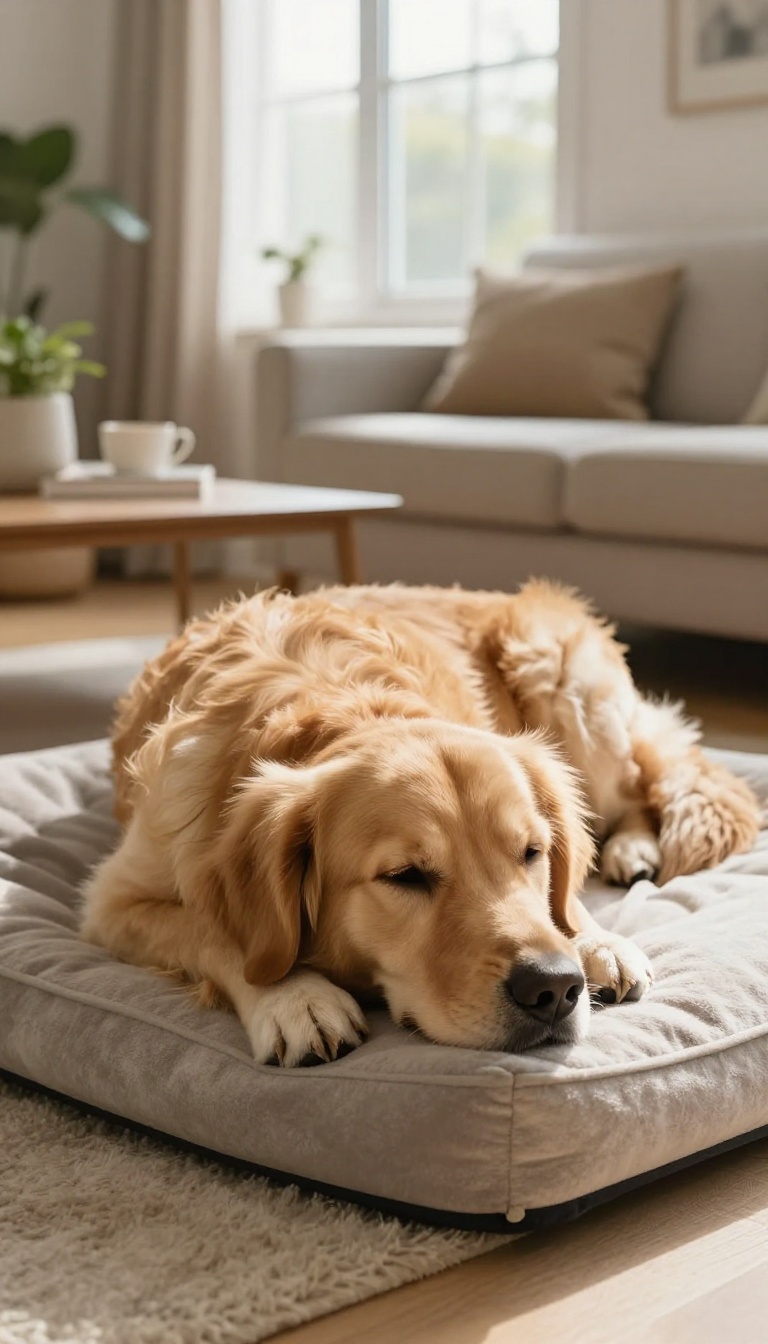
A dog that can't switch off is exhausting for everyone. Teaching a settle cue gives your dog a clear way to relax, and it's a lifesaver when you're busy or have guests over. This isn't about forcing your dog to sleep—it's about giving them a calm, designated spot where they can unwind on command.
Once they get the hang of it, you'll have a handy tool for everything from dinner parties to work calls.
Why A Mat Beats Just 'go Lie Down'
A mat or bed is a physical anchor. When your dog learns to settle on that specific spot, it becomes a safe, comfortable place they associate with relaxation. Unlike a generic 'down' command, a mat cue tells them to stay put and chill out, not just drop and pop back up.
Plus, it's portable—you can take the mat to a friend's house or a cafe, and your dog knows exactly what to do.
Step-by-step: How To Teach The Settle
Start with a comfortable mat or bed. Toss a treat onto it and say 'mat' as your dog steps on. Reward them for being on it, then gradually increase the time they stay.
Use a calm, relaxed voice and reward quiet behavior. Over a few sessions, add a release word like 'okay' to let them know when they can get up. Keep sessions short and positive—this isn't about drilling, it's about building a habit.
Real-life Uses For A Solid Settle
Once your dog has the idea, you'll find endless uses. Put them on their mat when you're eating, working, or watching TV. It's also perfect for visitors—your dog can greet politely, then settle nearby without hovering.
And when you need a quiet moment, just cue the mat and enjoy a few minutes of peace. The more you use it, the stronger the habit becomes.
9. Drop It and Leave It
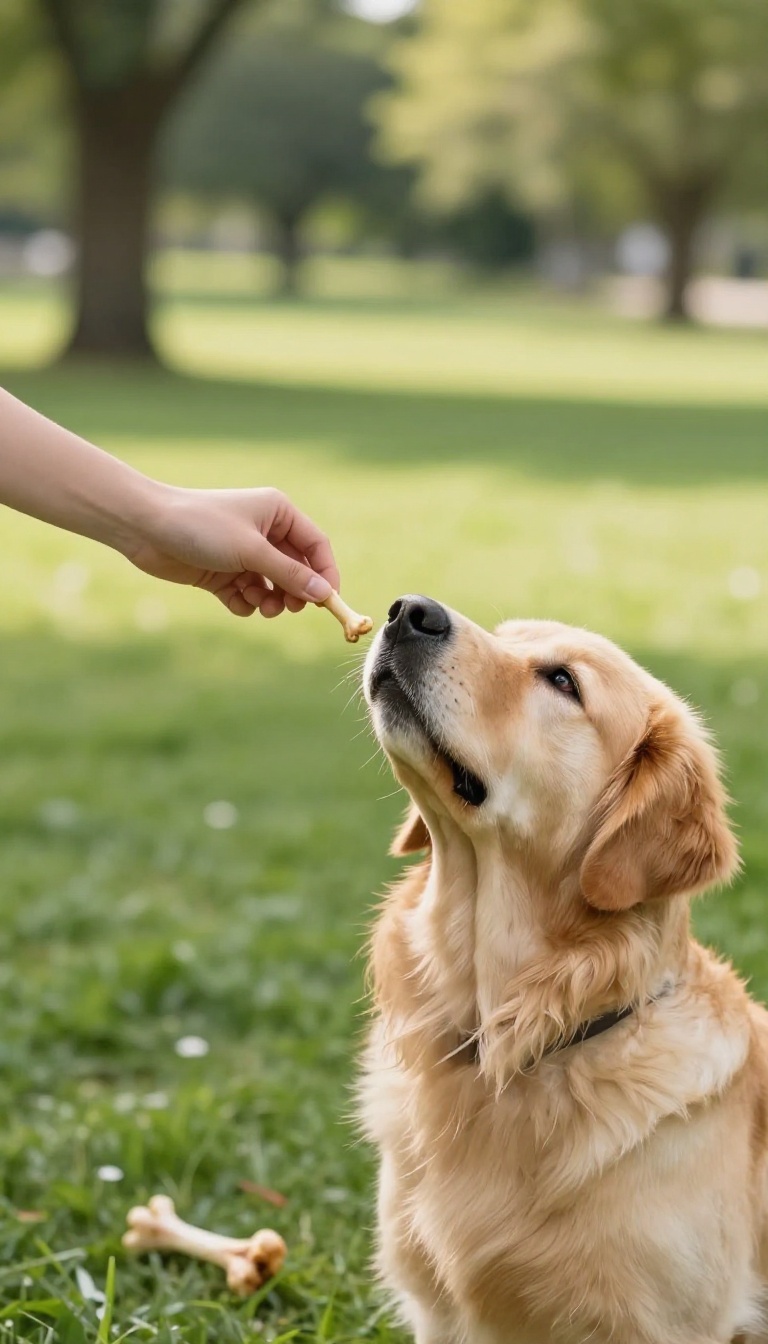
Ever watched your dog snatch a chicken bone off the sidewalk and felt your heart drop? Drop It and Leave It are the two commands that turn those panic moments into calm, controlled responses. They're not just party tricks—they're practical tools that keep your dog safe and your belongings intact.
Teaching these commands gives you a way to intervene before trouble starts. Drop It tells your dog to release something already in their mouth, while Leave It stops them from picking something up in the first place. Together, they cover almost every risky situation you'll face.
Why Drop It Matters
Drop It is your emergency brake. Whether your dog grabs a sock, a pill bottle, or something gross on a walk, this command lets you get it back without a chase or a tug-of-war. It also builds trust—your dog learns that giving things up leads to good things, not punishment.
Leave It: The Preventer
Leave It is even better because it stops the problem before it starts. You see the distraction first, give the command, and your dog looks to you instead of lunging. It's perfect for walks, visits to the vet, or anytime you need your dog to ignore something tempting.
How To Teach Them
Start with high-value treats and low-stakes items. For Drop It, trade a toy for a treat, then gradually raise the difficulty. For Leave It, show a treat in your closed hand, say 'leave it, ' and reward when your dog backs off.
Practice in short sessions, and always use a happy tone so your dog stays motivated.
Real-life Wins
These commands shine in everyday moments: your dog picks up a dropped grape, a kid leaves a toy on the floor, or a squirrel darts across the yard. With a solid Drop It and Leave It, you can handle these situations without yelling or grabbing. Your dog stays safe, and you stay calm.
10. Impulse Control Around Triggers
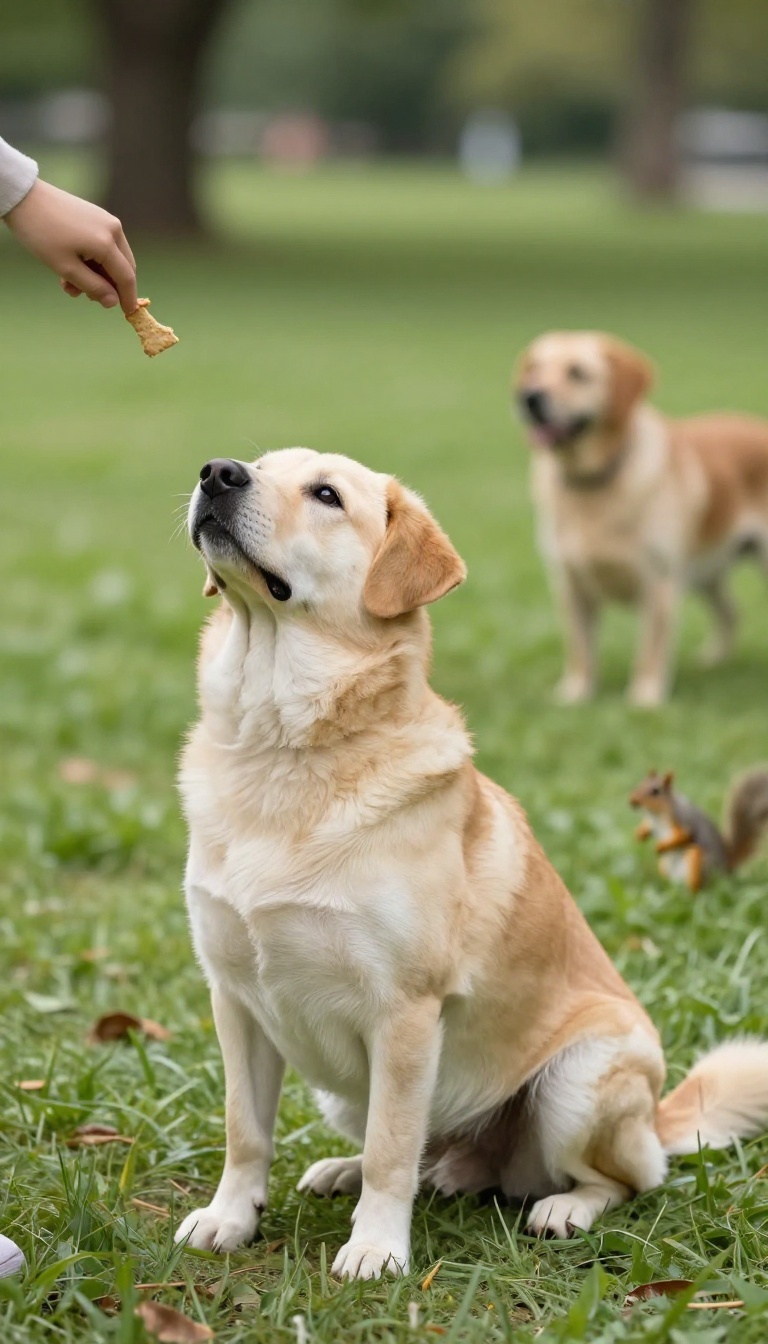
Does your dog lose their mind when they see another dog, a squirrel, or even the mail carrier? That sudden burst of excitement can turn a peaceful walk into a tug-of-war. Teaching impulse control around triggers is about building a pause between the sight and the reaction, so your dog learns to check in with you instead of reacting on autopilot.
This goal isn't about suppressing your dog's personality—it's about giving them a better way to handle their feelings. When your dog can stay calm around exciting things, walks become enjoyable for both of you. You'll feel more confident, and your dog will feel more secure knowing you're in charge of the situation.
Impulse control around triggers is one of the most valuable skills you can teach an adult dog. It reduces reactivity, prevents pulling, and makes outdoor adventures safer and more fun. The key is to practice in controlled settings before you expect your dog to stay calm in the real world.
Start With Distance And Low Distractions
Begin training in a quiet area where you can control the distance between your dog and the trigger. If your dog reacts to other dogs, start far enough away that they notice but don't react. Reward calm behavior with treats or praise.
Gradually decrease the distance over multiple sessions, but always stay below your dog's threshold.
Teach A Solid 'look At Me' Cue
A reliable 'look at me' cue is your best tool for redirecting attention. Practice in the house first, then move to the yard, and finally on walks. When you see a trigger approaching, ask for eye contact before your dog gets too excited.
Reward with a high-value treat. The more you practice, the more automatic this becomes.
Use The 'engage-disengage' Game
This game teaches your dog to look at a trigger, then look back at you for a reward. When your dog notices a trigger, say 'yes' the moment they look away, then give a treat. Over time, your dog learns that seeing a trigger predicts good things when they choose to check in with you.
Practice In Real-life Situations With A Plan
Once your dog is reliable in controlled settings, take it to the real world. Plan walks during quieter times, and have a strategy for when you encounter a trigger. Cross the street, turn around, or step aside to create space.
Keep sessions short and positive, and always end on a win.
FAQ
How long does it take to train an adult dog?
It depends on the dog and the behavior, but with consistent practice, you can see noticeable improvement in a few weeks. Some behaviors may take a few months to become reliable.
Can I train my adult dog myself, or should I hire a professional?
Many owners successfully train their dogs at home with patience and positive reinforcement. However, if you're dealing with aggression or severe anxiety, a professional trainer can be very helpful.
What if my dog is too old to learn new tricks?
Adult dogs are absolutely capable of learning new behaviors. They often have better focus than puppies, so training can be even more effective.
How often should I practice training with my adult dog?
Short, frequent sessions are best. Aim for 5-10 minutes a few times a day. Consistency matters more than long, infrequent sessions.
Are treats the only way to reward my dog?
No, you can use toys, praise, or play as rewards. Find what your dog loves most and use that to reinforce good behavior.
Conclusion
Training an adult dog isn't about perfection—it's about making everyday moments easier for both of you. Pick one or two goals from this list that feel most relevant to your routine and practice them during calm, low-pressure times. Small, consistent wins will build momentum and make walks, vet visits, and quiet evenings at home noticeably smoother.
Start with the simplest change today, and you'll likely see a calmer, more confident dog within a few weeks. The effort is worth it when daily life feels less like a chore and more like a partnership.

I’m Pallab Kishore, the owner of Little Pets Realm — an animal lover and pet care enthusiast sharing easy tips, healthy recipes, and honest advice to help every small pet live a happy, healthy, tail-wagging life.