
A shy dog isn't broken—they're just cautious. That nervous tail tuck or hesitation at the door is their way of saying, "I need a little more time. " The good news?
You can build unshakeable trust with the right training approach. Forget forceful corrections or pushing them into scary situations. Instead, these 13 ideas focus on patience, positive reinforcement, and letting your dog set the pace.
Each one tackles a common shy-dog challenge, from fear of strangers to reluctance to explore. Whether you've just adopted a timid rescue or your pup has always been on the reserved side, these strategies will help you create a bond based on safety and respect. Ready to see your shy dog blossom?
1. Start with a Safe Space They Control
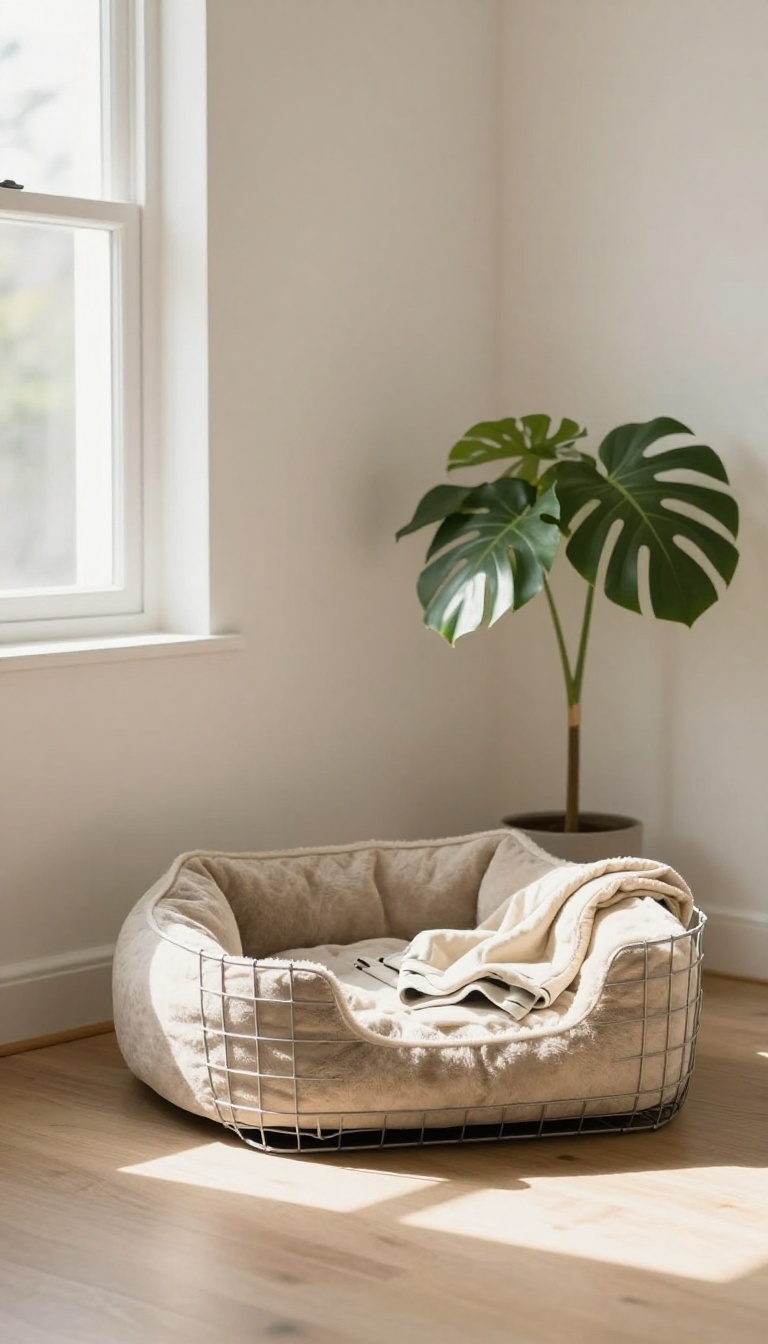
Every shy dog needs a place where the world can't reach them. A crate or a quiet corner that's entirely theirs gives them a sense of ownership and safety. When they can retreat on their own terms, they learn that home is a place of peace, not pressure.
Creating a safe space isn't just about setting up a bed—it's about letting your dog decide when to use it. This idea works because it hands control back to your pup, which is exactly what a nervous dog craves. When they know they have an escape hatch, they're more willing to explore and interact, because the safety net is always there.
Choose The Right Spot
Pick a low-traffic area away from doors, windows, and noisy appliances. A corner of the living room works if it's quiet, but a spare bedroom or a hallway nook is even better. The spot should feel tucked away, not exposed, so your dog can watch the room without feeling on display.
Make It Cozy And Inviting
Add soft bedding, a familiar blanket, and maybe a worn t-shirt that smells like you. Toss in a few treats or a chew toy to create positive associations. Keep the space clean and fresh, but avoid strong scents or harsh cleaners that might overwhelm a sensitive nose.
Never Use It As Punishment
This is non-negotiable. If you send your dog to their safe space when they're scared or misbehaving, they'll start to see it as a place of exile. Instead, let them choose to go there on their own.
Toss treats inside occasionally, but don't lure them in during stressful moments. The door should always stay open, so they never feel trapped.
Respect Their Retreat
When your dog heads to their safe space, leave them alone. No calling, no reaching in, no forcing them out. This is their time to decompress.
Let them come out when they're ready. Over time, they'll learn that this spot is truly their own, which builds the trust you're after.
2. Let Them Approach You First
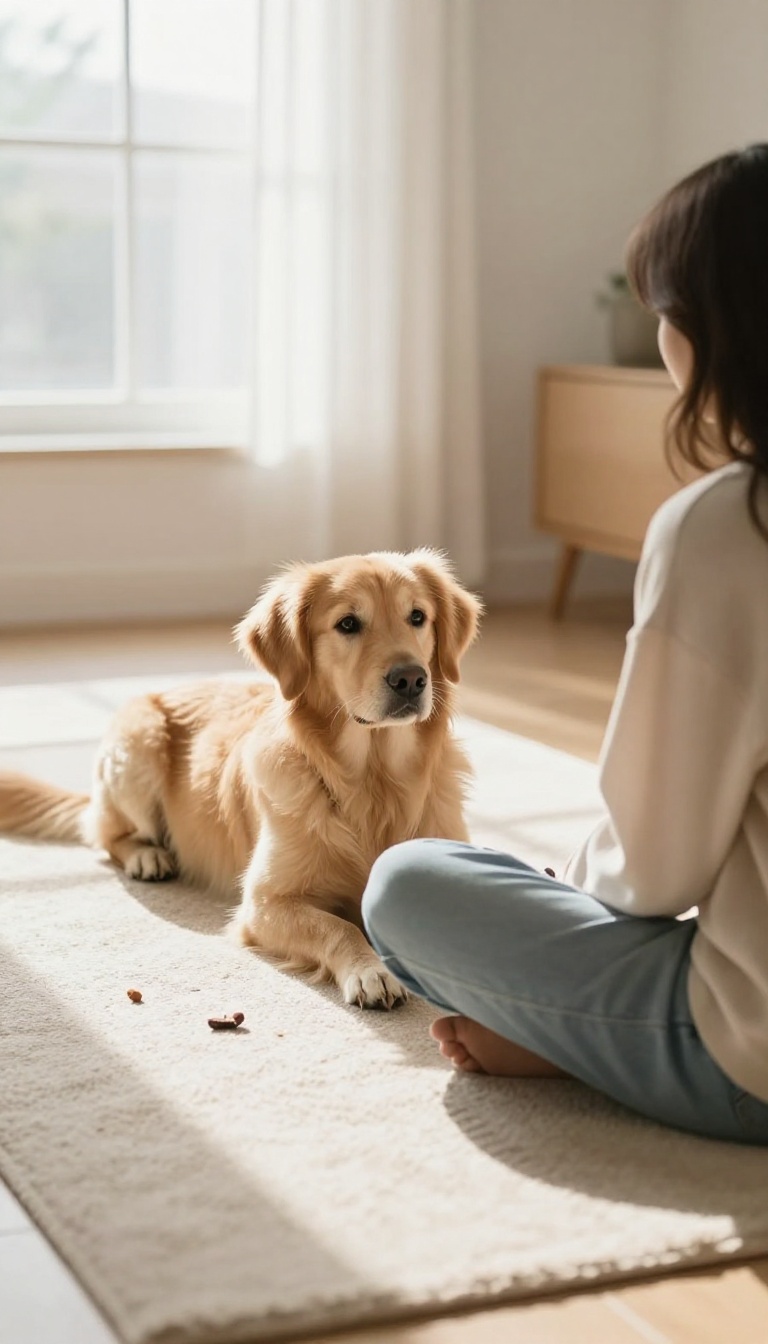
Shy dogs often feel overwhelmed when someone reaches for them, even with the best intentions. That outstretched hand can feel like a threat, not an invitation. Instead of initiating contact, try sitting quietly and letting your dog decide when to come closer.
This simple shift in approach can make a world of difference.
When you let your dog approach you first, you're sending a clear message: you respect their space and their timing. This builds trust because your dog learns that you won't push them into uncomfortable situations. Start by sitting on the floor or a low chair, turning your body slightly to the side, and avoiding direct eye contact.
Toss a few high-value treats near you, but not directly at your dog. Let them sniff and investigate at their own pace. If they choose to come closer, stay calm and let them sniff your hand before you try to touch them.
If they back away, that's okay—just toss another treat and wait. Over time, they'll learn that approaching you leads to good things, and their confidence will grow.
Why Forcing Contact Backfires
When you reach out to pet a shy dog, they might freeze, cower, or even growl. That's because they perceive your hand as a threat. Forcing contact can reinforce their fear and make them more wary.
By letting them come to you, you're avoiding that trigger and teaching them that you're not scary.
How To Make Yourself Approachable
Your body language matters more than you think. Crouch down, turn sideways, and avoid staring directly at your dog. You can even yawn or lick your lips—these are calming signals in dog language.
Toss treats gently, and let your dog see that you're relaxed. The more you appear non-threatening, the more likely they'll take that brave step toward you.
What To Do When They Finally Come
When your dog finally approaches, resist the urge to grab or pet them immediately. Let them sniff your closed fist or your hand. If they seem relaxed, you can give a gentle scratch under the chin or on the chest—areas that are less intimidating than the top of the head.
Always pair the touch with a soft, happy voice and a treat. If they pull away, don't chase; just go back to tossing treats and wait for another attempt.
3. Use High-Value Treats for Brave Moments
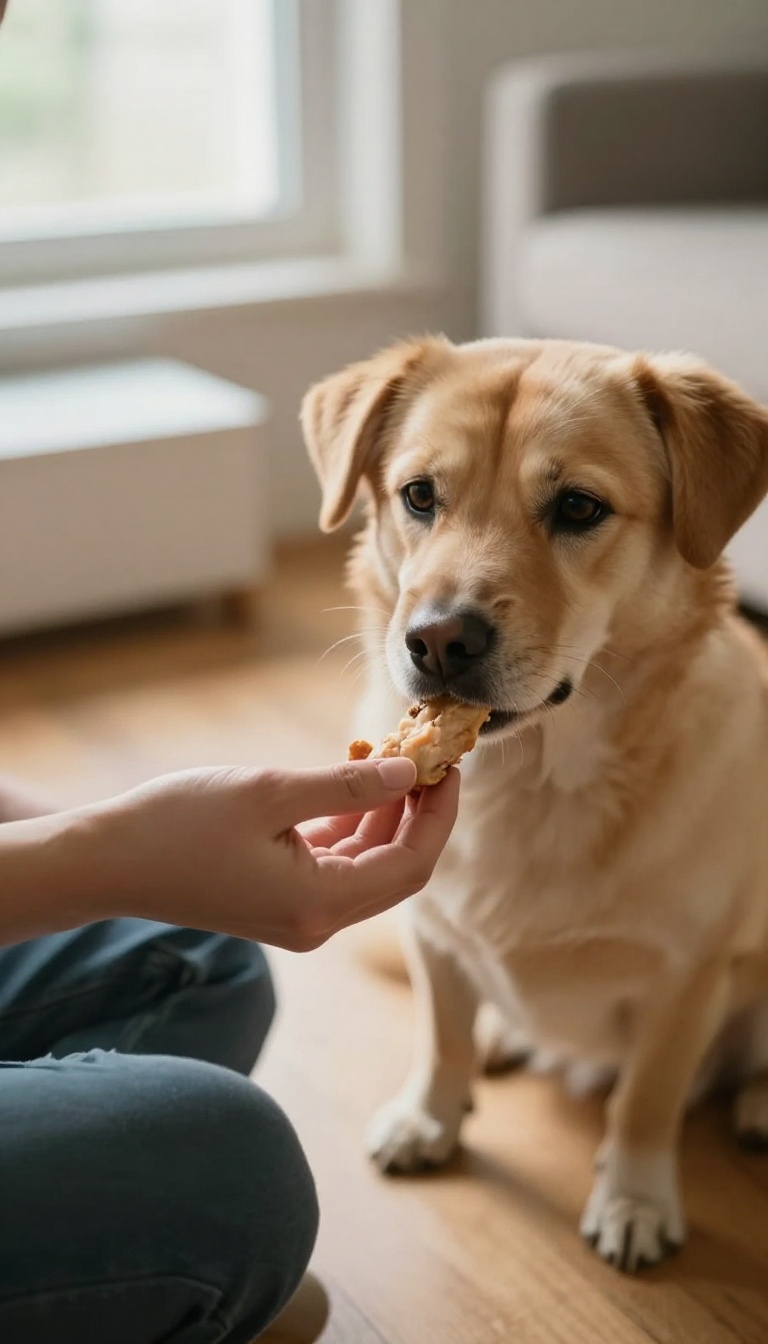
When your shy dog finally edges closer to a guest or peeks into a room they usually avoid, that's a big deal. Marking that courage with something truly special—like a piece of chicken or cheese—makes the connection clear. High-value treats aren't just bribes; they're a clear signal that brave behavior pays off.
Shy dogs often need a little extra motivation to step out of their comfort zone. Regular kibble might not cut it when they're feeling nervous. That's where high-value treats come in—they're the steak dinner equivalent for your pup.
By reserving these special rewards for moments of bravery, you're telling your dog, "That was amazing! More of that, please! "
Why High-value Treats Work
Shy dogs are often too anxious to care about ordinary treats. But something smelly and delicious—like boiled chicken, string cheese, or freeze-dried liver—can break through that fear. The strong smell and great taste grab their attention, helping them focus on the positive instead of the scary thing.
Over time, they start associating new people or places with these amazing rewards.
How To Use Them Effectively
Timing is everything. Keep a stash of high-value treats in a pouch or your pocket, ready to go. The moment your dog shows even a tiny bit of courage—like taking a step toward a stranger or sniffing a new object—toss a treat their way.
Use a happy, calm voice to say "Yes! " as they take the treat. This marks the behavior clearly, so they know exactly what earned the reward.
Choosing The Right Treats
Not all treats are created equal for a shy dog. Pick something soft, smelly, and easy to eat quickly, so they don't get distracted. Cut them into small pea-sized pieces to keep the rewards coming without filling them up.
Avoid anything too hard or chewy that takes time to eat—you want them to stay in the moment, not fuss with a biscuit.
Avoiding Common Mistakes
One mistake is giving high-value treats too often, which can make them less special. Save them only for brave moments, not for everyday calm behavior. Another is using them to lure your dog into a scary situation—that can backfire.
Instead, let your dog choose to approach, and reward the choice. This builds confidence because they're in control, not being dragged into fear.
4. Practice Consent-Based Petting
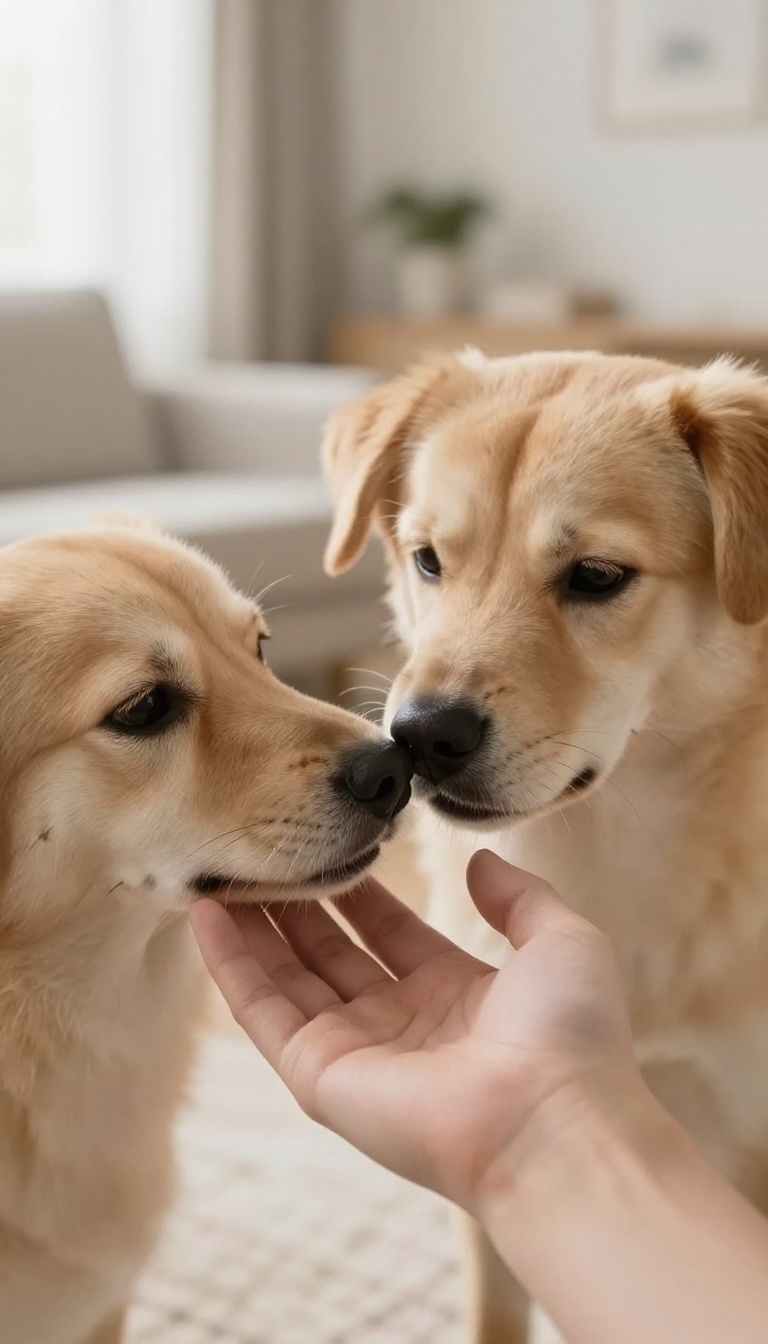
Most dogs tolerate being petted, but shy dogs often endure it with quiet stress. Consent-based petting changes the game by letting your dog decide when and how they want to be touched. It's a simple shift that sends a powerful message: your boundaries matter.
Over time, this builds a foundation of trust that makes your shy dog feel safer and more connected to you.
Consent-based petting isn't about complicated techniques—it's about paying attention and respecting what your dog is telling you. When you approach your shy dog, stop before reaching out. Offer your hand, palm down, at their nose level.
Let them sniff and investigate. If they lean in, nuzzle, or nudge your hand, that's a green light. If they pull back, turn away, or freeze, that's a clear 'not right now. ' Respect it.
Try again later. This small practice teaches your dog that they have a say in what happens to them, which is huge for a shy pup.
How To Read Your Dog's Signals
Shy dogs often give subtle cues that are easy to miss. Look for a relaxed body, soft eyes, and a loose tail wag. A dog that's comfortable may lean into your hand or gently mouth it.
On the flip side, a dog that's unsure might show a tense mouth, a tucked tail, or a quick lip lick. They might even yawn or turn their head away. These are all signs to pause and give them space.
The more you practice, the better you'll understand your dog's unique language.
Making It A Daily Habit
Consistency is key. Start every petting session with a consent check, whether it's first thing in the morning or after a walk. You can also use this approach with other people, but start with you first.
Over time, your dog will learn that they can trust you to listen. This builds a sense of safety that spills over into other areas of training. It's a small ritual that makes a big difference.
What To Do When Your Dog Says No
If your dog declines a pet, don't take it personally. Simply say 'okay' in a calm voice and move away. You can offer a treat or a favorite toy instead, or just sit nearby without touching.
The goal is to show that 'no' is always respected. This doesn't mean you're giving up—it means you're building trust. Over time, your dog will feel more comfortable saying 'yes' more often.
5. Turn Walks into a Slow Adventure
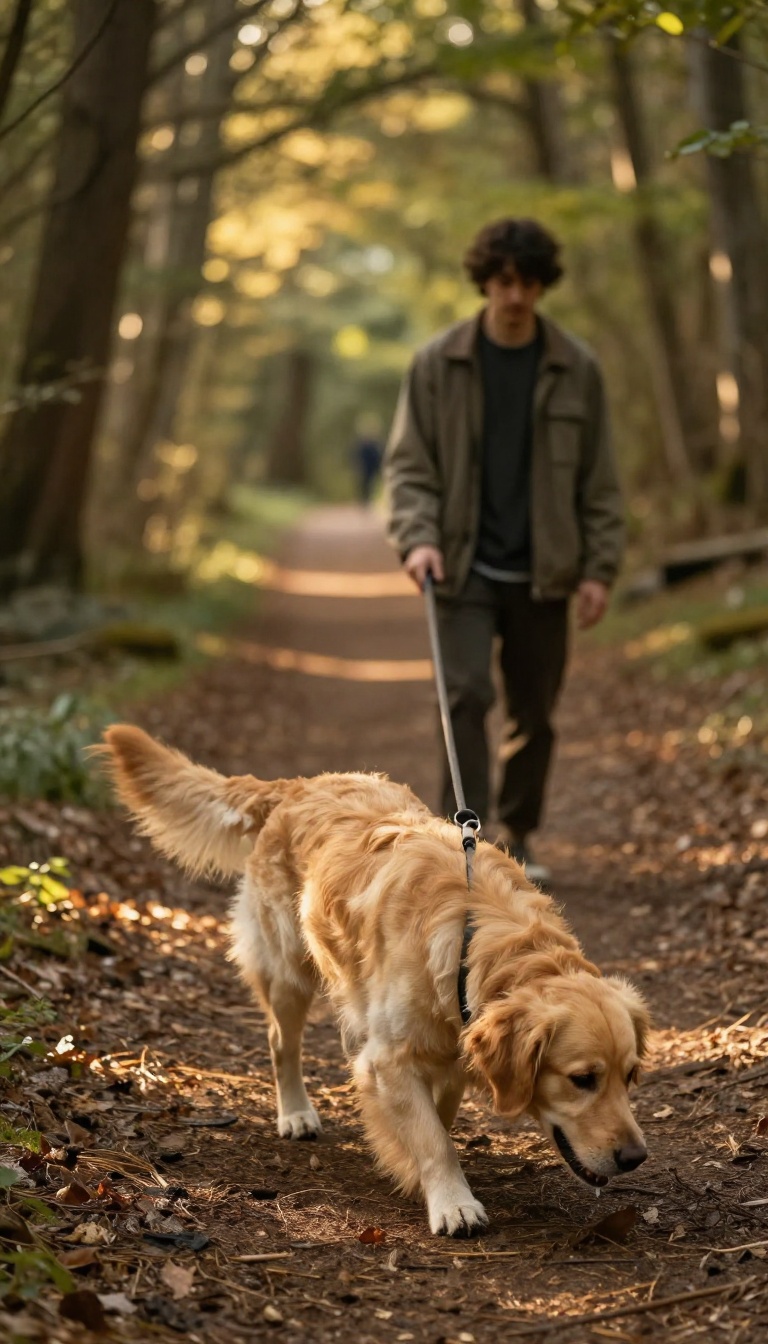
For a shy dog, a walk can feel like a marathon through a crowd of scary sights and sounds. The fast pace, the sudden noises, the pressure to keep moving—it all adds up to stress. But when you slow down and let your dog lead, walks become something entirely different: a safe, enjoyable adventure that builds confidence one sniff at a time.
Shy dogs often shut down on walks because they're overwhelmed. They might pull back, freeze, or refuse to move. The common advice is to keep walking, but that only reinforces their fear.
Instead, flip the script. Make the walk about your dog's comfort, not your destination.
Let Sniffing Be The Main Event
Sniffing is a dog's way of reading the world. It's mentally enriching and calming. When you let your shy dog stop and sniff as long as they want, you're telling them that their needs matter.
This builds trust because they learn that walks aren't something to endure—they're something to enjoy. So ditch the 'let's go' pressure and let your dog take their time. You might be surprised how much more confident they become when they're allowed to explore at their own pace.
Choose Quiet Routes And Off-peak Times
A busy street with honking cars and barking dogs is a nightmare for a shy pup. Instead, find quiet trails, empty parks, or residential streets during off-peak hours. Early mornings or late evenings are often calmer.
The goal is to minimize triggers while your dog builds positive associations with being outside. As their confidence grows, you can gradually introduce busier environments—but always at their pace.
Use A Loose Leash And Let Your Dog Choose The Direction
A tight leash sends a signal of tension. Keep the leash loose and let your dog decide where to go—even if that means walking the same block three times. This gives them a sense of control, which is crucial for a shy dog.
When they realize they can stop, turn, or retreat without being forced, they'll start to relax. Over time, they'll venture further and even initiate new paths on their own.
Turn Around Before Fear Takes Over
Watch your dog's body language for signs of stress: tucked tail, flattened ears, yawning, or lip licking. If you see these, don't push forward. Instead, turn around and head back to a safe spot.
This teaches your dog that you'll listen to their signals and never force them into scary situations. That reliability is the foundation of trust, and it makes future walks more relaxed because your dog knows they have an escape route.
6. Play the Name Game
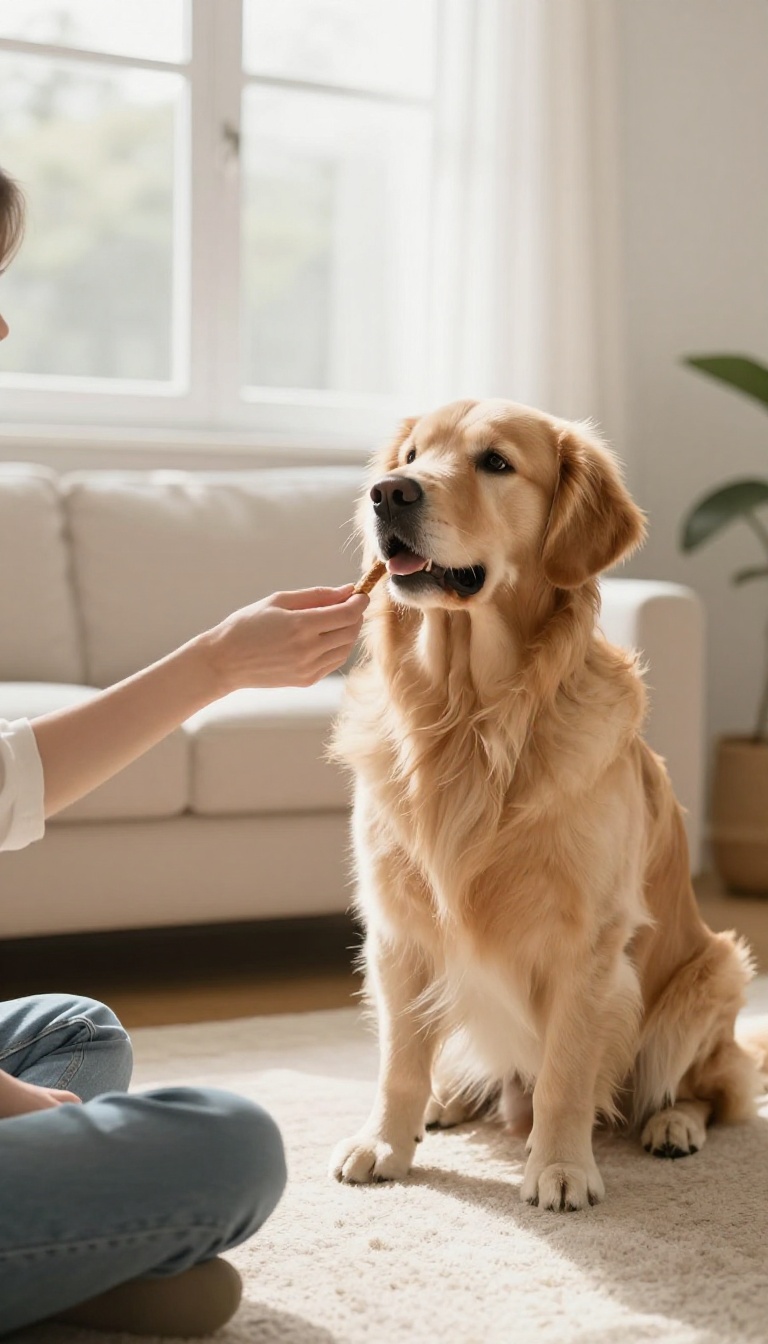
Your dog's name should be their favorite word—a signal that good things happen when they hear it. For a shy pup, though, a name can feel neutral at best or even a cue for something scary, like a bath or a vet visit. The Name Game flips that script by turning their name into a fun, rewarding cue that builds trust and encourages them to check in with you.
Start in a quiet space with no distractions. Say your dog's name in a bright, happy tone, then immediately drop a tasty treat near you. When they look at you after eating, mark with a cheerful 'yes' and give another treat.
Repeat this several times, keeping sessions short and upbeat. Over time, your dog will learn that their name predicts something wonderful, not something to dread.
Why It Works For Shy Dogs
Shy dogs often associate new sounds or cues with uncertainty. By pairing their name with a high-value reward, you're building a positive emotional response. This also encourages them to look to you for guidance, which is a huge step toward trust.
The game is gentle, pressure-free, and lets your dog participate at their own comfort level.
How To Make It More Engaging
Once your dog reliably turns to you when they hear their name, add a little movement. Say their name, then take a few steps backward and reward when they follow. This turns the game into a fun chase, which builds confidence and reinforces that coming to you is always a good choice.
You can also play this in different rooms to help generalize the behavior.
Common Mistakes To Avoid
Don't use their name for something unpleasant, like scolding or forcing them into a crate. Keep the tone light and the rewards consistent. If your dog seems nervous, lower the difficulty—use a softer voice or a higher-value treat.
And never repeat their name over and over if they don't respond; that just teaches them to tune it out.
7. Introduce New People with a Neutral Zone
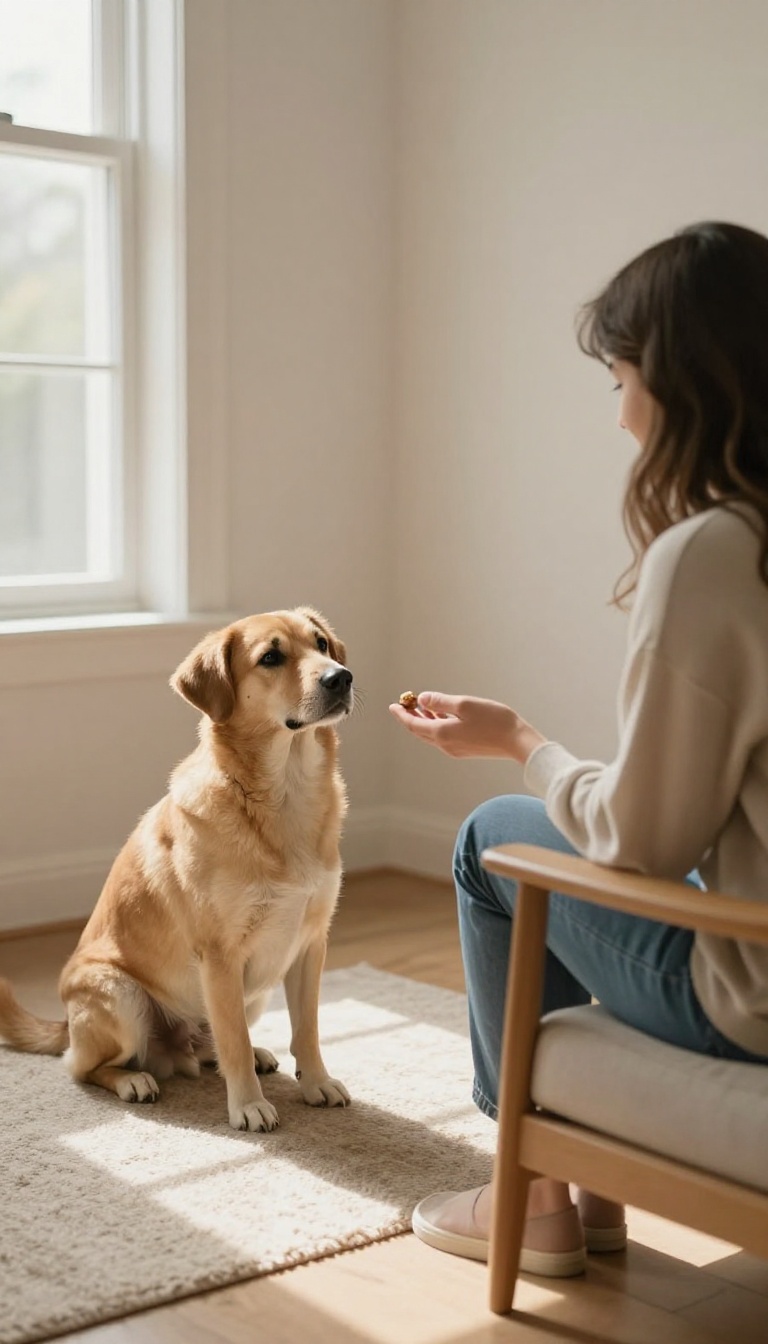
Meeting strangers can be one of the toughest hurdles for a shy dog. The key is to remove all pressure and let your dog call the shots. By creating a neutral zone where guests toss treats without direct interaction, you turn scary encounters into positive experiences.
Setting up a neutral zone is simple. Ask your guest to sit or stand calmly at a distance, ignoring your dog completely. Have them toss a few high-value treats toward your dog without making eye contact or reaching out.
This lets your dog observe and choose to approach on their own terms.
Why The Neutral Zone Works
Shy dogs often feel threatened when someone looms over them or reaches for their head. A neutral zone removes that threat. When treats come from a distance, your dog learns that strangers bring good things without any need to interact.
This builds a positive association step by step.
How To Set Up The First Meeting
Start with your dog on a loose leash or in a room where they can retreat. Have the guest toss treats from 10-15 feet away, then turn sideways to appear less intimidating. Keep the session short—just a few minutes—and let your dog end it by walking away if they choose.
Repeat with the same guest until your dog seems relaxed.
Gradually Reduce The Distance
As your dog becomes comfortable, the guest can slowly decrease the distance while still tossing treats. Always let your dog initiate any closer contact. If your dog edges forward, great—but never push it.
Celebrate small wins like a sniff or a tail wag from a safe distance.
8. Use a Clicker to Mark Calm Behavior
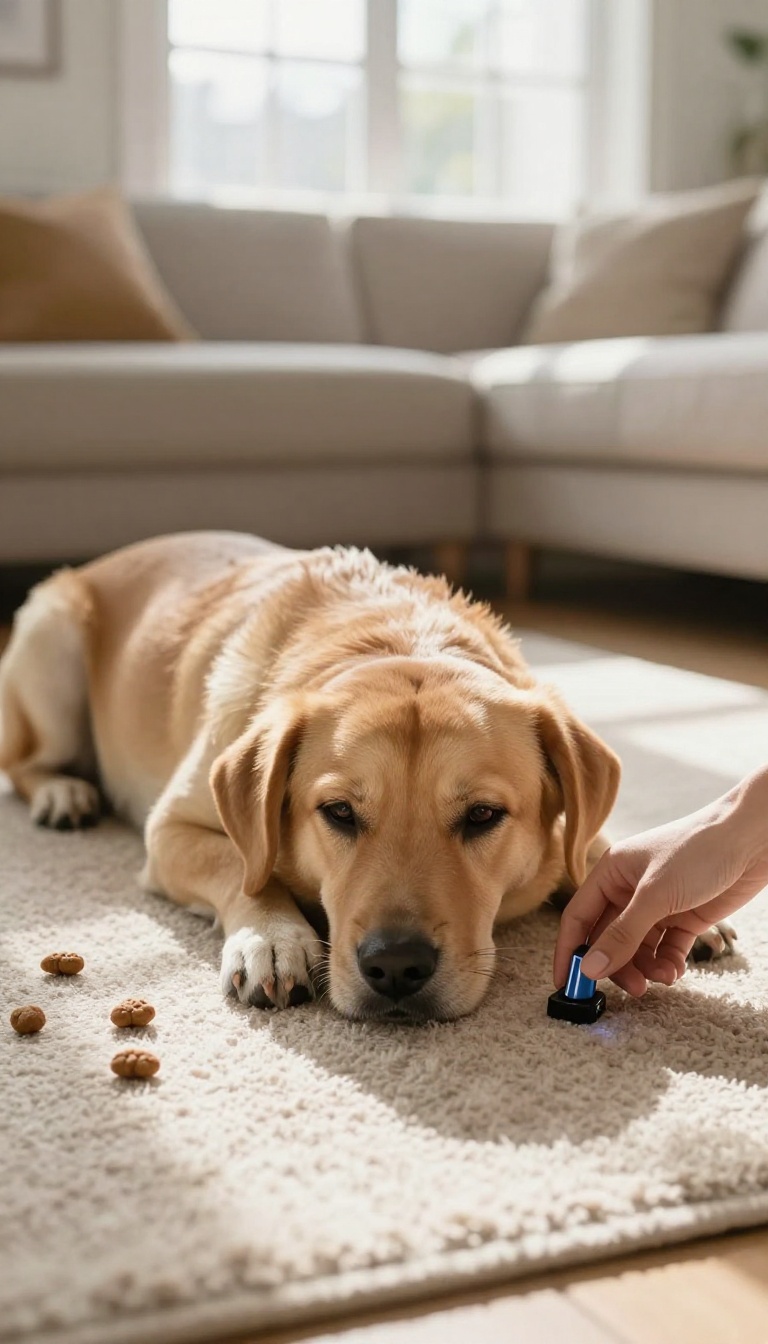
A clicker isn't just for teaching tricks—it's a powerful way to show your shy dog exactly what you love. When you click at the moment they're relaxed, you're saying, "Yes, this is what I want more of. " Over time, they learn that calmness pays off, which helps them settle in situations that usually make them nervous.
Start by charging the clicker: click, then immediately give a treat. Repeat this until your dog looks at you when they hear the click, expecting a reward. Then, watch for moments of calm—lying down, taking a deep breath, or even just pausing during a walk.
Click and treat each time. This simple practice can transform how your dog handles stress, because they begin to associate being relaxed with good things.
Why Clicker Training Works For Shy Dogs
Shy dogs often shut down when they feel pressure. A clicker gives you a precise, quiet signal that marks the exact behavior you want. Unlike a verbal "good dog" that might sound scary or unclear, the click is consistent and neutral.
It helps your dog focus on what they're doing in that moment, rather than worrying about what's coming next.
How To Catch Calm Moments
Keep treats handy and watch your dog throughout the day. When they're lying down with a relaxed body, or when they take a deep breath after a stressful encounter, click and reward. You can also set up calm sessions: sit quietly with your dog, and click for any relaxed posture.
This builds their confidence in choosing calm behavior on their own.
Building A Calm Foundation For Training
Once your dog understands that calm earns rewards, you can use the clicker to shape other behaviors. For example, if they're nervous around new people, click for looking at the person without tensing up. This teaches them that staying relaxed in scary situations is the best way to get treats, which gradually reduces their fear.
9. Try Treat Scavenger Hunts Indoors
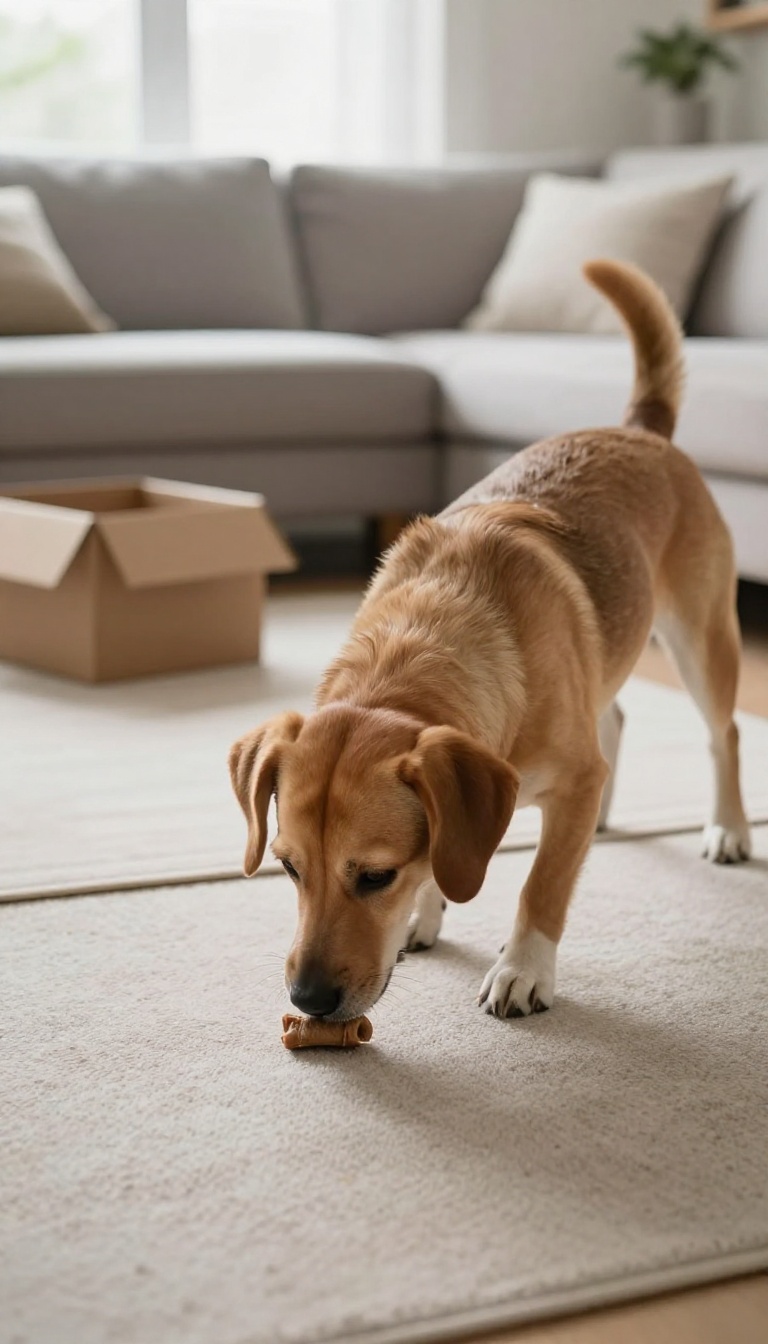
When the weather is bad or your dog is too nervous for outdoor adventures, bring the fun inside. A treat scavenger hunt turns your living room into a safe, exciting playground. It taps into your dog's natural sniffing instincts and gives them a job to do—no social pressure, no scary surprises, just rewarding exploration.
Hide small, smelly treats around a single room and let your dog discover them at their own pace. Start easy, with treats in plain sight, then gradually hide them under toys, behind furniture legs, or inside a cardboard box. Your shy dog gets to use their nose, which is incredibly calming and confidence-building.
Plus, it's a solo activity, so they can fully relax without worrying about strangers or other dogs.
Why Sniffing Calms A Nervous Mind
Sniffing is a natural stress reliever for dogs. It slows their heart rate, lowers cortisol, and shifts their focus to a positive, engaging task. For a shy dog, this mental workout is like a spa day—it tires them out without overwhelming them.
You'll often see them become more relaxed and content after a good sniff session.
How To Set Up Your First Hunt
Choose a quiet room with minimal distractions. Use treats that are soft and aromatic, like cut-up chicken or cheese. Place 5-10 treats in easy spots first, like on the floor or a low chair.
Let your dog watch you hide a few, then encourage them with a cheerful 'find it! ' As they get the hang of it, increase the difficulty by hiding treats under a towel or inside a paper bag. Always supervise to ensure they don't eat packaging.
Turning The Game Into A Training Tool
Once your dog loves the scavenger hunt, you can use it to build confidence in other areas. Hide treats near objects they're wary of, like a vacuum cleaner or a new piece of furniture. This helps them form positive associations with scary things from a safe distance.
You can also use it to practice recall—call them away from a treat and reward them with a better one. The game becomes a foundation for trust and cooperation.
10. Teach a Solid 'Touch' Cue
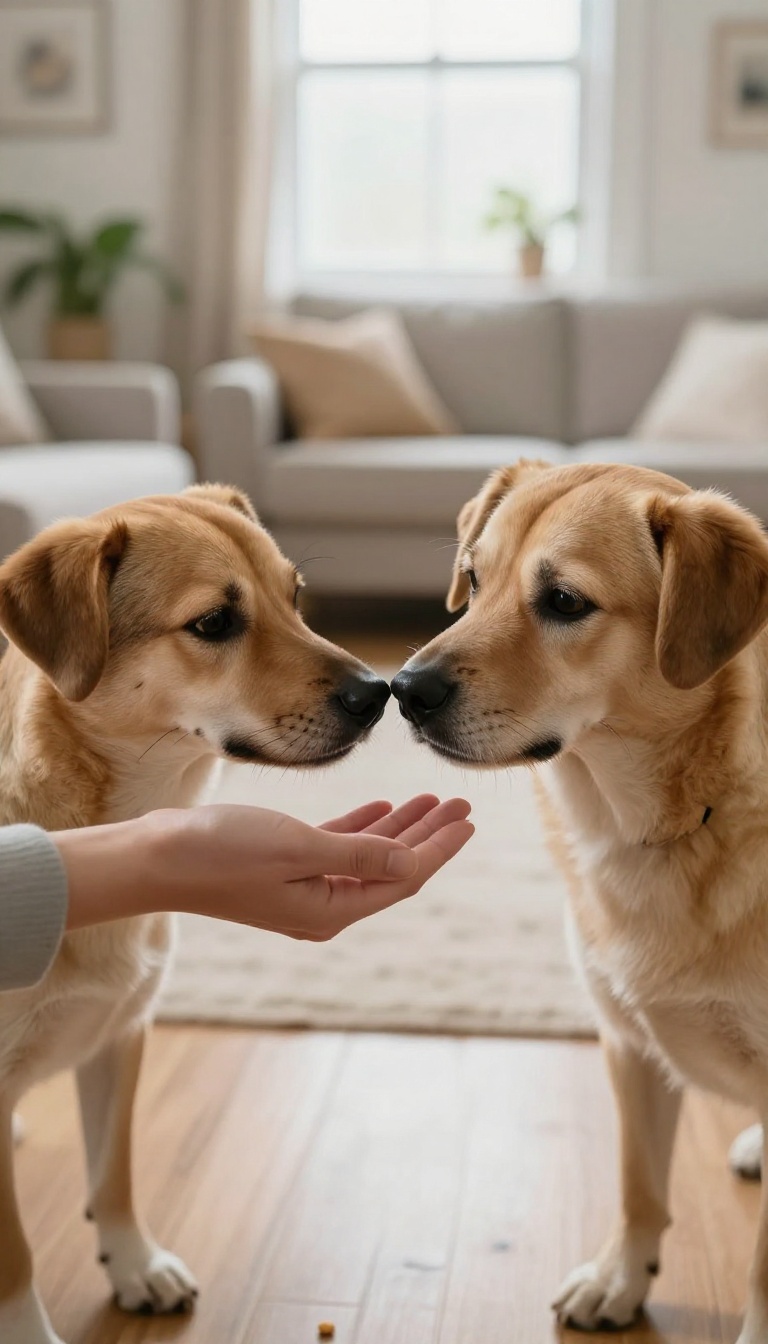
Touch is one of those tricks that looks simple but does a lot of heavy lifting. For a shy dog, it's a clear, low-pressure way to interact with you and the world. You hold out your palm, they bump it with their nose, and they get a reward.
That tiny action builds confidence because they're choosing to engage on their own terms.
The touch cue gives your shy dog a job, which can be a huge relief for them. When they're unsure about something, having a familiar action to fall back on helps them feel more in control. Plus, it's a great way to redirect their attention away from scary triggers and toward you.
How To Start Touch Training
Begin in a quiet room with no distractions. Hold out your open palm a few inches from your dog's nose. The moment they sniff or touch it, mark with a 'yes' or a click and give a tasty treat.
Repeat that a few times, then start moving your hand slightly farther away so they have to take a step to reach it. Keep sessions short—two or three minutes is plenty.
Using Touch In Real-life Situations
Once your dog reliably touches your palm, you can use it to guide them through tricky moments. If they freeze on a walk, hold out your hand and ask for a touch. That simple action can break their focus on whatever scared them and bring them back to you.
You can also use touch to gently lead them away from something overwhelming without pulling on the leash.
Building Confidence With Touch
Touch isn't just a practical tool—it's a confidence booster. Every time your shy dog successfully touches your hand, they get a reward and a moment of success. Over time, they learn that approaching new things can lead to good outcomes.
You can even use touch to introduce them to new people: have a guest offer their palm for a touch, and reward your dog for interacting.
11. Desensitize to Everyday Noises
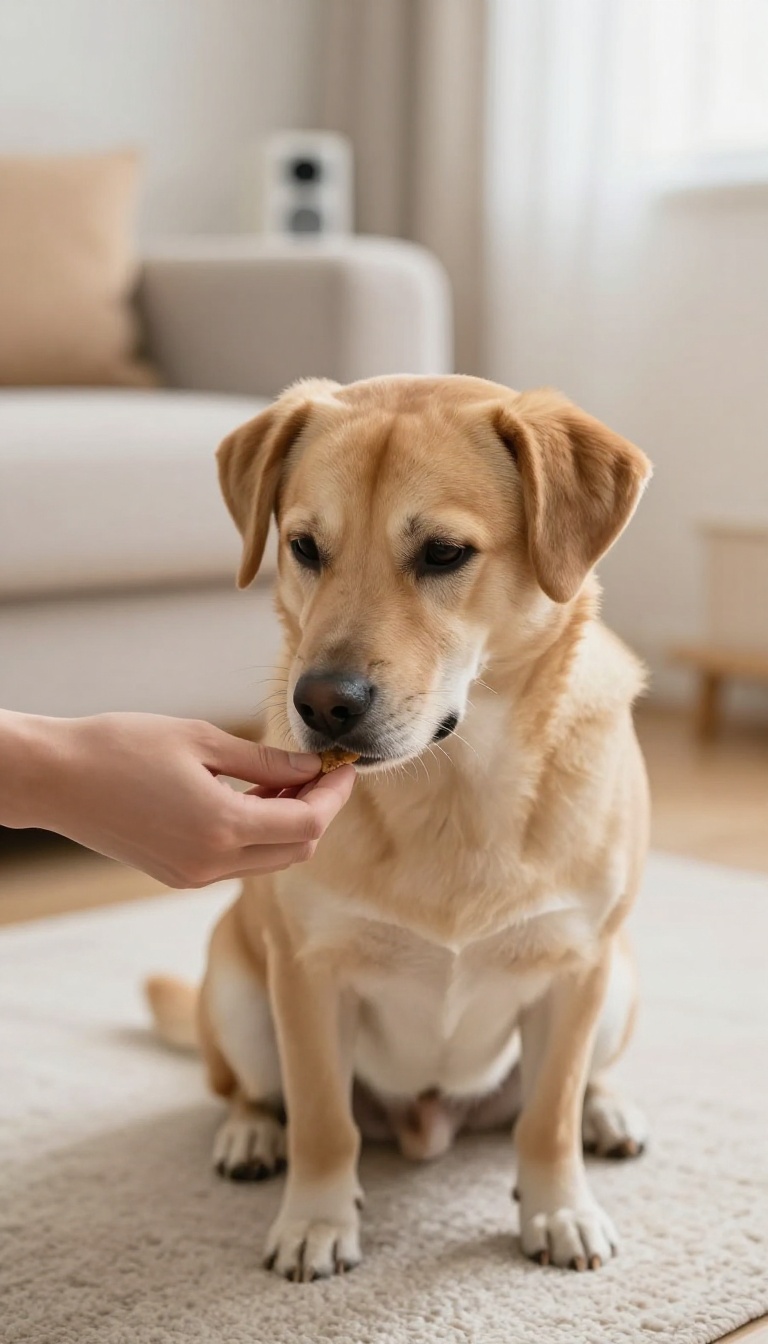
For a shy dog, the world can sound like a constant alarm. A doorbell, a passing truck, or the clatter of dishes might send them diving under the couch. That's not just inconvenient—it's stressful for them.
Desensitization is a gentle way to turn down the volume on those scary sounds, one tiny step at a time.
The goal here isn't to flood your dog with noise until they 'get used to it. ' That would just reinforce their fear. Instead, you'll pair quiet versions of scary sounds with something amazing—like a tasty treat. Over time, your dog starts to associate the sound with good things, and their anxiety fades.
This builds resilience and makes everyday life easier for both of you.
Start With The Quietest Version
Find a recording of the sound that bothers your dog, whether it's a doorbell, fireworks, or traffic. Play it at a volume so low it's barely audible. While it plays, toss your dog high-value treats—something special like chicken or cheese.
If your dog stays relaxed and takes treats, you're on the right track. If they show any signs of stress (like lip licking or yawning), lower the volume further.
Gradually Increase The Volume
Once your dog is comfortable at a low volume, bump it up just a notch. Keep the treats coming and watch their body language. The key is to move at their pace—if they hesitate, go back to the previous volume.
Over days or weeks, you can slowly increase the volume until your dog handles the sound at a normal level. Always end on a positive note, with the volume low and your dog relaxed.
Use Real-life Sounds In Short Bursts
Recordings are great for practice, but real-life sounds are often unpredictable. You can also use actual sounds in controlled bursts. For example, have a friend ring the doorbell once while you feed your dog treats, then stop.
Keep sessions short—just a few minutes—so your dog doesn't get overwhelmed. This helps them generalize the calm response to real-world situations.
12. Let Them Watch from a Distance
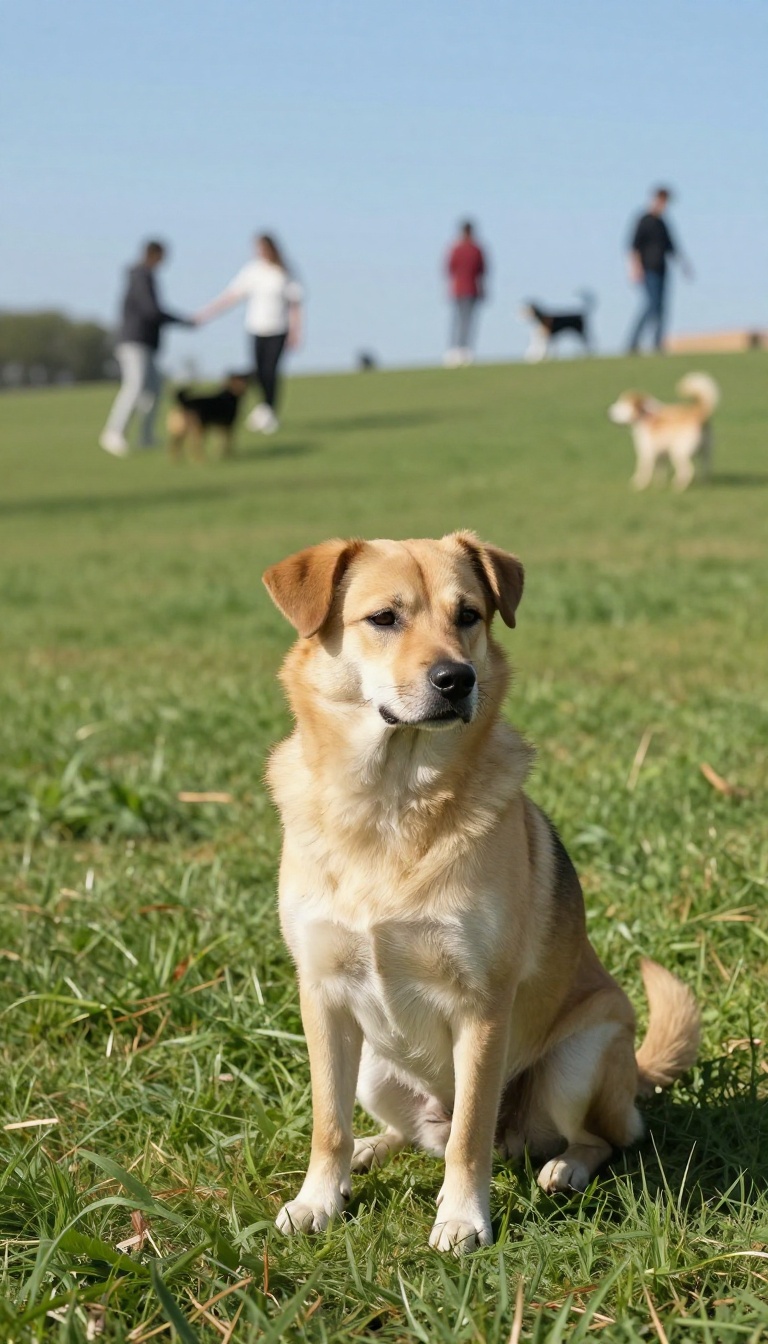
Sometimes the best way to help a shy dog is to do nothing at all. Letting them observe from a safe distance gives them the chance to process new experiences without feeling overwhelmed. It's a simple shift that can make a world of difference.
When you're trying to socialize a shy dog, the instinct might be to get them closer to the action. But pushing too fast can backfire, making them more fearful. Instead, find a spot where your dog can see what's happening but still feels relaxed.
That might be across the street from a busy park or at the edge of a trail where other hikers pass by. Reward them with treats and praise for staying calm, and let them set the pace. Over time, they'll naturally inch closer when they're ready.
Find Their Comfort Zone
Start by figuring out the distance at which your dog notices a trigger but doesn't react with stress. This is their comfort zone. It could be 50 feet, 100 feet, or even more.
The key is to keep them under their threshold so they can focus on you and the treats. You'll know you're at the right distance if they're curious but not trembling, panting, or trying to hide.
Reward The Calm
Every time your dog looks at the trigger and stays relaxed, mark that moment with a treat or a calm 'good'. This teaches them that being near scary things leads to good things. It's not about forcing them to interact; it's about changing their emotional response.
If they start to show signs of stress, you're too close. Just back up a few steps and try again.
Let Their Curiosity Lead
As your dog gets more comfortable, you might see them take a step or two toward the trigger on their own. That's a huge win! Let them explore at their own pace, and keep rewarding every brave move.
Don't rush them or pull them closer. The goal is for them to learn that they have control over their environment, which builds confidence and trust in you.
13. Celebrate Small Wins with a Routine
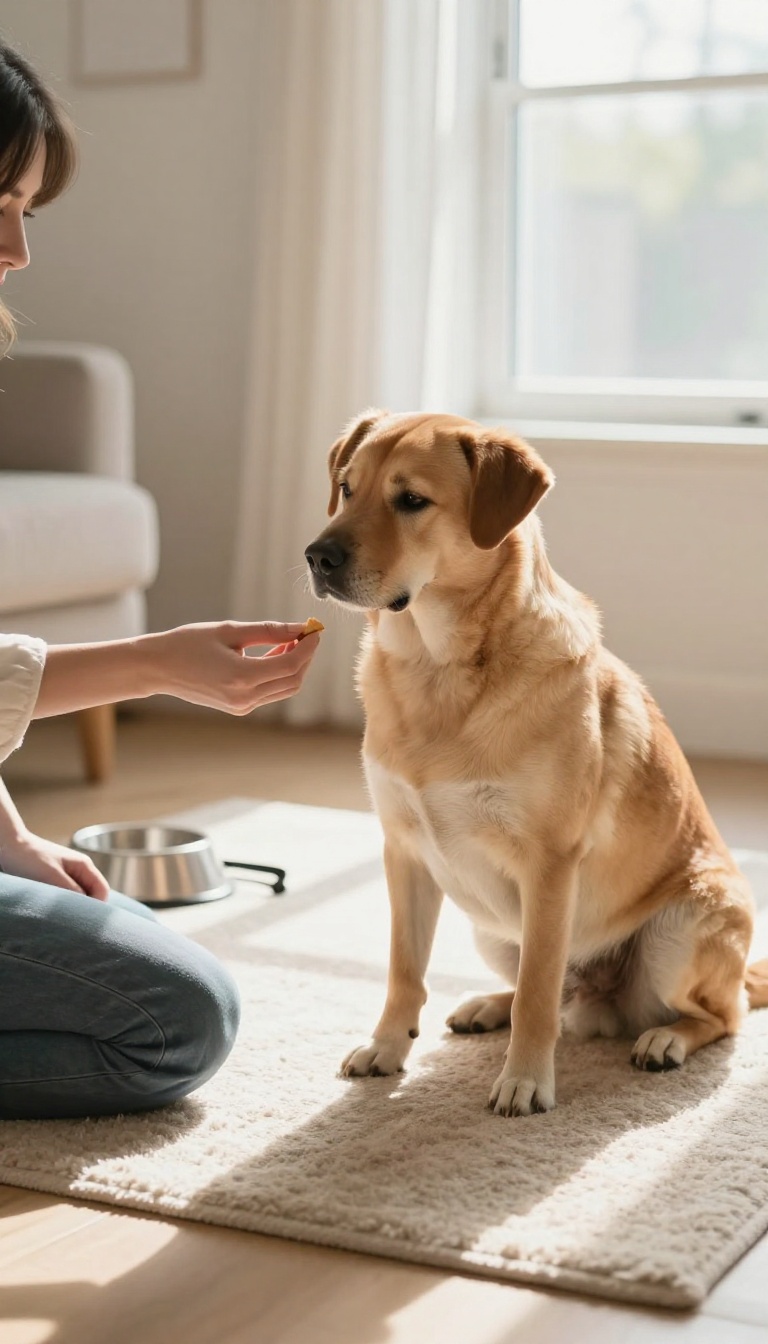
Shy dogs often find comfort in predictability. When the world feels overwhelming, a set routine acts like a safety net, letting them know what comes next. This isn't just about feeding times—it's about creating a rhythm that reduces anxiety and builds confidence.
By weaving in tiny celebrations for each step forward, you turn everyday moments into powerful trust-building opportunities.
A consistent daily schedule for meals, walks, and play gives your shy dog a sense of control. They learn to anticipate what's coming, which lowers stress. When you pair that routine with specific praise and treats for small victories—like a relaxed tail or a voluntary approach—you're showing them that brave choices lead to good things.
Over time, this pattern rewires their brain to expect positive outcomes, making them more willing to try new things.
Why Routine Reduces Anxiety
Dogs are creatures of habit, and shy ones especially benefit from a predictable environment. A routine minimizes surprises, which are often triggers for fear. When your dog knows that a walk happens after breakfast and playtime follows dinner, they can relax into the flow.
This stability builds a foundation of safety, making it easier for them to engage with training and new experiences.
How To Celebrate Effectively
Celebrating small wins doesn't mean throwing a party every time your dog looks at you. It means being consistent and specific. Use a happy, calm voice and a treat they love the moment they do something brave—like stepping closer to a stranger or sniffing a new object.
Timing is key: reward within seconds so they connect the action with the reward. Keep celebrations brief and positive, then return to the routine.
Building A Routine That Works
Start by mapping out your day: set fixed times for meals, walks, and training sessions. Keep the order the same—for example, potty break, breakfast, short walk, then quiet time. Be flexible on duration if your dog is nervous, but stick to the sequence.
Add a small 'celebration moment' after each successful step, like a gentle game or a special treat. Over weeks, this routine becomes a comforting anchor, and your dog's confidence will grow as they learn what to expect.
FAQ
How long does it take to build trust with a shy dog?
It varies, but with consistent, gentle training, many shy dogs show noticeable improvement within a few weeks. Some may take months, especially if they have a history of trauma. Patience is key.
Should I force my shy dog to face their fears?
No. Forcing a shy dog into scary situations can backfire and increase anxiety. Instead, use gradual exposure at a pace your dog is comfortable with, always pairing new experiences with positive reinforcement.
Can a shy dog become confident?
Absolutely. With time, patience, and positive training, many shy dogs become more confident and outgoing. They may always be a bit reserved, but they can learn to feel safe and happy in a variety of situations.
What should I do if my shy dog growls or snaps?
Growling or snapping is a warning sign that your dog feels threatened. Stop what you're doing, give them space, and consult a professional positive-reinforcement trainer or behaviorist to address the underlying fear.
Are certain breeds more prone to shyness?
Some breeds have more cautious temperaments, but shyness can occur in any dog, often due to lack of socialization or past experiences. Regardless of breed, the same gentle training principles apply.
Conclusion
Building trust with a shy dog isn't about quick fixes—it's about showing up consistently with patience and kindness. Each of these 13 ideas is a small step toward a stronger bond, and every tiny victory matters. Remember, your shy dog isn't trying to be difficult.
They're just waiting for proof that the world is safe. With your steady guidance, they'll learn to trust not only you but also themselves. Keep going, and celebrate every tail wag along the way.

I’m Pallab Kishore, the owner of Little Pets Realm — an animal lover and pet care enthusiast sharing easy tips, healthy recipes, and honest advice to help every small pet live a happy, healthy, tail-wagging life.