
Last updated on August 19th, 2026 at 04:14 pm
A reliable recall isn't just a party trick—it's a lifesaver. When your dog slips the leash or bolts toward a busy street, that one word can mean the difference between a close call and a tragedy. But drilling 'come' over and over gets boring fast, for both of you.
The fix? Turn it into a game.
These 11 recall games make training feel like play, so your dog learns to come running with genuine enthusiasm, not just because they have to. Each one targets a different skill, from building speed to handling distractions, so you can practice them in rotation and keep things fresh.
1. The Cookie Toss Recall
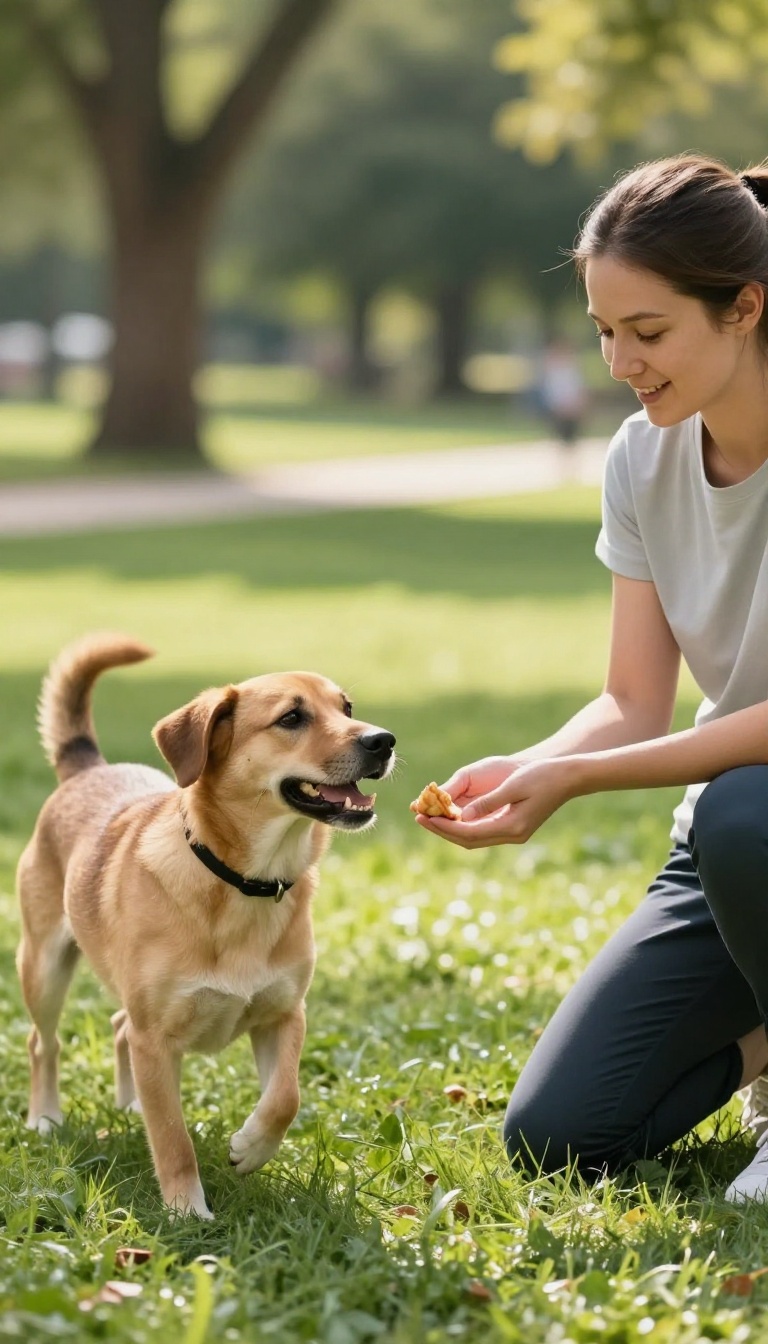
This game is all about making the return trip more exciting than whatever is on the ground. You toss a treat a short distance away, then call your dog back for a jackpot reward. The lesson is simple: coming back to you is always the best deal in town.
Start with your dog on a long leash in a low-distraction area. Toss a low-value treat a few feet away and let them eat it. As they finish, call them back with a cheerful, high-energy 'Come! ' and reward them with a high-value treat like chicken or cheese.
Over time, your dog learns that returning to you pays off bigger than whatever they found on the ground.
Why It Works
The game builds a strong association between the recall cue and a fantastic reward. Because the tossed treat is lower value, your dog quickly realizes that the real prize is in your hand. This flips their motivation from 'what's out there' to 'what's with you. '
How To Play
Keep sessions short, just 5-10 repetitions. Always use a clear, consistent recall cue and make your reward delivery exciting. If your dog hesitates, take a step back or use a slightly better treat.
The key is to make coming back feel like winning the lottery every single time.
Leveling Up
Once your dog is consistent, start increasing the distance and using more distracting environments. You can also vary the reward—sometimes give a favorite toy instead of food. This keeps the game unpredictable and your dog's recall sharp, even when the world around them gets interesting.
2. The Hide-and-Seek Recall
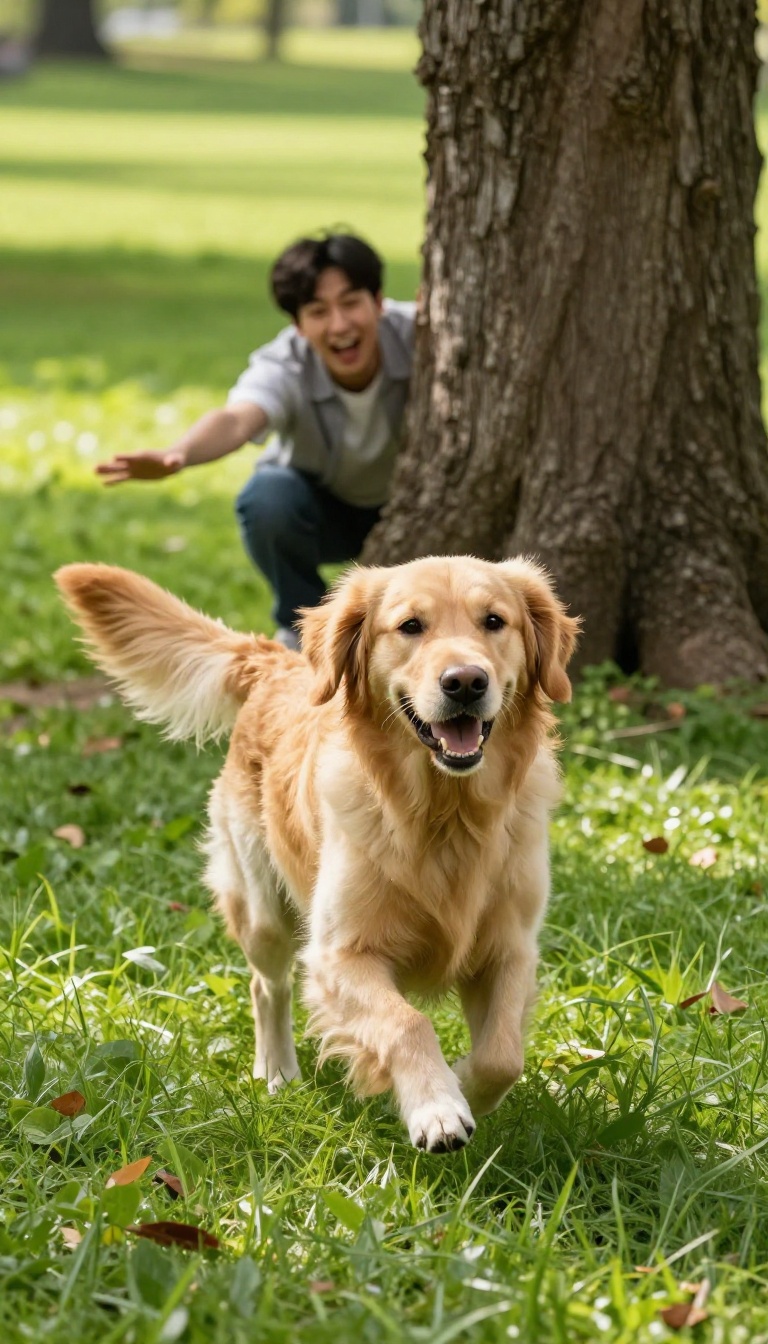
Dogs love a good game of hide-and-seek, and it doubles as a powerful recall exercise. When you disappear behind a tree or a piece of furniture and then call your dog, they learn that coming to you is the start of a fun adventure, not the end of playtime. This game builds a strong, positive association with the recall cue, making your dog more eager to respond in real-world situations.
The Hide-and-Seek Recall turns the classic game into a training tool that strengthens your dog's recall while keeping them mentally stimulated. By making yourself scarce, you create a sense of urgency and excitement around the 'come' command. Your dog learns to search for you, which reinforces that coming when called leads to a rewarding reunion.
This game is especially useful for building a reliable recall in environments with natural hiding spots, like parks or your backyard.
Start Simple Indoors
Begin in a small, familiar space like your living room. Let your dog see you hide behind a couch or a door, then call their name with an excited tone. When they find you, reward them with a high-value treat and plenty of praise.
Keep sessions short and fun, and gradually increase the difficulty by hiding in less obvious spots.
Take It Outside
Once your dog masters indoor hide-and-seek, move to a fenced yard or a quiet park. Use trees, benches, or bushes as hiding spots. Make sure your dog is comfortable with the environment and has a solid basic recall before trying this.
Always use a long leash if you're in an unfenced area to ensure safety.
Add Distractions Gradually
To make the game more challenging, introduce distractions like toys or other people. Have a friend hide while you call your dog, or toss a favorite toy in the opposite direction before calling. This teaches your dog to prioritize your recall over tempting diversions, which is crucial for real-world reliability.
3. The Two-Person Recall
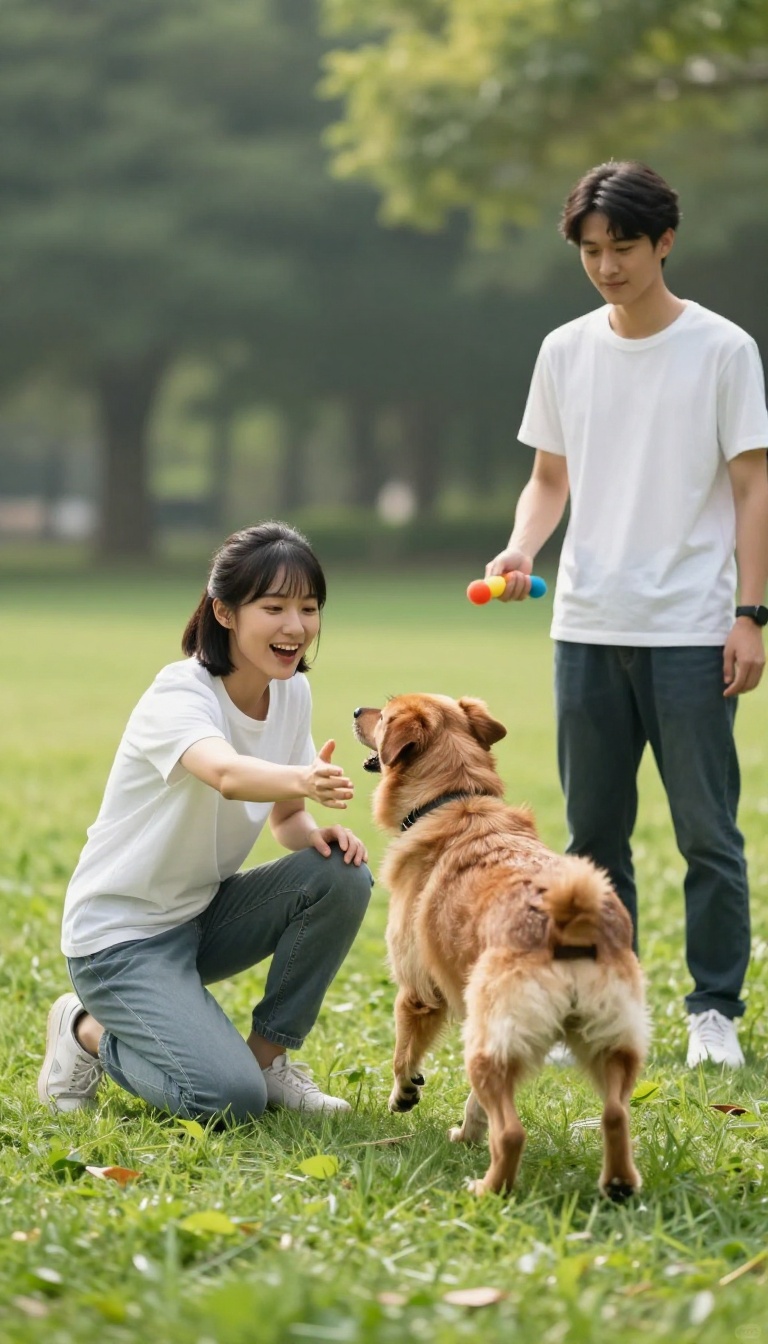
Sometimes the best way to strengthen a recall is to make it a team effort. The two-person recall turns a simple 'come' into a fun back-and-forth game that keeps your dog engaged and moving. It's perfect for burning off energy while reinforcing a reliable response from any direction.
Grab a partner and stand about 20 to 30 feet apart. Take turns calling your dog, rewarding each arrival with a treat or a quick game of tug. The key is to keep the energy high and the rewards consistent, so your dog learns that coming to either person is always worth it.
Start with short distances and gradually increase the space as your dog gets the hang of it.
Why It Works
This game teaches your dog to respond to 'come' no matter who is calling or where they are. It also builds a positive association with checking in with both you and your partner, which is especially useful in multi-person households or when you're out with friends.
How To Play
Begin with one person holding the dog while the other calls. When your dog arrives, mark and reward immediately. Then, the first person calls again.
Keep the game fast-paced and fun, and always end on a high note with a big reward and praise.
Tips For Success
Use high-value treats or a favorite toy to keep motivation high. If your dog hesitates, make the distance shorter or use an excited tone. As your dog improves, add mild distractions or increase the distance to make it more challenging.
Always ensure both people are using the same cue word and rewarding consistently.
4. The Distraction Recall
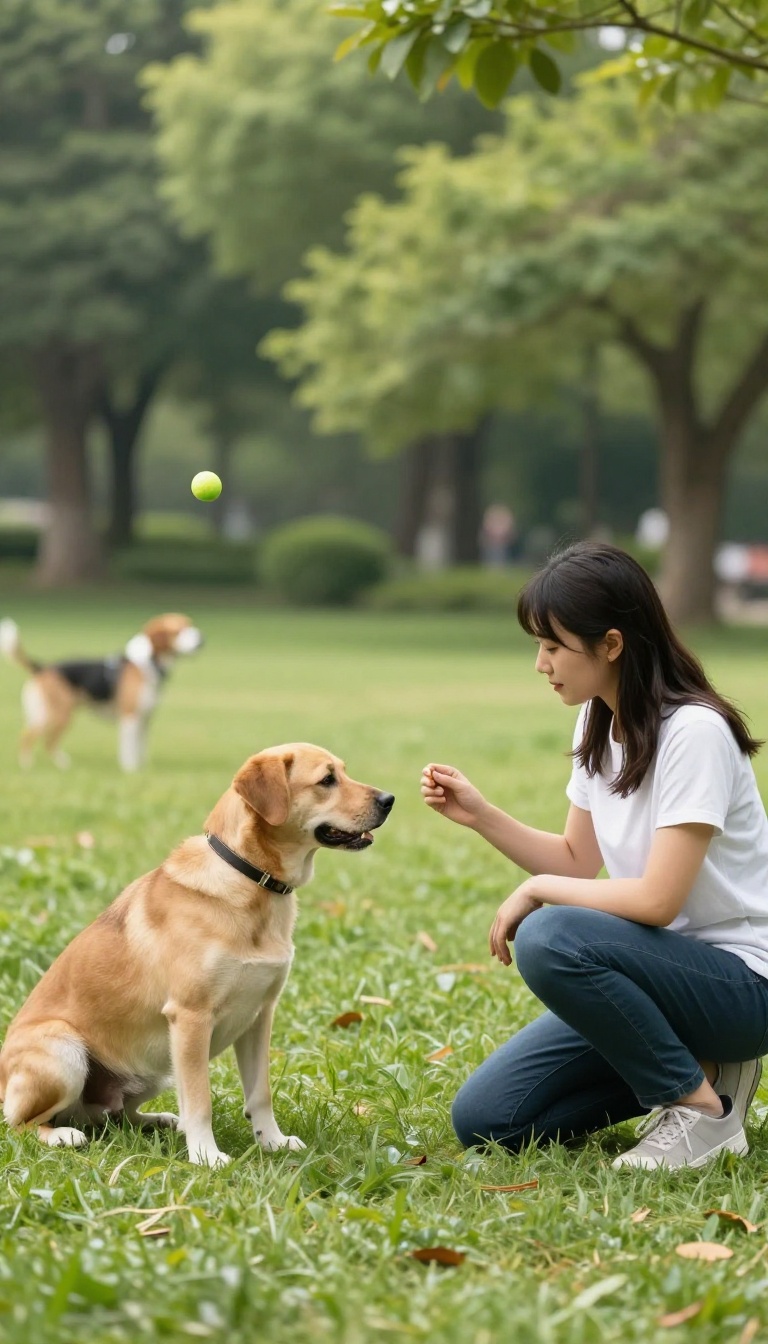
Real life is full of distractions, so your dog's recall needs to work when it counts. The Distraction Recall builds that skill by gradually introducing tempting diversions while reinforcing that coming to you is always the best choice. Start easy, then crank up the difficulty as your dog succeeds.
The Distraction Recall is about teaching your dog to choose you over the environment. It's a progressive game that layers challenges, so your dog learns to respond even when something exciting is happening. The key is to set up controlled scenarios where you can adjust the level of distraction, ensuring your dog wins every time.
Start With Low-level Distractions
Begin in a quiet space with a favorite toy placed a few feet away. Ask your dog to come, and reward with an extra-special treat. The goal is to build a strong foundation where coming to you is always rewarding, even when a tempting object is nearby.
Gradually Increase The Challenge
Once your dog reliably comes past the toy, increase the difficulty. Use a more exciting toy, add movement, or move to a new location like a backyard. Each step should be slightly harder but still achievable.
If your dog struggles, dial it back and practice more at the previous level.
Use Real-world Distractions
Eventually, practice in real-world settings with natural distractions like other dogs, people, or squirrels. Start at a distance and reward heavily for a successful recall. This helps your dog generalize the behavior, so they respond reliably no matter what's going on.
5. The Long Line Recall
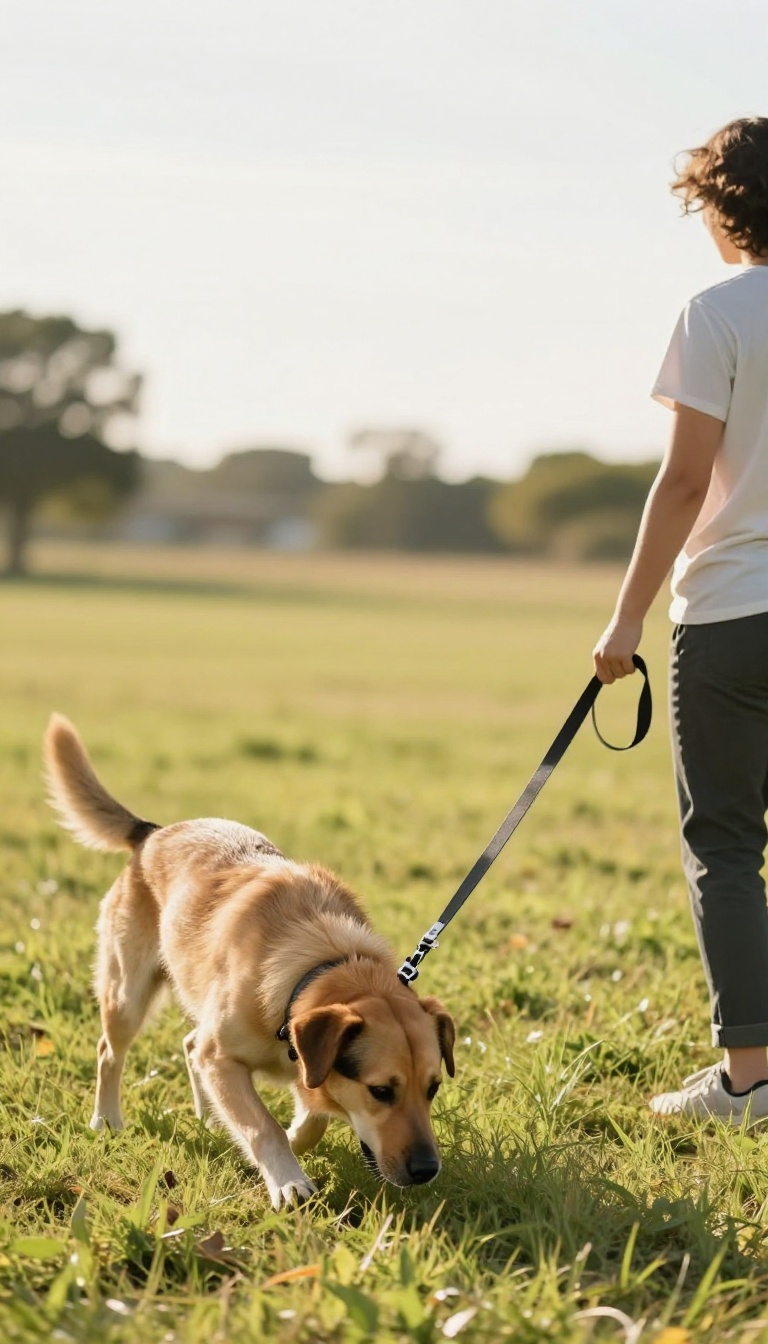
Distance is where recalls often fall apart. Your dog might come flying when you're ten feet away, but add fifty feet of space and suddenly 'come' sounds optional. That gap between close-range reliability and real-world distance is exactly what the long line recall fixes.
This game gives your dog the freedom to roam while you keep a safety net in hand. It's not about dragging them in—it's about letting them practice choosing you from far away, with the line there just in case. Over time, that choice becomes a habit.
Start with a 15- to 30-foot training line clipped to your dog's harness or collar. Let them wander, sniff, and explore while you hold the other end. When they're distracted, call their name in a bright, happy voice and start jogging backward.
The motion pulls their attention and makes the recall feel like a game. If they don't come immediately, give a gentle tug on the line to remind them, then keep moving. Once they reach you, celebrate like they just won a prize.
Treats, praise, a quick tug toy—whatever your dog loves most. The key is making the return more rewarding than whatever they left behind. As they get more reliable, you can gradually increase the distance and add more distractions, like practicing in a park or with another person nearby.
Why It Works
The long line bridges the gap between a controlled recall and real-world chaos. Your dog learns that 'come' means the same thing at fifty feet as it does at five. The line also prevents rehearsals of ignoring you—if they don't come, you can enforce it gently, so they never practice blowing you off.
Setting Up For Success
Pick a safe, open area with few distractions at first. Use a harness if your dog tends to pull, and make sure the line isn't dragging through mud or getting tangled. Start with short distances and gradually build up.
Keep sessions short and fun—five minutes of quality practice beats twenty minutes of frustration.
Common Mistakes To Avoid
Don't call your dog in just to end the fun or clip the leash on and head home—that teaches them that coming means the party's over. Also avoid repeating 'come' over and over; if they don't respond the first time, use the line to get their attention. And always reward generously, even if they took their sweet time.
6. The Chase-Me Recall
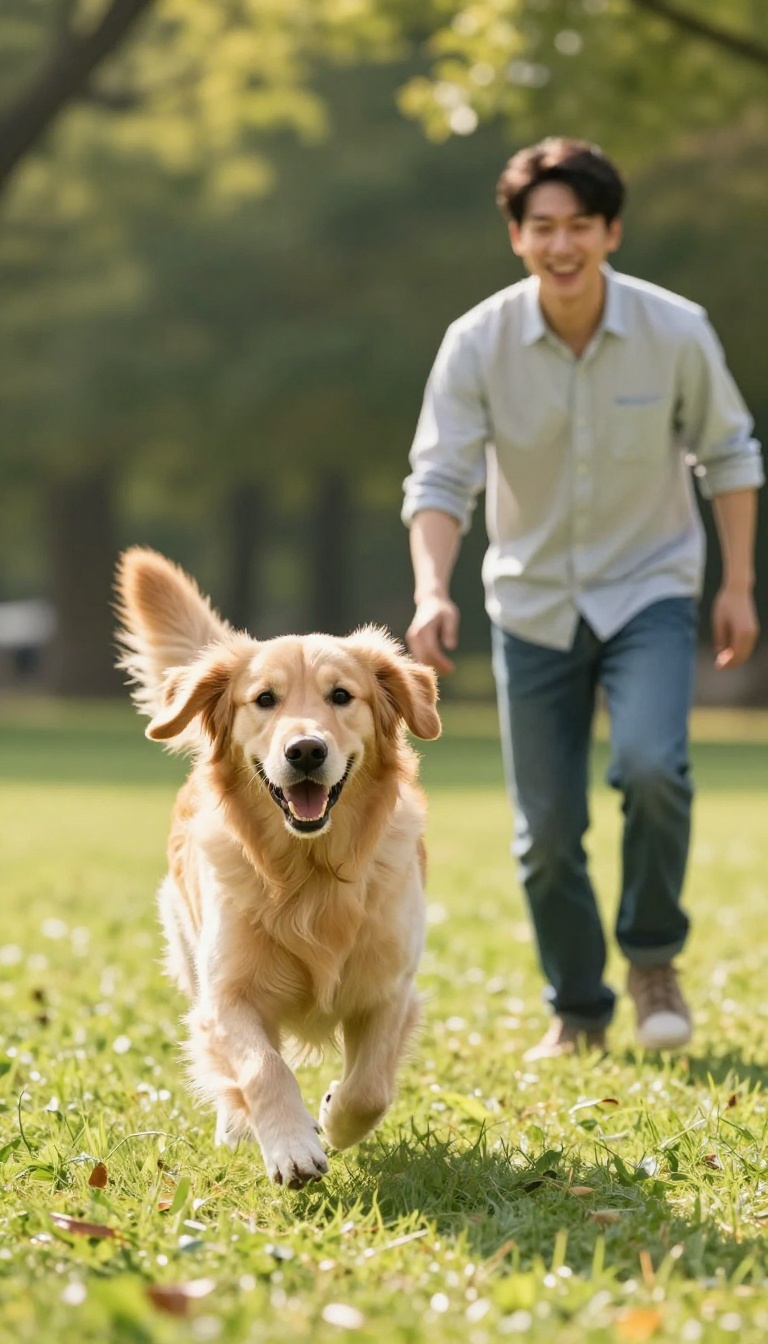
Some dogs would rather play keep-away than come when called. Instead of fighting that instinct, use it. The Chase-Me Recall turns your dog's natural love of chasing into a powerful training tool that makes coming to you the most exciting part of their day.
Start by getting your dog's attention with an excited voice or a favorite toy. Then, turn and run away from them while calling their name and saying 'come! ' Most dogs will instinctively chase you. When they catch up, reward them with treats and enthusiastic praise.
This game builds speed and enthusiasm for recalls, especially for dogs that are motivated by movement and play.
Why It Works
Dogs are hardwired to chase moving things. When you run away, you become the most interesting thing in the environment. This game flips the script on a common problem: dogs who run away when called.
Instead of chasing them, you're making them chase you, which feels like a game, not a command.
How To Play
Start in a low-distraction area like your living room or a fenced yard. Get your dog excited with a happy voice, then run a few steps away and call their name. When they catch you, reward with a high-value treat or a quick game of tug.
As they get the hang of it, increase the distance and add turns to make it more challenging.
Level Up The Challenge
Once your dog is reliably chasing you, add distractions. Try playing in a park with other dogs around, or have a friend call your dog from the opposite direction. You can also vary the reward—sometimes a treat, sometimes a toy, sometimes just a big fuss.
This keeps the game unpredictable and exciting.
7. The Treat Scatter Recall
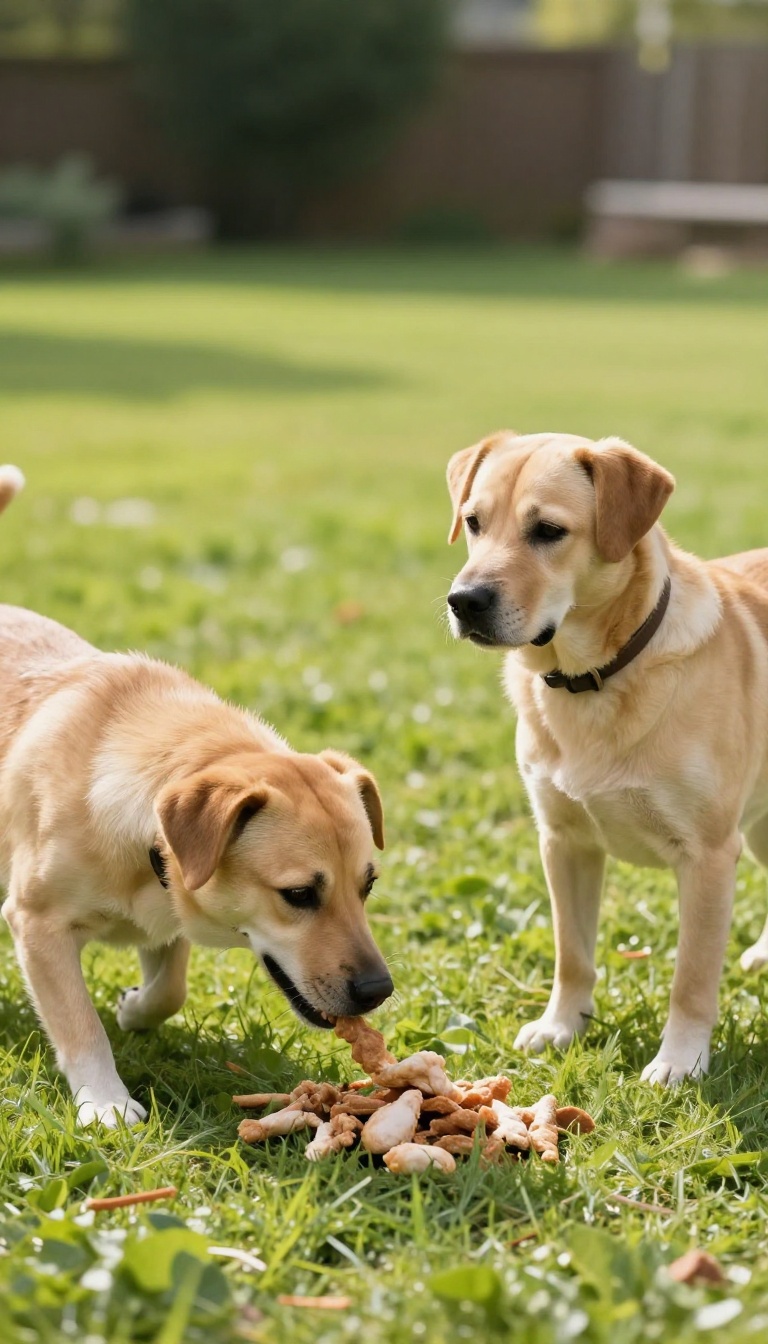
This game turns a tempting pile of snacks into the ultimate distraction test. Scatter a handful of treats on the ground, then call your dog away from them. It’s a brilliant way to practice recall when something super interesting is right under their nose.
Start by scattering a small handful of low-value treats on the floor or grass. Let your dog start munching, then use your recall cue in a bright, happy voice. The moment they turn and come to you, reward them with a high-value treat like chicken or cheese.
This teaches them that leaving something good for something even better is always worth it.
Why It Works
Dogs learn best when they realize that choosing you pays off. In this game, the scattered treats are the distraction, and you become the jackpot. Over time, your dog learns that coming when called is never a downgrade—it’s always a win.
Level Up The Challenge
Once your dog nails the basics, increase the difficulty. Use more treats, scatter them in a wider area, or practice in a park with more smells. You can also try it with a favorite toy instead of treats.
The key is to keep the reward for coming back even more exciting than what they left behind.
Common Mistakes To Avoid
Don’t call your dog away from treats every single time—sometimes let them finish. If you always interrupt, they might hesitate to approach scattered food. Also, avoid using a stern tone; your recall cue should sound like a party invitation, not a warning.
8. The Doorway Recall
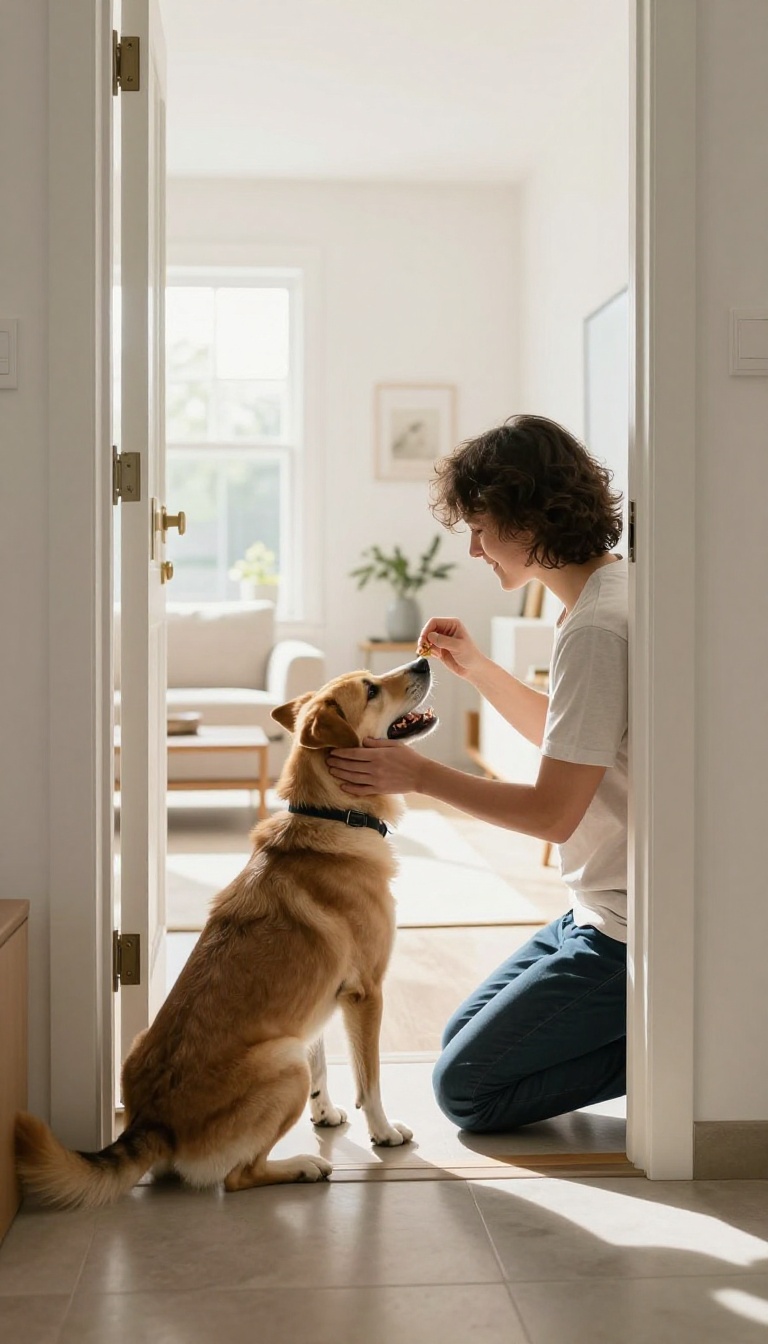
Doors are one of the biggest escape routes for dogs, and a split-second decision can lead to a dangerous chase. The Doorway Recall turns that risky moment into a training opportunity, teaching your dog that coming back to you is more rewarding than bolting outside. This game is simple but powerful, and it builds a habit that could save your dog's life.
Start by having your dog on a leash near a closed door. Open it just a crack, then call your dog's name and say 'come' in a happy, excited tone. The moment they turn toward you, reward them with a high-value treat and lots of praise.
As they get better, you can open the door wider and even step outside, making the temptation stronger. The goal is to make coming back to you more exciting than whatever is on the other side of that door.
Why It Works
This game works because it directly addresses a high-risk scenario. Dogs learn that the door is not a signal to run, but a cue to check in with you. By rewarding the turn back, you're reinforcing that coming to you is the best choice, even when they're excited about the outdoors.
How To Progress
Start with the door closed, then move to a crack, then a wider opening, and finally with you standing outside. Use a long line if needed for safety. If your dog hesitates, make your recall cue more exciting—try running away a few steps or using a squeaky toy.
Gradually increase the distraction level as your dog's reliability improves.
Safety First
Always practice with a leash or in a securely fenced area until your dog is rock-solid. Never chase your dog if they slip out—instead, run the other way or use a high-value reward to lure them back. This game is about building a positive association, not creating fear or anxiety around doors.
9. The Toy Toss Recall
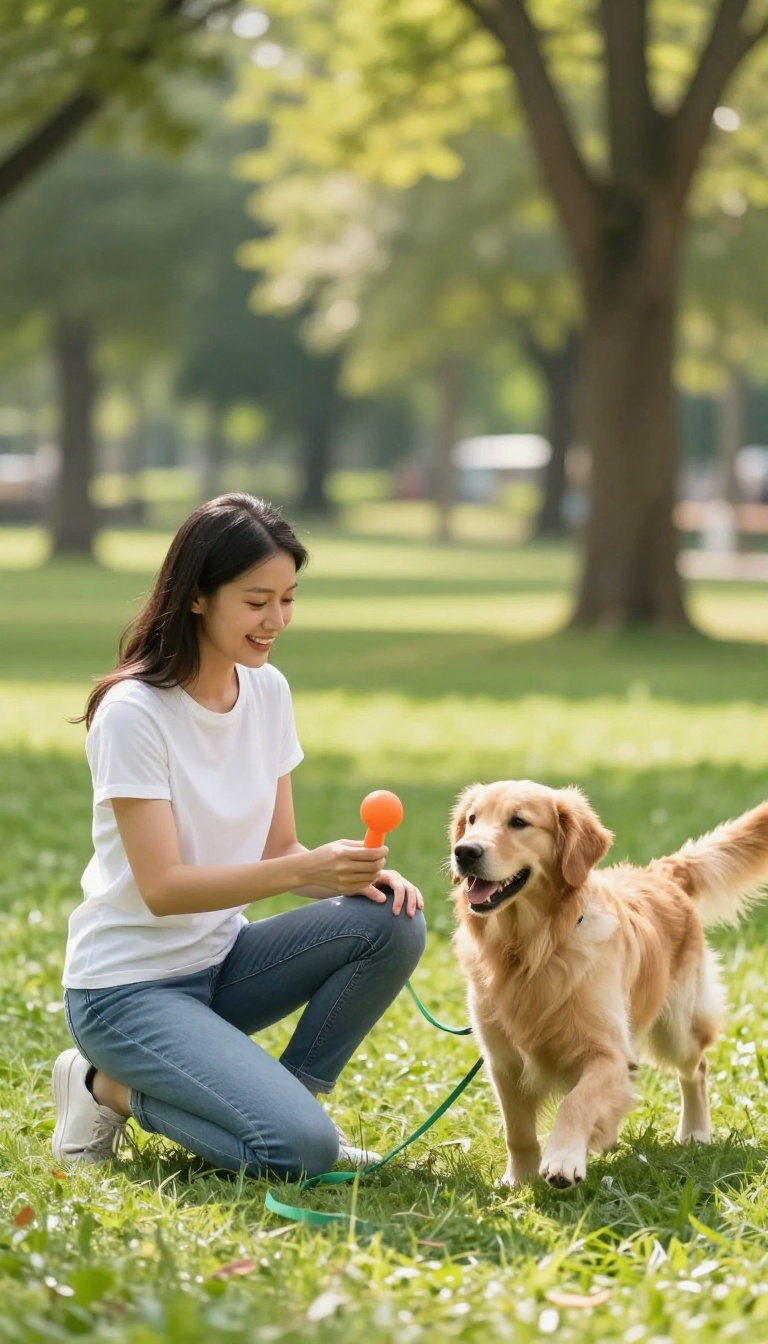
Sometimes the best way to teach a solid recall is to make coming back more exciting than whatever they're running toward. The Toy Toss Recall does exactly that by turning a favorite toy into a moving target—and then rewarding the dog for choosing you instead. It's a simple game that builds impulse control and reinforces that returning to you always leads to something great.
Start with your dog on a long leash in a secure area. Toss a favorite toy a short distance away, then immediately call your dog back to you before they reach it. When they turn and come, praise them warmly and give them a high-value treat or a different toy as a reward.
The key is to make the payoff for coming back better than the toy on the ground. As your dog gets the hang of it, you can toss the toy farther or add a slight delay before calling, so they have to fight the urge to chase. This game not only strengthens recall but also teaches your dog that listening to you leads to even more fun.
Why It Works
Dogs are naturally driven to chase moving objects, so tossing a toy taps into that instinct. By calling them back before they reach it, you're asking them to override that impulse in favor of coming to you. When they get a treat or a different toy as a reward, their brain starts to associate returning with a positive outcome.
Over time, this builds a strong habit of choosing you over distractions.
How To Make It Harder
Once your dog is consistently coming back, you can increase the challenge. Toss the toy a little farther, or wait a second longer before calling. You can also use a toy that's especially exciting, like a squeaky ball, to raise the stakes.
The goal is to make the game just hard enough that your dog has to think, but not so hard that they fail. If they struggle, go back to a shorter toss and build up gradually.
Common Mistakes To Avoid
One common mistake is calling your dog too late, after they've already grabbed the toy. That turns the game into a game of keep-away, which is the opposite of what you want. Another mistake is using the same toy as the reward—if they get the toy anyway, there's no incentive to come back.
Always reward with something different, whether it's a treat or a different toy, so the recall itself feels like the win.
10. The Whistle Recall
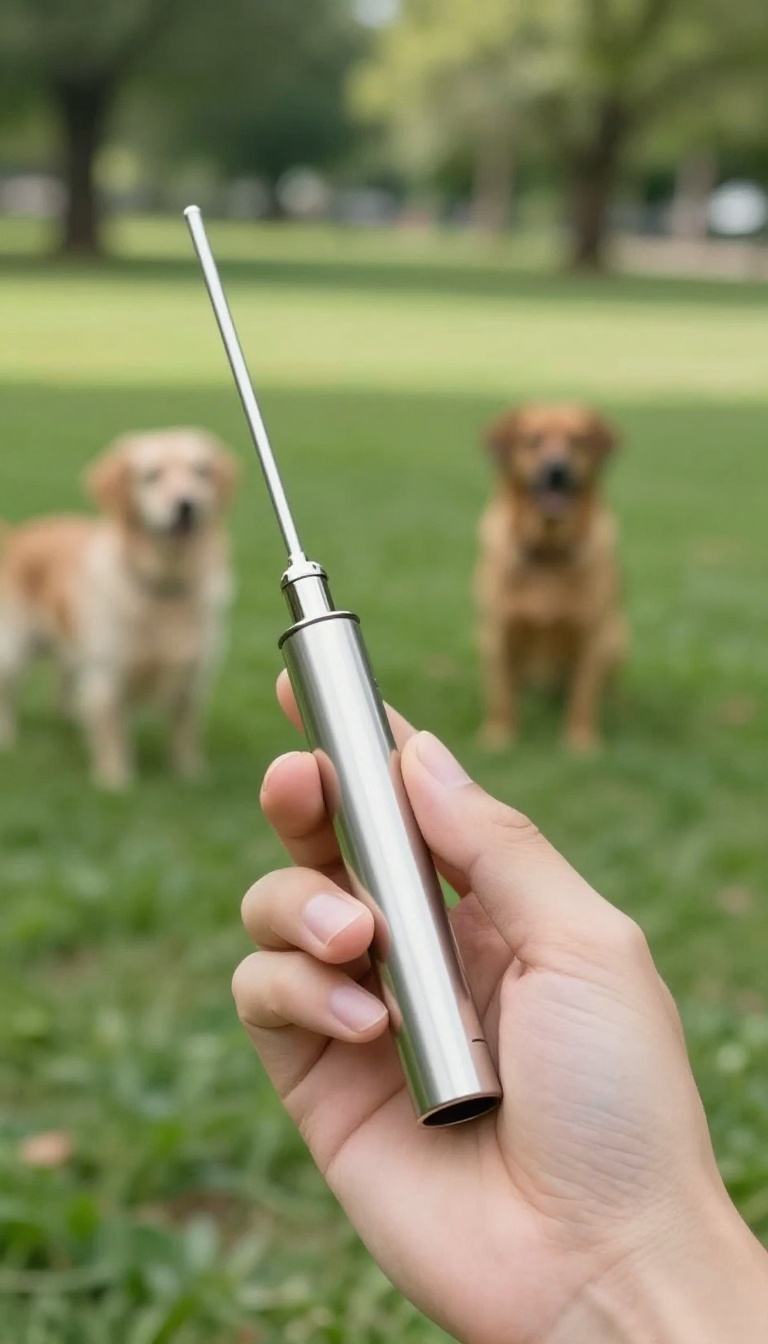
Your voice can only carry so far, especially in wind or noisy environments. A whistle cuts through all that, giving you a reliable way to call your dog from a distance. Pair it with high-value rewards, and you'll have a recall cue that works even when your dog is far away or distracted.
Start by conditioning your dog to associate the whistle with something amazing, like chunks of chicken or cheese. Blow the whistle, then immediately deliver the treat. Repeat this several times indoors, then move to your backyard.
Once your dog understands that whistle means 'treat time, ' you can start using it for real recalls. The key is to always follow the whistle with a reward, even if your dog takes a few extra seconds to come back. This builds a strong, positive association that will hold up in emergency situations.
Why A Whistle Works
A whistle produces a consistent, sharp sound that travels much farther than your voice. It's also less affected by wind or background noise, making it perfect for outdoor adventures. Plus, it's a unique cue that your dog won't confuse with everyday chatter.
How To Train It
Start in a quiet room with your dog nearby. Blow the whistle once, then immediately give a high-value treat. Repeat this 5-10 times.
Then move to a slightly more distracting environment, like your yard, and practice at increasing distances. Always use the same whistle and the same pattern (e. g. , two short blasts) so your dog knows exactly what it means.
When To Use It
Use the whistle for emergency recalls only, not for everyday 'come' commands. This keeps it special and powerful. If you use it too often, your dog might start to ignore it.
Save it for situations where you really need your dog to come back fast, like when they're off-leash near a road or chasing wildlife.
11. The Emergency Recall Game
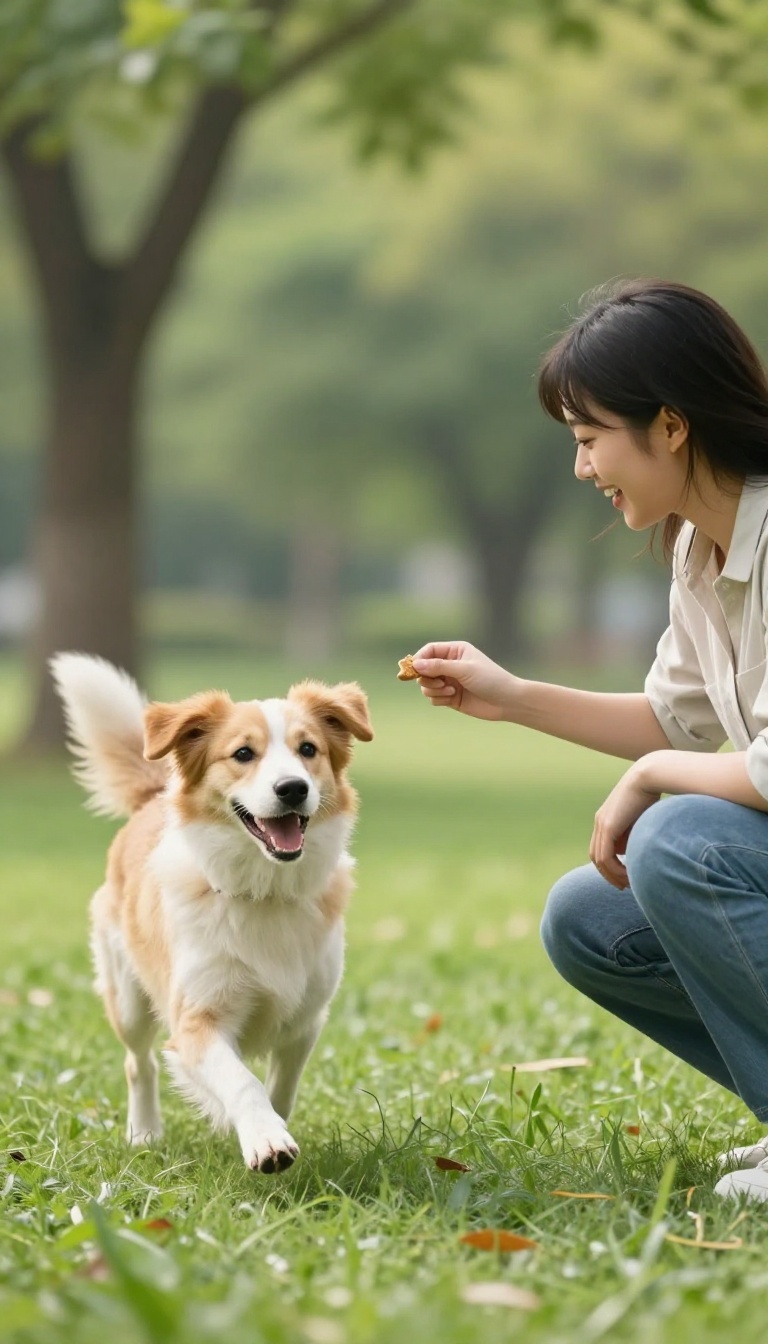
Every dog owner knows the heart-stopping moment when their pup slips the collar and heads for trouble. That's when a standard recall just won't cut it—you need a word so powerful it cuts through all the chaos. The Emergency Recall Game gives you that secret weapon by creating a once-in-a-blue-moon cue that your dog learns to treat like a jackpot.
This game is all about making one specific word or sound so rewarding that your dog can't help but come running, no matter what. The trick is that you only use this cue in true emergencies, so it never loses its magic. Here's how to set it up and make it stick.
Pick Your Secret Signal
Choose a word or sound you never use in everyday life—something like 'cookie' or a whistle. It should be easy for you to produce and distinct from your regular 'come' command. The key is to reserve it exclusively for emergencies, so your dog never hears it diluted with casual use.
Pair It With A Jackpot Reward
Every time you use your emergency cue, follow it with an over-the-top reward. Think tiny pieces of chicken, cheese, or hot dog—something your dog absolutely loves. The goal is to build a direct link between that sound and the best thing ever, so the response becomes automatic.
Practice In Short, Rare Sessions
Don't overuse this cue. Practice it a few times a month at most, and always in a controlled setting. Start indoors, then move to a fenced yard, and eventually try it with mild distractions.
Each time, reward with the jackpot and lots of praise. You want your dog to think, 'When I hear that, I hit the lottery. '
FAQ
How often should I practice recall games?
Short, frequent sessions are best. Aim for 2-3 minutes, 3-5 times a week. Consistency beats marathon training sessions.
What if my dog ignores me during recall games?
Don't punish them—that makes coming to you scary. Instead, make the reward more exciting, reduce distractions, or move closer. If they ignore you, you're too far or the distraction is too high.
Can I use these games for a puppy?
Absolutely! Start with simple games like Cookie Toss and Hide-and-Seek in a low-distraction area. Keep sessions short and fun to build a positive association with coming to you.
How do I make recall reliable in real emergencies?
Use the Emergency Recall Game with a unique word or whistle that you never use otherwise. Practice it in different locations and with increasing distractions, and always reward with something amazing.
What treats should I use for recall training?
Use high-value treats that your dog doesn't get every day—like small pieces of chicken, cheese, or hot dog. The reward needs to be worth leaving a distraction for.
Conclusion
These 11 recall games aren't just about teaching a command—they're about building a bond where your dog genuinely wants to come to you. The more fun you make it, the faster your dog will respond when it really counts.
Start with the easiest game, practice in safe, enclosed areas, and gradually add challenges. Your dog's life might depend on it, but with these games, you'll both have a blast getting there.

I’m Pallab Kishore, the owner of Little Pets Realm — an animal lover and pet care enthusiast sharing easy tips, healthy recipes, and honest advice to help every small pet live a happy, healthy, tail-wagging life.