
Last updated on August 19th, 2026 at 04:14 pm
You've probably noticed your dog reacts to your tone and body language more than the actual words you say. Hand signals tap into that natural visual awareness, making training clearer and more reliable.
They're also a lifesaver in noisy places or when your dog's ears aren't what they used to be. Best of all, you don't need fancy equipment or expensive classes to get started.
A few treats, a quiet corner, and some consistency are all it takes. Whether you're teaching a new puppy or an old pro, these 13 signals will improve how you and your dog talk to each other.
1. The Flat Palm for 'Stay'
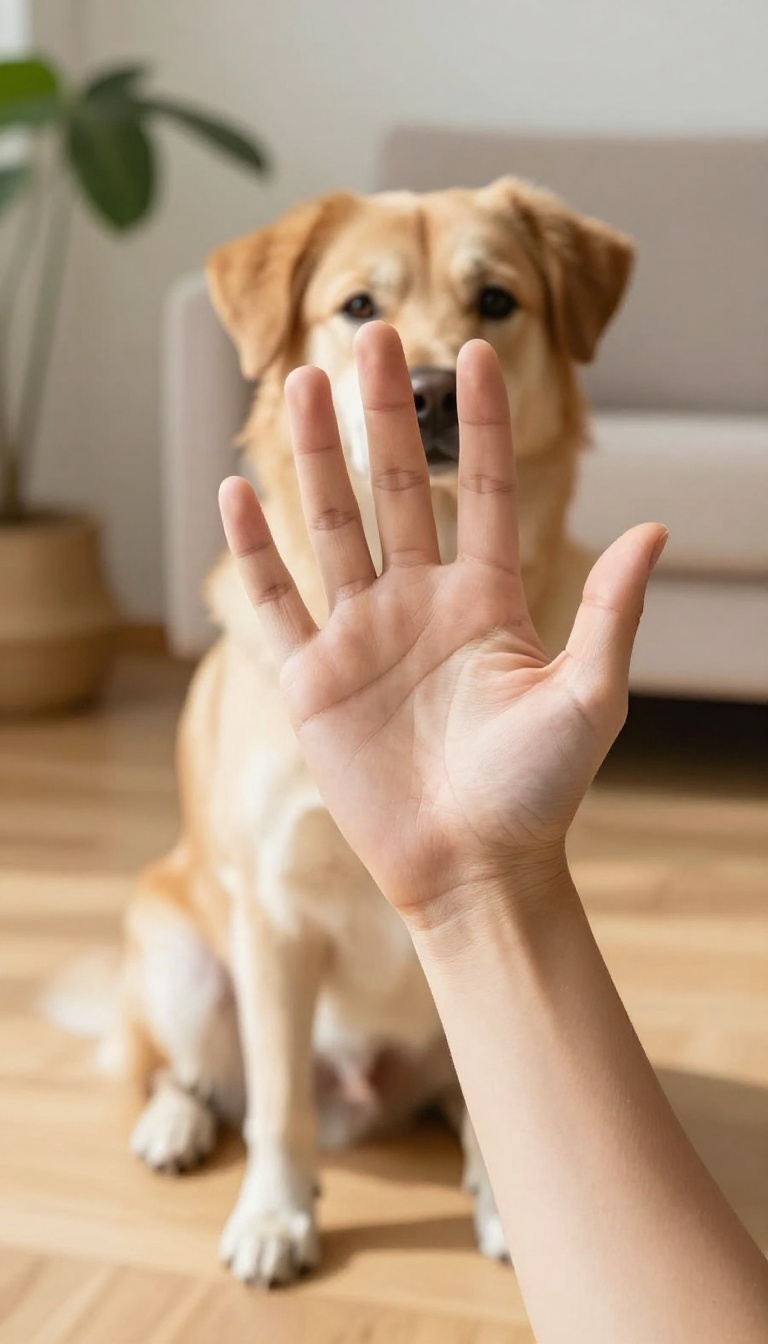
Teaching your dog to stay can feel like a battle of wills, but a simple hand signal changes the game. The flat palm, held up like a stop sign, gives your dog a clear visual anchor that says, 'hold right there. ' It's a classic for a reason—it's easy for them to see and understand, even from a distance.
Start with your dog sitting in front of you. Show them a treat in your other hand to get their attention, then raise your flat palm toward them while saying 'stay' in a calm voice. The key is to keep your hand steady and your movements slow.
If your dog holds the position for even a second, mark it with a 'yes' or a click and reward them. Gradually increase the time before you reward, and add distance once they've got the hang of it.
Why The Flat Palm Works
Dogs are masters at reading body language, and a flat palm is a universal 'stop' signal in the canine world. It stands out against your body, especially if you wear contrasting clothing, and it doesn't rely on sound, so it works in noisy environments or if your dog has hearing issues. Plus, it's a natural extension of your arm, so it feels less awkward than some other signals.
How To Build Duration
Start with tiny wins—just a second or two of stillness. Then, slowly stretch the time before you reward. If your dog breaks the stay, calmly reset them and try again with a shorter duration.
You can also add a release word like 'okay' or 'free' to signal when they can move, which makes the stay more defined. Practice in a quiet room first, then move to more distracting spots as they improve.
Common Mistakes To Avoid
One big mistake is moving your hand too much or dropping it too soon. Keep your palm steady until you're ready to release your dog. Another is using the signal only when you're standing right in front of them—practice from different angles and distances.
And don't forget to vary the rewards: sometimes a treat, sometimes a toy, sometimes just praise. This keeps your dog guessing and engaged.
2. The Point for 'Look' or 'Watch Me'
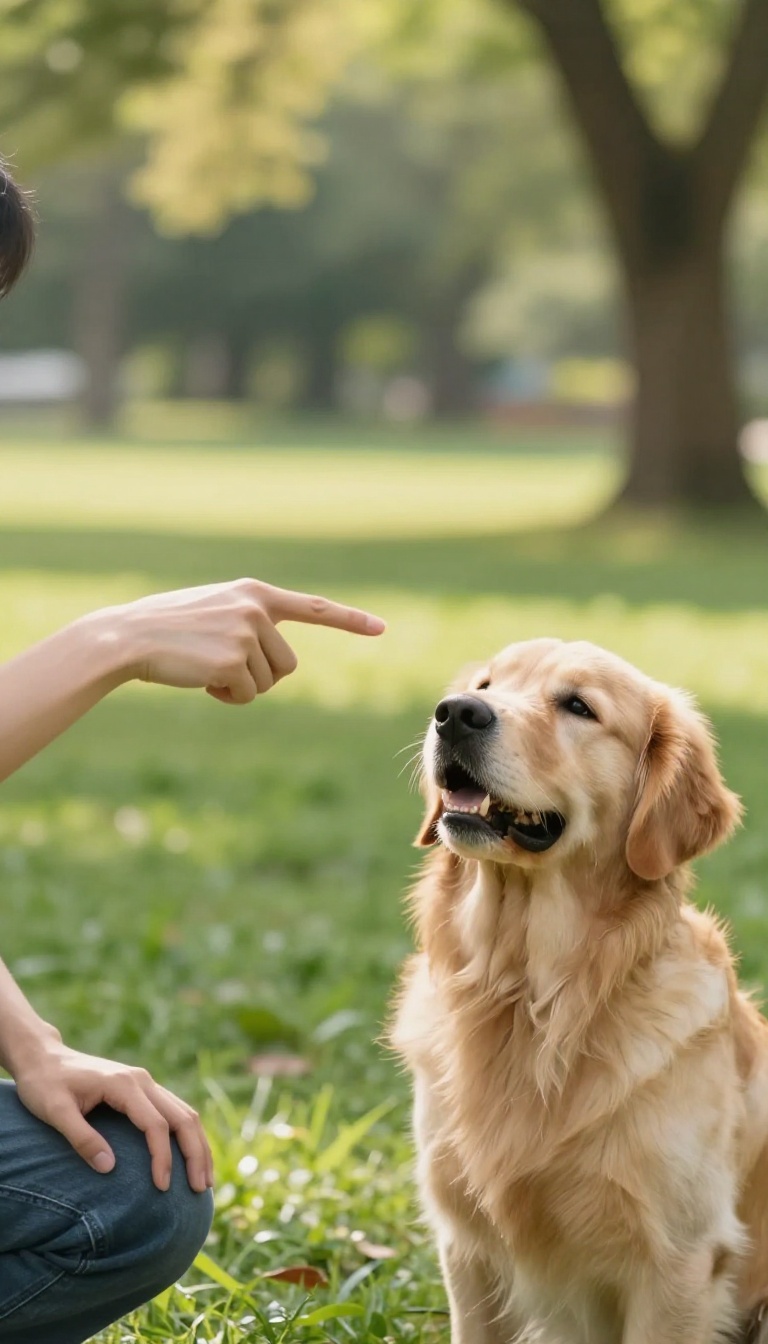
Getting your dog to focus on you can feel like a game of hide-and-seek, especially when there are squirrels around. A simple point toward your eyes works like a gentle reminder that you're the most interesting thing in the room. This signal is quick to teach and even faster to use, making it a favorite for walks and training sessions alike.
The point is all about redirecting your dog's attention back to you. When you raise your hand and point two fingers toward your eyes, you're giving a clear visual cue that says, 'Hey, look here. ' It's especially handy in noisy environments where your voice might get lost, or when you need to break your dog's stare at a passing dog or a tempting smell. To start, hold a treat near your face and say your dog's name.
The moment they make eye contact, mark it with a 'yes' or a click, then reward. Over time, fade the treat and just use the hand signal. Keep sessions short and upbeat so your dog stays eager to check in with you.
Why This Signal Works
Dogs are naturally wired to read body language, and a pointed finger toward your eyes is a universal 'look at me' cue. It's less intimidating than a pointed finger at the dog, and it uses your face as a focal point. This builds a stronger connection during training because your dog learns to check in with you for guidance.
How To Teach It In Three Steps
Start by showing a treat in your closed hand, then bring that hand up to your eyes and say 'watch me. ' When your dog looks at you, reward instantly. Repeat this a few times, then try the signal without the treat in your hand. Finally, practice in different locations, like the backyard or a quiet park, to help your dog generalize the cue.
Using It In Real Life
Once your dog has the hang of it, use the point before giving another command like 'sit' or 'heel. ' It's also great for interrupting unwanted behaviors, like barking at the window or pulling on the leash. A quick point and a treat can turn a distracted moment into a training win.
3. The Fist for 'Come'
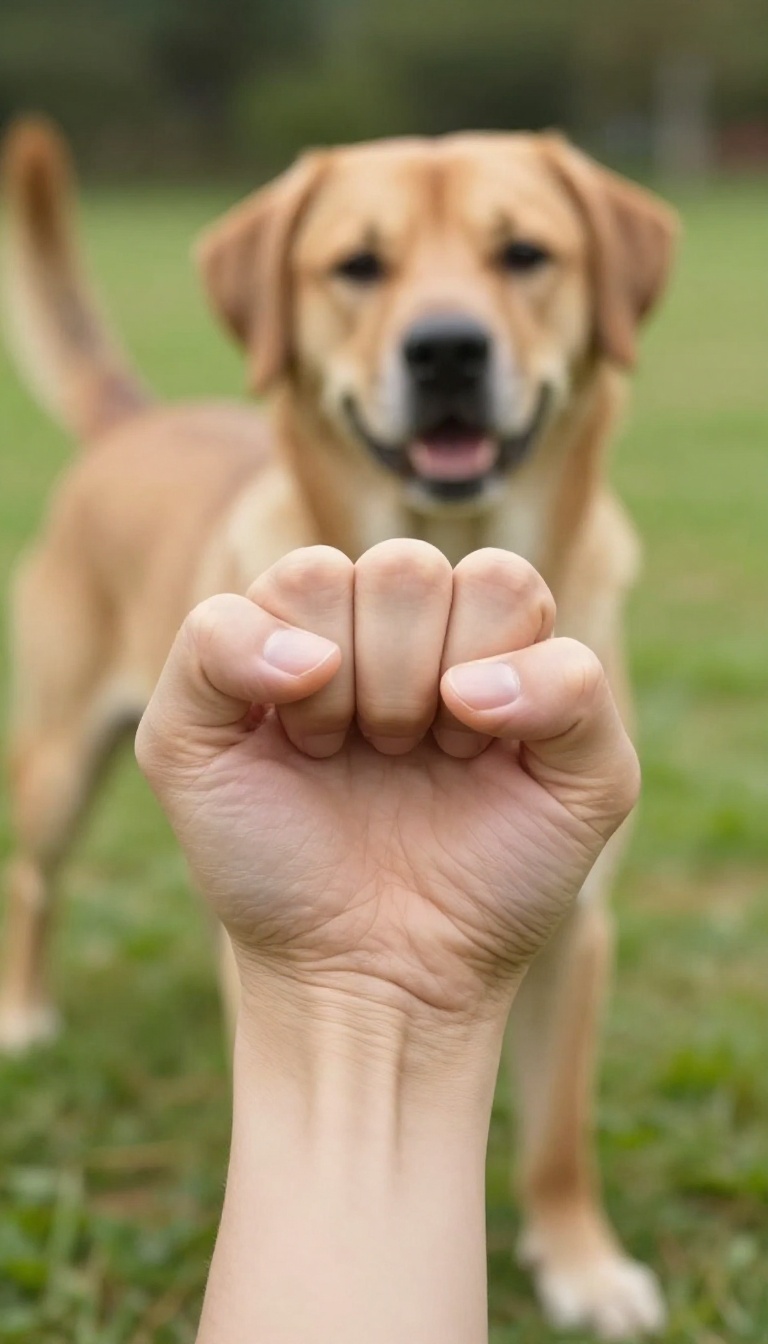
The recall cue is one of the most important commands you can teach your dog, but it's also one that often gets ignored in the heat of the moment. A verbal "come" can get lost in the wind or drowned out by background noise, especially if your dog is distracted. That's where a clear, visual signal comes in handy.
Using a fist pumped toward your chest is a simple, effective way to call your dog to you. It's distinct from other hand signals, so your dog won't mix it up with "sit" or "stay. " Plus, it's easy for you to remember and perform, even in stressful situations.
The fist signal for 'come' is a powerful tool for recall, but it's not just about the gesture itself. It's about building a strong association between the signal and a positive outcome. When your dog sees your fist and comes running, they should always get a reward—whether that's a treat, praise, or a quick game of tug.
This makes the signal a reliable and exciting cue. Start practicing in a quiet, enclosed space like your living room or a fenced yard. With your dog nearby, make the fist and pump it toward your chest while saying "come" in a happy tone.
The moment your dog moves toward you, mark the behavior with a "yes! " and reward them when they reach you. Repeat this several times, gradually increasing the distance and adding distractions.
As your dog gets the hang of it, you can start using the signal in more challenging environments, like a park or a busy street (on a leash, of course). The key is to always make coming to you a positive experience. Never call your dog to you for something they dislike, like a bath or nail trimming, or they'll learn to avoid the signal.
One common mistake is using the signal when your dog is already heading your way. That doesn't reinforce the cue. Instead, wait until they're looking at you or moving away, then give the signal.
This helps them understand that the fist means "come to me now, " not just "keep doing what you're doing. "
Why A Fist Works Best
A fist is a natural, obvious gesture that stands out from other hand signals. It's also easy to see from a distance, even in low light. Unlike a pointed finger or an open palm, a fist is less likely to be confused with other cues like "stay" or "down.
" Plus, it's a motion that feels instinctive to humans, so you'll remember to use it consistently.
Training Steps In A Nutshell
Start with your dog on a leash in a quiet area. Show the fist, say "come, " and gently guide them toward you. Reward them with a treat and praise.
Repeat, gradually increasing the distance and removing the leash. Once they're reliable indoors, move to a fenced yard, then to a park with distractions. Always keep training sessions short and fun.
Troubleshooting Common Issues
If your dog ignores the signal, don't repeat it. Instead, make yourself more exciting by clapping or running backward. If they come slowly, reward them anyway, but try to build speed by using a higher-value treat.
If they seem confused, go back to basics and practice with a leash. Remember, patience and consistency are your best tools.
4. The Sweep for 'Sit'
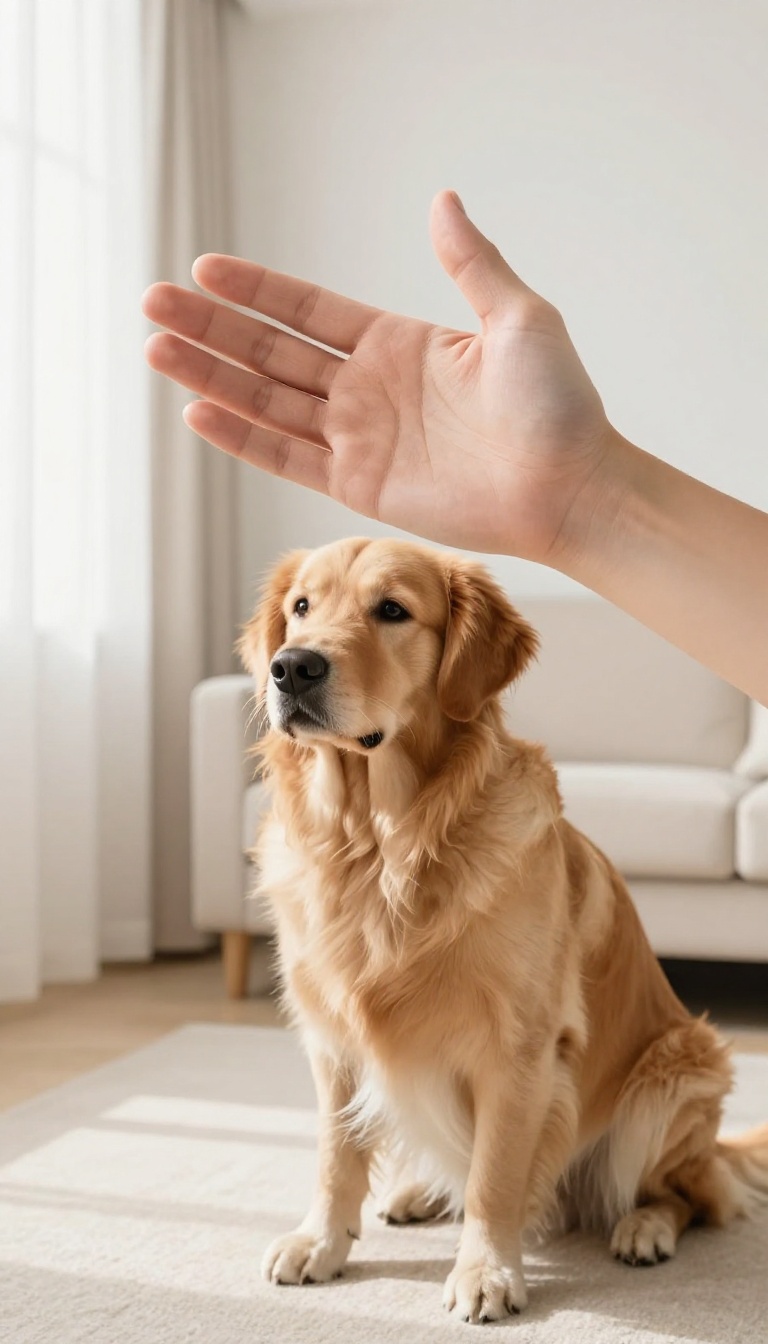
The sit is usually the first cue we teach, but the hand signal for it often gets overlooked. A simple upward sweep of your hand can be just as clear as the word itself, maybe even clearer. It uses a natural motion that your dog already understands from body language, so it clicks fast.
Start with your hand at your side, palm facing up. In one smooth motion, sweep your hand upward toward your shoulder, as if you're inviting your dog to look up. That upward movement naturally encourages their rear to lower into a sit.
Pair it with the verbal 'sit' at first, then gradually phase out the word until the signal alone gets the job done.
Why This Motion Works
Dogs are masters at reading body language, and an upward sweep mimics the motion they see when another dog invites play or when you toss a treat above their head. It draws their gaze upward, which shifts their weight back and makes sitting the most comfortable option. It's a gentle, non-threatening cue that works even for shy or anxious dogs.
Common Mistakes To Avoid
One mistake is making the motion too big or too fast, which can startle your dog. Another is holding your hand too high, which might encourage jumping instead of sitting. Keep the sweep smooth and at a moderate speed, ending with your hand near your shoulder.
Also, avoid using a treat as a lure every time—you want the signal to become the cue, not the treat.
Tips For A Smooth Transition
Start in a quiet room with no distractions. Use a high-value treat to lure the first few times, then switch to the hand signal alone. Reward immediately when your dog's rear touches the floor.
Practice in short bursts throughout the day, and gradually add distractions. Before you know it, a simple sweep will have your dog sitting like a pro.
5. The Down Tap for 'Lie Down'
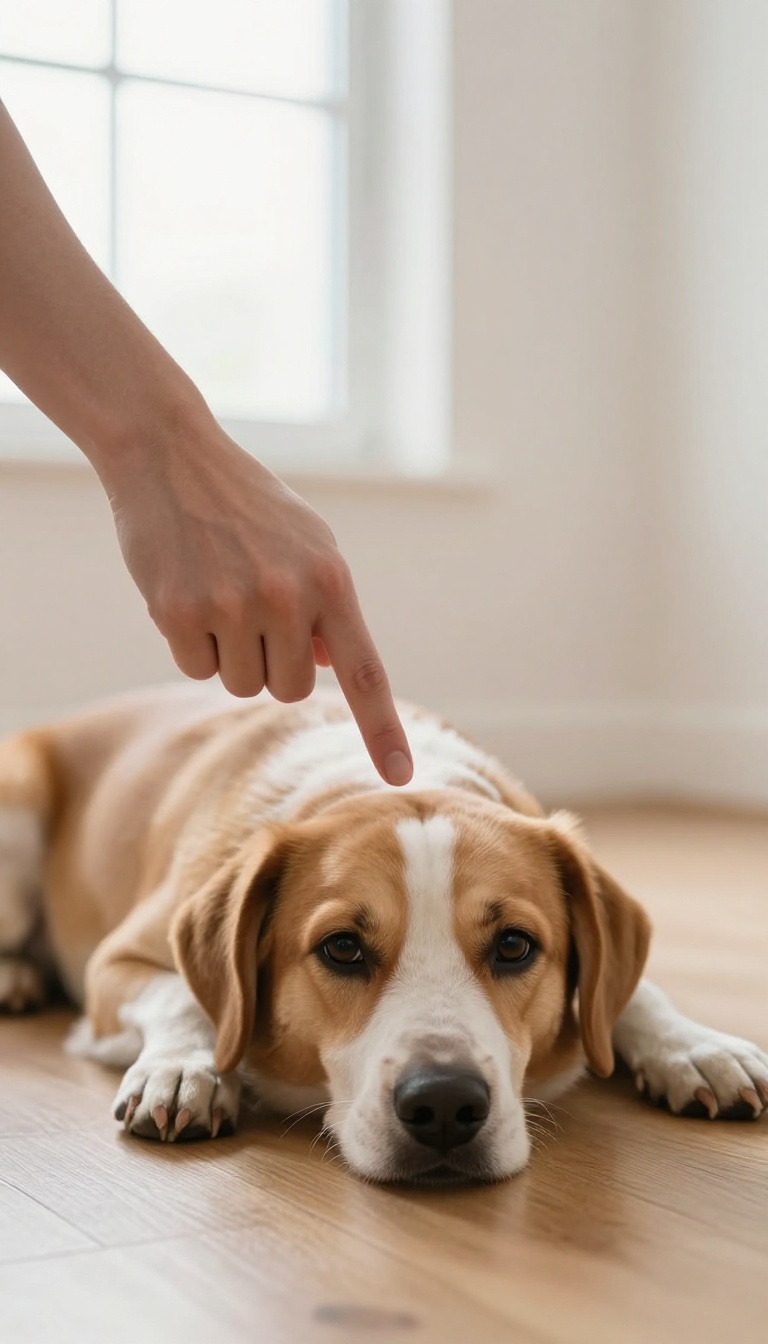
The down command is a cornerstone of good manners, but it can be tricky to teach. A simple hand signal—tapping the floor or pointing down—makes the request crystal clear. This visual cue is often easier for dogs to understand than a verbal command alone, especially in distracting environments.
To start, hold a treat in your closed fist and let your dog sniff it. Then, slowly lower your hand to the floor, keeping the treat hidden. As your dog follows the treat, their body will naturally lower into a down position.
Once they're down, say 'Yes! ' and give them the treat. Repeat this a few times, then begin using the hand signal without the treat, rewarding only when they lie down on the signal alone.
Why It Works
Dogs are masters of body language, and a downward motion is a natural precursor to lying down. It’s also a less intimidating gesture than a verbal command, which can sometimes sound harsh. The tap on the floor also creates a physical target for your dog to focus on, making the behavior more concrete.
Step-by-step Training
Start by luring your dog into a down with a treat, then gradually phase out the treat. Once they're consistently following the hand signal, add the verbal cue 'down' just before the signal. Eventually, your dog will respond to the signal alone, even without a treat in sight.
Troubleshooting Tips
If your dog pops back up, try rewarding them for staying down a few seconds longer each time. If they seem confused, go back to luring for a few repetitions. Keep sessions short and positive—five minutes a day is plenty.
And remember, patience is key: some dogs pick this up in a day, others take a week.
6. The Open Palm for 'Drop It'
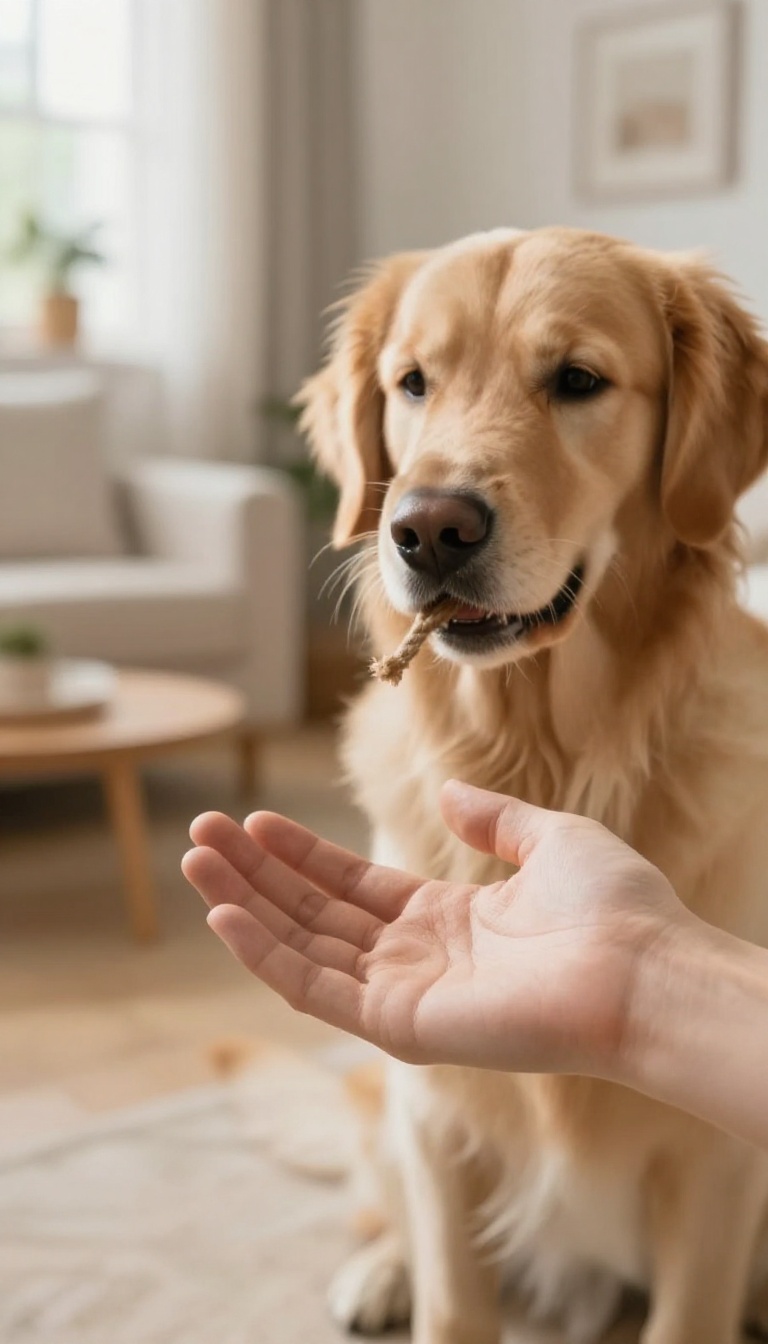
Trading a toy for a treat might sound simple, but it’s a skill that takes practice. The open palm signal gives your dog a clear visual cue that it’s time to release whatever’s in their mouth. It’s a gentle, non-confrontational way to prevent resource guarding and keep playtime safe.
This hand signal is especially handy during fetch or tug-of-war. Instead of wrestling a slobbery toy away, you show your palm and offer a tasty swap. Over time, your dog learns that dropping something means something even better is coming.
Why It Works
Dogs are masters of reading body language, and an open palm is a universal 'stop' or 'release' signal. It’s non-threatening and doesn’t involve grabbing or pulling, which can trigger a possessive response. The visual cue pairs perfectly with the verbal command 'drop it' and helps your dog understand what you want without confusion.
How To Teach It
Start in a low-distraction area with a toy your dog likes but doesn’t obsess over. Show the open palm and say 'drop it' in a cheerful tone. The moment they release the toy, mark with a 'yes' and give a high-value treat.
Repeat this several times, then gradually move to more exciting toys and busier environments.
Common Mistakes To Avoid
One big mistake is chasing your dog or trying to pry the toy out of their mouth. That teaches them to hold on tighter. Another is using the signal only when you want to take something away—make sure to sometimes give the toy back after the treat so your dog doesn’t think 'drop it' means the fun ends.
7. The Circle for 'Spin'
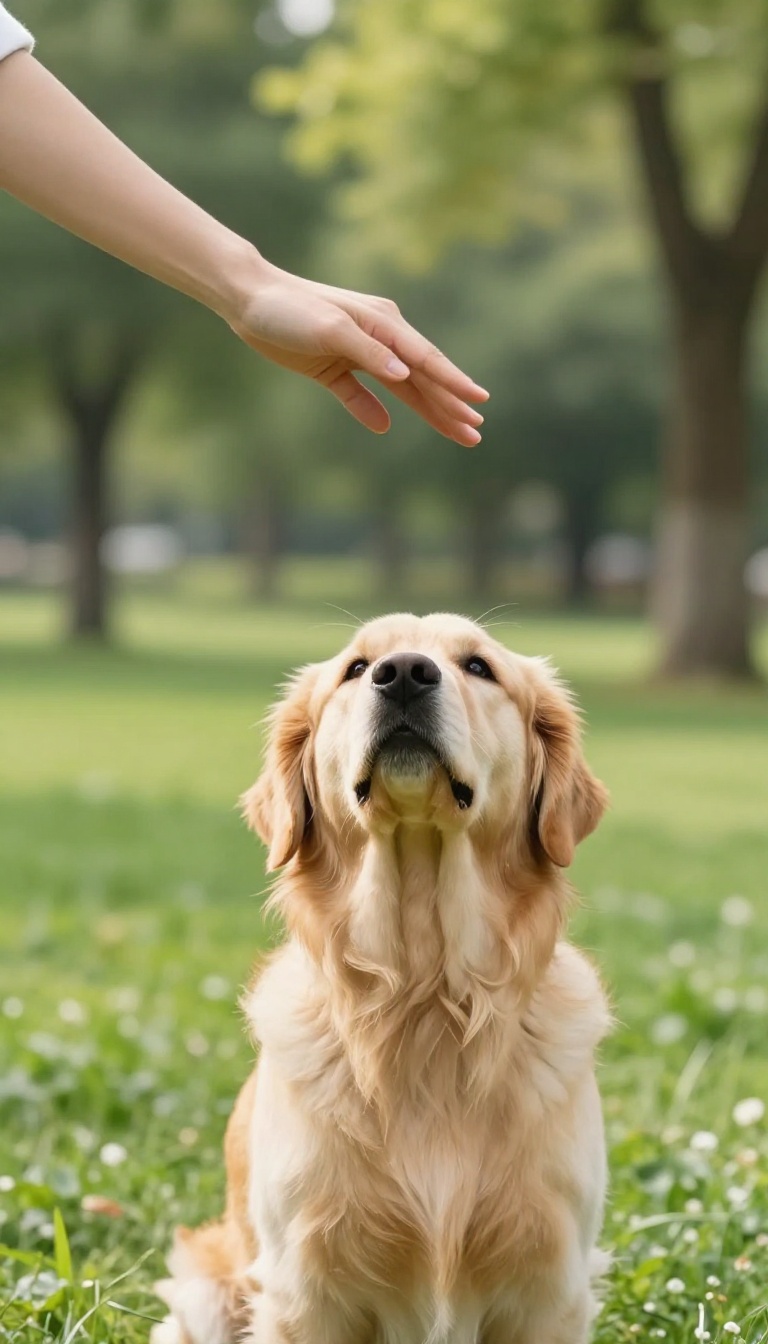
Teaching your dog to spin on command is a crowd-pleaser, and the hand signal is just as fun as the trick itself. A simple circular motion with your finger or hand becomes a clear cue that your pup will pick up quickly, especially when you pair it with a treat lure. It's a fantastic way to add some mental stimulation to your training sessions and impress your friends at the park.
The spin trick is more than just a party trick. It gets your dog moving in a full circle, which helps with coordination and body awareness. Plus, it's a great way to burn off a little extra energy without a long walk.
The hand signal is intuitive: you trace a circle in the air, and your dog learns to follow that motion with their body. With a bit of practice, your dog will spin on cue, even without a treat in sight.
How To Teach It With A Lure
Start with a treat in your hand and let your dog sniff it. Slowly move your hand in a circle, guiding your dog's nose around until they complete a full turn. Say 'spin' as they finish, then reward them.
Repeat this a few times, then gradually introduce the hand signal without the treat. Use the same circular motion, and your dog will start to connect the gesture with the action.
Adding The Verbal Cue
Once your dog is reliably following the hand motion, you can add a verbal cue like 'spin' or 'turn. ' Say the word just before you start the motion, then reward when they complete the circle. Over time, your dog will respond to the verbal cue alone, but the hand signal remains a handy backup for noisy environments or when your dog is distracted.
Troubleshooting Common Issues
Some dogs might only turn halfway or get confused about which direction to go. If that happens, slow down your hand motion and use a higher-value treat to keep their focus. You can also break the spin into smaller steps, rewarding quarter-turns at first.
Be patient and keep sessions short—five minutes is plenty. If your dog seems frustrated, take a break and try again later.
8. The Crossed Arms for 'Off' or 'No'
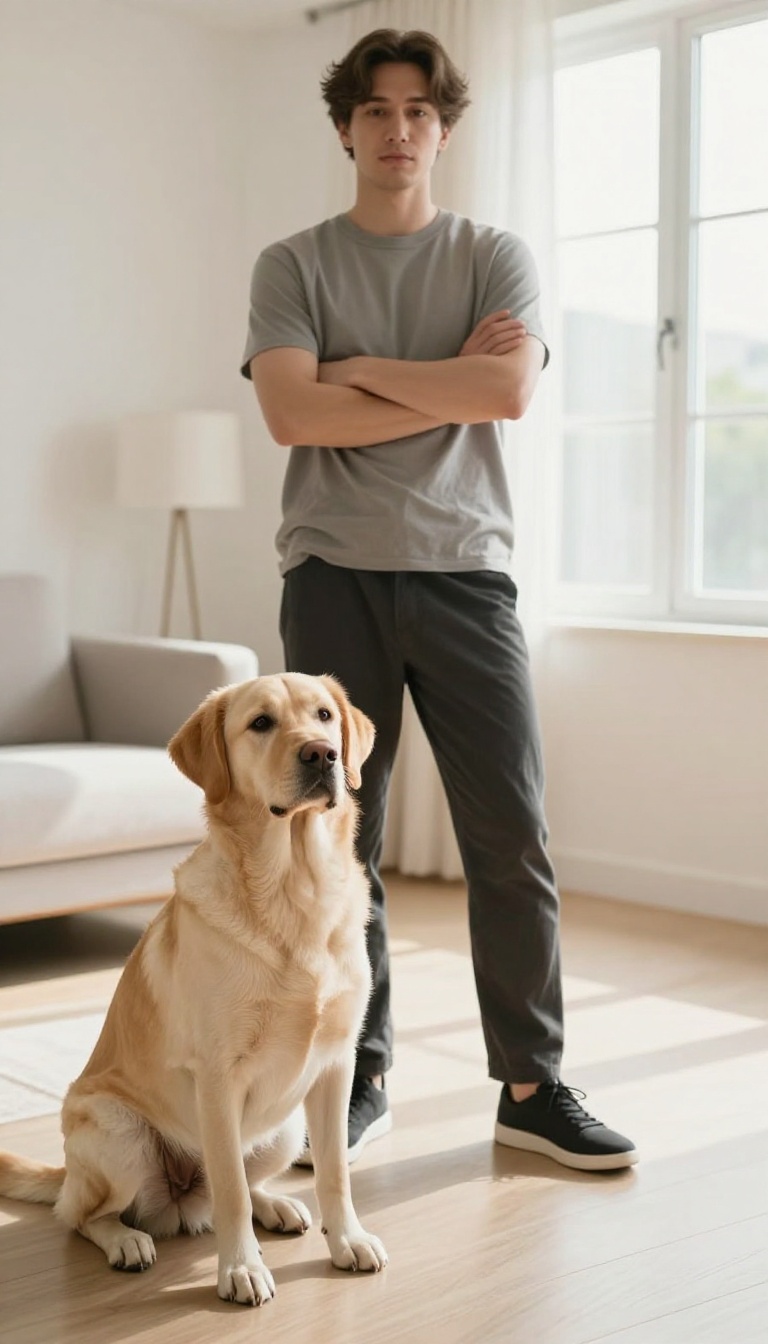
When your dog is about to pounce on a guest or snatch food off the counter, a clear 'no' can be hard to deliver without sounding harsh. That's where a simple visual cue comes in handy. Crossing your arms over your chest gives your dog a distinct, calm signal to stop what they're doing.
It's a non-verbal way to say 'off' or 'leave it' that works especially well when your voice isn't enough.
The crossed arms signal is all about interrupting unwanted behavior without escalating the situation. Instead of yelling or chasing your dog, you stand still, cross your arms, and give a firm look. This creates a clear boundary that your dog can learn to respect.
The key is to pair the signal with a consistent verbal cue like 'off' or 'no' so your dog makes the connection. Over time, the hand signal alone will be enough to stop them in their tracks.
Why Crossed Arms Work
Dogs are masters at reading body language. When you cross your arms, you're making yourself look bigger and more assertive, which naturally draws their attention. It's also a neutral gesture—no chasing, no grabbing, just a clear visual statement.
This helps your dog understand that you're in charge without feeling threatened. The signal is especially effective for behaviors like jumping up or counter surfing because it interrupts the action before it becomes a habit.
How To Teach It
Start by having treats ready and a situation where your dog might misbehave, like when they're about to jump on you. As they start the behavior, say 'off' or 'no' in a firm voice and cross your arms. The moment they stop, even for a second, reward them with a treat and praise.
Repeat this consistently, and soon your dog will associate the crossed arms with stopping what they're doing. Practice in different settings to help them generalize the cue.
Common Mistakes To Avoid
One common mistake is using the signal without a verbal cue first, which can confuse your dog. Another is not rewarding the stop, so your dog doesn't learn what you want instead. Also, avoid crossing your arms while you're angry or tense—your dog will pick up on that energy.
Keep the signal calm and neutral, and always follow through with a reward when they respond correctly.
9. The Pat for 'Heel'
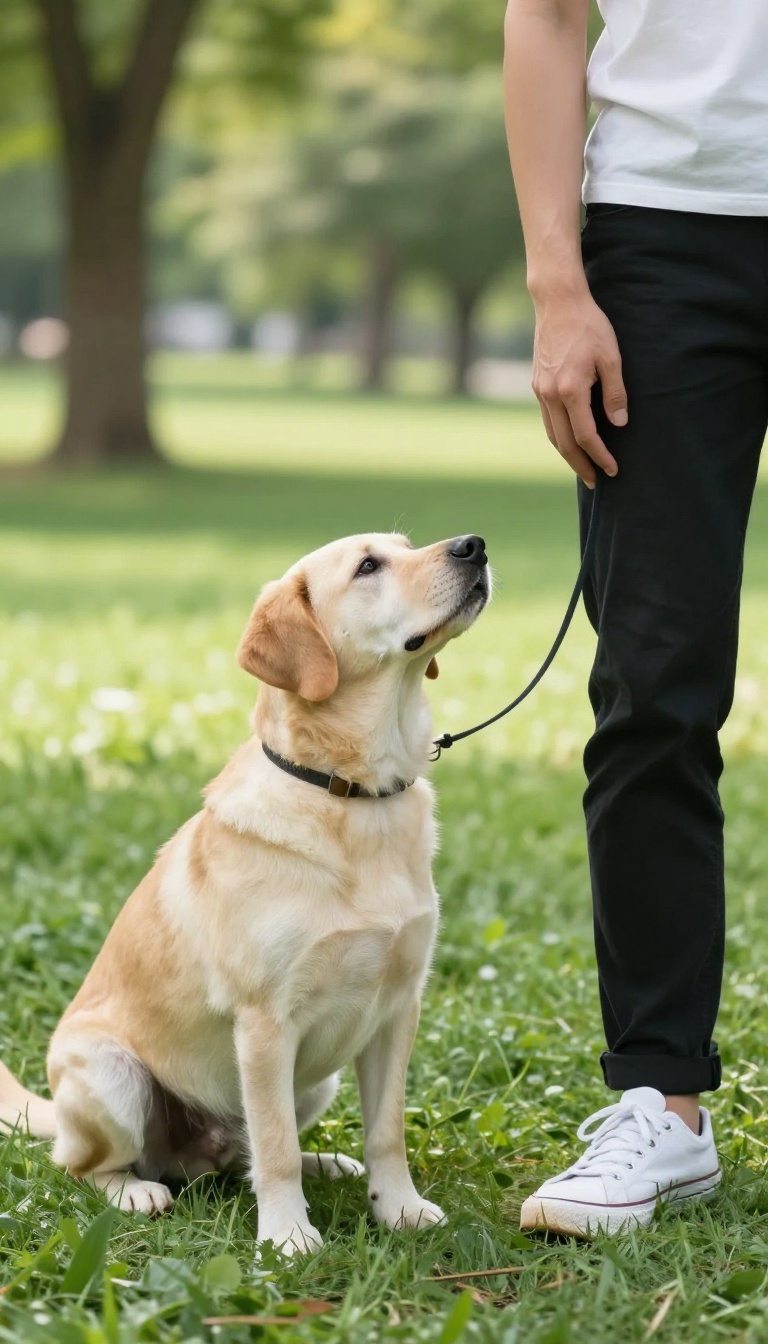
Walking calmly beside you is a skill that takes practice, and a simple pat on your thigh can make the message crystal clear. This signal tells your dog exactly where you want them, without relying on leash tugs or repeated verbal cues. It's especially handy when you're in a busy area or want to keep things quiet.
The pat is all about location. By tapping your thigh or side, you're showing your dog the spot they should be aiming for. It works because dogs naturally watch your body language, and a sudden movement draws their attention.
The key is to pair it with a reward the moment they get into position, so they quickly learn that the pat means 'come right here and stay with me. '
Why It Works
Dogs are masters at reading visual cues, and the pat taps into that instinct. It's a clear, localized signal that points to the exact spot you want them. Unlike a verbal 'heel' that can get lost in noise, the pat is visible from a distance and works even if your dog's hearing isn't perfect.
Plus, it's a natural motion you can use without breaking your stride.
How To Teach It
Start in a quiet space with no distractions. Hold a treat in the hand you'll use to pat, then tap your thigh and lure your dog into position beside you. The moment they align with your leg, mark with a 'yes' and give the treat.
Repeat this until they anticipate the position when they see the pat. Gradually add movement, taking a few steps and pausing to reward them for staying close.
Using It On Walks
Once your dog understands the cue, use it during real walks. Before you start moving, pat your thigh and wait for them to settle beside you. If they start to pull ahead, stop, pat again, and reward when they return to your side.
Over time, they'll learn that the pat means 'stay right here, ' making loose-leash walking much more manageable.
10. The Two-Finger Point for 'Go' or 'Release'
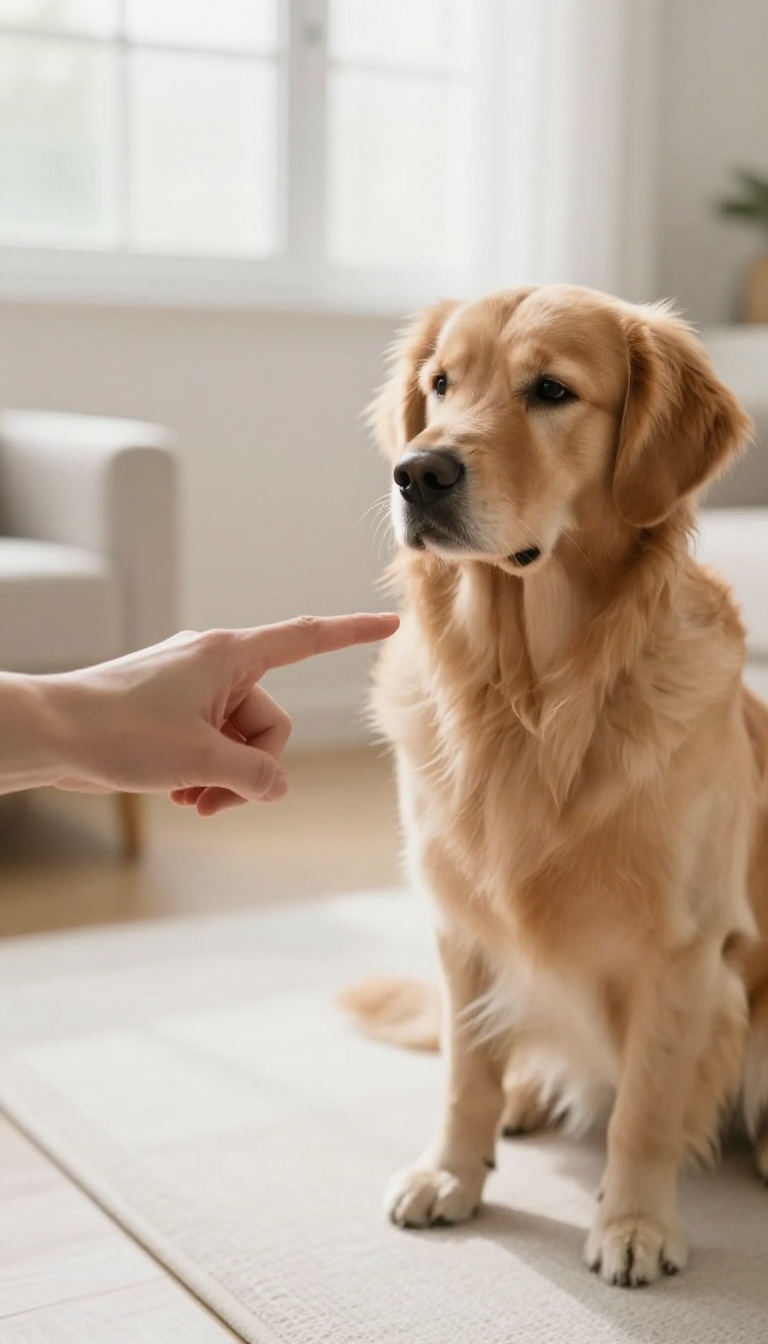
Sometimes you need to send your dog off to a specific spot or give the green light to start something. A simple point with two fingers can do exactly that, and it’s a signal that’s easy for your dog to see and understand. Unlike a full arm point, the two-finger cue feels more precise and less accidental.
The two-finger point is a versatile cue that tells your dog to move toward a target or start an activity. It’s especially handy for sending your dog to its bed or mat, or for releasing them to begin an agility course. The key is to make the gesture distinct and consistent so your dog learns to associate it with action.
Why Two Fingers?
Using two fingers instead of a whole hand or arm makes the signal more precise and less likely to be confused with other cues. It also stands out against your body, making it easier for your dog to spot from a distance. Plus, it feels less aggressive than a pointed finger, which some dogs might find intimidating.
How To Teach It
Start by holding a treat between your two fingers and luring your dog to the target spot. As they move, say your release word like 'go' or 'free. ' Once they reach the spot, reward them. Repeat until your dog starts moving on the point alone, then gradually phase out the treat lure.
Using It In Real Life
You can use this signal to send your dog to their crate while you eat, or to start a run in agility. It’s also great for directing your dog to a specific toy or a spot in the yard. Just be consistent with the gesture and the word you pair with it.
11. The Hand Wave for 'Say Hello'
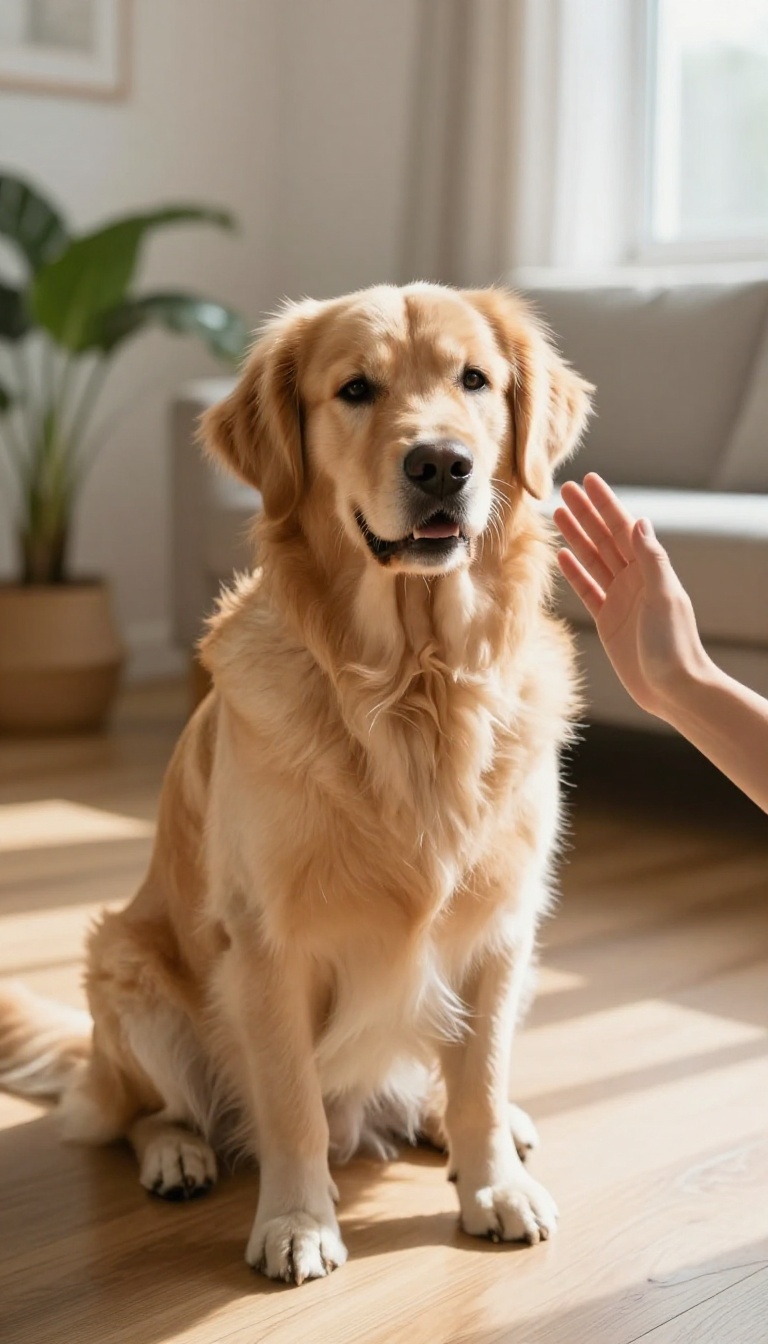
A gentle wave can be more than a cute trick—it's a calm way to greet people and dogs. This signal helps your dog associate a friendly motion with positive interactions, making hellos less chaotic and more polite. Plus, it's a fun skill that's easy to teach with a little patience and a few treats.
Start by holding a treat in your closed fist and letting your dog sniff it. When they lift a paw to investigate, mark the behavior with a click or a word like "yes" and give the treat. Repeat this until they consistently lift their paw when they see your closed fist.
Then, gradually open your hand and raise it slightly, shaping the motion into a wave. Reward any attempt that resembles a wave, and soon your dog will offer it on cue.
Why A Wave Works
Dogs are masters at reading body language, and a wave is a clear, non-threatening signal. It's also a great way to diffuse excitement when meeting new people—instead of jumping, your dog learns to offer a paw raise that gets attention and treats. This builds impulse control and makes greetings more enjoyable for everyone.
Step-by-step Training
Begin in a quiet space with high-value treats. Show your dog a treat in your closed fist, and wait for a paw lift. Mark and reward.
Once they're reliably lifting their paw, start moving your hand upward slightly, rewarding any motion that looks like a wave. Gradually increase the height and speed of your hand motion until your dog waves on a verbal or visual cue.
Using The Wave In Real Life
Once your dog has mastered the wave, use it when guests arrive or when you meet other dogs on walks. Ask your dog to wave before saying hello, and reward them for staying calm. This turns a potentially chaotic moment into a focused, fun interaction.
Remember to keep sessions short and always end on a positive note.
12. The Finger Snap for 'Attention'
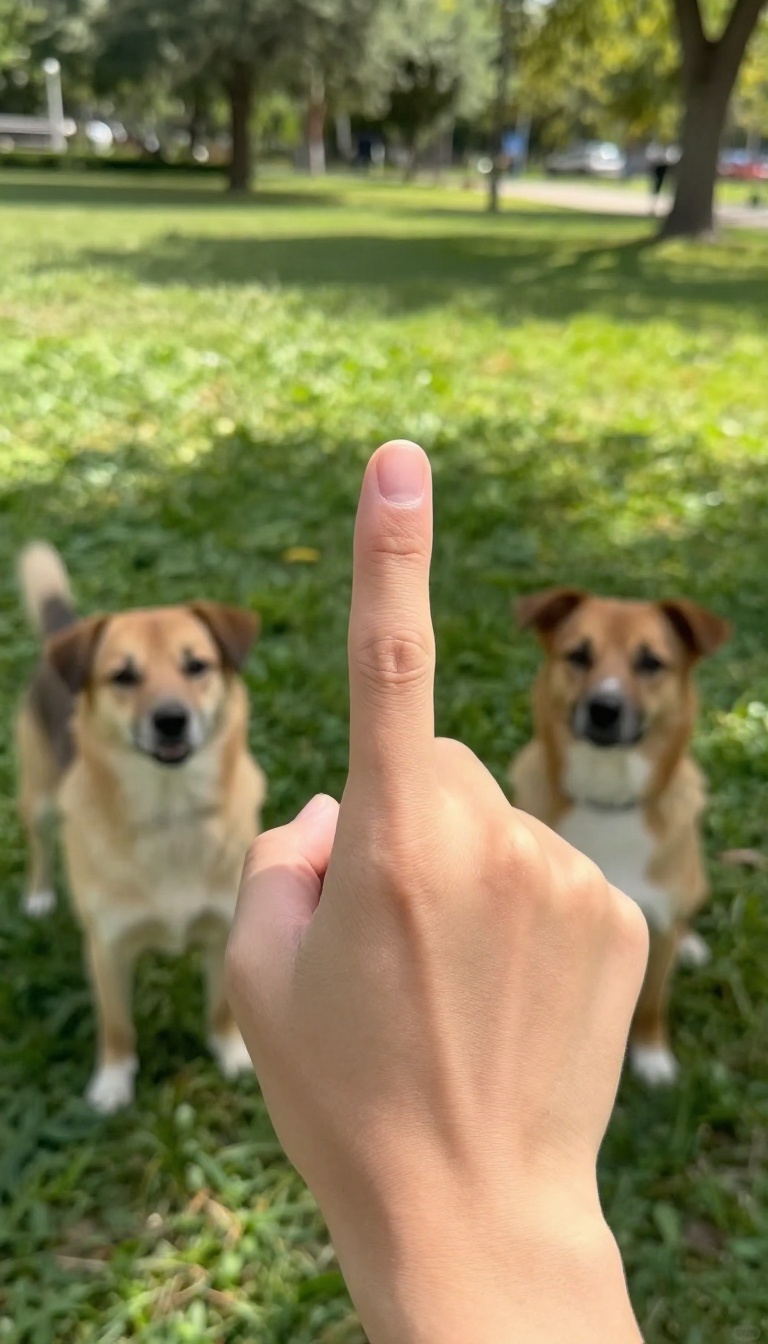
Sometimes your dog gets so focused on a squirrel or a sniff that your voice just doesn't cut through. That's where a sharp finger snap comes in handy. It's a quick, attention-grabbing sound that works even when your dog's ears are tuned out.
The finger snap is a simple but powerful tool for redirecting your dog's focus back to you. Unlike a verbal cue, the sound is sharp and distinct, cutting through background noise and breaking that intense concentration. It's especially useful in busy environments like parks or streets where other sounds compete for your dog's attention.
To make it work, pair the snap with a treat every time your dog looks at you after hearing it. Over time, your dog will learn that a snap means 'look at me and something good follows. ' This builds a reliable attention response that you can use in any situation. Keep the snap consistent—always use the same finger and hand movement.
And remember, it's not about startling your dog; it's about creating a clear, positive signal that says, 'Hey, check in with me. '
Why A Snap Works Better Than Words
In a noisy world, your voice can get lost. A snap is a physical sound that travels well and doesn't rely on your dog hearing a specific word. It's also a universal signal that many dogs respond to naturally because it's sharp and unexpected.
Plus, it's easy to do with one hand while holding a leash or treats.
How To Teach The Snap Cue
Start in a quiet room with no distractions. Say 'yes' or click the moment your dog looks at you after you snap, then give a treat. Repeat this several times, gradually adding distractions.
Always follow the snap with a reward, and soon your dog will associate the sound with positive reinforcement. Be patient—some dogs pick it up faster than others.
Using The Snap In Real-life Situations
Use the snap when your dog is about to chase a squirrel, pull on the leash, or ignore you at the dog park. It's a quick way to regain focus before you give another command. Just make sure to reward your dog for looking at you, even if they don't perform the next action immediately.
This reinforces the habit of checking in with you.
13. The Thumbs-Up for 'Good Job'
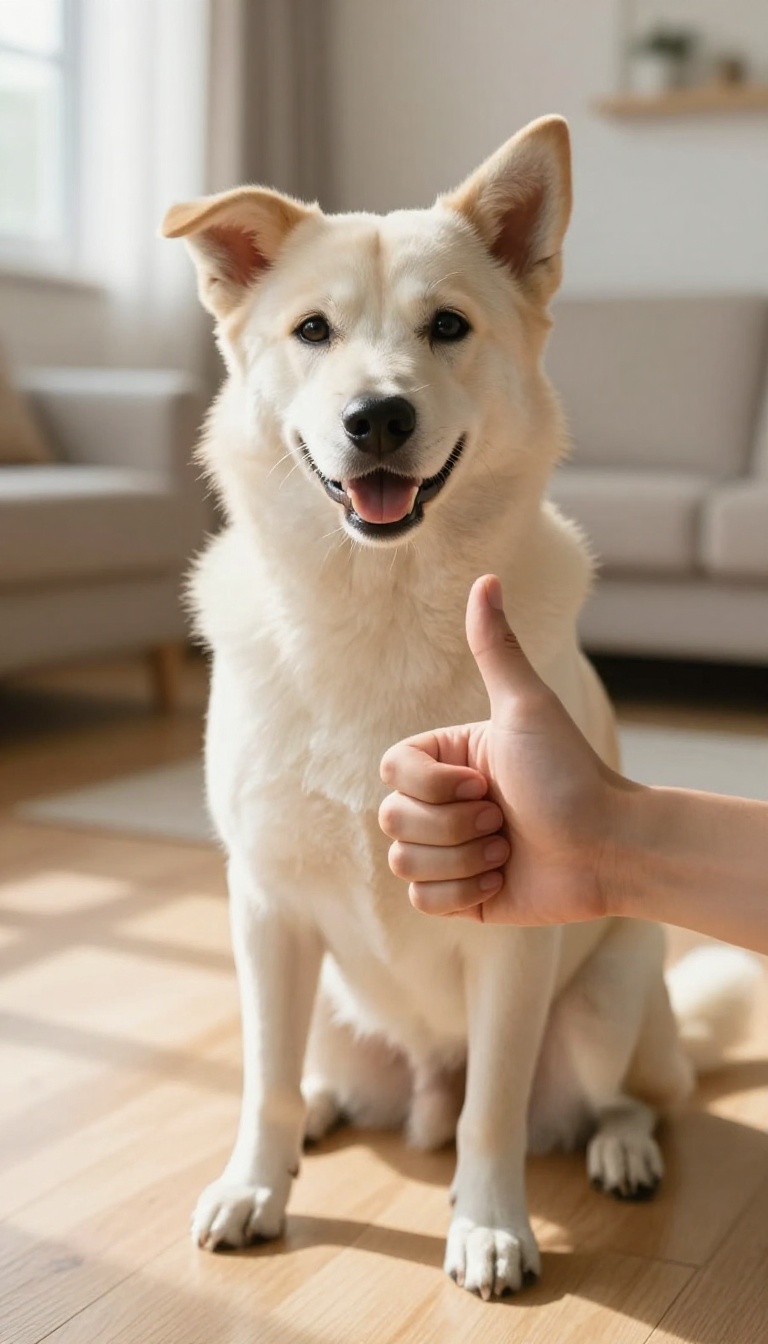
Sometimes a simple gesture says it all. The thumbs-up is a clear, visual way to mark the exact moment your dog does something right. It's a fantastic alternative to clicker training, especially for dogs that are more visually oriented.
Pair it with a treat, and you'll reinforce good behavior with a signal that's easy for your dog to understand.
The thumbs-up works like a clicker: it tells your dog 'yes, that's exactly what I want. ' The key is to use it consistently and immediately after the correct behavior. With practice, your dog will learn that a thumbs-up means a reward is coming, which makes training sessions more precise and fun.
Why Thumbs-up Beats A Clicker
Clickers are great, but they add an extra tool to juggle. A thumbs-up is always available and doesn't require any equipment. It also feels more natural and less mechanical.
For dogs that are visually oriented, a hand signal can be more noticeable than a sound, especially in a noisy environment.
How To Introduce The Thumbs-up
Start by pairing the thumbs-up with a treat. Show the signal, then immediately give a treat. Repeat this until your dog looks for the treat when you give the signal.
Then, use it to mark behaviors like sitting or lying down. Timing is crucial: give the thumbs-up the moment the behavior happens, then follow with a treat.
Tips For Success
Keep your thumbs-up big and obvious so your dog can see it clearly. Use a happy tone and a smile to make it even more positive. Be consistent—everyone in the family should use the same signal.
And always follow with a treat, at least at first, to keep the association strong.
FAQ
How long does it take for a dog to learn hand signals?
Most dogs pick up a new hand signal within a few short training sessions, especially if you pair it with a verbal cue and treats. Consistency and short, frequent practices are key.
Can I use hand signals with an older dog?
Absolutely. Older dogs can learn new cues, though they might take a bit longer. Use high-value treats and keep sessions short to maintain their interest.
Do hand signals work better than verbal commands?
Hand signals are often more reliable because they're visual and don't rely on your tone or background noise. However, combining both gives you the best of both worlds.
What if my dog doesn't respond to a hand signal?
Go back to basics: re-teach the signal with a lure and reward, and make sure you're consistent. Also, check that your signal is distinct and not too similar to another cue.
Can I teach my dog hand signals without treats?
Yes, you can use praise, toys, or life rewards like going outside. However, treats are often the most effective for initial learning, especially for high-energy dogs.
Conclusion
Hand signals aren't about replacing words—they're about giving your dog a clearer, calmer way to understand you. Start with the cues that feel most natural for your daily routine, and practice in short, positive sessions. You'll likely find that your dog picks them up faster than you expected.
Consistency matters more than perfection.
Use the same gesture every time, reward generously, and keep sessions fun. Before long, those silent cues will become second nature, and your communication will feel smoother than ever. That's a win for both of you.

I’m Pallab Kishore, the owner of Little Pets Realm — an animal lover and pet care enthusiast sharing easy tips, healthy recipes, and honest advice to help every small pet live a happy, healthy, tail-wagging life.