
Teaching your dog a new trick usually feels like a battle of wills—until you find the ones that click fast. These 15 tricks are the sweet spot: they look impressive to guests, but they're simple enough to teach in a single afternoon.
You'll tap into your dog's natural instincts, so the training feels like play instead of work. From the classic spin to balancing a treat on the nose, each trick builds confidence and strengthens your bond.
Grab some treats, clear a little floor space, and get ready to see your pup shine.
1. Spin in a Circle
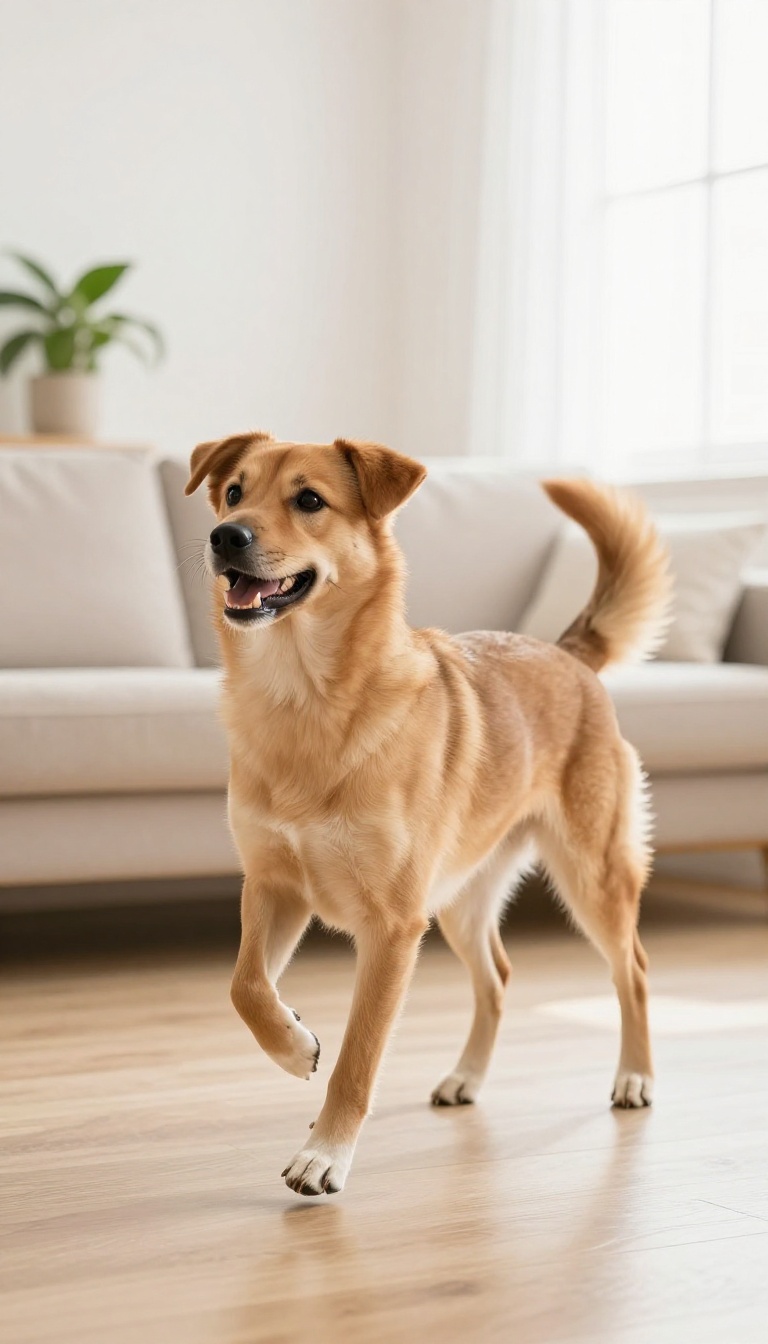
The spin is a classic crowd-pleaser that looks like your dog is dancing on command. It's also one of the easiest tricks to teach because it relies on your dog's natural tendency to follow food. With a treat in hand, you can have your pup spinning in minutes.
Start with your dog standing in front of you. Hold a treat close to their nose, then slowly move it in a circular motion around their head. As your dog follows the treat, their body will naturally turn in a full circle.
Once they complete the spin, say "Spin! " and give the treat. Repeat this a few times, then gradually phase out the lure by using an empty hand or just a verbal cue.
Soon, your dog will spin on command, impressing everyone who sees it.
Why It Works
Dogs are natural food-motivated learners, and the spin uses that instinct to create a fun, low-stress training session. The motion is simple and doesn't require any special equipment, making it perfect for beginners. Plus, the spin is a great warm-up for more complex tricks.
Common Mistakes To Avoid
One common mistake is moving the treat too quickly, which can cause your dog to jump or get confused. Move slowly and steadily. Another is overusing the lure—once your dog understands the motion, start using a hand signal or just a verbal cue.
Also, keep training sessions short and positive to maintain your dog's enthusiasm.
Taking It Further
Once your dog has mastered the basic spin, you can add variations like spinning in the opposite direction or spinning on a verbal cue alone. You can also chain it with other tricks to create a mini routine. The possibilities are endless, and your dog will love the mental and physical stimulation.
2. Play Dead (Bang!)
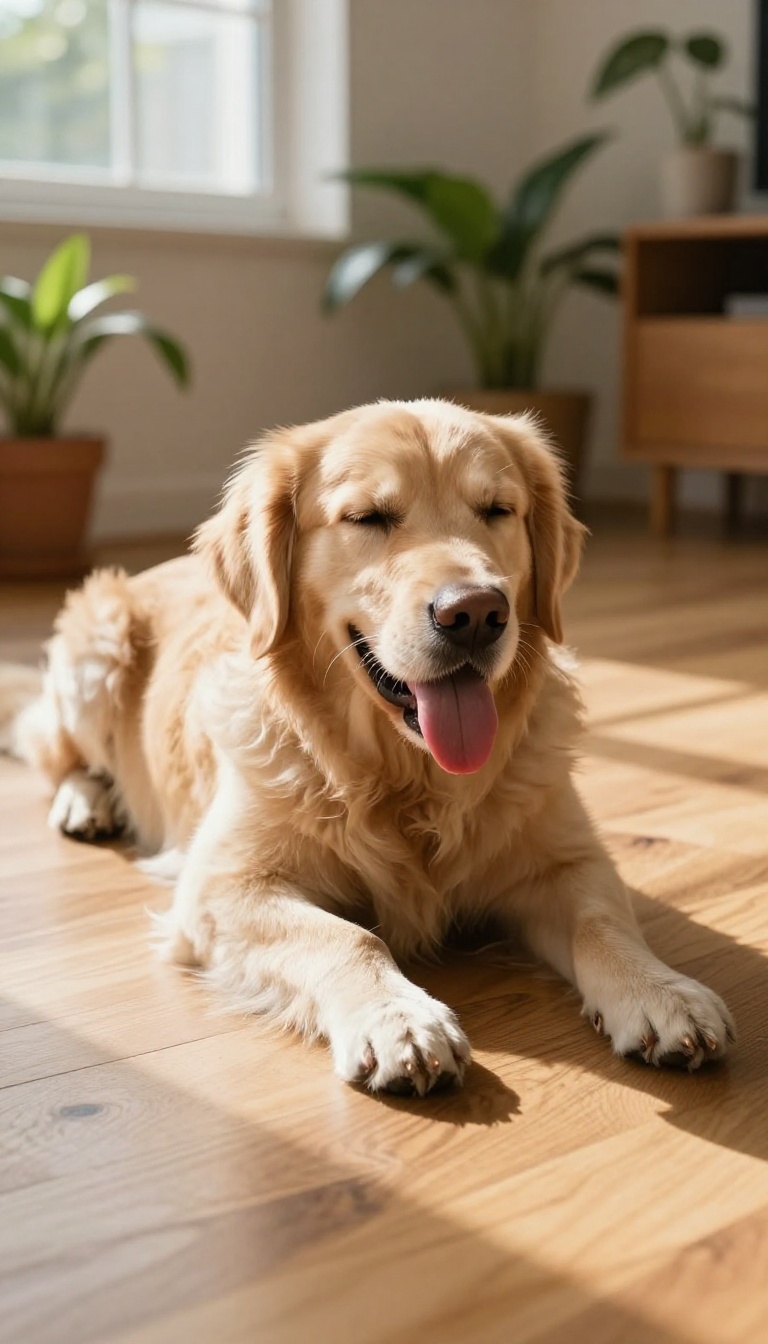
This trick is a showstopper at parties, yet it’s surprisingly easy to teach. Your dog flops onto their side and stays still, looking like they’ve been dramatically shot. The secret is to build on a skill they already know—the down position—and lure them into the perfect pose.
Start with your dog in a down position. Hold a treat near their nose, then slowly move it toward their shoulder, guiding them to roll onto their side. As soon as they lie flat, say “Bang! ” and give the treat.
Repeat this several times, then add the verbal cue before the hand motion. With consistent practice, your dog will learn to drop and play dead on command.
Why It Works
Dogs naturally roll onto their side when they’re relaxed or submissive, so this trick taps into an instinctive behavior. The lure-and-reward method makes it easy for your dog to understand what you want, and the dramatic payoff keeps training fun.
Step-by-step Training
- Start with your dog in a down position. 2.
Hold a treat near their nose, then slowly move it toward their shoulder, guiding them to roll onto their side. 3. As soon as they lie flat, say “Bang! ” and give the treat.
- Repeat several times, then add the verbal cue before the hand motion. 5.
Practice in short sessions, gradually reducing the lure until your dog responds to the cue alone.
Troubleshooting Tips
If your dog pops up instead of rolling, try moving the treat more slowly and closer to their body. If they seem confused, go back to the down position and practice the roll a few times without the cue. Keep sessions short and end on a positive note.
Making It More Impressive
Once your dog has mastered the basic roll, add a hand signal like a finger gun or a “bang” gesture. You can also teach them to stay in the position for longer periods, or add a groan or a paw lift for extra flair.
3. Shake Hands
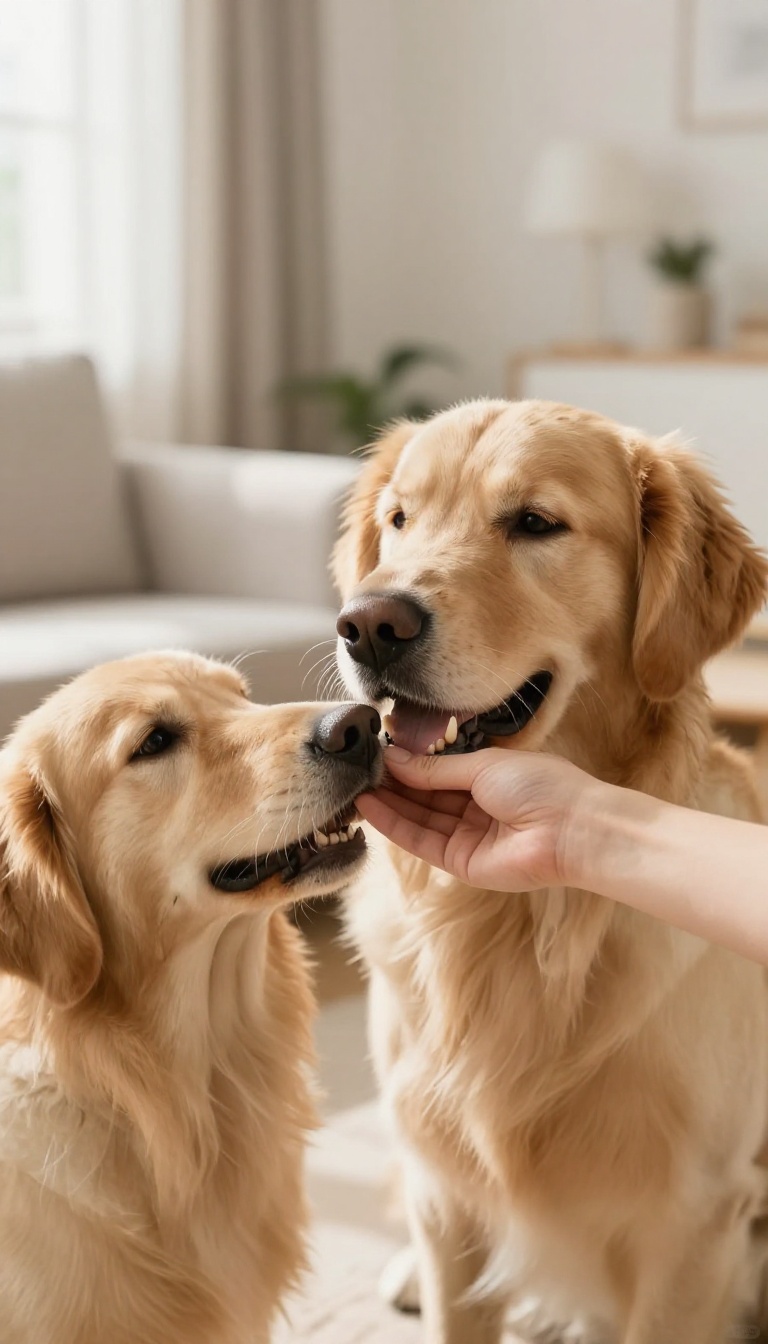
A polite paw offer is a classic trick that never gets old. It’s simple to teach because most dogs naturally lift a paw when they’re curious or want something. With a few treats and a little patience, you’ll have your pup offering a friendly handshake in no time.
Start by holding a treat in your closed fist and let your dog sniff it. When they paw at your hand to get the treat, say "shake" and open your hand to give them the treat. Repeat this a few times, then gradually introduce the verbal cue before they lift their paw.
Soon, they’ll offer their paw on command.
Why It Works
Dogs use their paws to explore and communicate. By rewarding the natural paw lift, you’re shaping a behavior they already do. This makes the trick easy to learn and reinforces positive interaction.
Training Tips
Keep training sessions short—just a few minutes at a time. Use high-value treats to keep your dog motivated. If your dog doesn’t paw, gently tap their paw or lift it for them, then reward.
Always use a cheerful tone to make it fun.
Troubleshooting
If your dog gets confused, go back to luring with the treat in your fist. Be patient and consistent. Avoid pushing your dog’s paw too hard, as that can cause reluctance.
Celebrate small steps and end on a positive note.
4. High Five
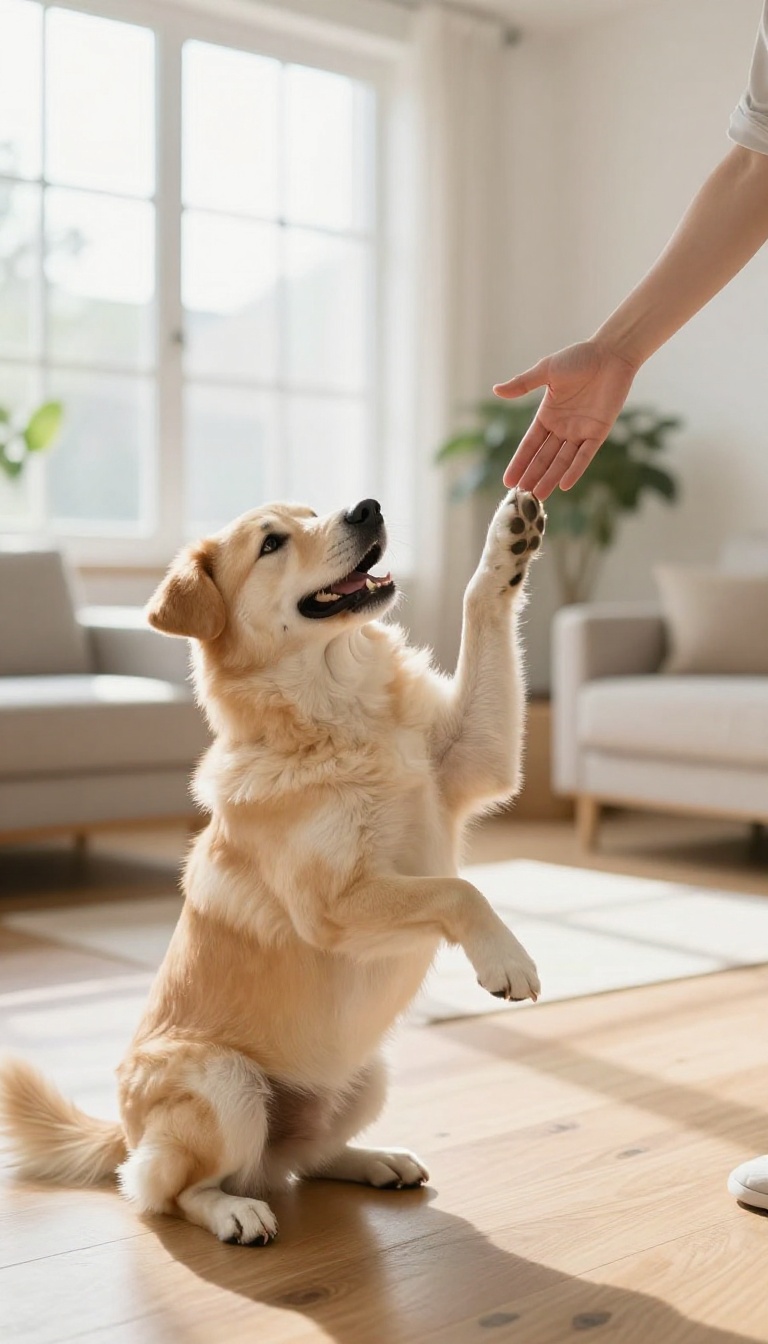
Once your dog has mastered the classic paw shake, you're just a small step away from a high five. It's the same motion, just aimed higher, and it looks way cooler. This trick is a fantastic confidence booster and a great way to show off your pup's smarts without any complicated training.
Teaching the high five is all about building on the 'shake' foundation. You'll start with the familiar paw lift, then gradually raise your hand to encourage your dog to reach higher. With a few treats and some patience, your dog will be slapping your palm in no time.
Start From The Shake
Begin by asking your dog to 'shake' as they already know. When their paw is in your hand, give them a treat and lots of praise. Repeat this a few times to get them in the groove.
This reinforces the connection between the command and the action.
Raise Your Hand
Next, hold your hand out as if for a shake, but raise it a few inches higher than usual. Your dog will likely try to reach your hand with their paw. The moment their paw makes contact with your palm, say 'yes! ' and reward them.
Keep your hand at a height where they can still reach it comfortably.
Add The Cue
Once your dog is consistently hitting your raised hand, start saying 'high five' just before they touch. The timing is key: say the cue as they're lifting their paw. With repetition, they'll associate the word with the action.
Gradually increase the height and add a bit of enthusiasm to your voice to make it more fun.
5. Roll Over
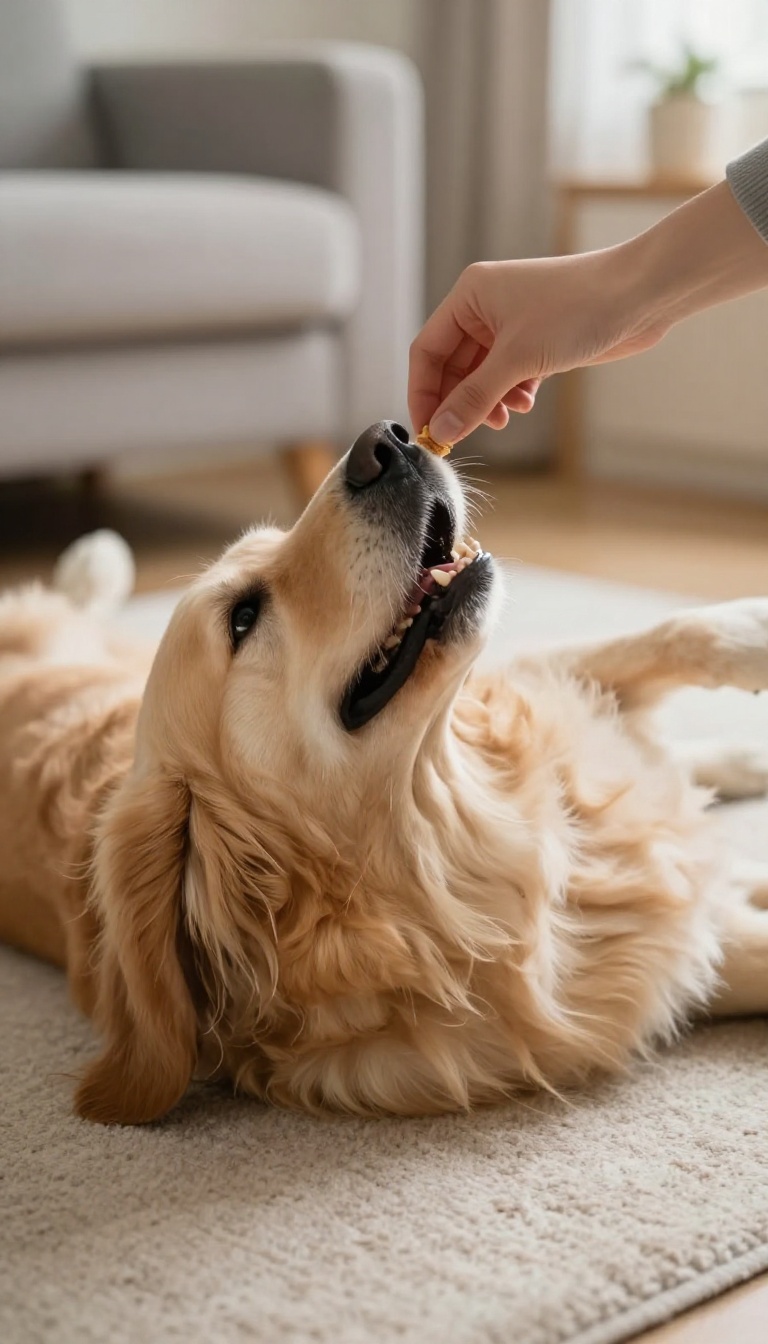
Roll over is a trick that never fails to get a laugh, and it’s easier to teach than you might think. The secret is breaking it down into tiny steps and using a treat to guide your dog’s body naturally. With a little patience, your pup will be flipping over on command in no time.
Start with your dog in a down position. Hold a treat close to their nose, then slowly move it in a circular motion toward their shoulder, encouraging them to follow. As they turn their head, their body will naturally begin to roll.
Reward any small movement in the right direction, and gradually increase the motion until they complete a full roll.
Step-by-step Luring
Begin with your dog lying down. Hold a treat at their nose and slowly move it toward their shoulder blade, then around to their back. Most dogs will follow the treat with their head, which causes their body to shift.
Reward every small attempt, even if it’s just a head turn. Once they understand the motion, you can use a hand signal without the treat.
Troubleshooting Stuck Dogs
Some dogs get halfway and stop, especially if they’re unsure. If that happens, try moving the treat slower and closer to their body. You can also gently guide their hips with your other hand, but keep it light.
Another trick is to practice on a soft surface like a rug or grass, which feels more comfortable than a slippery floor.
Adding The Verbal Cue
Once your dog is rolling smoothly with the lure, start saying “roll over” just before they begin the motion. After several repetitions, they’ll start associating the word with the action. Gradually phase out the treat lure, but keep rewarding with praise and the occasional treat to keep the behavior strong.
6. Crawl
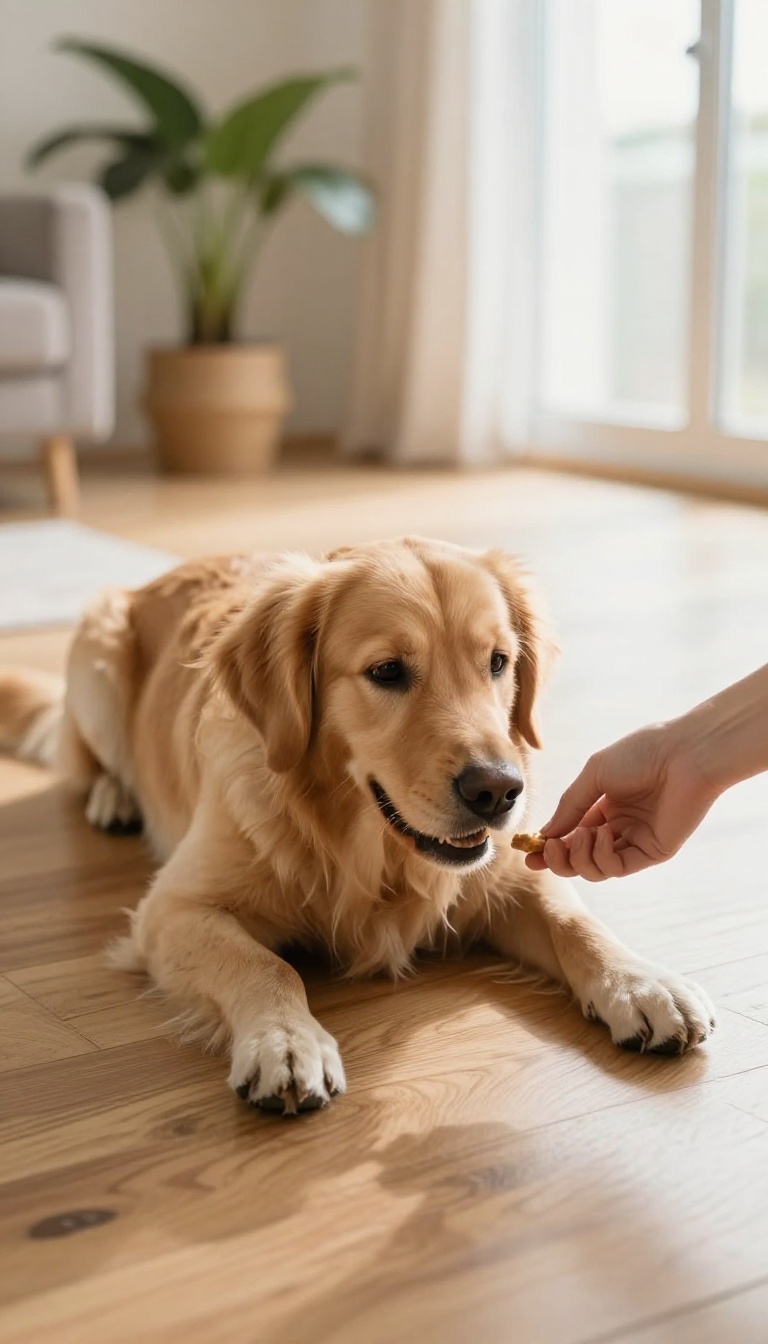
The crawl is a trick that looks like a stealthy military maneuver, but it’s actually just a guided slither across the floor. It’s a fun way to show off your dog’s focus and body control, and it’s easier to teach than you might think. All you need is a treat, a little patience, and a dog who already knows how to lie down.
The crawl is a trick that looks like a stealthy military maneuver, but it’s actually just a guided slither across the floor. It’s a fun way to show off your dog’s focus and body control, and it’s easier to teach than you might think. All you need is a treat, a little patience, and a dog who already knows how to lie down.
Start From A Down
Begin with your dog in a down position. Hold a treat close to their nose, just an inch or two above the ground. The goal is to keep their belly low while they move forward.
If they stand up, gently guide them back down and try again. Keep the first few attempts short—just a step or two is plenty.
Lure And Reward
Slowly move the treat forward, keeping it low and in front of their nose. As they shuffle forward on their belly, say “crawl” and give them the treat. Repeat this in short bursts, gradually increasing the distance.
The key is to reward the movement, not the destination, so your dog learns that crawling is the goal.
Add A Hand Signal
Once your dog is comfortable following the treat, start using a hand signal—like a flat palm moving forward—along with the verbal cue. Then, phase out the treat lure and use just the signal. Practice in different rooms and on different surfaces so your dog generalizes the behavior.
Soon, they’ll crawl on command, and you’ll have a trick that’s both practical and impressive.
7. Speak and Quiet
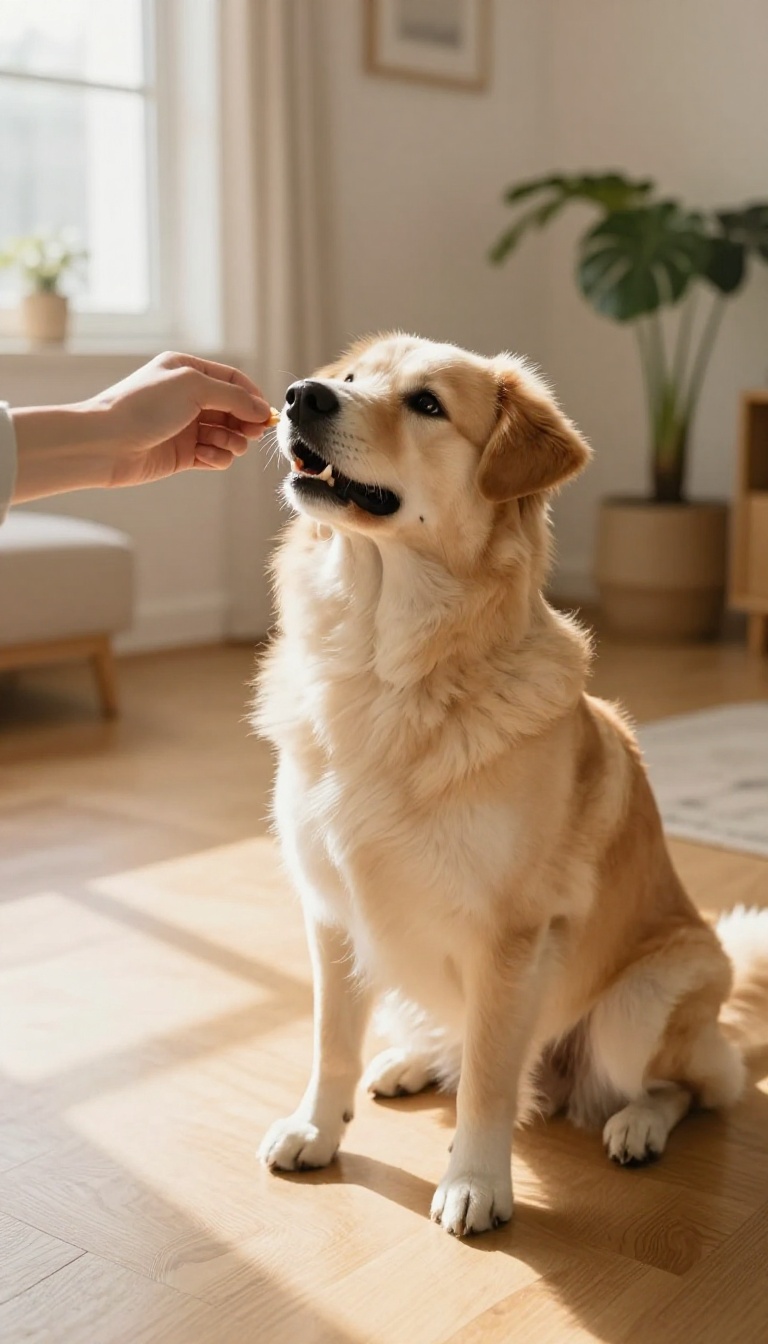
Want a trick that’s both fun and practical? Teaching your dog to speak on cue and then quiet down on command is easier than you think. It uses your dog’s natural barking instinct, turning it into a controlled behavior.
Plus, it’s a fantastic way to manage excessive barking in everyday life.
Start by capturing a bark. Say “speak” in an excited tone right before your dog barks, then reward. Once they reliably bark on cue, add “quiet” by holding a treat near their nose and saying the word as they stop to sniff.
Reward the silence. Practice alternating between the two commands, gradually increasing the duration of quiet before giving the treat.
Capture The Bark
Use a trigger that naturally excites your dog, like a doorbell or a favorite toy. Say “speak” just before they bark, then mark and reward. Repeat until they associate the word with the action.
Teach The Quiet
Once “speak” is solid, say “quiet” in a calm, firm voice while holding a treat at their nose. As soon as they stop barking, even for a second, reward. Gradually extend the quiet time before rewarding.
Practice Both Together
Alternate between “speak” and “quiet” in short sessions. This helps your dog understand the difference and respond quickly. Keep sessions fun and end on a positive note.
8. Fetch Specific Items
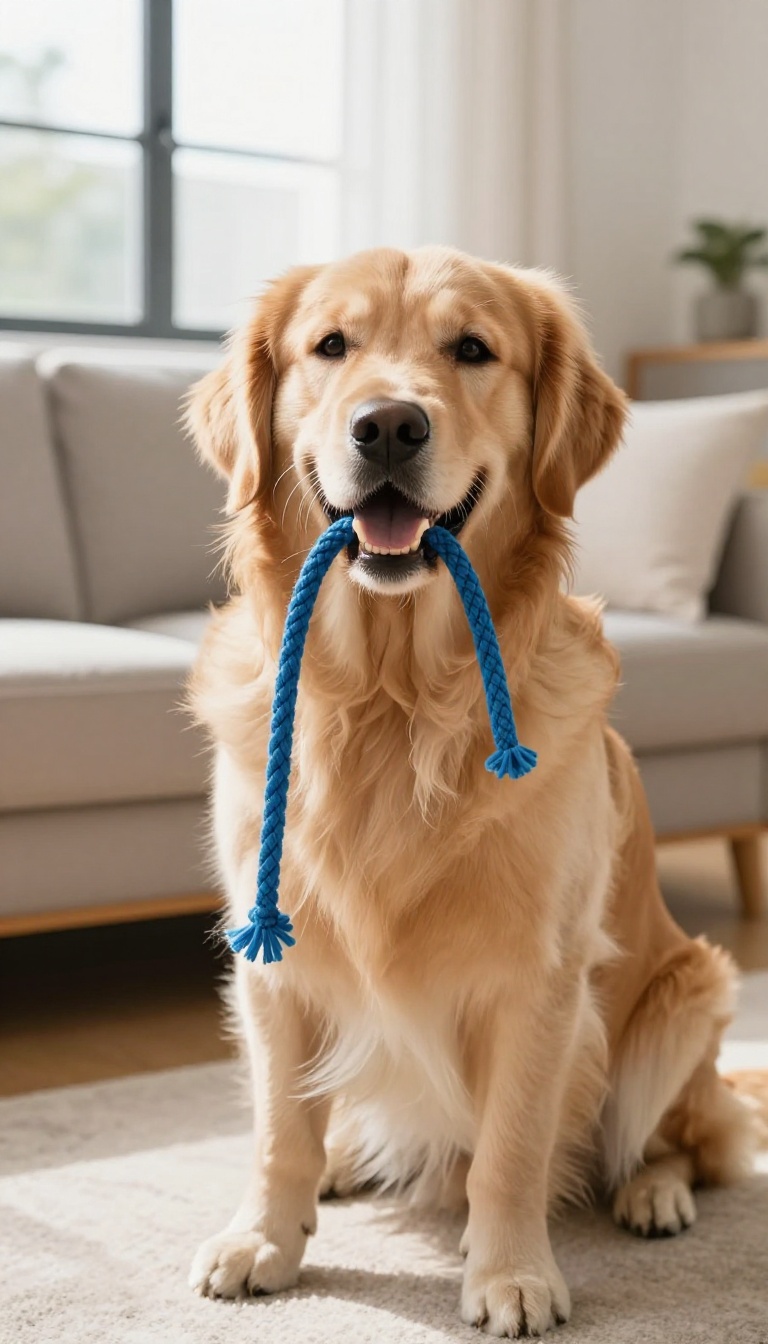
Imagine asking your dog to grab your slippers and watching them trot back with the right one. That’s the magic of teaching your pup to fetch specific items by name. It’s a party trick that’s also genuinely handy, and it’s much easier to train than most people assume.
Start with one toy your dog already loves. Say its name clearly, then toss it a few feet away. When your dog picks it up, reward them with praise and a treat.
Repeat this until your dog associates the word with the toy. Then, place the toy a few feet away and say the name, encouraging your dog to bring it to you. Gradually increase the distance and add more toys to the mix, always using the correct name for each.
Start With One Toy
Pick a toy that’s distinct and easy to name, like a rope or a ball. Use the same word every time, and make sure everyone in the house uses that name. Consistency is key.
Use A Cue And Reward
Say the toy’s name right before your dog grabs it, then reward immediately. This builds a strong association. Over time, your dog will learn to bring the toy when they hear the word.
Add More Items Gradually
Once your dog reliably brings the first toy, introduce a second toy with a different name. Practice with each separately, then mix them up. Keep sessions short and fun to hold your dog’s attention.
9. Jump Through a Hoop
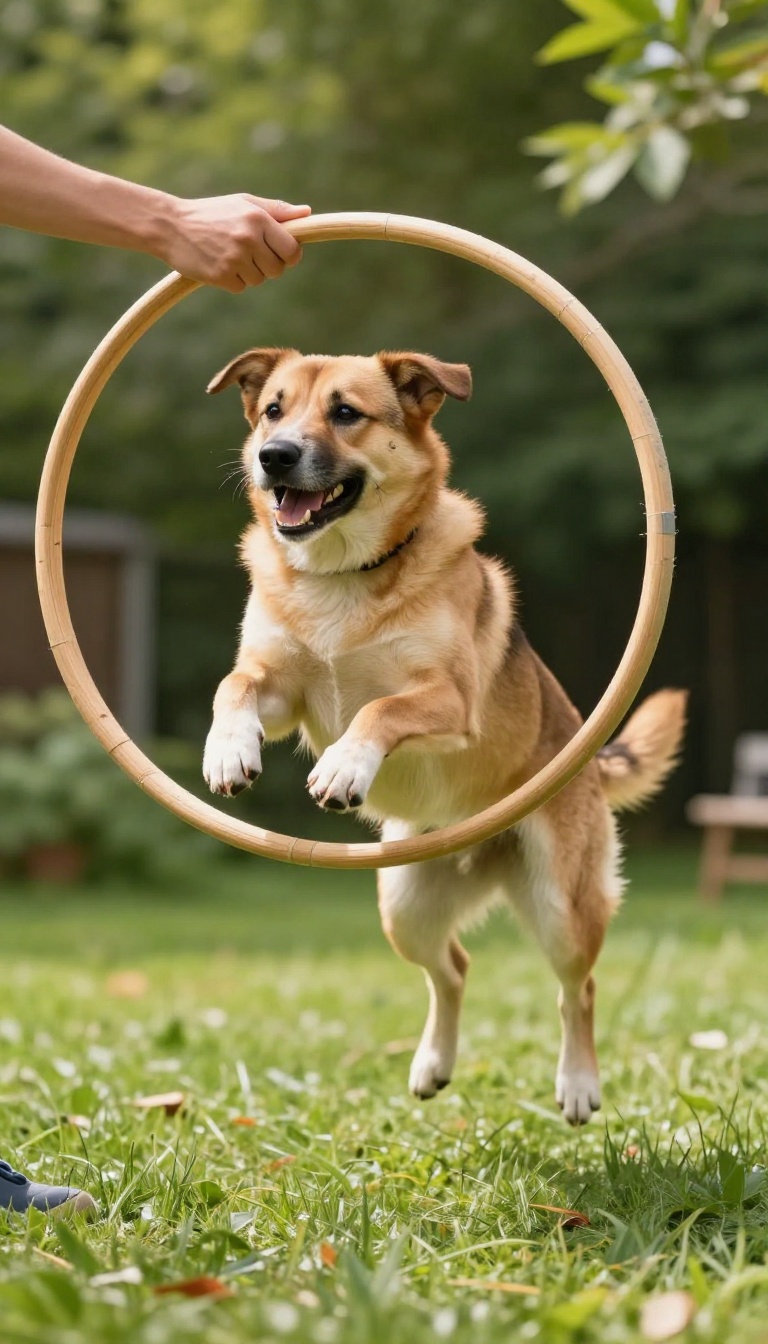
The hoop jump is a crowd-pleaser that looks like it took months of practice, but you can teach it in a weekend. The secret is to start with the hoop on the ground and let your dog walk through it before you ever ask for a jump. Once they’re comfortable with the motion, raising it a few inches at a time turns a simple walk into an impressive leap.
Start Low And Go Slow
Begin with the hoop flat on the floor so your dog can step through without any hesitation. Hold a treat on the far side and say “through” as they pass. Repeat until they do it without stopping.
The goal is to build confidence, not height, at this stage.
Raise The Bar Gradually
Once your dog is walking through reliably, prop the hoop up just a few inches off the ground. Use a stack of books or a sturdy box to hold it steady. Lure them through with a treat, then gradually increase the height as they succeed.
If they try to go around, lower it and try again.
Add The Cue And A Little Distance
When your dog is jumping at the desired height, start saying “hoop” right before they leap. Then practice from a few steps back so they learn to approach and jump on their own. Keep sessions short and always end on a high note with a treat and praise.
10. Weave Through Legs
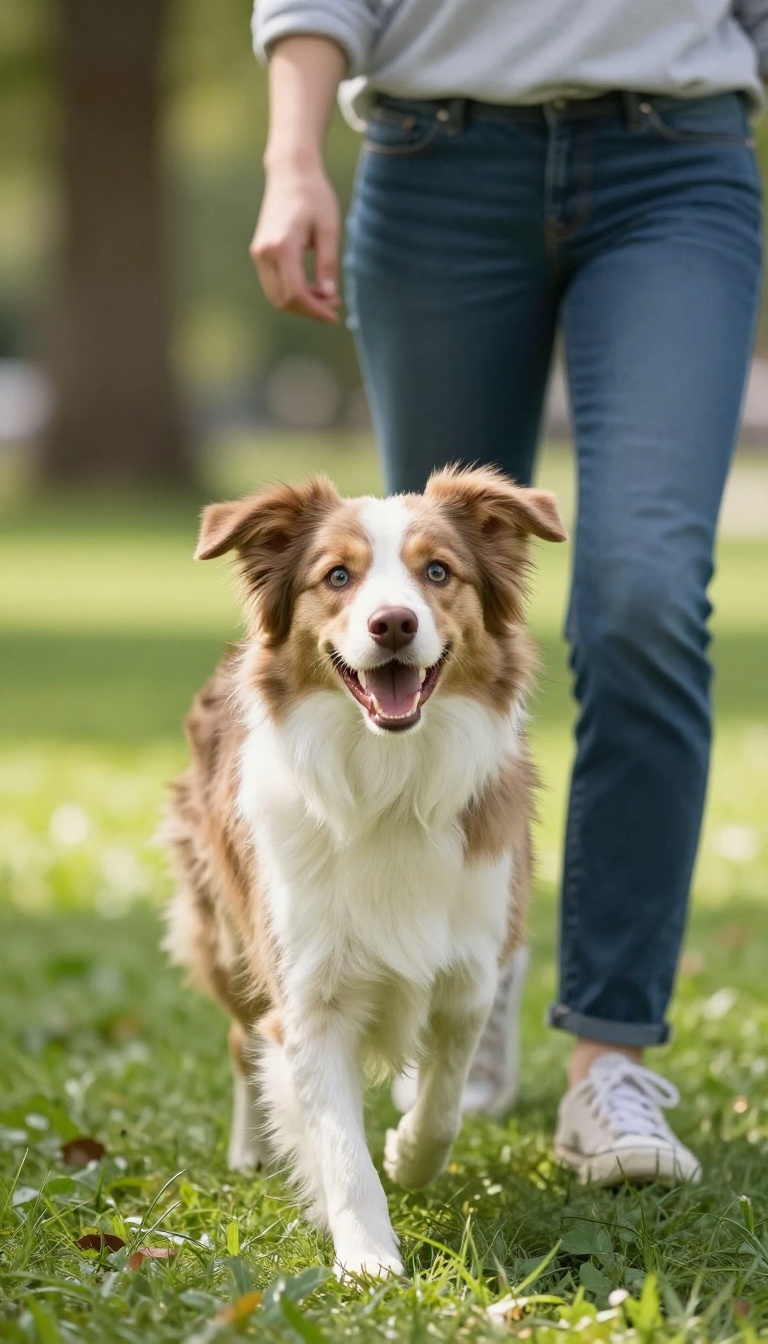
This one looks like a choreographed dance move, but it’s actually a simple pattern game. Your dog will learn to slalom between your legs as you walk, which is both impressive and a great way to burn off energy. It’s a trick that builds focus and coordination, and once your pup gets the hang of it, they’ll want to do it all the time.
Teaching the weave is all about breaking it down into small steps. Start with your dog on a leash or just using treats to lure them in a figure-eight around your legs. The key is to move slowly and reward every little success.
Before you know it, your dog will be weaving through your legs like a pro, and you’ll both be having a blast.
Start With A Lure
Hold a treat in your hand and let your dog sniff it. Step forward with one leg, and guide your dog in a circle around that leg, then around the other. Use a continuous motion, like drawing a figure-eight with the treat.
Reward your dog with the treat after they complete the full pattern. Repeat this a few times until your dog starts to anticipate the movement.
Add A Cue
Once your dog is following the lure smoothly, start saying “weave” or “through” just before you begin the motion. Say the word, then lure them through. After several repetitions, your dog will associate the word with the action.
Gradually phase out the treat lure, but keep rewarding with praise or a treat after they finish the weave.
Speed It Up
When your dog is confident with the pattern, you can increase your walking speed and make the weave more dynamic. Walk forward slowly, and encourage your dog to weave as you go. This adds a fun, active element to the trick.
Remember to keep sessions short and upbeat—five minutes is plenty to keep your dog engaged and excited.
11. Take a Bow
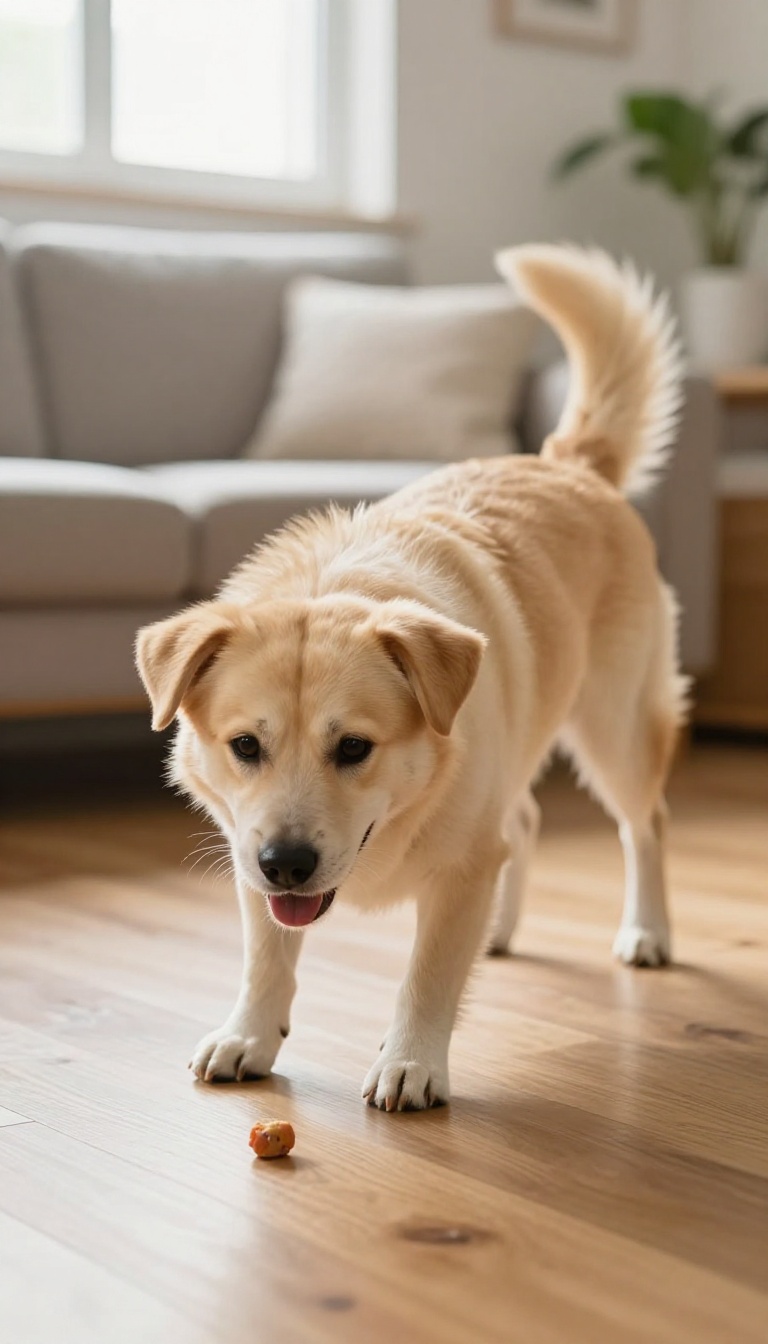
This trick is a real showstopper, and it’s easier than it looks. Your dog will dip their chest to the floor while keeping their hind end up, like a graceful bow. It’s a natural movement for many dogs, so you’re just shaping it with a treat lure.
Start with your dog standing. Hold a treat close to their nose and slowly lower it to the floor, just in front of their paws. As they follow the treat, their front legs will bend, and their rear will stay up.
The moment they’re in position, say “yes” and give the treat. Repeat this a few times, then add the verbal cue “bow” just before you lure. With practice, your dog will bow on command, even without the treat in hand.
Why It Works
Dogs naturally stretch into a bow when they want to play, so this trick taps into an instinctive behavior. That makes it one of the quickest tricks to teach—many pups pick it up in just a few short sessions.
Common Mistakes
The biggest mistake is expecting a full bow right away. Some dogs will just lower their head or lie down. Be patient and reward any small step in the right direction.
Also, keep the lure low and slow—if you move too fast, your dog might just sit or lie down.
Training Tips
Use a high-value treat and keep sessions short—about five minutes. If your dog struggles, try luring from a sit position, then gradually ask for the bow from standing. Once they’re consistent, start fading the hand signal and use only the verbal cue.
12. Balance a Treat on Nose
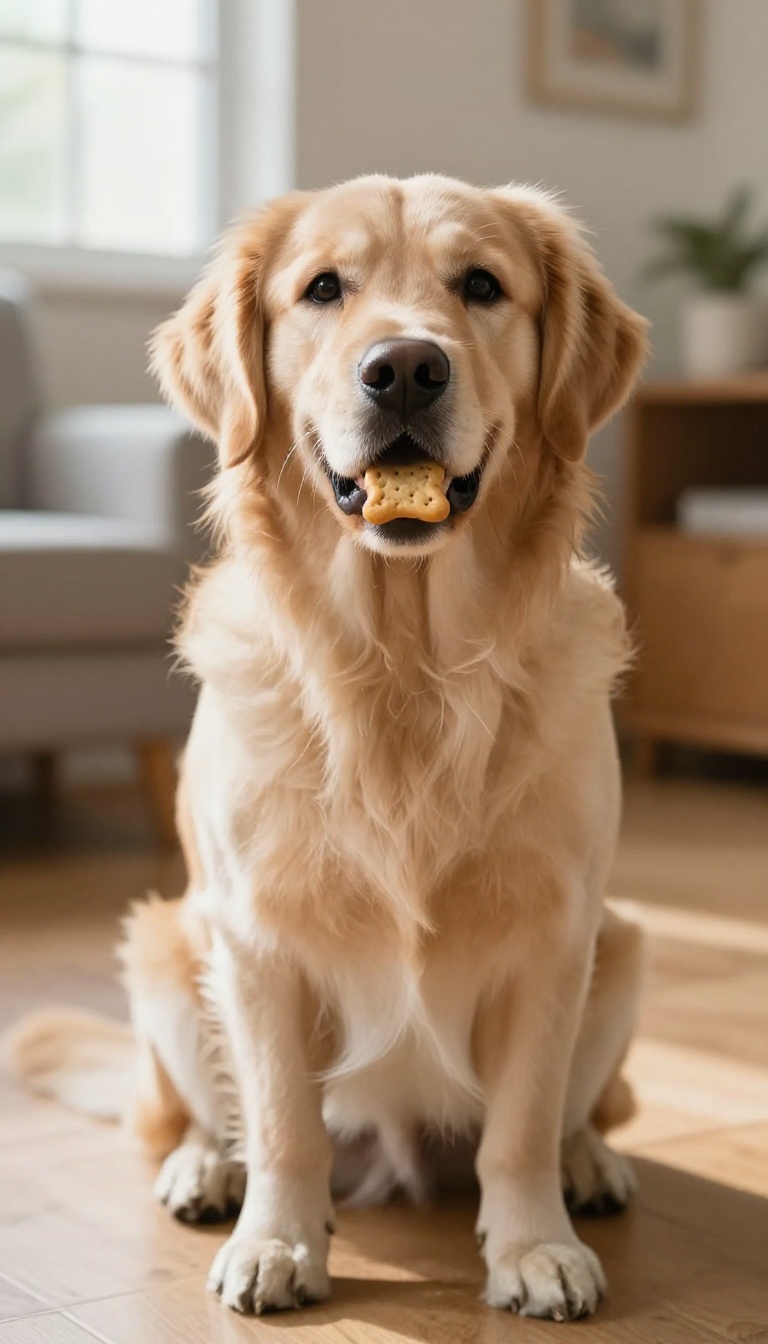
This trick is a guaranteed crowd-pleaser, but it’s easier to teach than you might think. The key is breaking it into small steps so your dog learns to hold still with a treat balanced on their snout. It’s a fun party trick that also builds impulse control.
Start with a treat your dog loves, but not something too crumbly. Hold it near their nose and let them sniff it, then say “leave it” and keep the treat just out of reach. When they stop trying to grab it, reward them with a different treat from your other hand.
Repeat until they can hold still for a few seconds.
Step 1: Teach A Steady Nose
Place a treat on the flat part of your dog’s nose while they are sitting. Keep your hand under their chin for support. Say “steady” in a calm voice.
If they hold still for even a second, praise and let them eat the treat. Practice this until they can hold for five seconds without moving.
Step 2: Add The Release Cue
Once your dog is comfortable with a treat on their nose, introduce a release word like “okay” or “take it. ” Say the word and tilt your head back slightly so the treat falls. Your dog will learn to catch it or let it drop and then eat. Practice this until they wait for your cue before eating.
Step 3: Increase The Challenge
Gradually increase the time they hold the treat, and start moving your hand away. You can also try using a larger treat like a biscuit, which is easier to balance. Once they’ve mastered the basics, you can even teach them to toss the treat into the air and catch it.
That’s the real showstopper.
13. Ring a Bell
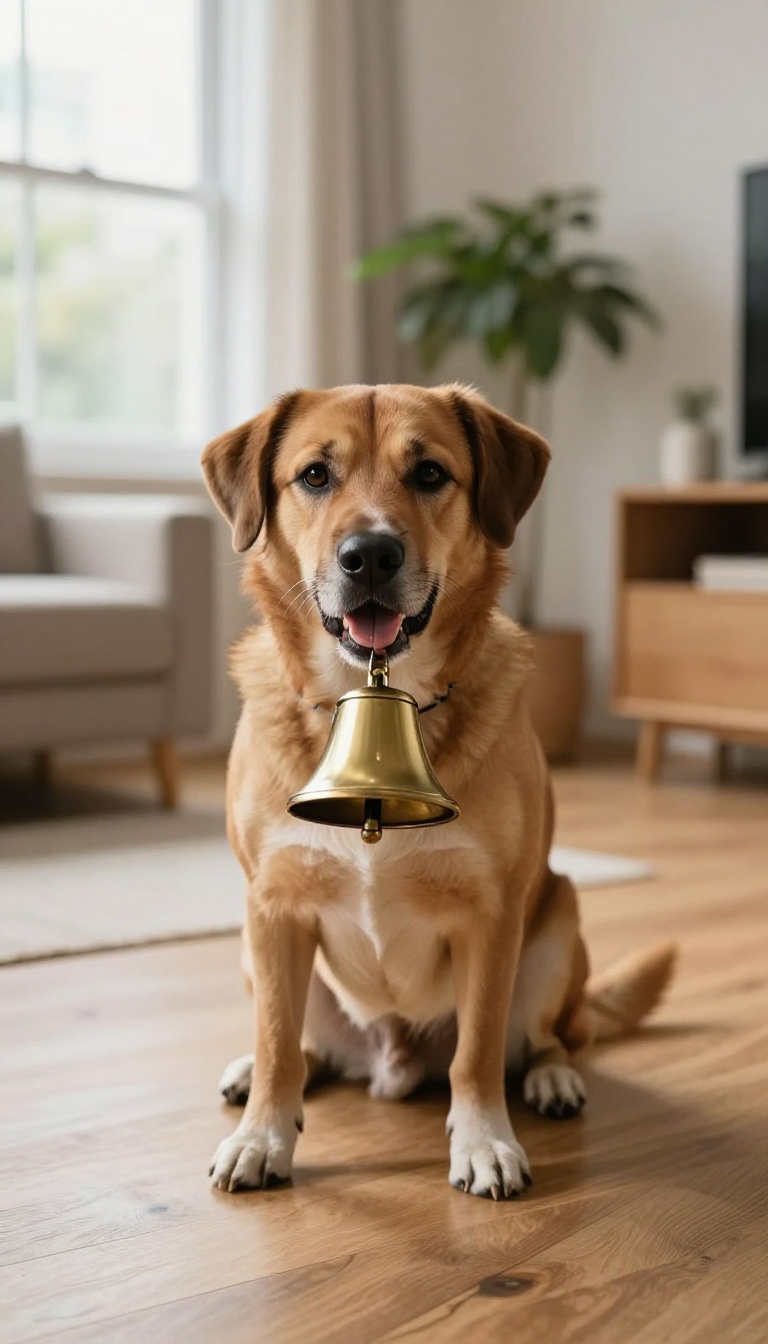
Forget the old-school potty bells hanging on the door. This version is a lot more fun and doubles as a neat party trick. You'll teach your dog to boop a small bell with their nose or paw, and you can even use it to let them tell you when they need to go outside.
The best part? It's incredibly simple to train, and most dogs pick it up in just a few minutes. The key is to start with a bell that's easy for your dog to reach and make the reward instant.
Before you know it, you'll have a dog who happily rings for attention, treats, or a bathroom break.
Pick The Right Bell
Choose a bell with a clear, pleasant ring that isn't too loud. A small handbell or a cat toy with a bell inside works well. You want something your dog can easily touch with their nose or paw without knocking it over.
If you're using it for potty training, place it near the door they use to go out.
Shape The Behavior
Start by presenting the bell and rewarding any interaction—a sniff, a paw tap, or a nose boop. Click or say 'yes' the moment they touch it, then give a treat. Repeat until they're consistently touching the bell.
Once they've got that down, add the verbal cue 'ring' just before they touch it.
Make It Useful
If you're using the bell for potty training, ring it yourself every time you take your dog out. They'll soon associate the sound with going outside. When they start ringing it on their own, praise them and head out immediately.
For a fun trick, you can teach them to ring a bell on command and even have them ring a service bell for a treat.
14. Open a Door
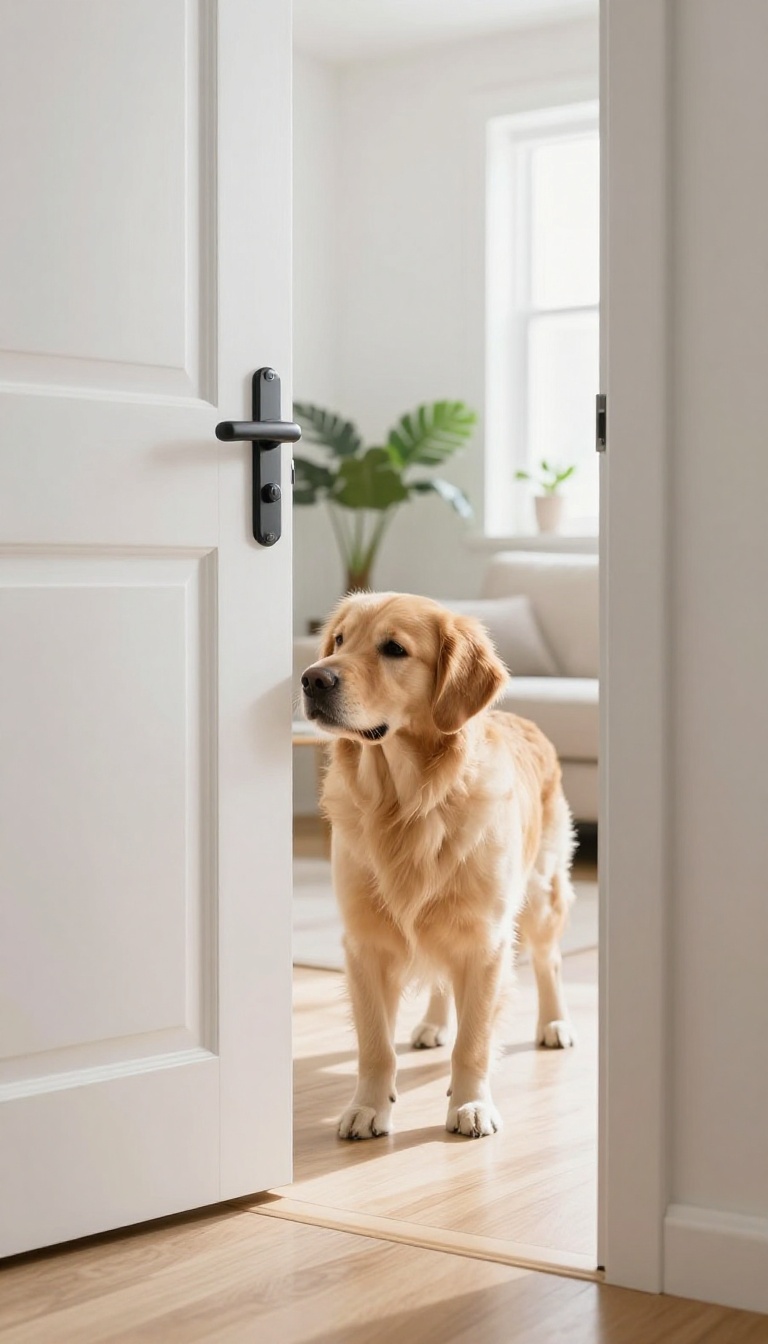
This one feels like magic when guests see it, but it’s really just a matter of teaching your dog to push a door with their nose or paw. The best part? It’s a useful skill that can help around the house, and most dogs pick it up in a few short sessions.
Start with a lightweight door that’s slightly ajar, and hold a treat on the other side at nose level. Use a target stick or your hand to guide your dog to touch the door, then reward them the moment they make contact. Gradually increase the distance and the door’s resistance until they’re confidently pushing it open on their own.
Why It’s Easier Than It Looks
Dogs naturally use their noses to explore, so pushing a door is a simple extension of that behavior. You’re not asking for complex coordination—just a nudge in the right direction. Plus, the reward is on the other side, which gives them instant motivation.
Step-by-step Training
Start with the door cracked open just a few inches. Hold a treat near the edge, and when your dog touches it, say “yes” and reward. Repeat until they’re touching it confidently, then start saying “open” as they touch.
Slowly close the door a bit more each time, so they have to push harder. Keep sessions short—five minutes is plenty.
Troubleshooting Common Hiccups
If your dog is hesitant, try using a sticky note on the door at nose height to give them a clear target. If they’re using their paw instead of their nose, that’s fine—just be consistent with your cue. And if they’re getting frustrated, take a break and come back later.
Patience is key.
15. Turn Off a Light
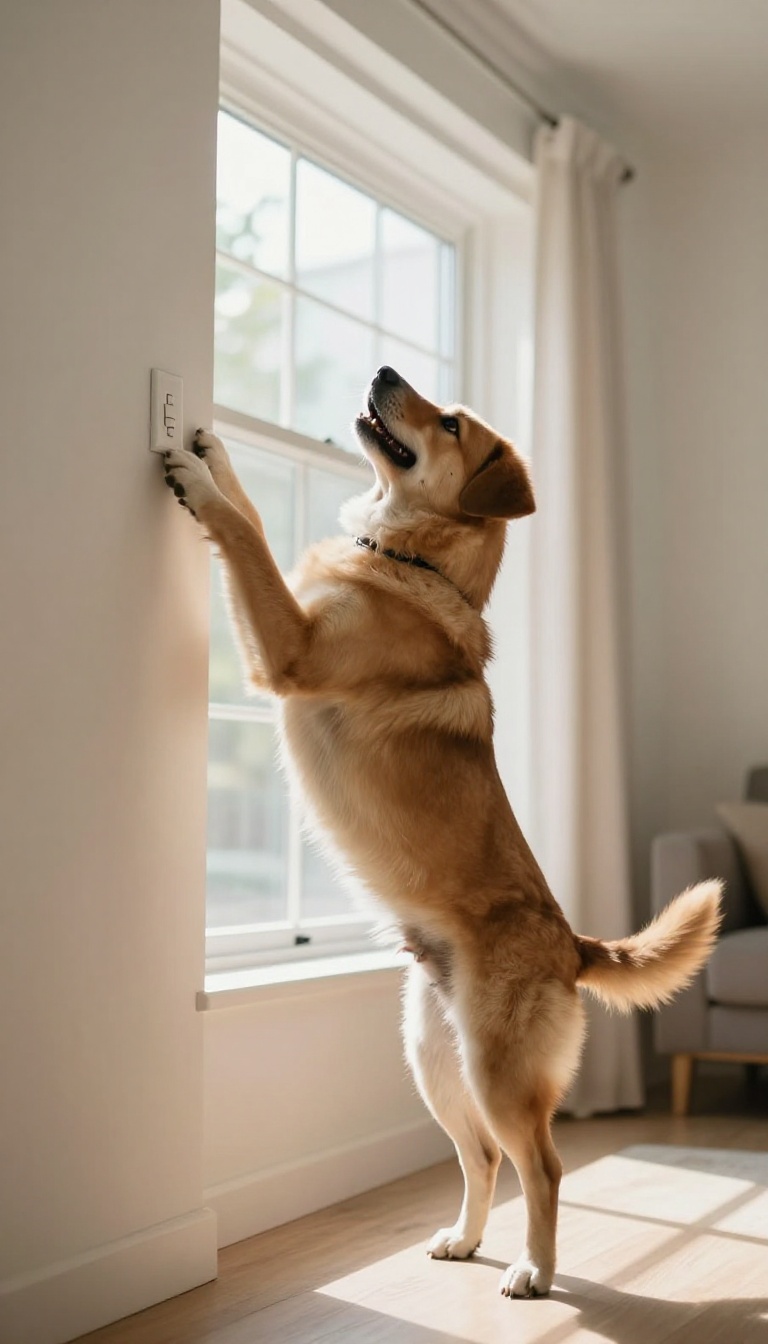
This trick is a fun party piece that also saves you from getting up. You can train your dog to jump up and hit a light switch with their nose or paw, and it’s easier than you’d think. The key is breaking it into small steps and using a target to guide them.
Soon, your dog will be flipping switches on command, and you’ll have a handy helper for dark rooms.
Teaching your dog to turn off a light is a two-part trick: first, they need to learn to touch the switch, then they need to do it with enough force to actually flip it. It’s a great way to channel their energy and gives them a job to do. Plus, it’s a trick that always gets a reaction from guests.
Start With Targeting
Begin by teaching your dog to touch a target, like a sticky note or a piece of tape, with their nose or paw. Hold the target near the switch and reward any touch. Once they’re reliably touching the target, move it closer to the switch until they’re touching the switch itself.
Use a clicker or a marker word like “yes” to reinforce the behavior.
Add The Jump
Once your dog is comfortable touching the switch, raise the target so they have to jump to reach it. Start with a low switch or a stool to help them build confidence. Reward every attempt, even if they don’t hit the switch perfectly.
Gradually raise the target until they’re jumping to touch the switch at its normal height.
Teach The Flip
Now it’s time to get the switch to actually flip. Encourage your dog to hit the switch with a bit more force by rewarding only when the switch moves. You can also shape the behavior by rewarding any increase in intensity.
Be patient—this step can take a few sessions. Once they get it, add the verbal cue “lights off” and phase out the target.
FAQ
How long does it take to train these tricks?
Most of these tricks can be taught in a few short sessions of 5-10 minutes each. Some, like spin or shake, might take just one session, while others like roll over or balance may take a few days of practice.
What if my dog is not food motivated?
Use high-value treats like small pieces of chicken or cheese. If your dog prefers toys, use a favorite toy as a reward instead. The key is to find what motivates your dog most.
Can older dogs learn these tricks?
Absolutely! Older dogs can learn new tricks. Just keep sessions short and consider any physical limitations.
Avoid tricks that require jumping if your dog has joint issues.
Do I need any special equipment?
Most tricks require only treats and a clicker (optional). For hoop jumping, you can use a hula hoop or a large embroidery hoop. For bell ringing, a small bell attached to a string works.
What if my dog gets frustrated?
Break the trick into smaller steps and reward any progress. End on a positive note with a trick they already know. Keep training sessions fun and upbeat to avoid frustration.
Conclusion
These 15 tricks are proof that you don’t need hours of training to impress. Each one is simple to teach and fun to practice. Start with a couple that appeal to you and your dog, and build from there.
The key is to keep sessions short and positive.
Before you know it, your dog will be performing like a pro. So grab some treats, pick a trick, and enjoy the journey. Happy training!

I’m Pallab Kishore, the owner of Little Pets Realm — an animal lover and pet care enthusiast sharing easy tips, healthy recipes, and honest advice to help every small pet live a happy, healthy, tail-wagging life.