
You've probably seen those viral videos of dogs performing amazing tricks, and you might think, 'My dog could never do that. ' But here's the secret: tricks aren't just about showing off. They're powerful tools for building your dog's focus and confidence.
When your dog learns to master a new skill, it's not just a party trick—it's a mental workout that strengthens your bond and helps your pup feel more secure in the world. Whether you have a hyper puppy or a shy rescue, these 13 trick lessons are designed to be fun, achievable, and transformative.
So grab some treats, clear a little space, and get ready to see your dog in a whole new light.
1. Watch Me – The Foundation of Focus
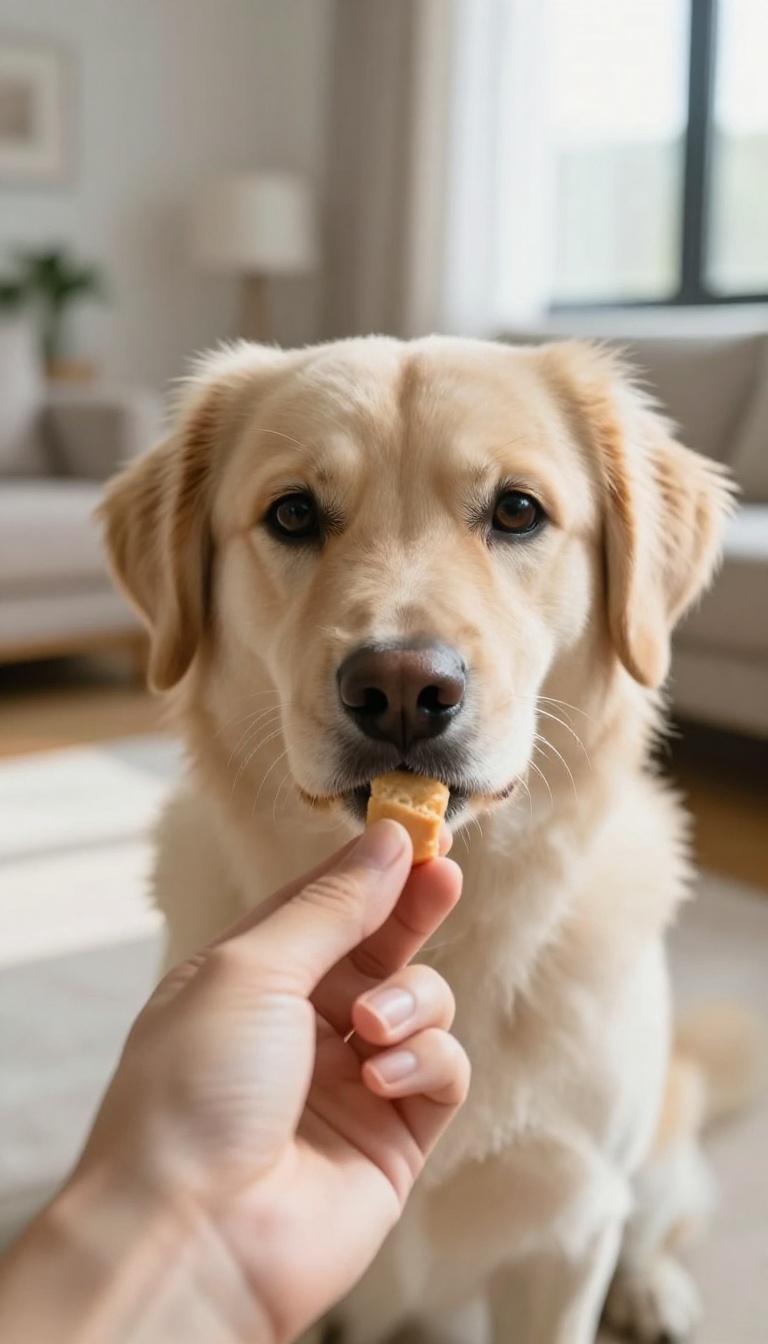
Before your dog can master anything complex, they need to know how to pay attention to you. The 'Watch Me' cue is the simplest way to teach that skill. It’s a tiny trick with a huge payoff: a dog that looks to you for guidance, even when squirrels or delivery trucks are doing their best to steal the show.
This lesson is all about building a habit of checking in with you. It’s not just about getting eye contact for a second—it’s about teaching your dog that you are the most interesting and rewarding thing in the room. Once that clicks, every other trick becomes easier, and your dog’s confidence gets a real boost because they know they’re on the right track.
Why Eye Contact Matters
Eye contact isn’t just a polite gesture; it’s your dog’s way of saying, 'I’m ready to work with you. ' When your dog chooses to look at you, they’re actively engaging their brain and tuning out distractions. This is the mental foundation for everything from loose-leash walking to advanced agility. Plus, it’s a great way to build trust—your dog learns that paying attention to you leads to good things.
Step-by-step Training
Start in a quiet room with zero distractions. Hold a treat near your nose and say your dog’s name. The moment they look up at your face, mark it with a click or a cheerful 'Yes! ' and give the treat.
Repeat this a few times, then introduce the verbal cue 'Watch me' right before they look. Gradually increase the duration of eye contact before rewarding, and then start practicing in slightly more distracting spots, like the backyard or a quiet park.
Troubleshooting Common Issues
If your dog won’t look at you, try moving the treat closer to your eyes or using a higher-value reward like chicken or cheese. Some dogs get frustrated if you ask for too much too soon, so keep sessions short and end on a win. If your dog stares at the treat instead of your face, wait them out—they’ll eventually glance at you, and that’s the moment you reward.
Patience is key, and every tiny success builds your dog’s confidence.
2. Touch – Building Confidence Through Interaction
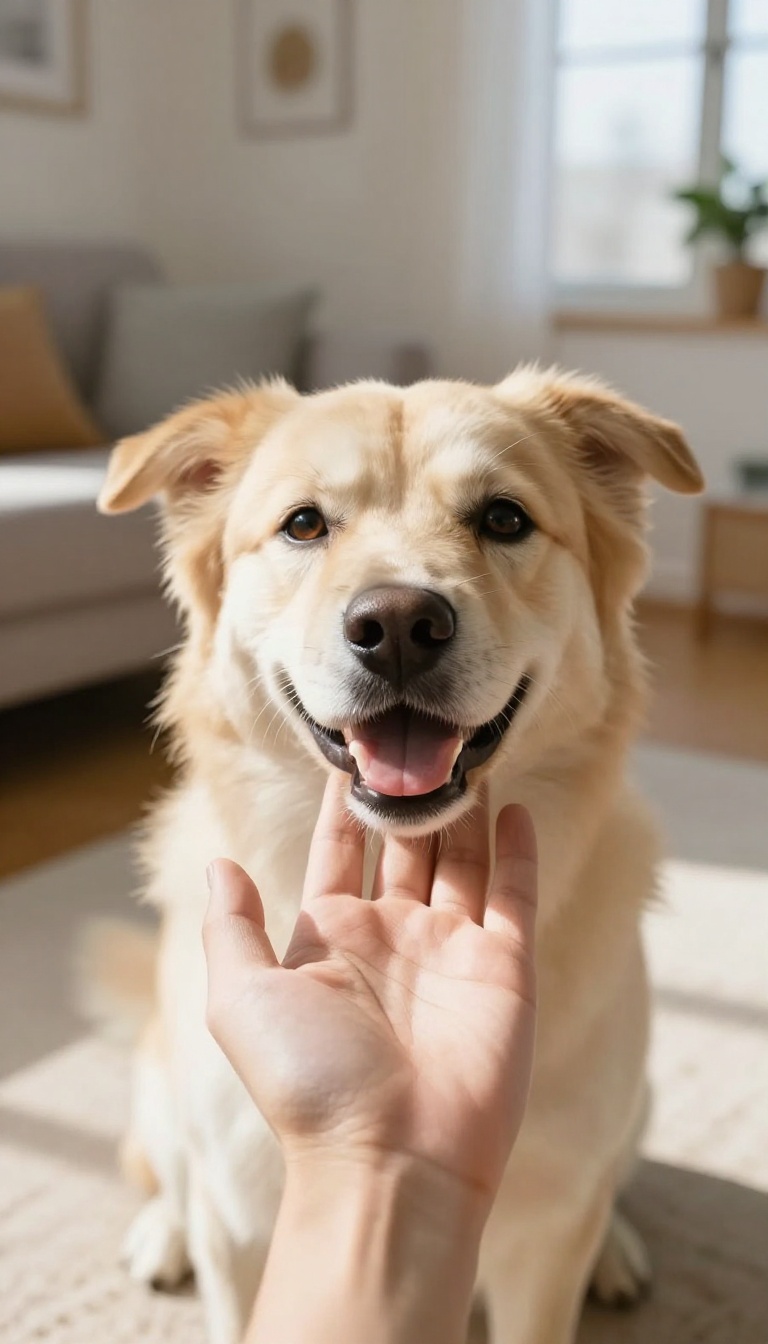
Touch is one of the simplest tricks you can teach, but it packs a punch when it comes to building your dog's confidence. The idea is straightforward: your dog learns to boop their nose onto your open palm. It's a game, a greeting, and a communication tool all in one.
For shy or anxious dogs, touch offers a safe way to interact with the world, one gentle nose tap at a time.
Touch is a fantastic foundation trick because it's so easy to teach and instantly rewarding. It gives your dog a clear job to do, and every successful touch is a little win that boosts their self-assurance. Plus, it's a brilliant way to redirect unwanted behavior—instead of jumping on guests, you can ask for a touch, and your dog gets to interact politely.
This trick also strengthens your bond because it relies on trust and cooperation. When your dog learns that touching your hand leads to good things, they become more willing to engage with you and their environment.
Why Touch Works So Well
Touch is a natural behavior for dogs—they explore the world with their noses. By teaching them to target your hand, you're channeling that instinct into a focused action. It's low-pressure and doesn't require a lot of physical skill, so even the most timid dog can succeed.
Each time they nail it, they get a treat and your praise, which builds a positive association with interacting with you. Over time, this simple act can make your dog more confident in new situations because they know they have a reliable way to connect with you.
Step-by-step Training Tips
Start by presenting your open palm a few inches from your dog's nose. The moment they sniff or touch it, mark with a 'yes! ' and give a treat. Repeat this several times, then gradually move your hand to different positions—lower, higher, to the side—so your dog learns to seek out your hand.
Once they're reliably touching on cue, add a verbal command like 'touch' just before they make contact. Keep sessions short and fun, and always end on a positive note. If your dog seems hesitant, try placing a treat in your palm so they have to touch your hand to get it.
Creative Ways To Use Touch
Once your dog has mastered touch, you can use it in all sorts of situations. Use it to guide them through an agility course, to help them settle when visitors arrive, or as a fun way to greet new people. You can even teach them to touch a target stick or a sticky note on the wall, which is a great party trick.
The key is to keep it playful and rewarding. Touch can also be a calming signal—when your dog is feeling overwhelmed, asking for a touch can help them refocus on you and feel more secure.
3. Spin – A Fun Way to Boost Coordination
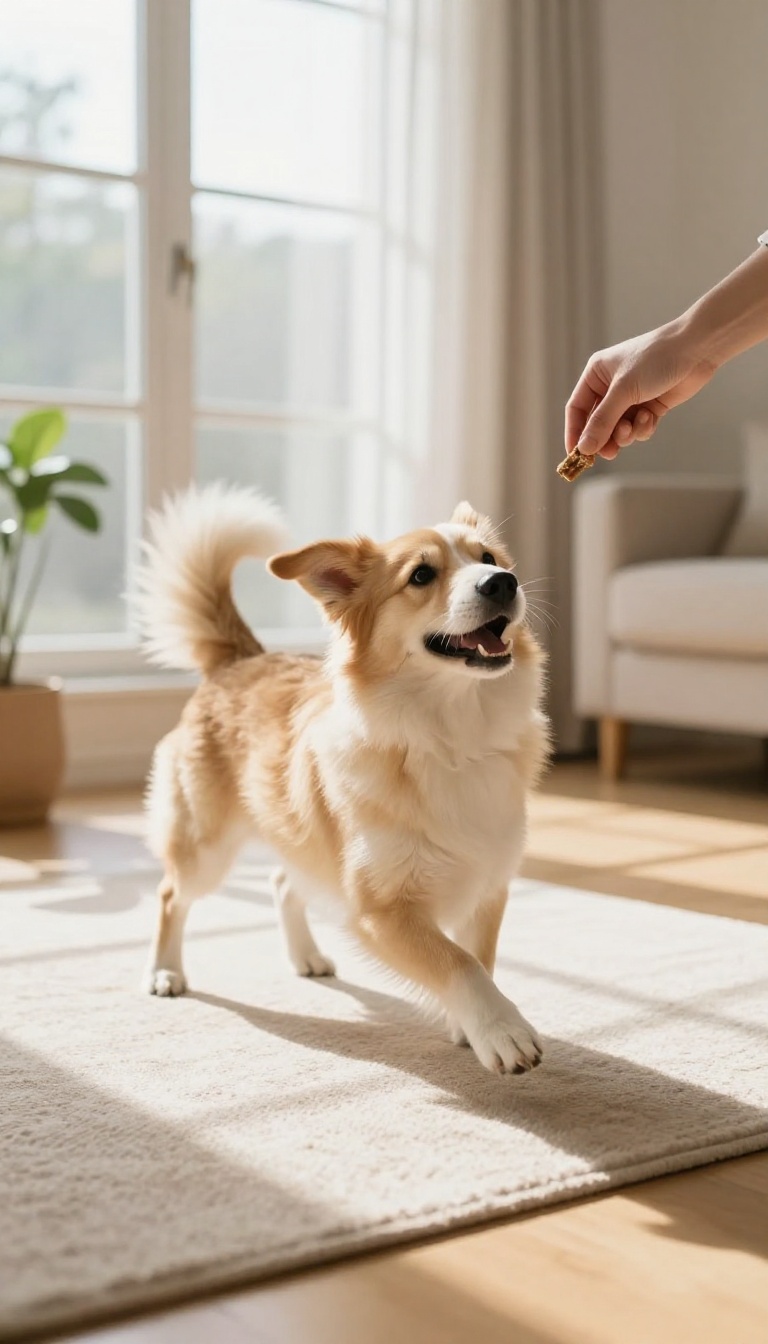
Spinning is one of those tricks that looks simple but works wonders behind the scenes. It asks your dog to move their body in a controlled circle, which challenges their balance and spatial awareness. For dogs that tend to trip over their own feet or feel unsure in new situations, this trick is a playful way to build physical confidence.
Teaching spin is straightforward, and the payoff is big. You'll start by luring your dog in a circle with a treat, then gradually add the verbal cue. As your dog gets the hang of it, you'll notice better coordination and a spring in their step.
Plus, it's a great party trick that never gets old.
Why Spin Builds Confidence
When a dog learns to spin, they're not just moving in a circle—they're learning to trust their own body. The motion requires them to shift weight and coordinate their limbs, which strengthens their proprioception (the sense of where their body is in space). For clumsy or anxious dogs, mastering this movement gives them a tangible win, proving they can handle physical challenges.
That boost in self-assurance often carries over into other areas of their life, making them more willing to try new things.
Step-by-step Teaching Method
Start with your dog standing in front of you. Hold a treat close to their nose, then slowly move it in a circle around their head, guiding them to follow. As they turn, say 'spin' in a cheerful tone.
Once they complete the circle, reward them immediately. Repeat this several times, then gradually phase out the treat lure, using just your hand signal. Finally, add the verbal cue before the hand motion, and soon your dog will spin on command.
Keep sessions short—five minutes max—to keep it fun and prevent frustration.
Troubleshooting Common Issues
Some dogs might be hesitant to turn all the way around at first. If that's the case, break it into smaller steps: reward a quarter turn, then a half turn, and gradually build up to a full circle. Others might get dizzy or try to sit instead.
Keep the motion slow and steady, and always reward the smallest effort. If your dog seems confused, go back to luring with a treat for a few more reps. Patience is key—every dog learns at their own pace.
4. Sit Pretty – Strength and Balance
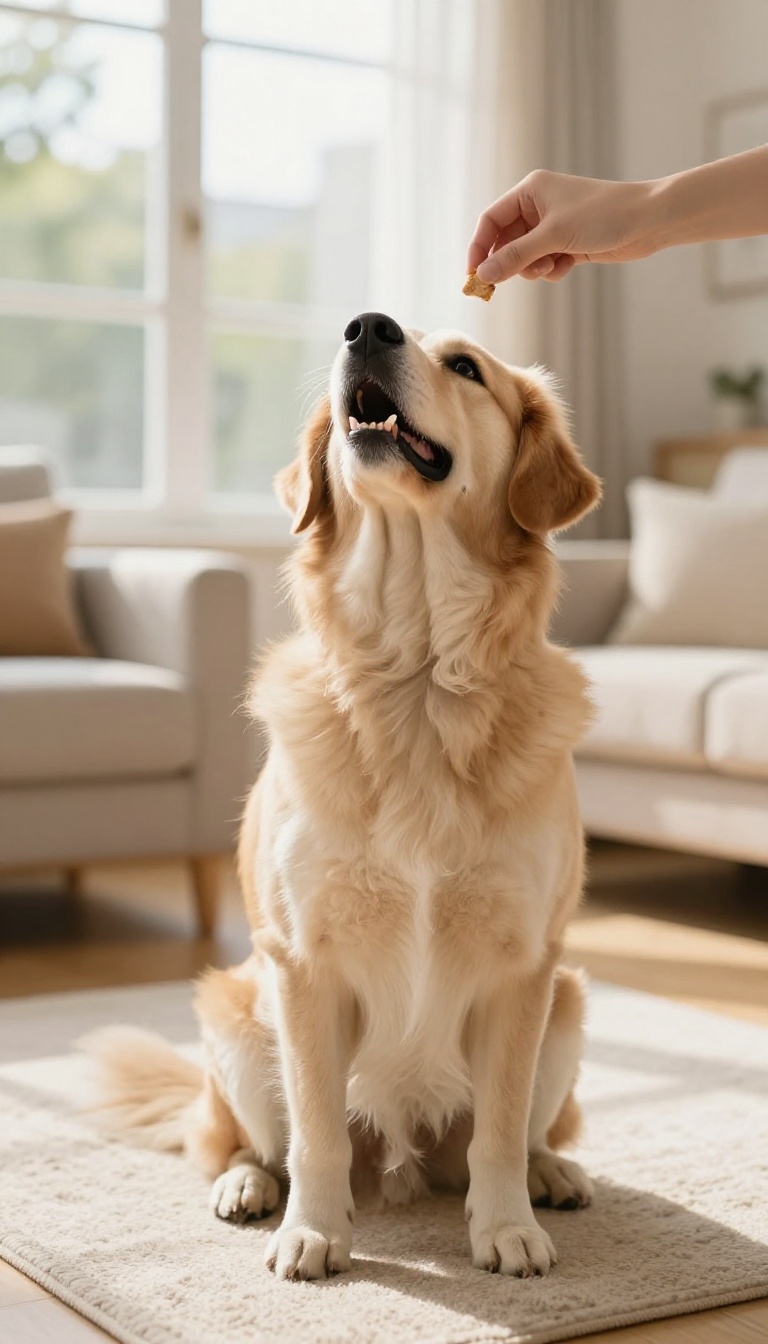
Sit Pretty is a crowd-pleaser that also packs a serious punch for your dog's physical and mental development. This trick asks your pup to balance on their hind legs with their front paws lifted, which engages their core and improves coordination. Beyond the physical benefits, it's a fantastic way to teach patience and focus, as your dog must hold the position until you give the release cue.
Before you start, make sure your dog is comfortable with basic sitting and has no existing hip or back issues. Begin by luring them into a sit, then hold a treat just above their nose and slowly move it back over their head. As they lean back to follow the treat, their front paws may lift off the ground.
Reward any small attempt, even a slight lift, and gradually increase the duration they hold the pose. With consistent practice, your dog will sit up tall and proud, showing off their new strength and balance.
Why It Builds Focus
This trick isn't just about physical strength—it's a mental challenge. Your dog has to concentrate on maintaining their balance while also watching you for cues. That dual focus helps improve their attention span and impulse control, which carries over into other training and everyday situations.
Step-by-step Training Tips
Start with your dog in a sit. Hold a treat at their nose and slowly lift it upward and slightly back. As they tilt their head up, their front paws may lift.
Reward any lift, then gradually ask for a longer hold. Keep sessions short and positive, and always end on a high note. If your dog struggles, support their front paws gently or practice on a non-slip surface.
Troubleshooting Common Challenges
Some dogs may try to jump or use their front paws to push off. If that happens, go back to smaller steps and reward only the correct movement. Others might lean too far back and topple over—start with a wall behind them for support.
Patience is key; every dog learns at their own pace.
5. High Five – A Social Icebreaker
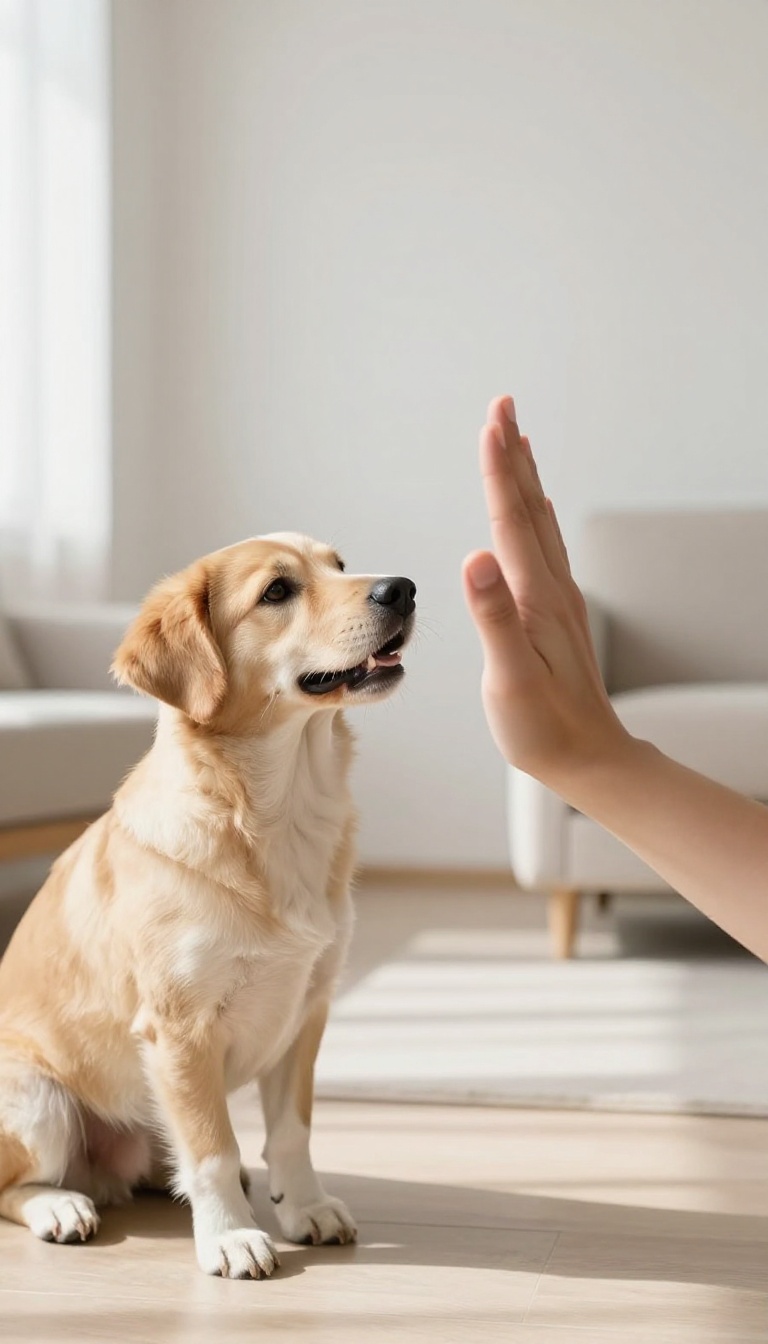
High five is more than just a fun party trick—it's a fantastic way to teach your dog to offer their paw willingly and happily. This simple gesture builds trust and makes nail trims, paw checks, and vet exams a breeze. Plus, it's an instant icebreaker that gets everyone smiling and makes your dog the star of any gathering.
Teaching high five is straightforward and builds on the 'shake' or 'paw' command. It encourages your dog to engage with you and feel comfortable with physical contact, which is essential for grooming and handling. The trick also boosts confidence because your dog learns that offering their paw leads to praise and treats.
Why High Five Works Wonders
High five is a natural extension of the 'shake' trick, but it adds a bit of flair that captures attention. When your dog lifts their paw to meet your hand, they're making a conscious choice to interact with you. This voluntary engagement is a huge confidence booster, especially for shy or anxious dogs.
It also gives you a chance to practice handling their paws without resistance, which makes future nail trims and vet visits much less stressful.
Step-by-step Training Tips
Start with your dog in a sitting position. Hold a treat in your closed fist and let your dog sniff it. When they paw at your hand to get the treat, say 'high five' and open your hand to let them touch it, then reward.
Repeat this until they consistently touch your hand. Next, raise your hand slightly so they have to reach up, and reward when their paw makes contact. Gradually remove the treat from your hand and use a clicker or marker word to reinforce the touch.
Practice in short, fun sessions to keep your dog excited.
Turning High Five Into A Social Skill
Once your dog has mastered high five with you, introduce it to friends and family. Ask them to offer their hand and say 'high five'—your dog will quickly learn to generalize the cue. This is a great way to help a nervous dog feel more comfortable around new people, as it gives them a job to do and a positive interaction to focus on.
Plus, it's a surefire way to make your dog the life of the party and show off their smarts.
6. Play Dead – The Ultimate Confidence Builder
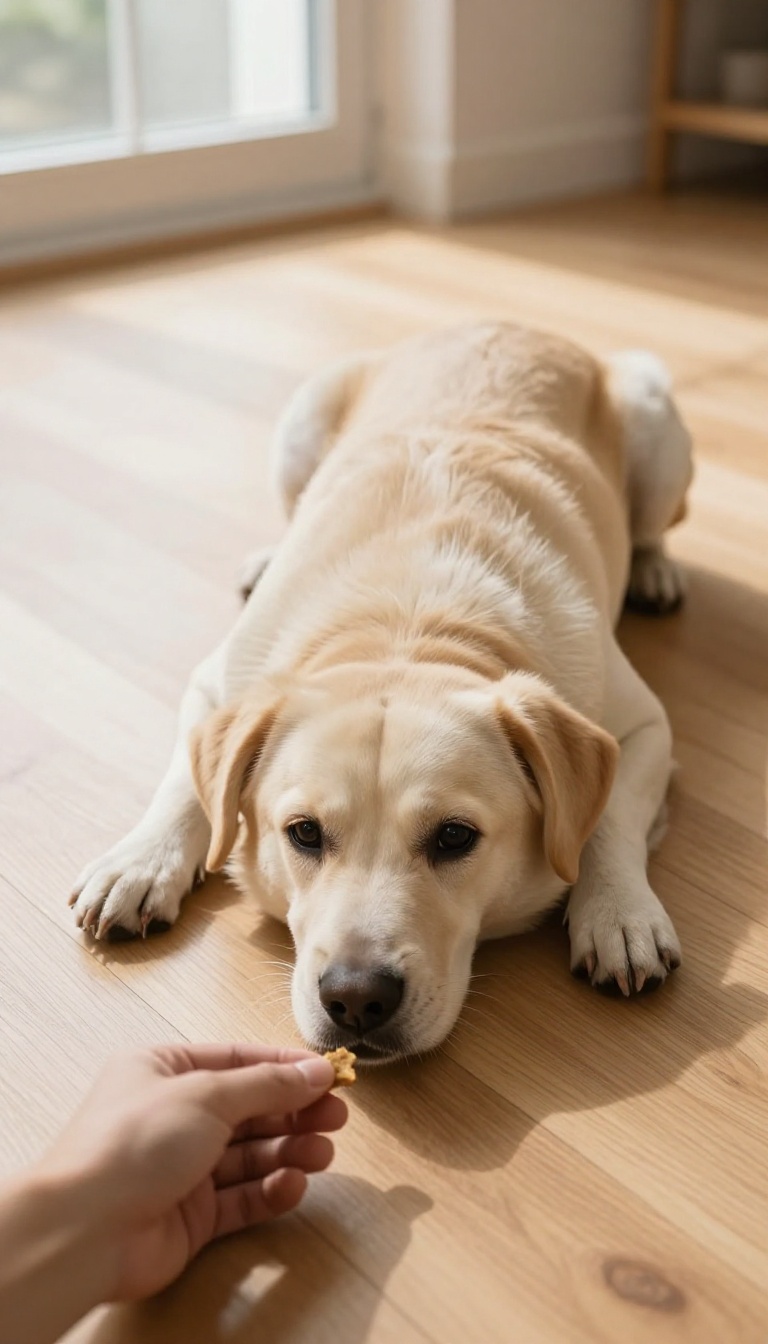
Teaching your dog to play dead is more than a dramatic party trick. It's a powerful way to build trust and confidence. When your dog willingly rolls onto their side and stays still, they're showing that they feel safe and relaxed with you.
This trick also gives them a job to do, which can help anxious or high-energy dogs find a calm focus.
The key to teaching play dead is breaking it down into small, rewarding steps. Start with a down position, then lure your dog onto their side with a treat. Use a clear cue like "bang!
" or "sleep" and reward generously. With practice, your dog will learn to stay in that relaxed pose for longer periods, building their patience and self-assurance.
Why It Builds Confidence
Play dead requires your dog to be vulnerable—lying on their side exposes their belly, a sign of trust. When you reward this behavior, you're telling your dog that it's safe to be in that position. This can be especially helpful for shy or nervous dogs, as it teaches them to relax in your presence and builds their overall confidence.
Step-by-step Training
Begin with your dog in a down position. Hold a treat near their nose and slowly move it toward their shoulder, guiding them to roll onto their side. As soon as they lie on their side, say "yes!
" and give the treat. Repeat this several times, then add the verbal cue "bang! " just before they roll.
Gradually increase the duration they stay on their side before rewarding. Keep sessions short and positive.
Troubleshooting Common Issues
Some dogs may pop right back up or refuse to roll over. If that happens, try luring more slowly or using a higher-value treat. You can also practice on a soft surface to make the position more comfortable.
If your dog seems nervous, don't force it—go back to a simple down and build up trust first. Patience is key.
7. Crawl – Patience and Body Control
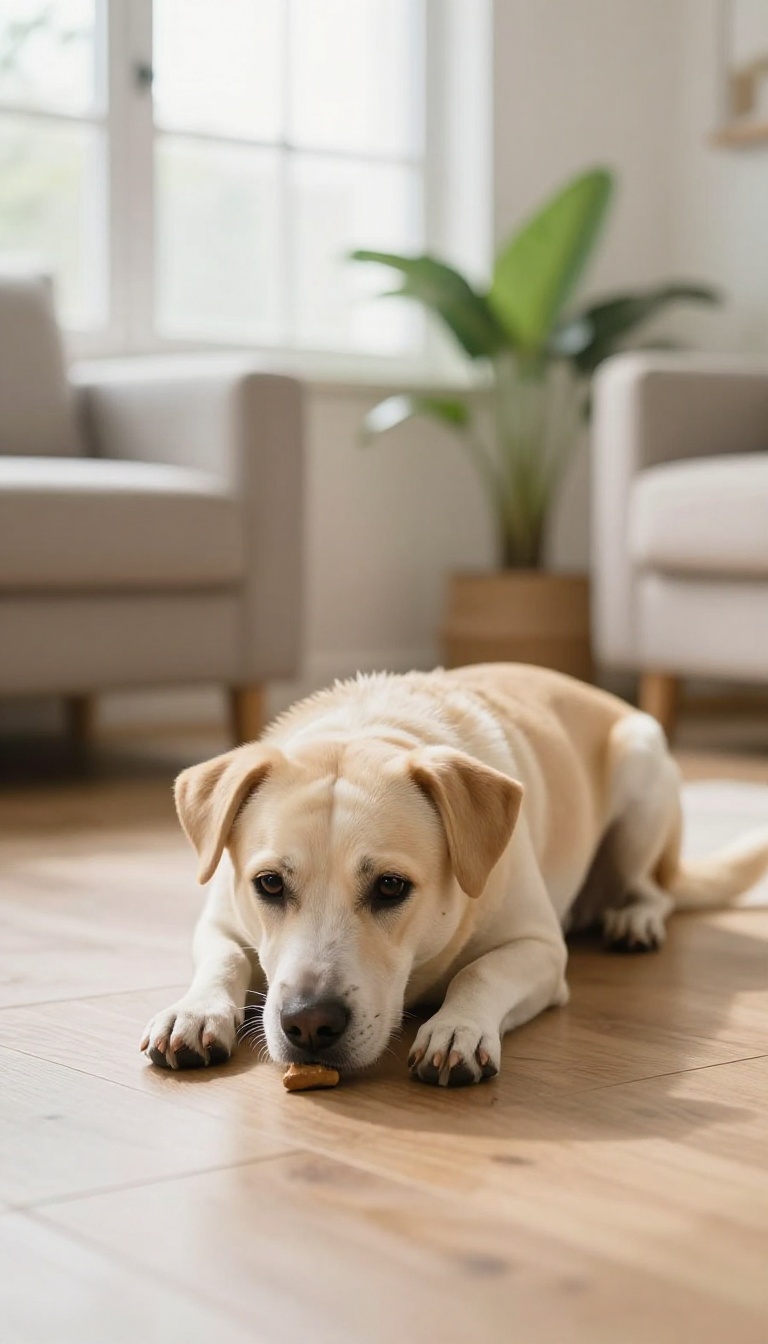
Crawling might look simple, but it’s a sneaky workout for your dog’s brain and body. This trick asks your pup to move slowly and deliberately, which is the opposite of their usual zoomies. It’s a perfect way to teach impulse control and build focus in a fun, low-impact way.
The crawl is a natural progression from the down position. It requires your dog to stay low while moving forward, which takes coordination and patience. This trick is great for building core strength and body awareness, and it’s also a calming activity that can help hyperactive dogs settle down.
Plus, it’s just adorable to watch.
Why Crawl Builds Focus
Unlike faster tricks, crawling forces your dog to slow down and think about each step. They have to keep their belly off the ground while moving, which requires concentration and body control. This mental engagement is tiring in a good way, making it a perfect addition to your training routine.
Step-by-step Training
Start with your dog in a down position. Hold a treat close to their nose and slowly drag it forward along the ground. Encourage them to follow while keeping their body low.
Use a cue like 'crawl' and reward any forward movement, even if it’s just a shuffle. Gradually increase the distance as they get the hang of it.
Troubleshooting Common Issues
If your dog pops up to walk, you’re moving the treat too fast or too high. Keep the treat low and slow, and reward small attempts. If they seem frustrated, break it into shorter sessions and end on a positive note.
Remember, patience is key—this trick takes time but pays off in focus.
8. Fetch Specific Items – Mental Stimulation
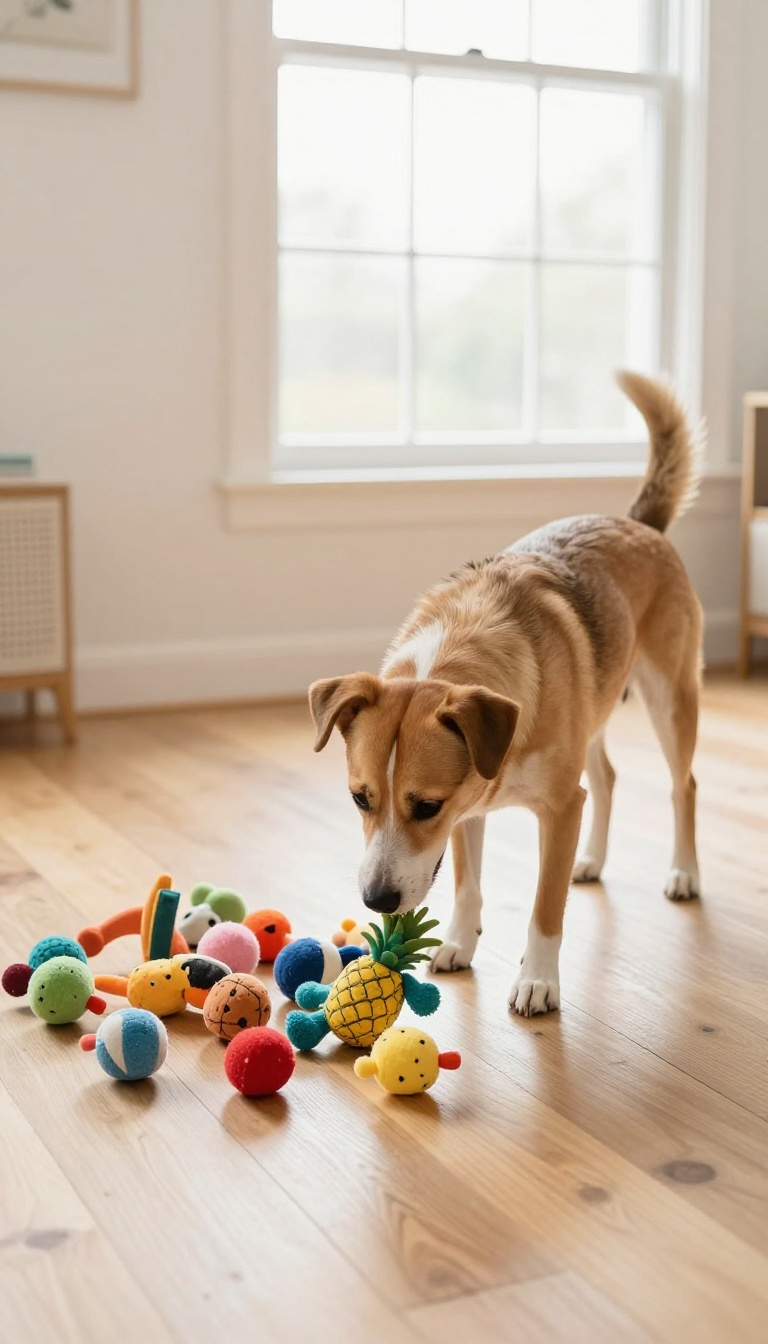
Teaching your dog to fetch a specific toy by name is like giving their brain a puzzle to solve. It's not just about running after a ball; it's about listening, remembering, and making choices. This trick taps into your dog's natural intelligence and gives them a sense of purpose that plain fetch can't match.
When your dog learns to pick out a named toy from a pile, they're using memory, discrimination, and problem-solving skills. This mental workout is just as tiring as a long run, making it perfect for rainy days or when you need to burn energy without leaving the house. Plus, it's a fantastic way to strengthen your communication and build your dog's confidence as they succeed at each new challenge.
Why It Works
Dogs are natural retrievers, but adding a name to the game turns it into a cognitive task. They have to listen to the word, scan the objects, and choose the right one. This engages their working memory and decision-making, which builds mental stamina and focus.
The best part? Every successful retrieve is a small victory that boosts their self-esteem.
Step-by-step Teaching
Start with one toy and say its name as you play with it. Then, place it a few feet away and say the name again, rewarding when they touch it. Gradually add distance and distractions.
Once they've got that down, introduce a second toy and repeat the process, always saying the name before they choose. Keep sessions short and fun, and use high-value treats to keep motivation high.
Common Pitfalls And Fixes
If your dog seems confused, you might be moving too fast or using too many toys at once. Go back to one toy until they're solid. Also, make sure you're using a clear, consistent word for each toy.
Avoid saying the name when you don't want them to fetch it, or they'll get mixed signals. Patience and consistency are key.
9. Weave Through Legs – Agility and Trust
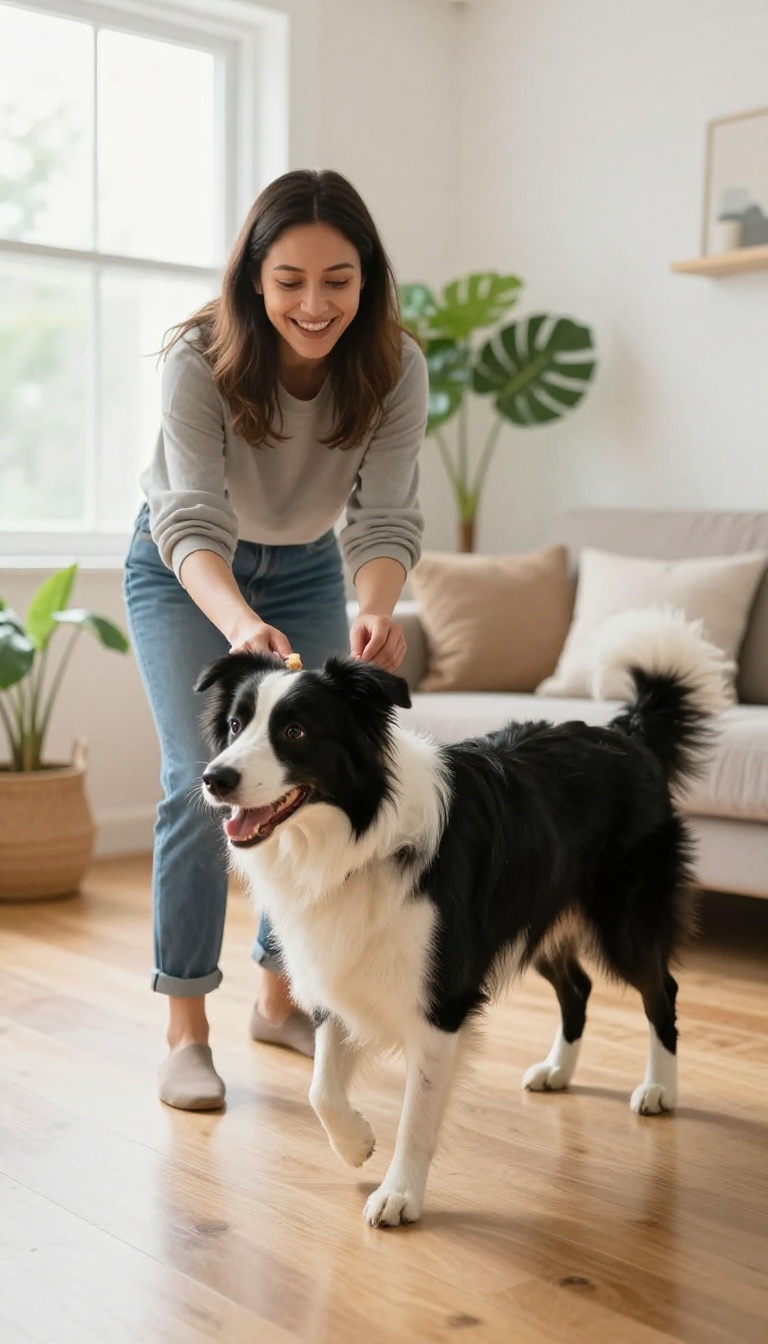
Weaving through your legs is a trick that looks impressive but is surprisingly simple to teach. It’s a fantastic way to build your dog’s agility and coordination, and it also strengthens the trust between you. As your dog learns to follow your movements and weave in and out, you’ll both get a fun indoor workout that sharpens focus and deepens your bond.
Start by holding a treat in your hand and luring your dog through your legs in a figure-eight pattern. Use a clear cue like 'weave' and reward each successful pass. Break it down into small steps: first, teach your dog to walk through your legs from the front, then from behind, and gradually combine them into a continuous weave.
Keep sessions short and upbeat, and always end on a positive note.
Why This Trick Works
Weaving requires your dog to pay close attention to your body language and foot placement. This mental engagement builds focus and confidence as your dog learns to navigate a moving obstacle. It also promotes physical agility and coordination, making it a great indoor exercise for rainy days.
Step-by-step Teaching
Begin with your dog on a leash or using a treat lure. Stand with your legs apart and encourage your dog to walk through from the front. Reward generously.
Next, practice having your dog go through from behind. Once your dog is comfortable with both directions, combine them into a figure-eight pattern. Use a consistent verbal cue and hand signal to guide your dog.
Troubleshooting Common Issues
If your dog is hesitant, slow down and use higher-value treats. Some dogs need more time to get comfortable with the motion. If your dog gets overexcited and starts jumping, pause and calm them before resuming.
Always keep training sessions positive and never force your dog into position.
10. Speak and Quiet – Vocal Control
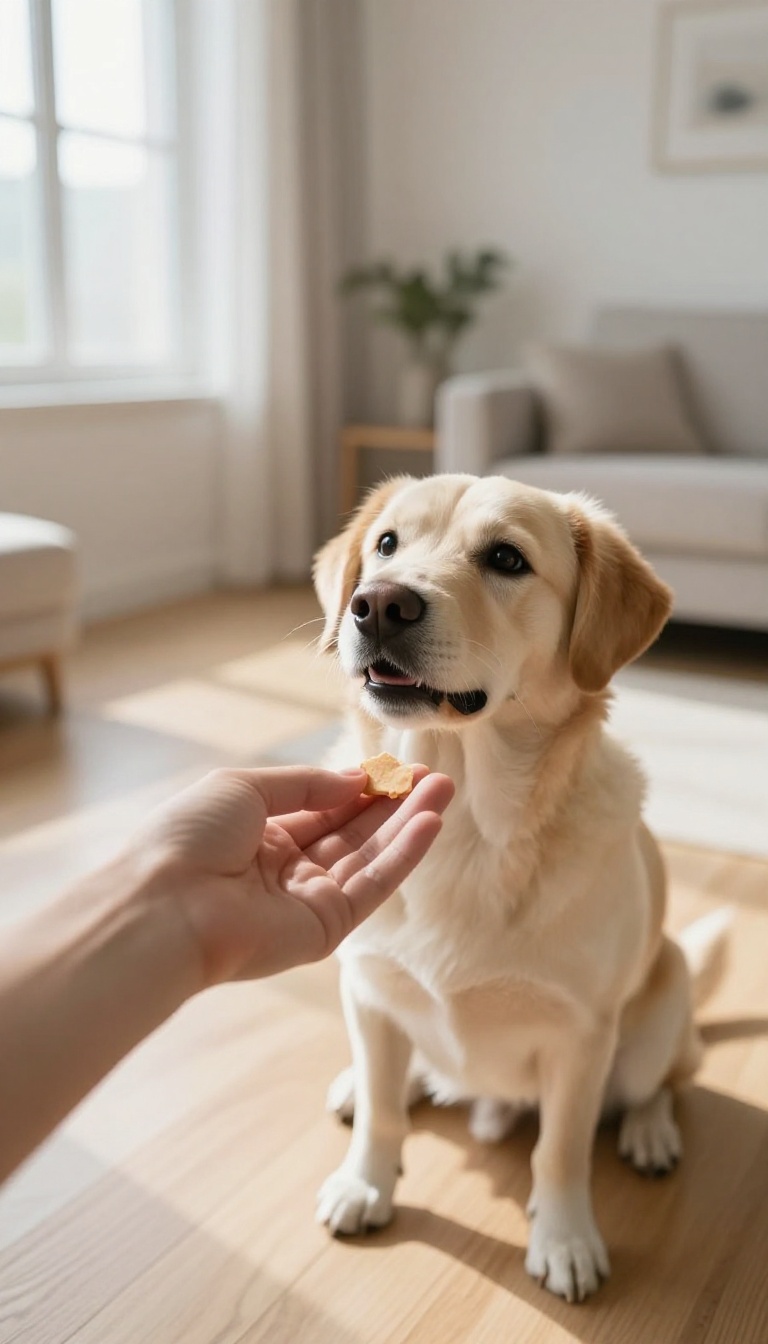
Teaching your dog to bark on command and then stop on command is like giving them a volume knob. Instead of guessing when it's okay to make noise, they learn there's a time and place for everything. This trick is a fantastic way to channel that natural urge to vocalize into something structured and rewarding.
Why It Builds Confidence
When your dog understands that barking can be turned on and off, they feel more in control of their environment. They learn that you're the one who sets the rules, which actually reduces anxiety. A dog that knows they can communicate on cue is a dog that feels heard and understood.
Getting The Bark On Cue
Start by finding what makes your dog bark naturally—a doorbell, a knock, or a favorite toy. Say 'speak' just before they bark, then reward the bark. Repeat until they connect the word with the action.
Keep sessions short and upbeat so they don't get frustrated.
Teaching The Quiet
Once your dog reliably barks on cue, introduce 'quiet. ' After they bark, say 'quiet' in a calm, firm voice. The moment they stop, even for a second, reward them. Gradually increase the duration of silence before the treat.
This teaches impulse control and patience.
Putting It All Together
Once your dog understands both cues, start alternating between 'speak' and 'quiet' in quick succession. This mental back-and-forth is a great brain workout. Practice in different settings to help your dog generalize the behavior, so they listen whether you're at home or in the park.
11. Balance a Treat – Focus and Self-Control
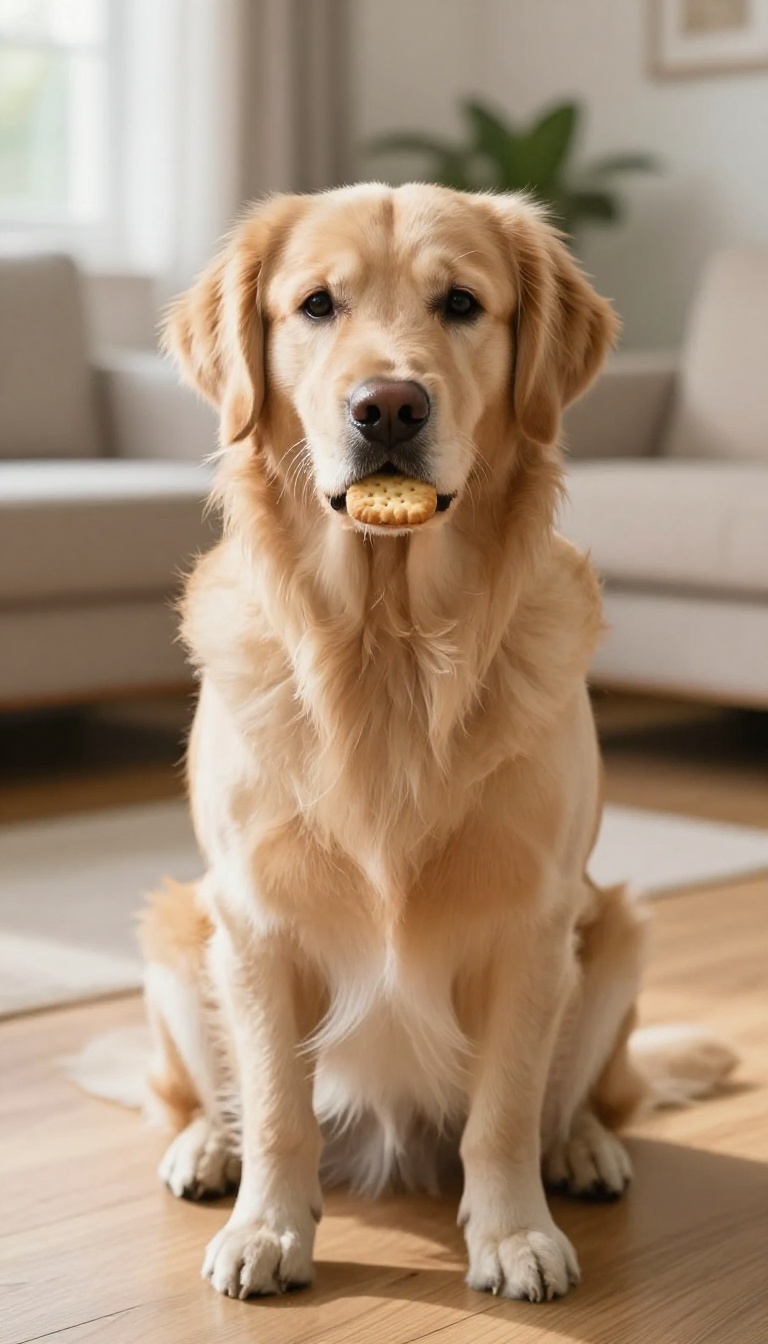
The treat-balance trick is the gold standard for testing a dog's impulse control. It looks like magic when your pup sits perfectly still with a treat perched on their nose, waiting for your signal. But behind that adorable pose is a powerful lesson in patience and trust.
This trick isn't just about the 'wow' factor—it's a mental workout that teaches your dog to resist temptation and stay focused on you. Once mastered, it becomes a go-to party trick that never fails to impress.
Before you start, make sure your dog has a solid 'sit' and 'stay' foundation. This trick builds on those basics, so if your pup struggles with impulse control, you might need to go back to basics first. The key is to break it down into tiny steps and keep sessions short and positive.
Start with a treat that's easy to balance—something flat like a slice of cheese or a soft biscuit. Hold it in front of your dog's nose, then gently place it on their snout. Most dogs will try to eat it immediately, so be ready to catch it and reward them for any calm moment, even if it's just a second.
Use a clear release cue like 'okay' or 'take it' so your dog knows when it's time to eat the treat. With consistent practice, your dog will learn to wait longer and longer. Always end on a high note, and never scold your dog for breaking the position—just reset and try again.
Why This Trick Builds Focus
Balancing a treat requires your dog to ignore a strong instinct—the urge to snatch the food. That act of self-control exercises the same mental muscles needed for staying calm in distracting situations. Over time, your dog learns to look to you for guidance instead of acting on impulse.
This trick also strengthens your bond because your dog has to trust that you'll give the release cue at the right moment. That trust translates into better focus in everyday life, whether it's walking past a tempting squirrel or waiting politely at the door.
Step-by-step Training Method
Begin by having your dog sit. Show them the treat and let them sniff it. Then, gently place it on their nose and say 'stay' in a calm voice.
If they hold still for even a second, say 'okay' and let them flip it into their mouth to eat. Gradually increase the time between placing the treat and giving the release cue. Practice in a quiet room first, then add distractions once your dog gets the hang of it.
Keep training sessions to five minutes or less to prevent frustration.
Troubleshooting Common Challenges
If your dog won't keep their head still, try holding their chin gently for a few seconds before releasing. Some dogs do better with a flat treat, so experiment with different textures. If your dog is too excited, practice after a good walk when they're calmer.
If they keep dropping the treat, don't worry—just pick it up and try again. Patience is key. Remember, this trick is about building confidence, not perfection.
Celebrate every small success, and soon your dog will be balancing treats like a pro.
12. Find It – Nose Work for Problem Solving
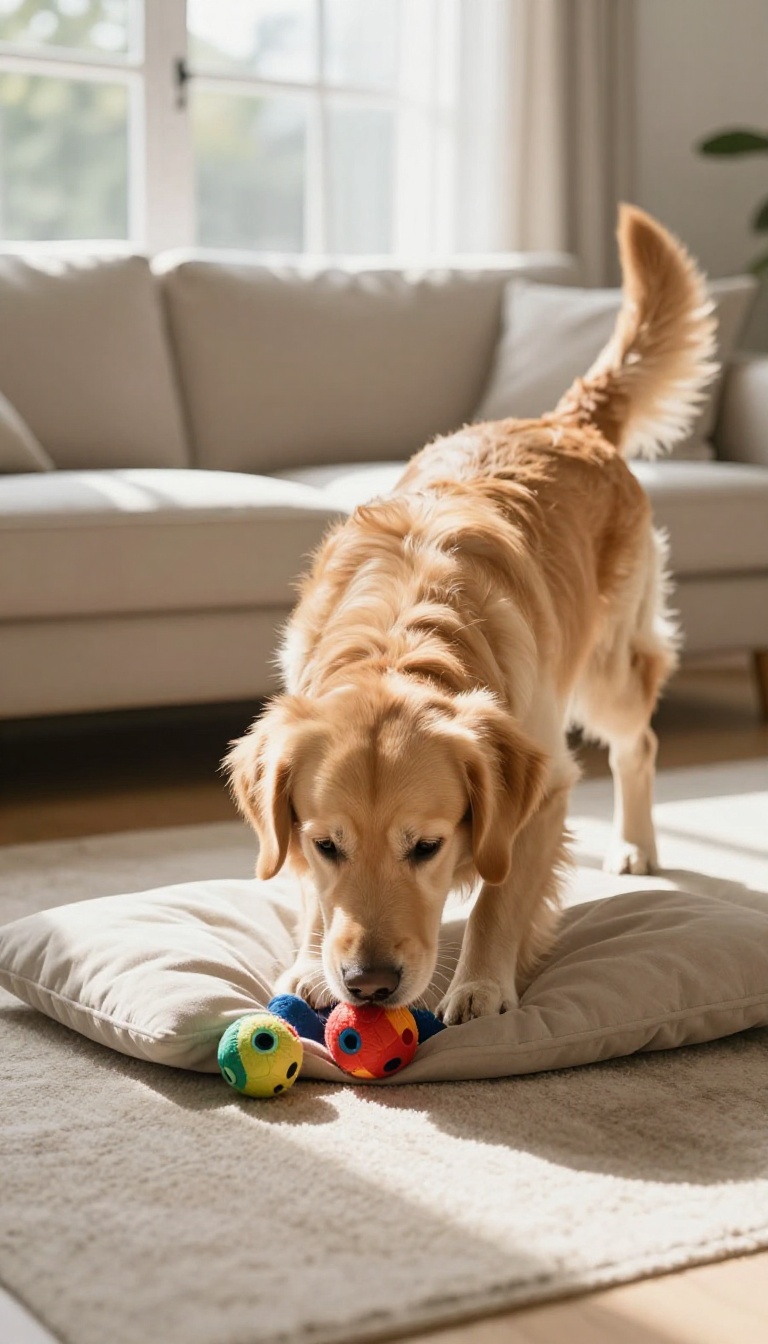
Your dog's nose is a superpower, and 'Find It' is the perfect way to put it to work. This trick turns a simple game of hide-and-seek into a brain-boosting challenge that builds problem-solving skills and confidence. It's a fantastic indoor activity for rainy days or a fun addition to your outdoor adventures.
Start by showing your dog a high-value treat or a favorite toy, then let them watch you hide it in an easy spot, like under a cushion or behind a chair. Say 'Find it! ' with an excited tone and encourage them to sniff it out. When they succeed, celebrate with praise and a reward.
Gradually increase the difficulty by hiding the item in more challenging places, like under a blanket or in another room. This game taps into your dog's natural scenting abilities, providing mental enrichment that tires them out just as much as a long walk. As your dog gets better, they'll learn to rely on their nose and think through the puzzle, which boosts their confidence and problem-solving skills.
Why Nose Work Builds Confidence
When your dog uses their nose to find something, they're engaging in a natural behavior that gives them a sense of accomplishment. Each successful find reinforces their ability to solve problems independently, which is a huge confidence booster. For shy or anxious dogs, this can be especially powerful—it gives them a job to focus on and a clear win, helping them feel more secure in their environment.
Simple Steps To Get Started
Begin with easy hides in plain sight to ensure your dog understands the game. Use a clear cue like 'Find it! ' and point to the hiding spot if needed. Once they get the hang of it, move to more challenging locations, like behind a door or under a toy.
Always keep sessions short and fun, ending on a high note so your dog stays excited about the game.
Taking It To The Next Level
Once your dog is a pro at finding treats, you can up the ante by hiding a specific toy by name or even hiding multiple items and asking them to find a particular one. You can also try hiding treats in a muffin tin with tennis balls on top—a classic nose work puzzle that adds an extra layer of problem-solving. The possibilities are endless, and your dog will love the challenge.
13. Go to Bed – Calm and Independent
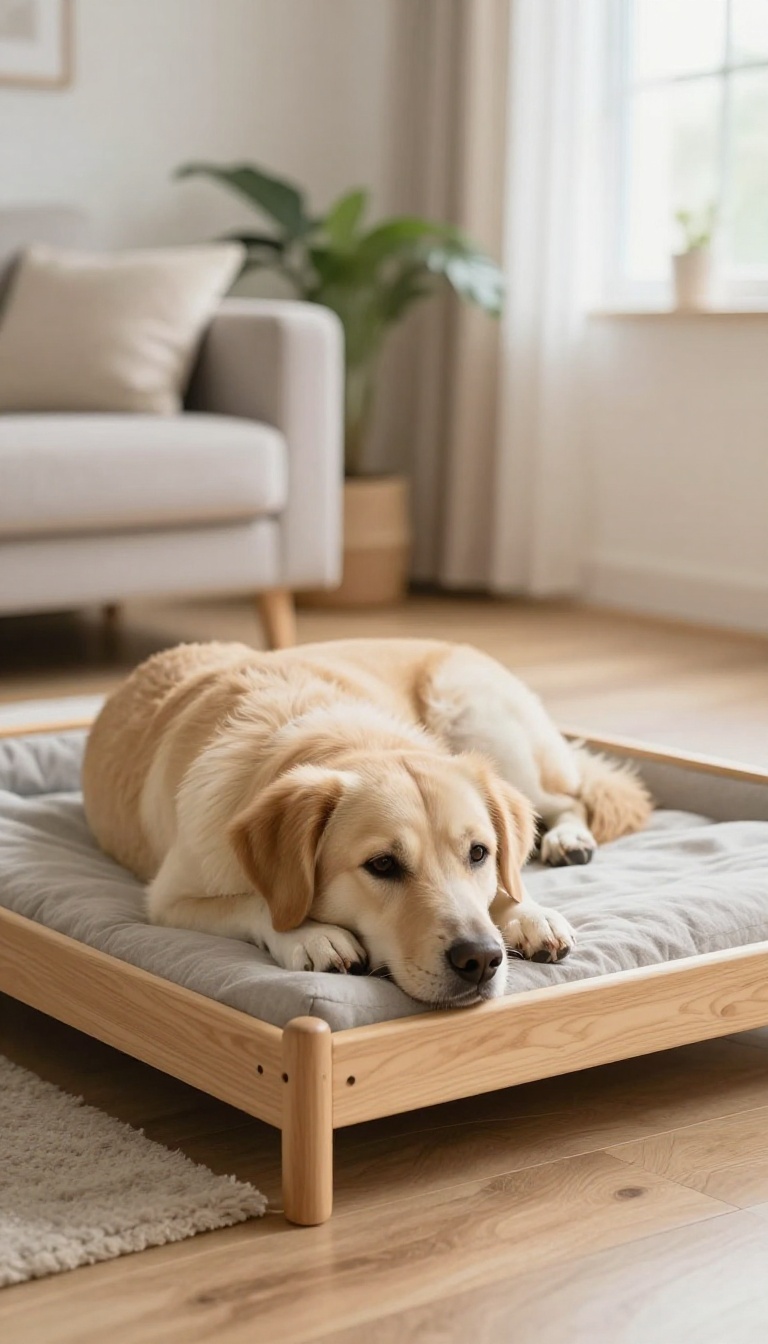
Some tricks are about showing off, but this one is about settling down. Teaching your dog to go to their bed on cue and stay there gives them a clear job: relax. It’s a simple skill that pays off in busy households, when guests come over, or during your own work-from-home calls.
Beyond the practical side, this trick builds independence. Your dog learns that being alone on their bed is safe and rewarding, which boosts their confidence. Instead of following you around or demanding attention, they’ll willingly choose their spot—and that’s a win for both of you.
Start by making the bed a magical place. Toss treats onto it and let your dog explore without any pressure. Once they’re comfortable, add a cue like “bed” or “place” just as they step onto it.
Then, reward them for staying, gradually increasing the time they remain there. Use a release word like “okay” to signal they’re free. A common mistake is expecting too much too soon.
Begin with short stays while you’re right next to them, then slowly add distance and duration. If your dog gets up early, simply guide them back without frustration. Keep sessions upbeat and end on a positive note.
This trick also helps in real-life scenarios. When the doorbell rings, send your dog to their bed instead of letting them bark at the door. It gives them a clear job and a sense of purpose, which reduces anxiety.
Over time, they’ll associate the bed with calmness, making it their go-to spot for relaxation.
Why It Builds Confidence
When your dog learns to stay on their bed, they’re practicing self-control. Every successful stay is a small victory that reinforces their ability to cope with excitement or stress. This independence translates to other areas—like being left alone without panic or staying calm when you’re busy.
It’s not about isolating them; it’s about giving them a safe, predictable space where they can thrive on their own.
Step-by-step Training Tips
Start with a comfortable bed or mat. Lure your dog onto it with a treat, say “bed, ” and reward. Repeat until they go to it willingly.
Then, add a stay command and gradually increase the time before rewarding. Practice in short sessions, and always use a release word. If your dog struggles, break it down further: reward for just being on the bed, then for staying a few seconds, then for staying while you take a step back.
Real-life Applications
Use the bed cue during meals, when guests arrive, or while you’re on the phone. It’s also great for teaching patience during grooming or vet visits. Once your dog masters this, you can even use it to manage multiple dogs by giving each their own spot.
The key is consistency—always reward the behavior you want, and soon your dog will head to their bed without you even asking.
FAQ
How long does it take to teach a dog a new trick?
It depends on the trick and your dog's learning style. Simple tricks like 'touch' can be learned in a few minutes, while more complex ones like 'play dead' might take a week or more. The key is to keep sessions short (5-10 minutes) and practice regularly.
What if my dog gets frustrated during training?
If your dog seems frustrated, take a break and end the session on a positive note. Go back to a trick they know well, reward them, and try again later. Patience and positive reinforcement are crucial.
Can these tricks help with behavioral issues?
Yes, many of these tricks build focus and impulse control, which can help with issues like jumping, barking, or pulling on the leash. They also provide mental stimulation, which reduces boredom-related behaviors.
Do I need special equipment to teach these tricks?
No, most tricks only require treats and a quiet space. For 'balance a treat', you'll need a treat that's easy to balance, like a small biscuit. For 'fetch specific items', you'll need a few toys with different names.
Are these tricks suitable for all dog breeds and ages?
Absolutely! These tricks can be adapted to any dog, regardless of breed or age. For puppies, keep sessions very short and simple.
For senior dogs, choose tricks that are gentle on joints, like 'touch' or 'find it'.
Conclusion
Each trick you teach is a small deposit into your dog's confidence account. The focus you build during practice carries over into everyday moments, making walks, greetings, and training sessions smoother. Start with the lesson that feels most fun, keep sessions short, and celebrate the little wins.
Before long, you'll notice a calmer, more attentive dog who's eager to learn. Pick one trick today and see where it leads—you might be surprised how quickly the rest follows.

I’m Pallab Kishore, the owner of Little Pets Realm — an animal lover and pet care enthusiast sharing easy tips, healthy recipes, and honest advice to help every small pet live a happy, healthy, tail-wagging life.