
Last updated on August 19th, 2026 at 04:14 pm
Picture this: your dog greets guests without jumping, walks calmly on a loose leash, and waits politely at doorways. That level of everyday good behavior isn't just about having a naturally well-mannered pup—it's the result of consistent, practical training.
These 11 obedience exercises focus on real-life situations, turning chaotic moments into smooth, enjoyable interactions. Each one is simple to practice at home, uses positive reinforcement, and builds a stronger bond between you and your furry friend.
From curbing door-dashing to mastering mealtime patience, these skills will transform your daily routine into a more peaceful, connected experience with your dog.
1. The Calm Greeting: Teaching Your Dog to Keep Four Paws on the Floor
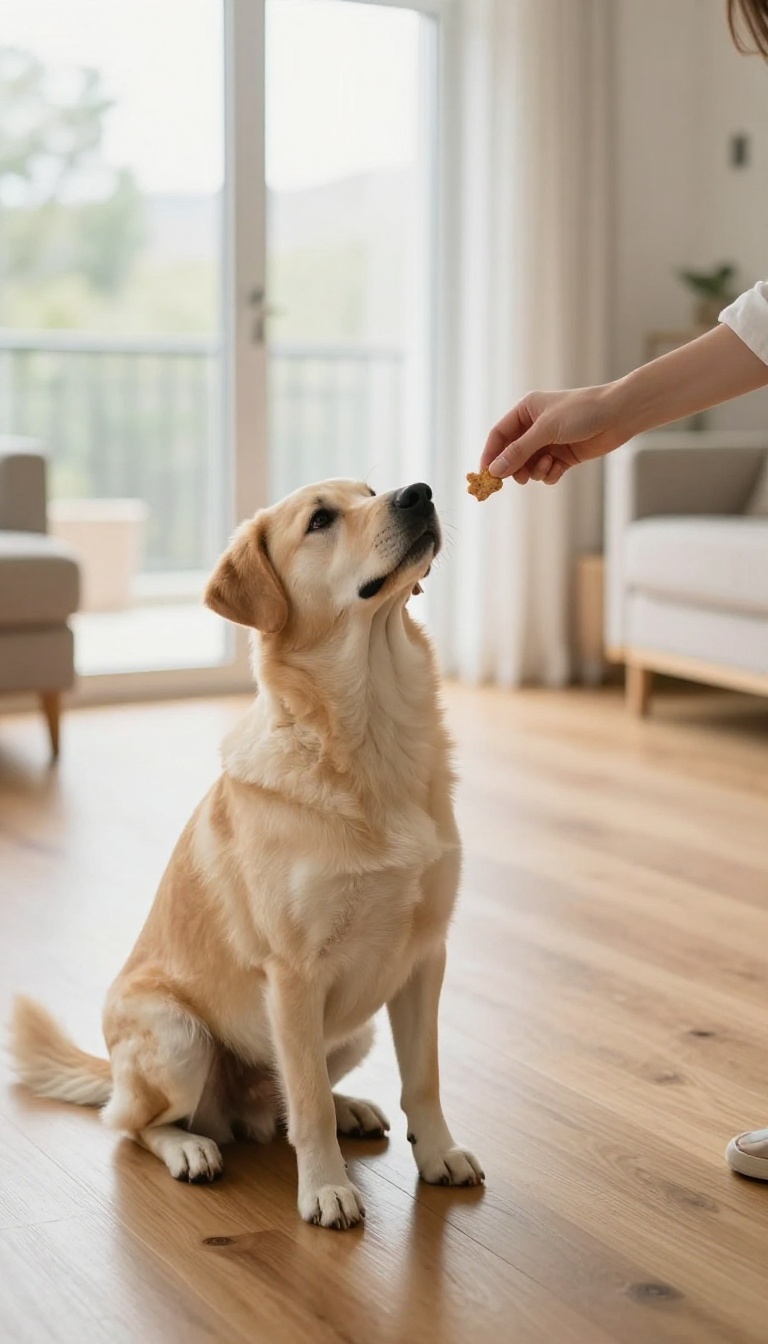
Jumping up to say hello might be your dog's way of showing excitement, but it's not exactly polite when guests arrive. The good news? You can teach your pup that keeping all four paws on the floor is the best way to get attention.
With a little patience and consistency, you'll turn those wild hellos into calm, friendly greetings.
Start by practicing with family members and friends in controlled settings. The key is to reward calm behavior and ignore jumping entirely. When your dog keeps their paws down, offer a treat and gentle praise.
If they jump, turn away and withhold attention until they settle. Consistency is crucial—everyone who greets your dog should follow the same rules.
Set Up For Success
Before guests arrive, have treats ready and decide on a greeting spot. Keep your dog on a leash initially to prevent rehearsing the jump. Ask visitors to ignore your dog until they are calm, then reward with a treat.
This sets clear expectations and makes success more likely.
The 'four On The Floor' Cue
Use a simple verbal cue like 'four on the floor' or 'gentle' as your dog keeps their paws down. Say it just before they get the treat, so they associate the phrase with the behavior. Over time, they'll learn that staying grounded earns rewards, and jumping gets them nothing.
Practice With Real-life Scenarios
Once your dog understands the basics, practice with different people and in various situations. Have friends ring the doorbell, or practice on walks when you meet neighbors. Each successful interaction reinforces the habit.
Remember to keep training sessions short and positive to avoid frustration.
2. Loose-Leash Walking: Making Strolls a Pleasure, Not a Struggle
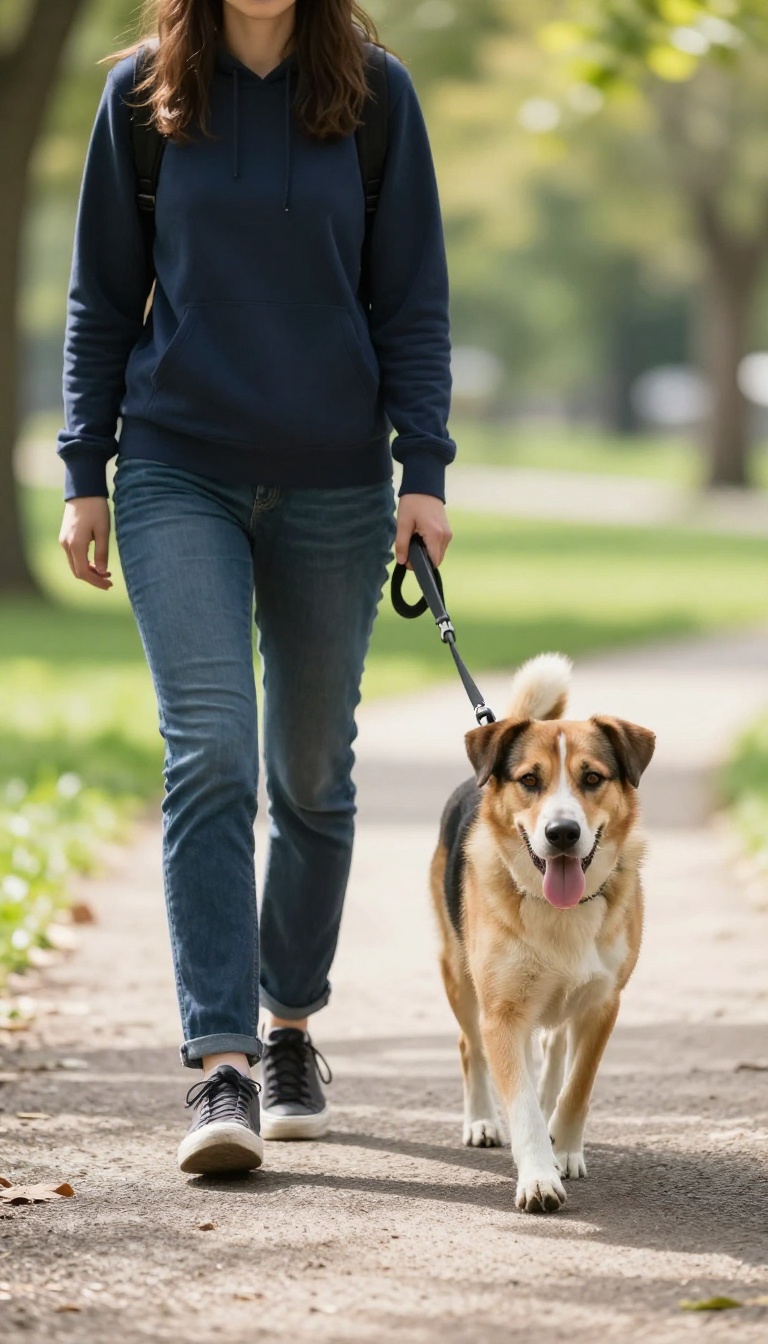
There's nothing quite like a peaceful walk with your dog—no yanking, no choking, just the two of you enjoying the fresh air. But if your pup turns every outing into a tug-of-war, you're not alone. The secret to relaxed walks isn't a special harness or a magic command; it's a simple technique that teaches your dog that slack in the leash is what gets them where they want to go.
Start by choosing a cue like 'let's go' and use it only when you're about to move forward. The goal is to help your dog understand that pulling gets them nowhere, while a loose leash leads to movement and rewards. With patience and consistency, you'll transform your daily walks into a calm, enjoyable ritual for both of you.
The Stop-and-go Method
The moment your dog pulls, stop in your tracks. Don't yank or scold—just stand still like a tree. Wait for your dog to look back at you or step toward you, then say 'let's go' and resume walking.
This teaches them that pulling stops the fun, while checking in with you gets things moving again. It takes patience, but it works wonders.
Reward Attention, Not Just Position
When your dog walks nicely beside you, even for a few steps, reward them with a treat or a cheerful 'yes! ' The key is to reinforce the behavior you want to see more of. If your dog looks up at you while walking, that's gold—reward it. Over time, they'll learn that paying attention to you is more rewarding than chasing every squirrel.
Practice Makes Perfect
Start in a low-distraction environment like your living room or backyard, then gradually move to busier areas. Keep sessions short—five to ten minutes is plenty. And remember, loose-leash walking is a skill that takes time to build.
Be patient and celebrate the small wins, like a few steps without pulling or a quick glance your way.
3. The 'Watch Me' Cue: Building Focus and Attention
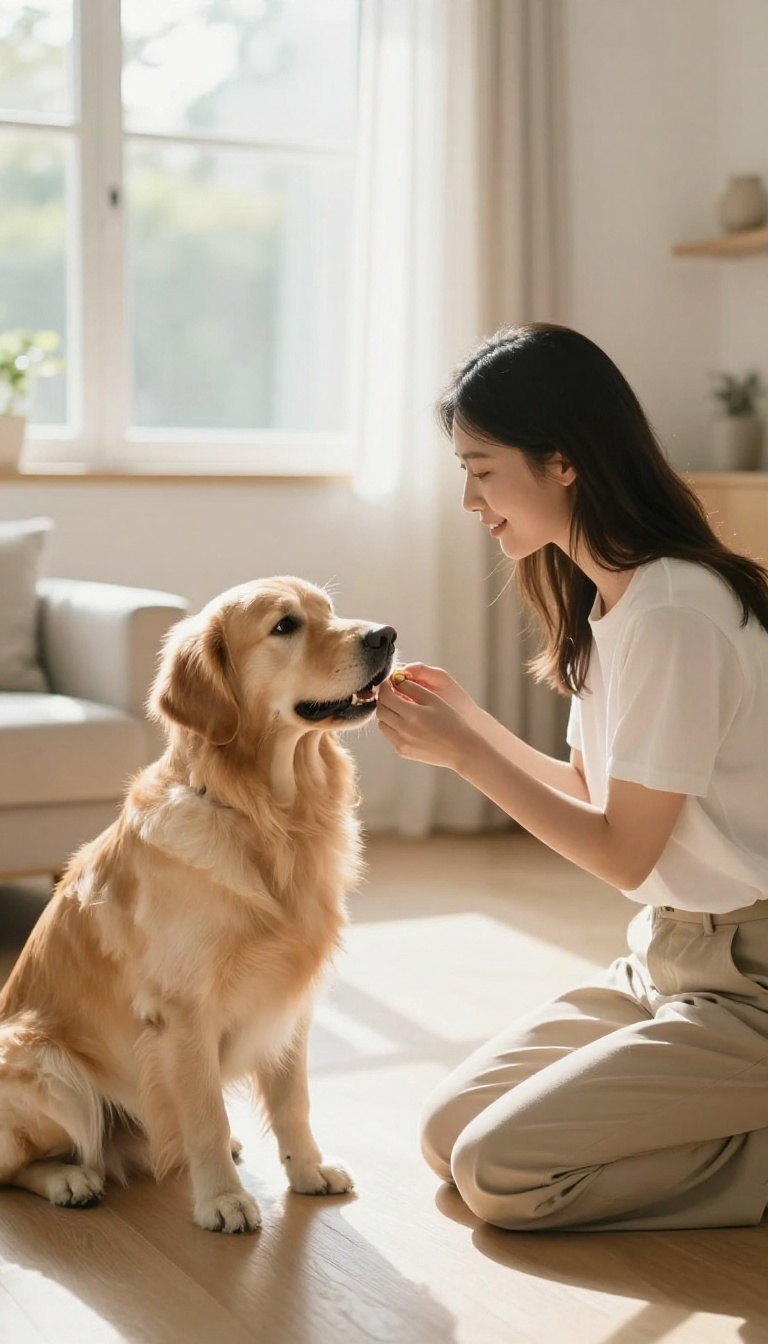
A wandering mind can lead to pulling on the leash, ignoring your calls, or darting after a squirrel. That's where the 'watch me' cue comes in—a simple way to bring your dog's attention back to you, no matter what's happening around them. It's like a reset button for their focus, and it's surprisingly easy to teach.
Start in a quiet room with no distractions. Hold a treat near your dog's nose, then slowly bring it up to your eye level. As their eyes follow the treat and meet yours, say 'watch me' and give them the treat.
Repeat this several times, then gradually phase out the treat lure, using just a hand gesture or a verbal cue. Once your dog reliably looks at you on cue, start adding distractions—first mild ones like a toy on the floor, then more challenging ones like a friend walking by. Increase the duration of eye contact before rewarding, and always keep sessions short and positive.
Why Eye Contact Matters
Eye contact is a powerful communication tool. When your dog looks at you, they're checking in and ready for direction. This simple behavior can prevent reactive outbursts and make walks more enjoyable.
It also strengthens your bond, as your dog learns that paying attention to you leads to good things.
Step-by-step Training
Begin in a low-distraction environment. Use a high-value treat to lure your dog's gaze upward. As soon as their eyes meet yours, mark with a 'yes' or a clicker, then reward.
Practice in short bursts, gradually increasing the time they hold eye contact. Once they've got the hang of it, practice in different rooms and then outdoors.
Adding Distractions Gradually
The real test is maintaining focus amid chaos. Start by having someone walk past at a distance, then closer. Use a leash if needed for safety.
If your dog breaks eye contact, simply wait for them to look back, then reward. This teaches them that focusing on you is more rewarding than the distraction.
Using 'watch Me' In Daily Life
This cue is incredibly versatile. Use it before crossing the street, when guests arrive, or when you see another dog approaching. It's also handy for redirecting your dog's attention away from something they shouldn't chase or sniff.
With practice, 'watch me' becomes a reflexive response that keeps your dog safe and polite.
4. The 'Settle' Command: Encouraging Relaxation Indoors
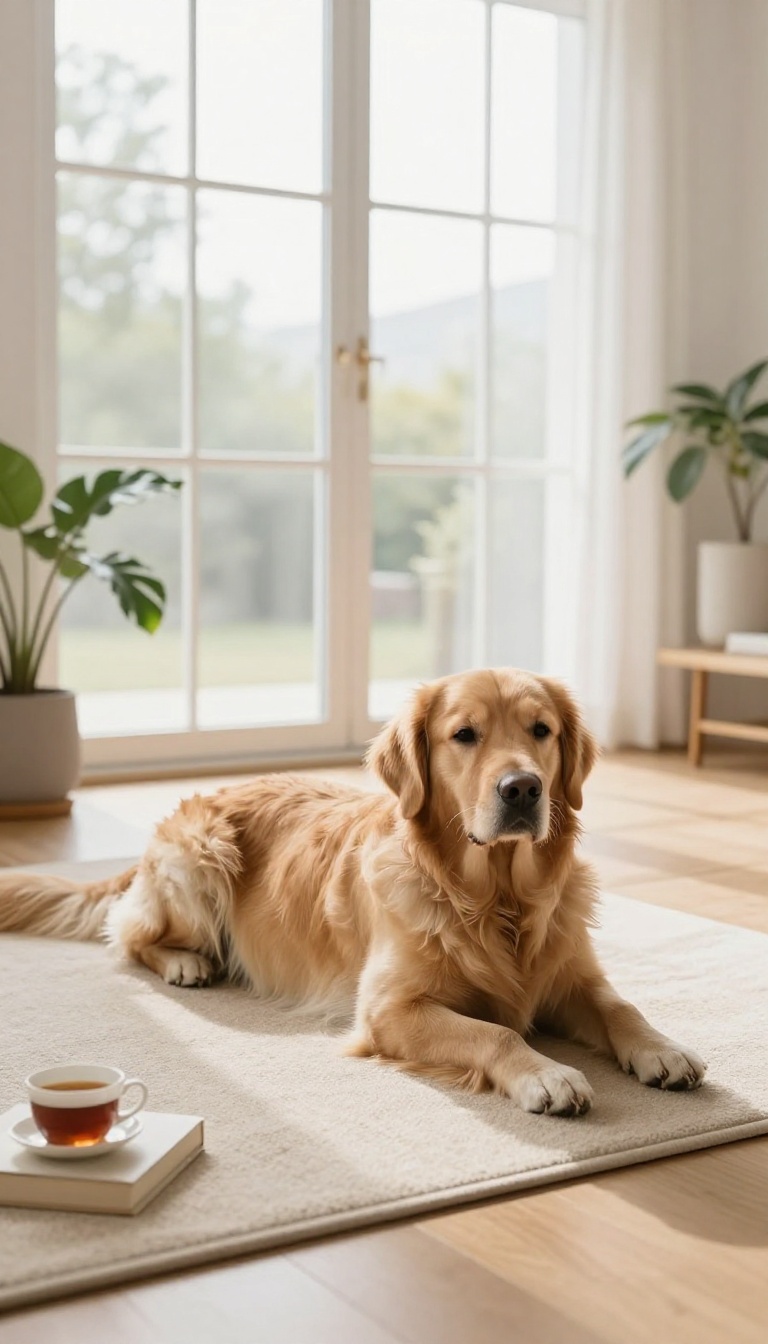
Teaching your dog to settle on a mat or bed is like giving them a pause button. It's perfect for those moments when you need a calm companion—during meals, work calls, or just a quiet evening. This exercise not only helps your dog learn to relax on cue but also gives you a reliable way to manage their energy indoors.
The settle command is about more than just lying down; it's about teaching your dog to switch off and stay put. Start by choosing a comfortable mat or bed and use treats to lure your dog into a down position. Reward calm behavior, gradually increasing the duration and adding a verbal cue like "settle.
" With practice, your dog will associate the mat with relaxation, making it a go-to spot for downtime.
Why Settle Matters
A dog that can settle on command is a joy to live with. It prevents unwanted behaviors like pacing, whining, or following you around. It also helps your dog cope with boredom and reduces anxiety, as they learn to relax in a designated spot.
This skill is especially handy when you have guests or need to focus on a task.
Step-by-step Training
Begin in a quiet area with minimal distractions. Lure your dog onto the mat with a treat, then guide them into a down position. Say "settle" and reward them for staying.
Gradually increase the time between treats, and practice in different rooms or with mild distractions. Always use positive reinforcement and keep sessions short and fun.
Troubleshooting Common Issues
If your dog pops up quickly, you might be moving too fast. Slow down and reward even brief moments of calm. If they seem restless, try tiring them out with a walk first.
Some dogs need a little more time to get the hang of it, so be patient and consistent. Avoid forcing the position—make it a positive experience.
5. Reliable Recall: Coming When Called, Even with Distractions
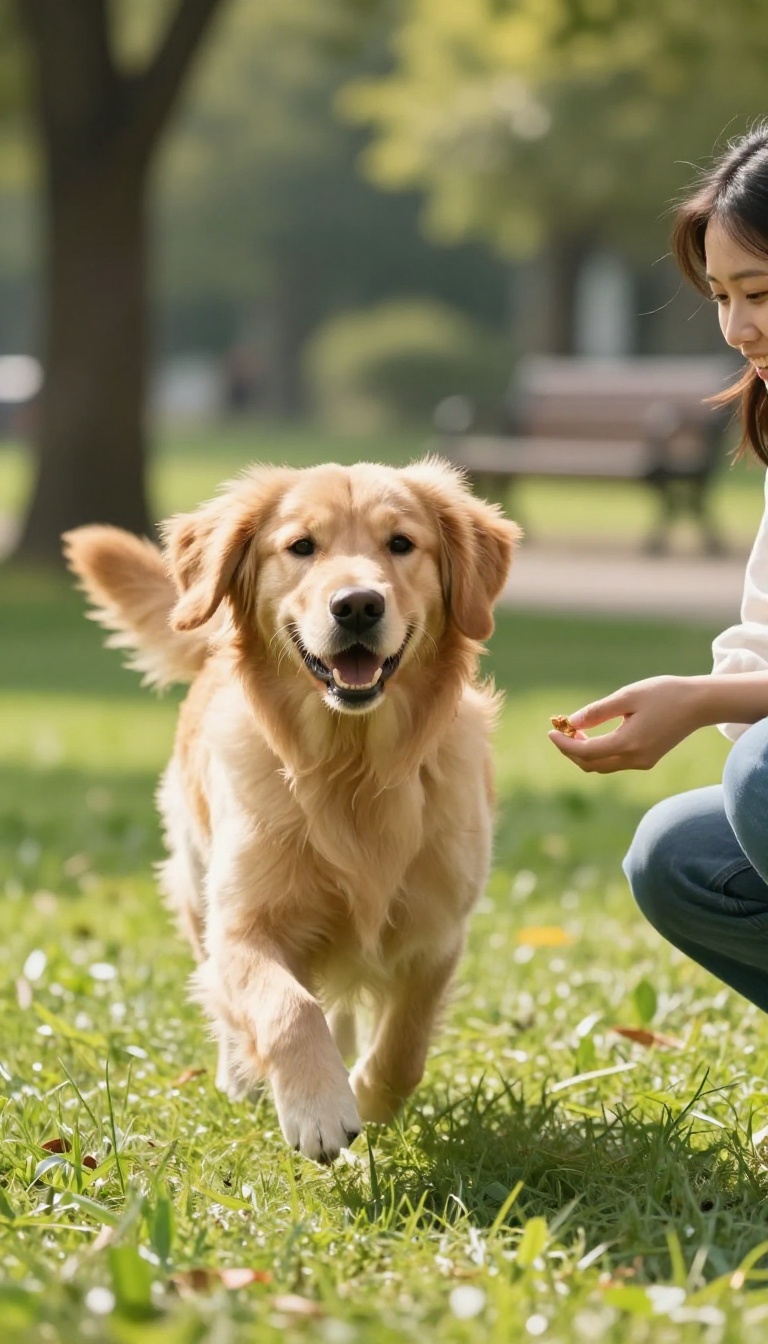
A dog that bolts after a squirrel or ignores you at the park can turn a relaxing outing into a stressful chase. Reliable recall isn't just a trick—it's a safety net that gives your dog freedom and you peace of mind. The key is to make coming to you the most rewarding choice your dog can make, no matter what's happening around them.
Start indoors in a quiet room. Say your dog's name and a clear cue like "come, " then back away a few steps, clapping or using an excited tone. The moment your dog reaches you, mark it with a "yes" and offer a high-value treat—something special like chicken or cheese.
Repeat this several times, gradually increasing the distance and adding mild distractions like a toy on the floor. Always end on a success, and never call your dog to you for something unpleasant, like a bath or nail trim. That way, they'll learn that coming to you is always a good thing.
Start Small, Then Add Real-world Distractions
Once your dog is reliable at home, move to a fenced yard or a quiet park. Use a long leash (15–30 feet) so your dog has freedom but you still have control. Practice calling them away from interesting smells, other dogs, or people.
Gradually increase the level of distraction as your dog succeeds. Remember to keep the rewards extra special when there are distractions—this teaches your dog that ignoring the world to come back to you is worth it.
The Power Of High-value Rewards
Not all treats are created equal. For recall, use something your dog only gets during training—like tiny pieces of boiled chicken, hot dog, or cheese. This makes coming to you a jackpot moment.
If your dog loves toys, you can use a favorite squeaky ball or a tug rope as the reward instead. The key is to make the reward so exciting that your dog chooses you over the squirrel every time.
Never Punish A Late Arrival
It's tempting to scold your dog when they finally come back after ignoring you for minutes. But punishment can teach them that coming to you leads to bad things, making them less likely to come next time. Instead, greet them warmly and reward them for arriving, even if it took a while.
This builds trust and keeps recall a positive experience. If your dog is consistently slow, go back to a less distracting environment and practice more.
Practice In Short Bursts Throughout The Day
You don't need long training sessions to build solid recall. Sprinkle short practice sessions into your daily routine—call your dog from another room while you're watching TV, or during a pause in your walk. Each successful recall reinforces the behavior.
Aim for a few minutes of practice, several times a day, rather than one long session. This keeps your dog engaged and makes recall a habit.
6. The 'Leave It' Cue: Preventing Unwanted Grabbing and Snacking
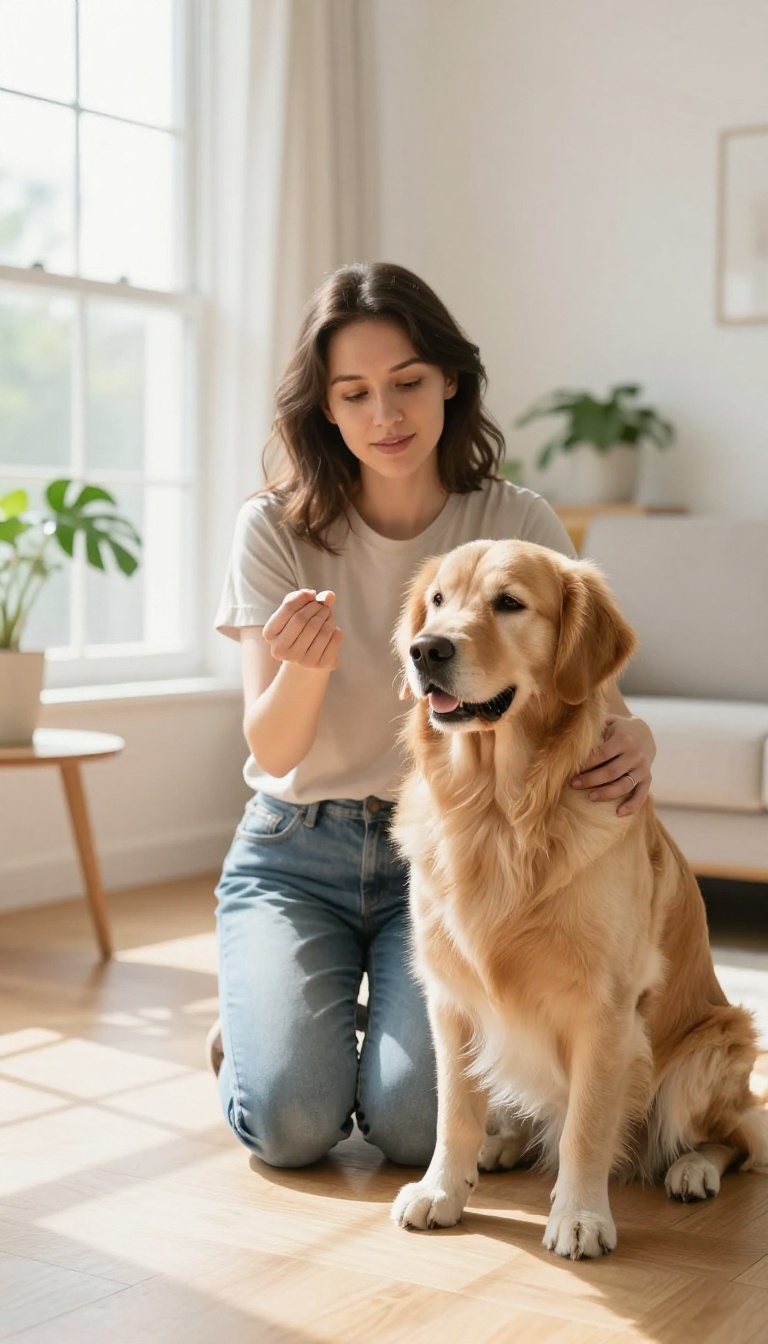
Every dog owner knows the panic of spotting something questionable on the sidewalk before your pup does. The 'leave it' cue is your safety net for these moments, teaching your dog to turn away from distractions on command. It's not just about preventing snacking on dropped food—it's about building impulse control that keeps your dog safe in everyday situations.
Start training in a quiet room with low-value treats in your closed fist. Present your hand, and when your dog stops trying to get it, say 'yes' and reward from the other hand. Gradually increase difficulty by using more tempting items and practicing in busier environments.
Consistency and patience are key—this is a skill that pays off for a lifetime.
Start With Easy Distractions
Begin with something your dog usually ignores, like a piece of kibble on the floor. Use a leash or stand on it to prevent access if needed. Say 'leave it' in a calm, firm voice, and the moment your dog looks away, reward enthusiastically.
Repeat until your dog reliably turns to you when they hear the cue.
Progress To More Tempting Items
Once your dog masters easy items, switch to higher-value treats or toys. Keep sessions short and end on a positive note. If your dog goes for the item, simply cover it with your foot or hand and try again.
The goal is to teach that ignoring the item leads to a better reward from you.
Practice In Real-world Scenarios
Take the cue outside to the park or on walks. Use a long leash for safety and start with items at a distance. Over time, your dog will learn to trust that 'leave it' means something better is coming.
This builds a strong recall response in the presence of distractions.
7. Polite Mealtime Manners: Waiting for the Green Light
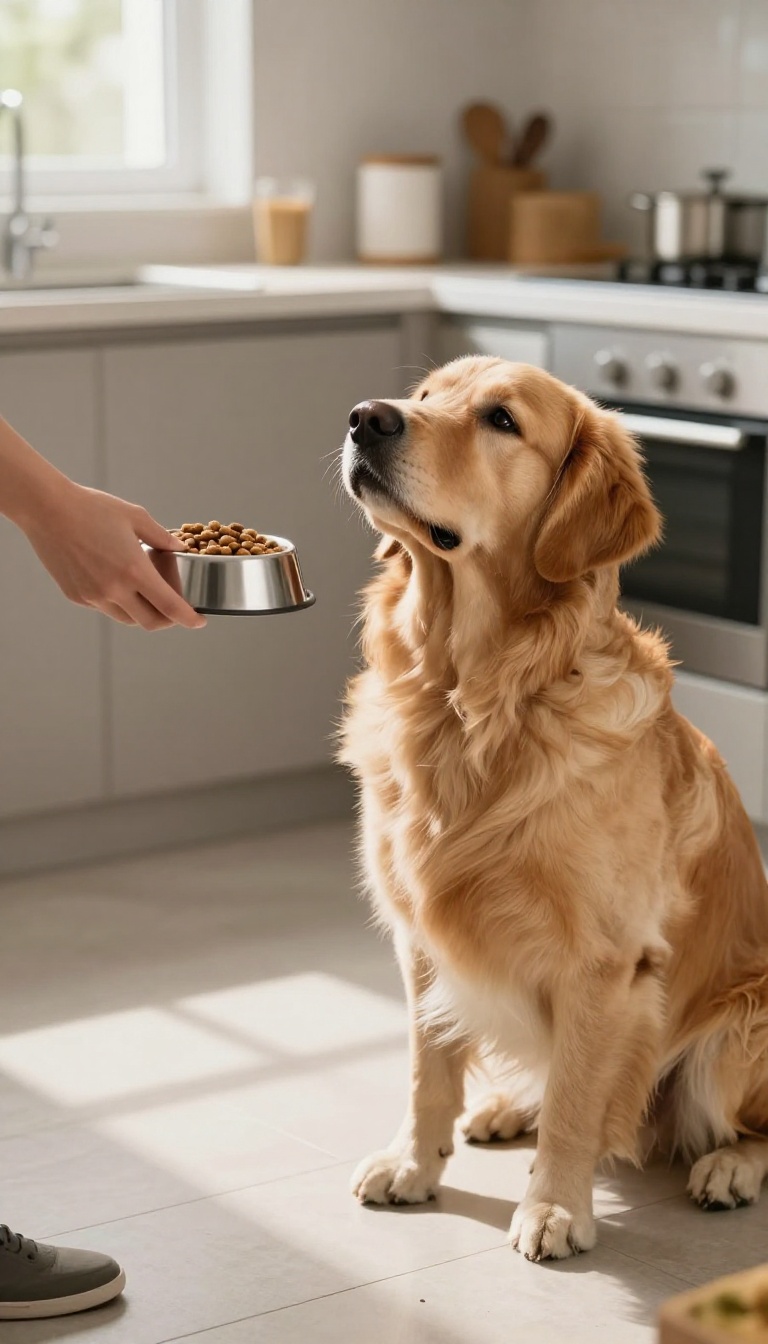
Mealtime can be one of the most chaotic parts of the day, especially if your dog dives into their bowl the second it hits the floor. Teaching your dog to wait for a clear release signal not only prevents spills and messes but also reinforces impulse control in a high-excitement situation. With a little patience and consistency, you can turn dinner into a calm, structured ritual that benefits both of you.
Start by asking your dog to sit or lie down before placing the bowl down. Hold the bowl at your hip and wait for a calm, focused state. Then, slowly lower the bowl to the floor while keeping it just out of reach.
If your dog moves toward it, lift the bowl back up and reset. Once they hold still, place the bowl down and say your release word, such as "OK" or "free. " Gradually increase the time between placing the bowl and giving the release, so your dog learns to wait longer and longer.
This exercise isn't just about mealtime—it's a foundation for self-control in other exciting moments, like greeting visitors or walking through doorways.
Start Simple: The Sit-stay With The Bowl
Begin with your dog in a sit-stay. Have the bowl ready, but keep it behind your back or on a counter. Say "sit" and reward that position with a treat.
Then, slowly bring the bowl into view at chest height. If your dog breaks the sit, simply turn away and try again. Once they can hold the sit with the bowl visible, progress to lowering it to the floor.
Keep sessions short—five minutes max—and always end on a success.
Add The Release Word
Choose a release word that you don't use in everyday conversation, like "break" or "go. " When your dog is holding the sit and the bowl is on the floor, say the release word in a cheerful tone and let them eat. Repeat this consistently so they associate the word with permission to move.
Over time, your dog will learn that the release word is the only signal to approach the bowl.
Increase The Wait Time Gradually
Once your dog understands the concept, start lengthening the pause between placing the bowl and giving the release. Begin with just a second or two, then work up to ten, twenty, or even thirty seconds. You can also add small distractions, like stepping back or turning away, to test their focus.
If they break early, calmly reset and try again. The goal is a dog who waits patiently until you give the green light, no matter how tempting the food looks.
8. The 'Place' Command: Going to a Designated Spot
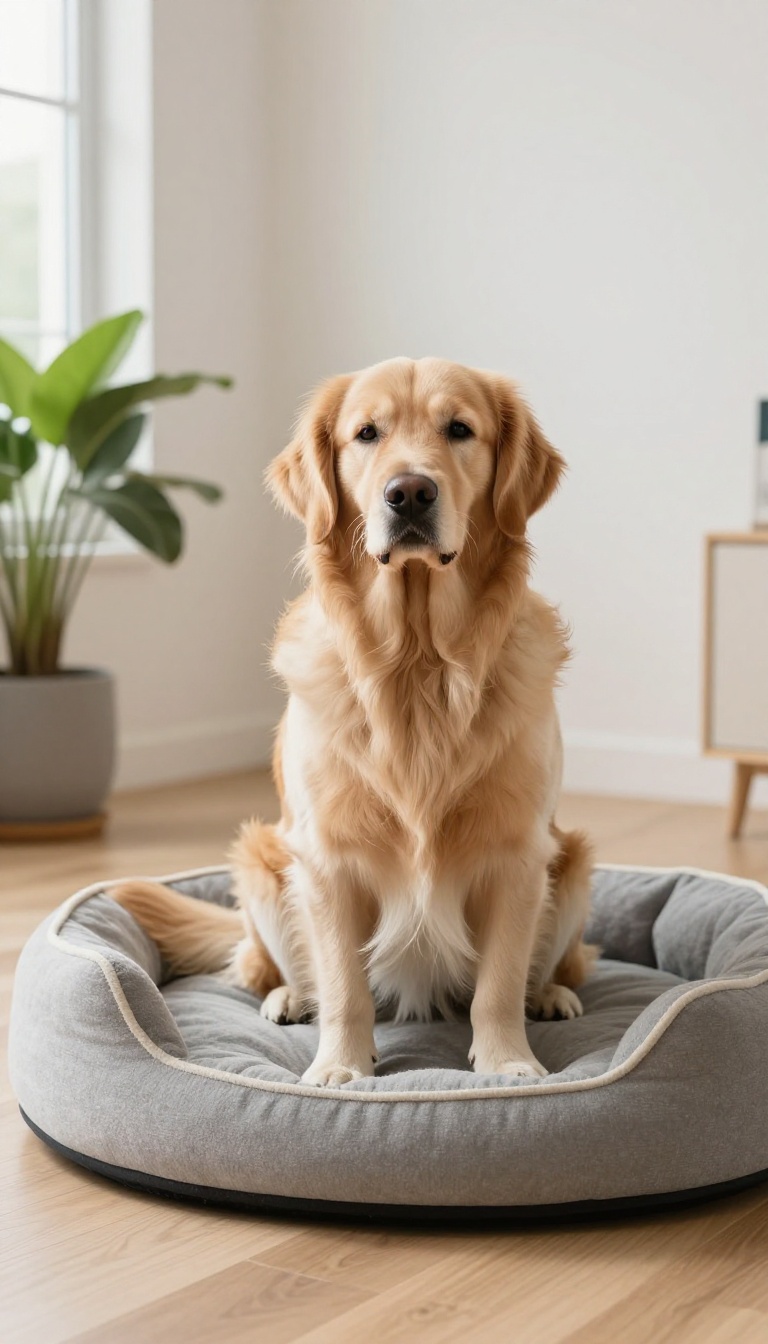
Does your dog turn into a furry tornado when the doorbell rings? Or maybe they hover underfoot while you cook, making dinner prep a tripping hazard. The 'place' command offers a simple solution by teaching your dog to go to a specific mat or bed and stay there until you give the release word.
It's a game-changer for managing door dashing, overexcitement, and general chaos.
Training 'place' is straightforward and works wonders for impulse control. You'll start by picking a comfortable mat or bed and using treats to lure your dog onto it. Once they're on, mark the behavior with a 'yes' or a clicker, then reward.
Gradually add a verbal cue like 'place' and increase the duration they stay before releasing them. The key is to make it a positive, rewarding experience so your dog willingly goes to their spot, even when distractions are high.
Choosing The Right Spot
Pick a location that's out of high-traffic areas but still visible to you. A corner of the living room or a spot near the kitchen works well. The mat should be comfortable and portable so you can take it with you when traveling or visiting friends.
Consistency matters—use the same mat every time so your dog associates it with calmness and relaxation.
Step-by-step Training
Start by luring your dog onto the mat with a treat, then say 'place' as they step on. Reward them immediately. Repeat this several times until they go to the mat on their own when you point or gesture.
Next, work on duration: ask for 'place' and wait a few seconds before rewarding. Gradually increase the time, and always release with a cue like 'okay' or 'free. ' Practice in short sessions to keep it fun.
Using 'place' In Real Life
Once your dog has the basics down, use 'place' in real-world scenarios. When guests arrive, send your dog to their mat before opening the door. During mealtimes, have them stay on their mat while you eat.
You can even use it when you need a moment of peace, like when you're on a phone call. The more you practice in different situations, the more reliable the command becomes.
9. The 'Drop It' Cue: Trading for Something Better
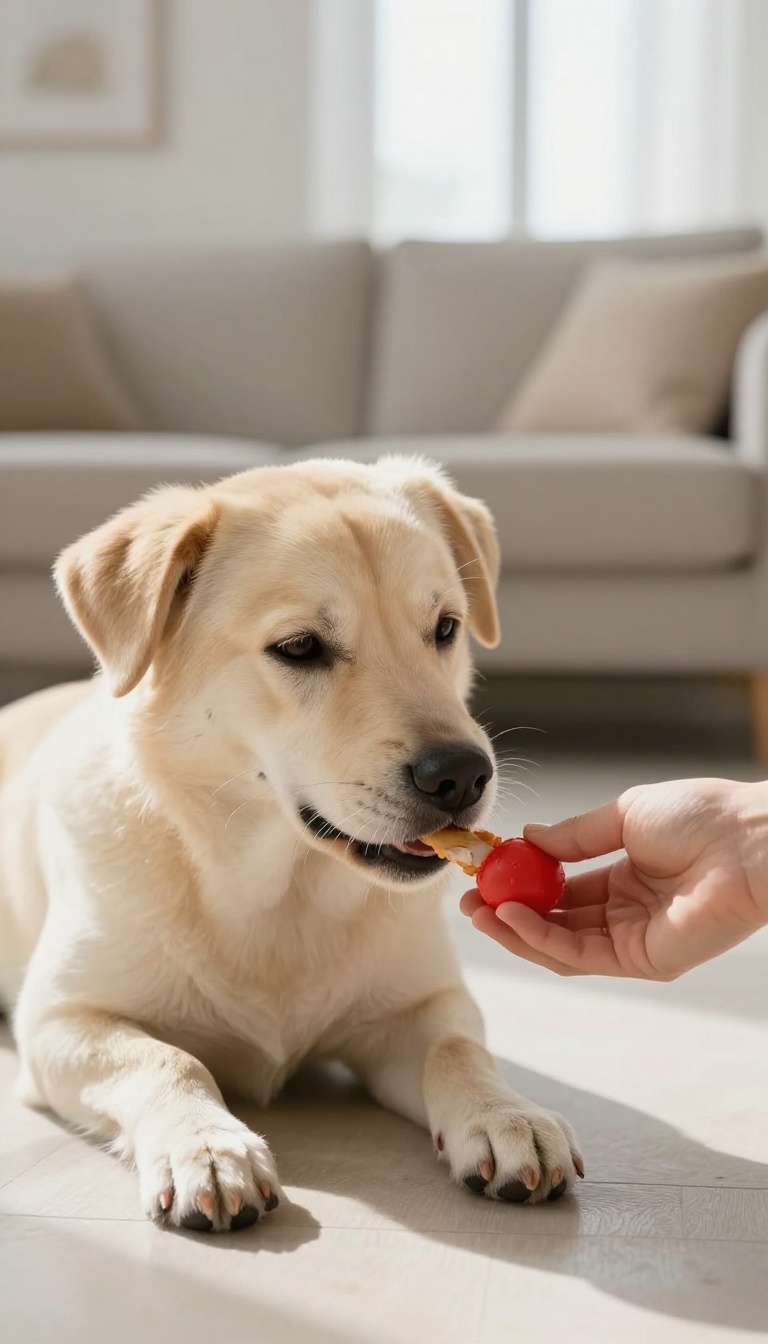
There's a moment every dog owner knows: your pup snatches something off the ground—a stray chicken bone, a sock, maybe a dead bird—and suddenly you're playing a high-stakes game of keep-away. Chasing usually makes it worse, and prying jaws open is risky for both of you. The 'drop it' cue is your escape hatch, a reliable way to get your dog to release anything from their mouth on command, no matter the distraction.
This exercise isn't just about safety; it's about trust. When your dog learns that dropping something means something even better is coming, they'll willingly trade almost anything. The trick is to practice with boring items first, then build up to real-world temptations.
With a little patience and the right rewards, you'll turn a potential disaster into a calm, controlled exchange.
The 'drop it' cue is a lifesaver in countless situations. Whether your dog grabs a toxic plant, a child's toy, or something sharp, having a solid release command can prevent emergencies. It also makes daily life easier—no more wrestling for your favorite shoes or digging through the trash for stolen treats.
Beyond practicality, this exercise strengthens your bond: your dog learns that cooperating with you leads to great things, which builds trust and respect. Start training in a quiet space with low-value items—things your dog isn't crazy about but will pick up. Use a high-value treat (like chicken or cheese) to trade.
As your dog takes the item, show the treat and say 'drop it' in a cheerful tone. When they open their mouth, reward them immediately. Repeat until they drop on cue without hesitation.
Then, gradually increase the value of the item and the level of distraction. Always keep training positive and never punish your dog for holding something—that just makes them more likely to guard it.
Why Trading Beats Chasing
Chasing a dog that's run off with something is a natural instinct, but it usually backfires. Your dog sees it as a game, and the more you chase, the more they want to keep the prize. Trading, on the other hand, sets up a win-win: your dog gets a tasty reward for letting go, and you get the dangerous item back.
This approach builds a positive association with the cue, so your dog is more likely to comply in the future. Plus, it keeps your relationship stress-free—no yelling, no grabbing, just a fair exchange.
Step-by-step Training In 3 Phases
Phase 1: Start with a boring item like a rolled-up sock. Offer it to your dog, then hold a high-value treat near their nose. Say 'drop it' as they release.
Reward immediately. Repeat 5-10 times per session. Phase 2: Move to slightly more interesting items, like a rubber toy.
Practice in different rooms to generalize the cue. Phase 3: Introduce real-world distractions—practice outside or with friends around. Always use high-value rewards and keep sessions short.
If your dog doesn't drop, don't pull or pry; instead, walk away or wait it out. Consistency is key.
Real-life Applications And Safety Tips
Once your dog has a reliable 'drop it' cue, you can use it in everyday situations: at the park when they pick up a stick, at home when they grab a remote, or during walks if they lunge at a discarded snack. Always have treats handy to reinforce the behavior. For safety, never chase your dog when they have something dangerous—instead, run the other way or offer a high-value trade.
If your dog is a serious resource guarder, consult a professional trainer to avoid escalating the behavior. With practice, 'drop it' becomes second nature, keeping your dog safe and your sanity intact.
10. The 'Wait' at Doorways: Curbing Door-Dashing Instincts
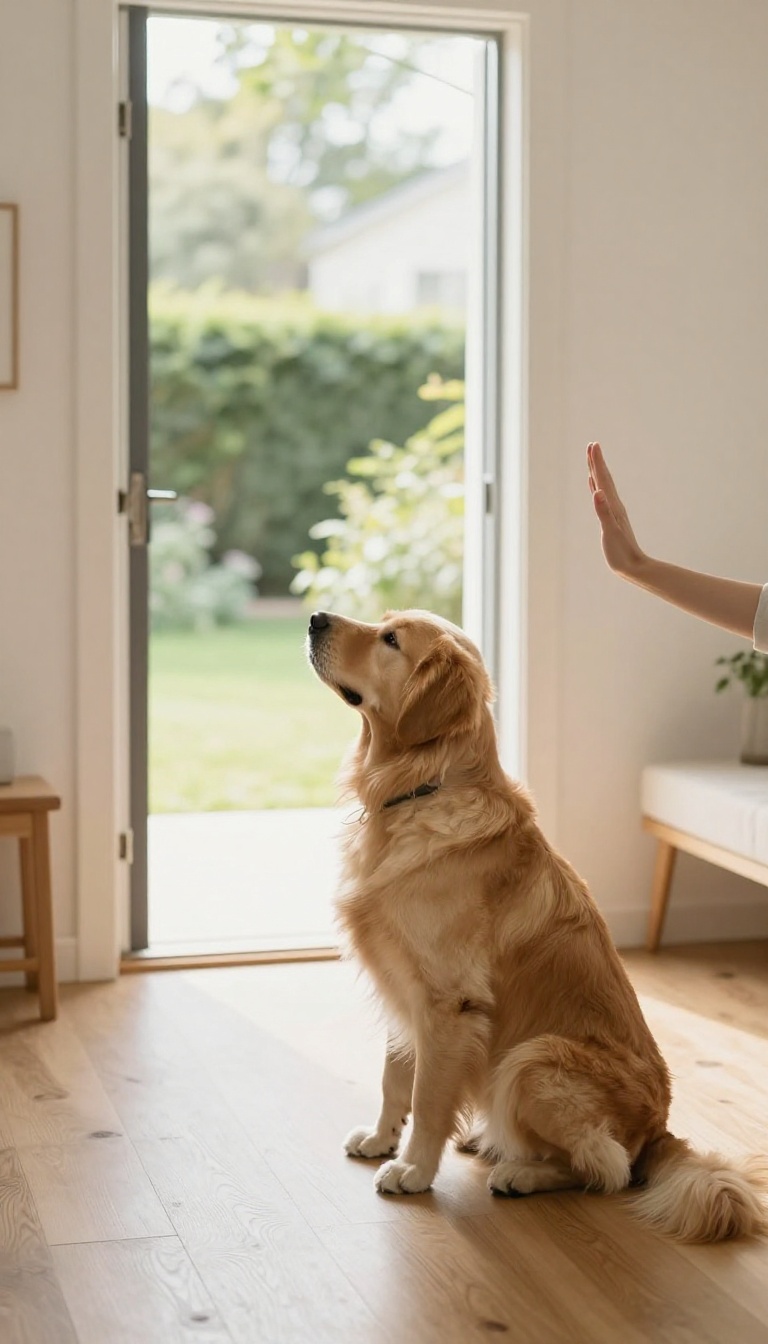
Does your dog treat an open front door like the starting line of a race? That split-second dash can lead to lost dogs, traffic accidents, or unexpected chases. Teaching a solid 'wait' at thresholds gives you control and keeps your pup safe.
This exercise is simple to practice and fits naturally into your daily routine. Every time you go through a door, you have a chance to reinforce calm behavior. With patience and consistency, your dog will learn that doorways are places for pause, not panic.
Door-dashing is a common and dangerous habit, but it's also highly trainable. The key is to teach your dog that doorways are boundaries that require permission to cross. Start with a low-distraction door and use high-value treats to make waiting worthwhile.
Over time, your dog will automatically pause and look to you for the go-ahead. This skill isn't just for your front door—it applies to car doors, gates, and even rooms in your house. By practicing consistently, you're building a reliable habit that keeps your dog safe in many situations.
Start Small: Practice At A Quiet Door
Begin with a door that doesn't lead outside, like a bathroom or closet. Put your dog on a leash and approach the door. As you reach for the handle, say 'wait' in a calm, firm voice.
Open the door just a crack. If your dog moves forward, close the door and try again. When your dog stays put, reward with a treat and praise.
Repeat until your dog reliably pauses when you open the door.
Add Distractions Gradually
Once your dog understands the basics at a quiet door, it's time to increase the challenge. Practice at your front door with the door closed, then with it open a few inches. Have a friend walk by outside or toss a toy past the doorway.
Each time, reinforce the 'wait' command. If your dog breaks the wait, calmly reset and try again. The goal is to make waiting automatic, even when exciting things are happening on the other side.
Release With A Clear Cue
Your dog needs to know when it's okay to move forward. Choose a release word like 'okay' or 'free' and use it consistently. After your dog has waited, say the release word and step through the door together.
This teaches your dog that waiting is temporary and that you'll give the signal to go. Over time, your dog will learn to look to you for permission before crossing any threshold.
Practice In Real-life Situations
The best training happens in real life. Use the 'wait' command every time you go outside, come back in, or get in the car. Ask your dog to wait before entering the vet's office or a friend's house.
The more you practice in different environments, the stronger the habit becomes. Soon, your dog will automatically pause at doorways, keeping everyone safe and stress-free.
11. The 'Heel' Position: Walking Politely by Your Side
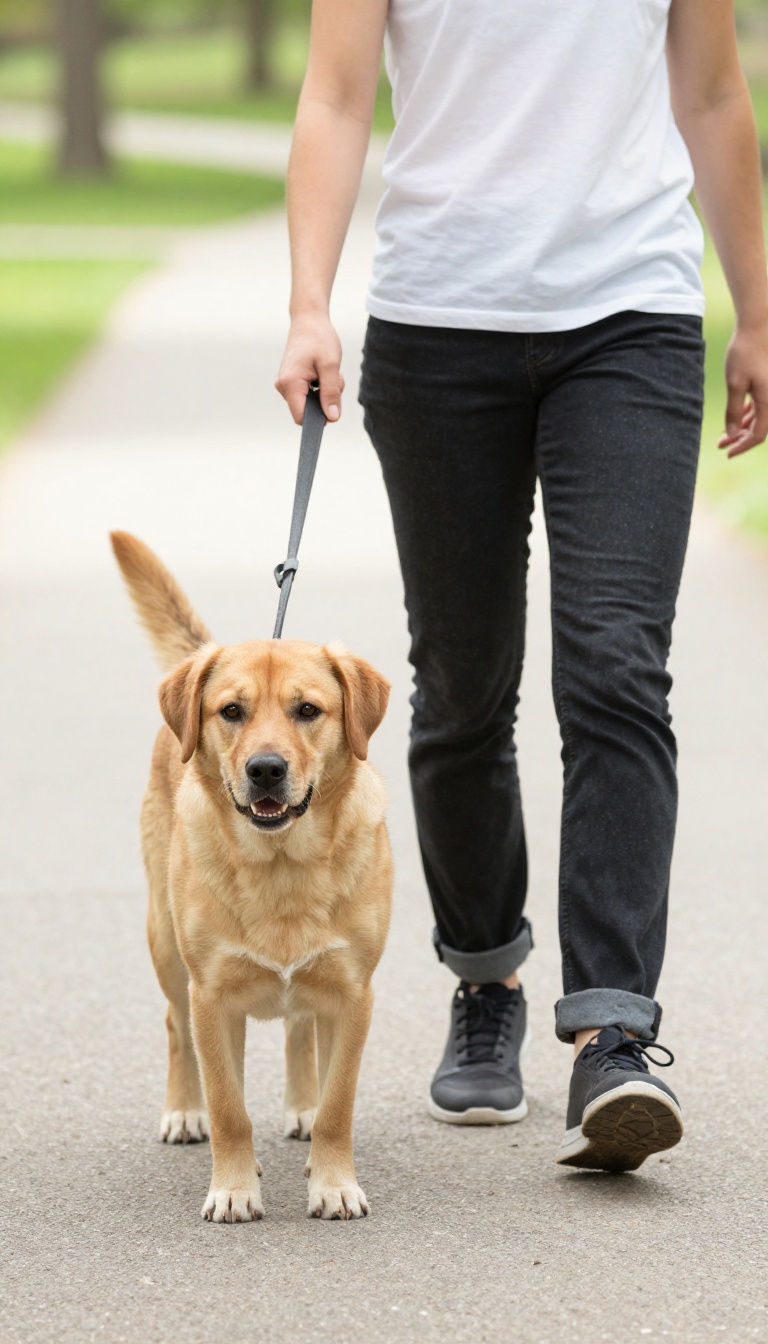
Walking your dog should be a pleasure, not a tug-of-war. The heel position is about teaching your dog to walk calmly beside you, which is especially handy in crowded or distracting environments. With a few treats and a consistent cue, you can turn chaotic walks into peaceful strolls.
Mastering the heel position isn't about military precision; it's about having a relaxed, controlled walk. Start in a low-distraction area, use a high-value treat to lure your dog into position at your side, and reward them for staying there. Gradually add movement and distractions, always using a clear cue like 'heel' or 'let's go. ' The goal is a loose leash and a happy, focused dog.
Why Heel Matters In Real Life
Heeling is more than just a party trick. It keeps your dog safe in busy areas, prevents leash pulling, and makes walks more enjoyable for both of you. When your dog knows how to heel, you can navigate sidewalks, cross streets, and pass other dogs without stress.
Step-by-step Training
Start with your dog on a leash at your side. Hold a treat near your leg and say 'heel' as you take a step. Reward your dog the moment they stay beside you.
Keep sessions short—just a few minutes—and gradually increase the distance and distractions. Always end on a positive note.
Troubleshooting Common Issues
If your dog pulls ahead, stop and wait until they return to your side. If they lag behind, use a cheerful tone and a treat to encourage them. Consistency is key—practice in different environments so your dog learns to heel anywhere, not just in the living room.
FAQ
How long does it take to teach a dog obedience exercises?
It varies by dog and exercise, but with consistent daily practice, most dogs can learn a new behavior in a few weeks. Keep sessions short and positive.
What if my dog is too distracted to train?
Start training in a quiet environment and gradually add distractions. Use high-value treats and keep sessions short to maintain focus.
Can I teach an older dog these exercises?
Absolutely! Dogs of any age can learn new behaviors. Older dogs may take a bit longer, but they are often more focused and eager to please.
Do I need special equipment for these exercises?
No, just a well-fitting collar or harness, a leash, and some tasty treats. A clicker can be helpful but isn't necessary.
What should I do if my dog doesn't respond to a cue?
Go back a step in your training and practice more. Ensure you're using a clear cue and rewarding immediately. If problems persist, consider consulting a professional trainer.
Conclusion
Polite daily behavior isn't about turning your dog into a robot—it's about building a shared language that makes life together smoother. Pick a couple of these exercises that fit your routine, and practice them in short, happy bursts. You'll likely notice fewer tugs on the leash, less jumping at guests, and a calmer house overall.
Remember, every small win counts, so keep sessions positive and consistent. With a little patience, those everyday moments will feel less like training and more like teamwork—and that's the best part of having a well-mannered companion.

I’m Pallab Kishore, the owner of Little Pets Realm — an animal lover and pet care enthusiast sharing easy tips, healthy recipes, and honest advice to help every small pet live a happy, healthy, tail-wagging life.