
Last updated on August 19th, 2026 at 04:14 pm
Your dog knows what "come" means—until a squirrel dashes by or a friend waves from across the park. That frustrating moment is why recall training needs to be more than a boring drill. These 13 games turn the skill into something your pup genuinely wants to play, even when distractions pile up.
Each one is short, practical, and uses everyday items like treats, toys, and a bit of hallway space. You'll start with easy indoor setups and work toward real-world challenges like long lines and surprise visitors.
No fancy gear or endless repetition needed. Just a few minutes of fun that makes coming back the best part of your dog's day.
1. The Treat Toss Game
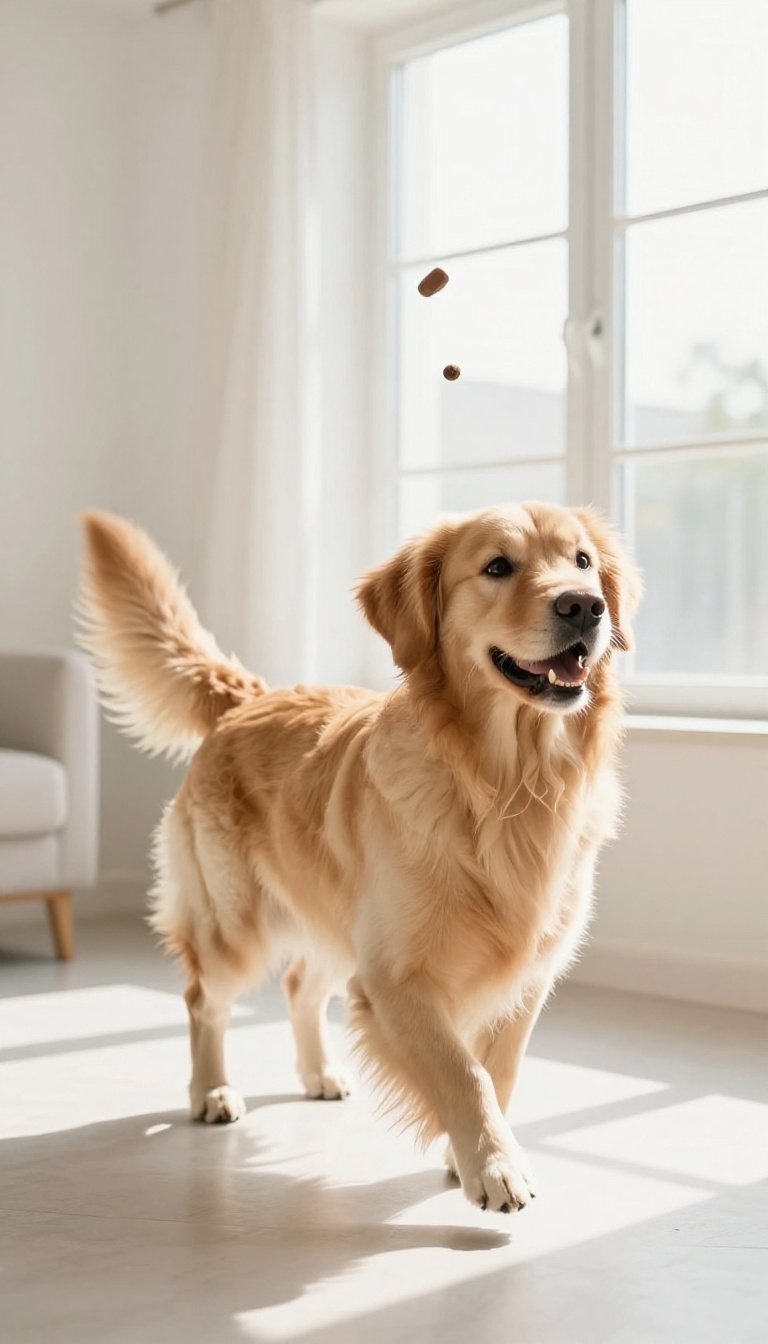
Sometimes the simplest games are the most effective. The Treat Toss Game turns a basic recall into a fun chase-and-return loop that your dog will want to repeat again and again. It's perfect for building a strong response without any pressure, and you can play it indoors or outdoors with just a handful of treats.
Start by showing your dog a treat, then toss it a few feet away. As they go to grab it, call their name and say 'come' in a happy, excited voice. The moment they turn and head back to you, reward them with another treat.
This creates a clear pattern: go get the tossed treat, then come back for an even better one. Over time, your dog learns that coming back is always worth it, even when something else catches their attention.
Why It Works
The game uses a natural reward loop: your dog gets a treat for leaving, and an even better treat for returning. This builds a positive association with coming back, making it more likely they'll respond quickly in real-world situations. It also adds a bit of movement, which keeps the game exciting and engaging.
How To Play
Choose a low-distraction area to start. Toss a treat a few feet away, then call your dog back with an upbeat 'come! ' When they return, praise them and give a treat. Gradually increase the distance and add mild distractions as your dog gets better.
Keep sessions short—about five minutes—to maintain enthusiasm.
Progression Tips
Once your dog masters the basics, try tossing a toy instead of a treat, or play in a park with more going on. You can also vary the rewards—sometimes a treat, sometimes a game of tug—to keep things unpredictable. The key is to always make coming back more rewarding than whatever they're leaving behind.
2. Hide and Seek Indoors
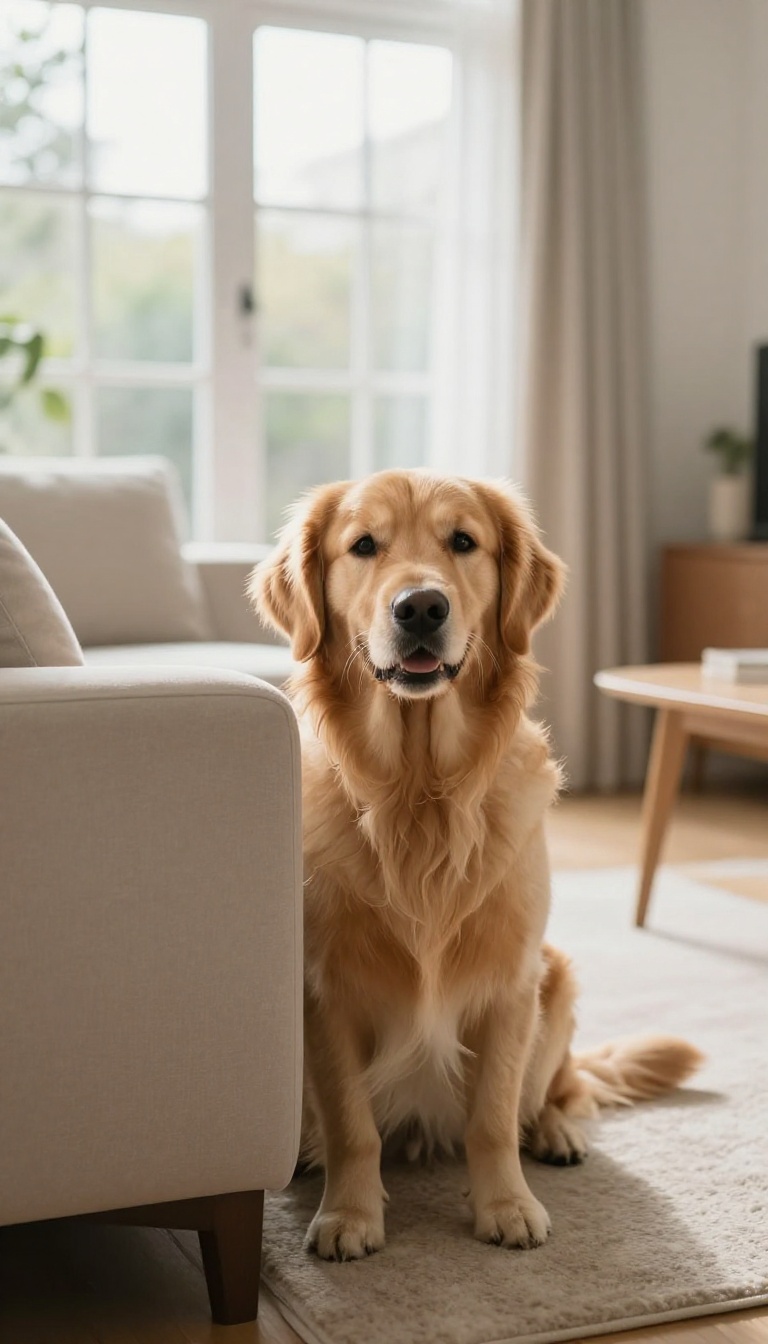
When the weather keeps you inside, turn your living room into a training playground. Hide and Seek taps into your dog's natural hunting instincts and makes recall a thrilling discovery. Every time they find you, they get rewarded—so coming when called becomes a game they'll want to play again and again.
Start simple by hiding behind a door or a piece of furniture while your dog watches. Call their name in a happy voice, then celebrate with treats and praise the moment they find you. As they get the hang of it, make the game harder by hiding in more challenging spots or having another person hold your dog while you hide.
The key is to keep the energy high and the rewards generous, so your dog associates coming to you with excitement and good things.
Getting Started
Begin with easy hides in the same room. Crouch behind a sofa or chair and call your dog enthusiastically. When they discover you, throw a mini party with treats and a quick game of tug.
This builds a strong positive connection to the recall cue.
Adding Challenge
Once your dog is confident, move to another room and close the door partway. Call them and let them push through to find you. You can also have a friend hold your dog's collar while you hide, then release them.
This adds a fun anticipation element and strengthens the 'come when called' behavior.
Making It A Habit
Practice Hide and Seek a few times a week, but keep sessions short—five minutes is plenty. Vary your hiding spots so your dog never knows where you'll be. This keeps the game fresh and ensures your dog's recall stays sharp, even when you're not in sight.
3. The Chase Me Game
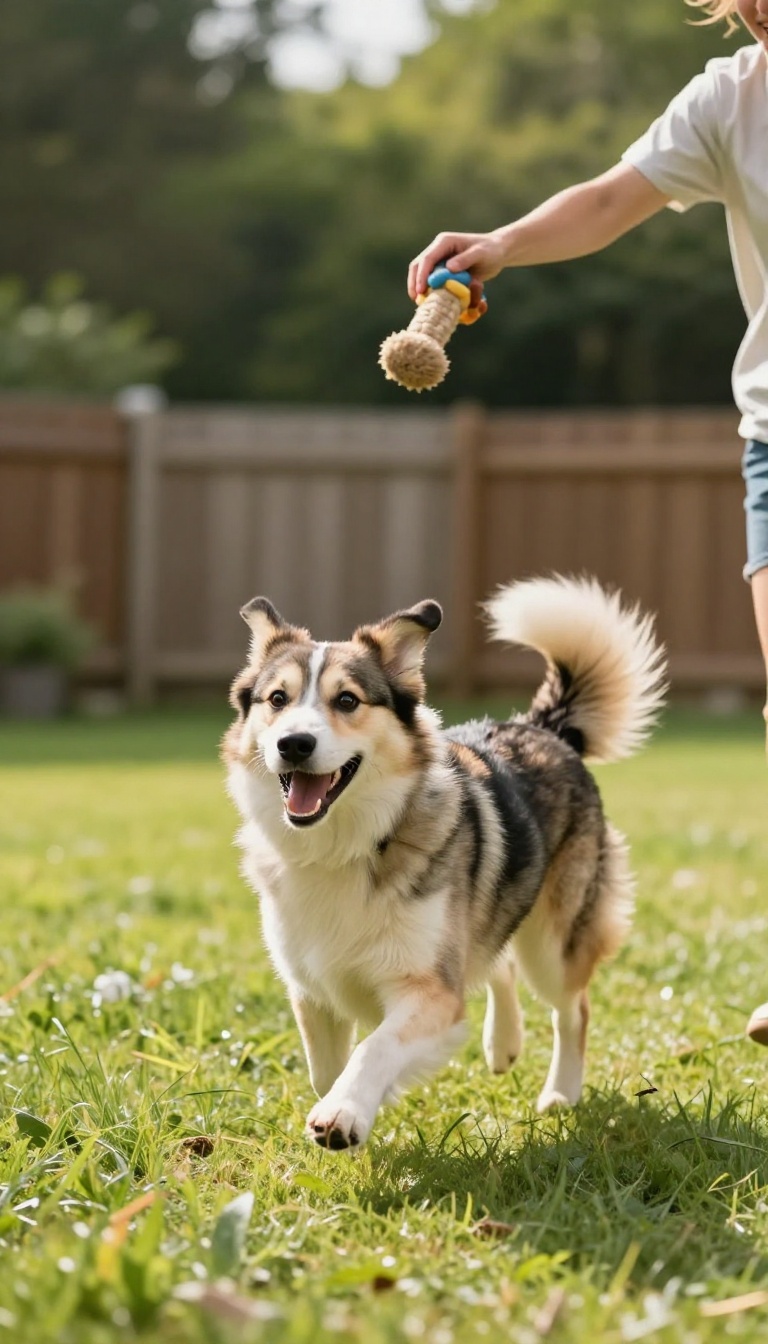
Dogs are hardwired to love a good chase, and you can use that instinct to make recall irresistible. Instead of yelling “come” and waiting, you turn the tables and run away from your pup. The moment your dog sees you moving, that prey drive kicks in, and they’ll be right behind you.
Start in a safe, enclosed area like your living room or a fenced yard. Say your dog’s name in a happy tone, then take off running in the opposite direction. As your dog catches up, reward them with a treat or a quick game of tug.
The goal is to make returning to you feel like the start of a fun game, not the end of one.
Why Running Away Works
When you run, you become the most interesting moving thing in the environment. Your dog’s natural instinct to chase kicks in, overriding distractions. It also flips the power dynamic: instead of being called, your dog gets to choose to follow you, which builds confidence and strengthens your bond.
Adding A Verbal Cue
Once your dog is consistently chasing you, add a cue like “come” or “let’s go” right before you start running. Over time, your dog will associate the word with the fun of the chase. Use a happy, excited tone so the cue itself becomes a predictor of good things.
Making It A Real-life Recall Game
Gradually move this game outdoors to a fenced area or use a long line for safety. Start with short distances and few distractions, then build up. If your dog pauses, run a few steps sideways or crouch down to reignite their interest.
Always end with a reward and a calm, positive finish.
4. The Recall Relay
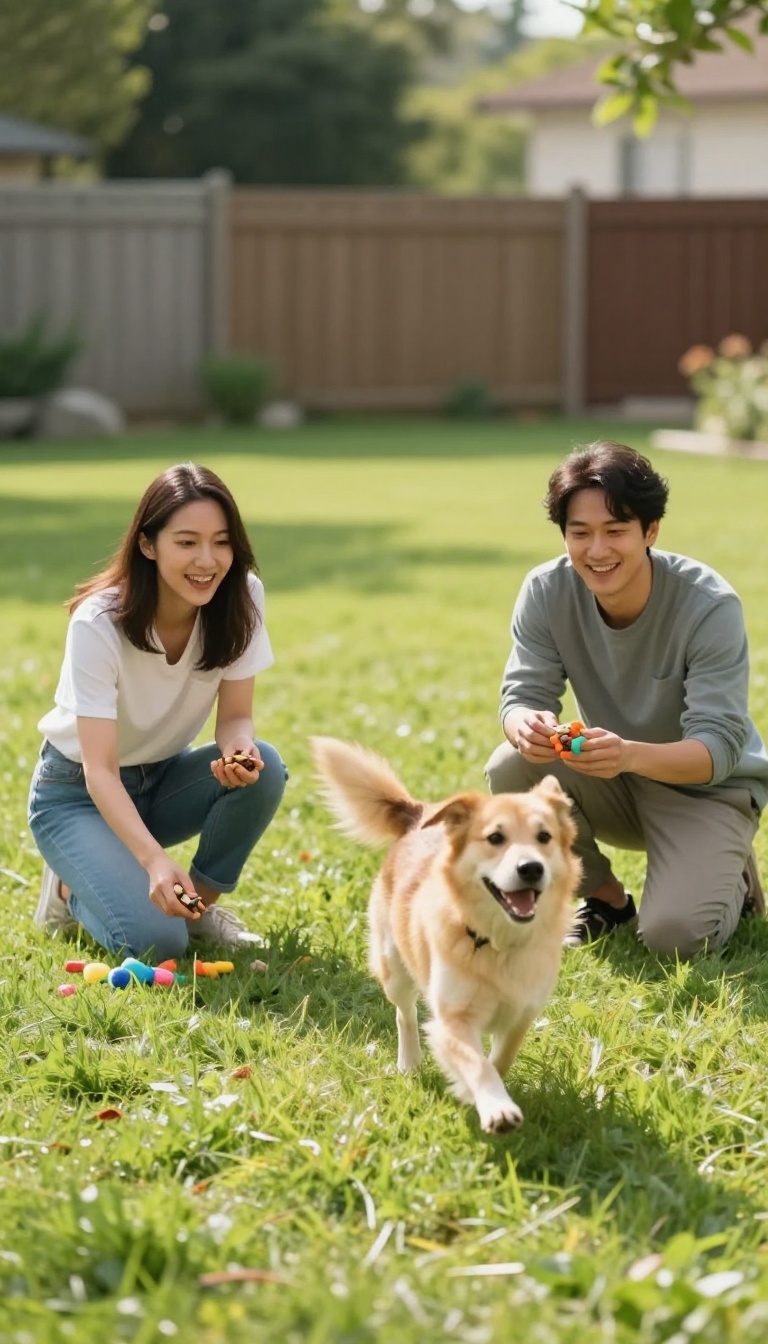
Turn recall into a two-person game that gets everyone moving. The Recall Relay is perfect for days when you want to burn energy and sharpen listening skills at the same time. All you need is a partner, a handful of treats, and a dog who's ready to play.
Start with two people about 10 to 15 feet apart in a safe, enclosed area. Each person has a small pile of treats or a favorite toy. Take turns calling the dog by name, followed by a cheerful "come!
" When the dog reaches you, reward with a treat and a quick play session—maybe a tug toy or a few seconds of chase. Then the other person calls, and the dog runs back for another reward. Keep the energy high and the pace fast so your dog sees each recall as a chance for fun, not a chore.
Set Up For Success
Choose a low-distraction area first, like a hallway or a fenced yard. Have both people kneel or sit to make yourself more approachable. Use a long line if needed, but let the dog drag it so you can step on it if they try to bolt.
Start with short distances and build up as your dog gets the hang of it.
Add Variety To Keep It Fresh
Once your dog is solid, mix things up. Change the distance, take turns calling from different spots, or use a different reward each time—sometimes a treat, sometimes a toy. You can even add a third person to make the relay more complex.
The key is to keep your dog guessing so they stay engaged and excited to run back.
Turn It Into A Real-life Skill
The relay isn't just for the backyard. Use it at the park with a friend or family member. Start with a long line for safety, then gradually work off-leash in a secure area.
This game teaches your dog that coming back is always worth it, even when there are other people around. Plus, it's a great way to socialize your dog in a controlled, positive way.
5. The Treat Trail
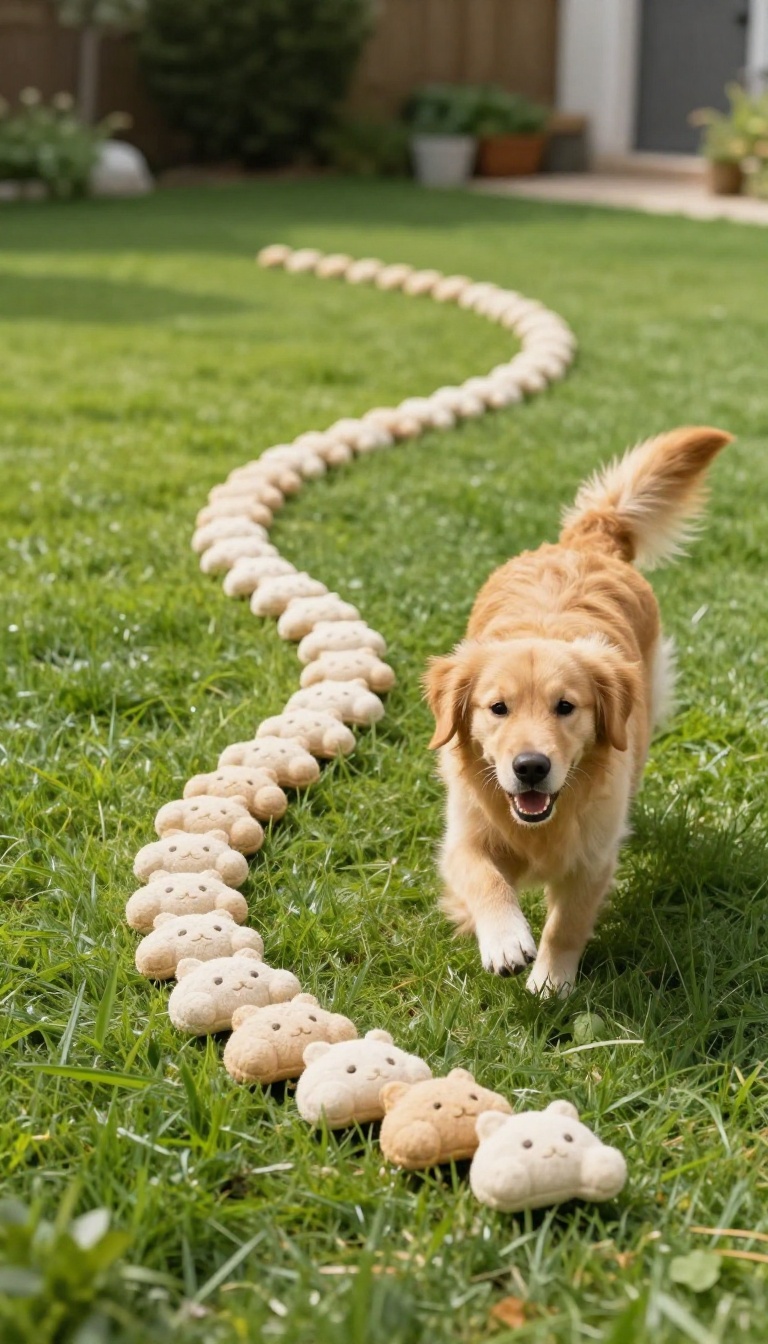
A trail of treats turns recall into a scavenger hunt. Your dog follows the scent, finds the goodies, and ends up right at your feet. It's a simple, tasty way to make coming back the most rewarding move of the day.
Start by placing a few high-value treats in a line leading to you. Call your dog and let them follow the trail. As they reach you, give them the last treat and lots of praise.
This game builds a strong association between coming back and something delicious.
Set Up The Trail
Choose a quiet area with few distractions. Place treats about a foot apart, leading directly to your feet. Keep the line short at first—maybe five treats—so your dog succeeds quickly.
Use smelly, soft treats that are easy to spot and sniff.
Make It A Game
Once your dog gets the hang of it, mix it up. Curve the trail around a corner or zigzag across the yard. Hide the last treat under your shoe or in your pocket so they have to come close to find it.
This adds a fun challenge and keeps them engaged.
Fade The Treats
Over time, reduce the number of treats on the trail. Start with every other treat, then just one at the end. Eventually, you can skip the trail entirely and rely on the memory of the game.
Your dog will still come running, expecting a payoff—and you can reward with praise or a toy instead.
6. The Toy Toss Recall
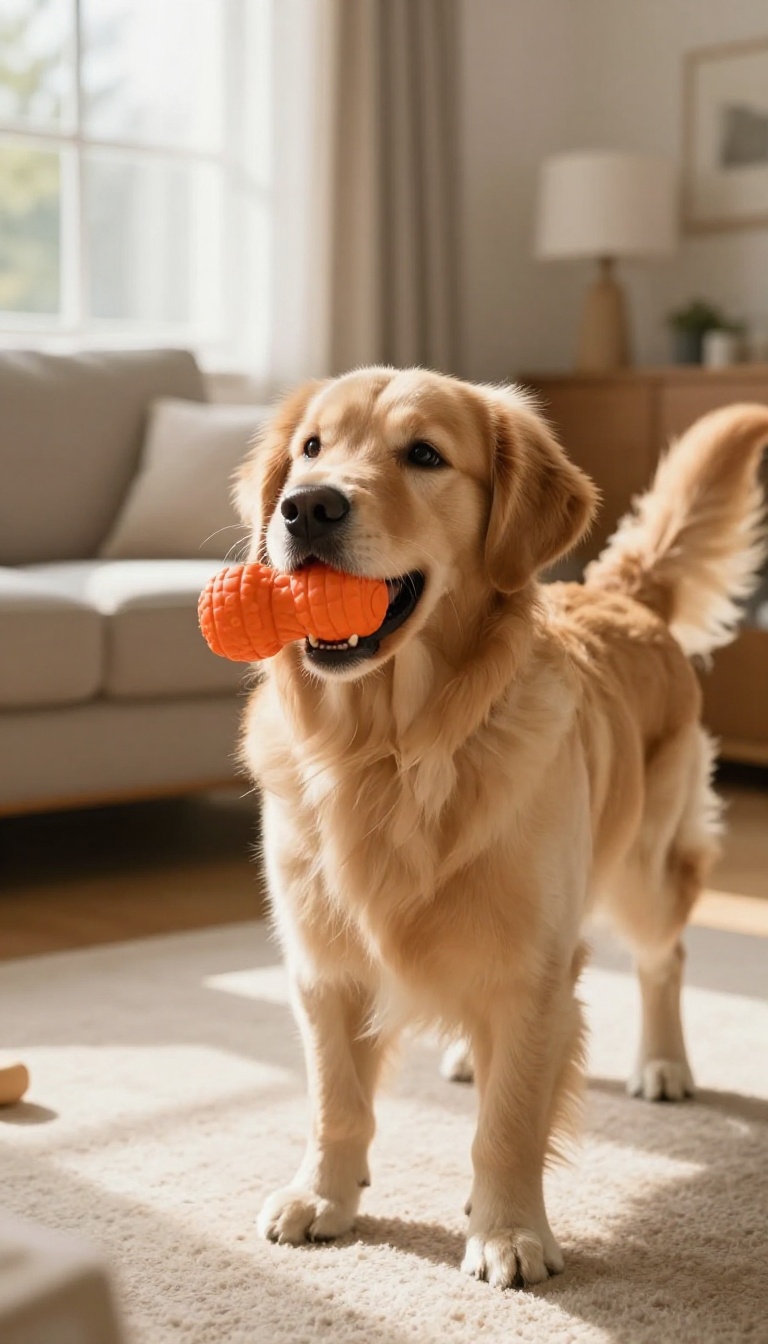
If your dog is toy-obsessed, this game turns playtime into a recall workout. You toss a favorite toy a short distance, let your dog grab it, then call them back before throwing it again. The reward isn't a treat—it's the chance to chase the toy again, which for many dogs is even more exciting.
This game works because it uses the toy as both the reward and the motivation. Your dog learns that coming back to you means the fun continues, not ends. It's a simple swap: instead of the game stopping when they return, it actually gets better.
That's the kind of math dogs love.
Start With A Short Toss
Begin indoors or in a fenced yard. Toss the toy just a few feet away—far enough to be fun, but close enough that your dog stays focused. Let them pick it up, then say your recall cue in a happy, excited voice.
The moment they turn back to you, celebrate and immediately toss the toy again. Keep the session short and high-energy, ending on a successful return.
Add A Little Distance
Once your dog is consistently coming back from short tosses, start increasing the distance. You can also toss the toy behind you or to the side, so your dog has to turn away from the toy to come back to you. This builds the habit of choosing you over the toy, even when the toy is right there.
Just remember to keep the game moving—no long pauses between tosses.
Turn It Into A Chase Game
For an extra burst of fun, turn the toss into a mini chase. After your dog returns, run a few steps in the opposite direction before throwing the toy. This mimics prey movement and makes the recall feel like part of the game.
It's a great way to build speed and enthusiasm, especially for dogs that love to sprint.
7. The Come and Sit Game
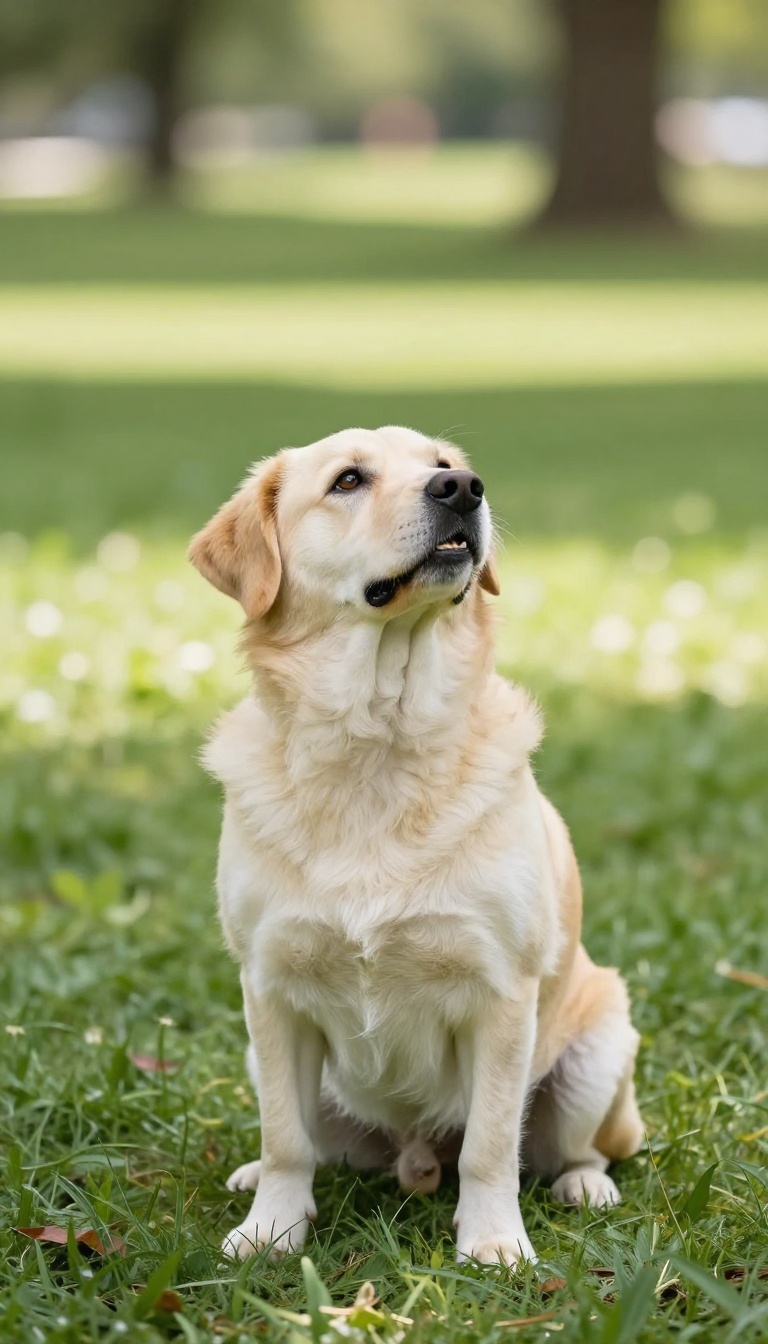
This game layers a polite sit onto your recall cue, turning a simple return into a moment of calm. It’s a simple addition that makes your dog’s response more reliable in real-world situations, like when you need them to settle at the door or wait before crossing the street. The best part?
It’s as easy as asking for a sit before the treat.
Start by calling your dog to you as usual. When they arrive, ask for a sit, then reward with a treat or a quick play session. The key is to be consistent—every time they come, they sit before the reward.
This builds a strong habit that pays off in busy environments.
Why Add A Sit?
A sit after recall gives your dog a clear job to do, which reduces their excitement and makes them more focused. It also gives you a moment to clip on a leash or handle a situation safely. In real life, a dog that automatically sits when called is easier to manage at the vet, on a trail, or when guests arrive.
How To Teach It
Begin in a quiet room with few distractions. Call your dog enthusiastically, and as they reach you, hold a treat above their nose and move it slightly back, encouraging a sit. The moment their rear hits the ground, say “yes” and reward.
Practice this a few times, then gradually add more distractions, like a toy nearby or a friend in the room.
Troubleshooting Tips
If your dog is too excited to sit, try waiting a few seconds after they arrive, then ask for the sit. You can also practice with a leash to guide them into position. Keep sessions short and positive—five minutes is plenty.
If they struggle, go back a step and make it easier.
8. The Recall Around the Clock
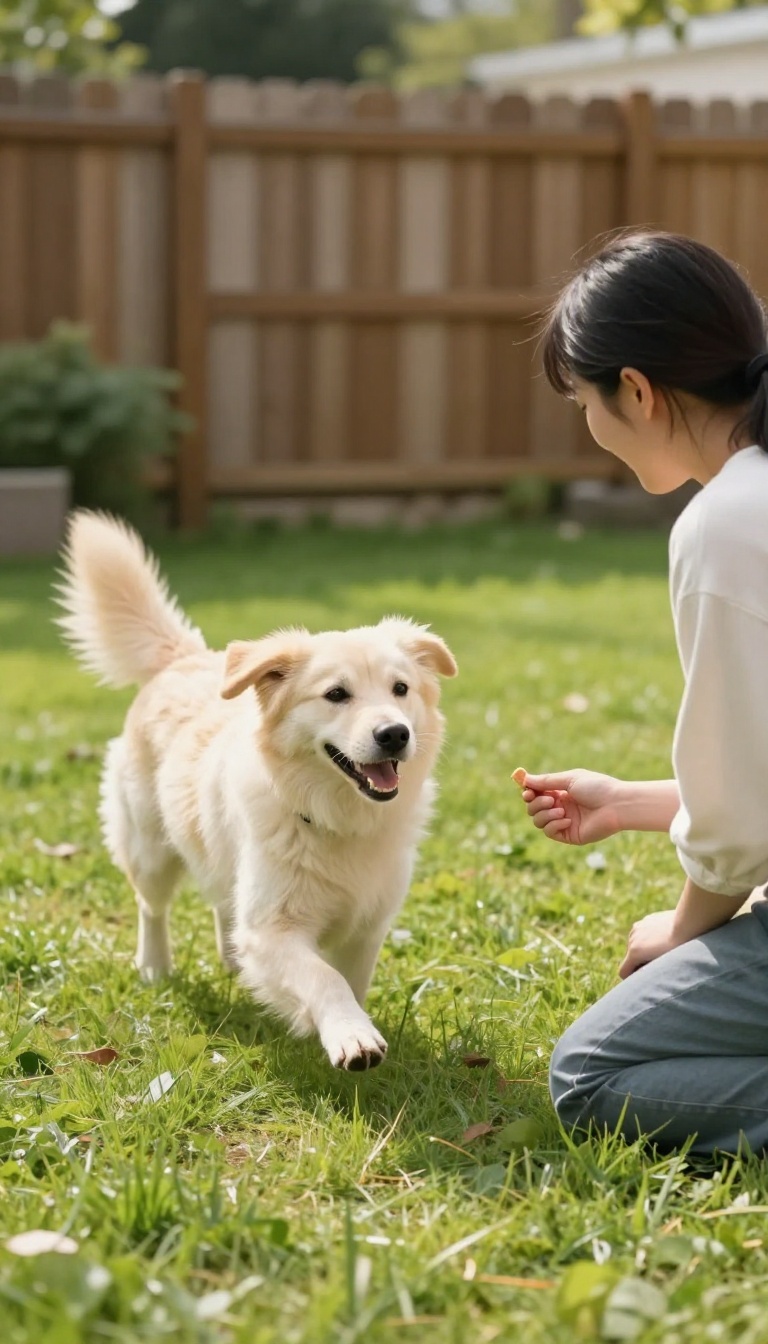
Dogs often think recall only matters in one spot or at one moment. This game breaks that pattern by turning your whole day into a training session. You'll call from different spots and distances, so your pup learns that coming back is always rewarding—no matter where they are or what time it is.
Start by picking a few spots around your home or yard. Call your dog from each one, using your regular recall cue. Keep the rewards high-value and the tone happy.
The goal is to show your dog that 'come' works everywhere, not just in the living room.
Mix Up Your Locations
Use different rooms, the hallway, the backyard, or even the front porch. Each new spot gives your dog a fresh chance to practice. The more varied the locations, the stronger the habit becomes.
Vary The Distance
Sometimes call from a few feet away, sometimes from across the yard. Short distances build quick wins, while longer ones test their commitment. Always reward generously when they arrive.
Add A Little Distraction
Once your dog is solid in quiet spots, try calling when a toy is nearby or a family member walks by. Keep it easy at first, then slowly increase the challenge. This builds real-world reliability without overwhelming them.
9. The Surprise Party Game
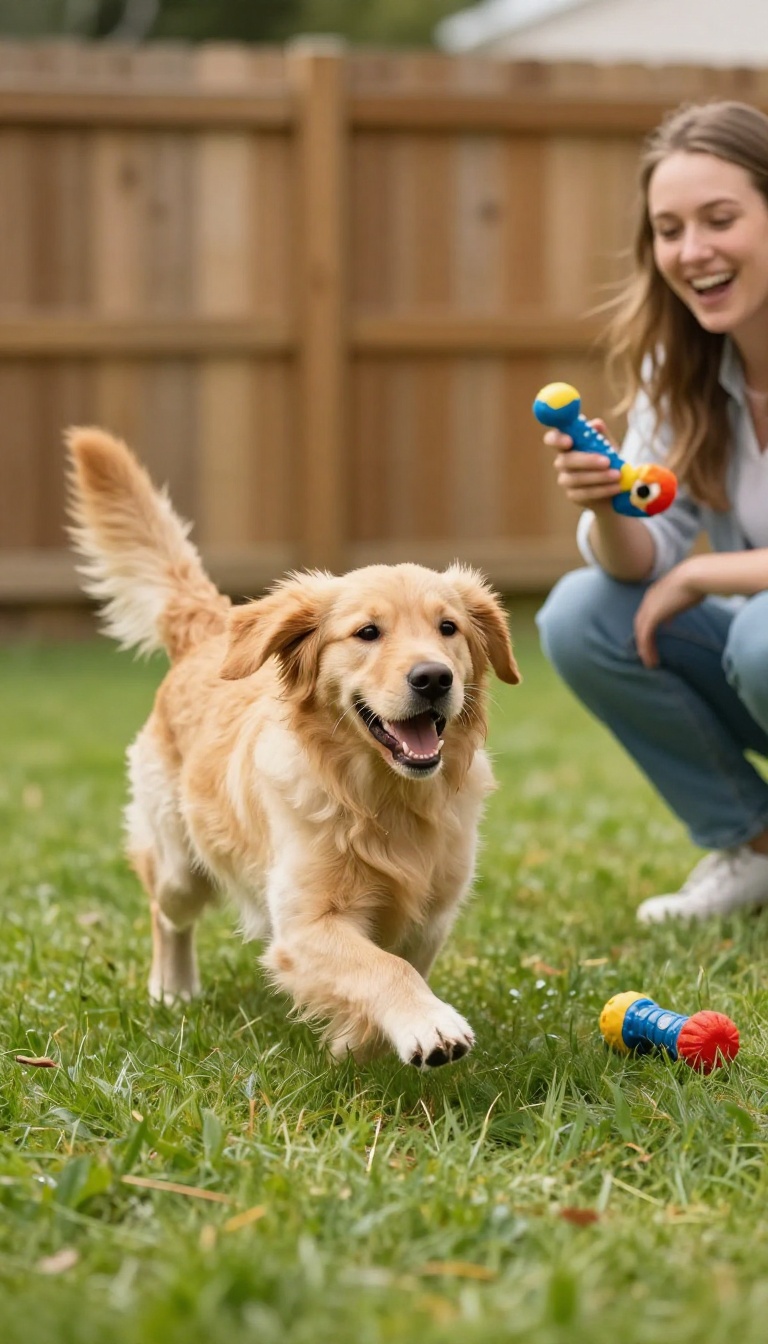
Dogs love surprises, especially when they involve treats and praise. This game turns recall into a game of chance that keeps your pup on their toes. Instead of calling your dog every time in the same predictable way, you'll randomly throw a mini celebration when they come back to you.
The unpredictability makes coming when called feel like winning the jackpot.
The Surprise Party Game is all about making recall exciting by adding an element of surprise. You'll call your dog during play or walks, but instead of a routine reward, you'll throw a mini party with treats, praise, and maybe a favorite toy. The key is to vary when and how you celebrate so your dog never knows what to expect.
This keeps them curious and eager to return, even when distractions are high.
How To Play
Start in a low-distraction area like your living room or backyard. Have a mix of high-value treats and a favorite toy ready. Call your dog using your recall cue, like 'come' or a whistle.
When they arrive, immediately shower them with treats and enthusiastic praise, saying things like 'Good dog! ' and maybe tossing a toy for a quick game of tug. Keep the celebration short but exciting—no more than 10 seconds. Then, let them go back to what they were doing.
Repeat several times, but vary the rewards: sometimes use treats, sometimes a toy, sometimes just a big fuss. The goal is to keep your dog guessing.
When To Surprise
The magic happens when you randomly call your dog during play or walks. For example, if your dog is sniffing around or playing with another dog, suddenly call them. When they come, throw a surprise party.
This teaches them that coming back can happen anytime and is always worth it. Start with easy situations, like when they're not too distracted, and gradually increase the difficulty. You can also use a long line to practice in a park or open area, giving your dog freedom while keeping them safe.
Why It Works
Dogs are motivated by unpredictability. When rewards are consistent, they can get bored, but when they're random, the brain releases more dopamine, making the behavior more exciting. This game also builds a strong positive association with returning to you, even when something else is more interesting.
Over time, your dog will start to check in with you more often, hoping for a surprise party. That's exactly what you want.
10. The Recall with Distractions
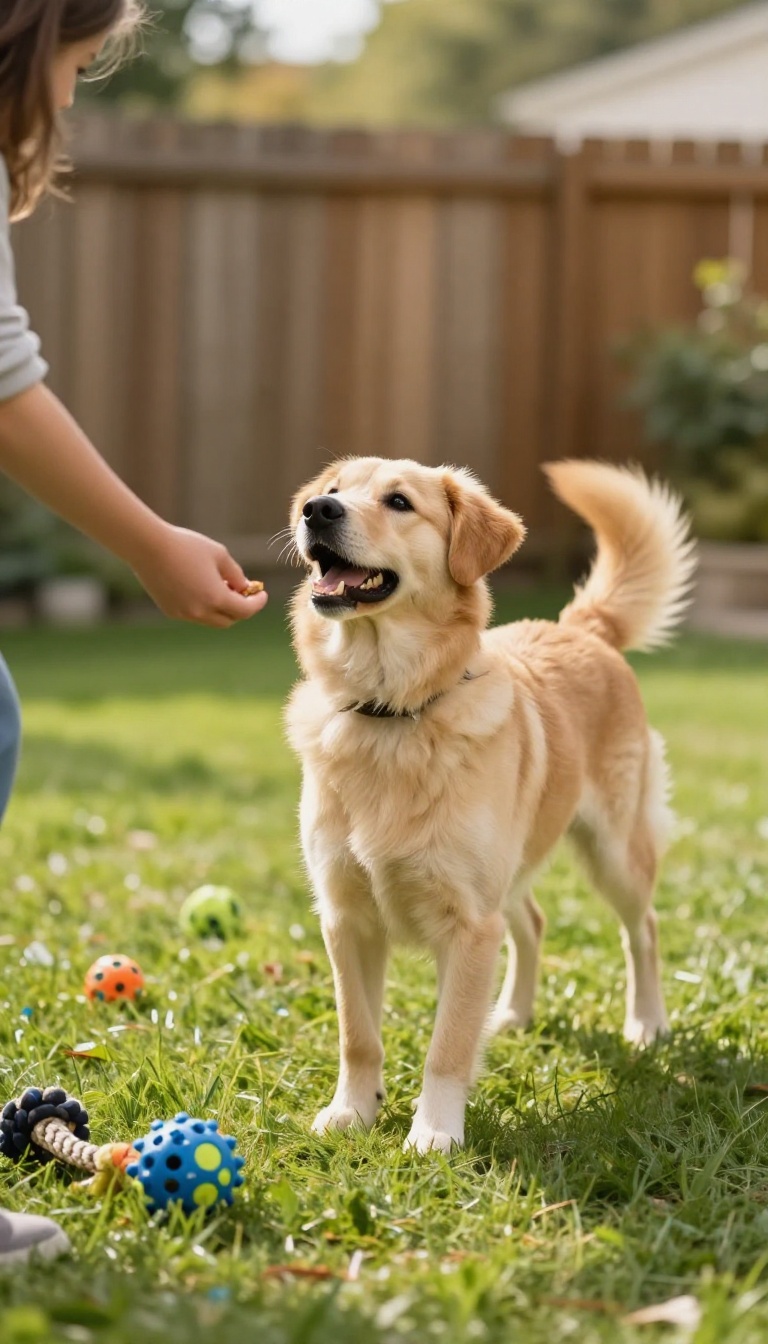
Real-world recall rarely happens in a quiet living room. That's why this game slowly adds distractions, so your dog learns to come back even when things get exciting. Start easy, then build up—it's like training for the doggy Olympics of obedience.
Set up a low-distraction zone, like your hallway or backyard, and practice your recall cue with high-value treats. Once your dog is nailing it, introduce one mild distraction at a time—maybe a squeaky toy on the floor or a family member walking by. The key is to keep the distraction level low enough that your dog still succeeds, then gradually crank it up.
Start Boring, Then Build
Begin in a space with zero distractions. Use a long leash if needed so your dog can't wander off. Call them, reward with a jackpot of treats, and repeat a few times.
Once they're responding reliably, add a single toy or a person sitting quietly. If they fail, dial it back and try again.
Add Real-life Chaos
Next, bring in more realistic distractions: another dog playing nearby, a neighbor chatting, or a ball rolling past. Keep your dog on a long line for safety. Practice in short bursts, and always reward generously when they choose you over the distraction.
The goal is to make coming back more rewarding than whatever caught their eye.
Make It A Game, Not A Chore
Turn each session into a fun challenge. Use a happy, excited voice and celebrate like they just won the lottery. Mix in some quick sprints away from your dog to trigger their chase instinct, then call them back.
End on a high note with a big play session or a special treat.
11. The Long Line Recall
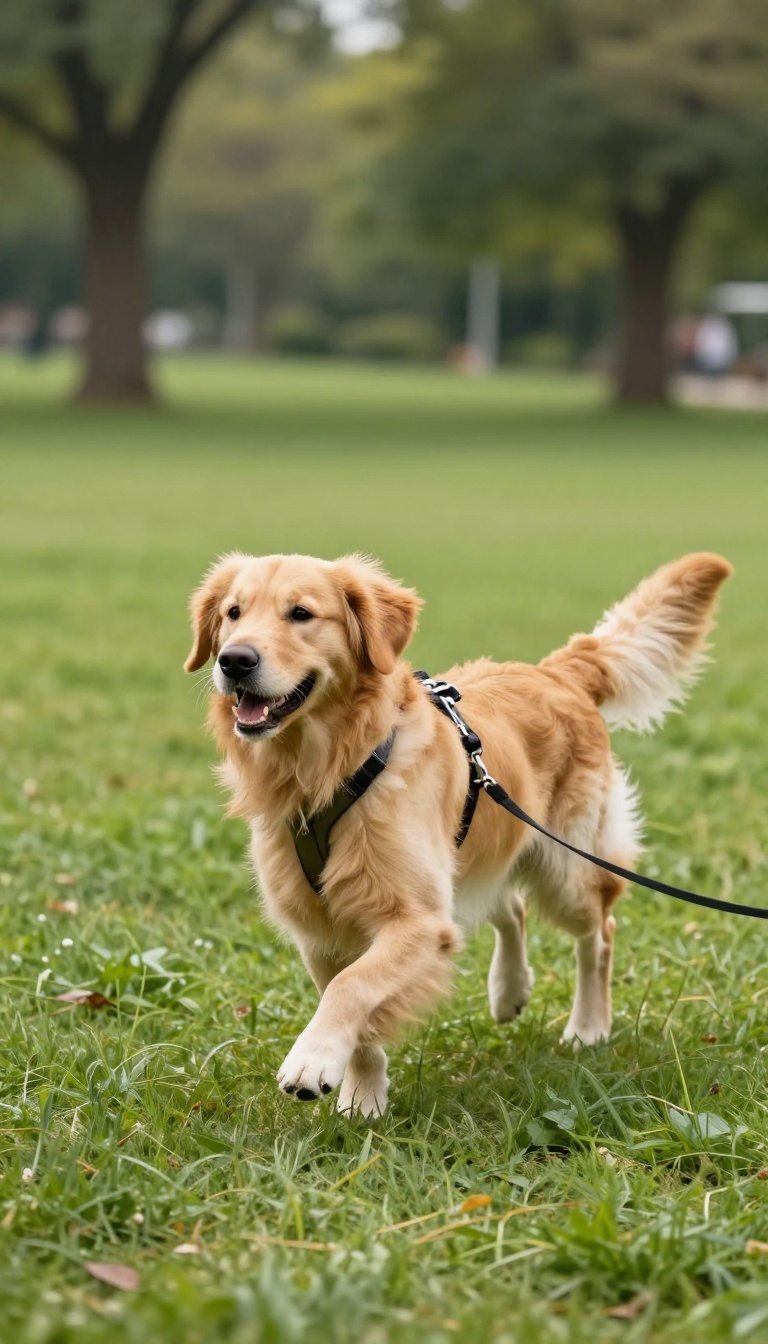
Sometimes the best way to teach a solid recall is to give your dog more freedom, not less. A long training line lets them roam and explore while you still have a safety net. This game turns that setup into a fun, trust-building exercise that pays off in real-world situations.
With a long line, your dog gets to experience distance and distraction, but you can still reel them in if needed. The key is to make coming back to you more rewarding than whatever they're sniffing or chasing. Start in a quiet area, let them wander to the end of the line, then call them with a happy voice.
When they return, throw a party with treats and praise. Then let them go again. This back-and-forth teaches them that coming back isn't the end of the fun—it's just a pit stop for something awesome.
Why It Works
The long line gives your dog a sense of independence while you keep control. It also lets you practice recall at increasing distances without the risk of them bolting. Over time, they learn that responding to your call, even when they're busy, leads to great rewards.
That builds a habit that sticks.
How To Set It Up
You'll need a long line (15 to 30 feet) and a harness that's comfortable for your dog. Attach the line to the harness, not the collar, to avoid neck strain. Find a safe, open space like a park or a large backyard.
Let your dog drag the line while they explore, but keep an eye on them so it doesn't get tangled. When you're ready to call, use your recall cue and gently reel them in if they don't come right away.
Adding Distractions Gradually
Once your dog is reliable in a quiet area, start adding mild distractions. Have a friend stand at a distance, or toss a toy nearby. The long line gives you the confidence to let them make a choice—and the ability to correct if they ignore you.
Reward heavily when they choose to come back, and keep sessions short and positive.
Turning It Into A Game
Make it playful by varying your calls and rewards. Sometimes call them for a treat, other times for a game of tug or a tossed ball. The unpredictability keeps them engaged.
You can also hide and call them, turning it into a fun game of find-me. The more fun they have, the faster they'll come.
12. The Recall Tug Game
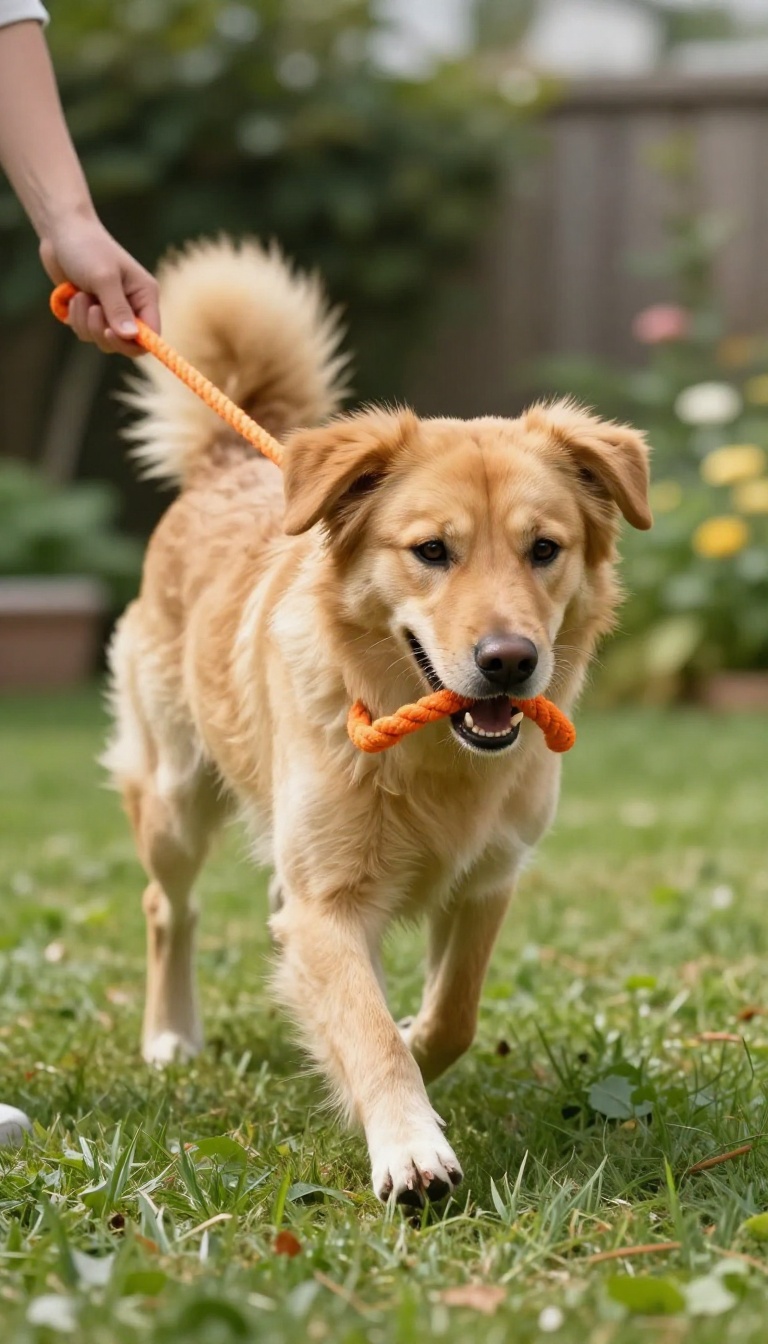
Some dogs would do anything for a game of tug. That enthusiasm is exactly what makes this game so effective. By pairing recall with a high-energy reward, you turn coming back into the most exciting part of your dog's day.
It's simple, fast, and perfect for pups who love a good chase or a satisfying tug.
The Recall Tug Game turns a simple recall into a high-energy reward. Instead of a treat, your dog gets to engage in a fun tug session with you. This works especially well for dogs that are toy-motivated or have a strong play drive.
The game is easy to set up and can be played indoors or outdoors, making it a versatile addition to your recall training routine.
Why Tug Works As A Reward
Tug is a naturally rewarding activity for many dogs. It taps into their prey drive and provides physical and mental stimulation. When you use tug as a reward for recall, you're telling your dog that coming back leads to something they genuinely love.
This creates a strong positive association with the recall cue, making them more likely to respond quickly in the future.
How To Set Up The Game
Start in a low-distraction area like your living room or backyard. Have a favorite tug toy ready and show it to your dog to get them excited. Then, move a short distance away and call your dog using your recall cue, like 'come' or their name.
The moment they reach you, immediately initiate a tug session. Keep the session short and exciting—about 10 to 20 seconds—then release the toy and repeat.
Adding Distance And Distractions
Once your dog understands the game, gradually increase the distance and difficulty. Practice in a fenced yard, then at a park with a long line. You can also add mild distractions, like a friend standing nearby or a toy on the ground.
The key is to keep the tug reward high-value and the game predictable. If your dog doesn't respond, reduce the distance or distractions and try again.
13. The Recall with a Cue Word
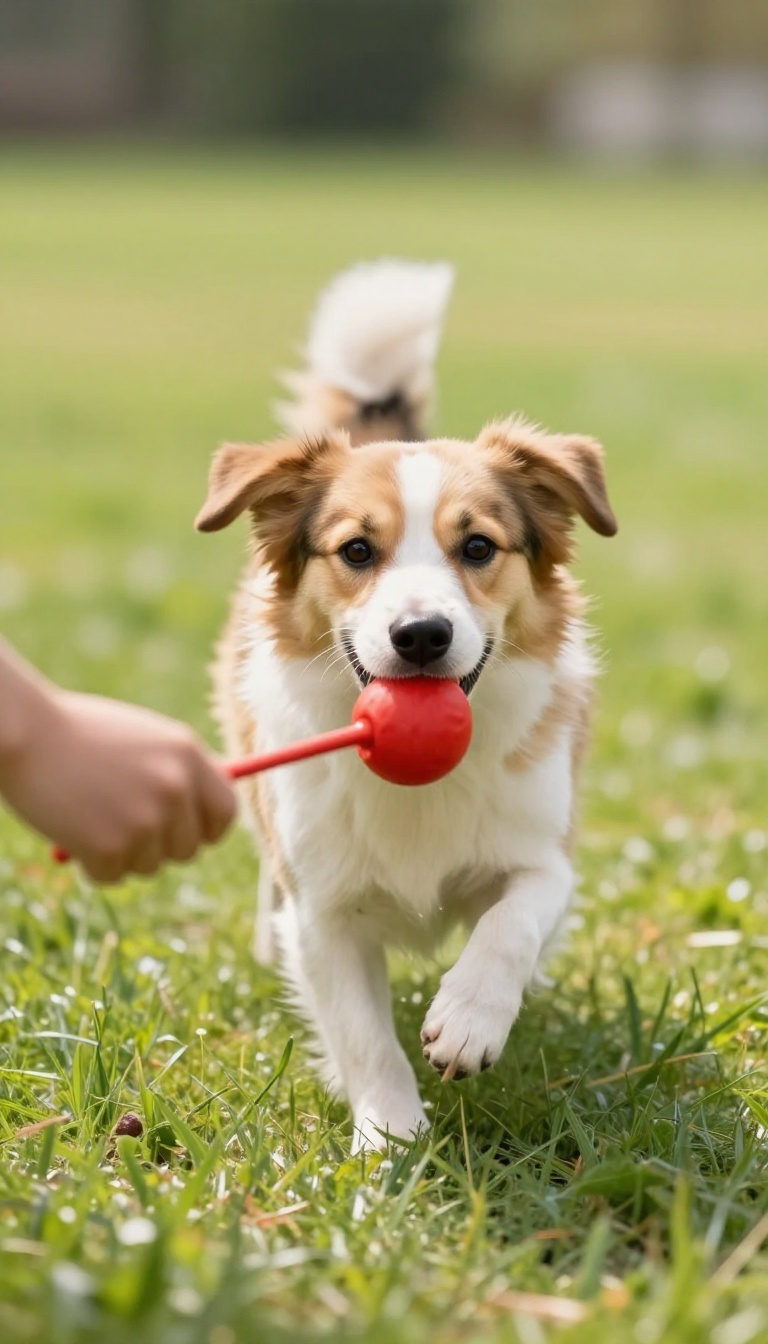
Most recall commands get ignored because they sound like every other word you say. A unique cue word changes the game by standing out from daily chatter. When your dog hears it, they know something special is about to happen—and that makes responding feel like a reward in itself.
Pick a word you never use in normal conversation, like 'here' or 'now' or even a silly sound like 'beep! ' The key is to reserve it exclusively for recall, so your dog never hears it in any other context. Pair that word with high-value treats or a favorite game every single time you use it. Over time, your dog will associate that cue with pure joy and excitement, making them more likely to drop everything and sprint to you.
Why A Unique Cue Works
Dogs are masters of context. If you say 'come' during dinner prep, bath time, and vet visits, they learn to ignore it. A fresh word has no baggage.
It's like a secret password that only leads to good things. When your dog hears it, their brain immediately thinks 'treat time! ' not 'what does she want now? '
How To Introduce The Cue
Start indoors with zero distractions. Say your cue word in a happy, excited voice, then immediately toss a treat a few feet away. When your dog finishes the treat, say the cue again and toss another treat.
Repeat this a few times, then add distance. Eventually, you can say the cue and have your dog come to you for the reward. Keep sessions short and always end on a high note.
Making It Stick In Real Life
Once your dog responds reliably indoors, move to a fenced yard or quiet park. Use a long line for safety and practice in different spots. Vary the rewards—sometimes a treat, sometimes a tug toy, sometimes a game of chase.
The more unpredictable the reward, the more exciting the cue becomes. Just remember: never call your dog to something negative, like nail trimming or a bath.
FAQ
How often should I practice recall games?
Short, frequent sessions work best. Aim for 5-10 minutes a day, and always end on a positive note.
What if my dog doesn't come when called?
Don't punish. Go back to easier games and use higher-value treats. Build up gradually and always reward even slow responses.
Can recall games work for puppies?
Absolutely. Start indoors with minimal distractions and keep sessions short. Puppies learn fast when it's fun.
How do I make recall reliable outdoors?
Practice in a fenced area first, then move to a long line. Gradually increase distractions and always reward generously.
What treats are best for recall training?
Use small, soft, high-value treats like chicken or cheese. Save them for training so they stay special.
Conclusion
Recall doesn't have to be a battle. These games turn training into play, and your dog will start to see coming back as the best part of the day. Pick a few that fit your pup's style and mix them up to keep things fresh.
Remember, consistency and positivity are key. The more fun you make recall, the more your dog will want to come back. So grab some treats, get moving, and enjoy the game.

I’m Pallab Kishore, the owner of Little Pets Realm — an animal lover and pet care enthusiast sharing easy tips, healthy recipes, and honest advice to help every small pet live a happy, healthy, tail-wagging life.