
Last updated on August 19th, 2026 at 04:14 pm
A dog that bounces off the walls can make home feel like a circus. But that constant energy isn't a flaw—it's a signal that your pup needs a different kind of outlet.
Calmness isn't something dogs just have; it's a skill you can build with small, repeatable rituals. These 11 exercises focus on real-life moments, from doorways to mealtimes, so you can turn everyday chaos into quiet confidence.
No expensive gear or marathon training sessions required—just a little patience and a few minutes a day. Pick a couple to start, and you'll both breathe easier.
1. The 'Settle on a Mat' Game
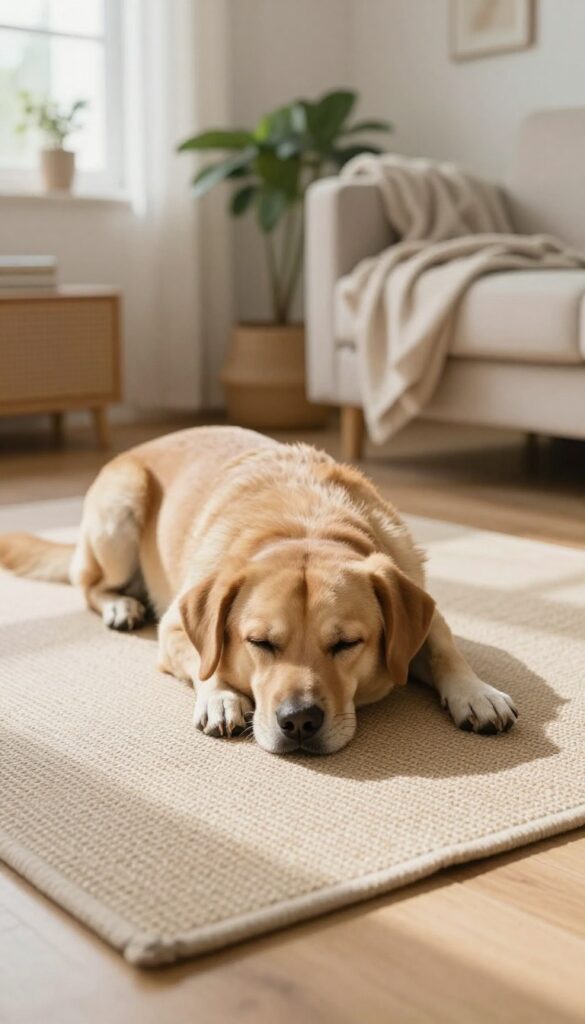
Imagine having a spot in your home where your dog instantly knows it's time to chill. That's exactly what the 'Settle on a Mat' game creates. It's a simple, low-effort ritual that teaches your dog to relax on command, giving them a clear way to switch off their zoomies.
Start with a mat, towel, or dog bed that's easy to move around. Toss a treat onto the mat and let your dog discover it. When they step on or sniff it, mark with a 'yes' and give another treat.
Gradually, you'll shape the behavior until your dog voluntarily goes to the mat and lies down. The key is to reward calmness, not just the position. Wait for a relaxed body—maybe a sigh or a soft eye—and then treat.
Over time, increase the duration before rewarding, so your dog learns that staying put is the best way to earn goodies.
Why It Works
This game taps into your dog's natural desire to earn rewards while teaching them to self-soothe. By associating the mat with positive reinforcement, you create a safe space that signals relaxation. It's not about forcing stillness but making calmness a choice your dog makes willingly.
How To Start Small
Begin with short sessions—just a few minutes a day. Place the mat in a quiet area with minimal distractions. Use high-value treats like small pieces of chicken or cheese to keep your dog engaged.
As your dog gets the hang of it, you can move the mat to different rooms or even take it on trips.
Building Duration And Distraction
Once your dog reliably settles for a few seconds, start adding mild distractions. Have someone walk by, or open a door. If your dog stays relaxed, reward generously.
If they pop up, simply reset and try again. The goal is to gradually lengthen the time they stay put, making the mat a reliable calm zone even in busy moments.
2. Impulse Control with 'Wait' at Doors
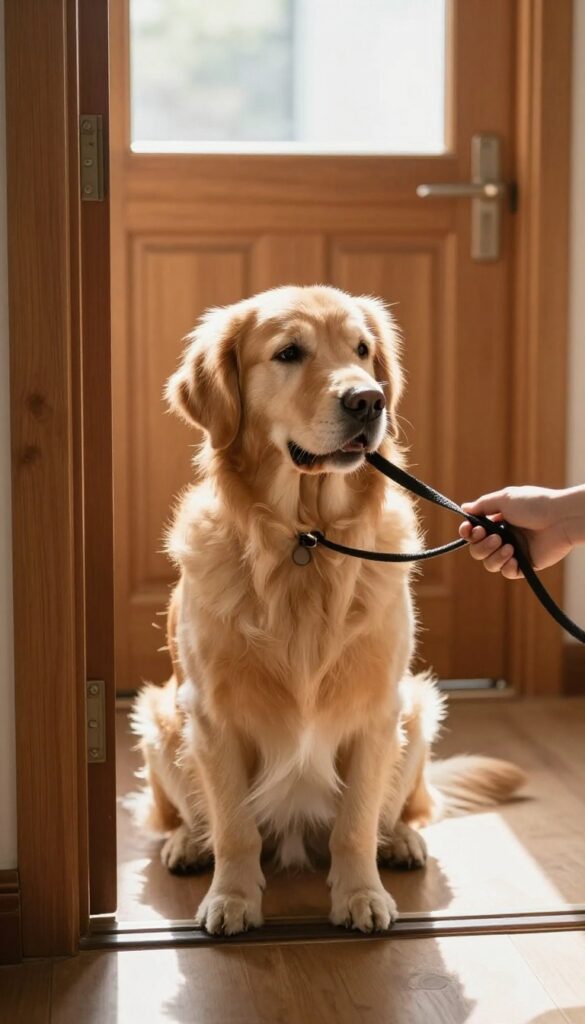
The front door is a launching pad for many excited dogs. The moment they hear a knock or see you reach for the handle, their brain switches to rocket mode. Teaching a solid 'wait' at doors changes that reaction from a frantic sprint into a calm, controlled pause.
It's a simple ritual that builds patience and makes every exit and entry feel less like a jailbreak.
Start by picking a door that your dog doesn't associate with high excitement—maybe the one to the backyard or a rarely used side door. Have your dog on a leash and approach the door. Just before your hand touches the handle, say 'wait' in a calm, clear voice.
The goal is to get your dog to pause, even for a second, before you open the door. If they lunge or rush, close the door and try again. Reward any moment of stillness with a treat and a quiet 'yes'.
Start Small, Build Up
Begin with the quietest door in your house, when there are no distractions outside. Ask for a 'wait' and open the door just a crack. If your dog holds still, close it and reward.
Gradually increase the door opening and the time before you release them. The key is to make the 'wait' feel like a game, not a punishment.
Use A Release Cue
Pick a word like 'okay' or 'free' to signal that your dog can move. This cue becomes the green light that ends the 'wait'. Without it, your dog might stay frozen or get confused.
Practice saying the release word in a happy tone and then stepping through the door together, rewarding your dog for staying calm until you give the signal.
Practice With Real-life Triggers
Once your dog has the basics down, start using the 'wait' at the front door, especially when you're about to go for a walk. Have them wait while you open the door, step outside, and then invite them through. This turns a normally chaotic moment into a calm, controlled transition.
With consistent practice, your dog will learn that patience at the door leads to good things.
3. Calm Greetings for Visitors
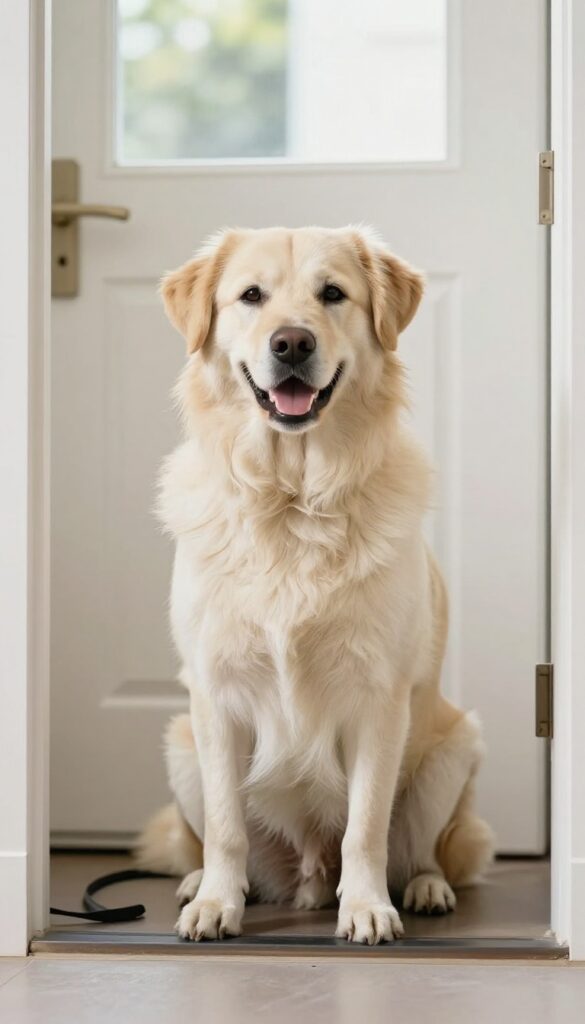
The doorbell rings, and your dog turns into a furry tornado. That burst of excitement is natural, but it can be overwhelming for guests and stressful for you. The good news is that you can teach your dog to greet visitors politely with a little practice and consistency.
Set Up For Success
Before your next guest arrives, prepare your dog for a calm greeting. Use a leash or a baby gate to manage the initial interaction. This prevents your dog from rehearsing the jumping behavior and gives you control.
Ask your visitor to ignore your dog completely until they are calm—no eye contact, no talking, no touching.
Reward Four On The Floor
The moment your dog has all four paws on the ground, mark and reward with a treat. This reinforces the behavior you want. If your dog jumps, simply turn away and remove your attention.
When they settle again, reward. Consistency is key—everyone in the household should follow the same rules.
Practice, Practice, Practice
Don't wait for real visitors to train this skill. Enlist friends or family to help you practice. Have them ring the doorbell or knock, then go through the same routine.
Start with low-excitement scenarios and gradually increase the challenge. With repetition, your dog will learn that calm behavior brings rewards.
4. The 'Look at That' Game for Focus
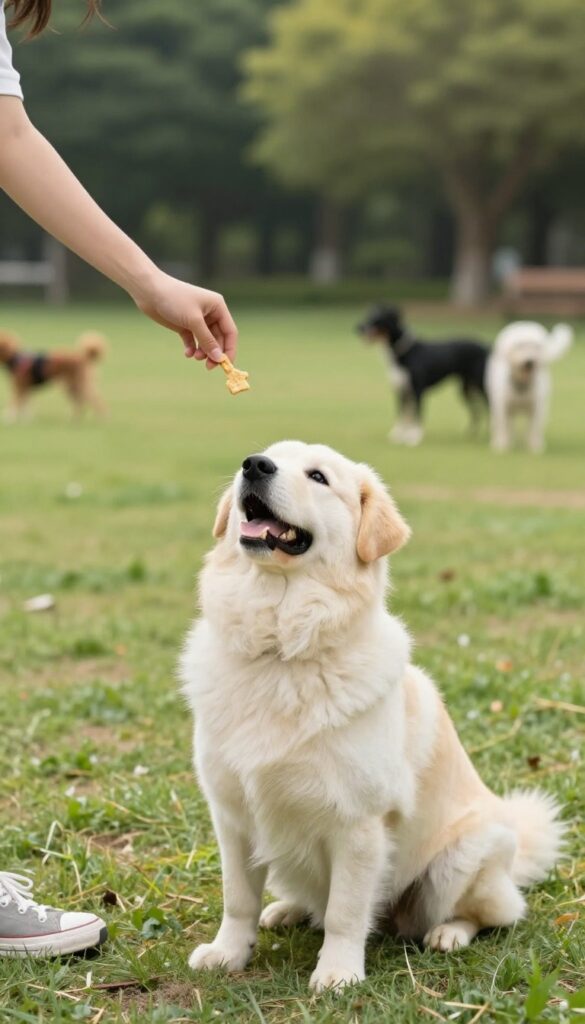
When your dog spots another dog across the street, their brain goes into overdrive. The 'Look at That' game flips that switch by teaching them to check in with you instead of reacting. It's simple, fun, and works wonders for reactive or overly excited pups.
Start in a low-distraction area. Hold a treat near your dog's nose, then move it toward the trigger (like a dog or a squirrel). The moment your dog looks at the trigger, mark with a clicker or a clear 'yes' and reward them for looking back at you.
Repeat until your dog starts glancing at the trigger and then immediately turning to you for their reward. This builds a habit of checking in, which is the foundation of calm focus.
Why This Works
The game teaches your dog that seeing a trigger is a cue to look at you, not to react. It shifts their emotional response from excitement to anticipation of a treat. Over time, the trigger becomes less scary or exciting because your dog learns a positive alternative behavior.
Setting Up For Success
Keep sessions short—two to three minutes max. Use high-value treats like small pieces of chicken or cheese. Start far enough away from the trigger that your dog notices it but doesn't go over threshold.
If your dog can't focus, you're too close. Move back and try again.
Taking It On The Road
Once your dog gets the hang of it at home, practice on walks. When you see another dog approaching, pause and play the game. Your dog will start looking at the other dog, then at you, waiting for their reward.
This turns a potential meltdown into a moment of connection.
5. Relaxation Protocol on a Leash
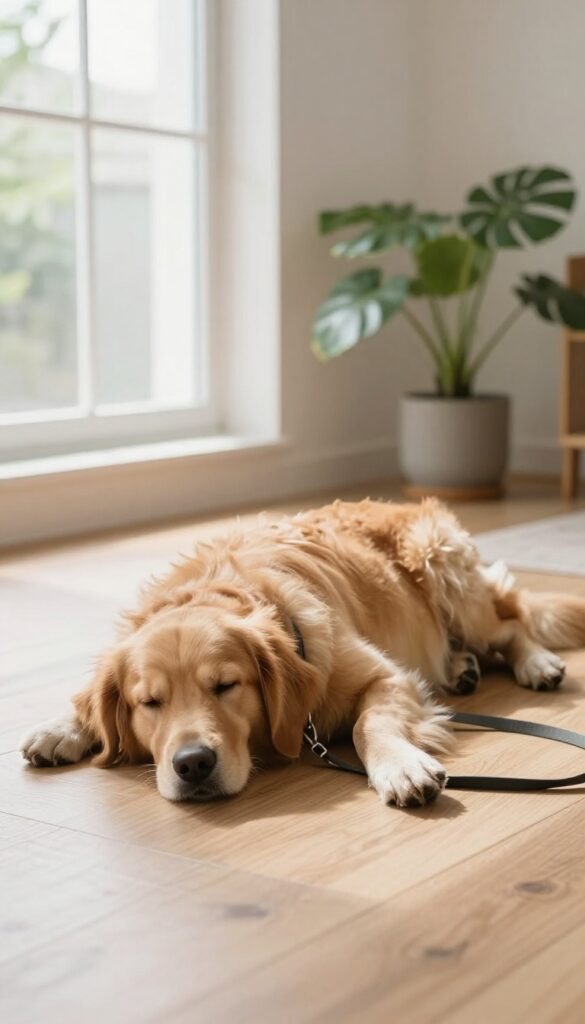
The classic relaxation protocol is a proven way to teach dogs to settle, but it usually happens indoors with no leash. Adding a leash changes the game—it mimics real-life situations where your dog needs to stay calm while connected to you. This ritual builds patience and impulse control, especially for dogs that get revved up the moment they feel tension on the leash.
Start in a quiet room with your dog on a loose leash, either sitting or lying down. The goal is to reward calm behavior while you move around, gradually increasing distractions. This isn't about forcing your dog into a down—it's about letting them choose calmness and reinforcing it.
Over time, your dog learns that being on a leash doesn't mean excitement; it can also mean relaxation.
Set Up For Success
Choose a low-distraction area first, like a living room with the door closed. Have high-value treats ready, but keep them hidden until your dog shows a calm moment. Attach the leash but let it drag loosely—no tension.
Your dog should feel free to move, but you'll only reward when they settle into a sit or down.
Move With Purpose
Once your dog is relaxed, start moving slowly around them. Take a step or two, then pause. If your dog stays calm, drop a treat.
If they jump up or follow, wait for them to resettle before rewarding. The key is to move without making a big deal—your calm energy sets the tone. Gradually increase your movements: circle around, step over the leash, or walk to the other side of the room.
Add Real-world Distractions
When your dog handles indoor movement, start adding mild distractions. Have a family member walk by, or play a low-volume sound like a doorbell recording. Keep sessions short—5 to 10 minutes max—and always end on a positive note.
The goal is to build a strong foundation, not to overwhelm your dog. Over weeks, you can practice near an open window or in the backyard.
6. Chewing as a Calming Ritual
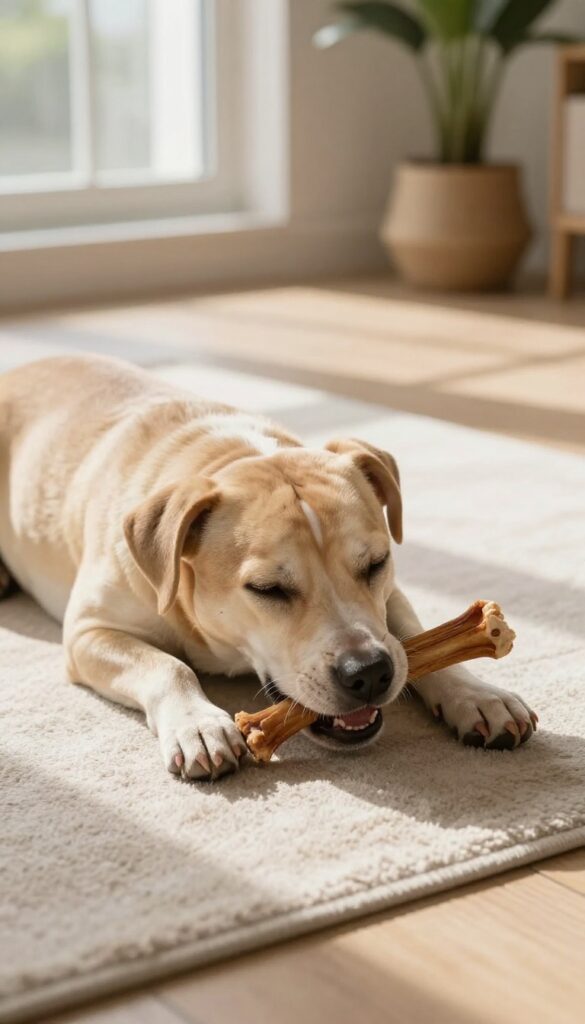
Some dogs chew to destroy, but many chew to self-soothe. That gnawing instinct is wired deep, and when channeled properly, it becomes one of the simplest ways to help an excited dog unwind. Instead of fighting the urge, give it a job.
A long-lasting chew can shift your dog's focus from frantic energy to slow, rhythmic chewing, which naturally lowers stress and promotes a relaxed state.
Chewing isn't just a pastime—it's a physiological stress reliever. The repetitive motion releases endorphins, the brain's feel-good chemicals, which help calm an overexcited pup. By making chewing a daily ritual, you give your dog a healthy outlet for nervous energy, turning a potential problem into a powerful tool for calm.
Here's how to turn chewing into a ritual that works.
Pick The Right Chew
Not all chews are created equal. Bully sticks are a favorite because they're long-lasting and digestible, but they're also high in calories—so monitor portions. Frozen Kongs stuffed with peanut butter or plain yogurt offer a longer challenge and a cooling effect that adds to the calming vibe.
Rotate a few options to keep things interesting, and always supervise the first few times to ensure your dog chews safely.
Create A Chewing Spot
Designate a specific spot for chewing, like a mat or a corner of the living room. Bring your dog there with their chew, and use a calm cue like "settle" or "chew time. " Over time, your dog will associate that spot with relaxation, making it easier to transition from zoomies to zen.
Keep the area quiet and free from distractions to maximize the calming effect.
Make It A Daily Habit
Consistency is key. Schedule chew time at the same time each day, perhaps after a walk or before a quiet evening. This predictable routine signals to your dog that it's time to wind down.
Start with 10-15 minutes and adjust based on your dog's interest. The goal is to make chewing a regular part of your day, not a random treat.
7. The 'Go to Bed' Cue for Downtime
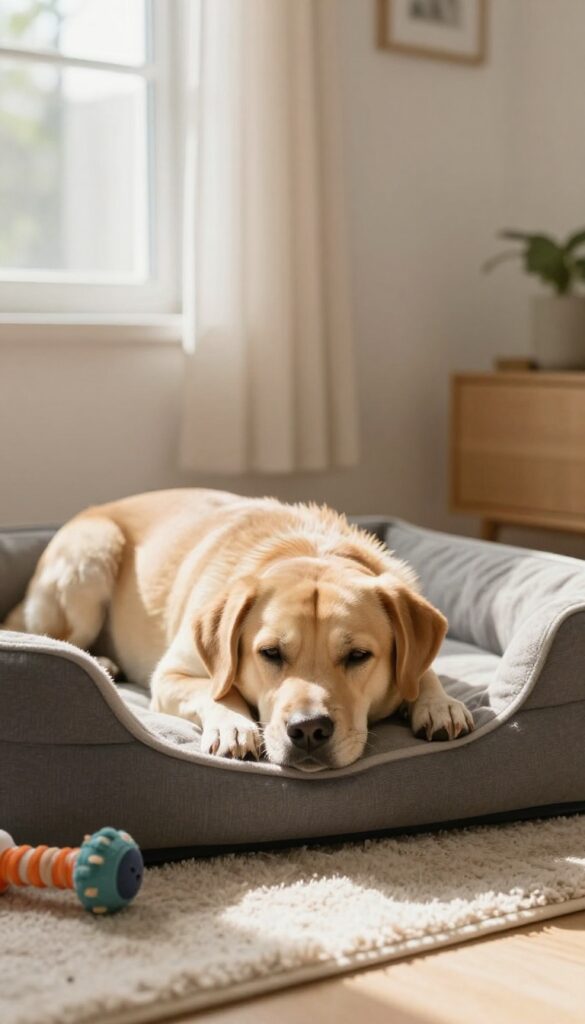
Teaching your dog to go to a specific spot and stay there is one of the most practical calmness tools you can have. It gives your dog a clear job during exciting moments, which actually helps them settle faster. Instead of hovering around your feet while you cook or fold laundry, your dog learns to relax on their bed until you release them.
Start by making the bed the best place in the house. Toss high-value treats onto it so your dog happily hops on. Say 'go to bed' just before they step on, then reward.
Repeat until they head there on cue. Next, add duration: ask for the cue, then reward every few seconds of staying. Gradually increase the time and add distractions like opening the fridge or moving around the room.
Always release them with a clear word like 'okay' so they know when they're free.
Why This Works
The cue gives your dog a specific behavior to focus on, which redirects their energy. It also creates a positive association with being calm in one place, making it easier for them to switch off.
Using It In Real Life
Use it during moments that usually rev your dog up: when you're preparing meals, eating, or talking on the phone. Start with short sessions and reward generously. Over time, your dog will see their bed as a calm zone.
Troubleshooting Common Hiccups
If your dog pops up too soon, you're probably moving too fast. Shorten the duration and reward more frequently. If they seem anxious, make the bed extra cozy with a favorite blanket or chew toy.
Keep training sessions short and positive.
8. Slow Feeding with Puzzle Toys
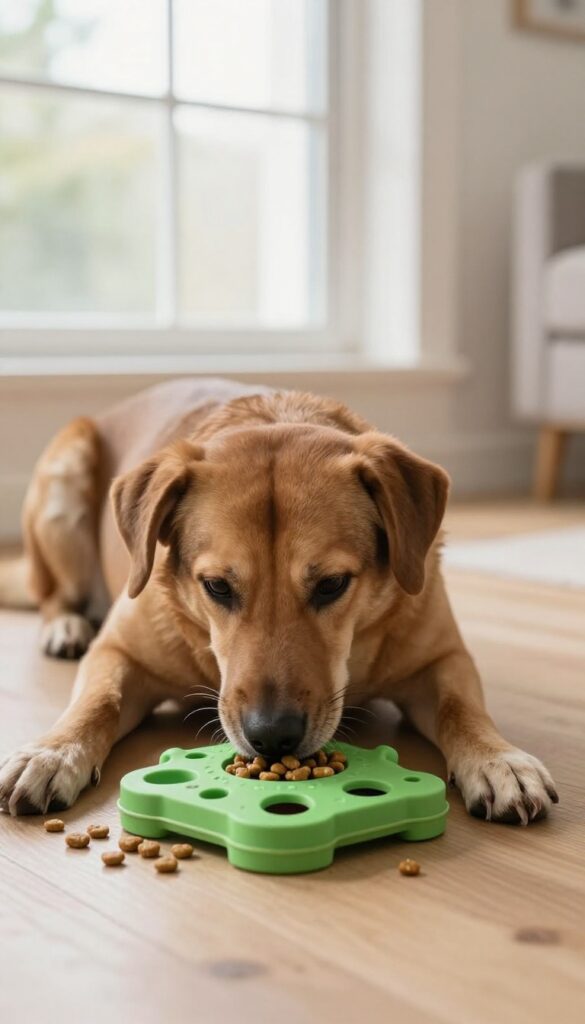
Mealtime can be the most chaotic part of the day for an excited dog. The moment that bowl hits the floor, it's a race to see who can inhale dinner fastest. That frenzy isn't just about hunger—it's pent-up energy looking for an outlet.
Switching to a puzzle feeder or snuffle mat turns eating into a game that requires focus and patience. Instead of gobbling, your dog has to sniff, nudge, and problem-solve to earn each bite. This simple swap can shift the whole mood of mealtime from frantic to calm.
Slow feeding with puzzle toys does more than just slow down a fast eater. It engages your dog's brain, which is just as tiring as physical exercise. A tired mind is a calm mind, and that's exactly what you're aiming for.
When you introduce a puzzle feeder, start with something easy. If your dog has never used one, a simple treat-dispensing ball or a muffin tin with tennis balls can be a good beginning. The goal is to build confidence, not frustration.
As your dog gets the hang of it, you can move to more complex puzzles or hide food in a snuffle mat for extra sniffing time. Make it a ritual. Use the same feeder at every meal, and pair it with a calm cue like 'settle' or 'easy. ' Over time, your dog will learn that mealtime is a time for focus, not frenzy.
And you'll get to enjoy a peaceful dinner instead of watching a furry vacuum cleaner.
Why Puzzle Feeders Work
Puzzle feeders tap into your dog's natural foraging instincts. Instead of a bowl that's gone in thirty seconds, food becomes a rewarding challenge. The mental effort required to figure out how to get the kibble out burns energy and releases calming chemicals in the brain.
This is why after a puzzle meal, many dogs are noticeably more relaxed and content.
Choosing The Right Puzzle Toy
Not all puzzle toys are created equal. Start with a level that matches your dog's skill. A beginner might do well with a simple wobble feeder or a snuffle mat.
More advanced dogs might enjoy sliding puzzles or toys that require multiple steps. The key is to keep it challenging but not impossible. If your dog gets frustrated, go back to an easier version and build up slowly.
Making It A Daily Ritual
Consistency is what turns a trick into a ritual. Use the puzzle feeder for at least one meal a day, preferably the one right after a walk or play session. That's when your dog is already a bit tired and more open to calm focus.
Pair it with a verbal cue like 'find it' or 'slow down' to reinforce the behavior. Over time, your dog will start to associate the puzzle with a sense of calm.
9. Massage and T-Touch Techniques
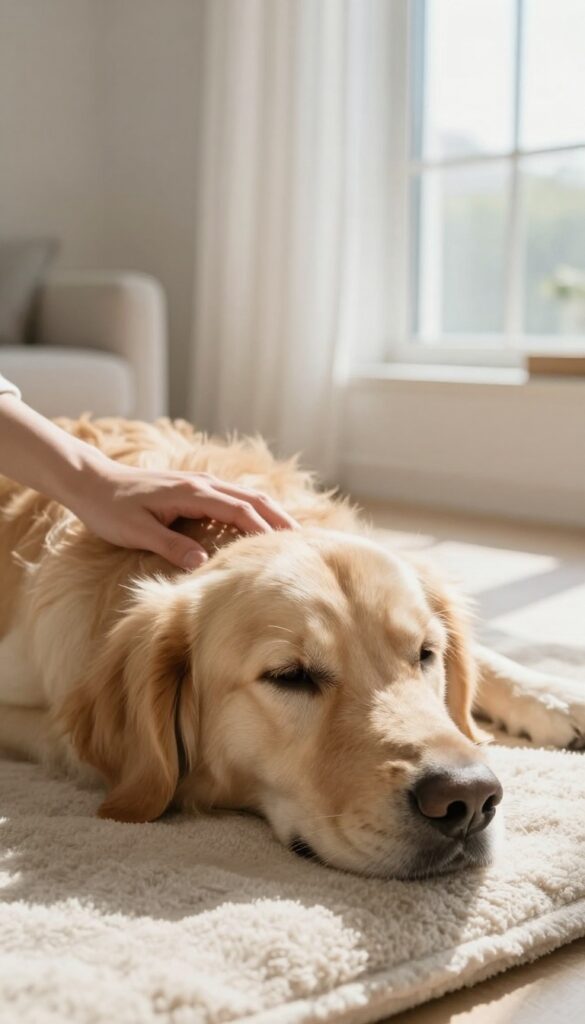
Touch is a powerful communication tool, and for an overexcited dog, the right kind of touch can be like a reset button. Massage and Tellington TTouch use gentle, specific strokes that signal the nervous system to shift from high alert to rest mode. You don't need special training—just a few minutes and a calm hand.
Start by finding a quiet spot where your dog can sit or lie down. Use slow, firm pressure—never rough or ticklish. Begin with the ears, gently rubbing them between your thumb and forefinger.
Move to the shoulders, making small circular motions with your fingertips. Finish with long, slow strokes down the back, from neck to tail. Watch for signs of relaxation: a soft eye, a sigh, or a lowered head.
If your dog seems tense, back off and try lighter pressure.
Why Touch Works
When a dog is excited, their nervous system is in overdrive. Gentle, rhythmic touch activates the parasympathetic nervous system, which promotes calmness and lowers heart rate. It also releases oxytocin, the bonding hormone, making your dog feel safe and connected.
This isn't just pampering—it's a practical tool for settling an amped-up pup.
Simple Ttouch Strokes To Try
TTouch uses small, circular movements of the fingers and hands. Try the 'clouded leopard' stroke: with your hand curved, make slow clockwise circles on the shoulders, back, and hips. Or use the 'ear slide'—gently slide your thumb and index finger from the base of the ear to the tip.
These strokes help your dog focus on the sensation, breaking the cycle of excitement.
When To Use Massage
Massage is most effective when your dog is already somewhat calm, not mid-frenzy. Use it after a walk, before guests arrive, or as part of your evening wind-down. If your dog is too worked up, a quick walk or play session first can help them settle enough to enjoy the massage.
Over time, your dog will learn to associate touch with relaxation.
10. Structured Walks with 'Sniffari' Breaks
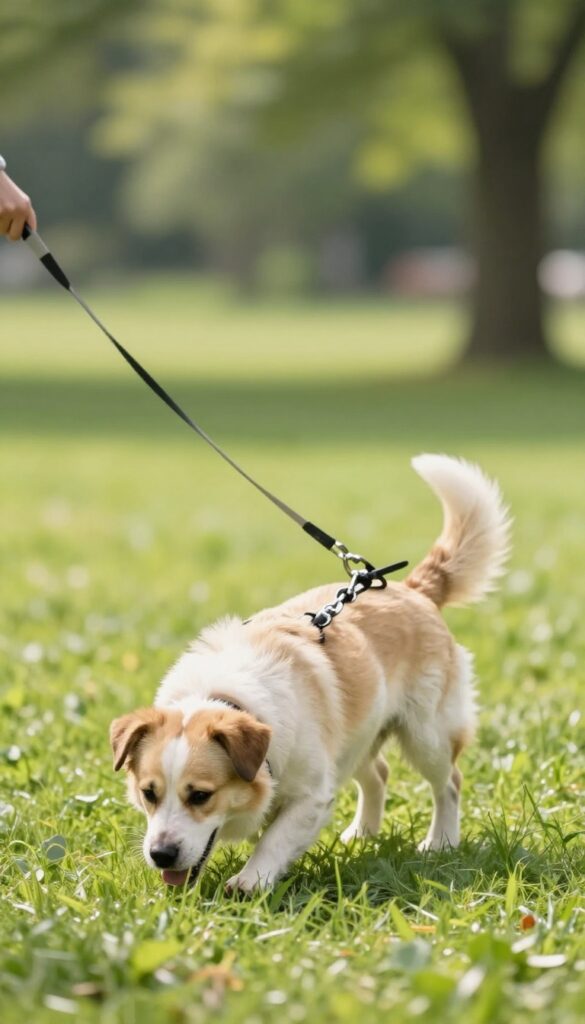
Most excited dogs pull on the leash, not because they're trying to be difficult, but because they're overwhelmed by all the smells and sights around them. A fast-paced walk can actually amp up that energy, leaving both of you frustrated. Instead, try a structured walk with built-in 'sniffari' breaks—it's a simple shift that can make a huge difference in your dog's ability to settle.
A structured walk isn't about being strict; it's about providing a clear rhythm that helps your dog know what to expect. By alternating between focused heeling and free sniffing, you're giving your dog both mental and physical exercise. Sniffing is incredibly tiring for dogs—it engages their brain in a way that physical exertion alone can't match.
After a good sniffari session, you'll often see your dog much more relaxed and ready to nap.
Why Sniffing Calms An Excited Dog
When your dog sniffs, their brain is working hard to process all the information in their environment. This mental workout can be more exhausting than a long run, which is exactly what you want for a hyperactive pup. Sniffing also lowers their heart rate and triggers a relaxation response, helping them shift from 'go, go, go' to 'ahh, that's nice. '
How To Structure The Walk
Start with a few minutes of structured heeling—your dog walks nicely beside you, focused on your pace. Then, give a release cue like 'go sniff' and let them explore a patch of grass or a tree for a couple of minutes. Alternate these blocks throughout the walk, keeping the sniffing periods shorter than the heeling ones to maintain a sense of purpose.
You can gradually increase the sniffing time as your dog gets better at settling afterward.
Turning Sniffari Into A Daily Ritual
The key to making this a ritual is consistency. Try to do at least one structured walk with sniffari breaks every day, even if it's just around the block. Over time, your dog will learn that walks are a mix of focus and freedom, which can translate to a calmer demeanor at home.
Plus, it's a great way for you to slow down and enjoy the walk too.
11. Capturing Calmness Throughout the Day
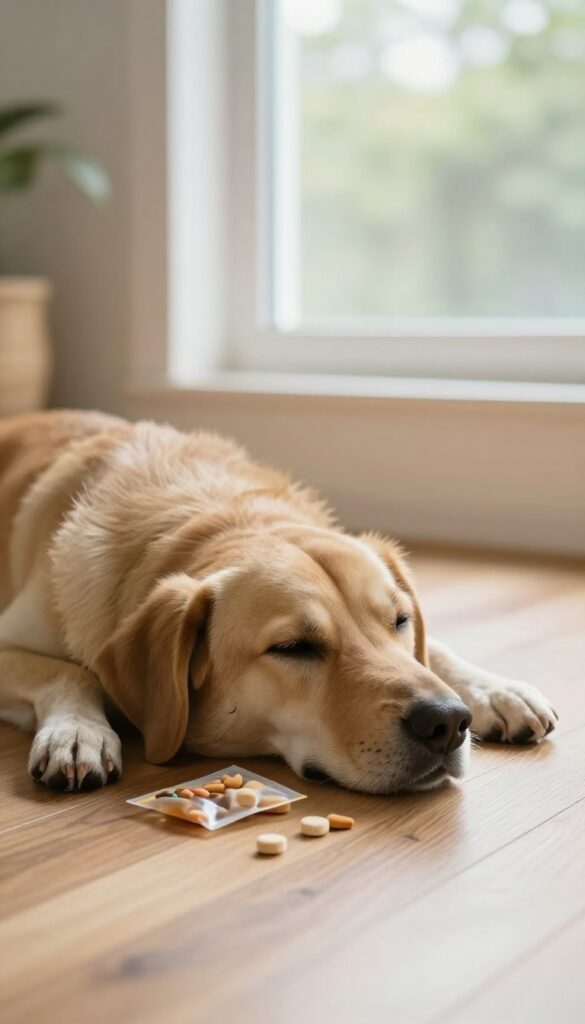
You don't need to set aside special training time to build calmness. Some of the best opportunities happen in everyday moments when your dog chooses to be relaxed on their own. By keeping treats ready and paying attention, you can turn those quiet seconds into a powerful habit.
This method works because it rewards the behavior you want more of, right when it happens. Your dog learns that lying down quietly or settling near you is a great way to earn good things. Over time, they'll offer calmness more often, making your whole day smoother.
Keeping a small pouch of treats on you or having treat jars placed around the house makes it easy to catch your dog being calm. When you see your dog lying down with a relaxed body, softly say 'yes' and drop a treat near them. You don't need to make a big fuss—just a quiet reward that tells them they're on the right track.
This works best when you're consistent. The more you notice and reward calm behavior, the more your dog will choose it. It's a simple shift in attention, but it can change the energy in your home.
Why This Works
Dogs repeat behaviors that get them something good. When you reward a down dog with a treat, you're teaching them that being calm is a valuable skill. This is different from asking for a sit or down—you're capturing an unprompted relaxed moment, which makes it even more powerful.
You're also building a positive association with being quiet and settled. Instead of only getting attention for bouncing around, your dog learns that chill behavior gets noticed too.
How To Catch Calm Moments
Start by simply watching your dog during normal activities. When they choose to lie down on their own, that's your cue. Toss a treat their way without making a big deal.
If they stay relaxed, you can give another one a few seconds later. You can also create calm opportunities. For example, while you're watching TV or reading, keep a few treats nearby.
When your dog settles at your feet, quietly reward them. The key is to be ready and consistent.
Turning This Into A Habit
The more you practice, the more your dog will offer calm behavior. Over time, you'll notice them settling more often without being asked. You can gradually reduce the treats and replace them with occasional praise or a scratch behind the ears.
The goal is to make calmness a default choice, not just something they do for a treat. With patience and repetition, you'll see a calmer dog throughout the day, not just during training sessions.
FAQ
How long does it take to see results with calmness training?
It varies, but with daily practice, you may see small improvements in a week or two. Consistency is key. Some dogs need several weeks to build new habits.
Can calmness training help with separation anxiety?
Calmness training can be a helpful part of a broader plan for separation anxiety, but it's not a cure. If your dog has severe anxiety, consult a professional trainer or vet.
What if my dog is too excited to even focus on training?
Start in a very low-distraction environment, like a quiet room, and use high-value treats. Exercise your dog a bit before training to take the edge off, but avoid over-tiring them.
Are there any tools that can help with calmness training?
Yes, tools like a clicker, a mat or bed, puzzle toys, and long-lasting chews can be helpful. You don't need expensive gear; everyday items like a towel work fine.
Should I use a calming supplement or medication?
Always consult your vet before using any supplement or medication. Some dogs benefit from natural calming aids, but they should be used alongside training, not as a replacement.
Conclusion
Calmness isn't something your dog either has or doesn't—it's a skill you build together, one small ritual at a time. Start with the easiest routine that fits your day, then add another as your pup catches on. Some days will feel messier than others, and that's okay.
The goal is progress, not perfection. With patience and repetition, those excited bursts will soften into steadier, happier moments you can both enjoy.

I’m Pallab Kishore, the owner of Little Pets Realm — an animal lover and pet care enthusiast sharing easy tips, healthy recipes, and honest advice to help every small pet live a happy, healthy, tail-wagging life.