
Last updated on August 19th, 2026 at 04:14 pm
Impulse control is the secret sauce behind a calm, well-mannered dog—and it's totally trainable. Instead of wrestling with a leash-puller or a counter-surfer, you can build patience through simple, fun exercises that fit into everyday life.
These ten drills turn chaotic moments into opportunities for your pup to make better choices, all while strengthening your bond. From doorway waits to toy exchanges, each one is practical, reward-based, and easy to start today.
You'll see a difference in how your dog handles excitement, and you'll enjoy a more peaceful home because of it.
1. The 'Wait' Game at Doorways
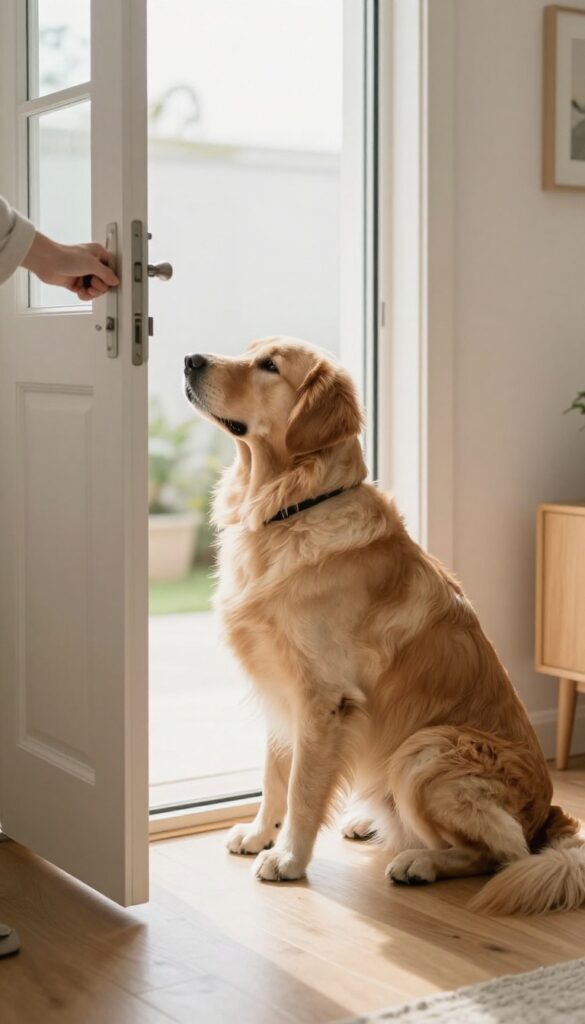
Doorways are prime spots for impulsive behavior. The moment that handle turns, most dogs turn into furry rockets, ready to blast outside. This exercise flips that script by teaching your dog that the door opening is actually a cue to pause, not a signal to sprint.
Start with your dog on a leash and the door closed. Ask for a sit, then say 'wait' in a calm, clear voice. Open the door just a crack.
If your dog stays put, mark it with a 'yes' and toss a treat behind them, away from the door. If they move toward the door, close it without drama and try again. The key is to make staying put more rewarding than bolting.
Why It Works
This game builds a default pause response. Your dog learns that the door opening is a cue to check in with you, not to charge ahead. Over time, this becomes automatic, so even when the door swings wide, your dog's first instinct is to look at you for direction.
Step-by-step Practice
Practice in short sessions, gradually increasing the door opening width and the time your dog holds the wait. Start with the door closed, then open it a few inches, then halfway, then all the way. Always reward with high-value treats and praise.
If your dog breaks the wait, simply close the door and reset. Consistency is more important than speed.
Real-life Application
Once your dog masters the wait with the door fully open, practice with real outings. Have them wait while you step outside first, then release them with a 'free' or 'okay. ' This prevents door-dashing and makes walks start calmly. You can also use the same cue for car doors and gates.
2. The 'Leave It' Challenge
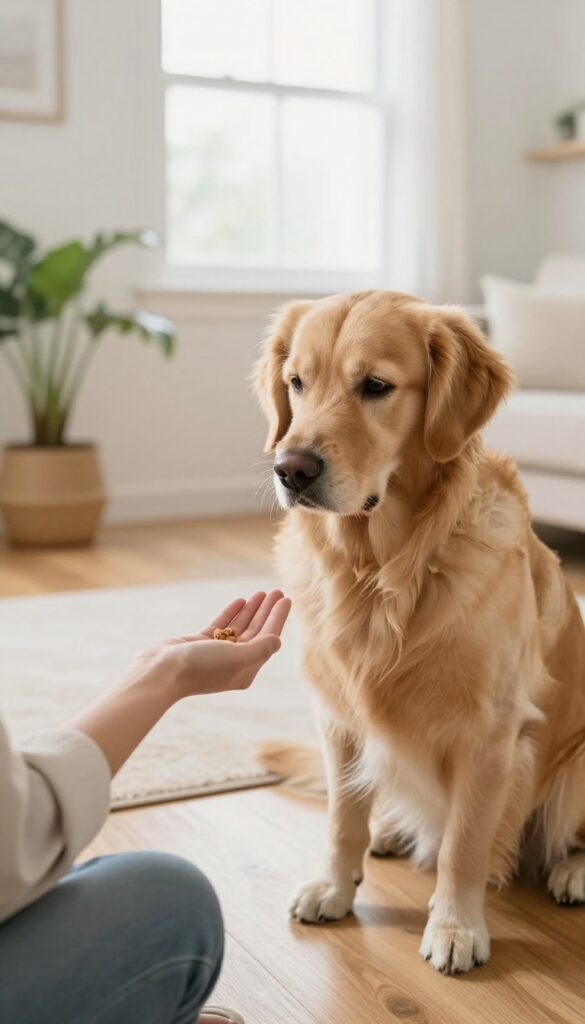
Teaching your dog to ignore something tempting on command is a game-changer. The 'leave it' cue isn't just about safety—it's a powerful way to build self-control. Start simple, and you'll see your pup's patience grow with each session.
The 'leave it' challenge is a classic impulse-control exercise that teaches your dog to resist something they really want. It's perfect for dogs who lunge at food, chase squirrels, or grab things off the ground. The key is to set up controlled scenarios where you can reward the right choice—looking at you instead of the temptation.
Start With A Closed Hand
Begin by showing your dog a treat in your closed fist. Let them sniff and paw at it, but keep your hand still. The moment they pause or look away, say 'yes' and give them the treat from your other hand.
Repeat this until they understand that backing off earns the reward.
Progress To An Open Palm
Once your dog gets the hang of the closed hand, try placing a treat on your open palm. Cover it with your other hand if needed. Say 'leave it' and wait for them to break eye contact with the treat.
Reward them with a different, higher-value treat to make it worth their while.
Drop It On The Floor
Now it's time to test their self-control with the treat on the floor. Place it a few feet away and cover it with your foot if necessary. Use the 'leave it' cue and reward them for looking at you instead of diving for it.
Gradually increase the distance and the temptation level.
Use Real-life Distractions
Once your dog is solid with treats, practice with real-world items like a dropped piece of food, a toy, or even a squirrel outside. Keep sessions short and always end on a positive note. Remember, the goal is to build a habit of checking in with you before acting on impulse.
3. The 'Settle' Mat Training
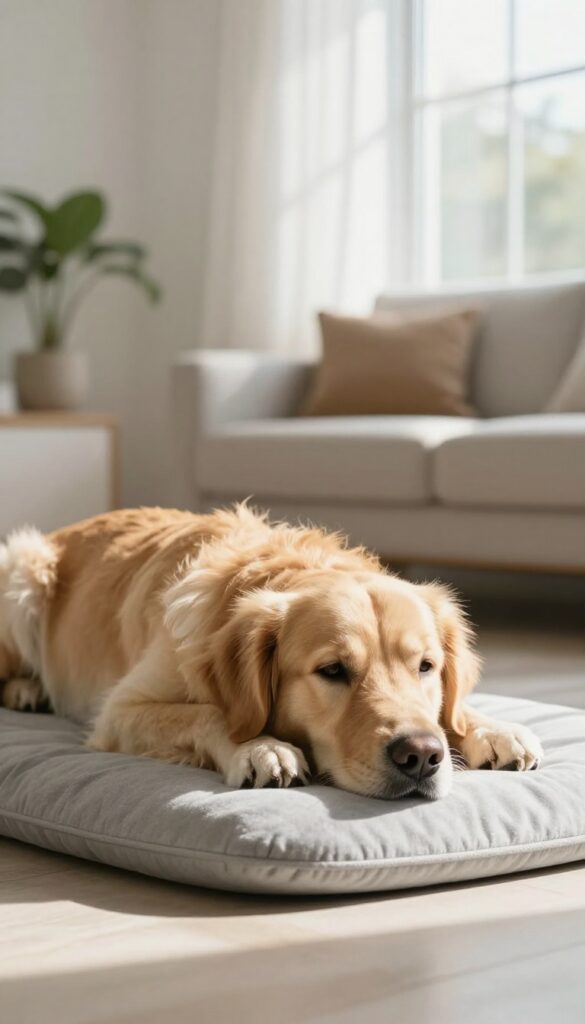
A mat can become your dog’s personal chill-out spot—a place where relaxation is the only job. This exercise teaches your pup to switch off on cue, even when life gets busy around them. It’s a simple concept, but it works wonders for impulse control.
Start by choosing a comfortable mat or bed that your dog can easily identify. Place it in a quiet area at first, then gradually move it to more distracting spots as your dog improves. The goal is to build a strong association between the mat and calm behavior.
Getting Started With The Mat
Introduce the mat by tossing a few treats onto it and letting your dog investigate. When your dog steps on or lies down, say “yes” and give a treat. Repeat this until your dog eagerly approaches the mat.
Keep sessions short and positive, ending before your dog loses interest.
Building Duration And Distraction
Once your dog is comfortable on the mat, start asking for a down and reward them for staying put. Gradually increase the time between treats, and add mild distractions like a doorbell sound or a dropped toy. If your dog gets up, calmly guide them back without scolding.
The key is to make staying on the mat more rewarding than leaving.
Using The Mat In Real Life
When your dog reliably settles on the mat, you can use it in real situations—during meals, while you watch TV, or when guests come over. Place the mat where you want your dog to relax and give the cue “settle” or “mat. ” With practice, your dog will learn to go there on their own when they need a break.
4. The 'Name Game' for Attention
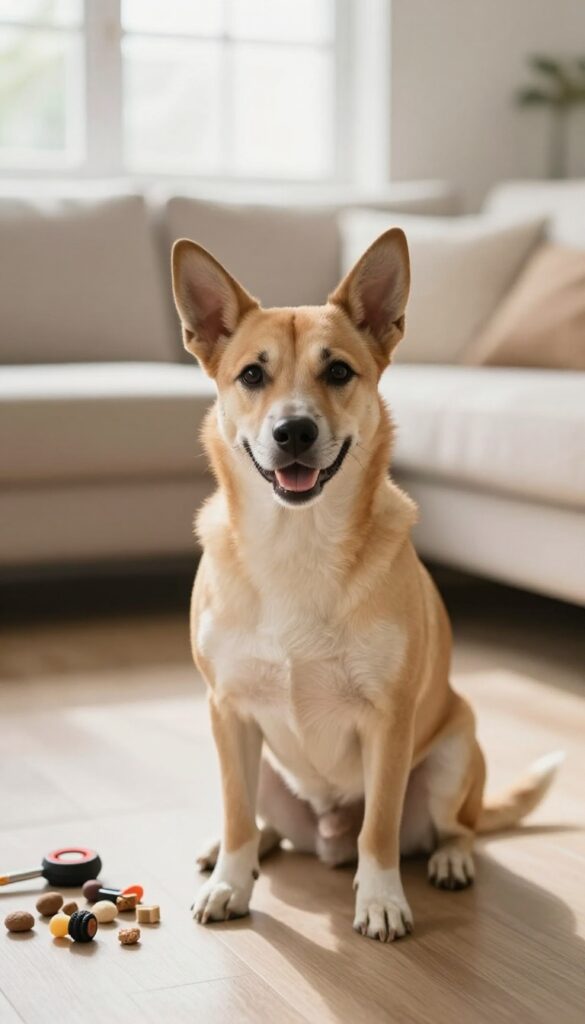
A dog that ignores you when something exciting is happening is a dog that's hard to manage. The Name Game flips that by teaching your pup that checking in with you pays off, no matter what's going on around them. It's a simple drill that builds a powerful habit: turning to you becomes their default response to distractions.
Start in a quiet room with zero distractions. Say your dog's name in a happy, upbeat tone. The moment they look at you, mark it with a 'yes' or a click and deliver a tasty treat.
Repeat this a few times, and you'll see their ears perk up the second you speak. Keep sessions short—two or three minutes is plenty—and always end on a positive note.
Why It Works
The Name Game teaches your dog that their name is not just a sound—it's a cue to check in with you for a reward. Over time, that response becomes automatic, even when they're tempted by a squirrel or a passing dog. It's the foundation for reliable recall and a calm, focused dog in any situation.
Adding Distractions Gradually
Once your dog nails it at home, move to the backyard, then to a quiet street, and finally to a park with mild distractions. Each time, increase the difficulty just a little. If your dog ignores you, you've moved too fast—go back a step and practice more.
Patience is key, and every success builds their confidence.
Making It A Game
Turn it into a fun game by hiding treats around the room and calling your dog's name before they find each one. Or practice while on walks, saying their name randomly and rewarding them for looking up. The more playful and unpredictable you make it, the more engaged your dog will be.
5. The 'Treat Toss' for Self-Control
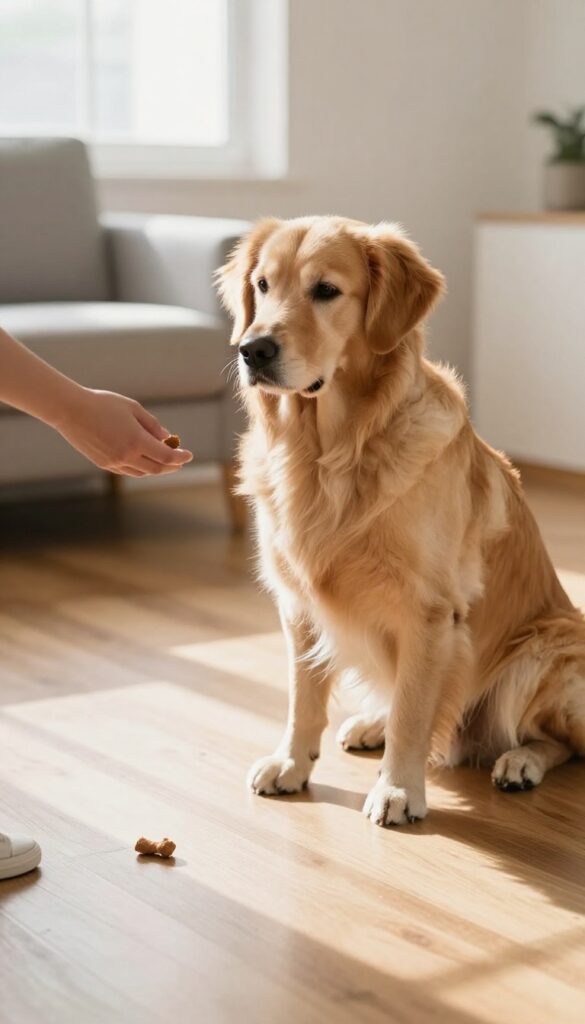
This game is as simple as it sounds, but it packs a powerful punch for teaching patience. You toss a treat a few feet away, and your dog gets to chase it. Then you toss another treat, but this time you ask them to wait before they go.
It's a fun way to show your dog that checking in with you first leads to good things.
The treat toss is a brilliant exercise because it works on impulse control in a low-pressure setting. Your dog is already excited about the treat, so they're motivated to learn the rules. The key is to make the waiting part clear and rewarding, so they start to see that pausing is worth it.
Start With A Simple Toss
Begin by tossing a treat a few feet away and let your dog go get it. This gets them used to the game and builds excitement. Do this a few times so they understand the pattern.
Keep your tone upbeat and encouraging, and let them enjoy the chase.
Add The Wait
Now, toss another treat, but before they can run, say 'wait' and hold your hand up like a stop sign. If they pause, even for a second, mark it with a 'yes' or a click and then release them with 'okay' or 'go get it. ' If they bolt right away, that's okay—just try again. The goal is to gradually increase the time they wait, even just a second or two at first.
Make It A Habit
Practice this in different rooms and with different levels of distraction. You can also use it with toys or even their dinner bowl. The more you practice, the more your dog will learn that waiting is a choice that pays off.
Over time, you'll see them look to you for permission before acting, which is exactly what you want.
6. The 'Paw Target' for Focus
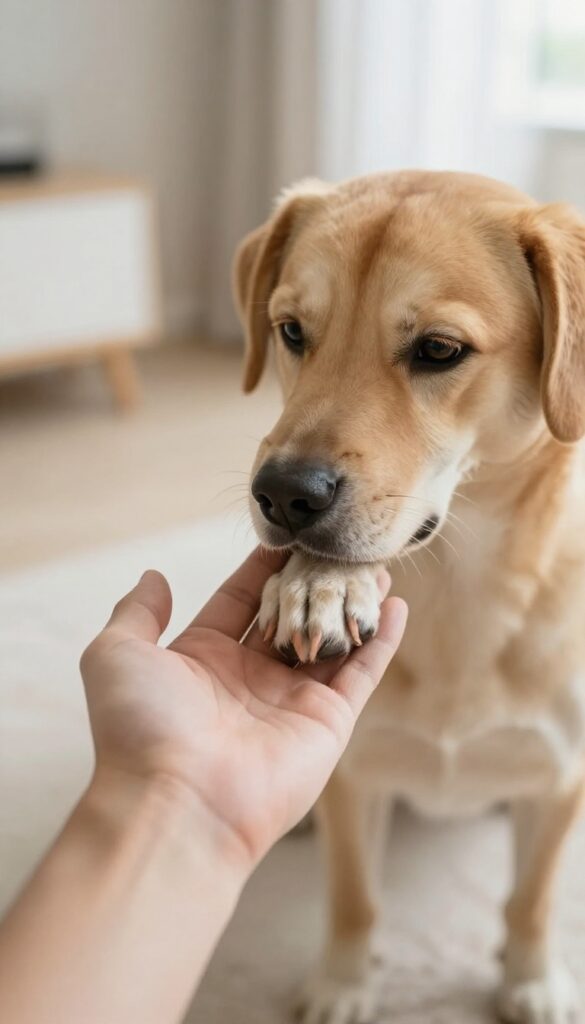
When your dog gets overly excited or anxious, their energy has to go somewhere—often into jumping, barking, or pacing. The paw target gives them a clear, calm job to do instead. By teaching your dog to touch your hand with their paw on cue, you create a simple way to redirect that energy into a focused behavior.
Start by holding your open palm near your dog's paw at ground level. The moment they lift a paw to investigate or touch your hand, mark it with a click or a word like 'yes' and reward them with a treat. Repeat this a few times, then gradually raise your hand slightly so they have to reach up a bit more.
Once they're consistently touching your hand with their paw, add a verbal cue like 'paw' or 'touch' right before they do it. Practice in short sessions, and soon you'll have a portable focus tool that works anywhere.
Why It Works
The paw target gives your dog a specific physical action that requires concentration. When they're amped up, asking for a paw forces them to pause and think about what they're doing. That tiny moment of mental effort is exactly what impulse control is about—building the habit of pausing before reacting.
Using It In Real Life
Once your dog knows the cue, put it to work in tricky moments. If they start barking at the doorbell, ask for a paw. If they're about to lunge at another dog on a walk, cue a paw.
The action itself is simple, but it shifts their brain from 'react' to 'respond. ' You'll find that after a few repetitions, your dog starts offering a paw on their own when they're unsure—proof that the calm behavior is becoming automatic.
Pro Tips For Success
Keep training sessions short and fun—five minutes max. Use high-value treats at first, then phase them out as your dog gets the hang of it. If your dog uses their nose instead of their paw, gently guide their paw with your other hand or wait until they naturally lift it.
The key is to reward the paw touch, not the nose touch, so be patient and consistent.
7. The 'Food Bowl' Patience Drill
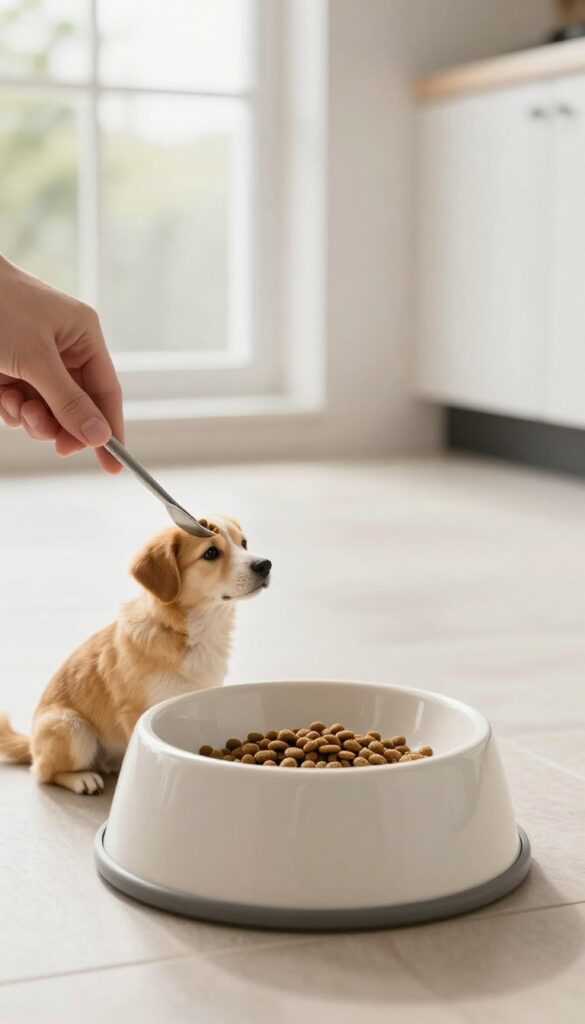
Mealtime is prime real estate for impulse control work. Most dogs get amped up the second they see their bowl, and that excitement can spill into grabbing, lunging, or even guarding. The Food Bowl Patience Drill turns this daily ritual into a calm, structured exercise that builds self-control and trust.
The idea is simple: your dog must wait politely while you lower their bowl, and any rush means the bowl comes back up. It’s a clear, consistent rule that teaches your dog that patience gets them what they want—and rushing does the opposite. Plus, it’s a gentle way to prevent resource guarding before it starts.
Start with your dog on a sit or a down, whichever is steadier. Hold the bowl at chest height and say your release cue, like “wait” or “stay. ” Lower the bowl slowly toward the floor. The moment your dog breaks position—whether they stand, lunge, or inch forward—lift the bowl back up and reset.
No scolding, just a quiet restart. When your dog holds still all the way down, set the bowl on the floor, keep your hand on it for a second, then give your release word like “okay” or “free. ” Repeat this every meal, and you’ll see the lightbulb flick on. Your dog learns that staying put is the fastest way to dinner.
Over time, you can increase the challenge by pausing with the bowl on the floor, adding a few seconds of waiting, or asking for eye contact before releasing. The drill also builds a foundation for other impulse-control wins, like waiting at doors or staying calm around dropped food.
Why It Works
Food is a high-value resource, so it naturally triggers excitement and urgency. By requiring calm behavior before access, you’re teaching your dog that patience is the key to good things. This exercise also builds a positive association with your presence near their food, which can prevent resource guarding.
Dogs learn that you approaching their bowl means good things, not threats.
Step-by-step Setup
Pick a quiet time when your dog is hungry but not frantic. Use their regular kibble or a slightly higher-value meal to keep motivation up. Have a release cue ready, like “okay” or “free. ” Start with a short wait—just a few seconds—and gradually build duration.
Keep sessions short and end on a success. If your dog struggles, go back to an easier step, like having them sit before you even pick up the bowl.
Troubleshooting Common Hiccups
If your dog keeps breaking position, you might be moving too fast or the wait is too long. Shorten the duration and lower the bowl more slowly. If your dog is overly excited, practice with an empty bowl first, then add food once they’re calm.
For dogs that lunge or grab, use a leash or a barrier to prevent rehearsal of the unwanted behavior. Consistency is key—every meal is a training session.
8. The 'Toy Exchange' for Resource Control
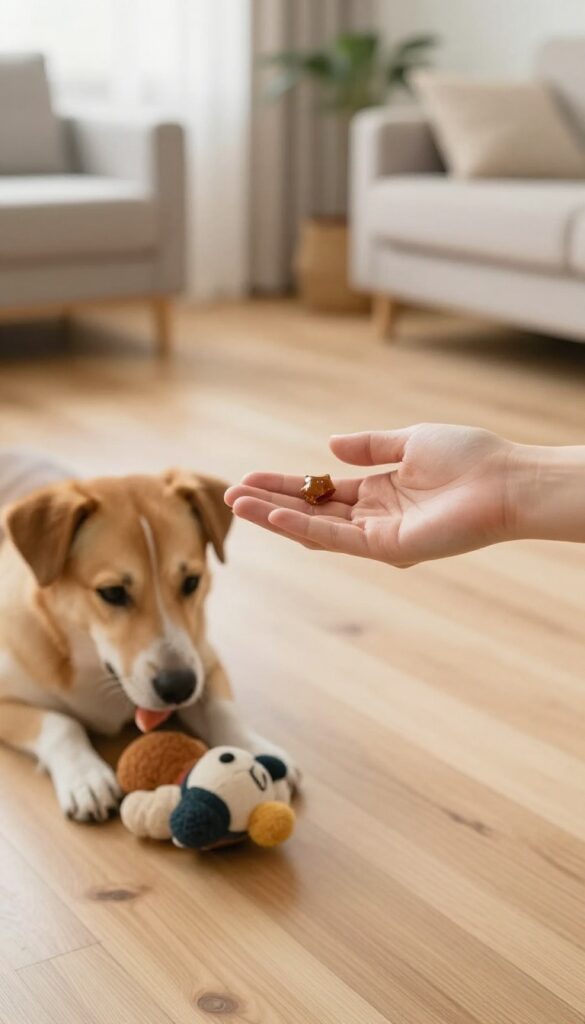
Some dogs guard their favorite toys like treasure, and that can make playtime stressful. The toy exchange is a simple game that flips that script by teaching your pup that giving up something good leads to something even better. It's not about taking things away—it's about building trust and showing that cooperation pays off.
Start with a toy your dog loves but isn't overly possessive about. Offer a high-value treat while saying a cue like "trade. " When your dog drops the toy to take the treat, praise them warmly, then give the toy right back.
This shows that letting go isn't a loss—it's a win. Over time, your dog will learn that sharing leads to rewards, and the impulse to guard fades.
Why It Works
Possessiveness comes from fear of losing something valuable. The toy exchange replaces that fear with a positive association: giving up the toy means a tasty reward, and the toy comes back anyway. This builds a foundation of trust and reduces the urge to snap or growl when you reach for something they're holding.
How To Practice
Start in a quiet space with few distractions. Use a toy that's moderately valued, not their absolute favorite. Hold a treat near their nose, say "trade, " and wait for them to release the toy.
Reward immediately and return the toy. Repeat 5–10 times per session, gradually working up to more valuable toys and busier environments.
Troubleshooting Common Issues
If your dog doesn't let go, try a higher-value treat or a toy they care less about. If they grab the toy back aggressively, take a step back and practice with a lower-value item. Never pull or pry the toy away—that can make guarding worse.
Keep sessions short and positive, and always end on a win.
9. The 'Walk Pause' for Loose-Leash Walking
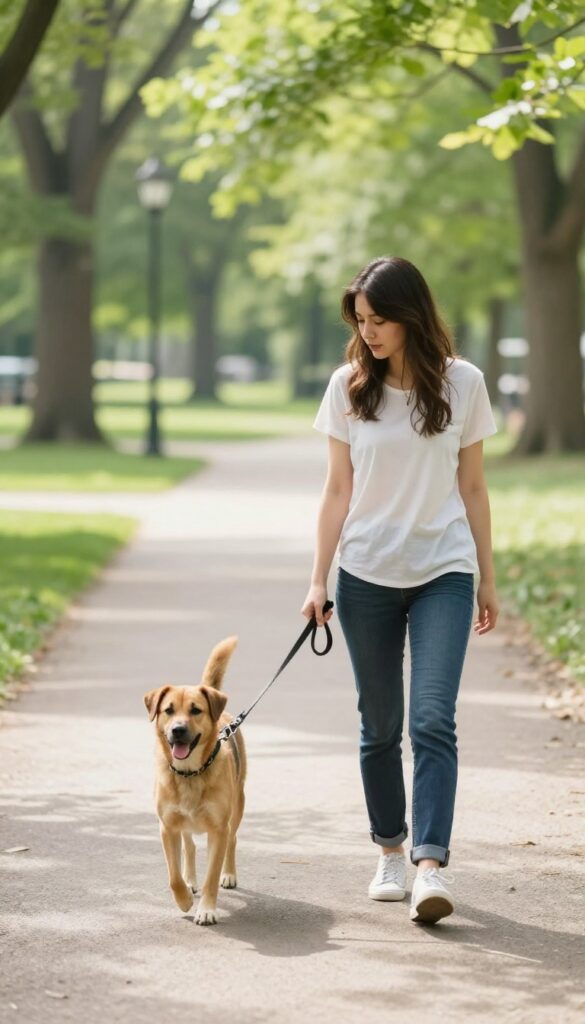
Leash pulling is one of the most common impulse-control challenges, and it can turn a simple walk into a frustrating tug-of-war. The 'Walk Pause' flips that dynamic by making pulling counterproductive. Instead of moving forward when your dog strains ahead, you stop in your tracks and wait.
The lesson is simple: pulling stops the fun, while walking politely keeps it going.
To start, choose a low-distraction area for practice. As soon as your dog pulls the leash taut, stop walking and stand still. Don't yank or correct—just wait.
Your dog will eventually look back or slacken the leash out of curiosity. The moment they do, mark it with a cheerful 'yes' or a click, give a small treat, and resume walking. Repeat this every time they pull.
With consistency, your dog will learn that a loose leash leads to forward movement, and tension brings everything to a halt.
Why The Pause Works
Dogs repeat behaviors that are rewarding. When they pull, they usually get what they want—forward motion. By pausing, you remove that reward.
The pause also gives your dog a moment to process and make a better choice. Over time, they start offering a loose leash proactively because they know it's the fastest way to keep moving.
Adding Verbal Cues
Once your dog understands the pause, you can add a verbal cue like 'easy' or 'wait' right as you stop. This helps them connect the word with the action. Eventually, you'll be able to say the cue before they even pull, and they'll check in with you.
Just be patient—this step takes time and repetition.
Troubleshooting Common Pitfalls
If your dog keeps pulling and never looks back, try turning around and walking the other way instead of just stopping. This adds a bit more feedback. Also, make sure you're rewarding quickly—within a second of the loose leash—so your dog connects the action to the reward.
If walks are too exciting, start in a boring space like your driveway or a quiet park.
10. The 'Stay with Distraction' for Real-World Proofing
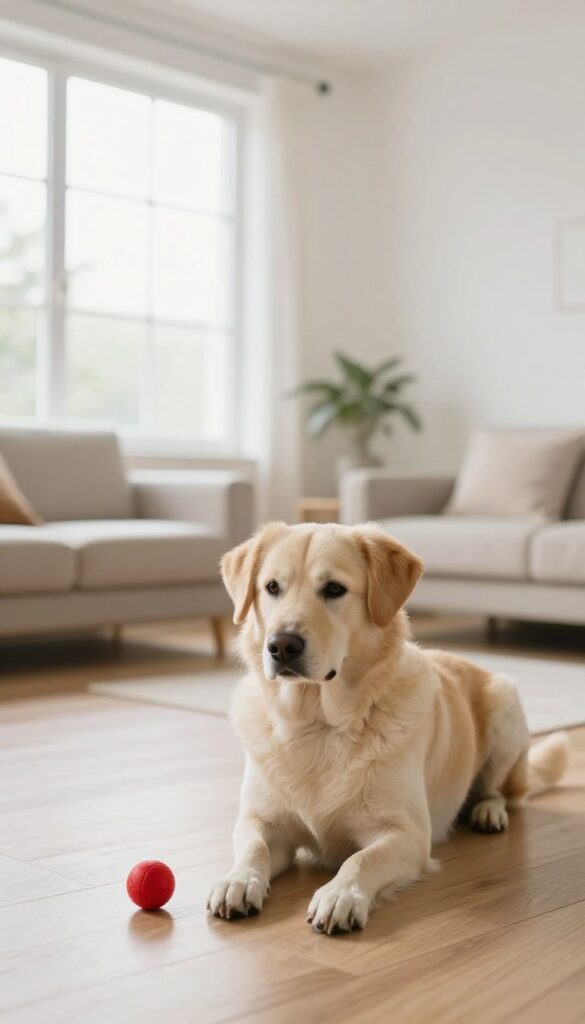
You've practiced 'stay' in the quiet living room, but real life is full of doorbells, dropped toys, and unexpected guests. This final exercise bridges that gap, teaching your dog to hold their cool even when the world gets exciting. It's the ultimate test of patience—and the payoff is a dog you can trust in almost any situation.
Start with a solid 'stay' in a low-distraction area, then gradually add challenges. The key is to set your dog up for success by keeping each step small and rewarding calm behavior generously. Over time, you'll build a rock-solid stay that holds up when it matters most.
Start Small: Toss A Toy Nearby
Begin by asking your dog to 'stay' while you toss a favorite toy a few feet away. If they hold, mark and reward with a treat from your hand—not the toy. This teaches them that staying earns something even better than the toy itself.
Gradually increase the distance or use a squeakier toy, but always return to reward before releasing them.
Add Movement: Walk Past Your Dog
Once your dog can ignore a tossed toy, try walking past them while they're in a stay. Start at a distance and move slowly, then work up to a brisk walk right in front of their nose. If they break, calmly reset and try a slightly easier version.
This mimics real-life scenarios like someone passing by on a walk or a child running through the room.
Bring In The Doorbell And Knocks
Doorbells and knocks are high-excitement triggers for many dogs. Practice by having a friend ring the doorbell or knock while your dog stays on their mat or in a down. Reward them for staying calm, then release and greet the visitor together.
This builds a strong association between the doorbell and patience, not chaos.
Proof It In Public
Finally, take the show on the road. Practice 'stay' in your yard, at a park, or on a quiet sidewalk. Use real-world distractions like passing bikes, joggers, or other dogs at a distance.
Keep sessions short and end on a high note. The goal is to help your dog generalize the skill, so they know 'stay' means 'stay' no matter where you are.
FAQ
How long does it take to see results with impulse-control exercises?
Most dogs show noticeable improvement within a week of daily practice. Consistency is key—short, frequent sessions (5-10 minutes) work better than long, sporadic ones.
Can impulse-control exercises help with reactive or aggressive dogs?
Yes, they can be very helpful. Teaching a dog to focus on you and remain calm in the presence of triggers can reduce reactivity. However, for severe aggression, consult a professional trainer or behaviorist.
What if my dog doesn't seem interested in treats during training?
Try using higher-value treats like small pieces of chicken or cheese. You can also use a favorite toy as a reward. Training when your dog is hungry can also increase motivation.
Are these exercises suitable for puppies?
Absolutely. Start with simple versions and keep sessions very short (2-3 minutes). Puppies have short attention spans, so patience and positive reinforcement are essential.
How often should I practice impulse-control exercises?
Daily practice is ideal, but even a few times a week can make a difference. Aim for 5-10 minutes per day, and incorporate the exercises into everyday routines like mealtimes and walks.
Conclusion
Patience isn't something dogs are born with—it's a skill you build together, one small exercise at a time. The payoff shows up in calmer walks, easier greetings, and a dog who actually waits instead of lunging. Start with the two or three exercises that fit your dog's energy best and practice them daily.
Keep sessions short, reward the good choices, and stay consistent. You'll notice the difference before long, and so will everyone who meets your dog.

I’m Pallab Kishore, the owner of Little Pets Realm — an animal lover and pet care enthusiast sharing easy tips, healthy recipes, and honest advice to help every small pet live a happy, healthy, tail-wagging life.