
Last updated on August 19th, 2026 at 04:14 pm
Evenings should be a time to unwind, but if your dog is bouncing off the walls, that calm can feel out of reach. The good news is that settling is a skill you can teach, and it doesn't require hours of exhausting exercise.
These 13 training steps focus on building a reliable off-switch, so your dog learns to relax on their own. From setting the scene to rewarding the right moments, each tip is practical and easy to weave into your nightly routine.
By the time you're done, you'll both be ready for a peaceful end to the day.
1. Start with a Calm Environment
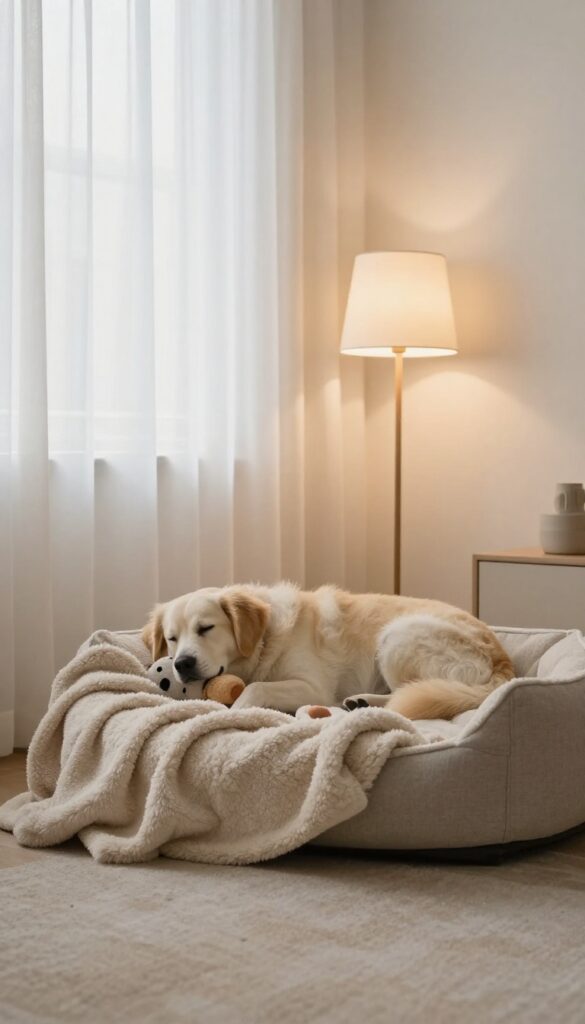
Before you even begin training, think about the space your dog is in. A busy, noisy room sends a signal that it's time to play, not relax. By making a few small adjustments, you can set the stage for a much smoother settling session.
Your dog picks up on the energy around them. If the TV is blaring, kids are running around, and the lights are bright, they'll naturally stay alert. Creating a calm environment doesn't mean turning your home into a library, but it does mean giving your dog a clear cue that the day is winding down.
Dim The Lights
Bright overhead lights can be stimulating. Lowering them mimics the natural transition to nighttime and helps your dog's body start producing melatonin. Use lamps or dimmer switches to create a softer glow.
This simple change can make a big difference in how quickly your dog settles.
Reduce Noise
Sudden sounds like the doorbell or a loud TV can trigger your dog's alert response. Try turning off the TV or switching to something calming, like soft music or white noise. If you live on a busy street, consider using a white noise machine to mask outside sounds.
A quieter environment helps your dog feel safe and less reactive.
Create A Cozy Spot
Dogs need a place they can call their own. Set up a comfortable bed or blanket in a corner away from high-traffic areas. Add a familiar item, like a favorite toy or a piece of your clothing.
This spot should be consistent, so your dog learns that this is the place to relax. You can even use a crate if your dog is crate-trained, as long as it's a positive space.
2. Use a Cue Word for Settling
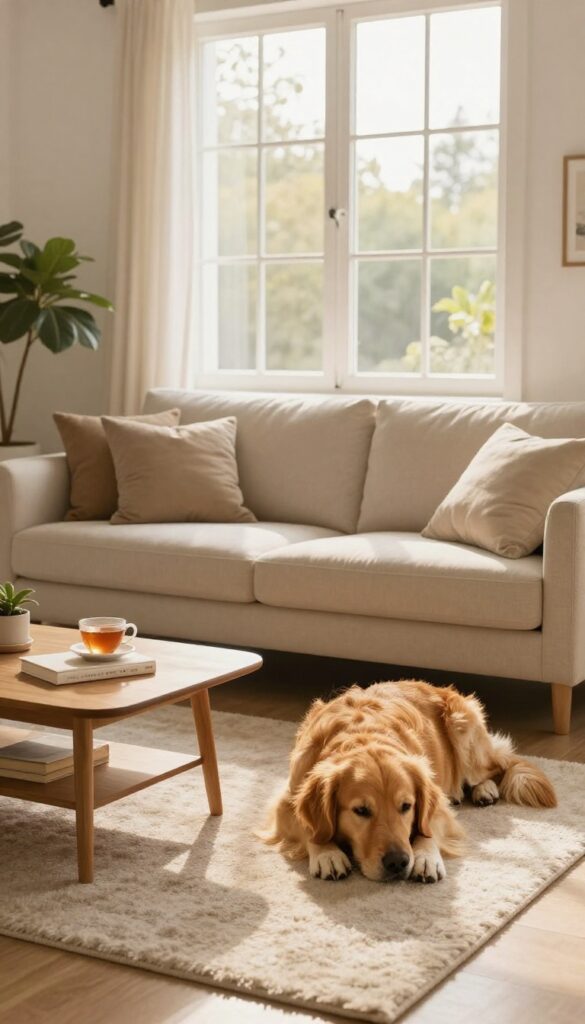
A simple verbal cue can work wonders when teaching your dog to unwind. By pairing a specific word with the act of lying down, you create a clear signal that it's time to relax. This step is about consistency and timing, not about forcing your dog into a position.
Choose a short, calm word like 'settle' or 'relax' and use it every time your dog naturally lies down. Say the word just as they are lowering their body, then follow with a gentle, quiet praise. Over time, your dog will associate that word with the feeling of being calm and comfortable.
Pick Your Word And Stick To It
Decide on a cue that feels natural to you and is easy to say in a soft tone. Avoid words that sound like other commands, like 'sit' or 'stay', to prevent confusion. Use the same word every single time, and make sure everyone in the household uses it too.
Time It Right
The key is to say the word just as your dog is about to lie down, not after they are already settled. This helps them connect the cue with the action. If you say it too early or too late, the association becomes weaker.
Watch for the moment they start to lower their hips and say the word then.
Pair It With A Calm Reward
When your dog lies down and you say the cue, reward them with a soft treat or a gentle stroke. The reward should be quiet and calm, not exciting. This reinforces that settling down leads to good things, but in a way that keeps their energy low.
3. Reward the Behavior, Not the Position
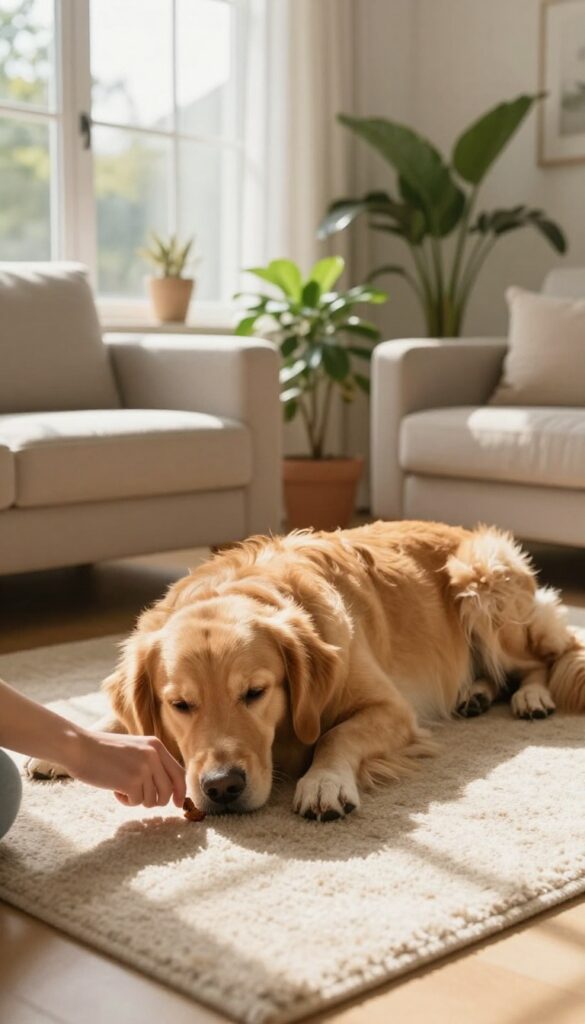
Dogs repeat what pays off. If you only praise your pup when they're already lying in their bed, you might miss the moments that matter most. The key is to catch them in the act of choosing to relax, even if it's just for a few seconds.
That means rewarding the behavior, not the position. A dog who flops down on the floor for a quick rest is showing you exactly what you want—a voluntary settle. Treat that moment like gold, and you'll see more of it.
When your dog settles, even briefly, mark it with a calm "yes" and drop a treat near their nose. This teaches them that relaxing is a paying proposition. Over time, they'll offer the behavior more often, and those few seconds will stretch into minutes.
Keep your rewards subtle. A quiet voice and a soft treat are better than excited praise, which can rev your dog back up. You're aiming for a mellow mood, not a party.
Catch The Calm Moments
Watch for the little signs: a sigh, a head drop, a hip that sinks to the floor. The instant your dog starts to relax, that's your cue to reward. It doesn't matter if they're on the rug, the couch, or the kitchen tile—any voluntary settle counts.
The faster you reward, the clearer the message.
Use A Calm Marker
Pick a word like "yes" or "good" and say it in a low, soothing tone the moment your dog begins to settle. Then follow with a treat placed on the floor between their paws. This pairing helps your dog understand exactly what earned the reward, without making them pop up for the treat.
Don't Lure, Just Reward
Resist the urge to physically push your dog into a down or to lure them with a treat. The goal is for them to choose to settle on their own. If you lure, they're following your hand, not learning to relax.
Instead, wait for a natural settle and reward that choice. It might take a few tries, but the behavior will stick better.
4. Incorporate a Mat or Bed
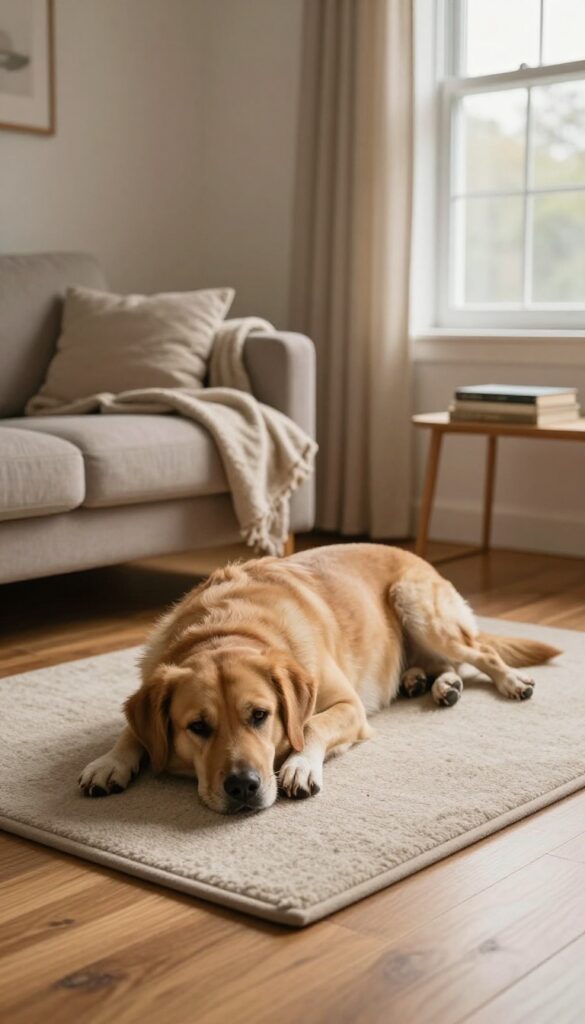
Dogs often struggle to settle because they don't have a clear spot that signals downtime. A mat or bed can become that cue, a physical anchor for calm behavior. By teaching your dog that this specific spot is where good things happen, you're giving them a job: relax here.
Choose The Right Mat
Pick a mat that's comfortable but not too plush—something easy to transport and clean. A towel or a simple dog bed works fine. The key is consistency: use the same mat every time so your dog associates it with settling.
Introduce The Mat With Rewards
Start by placing the mat on the floor and tossing treats onto it. When your dog steps on or touches the mat, mark and reward. Repeat this until your dog eagerly approaches the mat.
Then, begin rewarding for staying on it for longer periods, gradually increasing the duration.
Use The Mat During Calm Moments
Incorporate the mat into your evening routine. When you sit down to read or watch TV, invite your dog to their mat and reward them for lying there. Over time, they'll learn that the mat means 'settle down' and will choose it on their own.
5. Practice the 'Settle' in Short Bursts
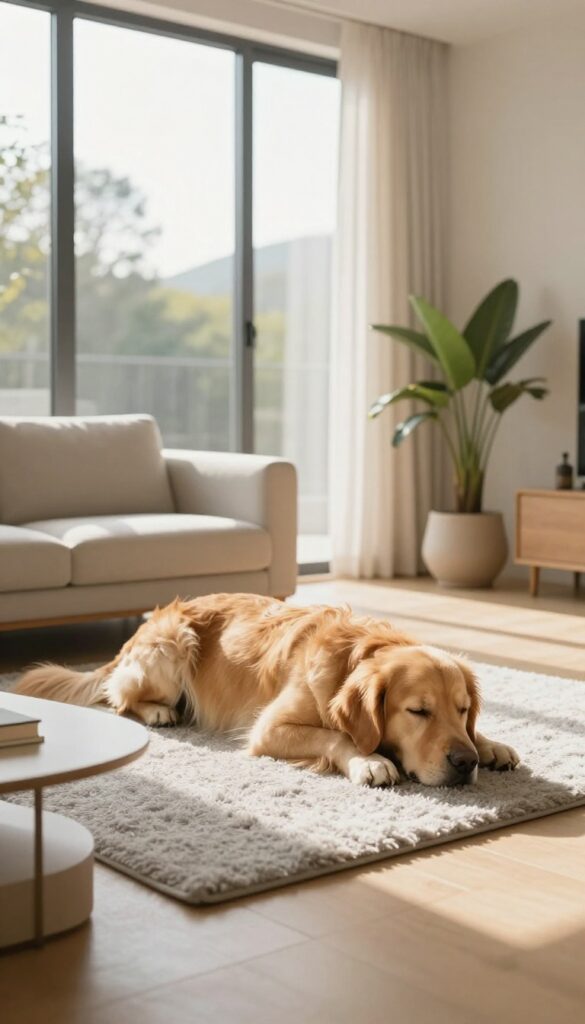
Training sessions that drag on can actually work against you. When your dog gets bored or tired, they're more likely to lose focus and start acting up. That's why keeping things short and sweet is a game changer.
By breaking training into tiny, 2-5 minute chunks, you give your dog a chance to succeed without hitting that frustration wall. Plus, you can sneak these mini-sessions into your evening without feeling like you're running a boot camp. The goal is to make settling feel easy and rewarding, not like a chore.
Short bursts of training are like building a muscle—you start small and gradually increase the load. This approach helps your dog learn faster because they stay engaged and motivated. It also prevents them from associating settle time with stress or boredom.
Instead, they learn that calm behavior leads to good things, and that's a lesson that sticks.
Why Short Sessions Work
Dogs have short attention spans, especially when they're excited or distracted. A 2-5 minute session keeps the focus sharp and the rewards frequent. You're also less likely to get frustrated, which means you'll be more consistent and positive.
Plus, ending on a high note leaves your dog wanting more, so they're eager to practice again.
How To Structure A Mini-session
Pick a quiet spot, have treats ready, and decide on one simple behavior—like lying down on their mat. Start with a clear cue, reward the moment they do it, and then release them. Repeat for a few minutes, always ending with a success.
If your dog gets distracted, take a break and try again later. The key is to keep it upbeat and low-pressure.
Building Duration Gradually
Once your dog nails the short sessions, slowly increase the time they stay settled. Add a few seconds each session, then a few minutes. Use a release word like 'okay' to signal when they can get up.
This gradual build-up helps your dog learn that settling isn't just a quick trick—it's a state of mind they can hold for longer periods.
6. Use Capturing to Reinforce Calm Moments
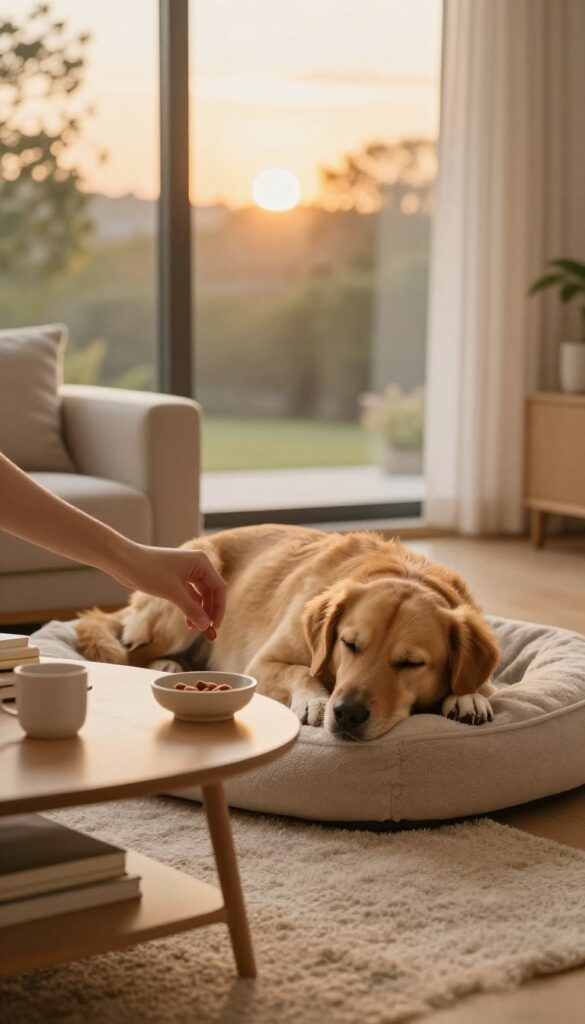
Sometimes the best training happens when you're not actively training. Capturing is a simple technique where you reward your dog for behaviors they offer naturally, like lying down quietly or resting their head on the floor. By keeping a few treats within arm's reach during your evening wind-down, you can turn those spontaneous calm moments into a habit that sticks.
Capturing works because it tells your dog exactly what you want more of, without any pressure. Instead of asking for a down or a stay, you simply wait for a relaxed posture and then quietly drop a treat. Over time, your dog learns that chilling out is rewarding, which makes them more likely to choose calm on their own.
Set Up A Treat Station
Keep a small bowl of treats on the coffee table or in your pocket during your usual evening routine. You don't need to be in training mode—just have them accessible. This way, when your dog settles on their bed or by your feet, you can reward them without disrupting the moment.
Reward The Right Posture
Look for signs of true relaxation: a soft body, a lowered head, or a deep sigh. These are the moments worth rewarding. If your dog is lying down but still tense or alert, wait a few seconds until they visibly soften.
The treat should come after the calm, not before.
Keep It Quiet And Low-key
When you deliver the treat, do it gently. No excited praise or sudden movements. A simple, quiet "good" or just a soft touch works best.
The goal is to reinforce the calm, not to rev your dog back up. If they start to get excited, pause and wait for them to settle again.
7. Add a Relaxing Scent or Sound
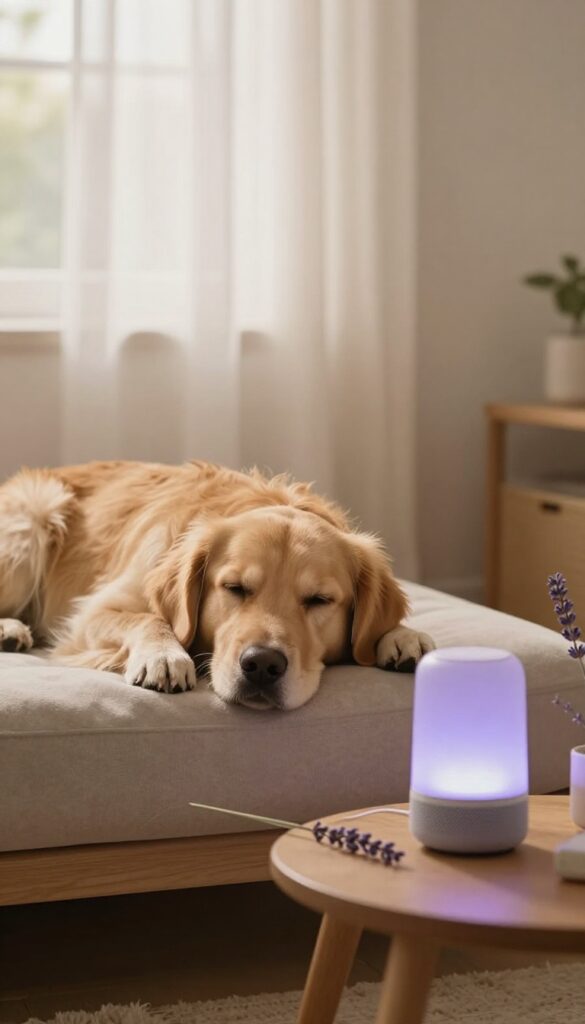
Sometimes the fastest way to shift your dog's mood is to change the atmosphere. Calming cues like lavender or soft music can signal that the active part of the day is over. These aren't magic fixes, but they can make it easier for your dog to settle into a relaxed state.
Dogs are highly sensitive to their environment, and certain scents and sounds can have a measurable effect on their stress levels. By pairing these cues with your evening routine, you can create a consistent signal that it's time to wind down. The key is to use them regularly and at the same time each night, so your dog starts to associate them with calmness.
Choose Calming Scents
Lavender is one of the most studied scents for reducing anxiety in dogs. You can use a dog-safe spray on their bedding or a diffuser in the room where they settle. Always introduce new scents gradually and watch for any signs of irritation.
A light misting is enough—you don't want to overwhelm their sensitive nose.
Pick The Right Sounds
Soft, slow-tempo music or white noise can help muffle sudden outside sounds that might trigger alertness. Classical music and specially designed dog relaxation tracks are popular choices. Keep the volume low, just enough to be heard, and avoid anything with sudden loud changes.
Consistency matters more than the specific track, so find something you can play every night.
Pair With Your Routine
The real power comes from pairing these cues with your existing settle routine. Start the music or spray the lavender right before you begin your calm-down time, whether that's a gentle massage or just sitting quietly. Over time, your dog will learn that these signals mean it's time to relax, even before you start the training.
8. Teach a 'Go to Bed' Command
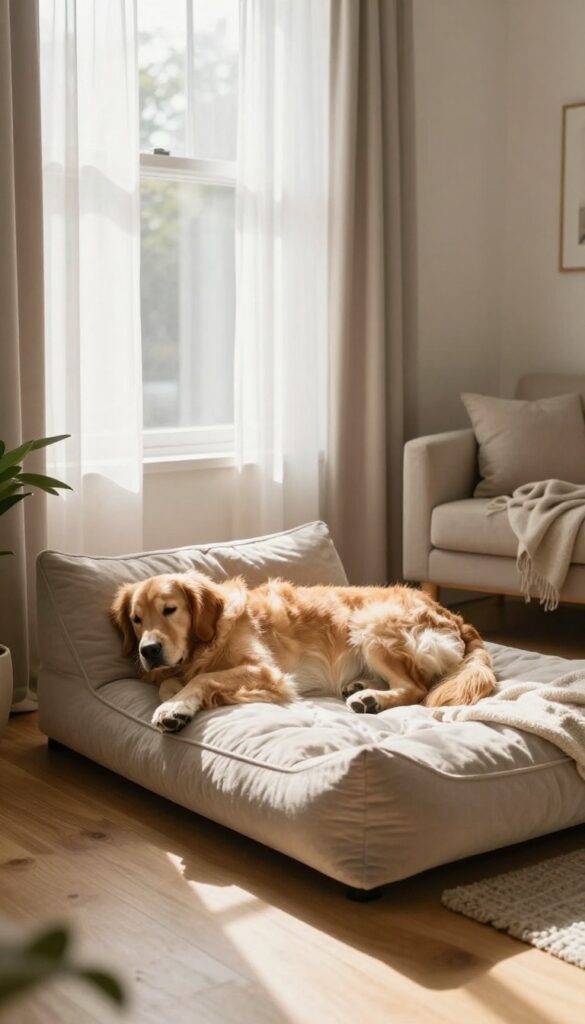
A cue that sends your dog to a specific spot can be a game-changer for calm evenings. Once your dog learns to go to their mat or bed on command, you have a reliable way to shift their energy from playtime to downtime. This isn't about confinement—it's about giving them a clear job that leads to relaxation.
Start by choosing a comfortable bed or mat that your dog already likes. Use a treat to lure them onto it, saying 'go to bed' as they step on. Reward them the moment all four paws are on the mat.
Repeat this several times until they move toward the mat without a lure. Then practice from a few steps away, gradually increasing the distance. Once they're solid on the cue, add a release word like 'okay' to let them know when they can leave.
The goal is to make the mat a happy, rewarding place, so they'll willingly choose it when you ask.
Why This Works
This command gives your dog a clear, repeatable action that naturally leads to settling. It's not just about physical location—it's about creating a mental switch. When your dog learns that the mat means 'chill time, ' they'll start to relax as soon as they get there.
The key is consistency and positive reinforcement, so the mat becomes a favorite spot, not a punishment.
Adding Duration And Distractions
Once your dog reliably goes to their bed, work on increasing the time they stay there. Start with a few seconds and gradually extend it, rewarding calm behavior. Then add distractions, like someone walking by or a toy on the floor, to build their focus.
Keep sessions short and upbeat, and always end on a positive note.
Using It In Real Life
In the evening, use the 'go to bed' cue when you're settling down to watch TV or read. Give your dog a chew or a stuffed Kong to keep them occupied. Over time, they'll learn that this cue signals the start of quiet time.
Be patient—some dogs pick it up quickly, while others need more practice. The payoff is a calmer, more predictable evening routine.
9. Incorporate Gentle Massage or Touch
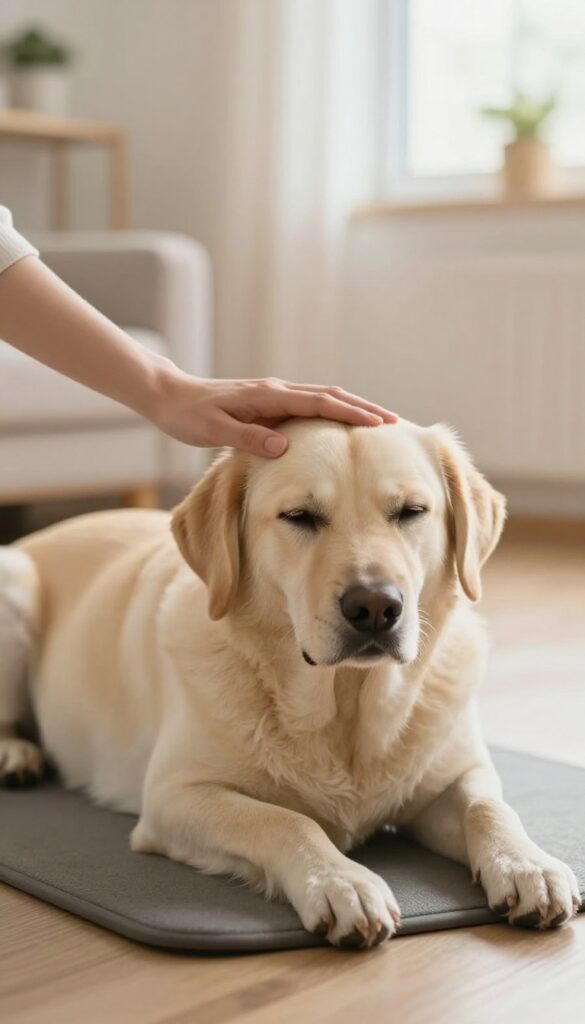
A calm touch can work wonders when your dog is wired from the day. Slow, rhythmic strokes help lower heart rate and signal that it's time to shift gears. But not every dog loves being handled, so the key is to follow their lead and keep it pleasant.
Massage isn't just a spa-day luxury for dogs; it's a practical way to reinforce the settle. When you pair gentle touch with a quiet environment, you're teaching your dog that being still feels good. The trick is to keep it slow and predictable, using long strokes from head to tail rather than quick pats or tickles.
Read Your Dog's Body Language
Before you start, take a quick read of your dog's mood. If they're panting, yawning, or turning away, they might not be in the mood for touch. Instead, try a light hand on their side or just sit nearby.
When they lean in or relax their muscles, that's your green light to continue.
Use Long, Slow Strokes
Fast, vigorous rubbing can rev a dog up, so keep it slow and gentle. Use your palm or fingertips to stroke from the top of the head down the neck and along the back. Repeat the same motion several times—the predictability is what helps them unwind.
Pair Touch With A Calm Verb
Say a word like "settle" or "easy" in a low, soft voice while you massage. Over time, your dog will start to associate that cue with the relaxed feeling of being touched gently. Eventually, you can use the word alone to trigger a calmer state.
Stop If They Seem Tense
If your dog stiffens, licks their lips, or tries to move away, that's a clear sign to stop. Forcing touch can create anxiety and make them less likely to settle. Instead, end the session on a positive note with a treat or a quiet word, and try again another time.
10. Use a Long-Lasting Chew or Lick Mat
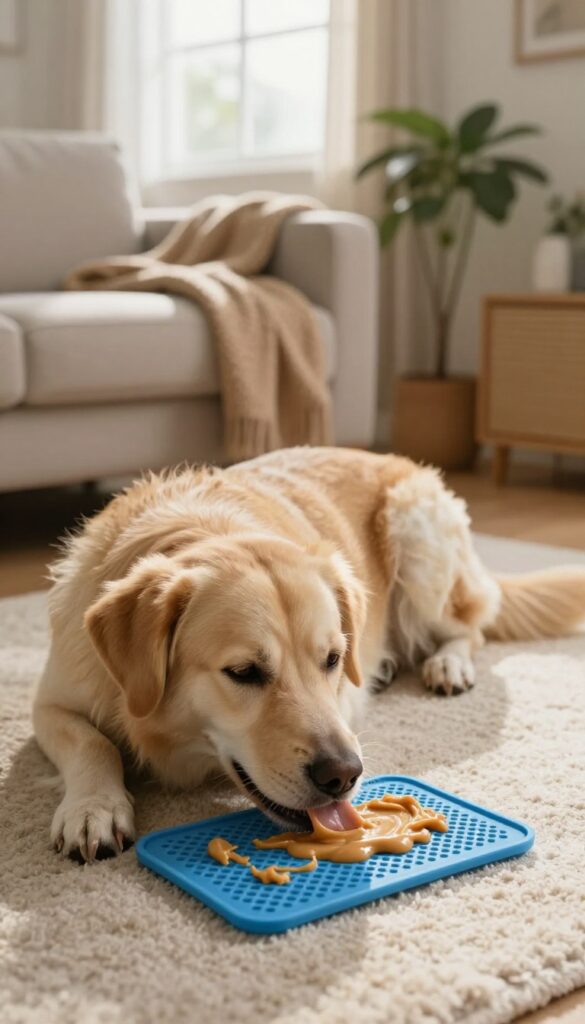
There's something almost magical about a good chew or lick mat when you need your dog to shift gears. The repetitive motion of licking and chewing naturally calms a busy brain, almost like a meditation for dogs. It's not just a distraction—it's a way to channel their energy into something soothing and satisfying.
A long-lasting chew or a lick mat can be a cornerstone of your evening wind-down routine. It gives your dog a job to do that's inherently relaxing, and it keeps them occupied while you enjoy some quiet time. The key is to choose the right option and use it strategically so it becomes a signal that the day is winding down.
Why Licking And Chewing Calm Dogs
Licking and chewing are natural, self-soothing behaviors for dogs. They release endorphins, which are feel-good chemicals that promote relaxation. When your dog engages in these activities, their heart rate slows, and their breathing deepens, helping them transition from a high-energy state to a calm one.
This is why a chew or lick mat can be more effective than just telling your dog to settle—it gives them a physical outlet for that nervous energy.
Choosing The Right Chew Or Lick Mat
Not all chews are created equal. For evening use, you want something that lasts a while and is safe. Look for durable rubber chews designed for stuffing with treats, or natural chews like bully sticks or yak chews that are long-lasting.
For lick mats, you can spread a thin layer of peanut butter, yogurt, or mashed banana, then freeze it for a longer-lasting challenge. Always supervise your dog with any chew to ensure they don't swallow large chunks, and choose options that match your dog's chewing style and size.
How To Introduce It Into Your Evening Routine
To make the chew or lick mat a cue for relaxation, introduce it at a consistent time each evening. Pair it with a calm environment—dim the lights, lower your voice, and settle into your own spot. You can even use a specific mat or chew only for evenings, so your dog learns to associate it with winding down.
Start by giving it to them when they're already a bit tired, and gradually use it as a tool to help them settle when they're more wired. Over time, they'll begin to relax just by seeing it appear.
11. Practice Settling in Different Rooms

Dogs are masters of context. They might be perfect angels on their mat in the living room, but the moment you move to the kitchen, it's like they've never seen a settle in their life. That's because they've learned the cue in one specific spot, not as a general skill.
To build a truly reliable off-switch, you need to practice in different rooms. This helps your dog understand that calm behavior is expected everywhere, not just in their usual corner. It also makes evenings smoother when you're moving around the house—preparing dinner, folding laundry, or just relaxing in different spaces.
Generalizing the settle is one of the most overlooked steps in training. Many dogs can settle beautifully in the living room but struggle in the bedroom or kitchen. By practicing in various locations, you teach your dog that the cue means 'relax here' no matter where you are.
This not only makes your evenings more peaceful but also builds your dog's confidence in different environments. Start with easy rooms and gradually move to more challenging ones, always setting your dog up for success.
Start With Easy Rooms
Begin in a room where your dog already feels comfortable and there are few distractions. This might be the living room or a quiet den. Use the same mat or bed you normally use, and practice the settle cue.
Keep sessions short—just a few minutes—and reward calm behavior with treats or gentle praise. Once your dog is consistently settling in this room, you can move on to the next.
Gradually Increase Difficulty
Move to more challenging rooms like the kitchen or hallway. These areas often have more foot traffic, interesting smells, or potential food temptations. Set your dog up for success by using a mat or bed that smells familiar.
Start with short sessions and gradually increase the duration. If your dog struggles, go back to an easier room for a while, then try again. Patience is key.
Use High-value Rewards In New Spots
When practicing in a new room, use extra-special treats that your dog doesn't get elsewhere. This makes the new location more rewarding and helps your dog associate it with good things. You can also bring along a favorite chew or toy to keep them occupied.
The goal is to make settling in a new room just as rewarding as settling in their usual spot.
Practice At Different Times
Don't just practice during your usual evening routine. Try settling in different rooms at various times of day—morning, afternoon, and evening. This helps your dog understand that the cue works regardless of the time.
It also prevents them from associating the settle only with nighttime. Over time, your dog will learn to relax anywhere, anytime, making your evenings truly peaceful.
12. Gradually Increase Distractions

Once your dog can settle at home, it's time to take the show on the road. Practicing in new, busier spots helps your dog learn that calm behavior isn't just for the living room. Start slow and build up, so your dog can succeed at every step.
Moving from a quiet house to a bustling park is a big jump. Your dog needs to learn that settling works everywhere, not just where it's easy. By gradually adding distractions, you're teaching a skill that's solid enough to handle real life.
Start With Mild Distractions
Choose a location that's just a little more exciting than home, like a friend's backyard or a quiet park bench. Keep sessions short and reward your dog for any calm behavior. If they can't settle, you've moved too fast—step back to an easier spot.
Use A Mat Or Blanket As An Anchor
Bring a familiar mat or blanket to the new location. It gives your dog a clear signal that it's time to relax. Place it down, invite your dog onto it, and reward them for staying put.
The familiar scent and texture can help them feel more at ease.
Increase Distractions Slowly
Once your dog is comfortable with mild distractions, try busier areas like a park entrance or a sidewalk near a café. Keep your dog on a leash and let them watch the world go by. Reward any calm moment, and be ready to move if they get too excited.
Practice At Different Times And Places
Vary the time of day and the location to help your dog generalize the behavior. Try a quiet morning at the park, then a busier afternoon. Each new setting is a fresh test, so keep sessions short and always end on a positive note.
13. Be Consistent and Patient
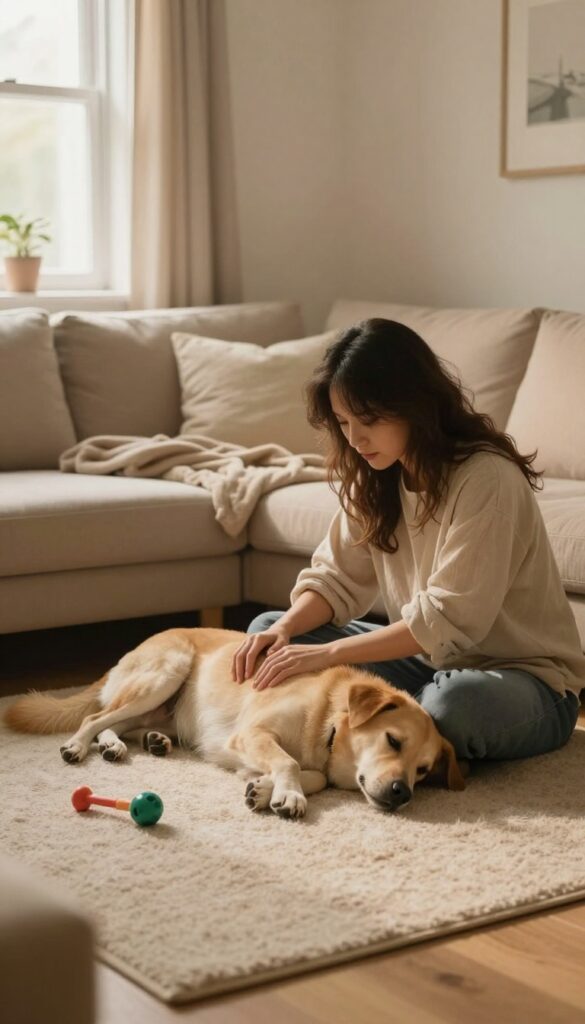
Settle training isn't a one-night fix. It's a gradual process that rewards consistency and patience. When you repeat the same cues and rewards in the same way, your dog learns faster and feels more secure.
Celebrate the small wins—they add up to big changes over time.
Consistency means using the same word or signal for settling every time, and rewarding the exact behavior you want. Patience means accepting that progress comes in fits and starts. Some nights will be better than others, and that's okay.
What matters is showing up with a calm, steady approach.
Stick To The Same Cues
Pick a cue like "settle" or "relax" and use it only for this behavior. Say it once, in a calm tone, and then guide your dog into position. Repeating the cue over and over teaches your dog to ignore it.
Consistency also means using the same hand signal or gesture every time, so your dog gets a clear, predictable message.
Reward The Right Moments
Reward your dog the instant they show any sign of settling—a relaxed posture, a sigh, or even just lying down. Use a treat or gentle praise, but keep it low-key so you don't rev them back up. Over time, you'll reward less often and only for longer, deeper settles, but early on, every small step deserves recognition.
Track Small Wins
It's easy to get discouraged if you focus on the end goal. Instead, notice the little improvements: your dog settles a few seconds sooner, or stays down for one extra breath. Keep a mental note or a simple log.
These small wins are proof that your training is working, and they'll keep you motivated on tougher nights.
FAQ
How long does it take to train a dog to settle?
It varies by dog, but with consistent practice, many dogs learn the basics within a few weeks. Full reliability may take a few months.
Can settle training help with separation anxiety?
Settle training can be a helpful part of a broader plan, but separation anxiety often requires professional guidance and specific behavior modification.
What if my dog won't lie down during training?
Don't force it. Try capturing natural calm moments or use a mat to encourage lying down. If your dog is too excited, reduce distractions or try after exercise.
Should I use treats every time?
Initially, yes, to reinforce the behavior. Gradually phase out treats and use praise or occasional rewards to maintain the habit.
Can older dogs learn to settle?
Absolutely. Older dogs can learn new behaviors, though it may take a bit more patience. Focus on positive reinforcement and consistency.
Conclusion
A calm evening isn't about perfection—it's about small, consistent steps that help your dog unwind and trust the routine. Pick a couple of these settle training ideas that fit your lifestyle, then build from there. Some nights will feel smoother than others, and that's okay.
Over time, those quiet moments will become the norm, not the exception. Stick with it, keep sessions short and positive, and you'll both look forward to winding down together.

I’m Pallab Kishore, the owner of Little Pets Realm — an animal lover and pet care enthusiast sharing easy tips, healthy recipes, and honest advice to help every small pet live a happy, healthy, tail-wagging life.