
Last updated on August 19th, 2026 at 04:14 pm
Ever had a walk ruined by someone who stops dead in the middle of the path or lets their dog take up the whole sidewalk? Small lapses in walking manners can turn a simple stroll into a frustrating obstacle course.
The good news is that a few simple habits can make every outing smoother for everyone. These 15 walking manners aren't about strict rules—they're about being considerate and making shared spaces more enjoyable.
Whether you're in a busy city or on a quiet trail, these tips will help you navigate with confidence and courtesy.
1. Keep Right, Pass Left
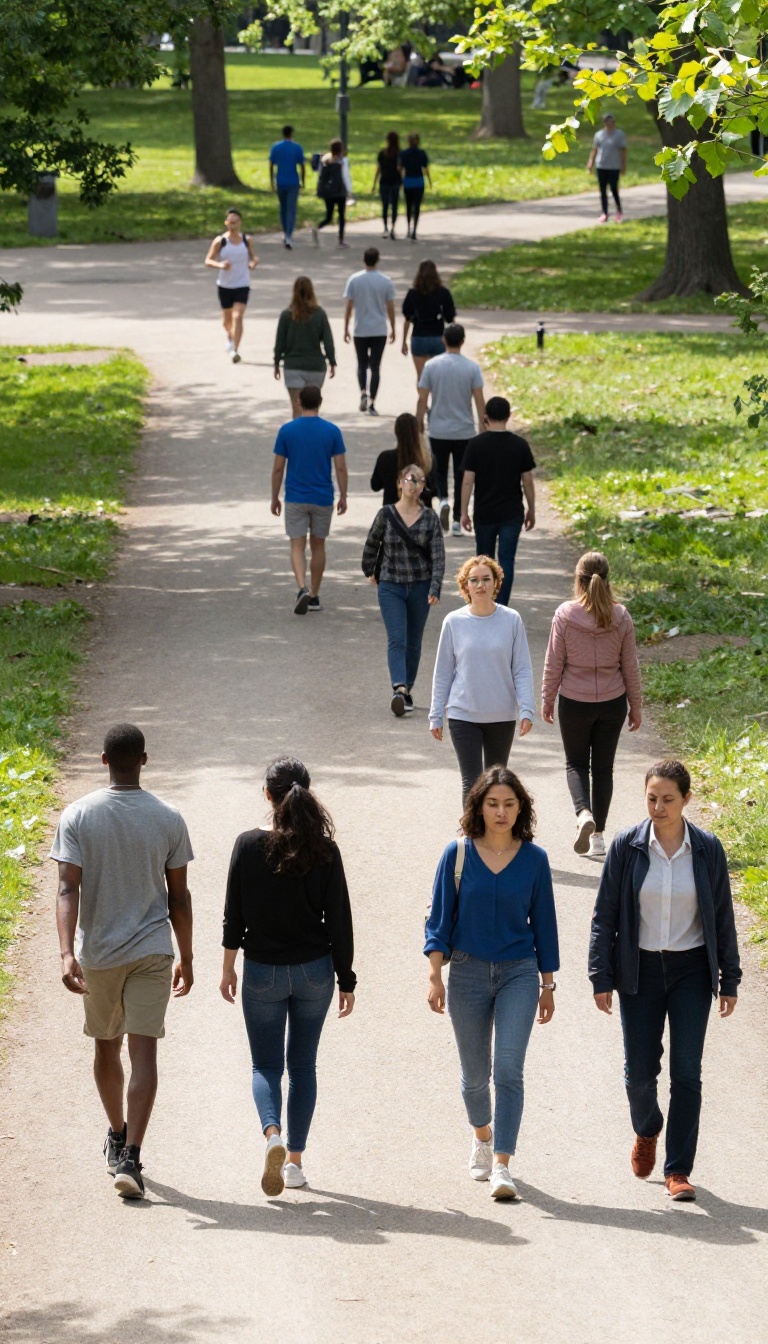
Walking on the right side of the path might seem like a no-brainer, but you'd be surprised how often people drift into the middle or weave unpredictably. Sticking to the right creates a predictable flow, making it easier for everyone to navigate without constant dodging. It's a simple habit that instantly makes any walk feel more organized and less stressful.
When you consistently keep to the right, you're not just following an unspoken rule—you're helping create a smooth, continuous movement for everyone. This is especially important on busy sidewalks, trails, or in crowded areas like parks or tourist spots. It reduces the chance of awkward stop-and-go moments and near-collisions, letting everyone enjoy their walk at their own pace.
Passing on the left is the natural counterpart to keeping right. When you need to overtake someone slower, move to their left and say a quick 'excuse me' as you go by. This signals your intention and prevents startling them.
A simple heads-up makes the whole interaction feel polite and considerate, rather than abrupt or rude.
Why The Right Side Works
Most people naturally favor the right side, just like driving on the road. This consistency means you can anticipate where others will be, reducing the mental effort of walking in crowded spaces. When everyone follows the same pattern, the flow becomes almost automatic, and you can focus on your surroundings or your conversation instead of constantly checking for obstacles.
The Art Of Passing Politely
When you need to pass, don't just squeeze by silently. A quick 'excuse me' or a gentle 'on your left' lets the person ahead know you're there. This is especially important if they're wearing headphones or pushing a stroller.
A little warning prevents sudden movements and keeps everyone at ease. If you're the one being passed, a simple nod or smile acknowledges the courtesy and keeps the vibe friendly.
What About Group Walks?
If you're walking with friends, try not to take up the entire path. Keep your group to the right and leave space on the left for others to pass. This shows respect for fellow walkers and keeps the path open for everyone.
It's a small adjustment that makes a big difference, especially on narrow trails or busy sidewalks.
2. Don't Stop in the Middle of the Walkway
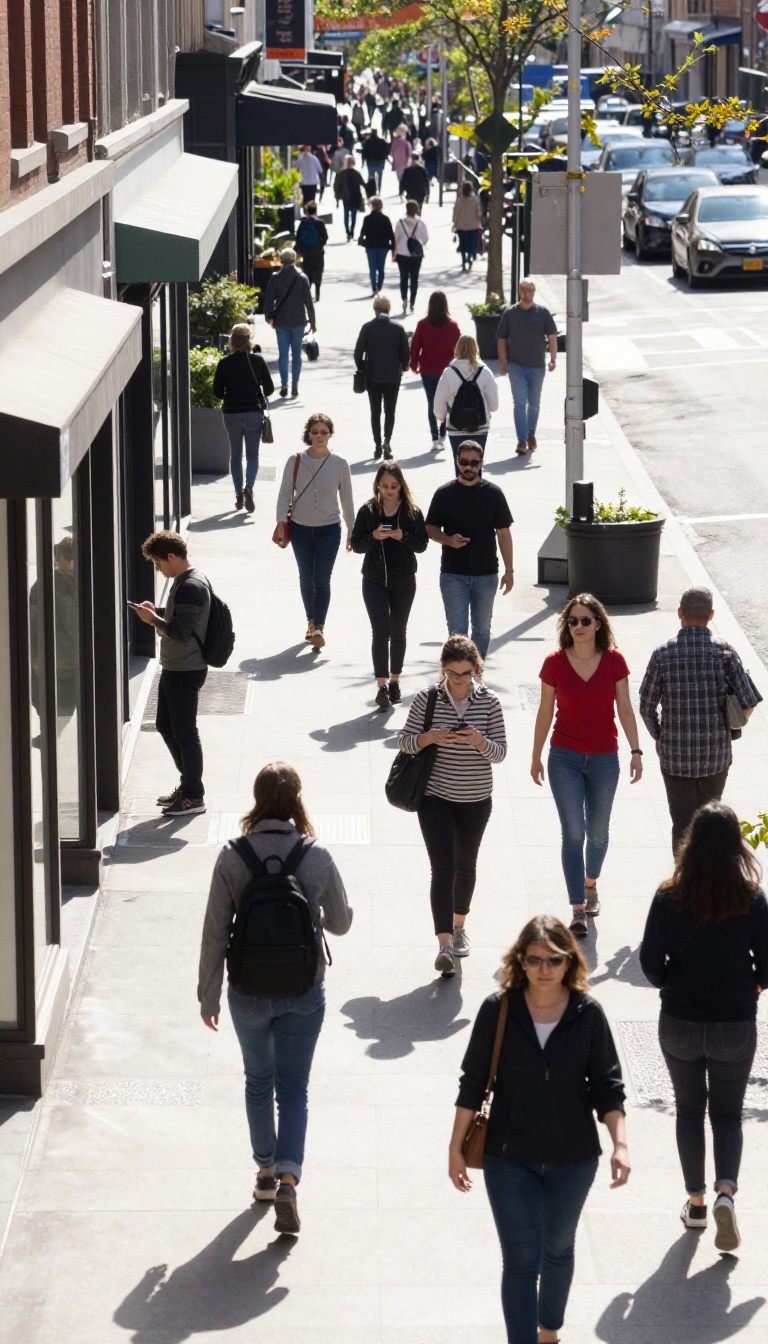
We've all been there: you're walking at a steady pace, and suddenly the person in front of you halts like a statue to check their phone. It throws off everyone behind them. The fix is simple—if you need to pause, step to the side first.
It's a small move that keeps the flow going for everyone.
Stopping in the middle of a walkway is one of the most common yet avoidable walking faux pas. It creates a sudden obstacle that forces others to swerve, brake, or even bump into you. A quick step to the edge signals that you're aware of your surroundings and respect others' time and space.
It's not about being overly cautious—just a habit that makes shared paths far more pleasant.
The Ripple Effect Of A Sudden Stop
When you stop mid-path, it's not just the person right behind you who's affected. It causes a chain reaction: people behind them have to adjust, and the whole flow of foot traffic gets disrupted. In crowded areas, this can lead to near-collisions or awkward shuffling.
By moving to the side, you prevent that ripple and keep the walkway moving smoothly.
Where To Pause Instead
Look for a spot that's out of the main traffic lane—near a wall, a storefront, or even a bench if you need to sit. If you're on a narrow trail, step onto the grass or the shoulder. The goal is to be out of the way without blocking any entrances or exits.
A quick glance around before you stop can save everyone a headache.
A Habit That Takes Seconds
It only takes a second to veer to the side before you stop. Once you make it a habit, you'll notice how much smoother your walks become—and you'll appreciate it when others do the same for you. It's a tiny courtesy that has a big impact on the shared experience of walking.
3. Mind Your Group Width
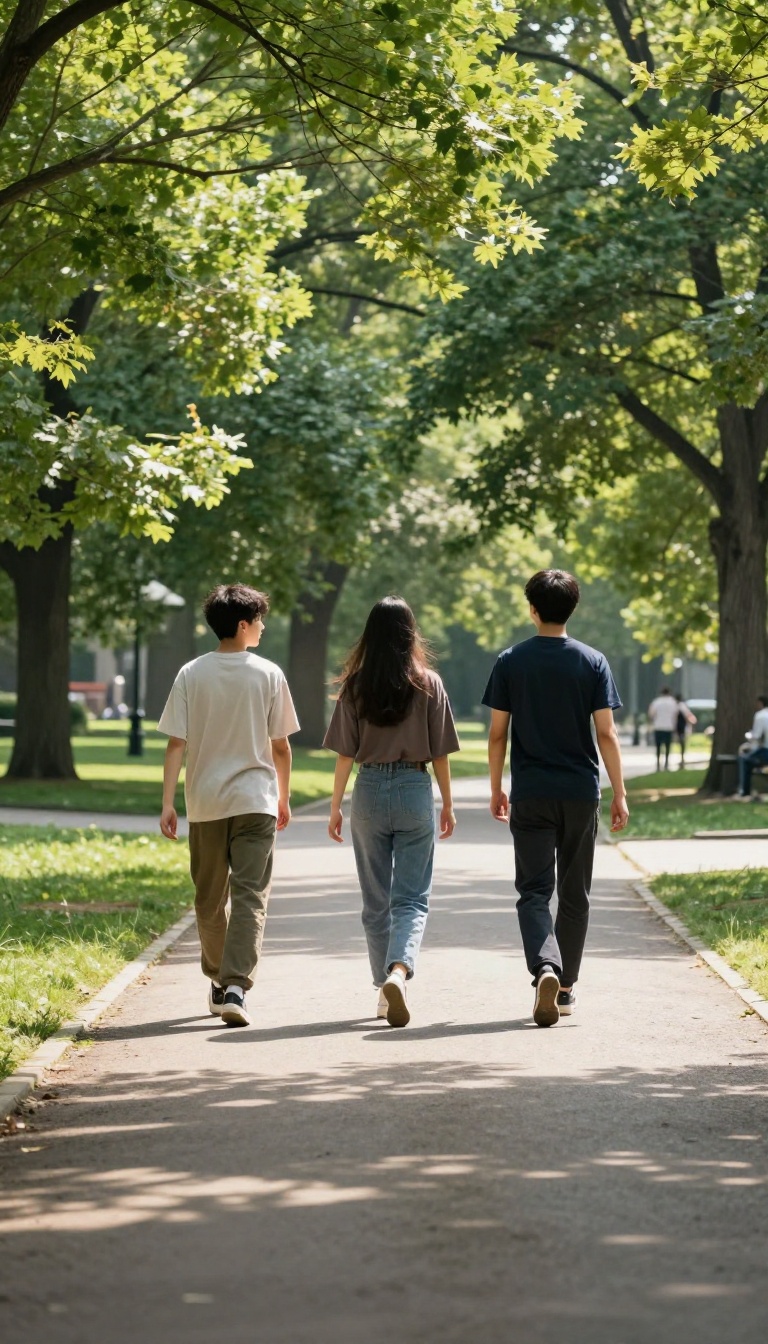
There's nothing wrong with enjoying a walk with friends or family, but when three or more of you spread out across the path, it can feel like a moving roadblock. Pedestrians behind you are left to dodge or slow down, which defeats the purpose of a relaxing stroll. Being mindful of your group's width is a simple way to keep the path open for everyone.
Walking side by side is nice, but if you're in a group of three or more, be aware of blocking the path. Single file when needed.
Read The Path
Pay attention to how wide the path is. On a narrow trail or a busy sidewalk, it's polite to narrow your group. If you notice people trying to pass, take the hint and tighten up.
Streamline In Crowds
When the path gets busy, switch to a single-file line or pair up if you're in a larger group. This keeps the flow moving and prevents bottlenecks, especially in areas with high foot traffic.
Signal Your Moves
If you need to slow down or stop, let your group know so no one bumps into you. A simple 'stopping here' or a hand gesture can prevent awkward collisions and keep everyone safe.
4. Signal Your Turns
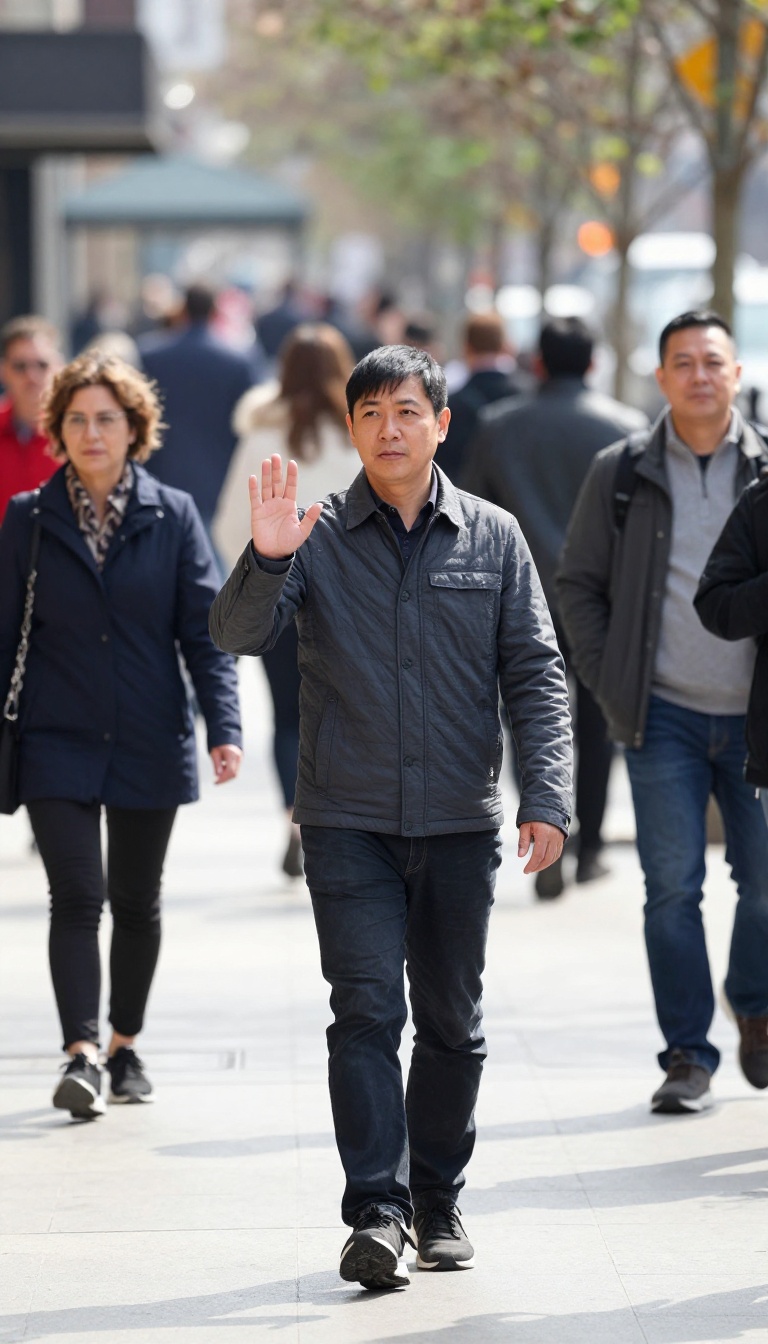
Nothing disrupts the flow of foot traffic quite like a sudden, unpredictable turn. You're walking straight, and the person ahead veers left without warning, forcing you to brake or swerve. A quick hand gesture or a simple glance over your shoulder can prevent these near-misses and keep everyone moving smoothly.
Signaling your turns isn't about formal rules; it's about giving others a heads-up. Just as drivers use blinkers, pedestrians can use subtle cues to show their intentions. This small habit makes walking in crowded areas feel less chaotic and more considerate.
Use A Simple Hand Gesture
When you're about to turn, lift your hand in the direction you're going, palm open. This is especially helpful in busy areas like markets or train stations. You don't need to make a big production of it—just a brief, natural motion that others can catch out of the corner of their eye.
Make Eye Contact At Crossings
If you're approaching a corner or a crosswalk, try to catch the eye of anyone nearby. A quick nod or smile can confirm that you see them and they see you. This is especially important when you're about to cross a path where someone else is walking—it turns a potential collision into a coordinated dance.
Glance Over Your Shoulder
Before you change direction, look behind you to check for anyone following closely. If you see someone, make a slight head movement or raise a hand to signal your turn. This is crucial on narrow trails or crowded sidewalks where people might be in your blind spot.
5. Keep Your Dog on a Short Leash
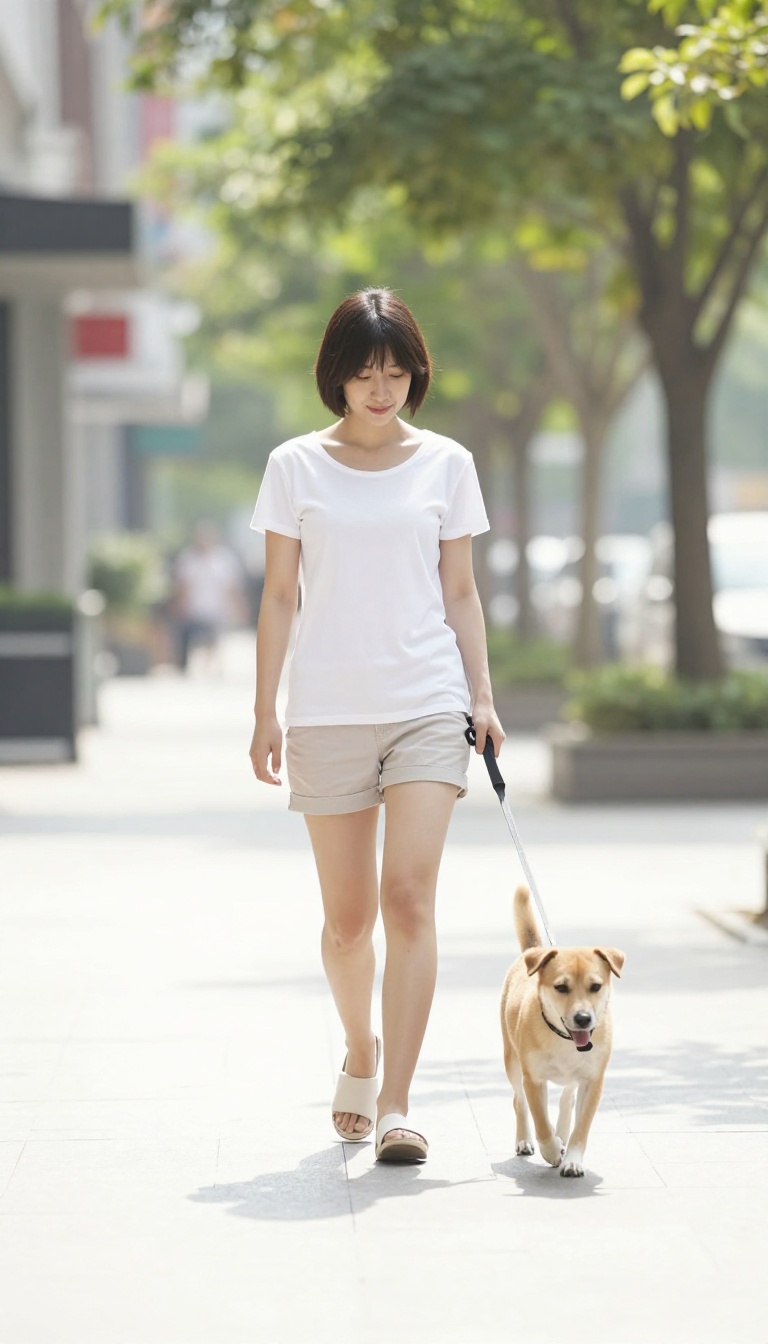
A long, retractable leash might give your dog freedom, but it can also create chaos on a busy sidewalk. It's easy for the leash to wrap around someone's legs or for your dog to wander into another person's space without warning. Keeping your dog close and the leash short is a simple way to show you care about everyone's comfort.
When you're walking in a crowded area, a short leash is not just about control—it's about respect. It prevents your dog from greeting every passerby, which not everyone appreciates. It also keeps you more aware of your dog's movements, so you can react quickly if something unexpected happens.
Short leashes make the walk smoother for you, your dog, and everyone else on the path.
Why Short Leashes Work Better
A short leash gives you more control and keeps your dog within a safe distance. It reduces the risk of tangling with other dogs or people, and it makes it easier to guide your dog away from potential hazards. Plus, it sends a signal to others that you're a responsible owner who respects shared spaces.
Tips For Managing A Short Leash
Hold the leash with a relaxed but firm grip, and keep your hand near your hip to maintain a steady position. If your dog tends to pull, use a harness that distributes pressure evenly. Practice walking in less crowded areas first, so your dog gets used to staying close.
Reward calm behavior with treats or praise to reinforce good habits.
Handling Crowded Situations
When you're in a tight spot, like a narrow sidewalk or a busy park entrance, shorten the leash even more and keep your dog on the side away from oncoming traffic. If you need to stop, step to the edge of the path to avoid blocking others. Always be ready to apologize if your dog gets too excited—it goes a long way in keeping the atmosphere friendly.
6. Clean Up After Your Dog
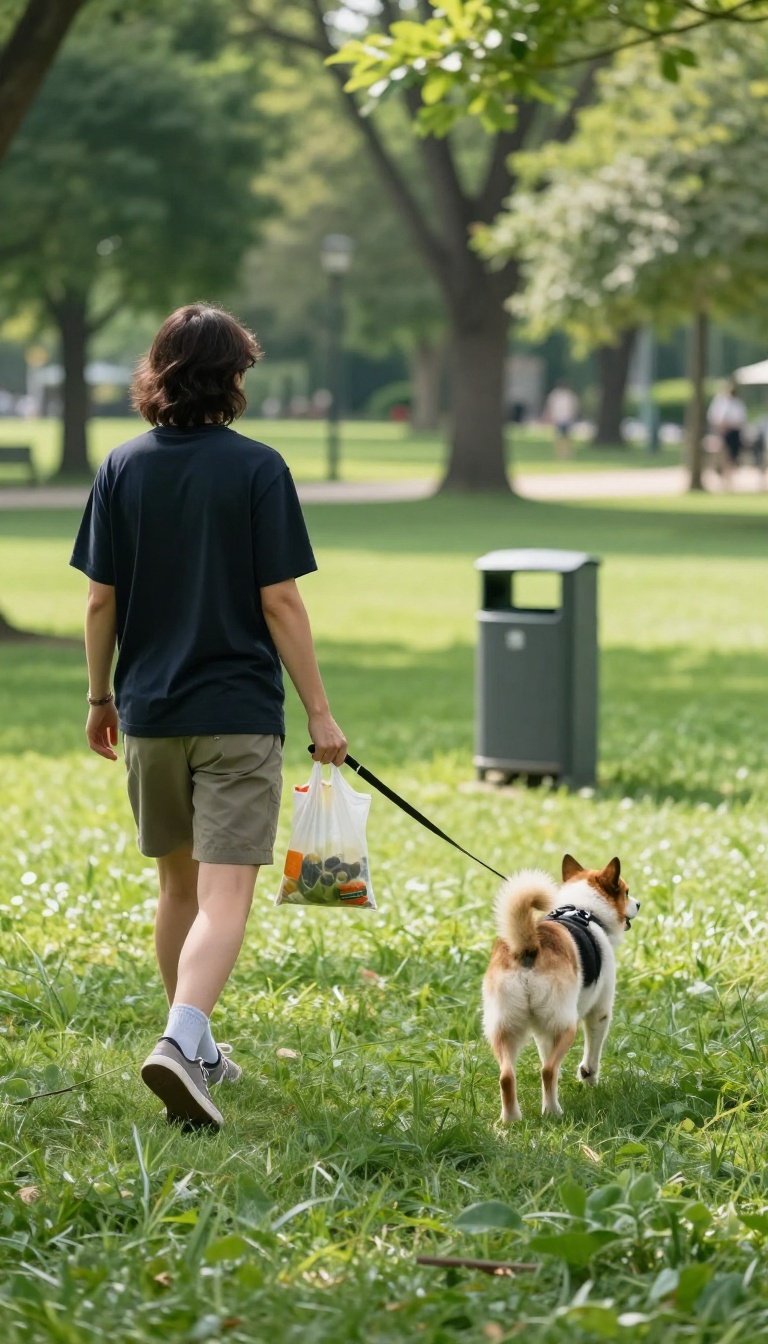
Nobody enjoys stepping in a surprise left by someone else's pet. It's gross, it's unsanitary, and it can quickly turn a pleasant walk into a miserable one. Leaving dog waste behind isn't just a minor annoyance—it's a health hazard and a surefire way to make other walkers resent you and your furry friend.
Carrying a few bags with you is the easiest way to be prepared. You can keep them in your pocket, attached to the leash, or tucked into a small pouch. When your dog does their business, simply pick it up, tie the bag, and dispose of it in a trash can.
If there's no bin nearby, carry it until you find one—it's not fun, but it's part of being a responsible pet owner.
Why It Matters More Than You Think
Dog waste isn't just smelly—it contains bacteria and parasites that can contaminate soil and water. It's also a leading cause of nutrient pollution in urban areas. Plus, when you leave it on a trail or sidewalk, you're forcing others to navigate around it, which can be especially difficult for people with strollers or wheelchairs.
Make It A Habit, Not A Chore
The best way to remember bags is to make them part of your walking routine. Keep a roll near the door or attached to your dog's leash. You can also use a small dispenser that clips onto your belt.
Once it becomes second nature, you won't even think about it—you'll just grab a bag and go.
When You Forget A Bag
It happens to the best of us. If you find yourself without a bag, don't just walk away. Try to move the waste off the path with a stick or leaf, and make a mental note to come back with a bag if possible.
Better yet, ask a fellow dog owner—most are happy to help. The key is to never leave it behind intentionally.
7. Control Your Speed
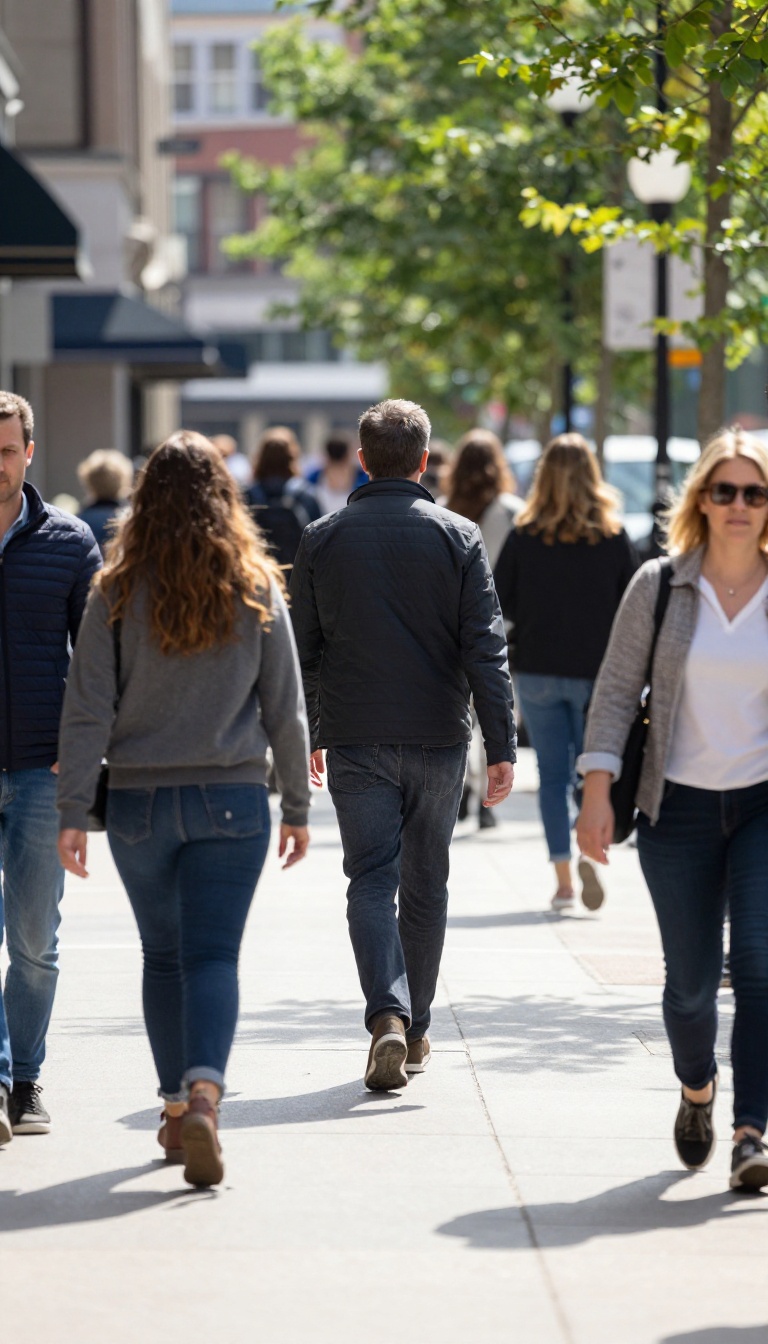
Walking at a brisk pace is great for your health, but it can be a problem when you're sharing a crowded sidewalk. Weaving in and out of slower walkers at high speed not only feels aggressive but also increases the risk of collisions. The key is to balance your own need for speed with the comfort and safety of those around you.
Why Speed Matters
When you walk faster than the flow of traffic, you become unpredictable to others. People can't easily anticipate your next move, which can cause them to step aside abruptly or even into your path. This is especially true in tight spaces like narrow sidewalks or busy intersections.
A little patience goes a long way in keeping everyone moving smoothly.
The Art Of Passing Politely
If you're in a hurry, don't just dart around people. Instead, slow down slightly and say 'on your left' or 'excuse me' in a friendly tone. This gives the person ahead a chance to make room for you.
Once you've passed, keep your pace steady and avoid cutting back in too quickly. A simple acknowledgment, like a nod or a smile, can make the interaction feel respectful.
When You're The Slow Walker
If you're not in a rush, be aware of your surroundings. Try to stay to the right (or the side that's customary in your area) and avoid walking side-by-side with a friend if the path is narrow. If you need to stop, step to the side first.
This way, faster walkers can pass without having to weave around you.
8. Yield to Slower Walkers
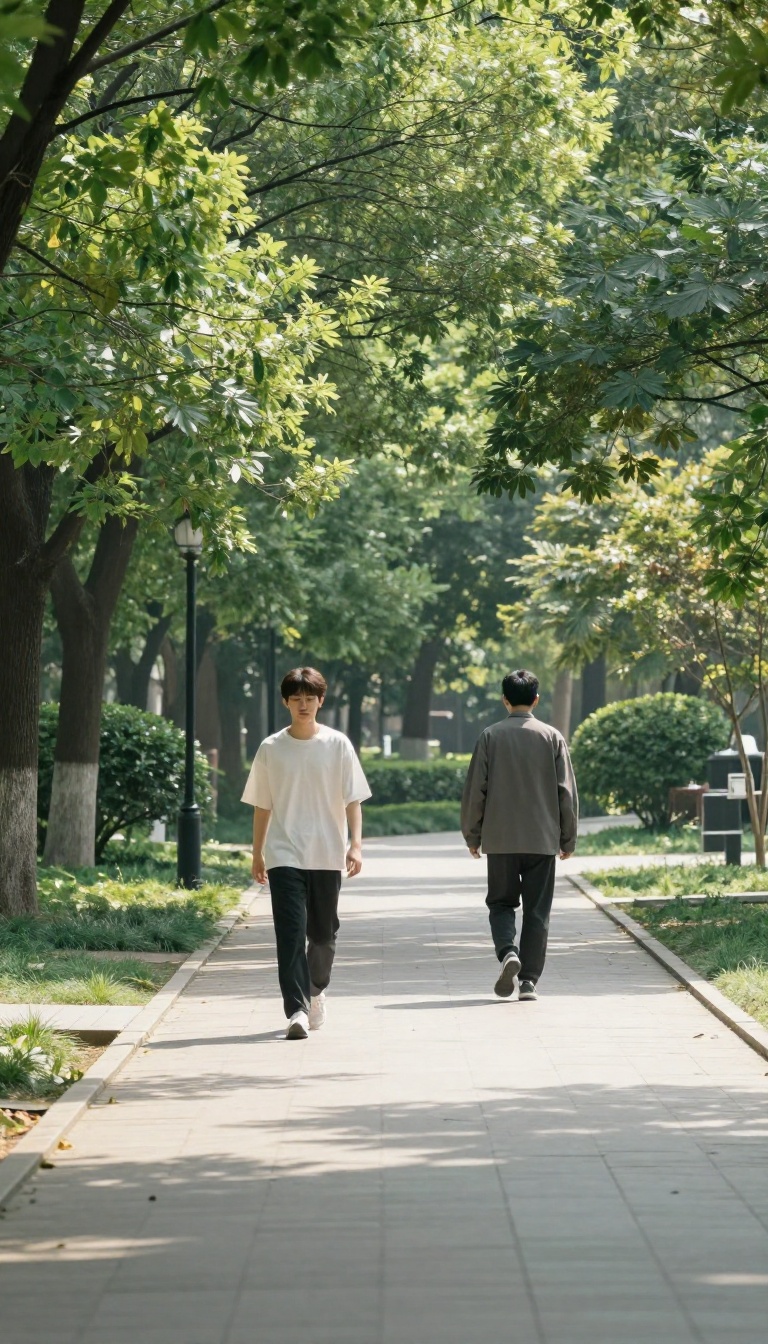
We've all been there—stuck behind someone strolling at a leisurely pace when you're in a hurry. It's tempting to squeeze past, but doing so without care can feel pushy. The fix?
Slow down, give them space, and pass only when it's safe and polite.
Yielding to slower walkers isn't about losing time; it's about keeping the flow smooth for everyone. When you're moving faster than the person ahead, you have a few options: match their pace for a moment, find a safe spot to pass, or simply wait until the path widens. Rushing past someone too closely can startle them or make them feel rushed, which defeats the purpose of a pleasant walk.
Read The Pace
Before you decide to pass, take a quick look at the walker ahead. Are they moving at a steady clip or meandering? Are they with a group or alone?
This helps you gauge whether they're likely to speed up, slow down, or stay the same. If they're walking with a friend and chatting, they might not notice you behind them, so a gentle 'excuse me' can work wonders.
Pass With Care
When the path allows, pass on the left (or right, depending on local custom) with enough room to avoid brushing against them. A quick 'on your left' or a simple 'excuse me' gives them a heads-up. Avoid cutting directly in front of them—wait until you're a few steps ahead before merging back into the flow.
This keeps everyone comfortable and prevents sudden stops.
When To Just Slow Down
Sometimes passing isn't worth the effort. If the path is narrow, crowded, or the person ahead is moving at a reasonable pace, it's perfectly fine to match their speed for a bit. You might even enjoy the slower rhythm—it's a chance to notice things you'd normally rush past.
Plus, you avoid the awkward dance of trying to squeeze by.
Stay Patient In Crowds
In busy areas, slowing down is often the only option. Weaving through a crowd can be stressful for everyone involved. Instead, relax and move with the general flow.
You'll get where you're going soon enough, and you'll avoid the frustration of constant stop-and-go. Patience here isn't just polite—it's practical.
9. Be Aware of Your Surroundings
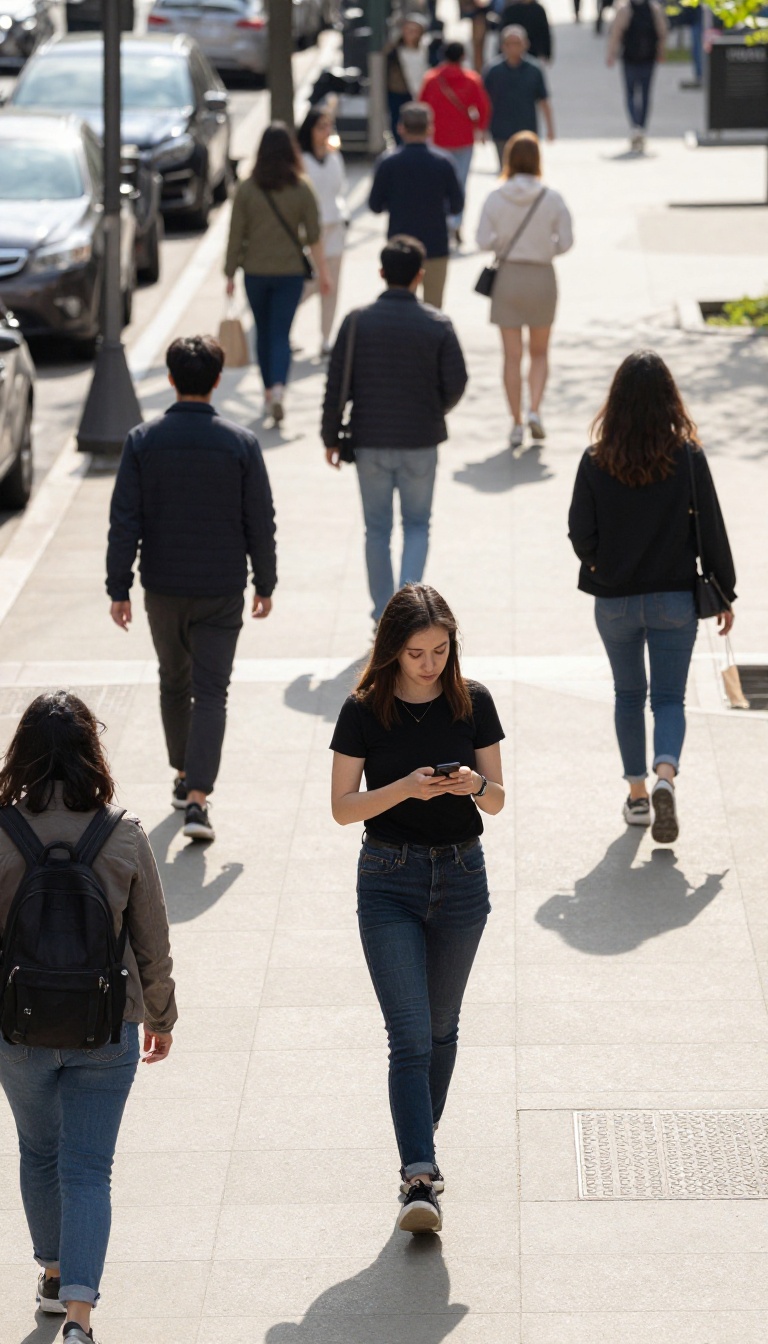
It's easy to get lost in your own world, especially with a phone in hand. But when you're walking, that distraction can turn you into an obstacle for everyone else. Paying attention to the flow of foot traffic isn't just polite—it's safer for you and those around you.
Being aware means more than just looking where you're going. It means noticing the rhythm of the sidewalk, anticipating sudden stops, and respecting the personal space of others. By staying alert, you can move with the crowd instead of against it, making every walk smoother for everyone.
Put Your Phone Away
Your screen can wait. When you're walking, especially in busy areas, keep your phone in your pocket or at least glance up frequently. Texting while walking slows you down and makes you unpredictable.
If you need to check something, step aside to a safe spot first.
Read The Crowd's Rhythm
Sidewalks have a natural ebb and flow, just like traffic on a road. Watch how people move and match their pace. If you need to walk faster or slower, find a gap and adjust gradually.
Sudden changes in speed or direction can cause collisions and frustration.
Mind The Blind Spots
Corners, doorways, and narrow passages are tricky. Before turning a corner or stepping out of a shop, pause and look. Be aware of cyclists, scooters, and runners who might be coming from behind.
A quick glance can prevent an awkward encounter.
10. Don't Smoke or Vape While Walking
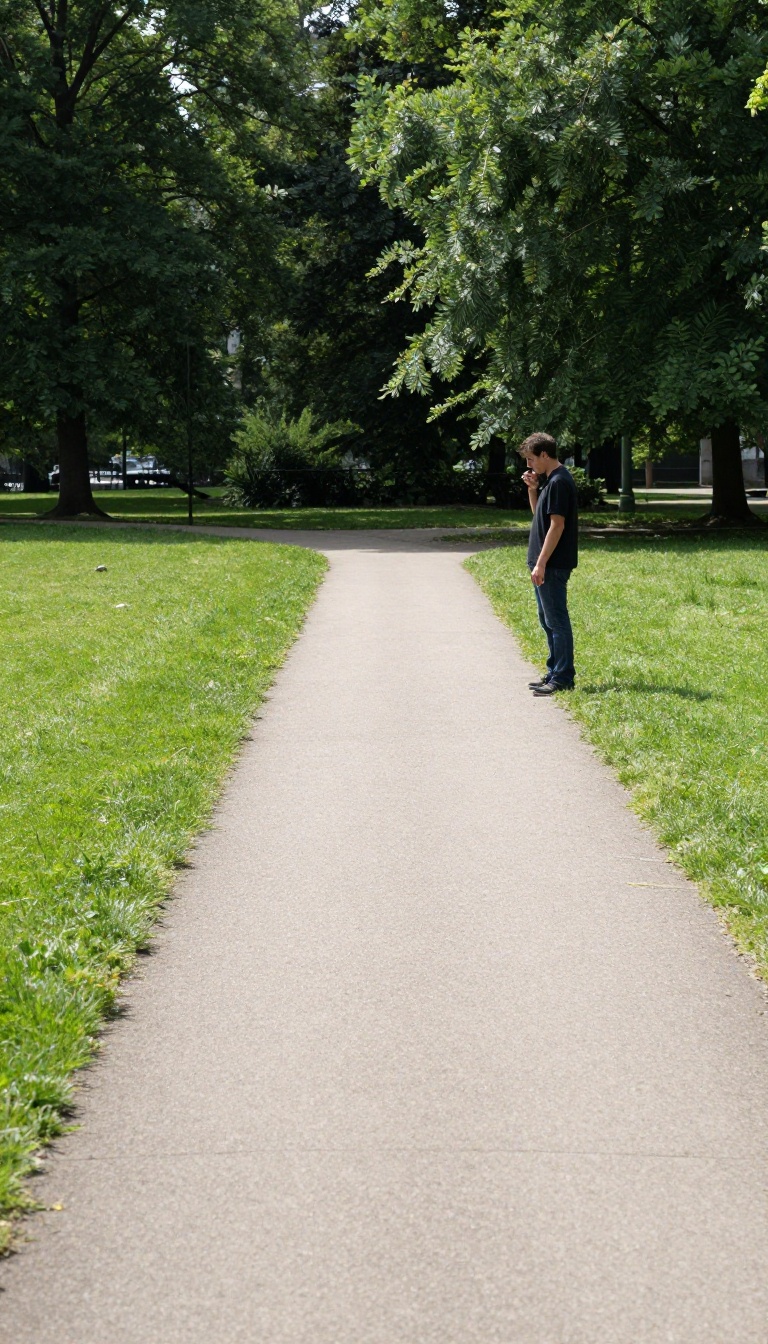
Smoke and vapor can be just as intrusive as a sudden stop or a wandering dog. When you're walking in a crowd, a lit cigarette or a puff of vape can ruin someone else's fresh air. It's not about telling you what to do—it's about being mindful of the people around you.
If you need to smoke or vape, step away from the main path. Find a spot where you're not forcing others to walk through your smoke. A few extra steps can make a huge difference in how considerate you seem.
Why It Matters
Smoke and vapor linger in the air, and not everyone wants to inhale it. For people with asthma or allergies, even a small amount can trigger discomfort. When you're walking, you're in a shared space, and your habit shouldn't become someone else's problem.
Where To Step Aside
Look for a bench, a curb, or a spot away from doors and busy walkways. Even a few feet off the path can keep the air clear for others. If you're on a trail, step to the side and let others pass before you light up.
Be Aware Of Wind Direction
Wind can carry smoke right into someone's face, even if you're off to the side. Take a second to check which way the breeze is blowing and position yourself so your smoke drifts away from the path. It's a small adjustment that shows you're paying attention.
11. Keep Noise Levels Down
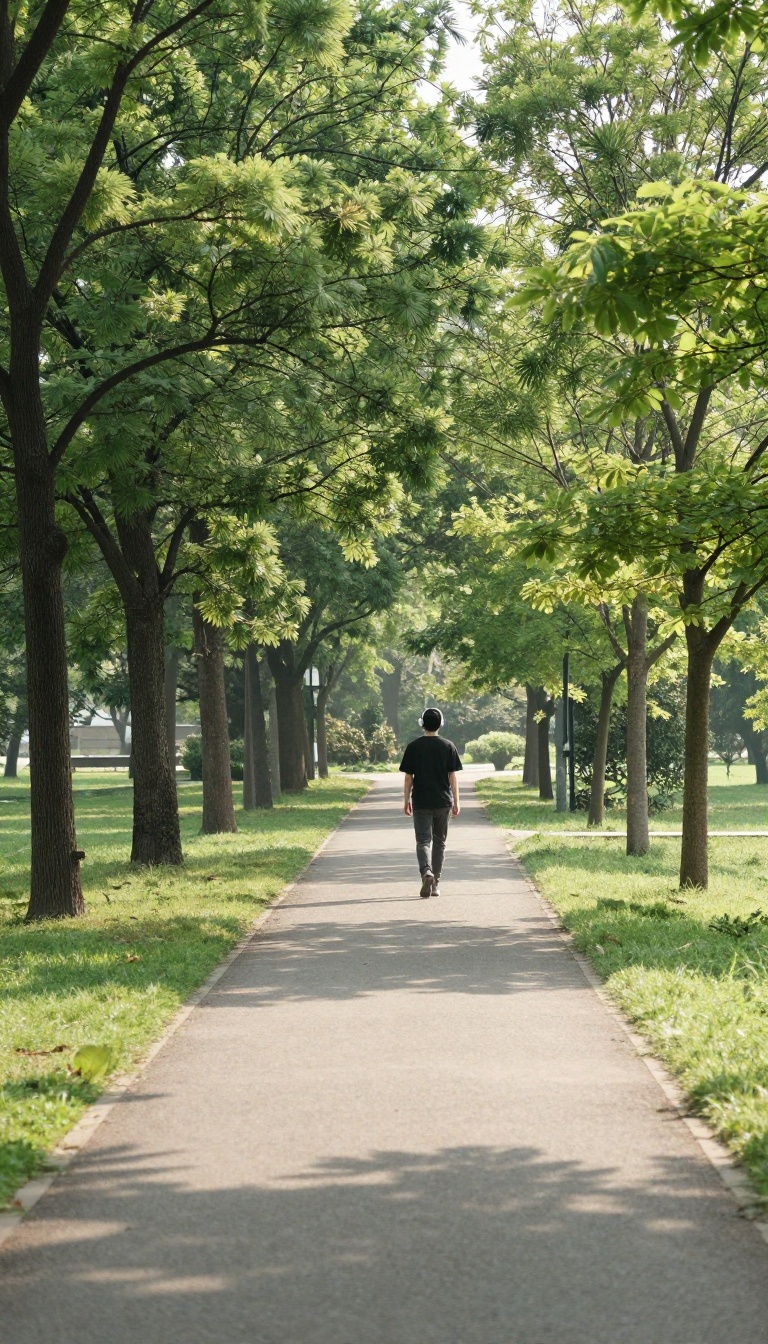
A walk can be a peaceful escape, but blaring music or loud chatter can shatter that calm for everyone nearby. It's easy to forget that not everyone shares your taste in tunes or wants to hear your phone call. Keeping noise in check is a simple way to show respect for others' space and sanity.
When you're out walking, your soundtrack is your own business. But once it spills into the air, it becomes everyone's problem. A quick check of your volume can make a big difference in how pleasant the walk is for others.
Use Headphones—and Keep Them At A Reasonable Volume
Headphones are the obvious solution, but they only work if you keep the volume low enough that others can't hear the tinny beat. If someone can identify your playlist from three feet away, it's too loud. Aim for a level that lets you enjoy your audio without broadcasting it to the world.
Save Phone Calls For Private Moments
We've all been on a call that can't wait, but try to keep it brief and quiet. If you must take a call, step aside or lower your voice. Better yet, wait until you're off the path.
Your conversation might be fascinating to you, but it's just noise to everyone else.
Mind Your Volume In Quiet Zones
Some places, like parks or residential areas, have an unspoken rule of quiet. Even if there's no official sign, be extra mindful of your noise level. A gentle voice and silent phone can help maintain the calm that makes these spots so special.
12. Respect Personal Space
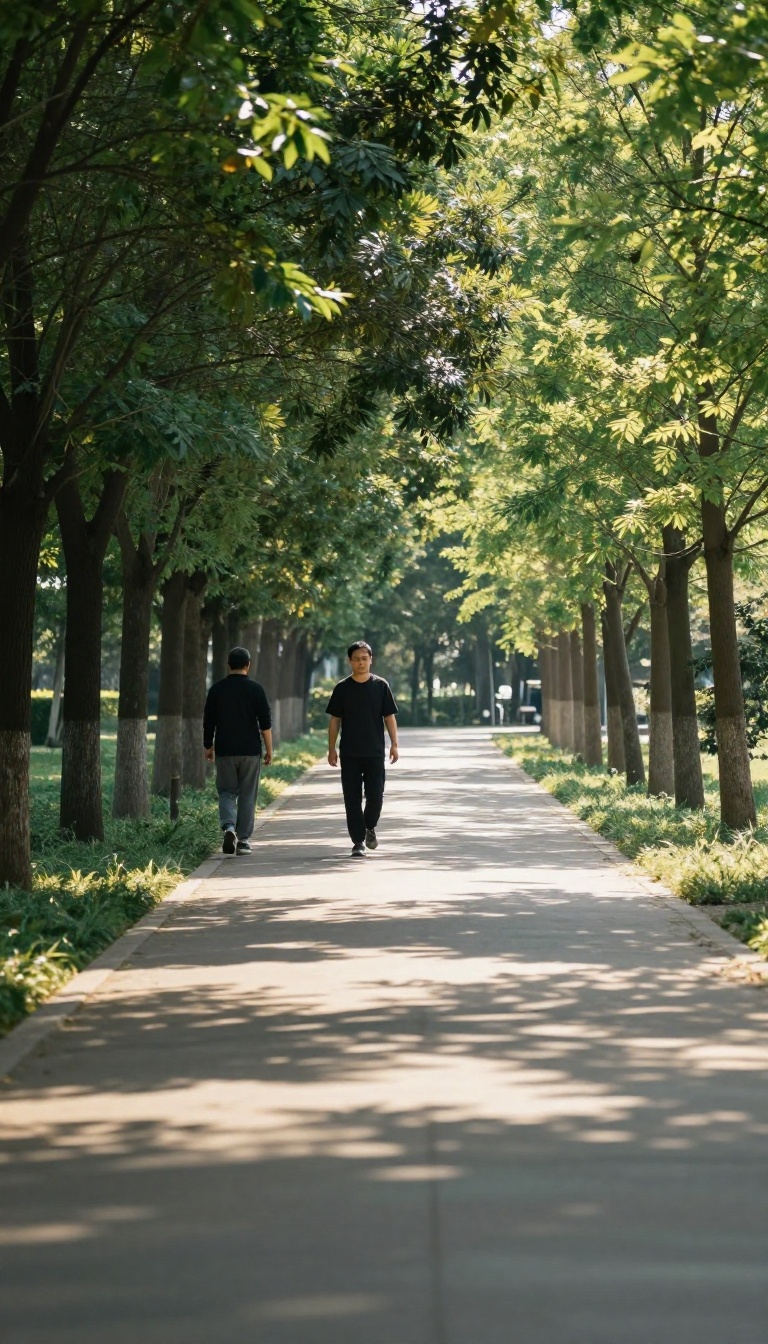
Nobody likes feeling crowded, especially when they're just trying to get from point A to point B. When you brush past someone or walk too closely behind them, it can feel invasive and uncomfortable. Respecting personal space is a simple way to make every walk more pleasant for everyone involved.
Giving others room on the sidewalk or trail isn't just polite—it's practical. It reduces the chance of accidental bumps, makes passing smoother, and helps everyone feel at ease. A little extra space can turn a stressful commute into a relaxed stroll.
Give Extra Room When Passing
When you need to pass someone, don't squeeze by with just inches to spare. Step aside slightly or slow down to create a comfortable gap. If the path is narrow, wait for a wider spot or politely say 'excuse me' so they know you're there.
Mind Your Distance Behind Others
Walking too close behind someone can feel like you're rushing them or invading their bubble. Keep at least a few feet of distance, especially if they're walking slower. If you need to go faster, pass on the left or right with enough room.
Watch Out For Personal Items
People often carry bags, umbrellas, or walk dogs. Be aware of these extensions of their personal space. Don't let your own belongings swing into others, and give extra room to someone with a stroller or a pet.
13. Be Mindful of Accessibility
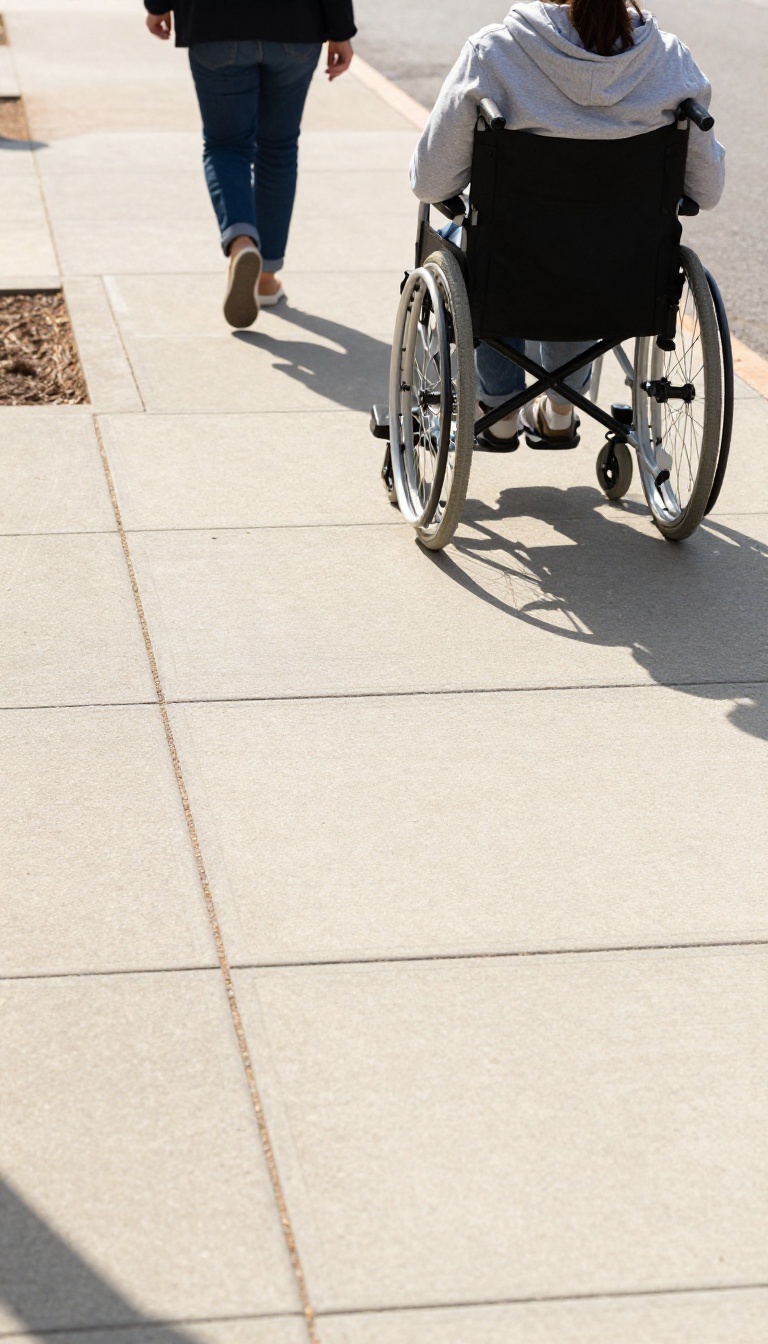
Accessibility isn't just about following rules—it's about making sure everyone can enjoy a walk without extra hurdles. When you block a ramp or crowd a curb cut, you're not just in the way; you're creating real obstacles for people who rely on those features. A little extra awareness goes a long way in keeping paths open and welcoming for all.
Walking in shared spaces means being aware of how your actions affect others, especially those with mobility challenges. Simple habits like not lingering at the top of a ramp or stepping aside on narrow paths can make a huge difference. It's not about being perfect—it's about being thoughtful.
Don't Block Ramps Or Curb Cuts
Ramps and curb cuts are essential for wheelchair users, people with walkers, and parents with strollers. Stopping to chat or check your phone at the bottom of a ramp can force someone to take a longer, harder route. If you need to pause, move to the side, away from the ramp's opening.
Treat these areas like doorways—keep them clear.
Give Extra Room On The Path
When you see someone using a mobility aid, it's polite to give them a bit more space. They might need to maneuver around cracks or uneven pavement, and a sudden move could startle them. Step aside or slow down to let them pass comfortably.
A little extra room shows respect for their space and needs.
Be Aware Of Strollers And Walkers
Strollers and walkers take up more room than a single person, and they move at their own pace. Avoid cutting in front of them or squeezing past too closely. If you're behind a stroller, wait for a safe, wide spot to pass, and always announce yourself with a friendly 'On your left' or a simple 'Excuse me. '
14. Acknowledge Others

A simple nod or smile can change the entire vibe of a walk. It’s a small gesture that says, “I see you, and I’m glad we’re sharing this space. ” When you acknowledge others, you break down the invisible walls that make crowded sidewalks feel isolating. This isn’t about forcing a conversation or being overly friendly—just a quick glance and a friendly expression can make a difference.
It’s a way to show respect and create a more welcoming environment for everyone, whether you’re in a bustling city or a quiet park.
Acknowledging others is more than just being polite—it’s a way to make walking feel less like a chore and more like a shared experience. When you make eye contact and offer a small smile, you’re signaling that you’re aware of the people around you and that you’re not a threat. This can be especially important in urban areas where people often feel anonymous.
It also helps in practical ways. For example, a nod can let someone know you’re about to pass them, so they don’t get startled. A smile can diffuse tension if you accidentally bump into someone.
These tiny interactions can turn a potentially awkward moment into a pleasant one. Plus, acknowledging others often encourages them to do the same. It creates a ripple effect of friendliness that can make your entire walk more enjoyable.
You might even make someone’s day with just a simple greeting.
The Power Of A Smile
A smile is universally understood. It’s a non-verbal way to say hello, show you’re friendly, and put others at ease. When you smile at someone on the path, you’re not just being polite—you’re actively contributing to a positive atmosphere.
It’s especially effective when you’re passing someone in a narrow space or when you’re both waiting at a crosswalk. Smiling also has a bonus effect on you. It can lift your own mood, making your walk feel lighter and more enjoyable.
So, the next time you’re out, try offering a genuine smile to the people you pass. You’ll be surprised at how often you get one back.
Nods And Quick Hellos
A nod is a great alternative to a smile, especially if you’re not in a chatty mood. It’s a subtle but clear acknowledgment that you see the other person. In some cultures, a nod is a standard greeting between strangers, and it works perfectly on walking paths.
If you’re feeling more outgoing, a quick “hello” or “good morning” can go even further. It doesn’t have to be a long conversation—just a friendly word as you pass. This is especially nice on trails or in neighborhoods where you might see the same people regularly.
It builds a sense of community and makes future encounters feel more familiar.
Being Mindful Of Body Language
Acknowledging others isn’t just about what you say or your facial expression—it’s also about your body language. Keeping your head up and making eye contact shows that you’re open and aware. On the other hand, staring at your phone or looking down can make you seem closed off or even rude.
Try to be aware of your posture and where you’re looking. If you’re walking toward someone, a slight smile and a nod can signal that you’re paying attention and will avoid a collision. This is especially important on busy sidewalks where people are trying to navigate around each other.
A little acknowledgment goes a long way in making everyone feel comfortable.
15. Follow Trail Etiquette on Shared Paths
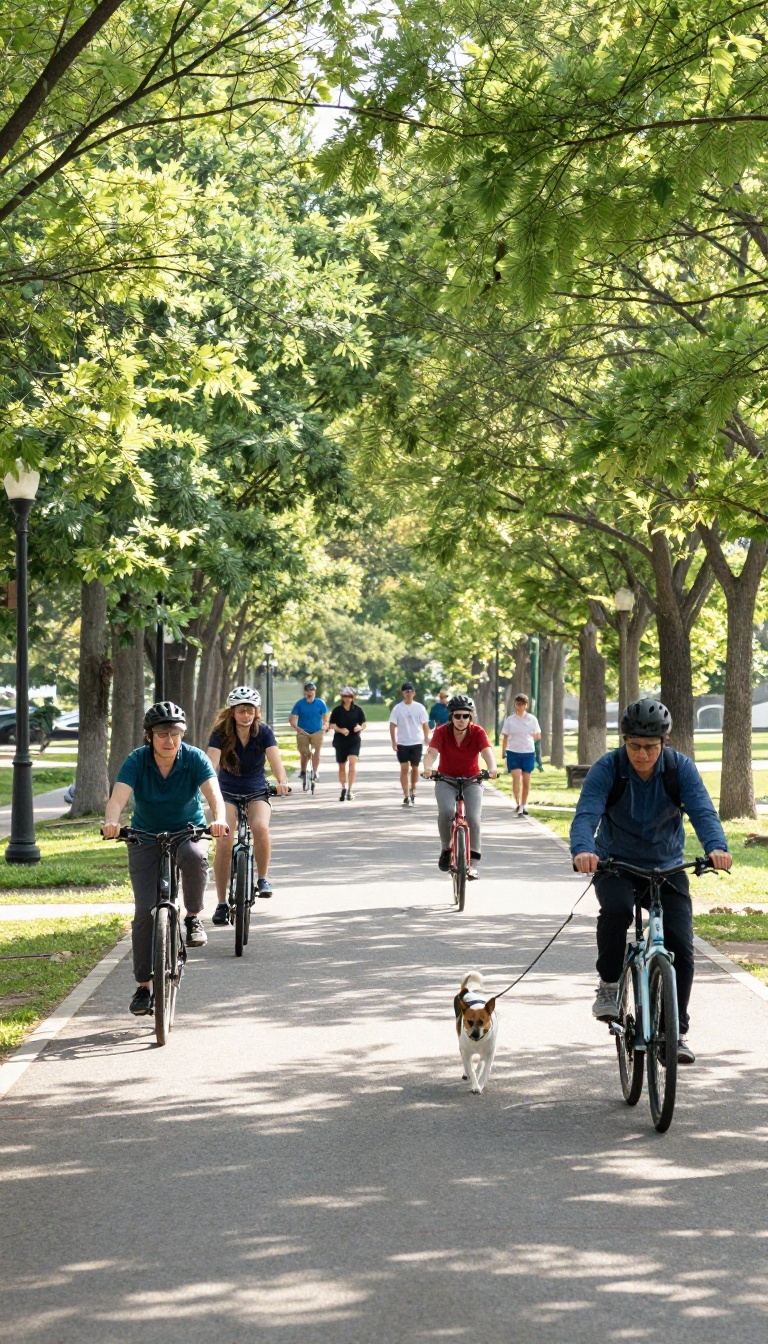
Shared paths are a wonderful mix of walkers, runners, and cyclists, all moving at different speeds. A little trail etiquette goes a long way in keeping everyone safe and happy. It’s not about formal rules—just common sense and awareness.
When you’re on a mixed-use trail, the key is to stay alert and be predictable. Keep to the right side of the path so faster users can pass on the left. If you need to stop, step off the trail completely.
And when you’re about to pass someone, a friendly “on your left” works wonders—it gives them a heads-up and prevents surprise.
Yield To Faster Trail Users
On shared paths, cyclists and runners often move faster than walkers. Yield to them when appropriate—step aside if they’re coming up behind you. It’s not about being submissive; it’s about keeping the flow smooth.
A quick glance over your shoulder and a small step to the right can make all the difference.
Announce Your Presence
If you’re passing someone, especially from behind, let them know. A simple “passing on your left” or a gentle bell ring (if you’re cycling) is polite and prevents collisions. For walkers, a cheerful “good morning” as you approach also works.
It’s all about being courteous and letting others know you’re there.
Keep Dogs Close And Controlled
If you’re walking a dog, keep it on a short leash and under control. Not everyone is comfortable with dogs, and a loose leash can trip others. Also, always clean up after your pet.
It’s basic respect for the shared space and the people using it.
Stay Aware Of Your Surroundings
It’s easy to get lost in a podcast or your thoughts, but on a shared path, you need to stay present. Avoid walking two or three abreast if the trail is narrow. Take a quick look behind you before changing direction.
Being aware keeps you and others safe.
FAQ
What is the most important walking manner?
Being aware of your surroundings is probably the most important. It helps you avoid collisions and respond to the flow of traffic.
How do I politely pass someone on the sidewalk?
Say 'excuse me' or 'on your left' as you approach, then pass on the left side. Make eye contact if possible.
Is it rude to walk with friends side by side?
It's fine as long as you leave room for others to pass. If the path is narrow, switch to single file.
What should I do if someone is walking too slowly?
Don't push or crowd them. Slow down or find a safe spot to pass, and be patient.
How can I keep my dog from bothering other walkers?
Keep your dog on a short leash, close to you, and under control. If your dog is reactive, use a muzzle or avoid crowded times.
Conclusion
Small tweaks in how you walk can turn a crowded sidewalk or a narrow trail into a much smoother experience for everyone. You don't need to memorize every rule at once—just pick one or two that feel easy to start with, like staying to the right or giving a heads-up before you pass. Once those become second nature, add another.
The real payoff is less awkward dodging, fewer annoyed glances, and a calmer vibe on every outing. Over time, these little habits just become part of how you move, and you'll notice the difference in how others respond to you.

I’m Pallab Kishore, the owner of Little Pets Realm — an animal lover and pet care enthusiast sharing easy tips, healthy recipes, and honest advice to help every small pet live a happy, healthy, tail-wagging life.