
Last updated on August 19th, 2026 at 04:14 pm
Your dog nails recall in the living room, but the moment a squirrel darts across the yard, they're gone. That gap between perfect practice and real-world chaos is where most training falls apart.
The fix isn't more repetition—it's building up to distractions in a way your dog can actually handle. These 13 recall challenges take you from a simple backyard chase to busy parking lots, each one designed to strengthen your dog's focus step by step.
You'll start with games that make coming back fun, then gradually add real-life temptations like sniffing spots, other dogs, and even a squirrel sighting. No fancy gear needed—just treats, a long line, and a little creativity.
1. Start with a Game of Chase in the Backyard
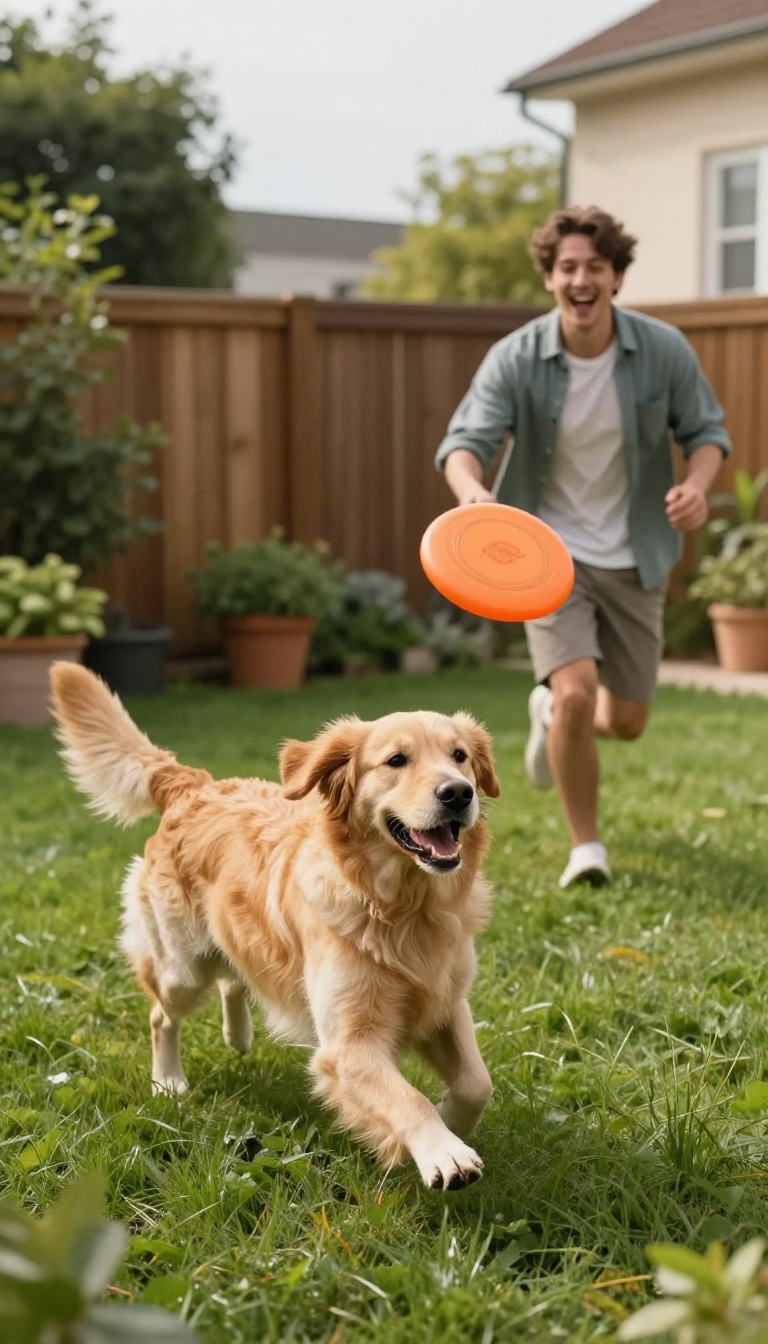
Before you tackle busy streets or dog parks, make recall feel like the best part of your dog's day. A simple chase game in the backyard turns coming to you into a thrilling reward, not a chore. This builds a positive association that will carry over to more distracting environments later.
Set the stage in a familiar, low-distraction space like your backyard. Use a happy, excited voice and a favorite toy or treat to get your dog moving. The goal is to make running toward you more fun than anything else around.
Start with short distances and gradually increase them as your dog gets the hang of it.
Why Chase Works
Dogs naturally love to chase, and when you become the chaser, you tap into that instinct. Instead of calling your dog away from something fun, you're inviting them into a game. This flips the dynamic from 'come here because I said so' to 'come here because this is awesome. '
Setting Up The Game
Pick a time when your dog is already a bit excited, like right after a nap or before dinner. Use a long line if your yard isn't fenced, but let them roam freely if it's safe. Start by running a few steps away, then stop and call their name in a playful tone.
When they reach you, reward with a quick game of tug or a handful of treats.
Adding A Cue
Once your dog is consistently chasing you, add a verbal cue like 'here! ' or 'come! ' right as they start moving toward you. Say it once, then follow through with the reward. Over time, they'll associate the word with the fun of the chase, making it a powerful recall signal.
2. Practice with a Helper Who Calls Your Dog's Name
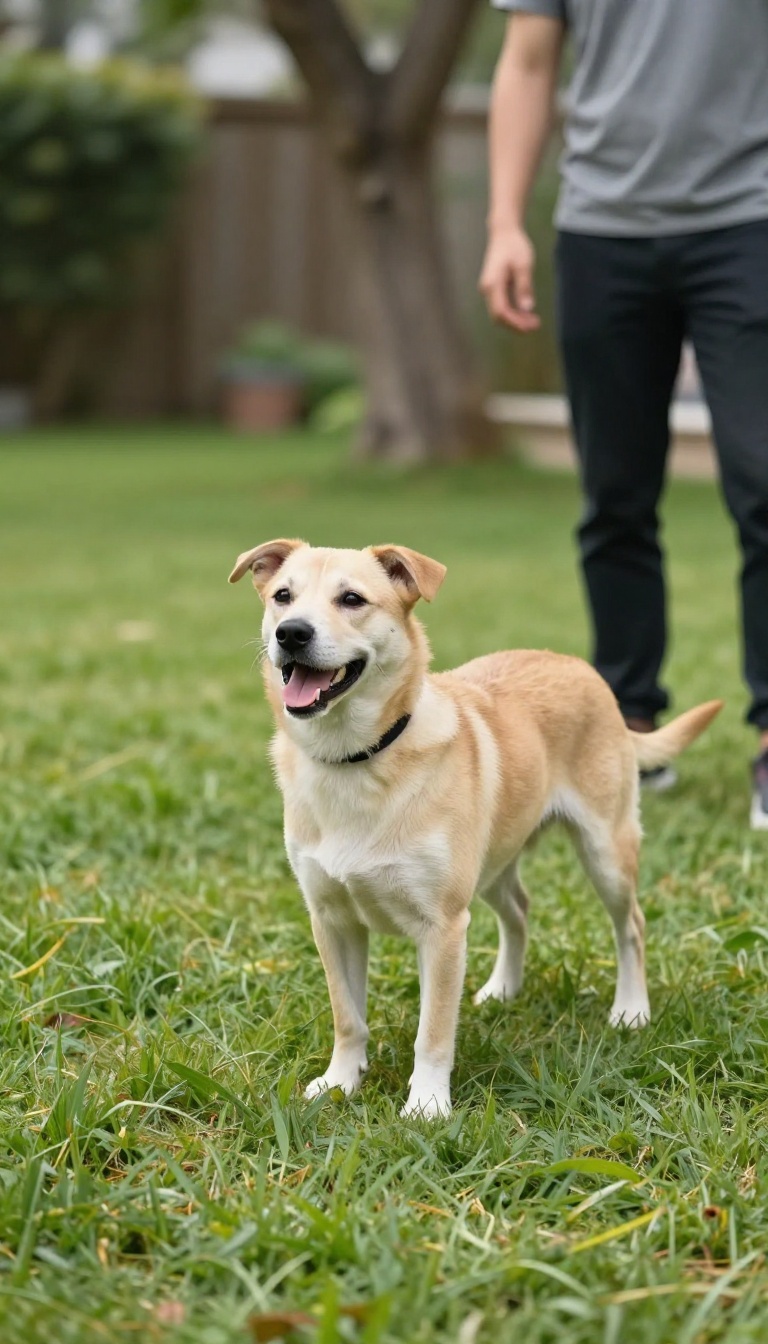
You've probably noticed your dog gets extra excited when someone else says "come. " That can work in your favor if you turn it into a game. Grab a friend or family member, head to a safe area, and let them call your dog while you hide.
This teaches your dog that coming back to you is always the best choice, even when another voice is in the mix.
This challenge builds on your dog's natural curiosity about other people and turns it into a focused recall game. The helper's voice becomes a cue to find you, not a reason to ignore you. Start in a familiar, low-distraction spot like your backyard or a quiet park.
Have your helper stand a few feet away and call your dog's name in a happy tone. As soon as your dog looks toward them, you call from your hiding spot. When your dog finds you, celebrate with treats and praise.
Repeat a few times, gradually increasing the distance between you and the helper.
Set It Up For Success
Pick a helper your dog already knows and likes. Explain the game before you start so they understand not to give treats or rewards—only you do. Start with easy hiding spots like behind a tree or a parked car.
Keep the first few tries short and exciting. If your dog seems confused, make your hiding spot more visible and call in a super cheerful voice.
Add A Little Challenge
Once your dog gets the hang of it, make the helper more distracting. Have them kneel down, hold a toy, or even toss a treat on the ground—but not let your dog get it. The helper can also call your dog's name multiple times, tempting them to go over.
Your job is to stay hidden and call only once or twice. This teaches your dog to prioritize finding you over investigating the helper.
Switch Roles And Locations
After a few sessions, swap roles. Now you call your dog while the helper hides. This keeps the game fresh and reinforces that coming to any trusted person is rewarding.
Change locations too—try a fenced field, a quiet trail, or your front yard. Each new spot adds a layer of real-world distraction without overwhelming your dog. Remember to always end on a high note with a big reward.
3. Use a Long Line in a Quiet Park
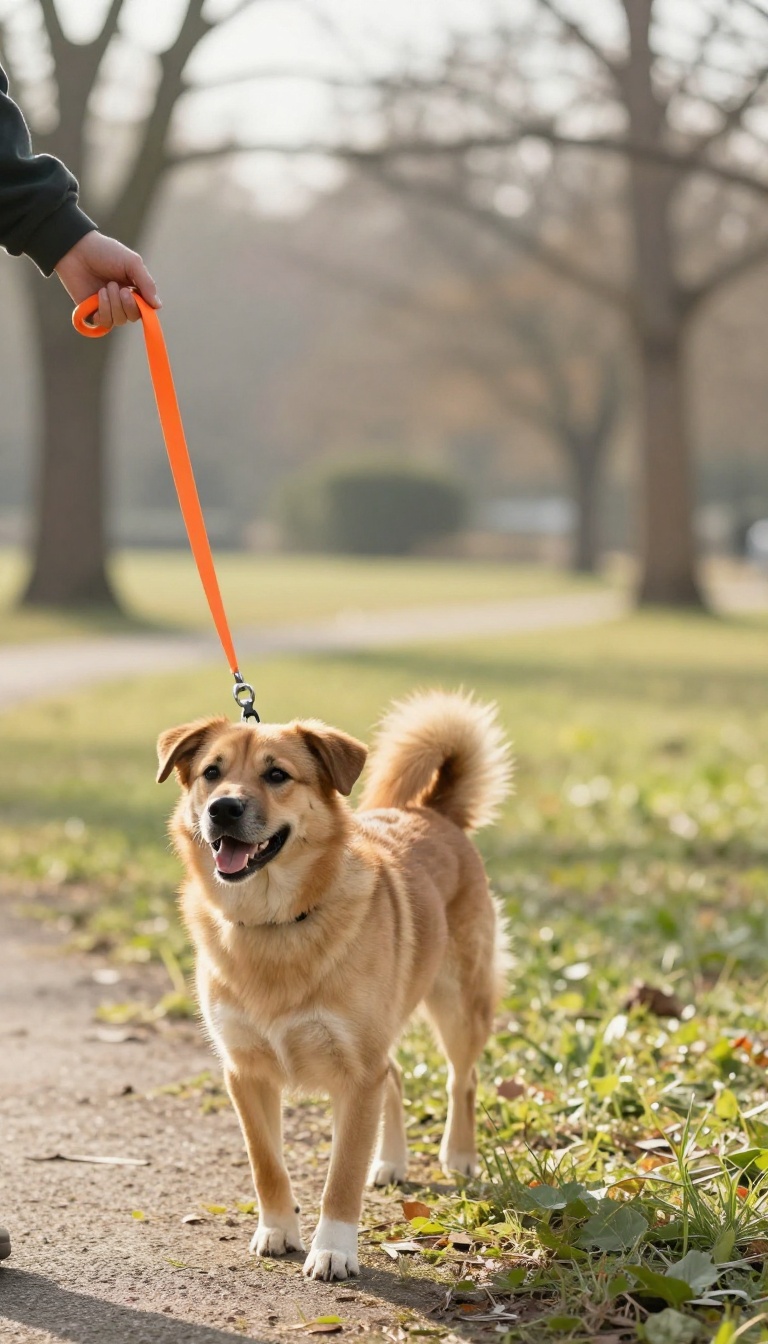
A long line gives your dog the freedom to explore while keeping a safety net in your hands. It's a simple tool that turns a quiet park into a perfect training ground for recall. The key is to let your dog wander just enough to forget you're there, then call them back for a jackpot reward.
Start by finding a park with few distractions—maybe early morning or a less popular spot. Attach a 30-foot leash and let your dog roam at the end of it. When they're absorbed in a sniff or a distant sound, call their name in a happy voice and run backward a few steps.
The moment they turn and come, praise and reward with a high-value treat. This builds a strong habit of choosing you over the environment.
Why A Long Line Works
The long line gives you control without constant tension. Your dog feels free, but you can step on the line if they ignore you. This prevents the 'runaway' habit while still allowing natural distractions.
It's a bridge between a fenced yard and off-leash reliability.
How To Set Up The Game
Pick a quiet time and a familiar park. Let your dog drag the line, but keep the end in your hand or under your foot. Wait until they're at least 15 feet away, then call once in a cheerful tone.
If they don't respond, give a gentle tug and repeat the cue. Reward with a treat they rarely get, like chicken or cheese.
Progressive Challenges
Once your dog is reliable at 30 feet, try calling them when they're mid-sniff or just as they spot another dog in the distance. Increase the difficulty gradually. Each success builds confidence, and you'll see your dog's ears perk up when they hear your call, even in a busy park.
4. Distract with a Favorite Toy Toss
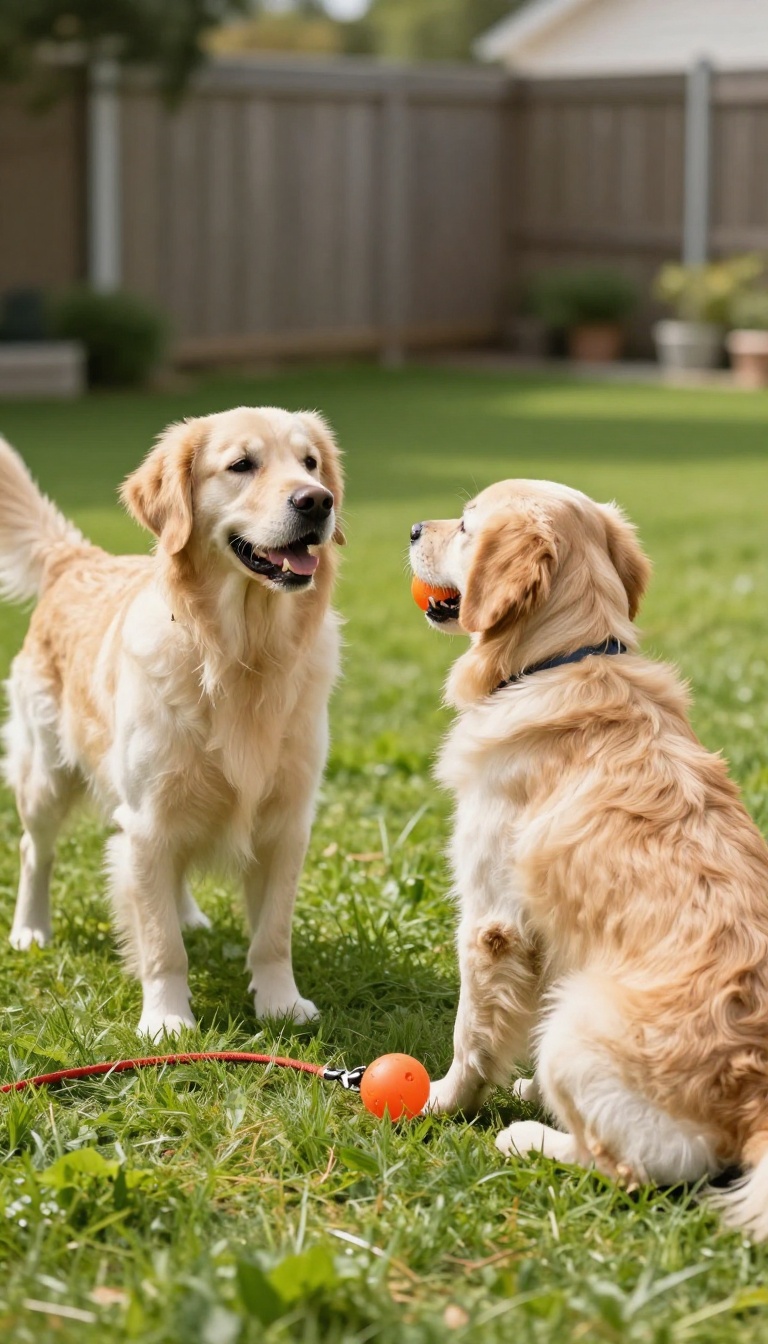
Sometimes the best way to teach recall is to make coming back more exciting than the distraction itself. This game uses your dog's favorite toy as a lure, but the real reward is you. It turns recall into a fun, high-value exchange that your dog will want to repeat.
Toss a toy a short distance away, then call your dog back before they reach it. The moment they turn and come to you, reward them with a tasty treat. Then let them go get the toy.
This teaches your dog that checking in with you always pays off—even when something fun is happening.
Start With A High-value Toy
Choose a toy your dog is crazy about—maybe a squeaky ball or a tug rope. The more exciting the toy, the better the distraction. Use it only for this game to keep it special.
If your dog isn't toy-driven, use a treat toss instead.
Keep Tosses Short And Manageable
Begin with short tosses, just a few feet away. Call your dog back while they're still moving toward the toy. Reward them with a treat, then release them to get the toy.
This builds a strong pattern without overwhelming your dog.
Gradually Increase Distance And Distraction
As your dog gets the hang of it, toss the toy farther and add mild distractions, like a squeaky toy or a light breeze. The goal is to make coming back automatic, no matter what's happening around them.
5. Call Your Dog Away from a Sniffing Spot
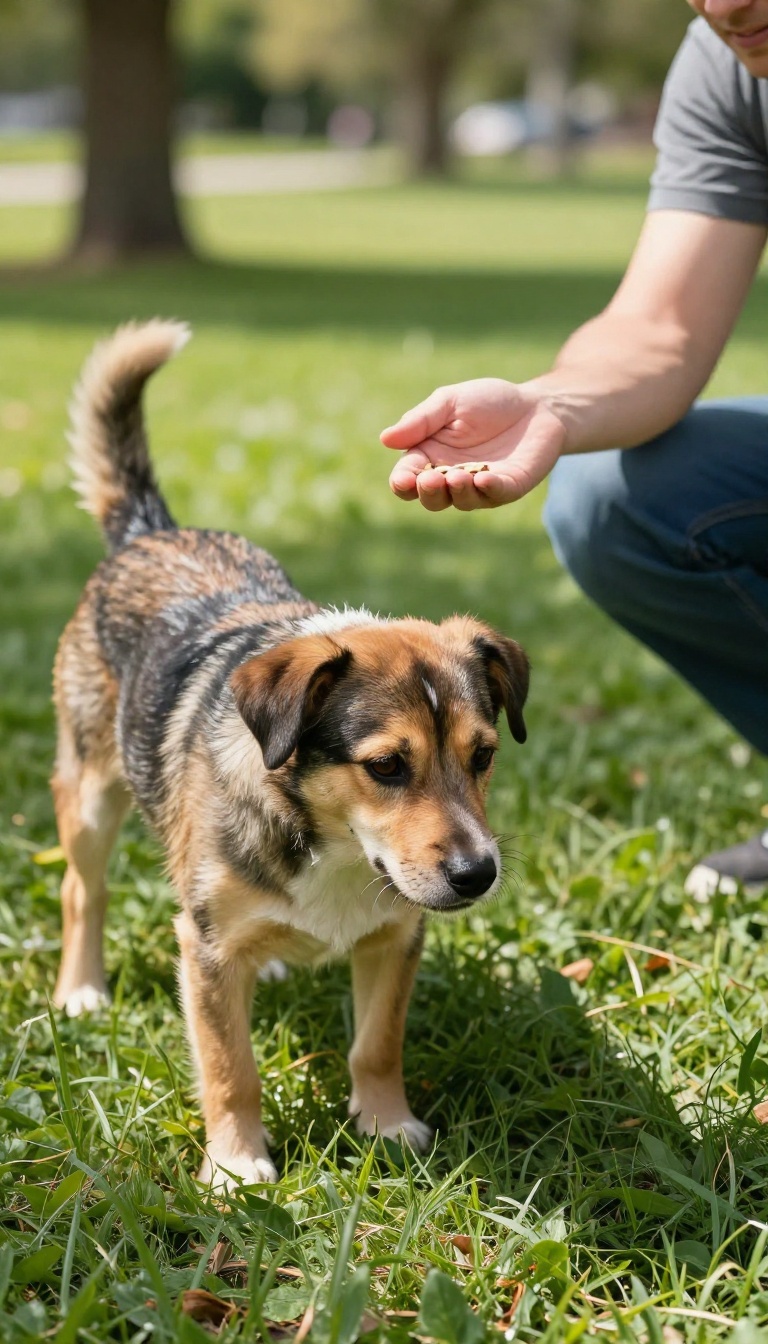
Sniffing is your dog's favorite way to read the world, and a really good scent can be more captivating than any treat. That's why calling them away from a sniffing spot is a perfect real-world recall challenge. It's not about being mean—it's about teaching your dog that coming to you can be even more rewarding than the most interesting smell.
Start with a spot that's mildly interesting, not a freshly marked tree. Let your dog sniff for a few seconds, then call them in a happy, excited voice. The moment they turn and come, reward with a high-value treat—something they rarely get.
This builds a strong association: leaving a sniffing spot equals something amazing.
Start With Low-stakes Sniffs
Begin in your backyard or a quiet park where the smells are familiar but not overwhelming. Let your dog sniff for a few seconds, then call them. If they come, reward generously.
If they don't, don't repeat the cue—just wait a moment and try again with more enthusiasm. The goal is to set them up for success, not to test their limits too soon.
Gradually Increase The Scent Temptation
Once your dog reliably comes from mild sniffs, move to more tempting spots—like a patch of grass where other dogs have been, or a spot with food scraps. The stronger the smell, the harder the challenge. Keep your treats extra special (think chicken or cheese) and vary the reward so your dog never knows what they'll get.
This keeps them guessing and makes coming back exciting.
Use A Long Line For Safety
When you're working near a busy road or in an open area, attach a long line (15–30 feet) to your dog's harness. This gives them freedom to sniff while you have a safety net. If they don't respond to your call, you can gently reel them in.
Never yank—just use steady pressure to guide them back, then reward once they reach you. This builds reliability without risking their safety.
6. Practice Around Other Dogs at a Distance
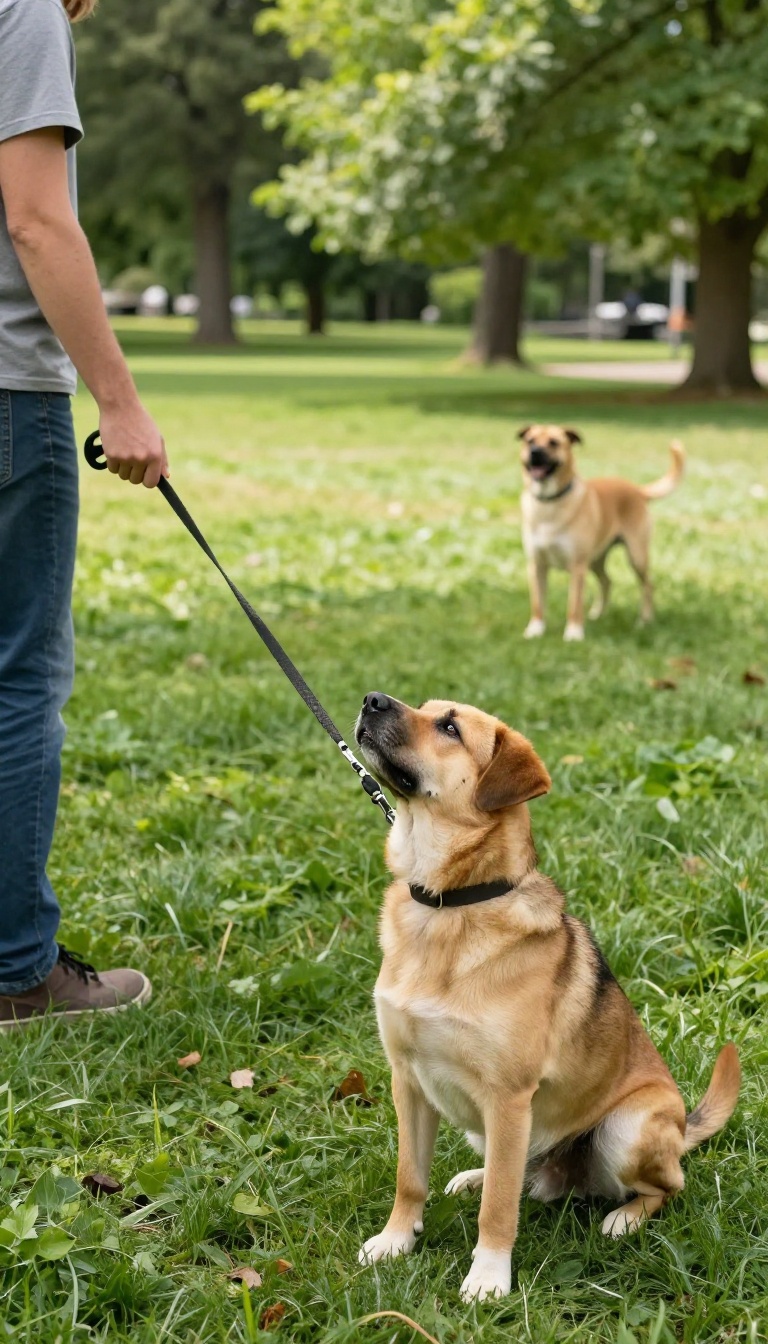
Other dogs are one of the toughest distractions for most pups—they're exciting, social, and hard to ignore. The key is to start far enough away that your dog can still think clearly, then gradually close the gap as they succeed. This builds a rock-solid recall even when the neighborhood dogs are out and about.
Start by finding a spot where you can see other dogs but your dog isn't overwhelmed—maybe across a park or down the street. Call your dog and reward with something extra special when they come. As they get better, slowly decrease the distance.
The goal is to make coming back to you more rewarding than saying hello to another dog.
Find The Right Starting Distance
The perfect starting distance is one where your dog notices the other dog but still responds to your call. If they're too close, they'll be too focused on the other dog to listen. Start far enough that they're aware but not fixated—this might be 50 feet, 100 feet, or even more.
Watch their body language: if they're pulling toward the other dog, you're too close.
Use High-value Rewards
When practicing around other dogs, use treats that your dog absolutely loves—something they don't get every day, like tiny pieces of chicken or cheese. The reward needs to compete with the excitement of another dog. Make sure to reward every single successful recall, even if it's a slow one.
This reinforces that coming back to you is always worth it.
Gradually Decrease The Distance
Once your dog is reliably coming at 50 feet, move a little closer—maybe 40 feet—and practice again. If they struggle, take a step back and try again later. The key is to progress slowly and never rush.
Over several sessions, you'll be able to walk right past another dog while your dog stays focused on you.
Practice With Real-life Scenarios
Don't just practice in empty parks—try it during a walk when you see another dog approaching, or at a training class where other dogs are present. The more varied the situations, the better your dog generalizes the behavior. Just remember to keep the distance manageable and always end on a positive note.
7. Try Recall During a Squirrel Sighting
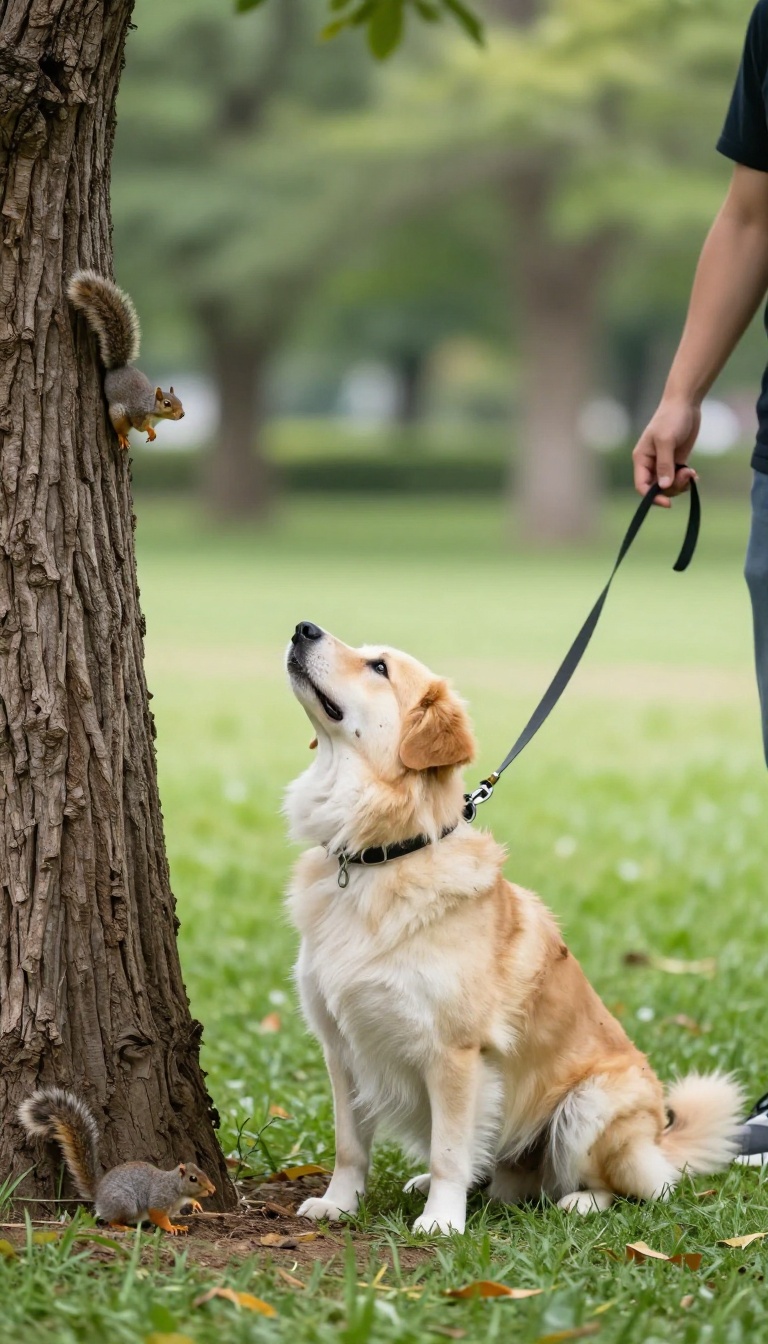
Squirrels are nature’s ultimate test for recall. The moment your dog locks eyes on one, their brain switches into chase mode, and your voice becomes background noise. This challenge turns that exact moment into a training win.
By practicing when a squirrel appears, you’re teaching your dog that checking in with you pays off more than the chase. It’s hard, but the payoff is huge—a dog who can resist the ultimate temptation.
Before you attempt this, make sure your dog has a solid recall in low-distraction settings. You’ll also need a long line (15–30 feet) and treats that are absolutely irresistible—think cooked chicken, hot dog slices, or cheese. The goal is to make coming back to you more rewarding than the squirrel ever could be.
Start by setting up in an area where squirrels are common but not overwhelming. Keep your dog on the long line so they can’t bolt. When you spot a squirrel, wait until your dog notices it, then call their name in a cheerful, high-pitched tone.
The moment they turn toward you, start running backward and reward them the second they reach you. If they don’t respond, don’t repeat the cue. Instead, gently reel them in with the line and reward them anyway.
This teaches them that coming back is always a good choice, even if they hesitated. Over time, they’ll learn that squirrels mean treats, not just chaos.
Start With Distance And Control
Pick a spot where squirrels are visible but not too close. Keep your dog on a long line and let them sniff around. When a squirrel appears, give your recall cue once and see what happens.
If they even glance at you, mark it with a “yes! ” and reward. This builds the habit of checking in before chasing.
Use A High-value Reward
Your regular training treats won’t cut it here. Use something your dog rarely gets—like freeze-dried liver or tiny bits of rotisserie chicken. The more special the reward, the stronger the association that coming back beats chasing a squirrel.
Keep the treats hidden until they’re right in front of you.
Practice At The Right Moment
Timing is everything. Call your dog the second they spot the squirrel, before they’re fully locked in. If you wait until they’re already running, you’ve lost the battle.
As your dog improves, you can wait a beat longer, but early on, quick timing sets them up for success.
Gradually Increase Difficulty
Once your dog reliably comes back when a squirrel is 50 feet away, try when it’s closer—say 20 feet. Each time, keep the long line attached so they can’t actually chase. This builds a strong habit of turning toward you, even when the temptation is right there.
8. Use a Whistle or Bell as a Backup Cue
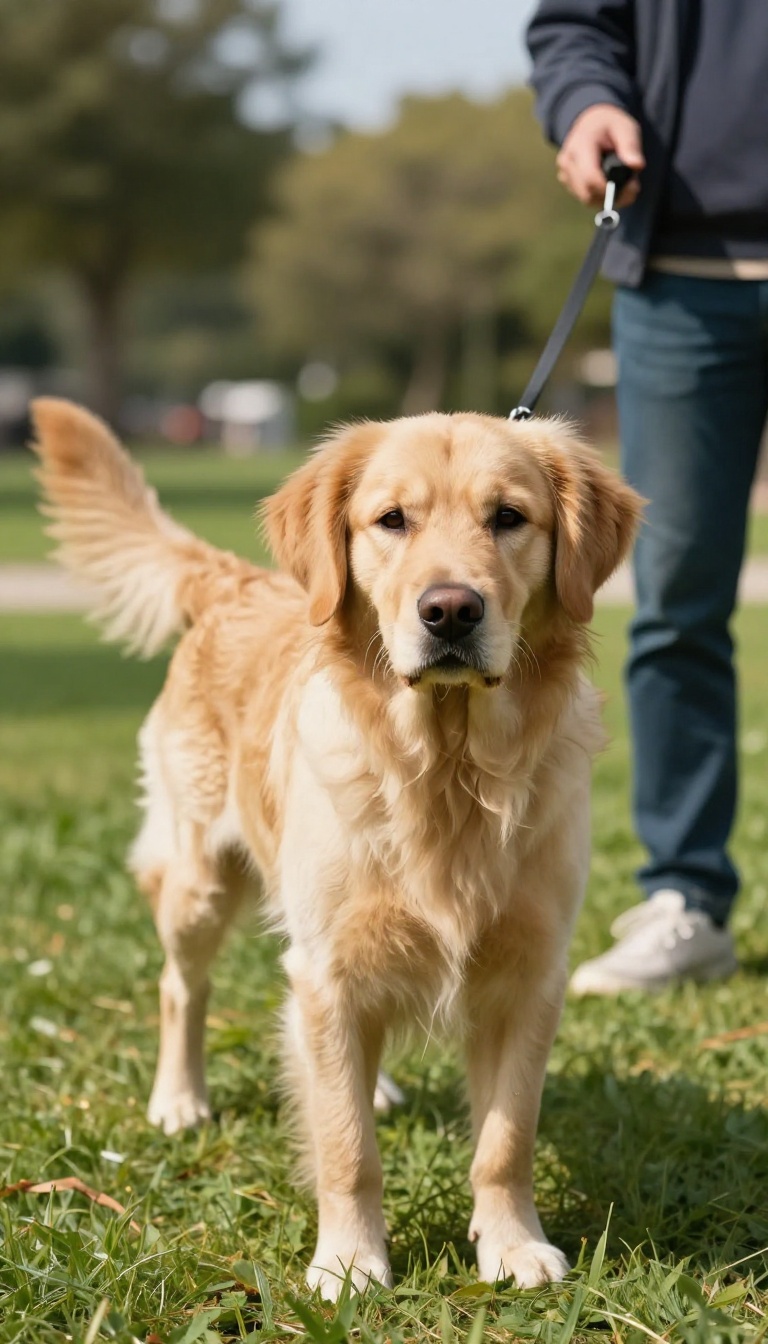
Verbal cues can get lost in noisy environments, especially when your dog is focused on something exciting. A whistle or bell offers a distinct sound that cuts through the chaos and carries over distance. Pairing it with your recall command gives your dog a clear, consistent signal that works even when your voice might not.
Start by associating the whistle or bell with high-value rewards. Use it only for recall, never for other commands, so your dog learns that this sound means something amazing is about to happen. Practice indoors first, then gradually move to outdoor spaces with mild distractions.
The key is to keep the sound positive and consistent, so your dog responds reliably no matter what.
Why A Distinct Sound Works
A whistle or bell is less likely to be confused with everyday noises like conversations or traffic. Your dog's ears are tuned to pick up high-frequency sounds, making them more noticeable from a distance. This clarity helps your dog understand exactly what you're asking, even when they're distracted.
Training Steps To Build The Association
Begin by blowing the whistle or ringing the bell right before giving a treat. Repeat this several times until your dog looks at you when they hear the sound. Then, start using it during recall exercises, rewarding generously when they come.
Gradually increase the distance and add mild distractions, always keeping the reward high-value.
Using It In Real-world Situations
Once your dog responds reliably, take the whistle or bell to a park or busy area. Use it when your dog is a bit far or when your voice might not carry. The sound will grab their attention and trigger the recall response.
Keep sessions short and end on a positive note to maintain enthusiasm.
9. Practice in a Busy Parking Lot (on Leash)
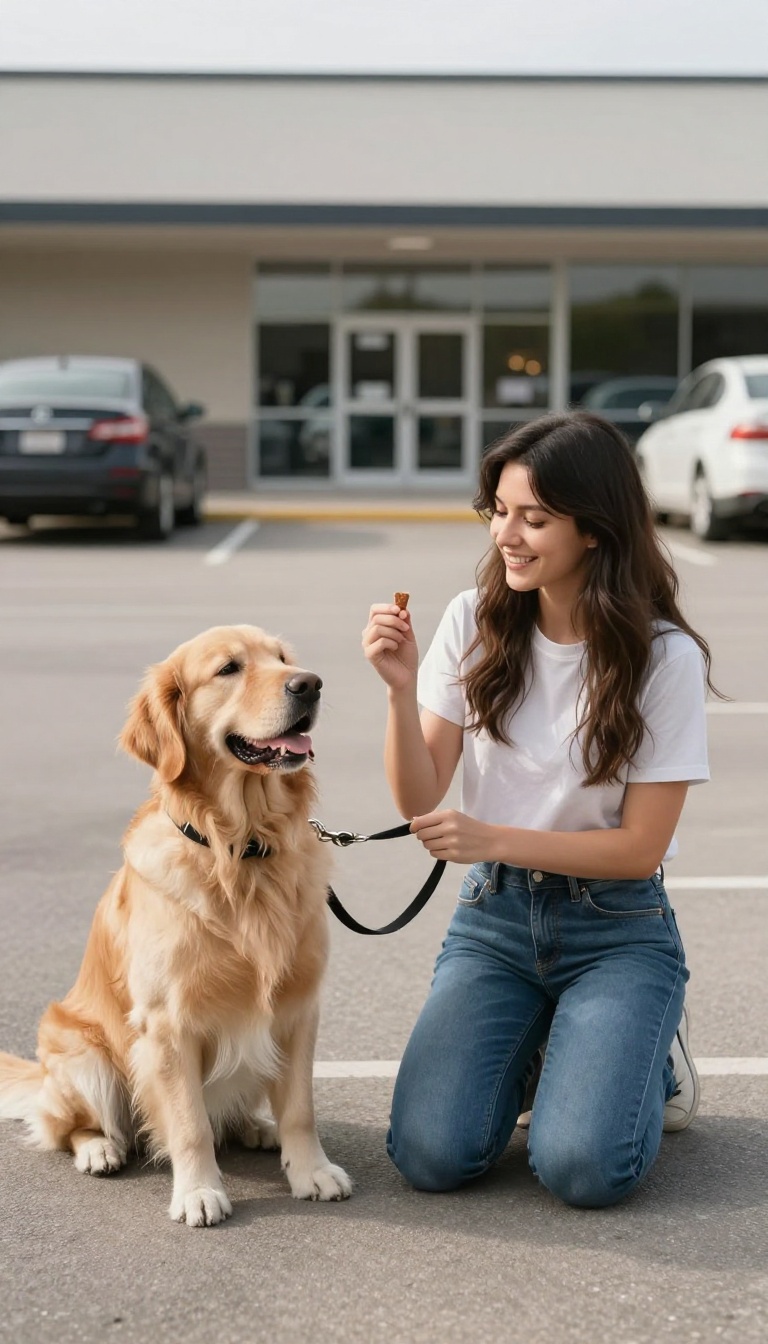
Parking lots are a sensory overload for dogs—cars moving, people chatting, doors slamming. That chaos is exactly why they’re a great training ground. With your dog on a leash, you can safely practice recall while they learn to filter out the noise and focus on you.
Start at the edge of the lot where the action is just a hum. Let your dog watch the world go by, then call their name in a happy voice. When they turn to you, reward with a high-value treat.
The goal isn’t perfection—it’s building the habit of checking in with you, even when things are exciting.
Choose The Right Time And Spot
Pick a time when the lot isn’t too crowded—early morning or weekday afternoons work well. Park at the perimeter, away from the main flow of cars and people. This gives your dog a chance to notice distractions without being overwhelmed.
As they get better, you can move closer to the busier areas.
Use A Long Line For Safety
A 15- or 30-foot long line gives your dog freedom to wander while you keep control. Let them sniff around, then call them back. If they don’t respond immediately, give a gentle tug to guide them.
Reward every successful return, even if it took a few tries. The long line prevents accidents and builds trust.
Turn It Into A Game
Make recall fun by turning it into a game. Run backward a few steps as you call your dog’s name, then celebrate like crazy when they catch up. Use a special toy or treat that they only get during parking lot sessions.
This creates positive associations with coming back, even when there’s a lot going on.
Gradually Increase The Challenge
Once your dog is reliable at the edge of the lot, move closer to the action. Practice near a row of parked cars, then near the entrance where people are coming and going. Keep sessions short—5 to 10 minutes max—so your dog doesn’t get exhausted or frustrated.
End on a high note with an easy recall.
10. Call Your Dog When They're Playing with Another Dog
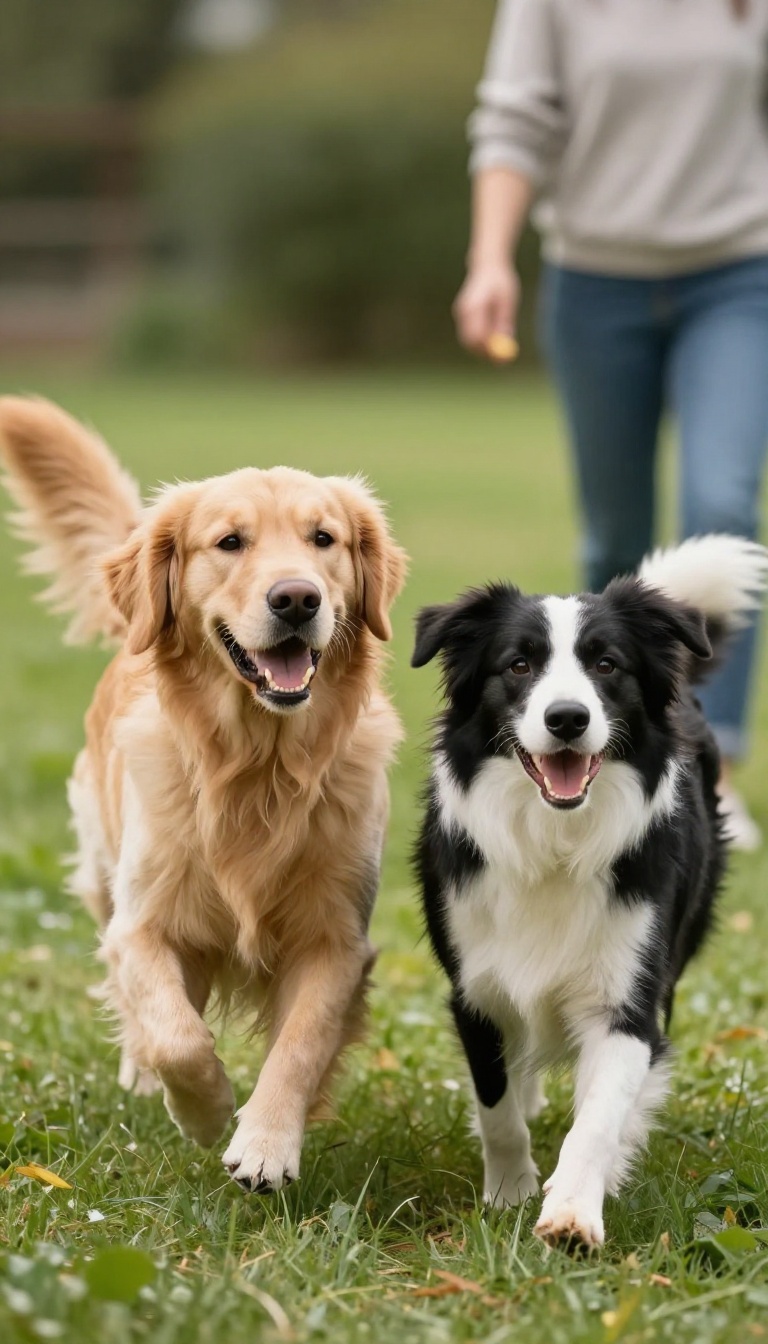
Playtime with another dog is pure joy for your pup, but it's also one of the toughest tests for recall. The excitement of a playmate can easily drown out your voice, making it feel like you're competing with their best friend. Here's the trick: you don't have to end the fun to get a response.
By calling your dog during play and then letting them go back, you teach them that coming to you leads to good things, not the end of the party.
The goal is to build a strong recall that works even when your dog is having the time of their life. This challenge is all about timing and rewards, turning a potential battle into a win-win game.
Why This Works
When your dog is playing, they're already happy and engaged. If you call them and then reward them with a treat and send them back to play, they learn that checking in with you is worth their while. It's not about interrupting the fun—it's about making you part of it.
How To Set It Up
Start with a friend and their well-socialized dog in a fenced area. Let them play for a minute, then call your dog in a cheerful voice. The moment they come, give them a high-value treat and lots of praise.
Then release them with a cue like 'go play! ' so they know they can return. Repeat this several times, gradually increasing the play duration before calling.
What To Watch For
If your dog ignores you, don't repeat the cue or get frustrated. Instead, move closer and try again, or use a long line to gently guide them. The key is to make coming to you always positive.
If they don't come, you're asking too much too soon—go back a step and practice with fewer distractions.
11. Practice at the Edge of a Trail
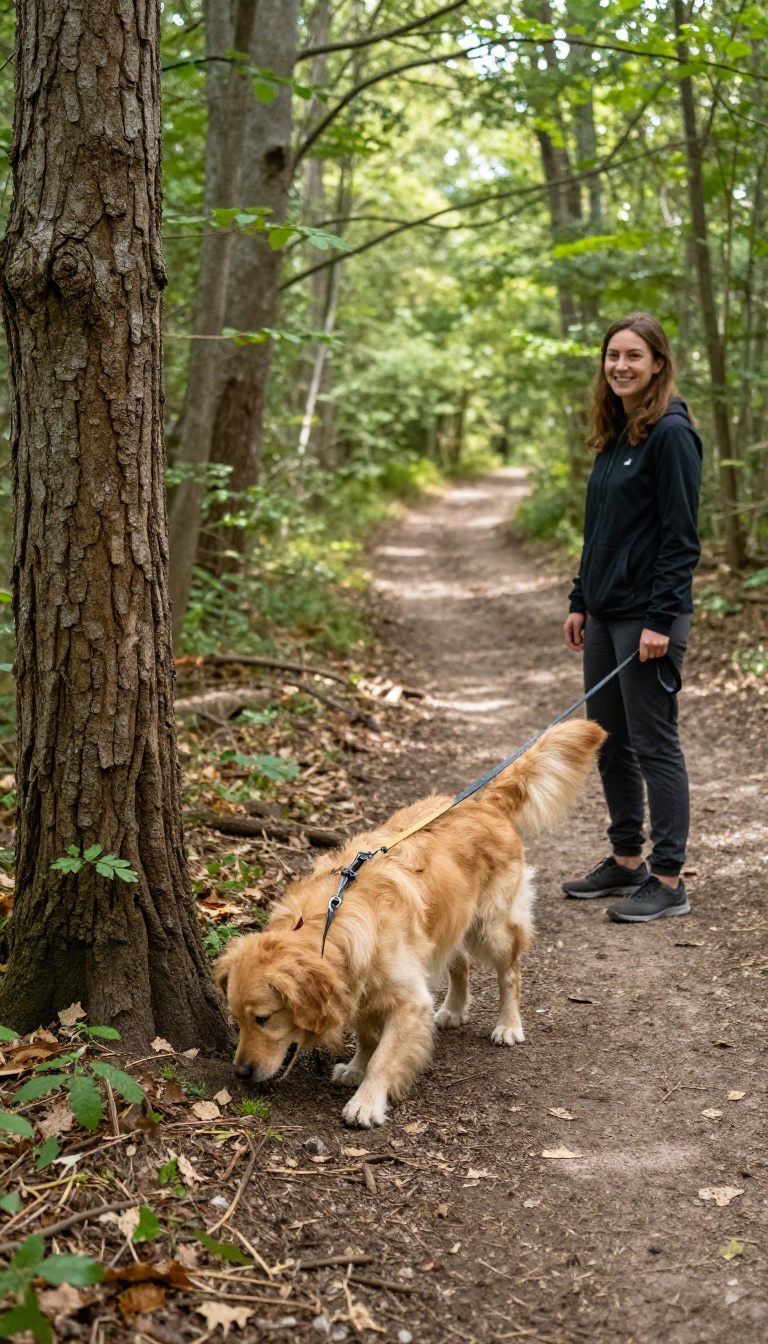
Trail edges are a magnet for curious noses—all those smells drifting in from the woods or fields. It's the perfect place to practice recall when your dog is already distracted by the great outdoors. Start by letting them sniff near the edge, then call them back before they get too far.
This challenge is all about teaching your dog that coming back is still worth it, even when the trail is full of interesting scents. You'll want to use a long line so they have freedom but you have control. The goal is to make the recall feel like a game, not an interruption.
Set Up The Scenario
Find a quiet trail where you can let your dog explore on a long line. Let them wander to the edge and start sniffing—wait a few seconds, then call them back in a happy, excited voice. When they come, reward with a high-value treat and lots of praise.
Repeat a few times, gradually increasing the distance and the time they spend sniffing before you call.
Add A Little Distance
Once your dog is responding well at the edge, start walking a few steps away before calling. This mimics a real situation where you're moving and they're tempted to stay. Keep the long line attached so you can gently guide them if needed, but aim for a voluntary return.
Over time, you can even hide behind a tree or bush to make it more challenging.
Mix Up The Rewards
Don't always use treats—sometimes make the reward a quick game of tug or a thrown ball. This keeps the recall unpredictable and exciting. You can also vary the timing: sometimes call immediately, sometimes let them sniff for a minute.
The key is to keep them guessing so they always respond when you call.
12. Use a Treat Scatter to Reinforce Coming Back
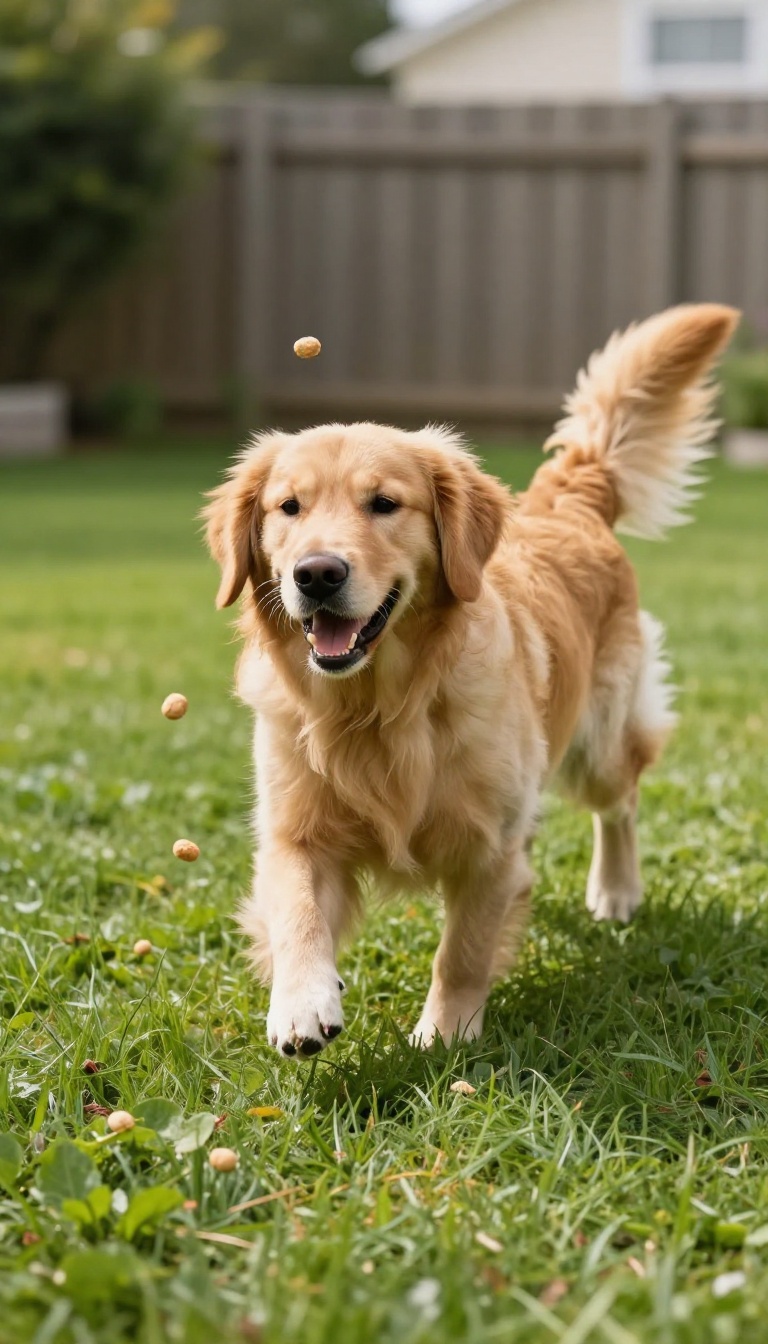
Sometimes the best reward isn't a single treat—it's a shower of them. When your dog races back to you, tossing a handful of treats on the ground turns the return into a mini celebration. That little burst of scatter keeps them engaged and makes coming back feel like the best game in the world.
The treat scatter is a simple but powerful trick to strengthen recall. Instead of just handing over one cookie, you toss a small handful onto the grass or floor. Your dog gets to sniff, search, and gobble—which is way more fun than a single bite.
It also encourages them to stick around, because good things keep happening near you.
Why Scatter Works So Well
Dogs are natural foragers, and sniffing out treats taps into that instinct. The act of searching keeps them focused on the ground around you, not on whatever distracted them in the first place. Plus, it builds a positive association: coming back means a fun, rewarding activity, not just a quick snack.
How To Do It Right
Start in a low-distraction area. Call your dog, and the moment they reach you, toss a small handful of treats a few feet away. Let them eat, then repeat.
As they get the hang of it, gradually add more distractions. The key is to make the scatter happen every single time they come back, so the behavior becomes rock-solid.
When To Use It In Real Life
Use the scatter whenever you need a reliable recall in a tricky spot—like a busy park or a friend's backyard. It's also great for interrupting a chase or redirecting attention. Just keep the treats in your pocket and be ready to toss.
Your dog will learn that coming to you is always worth it.
13. End with a High-Value Reward Every Time
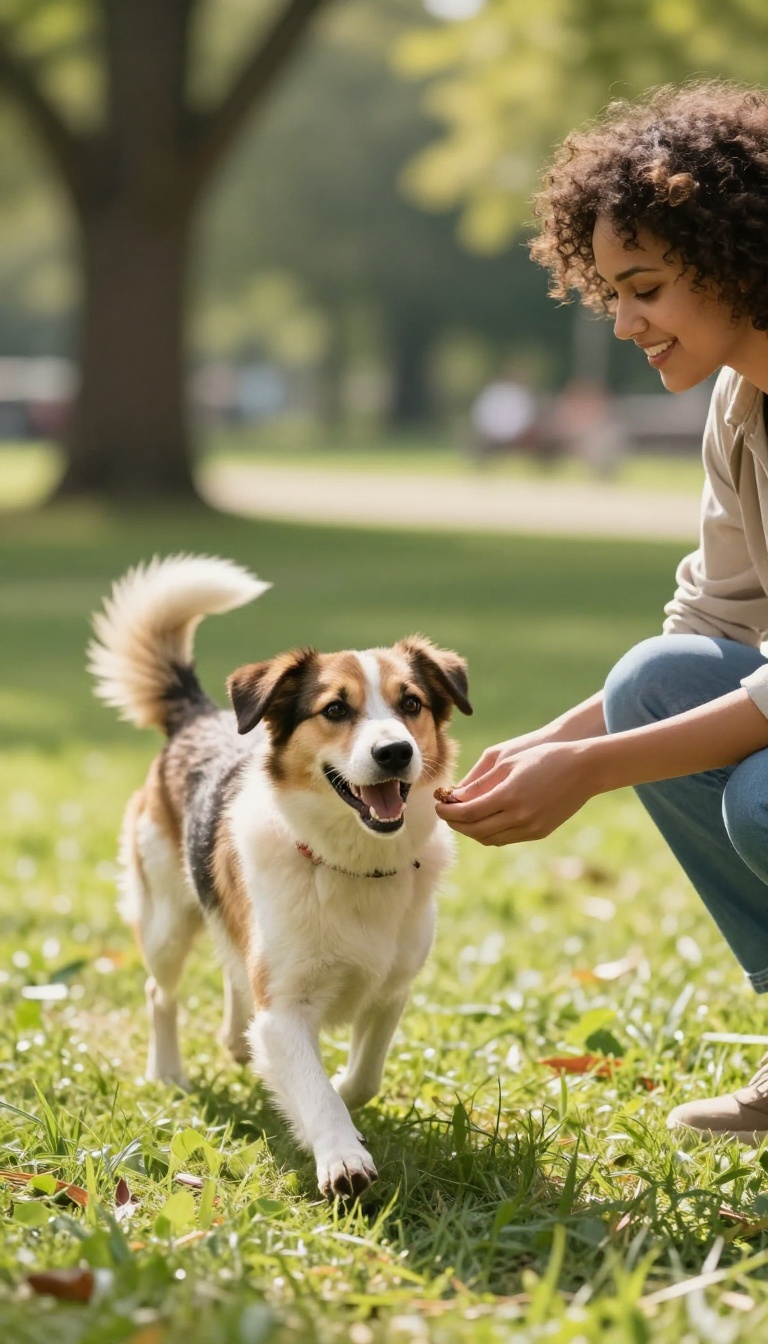
Recall is only as strong as what your dog gets out of it. If coming back means the fun stops, don't be surprised when they hesitate. The secret is to make returning to you the best moment of their day—every single time.
That doesn't mean you need to carry steak in your pocket forever. It means you need to know what your dog truly loves and be ready to deliver it the instant they reach you. This isn't bribery; it's building a rock-solid habit that pays off in the real world.
When your dog is distracted, the reward has to compete with whatever has their attention. A plain kibble might not cut it when there's a squirrel in sight. High-value rewards are the ones your dog rarely gets—the smelly, the tasty, the fun.
They create a powerful association: coming back to you is always worth it. Think of it as your recall insurance policy. The more consistently you reward with something amazing, the more your dog will choose you over the chaos around them.
And the best part? You can phase it out later, but keeping it unpredictable keeps the behavior sharp. Here's how to make every recall end on a high note, no matter what's happening around you.
Find Your Dog's Currency
Every dog has a currency—something they'll work for even when they're distracted. For some, it's a piece of cooked chicken or hot dog. For others, it's a squeaky ball or a quick game of tug.
Watch what your dog chooses when given options, and reserve that special item for recall training only. If you're not sure what your dog loves, do a simple test. Offer different treats or toys and see which one they get most excited about.
That's your golden ticket. Once you have it, keep it handy on walks and in the yard, so you're always ready to cash in.
Make The Reward A Party, Not A Transaction
A reward isn't just the treat—it's the whole experience. When your dog comes back, celebrate like they just won the lottery. Use a happy voice, give enthusiastic pets, and let the reward feel like a special event.
This makes the recall itself more rewarding, not just the food. For example, if your dog loves tug, have a tug toy ready and play for a few seconds before letting them go again. If they're food-motivated, offer a few pieces one at a time rather than dumping them all at once.
The more fun you make it, the more your dog will want to repeat the behavior.
Keep It Unpredictable
If your dog gets a high-value reward every single time, they might start to expect it and lose interest when it doesn't come. But if you keep the rewards unpredictable—sometimes a treat, sometimes a game, sometimes just a big fuss—your dog will stay excited, never knowing which jackpot they'll hit. This is called a variable reward schedule, and it's one of the most powerful tools in training.
It keeps the behavior strong because your dog is always hoping for the best. Just make sure the rewards are still high-value enough to compete with real-world distractions.
Use Real-life Rewards To Your Advantage
Sometimes the best reward is the thing your dog wants anyway. If they're dying to sniff a bush, let them sniff it after they come back. If they want to chase a ball, throw it as a reward.
This turns everyday opportunities into training moments. For example, if your dog is fixated on another dog, call them back and then release them to go play. They'll learn that coming to you doesn't mean the fun ends—it just means a quick pause before they get what they want.
This is a game-changer for recall in real-world situations.
FAQ
How long does it take to train a reliable recall?
It varies by dog, but with consistent practice, you can see significant improvement in a few weeks. However, recall is a lifelong skill that needs regular reinforcement.
What if my dog ignores me when I call?
Don't repeat the cue. Instead, make yourself more interesting—run away, clap, or squeak a toy. When they come, reward heavily.
If they're too distracted, go back to easier settings.
Should I use treats or toys for recall rewards?
Use whatever your dog finds most valuable. For many dogs, that's a high-value treat like chicken or cheese, but for others, a favorite toy works better.
Can I train recall off-leash from the start?
No, always start on a long line or in a fenced area. Off-leash training should only happen after your dog is reliable in many different situations.
What if my dog runs away when I call?
Never chase your dog. Instead, run the other way or make a noise to get their attention. When they come, reward them.
If this happens often, go back to easier challenges.
Conclusion
Real-world recall isn't about having a robot dog—it's about building a habit that holds up when life gets interesting. Start with one or two distraction drills that fit your dog's comfort zone, and keep sessions short and upbeat. Every time your pup chooses you over a squirrel or a passing bike, that's a win worth celebrating.
As your dog gets better, slowly increase the challenge, but always set them up for success. With patience and a little creativity, you'll turn those chaotic outdoor moments into reliable check-ins that make every walk more enjoyable.

I’m Pallab Kishore, the owner of Little Pets Realm — an animal lover and pet care enthusiast sharing easy tips, healthy recipes, and honest advice to help every small pet live a happy, healthy, tail-wagging life.