
Aging dogs may slow down physically, but their minds still crave stimulation. Mental exercise is just as important as physical activity for senior pups, helping to stave off cognitive decline and boredom. The best part?
You don't need fancy equipment or a big budget—just a little creativity and patience. These 11 training activities are designed with your older dog in mind. They're gentle on joints, easy to adapt, and focus on using the nose, ears, and brain rather than demanding high-energy movement.
Whether your dog is a seasoned pro or new to training, there's something here to keep their tail wagging. So, grab some treats, clear a small space, and get ready to have some fun with your furry friend.
1. Nose Work: Sniffing Out Treats
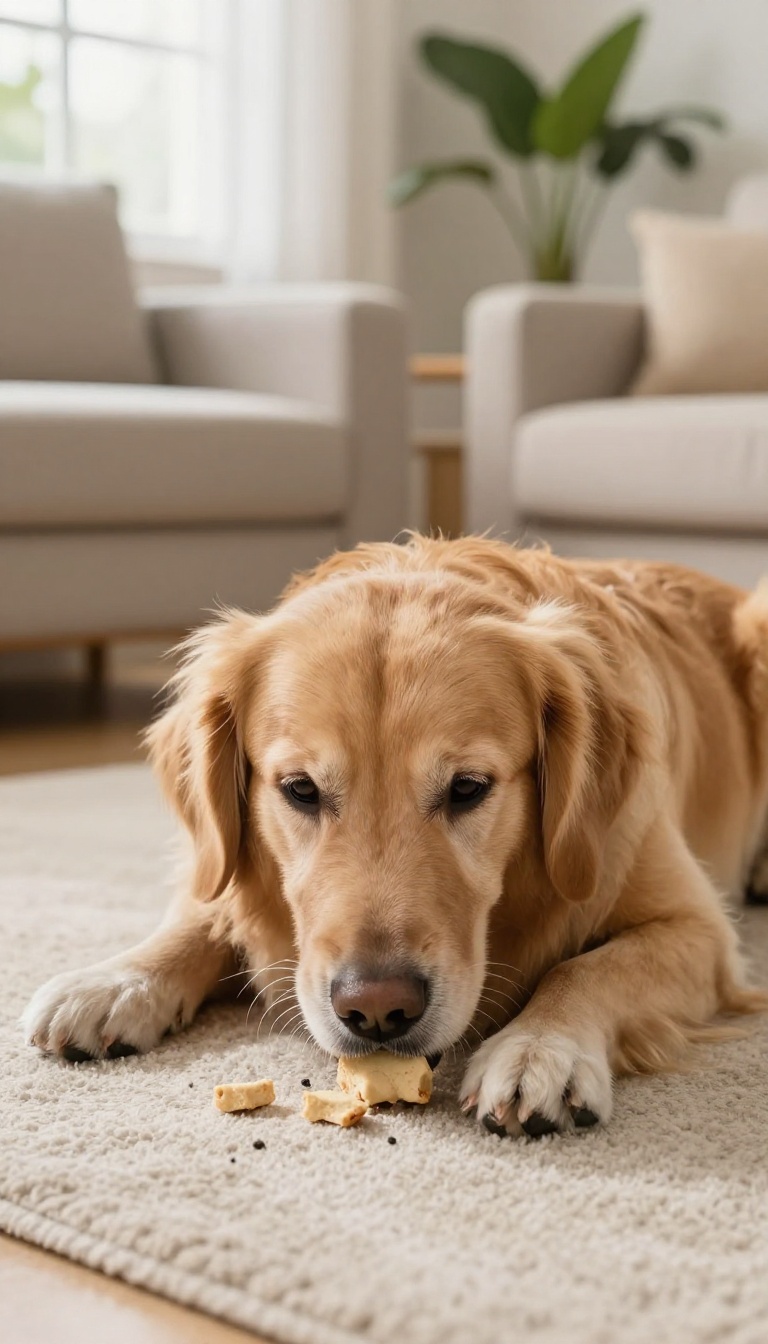
Nose work taps into your dog's most powerful sense—smell. For senior dogs, this activity is a fantastic way to provide mental stimulation without putting stress on aging joints. It's also incredibly satisfying for them, as it channels their natural foraging instincts in a safe, indoor setting.
Start by letting your dog watch you place a few high-value treats in an easy-to-find spot, like on the floor a few feet away. As they get the hang of it, gradually hide treats in more challenging locations, such as under a cushion, behind a chair leg, or inside a cardboard box. The key is to increase difficulty slowly so your dog stays motivated and doesn't get frustrated.
Getting Started With Easy Hides
Begin with visible treats to build confidence. Place a treat on the floor, say 'find it, ' and let your dog gobble it up. Repeat a few times, then start hiding treats just out of sight, like behind a pillow or under a towel.
Keep sessions short—five to ten minutes is plenty—and always end on a success.
Leveling Up The Challenge
Once your dog is a pro at simple hides, introduce more complex scenarios. Hide treats in a muffin tin with tennis balls covering some cups, or scatter a few treats in a patch of grass if you have a safe outdoor area. You can also use scent boxes or teach your dog to find a specific scent on a cotton swab, which adds a new layer of mental work.
Making It A Game For Seniors
For older dogs with limited mobility, keep hides at nose level or on the floor to avoid jumping or stretching. Use non-slip mats to prevent sliding, and always supervise to ensure they don't get stuck or overexert themselves. The goal is mental engagement, not physical exertion, so adjust the difficulty to match your dog's comfort.
2. The Shell Game: A Classic Brain Teaser
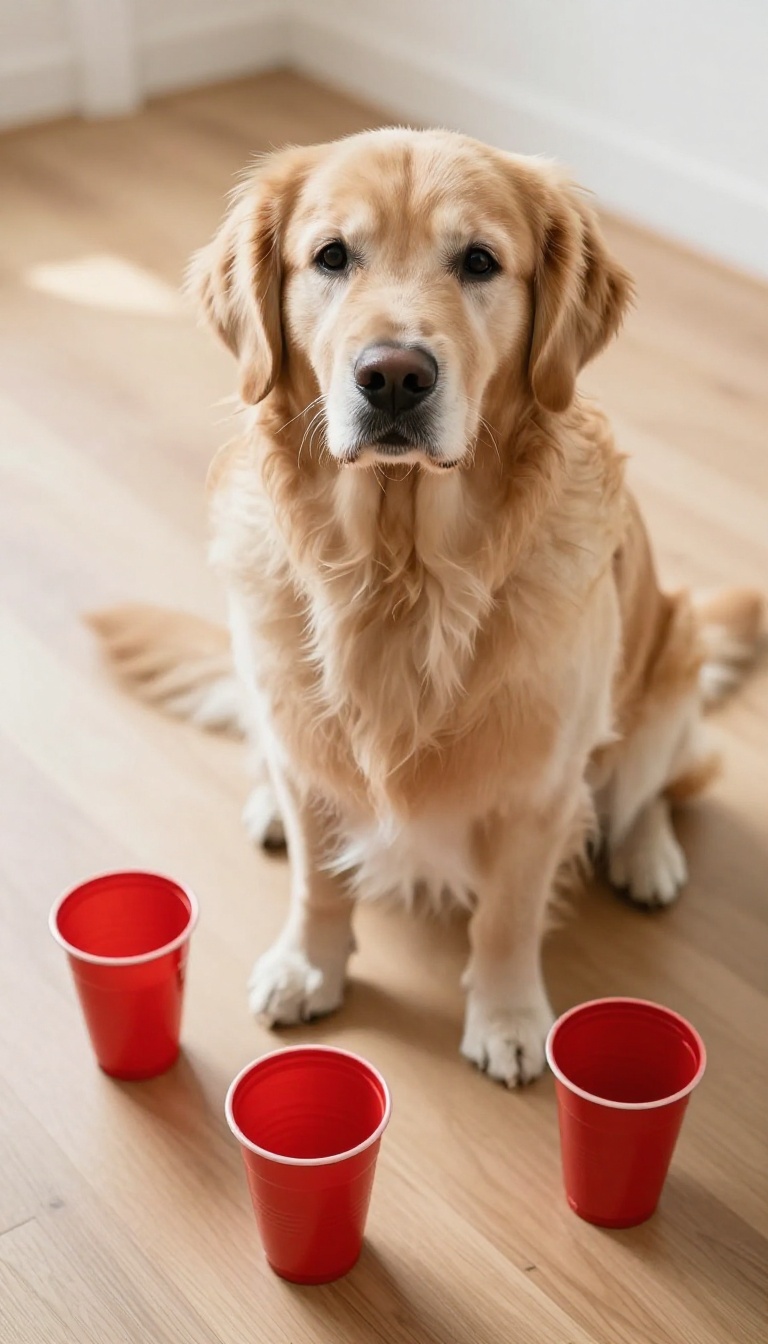
This game is a fantastic way to work on your dog's memory and focus without any physical strain. It's simple to set up with just a few cups and treats, and it can be adapted to suit your dog's skill level. The shell game encourages your dog to use their brain in a new way, which is excellent for keeping their mind sharp.
How To Play
Start with three identical cups or containers and a few high-value treats. Place a treat under one cup while your dog is watching. Then, slowly shuffle the cups around.
Begin with just a few simple movements so your dog can follow. Once you stop, encourage your dog to choose a cup by tapping it or saying 'find it. ' When they pick the correct cup, lift it up, let them have the treat, and give lots of praise. If they choose wrong, show them the treat and gently guide them to the right cup, then let them have it.
Keep sessions short and fun, ending on a positive note.
Why It Works
The shell game taps into your dog's natural problem-solving abilities. It requires them to remember where the treat is and then make a decision, which exercises both memory and cognitive function. This mental workout can help keep your senior dog's mind agile and may even slow down age-related cognitive decline.
Plus, it's a low-impact activity that's perfect for dogs with arthritis or other mobility issues.
Tips For Success
Start with just one cup and a treat to get your dog comfortable with the concept. Gradually increase the difficulty as they get better. Use a consistent command like 'find it' to help them understand the task.
Keep the game positive and rewarding—if your dog gets frustrated, take a step back and simplify. Always supervise to ensure they don't chew on the cups. And remember, the goal is mental stimulation, not perfection, so celebrate every attempt.
3. Trick Training: New Tricks for Old Dogs
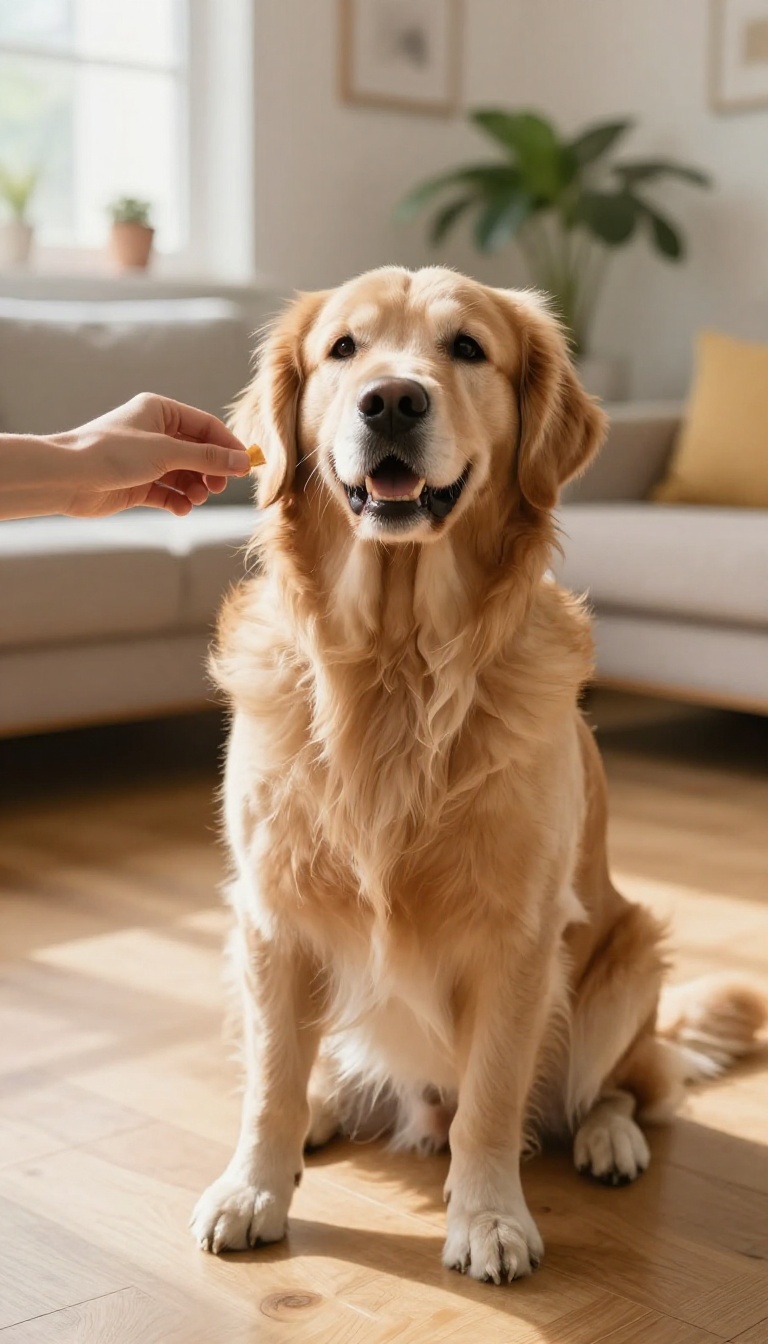
You've probably heard the saying, 'You can't teach an old dog new tricks. ' Well, that's simply not true. Senior dogs are perfectly capable of learning, and trick training is a wonderful way to keep their minds sharp while having fun together. Plus, it's a great confidence booster for your furry friend, proving they're still as clever as ever.
Trick training is more than just a party trick; it's a mental workout that strengthens your bond and provides a sense of accomplishment. Start with simple tricks that are easy on the joints, like 'spin' or 'wave. ' Use positive reinforcement—treats, praise, and a happy tone—to make learning a rewarding experience. Keep sessions short (5–10 minutes) and end on a high note to keep your dog eager for more.
Start With Simple, Low-impact Tricks
Choose tricks that don't require jumping or sudden movements. 'Spin' is a gentle turn in a circle, 'wave' involves lifting a paw, and 'play dead' can be done from a lying down position. These are easy on aging joints and still give the brain a good workout. Break each trick into small steps and reward progress, not perfection.
Use High-value Treats And Positive Reinforcement
Find treats your dog absolutely loves—small, soft, and smelly ones work best. Use them to lure your dog into the desired position. Pair the action with a verbal cue and lots of praise.
Keep the mood upbeat and patient. If your dog gets frustrated, take a break and try again later. The goal is to make learning fun, not stressful.
Keep Sessions Short And Sweet
Older dogs can tire mentally faster than they used to. Limit training sessions to about five minutes, two or three times a day. Always end with a success and a reward, so your dog associates training with positive feelings.
You'll be amazed at how quickly they pick up new tricks with this approach.
4. Puzzle Toys: Store-Bought Challenges
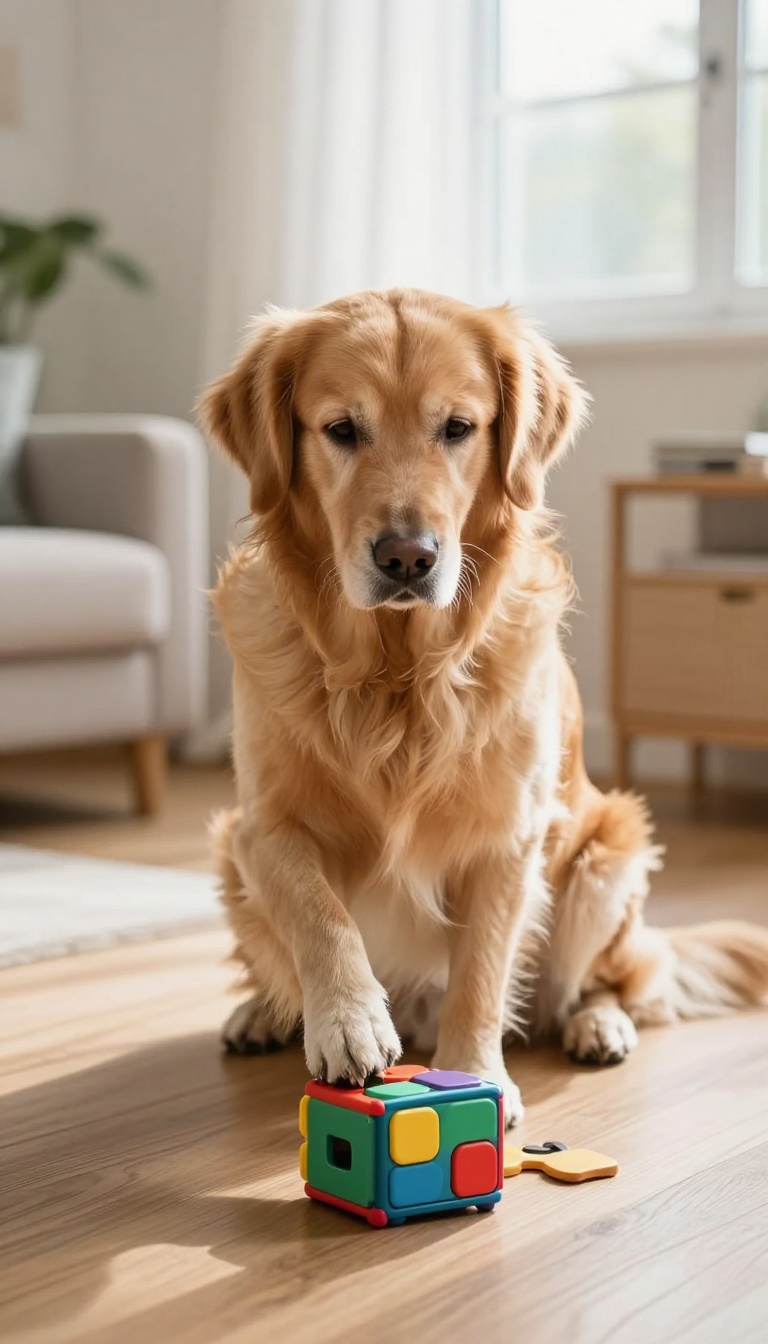
Puzzle toys are a fantastic way to give your senior dog a mental workout without any physical strain. These toys hide treats or kibble inside compartments that require your dog to figure out how to access them, engaging their problem-solving skills. With a wide range of difficulty levels, you can start easy and gradually increase the challenge as your dog gets the hang of it.
It's a fun, rewarding activity that keeps their mind sharp and their nose busy.
Puzzle toys come in many forms: sliding tiles, spinning wheels, flip lids, and treat-dispensing balls. They're designed to make your dog work for their reward, which taps into their natural foraging instincts. For senior dogs, this is especially beneficial because it provides gentle mental stimulation that doesn't put stress on aging joints.
Plus, it's a great way to keep them occupied when you're busy or need a few minutes of quiet time.
Start With Easy Puzzles
Begin with a simple puzzle that has large, easy-to-open compartments. Show your dog how it works by placing a high-value treat inside and letting them watch you slide the cover. Then, encourage them to nudge or paw at it.
Once they get the hang of it, you can move to more complex designs. The key is to build their confidence and keep it fun, not frustrating.
Rotate Toys To Keep It Fresh
Dogs can get bored with the same puzzle toy after a while. To keep their interest high, rotate between two or three different puzzles every few days. This way, each toy feels new and exciting again.
You can also vary the treats you use—sometimes soft, sometimes crunchy—to add an extra layer of novelty.
Incorporate Puzzle Time Into Daily Routine
Make puzzle toys a regular part of your dog's day, perhaps during the times when they tend to get restless or anxious. A 10-minute puzzle session can be just as tiring as a walk, but without the physical exertion. It's also a great way to provide mental enrichment on rainy days or when outdoor activity isn't possible.
5. The 'Find It' Game: Using Their Nose
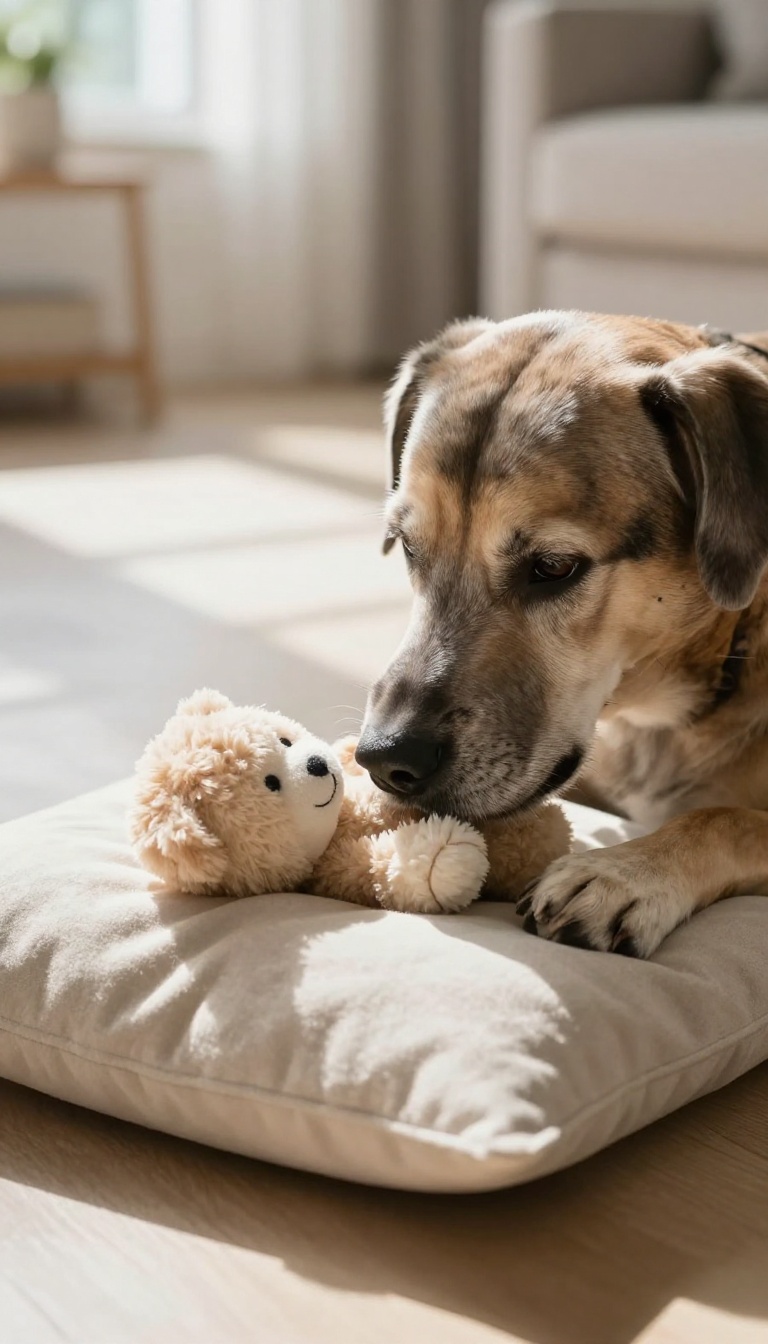
This game taps into your dog's natural scavenging instincts, turning mealtime or playtime into a brain workout. It's perfect for seniors because it's low-impact and can be played at their pace. You'll be amazed at how quickly they pick it up—and how much they enjoy the challenge.
Start with a favorite toy or treat and let your dog watch you hide it in an easy spot, like under a cushion. Say 'Find it! ' and encourage them to go get it. As they get the hang of it, make the hiding spots trickier and add more items to the search area.
This builds their problem-solving skills and boosts their confidence.
Why It Works For Senior Dogs
This game exercises the brain without stressing joints. It also reinforces their natural ability to use scent, which is a powerful way to keep their mind sharp. Plus, the success of finding the item gives them a sense of accomplishment—a great mood booster.
How To Start Simple
Begin with one item and a small, clear area. Use a high-value treat or a toy they love. Show them the item, let them sniff it, then hide it partially in view.
Gradually increase difficulty by hiding it fully or in another room, always using a clear cue like 'Find it! '
Adding A Twist For More Challenge
Once your dog masters the basics, try hiding multiple items and asking for them by name. You can also use different rooms or outdoor spaces. Another fun variation is to have them find a person—like a family member—by name.
This keeps the game fresh and mentally stimulating.
6. Obedience Refresher: Polishing Basics
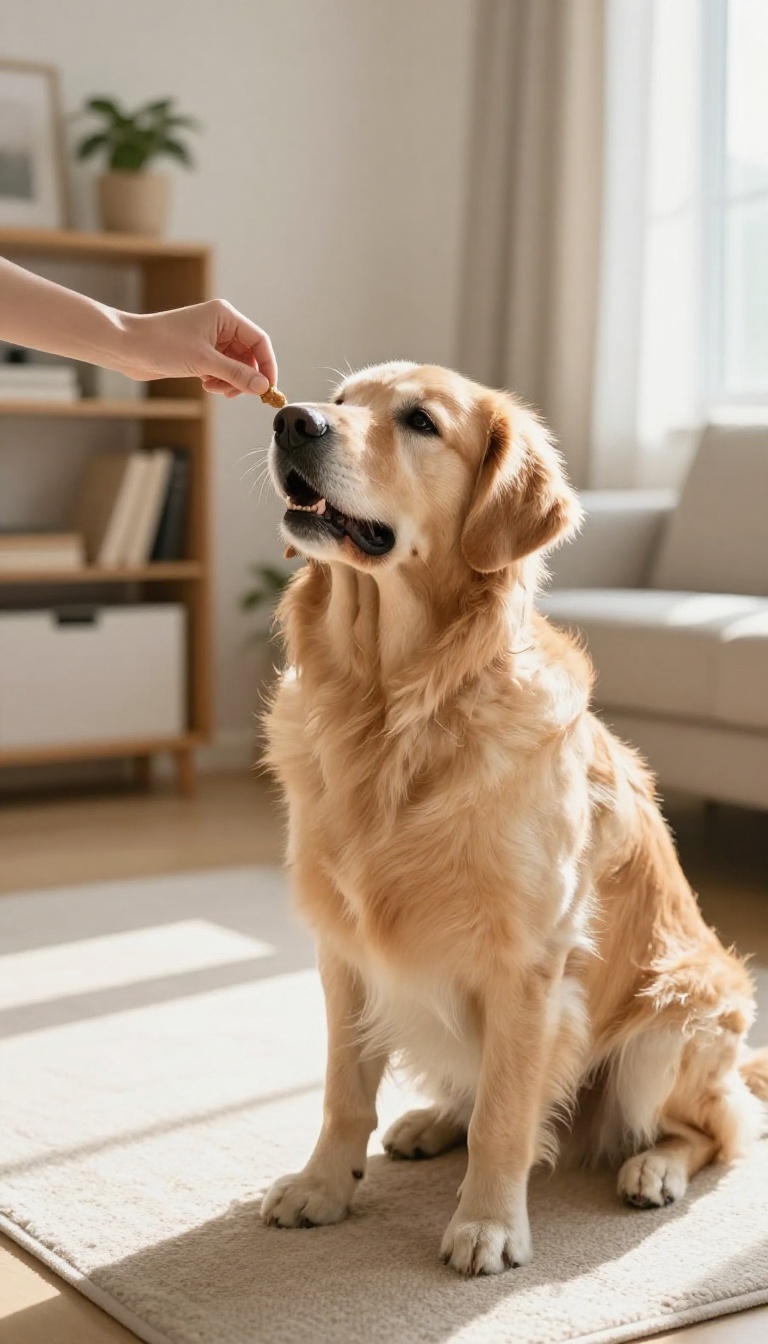
Training sessions don't have to introduce something brand new to be valuable. Going back to the basics—sit, stay, come—is a powerful way to keep your senior dog's mind engaged. These commands are already in their vocabulary, but practicing them regularly reinforces good behavior and keeps their brain sharp.
Plus, it's a wonderful opportunity to bond and build trust.
Why Refreshing Basics Matters
As dogs age, their response times may slow, and they might get a little rusty on commands they haven't used in a while. Revisiting these basics helps maintain those neural pathways, ensuring your dog stays mentally agile. It also reinforces your role as the leader, which can be comforting for a senior dog who might feel a bit uncertain as their world changes.
How To Make It Engaging
Keep sessions short and upbeat—five to ten minutes is plenty. Use high-value treats and lots of praise. Mix up the order of commands to keep your dog guessing.
For example, ask for a 'sit' followed by a 'down', then a 'stay' while you walk a few steps away. This variety challenges their brain and keeps them focused on you.
Adapting For Comfort
If your dog has arthritis or joint issues, avoid commands that require jumping or sudden movements. Instead, focus on stationary commands like 'sit' and 'down' or 'stay'. You can also practice 'come' in a small, safe area without long distances.
The goal is mental stimulation, not physical strain, so always prioritize your dog's comfort.
7. Target Training: Touch This
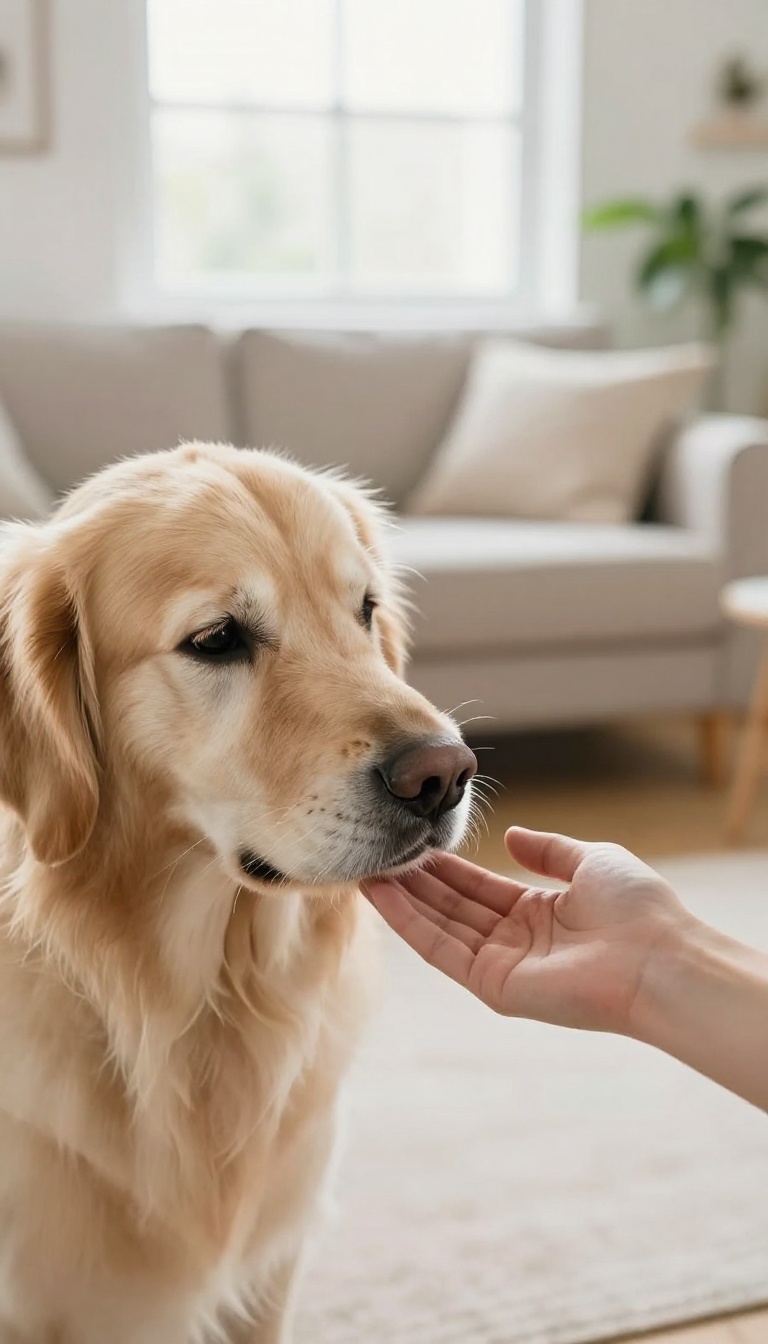
Target training is like a secret handshake between you and your dog. You teach them to touch a specific object—your palm, a sticky note, or even a small plastic lid—with their nose or paw. It's simple to start and opens the door to countless other tricks, from ringing a bell to closing a cabinet.
For senior dogs, it's especially valuable because it's low-impact and mentally engaging, giving them a clear job to focus on without any joint strain.
Begin by presenting your target (say, your open hand) a few inches from your dog's nose. The moment they sniff or nudge it, mark with a cheerful "Yes! " and give a treat.
Repeat until they're consistently touching your hand on cue. Then add a verbal cue like "Touch" just before they make contact. Over time, you can move the target farther away, hold it higher or lower, and even switch to a different object.
The key is to keep sessions short and upbeat—five minutes a day is plenty. As your dog gets the hang of it, you'll notice their confidence grow, and you can start chaining touches into fun sequences, like touching your hand, then a bell, then a mat.
Why It Works For Seniors
Target training is a fantastic mental workout because it requires your dog to focus, remember the cue, and coordinate their movement. Unlike physical tricks like spinning or jumping, touching a target is gentle on aging joints. It also gives your senior a sense of purpose and accomplishment, which can boost their mood and overall well-being.
Plus, it's a great way to bond—your dog learns to look to you for guidance, reinforcing your connection.
Getting Started: Step-by-step
Start in a quiet room with minimal distractions. Have a handful of small, soft treats ready. Hold your target (your hand, a sticky note, or a small object) near your dog's nose.
As soon as they investigate it, say "Yes! " and reward. Repeat this 5-10 times.
Once they're reliably touching the target, add the cue "Touch" right before they do it. Gradually increase the distance or vary the position. Always end on a high note—if your dog seems tired or frustrated, stop and try again later.
Creative Ways To Use Target Training
Once your dog masters the basics, you can get creative. Teach them to touch a bell to let you know they need to go outside, or to touch a mat to settle down. You can also use target training to guide them through obstacle courses—like touching cones or stepping on a platform—all without any jumping or running.
For an extra mental challenge, hide the target under a cup and ask them to find it, or use two targets and alternate which one you ask for. The possibilities are endless, and every new variation keeps their brain sharp.
8. The 'Which Hand?' Game
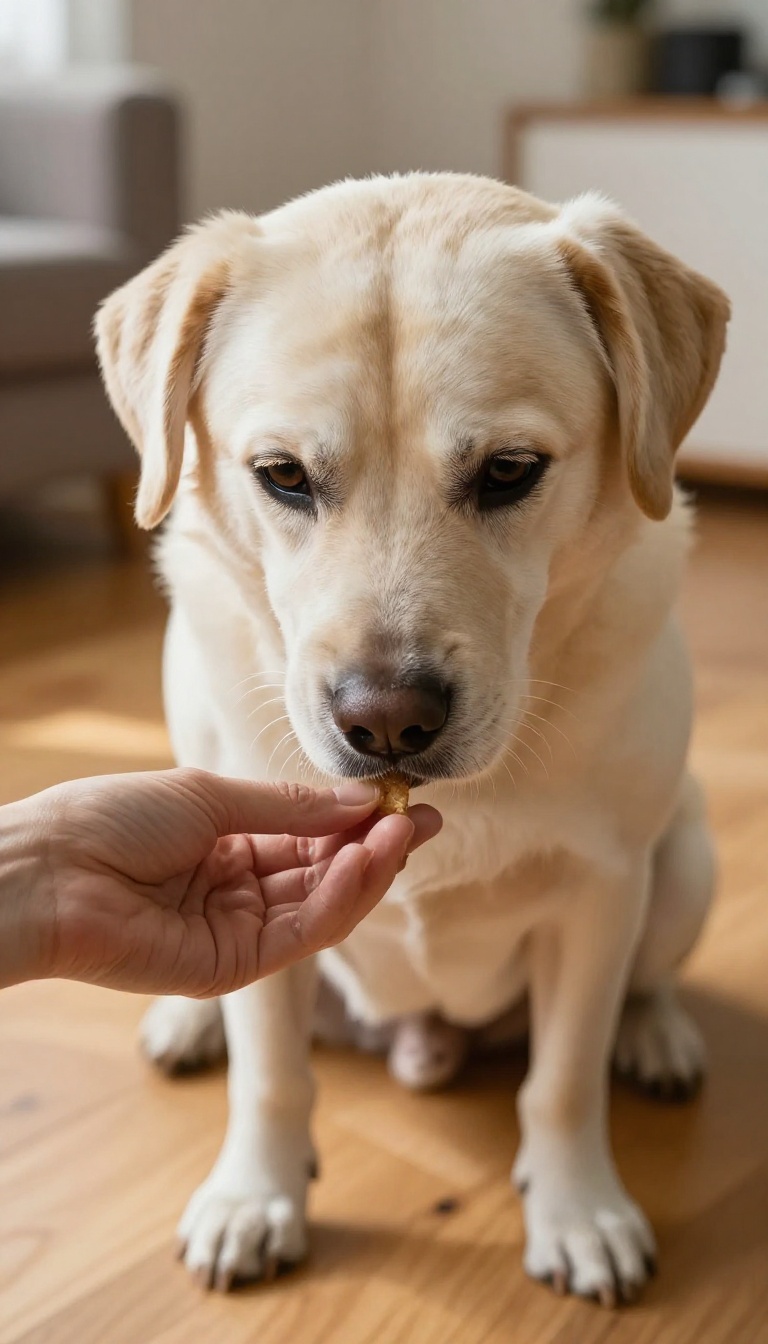
A simple game of hide-and-seek with a treat can do wonders for a senior dog's mind. The 'Which Hand? ' game is a classic that never gets old, and it's perfect for dogs with limited mobility. It encourages them to think, focus, and make choices, all while having fun with you.
This game is as easy as it gets. You'll need a few small, soft treats that are easy for your dog to sniff out. Start by showing your dog a treat, then close it in one fist.
Present both closed fists to your dog, and let them sniff, paw, or nudge at the hand they think has the treat. When they choose correctly, open your hand and let them have the treat. If they choose the empty hand, simply show them the treat in the other hand and try again.
Why It Works
This game taps into your dog's natural problem-solving skills. They have to use their nose and memory to figure out which hand holds the reward. It's a gentle way to keep their brain sharp without any physical exertion, making it ideal for seniors with arthritis or other joint issues.
How To Make It Easier Or Harder
For beginners, you can make it easier by slightly opening the hand with the treat or holding that hand a bit closer to your dog. As they get the hang of it, you can make it harder by switching hands quickly, using both hands behind your back, or even using two treats and letting them choose which hand to go for first.
Tips For Success
Keep sessions short and positive. A few minutes of play is plenty. Always use high-value treats that your dog loves, and celebrate every correct choice with praise.
If your dog seems frustrated, go back to an easier version and build up gradually. The goal is to make it fun, not stressful.
9. Memory Games: Where Did I Put It?
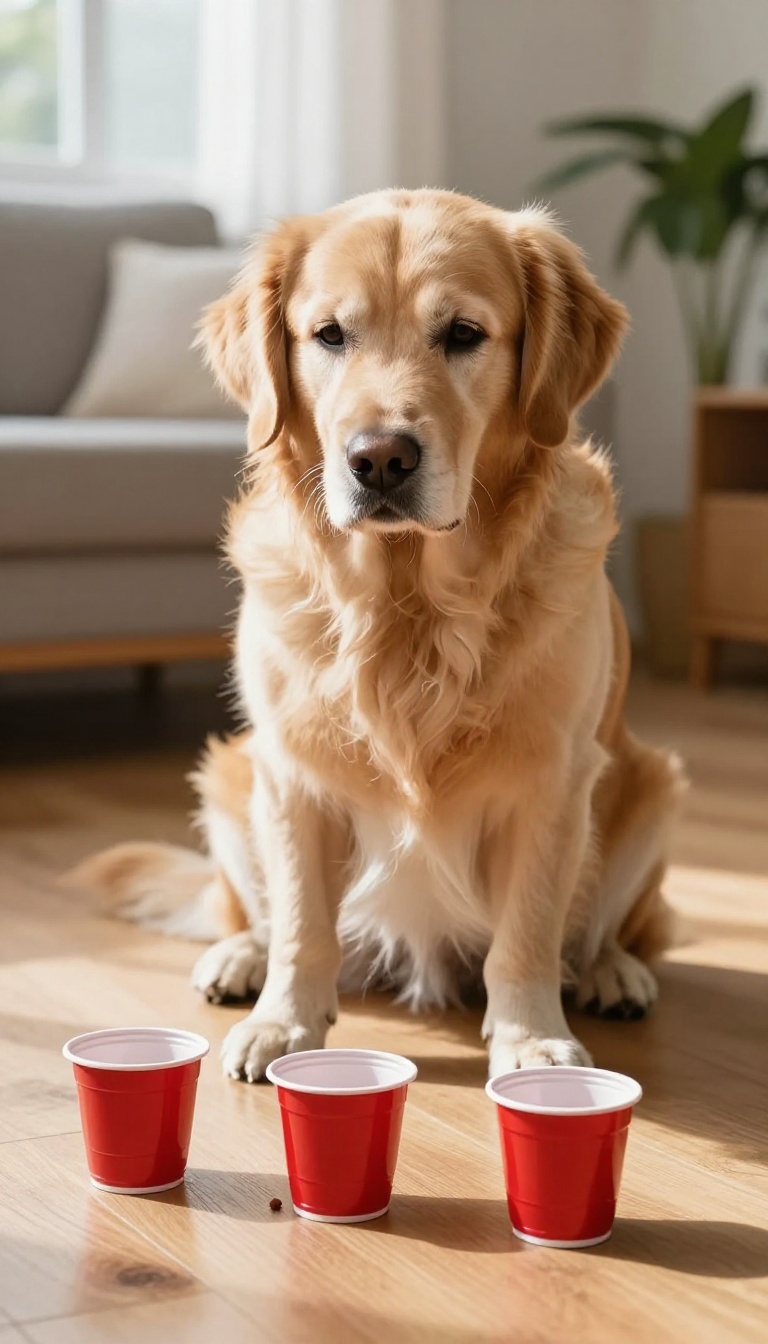
Memory games are a wonderful way to keep your senior dog’s brain sharp without any physical strain. These activities tap into their natural ability to remember where things are, which is a skill that can fade with age if not exercised. The best part?
You likely have everything you need at home—just a few treats and a little patience.
Start simple: show your dog a treat, let them sniff it, then place it under one of two cups while they watch. After a few seconds, encourage them to find it. As they get the hang of it, increase the delay or add more cups.
This game not only boosts short-term memory but also reinforces focus and patience—qualities that are especially valuable for older dogs who might be a bit more distracted.
Why Memory Games Matter For Senior Dogs
Just like humans, dogs can experience cognitive decline as they age. Memory games help keep neural pathways active, potentially slowing down the progression of conditions like canine cognitive dysfunction. They also provide mental enrichment, which can reduce anxiety and destructive behaviors that sometimes arise from boredom or confusion.
Step-by-step: How To Play The Cup Game
Gather two or three identical cups and some high-value treats. Sit on the floor with your dog and let them watch you place a treat under one cup. Start with a short delay—just a second or two—before releasing them to find it.
Gradually increase the delay and add more cups as they become more confident. Always celebrate their success with praise and a small reward.
Taking It Up A Notch: Advanced Memory Challenges
Once your dog masters the basic cup game, you can mix things up. Hide treats in different rooms while your dog waits, then release them to search. Or try the 'shell game' by moving the cups around after hiding the treat.
These variations keep the game fresh and provide an even better workout for their memory and problem-solving skills.
10. Interactive Feeding: Make Mealtime Fun
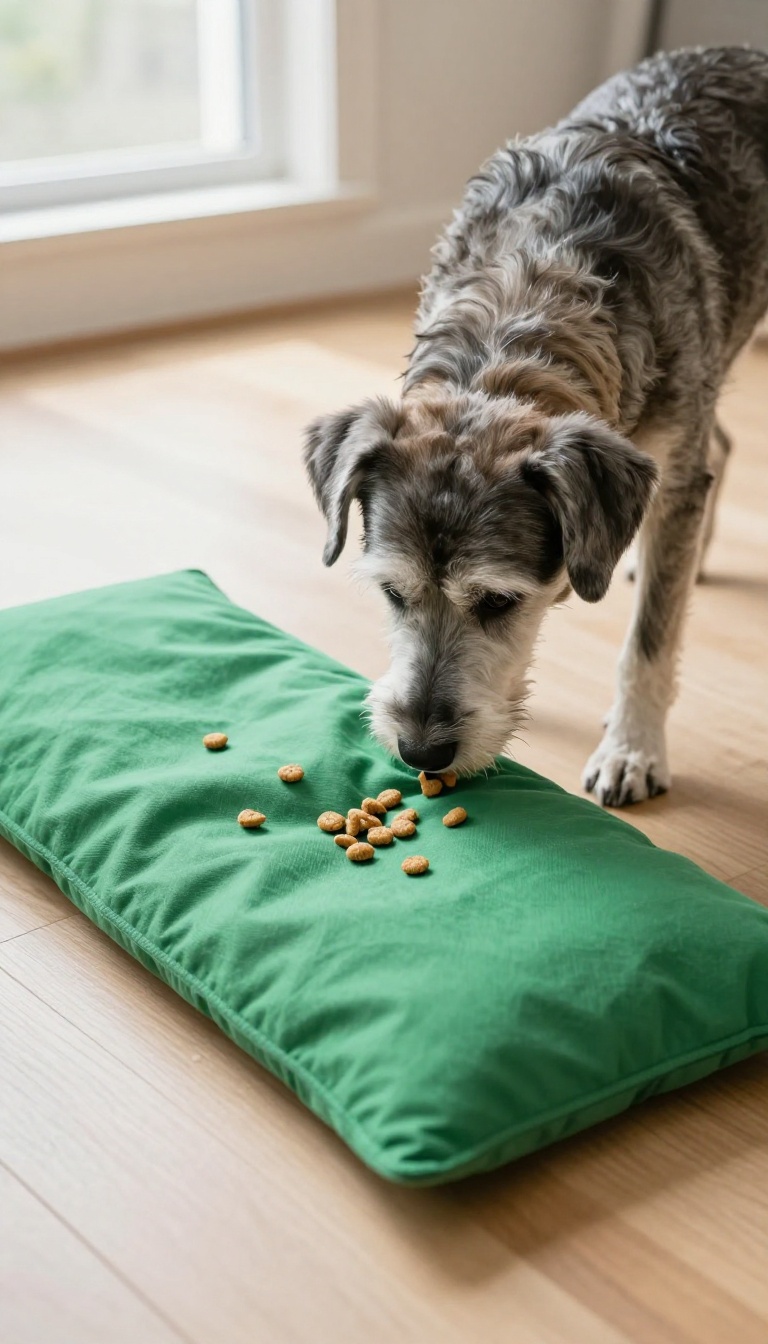
If your senior dog inhales their food in seconds, you're missing a golden opportunity for mental exercise. Interactive feeding turns a mundane routine into a rewarding puzzle that engages their brain and slows down fast eaters. It's simple, effective, and kind to aging joints—no running or jumping required.
Interactive feeding is about making your dog work for their food, just like they would in the wild. By using tools like slow feeder bowls, snuffle mats, or simply scattering kibble around the yard, you tap into their natural foraging instincts. This not only provides mental stimulation but also helps prevent digestive issues caused by eating too quickly.
Best of all, it's adaptable to any dog's pace and ability.
Why It Works For Senior Dogs
As dogs age, their senses may dull, but their need to sniff and solve problems doesn't disappear. Interactive feeding encourages them to use their nose and brain, which can help keep cognitive functions sharp. Plus, the slower pace is easier on their stomach and reduces the risk of bloat, a serious concern for older pups.
Getting Started With Simple Tools
You don't need to buy anything fancy. A muffin tin with a few treats hidden under tennis balls works wonders, or you can roll up a towel with kibble tucked inside. If you prefer store-bought options, a slow feeder bowl with ridges or a snuffle mat with fabric strips are great choices.
Start with easy setups and gradually increase difficulty as your dog gets the hang of it.
Making It A Daily Ritual
Try to incorporate interactive feeding into at least one meal a day. It's a low-impact activity that fits perfectly into a senior dog's routine. You can also use part of their daily kibble for a mid-day puzzle session.
Keep sessions short and positive, always ending with praise and a treat. This turns mealtime into a bonding experience your dog will look forward to.
11. Clicker Training: Precision and Fun
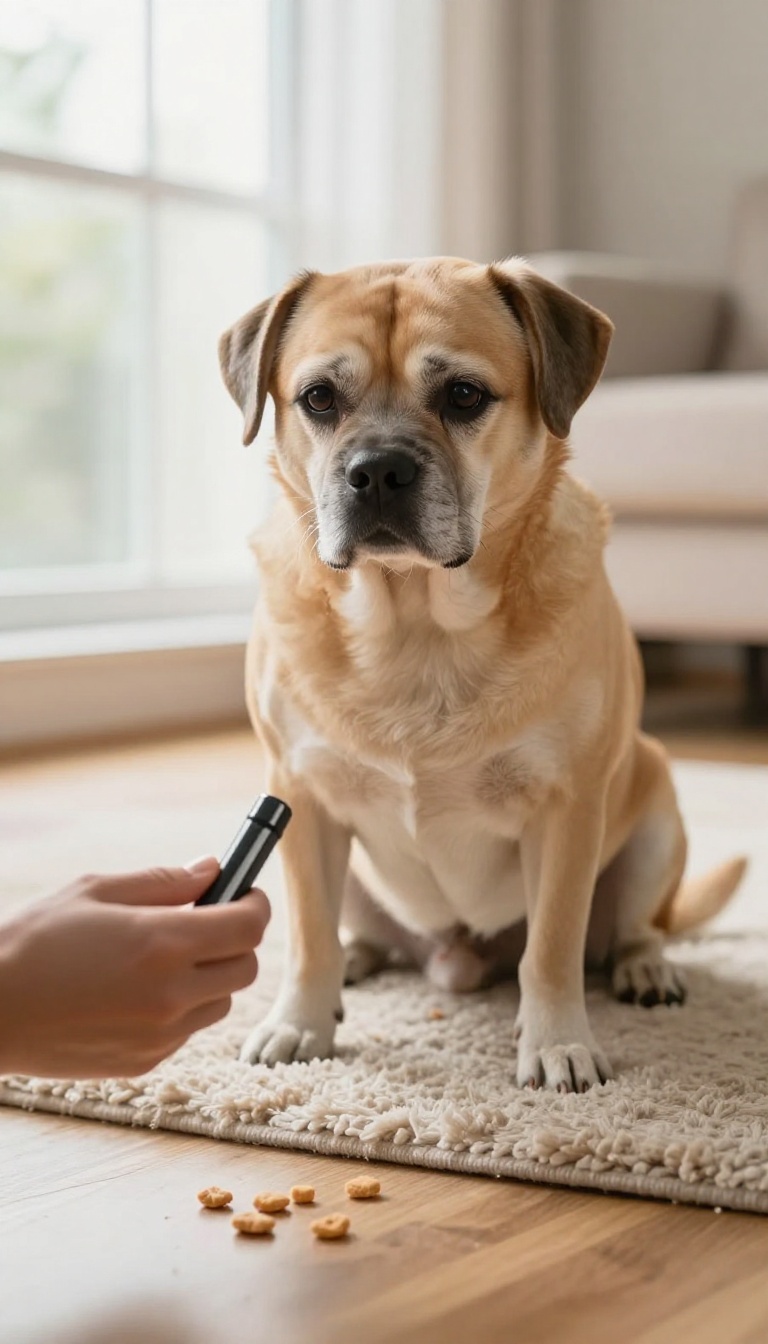
Clicker training might sound technical, but it's really just a fun way to talk to your dog. The clicker makes a distinct sound that tells your pup exactly when they did something right, followed by a treat. For senior dogs, this clear communication can be a game-changer, making learning easier and more enjoyable.
Plus, it's a low-impact activity that you can do anywhere, even from a comfy chair.
Clicker training is all about timing and positive reinforcement. You click at the exact moment your dog performs the desired behavior, then reward with a treat. Over time, your dog learns that the click means a reward is coming, which makes them eager to repeat the behavior.
For seniors, this method is especially effective because it relies on mental engagement rather than physical exertion. It's also a great way to bond and build trust, as your dog learns to look to you for guidance and praise.
Getting Started With The Clicker
Before you dive in, you'll need a clicker and some high-value treats your dog loves. Start by 'charging' the clicker: click, then immediately give a treat. Repeat this a few times until your dog looks at you expectantly when they hear the click.
This teaches them that the click predicts good things. Keep sessions short—just a few minutes at a time—so your senior dog stays focused and doesn't get tired.
Simple Tricks To Teach
Once your dog understands the clicker, you can teach simple tricks like 'touch' (touching your hand with their nose), 'sit', or 'down'. For a fun twist, try 'spin' or 'shake'. Break each trick into small steps and click for each success.
For example, to teach 'touch', hold out your hand, and the moment your dog sniffs it, click and treat. Gradually, they'll learn to touch your hand on command. These tricks are mentally stimulating and give your senior dog a sense of accomplishment.
Tips For Senior Dogs
Keep training sessions positive and stress-free. If your dog seems confused or frustrated, take a step back and simplify the task. Always end on a high note with a successful behavior and a treat.
Remember, the goal is mental exercise, not perfection. Also, be mindful of your dog's physical limitations—if they have arthritis, avoid tricks that require jumping or sudden movements. Instead, focus on stationary behaviors that are easy on their joints.
FAQ
How often should I train my senior dog?
Short, frequent sessions are best. Aim for 5-10 minutes a few times a day to avoid fatigue and keep it fun.
What if my dog has arthritis or mobility issues?
Focus on mental activities that don't require much movement, like nose work or puzzle toys. Always consult your vet for specific advice.
Can I use regular kibble as treats?
Absolutely! Using your dog's regular food as rewards is a great way to avoid extra calories and keep training healthy.
My dog seems disinterested in training. What should I do?
Try higher-value treats, change the environment, or make the activity easier. Sometimes a little break and a fresh start works wonders.
Are these activities suitable for dogs with vision or hearing loss?
Yes, many can be adapted. Use scent-based games for vision loss and hand signals for hearing loss. Always work at your dog's pace.
Conclusion
Keeping your senior dog's mind active doesn't have to be complicated or expensive. These 11 activities are simple, adaptable, and most importantly, fun for both of you. The key is to start slow, be patient, and always end on a positive note.
Remember, every dog is different, so don't be afraid to tweak the games to suit your pup's personality and abilities. The goal is to enjoy quality time together while giving their brain a good workout. Your furry friend will appreciate the attention and the treats, and you'll both reap the benefits of a sharper, happier dog.

I’m Pallab Kishore, the owner of Little Pets Realm — an animal lover and pet care enthusiast sharing easy tips, healthy recipes, and honest advice to help every small pet live a happy, healthy, tail-wagging life.